

Ancient Jericho: The First Walled City In History
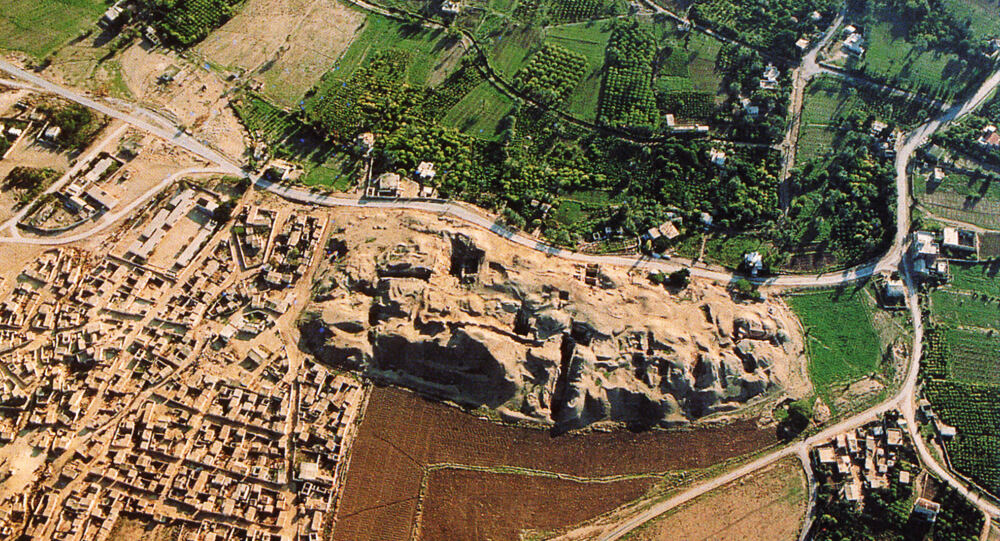
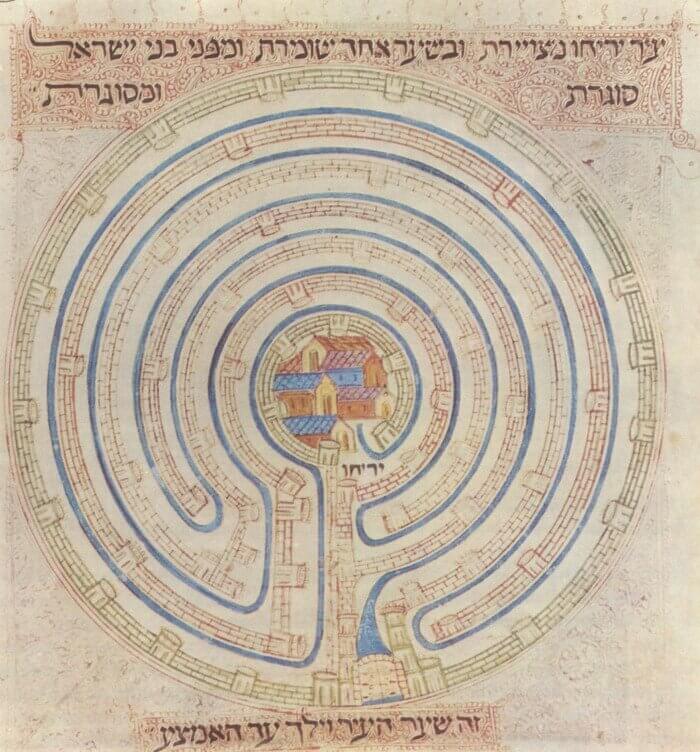
Jericho, also known as Arīḥā in Arabic, is a West Bank town. Perhaps founded as early as 9000 BC, Jericho is one of the world’s oldest continuously inhabited cities. Jericho’s long history has been proven by archaeological digs. The location of the city holds significant archaeological value as it showcases the initial stages of permanent settlement development and the progression towards civilization. Carbon dating back to approximately 9000 BC, remnants of Mesolithic hunters have been discovered, along with a prolonged period of habitation by their offspring. By 8000 BC, the settlers had developed into a cohesive group capable of building a substantial stone wall around the settlement, which was at one point reinforced by a colossal stone tower.
The term “town” is appropriate given the size of this settlement, which indicates a population of about 2,000–3,000 people. Thus, during the course of these 1,000 years, people have transitioned from a hunting to a fully settled lifestyle. This suggests the evolution of agriculture, and grains of cultivated wheat and barley have been discovered. Thus, one location that offers proof of extremely early agriculture is Jericho. It is very likely that irrigation had been developed in order to supply enough land for cultivation. Palestine’s initial Neolithic culture was an entirely indigenous creation.
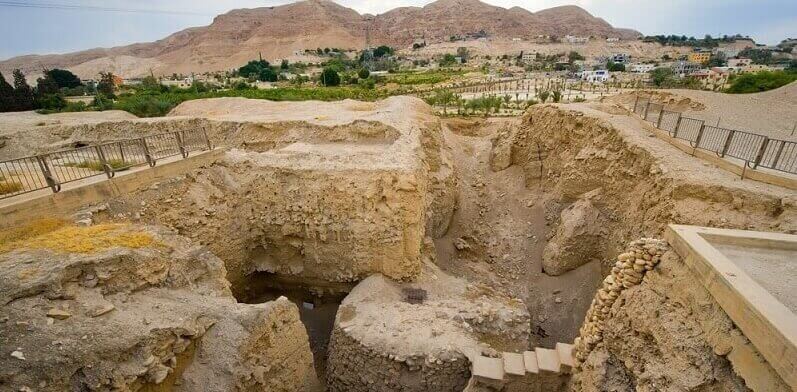
A second, non-native group succeeded these around 7000 BC, bringing with them a Neolithic culture that continued to lack the ability to make pottery. This occupation most likely marks the entry of newcomers from one of the other centers where the Neolithic agricultural way of life had developed, perhaps in northern Syria. By 6000 BC, this second Neolithic stage came to an end. The next millennia at Jericho are mostly devoid of evidence of human habitation.
Jericho did not begin to exhibit the effects of northern developments until approximately 5000 BC. At that time, an increasing number of Neolithic villages—marked by the use of pottery—had begun to appear. Nonetheless, the earliest ceramic users in Jericho were rudimentary in comparison to those who came before them, residing in uncomplicated underground huts. Most likely, they were pastoralists in the main. Over the next 2,000 years, occupation was sparse and possibly intermittent.
Like the rest of Palestine, Jericho saw the emergence of an urban culture again around the end of the fourth millennium BC. Jericho was once again a walled town, having had its walls rebuilt numerous times. The urban life again broke down around 2300 BC. The newcomers, who were nomadic and comprised of several groups, were most likely the Amorites. Their descendants, who shared a culture throughout the Mediterranean littoral, were the Canaanites, who lived around 1900 BC.
Excavations have revealed evidence of Canaanite houses and domestic furniture, which were discovered in their tombs as the deceased’s possessions in the afterlife. The Canaanites brought town life back to their homeland. These discoveries have indicated the nature of the culture that the Israelites found when they infiltrated into Canaan and that they largely adopted.
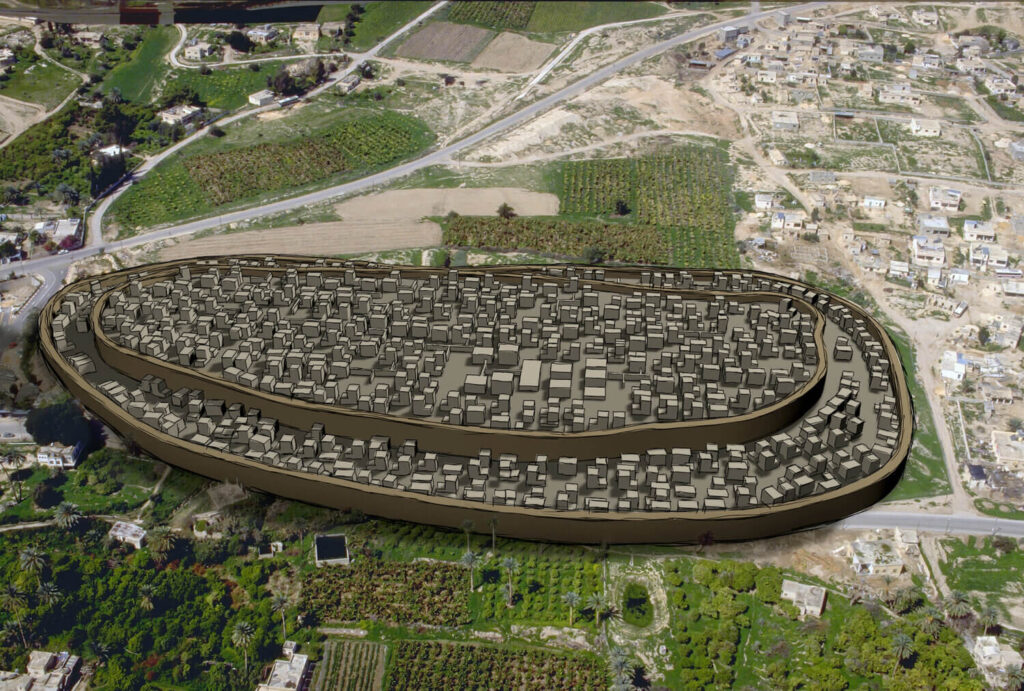
In biblical history, Jericho is well-known for being the first town that Joshua’s Israelites attacked after crossing the Jordan River (Joshua 6). The biblical story states that after the Israelites destroyed it, it was abandoned until Hiel the Bethelite settled there in the ninth century BC (1 Kings 16:34). The Bible makes multiple references to Jericho. Herod the Great built a winter home in Jericho, where he passed away in 4 BC. The 1950s and 1951 excavations uncovered some information about Herodian Jericho: a stunning façade by the Wadi Al-Qilṭ is most likely a remnant of Herod’s palace, and its design reflects Herod’s adoration for Rome.
This area, roughly one mile (1.6 km) south of the Old Testament town, became the center of Roman and New Testament Jericho. Traces of other fine buildings can be seen in this area. A mile east of the Old Testament site, on a third site, was the Crusader city of Jericho, where the modern town would eventually grow.

Why This Belgian Bar Makes You Trade Your Shoe for a Beer
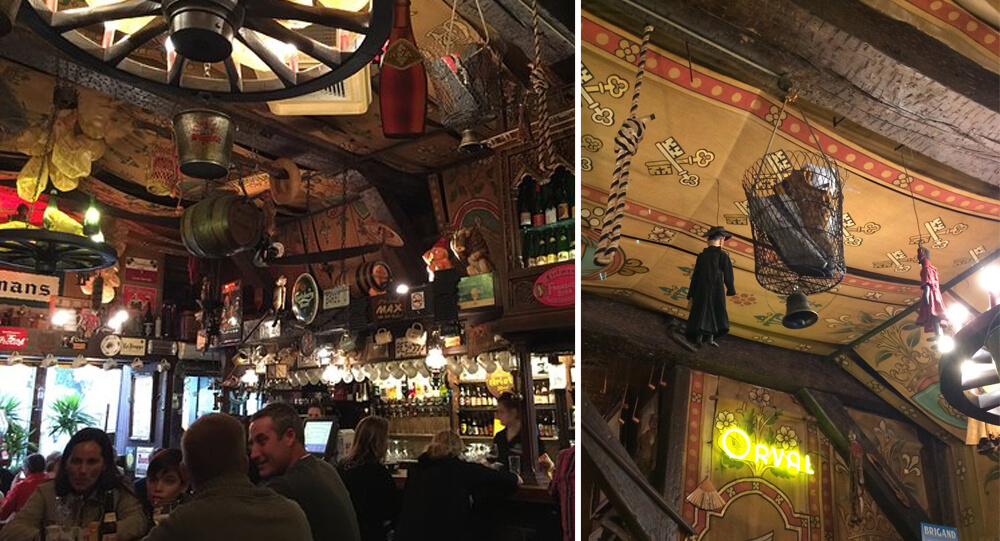
To prevent tourists from stealing their beer glasses, some bars in Belgium require people to hand over one of their shoes as a deposit which is then put in a basket and hung from the ceiling. These shoe baskets have also become an attraction.
Medals of Friendship: The Enduring Olympic Story of 1936
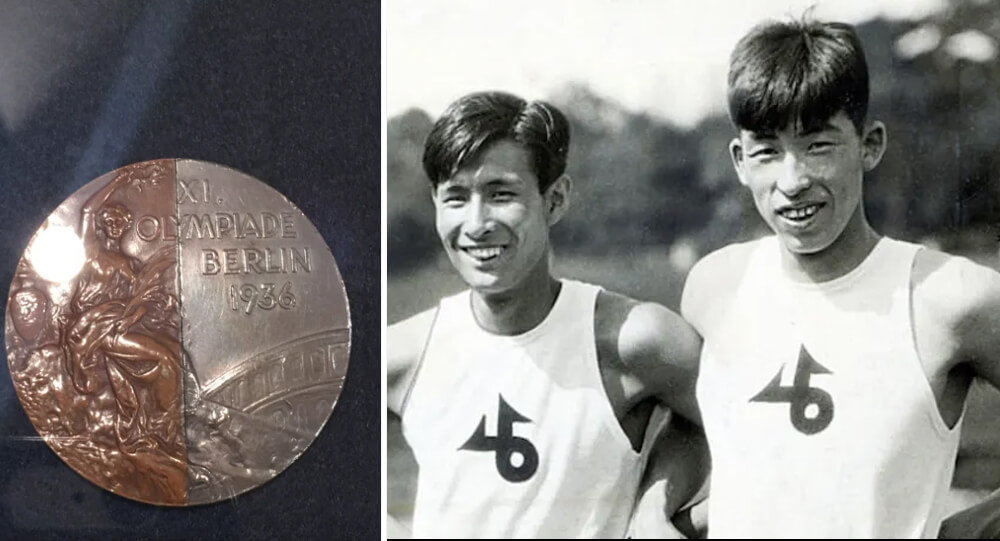
At the 1936 Summer Olympics, two Japanese pole vaulters named Sueo Oe and Shuhei Nishida tied for second, but they declined to compete against each other. As a result, Nishida was awarded the silver medal and Oe won a bronze medal. Upon returning to Japan, the athletes had their medals cut in half and spliced together to create new "friendship medals," which were half silver and half bronze.
Nearest Green, America's first known Black master distiller
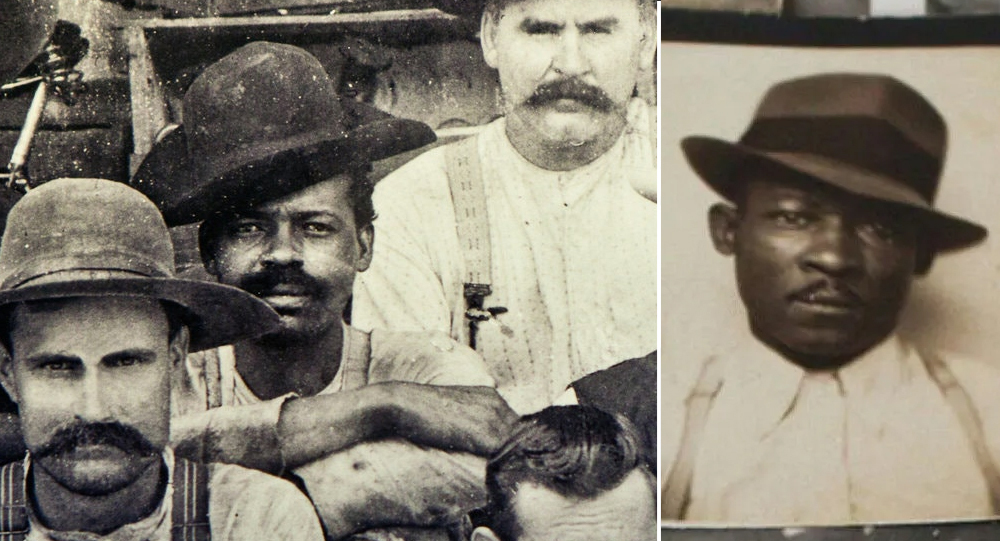
Nathan "Nearest" Green was an African-American head stiller who is now more frequently referred to as a master distiller. He was renowned for imparting his distilling knowledge to Jack Daniel, the creator of Jack Daniel's Tennessee whiskey distiller, after Jack Daniel was freed from slavery following the American Civil War.

The Day an Israeli F-15 Landed with One Wing: Zivi Nedivi’s Unbelievable Mid-Air Survival
Discover the astonishing true story of Israeli pilot Zivi Nedivi, who safely landed an F-15 after a mid-air collision tore off its entire right wing. Learn how skill, quick thinking, and the F-15’s unique design turned a disaster into a legendary feat in aviation history
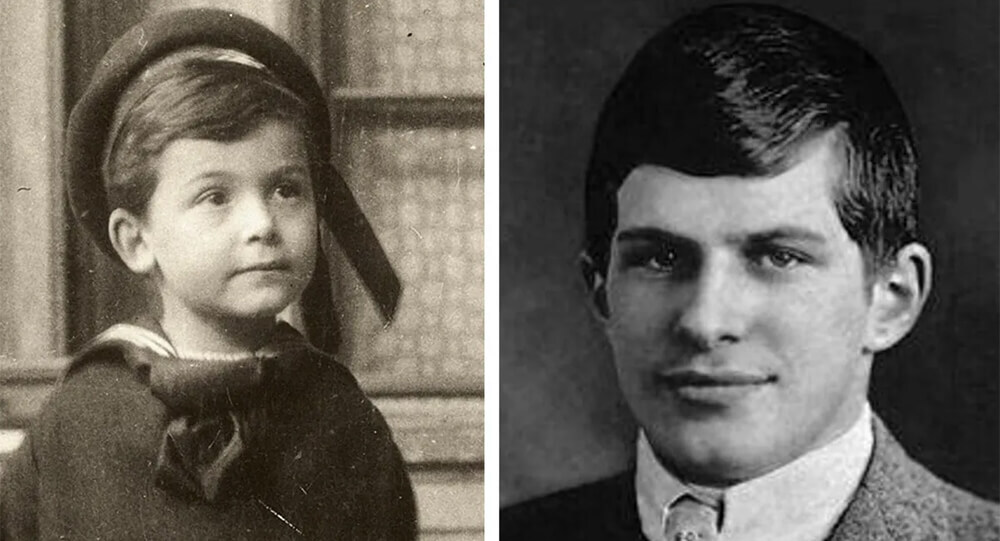
William James Sidis: The smartest person yet forgotten by people
William James Sidis, who was only 11 years old when he enrolled in Hardvard, finished his primary and secondary schooling in less than a year. He knew eight foreign languages by the age of eight and even invented his own language, "vedergood."
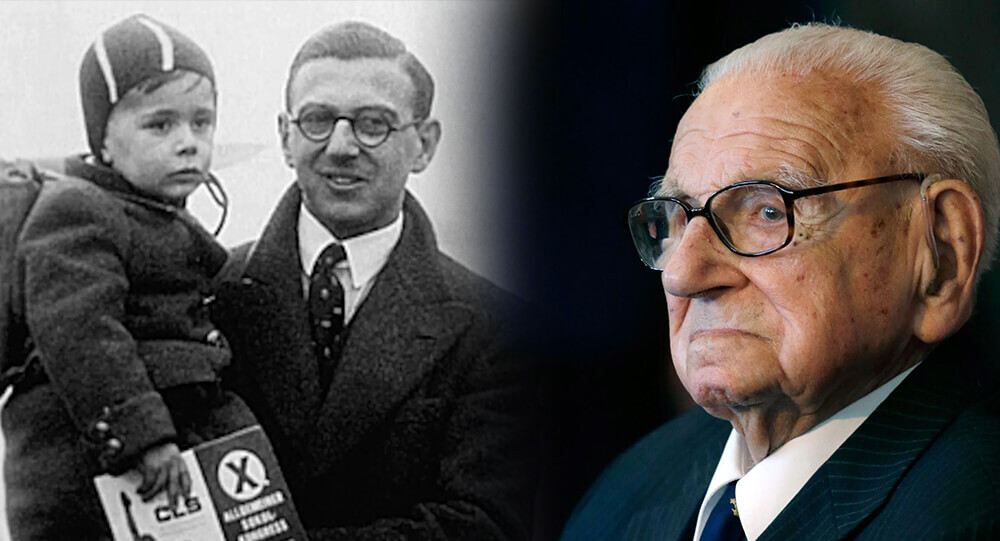
Nicholas Winton ‘British Schindler’: Man who rescued 669 Czech children from Nazis
A man named Nicholas Winton saved 669 kids during WWII and lived almost all his life without letting people know.
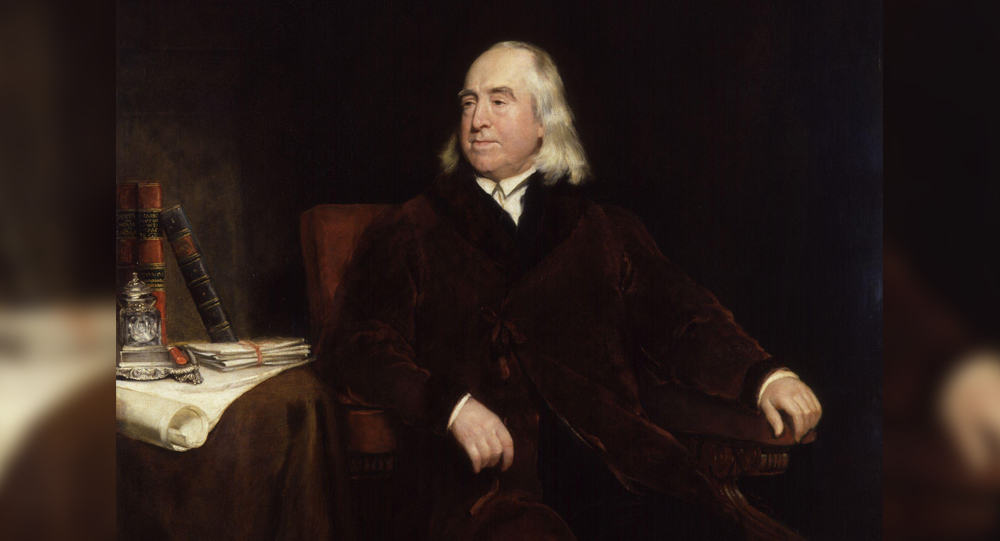
How 18th Century Women’s Rights Movements Shaped Modern Equality
The 18th century marked a turning point in the quest for women’s rights, as passionate voices challenged centuries of gender inequality and laid the groundwork for modern feminism. From pioneers like Mary Wollstonecraft to revolutionary declarations and early advocacy, this era sparked debates on education, political participation, and social justice that continue to resonate today. Journey through the origins of women’s rights movements and discover how their bold ideas shaped the fight for equality.
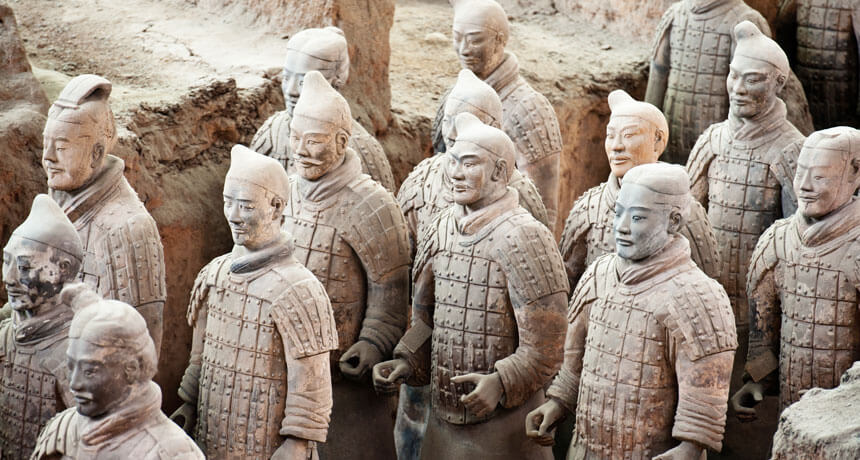
Top 10 Greatest and shocking Archaeological Discoveries of All Time
While we're all locked at home, there's no better way to escape to another time and place than to learn about amazing archeological sites and discoveries from around the world. Here are the 10 greatest and shocking archaeological discoveries —and don't be shocked if they inspire future trip plans whenever it's safe to do so again.

The 1976 April Fools' Pranks, Planetary Alignment
On April fool's Day, 1976, the BBC convinced many listeners that a special alignment of the planets would temporarily decrease gravity on Earth. Phone lines were flooded with callers who claimed they felt the effects.
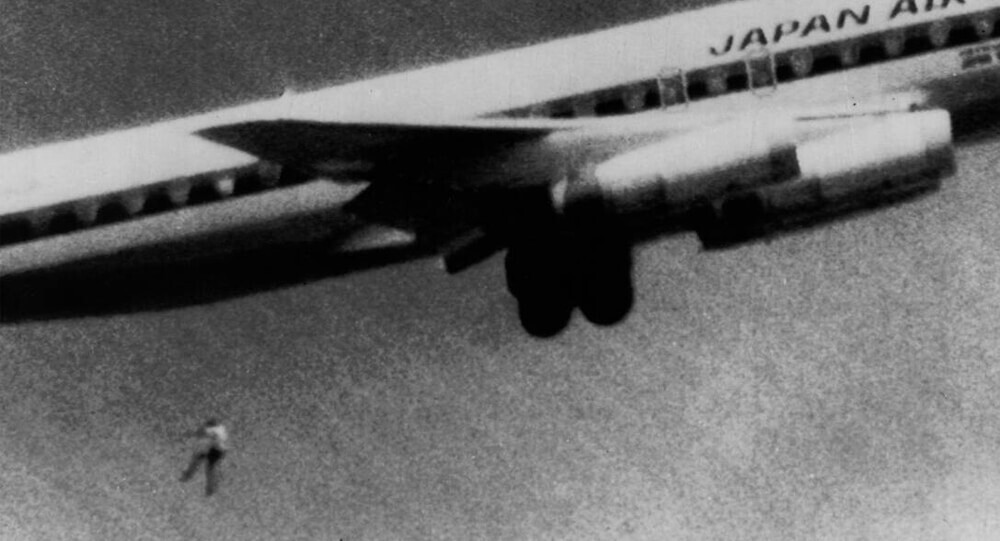
Keith Sapsford: The Story of 14-Year-Old Stowaway
The final image of 14-year-old Australian Keith Sapsford, who aspired to travel the world. In February 1970, he sneaked into the wheel-well of a plane flying from Sydney to Tokyo. It opened mid-air & fell out. When a photographer was testing a new lens, he captured this moment on film and was surprised when it developed.
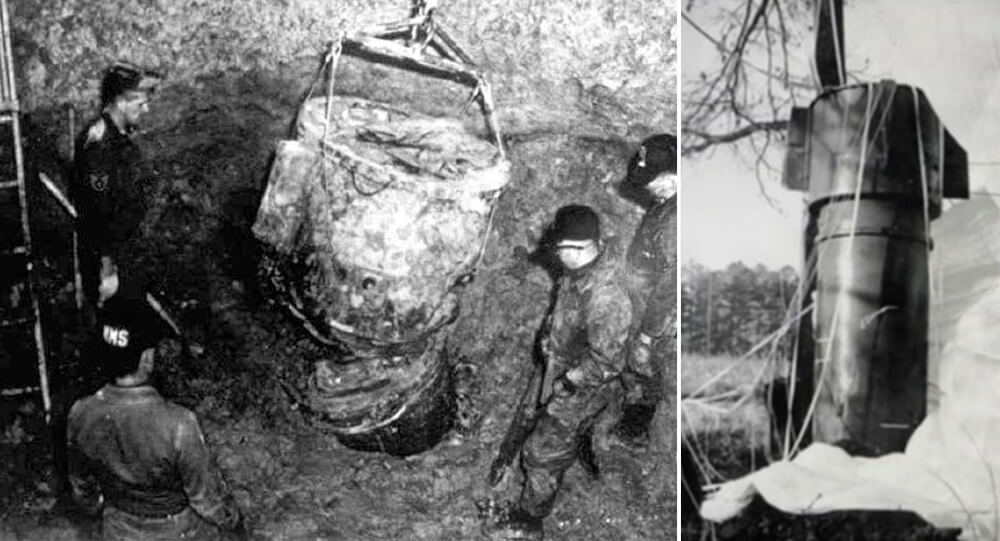
Nuclear bomb accidentally dropped on North Carolina in 196
4 January 1961: The 4241st Strategic Wing's Boeing B-52G-95-BW Stratofortress, serial number 58-0187, was on a 24-hour airborne alert mission off the United States' Atlantic Coast.
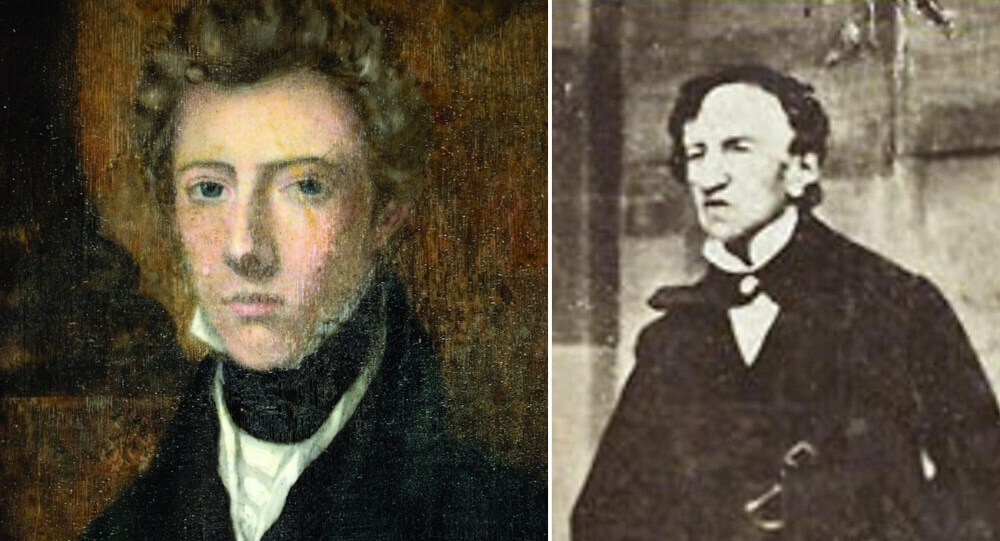
The mysterious secret of Dr James Barry
Before women were allowed to enroll in medical school, Margaret Ann Bulkley studied medicine and assumed the identity of Dr. James Barry for 56 years while dressing as a man. After 46 years of service as an army doctor officer, her secret was not made public until after her death in 1865.

Why the Word ‘Pen’ Comes from the Latin ‘Penna’ Meaning Feather
The humble word “pen” carries a rich history rooted in ancient times, derived from the Latin word penna, meaning “feather.” Long before modern pens revolutionized writing, feather quills—especially from geese—were the essential tools of scribes, scholars, and artists. This article journeys through the origins of the pen, its evolution, and fascinating trivia about the timeless connection between feathers and writing.
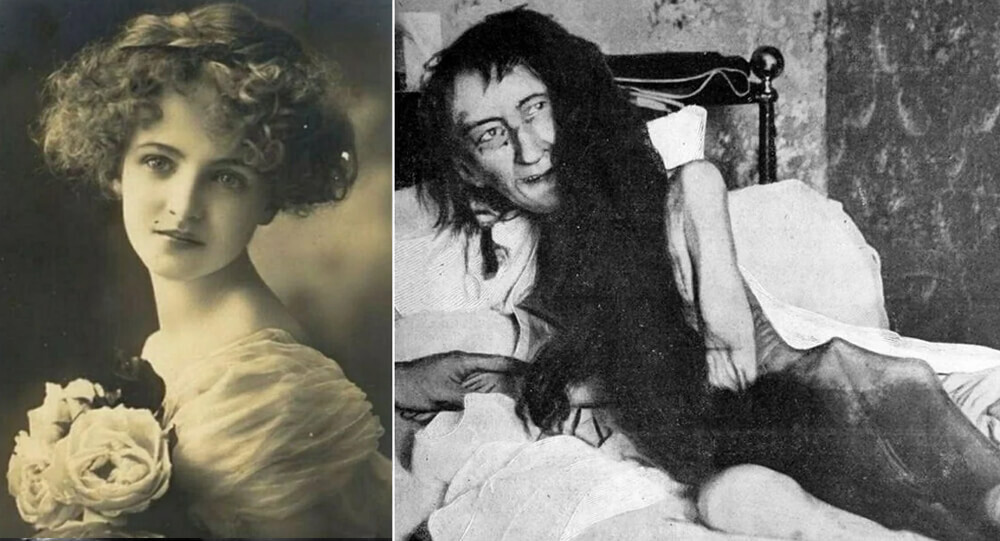
Blanche Monnier: Imprisoned For 25 Years For Falling in Love
Blanche Monnier, she was a French woman noted for her beauty, she wished to marry an old lawyer that her mother disapproved of, so she locked her in a small dark room in her attic for 25 years.

Terry Fox, a 21-year-old one-legged cancer patient who ran 143 days before dying
Terry Fox was a 21-year-old one-legged cancer patient who ran 3,339 miles across Canada in 143 days before dying.
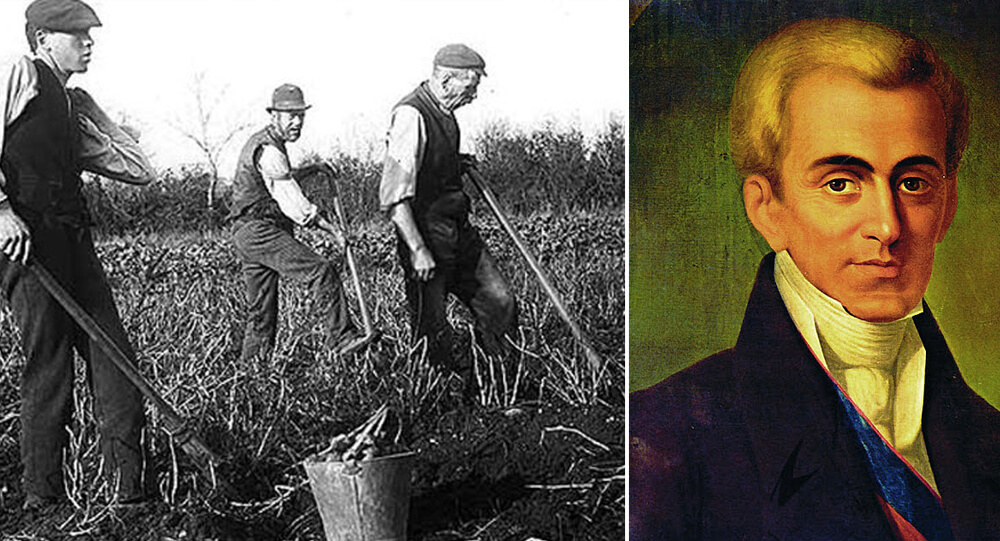
How Greek prime minister in 1830’s tried to spread the potato in Greece
A Greek prime minister in 1830’s tried to spread the potato in Greece but people weren’t interested so he put armed guards in front of shipments of potatoes so people would think they were important. People later started stealing these potatoes a lot which spread the crop to all of Greece.
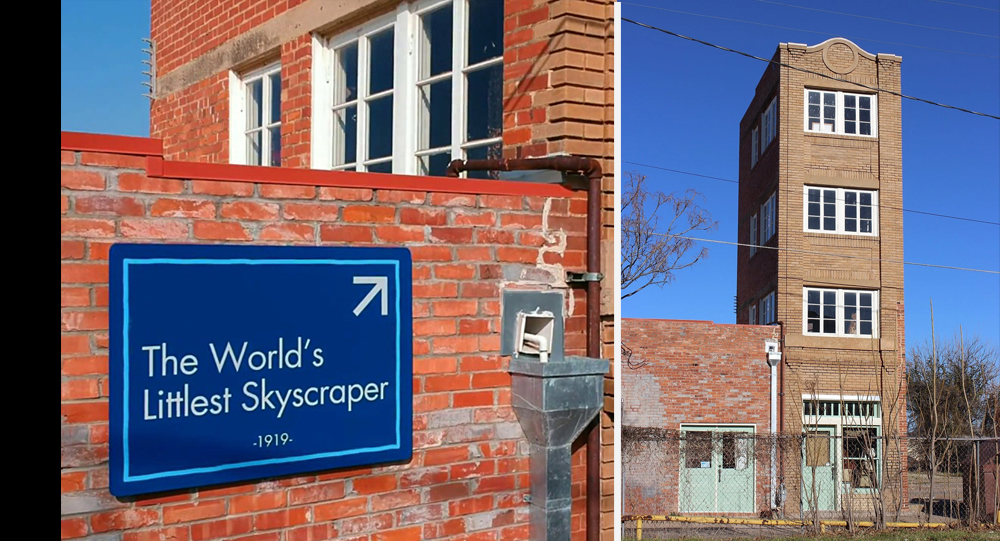
The Littlest Skyscraper: How J.D. McMahon’s 480-Inch Con Fooled Investors in 1919
In 1919, J.D. McMahon convinced investors to fund a 480-foot skyscraper, but he labeled the plans as 480 inches, building a 40-foot structure instead. After taking $200,000, he won in court since the plans matched what he built.
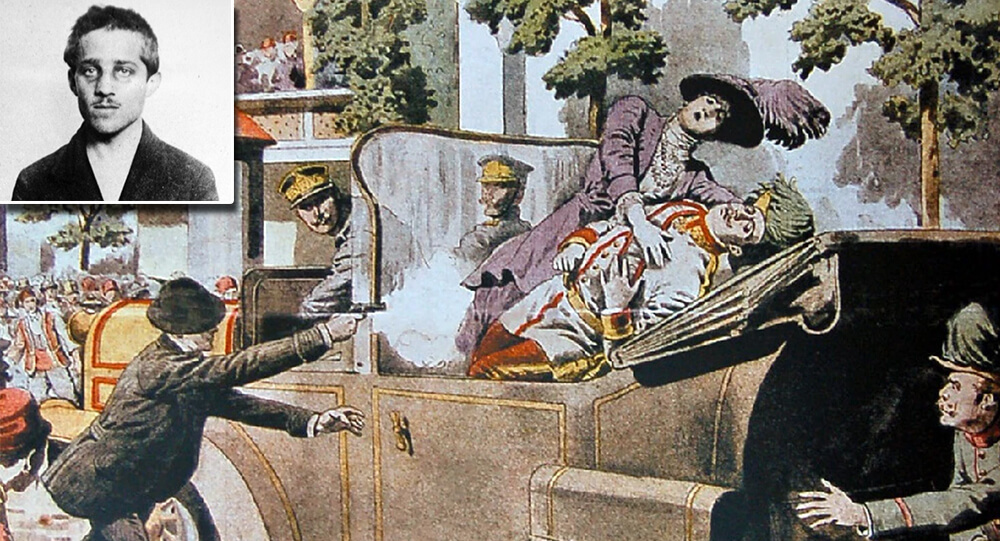
Franz Ferdinand’s Assassination that sparked World War I
Archduke Franz Ferdinand of Austria and his wife Sophie are shot to death by a Bosnian Serb nationalist during an official visit to the Bosnian capital of Sarajevo on June 28, 1914. The killings sparked a chain of events that led to the eruption of World War I by early August.
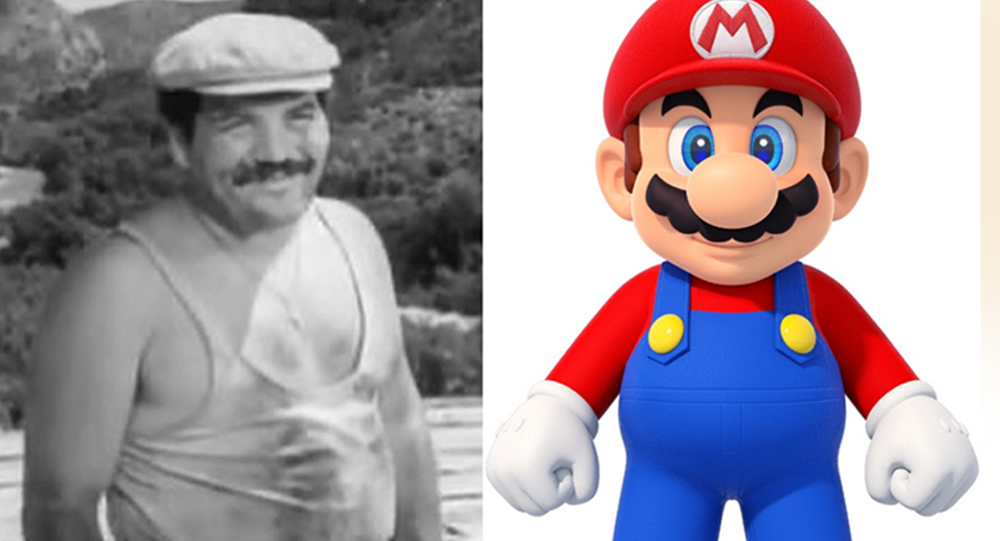
Mario Segale, Developer Who Inspired Nintendo to Name Super Mario
Super Mario is named after real-life businessman Mario Segale, who was renting out a warehouse to Nintendo. After Nintendo fell far behind on rent, Segale did not evict them but gave them a second chance to come up with the money. Nintendo succeeded and named their main character after him.
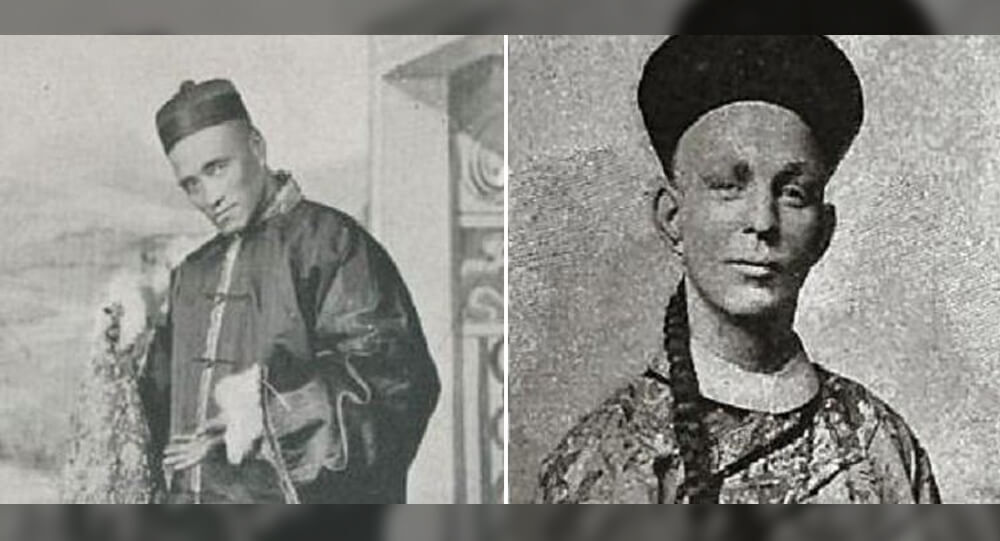
The Bizarre (And Magical) Duel Between Chung Ling Soo And Ching Ling Foo
Ching Ling Foo and Chung Ling Soo were two magicians from the early 20th century who were bitter rivals. While Ching Ling Foo was genuinely Chinese, Chung Ling Soo was actually a New Yorker named William Robinson.
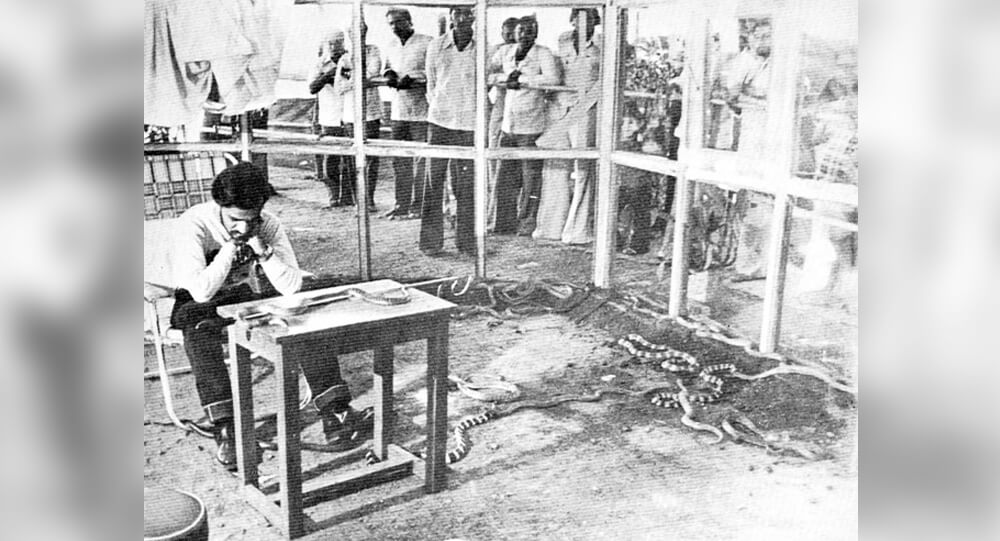
The story of a man who spent 72 hours with 72 venomous snakes to prove they only bite when provoked
In the 1980s, an Indian man spent 72 hours in a glass cabin with 72 snakes, some of which were extremely venomous. His aim was to prove that snakes only attack when provoked. Remarkably, he was not bitten once in those 72 hours and even set a Guinness World Record in the process.
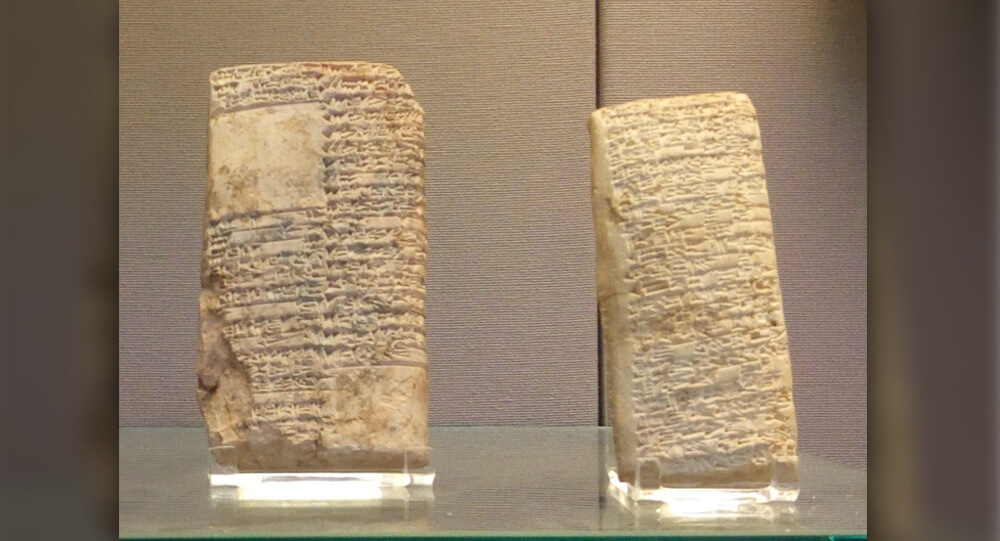
Ea-Nasir: world's oldest written customer complaint
This clay tablet, written in cuneiform, is the oldest known written customer complaint about the delivery of poor quality copper ingots. Originally from ancient Babylon, the tablet dates back to 1750 BCE, and it was written by a customer named Nanni to a merchant named Ea-Nasir. It is currently housed in the British Museum.
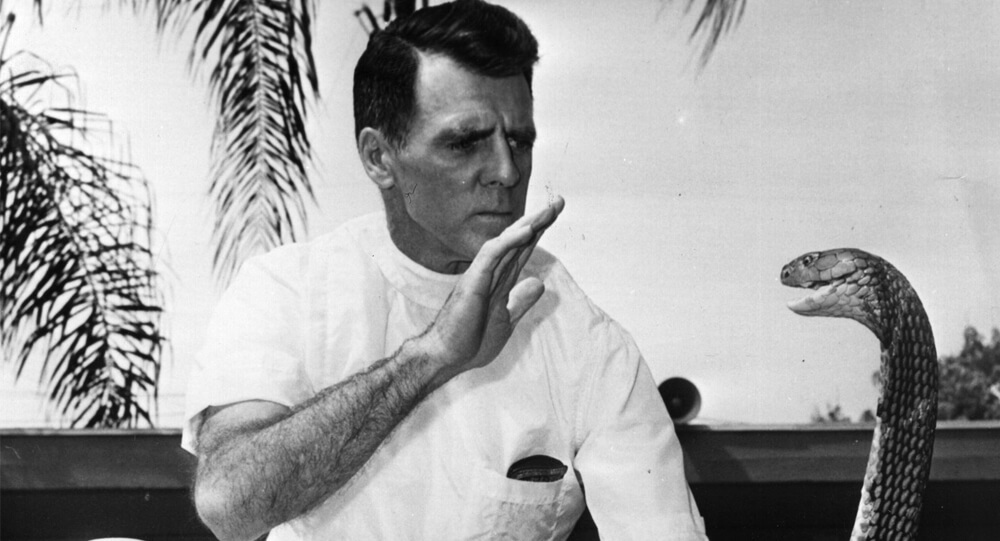
The story of Bill Haast, who lived to be 100 despite his extensive snake venom injections
Bill Haast immunized himself by injecting snake venom into his blood for several years. He holds the Guinness World Record for surviving the most lethal snake bites, having been bitten over 172 times. Bill became known as "Snake Man" around the world and lived for over 100 years.
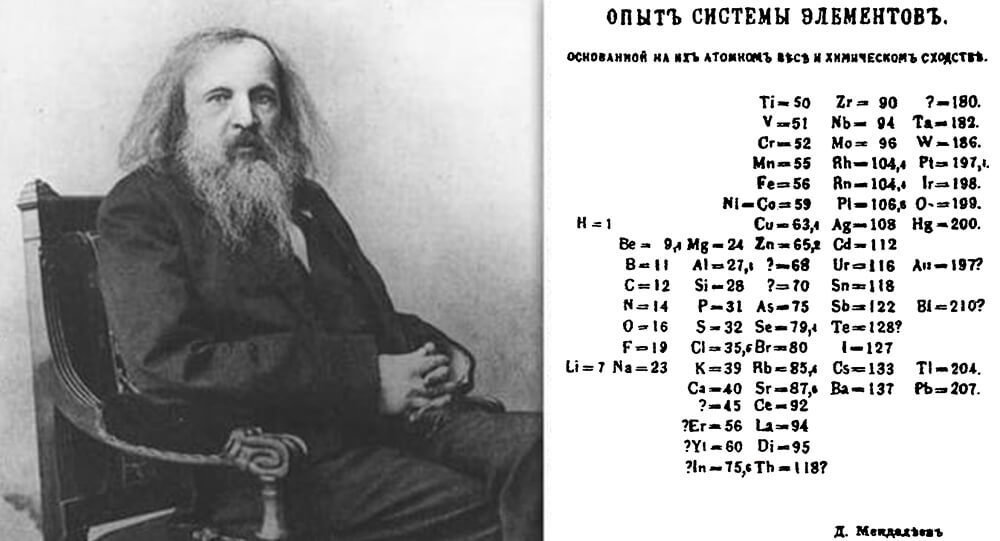
How Dmitri Mendeleev Developed the periodic table of the elements
1850 Dmitri Mendeleev walked almost a thousand miles to Moscow so he could apply for the University of Moscow. Although he was not accepted, he walked to St. Petersburg where he was accepted, And with that education, he developed the the periodic table of the elements
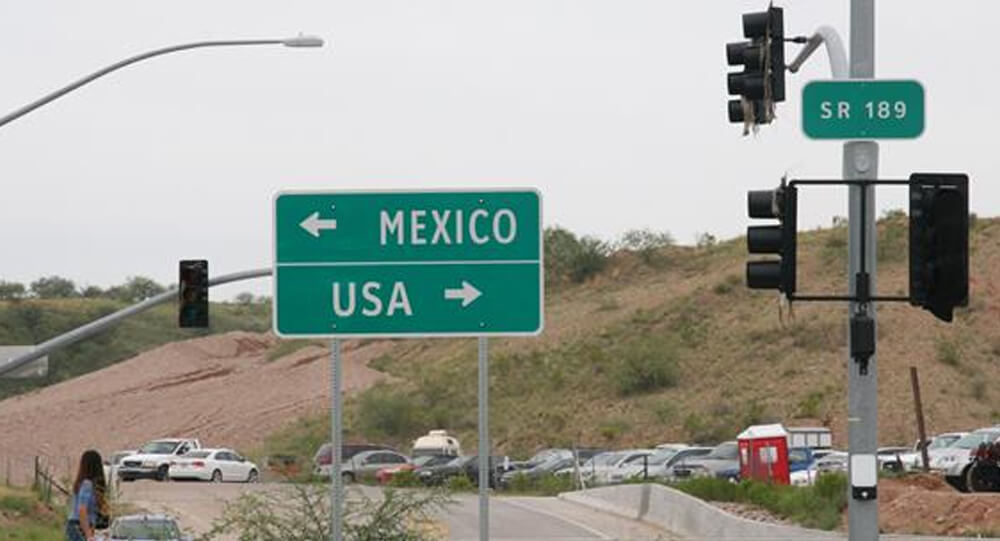
Underground Railroad to Mexico freed thousands of slaves in 1829
Slavery was abolished in Mexico in 1829. Slaves were escaping to Mexico, and slaveholders in the US were aware of this. The US attempted to get Mexico to sign a fugitive slave treaty, which would have required Mexico to send back escaped slaves to the US. But, Mexico refused, arguing that slaves were free as soon as they set foot on Mexican soil.