
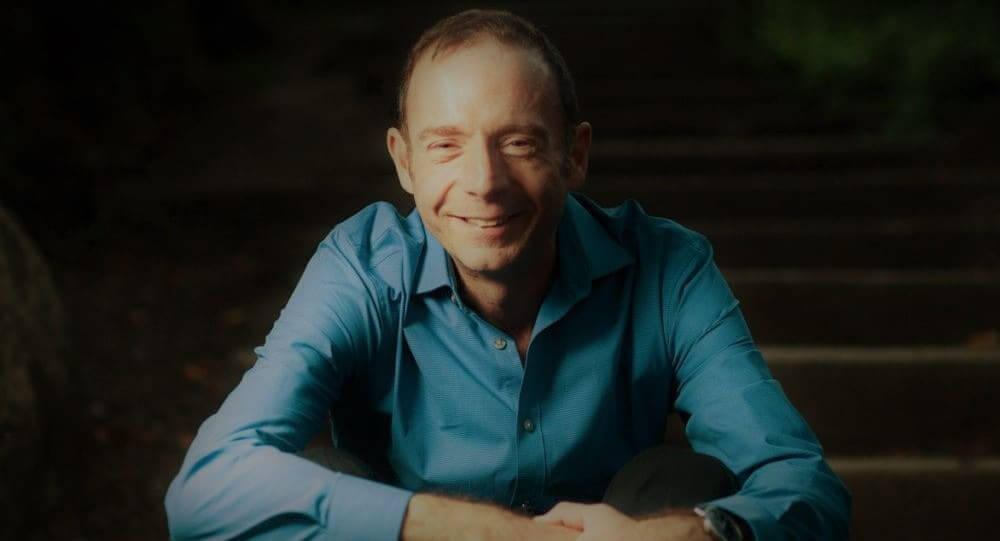

Timothy Ray Brown, who inspired millions of HIV-positive people, died of leukemia
In 2007, Mr Brown, also known as “the Berlin patient,” received a bone marrow transplant from an HIV-resistant donor.
It meant he didn’t need anti-viral drugs anymore, and he was free of the virus that can lead to Aids for the rest of his life.
Mr Brown, according to the International Aids Society, gave the world hope that an HIV cure was possible.
Born in the US, Mr. Brown, 54, received his HIV diagnosis in 1995 while residing in Berlin. Then, in 2007, he was diagnosed with acute myeloid leukemia, a form of blood cancer.
He underwent a bone marrow transplant after having his bone marrow, which was producing the cancerous cells, destroyed.
The donor for the transplant had a rare mutation in the CCR5 gene, a region of their DNA.
HIV resistance
A set of genetic instructions called CCR5 is used to construct the entrance that the human immunodeficiency virus (HIV) uses to enter cells.
People who have mutations to CCR5 are essentially immune to HIV.
In 2012, Mr. Brown told the BBC that he stopped taking his medication on the day of his transplant and that after three months, his body was HIV-free.
Never again was the virus found in his body. In actuality, he was “cured”.
“I was excited about it, but I still kind of feared it might come back, but it didn’t,” he continued.
But earlier in year 2020, the leukemia that was the cause of his HIV cure came back and spread to his brain and spinal cord.
Tim Hoeffgen, Timothy’s partner, wrote on Facebook, “It is with great sadness that I announce that Timothy passed away… surrounded by myself and friends, after a five-month battle with leukaemia.
“I’m heartbroken that my hero is gone,” Hoeffgen wrote. “Tim was truly the sweetest person in the world. Tim’s spirit will live on and the love and support from family and friends will help me through this most difficult time.”
Tim dedicated his life to sharing his experience with an HIV cure, becoming a symbol of hope, he continued.

Closer to a cure?
Mr. Brown’s cure was too risky and aggressive to be applied frequently; it is still primarily used to treat cancer. The 38 million people who are believed to be HIV-positive, many of whom reside in sub-Saharan Africa, cannot afford the strategy.
However, Mr. Brown’s tale gave hope that a cure might one day be discovered to researchers, patients, and the general public.
The International Aids Society (IAS) expressed “a profoundly heavy heart” in its statement of mourning.
The IAS president, Prof. Adeeba Kamarulzaman, said, “We owe Timothy and his doctor, Gero Hutter, a great deal of gratitude for opening the door for scientists to explore the idea that a cure for HIV is possible.”
It was announced earlier that year that a second HIV patient had been cured. Adam Castillejo, also known as the “London patient,” received comparable treatment to Mr. Brown and was able to stop taking HIV medications.
Prof. Sharon Lewin, the director of the Doherty Institute in Melbourne, Australia, stated that although the cases of Timothy and Adam do not represent a viable large-scale strategy for a cure, they do represent a crucial point in the search for an HIV cure.
Timothy was a strong supporter of keeping HIV research on the political and scientific agenda.
“The scientific community hopes that one day we can honor his legacy with a safe, affordable, and widely accessible approach to HIV remission and cure using gene editing or techniques that boost immune control,” reads a statement from the scientific community.
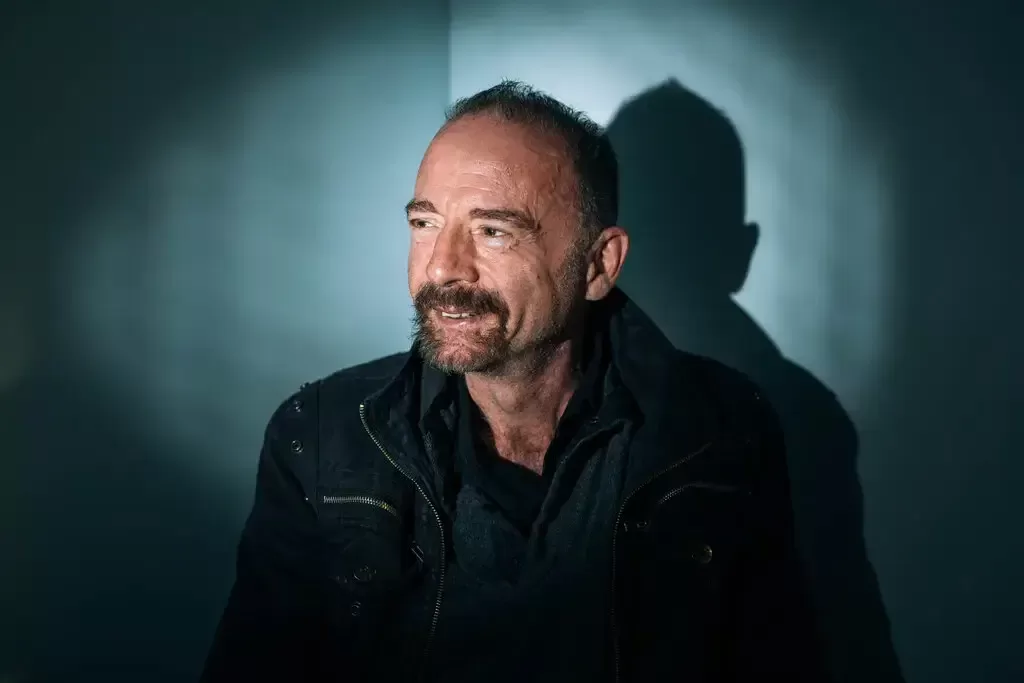
Brown’s success inspired HIV cure research
Dr. Hans-Peter Kiem, who holds the Stephanus Family Endowed Chair for Cell and Gene Therapy at Fred Hutch, got to know and respect Brown through his role as co-founder of defeatHIV. He attributes him with accelerating the National Institutes of Health’s Martin Delaney Collaboratories program’s funding of HIV cure research.
“The NIH started this HIV cure effort ten years ago thanks to Timothy. How many people he has directly or indirectly aided is astounding, Kiem said.
In November 2020, Kiem spoke at a TEDx event in Seattle, where he discussed how Timothy Ray Brown has influenced his quest to treat HIV through the eventual administration of “gene therapy in a syringe.”
Brown was the only person on Earth known to have defeated the virus for a dozen years despite numerous attempts to replicate his treatment. He sincerely hoped he wasn’t the only one.
Then, on March 4, 2019, it was determined that a “London Patient” was probably cured through a similar stem cell transplant. A year later, he identified himself as Adam Castillejo, a 40-year-old Venezuelan immigrant working as a sous chef in London. In 2016, he had undergone a single stem cell transplant.
Castillejo and Brown had spoken on the phone, but they had never actually met.

Oreo builds asteroid-proof bunker to protect its cookies and recipes
In October 2020, Oreo builds a concrete bunker in Svalbard, Norway, to protect their recipes in case of an asteroid impact. The vault also contains Oreos wrapped in Mylar and vials of milk powder.


The Terrifying Mount St. Helens Eruption is Captured by the Robert Landsburg Photographs
Robert Landsburg, a photographer who upon realisation that he is going to die in the mount St. Helens eruption of 1980 lay down on top if his equipment to preserve the photographs he had taken of the events. Landsburg‘s body was found 17 days later, buried in ash with his film intact.

JBJ Soul Kitchen: Bon Jovi's community restaurant
JBJ Soul Kitchen is a community restaurant by Jon Bon Jovi with no prices on the menu; customers donate to pay for their meals. If you are unable to donate you may do volunteer work in exchange for your family’s meal.
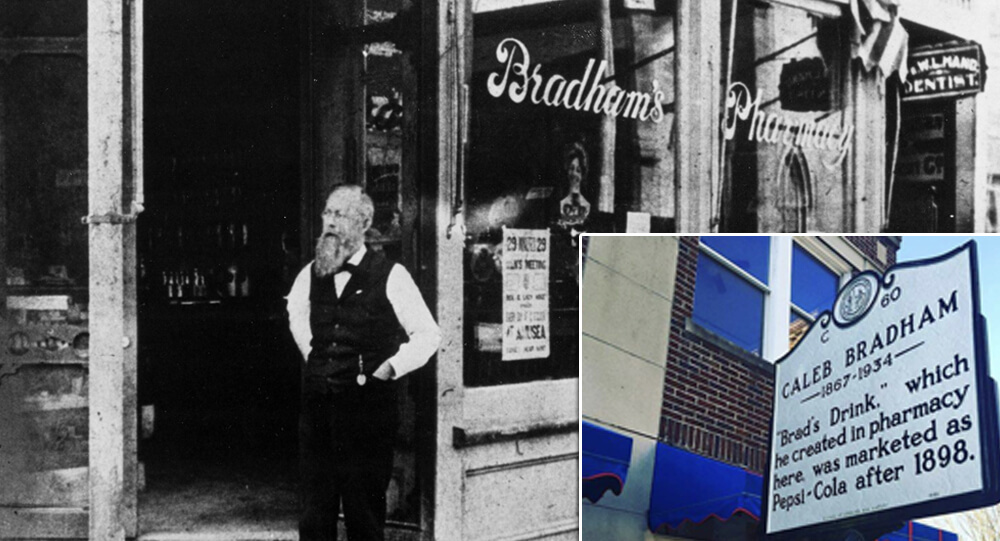
How 'Brad's Drink' Became Pepsi-Cola
Pepsi was first introduced as “Brad’s Drink” in New Bern, North Carolina, United States, in 1893 by Caleb Bradham, who made it at his drugstore where the drink was sold. It was renamed Pepsi Cola in 1898, named after the digestive enzyme pepsin and kola nuts used in the recipe.

Tourist in China left hanging from 330-ft-high glass bridge as wind blows away its panels
The popular tourist attraction glass-bottomed bridge was shattered after a strong wind blew away its panels. A Chinese tourist was left stranded in strong winds 330 feet up on a glass-bottomed bridge.

A story of a man Survived Inside Sunken Ship For Three Days
A man survived a sunken ship for nearly three days, 279 feet underwater and in complete darkness, while listening to fish eat the bodies of his shipmates.

Self-taught William Kamkwamba built a windmill for his town
A Malawian teenager who taught himself how to build a windmill out of junk and bring power to his village. He then went on to build a second, larger windmill to power irrigation pumps. He did this all from books he read in the library.

China Weather Control on 2008 Olympics with missile
One thing is certain: when it comes to ensuring nice weather for the world's largest party, the Chinese cannot be accused of being subtle. The Chinese government authorized the use of 1,104 cloud seeding missile launches from 4:00-11:39 p.m. on Friday night to reduce the possibility of rain ahead of the 29th Olympic opening ceremony in Beijing

stranded hikers rescued by a life-saving iPhone feature
Stranded hikers were rescued by a life-saving iPhone feature that an awful lot of folks don't know a lot about.

People are freaked out because they keep finding 'help me' messages under the cap of Sobe bottles
With their bottle caps that said, "Help me, I'm trapped in SoBe factory," SoBe Beverage discovered the hard way that forced labor is serious business. This is an example of when humor can be overdone.

Neerja Bhanot, the braveheart flight attendant was never run away from a crisis
Neeja Bhanot, a 22 year old Indian flight attendant who helped hides 41 American passports aboard a hijacked plane. She died shielding three children from gunfire and was posthumously awarded bravery medals from India, Pakistan, and the United States.

Croatian teenager wakes up from coma speaking fluent in German In 2010
In 2010, a Croatian teenager awoke from a coma to discover she could no longer speak Croatian but was fluent in German, a language she had just recently begun studying at school in the United Kingdom. reports in the press

This whale tail sculpture saved a train that went off the rails
A train in the Netherlands failed to stop in time and broke through the emergency barrier. It's being held up by the statue of a whale's tail.

Estonians save a wolf from the ice by mistaking it for a dog
Two young construction workers in Estonia discovered what they thought was a dog caught in a frozen lake. They carried it to their car and brought him to an animal shelter, not realizing it was a wolf.

Before "The Rock," There Was "Rocky Maivia"
Dwayne “The Rock” Johnson’s first WWF persona was Rocky Maivia, a face (good guy). The audience rejected him due to his cheesy character, with chants of “Die, Rocky, die!”. After this, he became a heel (villain), referring to himself in the third person as “The Rock” and insulting the audience.
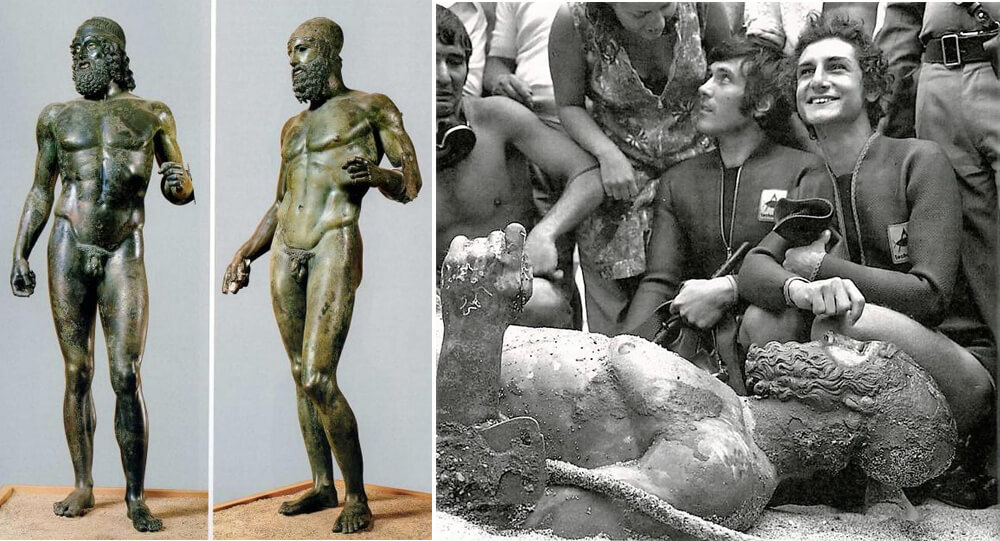
The accidentally discovery of Riace bronzes
Stefano Mariottini was snorkeling off the coast of Monasterace near Riace in 1972 when he noticed a human hand sticking out of the sand and called the police, thinking it was a corpse. It was actually two statues of "Warriors from Riace" - 5th century BC Greek bronze statues.

The Man Who Survived Falling Through a Thunderstorm, William Rankin
William Rankin was a fighter pilot who survived an ejection into a thunderstorm. He suffered frostbite, violent wind and lightning, severe decompression, and nearly drowned from breathing in rain water. He was in the cloud for over 40 minutes in total.
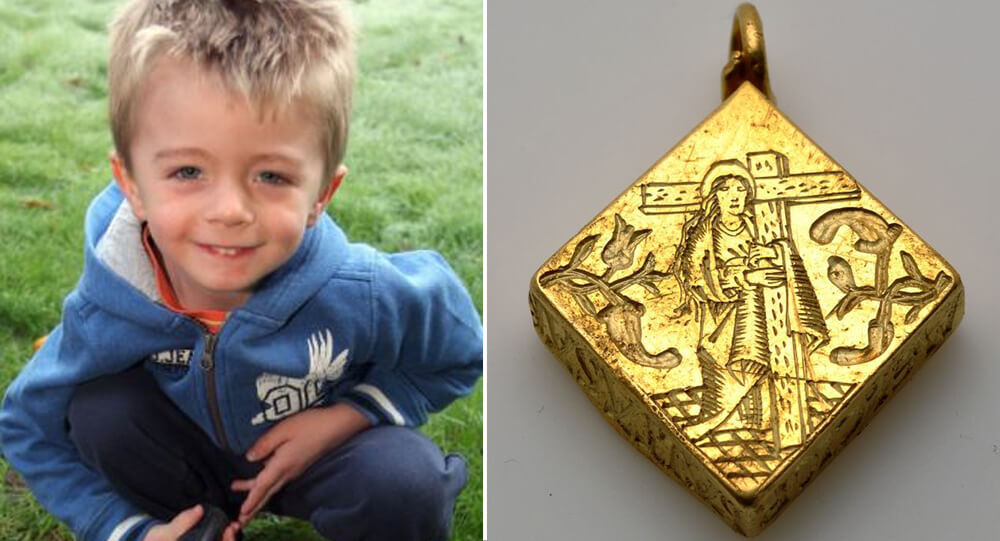
A three-year-old boy discovers a $4 million pendant in England
A $4 million 16th-century gold pendant was discovered in 2010 by a three-year-old boy using his father's metal detector.

Couple reunites after 60 years apart
A Russian couple were reunited after being separated for 60 years. They were married for 3 days when the husband left to join the Red Army. They were unable to find each other until 60 years later when they randomly visited their hometown on the same day.
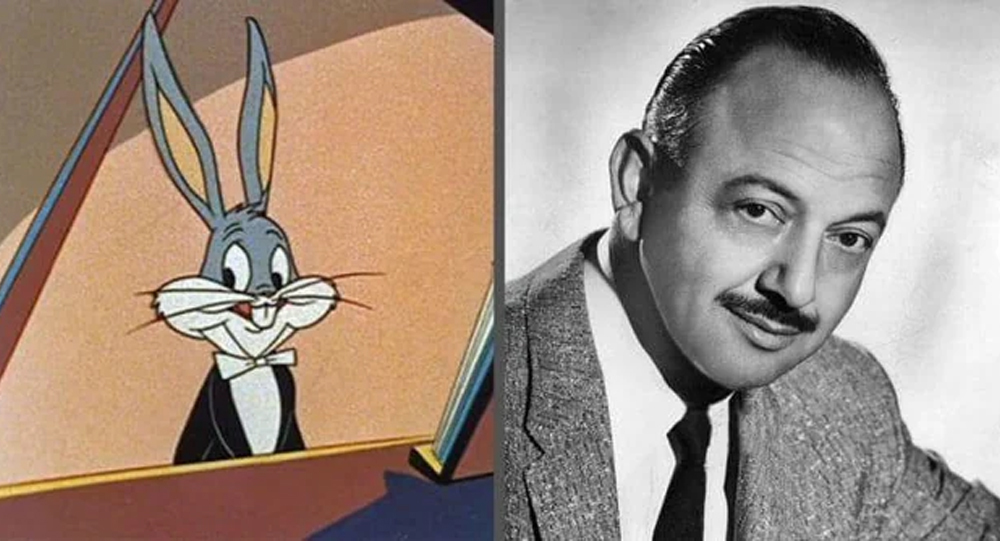
How Being Bugs Bunny Helped This Voice Actor Out of Coma
Mel Blanc; the voice of Bugs Bunny, had been in a serious car accident that put him in a coma. After many unsuccessful attempts to get him to talk, a doctor asked “Bugs, can you hear me” Mel responded in the voice of bugs bunny, “Whats up, Doc? The doctors used this to lead him out of his coma.

Water park in japan, ocean dome: Largest indoor water park in the world
The Seagaia Ocean Dome, located in Miyazaki, Japan, was the biggest indoor waterpark in the world. An "Ocean" six times the size of an Olympic pool, filled with 13,500 tons of unsalted, chlorinated water kept heated at 28 degrees Celsius and recognized as the largest simulated pool by the Guinness Book of World Records, measures 12,000 square meters of the sandy beach made from 600 tons of stone.

Max Headroom Incident: America’s Creepiest TV Hack
In 1987 a man hijacked a television station during an episode of Dr. Who and wore a Max Headroom mask and uttered nonsense, and he still hasn’t been caught
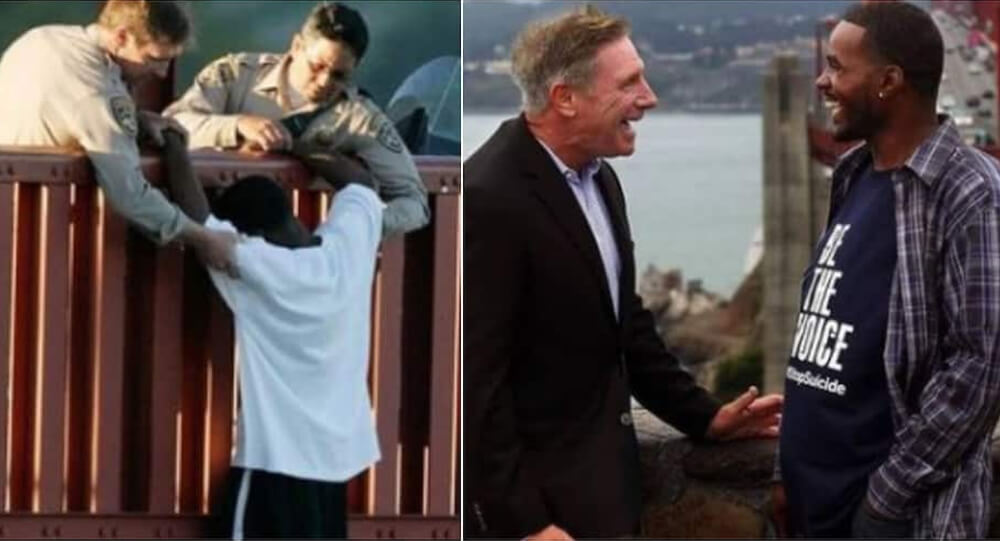
A man who was saved from committing suicide 16 years ago now assists people dealing with mental health issues
Kevin Berthia traveled to the Golden Gate Bridge in 2005 to commit suicide. He ended up spending 92 minutes on the edge of the bridge talking to officer Kevin Briggs about his life. In much better circumstances, they cross paths at the same bridge ten years later.

Why Is the N Lowercase in 7-Eleven?
7-ELEVEN is thought to have a lowercase "n" in its logo because the company president's wife believed that a logo with all caps would seem harsh, while a lowercase "n" would make it more graceful.
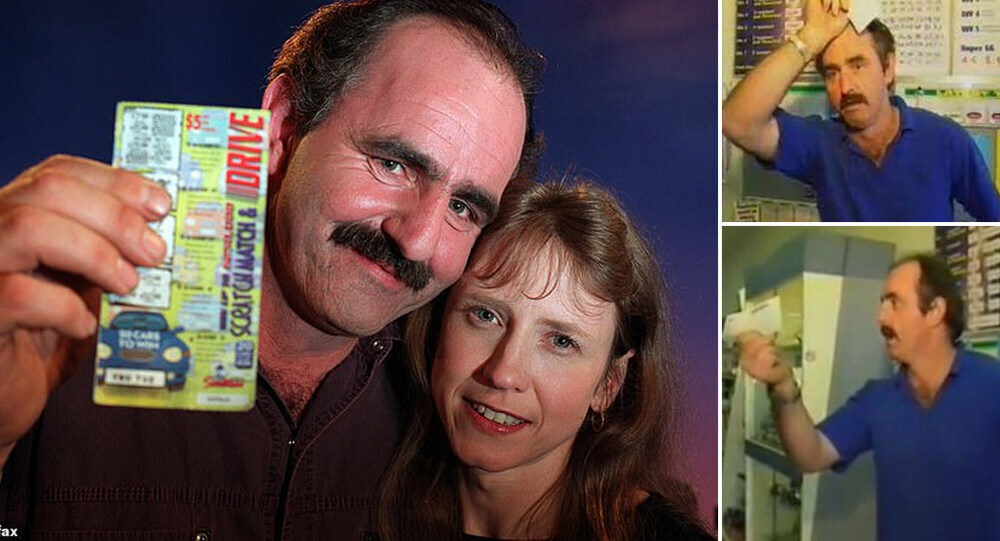
Australian man dies, comes back to life, and wins the lottery twice
Bill Morgan, an Australian, is a man who has beat the odds. He escaped death by surviving a horrific automobile accident and heart attack before collapsing into a coma and going on to win the lotto twice. He went from losing virtually everything to winning far more than he could have imagined.