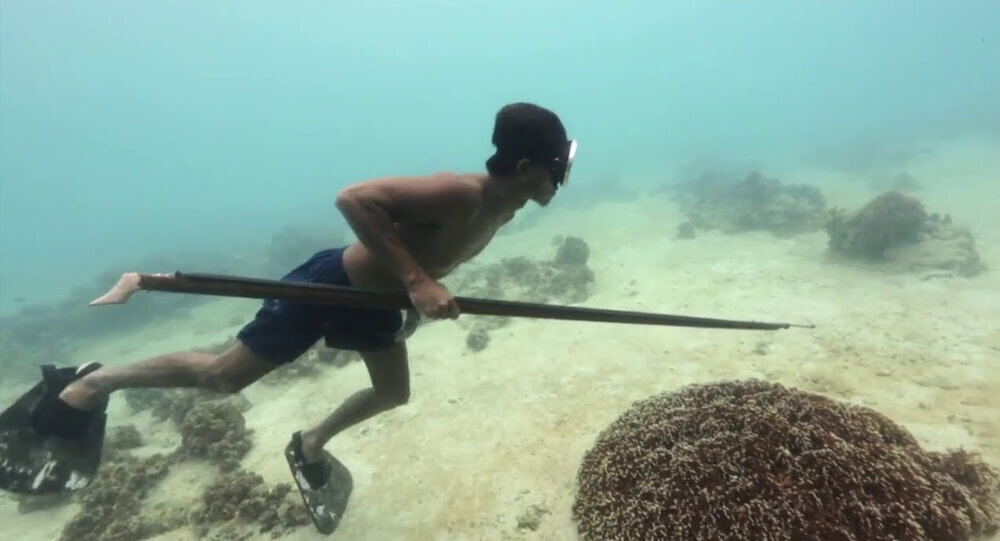

The unusual ability of 'sea nomads' to hold breath is due to one major organ
The Bajau people of Southeast Asia reside in homes that precariously balance above the Pacific Ocean’s blue seas. These “sea nomads” blur the line between marine and terrestrial species by utilizing only a wooden mask to breathe underwater for long enough to dive to depths of more than 230 feet. According to researchers in a recent Cell study, this superhuman skill that enables them to spend up to 60% of their day diving is the result of the evolution of one very critical organ.
Over a thousand years, the Bajau have lived in a largely solitary environment. Over the years, the population has adjusted in many ways to its particular habitat and way of life, but perhaps most significantly, as the new article reveals, natural selection has lead many members of the species to carry a gene for large spleens. This fist-shaped, purple organ is essential for storing oxygenated red blood cells, which are needed when you’re holding your breath. It typically sits to the left of the stomach. The spleen is typically four inches long in humans. However, the Bajau’s (pronounced “be joe”) spleens are around 50% bigger than those of nearby non-divers.
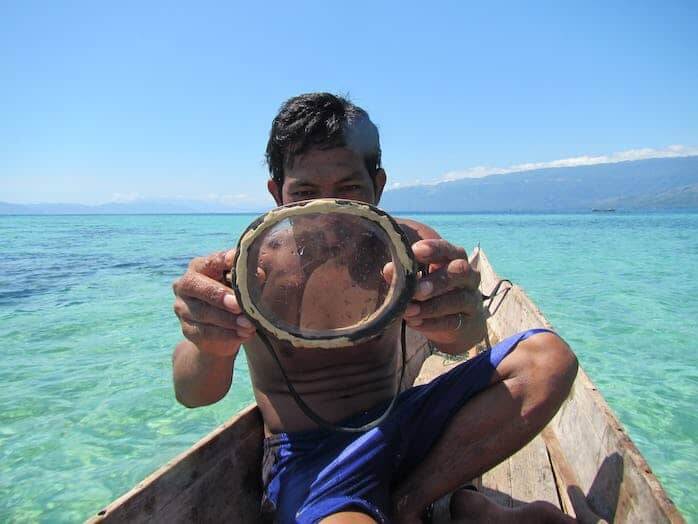
The larger spleens of the Bajau are proof that small-scale natural selection is still guiding human development. They attribute their enlarged size to a genetic mutation that has been naturally selected for within their population over many generations, according to the research team lead by biologist Rasmus Nielsen, Ph.D., of the University of California Berkeley. This gene variation is hypothesized to enlarge the spleen by raising the body’s thyroid hormone levels, which have been associated with increased spleen size in mice.
The discovery surprised Nielsen and his colleagues, which also featured University of Copenhagen PhD candidate Melissa Ilardo as the first author. Even with a community as extreme as the Bajau, the likelihood of discovering proof of population-specific natural selection was “very modest,” said Ilardo in a statement released.
Ilardo visited Bajau settlements in Indonesia and used portable ultrasonography equipment to measure the spleens of 59 Bajau and 34 Saluan residents of a nearby hamlet who did not dive. The team discovered that the predominance of the thyroid hormone-stimulating gene known as PDE10A in the Bajau was associated with their larger spleens by comparing that information with each person’s genome sequence, which was determined from spit samples. With normal-sized spleens, the Saluans lacked that gene variation.
According to Nielsen, the Bajau can carry 10% more oxygenated blood cells during a dive than non-divers due to their enlarged spleens. Our blood vessels constrict and our heart rate slows in an effort to conserve oxygen, and the spleen, acting like a battery, begins releasing its reserves of oxygen-rich blood cells to keep us going. This reflex occurs when we are submerged in water and forced to hold our breath. The Bajau are a genuinely unique example of human adaptability since they never stop moving, much like Energizer rabbits.
“I think it’s fascinating to see just how extraordinary this population is, to think that they’re almost like superhumans living among us with these really extraordinary capabilities,” says Ilardo. “But I also think natural selection is a lot more powerful than we sometimes give it credit for, and maybe we should be looking for it in more places than we thought.”

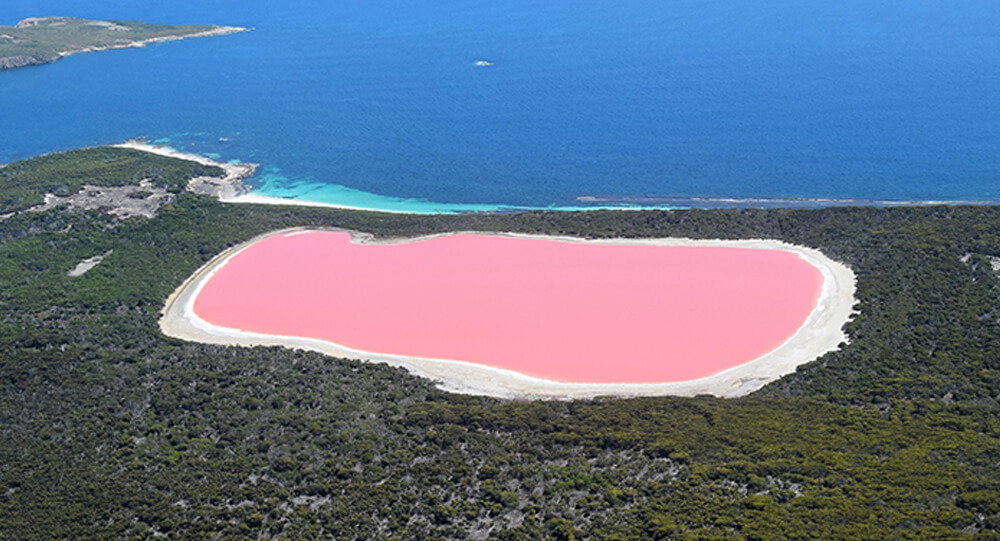
What is secret behind the Australia’s mysterious pink lake?
Lake Hillier in Australia maintains a bright pink hue all year round. Although no one knows for sure what causes the unique coloring, experts speculate that it might be the result of high salinity, a pink bacteria called “halobacteria,” and a salt-loving algae species called Dunaliella salina.

Why Londoners Celebrate No Trousers Day by Riding the Metro Without Pants
Every year, Londoners participate in a quirky and joyful tradition known as No Trousers Day, where brave commuters board the London Underground dressed normally but without trousers, pants, or pajamas from the waist down. This cheeky event brings laughter, surprises, and a shared sense of community to the usually dull winter commute, reflecting a playful rebellion against the mundane and a celebration of spontaneity. Discover the origins, spirit, and fun behind London’s beloved No Trousers Tube Ride.
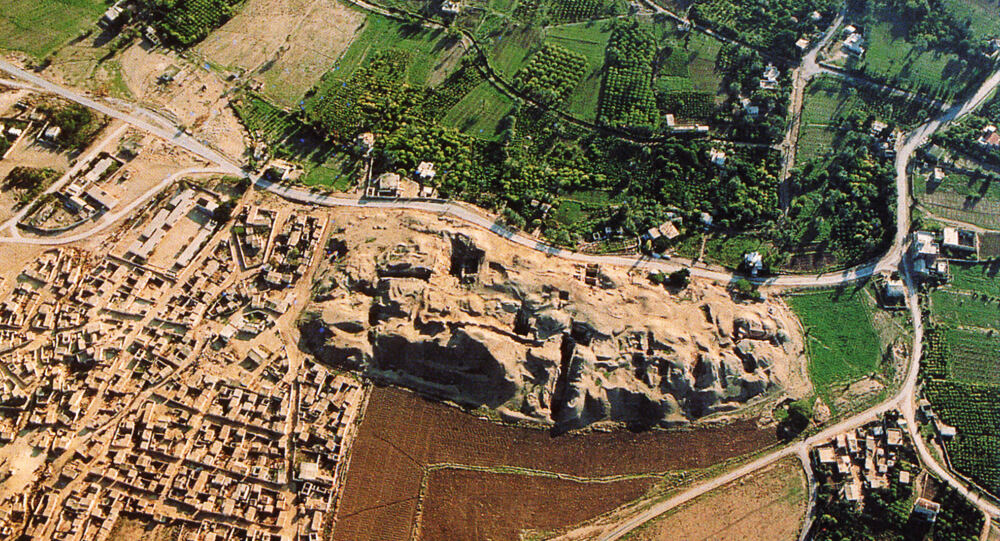
Ancient Jericho: The First Walled City In History
The ancient city of Jericho is the world's oldest walled city, with evidence of stone fortifications dating back nearly 9000 years.
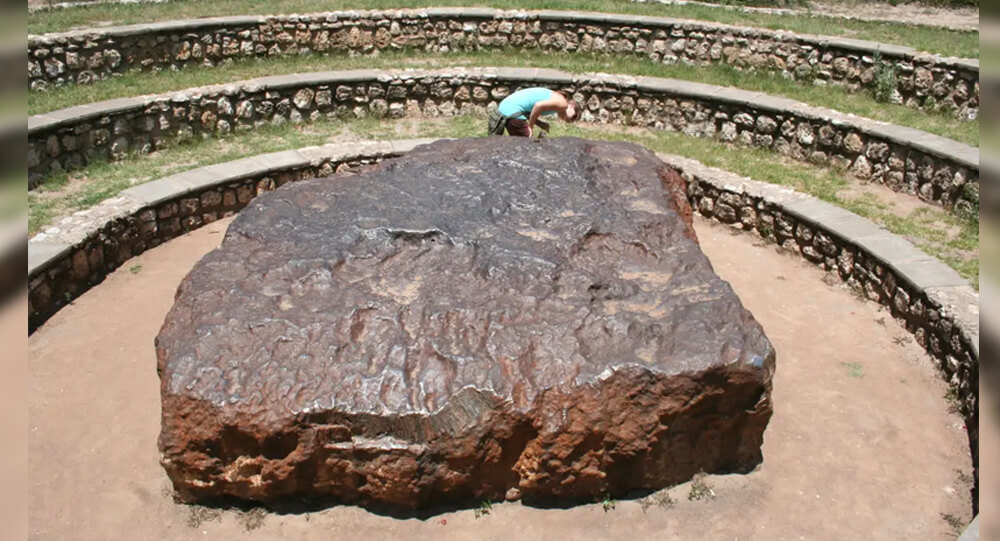
Top 6 Largest Meteorites Ever Found on Earth
When space meteorites hurtle towards Earth, they frequently burn up in the atmosphere before reaching us. Those that burn up become meteors - or shooting stars.
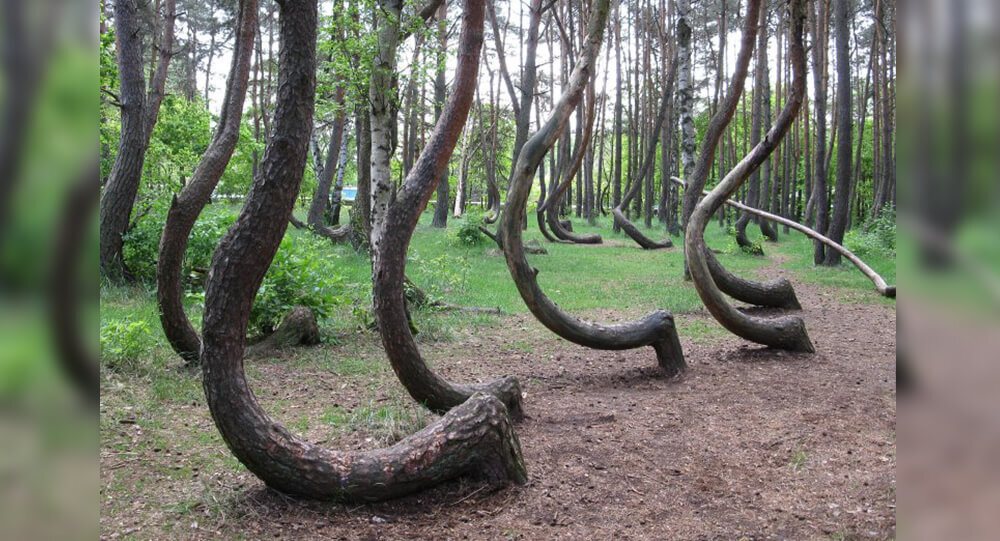
Poland's Krzywy: The Mysteries of the Crooked trees
In Poland, there is a forest with 400 crooked trees that have a 90-degree bend at the base of their trunks. Despite of numerous possibilities, the real reason and how it evolved remain a mystery.
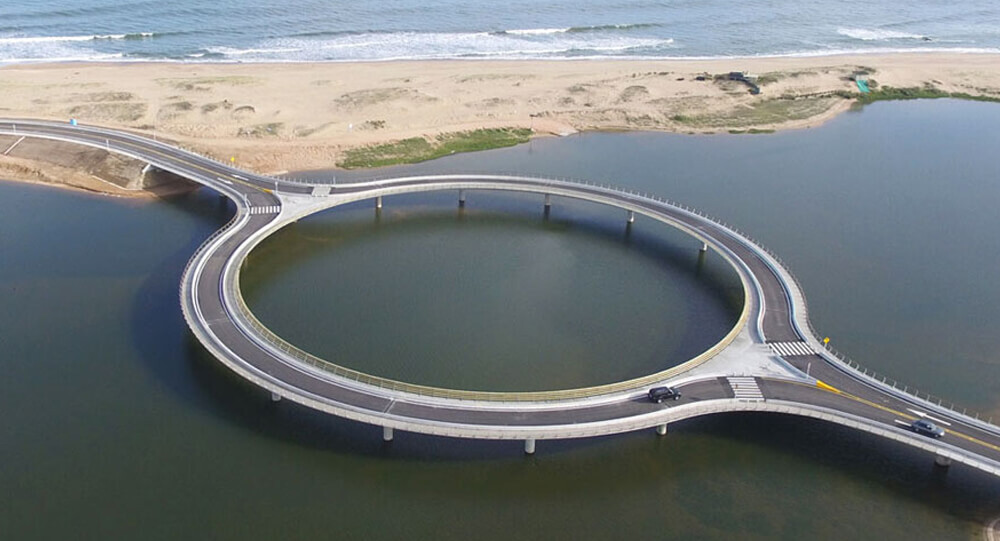
Circular Bridge Built To Slow Down Drivers So That They Would Enjoy The View (Photos)
Uruguay’s Laguna Garzon Bridge splits into a circle so drivers can slow down and enjoy the view. It also prevents head-on collisions and creates a walkway for pedestrians.
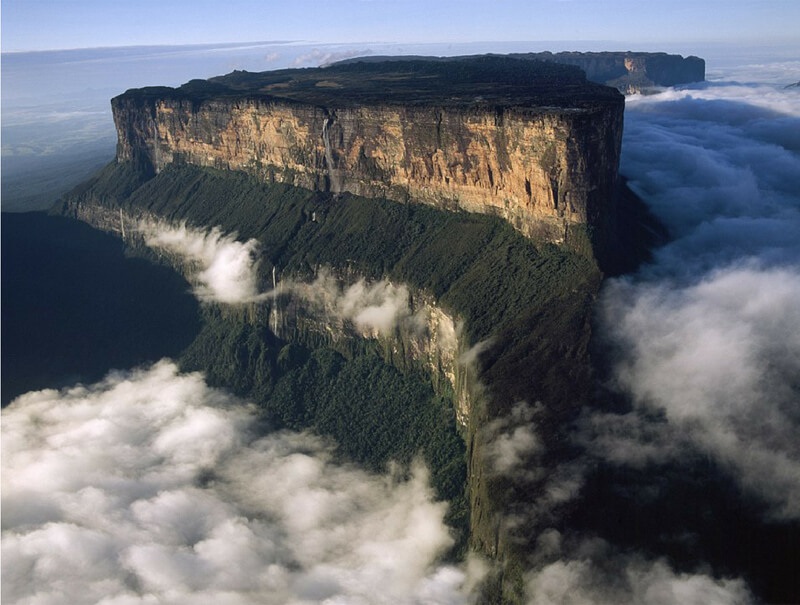
Top 10 Mysterious And Least Explored Places On Earth
Some people believe that there is nothing unexplored remaining on earth but the world doesn't cease to surprise us with its mysteries. Today I'll tell you about the lost places of the planet and animals that live only there.
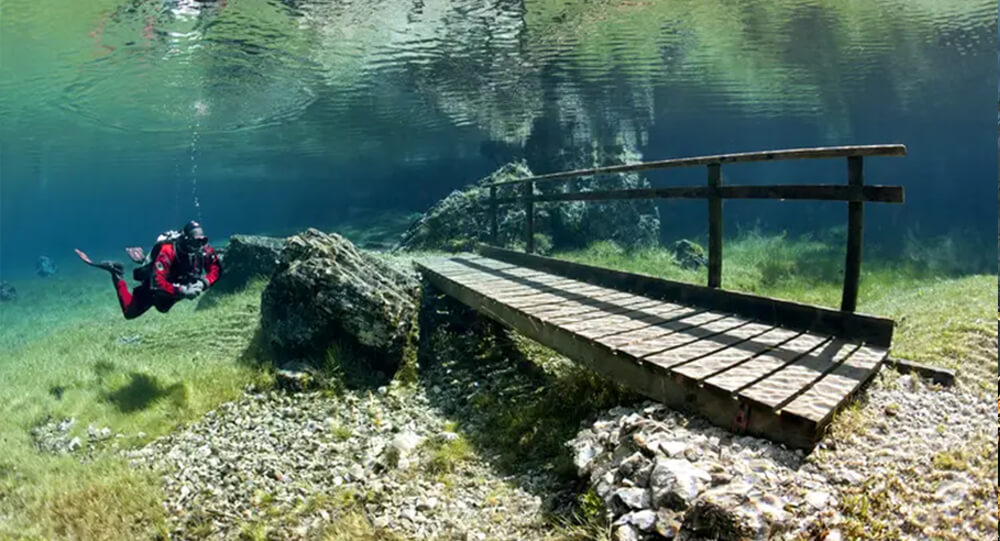
Grüner See, The Park That Turns Into A Giant Lake Naturally
There is a place in Austria called Grüner See which is a dry park in winter and turns into a 12-meter-deep lake in summer.
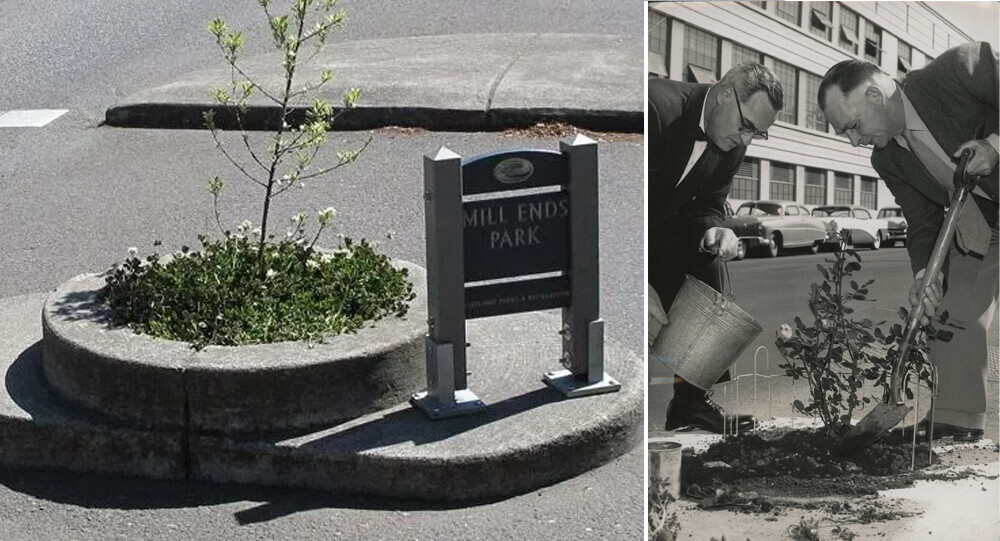
Mill Ends Park, the Smallest Park in the World
Portland, Oregon is home to the tiniest park in the world, a two-foot-diameter circle. Mill End Park is the name of this park.
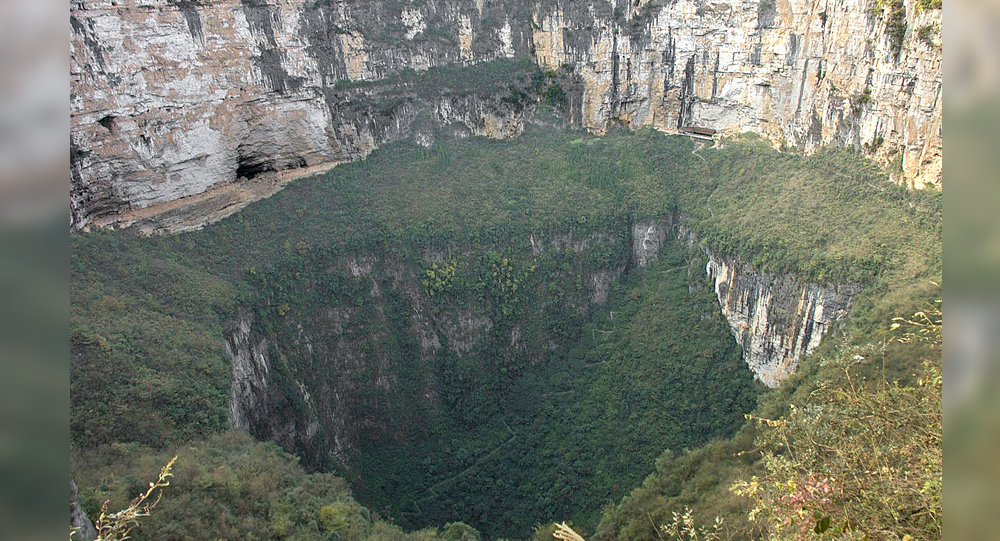
Xiaozhai Tiankeng: Exploring the World’s Deepest and Largest Natural Sinkhole
Hidden in the rugged terrain of Chongqing, China, lies Xiaozhai Tiankeng—the world’s deepest and largest natural sinkhole. Known as the “Heavenly Pit,” this colossal natural wonder plunges between 511 and 662 meters deep and stretches over 600 meters wide, dwarfing many familiar landmarks. This article journeys into the geological origins, unique ecosystem, and mysterious caverns beneath Xiaozhai Tiankeng, revealing a spectacular glimpse into Earth’s hidden landscapes.
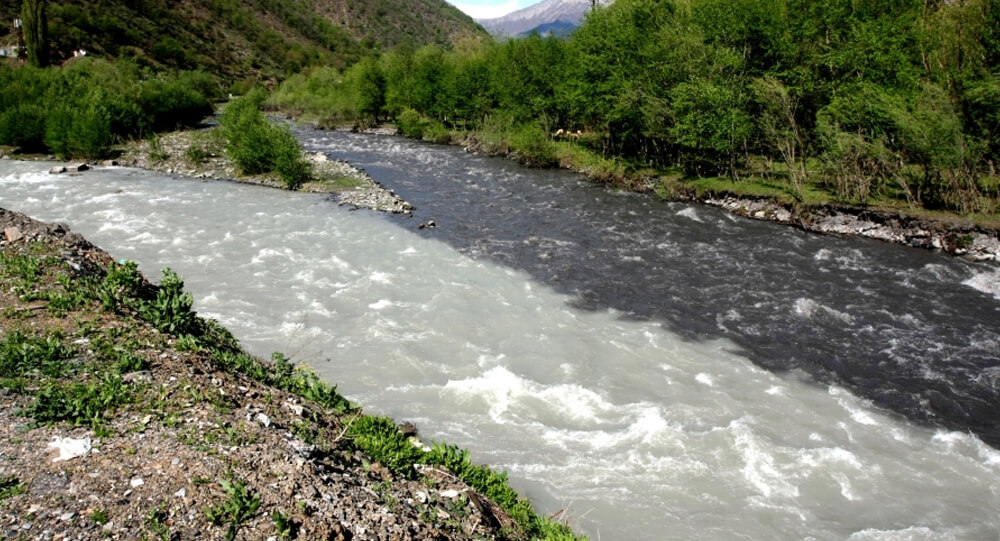
When two rivers meet but do not mix in Georgia
The incredible Black and White Aragvi river in Georgia that do not mix up.

How European Rabbits Took over Australia
In 1859, wealthy settler Thomas Austin released 13 wild rabbits on his Australian estate. By 1920, their population grew to 10 billion.
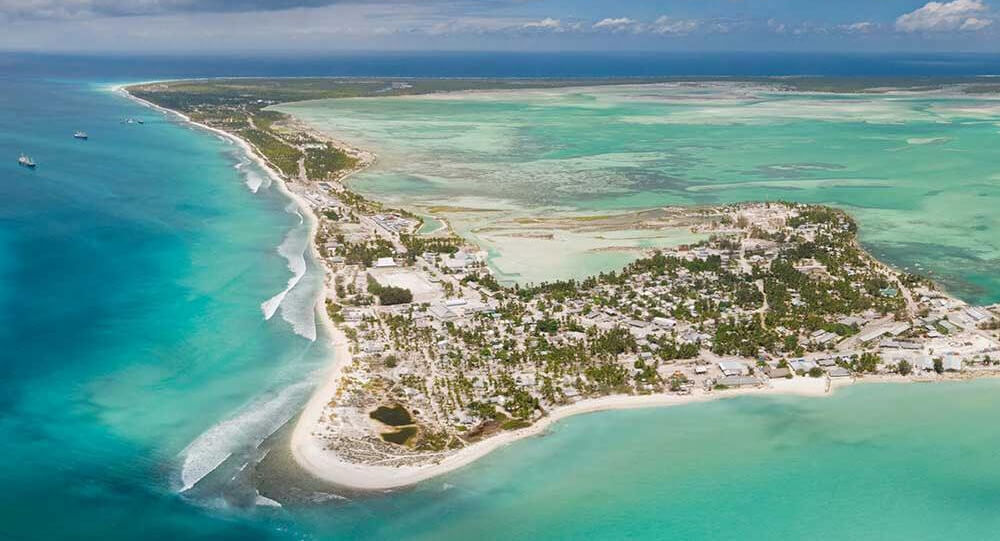
9 countries at risk of disappearing due to climate change
Although global warming is a serious threat to the entire planet, some geographical regions are more vulnerable to its effects.
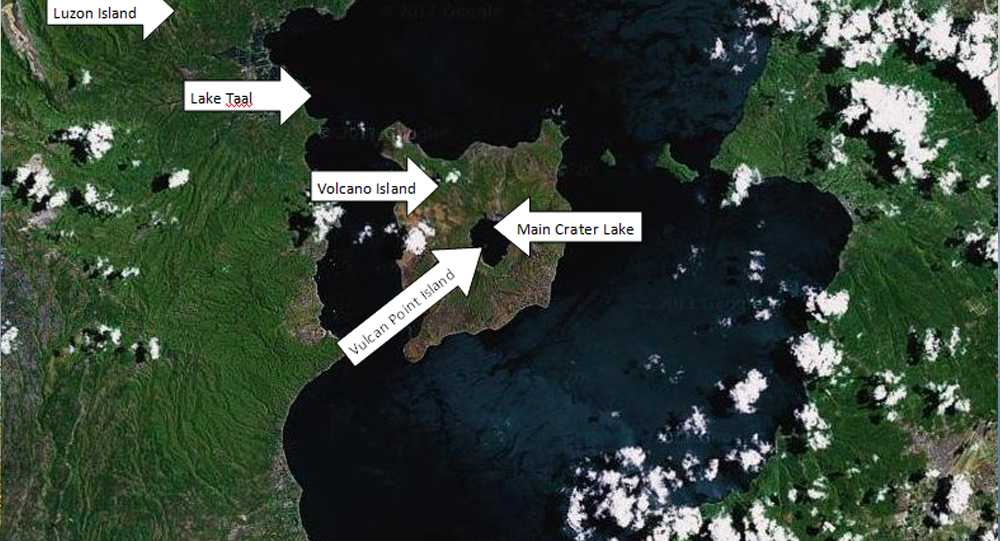
Taal volcano: The Island in a Lake on an Island in a Lake on an Island
Lake Taal, on the island of Luzon, in the Philippines archipelago's northernmost reaches, is unique. It's now one of just two lakes in the world with a third-order island within it, with the lake itself being a part of the order. In other words, Lake Taal, which is located on the island of Luzon, has a volcano (Volcano Island), a lake (Crater Lake), and its own little island (Vulcan Point).

Mystery SOLVED: blood Rain in India
The dissemination of spores of microalgae has been identified as the origin of the 'Blood Rain' phenomena, according to a new study by Indian and Austrian experts. Since 1896, reports of intermittent red-colored rain in portions of Kerala and Sri Lanka have been coming in. The most recent one occurred in 2013 over Kerala.
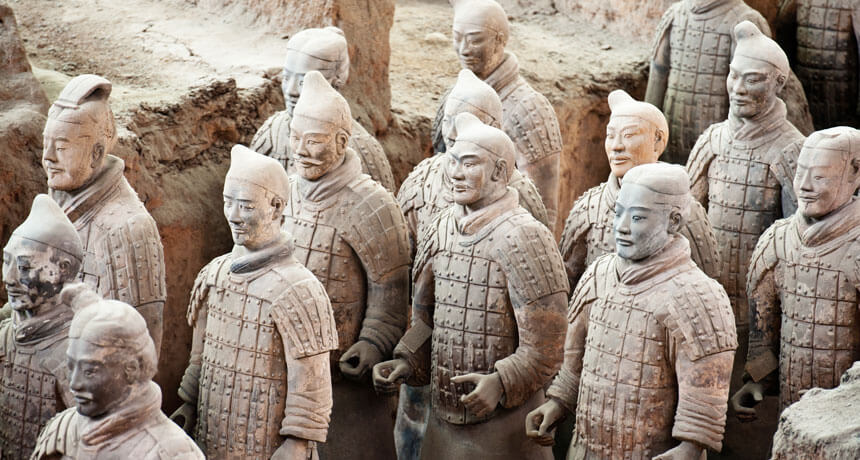
Top 10 Greatest and shocking Archaeological Discoveries of All Time
While we're all locked at home, there's no better way to escape to another time and place than to learn about amazing archeological sites and discoveries from around the world. Here are the 10 greatest and shocking archaeological discoveries —and don't be shocked if they inspire future trip plans whenever it's safe to do so again.

Sandy Island: The Phantom Island That Fooled Maps and Google Earth for Centuries
Sandy Island, charted since 1774, was long considered a phantom island in the Coral Sea. Despite appearing on maps and Google Earth, it was "undiscovered" by scientists in 2012, revealing only deep ocean instead of land. The island's existence was likely a cartographic error or a misidentified pumice raft.
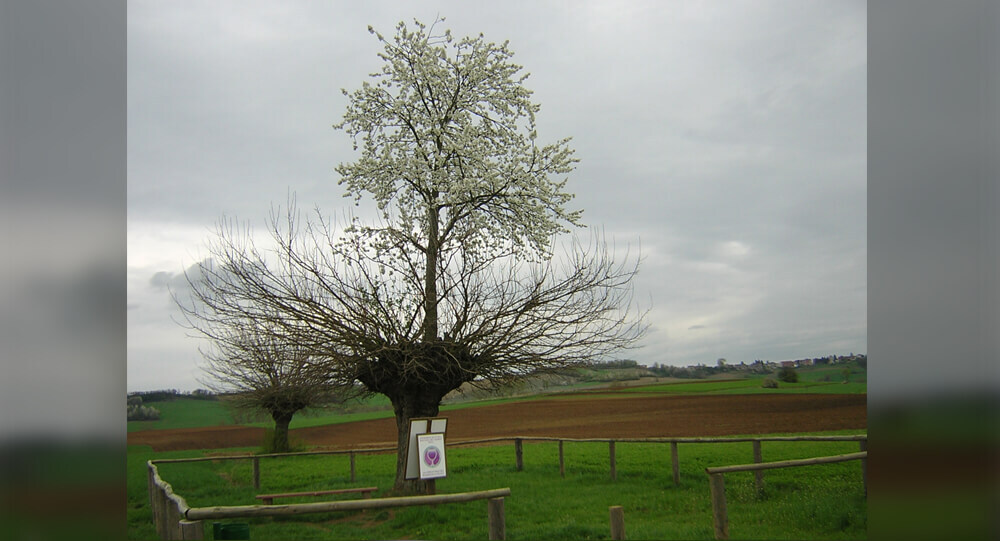
The Unique Grana Double Tree of Piedmont, Italy
The “Grana Double Tree” in Piedmont, Italy is a highly unusual tree, which consists of a cherry tree growing atop a mulberry tree. It is essentially a two-species, two-tiered hybrid duplex.
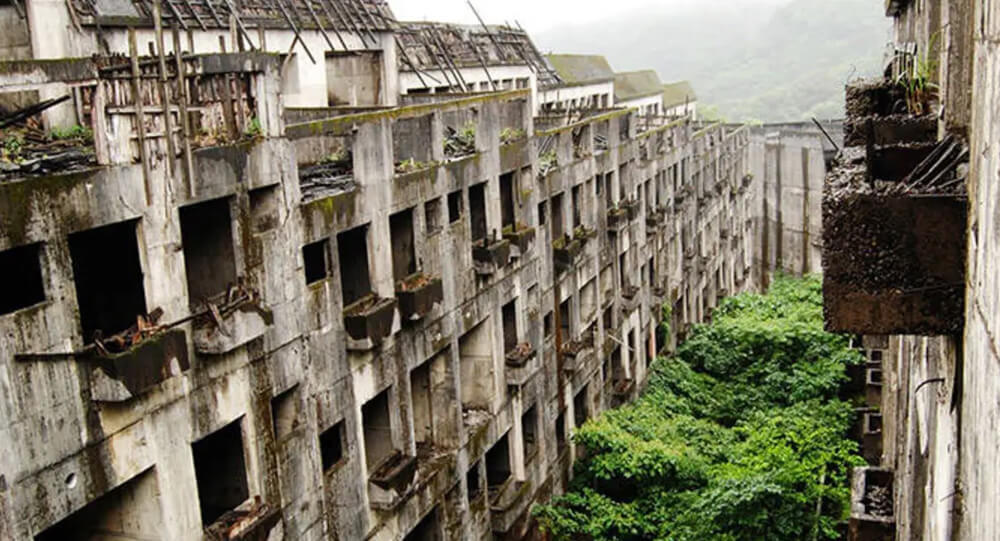
Famous abandoned cities and ghost towns in the world
Learn the stories behind seven of the world's most renowned abandoned cities and villages, from the infamous Chernobyl nuclear catastrophe zone to Hashima Island.
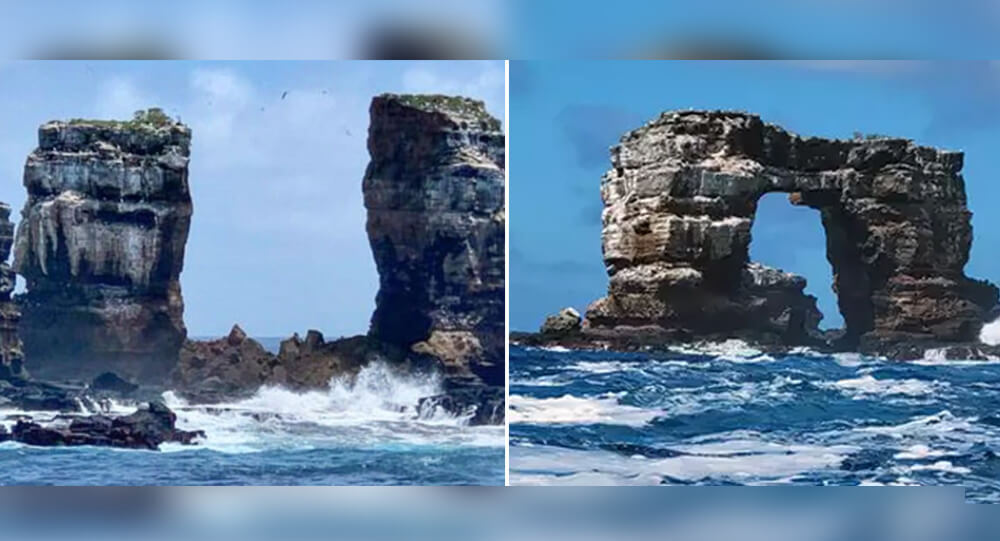
Darwin's Arch collapse
According to news sources, the top of Darwin's Arch, a famous natural stone archway in the northern Galapagos Islands, has collapsed into the waves.

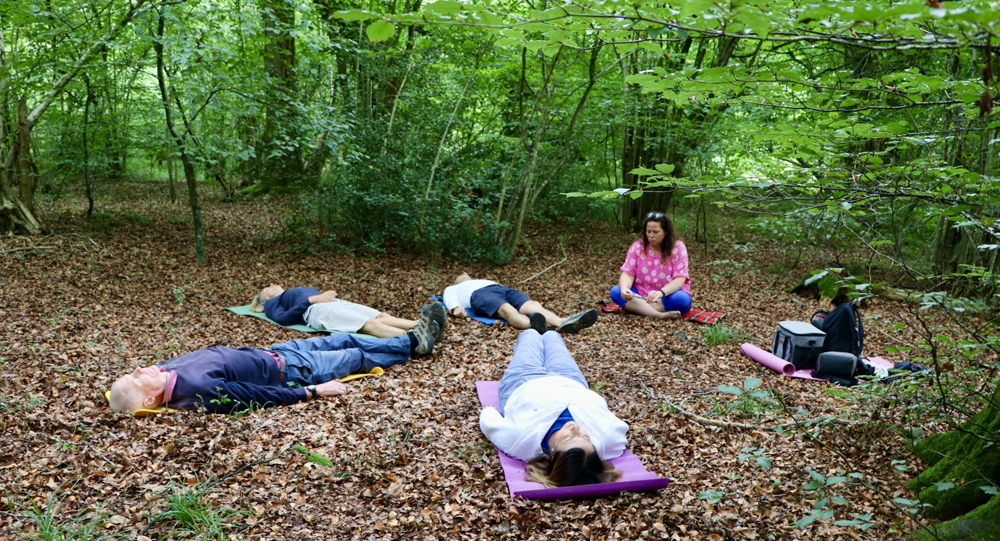
The Benefits of Forest Bathing and Why It’s Gaining Popularity Worldwide
Forest bathing, or Shinrin-yoku, is an immersive practice of spending mindful time in natural forest environments, and it’s rapidly gaining global popularity due to its proven health benefits. From reducing stress and lowering blood pressure to boosting immunity and enhancing mental wellness, forest bathing offers a natural and accessible way to reconnect with nature and improve overall well-being. Explore the science, sensory experience, and rising trend behind this soothing practice.
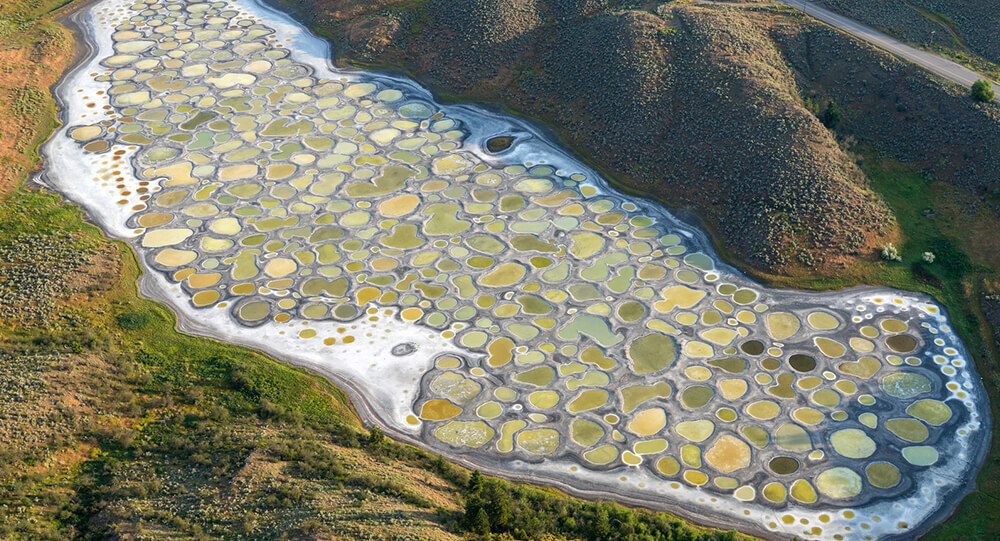
The Mystery of Canada's Magical Spotted Lake
Lake Khiluk, the world's most mineralized lake, and one of the most mysterious places on Earth. Each of these spots has a distinct chemical content and is said to cure various diseases.
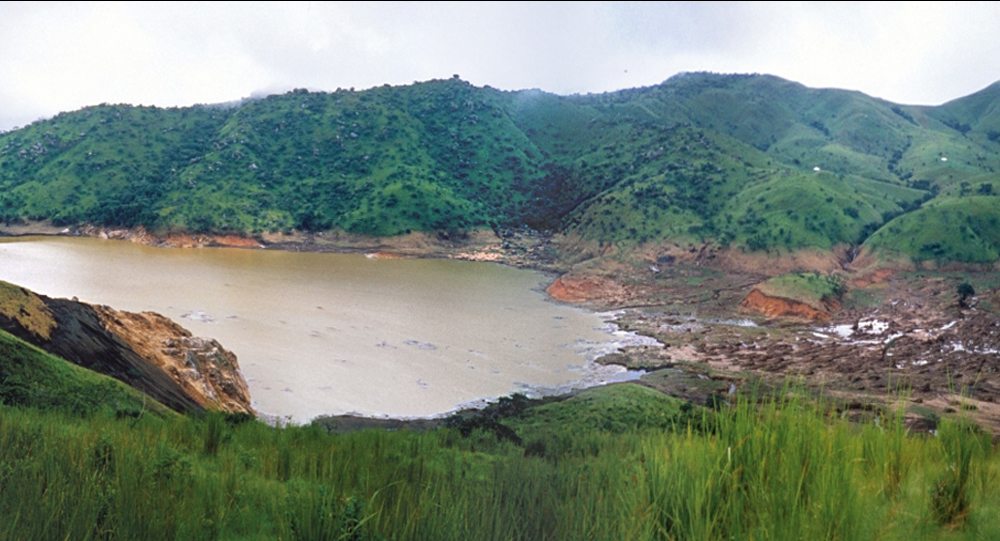
The Lake That Explodes: The Deadly Mystery of Africa’s Silent Killer
Did you know some lakes can kill without warning? Lake Nyos in Cameroon once erupted with invisible carbon dioxide, suffocating 1,700 people in minutes. These rare “exploding lakes” silently build pressure, turning still waters into deadly, unseen assassins.
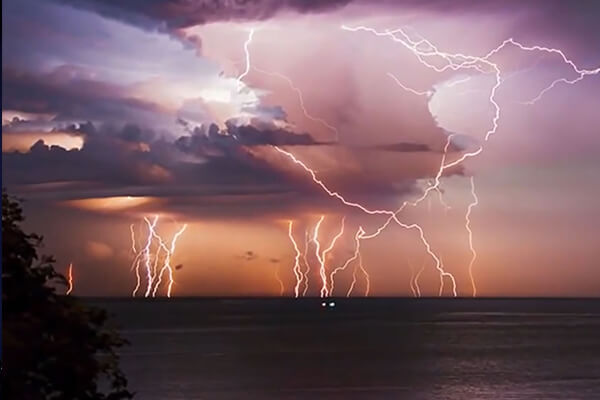
8 most amazing natural phenomena on earth
Nature is elusive and unpredictable, and the unexplained manifestations of its influence often leave us speechless. Though you might believe that shifting rocks and blood-colored rain are a prank or a magical phenomenon, science has an explanation for (almost) anything.
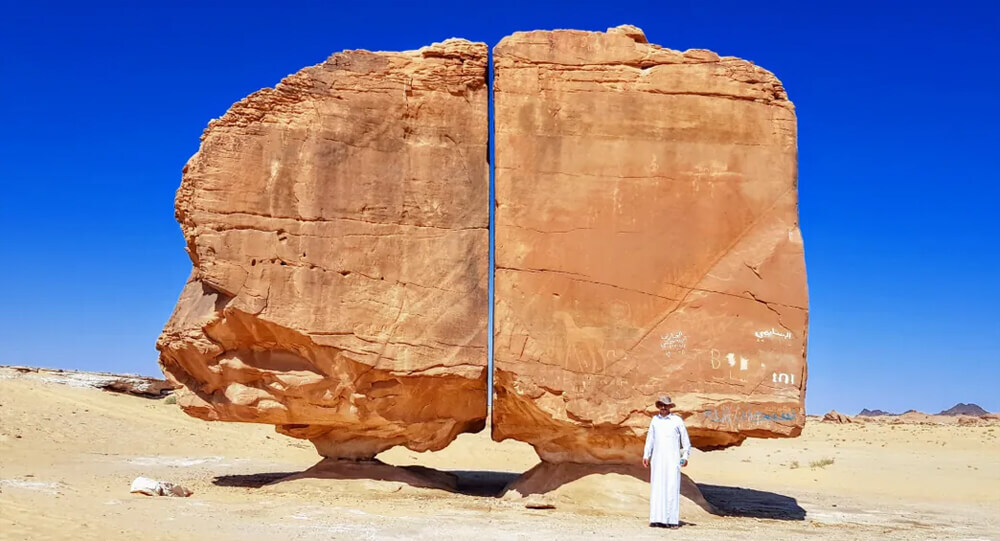
How Were the Two Parts of the Al Naslaa Rock Formation Created?
Scientists have been puzzled by the Al Naslaa rock formation in Saudi Arabia for a long time, and there is still no explanation for why this boulder appears to have a precise incision across the middle of it.