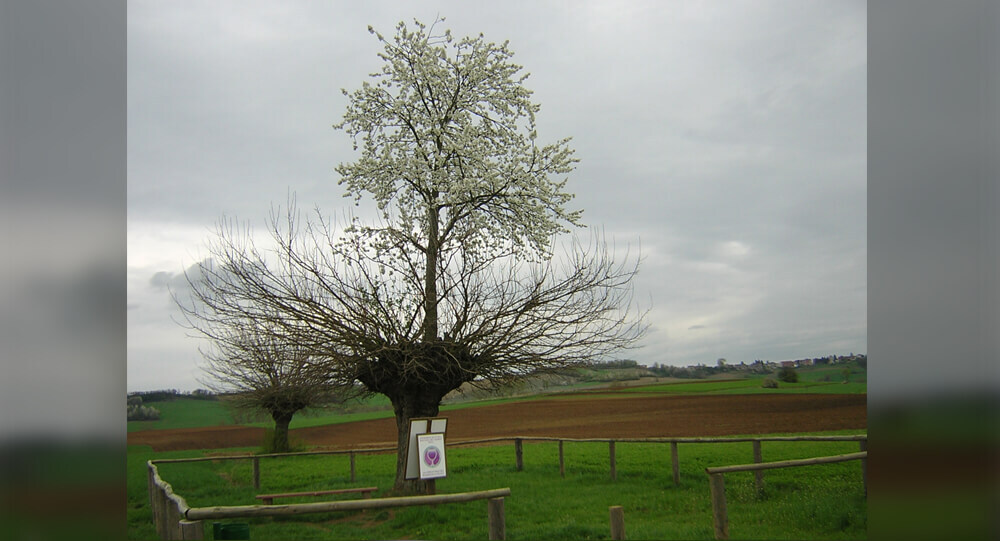
In the picturesque Italian region of Piedmont, there is a remarkable natural wonder called The Grana Double Tree. Because of its extraordinary and uncommon qualities, it has captured the attention of both residents and visitors. This article explores the intriguing formation and origins of the Grana Double Tree, highlights its distinctive characteristics, explores the mythology and cultural significance associated with it, and provides information on its ecological significance and conservation efforts. We’ll also explore the scientific underpinnings of this amazing phenomenon and offer a guide for those who want to see the Grana Double Tree for themselves. Come along on a journey as we uncover the mysteries and splendor of this extraordinary double tree in Piedmont.
The Grana Double Tree: A Unique Phenomenon in Piedmont
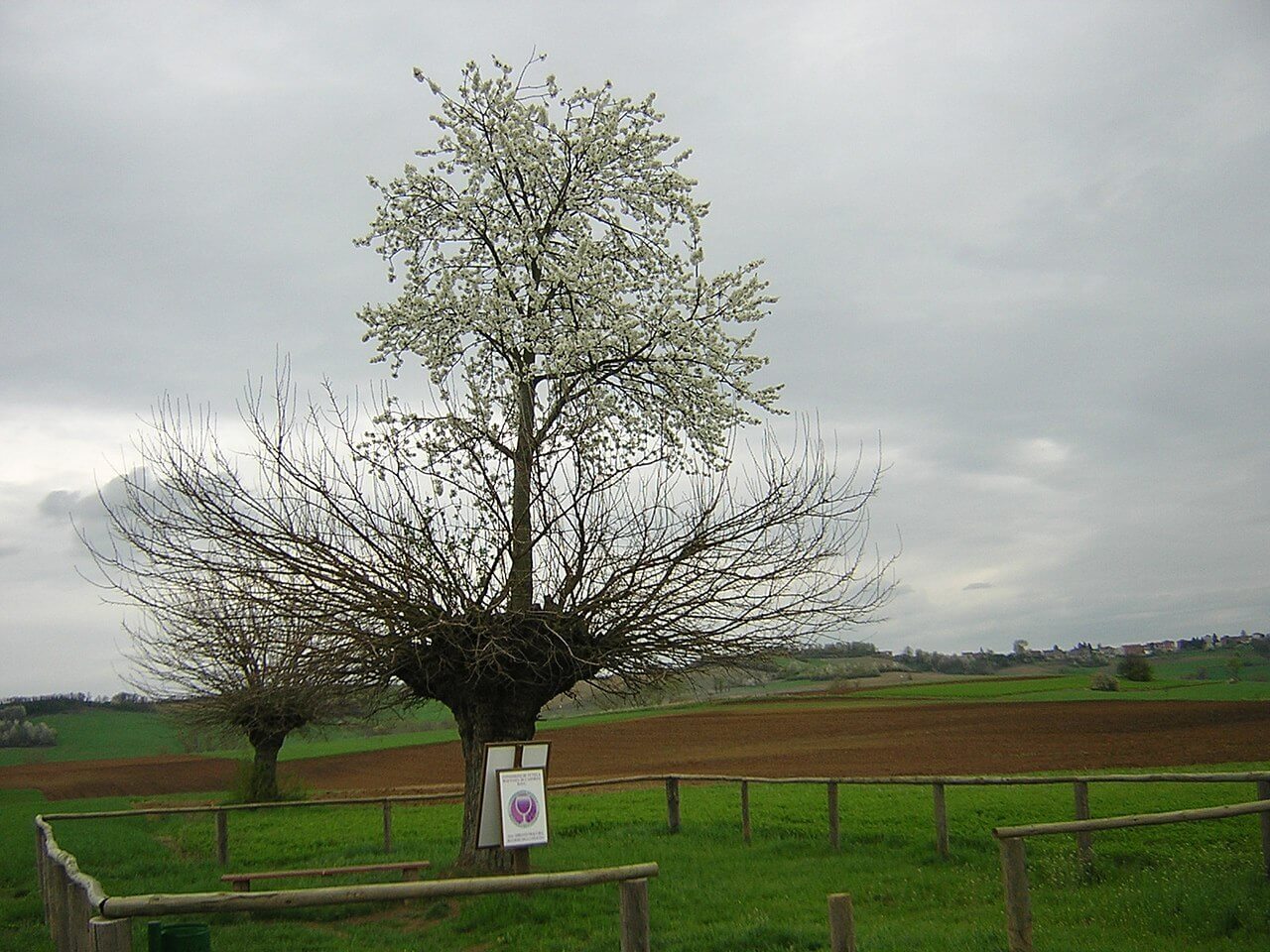
Imagine coming across a tree that defies all logic by having two trunks meld together naturally, producing a stunning spectacle. Hello and welcome to the fascinating world of the Grana Double Tree, a unique natural phenomenon that can be found in the enchanting Italian region of Piedmont. This extraordinary tree intrigues both scientists and nature lovers because it is rare and not just a visual marvel.
The Grana Double Tree occupies a significant position in the region’s natural beauty, nestled within Piedmont’s picturesque landscape. It illustrates the complex processes by which plants evolve and survive, serving as a testament to nature’s resiliency and adaptability. The Grana Double Tree has established itself as a popular destination that welcomes travelers from all over the world as a representation of the area’s distinct charm.
The Fascinating Origins and Formation of the Grana Double Tree
The geological marvels that shaped Piedmont’s landscape millions of years ago are where the Grana Double Tree’s history begins. This extraordinary tree is thought to have been formed as a result of the convergence of specific geological factors, including the makeup of the soil and the presence of particular minerals. These elements came together just right to create the perfect environment for the double trunks to entwine and develop harmoniously.
The Grana Double Tree has a distinctive and captivating appearance thanks to the forces of weathering and erosion that have sculpted it over time. The tree has been shaped by the constant exposure to wind, rain, and other natural elements, which have honed its branches and trunk. This ongoing process has contributed to the tree’s distinct features, making it a true testament to the ever-changing nature of our environment.
Exploring the Distinct Characteristics of the Grana Double Tree
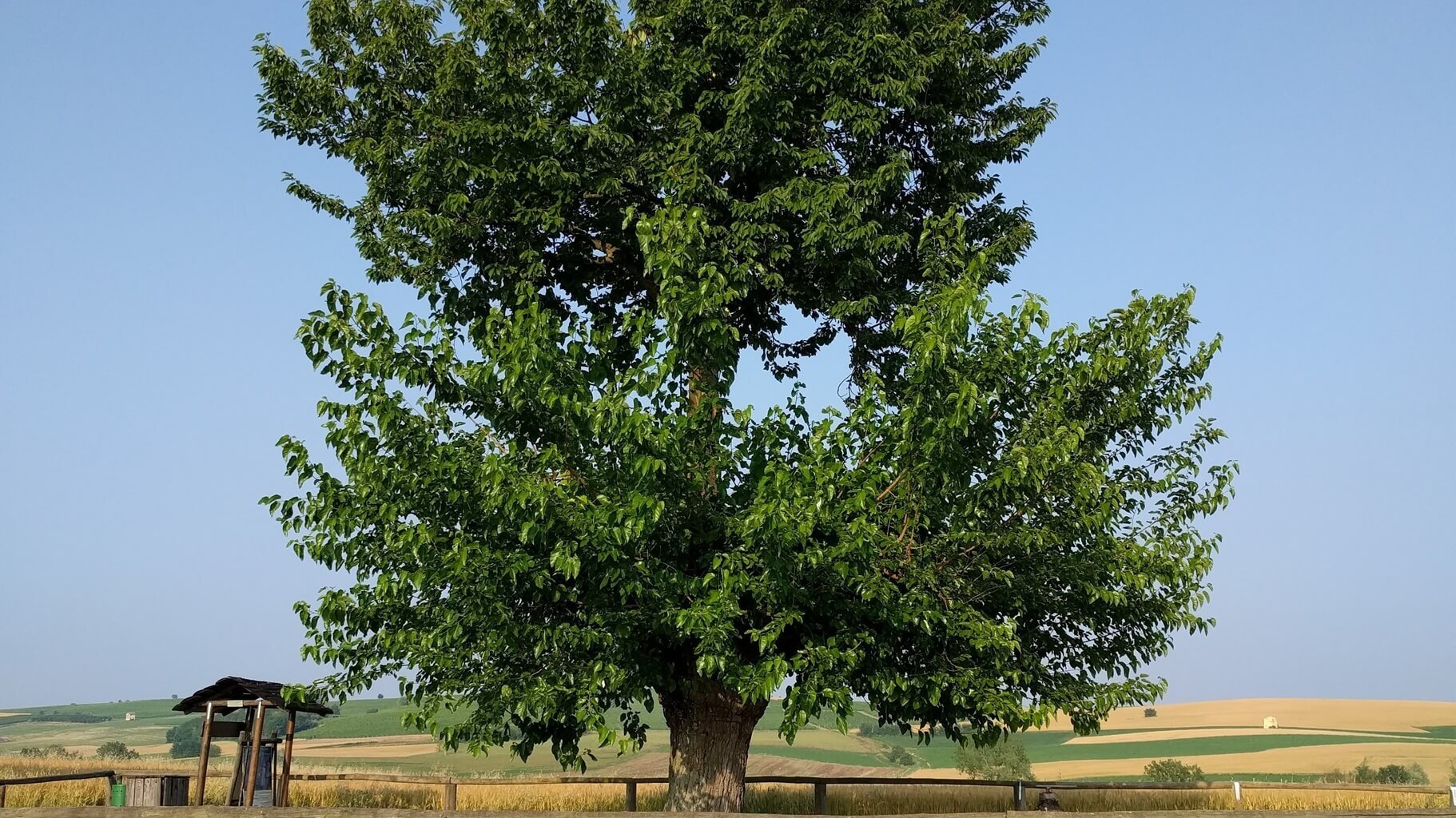
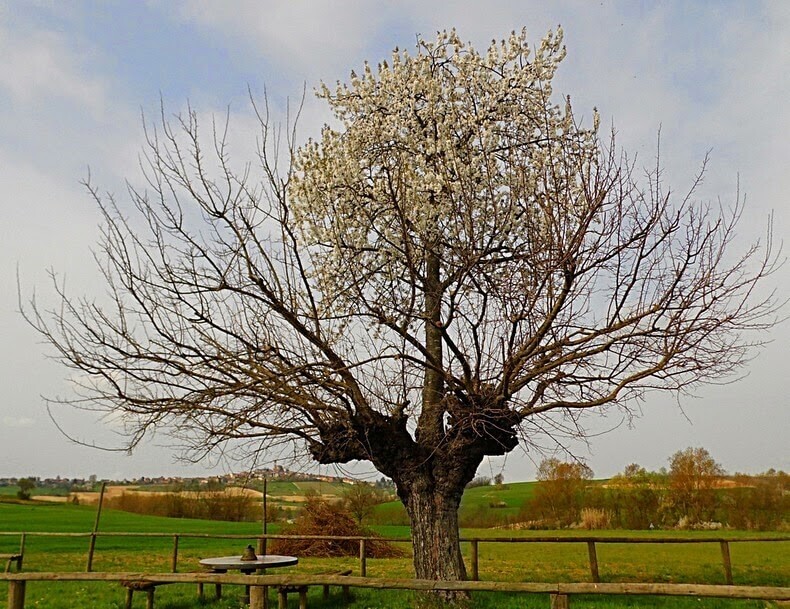
The Grana Double Tree is a hybrid of two distinct tree species, which adds to its appeal and distinction. This phenomenon typically happens when two genetically compatible trees, like oak and beech, grow alongside one another before merging. For those who are fortunate enough to see it, this harmonious combination of species creates an amazing blend of foliage, bark, and colors that is captivating to look at.
In addition to having two trunks, Grana Double Tree has other unique physical characteristics and growth patterns. Its branches entwine so intricately that it is frequently difficult to tell where one tree ends and another begins. In addition to enhancing its aesthetic appeal, this complex fusion exemplifies the tree’s capacity for cooperation and adaptation, defying the accepted rules of individual growth.
Unveiling the Mystery: Scientific Explanations for the Grana Double Tree
The puzzling phenomenon of the Grana Double Tree has aroused scientific interest, giving rise to numerous theoretical explanations and hypotheses. According to one theory, the tree might have come from two separate saplings that grew together over time. The saplings’ close proximity or other environmental factors, like wind or physical disturbances, may have caused this fusion to happen.
The Grana Double Tree, according to a different theory, might have developed as a result of a genetic mutation that caused the tree to develop two trunks rather than one. Although it would be unusual, genetic variations can occasionally cause such anomalies in plant species.
Although the true cause of the Grana Double Tree’s formation remains uncertain, ongoing research aims to unravel the mystery and shed light on this unique phenomenon.
Insights from Research and Studies on the Grana Double Tree
To learn more about The Grana Double Tree and its traits, researchers have conducted studies. The genetic make-up, growth patterns, and anatomical characteristics of the tree have all been thoroughly analyzed in these studies. Scientists have learned more about the development of the double tree and possible factors that may have influenced its formation by contrasting it with its single-trunk counterparts.
According to preliminary research, the Grana Double Tree is remarkably resilient and adaptable, which may help ensure its survival and expansion. Researchers hope to learn important facts that could be used in tree conservation and genetic research by deciphering the genetic code of the tree and examining how it responds to various environmental stressors.
As scientific knowledge surrounding the Grana Double Tree continues to evolve, researchers remain captivated by the tree’s extraordinary nature and its potential contributions to our understanding of plant biology.

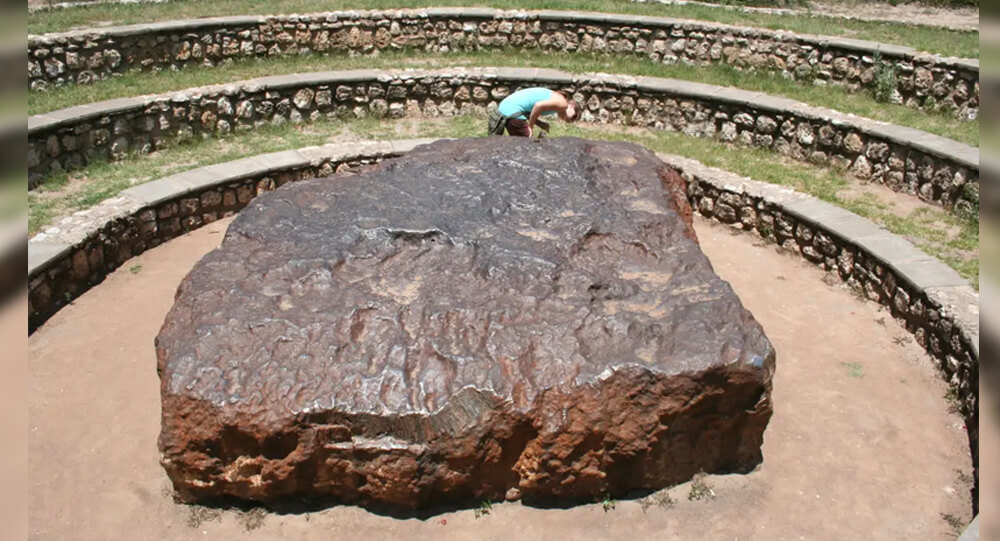
Top 6 Largest Meteorites Ever Found on Earth
When space meteorites hurtle towards Earth, they frequently burn up in the atmosphere before reaching us. Those that burn up become meteors - or shooting stars.
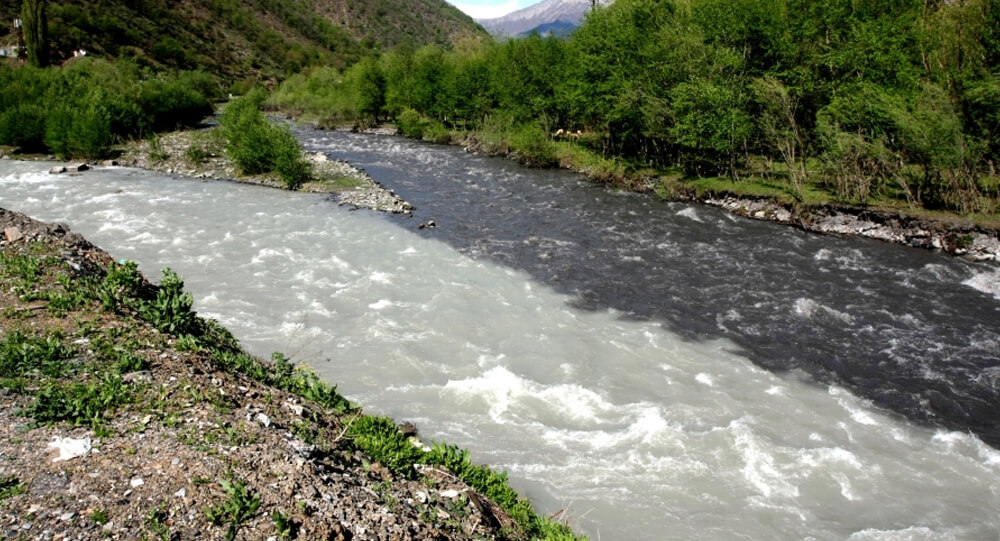
When two rivers meet but do not mix in Georgia
The incredible Black and White Aragvi river in Georgia that do not mix up.
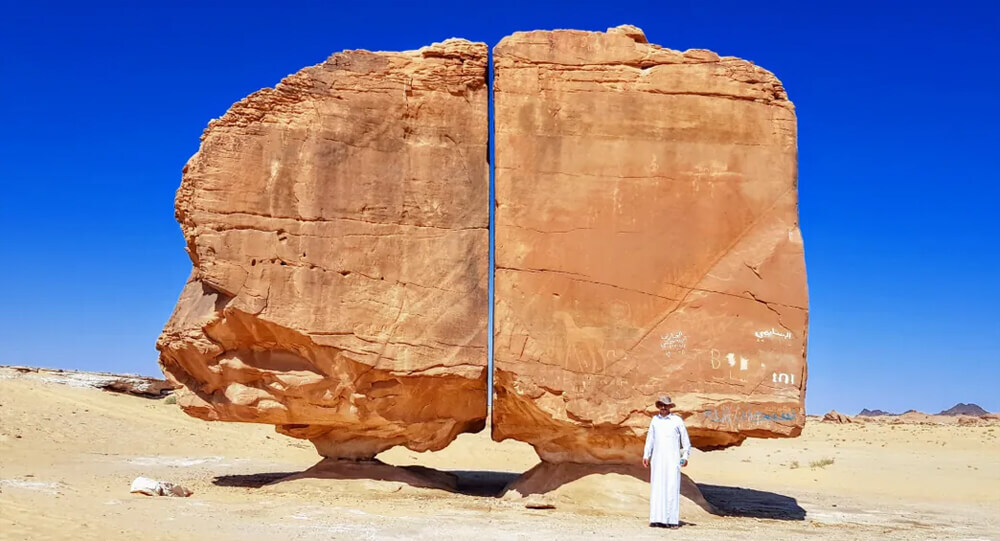
How Were the Two Parts of the Al Naslaa Rock Formation Created?
Scientists have been puzzled by the Al Naslaa rock formation in Saudi Arabia for a long time, and there is still no explanation for why this boulder appears to have a precise incision across the middle of it.
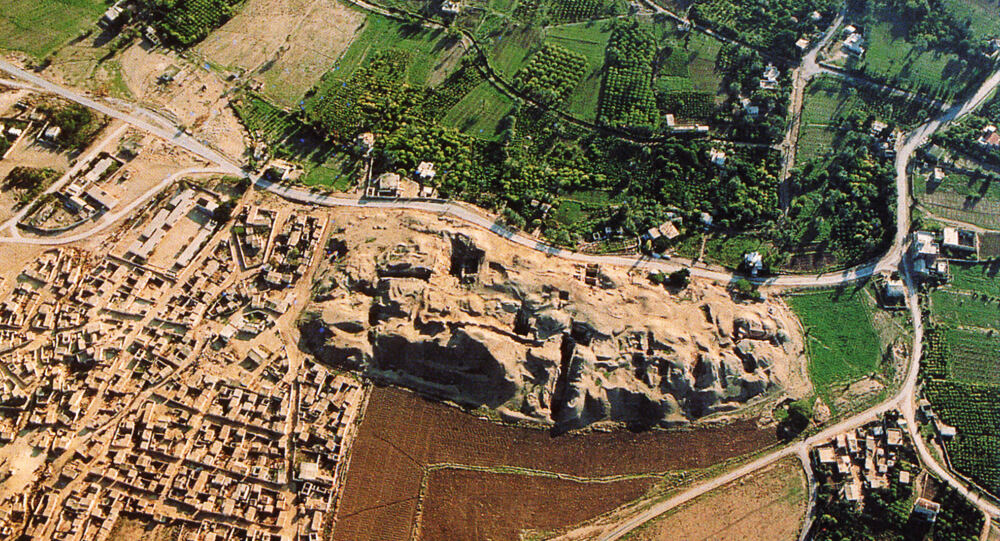
Ancient Jericho: The First Walled City In History
The ancient city of Jericho is the world's oldest walled city, with evidence of stone fortifications dating back nearly 9000 years.
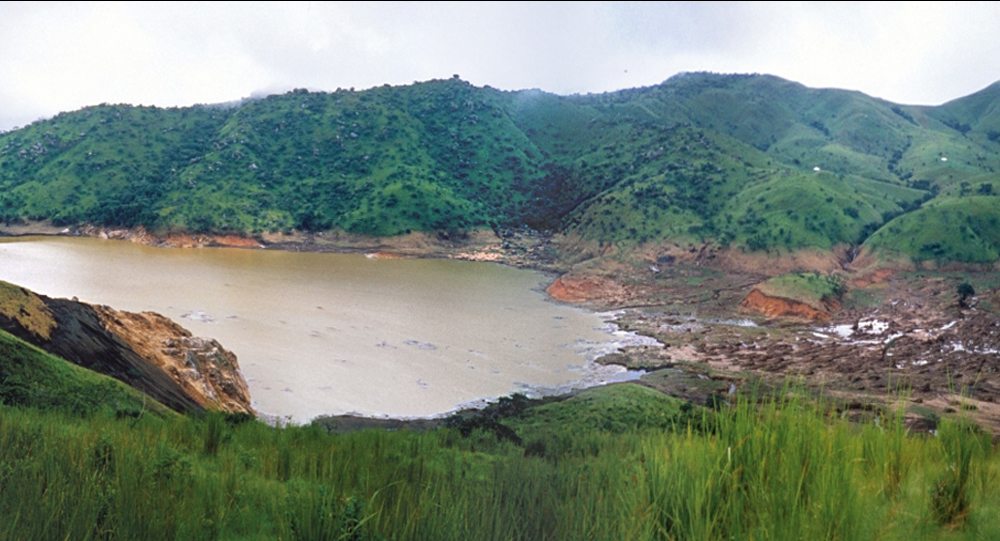
The Lake That Explodes: The Deadly Mystery of Africa’s Silent Killer
Did you know some lakes can kill without warning? Lake Nyos in Cameroon once erupted with invisible carbon dioxide, suffocating 1,700 people in minutes. These rare “exploding lakes” silently build pressure, turning still waters into deadly, unseen assassins.

Grüner See, The Park That Turns Into A Giant Lake Naturally
There is a place in Austria called Grüner See which is a dry park in winter and turns into a 12-meter-deep lake in summer.

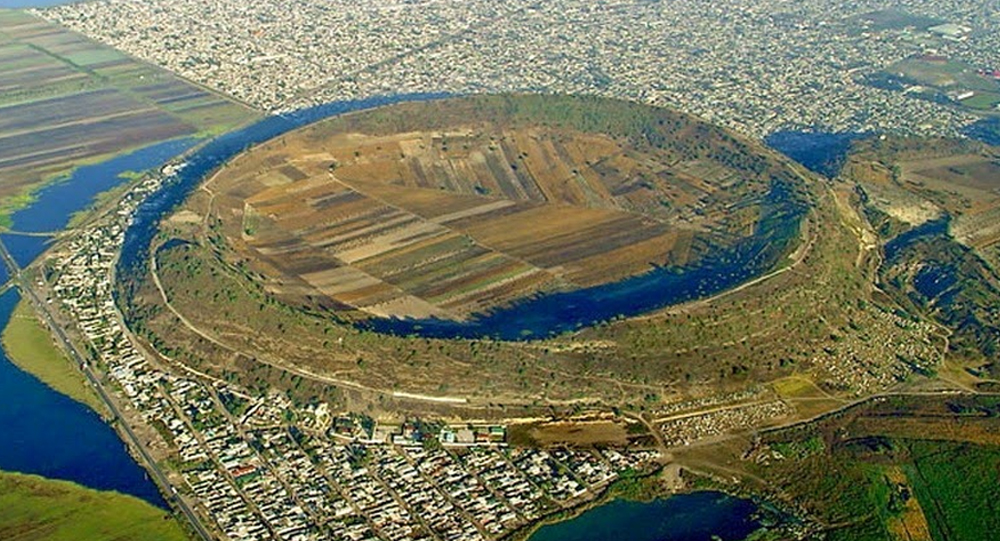
How Xico in Mexico Transformed from Volcano to Lake to Farmland
Xico, located near Mexico City, has a fascinating geological and cultural history that tells a story of transformation—once a violent volcano, then a serene lake, and today a fertile expanse of farmland. This transformation reflects the dynamic forces of nature and human intervention over centuries. This article explores the journey of Xico’s volcanic crater from its fiery origins through its time as a lake and how it ultimately became rich soil supporting agriculture and community life.
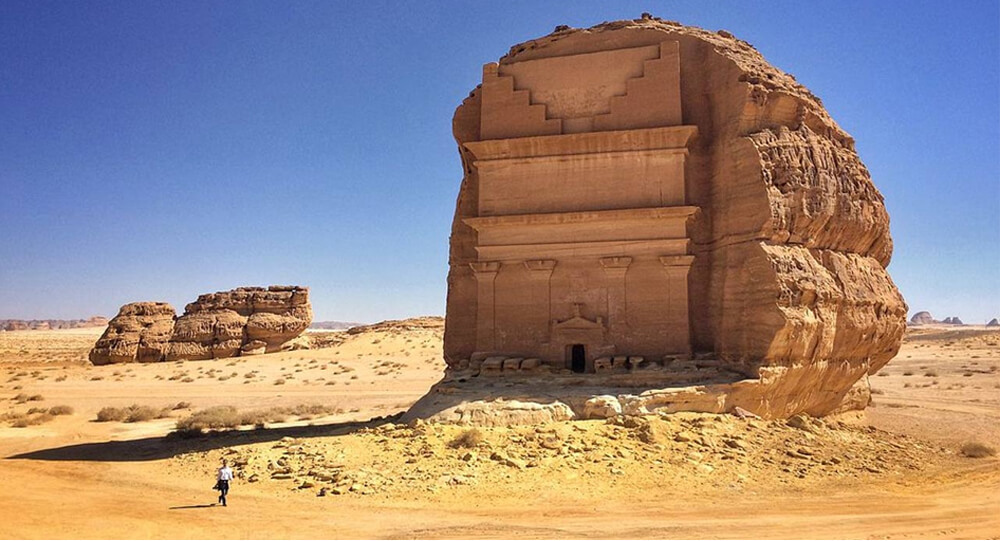
Qasr al-Farid, the Lonely Castle of the Nabataeans
The remote tomb of Qasr al-Farid, situated in the Saudi Arabian desert, dates back to the 1st Century CE. It was built by the Nabataean people, who also built Petra in Jordan. This site has remained largely undisturbed.
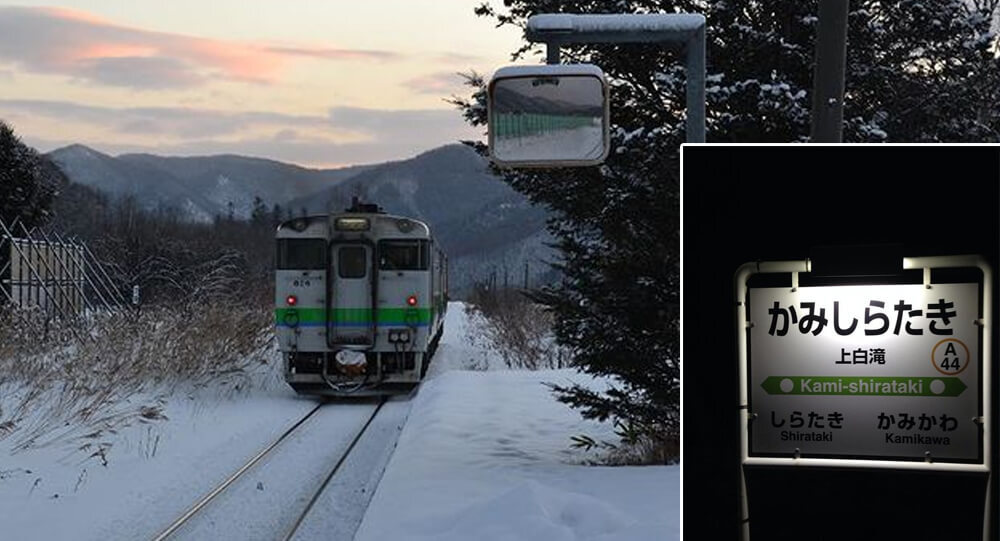
This soon-to-be-closed train station in Japan only serves one passenger
Japan keeps a defunc train station operational in 2015 for the sole purpose of allowing one girl to go to school every day. Only two stops are made by the train: once when an only one high school student departs for school and once when she returns.

Coolest and unique international boarders you must see
Not only do borders define us, but they also determine who we are. Simple lines on the ground, either man-made or geological, distinguish one culture from the next.
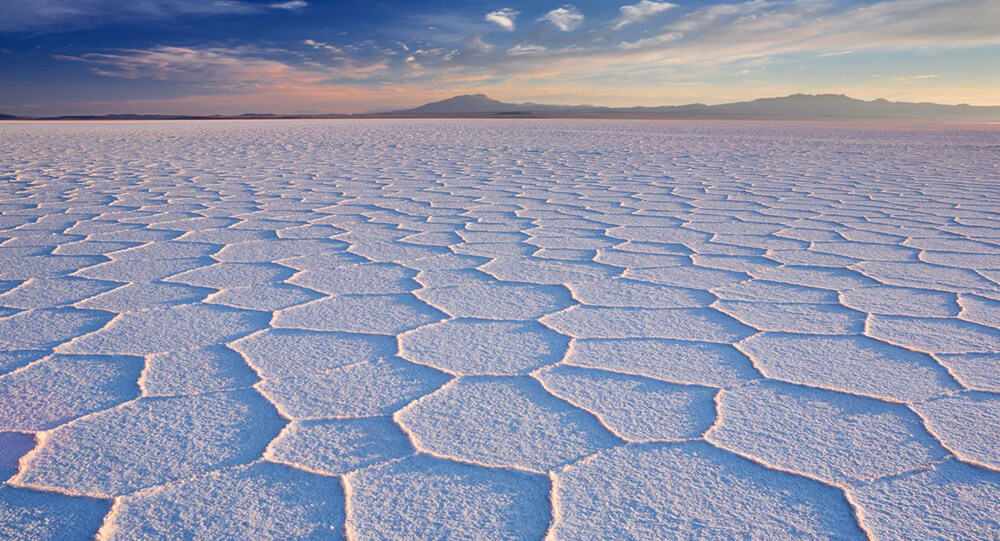
The world's largest salt flat, can be seen in space
At 10,582 square kilometers (4,086 sq mi), the Salar de Uyuni (or Salar de Tunupa) is the largest salt flat in the world. It is located in the Potosi and Oruro departments in southwest Bolivia, near the crest of the Andes, and is elevated 3,656 meters (11,995 ft) above the mean sea level.
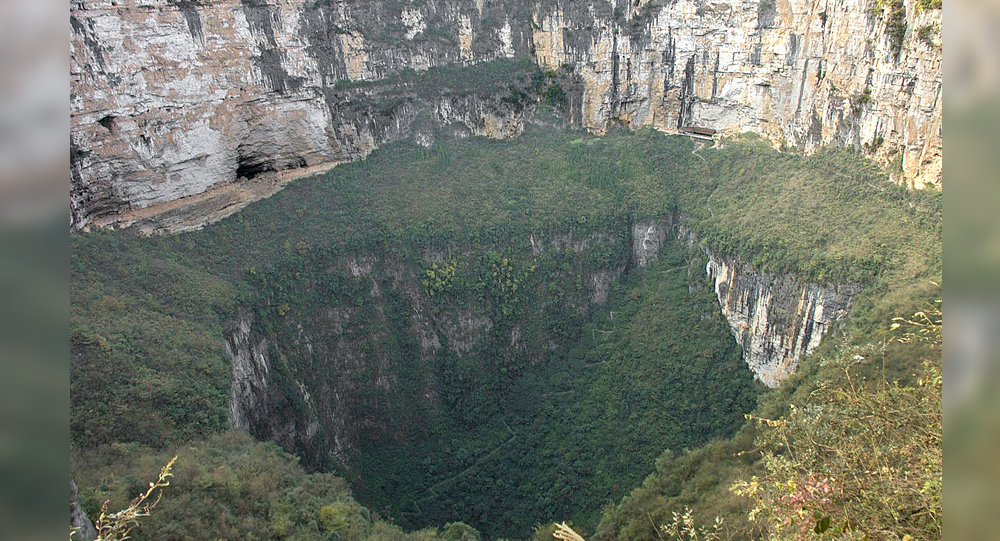
Xiaozhai Tiankeng: Exploring the World’s Deepest and Largest Natural Sinkhole
Hidden in the rugged terrain of Chongqing, China, lies Xiaozhai Tiankeng—the world’s deepest and largest natural sinkhole. Known as the “Heavenly Pit,” this colossal natural wonder plunges between 511 and 662 meters deep and stretches over 600 meters wide, dwarfing many familiar landmarks. This article journeys into the geological origins, unique ecosystem, and mysterious caverns beneath Xiaozhai Tiankeng, revealing a spectacular glimpse into Earth’s hidden landscapes.
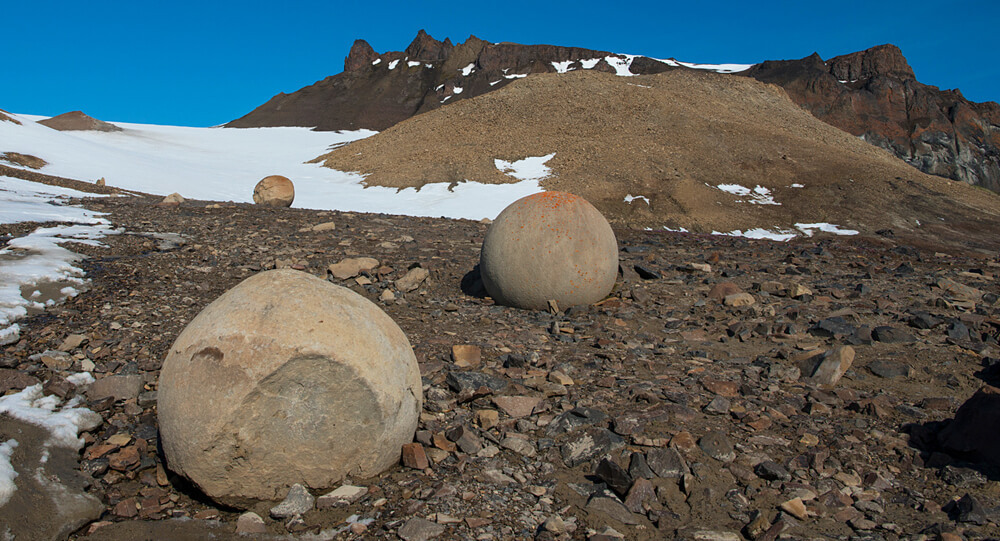
The mysterious GIANT spherical stones
Mysterious spherical stones ranging in size from a few millimeters to several meters have been discovered in Crimea, United States, Russia, and New Zealand. There are many theories from various geologists, but none of them are clear.

Top 10 Greatest and shocking Archaeological Discoveries of All Time
While we're all locked at home, there's no better way to escape to another time and place than to learn about amazing archeological sites and discoveries from around the world. Here are the 10 greatest and shocking archaeological discoveries —and don't be shocked if they inspire future trip plans whenever it's safe to do so again.

The Tiny Street in Scotland That Holds the Record as the World’s Shortest
Nestled in the northern Scottish town of Wick, Ebenezer Place may be small, but it packs a world record punch. Measuring only 6 feet 9 inches (2.06 meters) long and boasting just a single address—the front door of Mackay’s Hotel—this narrow street has earned its place in the Guinness Book of World Records as the shortest street on the planet. Officially declared a street in 1887, Ebenezer Place delights visitors with its quirky charm and unique history that highlights how even the tiniest places can capture global attention.
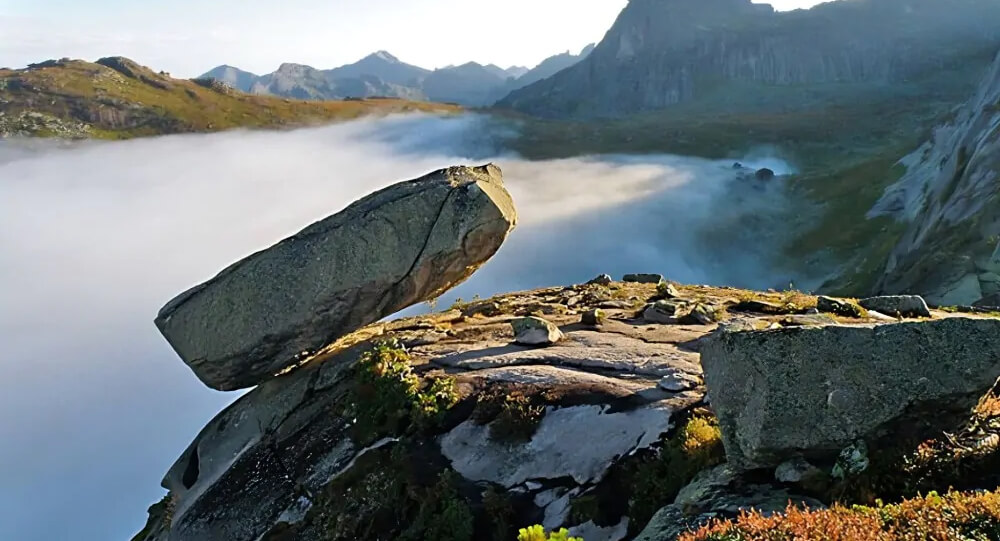
The Amazing Hanging Stone in Siberia Has Defied Gravity Since the Ice Age
The unbelievable "Hanging Stone" of Siberia weighs around 300 tons and has been hanging off a 1,000-meter cliff since the Ice Age.
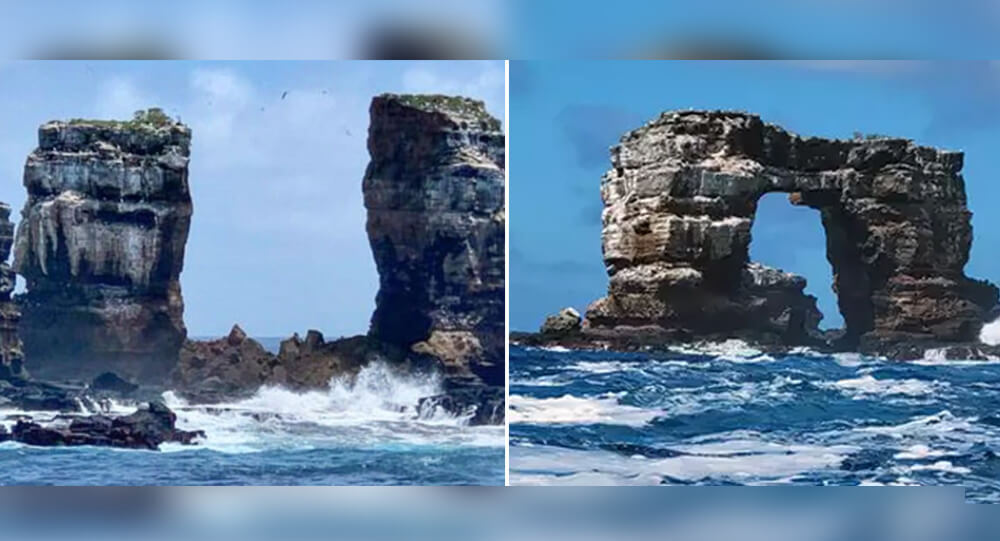
Darwin's Arch collapse
According to news sources, the top of Darwin's Arch, a famous natural stone archway in the northern Galapagos Islands, has collapsed into the waves.
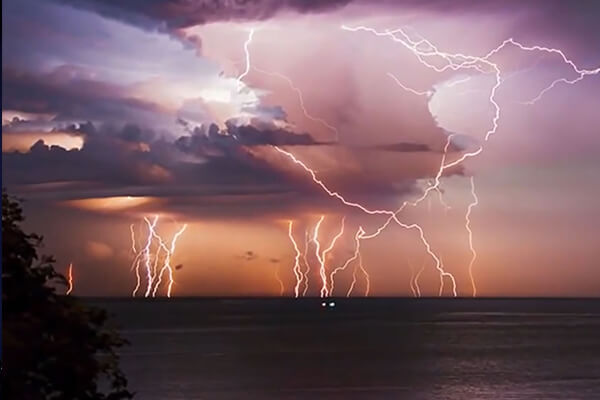
8 most amazing natural phenomena on earth
Nature is elusive and unpredictable, and the unexplained manifestations of its influence often leave us speechless. Though you might believe that shifting rocks and blood-colored rain are a prank or a magical phenomenon, science has an explanation for (almost) anything.


The Benefits of Forest Bathing and Why It’s Gaining Popularity Worldwide
Forest bathing, or Shinrin-yoku, is an immersive practice of spending mindful time in natural forest environments, and it’s rapidly gaining global popularity due to its proven health benefits. From reducing stress and lowering blood pressure to boosting immunity and enhancing mental wellness, forest bathing offers a natural and accessible way to reconnect with nature and improve overall well-being. Explore the science, sensory experience, and rising trend behind this soothing practice.

Toronto’s Camouflaged Electric Substations
For over a century, Canada’s second-largest power company has been disguising its electrical substations in Toronto as beautiful houses that blend perfectly with the neighborhood. These fake houses contain transformers that supply electricity throughout the city.

How Migratory Birds Navigate Thousands of Miles Without Getting Lost
Migratory birds undertake epic journeys spanning thousands of miles with astonishing precision, never losing their way. Their secret lies in a remarkable blend of innate senses, learned experience, and sophisticated navigation tools—ranging from the Earth's magnetic field to celestial clues and mental maps. Explore how these feathered travelers accomplish one of nature's most astounding feats through science, intuition, and adaptation.
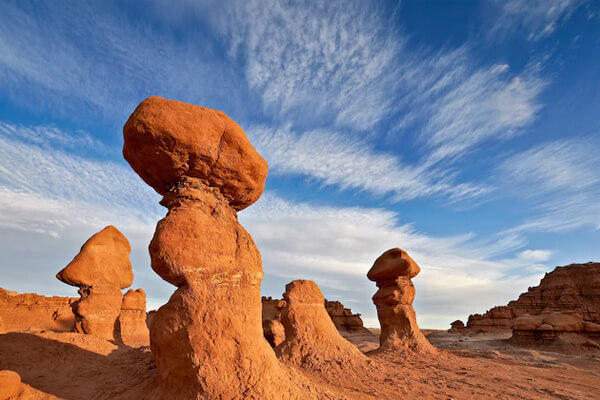
11 Amazing and famous rock formations around the world
For many years, people have been attracted to these spectacular-looking boulders because of their shape, components, location, or picturesque surroundings. Many of them are massive, and seeing them is an amazing experience.
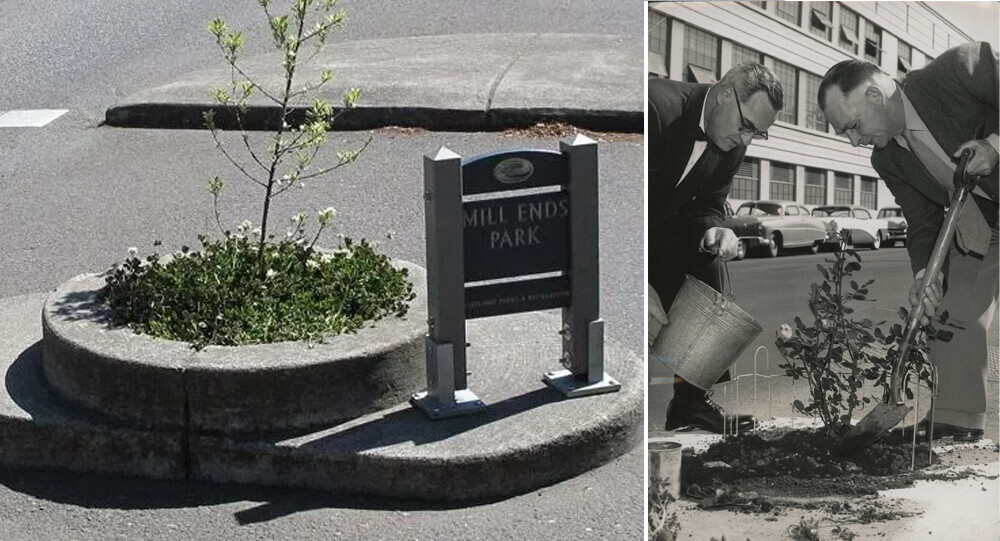
Mill Ends Park, the Smallest Park in the World
Portland, Oregon is home to the tiniest park in the world, a two-foot-diameter circle. Mill End Park is the name of this park.

Why Londoners Celebrate No Trousers Day by Riding the Metro Without Pants
Every year, Londoners participate in a quirky and joyful tradition known as No Trousers Day, where brave commuters board the London Underground dressed normally but without trousers, pants, or pajamas from the waist down. This cheeky event brings laughter, surprises, and a shared sense of community to the usually dull winter commute, reflecting a playful rebellion against the mundane and a celebration of spontaneity. Discover the origins, spirit, and fun behind London’s beloved No Trousers Tube Ride.
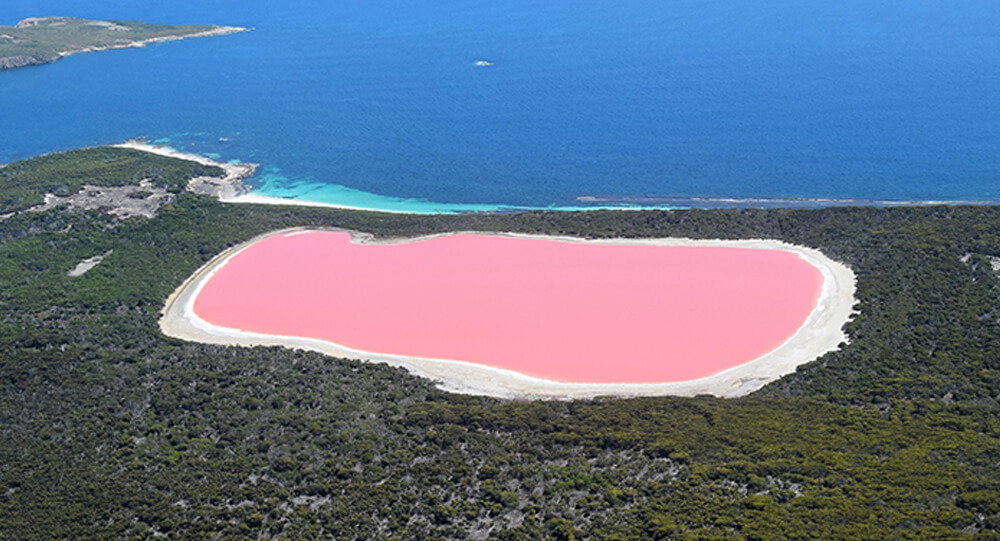
What is secret behind the Australia’s mysterious pink lake?
Lake Hillier in Australia maintains a bright pink hue all year round. Although no one knows for sure what causes the unique coloring, experts speculate that it might be the result of high salinity, a pink bacteria called “halobacteria,” and a salt-loving algae species called Dunaliella salina.