
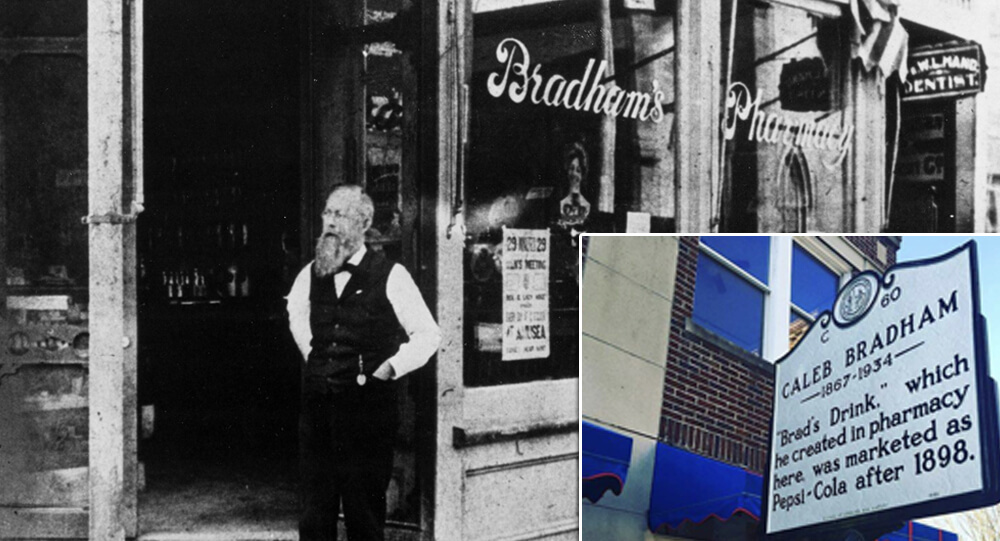
A pharmacist from New Bern, North Carolina named Caleb Bradham set out on a remarkable journey that would fundamentally alter the beverage industry. Bradham created Brad’s Drink, a carbonated beverage, in the late 19th century, and it quickly became well-liked by locals. He renamed his invention Pepsi-Cola after realizing its potential, creating the basis for one of the most recognizable and adored soft drink brands in history. This article delves into the fascinating tale of how Brad’s Drink became Pepsi-Cola, examining Caleb Bradham’s early years, the formula for success, the difficulties encountered, and the lasting legacy of this creative beverage.
The origins of Brad’s Drink and the birth of Pepsi-Cola
The frothy delights of carbonated drinks, these drinks have become a beloved part of our lives, from sipping on a cool soda on a hot summer day to enjoying the delightful fizz tickling our taste buds. But have you ever questioned how it all started?
Let’s take a trip back in time to the beginning of carbonated beverages. Scientists started experimenting with carbonation in the late 18th century, adding bubbles to water to produce what is now known as soda water. It didn’t take long for people to realize that this fizzy mixture offered a unique sensory experience in addition to quenching their thirst.
When we travel back in time to the nineteenth century, we are in the era of soda fountains. These mysterious locations resembled the beverage industry’s version of the Willy Wonka factory. To indulge in sweet, fizzy drinks that were mixed and poured in front of their eyes, people flocked to soda fountains. These places quickly developed into gathering places for friends to catch up over their favorite drinks and the newest rumors.
Now that the scene has been set, let’s explore how Brad’s Drink evolved into the recognizable Pepsi-Cola we know today.
The early life of Caleb Bradham: From pharmacist to entrepreneur
Every great story needs a main character, and Caleb Bradham is that hero in the Pepsi saga. Caleb chose a career in pharmacy because he was born with an inquisitive mind and a passion for all things scientific. He put a lot of effort into his studies, became well-versed in pharmaceutical compounds, and eventually earned his pharmacy license.
But Caleb’s goals went beyond making concoctions and taking prescriptions. He experimented with various flavors and mixtures until he hit upon a particularly delectable mixture that would forever alter his life. Caleb came up with a refreshing mixture of carbonated water, sugar, vanilla, kola nuts, and just a hint of secret ingredients, drawing inspiration from the rising popularity of soda fountains and his own passion for developing new and exciting drinks.
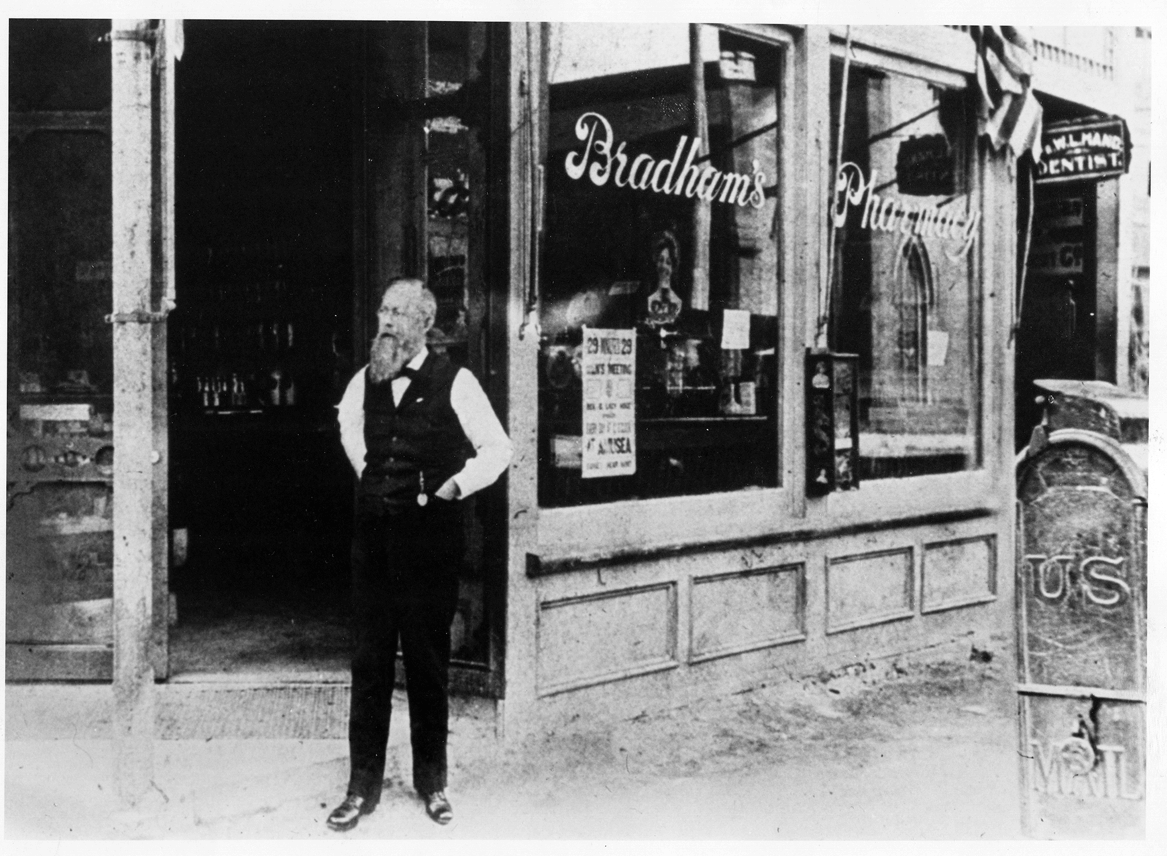
Thus, Brad’s Drink was created. In the beginning, Caleb served it to his devoted clients at his pharmacy in New Bern, North Carolina, where it quickly became well-known as a cool and energizing beverage. But nobody realized how important this simple mixture was until it was too late.
The secret formula and its popularity
Making the ideal soda is a difficult task. Numerous hours of trial-and-error, taste-testing, and the occasional inspiration are required. Caleb Bradham enthusiastically accepted this challenge and worked tirelessly to perfect his recipe’s flavor and fizz ratio.
In his pursuit of the ideal soda, Caleb used his pharmacy expertise to tweak everything from the sugar content to the kola nut mixture.
The news of Caleb’s delectable creation quickly spread. Customers flocked to his pharmacy for their routine prescriptions as well as to try a sample of Brad’s Drink. Due to its distinctive flavor and refreshing qualities, it quickly became popular among the locals, and Caleb’s pharmacy quickly came to be associated with the famous beverage.
As the demand increased, Caleb understood that Brad’s Drink could potentially appeal to a much larger audience. It was time to advance his bubbly mixture into the major leagues.
The rebranding of Brad’s Drink: The birth of Pepsi-Cola
While Brad’s Drink was well-liked by its expanding fan base, Caleb Bradham understood that he needed a name that would accurately describe his creation if he wanted to make a real splash in the beverage industry. So, after much thought, he made the bold decision to change the name of his beverage to Pepsi-Cola.
You might wonder why Pepsi-Cola. Caleb wanted to give his drink a name that reflected how energizing and refreshing it was. And what better way to express that than by using the word “Pepsi,” which is derived from the digestive enzyme pepsin, which is known for its capacity to facilitate digestion? A clever fusion of science and marketing gave rise to one of the most well-known brands in the world very quickly.
Brad’s Drink changed into the fizzy sensation we now know as Pepsi-Cola thanks to a new name and unwavering determination.
Therefore, keep in mind the humble beginnings of Brad’s Drink and the journey it took to become the beloved beverage that has quenched our thirst for more than a century the next time you reach for that can of Pepsi. Cheers to Caleb Bradham, the innovative pharmacist and businessman who gave us Pepsi-Cola!
The growth of Pepsi-Cola: From local success to national recognition
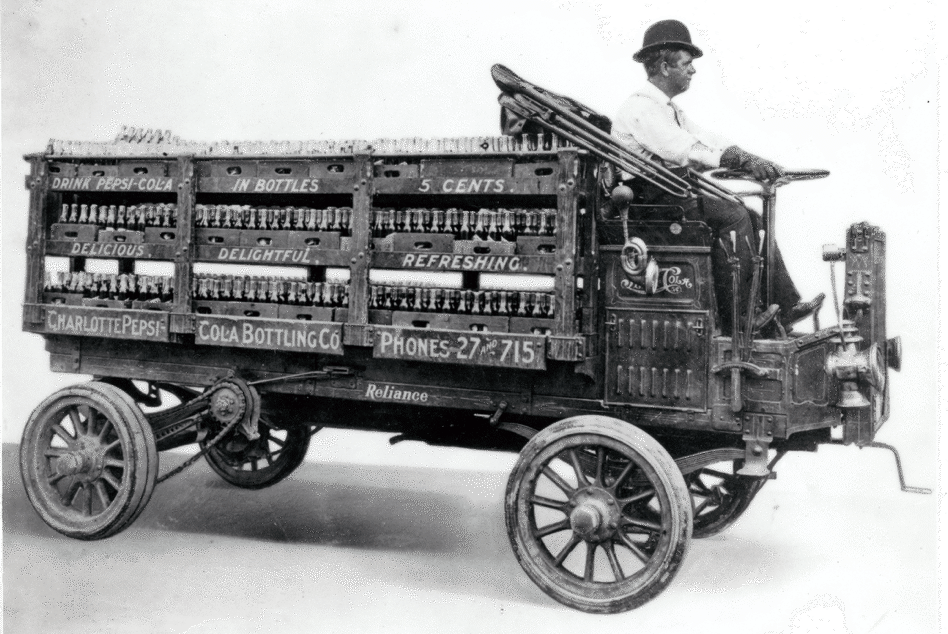
Pepsi-Cola’s strategic expansion of distribution channels helped the company go from a regional sensation to a well-known brand nationwide. Caleb Bradham realized he needed to reach a larger audience as the demand for the cool cola soared. In order to ensure that the thirst-quenching beverage could be enjoyed by more and more people outside of his pharmacy, he started by distributing Pepsi in nearby towns and cities.
Pepsi-Cola was created in the modest pharmacy of Caleb Bradham, but its goals were much greater. With unwavering resolve, Bradham expanded the use of his invention beyond the confines of his pharmacy and set out to dominate the soda market. Pepsi-Cola began entering supermarkets, eateries, and soda machines across the country through shrewd partnerships and a focus on quality. Before long, Bradham’s dream became a reality as Pepsi-Cola became a household name.

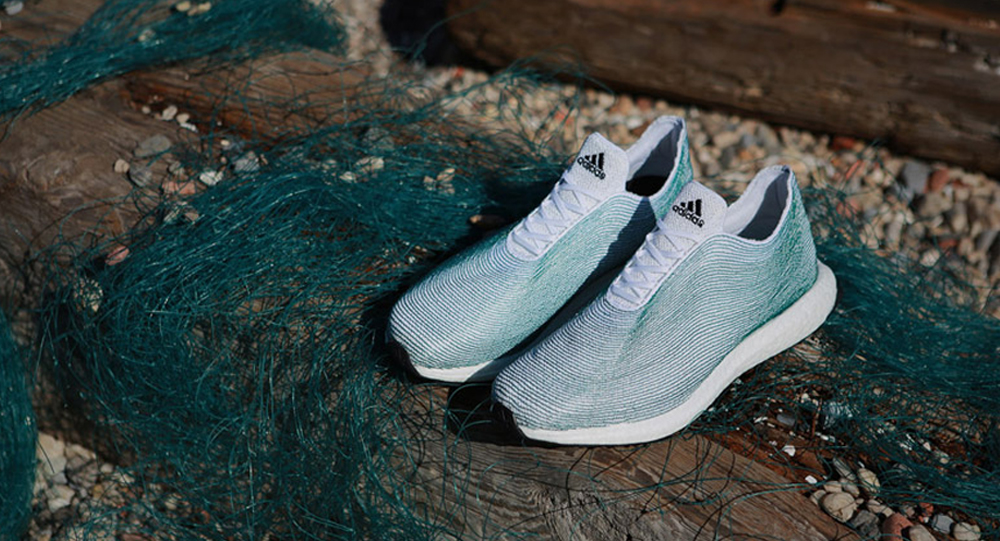
From Ocean Trash to Trendy Kicks: Adidas Sells 1 Million Eco-Friendly Shoes Made from Plastic Bottles
Adidas has sold over 1 million eco-friendly shoes made from ocean plastic. Each pair reuses the equivalent of 11 plastic bottles
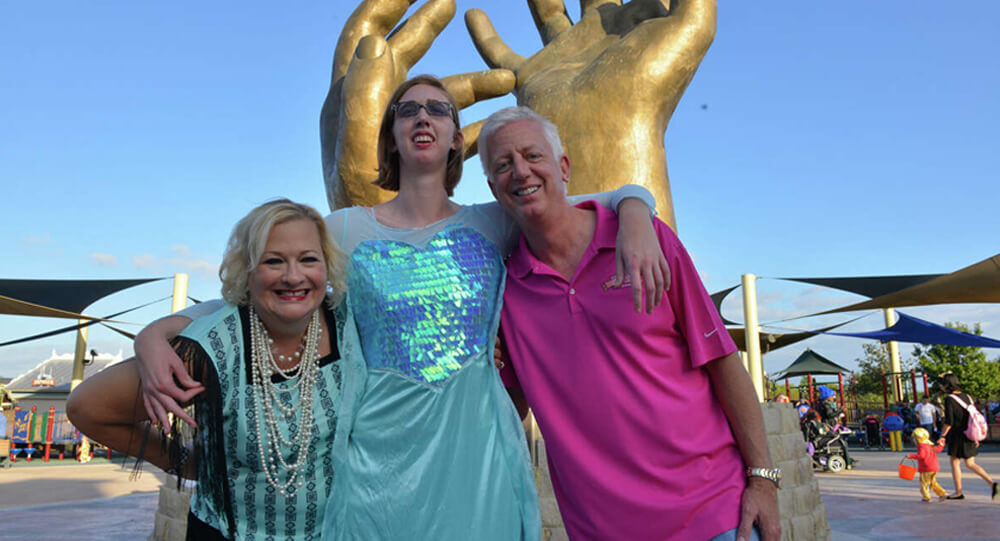
Morgan’s Wonderland, the world’s first ultra-accessible amusement park
Gordon Hartman was heartbroken when his special needs daughter, Morgan, was rejected by a group of children playing by the hotel poolside. He then set out to build a place where all children can play together. This led to the development of the world’s first ultra-accessible amusement park, Morgan’s Wonderland

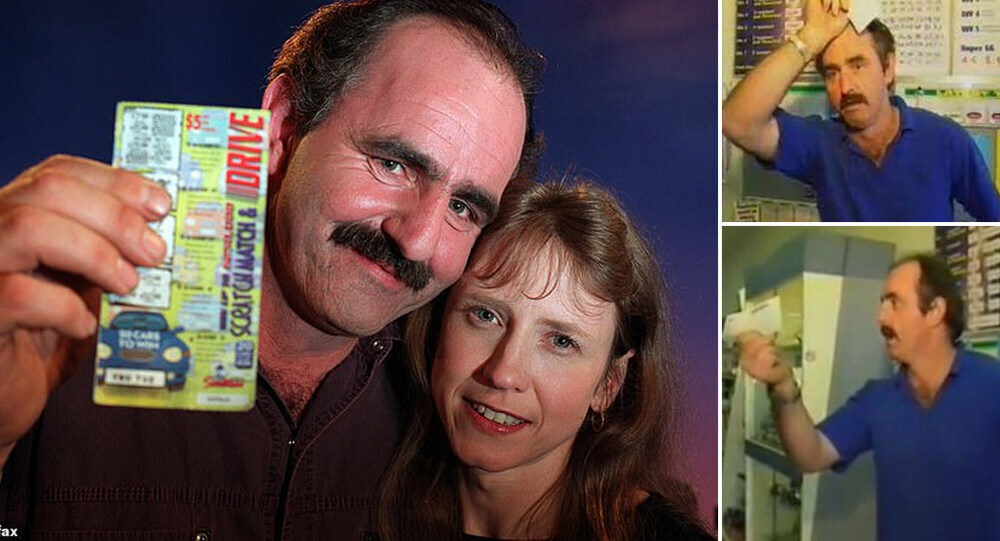
Australian man dies, comes back to life, and wins the lottery twice
Bill Morgan, an Australian, is a man who has beat the odds. He escaped death by surviving a horrific automobile accident and heart attack before collapsing into a coma and going on to win the lotto twice. He went from losing virtually everything to winning far more than he could have imagined.

World's largest iceberg breaks off Antarctica
In 1986, the iceberg known as A23a broke away from the Antarctic coast. However, it quickly grounded in the Weddell Sea, effectively turning into an ice island.
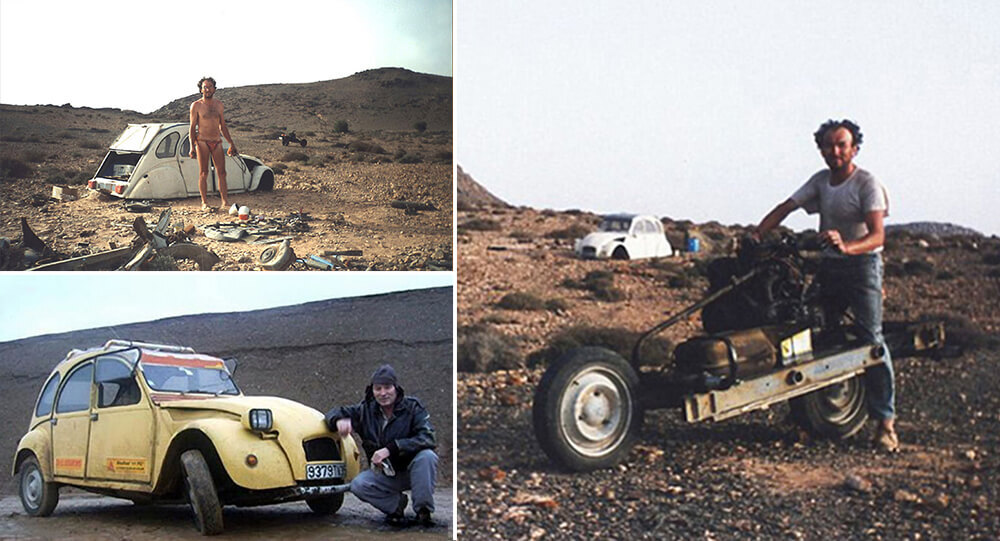
Man Trapped in the Sahara Desert Constructs a Bike From His Broken-Down Car to Save His Life
A man who became lost in the desert disassembled his broken-down car and turned it into a functional motorcycle, which he used to escape.

Woman had no idea she had an identical twin until she saw a 'lookalike' on YouTube
When Anais Bordier saw a YouTube video of Samantha Futerman, who looked exactly like her, she messaged her on Facebook and discovered they were both adopted and born on the same day. They were identical twins who had been separated at birth and had found each other by chance and on social media.
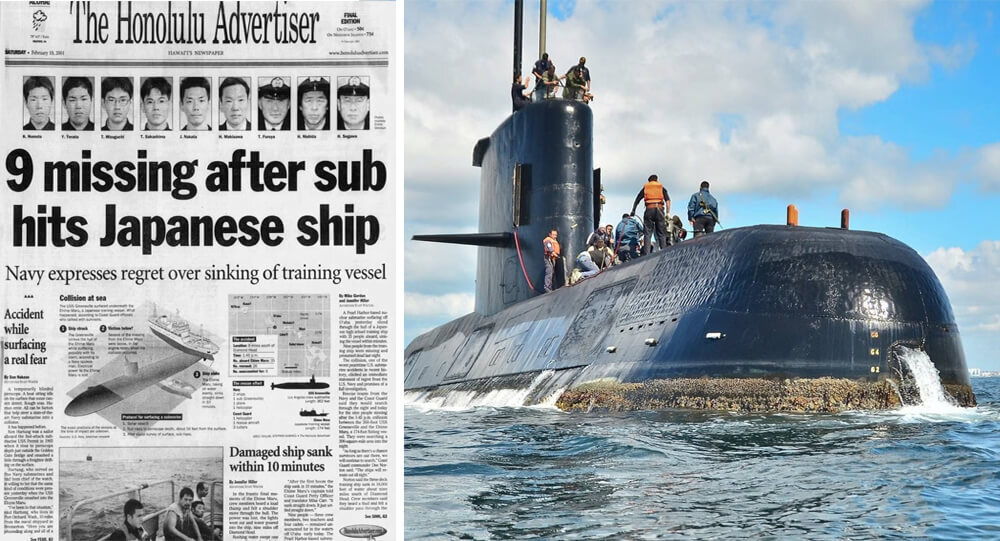
A U.S. Submarine Collides with a Japanese Fishing Ship in 2001
In 1998, 14-year-old Michael Crowe was charged with the murder of his sister. The police started targeting him after he seemed “distant and preoccupied” when his sister’s body was discovered, and during interrogation, police coercion led him to make a false confession. He was later declared factually innocent and the family won a lawsuit of $7.25 million in 2011.
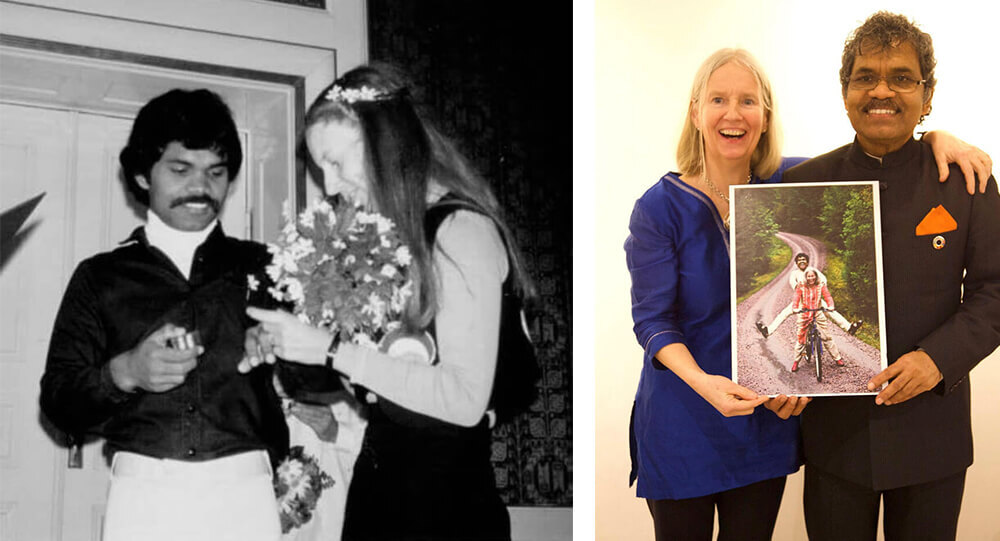
Photos: This man sold everything 45 years ago to buy a bike and travel 6,000 miles from India to Sweden to see his love.
An Indian man traveled from India to Sweden on a bicycle to meet his Swedish wife in 1978. The journey took him 4 months and through eight countries.

China Weather Control on 2008 Olympics with missile
One thing is certain: when it comes to ensuring nice weather for the world's largest party, the Chinese cannot be accused of being subtle. The Chinese government authorized the use of 1,104 cloud seeding missile launches from 4:00-11:39 p.m. on Friday night to reduce the possibility of rain ahead of the 29th Olympic opening ceremony in Beijing
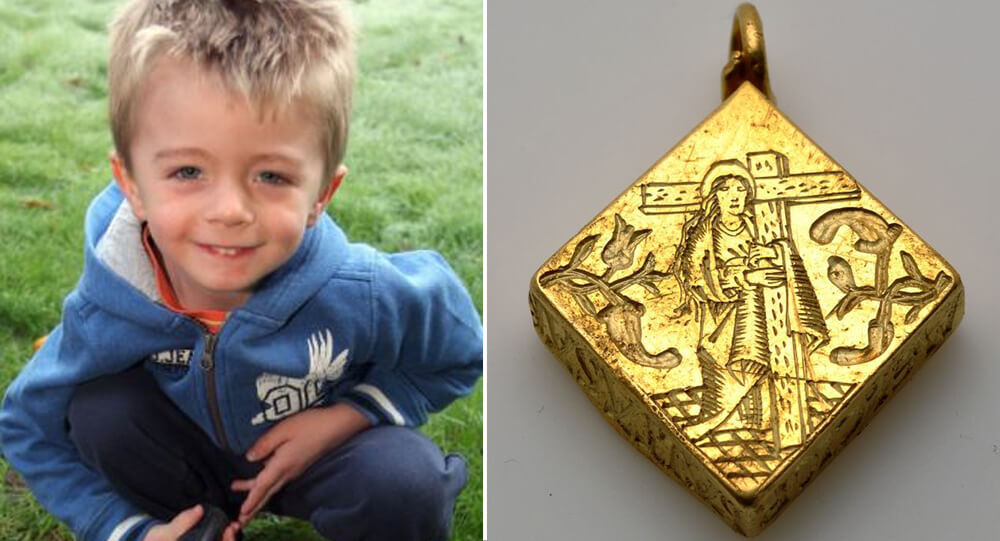
A three-year-old boy discovers a $4 million pendant in England
A $4 million 16th-century gold pendant was discovered in 2010 by a three-year-old boy using his father's metal detector.
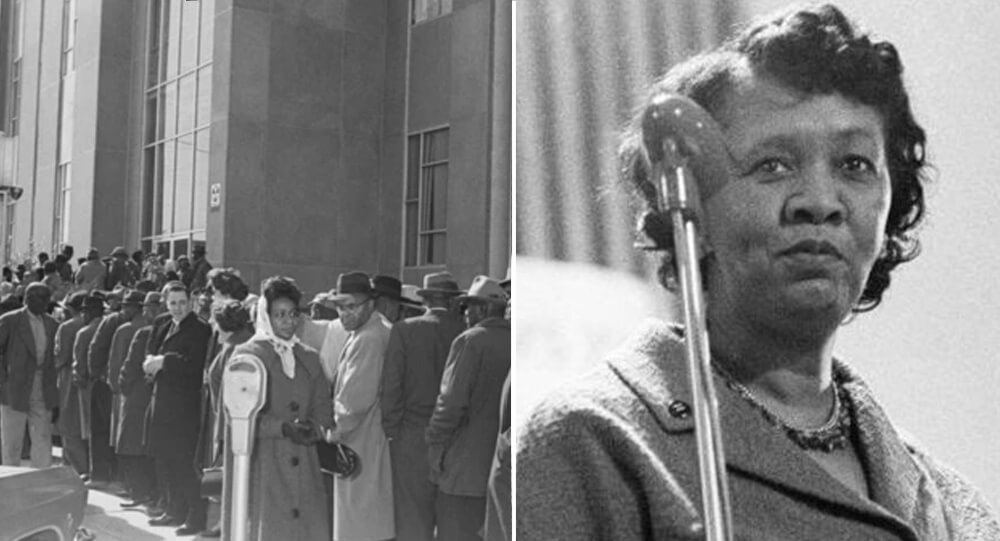
The fearless Annie Lee Cooper
Annie Lee Cooper was fired in 1963 after attempting to register to vote. She attempted it once more in 1965, but the sheriff ordered her to leave after prodding her in the neck with a club. She then punched him, causing him to fall to the ground. She was imprisoned before ultimately registering to vote. Following the passage of the Voting Rights Act, the sheriff was ousted and subsequently imprisoned for collaborating to transport drugs, but Annie Lee Cooper lived to reach 100 years old and bears her name to this day.

Aitzaz Hasan, Pakistani school boy who sacrificed his life from suicide bomber
Aitzaz Hasan, a 15 year old Pakistani school boy, sacrificed his life while preventing a suicide bomber from entering his school of 2000 students. His father said "My son made his mother cry but saved hundreds of mothers from crying for their children."
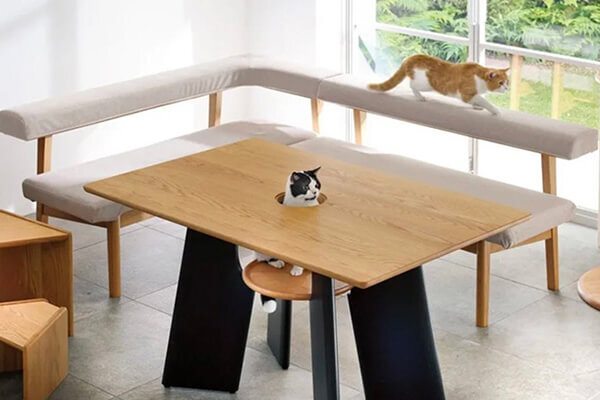
Unique Dining table with a hole for your cat to peek and join you dinner.
Dinos, a Japanese internet shop, has launched a new range of cat furniture, which includes this oak table with a hole in the middle and a perch underneath. It places your cat companion in the center of the table, making your cat the main focus of your meal, as it should be, because cats are the true proprietors of “your” home.

Woman survives skydiving accident, discovers she's pregnant
2005, a woman performing her first solo skydive jump survived a parachute malfunction which caused her to slam face first into a parking lot at 50 MPH. During surgery doctors discovered she was pregnant. She made a full recovery and the baby was fine.

A man joins a search operation without realizing he is the missing person
Beyhan Mutlu, a Turkish national, was reported missing by local media and unintentionally joined search teams looking for himself in a forest. He was drunk and lost in the woods when he ended up in a group with others looking for himself.
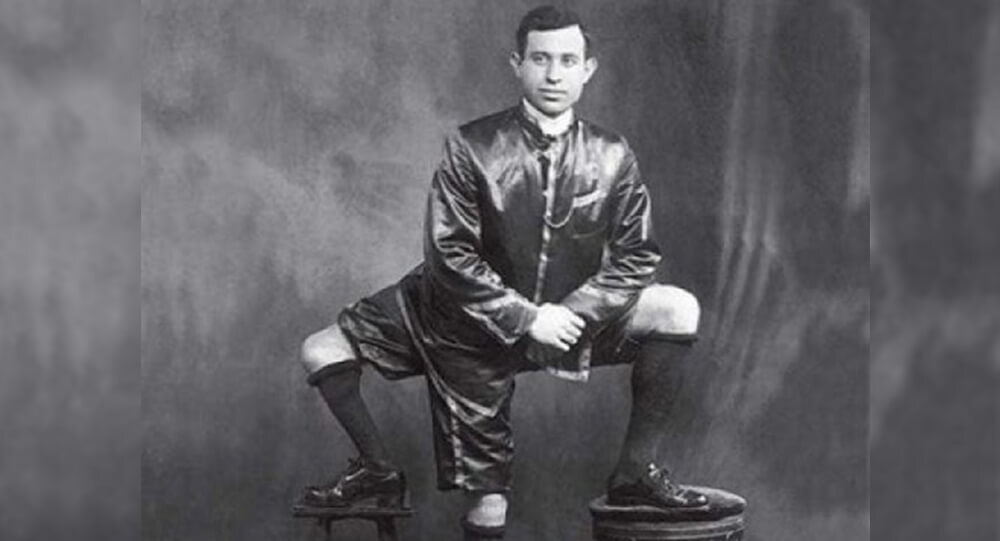
Frank Lentini, The Three-Legged Sideshow Performer
Francesco Lentini was a man with three legs, four feet, sixteen toes, and two sets of functional male genitals. He worked for the circus and lived to be 78 years old.
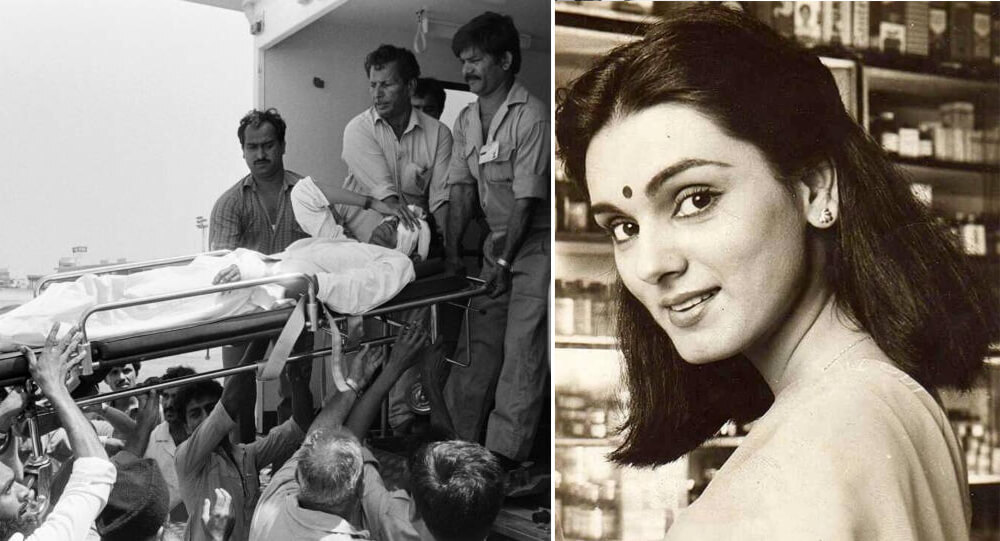
Neerja Bhanot, the braveheart flight attendant was never run away from a crisis
Neeja Bhanot, a 22 year old Indian flight attendant who helped hides 41 American passports aboard a hijacked plane. She died shielding three children from gunfire and was posthumously awarded bravery medals from India, Pakistan, and the United States.
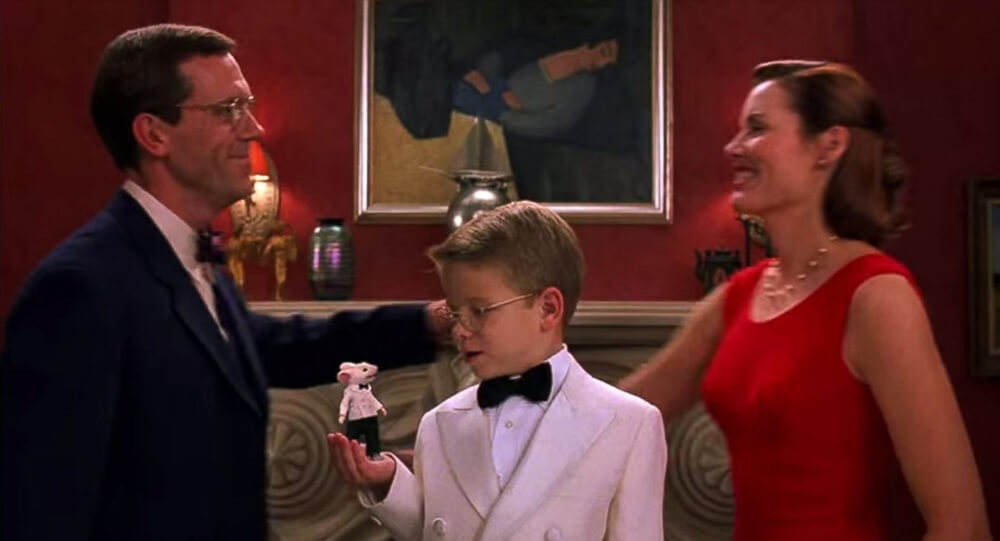
Missing Masterpiece Discovered in the Background of ‘Stuart Little’
In 2009, Gergely Barki, an art historian, was watching the film Stuart Little (1999) when he spotted an original long-lost painting used as a prop. Called Sleeping Lady with Black Vase, this painting was the work of Hungarian avant-garde painter Róbert Berény. The painting had been considered lost after World War II.

Kenyan Innovator Creates Smart Gloves That Translate Sign Language Into Audible Speech
In 2023, a Kenyan inventor Roy Allela invented smart gloves that can convert sign language movements into audio speech, for his six years old niece who was born deaf.
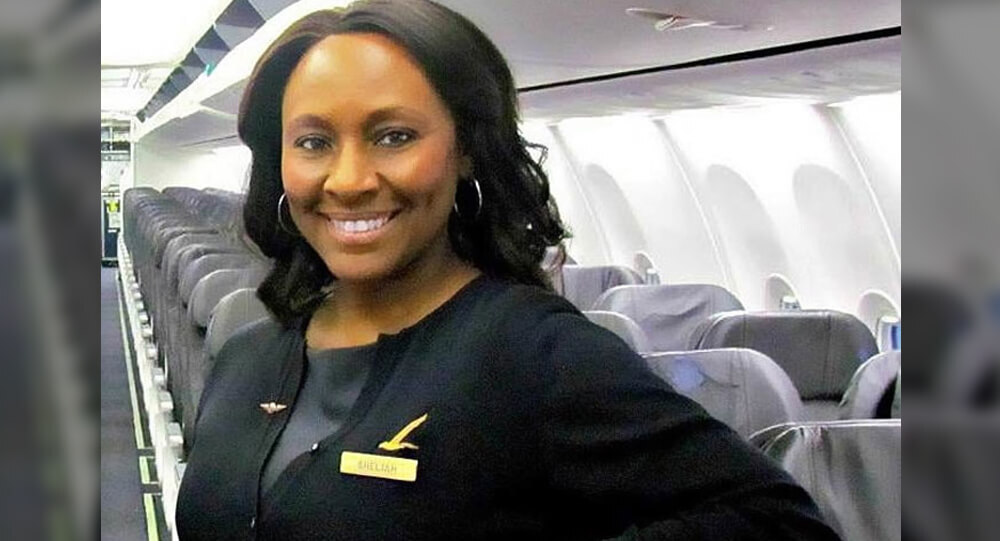
A flight attendant uses a secret note to save a teen girl from sex trafficking
The flight attendant Shelia Fredrick. She spotted a distressed girl with an older man. She left a note in the restroom on which the victim wrote that she needed some help. The girl was rescued from a human trafficker after the authorities were informed.

A little girl survived a 1-hour submersion in freezing creek water
On June 10, 1986, two-and-a-half-year-old Michelle Funk fell into an icy creek and was submerged for 66 minutes. When rescuers pulled her out of the water, she was not breathing, had no pulse, and appeared lifeless. The doctors used various techniques to rewarm her blood and bring her back to life. She was successfully resuscitated and went on to lead a healthy life.

A story of a man Survived Inside Sunken Ship For Three Days
A man survived a sunken ship for nearly three days, 279 feet underwater and in complete darkness, while listening to fish eat the bodies of his shipmates.
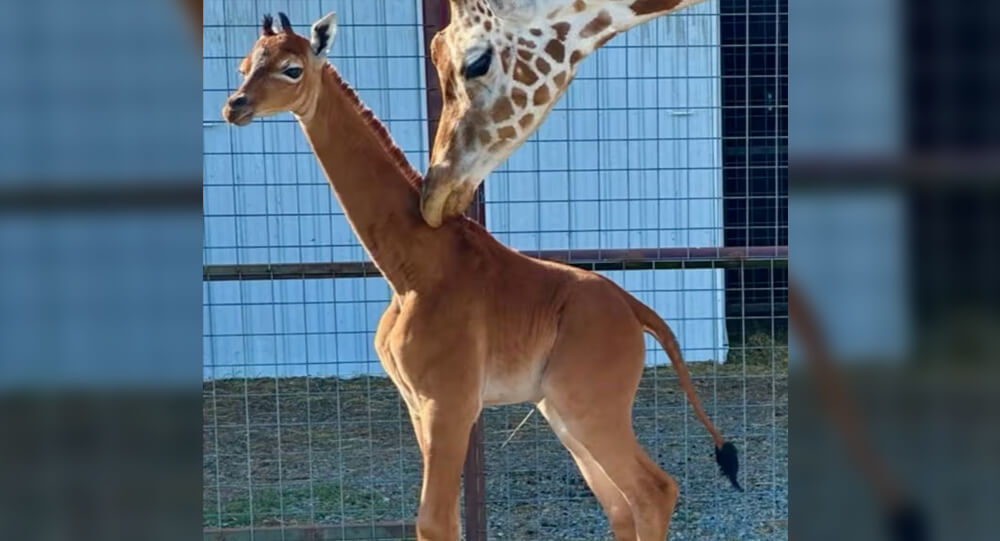
Kipekee, the world's only spotless giraffe, was born at Brights Zoo
The world's only spotless giraffe was born at a zoo in the United States. The giraffe born without spots on July 31 is the only one of her kind on Earth.

Lafayette pizza delivery driver who saved 5 from burning house
Nicholas Bostic a 25-year-old pizza delivery man from Lafayette, Indiana, ran into a burning house to rescue four children, who told him there is one more inside. He ran back inside, he found the six-year-old girl, jumped out of a window, carried her to a cop who captured the moment on his bodycam.
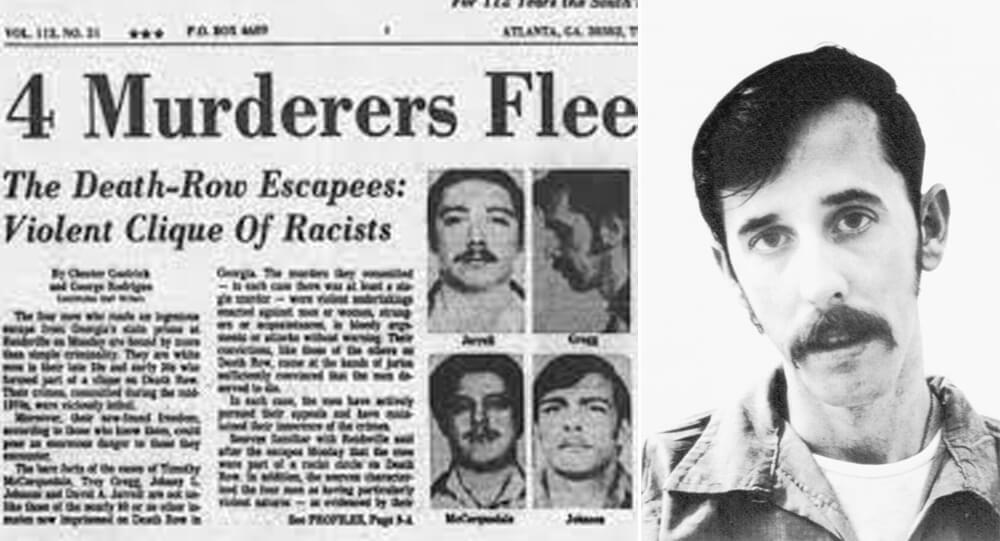
Troy Leon Gregg: the death row inmate murdered the same night he escaped
In July 1980, Troy Leon Gregg escaped from Georgia State Prison the night before his execution. However, he was killed in a fight in a bar just a few hours later.