
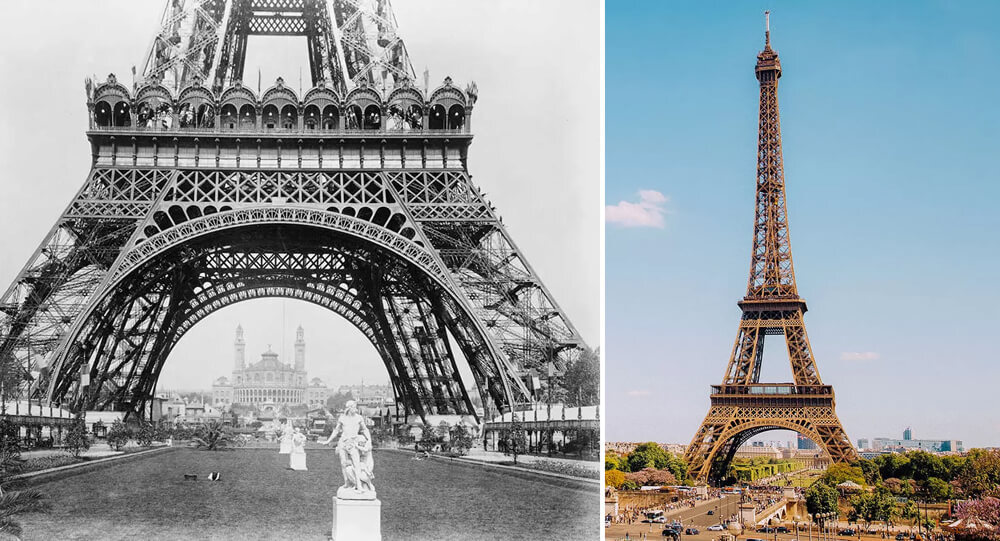
The history of the Eiffel tower is a piece of national heritage. It has long served as the representation of France and Paris. But when Gustave Eiffel finished building it in 1889, the tower wasn’t even close to being the Parisians’ favorite landmark; it was only meant to be a temporary feature in the city’s landscape.
History of the Eiffel Tower: the beginning
For 127 years, the most visited tourist destination in Paris has reached the city’s skies. It wasn’t meant to last, even though it is currently a symbol of France. Without a doubt, the 1889 Universal Exposition marked a turning point in the history of the Eiffel Tower.
Gustave Eiffel’s design was chosen from among the 107 submissions in a competition held to mark the 100th anniversary of the French Revolution with the goal of “building on the Champ-de-Mars an iron tower with a square base, 125 meters wide and 300 meters high.” Stephen Sauvestre, an architect, and engineers Maurice Koechlin and Emile Nouguier stood by his side.
The Iron Lady dealing with doubters
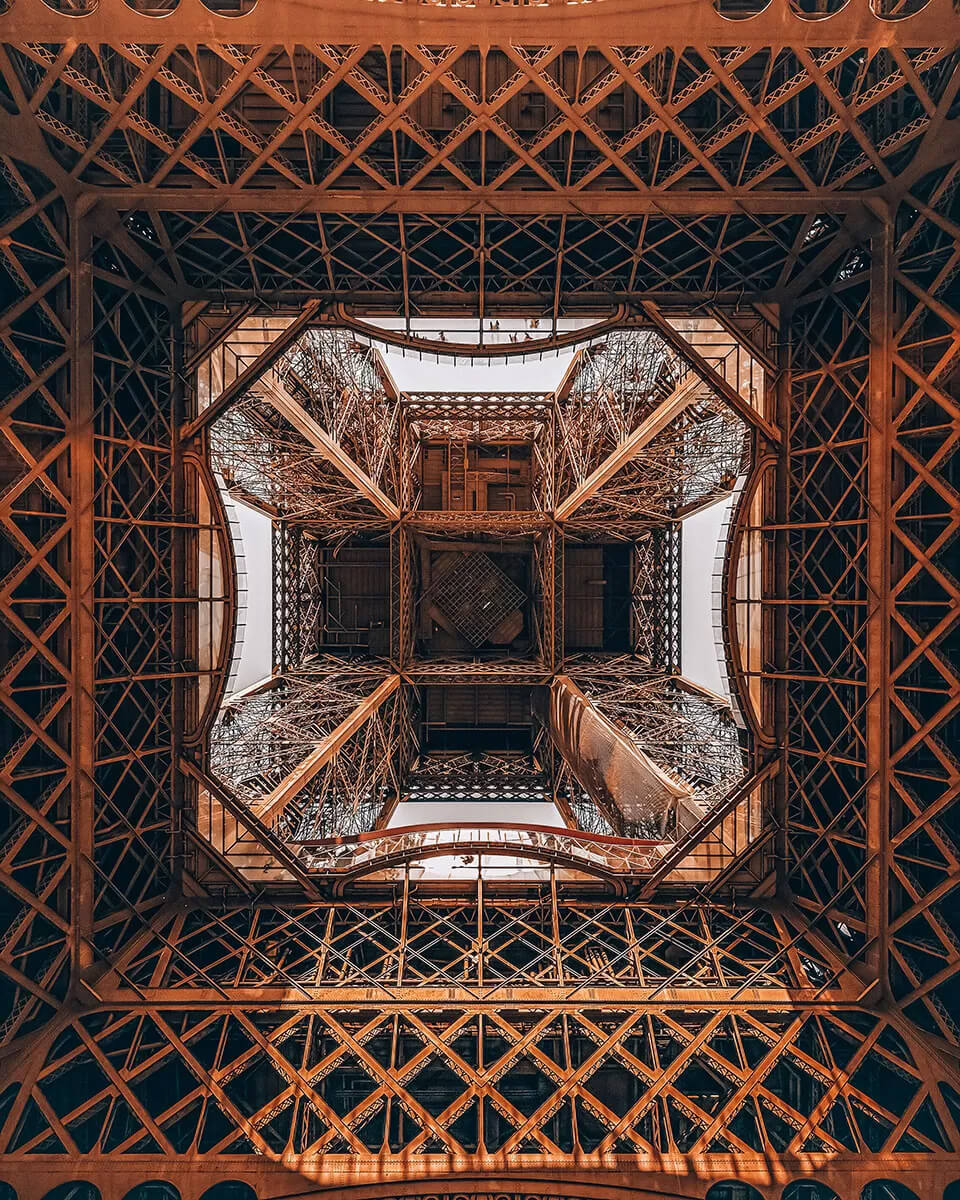
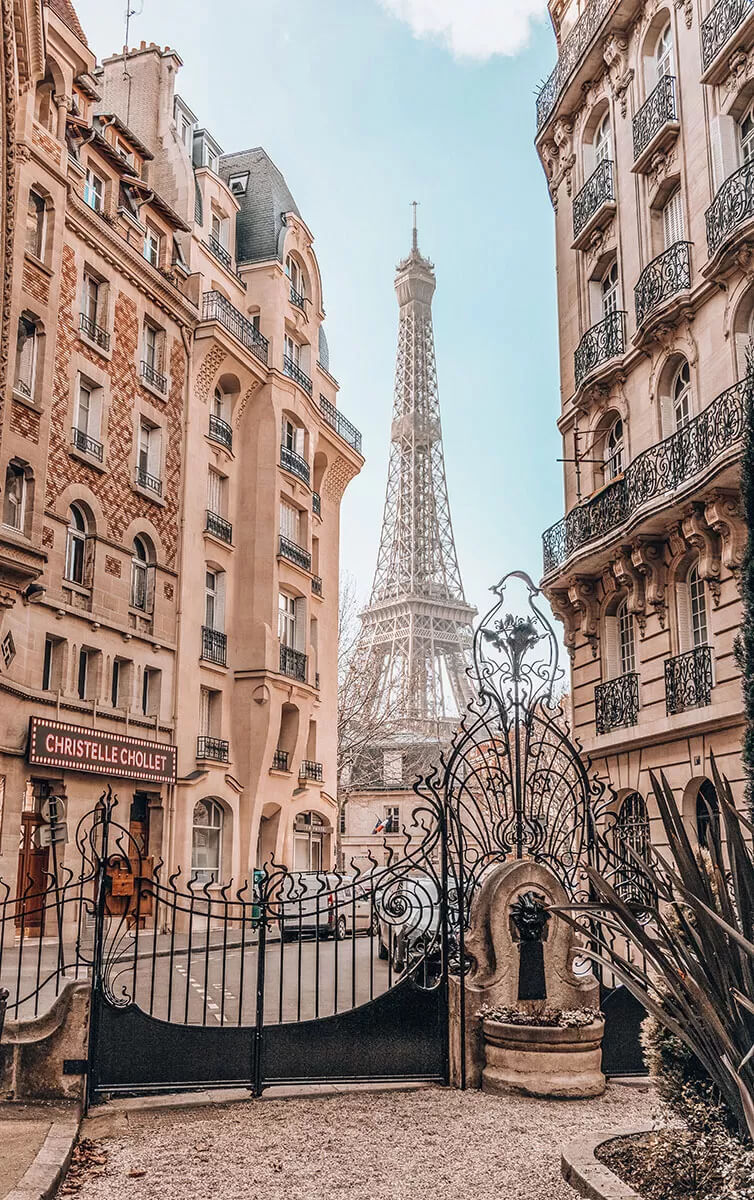
The history of the Eiffel Tower was not a simple one. Many people at the time opposed the structure and expressed their opposition in a letter titled “Artists Against Mr. Eiffel’s Tower,” claiming that the tower posed a threat to Paris’ aesthetic appeal. An iron tower built right in the middle of Paris was viewed as unacceptable because it stood in stark contrast to the sophistication and refined beauty of the city. Verlaine, for instance, gave the Eiffel Tower the moniker “Skeleton of Beffroi” to highlight how awkward the enormous tower looked and how it would inevitably “disfigure” the city.
The construction of the Eiffel Tower (1887-1889)
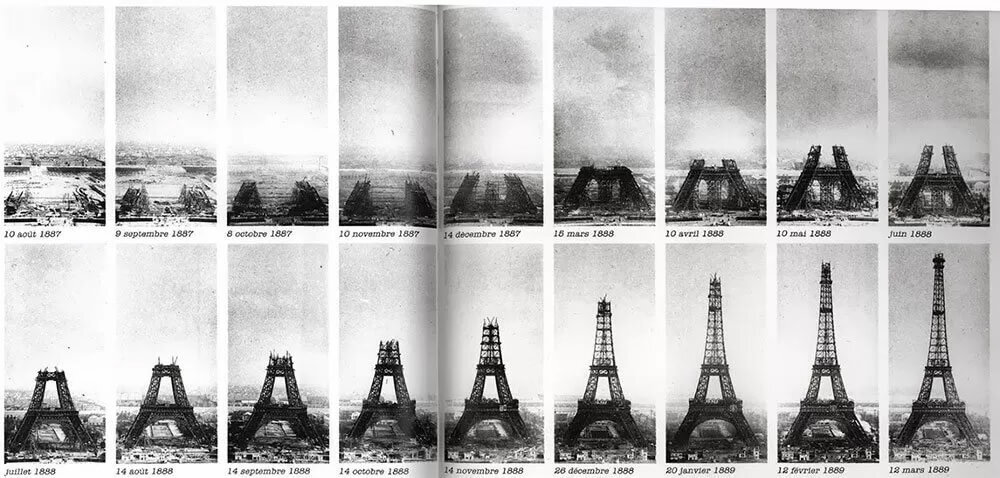
Despite the commotion, the frail iron tower would survive the day. It’s critical to understand the construction process of the Eiffel Tower in order to comprehend its history. The actual building process took two years.
- The project started in June 1884, and the initial drawings were completed.
- The construction starts on January 28th, 1887.
- On April 1st, 1888, the initial phase was finished.
- Finished on August 14th, 1888, was the second phase.
- On March 31st, 1889, the tower’s third and final stage of construction came to an end.
- Inauguration day for the Eiffel Tower was March 31, 1889. Gustave Eiffel climbed the Tower’s 1,710 stairs to place the tricolor French flag atop it. The Tower was 312 meters high at the time.
The tale of how a temporary structure became a symbol of France
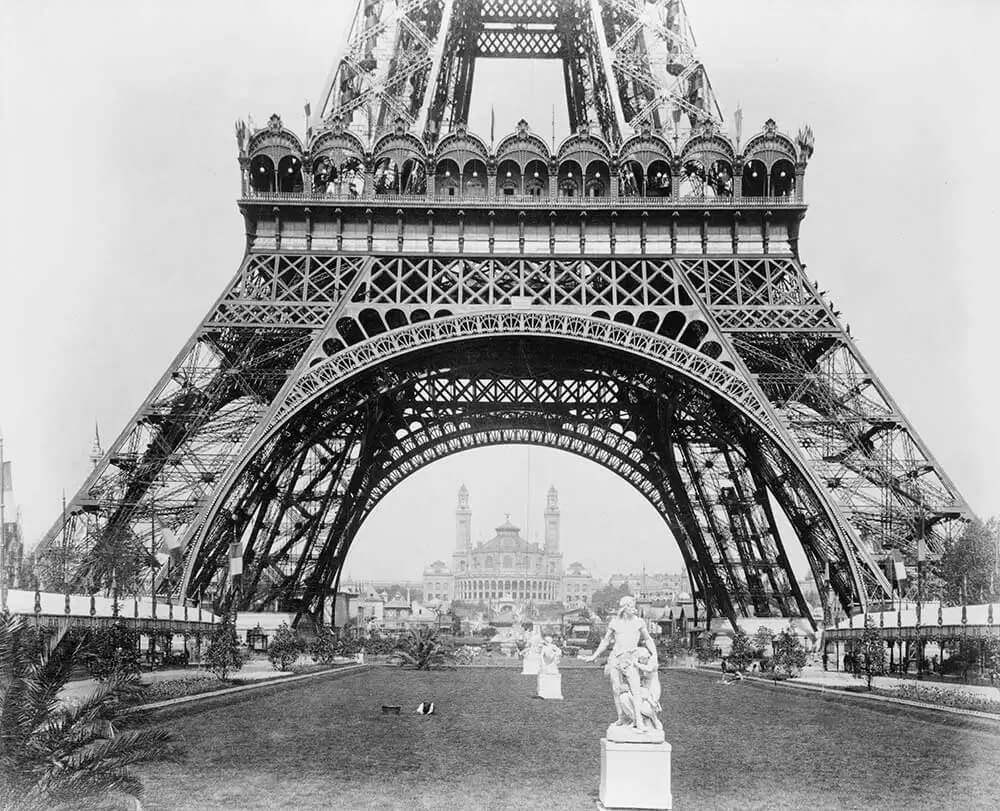
The construction of the tower’s licensing rights under the convention had already been predetermined to expire after 20 years, at which point it would be completely destroyed. However, during the Universal Exposition, Tower received two million visitors. After such remarkable success, the structure came to represent the might of French industry. Tower experienced the same level of success at the 1900 Universal Exposition. Gustave Eiffel went to great lengths to demonstrate the Tower’s scientific value in an effort to stop its destruction. However, the Tower’s use as a radio antenna tower, first for military communications and then for ongoing radiotelegraphy communications, would ultimately prove to be its saving grace. In fact, the Tower served a variety of purposes during the First World War.
The Eiffel Tower’s success story
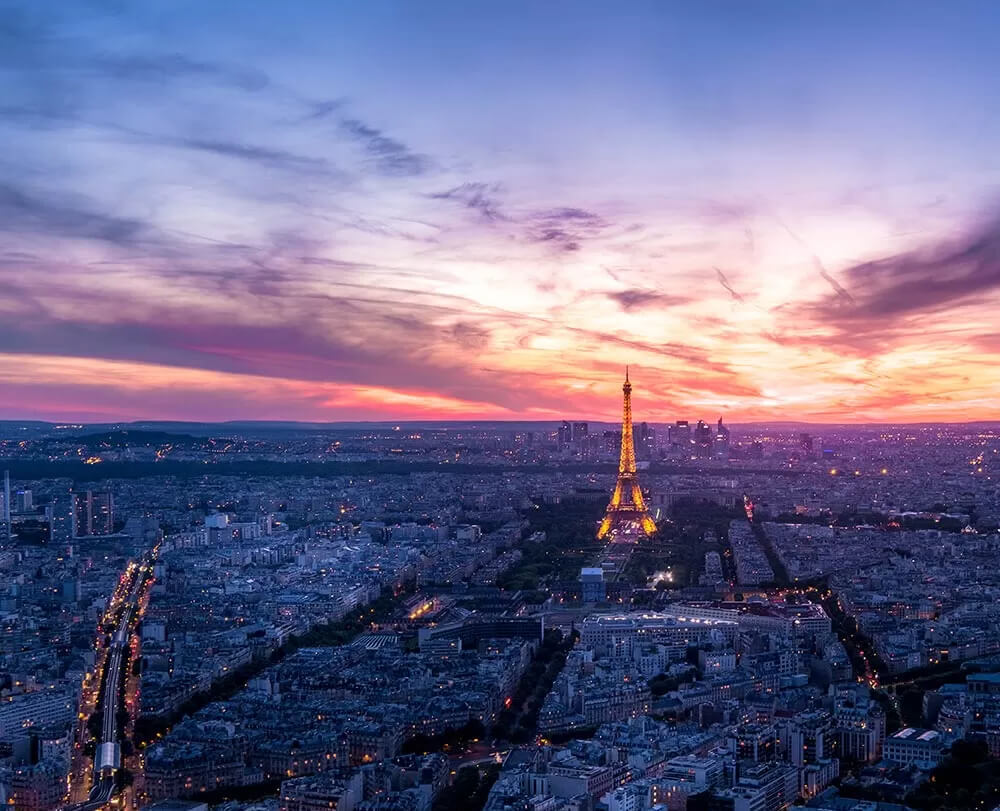
About 7 million people climb the Tower each year. Due to its widespread success, numerous nations have built replicas of the Tower that are almost exact replicas of the original. Is it possible to envision Paris without the Eiffel Tower. Don’t miss the Eiffel Tower light displays while you are visiting Paris; they have been entertaining visitors and locals alike since the end of the XIXth century.


The Horrific story of Ariel Castro and the Cleveland abduction
Cleveland abduction victims Gina DeJesus, Michelle Knight, and Amanda Berry were forced to live in Ariel Castro's house of horrors for 10 years. He raped and beat them until they escaped in 2013.
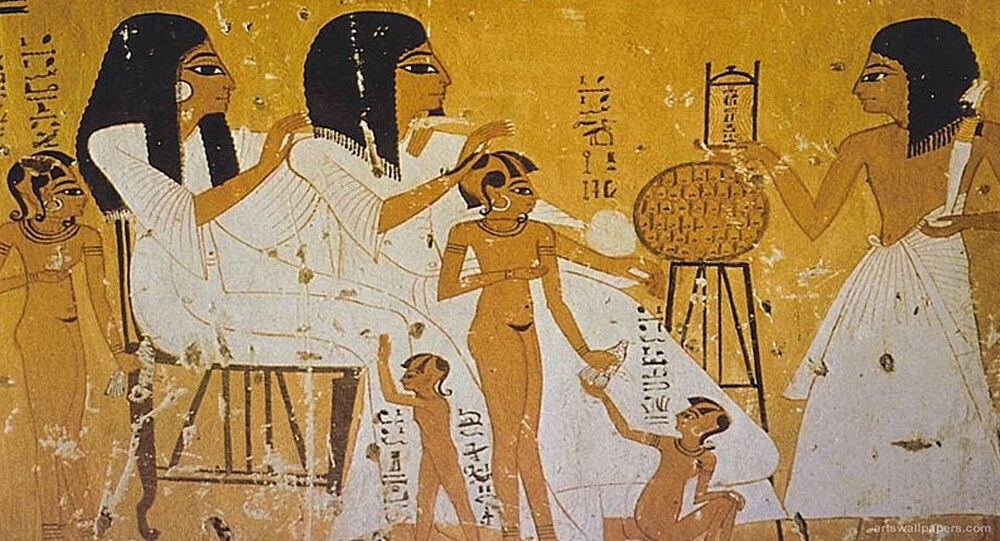
Ancient Egyptians Had Pregnancy Tests Over 3500 Years Ago
The ancient Egyptians used a pregnancy test that involved potentially pregnant women peeing on barley and wheat seeds. Plant growth indicated pregnancy: barley for a boy and wheat for a girl. Later tests revealed that pregnant women's urine causes plant growth 70% of the time, whereas non-pregnant women's urine does not.

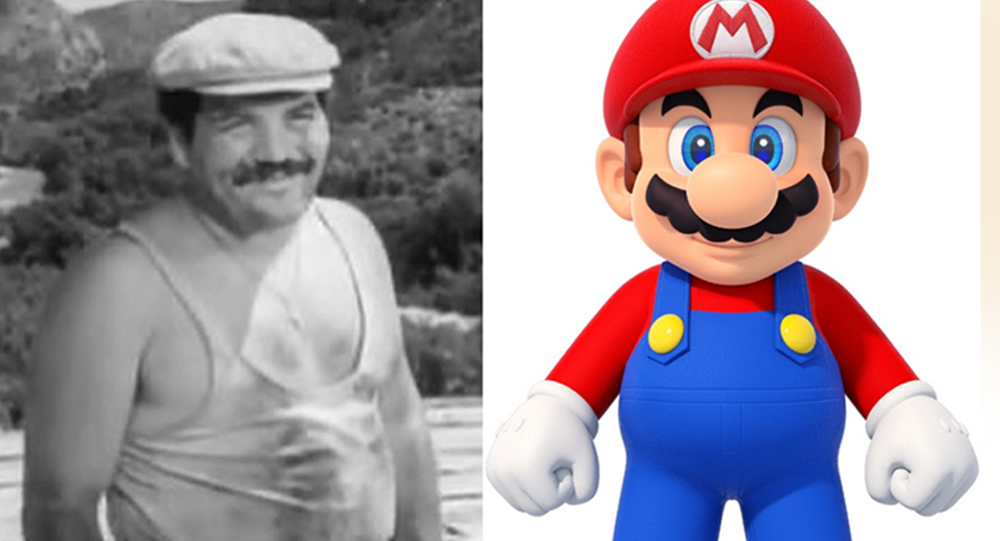
Mario Segale, Developer Who Inspired Nintendo to Name Super Mario
Super Mario is named after real-life businessman Mario Segale, who was renting out a warehouse to Nintendo. After Nintendo fell far behind on rent, Segale did not evict them but gave them a second chance to come up with the money. Nintendo succeeded and named their main character after him.
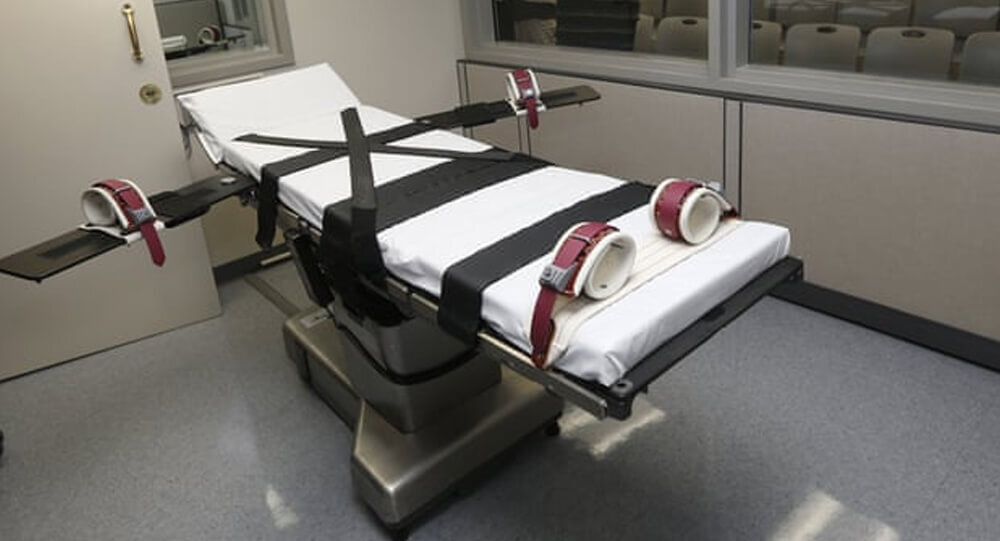
Iranian inmate dies from happiness after finding out he will not be executed
An Iranian man who was convicted of murder reportedly died from happiness after learning that his death sentence was being commuted.
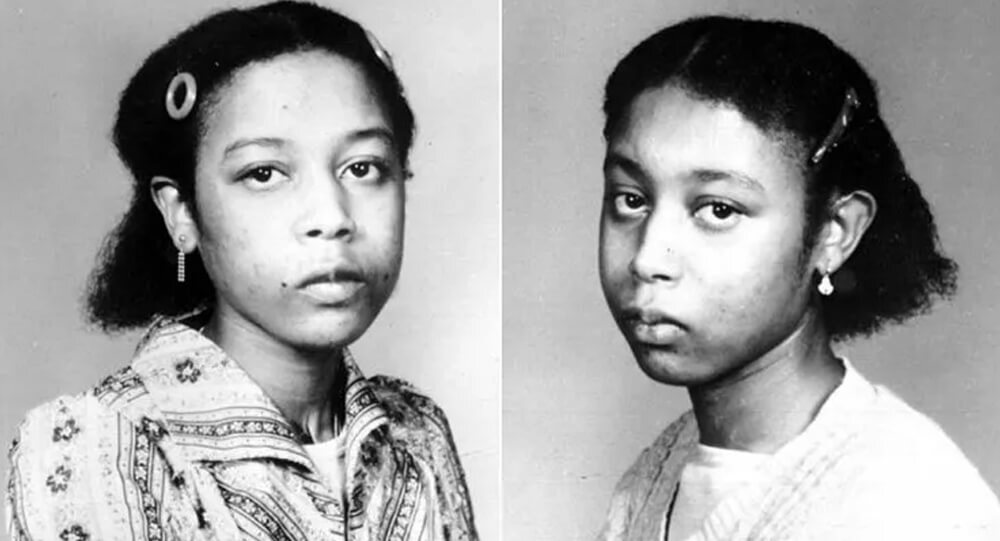
June and Jennifer Gibbons The silent twin who Only Spoke to Each Other
Identical twins June and Jennifer Gibbons were born on 11 April 1963 at a military hospital in Aden, Yemen where their father worked as part of the Royal Air Force.
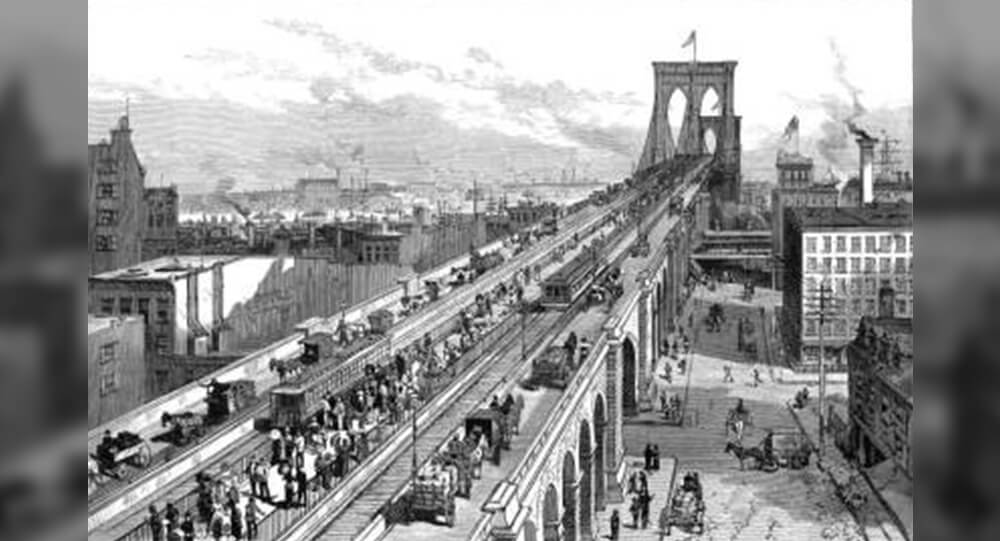
Why the Brooklyn Bridge Was Once Crossed by 17 Camels and 21 Elephants
On May 30, 1883, a rumor that the Brooklyn Bridge was going to collapse caused a stampede, which killed at least at twleve people. To prove the bridge was safe, P.T. Barnum led a parade of 21 elephants over it.
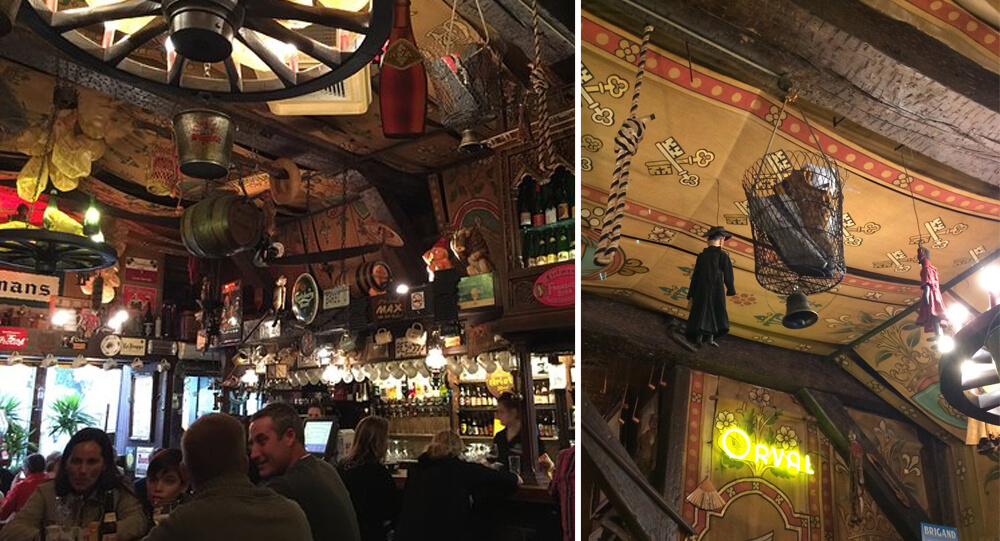
Why This Belgian Bar Makes You Trade Your Shoe for a Beer
To prevent tourists from stealing their beer glasses, some bars in Belgium require people to hand over one of their shoes as a deposit which is then put in a basket and hung from the ceiling. These shoe baskets have also become an attraction.
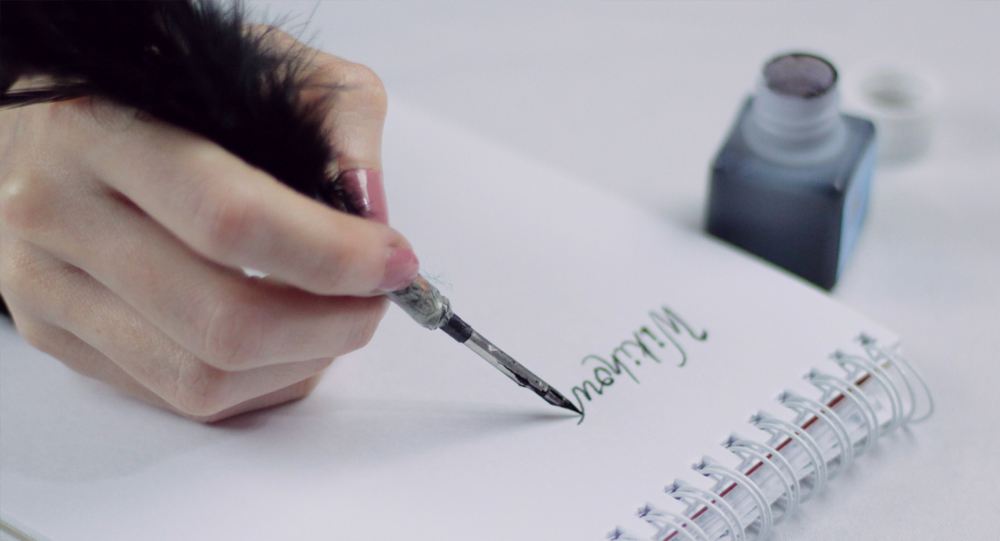
Why the Word ‘Pen’ Comes from the Latin ‘Penna’ Meaning Feather
The humble word “pen” carries a rich history rooted in ancient times, derived from the Latin word penna, meaning “feather.” Long before modern pens revolutionized writing, feather quills—especially from geese—were the essential tools of scribes, scholars, and artists. This article journeys through the origins of the pen, its evolution, and fascinating trivia about the timeless connection between feathers and writing.
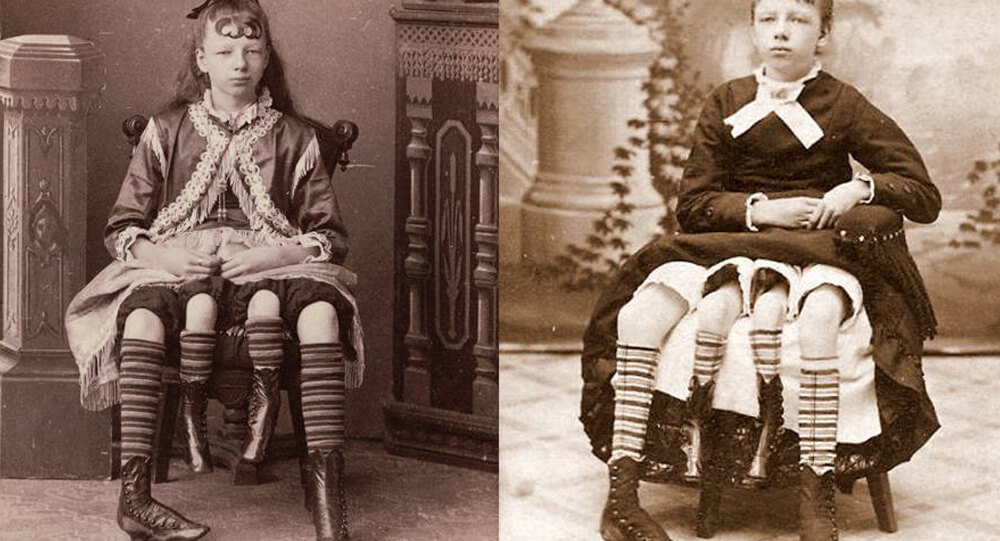
The true story of Josephine Myrtle Corbin, the lady born with four legs and two private parts
Josephine Myrtle Corbin, an American sideshow performer born in 1868, had a rare condition known as dipygus, which caused her to have four legs, each smaller inner leg paired with one of her outer legs. Corbin joined the sideshow circuit, captivating audiences as the "Four-Legged Girl from Texas."
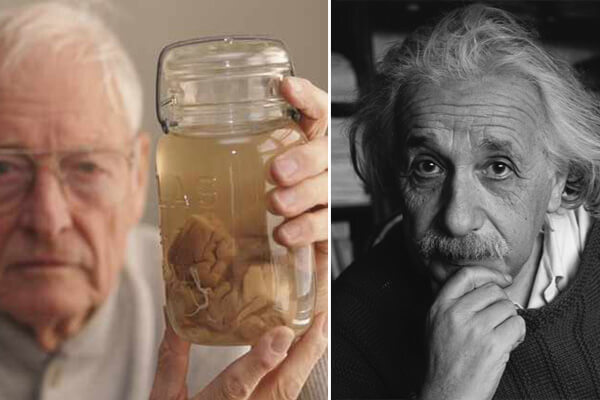
Albert Einstein’s brain after it was stolen from his body
Albert Einstein's brain was taken by the opportunistic pathologist who performed his autopsy hours after he died and kept in two jars for 30 years. The stolen brain of Albert Einstein was preserved in a cookie jar for 30 years until being discovered by a journalist.
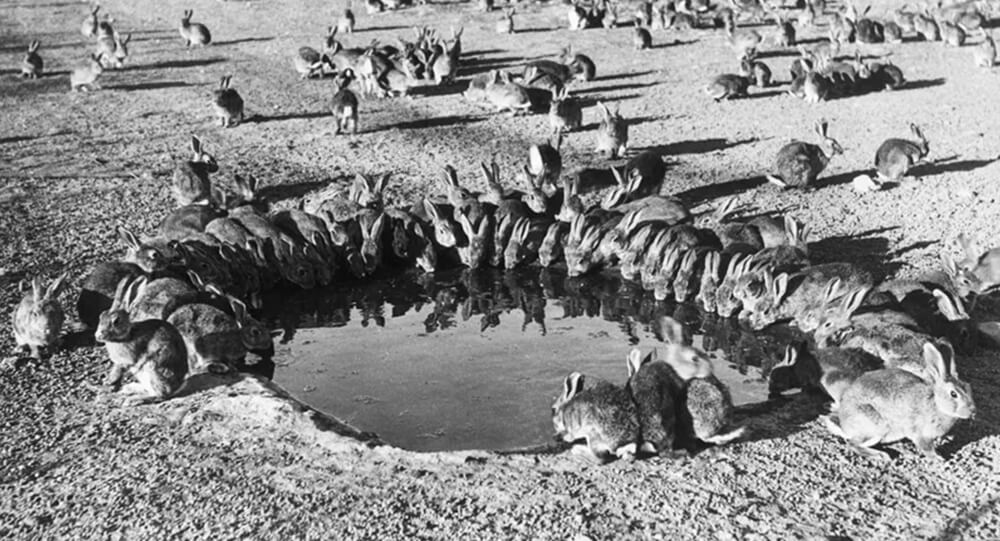
How European Rabbits Took over Australia
In 1859, wealthy settler Thomas Austin released 13 wild rabbits on his Australian estate. By 1920, their population grew to 10 billion.
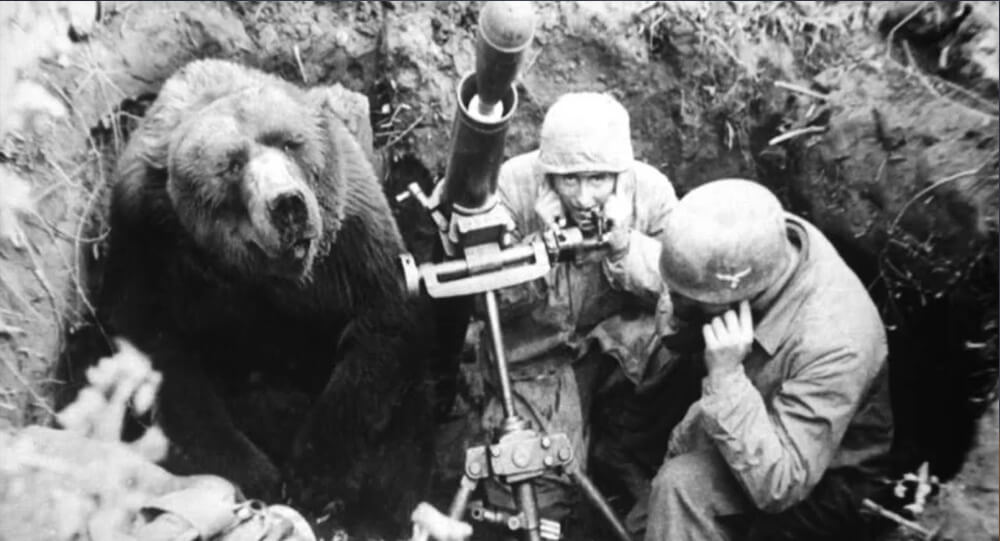
The 440-pound bear named Wojtek and his World War II battle against the Nazis
Polish troops raised an orphaned bear cub during WWII. He enjoyed drinking beer, and was trained to salute. He became officially enlisted as a member of the forces, and helped carry artillery during battle.
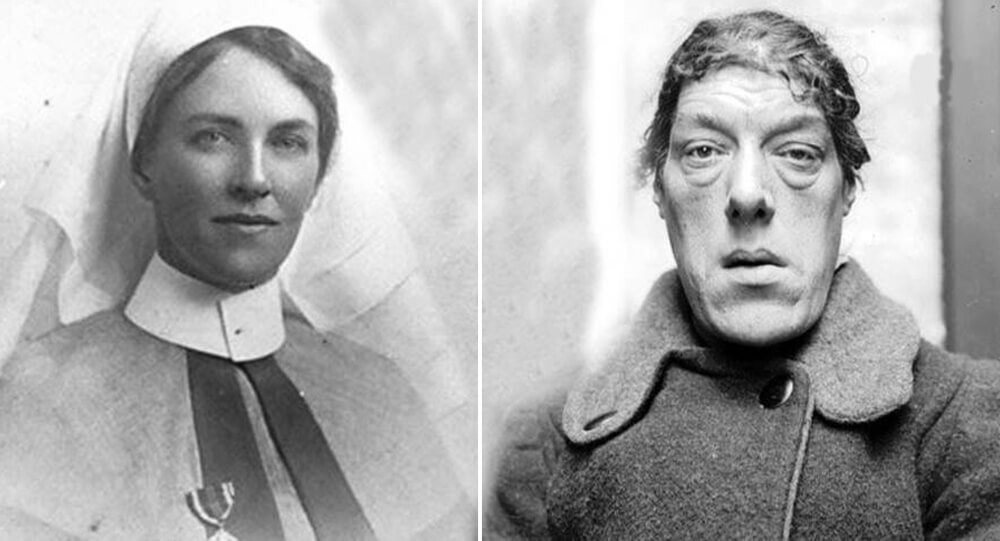
The Tragic Story Of Mary Ann Bevan, The ‘Ugliest Woman In The World’
After the death of her husband, Mary Ann Bevan had no income to support herself and her children. She then decided to enter a contest where she won the title of “ugliest woman” and was later hired by a circus. She endured this ridicule from the world to provide for her family.
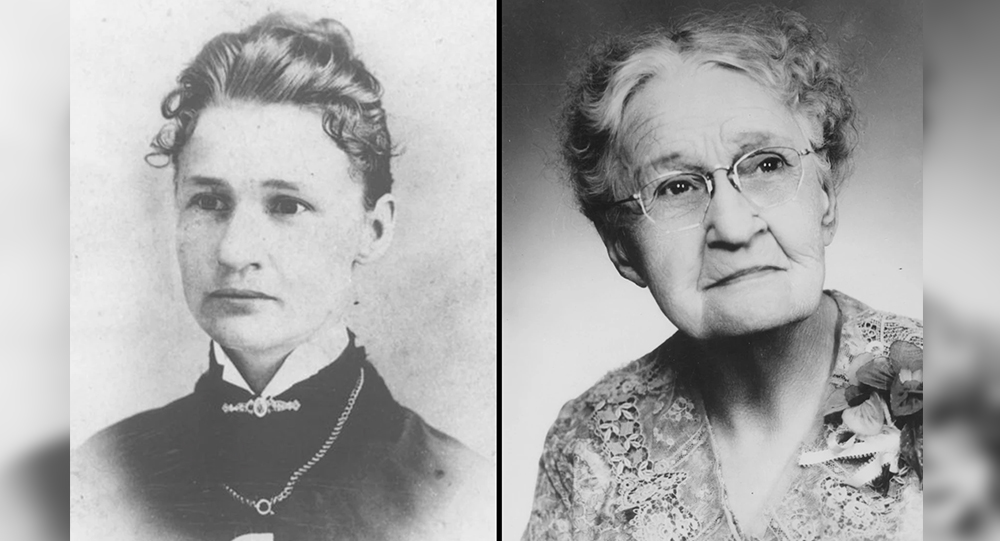
Susanna Salter: The Trailblazing Story of America’s First Female Mayor
In 1887, Susanna Salter became the first female mayor in the United States, elected in Argonia, Kansas. Her nomination was initially a prank by men opposing women in politics. However, she won by a landslide and served effectively, inspiring the women’s suffrage movement and breaking barriers for women in leadership.

The incredible story of a plane that lost its roof in mid-flight and the light signal that saved 94 lives.
On April 28, 1988, Aloha Airlines flight 243 was on the way to Honolulu from Hilo when a huge portion of the upper part of the fuselage blew off the airplane.
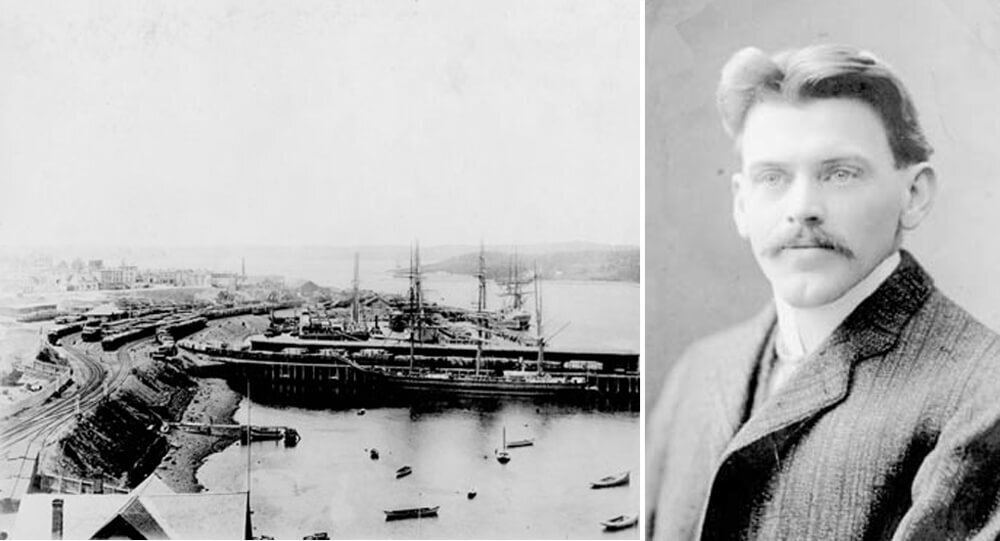
Vince Coleman, a railway dispatcher, sacrificed his own life
Vince Coleman, a railway dispatcher, sacrificed his life in order to warn an incoming train of an imminent explosion. His telegraph said “Hold up the train. Ammunition ship afire in harbor making for Pier 6 and will explode. Guess this will be my last message. Good-bye, boys.” He saved 300 lives.
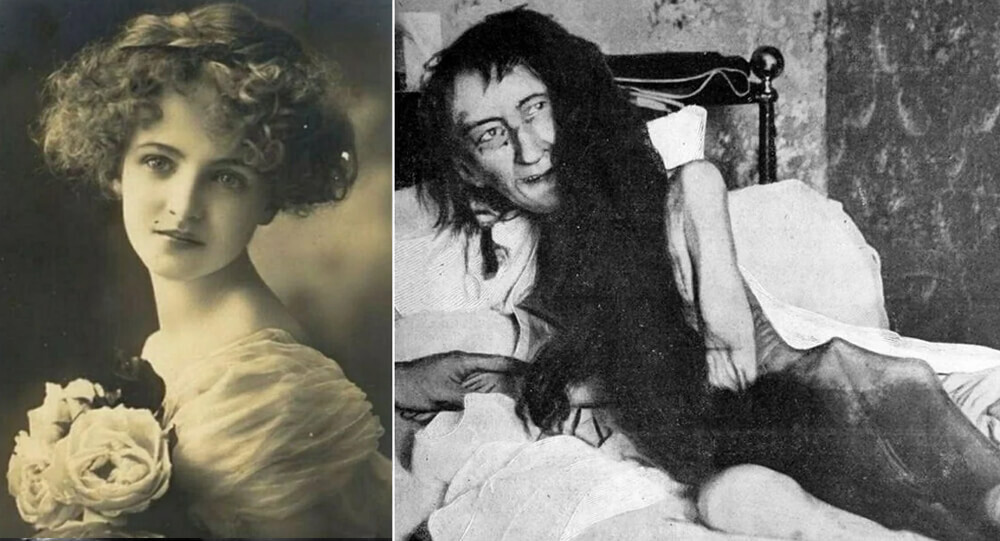
Blanche Monnier: Imprisoned For 25 Years For Falling in Love
Blanche Monnier, she was a French woman noted for her beauty, she wished to marry an old lawyer that her mother disapproved of, so she locked her in a small dark room in her attic for 25 years.

The youngest person executed, George Stinney Jr was proven innocent
In 1944, George Stinney Jr. was 14 years old when he was executed in South Carolina. It took only ten minutes to convict him — and 70 years to exonerate him.
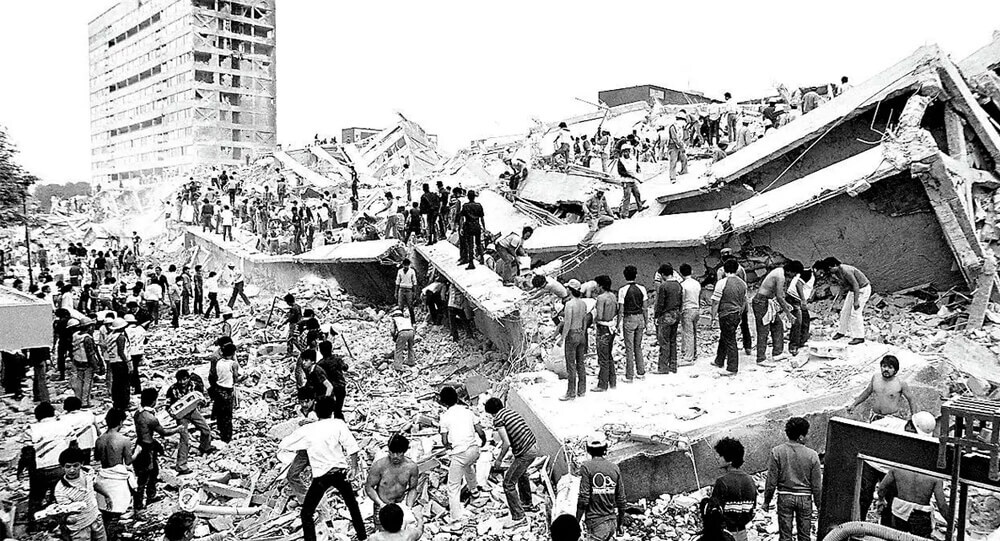
Remembering the miracles of the 1985 Mexico earthquake (unbelievable stories)
In 1985, after an 8.0 magnitude earthquake hit Mexico City, nearly all newborn babies survived a collapsed hospital. They are known as “Miracle Babies” for surviving 7 days without nourishment, water, warmth or human contact.
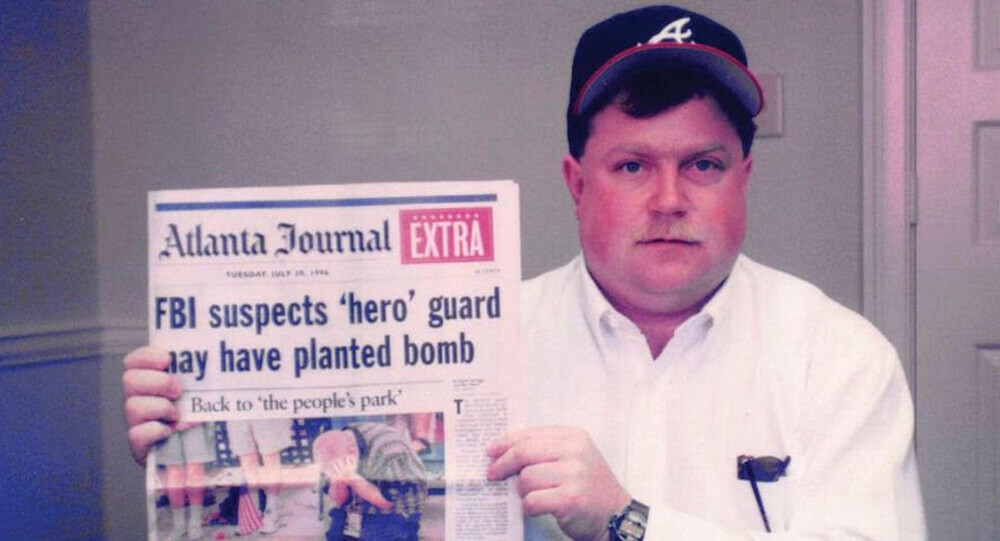
During the 1996 Olympic bombing, Richard Jewell falsely accused of committing the crime after saving dozens of people
Richard Jewell, an American security guard, discovered a bomb during the 1996 Olympic Games in Atlanta and assisted in the evacuation, but was later wrongfully accused and faced public scrutiny. He was cleared, but it had a lasting impact on him until his death in 2007 at the age of 44.
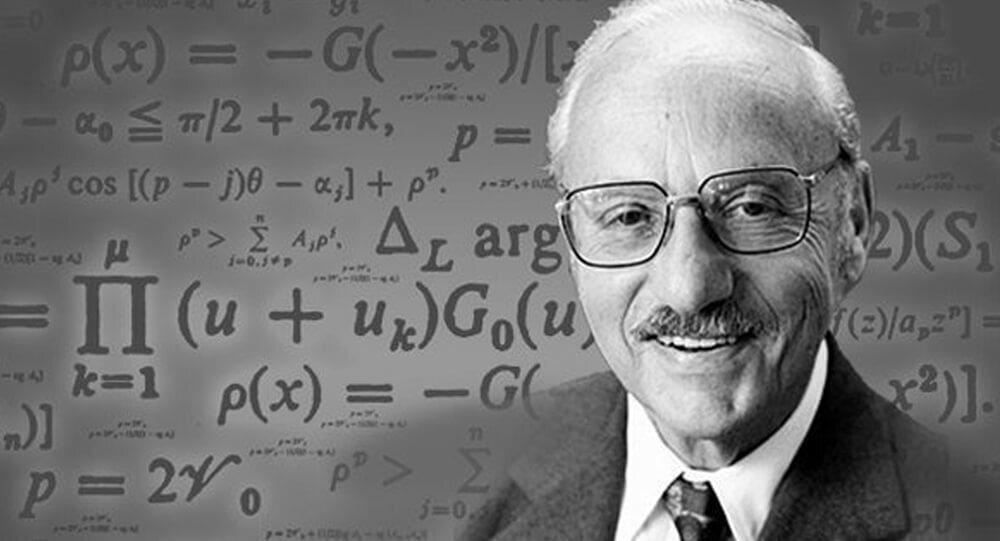
George Dantzig solved two famous “unsolved” problems in statistics mistakenly as assignment
In 1939, George Dantzig arrived late to his statistics class. On the board were two famous “unsolved” problems in statistics written as an example by his professor. Dantzig mistook the examples for homework assignments. He solved the “unsolved” problems and submitted the homework to his professor a few days later. His solutions earned him a doctorate.
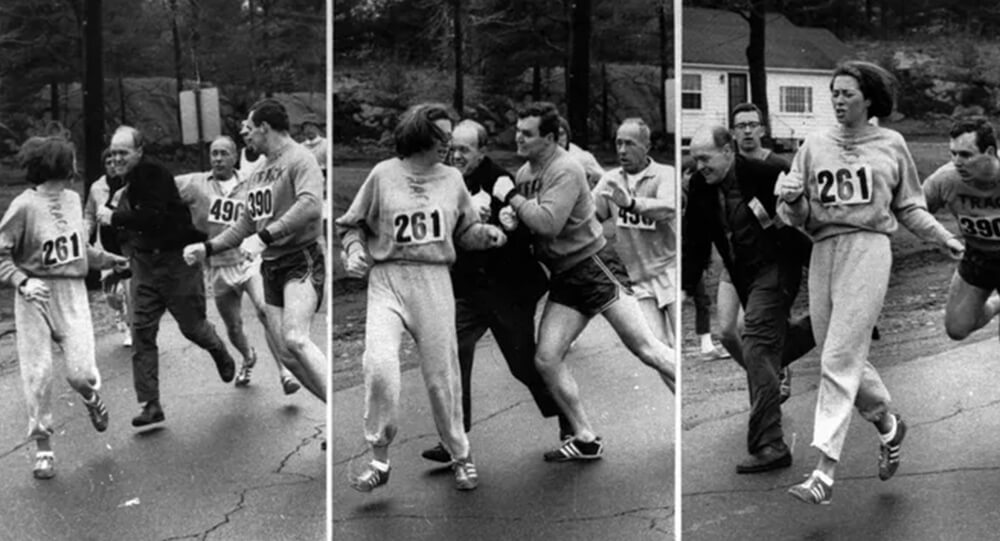
Story of Kathrine Switzer: the first woman to run in Boston Marathon
Before women were allowed to run in the Boston Marathon, Kathrine Switzer participated. A race official attempted to forcefully remove her from the race in 1967, but her boyfriend pushed him down. She was the first female finisher who had a numbered entry in the race.
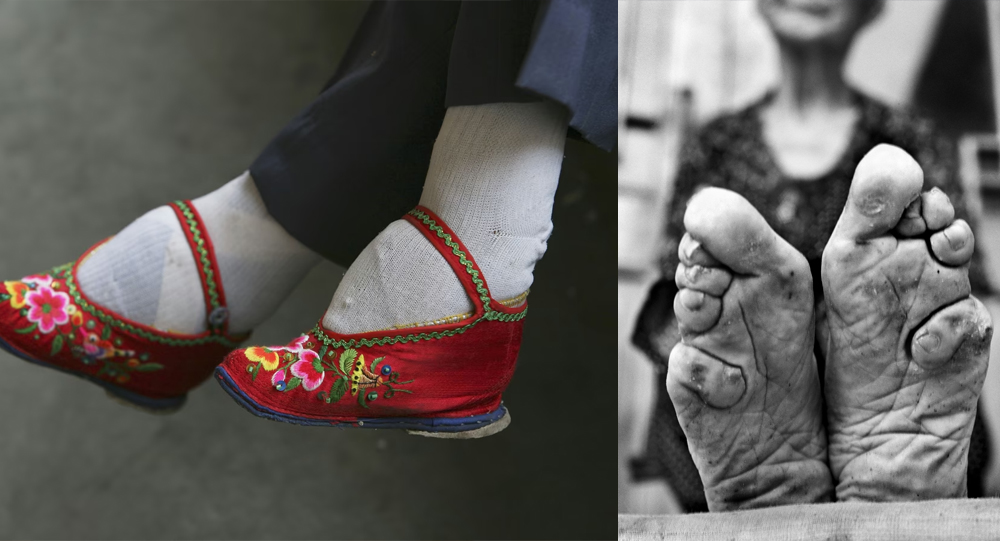
Inside China’s Footbinding Tradition: The Painful Ritual of Lotus Shoes and Bound Feet
In China, Lotus shoes were used to bind women's feet to keep their feet small
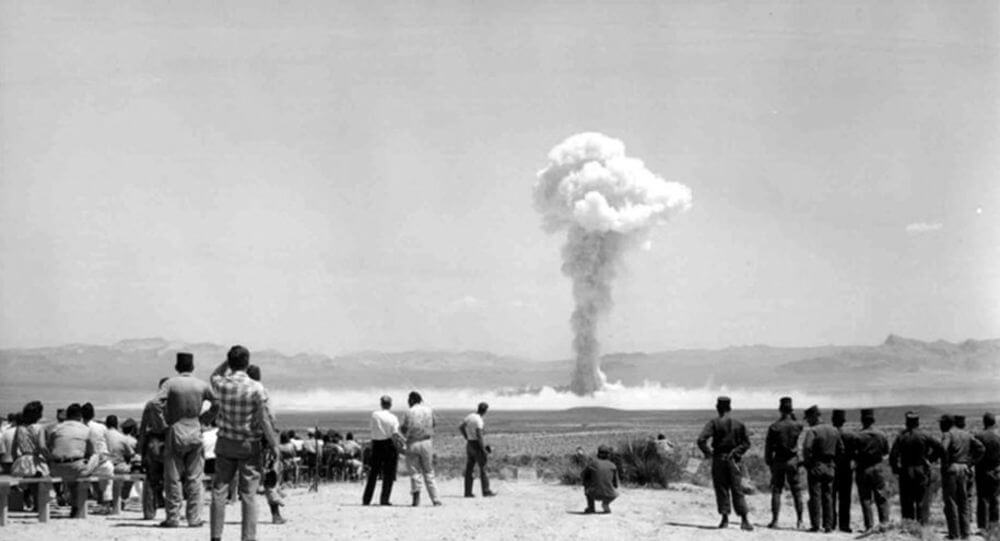
Atomic Tourism: In the 1950s, nuclear tests in Las Vegas served as a draw for tourists
Between 1950 and 1960, Las Vegas offered “Atomic Tourism” in which guests could watch atomic bombs being tested in the desert as a form of entertainment.
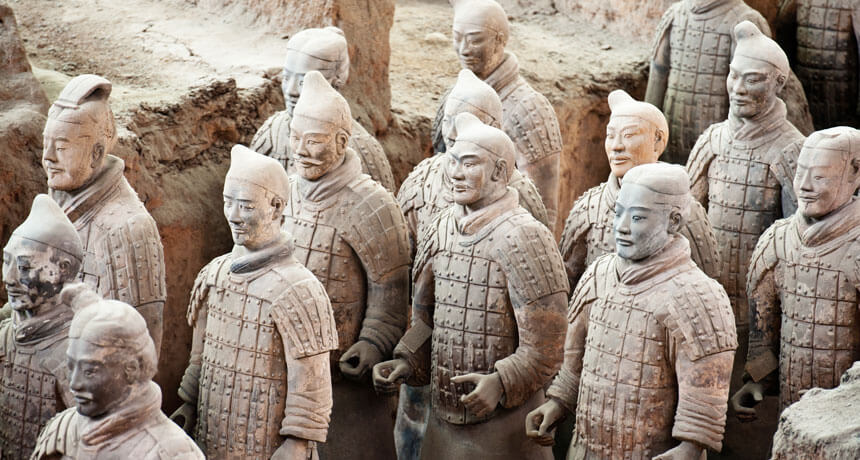
Top 10 Greatest and shocking Archaeological Discoveries of All Time
While we're all locked at home, there's no better way to escape to another time and place than to learn about amazing archeological sites and discoveries from around the world. Here are the 10 greatest and shocking archaeological discoveries —and don't be shocked if they inspire future trip plans whenever it's safe to do so again.