
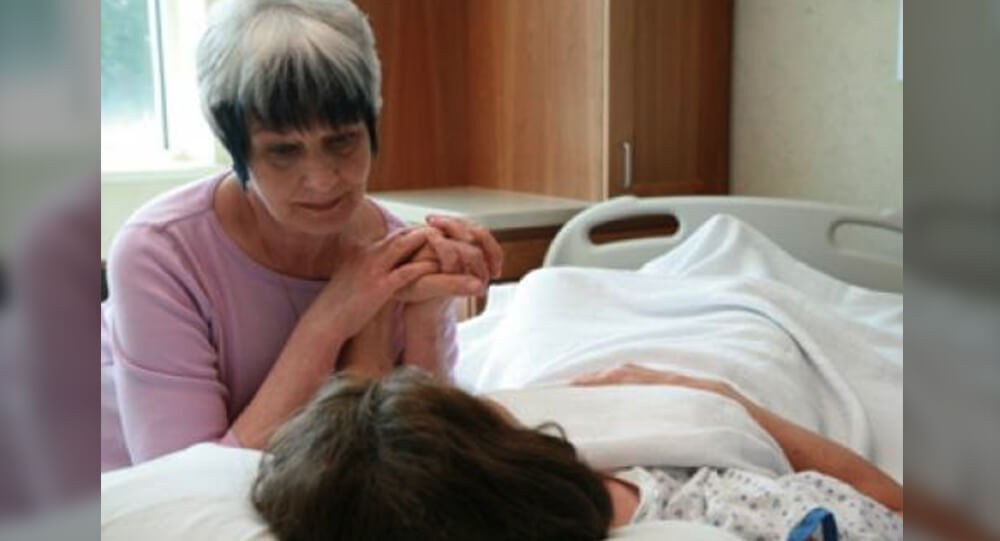
The presence of compassionate company can make a world of difference when people are facing their most vulnerable times at the end of life. No one should experience death alone, according to the remarkable “No One Dies Alone” program, which has gained momentum on a global scale. The history of this program is explored in depth in this article, including its beginnings, the crucial role of volunteers, its effects and advantages, and some moving personal accounts. It also explores the difficulties encountered in putting such a program into action and highlights the successes. Finally, it envisions the “No One Dies Alone” movement’s continued development and growth in the years to come.
Origins and Evolution of the Program
The “No One Dies Alone” program’s beginnings can be traced to the kind initiatives of a select group of people who understood the value of company at the end of life. Nurses in Oregon named Sandra Clarke and other pioneers began giving their time freely to be present with patients who had no family or friends nearby. Through their perseverance, this modest concept quickly gained support and spread to hospitals and hospices all over the nation.
As the program gained traction, more medical facilities realized how crucial it was to offer companionship to those dying alone. The “No One Dies Alone” initiative has grown into a widespread movement in the present day, with countless volunteers providing their presence and assistance to those in need.
Sandra Clarke was on her way to her night shift at the hospital where she was employed in 1986. Despite the fact that most patients are asleep during the night shifts, medication must still be administered according to schedules despite the fact that there are typically fewer nurses on duty.
The patient was not doing well and was not to be revived, so Sandra could anticipate that the patient would die, according to her head nurse. She went to see the patient after she kindly requested that she stay with her. Although Sandra had other patients to attend to, she made a commitment to return as soon as she had finished administering medication to the remaining patients.
One person’s regret supported others.
Sandra Clarke was on her way to her night shift at the hospital where she was employed in 1986. Despite the fact that most patients are asleep during the night shifts, medication must still be administered according to schedules despite the fact that there are typically fewer nurses on duty.
The patient was not doing well and was not to be revived, so Sandra could anticipate that the patient would die, according to her head nurse. She went to see the patient after she kindly requested that she stay with her. Although Sandra had other patients to attend to, she made a commitment to return as soon as she had finished administering medication to the remaining patients.
After about an hour, she returned to the patient as promised, who had his arm outstretched as if he were waiting for someone to take his hand. Unfortunately, Sandra arrived too late because the patient was already dead. In an interview conducted in 2013 by the Mayo Clinic, Sandra expressed her regret and rage for leaving the dying patient alone.
The Role of Compassionate Volunteers
Volunteers who are compassionate are at the heart of the “No One Dies Alone” program. These people, who come from all walks of life, are driven by a strong desire to impact someone’s final moments. Volunteers are trained before they sign up for the program to make sure they have the abilities and information needed to support patients emotionally.
Volunteers devote their time and presence to patients once they have been assigned to them, fostering relationships with those who are dying alone. They provide comfort and company by sitting quietly, holding their hands, or just lending a listening ear. By doing this, volunteers establish a calming and safe environment for those they support, resulting in a more peaceful end-of-life experience.
Impact and Benefits of the Program
The “No One Dies Alone” program has made a significant difference in how people experience death. Volunteers bring comfort during what can be a very lonely and anxious time by offering company. Patients are better able to face death with peace and dignity thanks to their comforting presence, which also reduces anxiety.
The program also lessens the loneliness that many people experience in their final moments. It can mean the world to someone to know that someone cares and is there for them. This company supports patients as they work through their feelings and find comfort, resulting in a more positive and fulfilling end-of-life experience.
The program undoubtedly helps the patients, but it also has a significant effect on the volunteers. They develop a special perspective on life and discover gratitude and meaning in helping others in their hour of need. The program gives volunteers the chance to actually change lives, fostering a sense of fulfillment and community that goes well beyond the confines of the hospital.
The “No One Dies Alone” program, in conclusion, is a testament to the value of human connection and the strength of compassion, even in the face of death. This program gives those who would otherwise have to face their final moments alone comfort, dignity, and company thanks to the tireless efforts of committed volunteers.
Inspirational Stories from the Program
Volunteers and people in their final moments have formed countless touching and heartfelt connections as a result of the “No One Dies Alone” program. These private moments foster deep connections and provide comfort to those facing the end of their lives. They can range from holding hands and offering words of comfort to sharing stories and even singing favorite songs.
For those involved, volunteering with the “No One Dies Alone” program can be a transformative experience. A renewed sense of purpose, a deeper appreciation for life, and a better comprehension of the human condition are common reports from volunteers. The chance to be present and comfort someone during such a vulnerable time has a long-lasting effect on the volunteers and highlights the value of human connection.

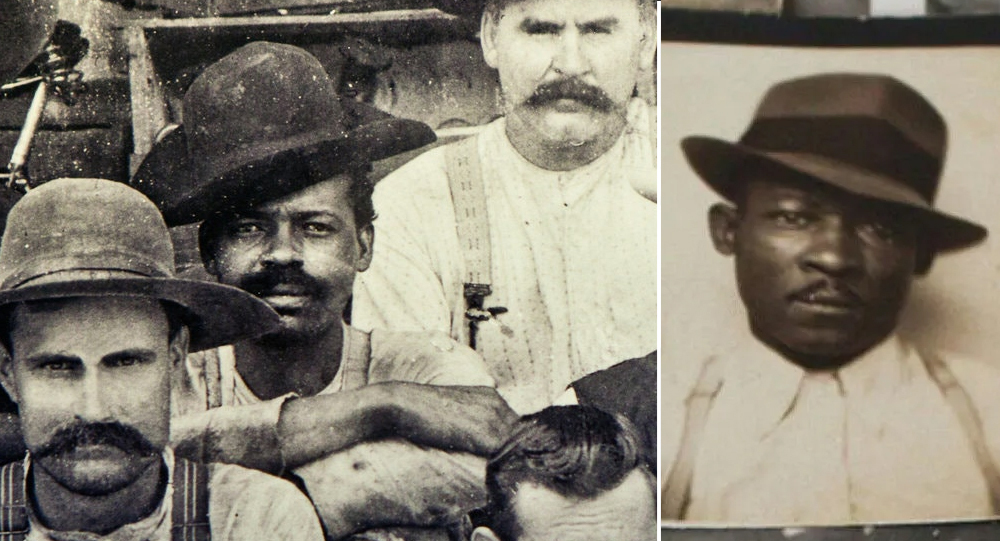
Nearest Green, America's first known Black master distiller
Nathan "Nearest" Green was an African-American head stiller who is now more frequently referred to as a master distiller. He was renowned for imparting his distilling knowledge to Jack Daniel, the creator of Jack Daniel's Tennessee whiskey distiller, after Jack Daniel was freed from slavery following the American Civil War.

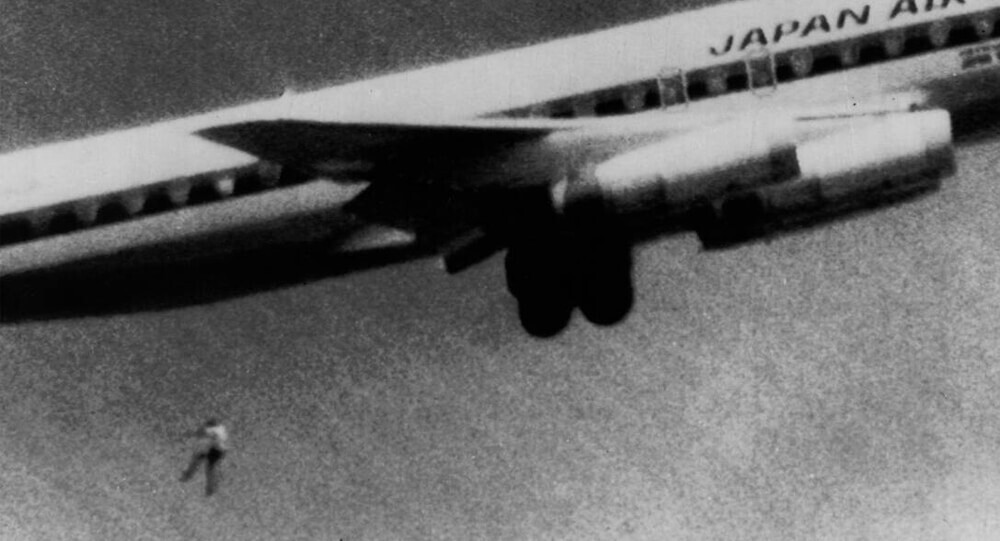
Keith Sapsford: The Story of 14-Year-Old Stowaway
The final image of 14-year-old Australian Keith Sapsford, who aspired to travel the world. In February 1970, he sneaked into the wheel-well of a plane flying from Sydney to Tokyo. It opened mid-air & fell out. When a photographer was testing a new lens, he captured this moment on film and was surprised when it developed.
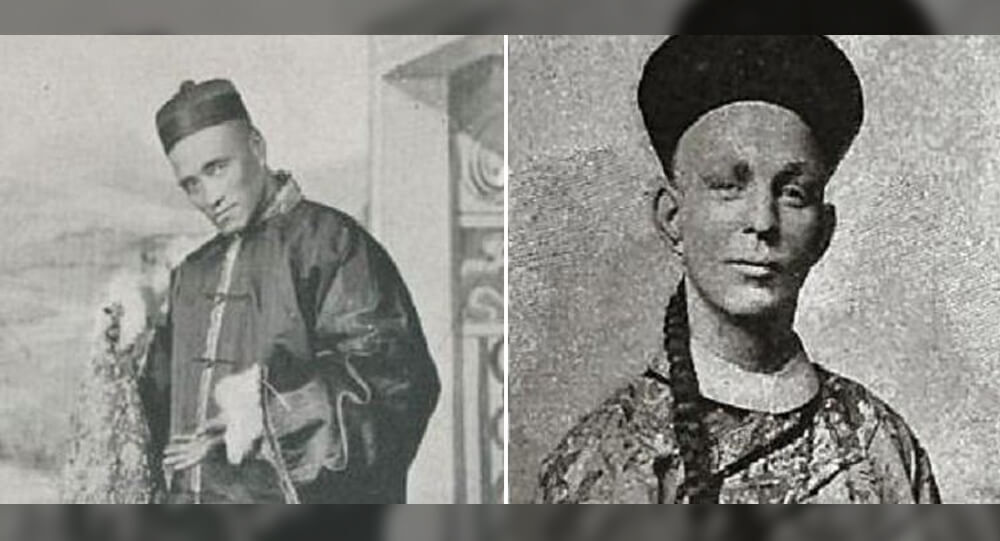
The Bizarre (And Magical) Duel Between Chung Ling Soo And Ching Ling Foo
Ching Ling Foo and Chung Ling Soo were two magicians from the early 20th century who were bitter rivals. While Ching Ling Foo was genuinely Chinese, Chung Ling Soo was actually a New Yorker named William Robinson.
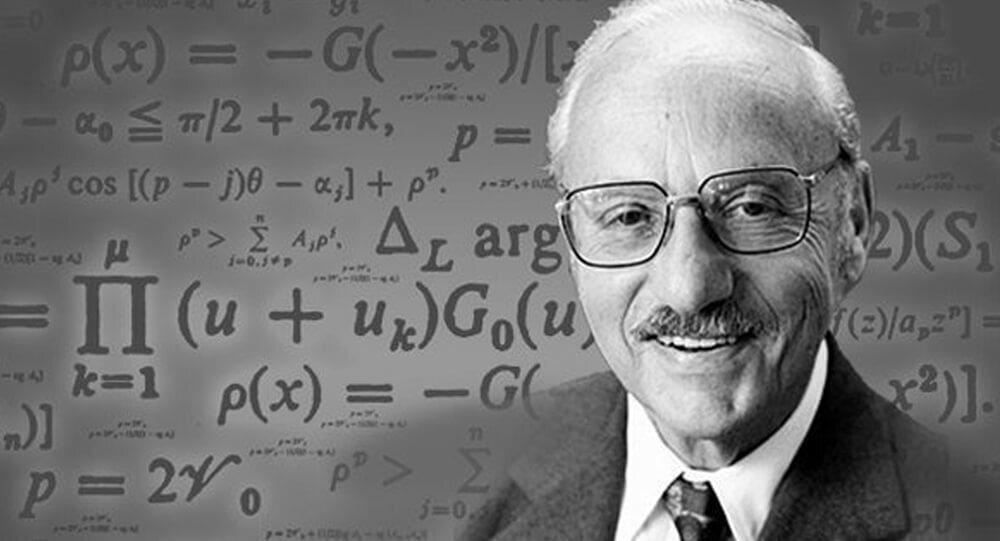
George Dantzig solved two famous “unsolved” problems in statistics mistakenly as assignment
In 1939, George Dantzig arrived late to his statistics class. On the board were two famous “unsolved” problems in statistics written as an example by his professor. Dantzig mistook the examples for homework assignments. He solved the “unsolved” problems and submitted the homework to his professor a few days later. His solutions earned him a doctorate.
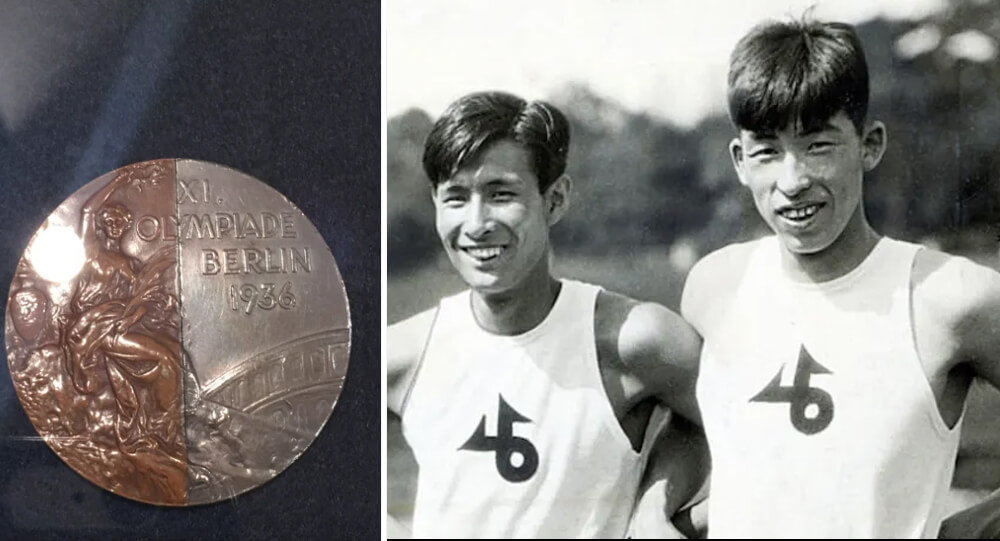
Medals of Friendship: The Enduring Olympic Story of 1936
At the 1936 Summer Olympics, two Japanese pole vaulters named Sueo Oe and Shuhei Nishida tied for second, but they declined to compete against each other. As a result, Nishida was awarded the silver medal and Oe won a bronze medal. Upon returning to Japan, the athletes had their medals cut in half and spliced together to create new "friendship medals," which were half silver and half bronze.
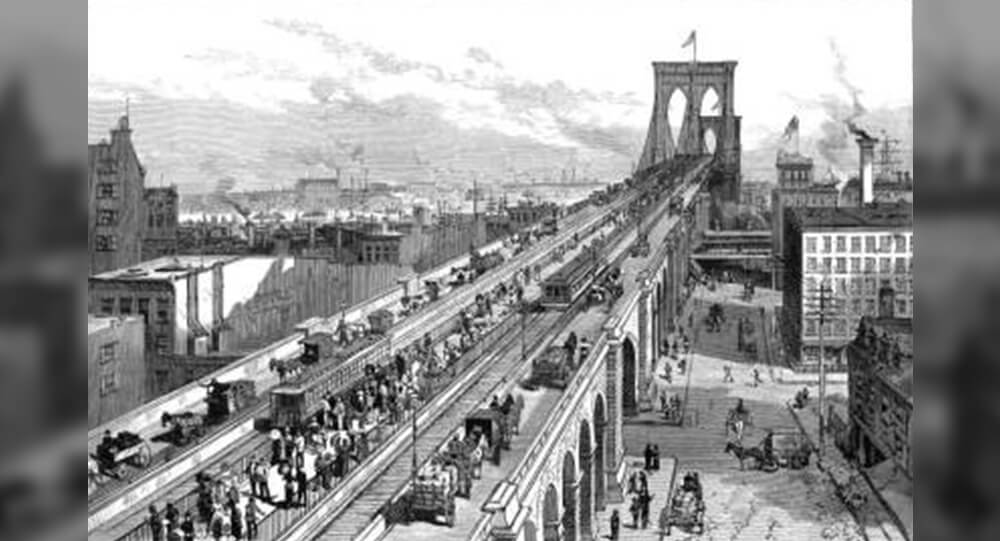
Why the Brooklyn Bridge Was Once Crossed by 17 Camels and 21 Elephants
On May 30, 1883, a rumor that the Brooklyn Bridge was going to collapse caused a stampede, which killed at least at twleve people. To prove the bridge was safe, P.T. Barnum led a parade of 21 elephants over it.
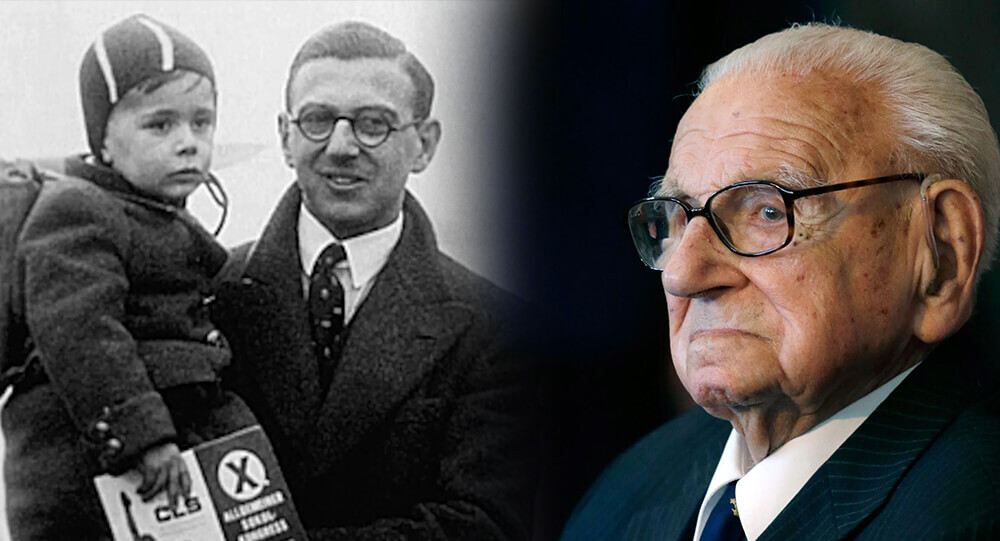
Nicholas Winton ‘British Schindler’: Man who rescued 669 Czech children from Nazis
A man named Nicholas Winton saved 669 kids during WWII and lived almost all his life without letting people know.
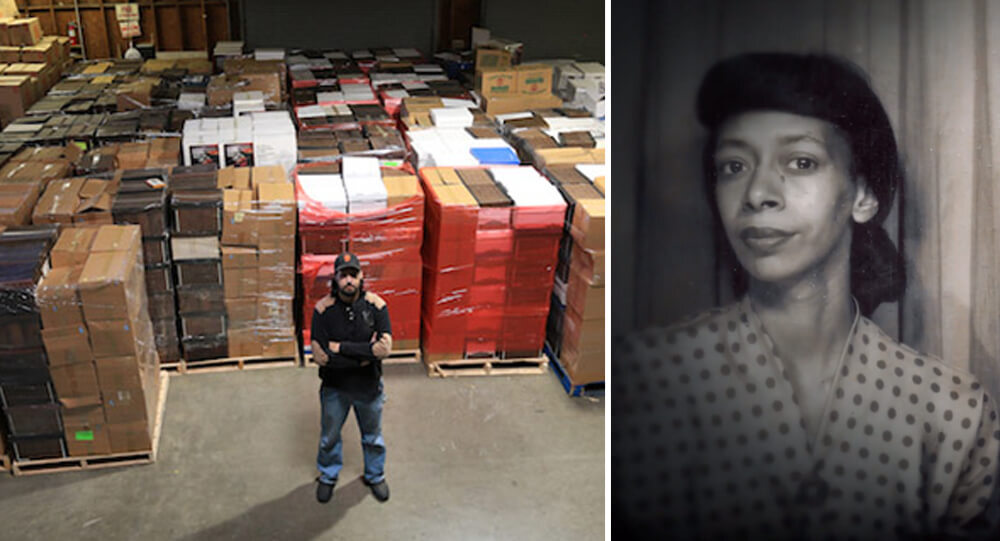
Marion Stokes recorded 30 years of television
Marion Stokes, a Philadelphia woman began taping whatever was on television in 1979 and didn’t stop until her death in 2012. The 71,000 VHS and Betamax tapes she made are the most complete collection preserving this era of TV. They are being digitized by the Internet Archive.
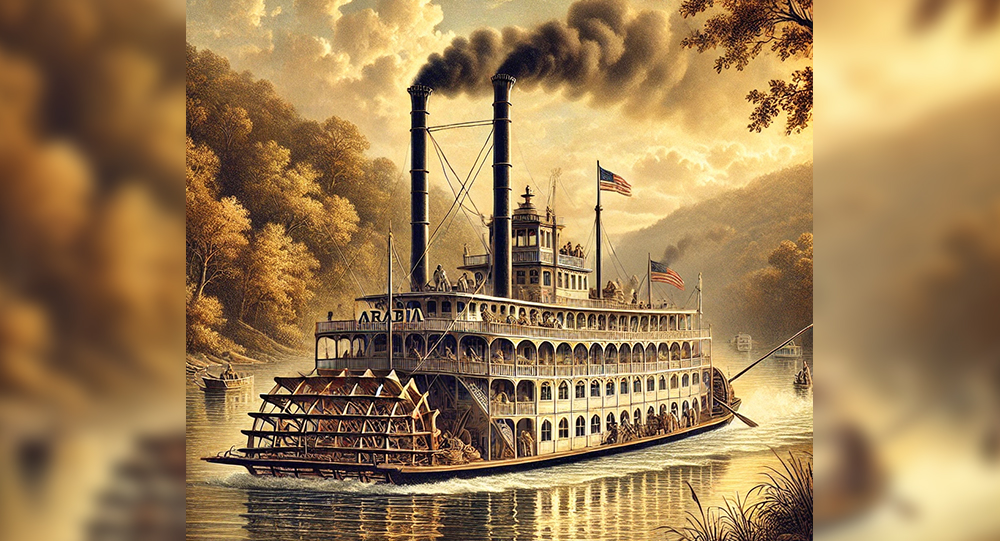
The Arabia Steamboat: Unearthing a 19th Century Time Capsule from the Missouri River
The Arabia was a steamboat that sank in the Missouri River in 1856. Over time, the river shifted 800 meters to the east, eventually turning the site of the sinking into a field. The steamboat remained under 45 feet of slit and topsoil until 1988, when it was excavated. The mud, as it turned out, was such a great preserver that most of the artifacts on board were found to be intact. They even found jars of preserved apples that were still edible!
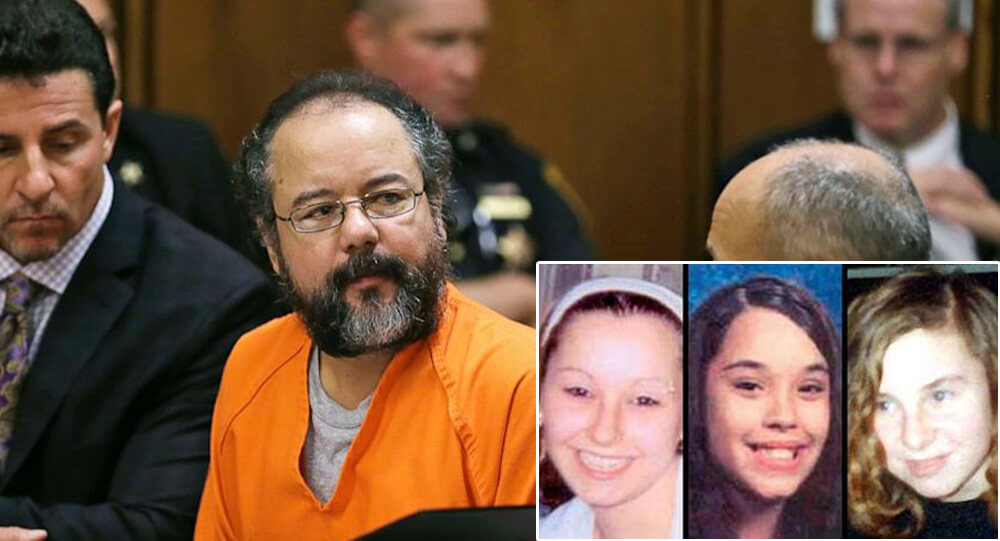
The Horrific story of Ariel Castro and the Cleveland abduction
Cleveland abduction victims Gina DeJesus, Michelle Knight, and Amanda Berry were forced to live in Ariel Castro's house of horrors for 10 years. He raped and beat them until they escaped in 2013.
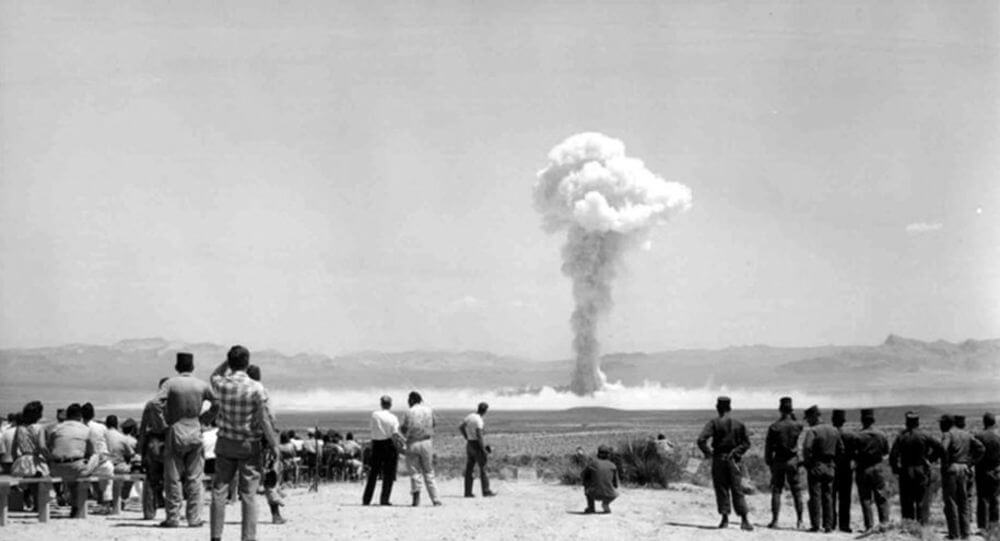
Atomic Tourism: In the 1950s, nuclear tests in Las Vegas served as a draw for tourists
Between 1950 and 1960, Las Vegas offered “Atomic Tourism” in which guests could watch atomic bombs being tested in the desert as a form of entertainment.
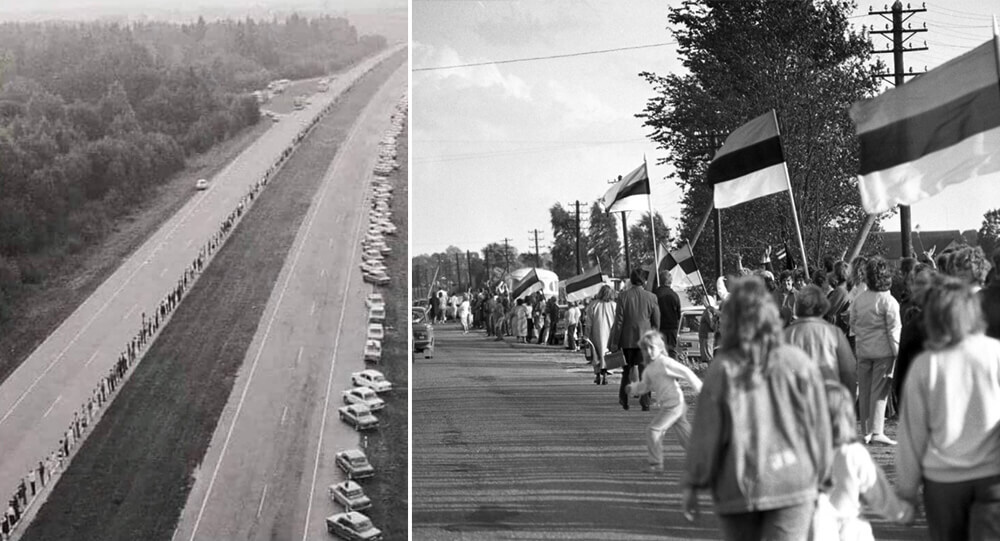
The Baltic Way: the longest unbroken human chain in history
On August 23, 1989, about 2 million people from Latvia, Estonia, and Lithuania formed a human chain that united all 3 countries to show the world their desire to escape the Soviet Union and the communism that brought only suffering and poverty. This power stretched 600 km.
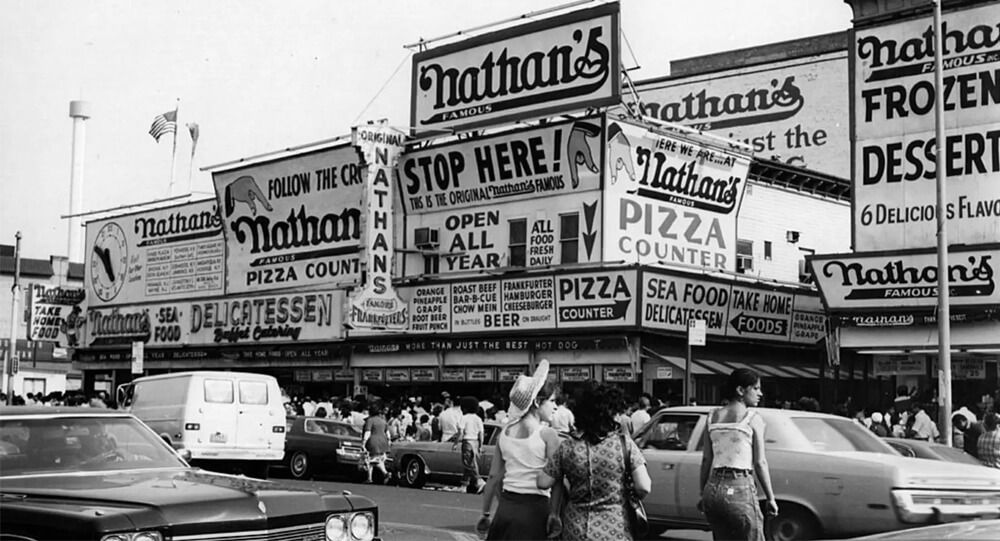
Nathan's Famous Doctor Stunt
When Nathan's Famous Hot Dogs first opened in 1916, the owner hired people to dress as doctors and eat hot dogs outside his shop, to convince people his hot dogs were healthy.
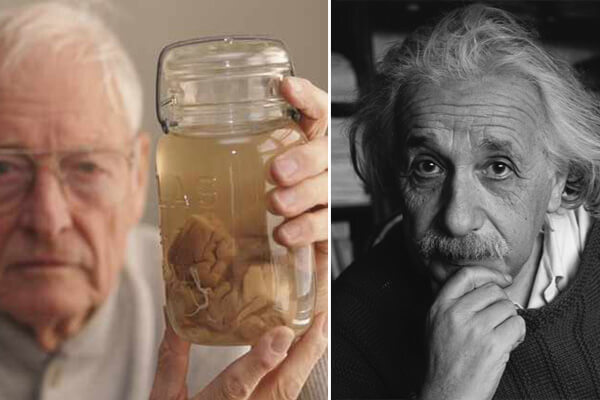
Albert Einstein’s brain after it was stolen from his body
Albert Einstein's brain was taken by the opportunistic pathologist who performed his autopsy hours after he died and kept in two jars for 30 years. The stolen brain of Albert Einstein was preserved in a cookie jar for 30 years until being discovered by a journalist.
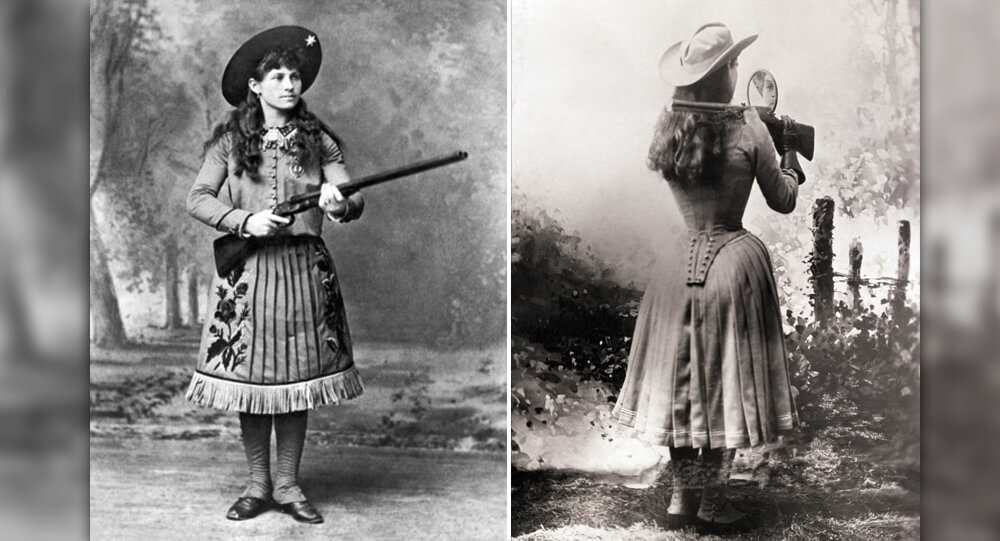
The true story of Annie Oakley, legendary sharpshooter
Anne Oakley was such a good shooter that she could split a playing card help edge-on, hit dimes thrown into the air, shoot cigarette from her husband's lips, and pierce a playing card thrown into the air before it hit the ground.
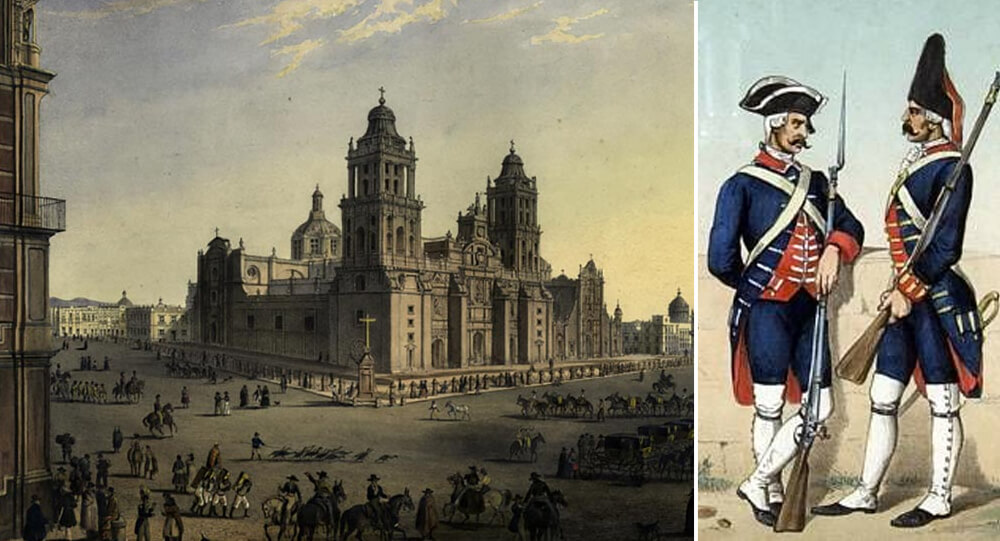
Did Gil Pérez Really Teleport from Manila to Mexico Overnight? The 1593 Mystery
On October 24, 1593, while performing his guard duties at Manila's Governor's Palace in the Philippines, Gil Perez stopped to lean against a wall and sleep for a while. He opened his eyes to find himself in an unusual environment. Gil was in the Plaza Mayor in Mexico City. They imprisoned Perez, but the authorities in Mexico City decided to release him and return him home.
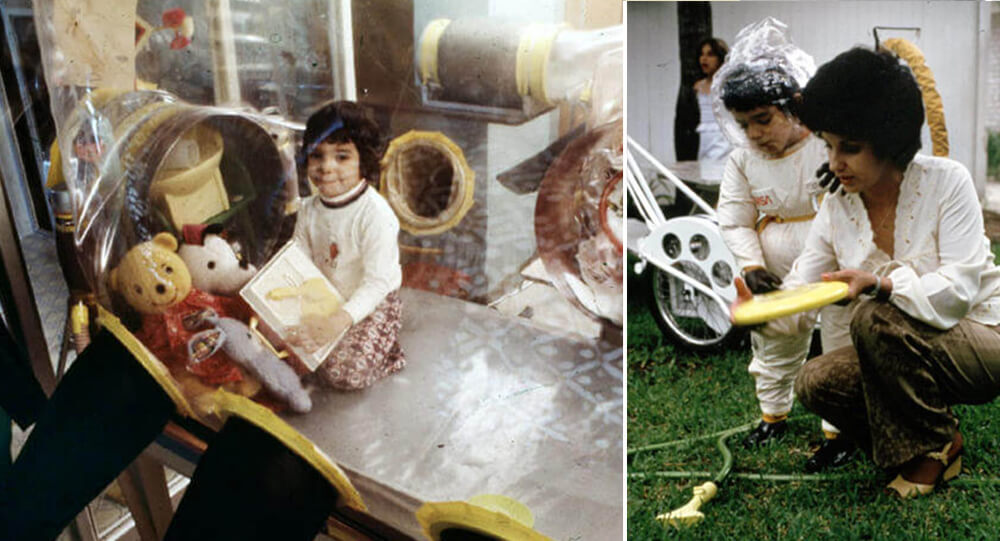
The touching story of David Vetter (bubble boy), the 'boy who lived in a bubble
David Vetter lived his whole 12 years in sterile “bubble”. He was “outside” for 20 second after being removed from his mother’s womb. He never touched any human.
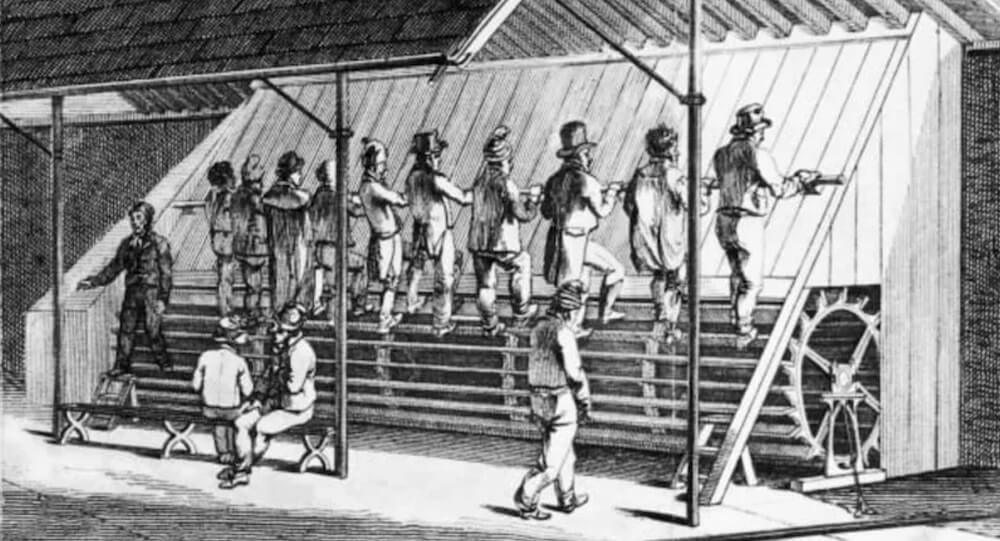
History of Treadmill, punishment for prisoners
Treadmills were originally a punishment used to harness human power on a giant wheel used to grind grains, hence the name "treadmill." The History of Treadmill
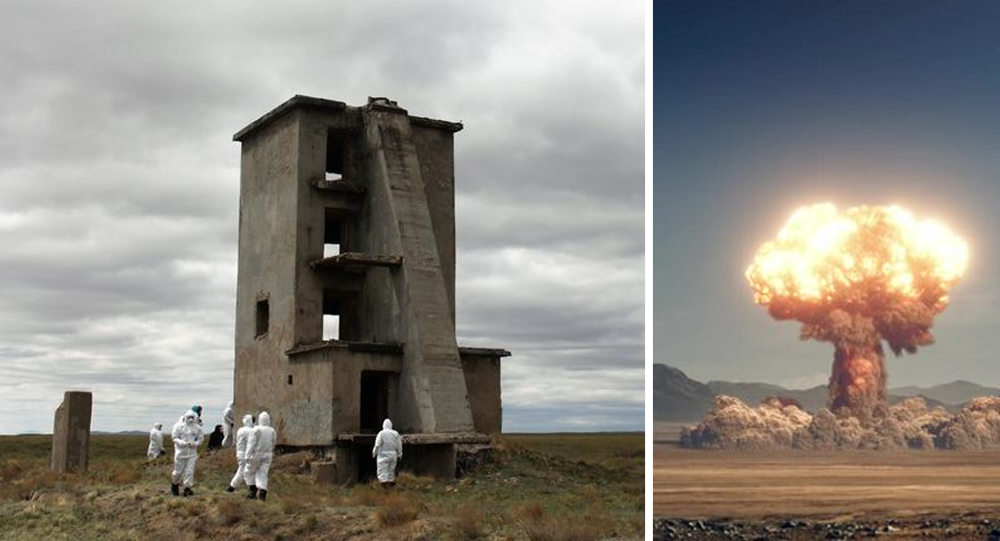
The Forgotten Story of Semipalatinsk and the Soviet Nuclear Experiments
Between 1949 and 1989, the Semipalatinsk Test Site in Kazakhstan became the primary location for Soviet nuclear weapons tests, exposing millions of unsuspecting villagers to radioactive fallout. Known as the “Polygon of Suffering,” this remote desert witnessed 456 nuclear detonations that caused widespread health crises, birth defects, and generational genetic damage. This article narrates the chilling legacy of Semipalatinsk, unveiling the human cost of Cold War arms development and the ongoing struggle for healing and recognition in Kazakhstan.
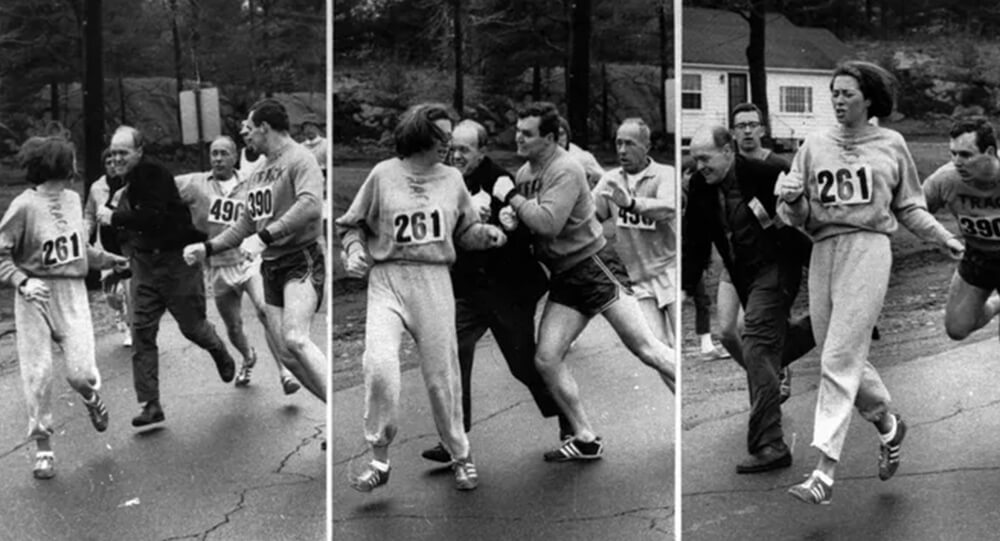
Story of Kathrine Switzer: the first woman to run in Boston Marathon
Before women were allowed to run in the Boston Marathon, Kathrine Switzer participated. A race official attempted to forcefully remove her from the race in 1967, but her boyfriend pushed him down. She was the first female finisher who had a numbered entry in the race.
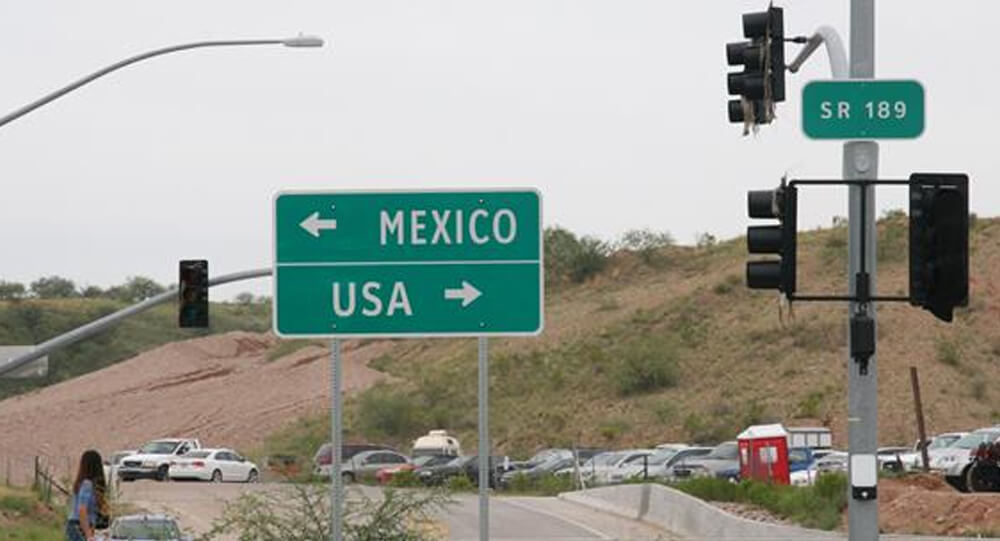
Underground Railroad to Mexico freed thousands of slaves in 1829
Slavery was abolished in Mexico in 1829. Slaves were escaping to Mexico, and slaveholders in the US were aware of this. The US attempted to get Mexico to sign a fugitive slave treaty, which would have required Mexico to send back escaped slaves to the US. But, Mexico refused, arguing that slaves were free as soon as they set foot on Mexican soil.

3 men lived on top of a billboard in tents for almost 9 months
From 1982-1983, three men in Allentown PA competed in a radio contest in which they lived on top of a billboard in tents. Whoever stayed up longest would win a house. Due to economic pressure from the recession, none of the contestants wanted to give up, so the contest lasted almost 9 months.
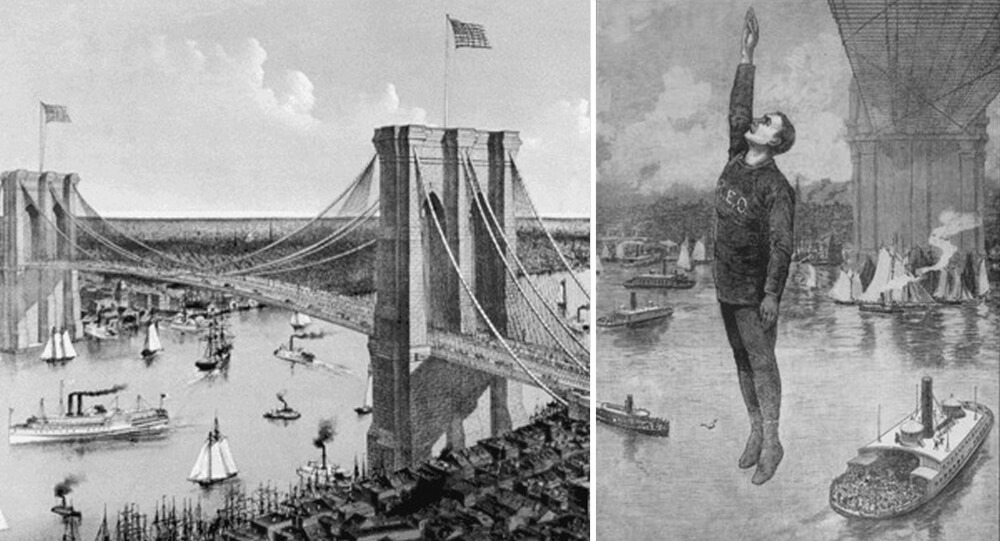
Robert Odlum, the first person to jump off the Brooklyn Bridge
The first person to jump off the Brooklyn Bridge was a professional high diver who "wanted to demonstrate that people did not die simply by falling through the air, thus encouraging people to be willing to jump from a burning building into a net." He proved himself correct by safely falling 135 feet through the air and dying only when he hit the water.
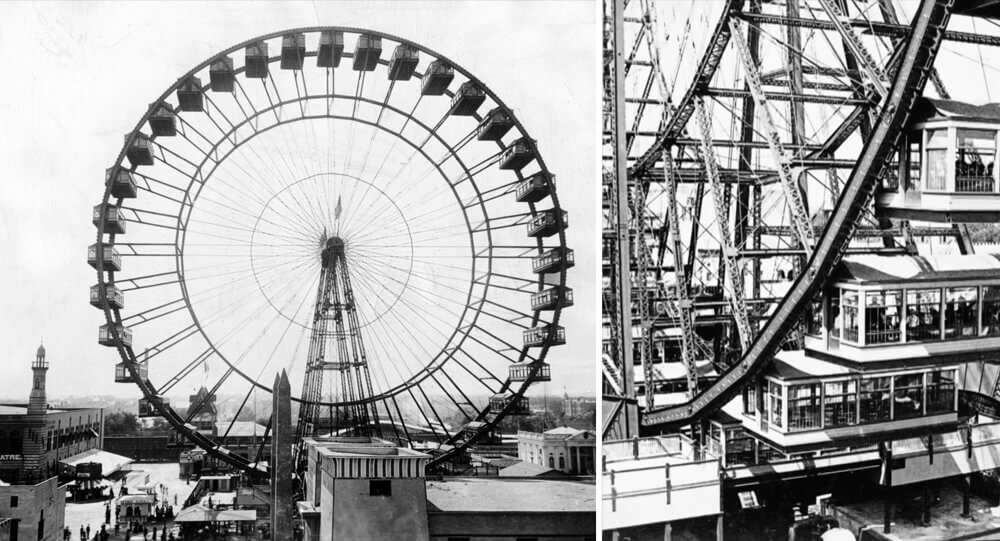
how Ferris wheel invented
In 1891, Chicago challenged engineers to create a structure to surpass the Eiffel Tower for the World's Columbian Exposition. George Washington Gale Ferris jr. responded with the original Ferris Wheel, a giant rotating structure elevating visitors above the city. This invention became an iconic attraction at the fair.
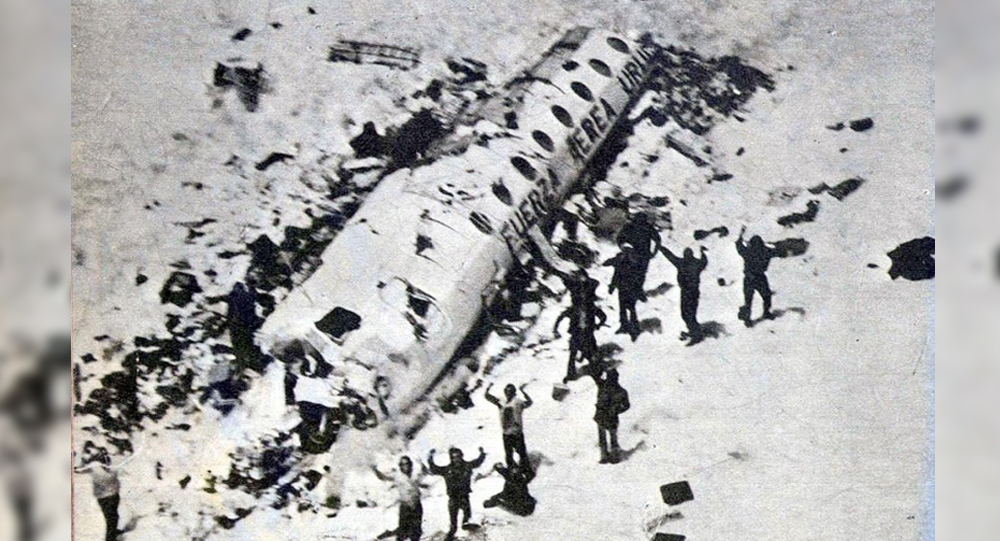
1972 Andes Plane Crash Survivor recall the terrifying Struggles to Stay Alive
On October 13, 1972, a plane carrying a rugby team from Uruguay crashed in the Andes between Chile and Argentina. The survivors were in brutal conditions - high altitude, bitter cold, and the lack of food—and faced the most terrible choice—eating the frozen flesh of their dead friends or starving to death themselves.