
Some people, like Ariel Castro of Cleveland, Ohio, have committed acts so evil that it’s difficult to think of them as anything other than monsters.
Castro was a rapist, kidnapper, and torturer who held three women captive for over a decade before releasing them.
The residence at 2207 Seymour Avenue, where he kept the three ladies, had a distinct stench of misery for a long time. Even though the terror that went on inside was hidden by drawn window shades, some neighbors, such as James King, noticed that the house “did not appear right.”
How did Castro’s victims wind up in this situation? And why did he kidnap them in the first place?
Ariel Castro’s Beginnings
Ariel Castro, who was born in the year 1960 in Puerto Rico, did not start his heinous acts suddenly. It all began with his abusive relationship with Grimilda Figueroa, his wife.
The couple had a complicated relationship. Castro threatened her and their four children with death and physically abused her, fracturing her nose and dislocating her shoulder twice. She left him in the mid-1990s. He once assaulted her so severely that a blood clot formed on her brain.
Castro “often abducts [his] girls” and keeps them from Figueroa, according to a 2005 court petition.
Castro left a child alone on a bus while working for the Cleveland Metropolitan School District in 2004. In 2012, he was dismissed for performing the same thing for the second time.
Despite his bizarre behavior, his daughter Angie Gregg remembered him as a “friendly, kind, doting dad” who would take her out on motorcycle trips and cut his children’s hair in the backyard. But everything changed when she discovered his secret.
“I’ve always wondered how dad could be so wonderful to us, but he stole young ladies, tiny girls, other people’s infants, and never felt enough shame through the years to just give up and let them go.”
The Cleveland Abductions
Later, Ariel Castro stated that his crimes were motivated by chance: he noticed these women and a perfect storm permitted him to kidnap them for his own purposes.
“I didn’t even plan it that day when I picked up the first victim,” he stated in court. It was something I planned…I went to Family Dollar that day and overheard her say something…I didn’t say I was going to find some women that day. It was not in my nature.”
Despite this, he used cliché tactics to seduce each victim, offering one a puppy, another a ride, and the last begging for assistance in finding a lost child. He also used the fact that each victim knew Castro and one of his children to his advantage.
Michelle Knight, Amanda Berry, And Gina DeJesus
Castro’s first victim was Michelle Knight. Knight couldn’t find the building she needed on her way to a social services appointment about recovering custody of her infant son on Aug. 23, 2002. She sought assistance from various passers-by, but no one could point her in the proper way. That’s when she first noticed Castro.
He offered her a ride, and she accepted because he was the father of someone she knew. However, he drove in the incorrect way, claiming to have a dog for her son at his place. His car’s passenger door was missing a handle.
She entered his home and proceeded to the location where he claimed the puppies were. He slammed the door behind her as soon as she entered a room on the second level. For 11 years, Knight wouldn’t leave Seymour Avenue.
Next up came Amanda Berry. She was looking for a ride after leaving her Burger King shift in 2003 when she spotted Castro’s familiar-looking van. She, like Knight, would be held captive until 2013.
Gina DeJesus, a 14-year-old friend of Castro’s daughter Arlene, was the most recent victim. On a spring day in 2004, she and Arlene’s intentions to hang out fell through, and the two parted ways.
DeJesus ran across the father of one of her friends, who asked for her assistance in finding Arlene. DeJesus agreed and returned to Castro’s home with him.
In the wake of her disappearance, Castro’s son Anthony, a student writer, wrote a story on the missing family friend. He even spoke with Nancy Ruiz, DeJesus’ bereaved mother, who remarked, “People are looking out for each other’s kids.” It’s a shame it took a tragedy for me to get to know my neighbors. They’ve been wonderful, bless their hearts.”
The Early Days Of Captivity

The lives of Ariel Castro’s three victims were filled with horror and pain.
He kept them confined in the basement before allowing them to reside upstairs, still behind locked walls with gaps for food to pass through. As restrooms, they used plastic buckets, which Castro rarely emptied.
Castro, to make matters worse, enjoyed playing mind games with his victims. To tempt them with freedom, he would occasionally leave their door open. When he eventually captured them, he’d beat them up.
In the meantime, Castro obliged the ladies to celebrate their “abduction day,” which commemorated the anniversaries of their incarceration, rather than their birthdays.
Year after year, with frequent sexual and physical assault, it continued on like this. Year after year, season after season, the women locked on Seymour Avenue saw the world go by — they even watched the royal wedding of Prince William and Kate Middleton on a small, blurry black-and-white television.
During this time, the three ladies learned a few things: how to deal with Castro, how to figure out what was going on in the house, and how to mask their inner thoughts.
Above all, they understood that he was a sadist who thrived on their suffering. They learned to keep their emotions disguised at all times by masking their emotions.
They went on like this for years until something changed. Amanda Berry found she was pregnant after years of rape.
What Each Woman Faced
Ariel Castro had no intention of include a child in his heinous scheme.
He insisted on Berry continuing the pregnancy, and when she went into labor, he made her give birth in a kiddie pool to avoid a mess. Knight, who had her own son, helped with the delivery. They were relieved when the baby arrived, healthy as any other.
The women lived together but apart, as if in a dollhouse, and were always at the mercy of the guy in charge, who came and went as he pleased.
Michelle Knight was usually paired with Gina DeJesus, but being the group’s most rebellious member, Knight got into a lot of difficulty with Castro.
He’d deprive her of food, bind her to a support beam in the basement, and beat and rape her on a regular basis. She was pregnant at least five times, according to her count, but none of them made it to term because Castro wouldn’t allow them, abusing her to the point where her stomach was permanently damaged.
Meanwhile, Amanda Berry and her daughter, Jocelyn, were held in a small room that was shut from the outside. While still locked in the house, they’d pretend to stroll to school, Berry doing her best to maintain some semblance of normalcy.
Berry also kept a journal about her life in the house and noted each time Castro raped her.
DeJesus suffered a similar fate to the other two victims. Her family continued to look for her, oblivious to the fact that she was not far from home, imprisoned in the home of a guy they knew. Castro once bumped into her mother and stole a missing person flyer she was passing out.
He presented the flier to DeJesus with her own face mirrored back, begging to be discovered, in a sarcastic gesture of cruelty.
Escape At Long Last
It seemed like the women’s confinement would never end. Any chance they had of seeing freedom decreased year after year. Everything changed on a warm day in May of 2013, roughly a decade after the kidnappings.
The day felt odd to Knight, like if something bad was going to happen. Castro failed to lock the door behind him as he drove to a local McDonald’s.
Jocelyn ran downstairs and then ran back up. “I can’t seem to locate Daddy.” “Daddy is nowhere to be found,” she explained. “Mom, Daddy’s automobile is nowhere to be found.”
Amanda Berry’s bedroom door was opened for the first time in ten years, and Ariel Castro was nowhere to be seen.
“Should I take a chance?” ” Berry pondered. “I need to do it now if I’m going to do it.”
She approached the front door, which was unlocked but had an alarm system installed. She was able to get her arm through the padlocked storm door behind it and scream:
“Somebody, please, please help me. I’m Amanda Berry, please.”
She was able to signal a passing motorist, Charles Ramsey, who assisted her in breaking down the door. Ramsey then dialed 911, and Berry begged for help:
“I was abducted, and I’ve been missing for ten years, and now I’m free,” she said, pleading with the dispatcher to send officers to 2207 Seymour Avenue to assist her fellow inmates.
The Rescue
Michelle Knight was afraid Castro had returned and had grabbed Berry in her quest to freedom when she heard hammering on the ground floor.
She didn’t realize she was finally free of Castro until the cops stormed the house and took her up.
For the first time in a decade, Knight and DeJesus followed the officers out of the house, squinting in the Ohio sun.
“The first time I was actually allowed to sit outside, feel the sun, it was so warm, so bright….It was like God was throwing a great light on me,” Knight later recalled.
The End Of Ariel Castro
Castro was arrested for aggravated murder, rape, and kidnapping on the same day the women won their freedom.
During his trial, he testified on his own behalf. Castro painted himself and the three ladies as equal victims of his sexual addiction, defiant and repentant in equal measure.
He maintained that his crimes were not nearly as awful as they appeared and that his victims cooperated with him as willing partners in some comfort.
“Most, if not all, of the intercourse that went on in that residence, was consensual,” the insane kidnapper claimed in court.
“These charges that I used to force on them are completely false. Because there were occasions when they’d even ask for sex from me — and there were a lot of them. I also discovered that these ladies were not virgins. They had several partners before me, all three of them, according to their evidence.”
Michelle Knight testified against Castro for the first time, mentioning his name.
She’d never called him by his name before to protect him from wielding control over her, instead referring to him as “he” or “the dude.”
“You robbed me of 11 years of my life,” she exclaimed.
Castro was condemned to life in prison plus 1,000 years. He spent a little more than a month in prison, under far nicer conditions than the ones he put his victims through.
On September 3, 2013, he committed suicide in his prison cell by hanging himself with his bedsheets.


Medieval Medicine: A 1,000-year-old onion and garlic salve kills modern bacterial superbugs
Scientists recreated an Anglo-Saxon manuscript-based 9th century onion and garlic eye remedy and discovered that it killed 90% of antibiotic-resistant staph bacteria (MRSA).

Titanoboa cerrejonensis, fossils of the world’s largest species of snake
In 2009 in a coal mine of Columbia, scientists discovered fossils of the world’s largest species of snake. The species is called “Titanoboa cerrejonensis,“and it is from around 60 million years ago. It would have had measured about 48 feet long and weighed about 2,500 pounds

Max Headroom Incident: America’s Creepiest TV Hack
In 1987 a man hijacked a television station during an episode of Dr. Who and wore a Max Headroom mask and uttered nonsense, and he still hasn’t been caught
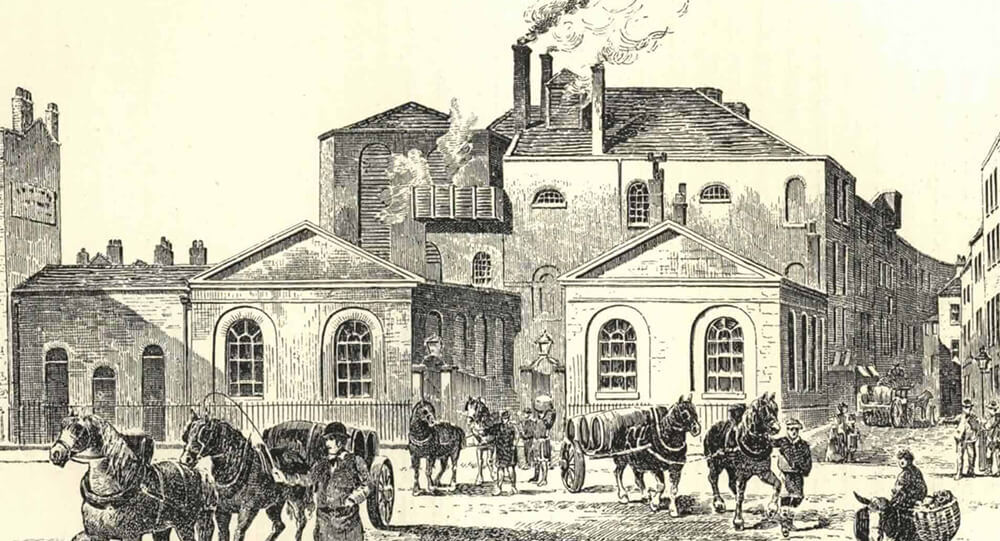
The 1814 London beer flood
In 1814, there was a beer flood in London when a tank containing more than 300,000 gallons ruptured in which 8 people drowned.


The 1976 April Fools' Pranks, Planetary Alignment
On April fool's Day, 1976, the BBC convinced many listeners that a special alignment of the planets would temporarily decrease gravity on Earth. Phone lines were flooded with callers who claimed they felt the effects.
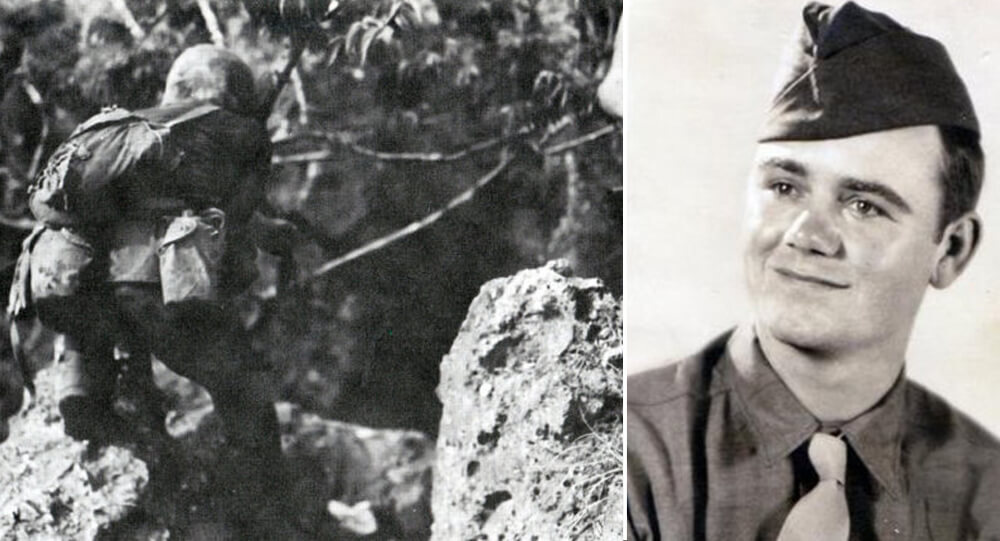
Thomas Baker's heroic act that earned him the "Medal of Honor" was 8 bullets until death
Thomas Baker instructed his team to leave him with a pistol and eight bullets propped up against a tree after he was injured. Later, American troops discovered the now-deceased Baker in the same location, lying next to eight dead Japanese soldiers and carrying an empty pistol.
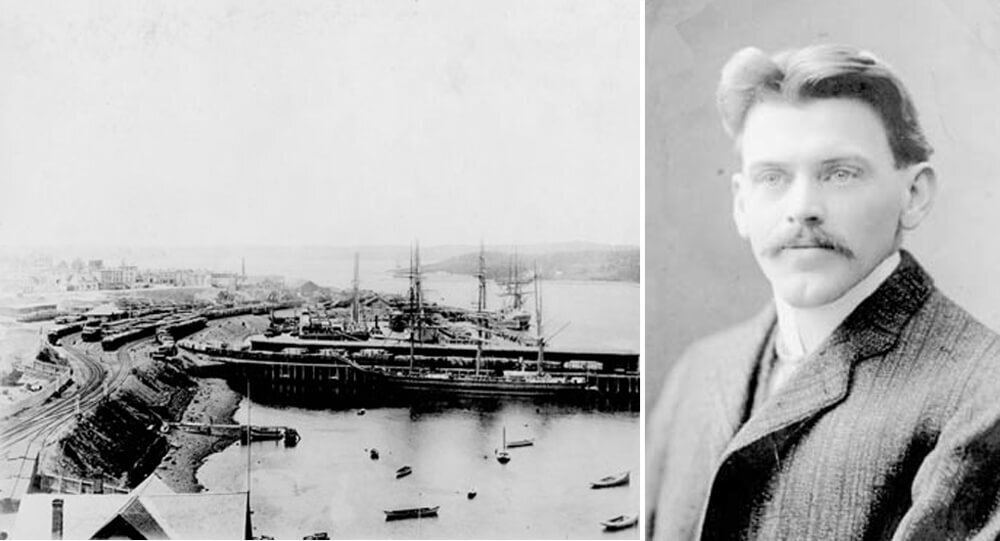
Vince Coleman, a railway dispatcher, sacrificed his own life
Vince Coleman, a railway dispatcher, sacrificed his life in order to warn an incoming train of an imminent explosion. His telegraph said “Hold up the train. Ammunition ship afire in harbor making for Pier 6 and will explode. Guess this will be my last message. Good-bye, boys.” He saved 300 lives.

The World’s First Seismograph: How Ancient China Detected Earthquakes 1,800 Years Ago
Over 1,800 years ago, long before modern technology, the ancient Chinese astronomer and inventor Zhang Heng created the world’s first seismograph in 132 AD. This ingenious bronze device could detect distant earthquakes by releasing small balls from dragons’ mouths into toads’ mouths—each indicating a different compass direction. Its historic detection of an earthquake 400 miles away astonished the imperial court and transformed the way societies understood and responded to seismic events.

1972 Andes Plane Crash Survivor recall the terrifying Struggles to Stay Alive
On October 13, 1972, a plane carrying a rugby team from Uruguay crashed in the Andes between Chile and Argentina. The survivors were in brutal conditions - high altitude, bitter cold, and the lack of food—and faced the most terrible choice—eating the frozen flesh of their dead friends or starving to death themselves.
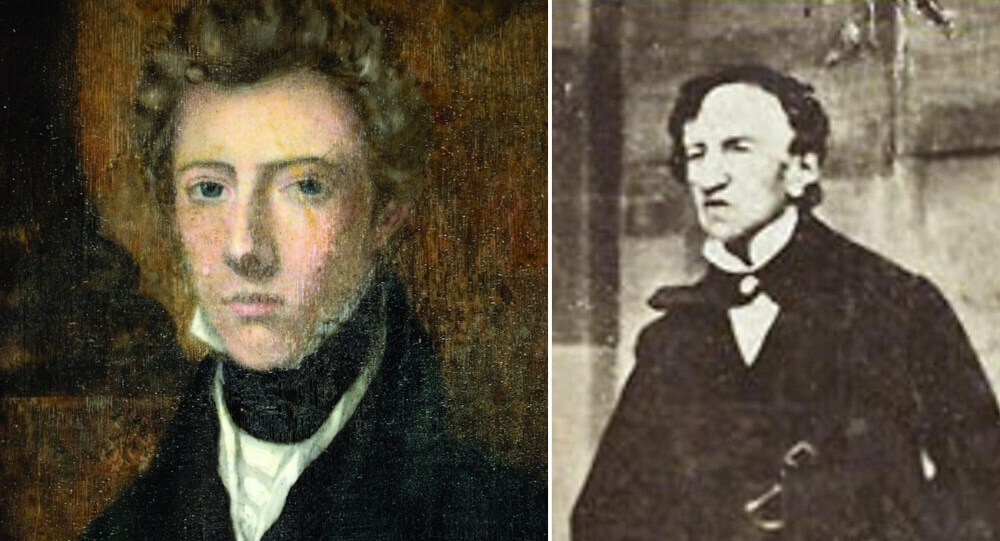
The mysterious secret of Dr James Barry
Before women were allowed to enroll in medical school, Margaret Ann Bulkley studied medicine and assumed the identity of Dr. James Barry for 56 years while dressing as a man. After 46 years of service as an army doctor officer, her secret was not made public until after her death in 1865.
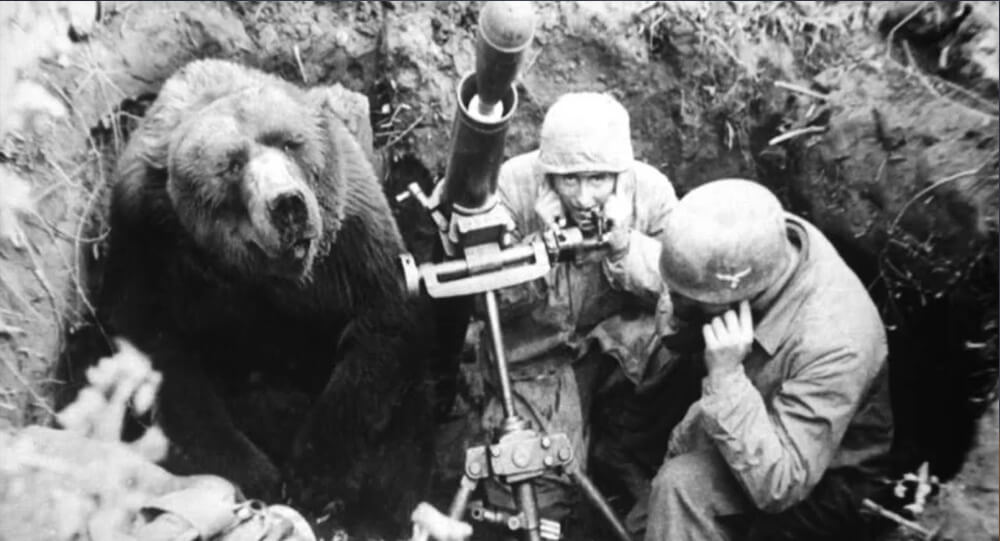
The 440-pound bear named Wojtek and his World War II battle against the Nazis
Polish troops raised an orphaned bear cub during WWII. He enjoyed drinking beer, and was trained to salute. He became officially enlisted as a member of the forces, and helped carry artillery during battle.
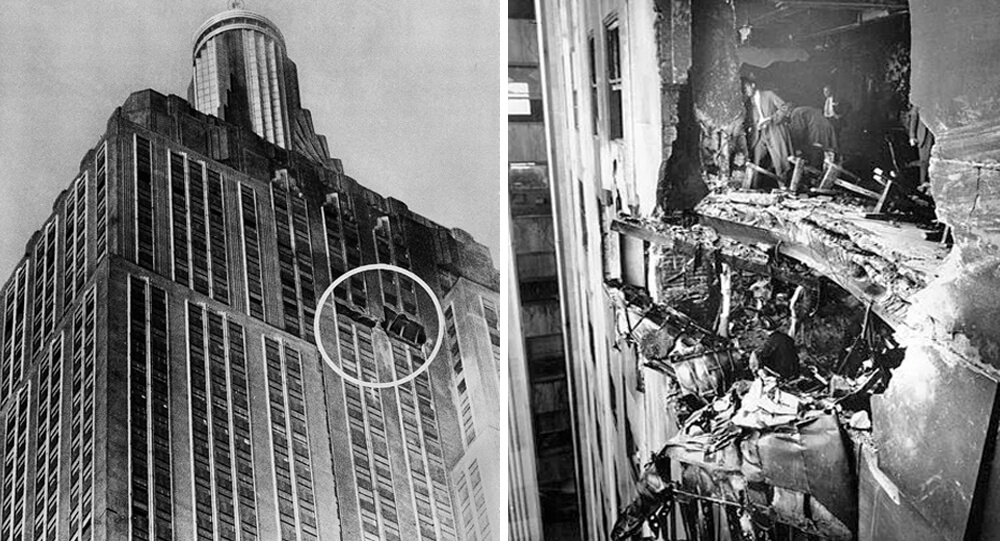
Remembering the 1945 Empire State Building Disaster: When a Plane Met Skyscraper
An airplane crashed into the Empire State Building in 1945. Among other damage, plane parts severed the cables of an elevator and the woman inside fell over 70 stories. She lived and holds the world record for the longest survived elevator fall.

Saudi Arabia camel carvings dated to prehistoric era
Archaeologists were shocked to discover that a series of camels carved into desert rock faces in north-western Saudi Arabia are actually prehistoric, dating from 7,000-8,000 years ago - before either the Pyramids of Giza or Stonehenge were built.

How European Rabbits Took over Australia
In 1859, wealthy settler Thomas Austin released 13 wild rabbits on his Australian estate. By 1920, their population grew to 10 billion.
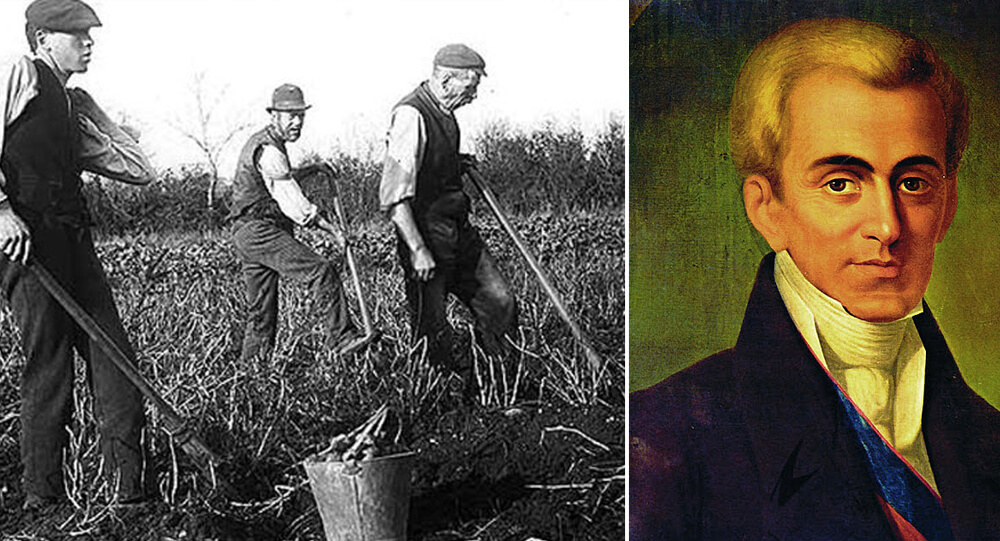
How Greek prime minister in 1830’s tried to spread the potato in Greece
A Greek prime minister in 1830’s tried to spread the potato in Greece but people weren’t interested so he put armed guards in front of shipments of potatoes so people would think they were important. People later started stealing these potatoes a lot which spread the crop to all of Greece.
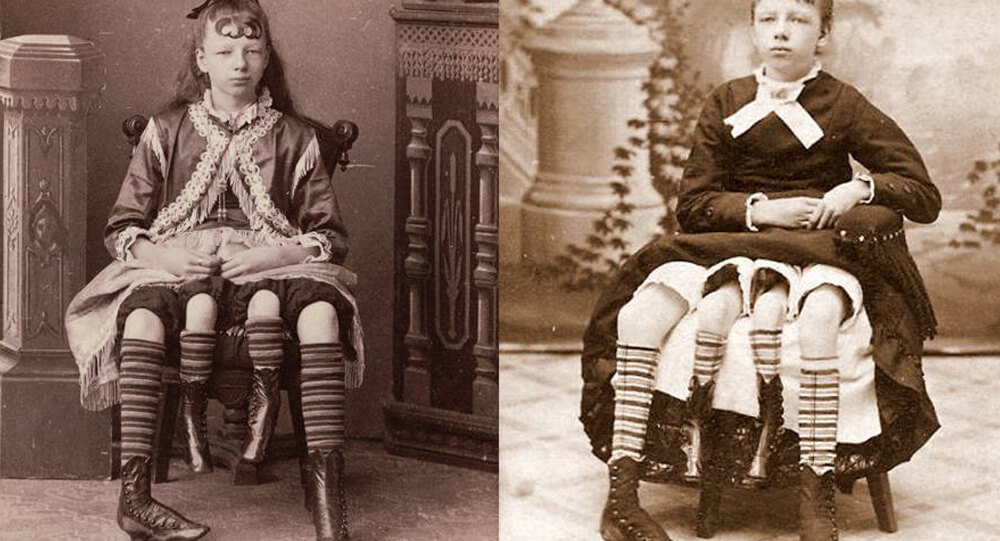
The true story of Josephine Myrtle Corbin, the lady born with four legs and two private parts
Josephine Myrtle Corbin, an American sideshow performer born in 1868, had a rare condition known as dipygus, which caused her to have four legs, each smaller inner leg paired with one of her outer legs. Corbin joined the sideshow circuit, captivating audiences as the "Four-Legged Girl from Texas."

how Ferris wheel invented
In 1891, Chicago challenged engineers to create a structure to surpass the Eiffel Tower for the World's Columbian Exposition. George Washington Gale Ferris jr. responded with the original Ferris Wheel, a giant rotating structure elevating visitors above the city. This invention became an iconic attraction at the fair.
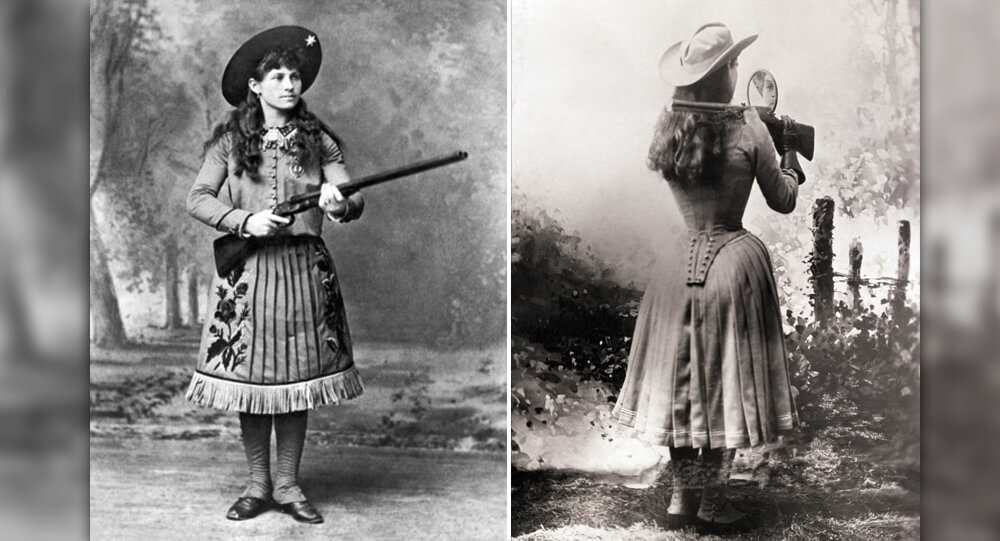
The true story of Annie Oakley, legendary sharpshooter
Anne Oakley was such a good shooter that she could split a playing card help edge-on, hit dimes thrown into the air, shoot cigarette from her husband's lips, and pierce a playing card thrown into the air before it hit the ground.

What Was the Beast of Gévaudan?
Between 1764 and 1767, a mysterious animal called the Beast of Gévaudan terrorized the French village called Gévaudan. It attacked and killed about 100 adults and children. While most believe it was a wolf, some say it may have been a wolf-dog hybrid, hyena or even a lion, but without any genetic evidence, the beast will remain a mystery forever.


Philippines, the largest supplier of Nurses in the World
Philippines is the world’s largest supplier of nurses, supplying roughly 25% of all overseas nurses worldwide.
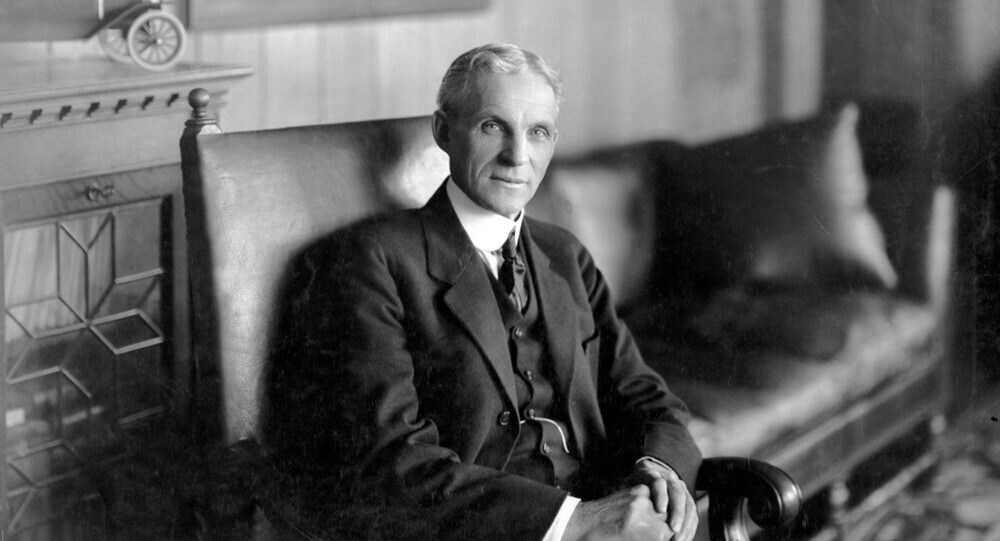
Henry Ford, The man popularizing the concept of the weekend off
Henry Ford was the first Industrial Giant to give his employees both Saturday and Sunday off in the hope of encouraging more leisurely use of automobiles and thus popularizing the concept of the "weekend."

What exactly was the US's 'Ghost Army' during WWII?
During WW2, there was a special unit of men dubbed the ‘Ghost Army’. The unit was made of artists, creative and engineers and their job was to create deception about the enemy. From inflatable tanks to phony convoys to scripted conversations in bars intended to spread disinformation, they used all possible tricks to fool the enemy.
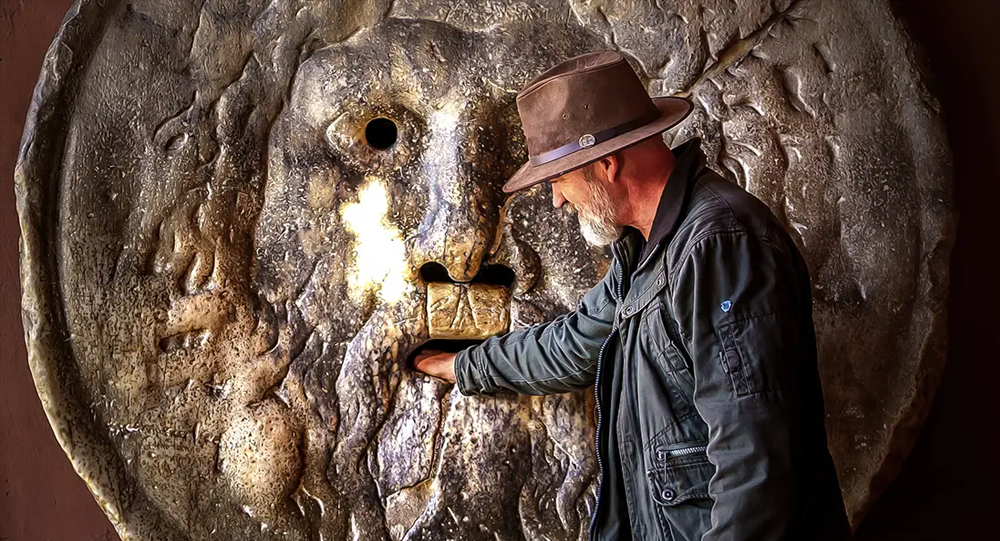
The Mouth of Truth: Ancient Rome’s Legendary "Lie Detector" That Bit Off Hands
Discover the chilling legend of the Mouth of Truth (Bocca della Verità) in Ancient Rome—a massive carved stone face believed to bite off the hand of anyone who lied while inserting their hand into its gaping mouth. Uncover the truth behind its eerie reputation and how this ancient artifact became a symbol of honesty and fear.
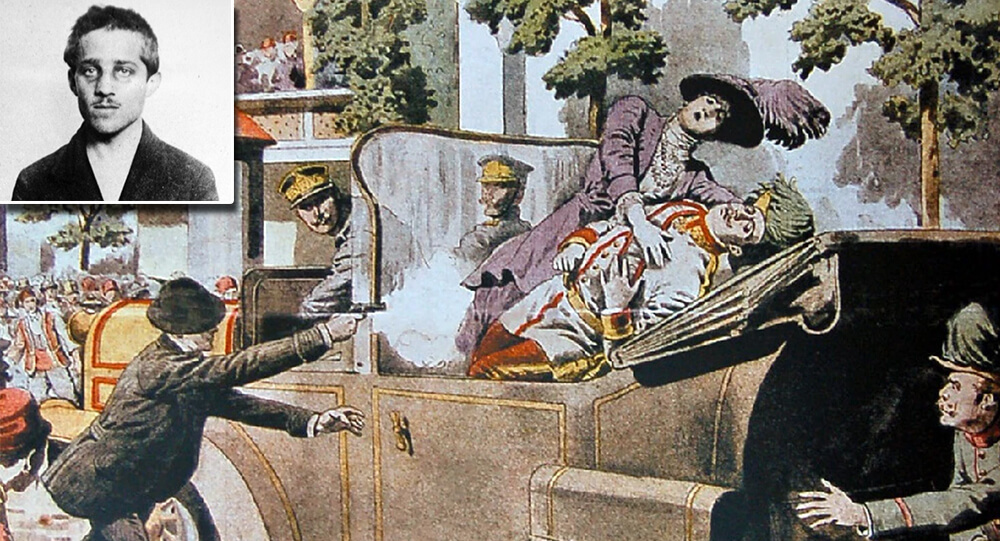
Franz Ferdinand’s Assassination that sparked World War I
Archduke Franz Ferdinand of Austria and his wife Sophie are shot to death by a Bosnian Serb nationalist during an official visit to the Bosnian capital of Sarajevo on June 28, 1914. The killings sparked a chain of events that led to the eruption of World War I by early August.

15 interesting facts about Queen Elizabeth II
Queen Elizabeth II, who ruled Britain for 70 years, has away at the age of 96. She was the country's longest-reigning monarch. Here are some little-known facts about her.