
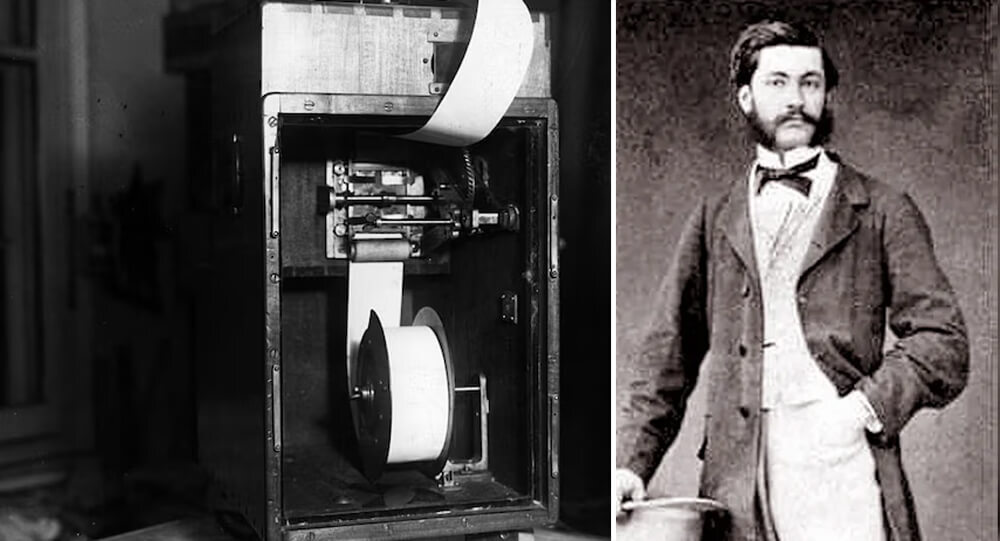

Louis Le Prince Invented the motion picture camera, and then he mysteriously disappeared
The Lumière brothers and Thomas Edison are both recognized in film history for their contributions to the art.
However, a lesser-known individual who has been dubbed the “forgotten father of cinema” deserves more attention.
The French inventor Louis Le Prince used a camera he created to create a short film in 1888.
According to an odd coincidence of fate, Paul Fischer, a writer and film producer, “His films could be dated very precisely to have been made seven years before that of the Lumière brothers.”
Le Prince, however, was never able to claim his rightful place in cinema history because he mysteriously disappeared before he could screen that movie in New York as he had intended in 1890.
Le Prince shot these films, had the paperwork approved, and then vanished, according to Fischer. “[Le Prince’s] machine still exists in a museum; he held the patents.
Curiously, Thomas Edison claimed to have created a motion picture camera in 1891 just a few months after Le Prince vanished.
“One of the great twists in the story is that Le Prince’s family, his widow and his children became convinced that Edison had just stolen Louis Le Prince’s ideas,” he says.
According to Fischer, Edison has historically been accused of stealing other people’s ideas through bureaucracy.
And to make matters worse, Le Prince’s widow Lizzie suspected that Edison might have had something to do with her husband’s disappearance.
The spark
In the eastern French city of Metz, Louis Le Prince was born in 1841.
![Louis Le Prince [right] with his father in-law at the Whitley family home in Roundhay, Leeds, West Yorkshire, 1887. Photo credit: Getty: Hulton Archive](https://weeklyrecess.com/uploads/article/Louis-Le-Prince-Invented-the-motion-picture-camera-and-then-he-mysteriously-disappeared-1.jpg)
He was raised in a middle-class military family and went to college to study chemistry, optics, and the arts.
“He was very much like one of those people at the end of the Victorian era who were trying to combine artistic pursuits with technological development,” Fischer claims.
He wed Elizabeth Whitley, an artist, in 1869, and the two eventually settled in England where he went to work at her relatives’ iron forge.
He claims that’s when he first learned about the patent system and the notion that you could invent something that would change your life.
Le Prince’s interest in developing a motion picture camera was motivated by two things, according to his wife.
In his shed, he started to experiment with photography. While holding two frames, one of them slipped, giving the impression for a split second of a moving figure.
After his father-in-law gave his grandchildren a magic lantern, an early type of projector, the second part of his concept was born.
After that, Le Prince became fixated on the creation. And he was prepared to risk the fame and wealth of his entire family in order to see it through.
“At times, when you read [his] correspondence, it feels like his sort of sanity is on the line; that this spark, this vision, had taken over his life,” Fischer says.
Le Prince’s perseverance finally paid off. He developed a 12-frame-per-second standing camera.
According to some writing by [Le Prince’s] son, they may have been aiming for 14, 15, or 16 [frames per second], but 12 was the best they could manage, according to Fischer.
Le Prince also used this camera to record the well-known Roundhay Garden Scene.
This short film, which Le Prince shot in October 1888, is the oldest motion picture still in existence.
Le Prince’s in-laws, a friend of the family, and his son are seen having fun in the Yorkshire home’s garden, according to Fischer.
And in many ways, it has the element that makes movies so magical: it is extremely vivid and realistic, but unmistakably ghostly.
George Eastman of Eastman Kodak launched the sale of flexible roll film around the same time. As a result, Le Prince was able to successfully capture and project his movie.
Prior to that, he had to project his movie onto paper or glass plates, both of which could catch fire or shatter.
Therefore, Fischer explains, “There are letters, correspondence, and diaries where [Le Prince] and his associates, as well as Joseph, his father-in-law, say “He’s done it, he’s figured it out.”
Le Prince asked his wife to rent a mansion in New York so he could use it as a location to publicly show his films for the first time. He was eager for the general public to see this new invention. And he announced to everyone his intention to relocate to New York.
The disappearance
Le Prince visited his brother in France once more before departing in order to settle a family inheritance.
After spending a weekend with his family in Dijon in September 1890, he took a train back to Paris where he intended to meet up with some friends before boarding a ship for New York.
Le Prince vanishes at some point between getting on the train in the south of France and the train arriving in Paris, according to Fischer.
It took weeks before anyone realized he had vanished due to the geography and lack of technology in the area.
Shortly after he vanished, a report claiming Thomas Edison to have invented the motion picture camera appeared in New York newspapers.
“As Elizabeth is reading it, [she realises] it sounds exactly like what Louis was working on — and was about to make a fortune from,” Fischer says.
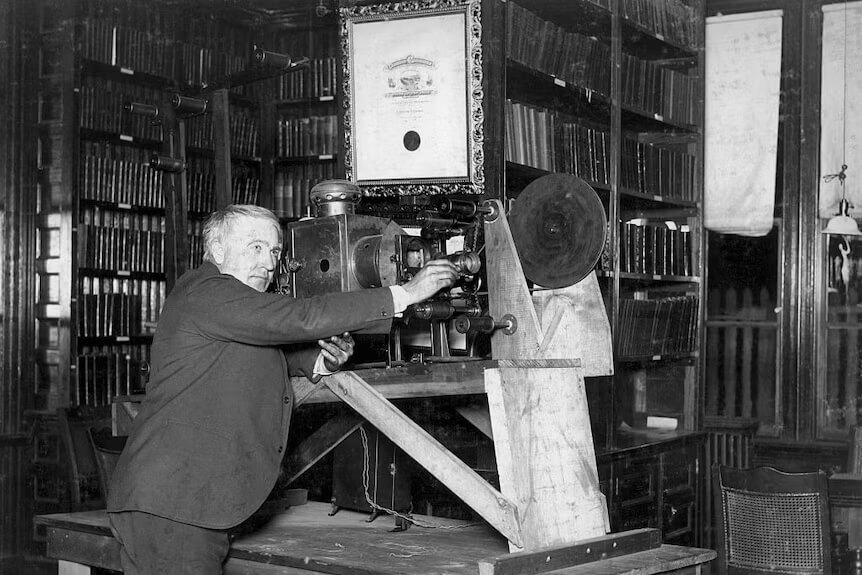
Fischer does not believe Edison was involved in the disappearance of Le Prince, despite Elizabeth’s suspicions.
He claims that Edison frequently destroyed his rivals by filing caveats as an alternative, preventing other inventors from realizing their ideas.
A caveat is a formal notice that prohibits other parties from temporarily pursuing an interest in something, be it real estate or land.
Being a wealthy man, Edison submitted countless caveats, laying claim to vast areas of technology that he had never even considered, much less developed, says Fischer.
Edison would have a year and the information from the patent someone else had filed to create his own copy, he explains. “So if somebody actually filed a patent, to invent something, then the patent office would send out a cable saying someone has activated your caveat number.”
Le Prince’s son, who participated in many of his father’s experiments, nevertheless sued Edison in order to disprove his claims to have invented the motion picture camera.
The lawsuit was unsuccessful, despite the family’s desire for Le Prince’s labor to be valued for what it was.
Without a trace
Other explanations for Le Prince’s disappearance and alleged murder have developed over time.
According to Fischer, there have been rumors that Le Prince’s family members, like his brother-in-law, may have killed him due to a fight or a desire for money.
There’s also the possibility that he was killed or kidnapped in Paris, which was rife with street crime at the time.
“It was common for people to pull bodies out of the River Seine,” he says.
Another theory holds that Le Prince either committed suicide or fled and began a new life in order to conceal the fact that he existed. This is because his work was going horribly and he was running out of money.
And finally, there’s a chance that a rival, other than Edison, may have been involved in carrying out the act of eliminating the rival that Le Prince’s family had accused Edison of carrying out.
Le Prince’s disappearance, however, continues to be one of the most intriguing unsolved Victorian mysteries.
Sadly, his family was unable to bring attention to his legacy until it was too late.
“One fascinating thing about his disappearance is that at the time, under the law, if somebody went missing, if a body wasn’t found, and he couldn’t be declared dead, then all of their property, including intellectual property, was frozen for seven years, or until a body was found,” says Fischer.
In Le Prince’s case, this meant that for seven years his family was unable to use his patents, present the machine, license it, or profit from it.
On September 16, 1897, Le Prince was formally pronounced dead.
The Lumière brothers created the Cinématographe during this time, and Thomas Edison released the Kinetograph, a motion picture camera. They all became very wealthy.
“In a strange, ironic twist of fate, by the time Lizzie is able to sign the deed and take over Le Prince’s property, the race has been run,” Fischer says.
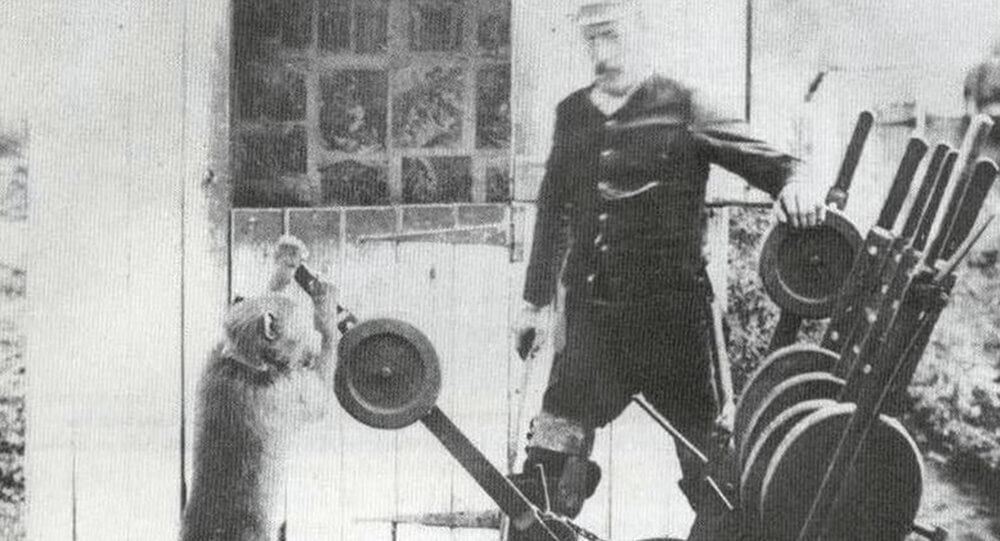
Jack the Baboon operated a railroad, earned a living, and never made a mistake
A baboon worked as a signalman for the railroad in the late 1800s. He never made a mistake and worked for the railroad until the day he died.
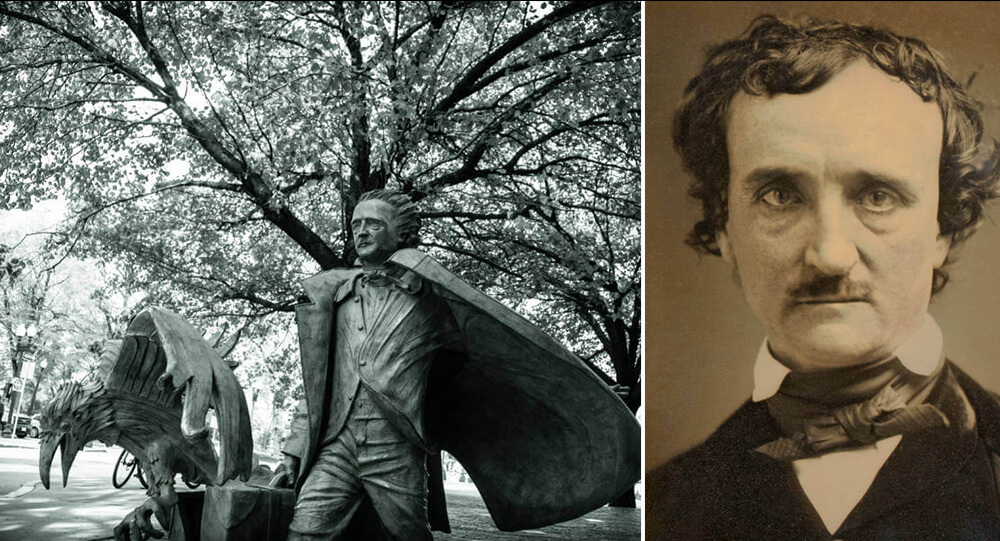
Inside The Mysterious Death Of The Famed Gothic Writer Edgar Allan Poe
Hours before his death Edgar Allen Poe was found on the streets of Baltimore. He was incoherent, wearing another man’s clothes, and unable to explain how he got there. The cause of his death is an unsolved mystery.
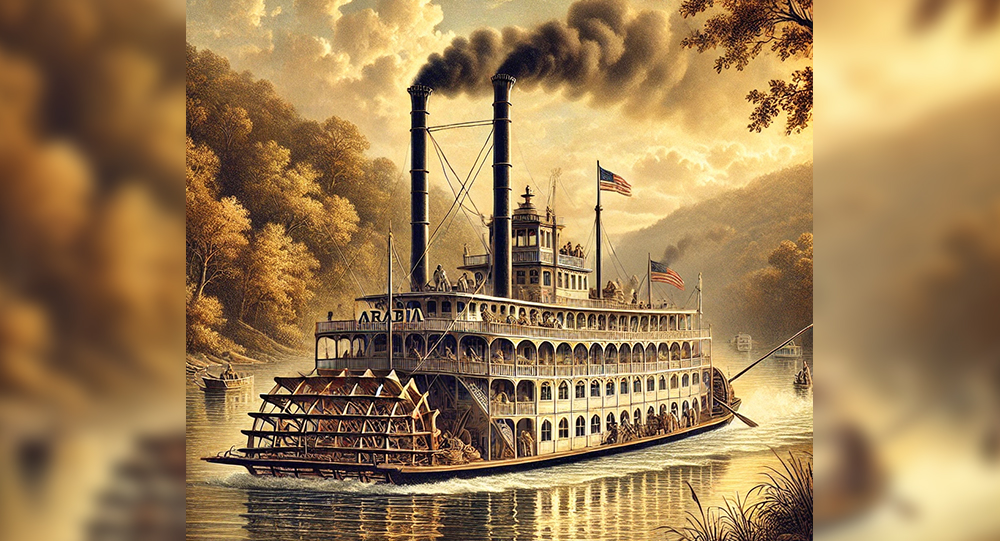
The Arabia Steamboat: Unearthing a 19th Century Time Capsule from the Missouri River
The Arabia was a steamboat that sank in the Missouri River in 1856. Over time, the river shifted 800 meters to the east, eventually turning the site of the sinking into a field. The steamboat remained under 45 feet of slit and topsoil until 1988, when it was excavated. The mud, as it turned out, was such a great preserver that most of the artifacts on board were found to be intact. They even found jars of preserved apples that were still edible!

Reason Behind The Suicide Of Christine Chubbuck Live On Air
Actor Rebecca Hall had serious reservations about tackling the macabre story around why Chubbuck killed herself in 1974. So what changed her mind?
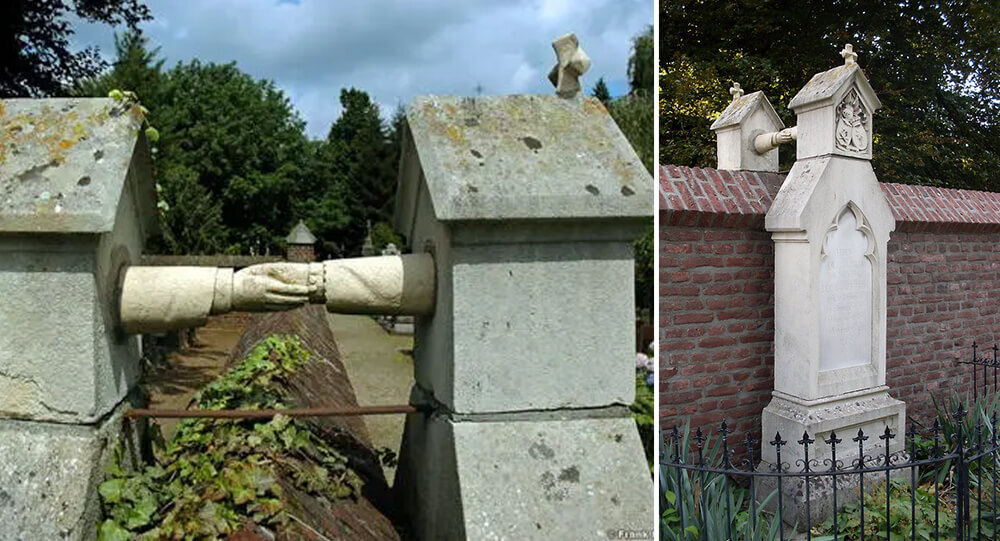
Graves holding hands over wall, A Catholic woman and her Protestant husband grave
A protestant man and a Catholic woman who weren't allowed from being buried together in a graveyard in 19th-century Holland turned their graves into a monument showing them holding hands across the wall separating them.
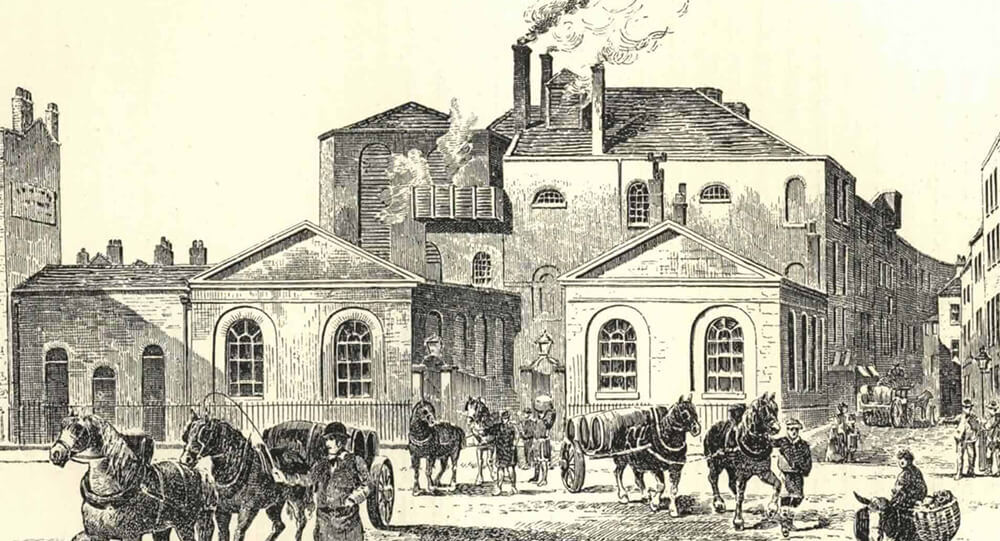
The 1814 London beer flood
In 1814, there was a beer flood in London when a tank containing more than 300,000 gallons ruptured in which 8 people drowned.

The Horrific story of Ariel Castro and the Cleveland abduction
Cleveland abduction victims Gina DeJesus, Michelle Knight, and Amanda Berry were forced to live in Ariel Castro's house of horrors for 10 years. He raped and beat them until they escaped in 2013.
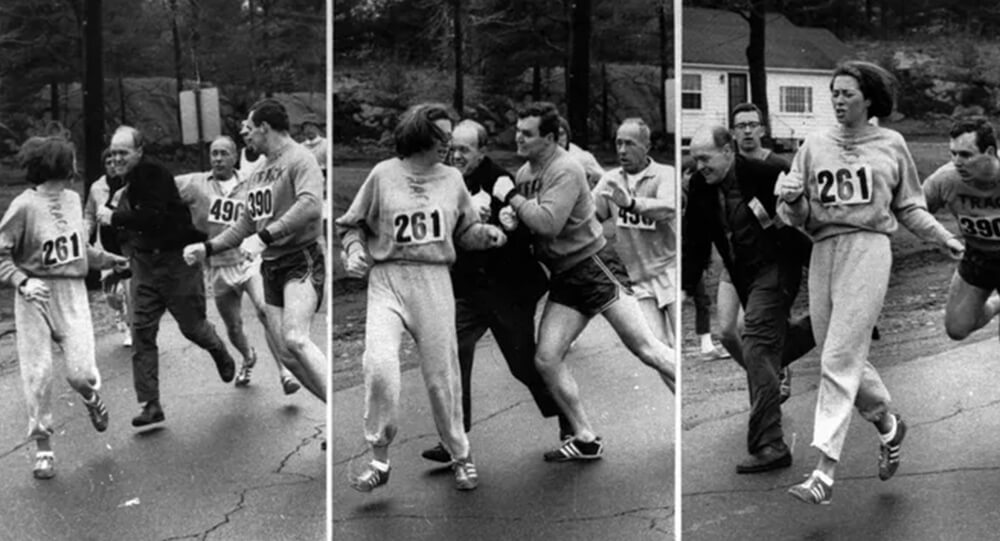
Story of Kathrine Switzer: the first woman to run in Boston Marathon
Before women were allowed to run in the Boston Marathon, Kathrine Switzer participated. A race official attempted to forcefully remove her from the race in 1967, but her boyfriend pushed him down. She was the first female finisher who had a numbered entry in the race.

How Sleep Deprivation Was Once Used as Torture
Sleep deprivation, long before modern interrogation techniques, was considered a “clean” and effective form of torture—leaving no physical scars, yet breaking minds with haunting silence. Victims endured days and nights without rest, leading to vivid hallucinations, disorientation, and psychological torment. This article traces the dark history of sleep deprivation as a weapon, examines the science behind its effects on the brain, and shines a light on the painful balance between human endurance and cruelty in the annals of coercion.

Why the Word ‘Pen’ Comes from the Latin ‘Penna’ Meaning Feather
The humble word “pen” carries a rich history rooted in ancient times, derived from the Latin word penna, meaning “feather.” Long before modern pens revolutionized writing, feather quills—especially from geese—were the essential tools of scribes, scholars, and artists. This article journeys through the origins of the pen, its evolution, and fascinating trivia about the timeless connection between feathers and writing.

The Littlest Skyscraper: How J.D. McMahon’s 480-Inch Con Fooled Investors in 1919
In 1919, J.D. McMahon convinced investors to fund a 480-foot skyscraper, but he labeled the plans as 480 inches, building a 40-foot structure instead. After taking $200,000, he won in court since the plans matched what he built.
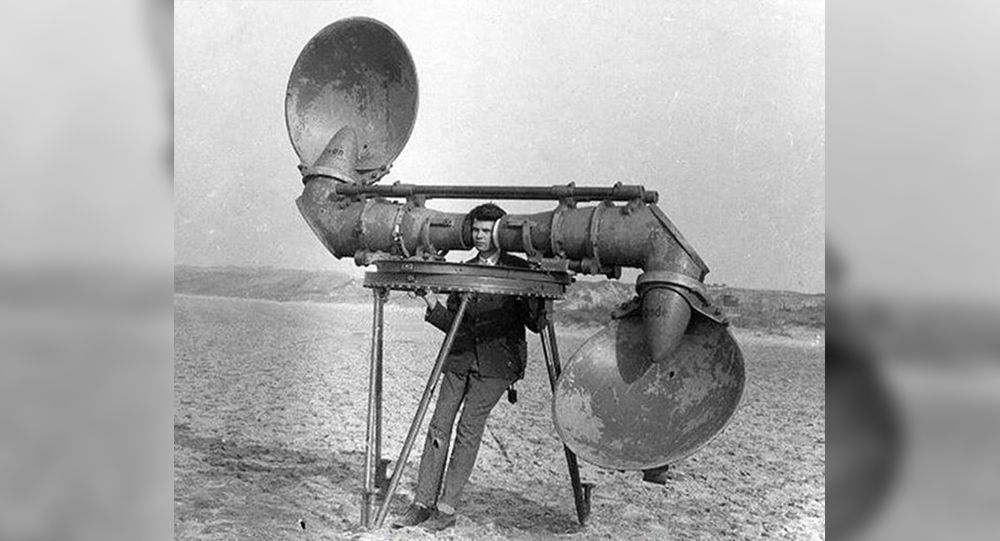
Before Radar: How Giant Acoustic Mirrors Detected Enemy Aircraft in WWI and WWII
Long before radar revolutionized air defense, enormous acoustic mirrors and specialized sound locators stood as the first line of defense against enemy aircraft. Designed as giant “ears,” these structures amplified distant engine noises, allowing operators to detect incoming planes by sound alone. Dive into the intriguing world of these pioneering listening devices, their operation, limitations, and enduring legacy in military history.
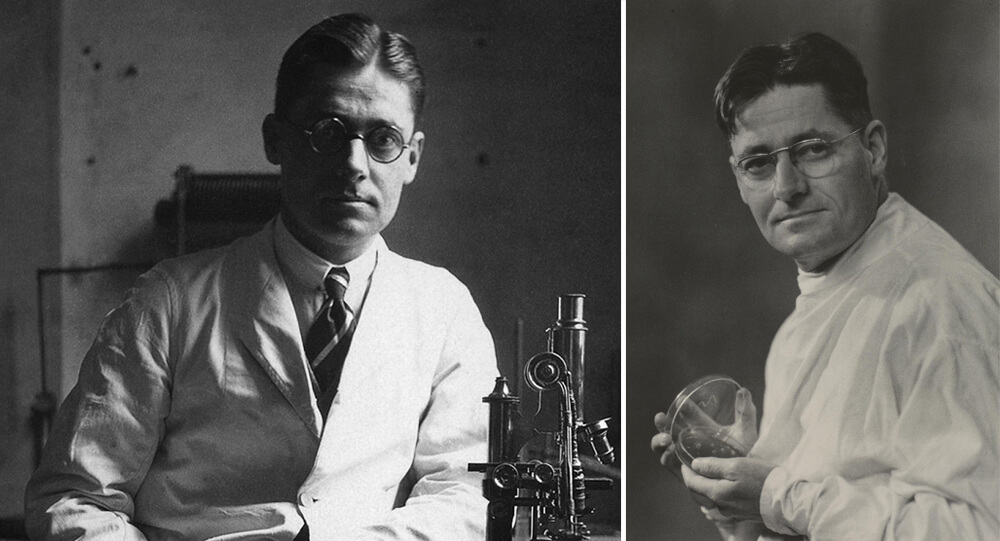
How did Howard Florey discover penicillin
Penicillin was discovered by Alexander Fleming, but he never attempted to turn it into an antibiotic. It wasn't until ten years later that Howard Florey discovered Fleming's obscure paper and understood the mold's potential. Up to 200 million lives may have been saved as a result of Florey's work.

The incredible story of Julia "Butterfly" Hill and her legacy
American environmental activist Julia “Butterfly” Hill lived in a 1500-year-old California Redwood tree for 738 days to prevent it from being cut down by the Pacific Lumber Company. The Simpson’s episode “Lisa the Tree Hugger” was inspired by Hill’s story.
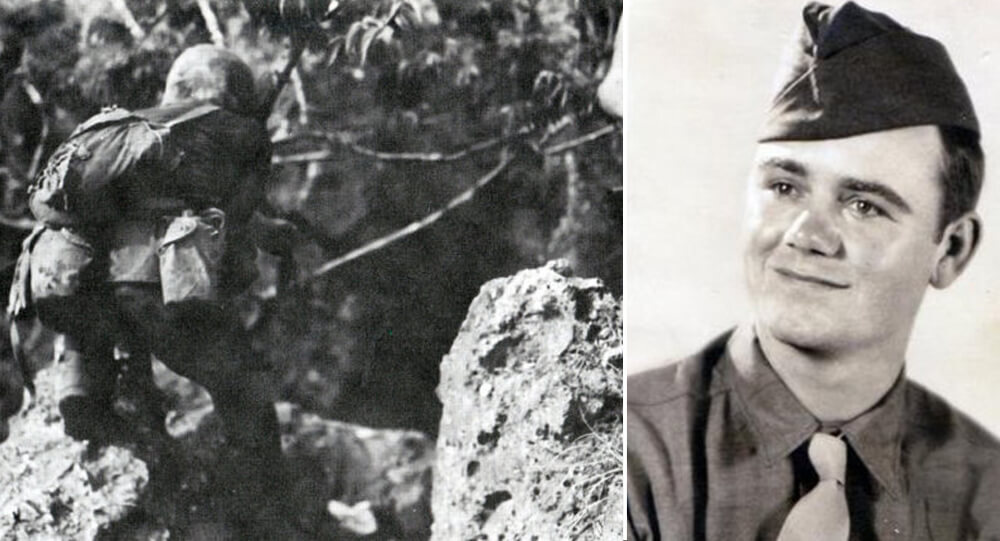
Thomas Baker's heroic act that earned him the "Medal of Honor" was 8 bullets until death
Thomas Baker instructed his team to leave him with a pistol and eight bullets propped up against a tree after he was injured. Later, American troops discovered the now-deceased Baker in the same location, lying next to eight dead Japanese soldiers and carrying an empty pistol.
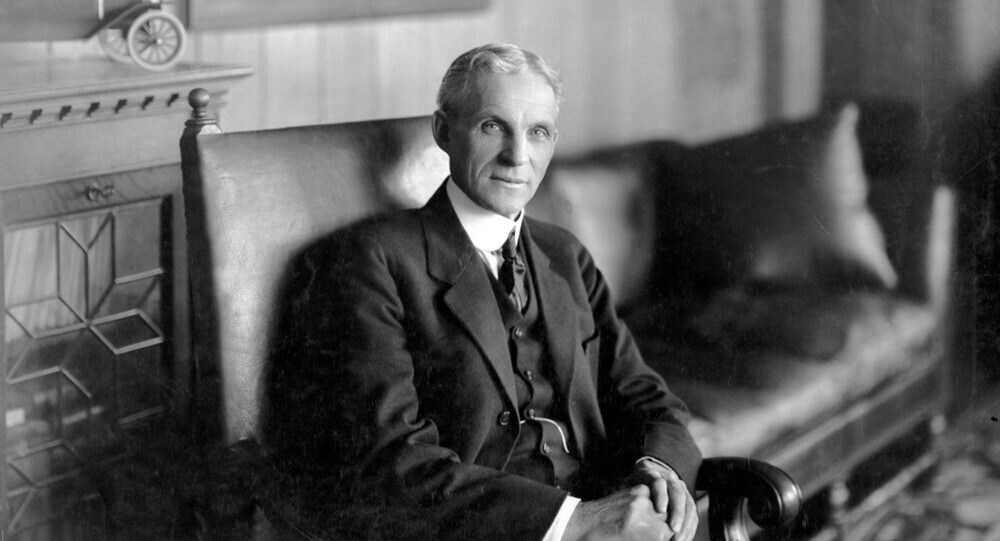
Henry Ford, The man popularizing the concept of the weekend off
Henry Ford was the first Industrial Giant to give his employees both Saturday and Sunday off in the hope of encouraging more leisurely use of automobiles and thus popularizing the concept of the "weekend."
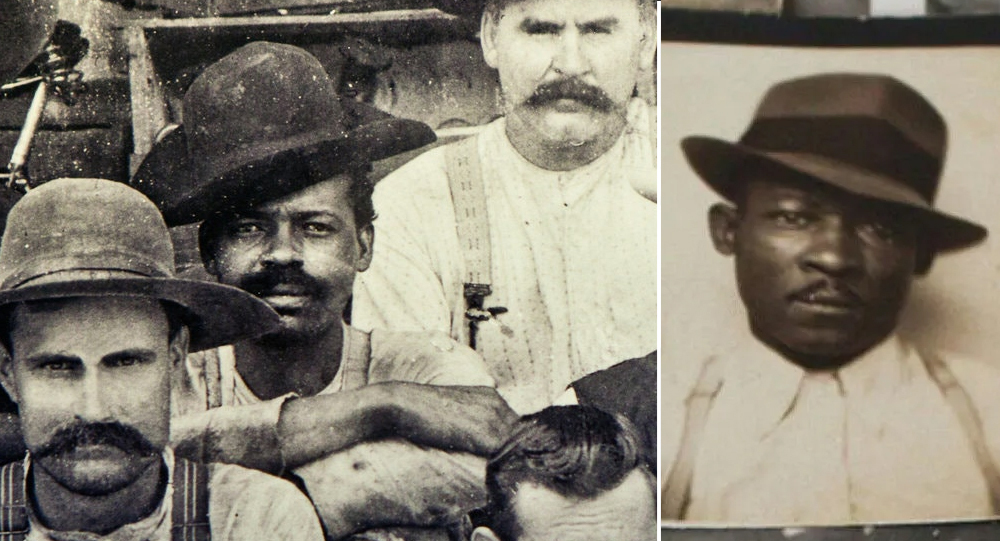
Nearest Green, America's first known Black master distiller
Nathan "Nearest" Green was an African-American head stiller who is now more frequently referred to as a master distiller. He was renowned for imparting his distilling knowledge to Jack Daniel, the creator of Jack Daniel's Tennessee whiskey distiller, after Jack Daniel was freed from slavery following the American Civil War.
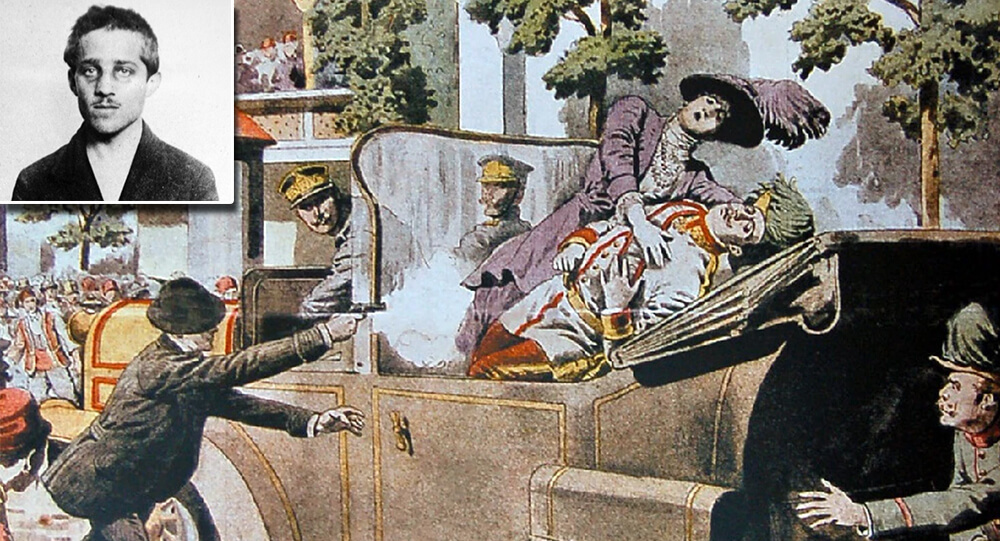
Franz Ferdinand’s Assassination that sparked World War I
Archduke Franz Ferdinand of Austria and his wife Sophie are shot to death by a Bosnian Serb nationalist during an official visit to the Bosnian capital of Sarajevo on June 28, 1914. The killings sparked a chain of events that led to the eruption of World War I by early August.
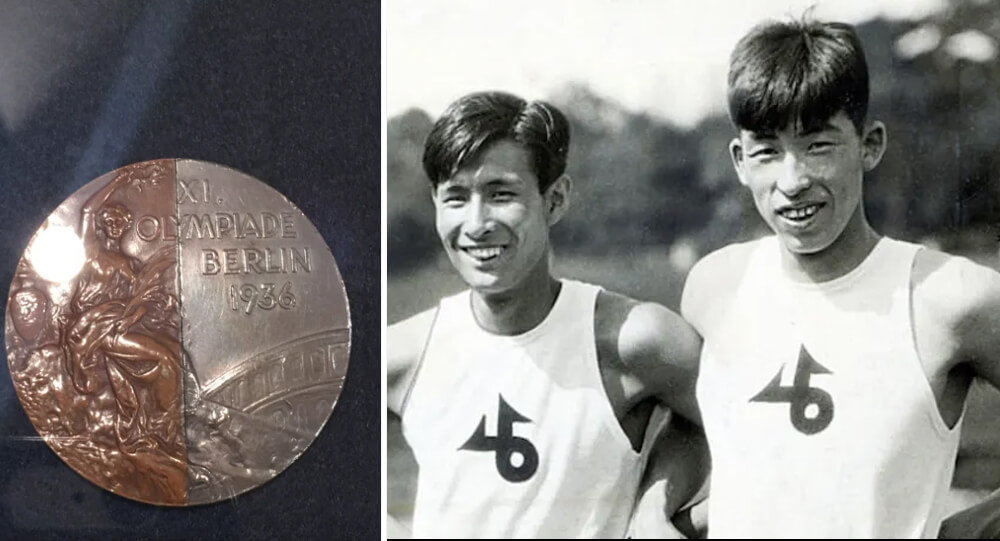
Medals of Friendship: The Enduring Olympic Story of 1936
At the 1936 Summer Olympics, two Japanese pole vaulters named Sueo Oe and Shuhei Nishida tied for second, but they declined to compete against each other. As a result, Nishida was awarded the silver medal and Oe won a bronze medal. Upon returning to Japan, the athletes had their medals cut in half and spliced together to create new "friendship medals," which were half silver and half bronze.

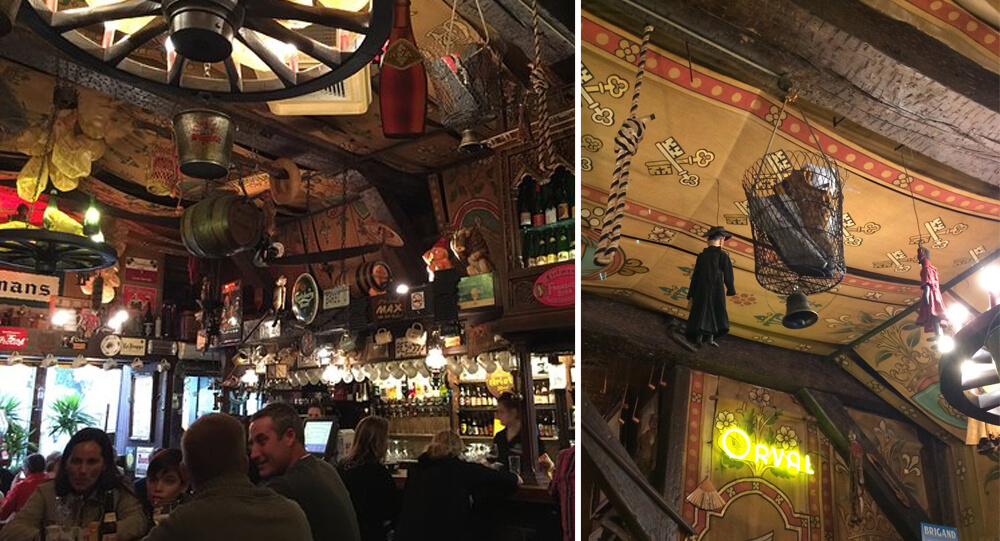
Why This Belgian Bar Makes You Trade Your Shoe for a Beer
To prevent tourists from stealing their beer glasses, some bars in Belgium require people to hand over one of their shoes as a deposit which is then put in a basket and hung from the ceiling. These shoe baskets have also become an attraction.

The Baltic Way: the longest unbroken human chain in history
On August 23, 1989, about 2 million people from Latvia, Estonia, and Lithuania formed a human chain that united all 3 countries to show the world their desire to escape the Soviet Union and the communism that brought only suffering and poverty. This power stretched 600 km.
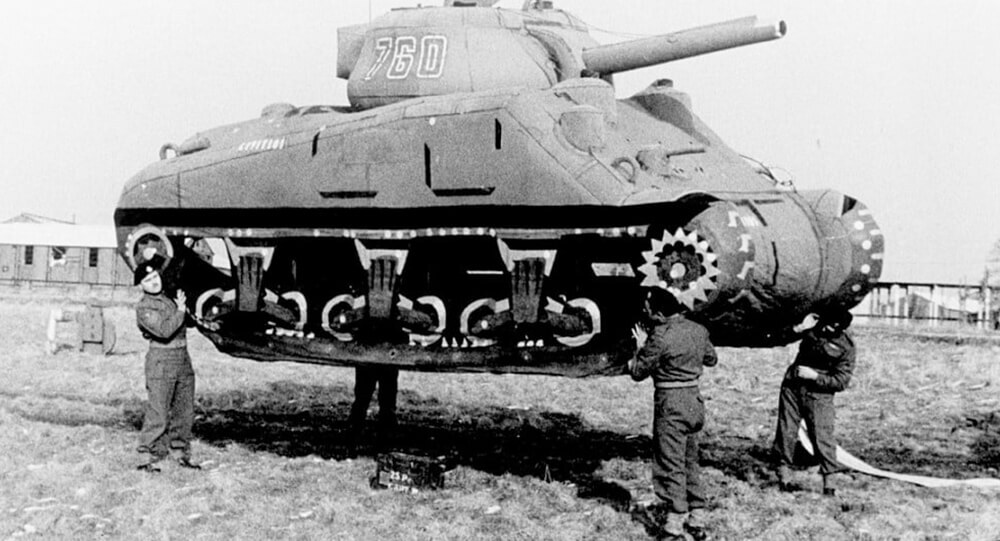
What exactly was the US's 'Ghost Army' during WWII?
During WW2, there was a special unit of men dubbed the ‘Ghost Army’. The unit was made of artists, creative and engineers and their job was to create deception about the enemy. From inflatable tanks to phony convoys to scripted conversations in bars intended to spread disinformation, they used all possible tricks to fool the enemy.
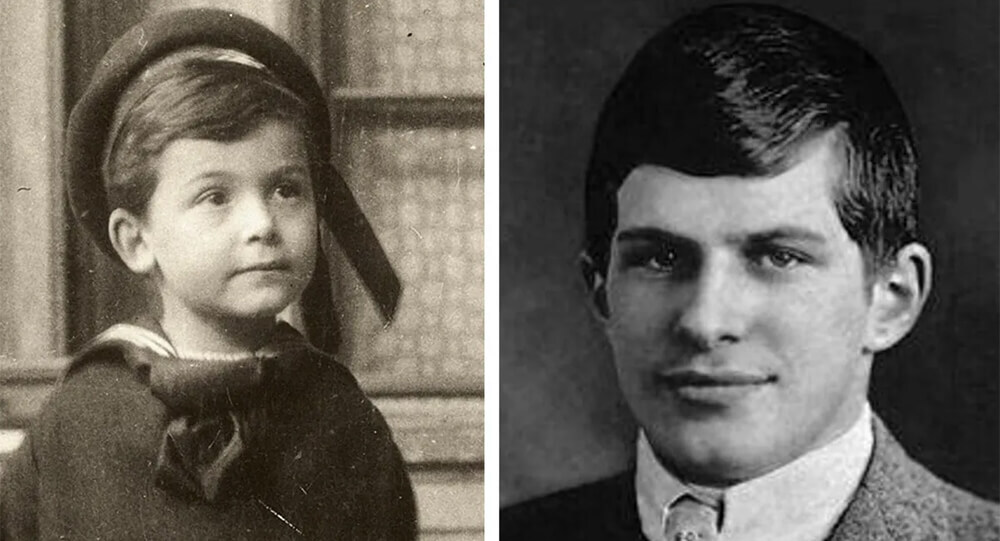
William James Sidis: The smartest person yet forgotten by people
William James Sidis, who was only 11 years old when he enrolled in Hardvard, finished his primary and secondary schooling in less than a year. He knew eight foreign languages by the age of eight and even invented his own language, "vedergood."
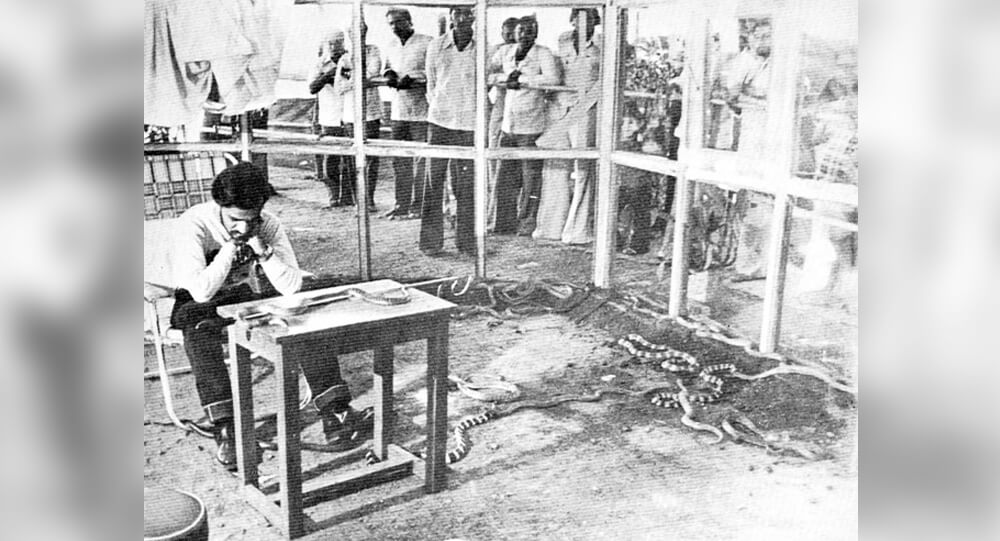
The story of a man who spent 72 hours with 72 venomous snakes to prove they only bite when provoked
In the 1980s, an Indian man spent 72 hours in a glass cabin with 72 snakes, some of which were extremely venomous. His aim was to prove that snakes only attack when provoked. Remarkably, he was not bitten once in those 72 hours and even set a Guinness World Record in the process.
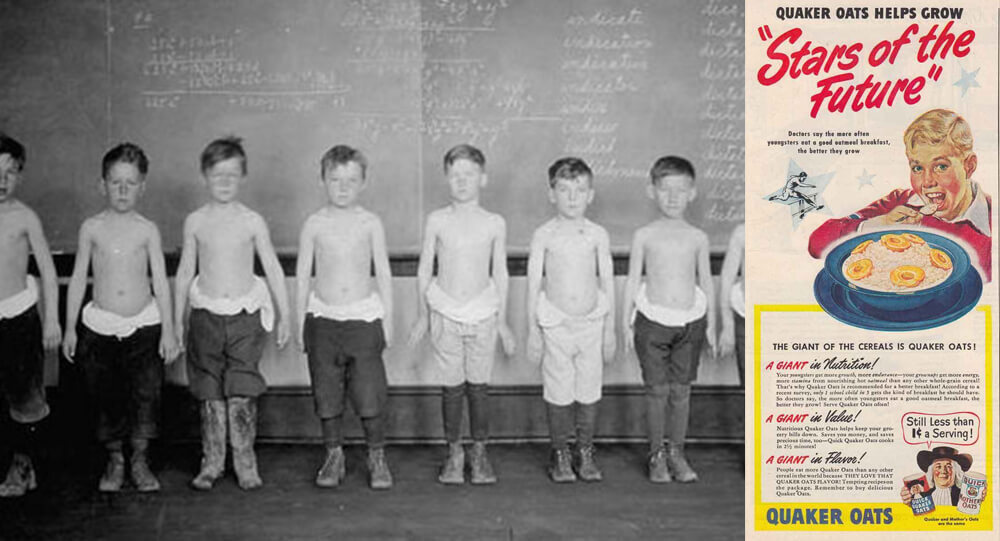
Quaker Oats Fed Children with Radioactive Oatmeal
In the 1940s and 1950s, Quaker Oats and MIT conducted experiments on radioactive iron and calcium-containing cereal. The diet was part of a study to see if the nutrients in Quaker oatmeal traveled throughout the body. In January 1998, a $1.85 million settlement was reached for 30 victims who came forward.