
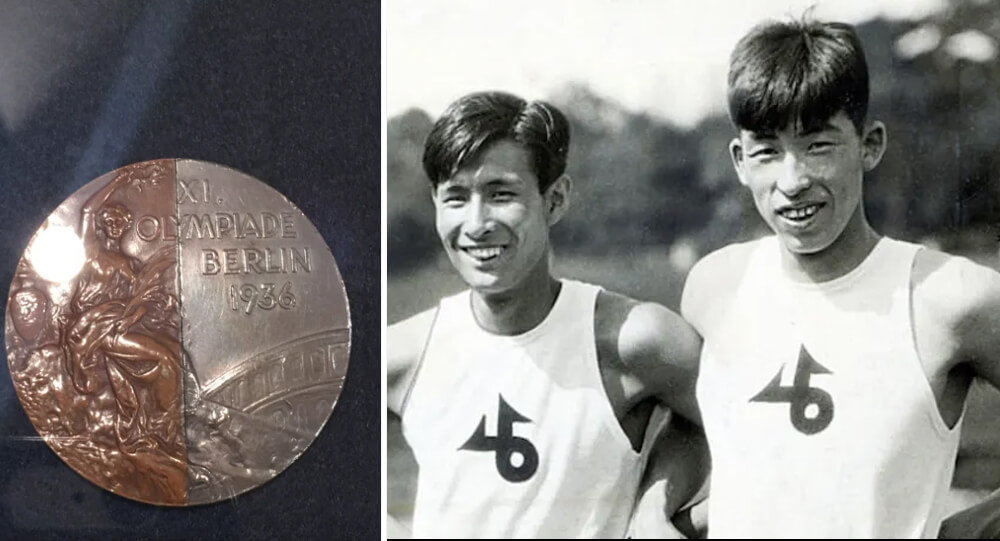
Berlin’s 1936 Summer Olympics generated a great deal of controversy (we all know how that feels). For Adolf Hitler, the occasion served to further the Nazi party’s doctrine of white supremacy. A number of nations discussed boycotting the Games due to grave worries about the safety of Jewish athletes in addition to moral grounds. However, a few inspirational moments were able to come through. Jesse Owens, an African American sprinter, won four gold medals, and two Japanese athletes established the ‘Medals of Friendship.’
Olympic Pole Vault in 1936
Eighty-five years ago, in front of 25,000 spectators, American pole vaulter Earle Meadows achieved an impressive height of 4.35 meters. That was sufficient to win him an Olympic gold medal in Berlin. Three athletes, Shuhei Nishida of Japan, Sueo Oe of Japan, and American Bill Sefton, contested for second place. The two Japanese men cleared the jump-off height, but Sefton did not. The exact same outcome was obtained by Nishida and Oe, so the final standings were still up in the air. Nishida and Oe steadfastly refused to jump again for the silver, despite the judges’ wishes.
Do you know the story behind the 'medals of friendship'? 🎥https://t.co/oA6a8zGP0z #friendship #Olympic pic.twitter.com/J3VIzx15zg
— Athlete365 (@Athlete365) June 11, 2017
In addition to being elite athletes, the two were also close friends. They therefore asked the Olympic organizers if they could share the silver medal because they respected one another’s abilities. On this occasion, the judges steadfastly declined. The Japanese team was instructed to determine amongst themselves which medal each member should take home.
The Reason for the Dilemma
Nishida would accept the silver, it was decided after some consideration. There are numerous theories explaining how they arrived at this conclusion. The most widely accepted explanation claims that Oe won the bronze medal because he successfully cleared the 4.25-meter jump on his second try, while Nishida did so on his first. Nonetheless, some reports also assert that Nishida’s age played a role in the choice. Oe had reverence for his “senpai,” a person in a higher hierarchical position than he was, usually because of their age, despite being four years younger. Nevertheless, according to other reports, Oe, a student at Keio University, accepted the bronze because, as the younger athlete, he had a better chance of winning gold at the next Olympics and thought it would be better to give Nishida the silver medal. However, all of these theories stand at odds with what the two men did next.
Evidently dissatisfied with the competition’s official results, they resolved to resolve the issue on their own.
Making the Friendship Medals
Nishida and Oe asked a jeweler to cut both medals in half when they got back to Japan. After that, they had the bronze and silver portions fused together to produce two awards they believed more accurately represented their true achievements. A mixed-metal silver-bronze medal for every competitor. Eventually, the two medals were referred to as “the medals of friendship.”
友情のメダルを見ることできました。Do you know about this story??@Tokyo2020 pic.twitter.com/rFBwWEYhJK
— Koji Murofushi PhD 室伏広治 (@KojiMurofushi) November 27, 2017
It does not imply that they lacked competition. The plan was for Nishida and Oe to rematch at the 1940 Olympics, which was originally scheduled for Tokyo but was eventually rescheduled to Helsinki and eventually canceled entirely when World War II broke out. The two athletes would have had another chance to compete at an Olympics in 1952, but Oe was tragically killed in the conflict. Nishida finally passed away in 1997 from heart failure at the age of 87. The Japan Association of Athletics Federations (JAAF), of which Nishida was the honorary vice chairman, gave Waseda University, where he was a student, his medal of friendship in 2005. It is still there as of right now.
It’s critical to keep in mind that the Olympics have other purposes besides competition. It also represents friendship and tranquility. This tale perfectly captures that.

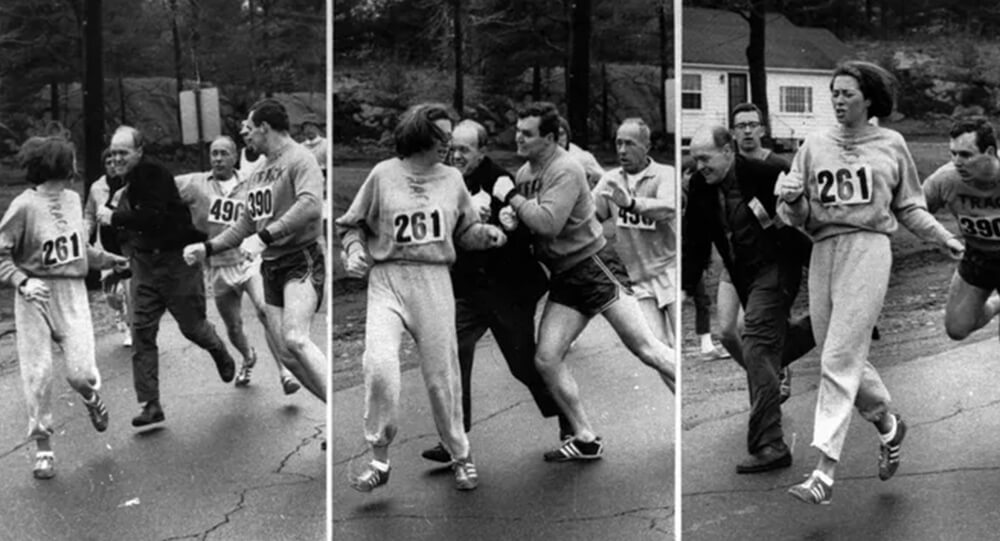
Story of Kathrine Switzer: the first woman to run in Boston Marathon
Before women were allowed to run in the Boston Marathon, Kathrine Switzer participated. A race official attempted to forcefully remove her from the race in 1967, but her boyfriend pushed him down. She was the first female finisher who had a numbered entry in the race.
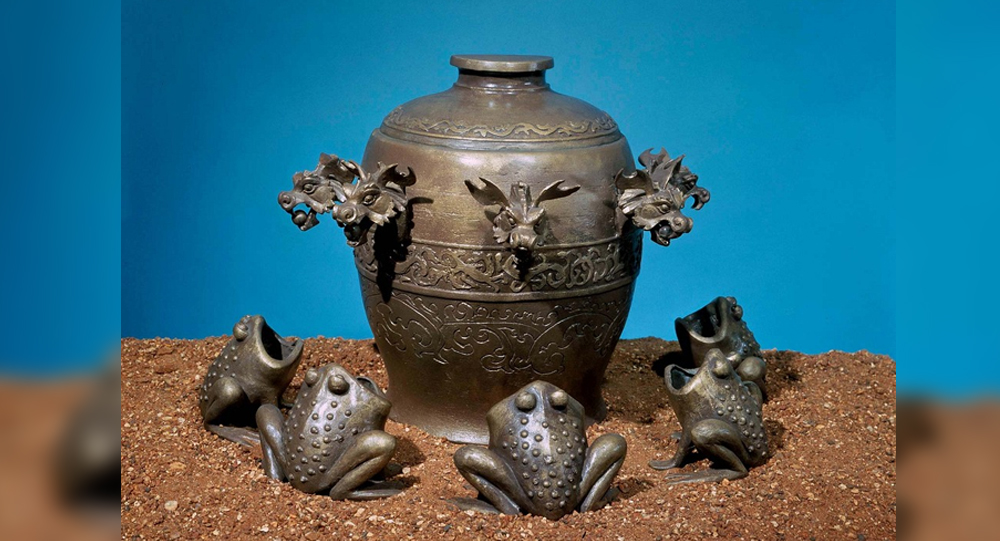
The World’s First Seismograph: How Ancient China Detected Earthquakes 1,800 Years Ago
Over 1,800 years ago, long before modern technology, the ancient Chinese astronomer and inventor Zhang Heng created the world’s first seismograph in 132 AD. This ingenious bronze device could detect distant earthquakes by releasing small balls from dragons’ mouths into toads’ mouths—each indicating a different compass direction. Its historic detection of an earthquake 400 miles away astonished the imperial court and transformed the way societies understood and responded to seismic events.
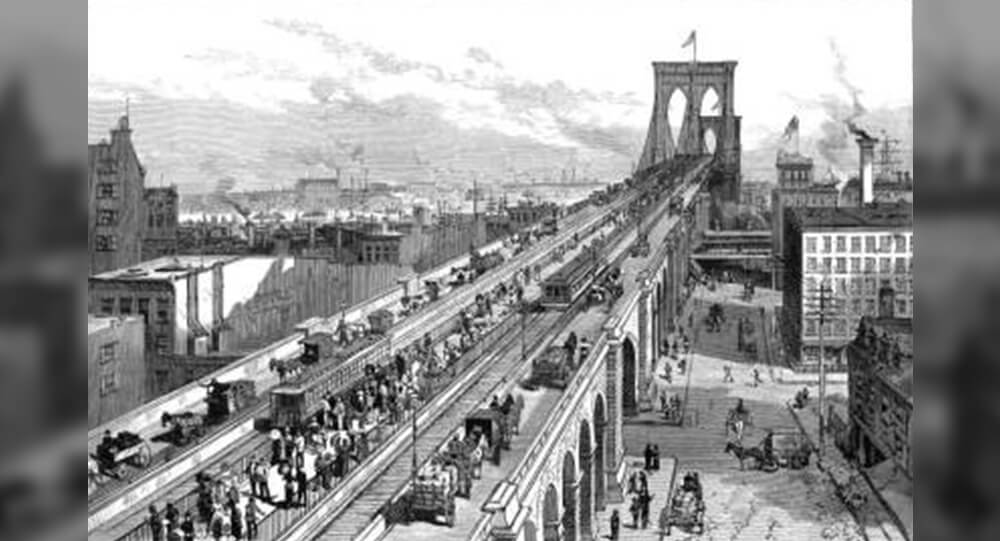
Why the Brooklyn Bridge Was Once Crossed by 17 Camels and 21 Elephants
On May 30, 1883, a rumor that the Brooklyn Bridge was going to collapse caused a stampede, which killed at least at twleve people. To prove the bridge was safe, P.T. Barnum led a parade of 21 elephants over it.
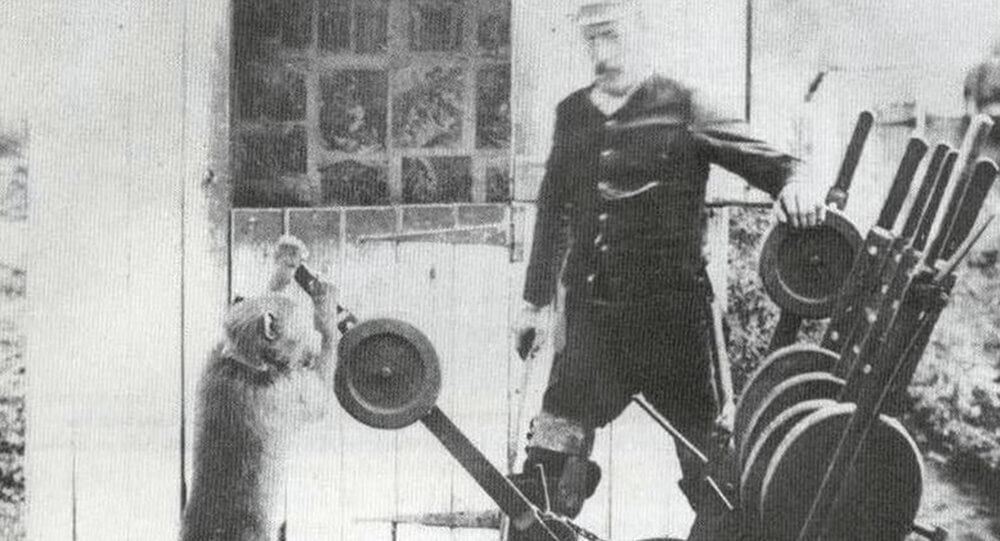
Jack the Baboon operated a railroad, earned a living, and never made a mistake
A baboon worked as a signalman for the railroad in the late 1800s. He never made a mistake and worked for the railroad until the day he died.
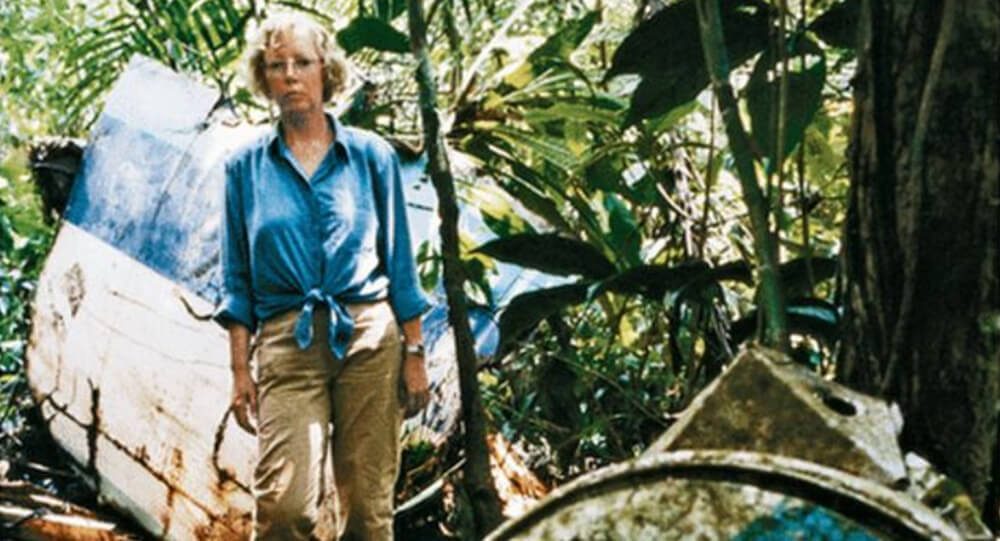
Juliane Koepcke: The Teenager Who Fell 10,000 Feet And Trekked The Jungle to survive
In 1971, a high school student was sucked out of an airplane after it was struck by lightning. She fell 10,000 feet to the ground while still strapped to her chair and survived. Only to endure a 9-day trek to the nearest civilization.
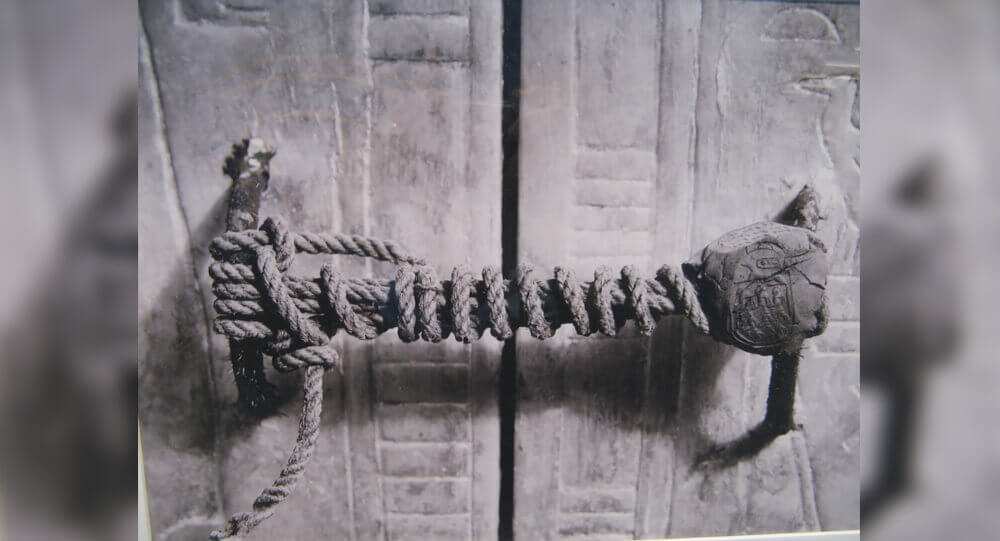
The unbroken seal on King Tutankhamun's tomb until 1922
The unbroken seal of Tutankhamun's tomb before it was opened in 1923, it was unbroken for over 3000 years.
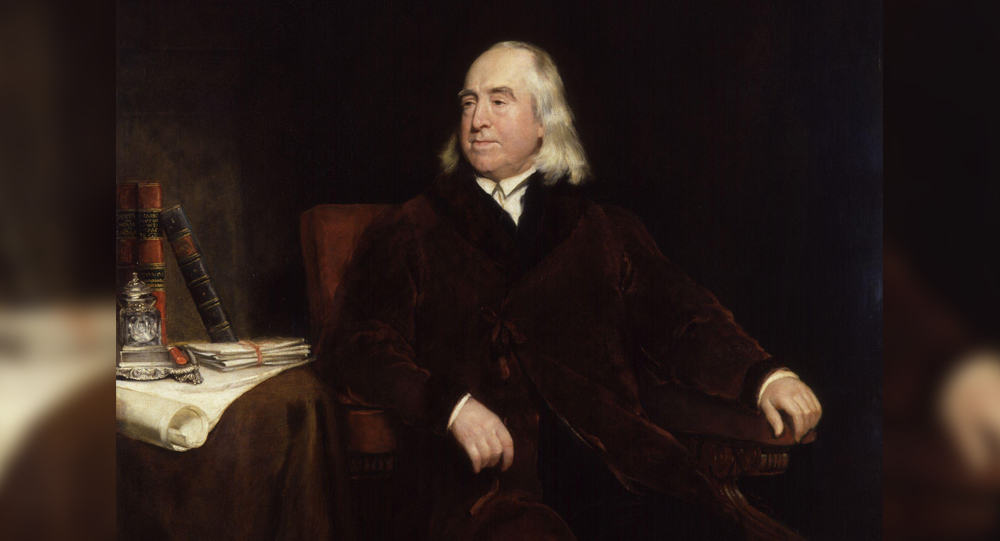
How 18th Century Women’s Rights Movements Shaped Modern Equality
The 18th century marked a turning point in the quest for women’s rights, as passionate voices challenged centuries of gender inequality and laid the groundwork for modern feminism. From pioneers like Mary Wollstonecraft to revolutionary declarations and early advocacy, this era sparked debates on education, political participation, and social justice that continue to resonate today. Journey through the origins of women’s rights movements and discover how their bold ideas shaped the fight for equality.
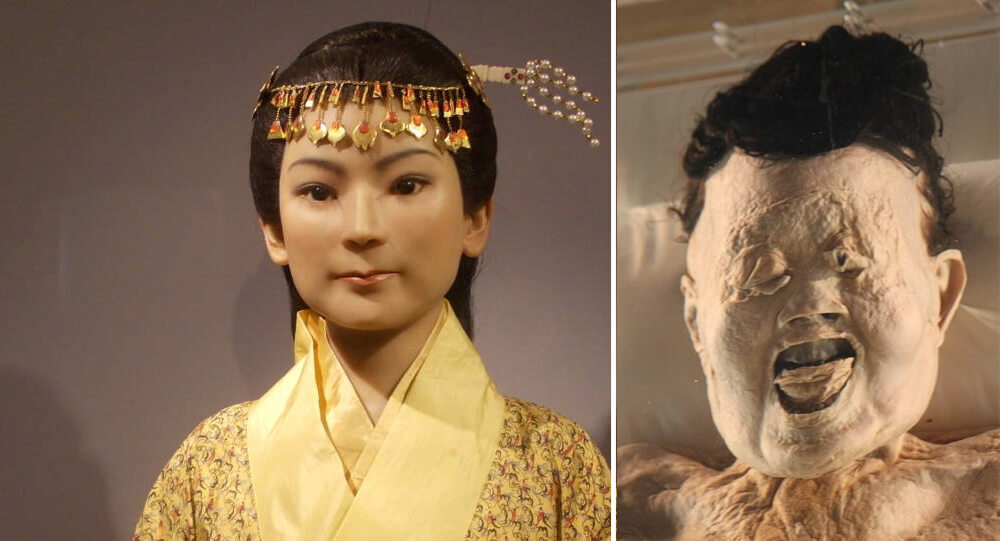
Xin Zhui And The Story Of The Stunningly Intact Lady Dai Mummy
A 2,000-year-old mummy of a Chinese woman, Xin Zhui, also known as “Lady Dai,” was preserved in 21 gallons of an “unknown liquid.” With her original hair, organs, eyebrows, and eyelashes intact, the mummy still has blood in her veins. Her skin and ligaments are soft and as flexible as that of a living person.
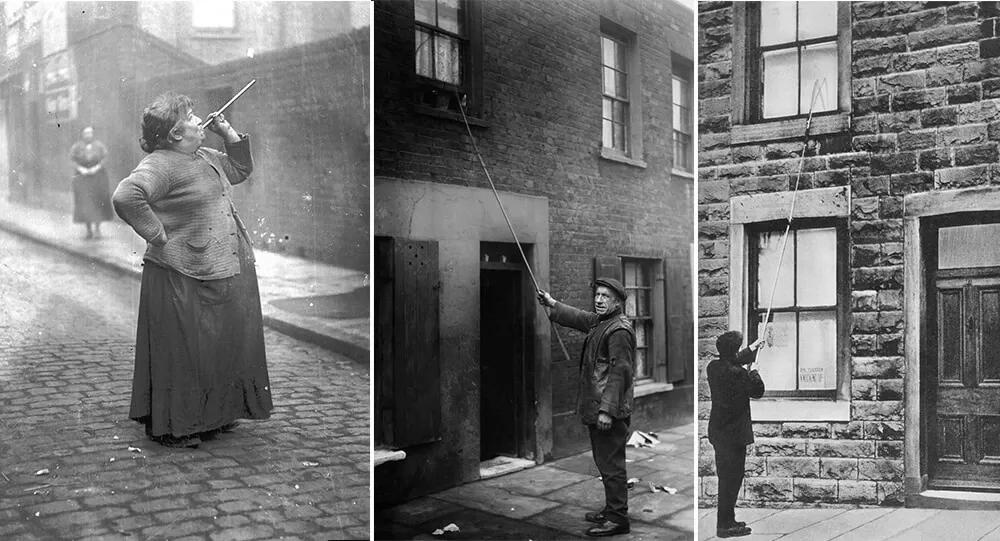
Knockers-up: waking up the Industrial Britain's Workers in 1900-1941
Before alarm clocks were invented, there was a profession called a knocker-up, which involved going from client to client and tapping on their windows (or banging on their doors) with long sticks until they were awake. It lasted into the 1920s.
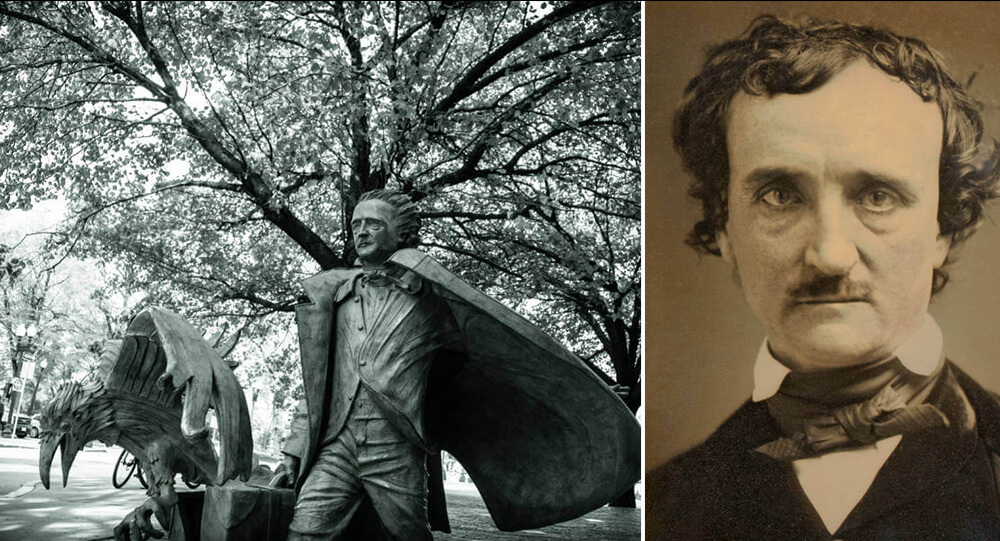
Inside The Mysterious Death Of The Famed Gothic Writer Edgar Allan Poe
Hours before his death Edgar Allen Poe was found on the streets of Baltimore. He was incoherent, wearing another man’s clothes, and unable to explain how he got there. The cause of his death is an unsolved mystery.
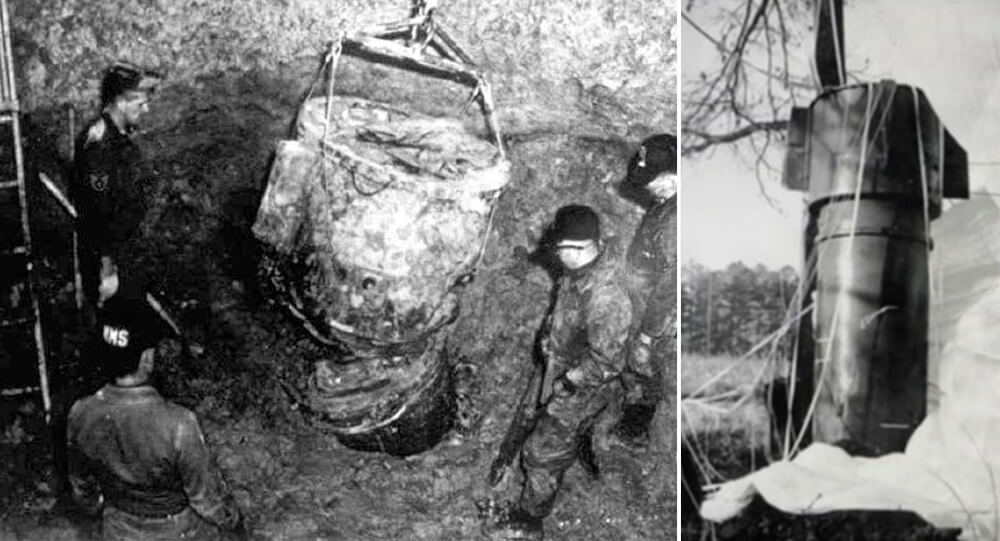
Nuclear bomb accidentally dropped on North Carolina in 196
4 January 1961: The 4241st Strategic Wing's Boeing B-52G-95-BW Stratofortress, serial number 58-0187, was on a 24-hour airborne alert mission off the United States' Atlantic Coast.
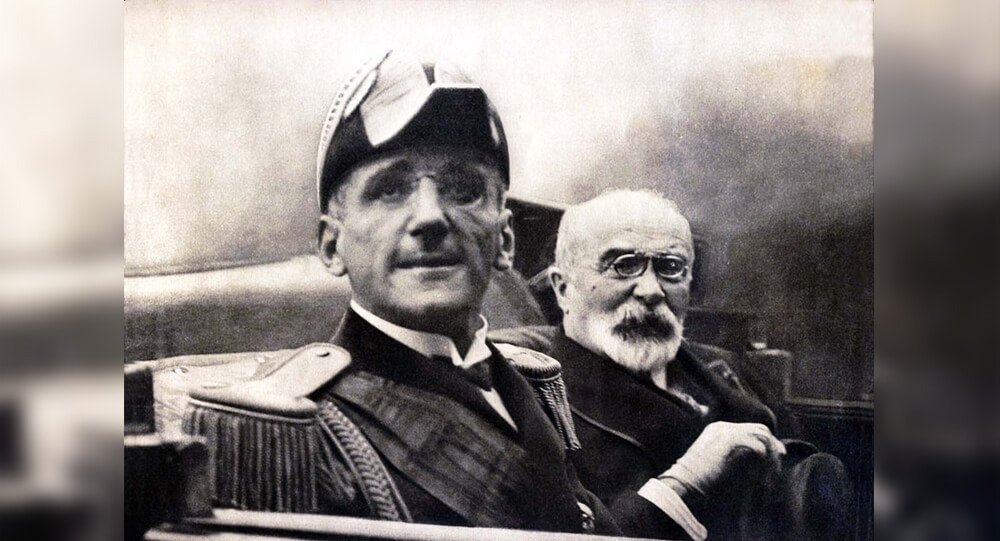
The Assassination Of King Alexander
The assassination of King Alexander of Yugoslavia marked a pivotal moment in the country's history. This article delves into the rise and reign of King Alexander, exploring his early life and ascension to the throne. It also examines the political and social climate in interwar Yugoslavia, setting the stage for the tensions and challenges that ultimately culminated in his tragic assassination. By understanding the context in which this event unfolded, we can better grasp the significance and impact it had on the nation and its future.


Mother who spent entire life savings for daughter’s cancer treatment won the lottery
A mother won $2 million from a $10 scratch-off lottery ticket after she spent all of her entire life savings to pay her daughter’s cancer treatment. She bought the winning ticket after her daughter’s last cancer treatment.
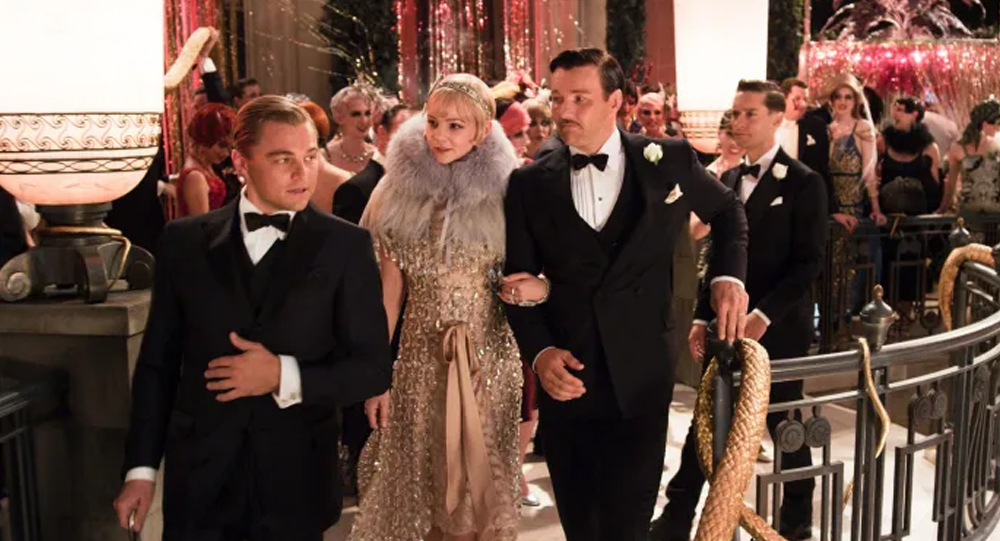
From Flapper to Fashion Week: How 1920s Style Still Shapes Modern Trends
The roaring 1920s revolutionized fashion, introducing bold styles, daring cuts, and a spirit of freedom that still inspires today’s wardrobes. From flapper dresses to statement accessories, here’s how the Jazz Age lives on in modern fashion.
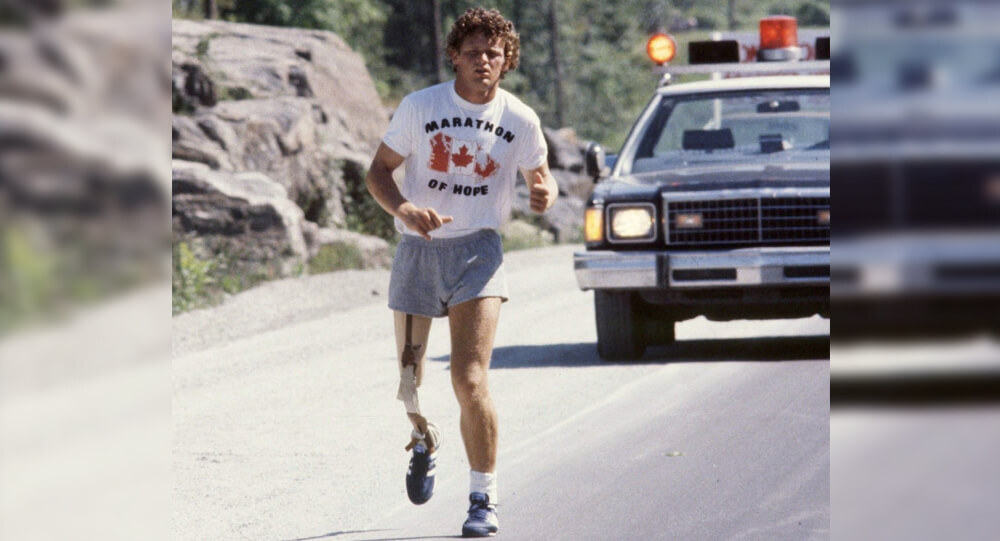
Terry Fox, a 21-year-old one-legged cancer patient who ran 143 days before dying
Terry Fox was a 21-year-old one-legged cancer patient who ran 3,339 miles across Canada in 143 days before dying.

The Day an Israeli F-15 Landed with One Wing: Zivi Nedivi’s Unbelievable Mid-Air Survival
Discover the astonishing true story of Israeli pilot Zivi Nedivi, who safely landed an F-15 after a mid-air collision tore off its entire right wing. Learn how skill, quick thinking, and the F-15’s unique design turned a disaster into a legendary feat in aviation history
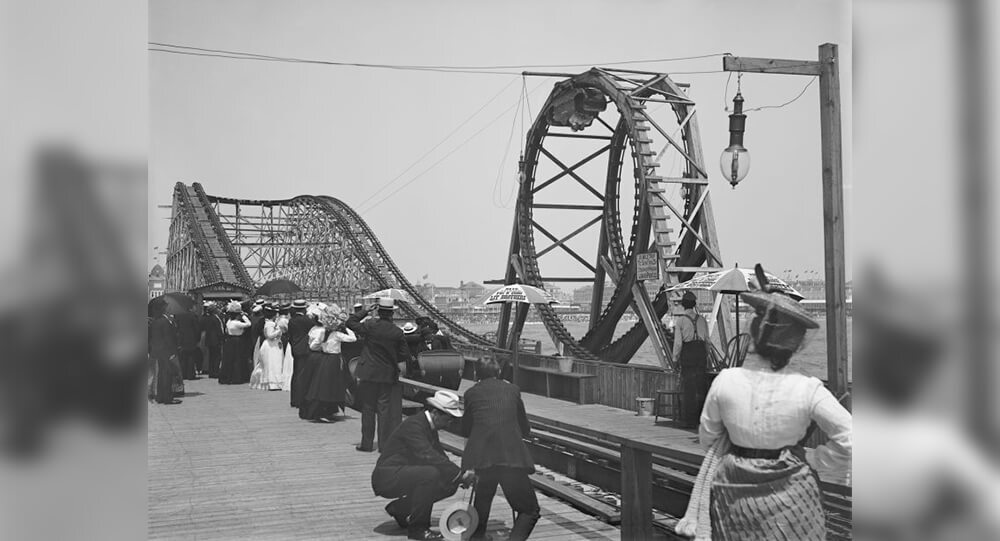
Roller Coasters were First Invented to Distract People from sin
Roller coasters were invented to distract Americans from sin. In the 1880s, hosiery businessman LaMarcus Thompson didn’t like that Americans were going to places like saloons and brothels and created the first roller coaster on Coney Island to persuade them to go there instead.

The incredible story of Julia "Butterfly" Hill and her legacy
American environmental activist Julia “Butterfly” Hill lived in a 1500-year-old California Redwood tree for 738 days to prevent it from being cut down by the Pacific Lumber Company. The Simpson’s episode “Lisa the Tree Hugger” was inspired by Hill’s story.
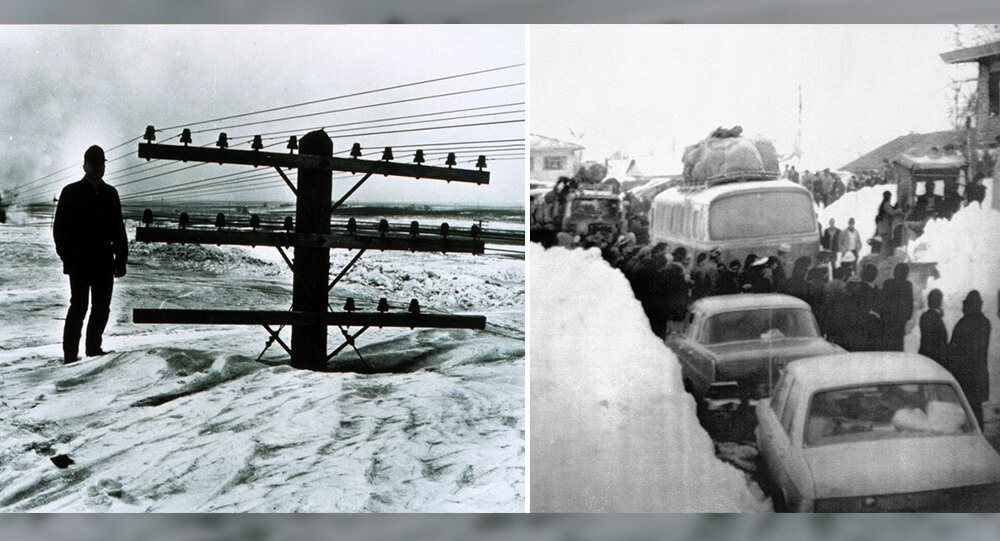
The worst blizzard in recorded history: the 1972 Iran blizzard
The deadliest snowstorm ever recorded occurred in Iran in 1972. It lasted for a week, burying areas in 26 feet of snow and killing over 4,000 people, including the entire populations of three villages.
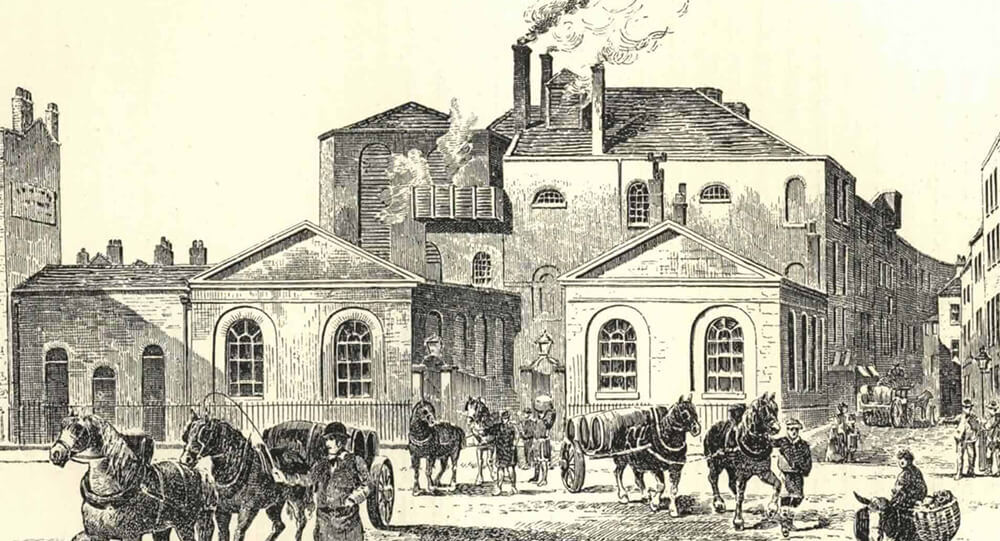
The 1814 London beer flood
In 1814, there was a beer flood in London when a tank containing more than 300,000 gallons ruptured in which 8 people drowned.
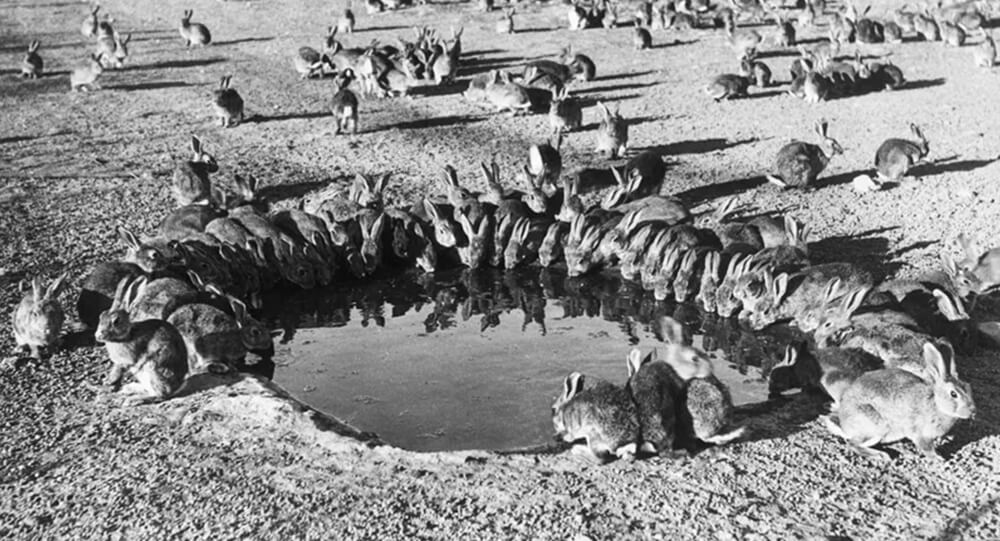
How European Rabbits Took over Australia
In 1859, wealthy settler Thomas Austin released 13 wild rabbits on his Australian estate. By 1920, their population grew to 10 billion.
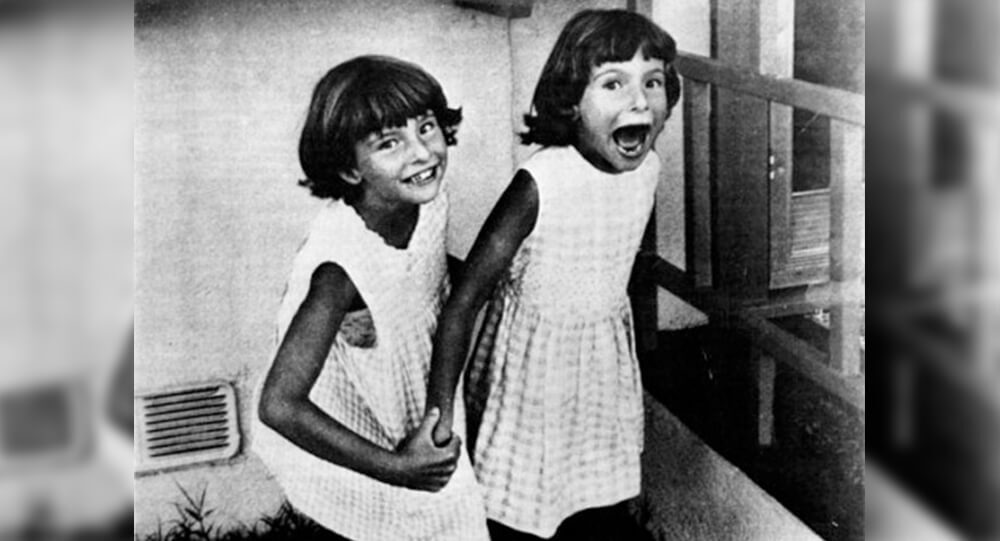
Poto And Cabengo: The Secret Language Of Twins
Poto and Cabengo, as the two girls called each other, communicated in their own language. The twins were ignored by their parents and secluded from the outside world because their father felt they were developmentally retarded, and their unique language evolved as a result of that neglect.
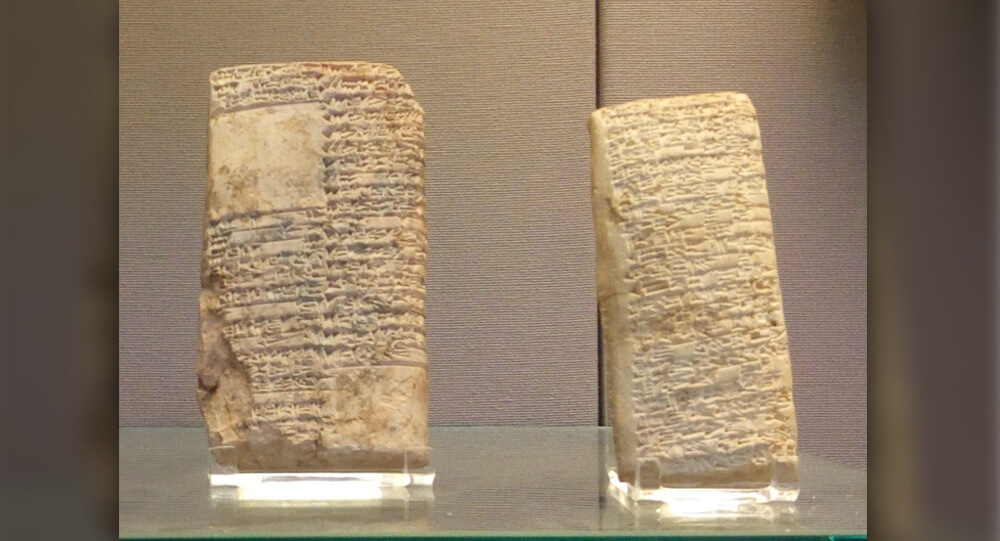
Ea-Nasir: world's oldest written customer complaint
This clay tablet, written in cuneiform, is the oldest known written customer complaint about the delivery of poor quality copper ingots. Originally from ancient Babylon, the tablet dates back to 1750 BCE, and it was written by a customer named Nanni to a merchant named Ea-Nasir. It is currently housed in the British Museum.
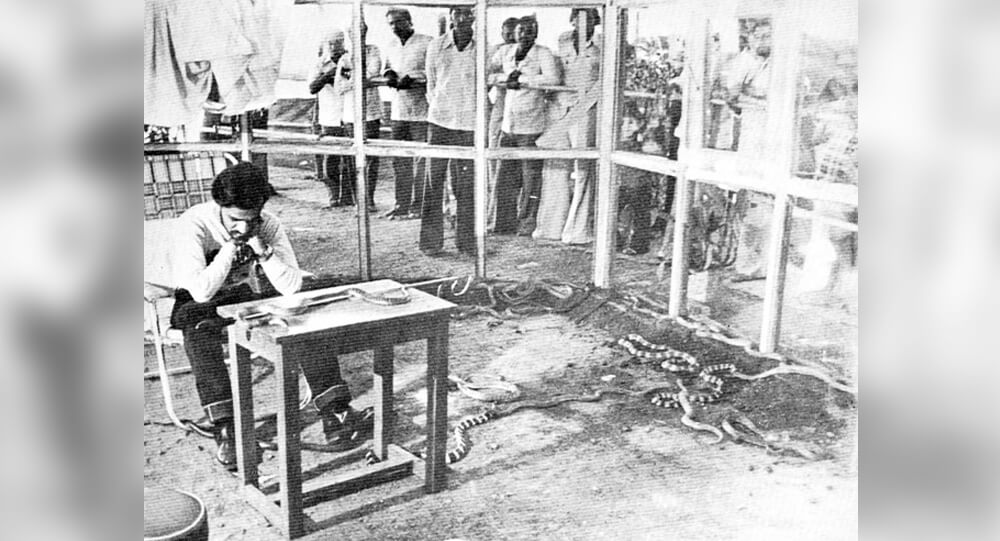
The story of a man who spent 72 hours with 72 venomous snakes to prove they only bite when provoked
In the 1980s, an Indian man spent 72 hours in a glass cabin with 72 snakes, some of which were extremely venomous. His aim was to prove that snakes only attack when provoked. Remarkably, he was not bitten once in those 72 hours and even set a Guinness World Record in the process.
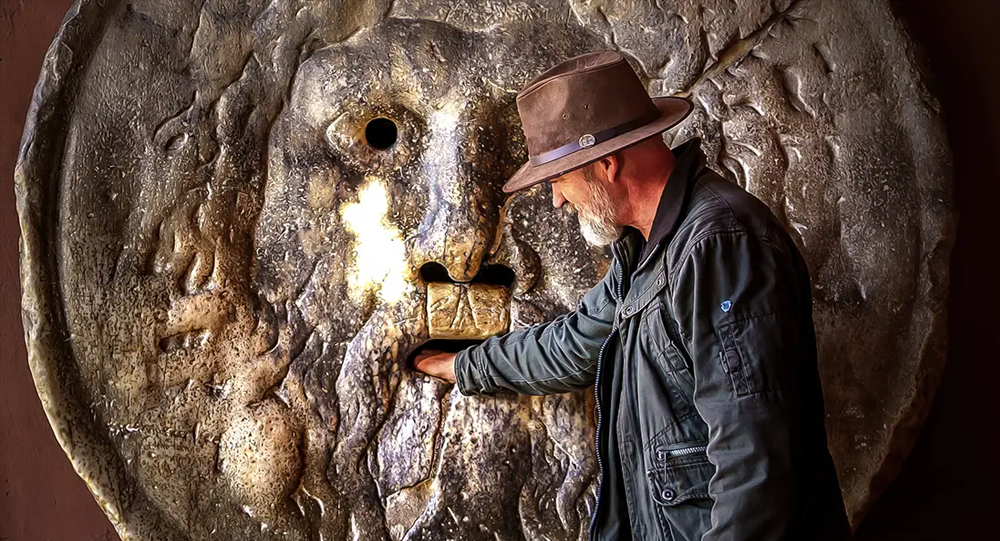
The Mouth of Truth: Ancient Rome’s Legendary "Lie Detector" That Bit Off Hands
Discover the chilling legend of the Mouth of Truth (Bocca della Verità) in Ancient Rome—a massive carved stone face believed to bite off the hand of anyone who lied while inserting their hand into its gaping mouth. Uncover the truth behind its eerie reputation and how this ancient artifact became a symbol of honesty and fear.