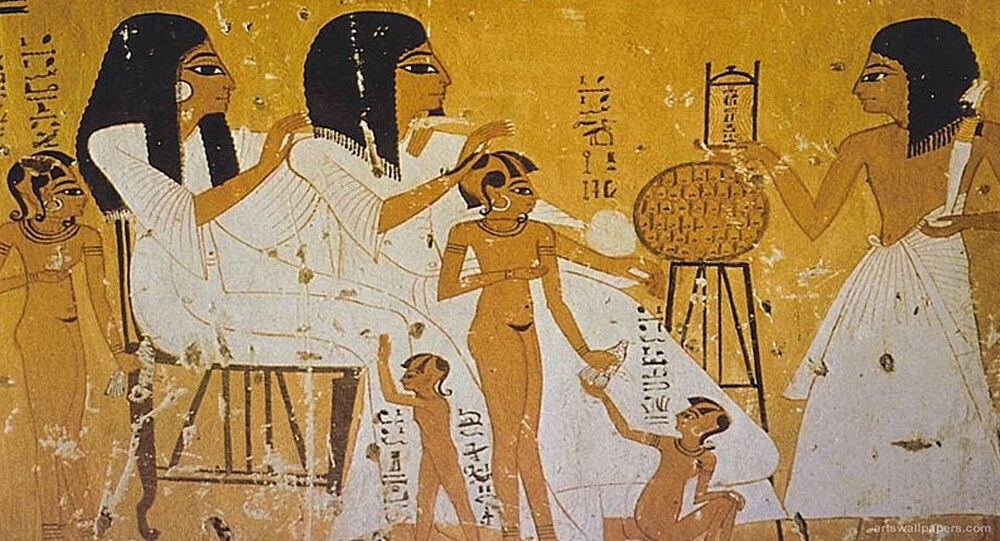
Pregnancy tests are never enjoyable to need, and they are almost never utilized for anything other than worry. This issue dates all the way back to Ancient Egypt. We’ve experienced this issue forever. Pregnancy tests were not only available to and used by Ancient Egyptian women, but they were also more comprehensive than modern pregnancy tests in that they predicted the baby’s gender at birth and were very accurate for the time (70 percent, which is really not bad at all). Even though they employed the same technique as we do today—having the lady provide a urine sample—the Ancient Egyptians did. Over 3500 years ago, we discovered that urine samples were directly related to fertility, and we still use this information today.
So how did ancient Egyptian pregnancy tests work so well, and how did they also, to a certain extent, identify the baby’s given sex? The procedure involved peeing in bags of barley and emmer wheat, so it’s not exactly like they were peeing on sticks and getting answers for “yes” or “no.” If each bag sprouted any seedlings, the woman was definitely pregnant, according to their science, which was 70% correct, according to The National Institute of Health. They weren’t precisely relying on hormone-based outcomes, though.
Any sprout from either bag indicated pregnancy, but depending on which sprouted first, you could determine whether the baby would be a boy or a girl. At birth, the baby’s gender would be determined by whether the barley or the emmer wheat sprouted first. If the emmer wheat sprouted first, the baby would be a girl.
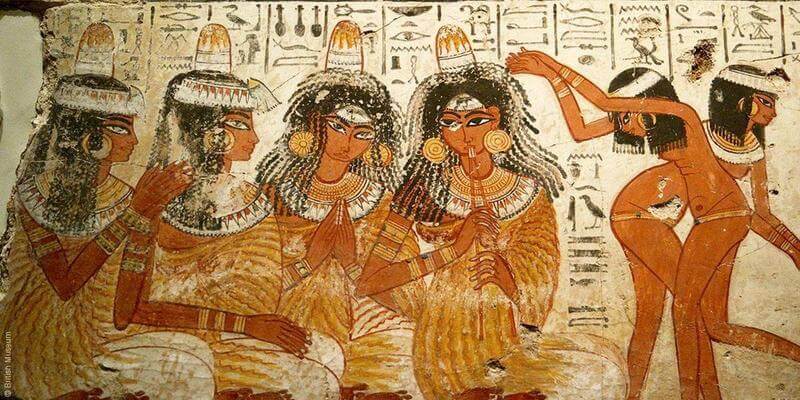
Because replication-based tests are more common today, historians tend to view the test as not being very accurate. Barley and emmer wheat aren’t exactly reliable indicators of a child’s gender. But that is with the biology of modern women. Our biology has altered, mutated, evolved, and complied as necessary throughout time. The barley vs. emmer wheat test is a good illustration. This test may have been significantly more accurate when it was regularly used because estrogen levels in ancient Egypt and among women in general were substantially higher.
If the society had persisted in its original enthusiasm, it is impossible to know what discoveries their science may or may not have made at that time, but even then, this was simply the best they had at the moment. After all, they did develop astrology.
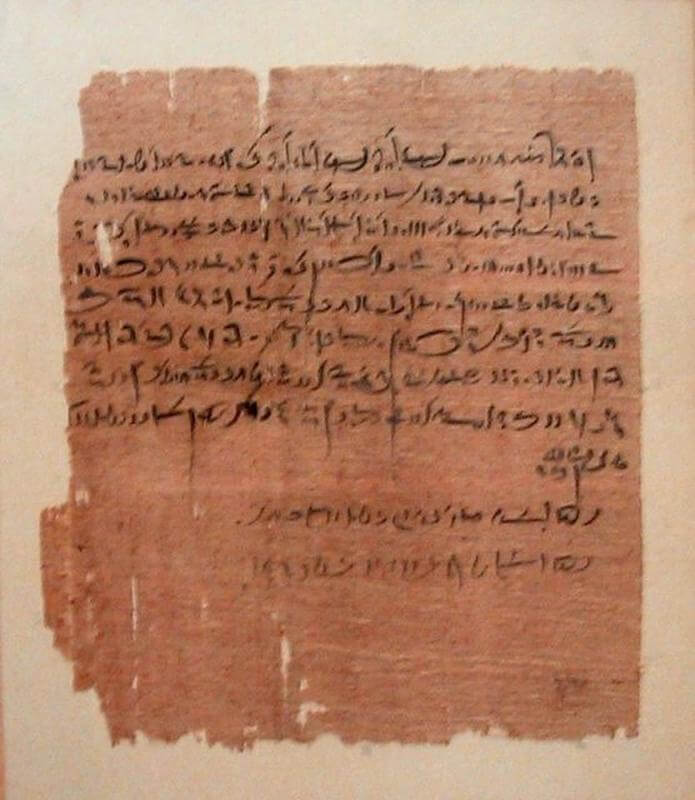
According to one article that cited research by Sofie Schidt, Ph.D., “Many of the ideas in the medical texts from ancient Egypt appear again in later Greek and Roman texts… From here, they spread further to the medieval medical texts in the Middle East, and you can find traces all the way up to premodern medicine.”
There is currently no known reproducible association between these two, despite the fact that pregnant women release a wide variety of hormones throughout their pregnancies that would trigger early flowering in some plants.
One theory as to why this test was so tried and true in the papyrus that was read to unravel these puzzles is heightened estrogen levels in ancient Egyptian women.
The fact that infant mortality rates were quite high in Egypt as well as the rest of the world may not come as a surprise. They tried their best to keep the infant well-fed throughout infancy and breastfed their children, especially in such unsanitary surroundings, when infant immunity is decreased after weaning, according the University of Chicago.
One study described how “piss prophets” (which is their genuine name) would diagnose pregnancies based on pee, sometimes mixing it with wine to see if there was a reaction. This practice led to the popular notion that urine was directly related to fertility in the medieval ages. They would also soak a ribbon in a woman’s urine, burn it, make her smell it, and if she gagged, she was most definitely pregnant. Things got weird in the Middle Ages.
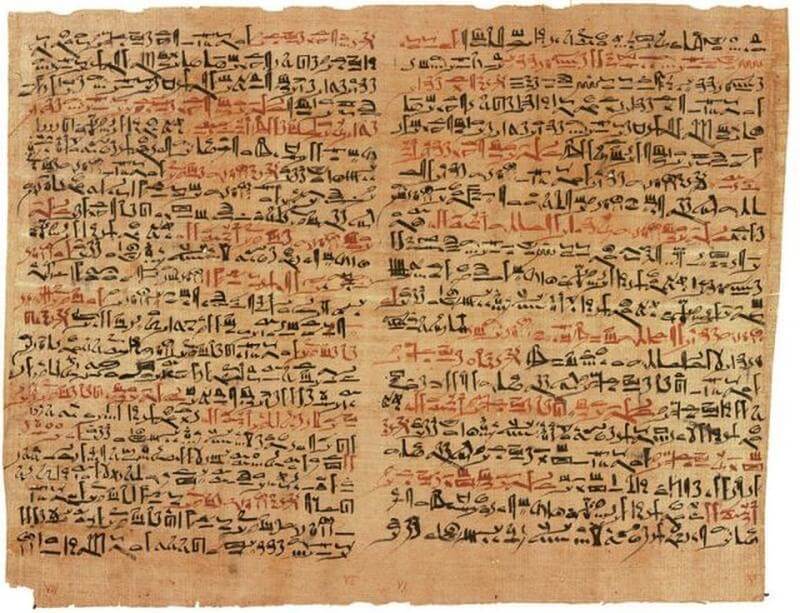
To put it another way, young Egyptian children under the age of five essentially had to run a gauntlet of survival until they turned five, or around that time. After that, they were supposed to live long lives of up to 33 years old, and 29 if they were female. In light of the fact that many ancient Egyptian cemeteries had a childhood mortality rate peak at “about age 4,” which is roughly around when ancient Egyptians started weaning (weakening their immune systems to get ready to consume solid food), “indirect evidence” comes from the University of Chicago.
It goes without saying that they did a lot of their thinking right, and the fact that there are so few ancient Egyptian texts that mention this just highlights how much more there is to learn about Ancient Egypt in general. This ancient Egyptian pregnancy test even made its way over to Greece and even modern and, to some extent, medieval medicine.
Furthermore, in terms of urban legends, it’s not like we are exempt from them in this case. Ours include beloved classics like the notion that a woman who consumes a lot of sweets, garlic, or has acne will give birth to a girl, as well as notions that a male will be born if she has a healthy glow and dilated pupils.


15 interesting facts about Queen Elizabeth II
Queen Elizabeth II, who ruled Britain for 70 years, has away at the age of 96. She was the country's longest-reigning monarch. Here are some little-known facts about her.
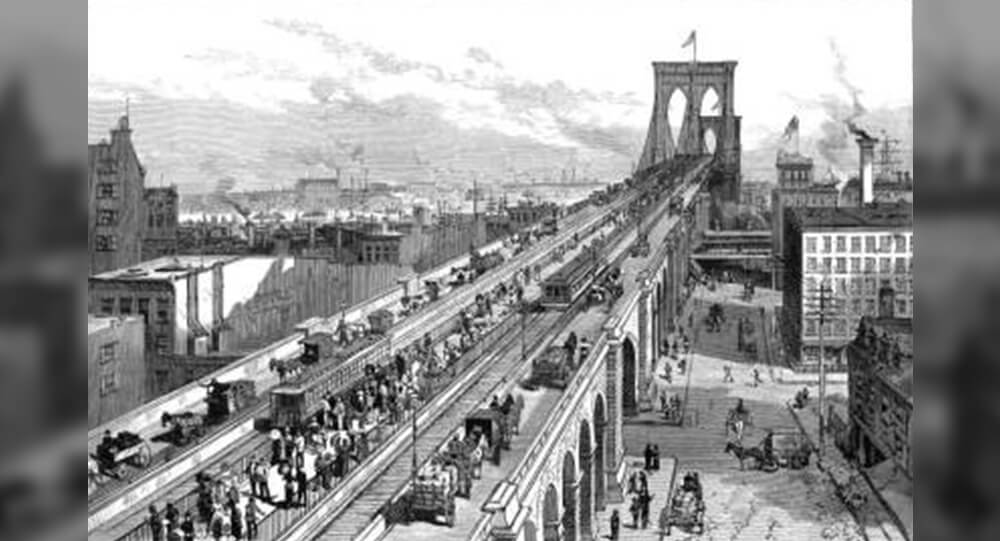
Why the Brooklyn Bridge Was Once Crossed by 17 Camels and 21 Elephants
On May 30, 1883, a rumor that the Brooklyn Bridge was going to collapse caused a stampede, which killed at least at twleve people. To prove the bridge was safe, P.T. Barnum led a parade of 21 elephants over it.

Charlie Brown and Franz Stigler incident: Enemy became friends
During WWII, a German pilot spotted an American pilot’s crippled plane in the sky. Tailing it, he noticed that gunner was dead, crew injured, and they posed no threat. Instead of destroying the plane, he led it to safety. 40 years later, the two pilots reunited.

Terry Fox, a 21-year-old one-legged cancer patient who ran 143 days before dying
Terry Fox was a 21-year-old one-legged cancer patient who ran 3,339 miles across Canada in 143 days before dying.

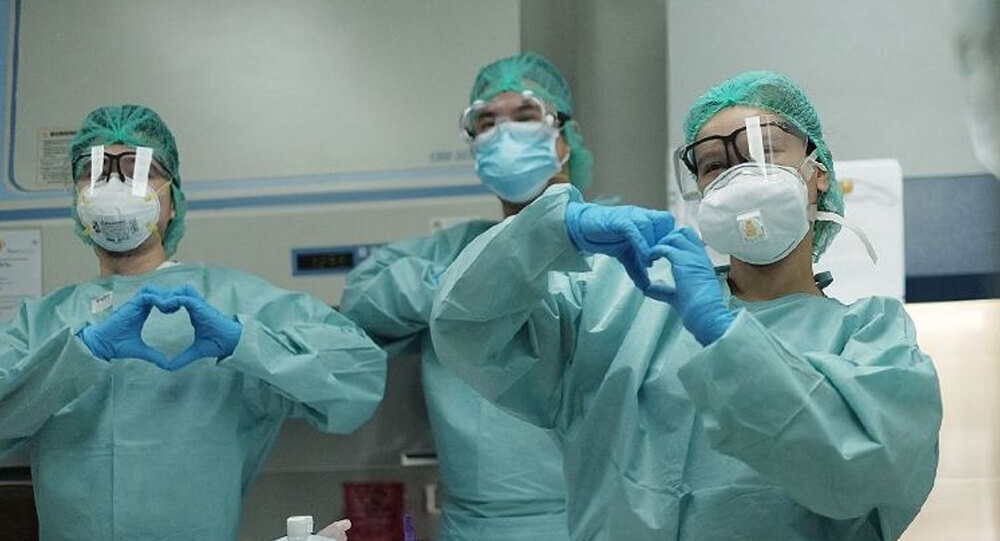
Philippines, the largest supplier of Nurses in the World
Philippines is the world’s largest supplier of nurses, supplying roughly 25% of all overseas nurses worldwide.
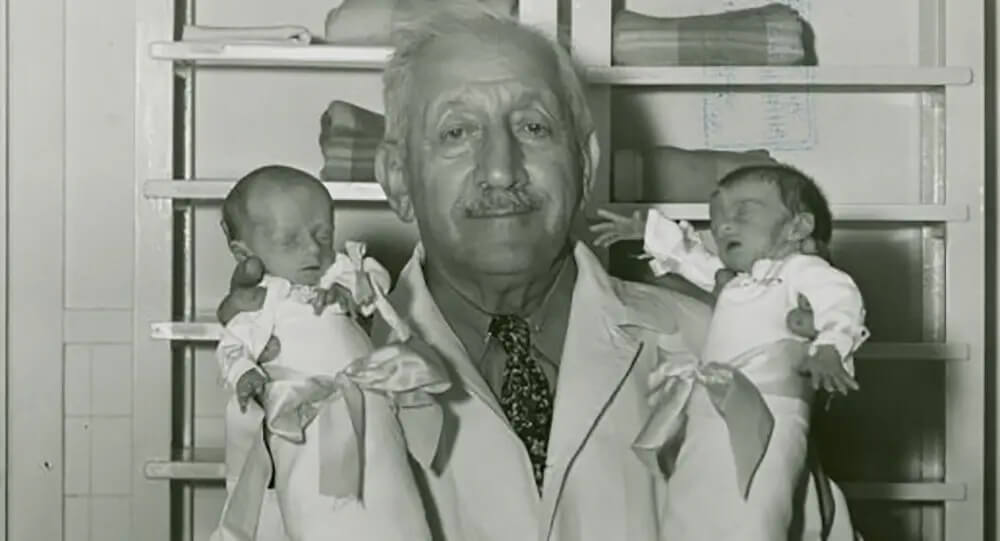
Martin Couney, Saved Thousands of Premature Babies Wasn’t a Doctor at All
Martin Couney never qualified as a medical doctor. However, in the 1900s, he saved thousands of premature babies by exhibiting them in incubators at his Coney Island sideshow. Over the course of his career, he is said to have saved about 6,500 babies that had previously been written off by mainstream medicine.
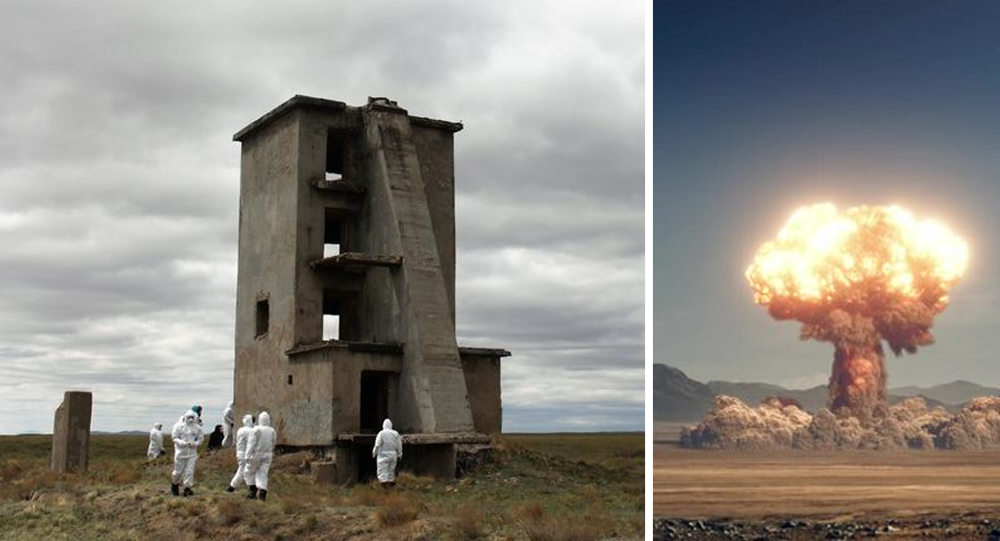
The Forgotten Story of Semipalatinsk and the Soviet Nuclear Experiments
Between 1949 and 1989, the Semipalatinsk Test Site in Kazakhstan became the primary location for Soviet nuclear weapons tests, exposing millions of unsuspecting villagers to radioactive fallout. Known as the “Polygon of Suffering,” this remote desert witnessed 456 nuclear detonations that caused widespread health crises, birth defects, and generational genetic damage. This article narrates the chilling legacy of Semipalatinsk, unveiling the human cost of Cold War arms development and the ongoing struggle for healing and recognition in Kazakhstan.
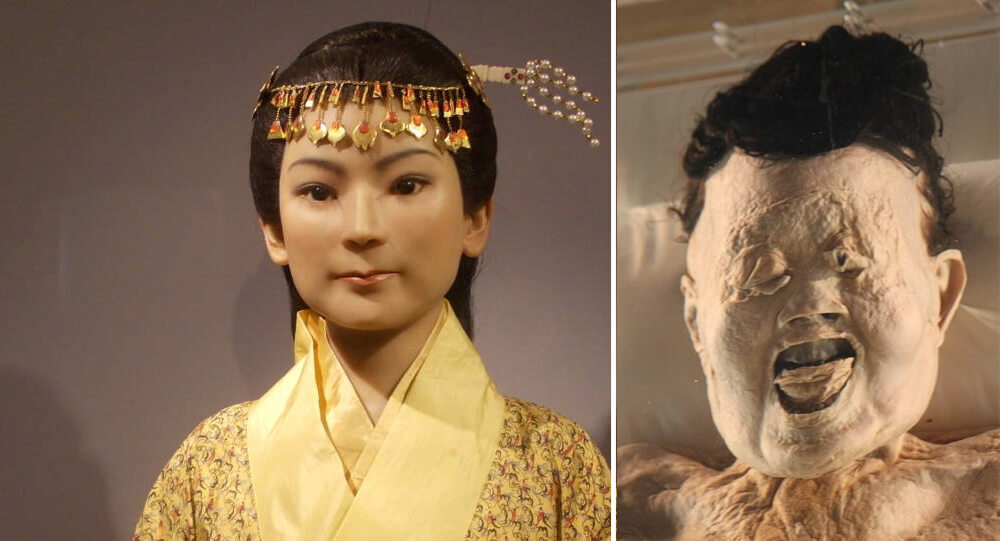
Xin Zhui And The Story Of The Stunningly Intact Lady Dai Mummy
A 2,000-year-old mummy of a Chinese woman, Xin Zhui, also known as “Lady Dai,” was preserved in 21 gallons of an “unknown liquid.” With her original hair, organs, eyebrows, and eyelashes intact, the mummy still has blood in her veins. Her skin and ligaments are soft and as flexible as that of a living person.
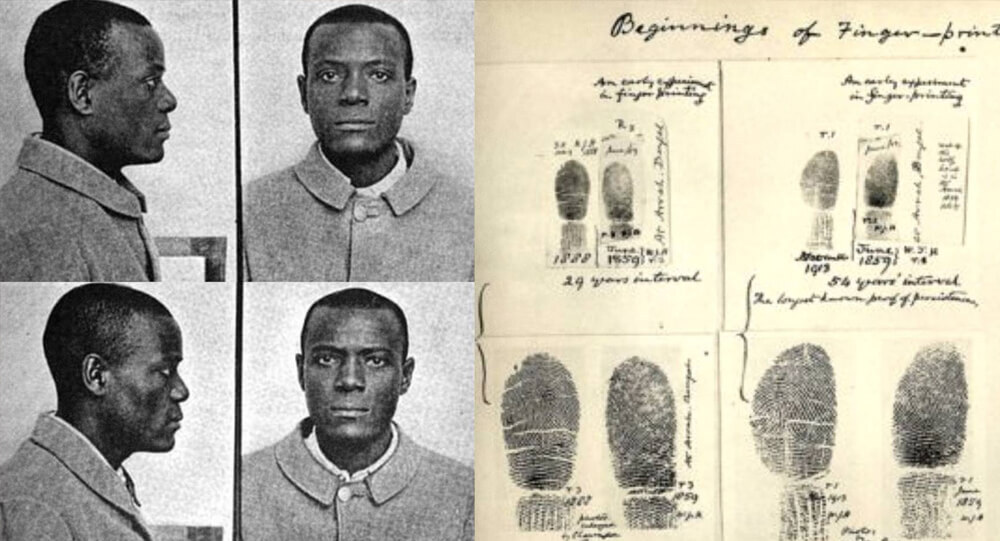
Will & William Wests: The puzzling situation of two inmates who are identical but not related
These are the mugshots of Will West and William West, and they are not related. They were both sent to Leavenworth Prison at the same time, in 1903, and after some confusion, the staff understood they had two different prisoners with the nearly same name, who looked exactly alike. They are part of the reason fingerprints are now used as identification.
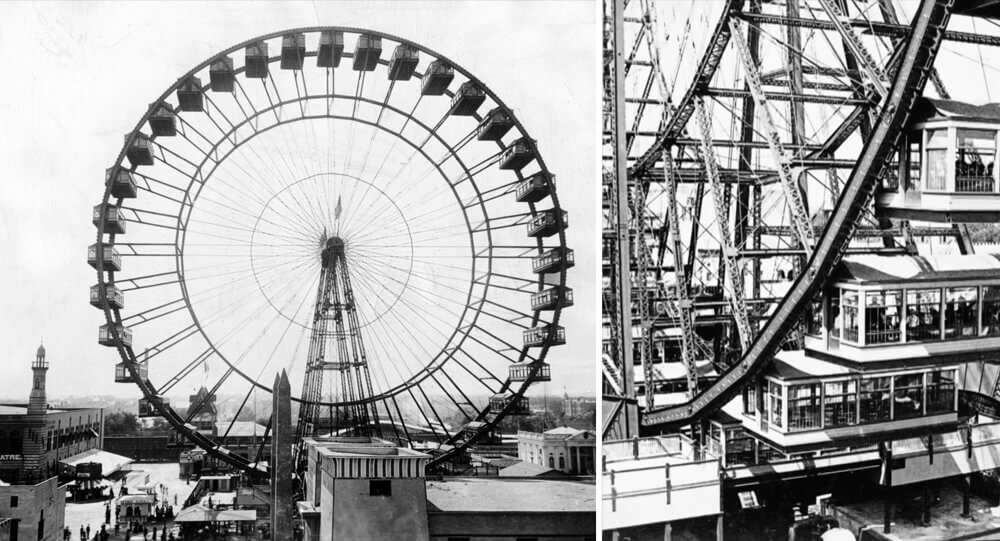
how Ferris wheel invented
In 1891, Chicago challenged engineers to create a structure to surpass the Eiffel Tower for the World's Columbian Exposition. George Washington Gale Ferris jr. responded with the original Ferris Wheel, a giant rotating structure elevating visitors above the city. This invention became an iconic attraction at the fair.
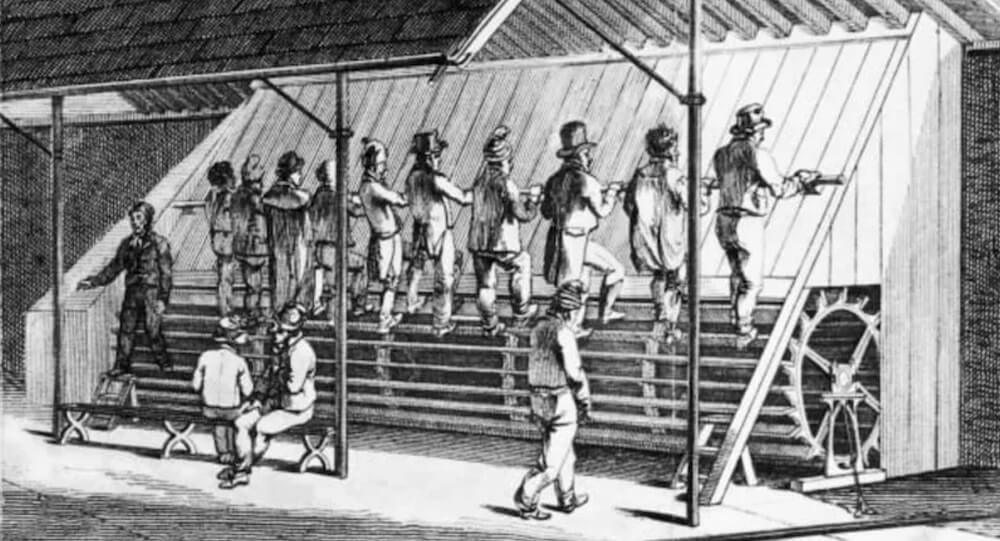
History of Treadmill, punishment for prisoners
Treadmills were originally a punishment used to harness human power on a giant wheel used to grind grains, hence the name "treadmill." The History of Treadmill

Max Headroom Incident: America’s Creepiest TV Hack
In 1987 a man hijacked a television station during an episode of Dr. Who and wore a Max Headroom mask and uttered nonsense, and he still hasn’t been caught
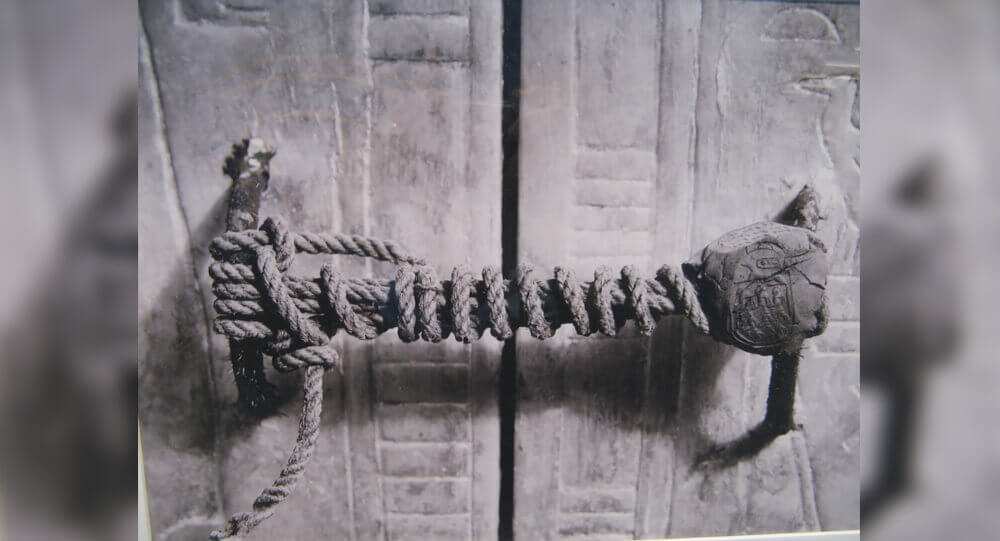
The unbroken seal on King Tutankhamun's tomb until 1922
The unbroken seal of Tutankhamun's tomb before it was opened in 1923, it was unbroken for over 3000 years.

Tunnels Dug by ancient giant sloths, A South American Megafauna
For years, scientists didn’t know what caused mysterious cave networks in South America. In 2010, they learned that the caves were actually tunnels dug by ancient giant sloths
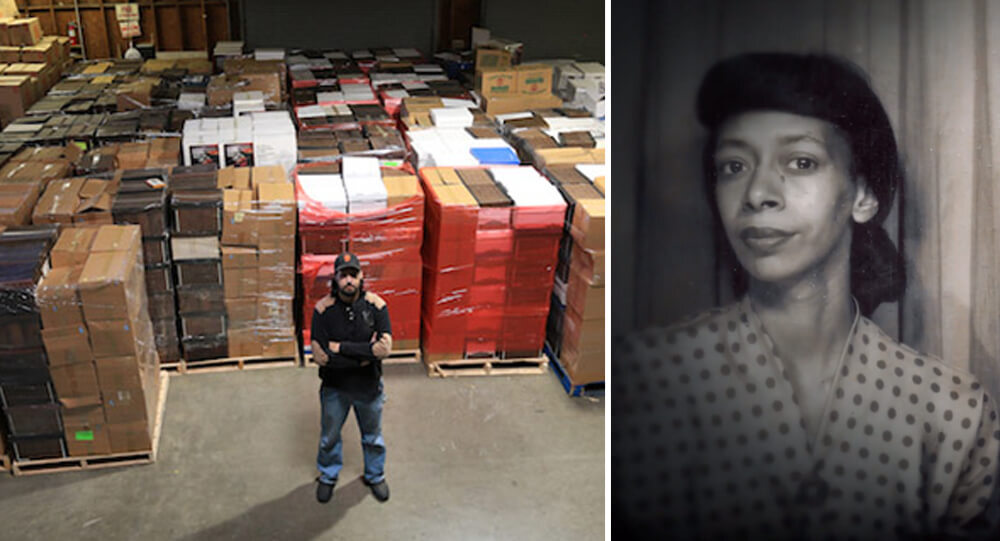
Marion Stokes recorded 30 years of television
Marion Stokes, a Philadelphia woman began taping whatever was on television in 1979 and didn’t stop until her death in 2012. The 71,000 VHS and Betamax tapes she made are the most complete collection preserving this era of TV. They are being digitized by the Internet Archive.


Mother who spent entire life savings for daughter’s cancer treatment won the lottery
A mother won $2 million from a $10 scratch-off lottery ticket after she spent all of her entire life savings to pay her daughter’s cancer treatment. She bought the winning ticket after her daughter’s last cancer treatment.

William James Sidis: The smartest person yet forgotten by people
William James Sidis, who was only 11 years old when he enrolled in Hardvard, finished his primary and secondary schooling in less than a year. He knew eight foreign languages by the age of eight and even invented his own language, "vedergood."

The youngest person executed, George Stinney Jr was proven innocent
In 1944, George Stinney Jr. was 14 years old when he was executed in South Carolina. It took only ten minutes to convict him — and 70 years to exonerate him.
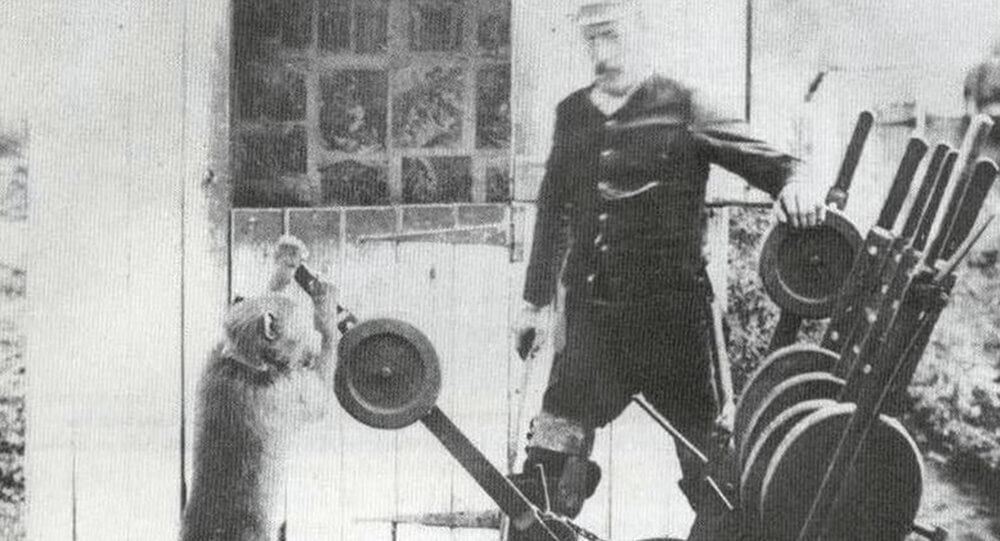
Jack the Baboon operated a railroad, earned a living, and never made a mistake
A baboon worked as a signalman for the railroad in the late 1800s. He never made a mistake and worked for the railroad until the day he died.

Knockers-up: waking up the Industrial Britain's Workers in 1900-1941
Before alarm clocks were invented, there was a profession called a knocker-up, which involved going from client to client and tapping on their windows (or banging on their doors) with long sticks until they were awake. It lasted into the 1920s.

The Littlest Skyscraper: How J.D. McMahon’s 480-Inch Con Fooled Investors in 1919
In 1919, J.D. McMahon convinced investors to fund a 480-foot skyscraper, but he labeled the plans as 480 inches, building a 40-foot structure instead. After taking $200,000, he won in court since the plans matched what he built.

Poto And Cabengo: The Secret Language Of Twins
Poto and Cabengo, as the two girls called each other, communicated in their own language. The twins were ignored by their parents and secluded from the outside world because their father felt they were developmentally retarded, and their unique language evolved as a result of that neglect.

Archaeologists Uncover 2,000-Year-Old Amazonian Cities Using Lidar Technology
Deep in the Ecuadorian Amazon, archaeologists have uncovered an ancient network of urban settlements once inhabited by the Upano people about 2,000 years ago. Using cutting-edge lidar technology, these discoveries reveal a highly organized society featuring sophisticated agricultural systems, drainage canals, and extensive road networks. This transformative find challenges long-held assumptions about ancient Amazonian societies and sheds light on a complex civilization thriving in one of the world’s most biodiverse regions.
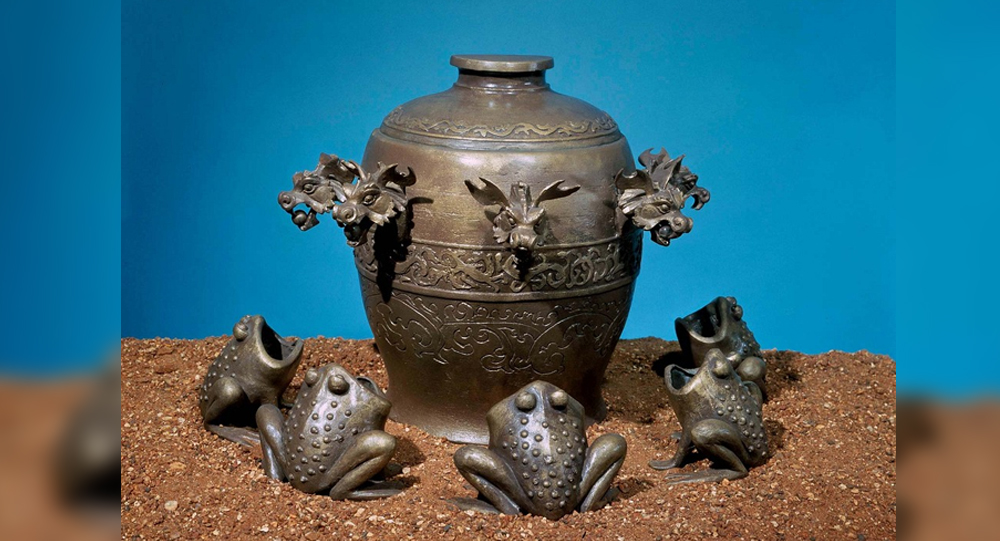
The World’s First Seismograph: How Ancient China Detected Earthquakes 1,800 Years Ago
Over 1,800 years ago, long before modern technology, the ancient Chinese astronomer and inventor Zhang Heng created the world’s first seismograph in 132 AD. This ingenious bronze device could detect distant earthquakes by releasing small balls from dragons’ mouths into toads’ mouths—each indicating a different compass direction. Its historic detection of an earthquake 400 miles away astonished the imperial court and transformed the way societies understood and responded to seismic events.

10 world’s most destructive and dangerous volcanic eruptions in history
Volcanic eruptions can devastate cities, change the world's atmosphere, and devastate economic systems. They can create molten lava rivers, mudslides, suffocating ash, and poisonous gases that cause chaos around the world for years. A volcanic explosion's effects can be massive, from its size to its death toll to its economic cost. Here is ten world’s most destructive and dangerous volcanic eruptions in history.