
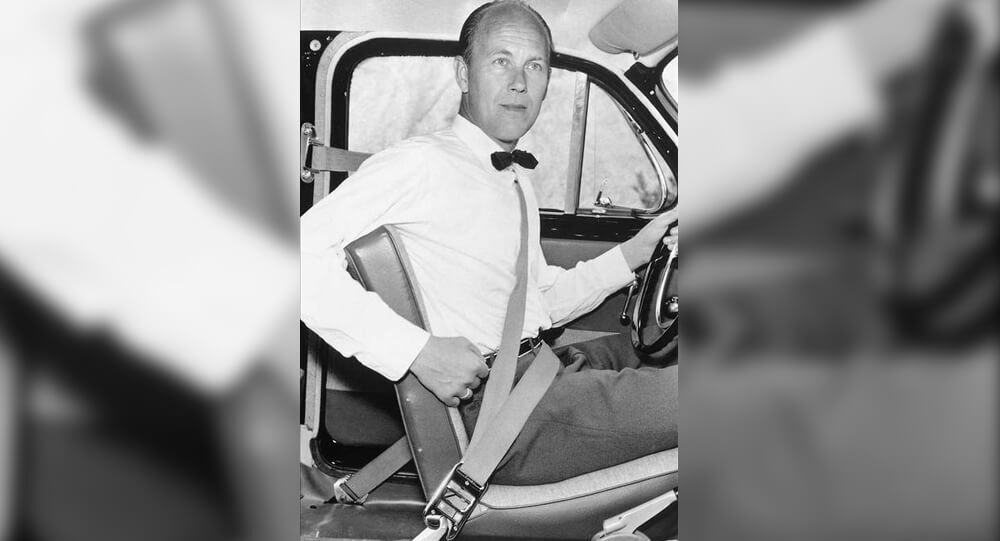
It’s hard to imagine that safety in automobiles used to be an afterthought in the era before lane-departure warning systems and radar-guided automatic braking. The three-point seat belt, the most significant safety innovation ever created, was given away by Volvo, a company whose reputation was built on selling safer cars.
Nils Bohlin, a Volvo engineer, invented the modern seat belt in 1959, according to the UK autos website Arnold Clark. Back then, seat belts were simple two-point waist restraints, and they frequently caused more harm than good in collisions.
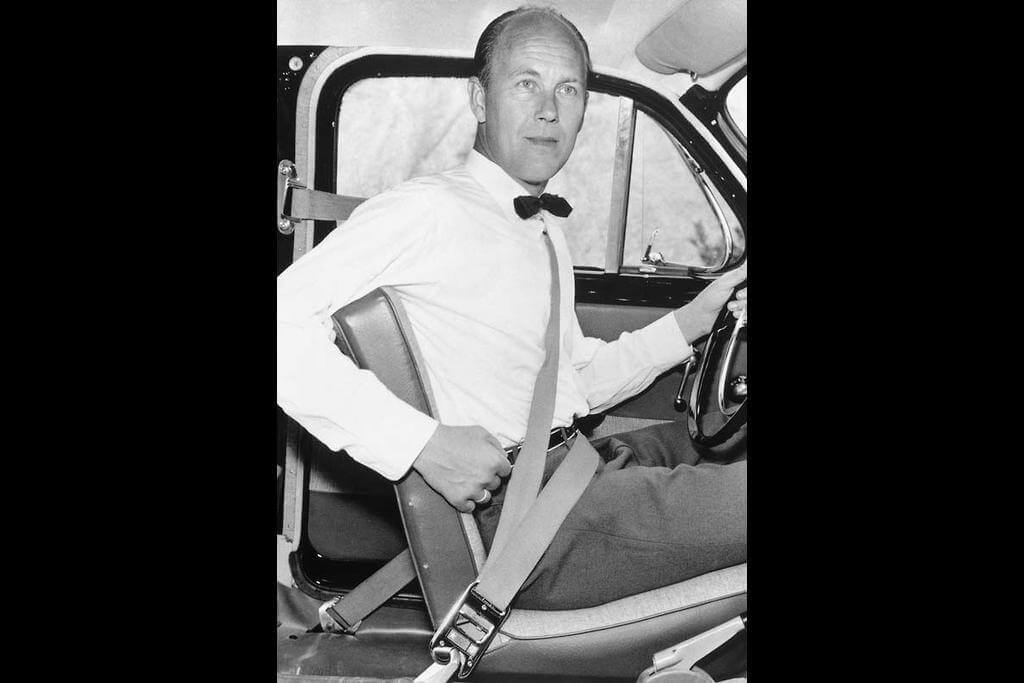
Former Saab aviation engineer Bohlin specialized in ejector seats. He created a seat belt that could be worn over the torso as well as the driver’s lap. The Volvo Amazon and Volvo PV544, which are both depicted to the right, were the first vehicles to feature the design in the Nordic market. In 1963, it arrived in the United States.
It was a ground-breaking creation, and just the patents alone could have made Volvo a fortune.
But why didn’t Volvo do that? They decided the patent was too significant to keep to themselves and gave it away as a result. In the narrative:
The three-point seatbelt’s widespread use is actually a result of Volvo opening up the patent so that any automaker could incorporate it into their design. They came to the conclusion that because the invention was so important, it should be given away for free rather than sold for a profit.
According to a citation from Volvo’s managing director Alan Dessell, “The decision to release the three-point seat belt patent was visionary and in line with Volvo’s guiding principle of safety.”
Bohlin persisted in pushing for ongoing safety enhancements like side impact protection and rear seat belts while working for Volvo until 1985. A few years after being honored with a gold medal by the Royal Swedish Academy of Engineering Science and being inducted into the Automotive Hall of Fame, he passed away in 2002. Volvo claimed more than a million people have been saved by his seatbelt design globally four years ago.
So, if a three-point seat belt has ever saved your life, you can thank Bohlin for it as well as Volvo for prioritizing the safety of people over financial gain.
We assume it to be true. In fact, it’s become established in our lives that we hardly ever give it any thought. We enter our vehicles, fasten our Volvo seat belts, and pull away from our driveways without ever pausing to consider who created the seat belt.
The standard 3-point seat belt that comes with every one of our cars is a lifesaving safety feature that is so widely used that many manufacturers don’t even list it on their list of required safety features. Who would do that? Every new vehicle is expected to include a seat belt. Of course, every one of the brand-new Volvo vehicles we have available for purchase has a Volvo seat belt. And for good cause. In 1959, Volvo Cars offered the first vehicle with a seatbelt.
Volvo Seat Belt Saving Many Lives
No other safety feature comes close to saving as many lives as the Volvo seat belt, despite the fact that modern cars are loaded with driver-assist safety features and advanced airbag systems that help us keep our eyes on the road and our hands on the wheel. Perhaps the most significant automotive safety feature ever created is this one. And we do so each time we enter our brand-new Volvo V60 wagon.
How often should seat belts be replaced?
Because there is no easy way to predict how well an older seat belt will perform in a crash, it is recommended that the seat belts in your vehicle be inspected and replaced every 10-15 years. Contact our Volvo parts store for Volvo seat belt replacement.

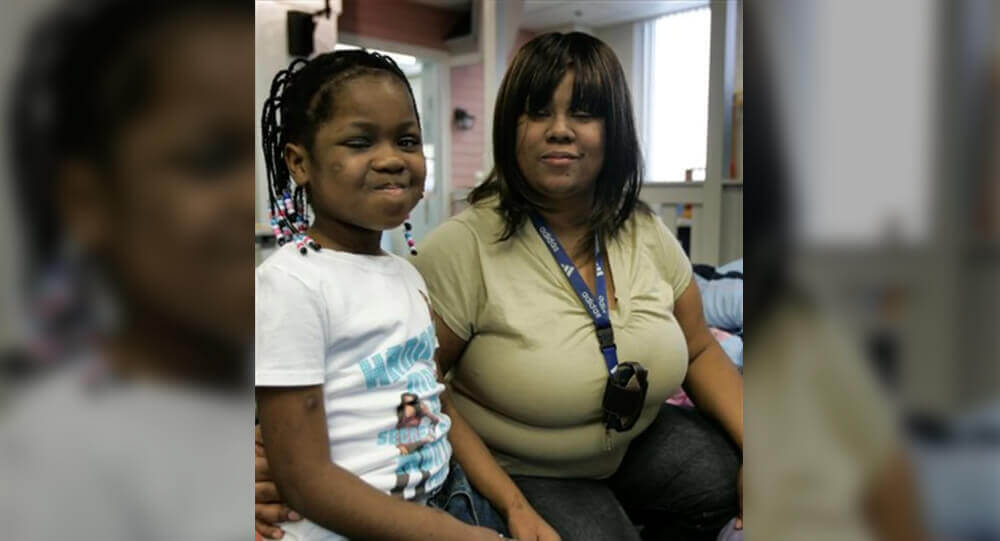
The actions of a 7-year-old girl protected her mother from bullets
A 7-year-old girl jumped in front of her mother to save her from a man who was attempting to kill her in 2007. She was shot six times and survived, as well as saving her mother.


World's largest iceberg breaks off Antarctica
In 1986, the iceberg known as A23a broke away from the Antarctic coast. However, it quickly grounded in the Weddell Sea, effectively turning into an ice island.
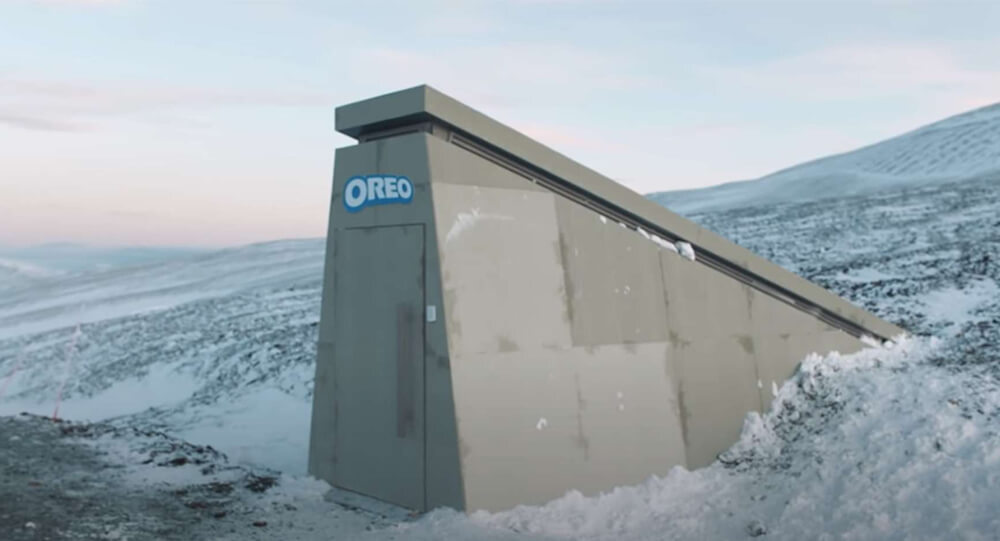
Oreo builds asteroid-proof bunker to protect its cookies and recipes
In October 2020, Oreo builds a concrete bunker in Svalbard, Norway, to protect their recipes in case of an asteroid impact. The vault also contains Oreos wrapped in Mylar and vials of milk powder.
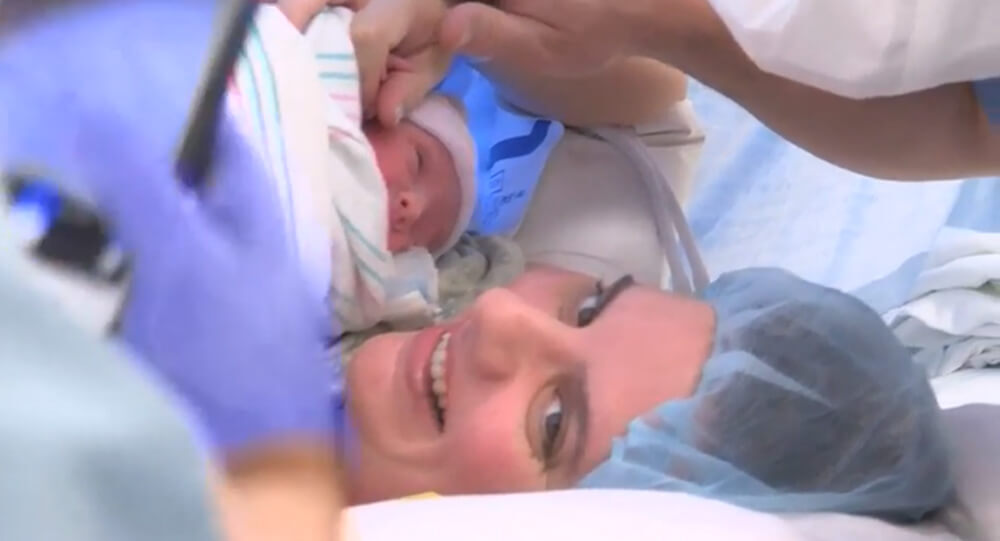
Baby Lynlee 'born twice' after life-saving tumour surgery
Baby Lynlee was "born twice." First, surgeons brought her out of the womb to remove a spinal tumor. After the successful surgery, she was placed back and born again as a healthy baby girl.
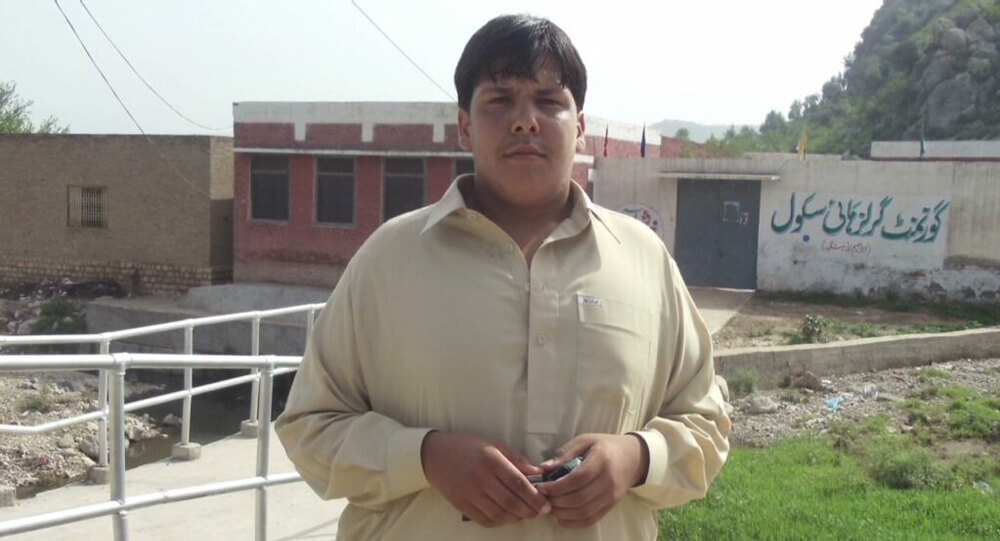
Aitzaz Hasan, Pakistani school boy who sacrificed his life from suicide bomber
Aitzaz Hasan, a 15 year old Pakistani school boy, sacrificed his life while preventing a suicide bomber from entering his school of 2000 students. His father said "My son made his mother cry but saved hundreds of mothers from crying for their children."
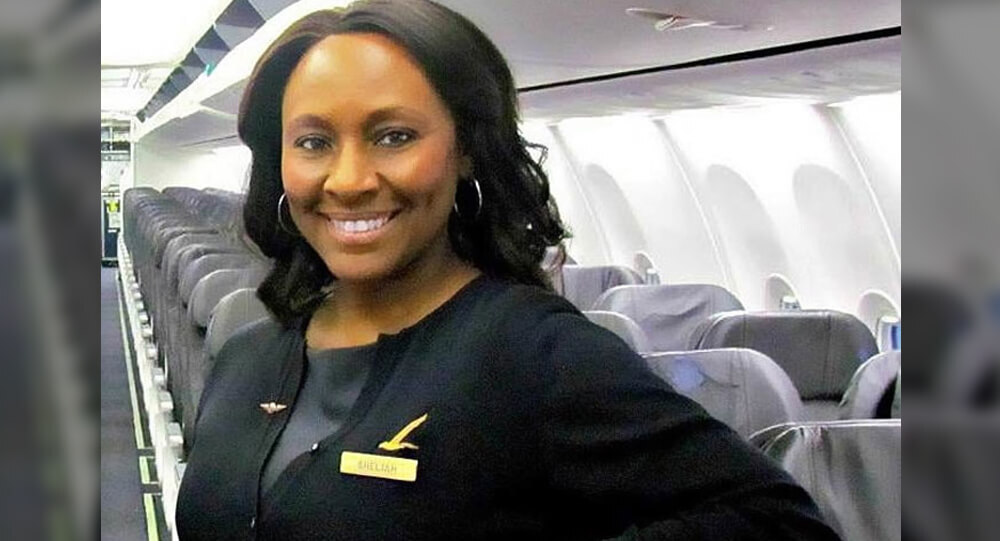
A flight attendant uses a secret note to save a teen girl from sex trafficking
The flight attendant Shelia Fredrick. She spotted a distressed girl with an older man. She left a note in the restroom on which the victim wrote that she needed some help. The girl was rescued from a human trafficker after the authorities were informed.
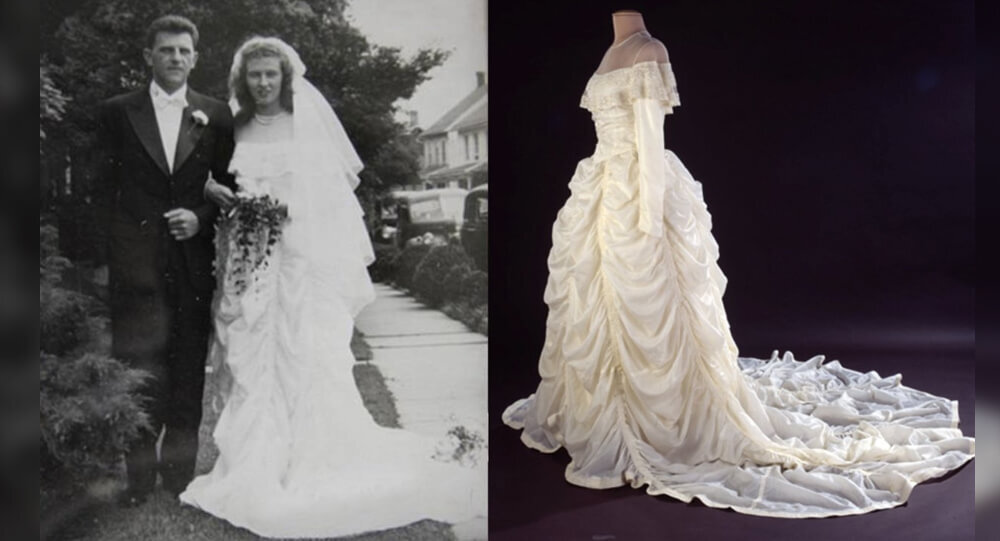
The WWII Parachute Wedding Dress
Major Claude Hensinger jumped out of a B-29 bomber during World War II when the engine caught fire. He was saved by his parachute. Later, he requested that his fiancée Ruth make him a gown out of the same parachute. The dress is now on display at the Smithsonian Institute.

A little girl survived a 1-hour submersion in freezing creek water
On June 10, 1986, two-and-a-half-year-old Michelle Funk fell into an icy creek and was submerged for 66 minutes. When rescuers pulled her out of the water, she was not breathing, had no pulse, and appeared lifeless. The doctors used various techniques to rewarm her blood and bring her back to life. She was successfully resuscitated and went on to lead a healthy life.
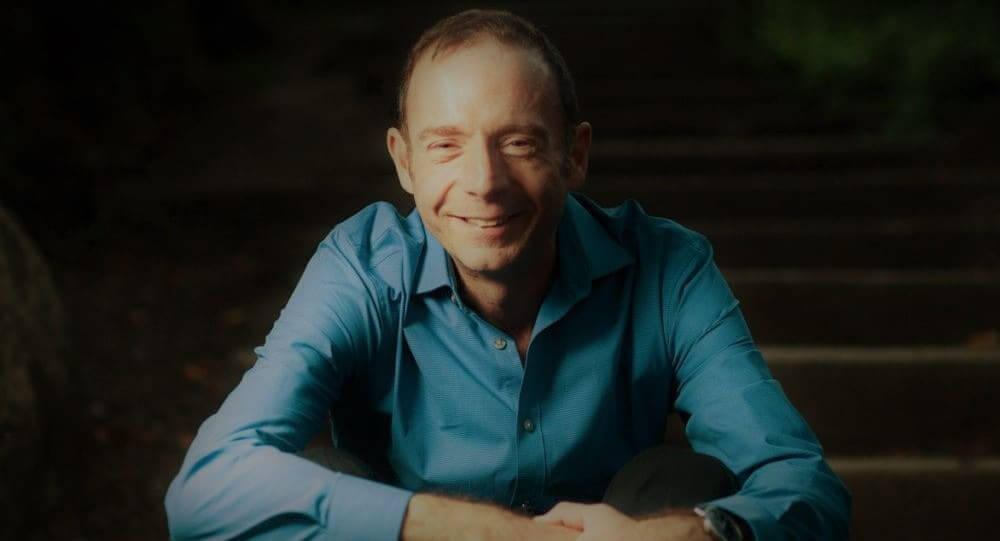
Timothy Ray Brown, who inspired millions of HIV-positive people, died of leukemia
Timothy Ray Brown, also known as "The Berlin Patient," was the first person to be HIV-free. He was diagnosed with leukemia in 2006 and had a bone marrow transplant in 2007 as part of his treatment. The transplant helped him overcome the otherwise incurable disease thanks to the rare, HIV-resistant donor.
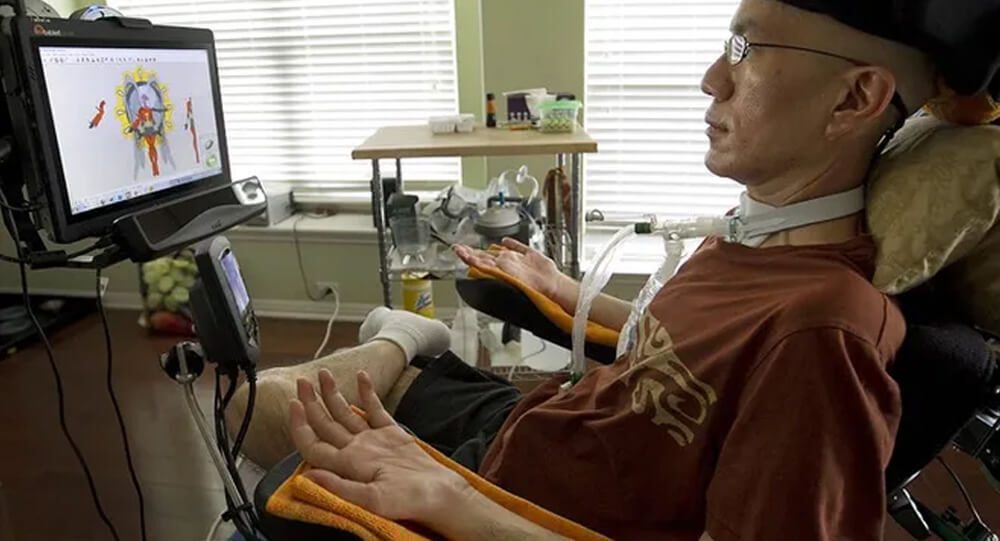
The Inspiring Journey of Francis Tsai, Marvel Comics artist diagnosed with ALS
Francis Tsai, an American illustrator and conceptual artist who worked for Marvel Comics, was diagnosed with ALS in 2010. After he lost the ability to move his hands and arms, he started painting digitally on his cellphone with his right big toe. After he could not move his feet anymore, he began using eye-gaze technology to keep drawing.
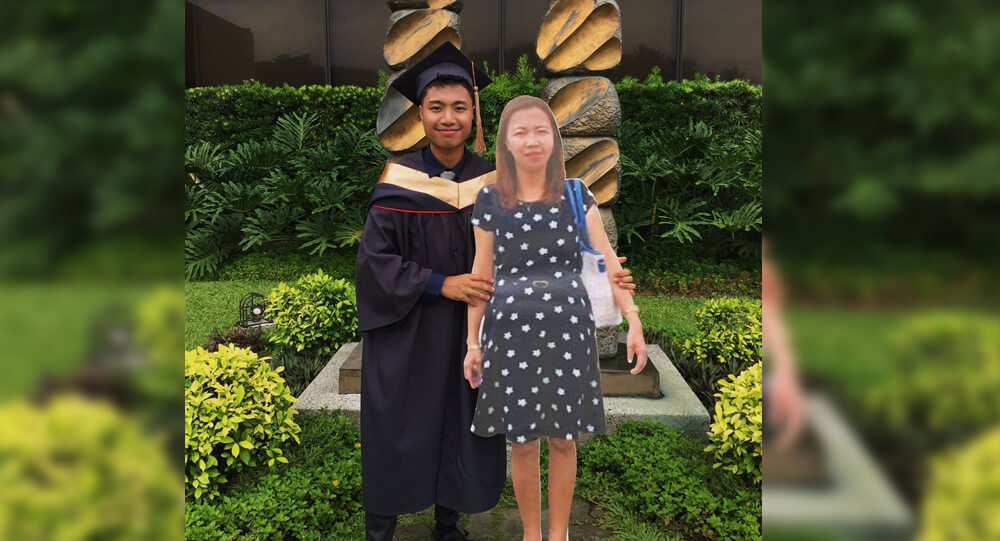
Smart guy brings life-sized cutout of his late mother to his graduation
Even though that his mother passed away in 2016, a young man had a clever idea to make a life-size cutout of her and bring it to the event so that she could attend his graduation ceremony.
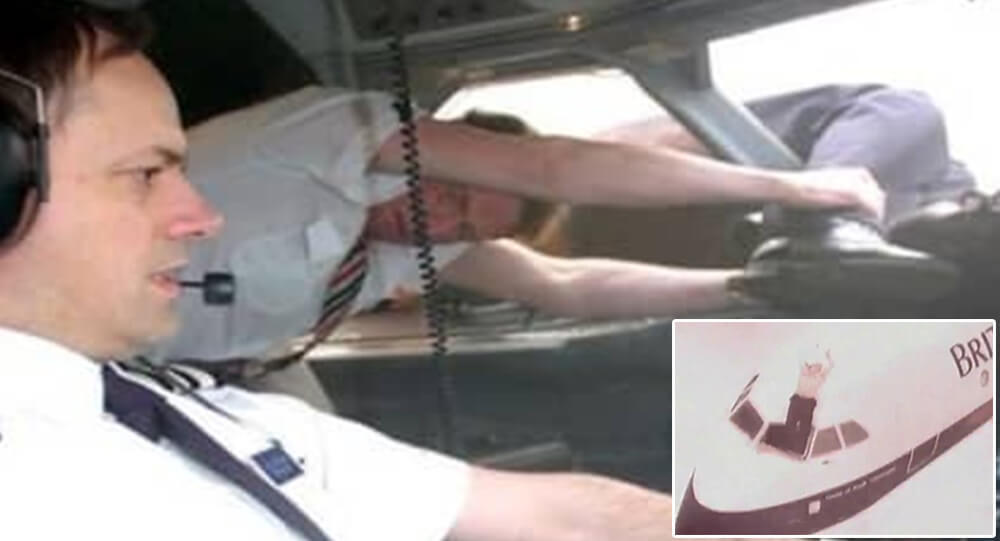
A Pilot Survived 20 Minutes Outside A Flying Jet
In 1990, the captain of flight 5390 Timothy Lancaster got sucked out of his own plane when the window of the plane fell off. The crew held the captain’s leg for 30 minutes while the plane performed emergency landing. Everyone survived.
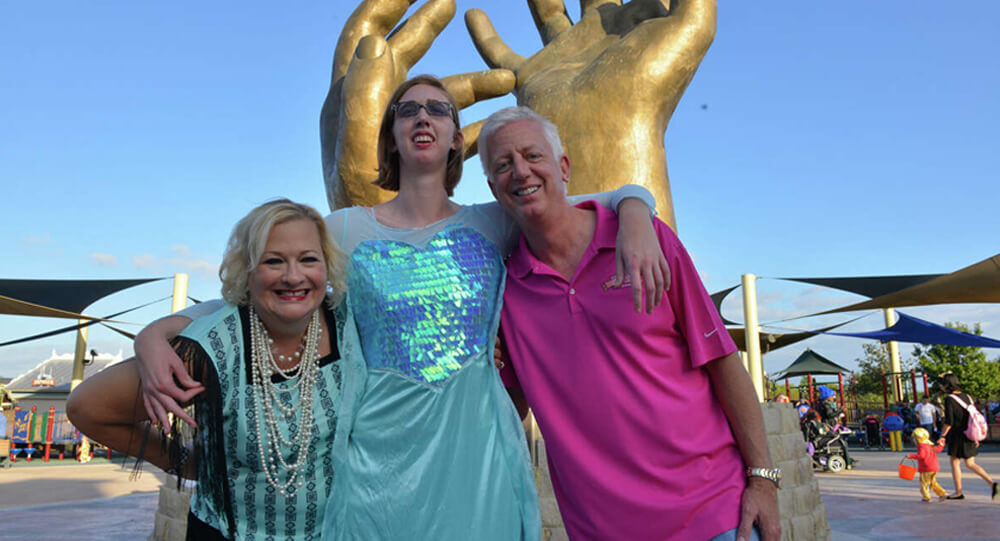
Morgan’s Wonderland, the world’s first ultra-accessible amusement park
Gordon Hartman was heartbroken when his special needs daughter, Morgan, was rejected by a group of children playing by the hotel poolside. He then set out to build a place where all children can play together. This led to the development of the world’s first ultra-accessible amusement park, Morgan’s Wonderland
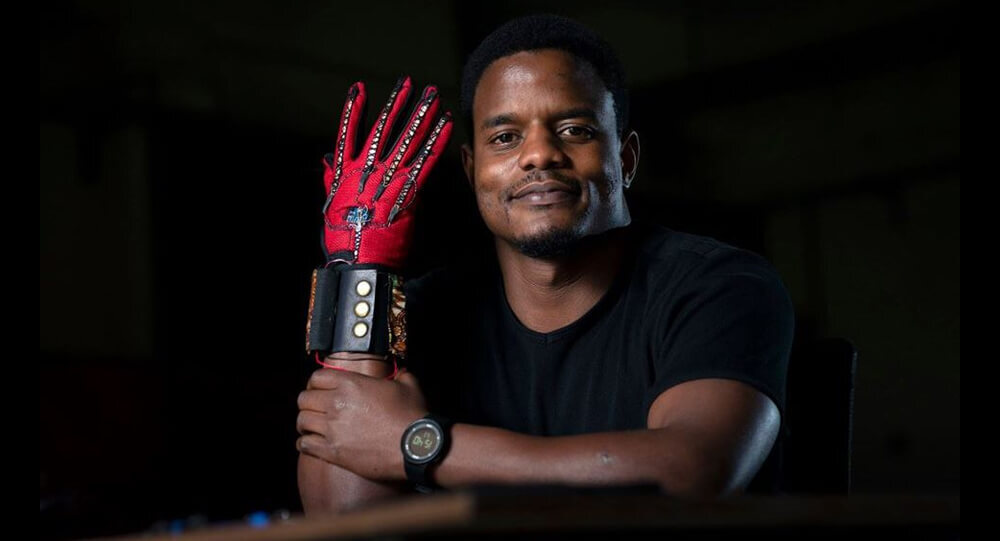
Kenyan Innovator Creates Smart Gloves That Translate Sign Language Into Audible Speech
In 2023, a Kenyan inventor Roy Allela invented smart gloves that can convert sign language movements into audio speech, for his six years old niece who was born deaf.
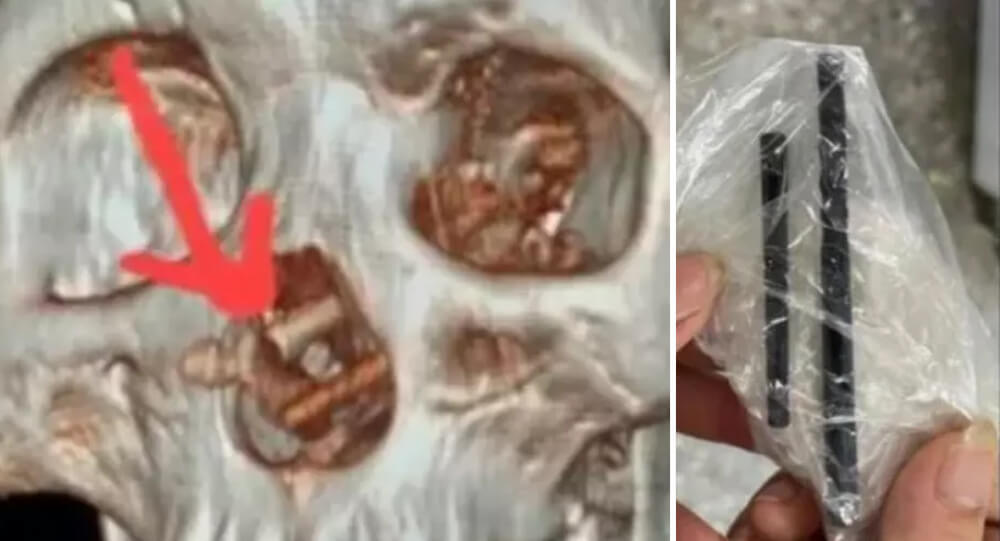
A man who has been suffering from headaches for nearly six months discovers chopsticks lodged in his brain
When it was discovered that a Vietnamese man with headaches and vision problems had chopsticks lodged in his brain, the doctors were almost as surprised as the man himself.
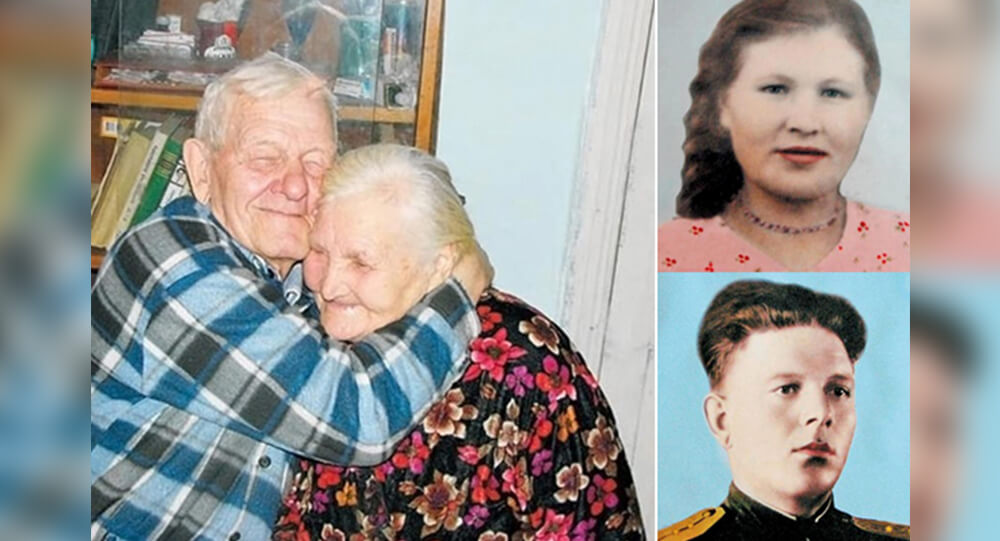
Couple reunites after 60 years apart
A Russian couple were reunited after being separated for 60 years. They were married for 3 days when the husband left to join the Red Army. They were unable to find each other until 60 years later when they randomly visited their hometown on the same day.
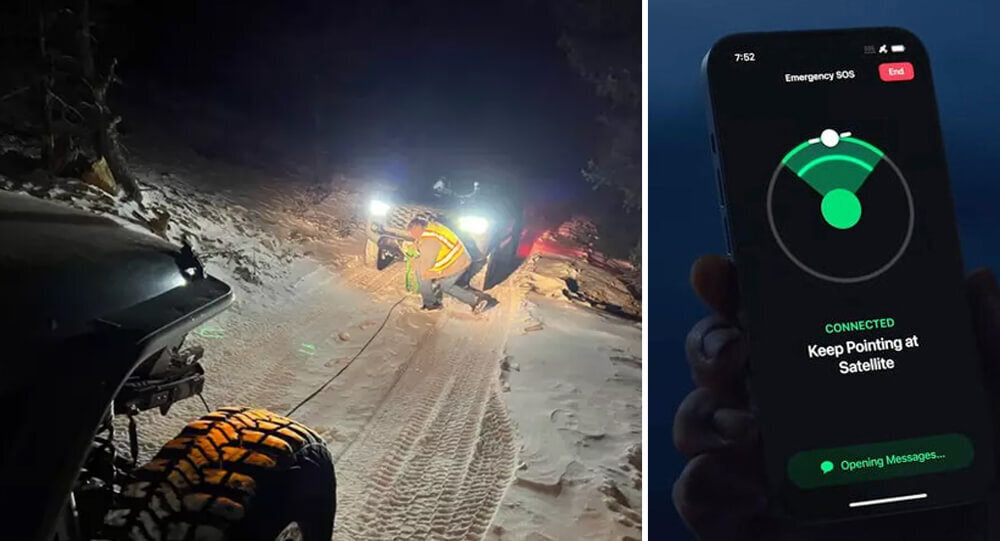
stranded hikers rescued by a life-saving iPhone feature
Stranded hikers were rescued by a life-saving iPhone feature that an awful lot of folks don't know a lot about.
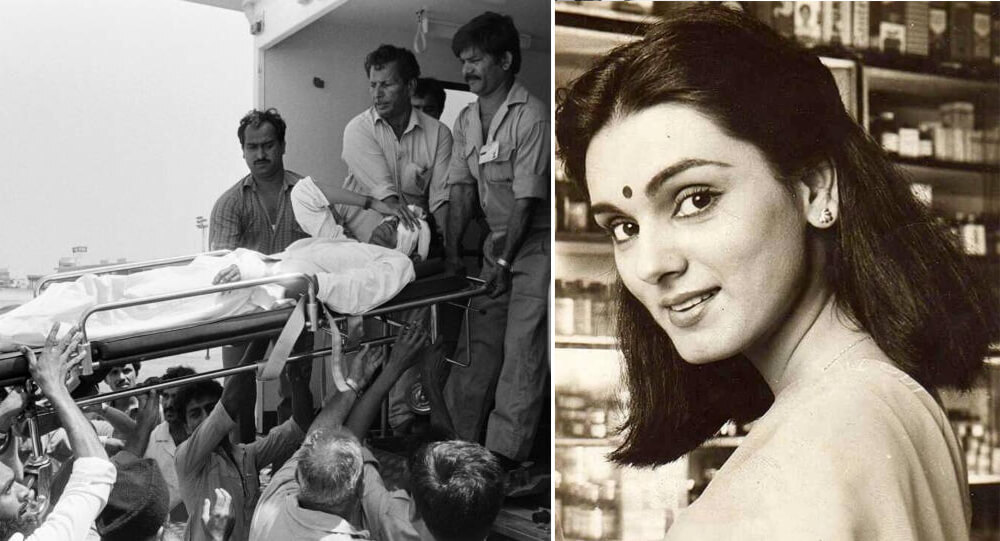
Neerja Bhanot, the braveheart flight attendant was never run away from a crisis
Neeja Bhanot, a 22 year old Indian flight attendant who helped hides 41 American passports aboard a hijacked plane. She died shielding three children from gunfire and was posthumously awarded bravery medals from India, Pakistan, and the United States.
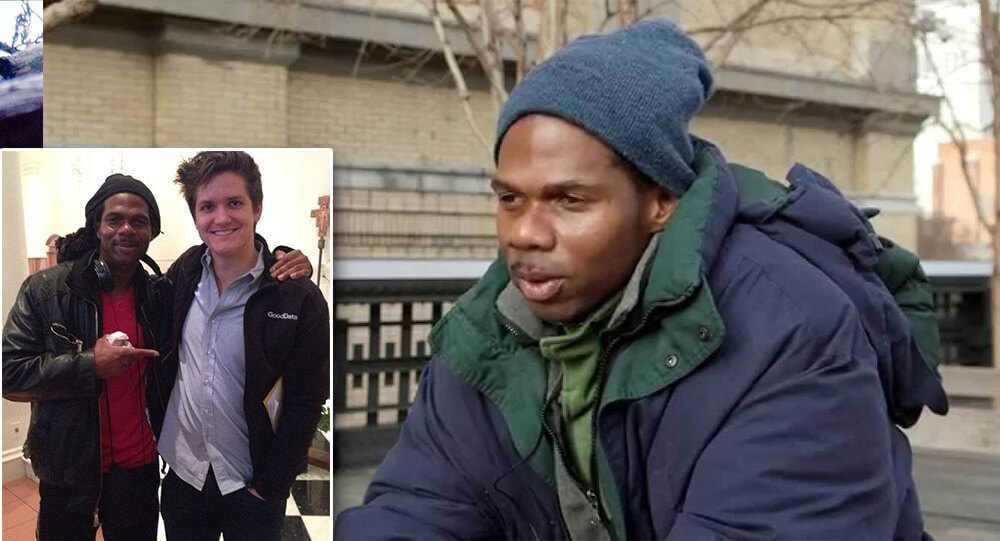
Leo Grand: from homeless to mobile app developer
In 2013, A young programmer offered a homeless man the choice between $100 cash or coding lessons. Leo Grand chose the lessons, and his first mobile app was “Trees for Cars," which helps drivers find carpooling partners.
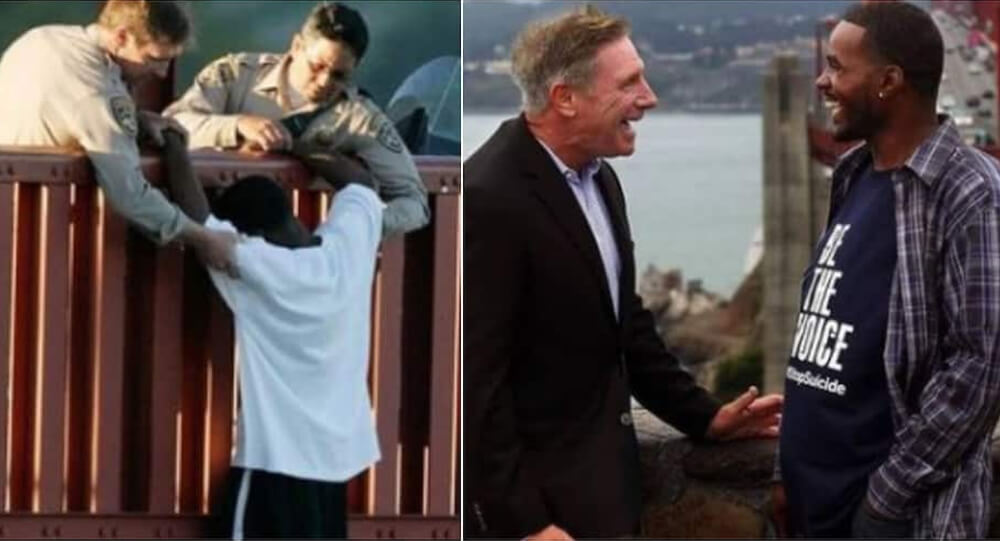
A man who was saved from committing suicide 16 years ago now assists people dealing with mental health issues
Kevin Berthia traveled to the Golden Gate Bridge in 2005 to commit suicide. He ended up spending 92 minutes on the edge of the bridge talking to officer Kevin Briggs about his life. In much better circumstances, they cross paths at the same bridge ten years later.
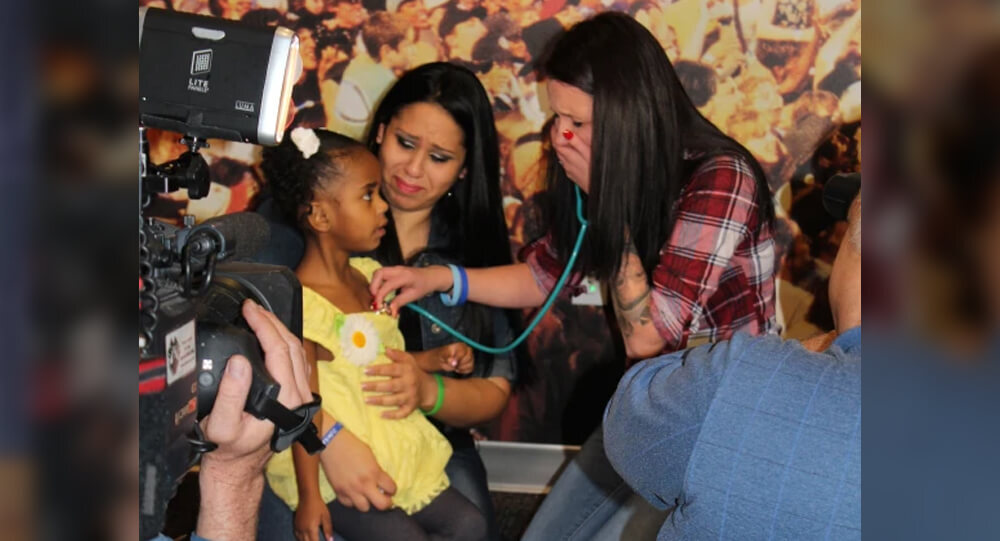
Mom hears son's heartbeat 3 years after his death when she meets organ recipient
She agreed to donate her son's organs after his sudden death in June 2013 at the age of 7 months. The grieving mother was able to listen to her late son’s heart beating inside the little girl who received the organ after his death.
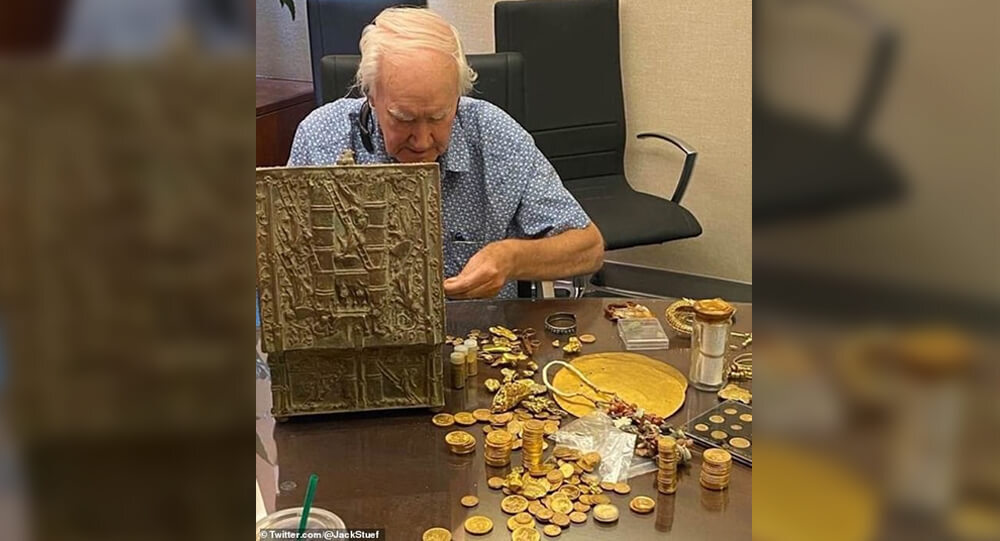
Story of Forrest Fenn and who he hid a bronze chest treasure full of gold and other jewels
Forrest Fenn, an art dealer, hid a bronze chest full of gold and other jewels somewhere in the Rocky Mountains ten years ago. In a poem, he hinted at its location. Thousands of people tried and failed to find the treasure, which is said to be worth over a million dollars, and at least four people died in the process. In June 2020, the Fenn treasure was discovered.
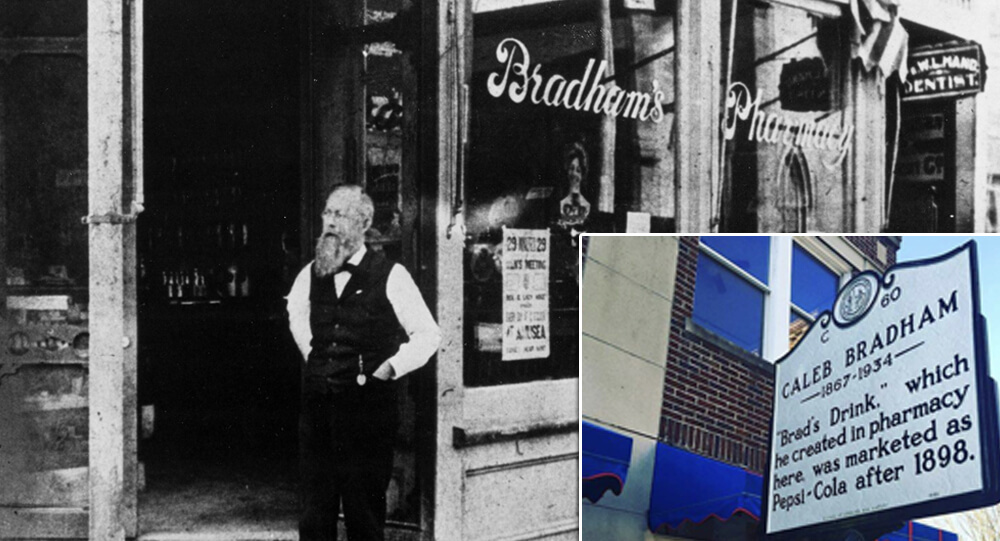
How 'Brad's Drink' Became Pepsi-Cola
Pepsi was first introduced as “Brad’s Drink” in New Bern, North Carolina, United States, in 1893 by Caleb Bradham, who made it at his drugstore where the drink was sold. It was renamed Pepsi Cola in 1898, named after the digestive enzyme pepsin and kola nuts used in the recipe.

A subway in Chongqing passes through a building (images)
A train has been constructed through an apartment complex in Chongqing, China. The 19-story residential structure is not only passed by the light rail passenger train, but it also serves as a transit stop. Apartment residents can simply get a ride from the sixth to eighth levels.
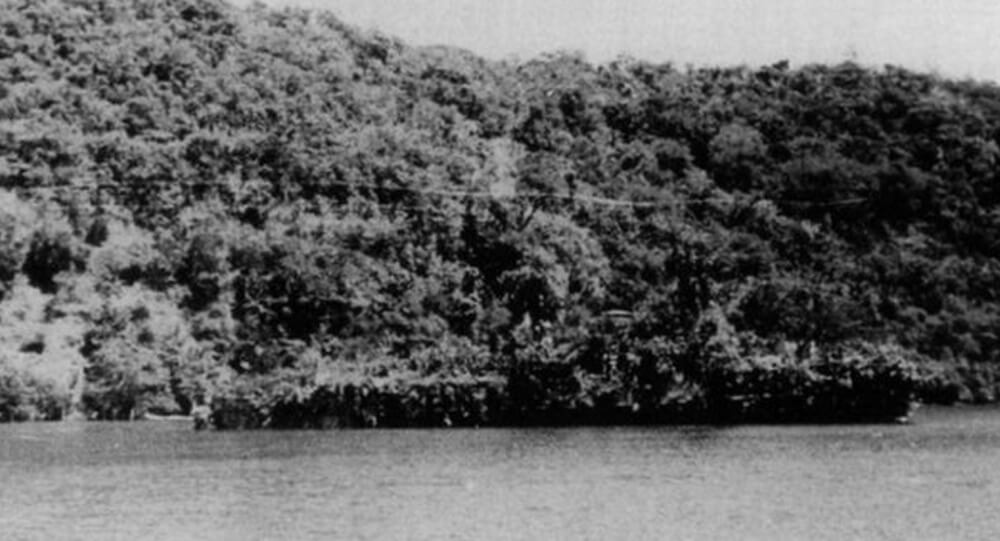
Abraham Crijnssen – The Ship That Disguised Itself As An Island
During World War II a Dutch minesweeper evaded the Japanese for eight days disguised as an island. The crew covered the decks in cut trees and painted exposed surfaces to look like rocks. They moved only at night and anchored closed to shore by day, eventually escaping to Australia.