
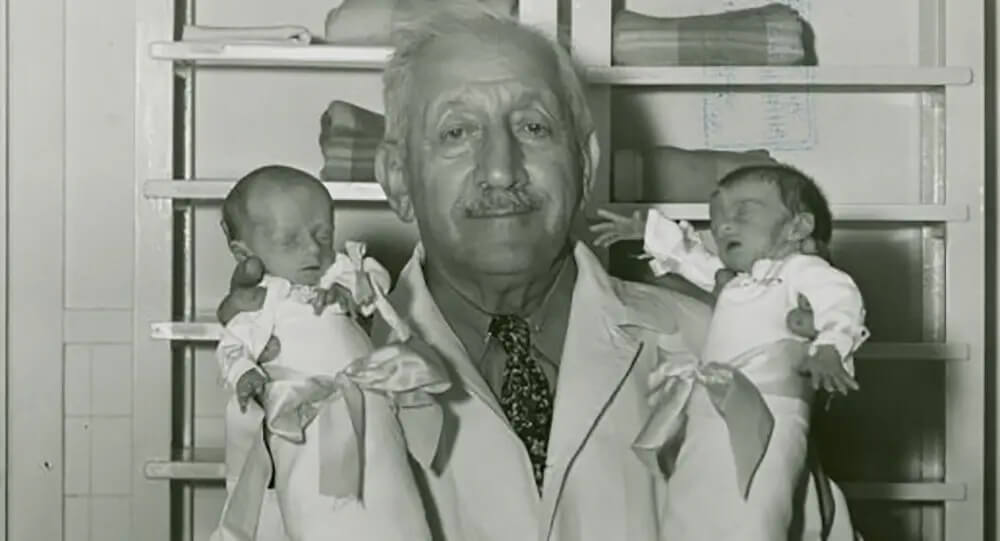

Martin Couney, Saved Thousands of Premature Babies Wasn’t a Doctor at All
At the turn of the century, visitors to Coney Island might wade in the water, eat ice cream, or ride a rollercoaster at Luna Park, an amusement park that had just opened. However, your promenade along the boardwalk may also include a visit to what amounts to the functional equivalent of a neonatal intensive care unit, complete with incubators full of premature babies sleeping inside of them.
It wouldn’t be an accident: in the late 19th and early 20th centuries, babies in incubators were a common sideshow. Premature babies could be seen in permanent exhibits like the one at Luna Park as well as at international fairs. The infants, however, weren’t there to be exhibited; rather, they were there to fight for their lives with the assistance of a courageous German man, Martin Couney.
Incubators, the most advanced technology available at the time, were used by Couney to keep premature babies alive. But prior to his ground-breaking work, doctors ridiculed or disregarded the technology.
French obstetrician Stéphane Tarnier created baby incubators after observing them in use at a zoo. Tarnier changed the concept he’d seen applied to newborn chickens to newborn people. However, in the early years of their existence, they did not have widespread adaptation.
The medical community’s attitude toward premature babies was one of the issues. Many people believed that it was pointless and expensive to care for premature babies. Low birth weight infants were cared for, but mortality was high and doctors believed Tarnier’s invention was not scientific. Few physicians think it has the ability to save lives because it was so novel and uncommon.
Here comes Pierre Budin, a French doctor who questioned why more medical facilities weren’t purchasing incubators. Despite the fact that he started conducting fruitful research with the technology in 1888, he encountered persistent difficulties when trying to secure funding for incubators. He made the decision to exhibit incubators at the Berlin World’s Fair in 1896.
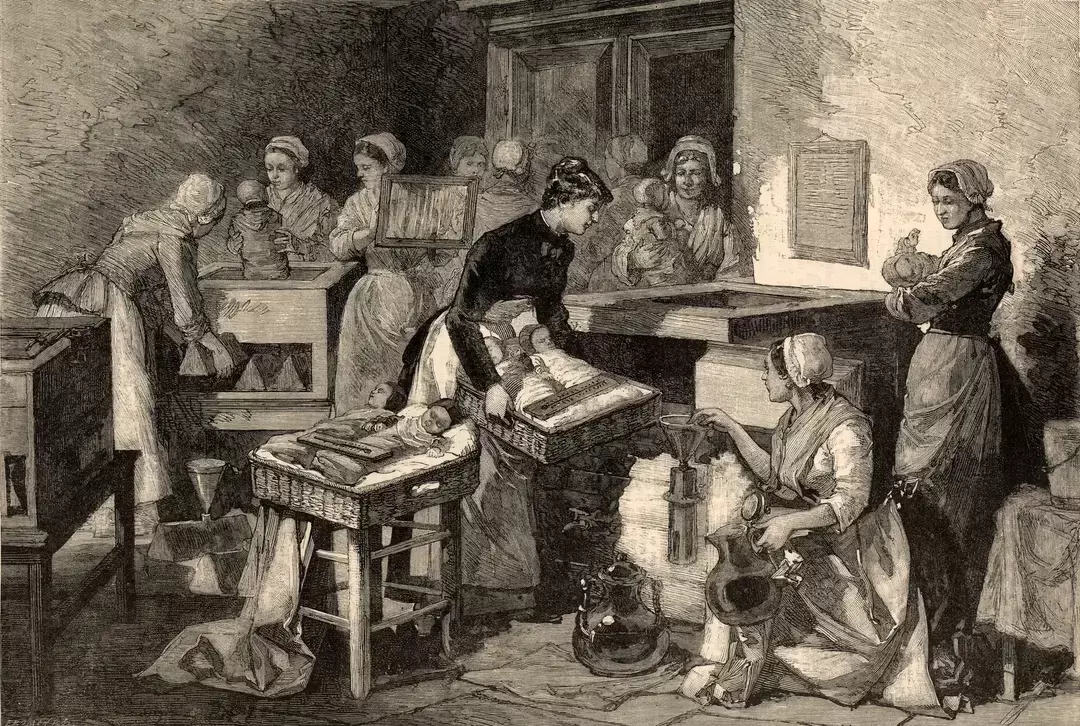
Fairs at the time were more than just places to enjoy rides and eat food. The Great Exhibition, organized by Victorian-era England in 1851, served as hubs for international knowledge-sharing and technological advancement. It was crucial for both professionals and the general public to learn more about the most significant discoveries of the time from the new machines, devices, and scientific advancements that the Industrial Revolution had produced.
This was also true of the World’s Fair in 1896. There, German Martin Couney saw a collection of several premature babies that Budin had borrowed from a hospital in Berlin. Couney knew right away that people would pay to see babies in incubators and that the unique exhibit would save babies’ lives. The sight was so unusual that people crowded into the display, paying money while the doctors gave new life to the six infants.
Both Couney understood they had a potential lifesaver on their hands after the exhibit’s success. Since his daughter had been born early, Couney became interested in the care of premature babies even though historians now believe he was not a medical doctor. If hospitals refused to treat premature babies, Couney could, using fairs and exhibitions to draw crowds and funds for their neonatal care.
Coney Island was a marvel in and of itself at the time. Every weekend throughout the summer, tens of thousands of pleasure seekers flocked to the beach and boardwalk. As a result, there was a flourishing culture of sideshows, amusement parks, and vendors that appeared all along the beach. Coney Island’s appeal was made even more piquant by its relatively relaxed, casual atmosphere, where New York’s massive population could let their hair down and indulge themselves.
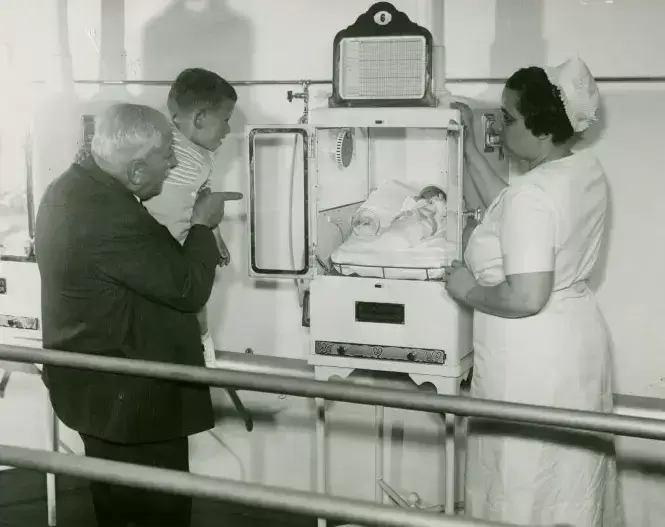
Incubators were a new attraction at Luna Park in Coney Island that opened for business in 1903. After relocating permanently to the US, Couney launched two incubator exhibits: Dreamland, located in Coney Island, and Luna Park. A fascinated audience watched as nurses attended to the babies. The premature baby exhibits featured carnival barkers, just like any other amusement, luring people in to see the babies. The premature babies benefited from ticket sales.
For many years, Couney ran the exhibits; at one Atlantic City incubator exhibit, he even asked his daughter Hildegard, the preemie who survived, for assistance. He received the babies from hospitals across the nation and accepted them at no cost. Slowly, thousands of babies were nursed back to health, and all because the public loved seeing them warm and cozy in their incubators.
Lucille Horn, who was born prematurely in 1920, said in an interview with NPR: “I think it was definitely more of a freak show, but as long as they saw me and I was alive, it was all right. Horn lived to be 96, and witnessed something that they usually did not see. She was only one of the babies who made it out alive; during his career, Couney claimed an 85 percent success rate and to have saved 6,500 babies.
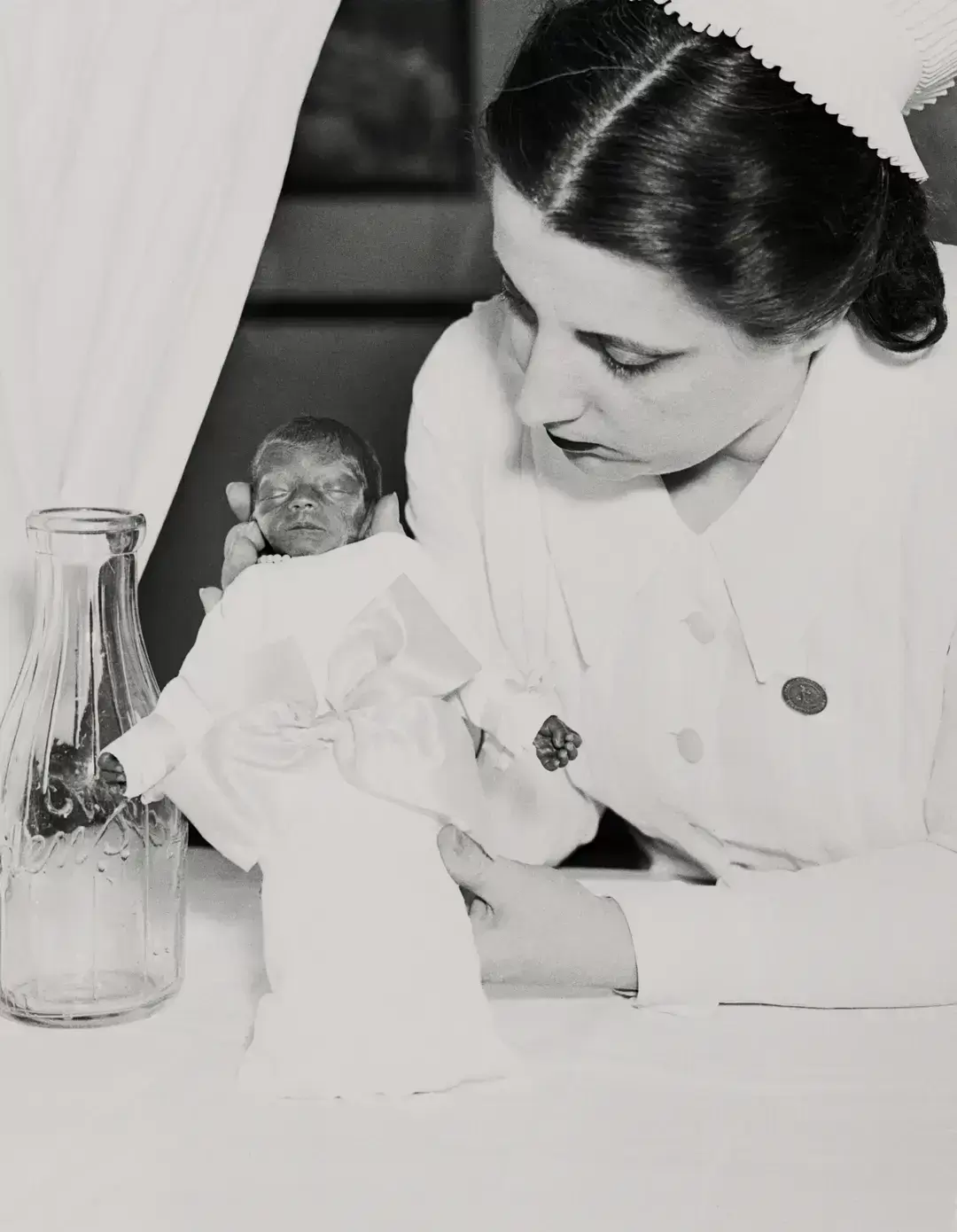
The incubators were a serious matter of medicine even though they had developed into a beloved sideshow. As more hospitals started using incubators and his methods in 1943, Couney ended the performance at Coney Island. Even though one in ten babies born in the US are premature today, Couney and the carnival babies have significantly increased their chances of survival.
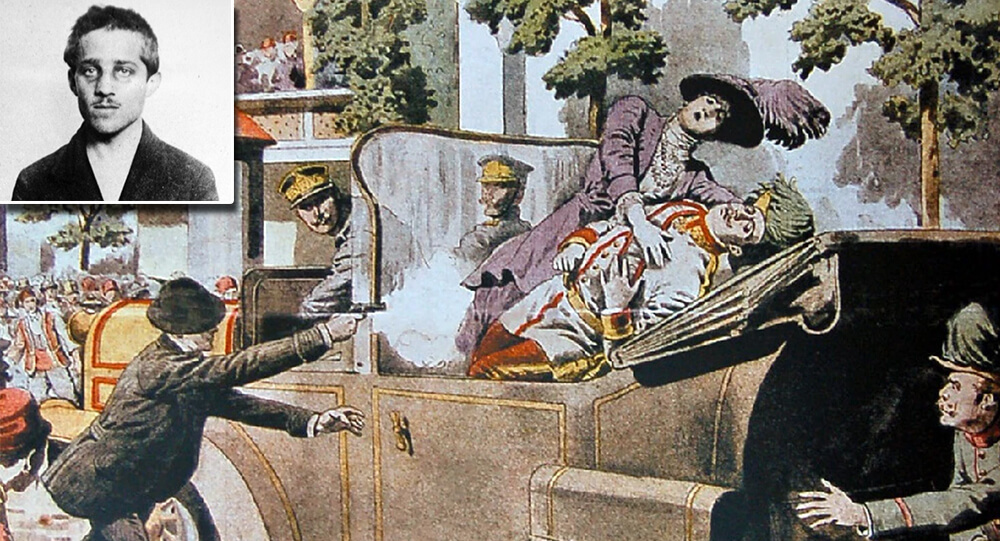
Franz Ferdinand’s Assassination that sparked World War I
Archduke Franz Ferdinand of Austria and his wife Sophie are shot to death by a Bosnian Serb nationalist during an official visit to the Bosnian capital of Sarajevo on June 28, 1914. The killings sparked a chain of events that led to the eruption of World War I by early August.
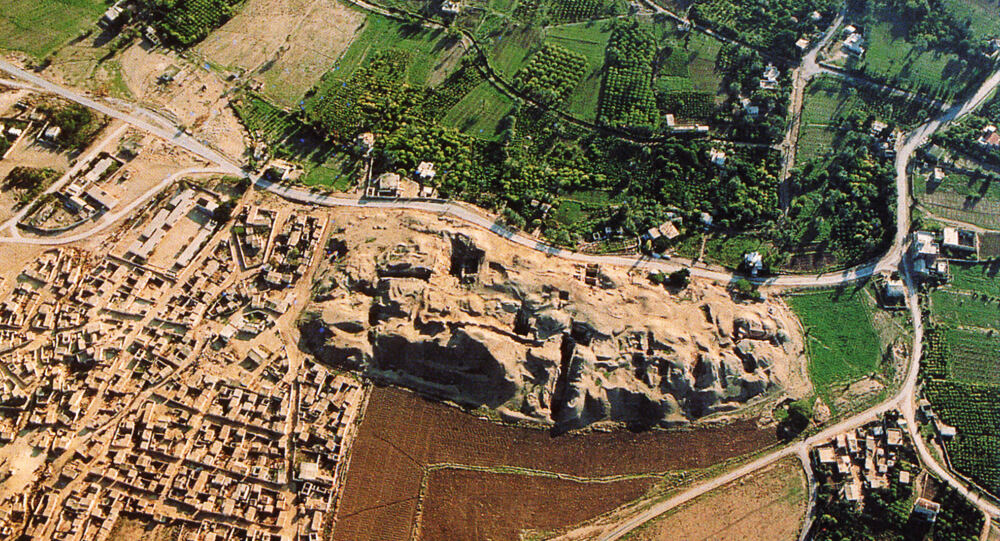
Ancient Jericho: The First Walled City In History
The ancient city of Jericho is the world's oldest walled city, with evidence of stone fortifications dating back nearly 9000 years.
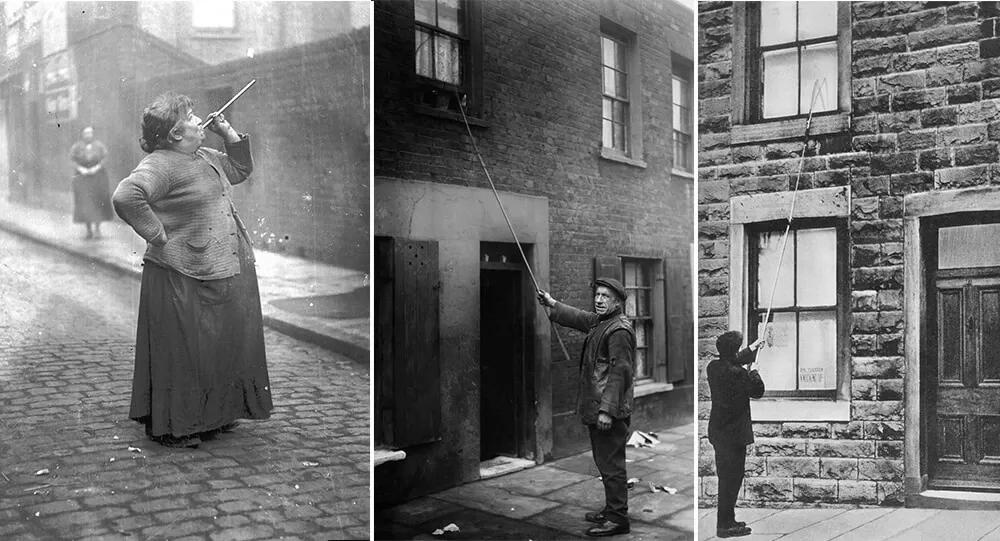
Knockers-up: waking up the Industrial Britain's Workers in 1900-1941
Before alarm clocks were invented, there was a profession called a knocker-up, which involved going from client to client and tapping on their windows (or banging on their doors) with long sticks until they were awake. It lasted into the 1920s.

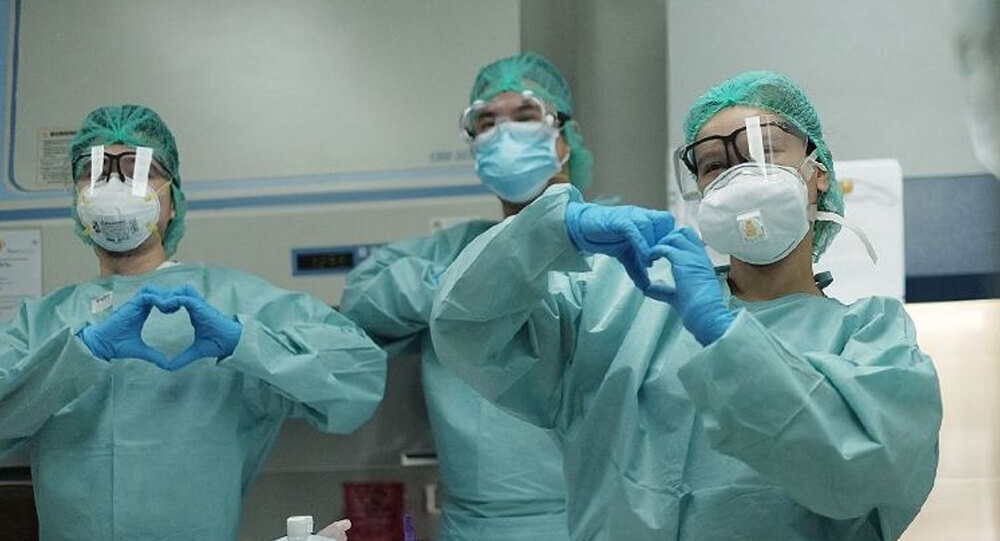
Philippines, the largest supplier of Nurses in the World
Philippines is the world’s largest supplier of nurses, supplying roughly 25% of all overseas nurses worldwide.
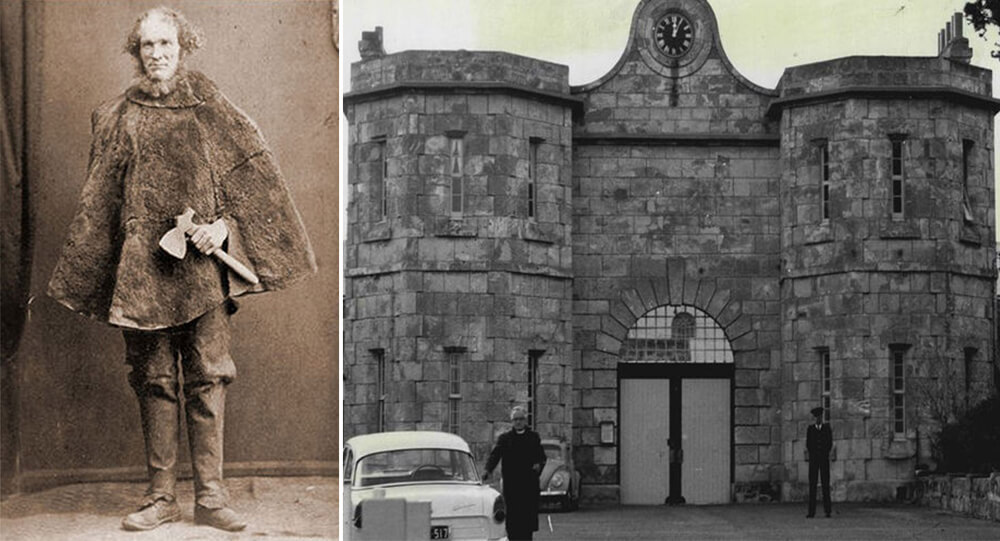
Moondyne Joe: The story of Australia's most notorious prison escapee
A man named Joseph Bolitho Johns (A.K.A Moondyne Joe) broke out of Australian prisons so many times that the police were compelled to build a special cell just for him. He escaped from that as well.
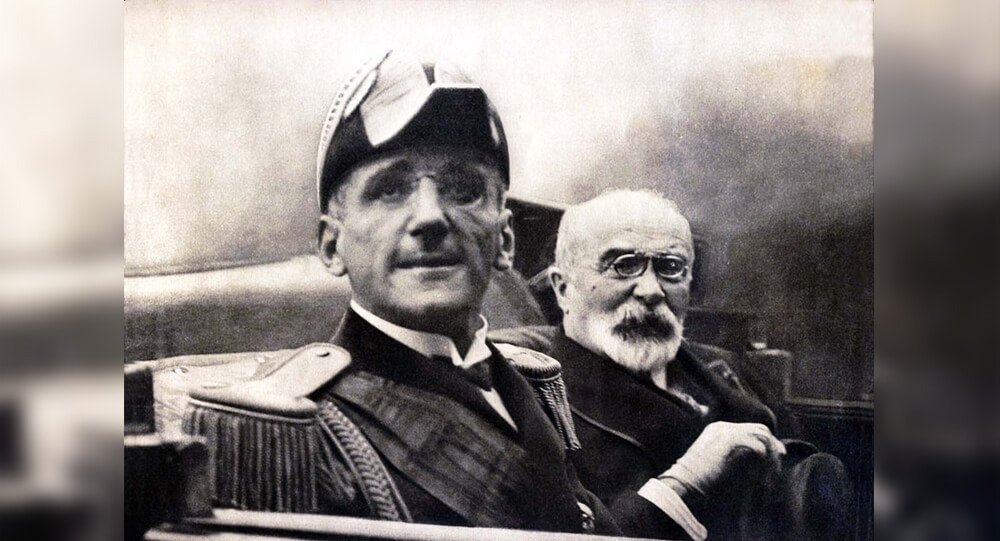
The Assassination Of King Alexander
The assassination of King Alexander of Yugoslavia marked a pivotal moment in the country's history. This article delves into the rise and reign of King Alexander, exploring his early life and ascension to the throne. It also examines the political and social climate in interwar Yugoslavia, setting the stage for the tensions and challenges that ultimately culminated in his tragic assassination. By understanding the context in which this event unfolded, we can better grasp the significance and impact it had on the nation and its future.
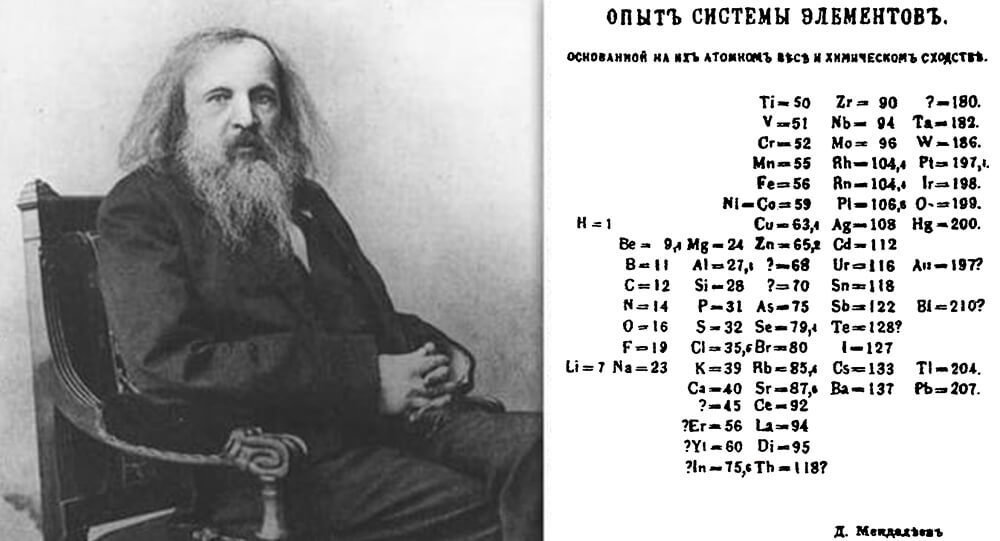
How Dmitri Mendeleev Developed the periodic table of the elements
1850 Dmitri Mendeleev walked almost a thousand miles to Moscow so he could apply for the University of Moscow. Although he was not accepted, he walked to St. Petersburg where he was accepted, And with that education, he developed the the periodic table of the elements
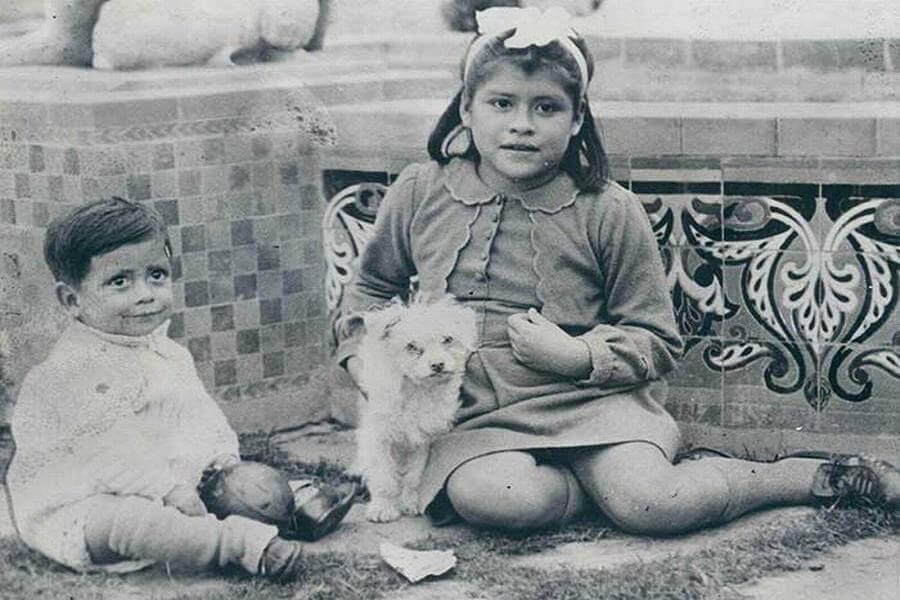
story of the youngest mother in the world at age of five - Lina Medina
Lina Medina, a five-year-old Peruvian girl, became the youngest mother in history in 1939 when she gave birth to a boy.
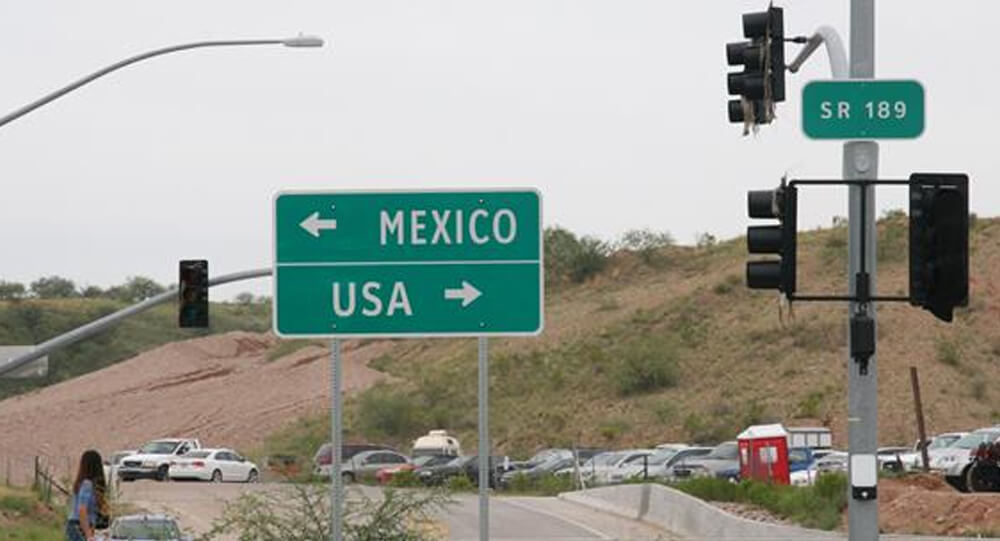
Underground Railroad to Mexico freed thousands of slaves in 1829
Slavery was abolished in Mexico in 1829. Slaves were escaping to Mexico, and slaveholders in the US were aware of this. The US attempted to get Mexico to sign a fugitive slave treaty, which would have required Mexico to send back escaped slaves to the US. But, Mexico refused, arguing that slaves were free as soon as they set foot on Mexican soil.
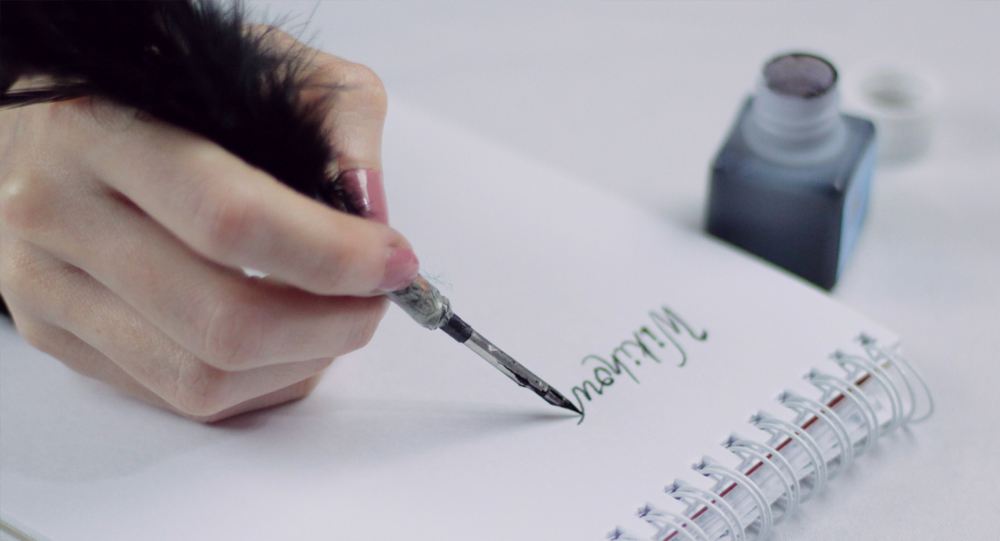
Why the Word ‘Pen’ Comes from the Latin ‘Penna’ Meaning Feather
The humble word “pen” carries a rich history rooted in ancient times, derived from the Latin word penna, meaning “feather.” Long before modern pens revolutionized writing, feather quills—especially from geese—were the essential tools of scribes, scholars, and artists. This article journeys through the origins of the pen, its evolution, and fascinating trivia about the timeless connection between feathers and writing.
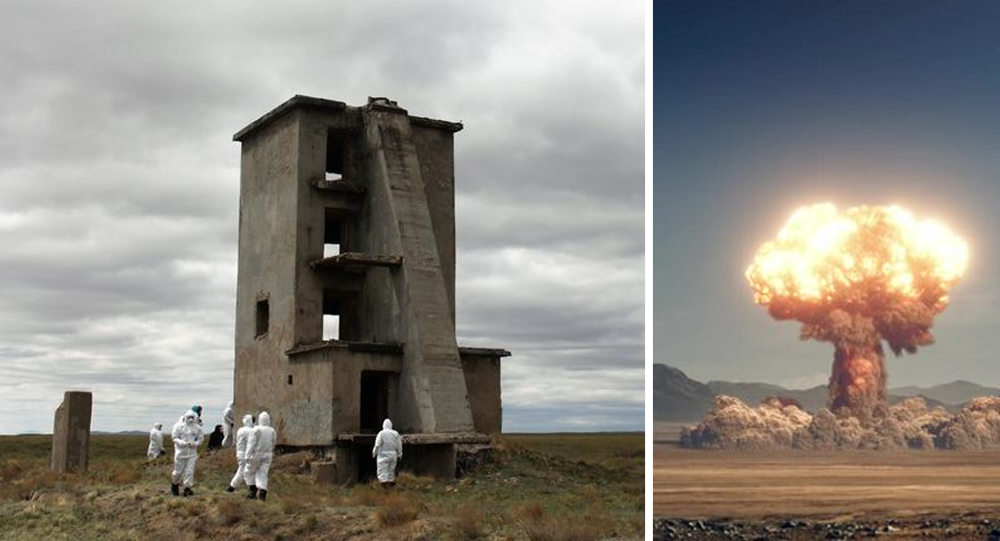
The Forgotten Story of Semipalatinsk and the Soviet Nuclear Experiments
Between 1949 and 1989, the Semipalatinsk Test Site in Kazakhstan became the primary location for Soviet nuclear weapons tests, exposing millions of unsuspecting villagers to radioactive fallout. Known as the “Polygon of Suffering,” this remote desert witnessed 456 nuclear detonations that caused widespread health crises, birth defects, and generational genetic damage. This article narrates the chilling legacy of Semipalatinsk, unveiling the human cost of Cold War arms development and the ongoing struggle for healing and recognition in Kazakhstan.
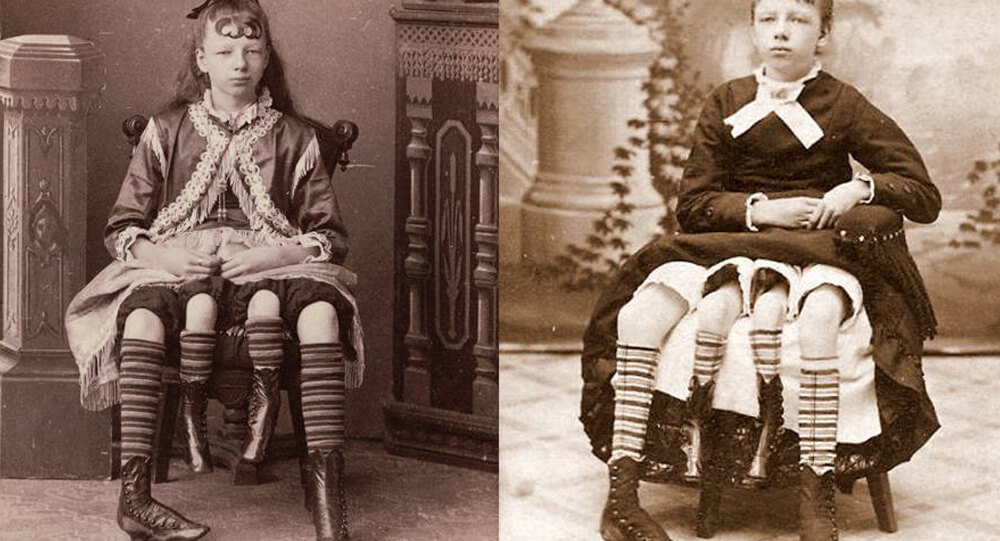
The true story of Josephine Myrtle Corbin, the lady born with four legs and two private parts
Josephine Myrtle Corbin, an American sideshow performer born in 1868, had a rare condition known as dipygus, which caused her to have four legs, each smaller inner leg paired with one of her outer legs. Corbin joined the sideshow circuit, captivating audiences as the "Four-Legged Girl from Texas."
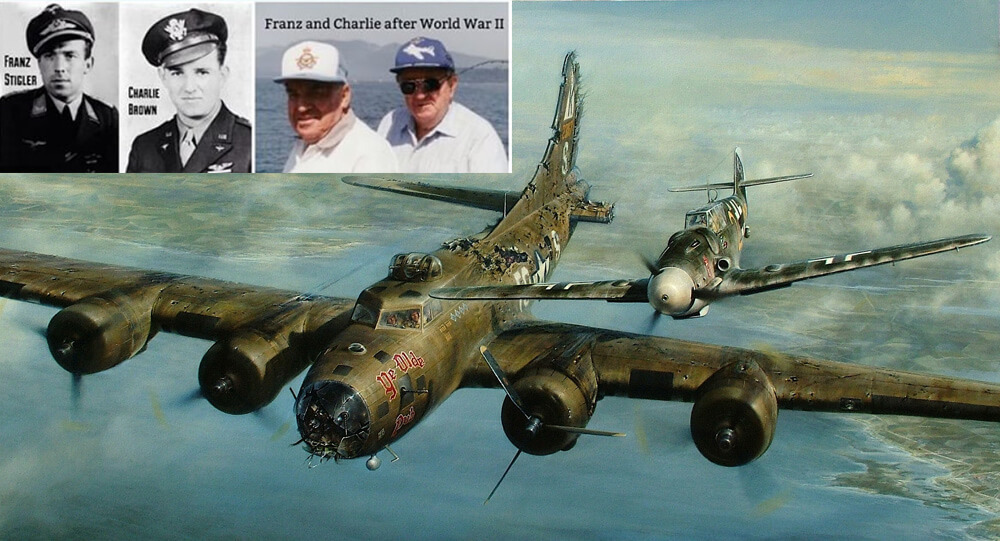
Charlie Brown and Franz Stigler incident: Enemy became friends
During WWII, a German pilot spotted an American pilot’s crippled plane in the sky. Tailing it, he noticed that gunner was dead, crew injured, and they posed no threat. Instead of destroying the plane, he led it to safety. 40 years later, the two pilots reunited.
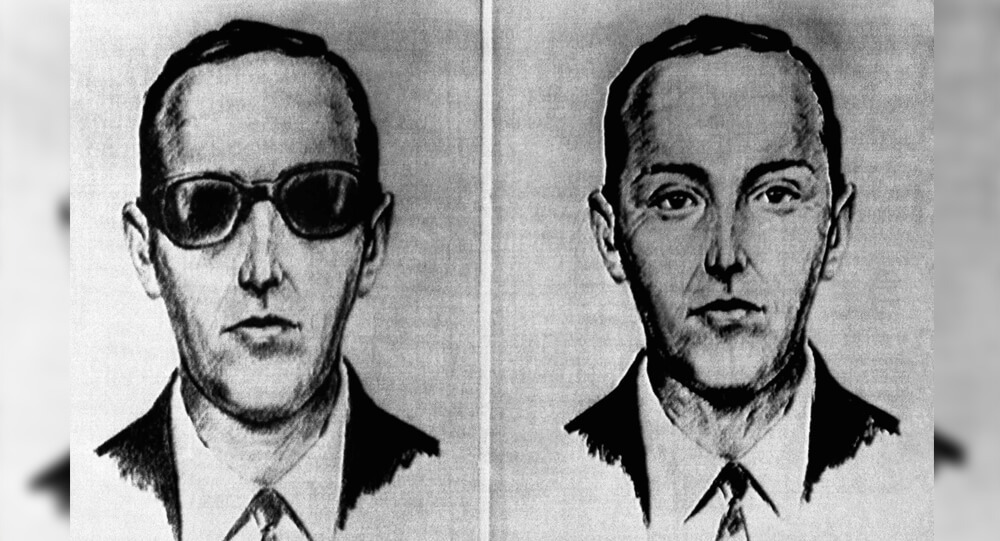
D.B. Cooper: Man who hijacked a plane and jumped out with a $200,000
On November 22, 1971, DB Cooper hijacked a Boeing 727, drank a whisky, smoked a fag, and then jumped out of the plane with $200,000. He was never again seen.

Juliane Koepcke: The Teenager Who Fell 10,000 Feet And Trekked The Jungle to survive
In 1971, a high school student was sucked out of an airplane after it was struck by lightning. She fell 10,000 feet to the ground while still strapped to her chair and survived. Only to endure a 9-day trek to the nearest civilization.
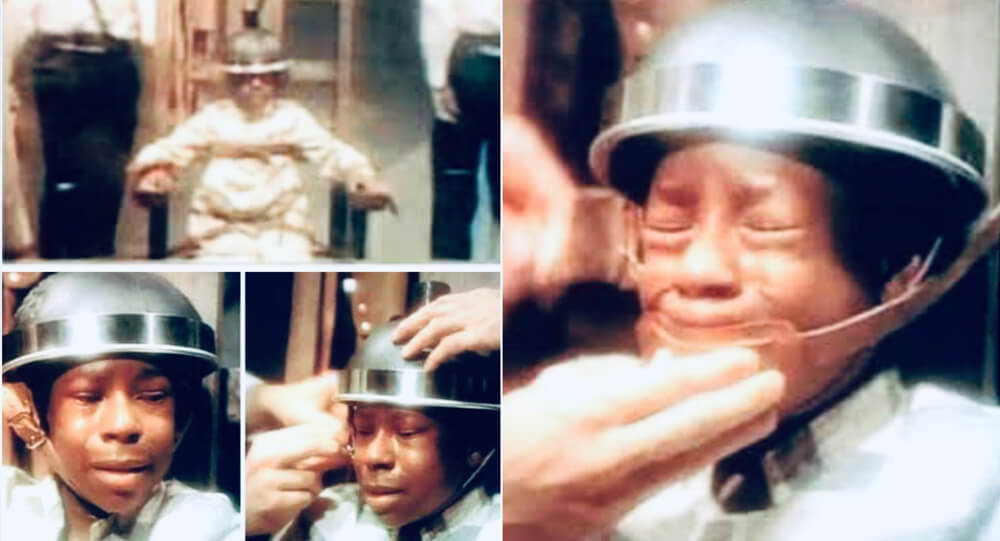
The youngest person executed, George Stinney Jr was proven innocent
In 1944, George Stinney Jr. was 14 years old when he was executed in South Carolina. It took only ten minutes to convict him — and 70 years to exonerate him.
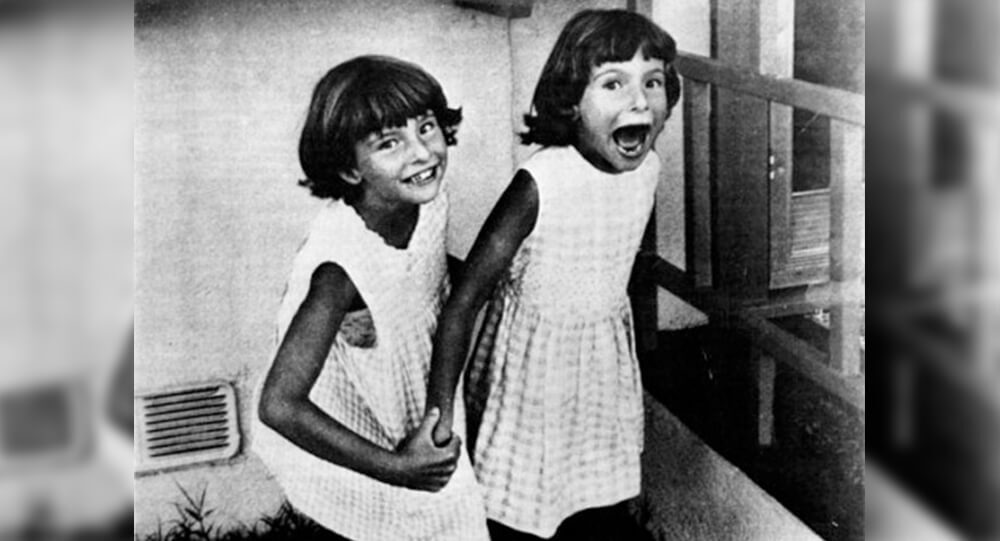
Poto And Cabengo: The Secret Language Of Twins
Poto and Cabengo, as the two girls called each other, communicated in their own language. The twins were ignored by their parents and secluded from the outside world because their father felt they were developmentally retarded, and their unique language evolved as a result of that neglect.
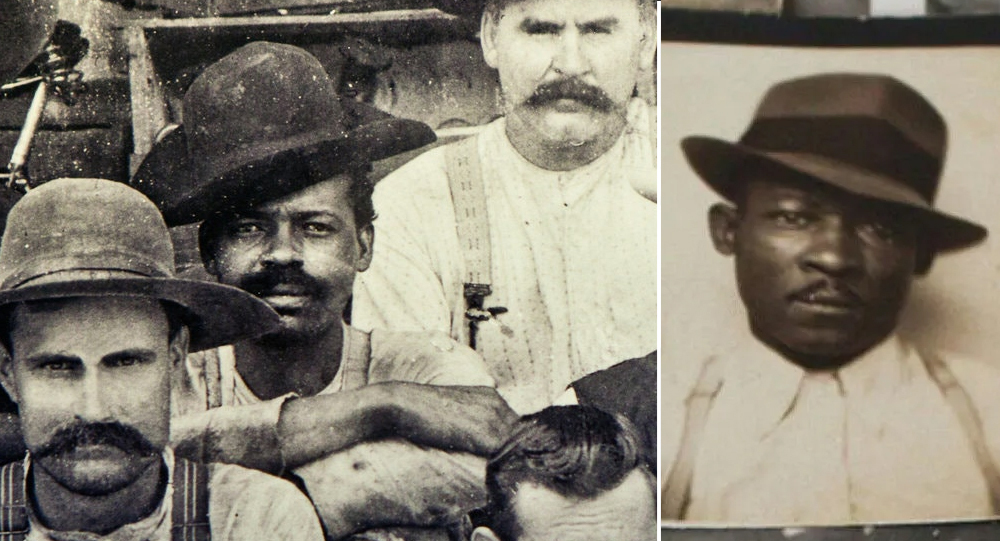
Nearest Green, America's first known Black master distiller
Nathan "Nearest" Green was an African-American head stiller who is now more frequently referred to as a master distiller. He was renowned for imparting his distilling knowledge to Jack Daniel, the creator of Jack Daniel's Tennessee whiskey distiller, after Jack Daniel was freed from slavery following the American Civil War.
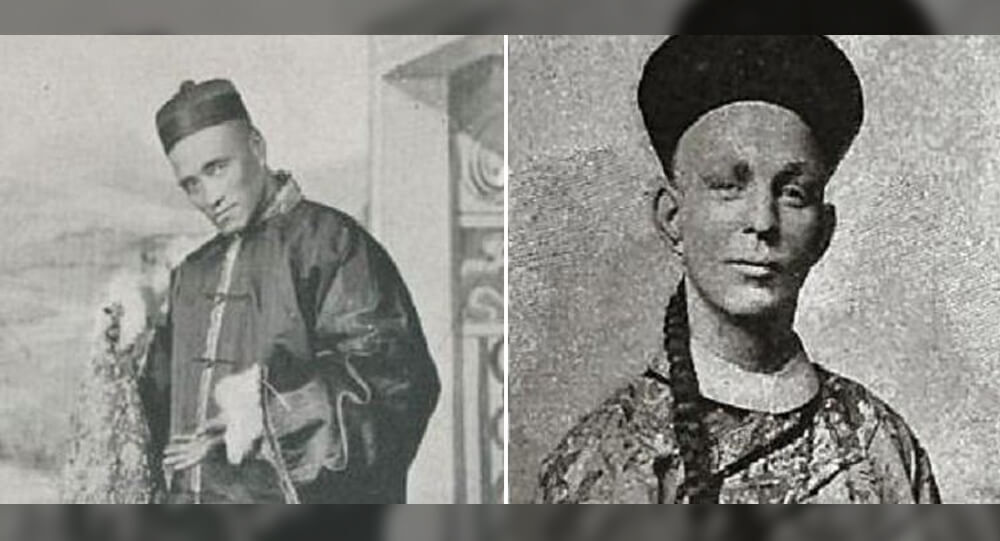
The Bizarre (And Magical) Duel Between Chung Ling Soo And Ching Ling Foo
Ching Ling Foo and Chung Ling Soo were two magicians from the early 20th century who were bitter rivals. While Ching Ling Foo was genuinely Chinese, Chung Ling Soo was actually a New Yorker named William Robinson.
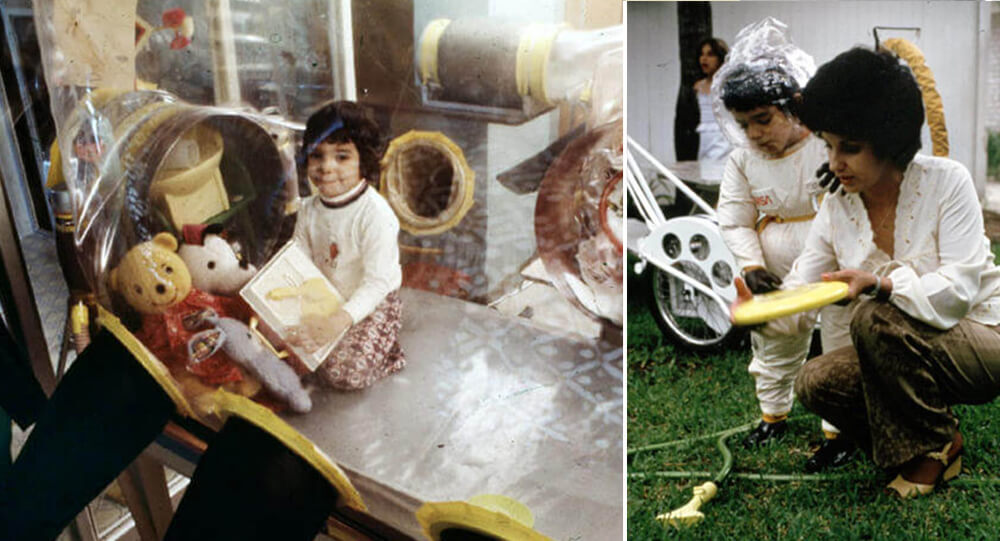
The touching story of David Vetter (bubble boy), the 'boy who lived in a bubble
David Vetter lived his whole 12 years in sterile “bubble”. He was “outside” for 20 second after being removed from his mother’s womb. He never touched any human.
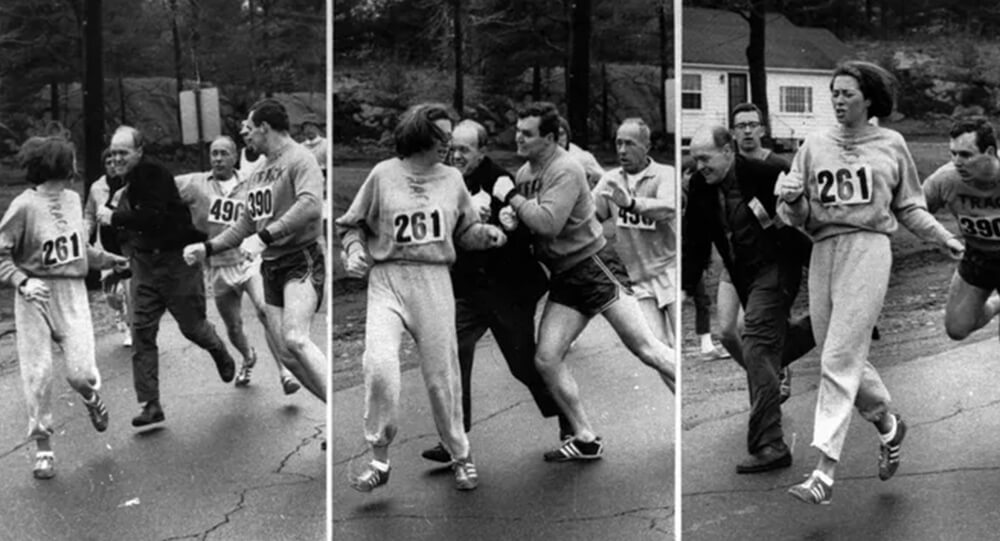
Story of Kathrine Switzer: the first woman to run in Boston Marathon
Before women were allowed to run in the Boston Marathon, Kathrine Switzer participated. A race official attempted to forcefully remove her from the race in 1967, but her boyfriend pushed him down. She was the first female finisher who had a numbered entry in the race.
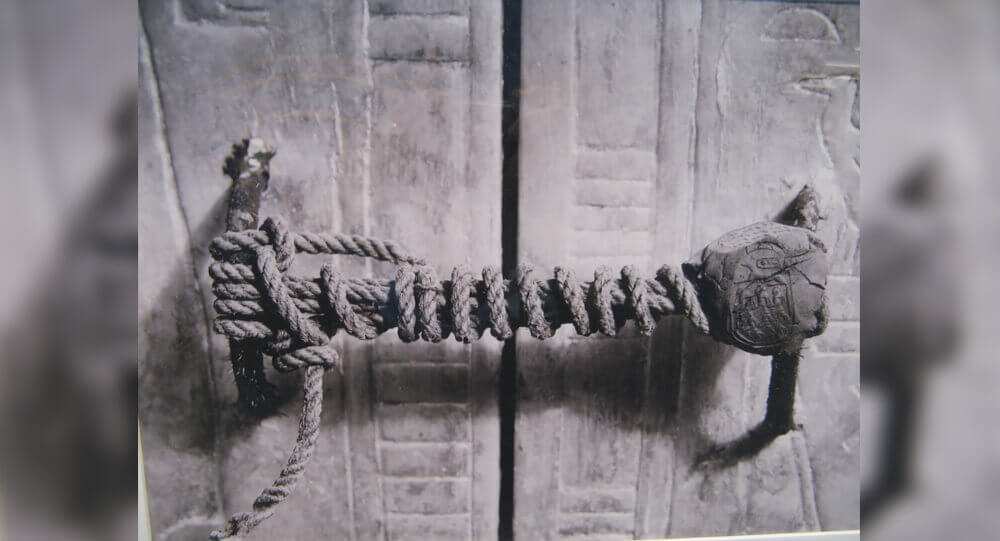
The unbroken seal on King Tutankhamun's tomb until 1922
The unbroken seal of Tutankhamun's tomb before it was opened in 1923, it was unbroken for over 3000 years.
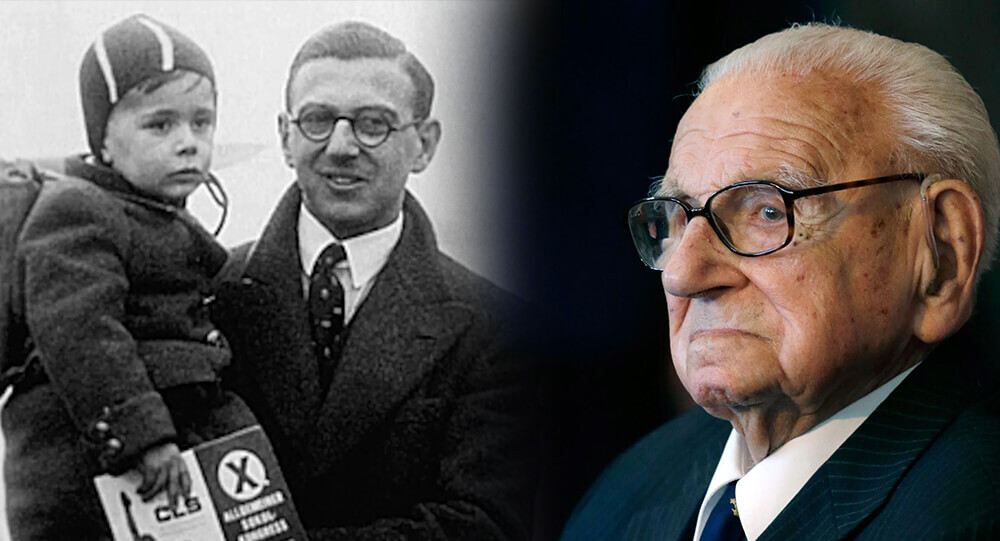
Nicholas Winton ‘British Schindler’: Man who rescued 669 Czech children from Nazis
A man named Nicholas Winton saved 669 kids during WWII and lived almost all his life without letting people know.

A Brief History of the PlayStation Gaming Console
Sony's PlayStation was never meant to be an actual product. Instead, it was intended to be a CD-ROM console that would support Nintendo games. However, when Nintendo backed out of the deal at the last minute, Sony went ahead and launched what soon became one of the most successful gaming consoles of all time.
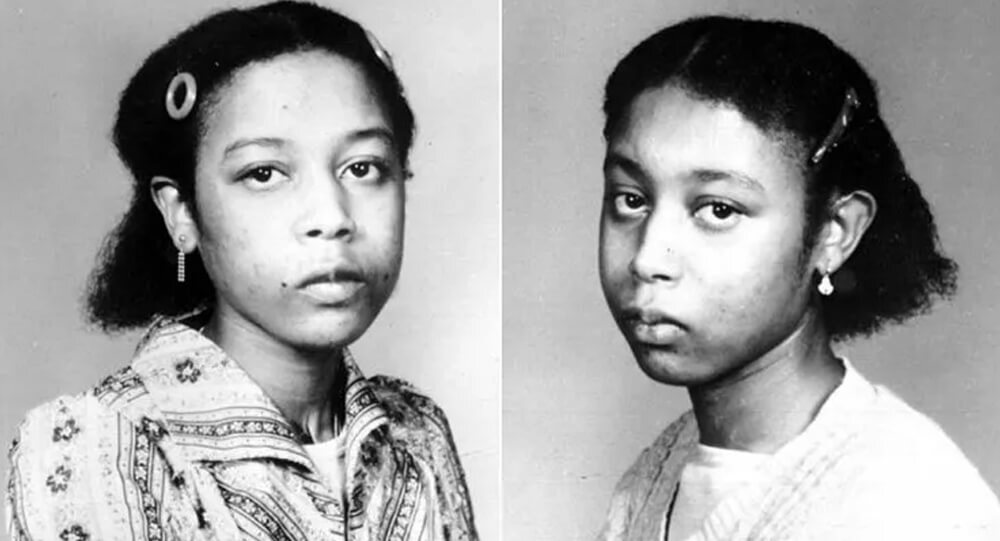
June and Jennifer Gibbons The silent twin who Only Spoke to Each Other
Identical twins June and Jennifer Gibbons were born on 11 April 1963 at a military hospital in Aden, Yemen where their father worked as part of the Royal Air Force.