
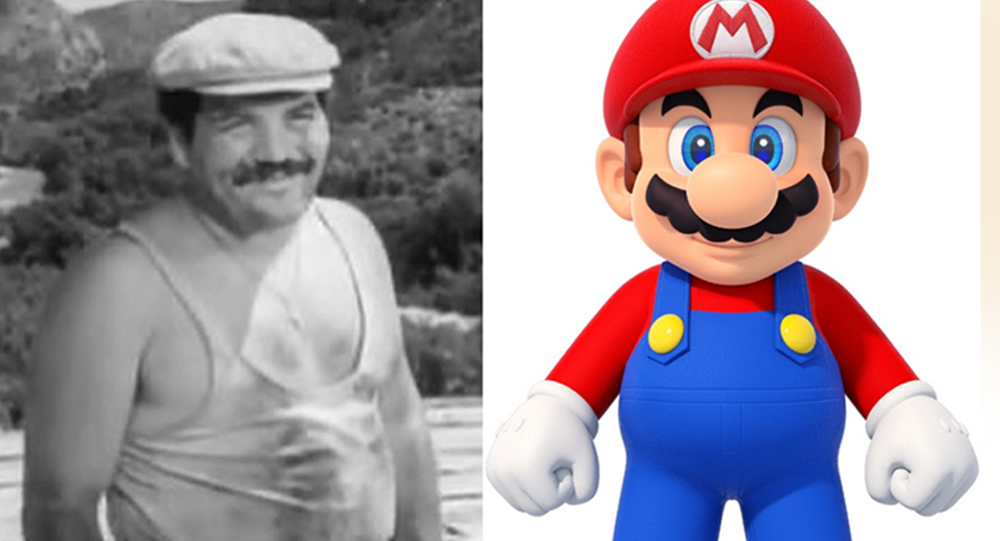

Mario Segale, Developer Who Inspired Nintendo to Name Super Mario
Mario Segale, the man responsible for creating the intrepid plumber Mario, one of the most well-known figures in pop culture, has passed away at the age of 84. Nintendo rented from Segale outside of Seattle when the latter developed Donkey Kong, the iconic game that introduced Mario, the character wearing overalls.
Segale never tried to emphasize the relationship, preferring to concentrate on his family’s successful ventures in heavy construction and real estate development in the thriving Seattle area. Few images of him are available online due to his desire for privacy.
Mario Segale, the namesake of Nintendo’s Mario character, dies at age 85https://t.co/vgFVwlfMYp
— Benj Edwards (@benjedwards) November 1, 2018
This is the first labeled photo of him as an adult on the Internet pic.twitter.com/fm4Do6tikY
“While he was the inspiration for the name of Nintendo’s ‘Super Mario’ from when they were tenants in his business park in the 1970s, he always ducked the notoriety and wanted to be known instead for what he accomplished in his life,” according to his funeral notice.
Regarding how his name and Italian ancestry contributed to Mario’s creation, Segale was reported to have left an impression on his tenants when he allegedly barged into Nintendo’s Tukwila, Washington, headquarters and demanded that they pay back overdue rent. In 2010, gaming historian Benj Edwards pointed out that a close associate of Segale’s verified to his diminutive stature and his preference for suspenders over overalls.
A friend of Segale’s added: “My direct understanding and perception is that Mario Segale doesn’t mind at all the fact that his name inspired such an iconic character, and that he shows humble pride in that fact in front of his grandchildren and close-knit adult circles.”
Though the company that rented warehouse space from him later adopted the Super Mario character as its mascot, Segale preferred to see it as nothing more than coincidence that connected him to the character.
Segale once said, “You might say I’m still waiting for my royalty checks,” according to The Seattle Times in 1993.
The renowned game designer Shigeru Miyamoto of Nintendo was the inspiration behind it all. He had developed the main characters for Donkey Kong but had run out of strong names for them. The main character went by Jumpman, and Lady was his girlfriend. According to Kotaku, “Nintendo wanted proper names for the characters, so they named the hero after their landlord and the lady Pauline after a Nintendo of America employee’s wife.”
Mario went on to become a franchise, showing up in dozens of video games ranging from tennis to auto racing. In order to prevent confusion, we have clarified in the story that he also shared a game cartridge with Duck Hunt, another legendary hit from Nintendo.
Segale rarely spoke to the media and maintained a very low profile. The only child of Louis and Rina Segale, who are described as first-generation Italian immigrant farmers in their son’s obituary, he was born in Seattle on April 30, 1934.
Mario Segale, who worked with his wife, Donna, and their four children, was obviously a cunning businessman. In 1998, he made a tidy $60 million from the sale of his heavy construction company, which he had founded shortly after high school. He sold the Auburn, Washington, property where Emerald Downs casino and racetrack had been constructed for $73.6 million a few years later. According to the Auburn Reporter, he was also a significant political donor, especially to the Democratic Party.

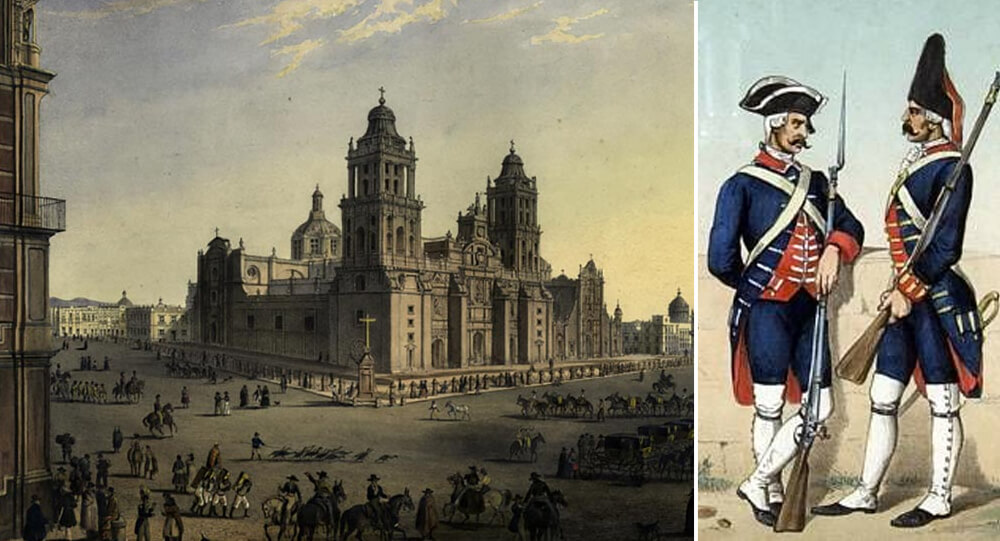
Did Gil Pérez Really Teleport from Manila to Mexico Overnight? The 1593 Mystery
On October 24, 1593, while performing his guard duties at Manila's Governor's Palace in the Philippines, Gil Perez stopped to lean against a wall and sleep for a while. He opened his eyes to find himself in an unusual environment. Gil was in the Plaza Mayor in Mexico City. They imprisoned Perez, but the authorities in Mexico City decided to release him and return him home.
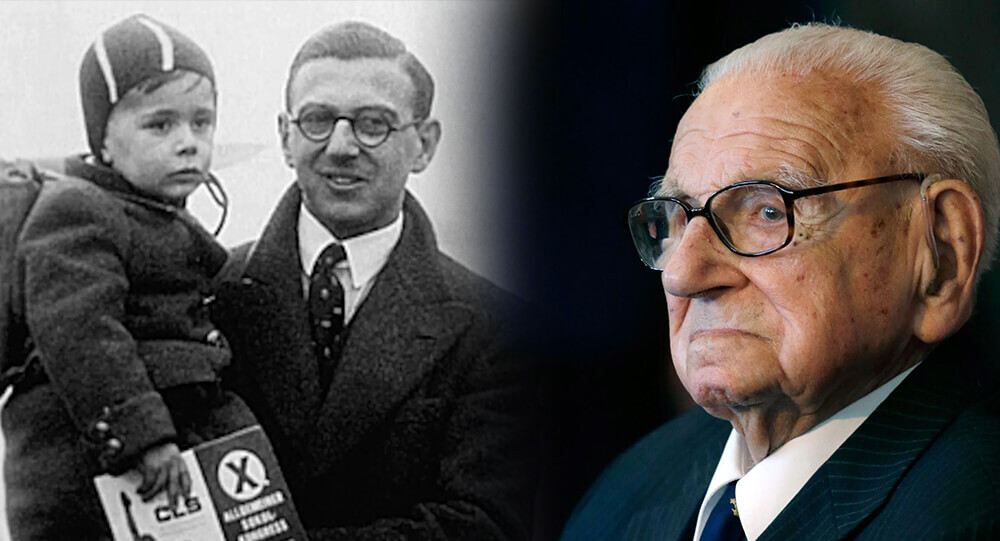
Nicholas Winton ‘British Schindler’: Man who rescued 669 Czech children from Nazis
A man named Nicholas Winton saved 669 kids during WWII and lived almost all his life without letting people know.
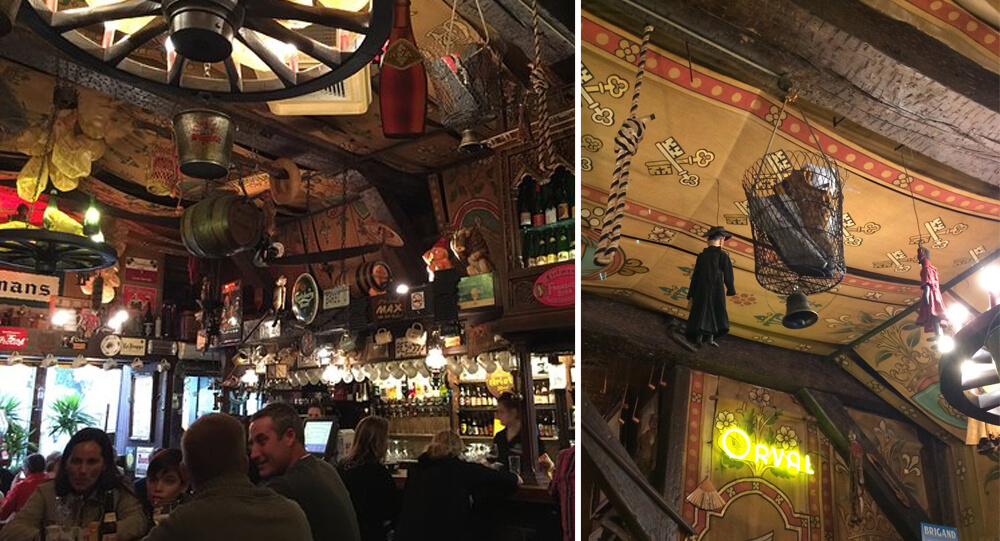
Why This Belgian Bar Makes You Trade Your Shoe for a Beer
To prevent tourists from stealing their beer glasses, some bars in Belgium require people to hand over one of their shoes as a deposit which is then put in a basket and hung from the ceiling. These shoe baskets have also become an attraction.
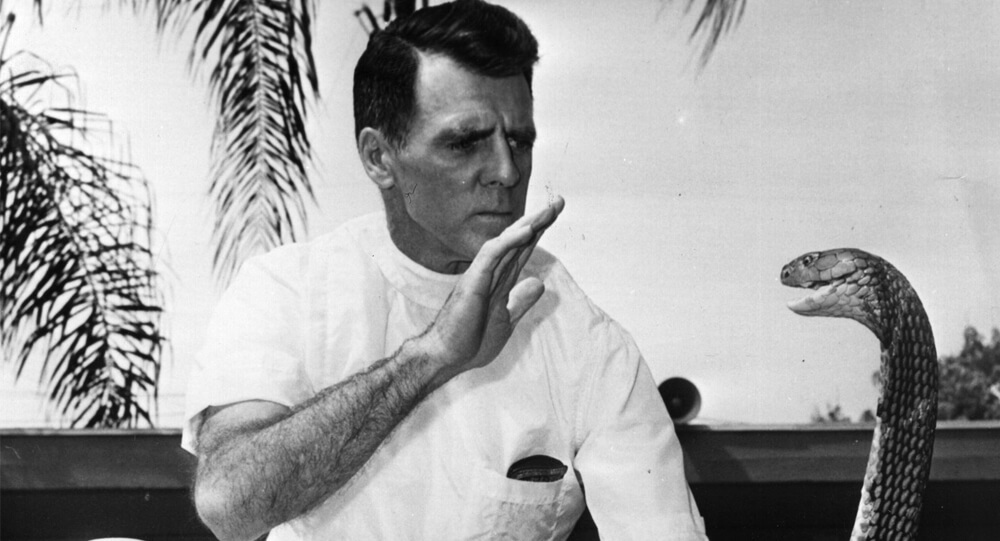
The story of Bill Haast, who lived to be 100 despite his extensive snake venom injections
Bill Haast immunized himself by injecting snake venom into his blood for several years. He holds the Guinness World Record for surviving the most lethal snake bites, having been bitten over 172 times. Bill became known as "Snake Man" around the world and lived for over 100 years.
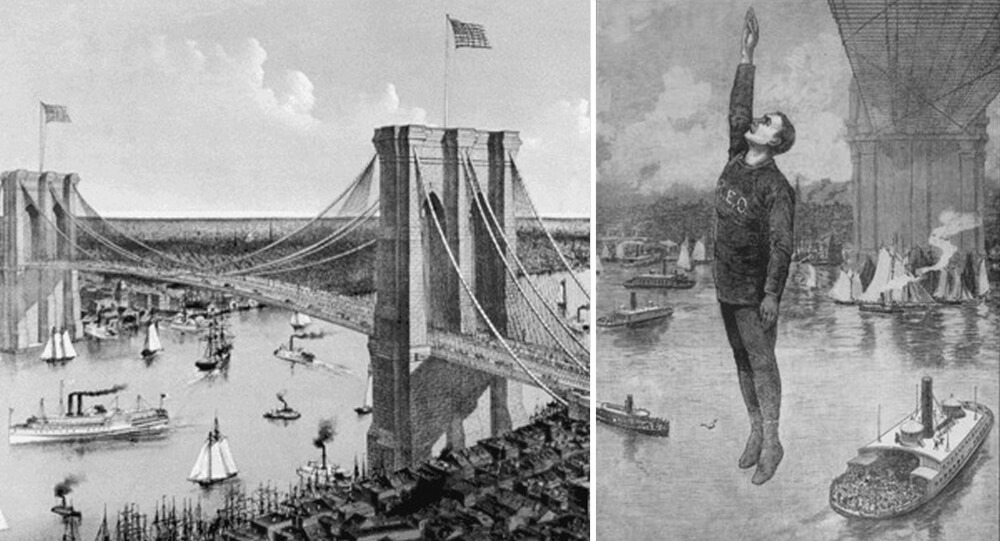
Robert Odlum, the first person to jump off the Brooklyn Bridge
The first person to jump off the Brooklyn Bridge was a professional high diver who "wanted to demonstrate that people did not die simply by falling through the air, thus encouraging people to be willing to jump from a burning building into a net." He proved himself correct by safely falling 135 feet through the air and dying only when he hit the water.

The Horrific story of Ariel Castro and the Cleveland abduction
Cleveland abduction victims Gina DeJesus, Michelle Knight, and Amanda Berry were forced to live in Ariel Castro's house of horrors for 10 years. He raped and beat them until they escaped in 2013.
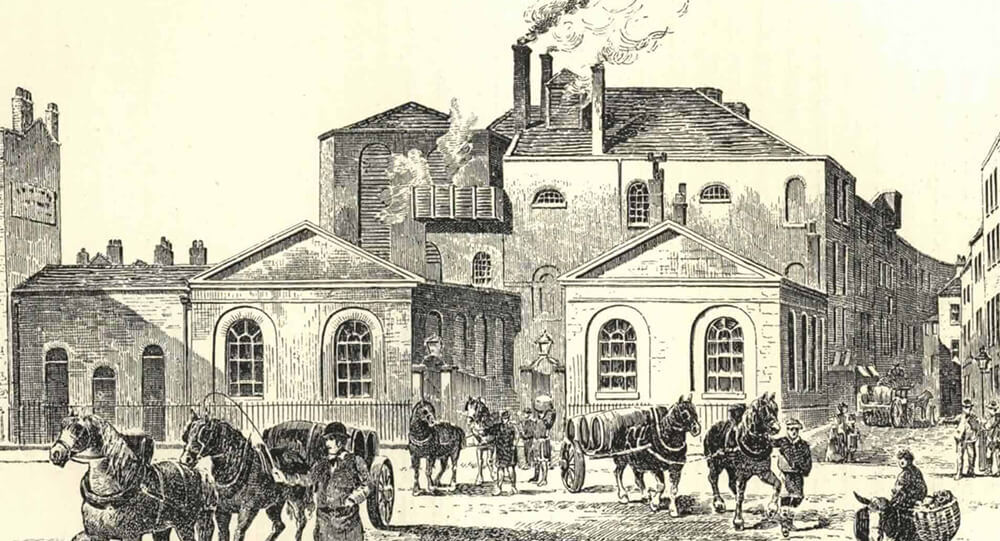
The 1814 London beer flood
In 1814, there was a beer flood in London when a tank containing more than 300,000 gallons ruptured in which 8 people drowned.

New London School Explosion, Deadliest school disaster which killed almost 300 children and teachers
In 1937, a gas leak in the basement at the local school in New London, Texas caused a massive explosion which killed almost 300 children and teachers, the deadliest school disaster in US history. Adolf Hitler even sent his condolences by telegram.
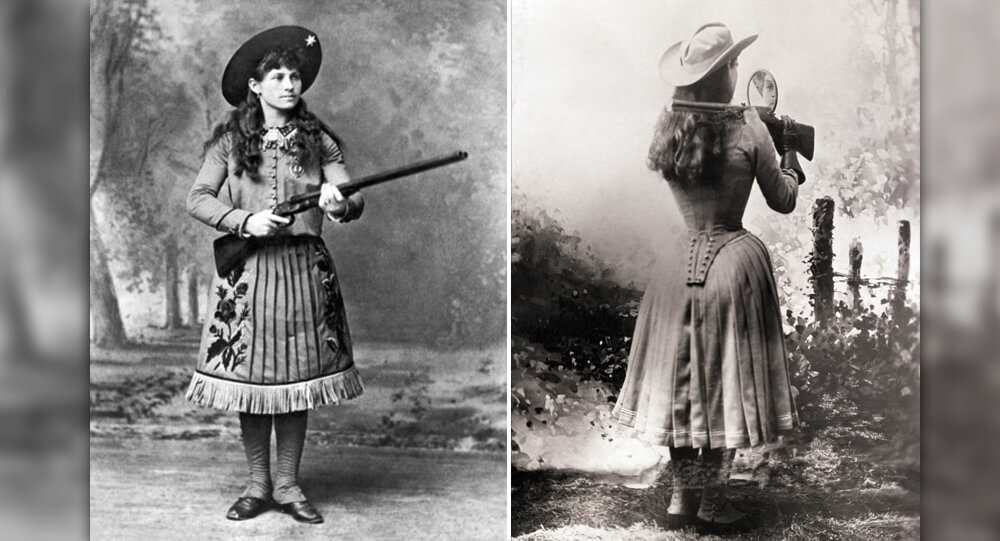
The true story of Annie Oakley, legendary sharpshooter
Anne Oakley was such a good shooter that she could split a playing card help edge-on, hit dimes thrown into the air, shoot cigarette from her husband's lips, and pierce a playing card thrown into the air before it hit the ground.
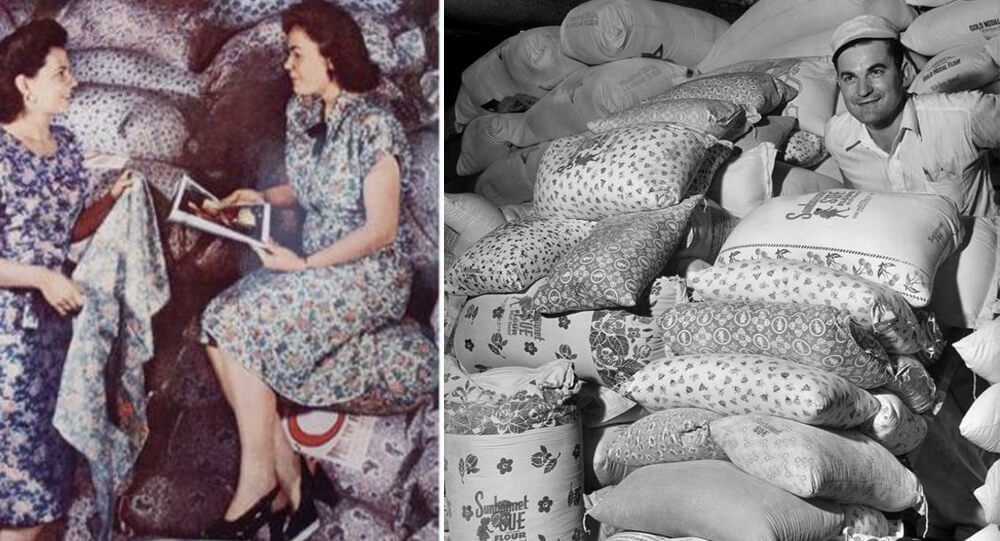
The history of Flour sack clothing fashion
After Kansas mill owners found women reused flour sack materials into apparel in the 1920s and 1930s, they started applying patterned designs to give families with more fashionable patterns and material.
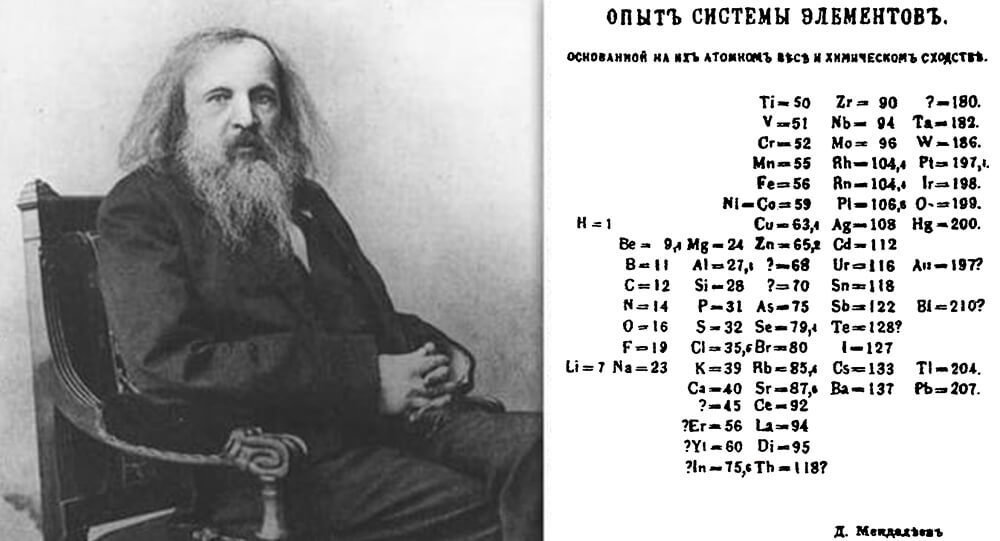
How Dmitri Mendeleev Developed the periodic table of the elements
1850 Dmitri Mendeleev walked almost a thousand miles to Moscow so he could apply for the University of Moscow. Although he was not accepted, he walked to St. Petersburg where he was accepted, And with that education, he developed the the periodic table of the elements

How European Rabbits Took over Australia
In 1859, wealthy settler Thomas Austin released 13 wild rabbits on his Australian estate. By 1920, their population grew to 10 billion.

3 men lived on top of a billboard in tents for almost 9 months
From 1982-1983, three men in Allentown PA competed in a radio contest in which they lived on top of a billboard in tents. Whoever stayed up longest would win a house. Due to economic pressure from the recession, none of the contestants wanted to give up, so the contest lasted almost 9 months.
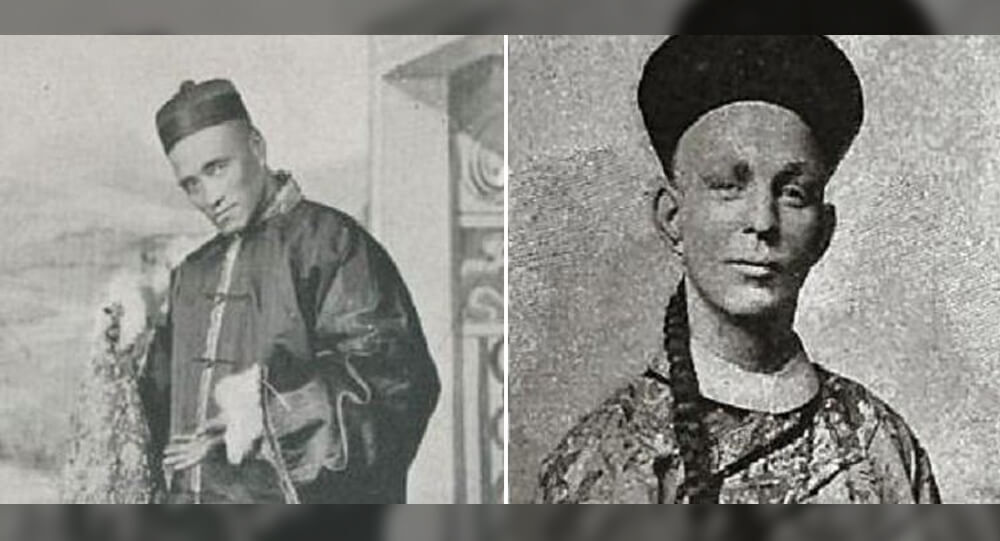
The Bizarre (And Magical) Duel Between Chung Ling Soo And Ching Ling Foo
Ching Ling Foo and Chung Ling Soo were two magicians from the early 20th century who were bitter rivals. While Ching Ling Foo was genuinely Chinese, Chung Ling Soo was actually a New Yorker named William Robinson.
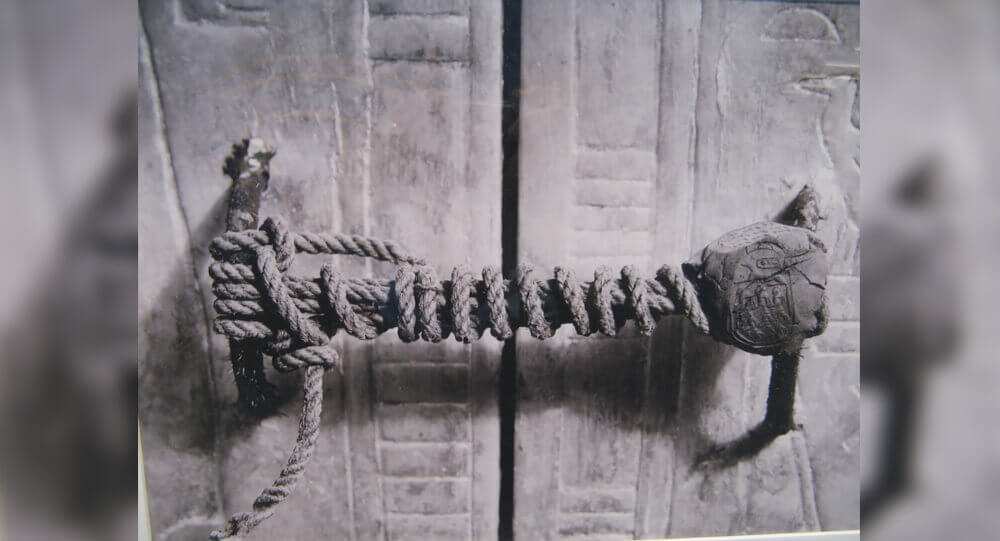
The unbroken seal on King Tutankhamun's tomb until 1922
The unbroken seal of Tutankhamun's tomb before it was opened in 1923, it was unbroken for over 3000 years.
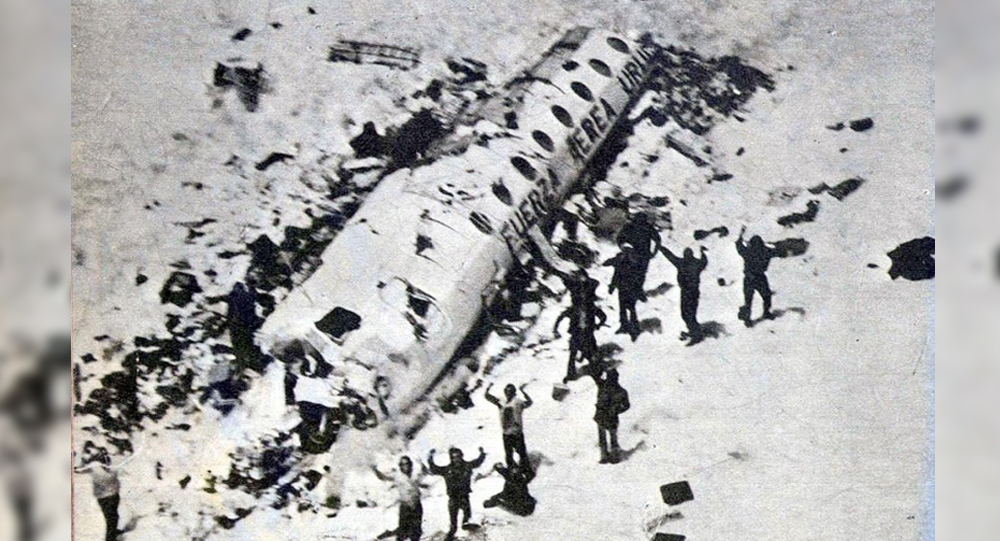
1972 Andes Plane Crash Survivor recall the terrifying Struggles to Stay Alive
On October 13, 1972, a plane carrying a rugby team from Uruguay crashed in the Andes between Chile and Argentina. The survivors were in brutal conditions - high altitude, bitter cold, and the lack of food—and faced the most terrible choice—eating the frozen flesh of their dead friends or starving to death themselves.

A Brief History of the PlayStation Gaming Console
Sony's PlayStation was never meant to be an actual product. Instead, it was intended to be a CD-ROM console that would support Nintendo games. However, when Nintendo backed out of the deal at the last minute, Sony went ahead and launched what soon became one of the most successful gaming consoles of all time.
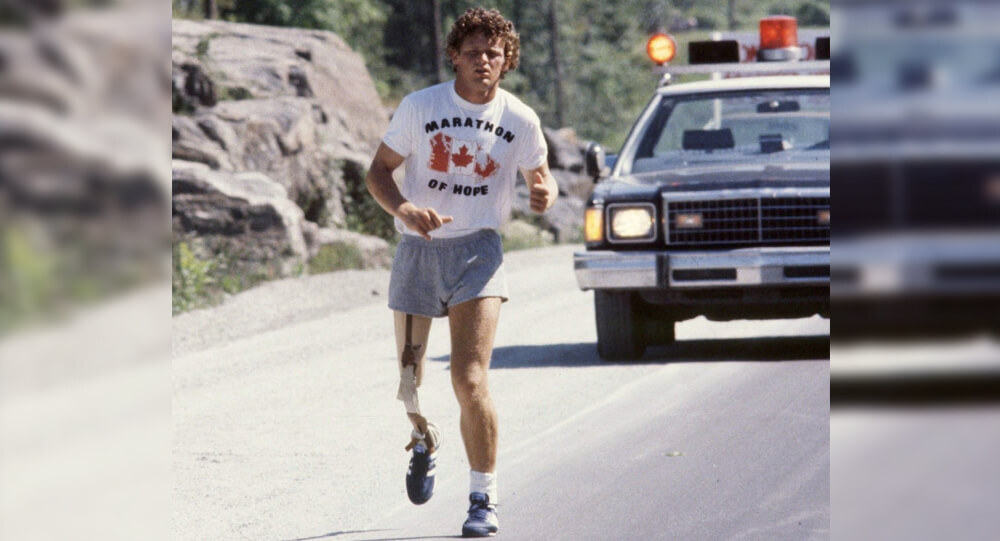
Terry Fox, a 21-year-old one-legged cancer patient who ran 143 days before dying
Terry Fox was a 21-year-old one-legged cancer patient who ran 3,339 miles across Canada in 143 days before dying.

Irena Sendler: woman who rescued Jews during holocaust
Irene Sendler was the Zegota resistance group's head of the children's department. She risked her life to smuggle children out of the Warsaw ghetto, place them with Polish families or orphanages, give each child a new identity, and keep records so that they could be returned to their families. In 1943, the Gestapo arrested and sentenced her to death, but she was rescued by Zegota.
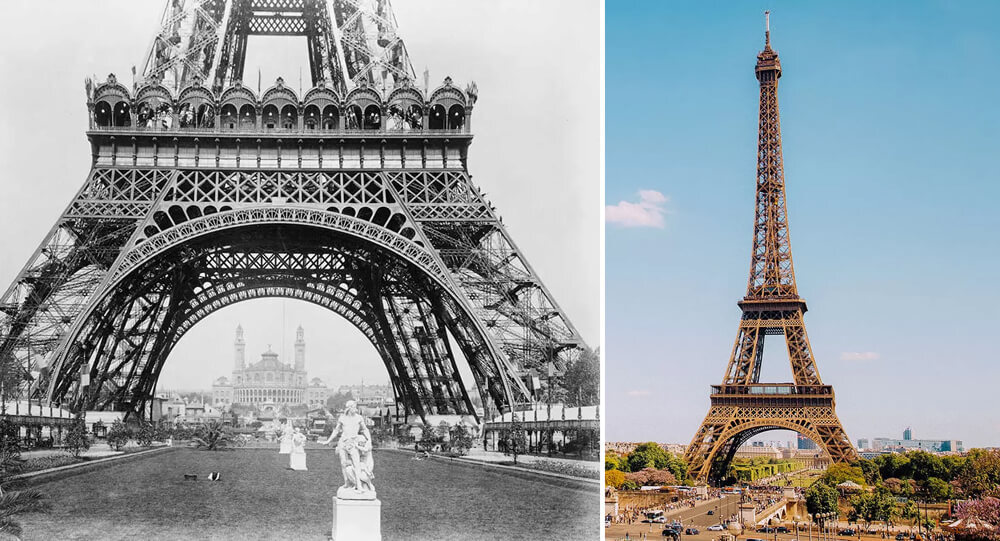
Why was the Eiffel Tower almost demolished
The Eiffel Tower was intended to be a temporary structure for the World's Fair in 1889, but it was nearly dismantled and sold for scrap metal. It was saved because of its potential use as a radio antenna, and it now serves as a tourist attraction as well as a working broadcast tower.

The incredible story of a plane that lost its roof in mid-flight and the light signal that saved 94 lives.
On April 28, 1988, Aloha Airlines flight 243 was on the way to Honolulu from Hilo when a huge portion of the upper part of the fuselage blew off the airplane.

Keith Sapsford: The Story of 14-Year-Old Stowaway
The final image of 14-year-old Australian Keith Sapsford, who aspired to travel the world. In February 1970, he sneaked into the wheel-well of a plane flying from Sydney to Tokyo. It opened mid-air & fell out. When a photographer was testing a new lens, he captured this moment on film and was surprised when it developed.
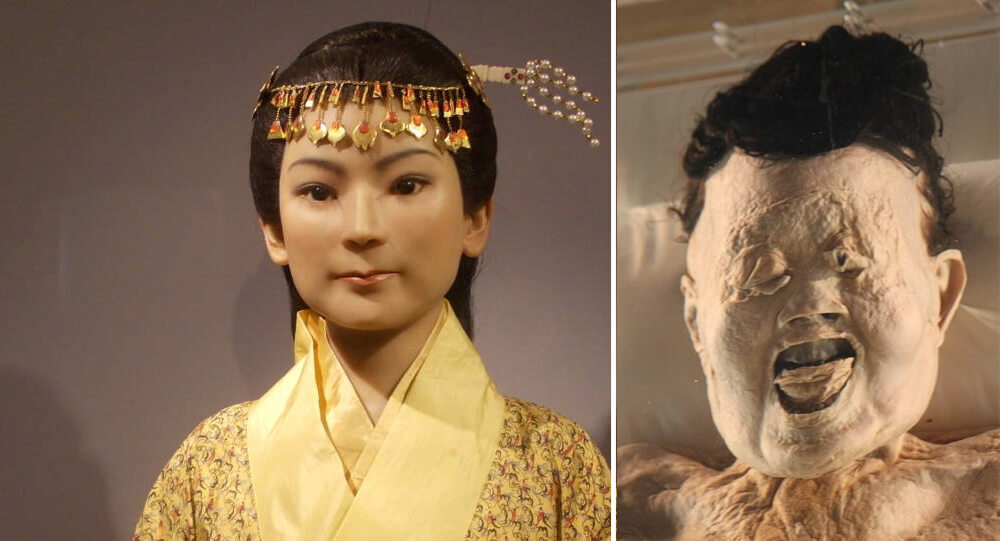
Xin Zhui And The Story Of The Stunningly Intact Lady Dai Mummy
A 2,000-year-old mummy of a Chinese woman, Xin Zhui, also known as “Lady Dai,” was preserved in 21 gallons of an “unknown liquid.” With her original hair, organs, eyebrows, and eyelashes intact, the mummy still has blood in her veins. Her skin and ligaments are soft and as flexible as that of a living person.
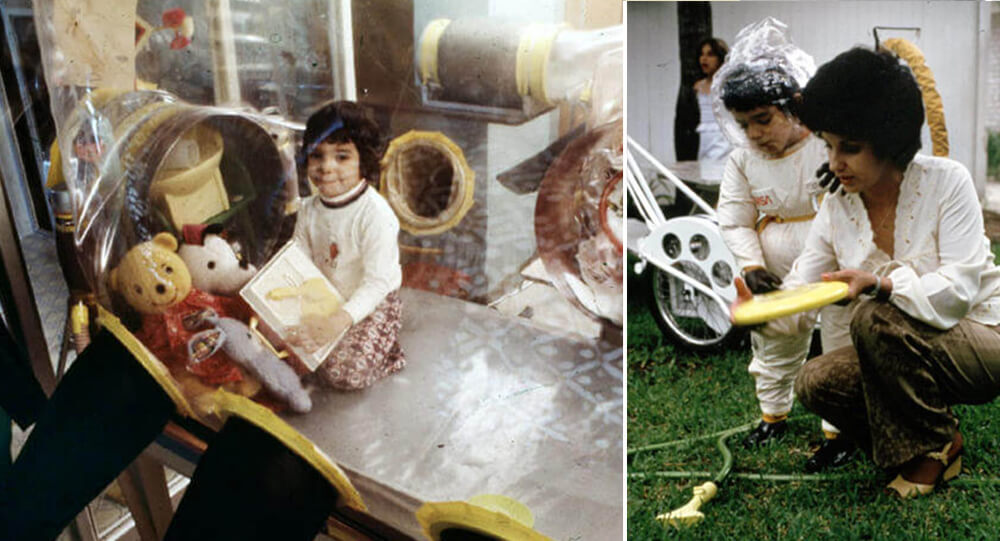
The touching story of David Vetter (bubble boy), the 'boy who lived in a bubble
David Vetter lived his whole 12 years in sterile “bubble”. He was “outside” for 20 second after being removed from his mother’s womb. He never touched any human.
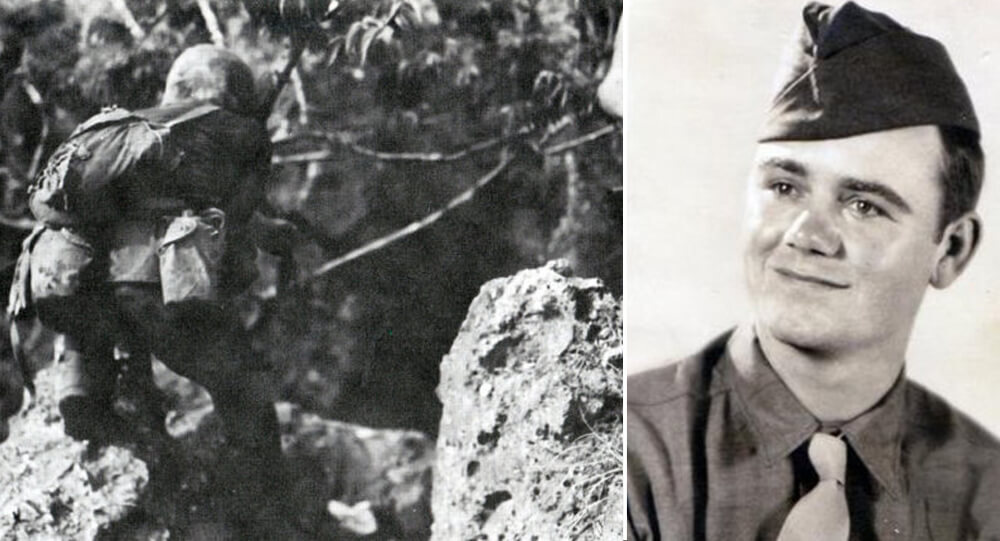
Thomas Baker's heroic act that earned him the "Medal of Honor" was 8 bullets until death
Thomas Baker instructed his team to leave him with a pistol and eight bullets propped up against a tree after he was injured. Later, American troops discovered the now-deceased Baker in the same location, lying next to eight dead Japanese soldiers and carrying an empty pistol.