
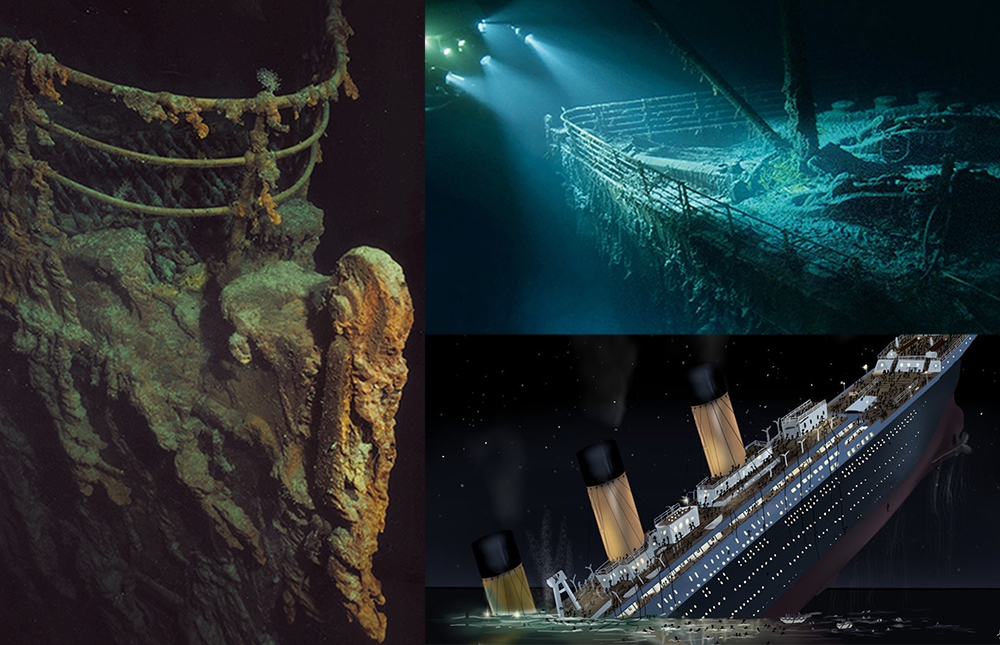
If you ask your friends what’s the most famous ship in history the answer in most cases will be the same, of course, the legendary Titanic. Its history is full of mysteries, at first it was a source of hope and national pride as well as proof of the triumphs of mankind but it soon became a source of nostalgia and pain, the extent of which cannot be described in words. The day the Titanic sank underwater will forever remain one of the most painful days in human history. Although more than a hundred years have passed since the tragic event, no one has forgotten about it and people are still interested in the transatlantic liner.
1. Everyone On The Ship Could Have Been Saved If The Ship SS Californian (The Closest Ship Passed By) Give Importance And Respond To The Titanic’s Help
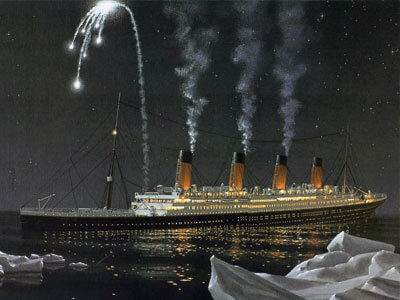
On April 14th, 1912 at 11:40 p.m. the Titanic hit an iceberg receiving fatal damage. A couple of hours later at 2:20 a.m., the ship split in two and within minutes sank completely. During all that time, the ship sent out distress signals that did not go unnoticed. The ocean liner RMS Carpathia rushed to the site of the wreck at full speed but unfortunately arrived an hour and a half later. All the crew of the Carpathia could do was to pick up the 710 survivors of the shipwreck but the story could have been very different. Only after some time it became known that the ocean liner RMS Carpathia was not the closest ship to the Titanic. Around 12:45 a.m. on that terrible night, the officers of the Titanic noticed the lights of another ship in the distance. it was the SS Californian but the ship did not respond to the calls for help.
The captain of the Titanic tried desperately to get his colleague’s attention by firing white flares. It may seem surprising but the watch officers of the SS Californian saw every single one of them, the crew immediately woke the captain but unfortunately he did not give it any importance. The only radio operator who could receive the distress call was asleep at the time. The SS Californian decided that the flares were just a signal from an unknown ship that had stopped on the ice. So the passenger ship which was very close simply passed by. Today experts agree that the SS Californian could have saved many or perhaps all of the lives that were lost that night and that are over 1500 people.
2. The Victims Remain Unknown Because Some Passengers Are Under False Names
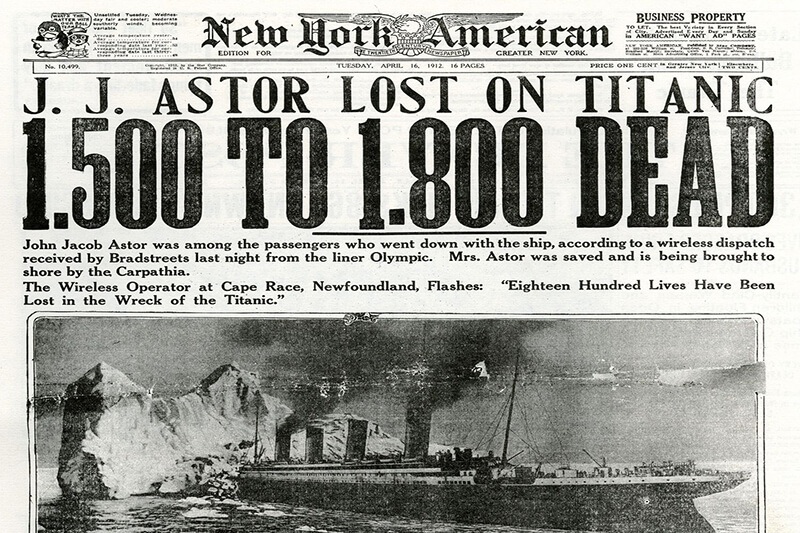
Of course, every global tragedy is followed by a large number of complex and very thorough investigations. If you look at the official figures, it turns out there were 1514 victims of the shipwreck but the truth is much more complicated. The exact number of victims is actually not known. It could be 1,490 or 1635. Moreover, the investigations weren’t very useful so far, no one knows the names of all the people who died on the Titanic. When the bodies were recovered from the bottom of the ocean, it was discovered that any passengers were traveling under false names. Also, there were too many people all from different places and the lists of survivors were made amidst the panic of the catastrophe, not surprisingly it was impossible to identify each person. you can visit the fair few cemeteries in the city of Halifax Nova Scotia Canada where more than 100 victims of the Titanic are buried and there about 30 of them still don’t have names. Surprisingly investigations are still ongoing in 2008 for example one of these graves finally got a name. Extensive DNA testing and a worldwide genealogical search helped identify the body of a 19-month-old baby. The unnamed body of 96 years later has recovered its name “Sydney Leslie Goodwin”.
3. Not Enough Lifeboats And The Official Reason Is That They Would Have Taken Up Too Much Space On The Deck And Blocking The Passages And Covering Up The Beautiful View Of The Ocean.
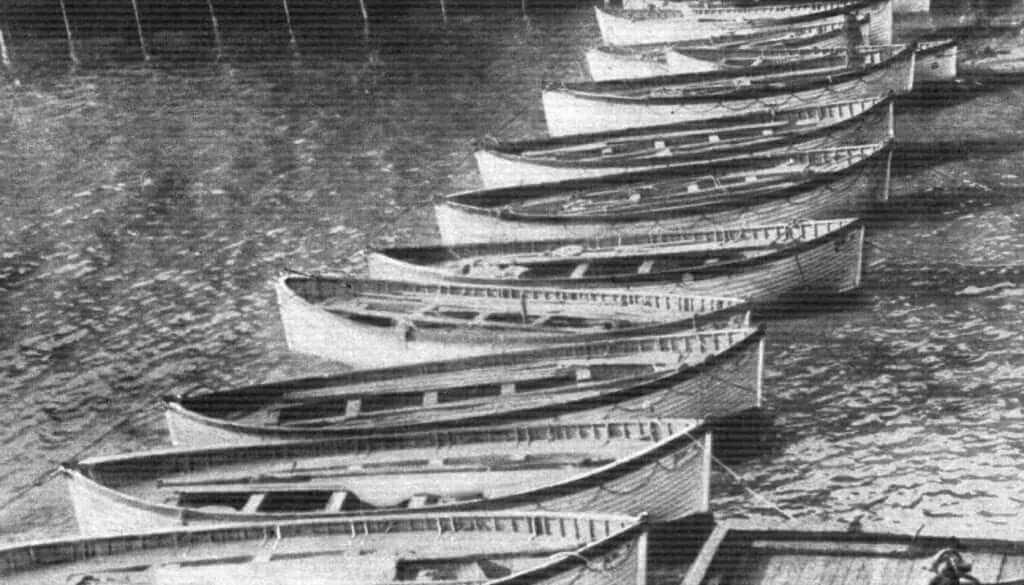
When designing a transport vehicle great attention is paid to the safety of the passengers. Engineers and designers do everything possible to ensure that as many people as possible can be saved in the event of an accident, but in the case of the Titanic, something went wrong, very wrong. When it was launched, the Titanic was the largest ship in the world; it could hold a total of 3,547 people. That’s an incredible number! Fortunately, when the Titanic made its first voyage, there were fewer people on board. According to official data, there were 2,224 registered passengers and now for the most interesting part, the original plan was for the Titanic to carry 48 lifeboats. However, the owners of the liner insisted that their number be reduced to 20. The capacity of each lifeboat was about 60 people. A simple mathematical calculation allows us to discover that only 1200 people, could have been saved only a little more than half of the passengers. Why weren’t more lifeboats installed? The official reason is that they would have taken up too much space on the deck. Blocking the passages and covering up the beautiful view of the ocean. So appearance and comfort were placed above the safety of people. to be fair, the ship was considered unsinkable, no one expected it to sink so easily. Everyone thought that even with the damage, the Titanic could stay afloat for a long time. In other words, the immediate and simultaneous evacuation of all passengers was not considered a possible situation.
4. The Drill Was Canceled
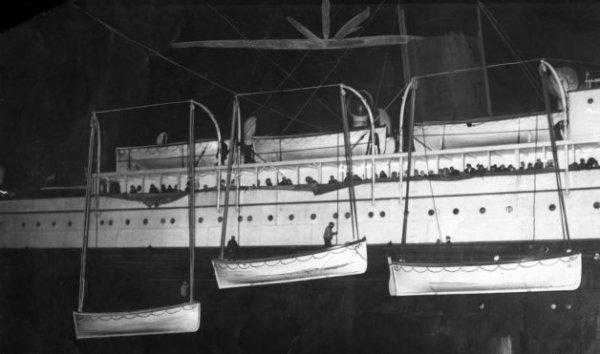
There is a thing known as a lifeboat drill. During a drill, the crew perfects the skills of preparation of the boats. their launching and control in addition passengers are prepared for possible evacuation. They learn to evacuate while remaining calm and in case of emergency they understand better how to behave and don’t fall victim to panic.
ideally, these exercises should take place once a week. The Titanic sailed on April 14th so it’s not surprising that the drill was scheduled for April 10th but for some mysterious reason it was canceled. To this day, no one knows why Captain Smith chose not to conduct the drill, perhaps he was too confident, or perhaps he thought that since there were only three days left to travel it wasn’t necessary. Either way, the decision cost a lot of people their lives. The passengers as well as the crew were not prepared for an emergency evacuation. That’s why some boats designed for 60 people in some cases were launched only half-full.
5. Musicians Played Until The End.
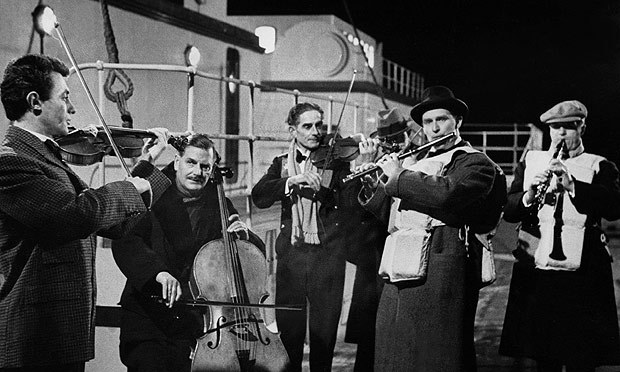
Although the Titanic boasted an amazing size and capacity, it also stood out for its interior decoration, luxuriously furnished, living rooms reading and smoking halls, and gymnasium. All this was at the service of the first-class passengers. The crew included a large number of cooks, waiters, Baker’s, and of course musicians, eight people to be exact. here’s a quote from a second-class passenger who was lucky enough to escape from the Titanic. “Many brave things were done that night but none were braver than those done by men playing minute after minute as the ship settled quietly lower and lower in the sea”. Despite the fear trouble and panic, despite knowing that their lives were about to come to an end, these brave men held their instruments in their hands and continued to play until the end until the last second. They knew that music calmed people made the tragedy less terrible and therefore they could not stop. None of the eight musicians survived and only three bodies were found. The youngest of them was 21 years old.
6. Tragedy Could Have Been Avoided If They Only Had Access To The Room Where The Binoculars Were Kept
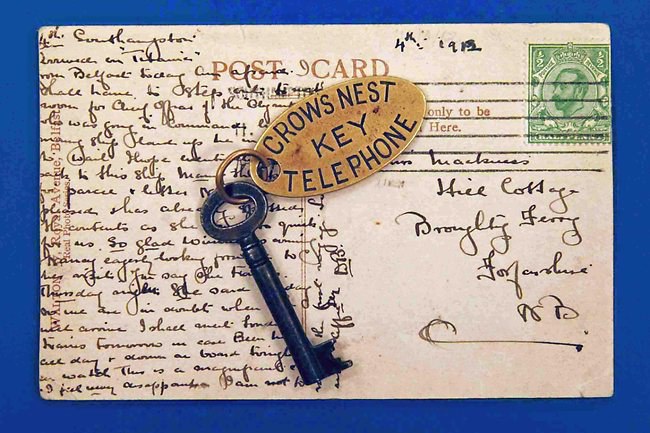
David Blair is a very lucky man, he was supposed to be the second officer on the Titanic but at the last second, he was pulled out. This incident saved his life which should have made him incredibly happy but something clouded his joy because maybe he was the only person who could have saved the Titanic. How? A hundred years ago ships were not equipped with smart advanced technology like they are today. To see a threat on the horizon, people had to keep an eye out and binoculars were of great help but here’s the problem. The crew of the Titanic had no access to the room where the binoculars were kept because David Blair was responsible for the keys. He left the ship in a hurry and he simply forgot to return the key he left it in his pocket. if the crew had had access to the binoculars they would have noticed the iceberg in advance. The ship would have had time to change course. Hundreds of people would have remained alive but the Titanic seemed to attract bad luck. A series of coincidences and mistakes led to disaster, a fate from which it could not escape.
7. There Is A Stewardess Known As Miss Unsinkable.
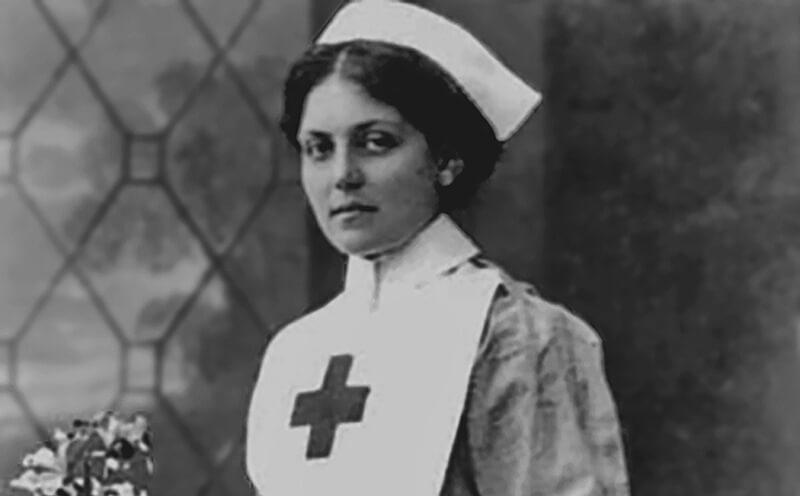
In the late 19th and early 20th centuries, White Star Line was considered the largest shipping company in the world. In 1907, its owners decided to build three huge ocean liners as you may have guessed; the Titanic was one of them. The other ships were the “Olympic” and “the gigantic” later named “Britannic”. No matter how huge and luxurious these incredible ships were all their stories ended in tragedy. These three are rightly considered the most famous ships in history. There are many books and films telling their story but there is something they all have in common or to be precise, someone, Violet Constance Jessup born in Argentina. This unremarkable stewardess is known as Miss unsinkable. On September 20th, 1911 the ship Olympic crashed with the cruiser Hawk, fortunately, left no victims. Violet was on board the ocean liner at the time. When the Titanic hit an iceberg she was also on board. Luckily she was able to get to a lifeboat and finally during World War one, violet served as a nurse with the British Red Cross. she was sent to board the Britannic which was then a hospital ship. On November 21st, 1916, the huge ship, was blown up by a mine but violet survived the accident. Now, do you understand why she is Miss unsinkable? By the way, the woman originally did not want to work for White Star Line but her friends convinced her to work on the Titanic, assuring her that it would be a great recommendation in the future.
We don’t know whether to call violet Constance Jessup lucky or not. Let’s just say that this series of incidents is somewhat mysterious and curious.
8. The Engineers’ Sacrifice.
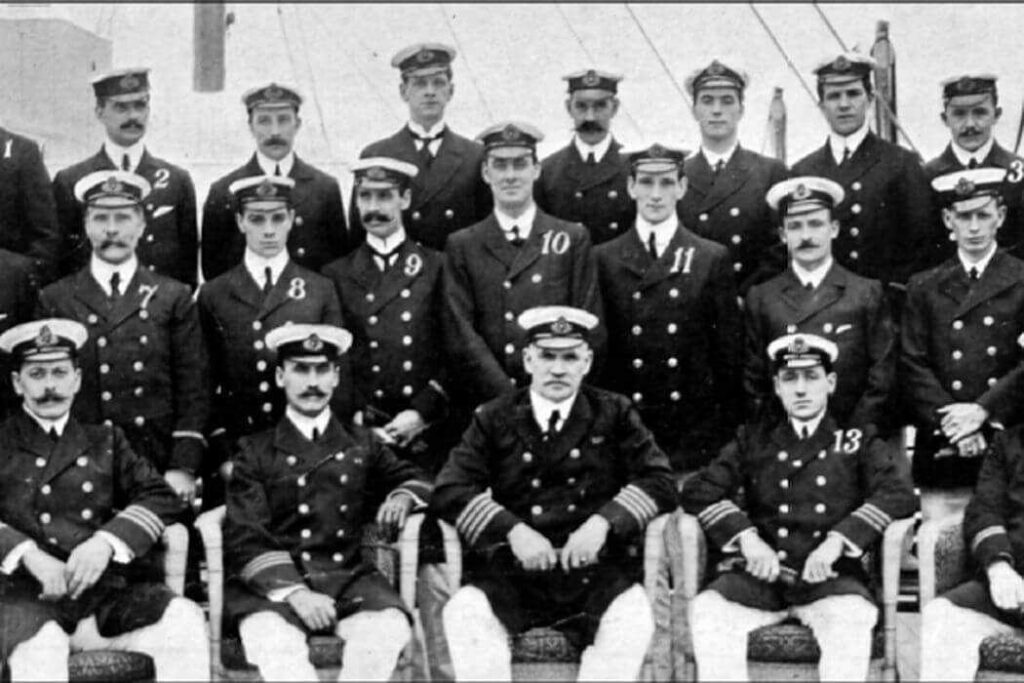
We have already talked about a large number of crew members onboard the Titanic; now let’s focus on this fact and at the same time pay tribute to the people who did everything possible to save others. About 900 crew members worked on the Titanic, less than a third survived. Among the victims were all the engineers that are because they simply didn’t have time to save their lives. 25 engineers, 6 electrical engineers, two Boilermakers, a plumber, and a clerk, while there were panic and fear on the deck, they stayed down in the boiler rooms. they needed to keep them running so that there would be electricity and the pumps would continue to pump the water. They were fighting against death. For every inch, of the ship, the engineers didn’t want to give up and most of them probably didn’t know that they were only delaying the disaster and that it was not possible to prevent it yet these people remain an example of courage, bravery, and devotion. In the city of Southampton on the south coast of Britain, there is a memorial in their Honour.

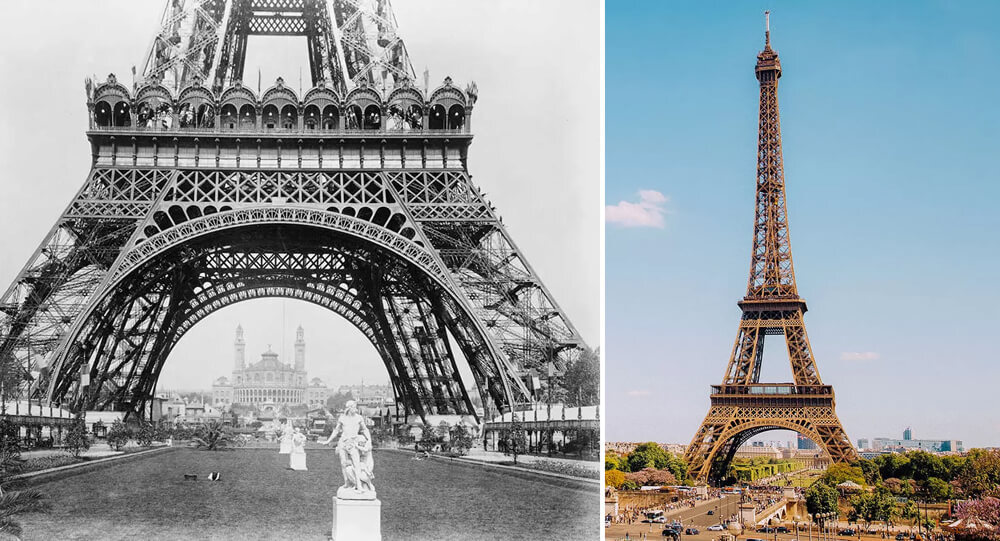
Why was the Eiffel Tower almost demolished
The Eiffel Tower was intended to be a temporary structure for the World's Fair in 1889, but it was nearly dismantled and sold for scrap metal. It was saved because of its potential use as a radio antenna, and it now serves as a tourist attraction as well as a working broadcast tower.

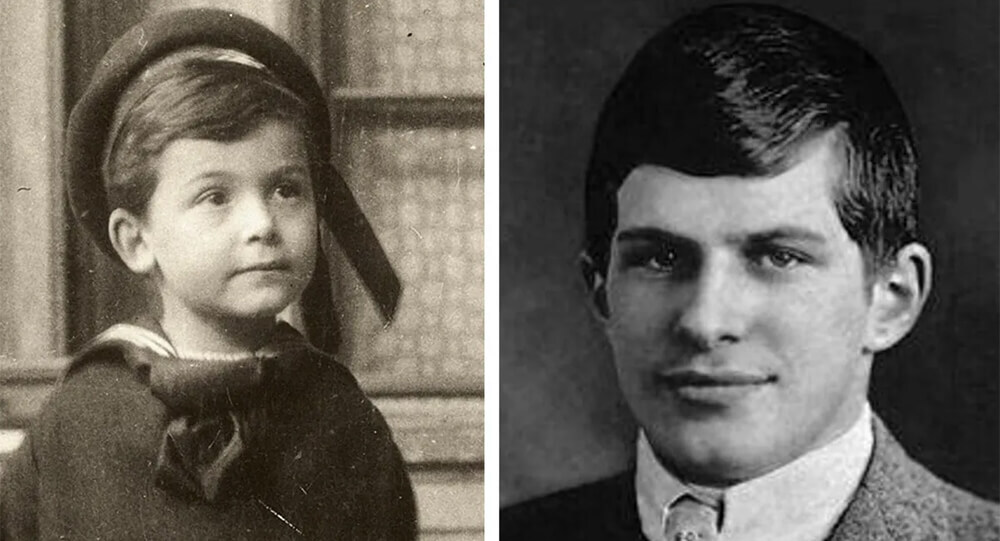
William James Sidis: The smartest person yet forgotten by people
William James Sidis, who was only 11 years old when he enrolled in Hardvard, finished his primary and secondary schooling in less than a year. He knew eight foreign languages by the age of eight and even invented his own language, "vedergood."
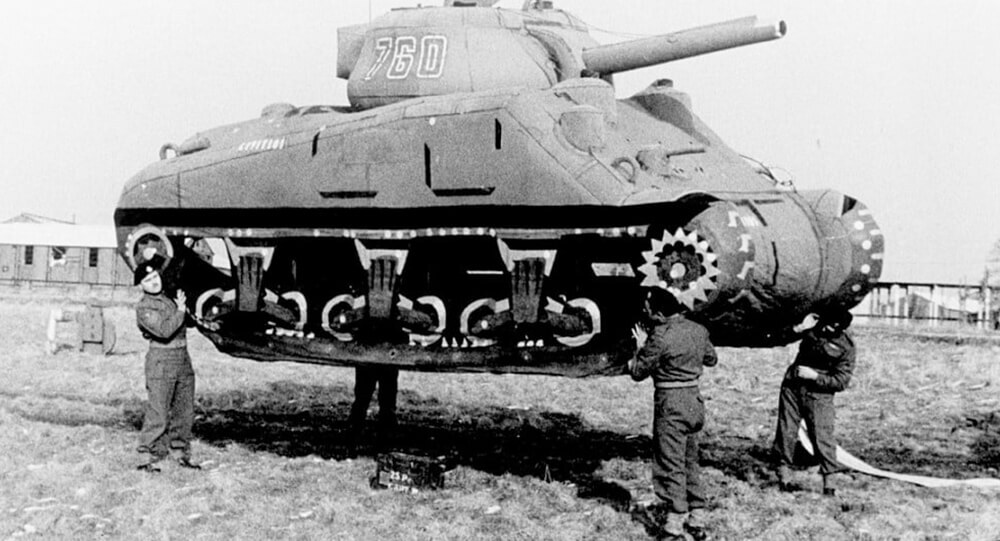
What exactly was the US's 'Ghost Army' during WWII?
During WW2, there was a special unit of men dubbed the ‘Ghost Army’. The unit was made of artists, creative and engineers and their job was to create deception about the enemy. From inflatable tanks to phony convoys to scripted conversations in bars intended to spread disinformation, they used all possible tricks to fool the enemy.
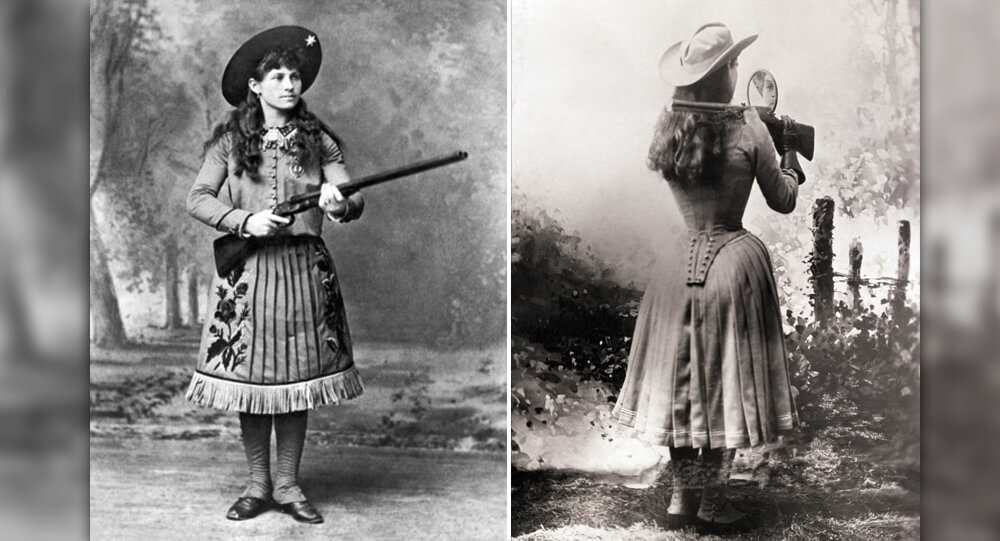
The true story of Annie Oakley, legendary sharpshooter
Anne Oakley was such a good shooter that she could split a playing card help edge-on, hit dimes thrown into the air, shoot cigarette from her husband's lips, and pierce a playing card thrown into the air before it hit the ground.
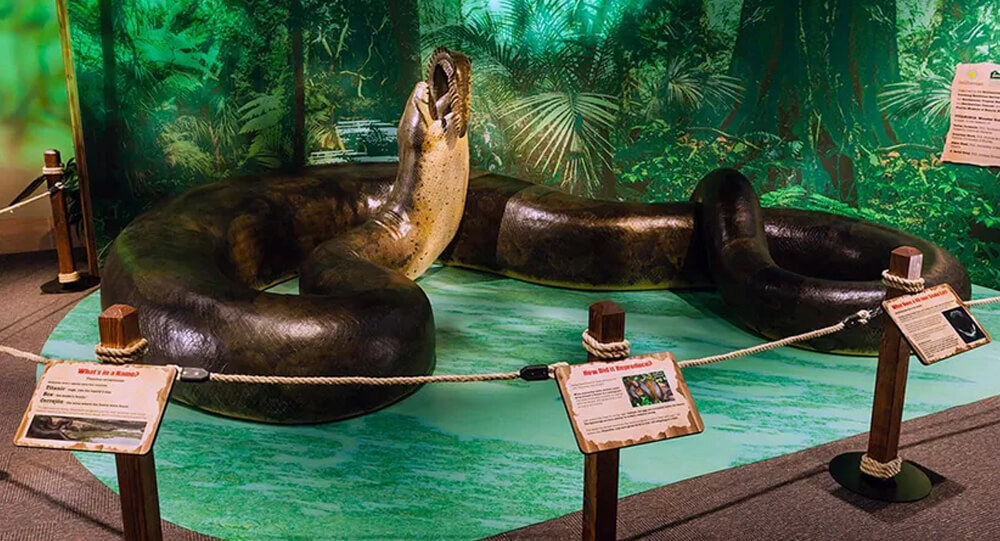
Titanoboa cerrejonensis, fossils of the world’s largest species of snake
In 2009 in a coal mine of Columbia, scientists discovered fossils of the world’s largest species of snake. The species is called “Titanoboa cerrejonensis,“and it is from around 60 million years ago. It would have had measured about 48 feet long and weighed about 2,500 pounds
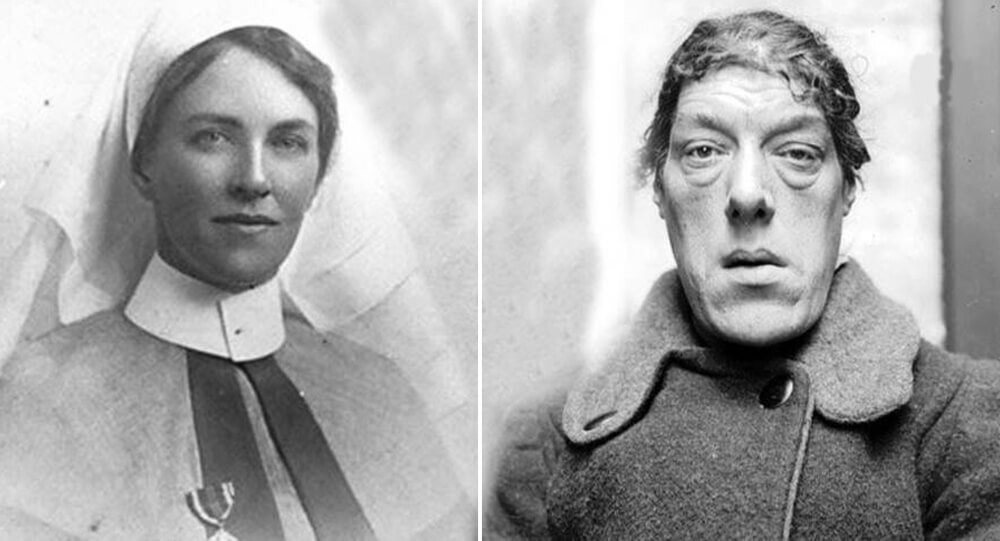
The Tragic Story Of Mary Ann Bevan, The ‘Ugliest Woman In The World’
After the death of her husband, Mary Ann Bevan had no income to support herself and her children. She then decided to enter a contest where she won the title of “ugliest woman” and was later hired by a circus. She endured this ridicule from the world to provide for her family.

Irena Sendler: woman who rescued Jews during holocaust
Irene Sendler was the Zegota resistance group's head of the children's department. She risked her life to smuggle children out of the Warsaw ghetto, place them with Polish families or orphanages, give each child a new identity, and keep records so that they could be returned to their families. In 1943, the Gestapo arrested and sentenced her to death, but she was rescued by Zegota.

The World’s First Seismograph: How Ancient China Detected Earthquakes 1,800 Years Ago
Over 1,800 years ago, long before modern technology, the ancient Chinese astronomer and inventor Zhang Heng created the world’s first seismograph in 132 AD. This ingenious bronze device could detect distant earthquakes by releasing small balls from dragons’ mouths into toads’ mouths—each indicating a different compass direction. Its historic detection of an earthquake 400 miles away astonished the imperial court and transformed the way societies understood and responded to seismic events.
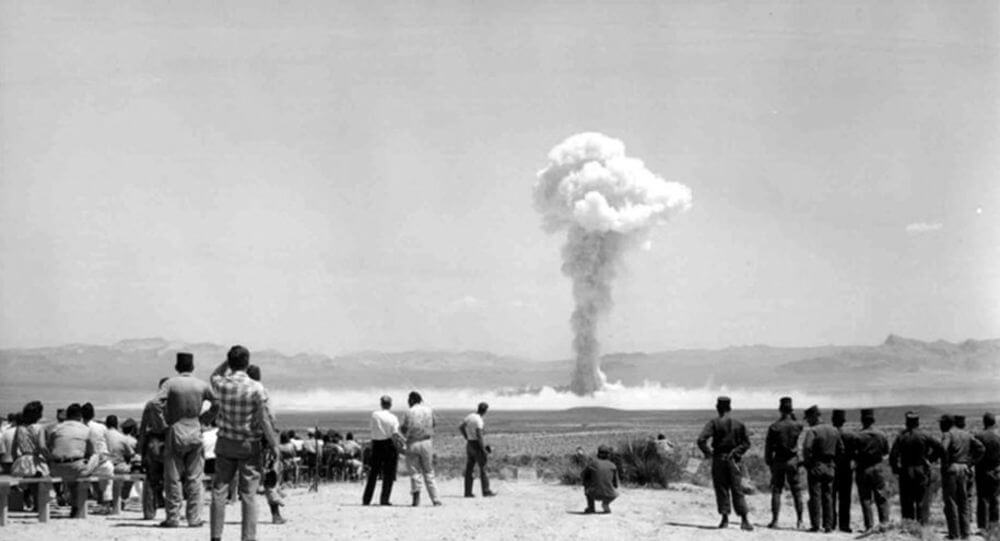
Atomic Tourism: In the 1950s, nuclear tests in Las Vegas served as a draw for tourists
Between 1950 and 1960, Las Vegas offered “Atomic Tourism” in which guests could watch atomic bombs being tested in the desert as a form of entertainment.
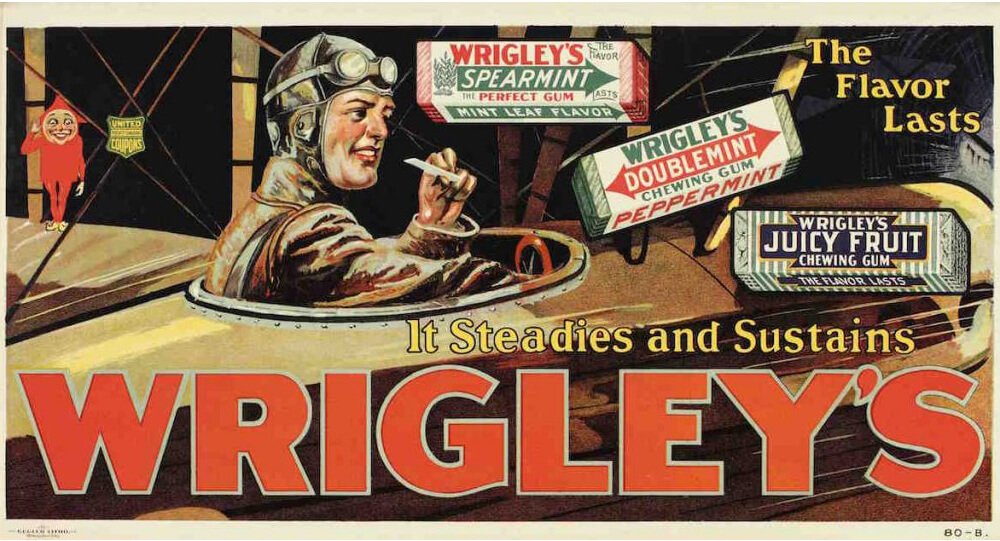
What is the story behind Wrigley chewing gum?
Wrigley's was originally a soap company that gifted baking powder with their soap. The baking powder became more popular than the soap so they switched to selling baking powder with chewing gum as a gift. The gum became more popular than the baking powder so the company switched to selling gum.

Man's Blood Helped Save Millions of Babies
Australian blood donor James Harrison has been one of our most impressive and valued donors, having donated for 60 years. Know his story, how he was a pioneer of our Anti-D program, and why this matters.
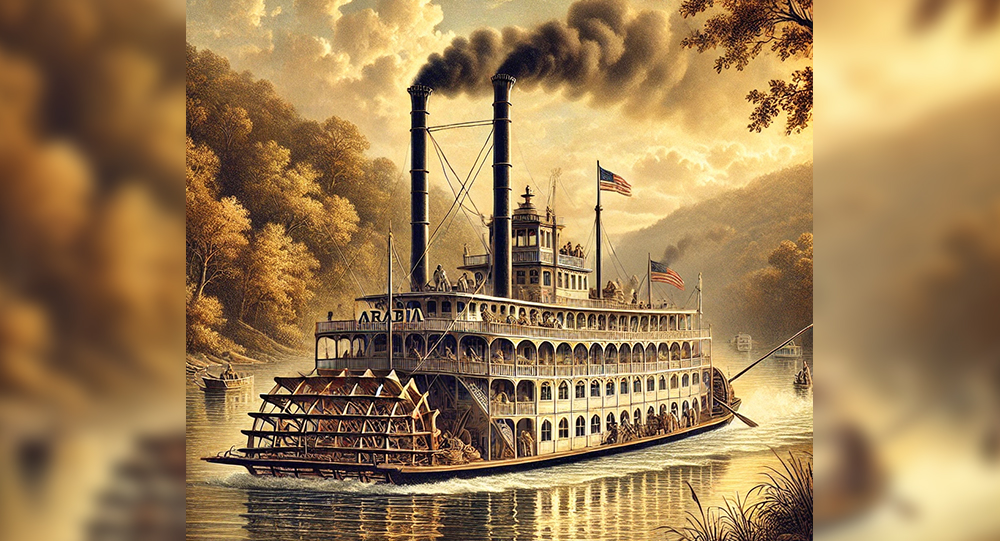
The Arabia Steamboat: Unearthing a 19th Century Time Capsule from the Missouri River
The Arabia was a steamboat that sank in the Missouri River in 1856. Over time, the river shifted 800 meters to the east, eventually turning the site of the sinking into a field. The steamboat remained under 45 feet of slit and topsoil until 1988, when it was excavated. The mud, as it turned out, was such a great preserver that most of the artifacts on board were found to be intact. They even found jars of preserved apples that were still edible!
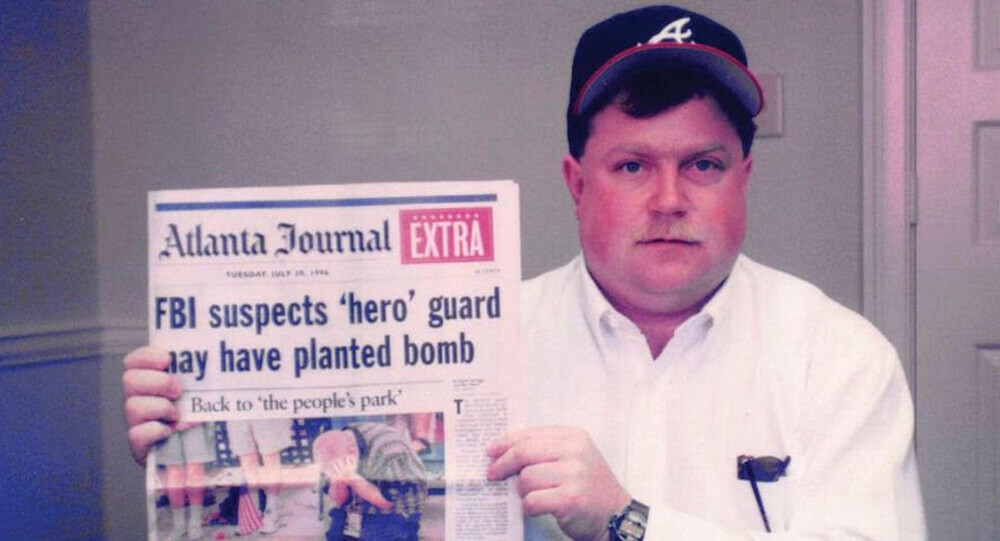
During the 1996 Olympic bombing, Richard Jewell falsely accused of committing the crime after saving dozens of people
Richard Jewell, an American security guard, discovered a bomb during the 1996 Olympic Games in Atlanta and assisted in the evacuation, but was later wrongfully accused and faced public scrutiny. He was cleared, but it had a lasting impact on him until his death in 2007 at the age of 44.
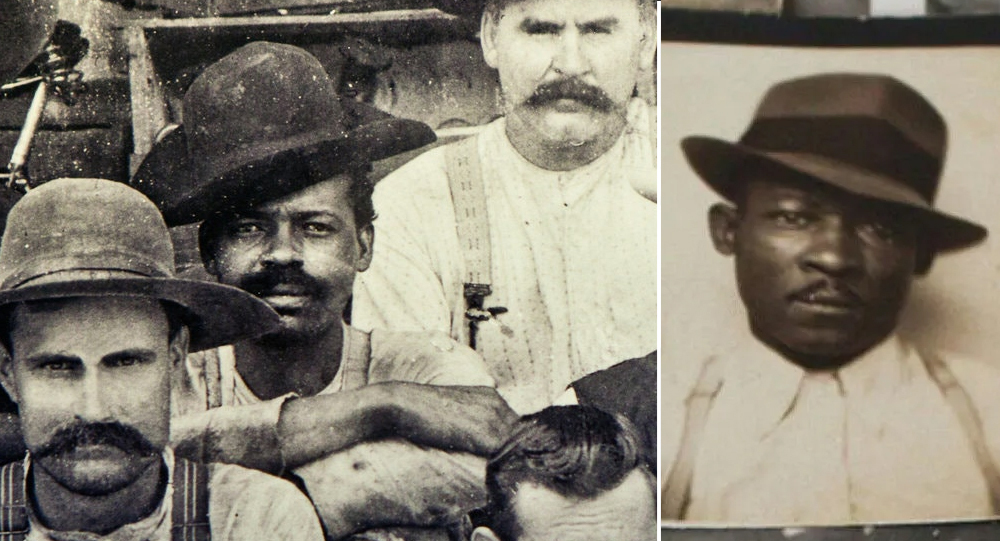
Nearest Green, America's first known Black master distiller
Nathan "Nearest" Green was an African-American head stiller who is now more frequently referred to as a master distiller. He was renowned for imparting his distilling knowledge to Jack Daniel, the creator of Jack Daniel's Tennessee whiskey distiller, after Jack Daniel was freed from slavery following the American Civil War.

George Dantzig solved two famous “unsolved” problems in statistics mistakenly as assignment
In 1939, George Dantzig arrived late to his statistics class. On the board were two famous “unsolved” problems in statistics written as an example by his professor. Dantzig mistook the examples for homework assignments. He solved the “unsolved” problems and submitted the homework to his professor a few days later. His solutions earned him a doctorate.

The Day an Israeli F-15 Landed with One Wing: Zivi Nedivi’s Unbelievable Mid-Air Survival
Discover the astonishing true story of Israeli pilot Zivi Nedivi, who safely landed an F-15 after a mid-air collision tore off its entire right wing. Learn how skill, quick thinking, and the F-15’s unique design turned a disaster into a legendary feat in aviation history

The 1976 April Fools' Pranks, Planetary Alignment
On April fool's Day, 1976, the BBC convinced many listeners that a special alignment of the planets would temporarily decrease gravity on Earth. Phone lines were flooded with callers who claimed they felt the effects.
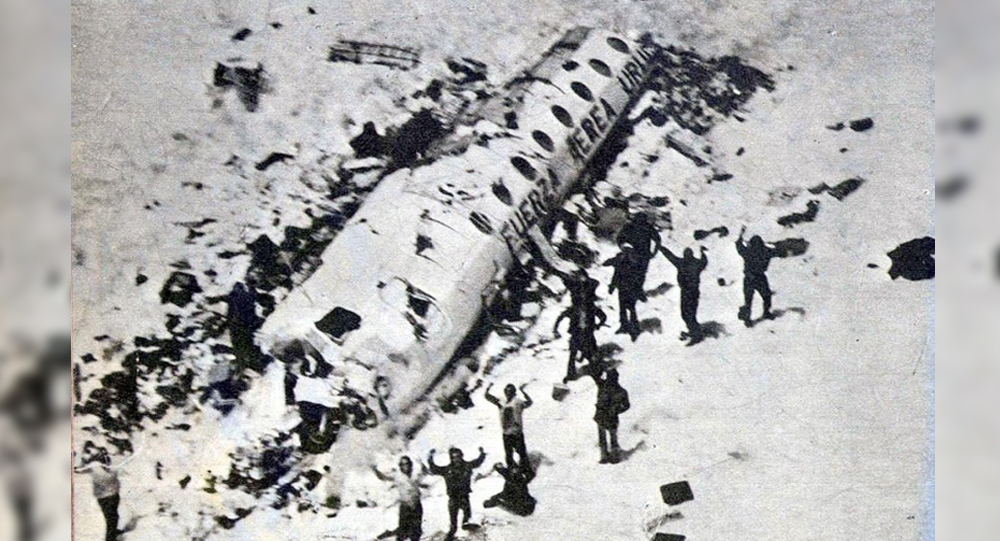
1972 Andes Plane Crash Survivor recall the terrifying Struggles to Stay Alive
On October 13, 1972, a plane carrying a rugby team from Uruguay crashed in the Andes between Chile and Argentina. The survivors were in brutal conditions - high altitude, bitter cold, and the lack of food—and faced the most terrible choice—eating the frozen flesh of their dead friends or starving to death themselves.
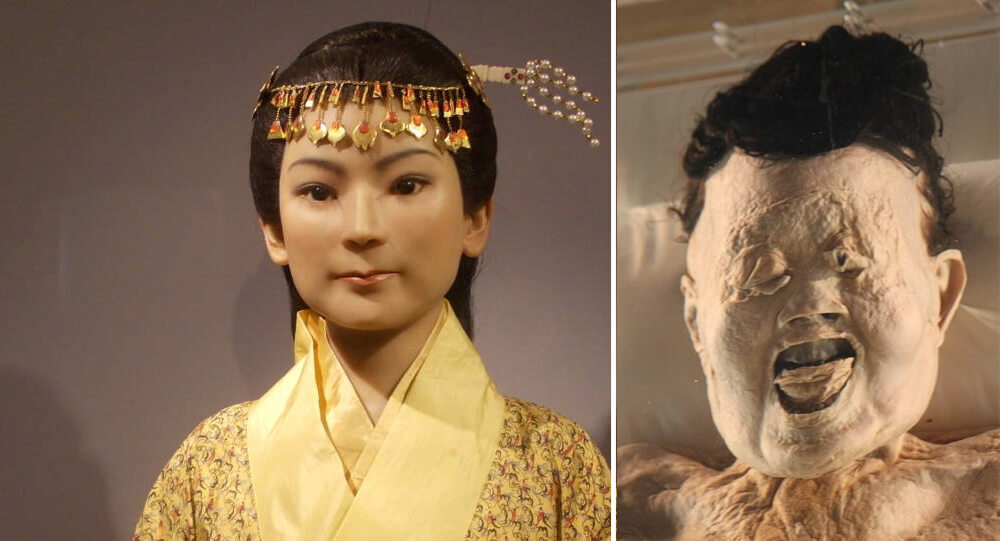
Xin Zhui And The Story Of The Stunningly Intact Lady Dai Mummy
A 2,000-year-old mummy of a Chinese woman, Xin Zhui, also known as “Lady Dai,” was preserved in 21 gallons of an “unknown liquid.” With her original hair, organs, eyebrows, and eyelashes intact, the mummy still has blood in her veins. Her skin and ligaments are soft and as flexible as that of a living person.
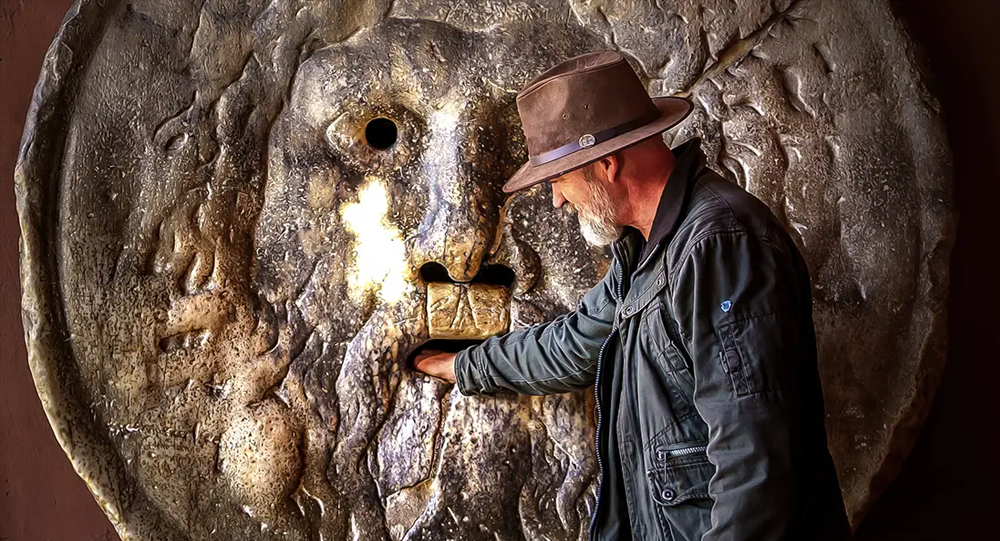
The Mouth of Truth: Ancient Rome’s Legendary "Lie Detector" That Bit Off Hands
Discover the chilling legend of the Mouth of Truth (Bocca della Verità) in Ancient Rome—a massive carved stone face believed to bite off the hand of anyone who lied while inserting their hand into its gaping mouth. Uncover the truth behind its eerie reputation and how this ancient artifact became a symbol of honesty and fear.

The youngest person executed, George Stinney Jr was proven innocent
In 1944, George Stinney Jr. was 14 years old when he was executed in South Carolina. It took only ten minutes to convict him — and 70 years to exonerate him.
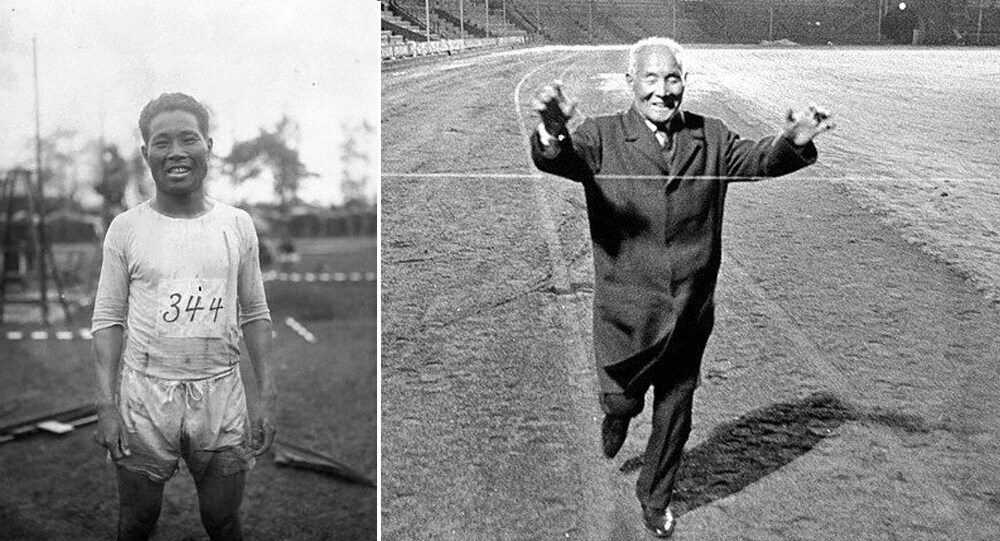
Shizo Kanakuri’s 1912 Olympic Marathon Finished 54 Years
At the 1912 Olympics, a marathon runner quit and went home to Japan without telling officials and was considered a missing person in Sweden for 50 years. In 1966, he was invited to complete the marathon. His time: 54 years, 8 months, 6 days, 5 hours, 32 minutes, and 20.379 seconds.
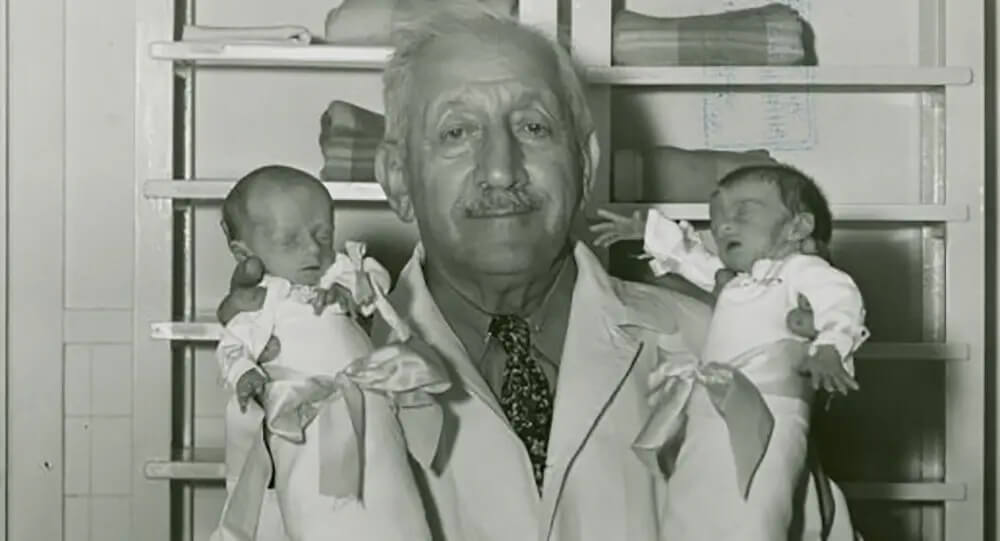
Martin Couney, Saved Thousands of Premature Babies Wasn’t a Doctor at All
Martin Couney never qualified as a medical doctor. However, in the 1900s, he saved thousands of premature babies by exhibiting them in incubators at his Coney Island sideshow. Over the course of his career, he is said to have saved about 6,500 babies that had previously been written off by mainstream medicine.

The History Behind the “No One Dies Alone” Program
In 1986, while doing a night shift at the hospital, Sandra Clarke, a registered nurse, was asked by an elderly patient to stay. She promised to be back after checking on her other patients, but by the time she returned, the gentleman had passed away. Clarke became one of the key figures in launching No One Dies Alone, a program that allows volunteers to sit with terminal patients who have no one else.

Juliane Koepcke: The Teenager Who Fell 10,000 Feet And Trekked The Jungle to survive
In 1971, a high school student was sucked out of an airplane after it was struck by lightning. She fell 10,000 feet to the ground while still strapped to her chair and survived. Only to endure a 9-day trek to the nearest civilization.