
We are all aware that medicine has advanced dramatically over the last fifty years. There are several modern medical approaches available today, but this was not always the case. However, the past of medicine is a dark one. Medical leeches, lobotomy, vascular surgery, cranial stenosis, and even electroshock therapy are all options. These are only a couple of the cruel healing techniques that are still in use today.
10. Electroshock therapy

Fortunately, we only saw this technique in movies when a current was introduced to patients in a mental hospital. At first sight, this seems to be torturing patients, but it is actually a very successful procedure.
9. Skulling (Trepanation)

Drilling holes in people’s skulls is still practiced today, although it’s commonly referred to as a craniotomy. In this process, a surgeon removes a slice of the skull to enter the brain in order to treat disorders such as brain lesions and brain tumors, according to Johns Hopkins Medicine. The skull fragment is covered as soon as possible.
8. Bloodletting (Phlebotomy)
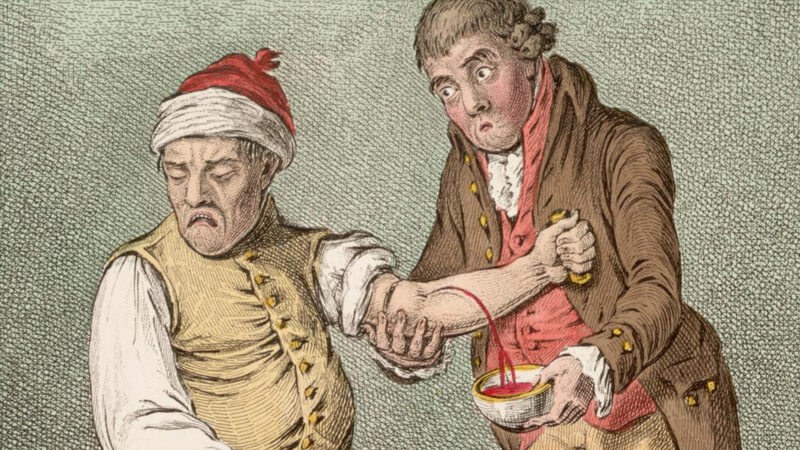
It was also used in ancient Egypt to get rid of excess blood. At the time, it was thought that an imbalance in body fluids caused diseases, so vascular cutting was needed. This technique was used in the nineteenth and even twentieth centuries, but its usefulness had already been brought into question.
7. Medical leeches

Medical leeches are not dangerous, in fact, their saliva contains sixty kinds of proteins that inhibit blood clotting, increase blood flow and anesthetize. Leech saliva was used in surgeries to minimize inflammation and prevent blood clots from developing.
6. Larval therapy

(Warning, You may see a disturbing pictures if you search this one)
Larval therapy is a much more repulsive treatment than leeches, but it is just as successful. Fly larvae that settle in the wound aids in the healing process. These larvae consume dead tissue, assisting the damaged area to recover as quickly as possible. Bone-to-bone wound infections experienced rapid healing and decreased infection in 1929. However, after WWII, penicillin took the place of larval therapy. However, larvae are still used in the treatment of abscesses to this day.
5. Intestinal worm diet

Beauty expectations are still evolving, but they are no longer as harmful as they once were. While arsenic-dyed clothing and painful corsets are no longer in use, the intestinal worm diet is still prevalent. Despite its effectiveness in weight loss, this procedure is illegal in most countries due to the numerous health risks. Tapeworm eggs are consumed, and the growing animal digests the carbohydrates. When the subject achieved the desired weight, the animal had to be removed from the body, which could only be done under medical supervision and with medication.
4. Cauterization

The technique has been practiced for over three thousand years. Closing surgeries are thought to be a normal operation. Cauterization with a heated metal piece was extremely painful and caused extensive tissue damage, but it also stopped the bleeding and disinfected the wound. Wound burning was also used in the Middle Ages, but it was also used to cure mental illness. Wound suturing did not begin until the 16th century, but it quickly spread throughout the world.
3. Bee venom

Bee Venom Therapy is a centuries-old treatment. Bee venom, which includes a mixture of proteins, amino acids, and enzymes that can induce and reduce inflammation, has been used to treat bee problems. Melittin has antibacterial and antiviral properties. However, since the findings were questionable, this treatment was also not medically accepted. Intentional bee pinching, on the other hand, is still used to relieve joint and muscle pain.
2. Stool transplantation

The origin of the process can be traced back to ancient India. Cow feces have been proposed as a treatment for certain intestinal problems. He used it to treat food poisoning, and the Bedouins used camel stools for this purpose. About 1950, Western medicine began to address this cure, and it is now a well-understood procedure. The method, predictably, triggered disgust, making it difficult to spread. In certain diseases, the intestinal flora is depleted to such a degree that healthy bacteria will be brought back. It is now performed by enema and should not be taken orally as it was previously.
1. Lobotomy

After removal of the frontal lobe, the experimental monkeys calmed down, so the treatment was also tried on humans. Under anesthesia, the connection between a patient’s forehead and the rest of his brain was broken. The method proved promising but caused paralysis, loss of consciousness, and catatonia. It became popular in the ’40s with dangerous or violent patients struggling with rage. Later, the procedure, which was performed through the eye cavity, could be performed without anesthesia and surgery. Lobotomy was banned in the ’50s but was still used in many countries. It is still used today, but only in patients who are not helped by any other therapy.


Irena Sendler: woman who rescued Jews during holocaust
Irene Sendler was the Zegota resistance group's head of the children's department. She risked her life to smuggle children out of the Warsaw ghetto, place them with Polish families or orphanages, give each child a new identity, and keep records so that they could be returned to their families. In 1943, the Gestapo arrested and sentenced her to death, but she was rescued by Zegota.


Philippines, the largest supplier of Nurses in the World
Philippines is the world’s largest supplier of nurses, supplying roughly 25% of all overseas nurses worldwide.

What is the story behind Wrigley chewing gum?
Wrigley's was originally a soap company that gifted baking powder with their soap. The baking powder became more popular than the soap so they switched to selling baking powder with chewing gum as a gift. The gum became more popular than the baking powder so the company switched to selling gum.


The 1976 April Fools' Pranks, Planetary Alignment
On April fool's Day, 1976, the BBC convinced many listeners that a special alignment of the planets would temporarily decrease gravity on Earth. Phone lines were flooded with callers who claimed they felt the effects.
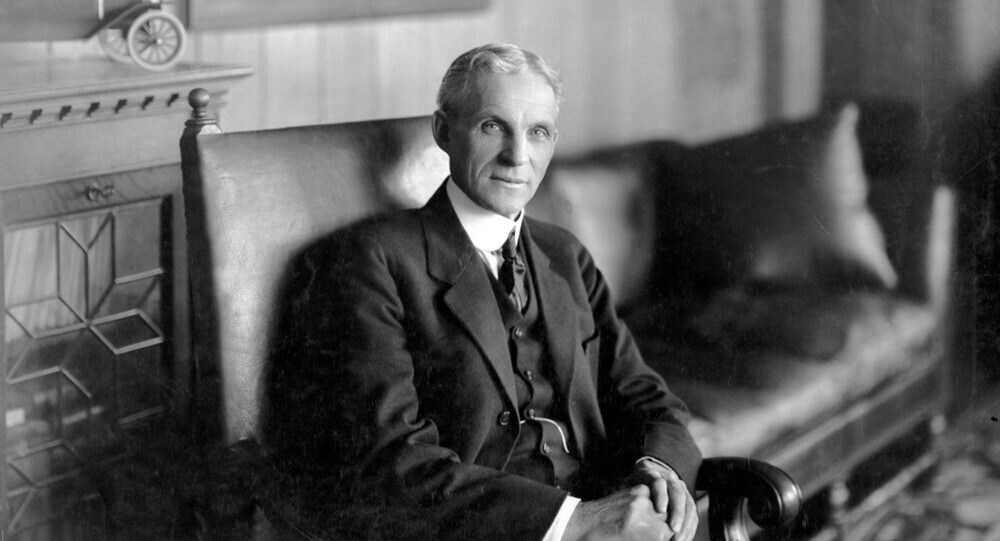
Henry Ford, The man popularizing the concept of the weekend off
Henry Ford was the first Industrial Giant to give his employees both Saturday and Sunday off in the hope of encouraging more leisurely use of automobiles and thus popularizing the concept of the "weekend."

Why the Word ‘Pen’ Comes from the Latin ‘Penna’ Meaning Feather
The humble word “pen” carries a rich history rooted in ancient times, derived from the Latin word penna, meaning “feather.” Long before modern pens revolutionized writing, feather quills—especially from geese—were the essential tools of scribes, scholars, and artists. This article journeys through the origins of the pen, its evolution, and fascinating trivia about the timeless connection between feathers and writing.

June and Jennifer Gibbons The silent twin who Only Spoke to Each Other
Identical twins June and Jennifer Gibbons were born on 11 April 1963 at a military hospital in Aden, Yemen where their father worked as part of the Royal Air Force.

The Horrific story of Ariel Castro and the Cleveland abduction
Cleveland abduction victims Gina DeJesus, Michelle Knight, and Amanda Berry were forced to live in Ariel Castro's house of horrors for 10 years. He raped and beat them until they escaped in 2013.
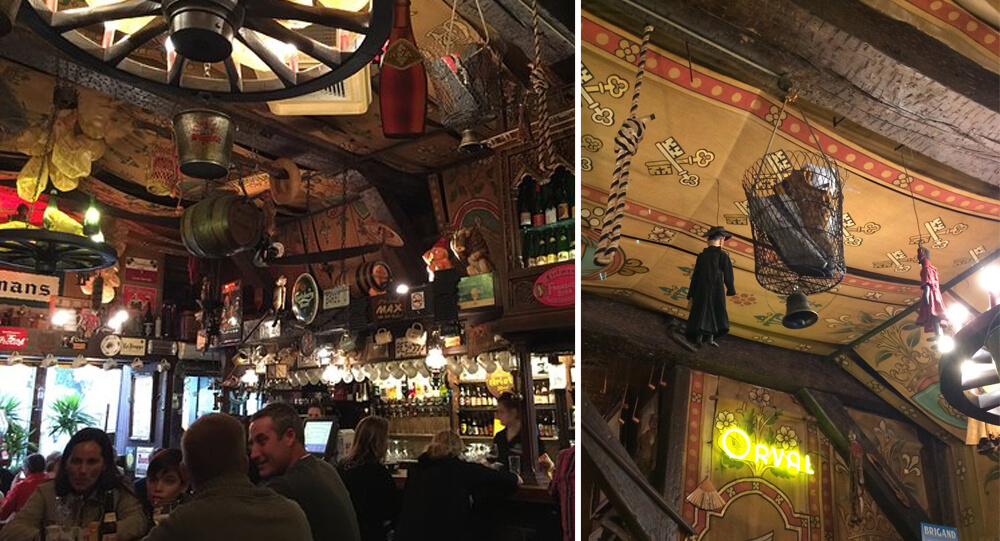
Why This Belgian Bar Makes You Trade Your Shoe for a Beer
To prevent tourists from stealing their beer glasses, some bars in Belgium require people to hand over one of their shoes as a deposit which is then put in a basket and hung from the ceiling. These shoe baskets have also become an attraction.

How European Rabbits Took over Australia
In 1859, wealthy settler Thomas Austin released 13 wild rabbits on his Australian estate. By 1920, their population grew to 10 billion.
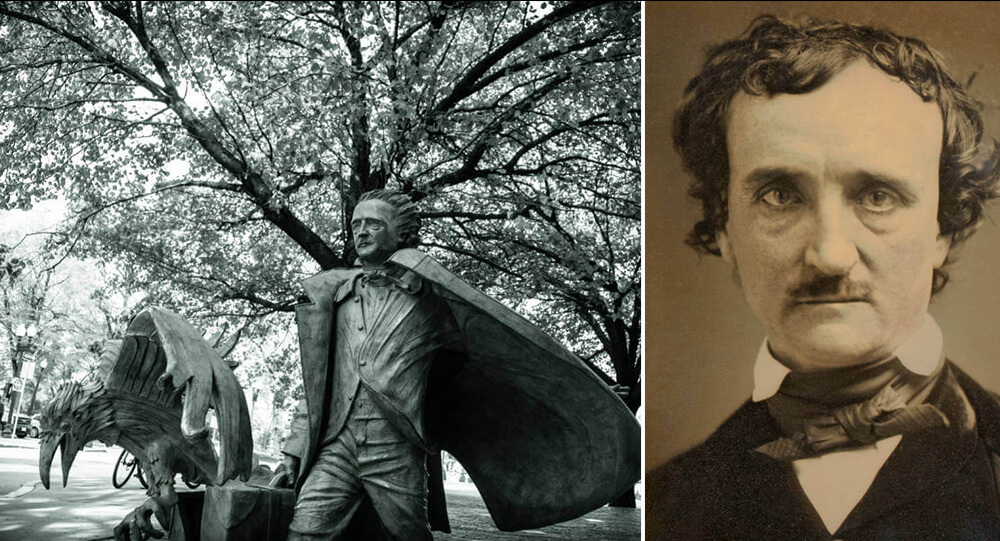
Inside The Mysterious Death Of The Famed Gothic Writer Edgar Allan Poe
Hours before his death Edgar Allen Poe was found on the streets of Baltimore. He was incoherent, wearing another man’s clothes, and unable to explain how he got there. The cause of his death is an unsolved mystery.
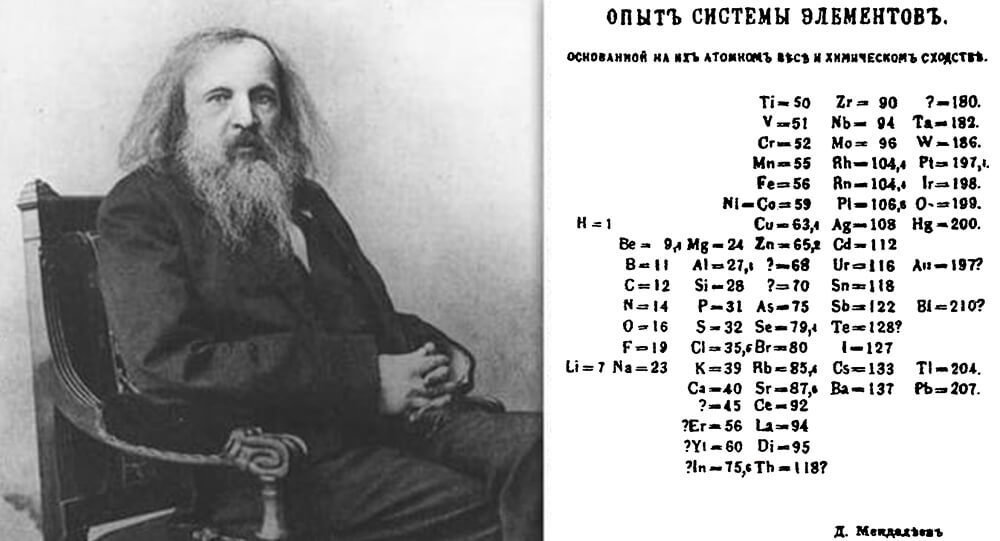
How Dmitri Mendeleev Developed the periodic table of the elements
1850 Dmitri Mendeleev walked almost a thousand miles to Moscow so he could apply for the University of Moscow. Although he was not accepted, he walked to St. Petersburg where he was accepted, And with that education, he developed the the periodic table of the elements

The History Behind the “No One Dies Alone” Program
In 1986, while doing a night shift at the hospital, Sandra Clarke, a registered nurse, was asked by an elderly patient to stay. She promised to be back after checking on her other patients, but by the time she returned, the gentleman had passed away. Clarke became one of the key figures in launching No One Dies Alone, a program that allows volunteers to sit with terminal patients who have no one else.

The Littlest Skyscraper: How J.D. McMahon’s 480-Inch Con Fooled Investors in 1919
In 1919, J.D. McMahon convinced investors to fund a 480-foot skyscraper, but he labeled the plans as 480 inches, building a 40-foot structure instead. After taking $200,000, he won in court since the plans matched what he built.
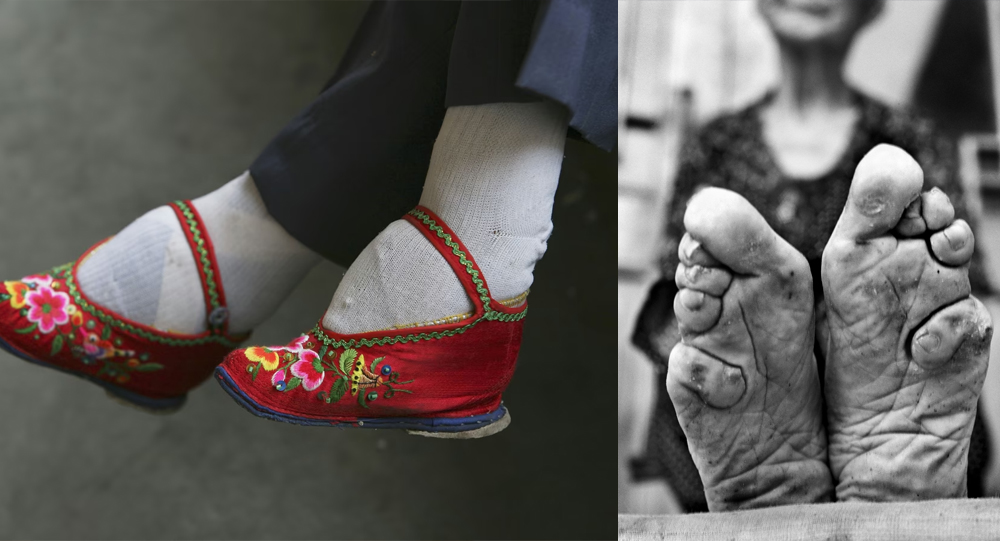
Inside China’s Footbinding Tradition: The Painful Ritual of Lotus Shoes and Bound Feet
In China, Lotus shoes were used to bind women's feet to keep their feet small
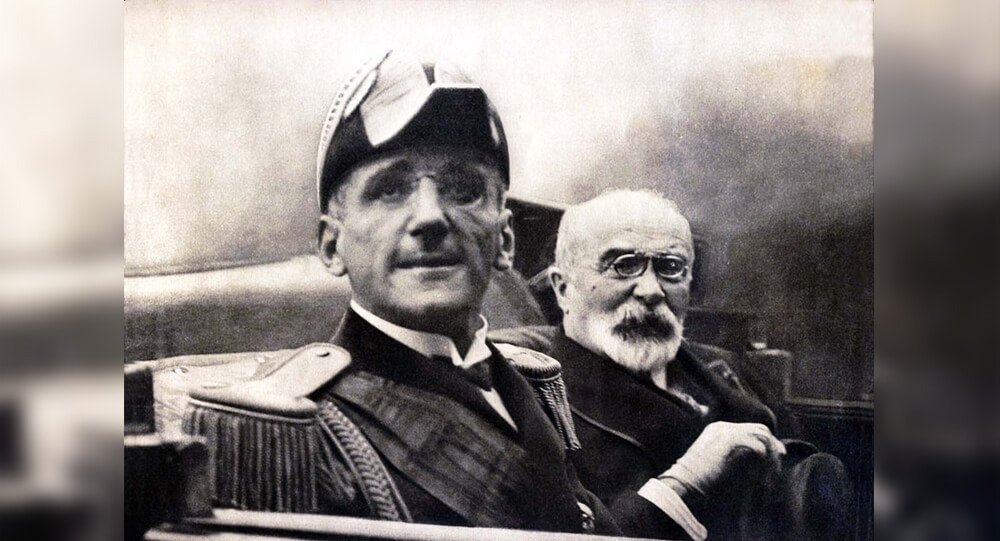
The Assassination Of King Alexander
The assassination of King Alexander of Yugoslavia marked a pivotal moment in the country's history. This article delves into the rise and reign of King Alexander, exploring his early life and ascension to the throne. It also examines the political and social climate in interwar Yugoslavia, setting the stage for the tensions and challenges that ultimately culminated in his tragic assassination. By understanding the context in which this event unfolded, we can better grasp the significance and impact it had on the nation and its future.
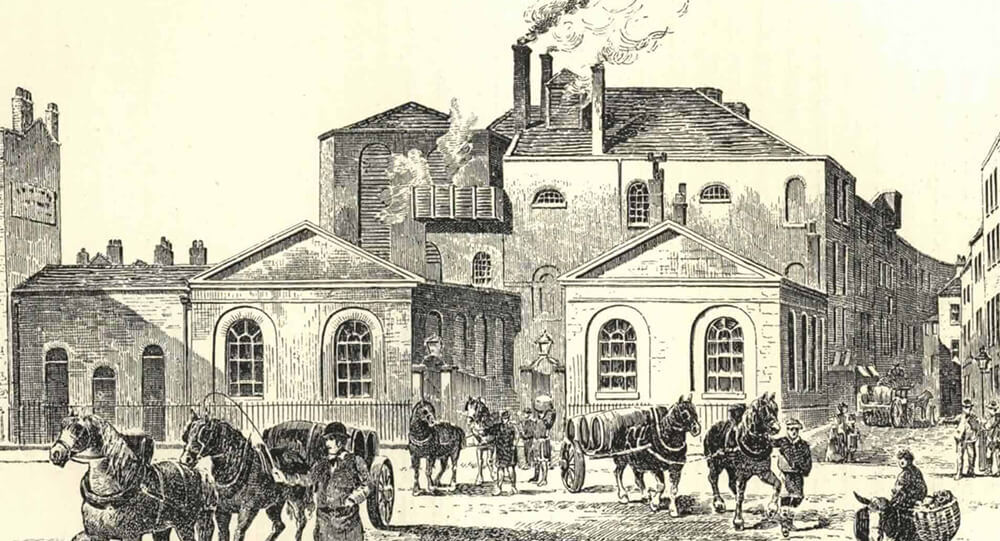
The 1814 London beer flood
In 1814, there was a beer flood in London when a tank containing more than 300,000 gallons ruptured in which 8 people drowned.
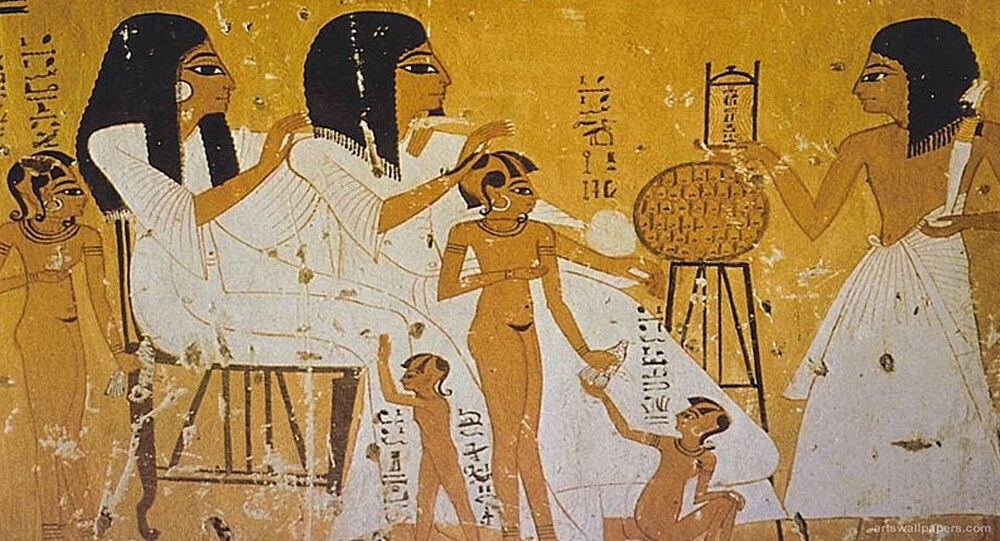
Ancient Egyptians Had Pregnancy Tests Over 3500 Years Ago
The ancient Egyptians used a pregnancy test that involved potentially pregnant women peeing on barley and wheat seeds. Plant growth indicated pregnancy: barley for a boy and wheat for a girl. Later tests revealed that pregnant women's urine causes plant growth 70% of the time, whereas non-pregnant women's urine does not.

The story of a man who spent 72 hours with 72 venomous snakes to prove they only bite when provoked
In the 1980s, an Indian man spent 72 hours in a glass cabin with 72 snakes, some of which were extremely venomous. His aim was to prove that snakes only attack when provoked. Remarkably, he was not bitten once in those 72 hours and even set a Guinness World Record in the process.
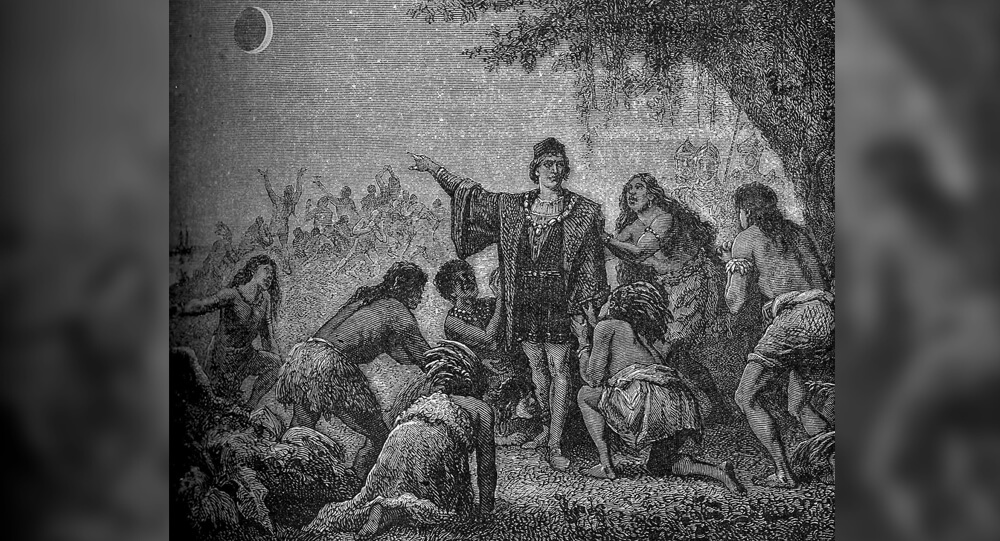
How a Total Lunar Eclipse Saved Christopher Columbus in 1504
In 1504, Christopher Columbus was stranded in Jamaica with natives who refused to give him food. But he knew the date and time of an upcoming lunar eclipse. So he told the natives that his gods were angry at their treatment of him, and would provide a clear sign. Once the eclipse started, the natives raced to give him food and begged for mercy.
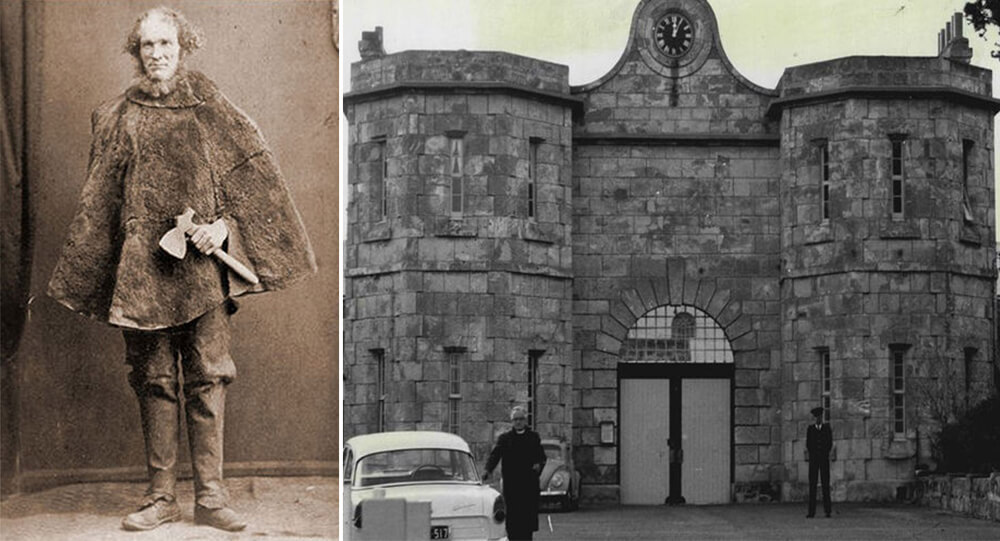
Moondyne Joe: The story of Australia's most notorious prison escapee
A man named Joseph Bolitho Johns (A.K.A Moondyne Joe) broke out of Australian prisons so many times that the police were compelled to build a special cell just for him. He escaped from that as well.

The story of Bill Haast, who lived to be 100 despite his extensive snake venom injections
Bill Haast immunized himself by injecting snake venom into his blood for several years. He holds the Guinness World Record for surviving the most lethal snake bites, having been bitten over 172 times. Bill became known as "Snake Man" around the world and lived for over 100 years.
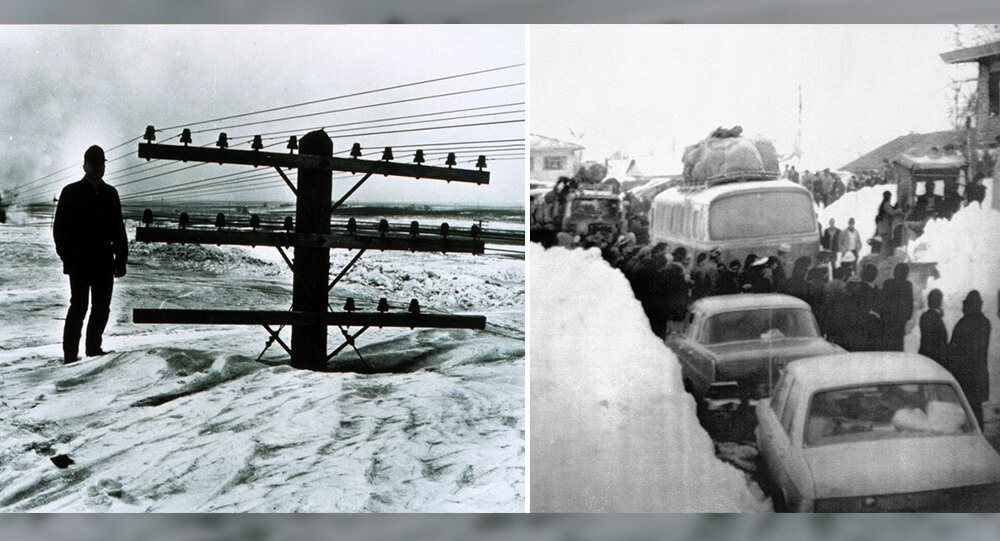
The worst blizzard in recorded history: the 1972 Iran blizzard
The deadliest snowstorm ever recorded occurred in Iran in 1972. It lasted for a week, burying areas in 26 feet of snow and killing over 4,000 people, including the entire populations of three villages.
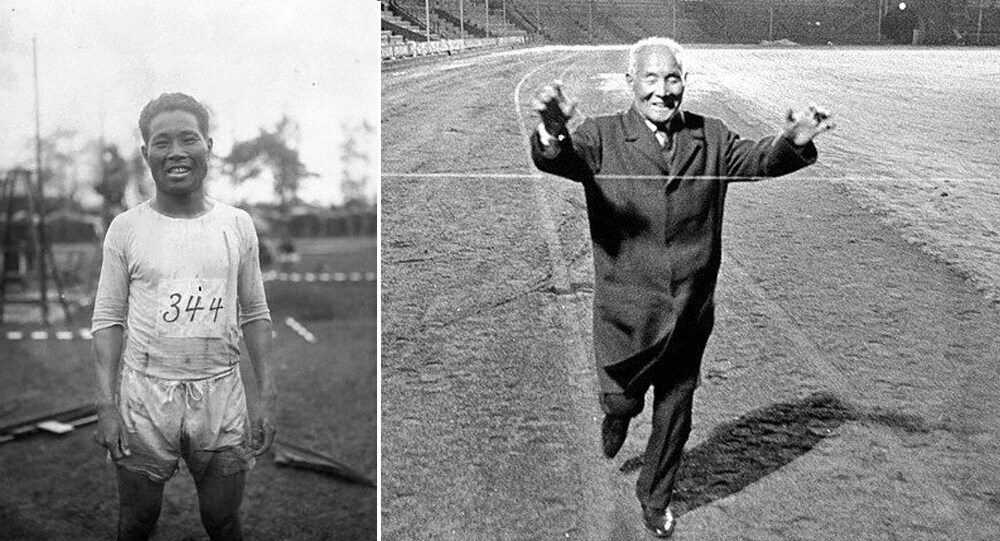
Shizo Kanakuri’s 1912 Olympic Marathon Finished 54 Years
At the 1912 Olympics, a marathon runner quit and went home to Japan without telling officials and was considered a missing person in Sweden for 50 years. In 1966, he was invited to complete the marathon. His time: 54 years, 8 months, 6 days, 5 hours, 32 minutes, and 20.379 seconds.

3 men lived on top of a billboard in tents for almost 9 months
From 1982-1983, three men in Allentown PA competed in a radio contest in which they lived on top of a billboard in tents. Whoever stayed up longest would win a house. Due to economic pressure from the recession, none of the contestants wanted to give up, so the contest lasted almost 9 months.