
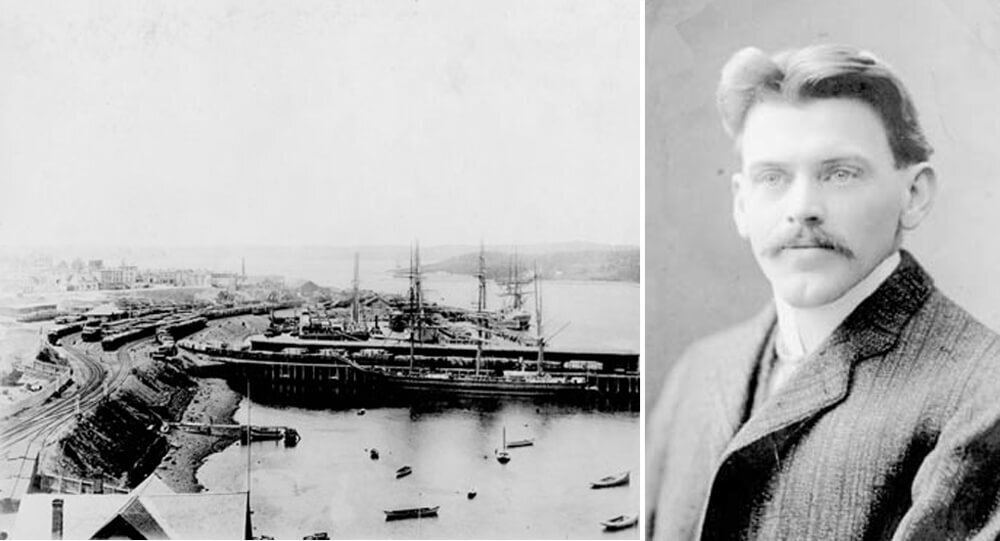

Vince Coleman, a railway dispatcher, sacrificed his own life
“Hold up the train. Munitions ship on fire and making for Pier 6 … Goodbye boys.”
Vincent Coleman, a railway dispatcher, left his Richmond neighborhood home on Russell Street in Halifax’s North End early on December 6, 1917, for work. He left his wife Frances, who was wearing a bright blue dress she had made herself, to care for their young, two-year-old daughter Eileen. To get to his workplace at the Richmond train station, it took only five short blocks.
He worked in the deceptively small wooden station in the middle of the Richmond rail yards, not in the opulent brick passenger station on North Street. His job was to manage the heavy rail traffic created by the crowded Halifax harbor during the Halifax Harbor War, which he did while working just a few feet from the harbour and its busy piers.
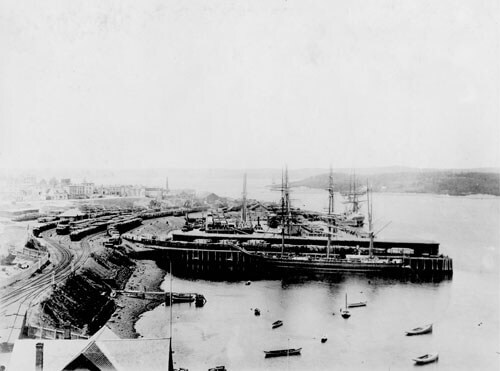
He routed the heavy passenger traffic entering North Street Station during the war as well as the necessary troop trains and hospital trains from the Pier 2 ocean liner terminal. He also sent orders to the numerous trains feeding freight into the ship-filled wharves of North End Halifax.
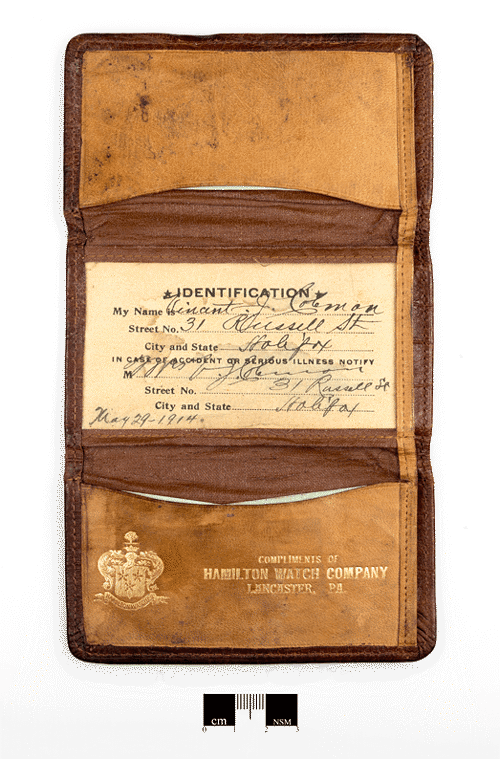
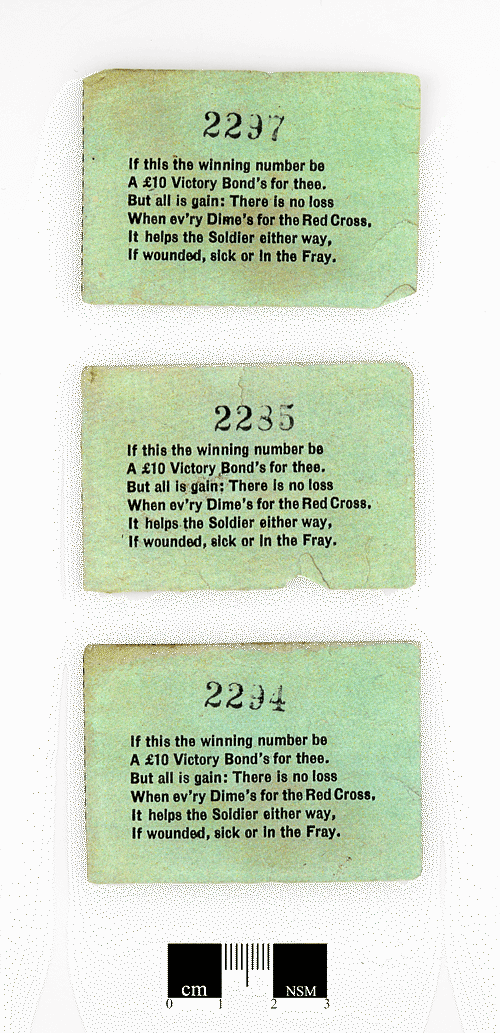
Despite the fact that it had changed its name to “Canadian Government Railways” in 1916, Coleman worked for what was known as the “Intercolonial Railway” or “ICR” in Halifax. He was a rank above most stations’ regular telegraph operators as a dispatcher. He received praise for aiding in the containment of a runaway train a few years ago. Additionally, he was very involved in his railway union. In his wallet that morning, tucked beside some raffle tickets for the Victory Bond drive, was a clipping about an upcoming union meeting in Montreal.
A distant crash was followed by a column of black smoke rising above the rows of freight cars parked in front of the station as Coleman took over as the night dispatcher at the telegraph. After a collision, the French munitions ship Mont-Blanc caught fire. A naval sailor suddenly plowed through the door. Everyone was given the warning that the on fire Mont-Blanc was about to erupt with ammunition. One of the few people who was aware of the sailor’s deadly cargo was one of the naval officers who responded to the fire and sent her ashore. Coleman turned around and used the telegraph key to send his infamous message as William Lovett, his boss and the chief clerk at Richmond, and he started to leave.
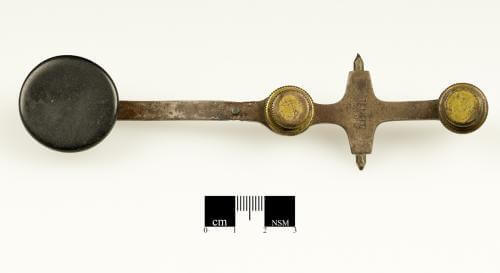
Coleman was particularly concerned about Passenger Train No. 10, an overnight train from Saint John, New Brunswick. At 300 people on board, it was scheduled to arrive in Halifax at 8:55 am. It was scheduled to pass through the North Street Station’s approach tracks in front of the scorching Mont-Blanc in a matter of minutes. The exact wording of Coleman’s message was slightly different in the newspapers of the time, but its general content was consistently reported as follows:
“Hold up the train. Ammunition ship afire in harbor making for Pier 6 and will explode. Guess this will be my last message. Good-bye boys.”
Coleman was clearly aware that the explosion was coming and that he was facing death. He even ended by saying “Goodbye Boys” in telegraph shorthand.
Explosion
After that, Mont-Blanc erupted at 9:05 am. Pier 6 and the ship disappeared in a flame column. While others were thrown through the air, rows of boxcars vanished. Coleman’s station vanished just 750 feet from the blast’s center. As tidal waves rose from the harbor and roared back and forth across the Richmond yards, it was buried in debris from the railway yard and crushed by the blast. The Maritime Museum of the Atlantic still has water stains in his wallet. His watch, whose hands and crystal have been blown away, and whose back appears to have been pounded in by hammers, speaks ominously of the violent forces that descended upon Coleman. Coleman most likely passed away at his telegraph key instantly.
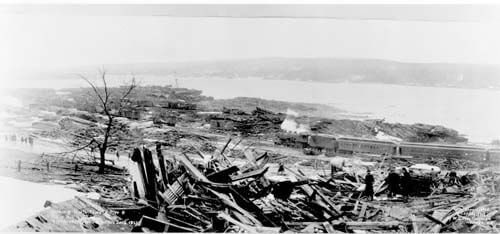
However, the message transmitted by that telegraph key was picked up by every station from Halifax to Truro, including Rockingham, Bedford, Windsor Junction, Elmsdale, Stewiacke, and so on. The semaphore blades, or station order boards, that you once saw mounted on the sides of stations would have been swiftly moved by each station agent from the vertical “All Clear” position to the horizontal “Stop!” position. All Halifax-bound trains would come to a stop as they approached their next station with a bang, bang, bang, all the way to Truro, as the order boards would drop. In 1917, rail traffic was managed in this way. Before two-way radios were installed on trains, many years would pass.
Legacy
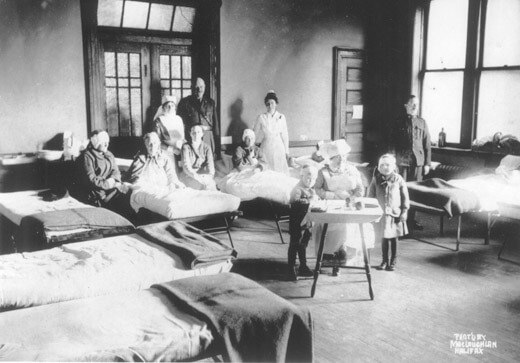
Coleman’s deed and outcomes were genuinely heroic. He is pictured alongside several Halifax explosion heroes, including Horatio Brennan, a brave tugboat captain who lost his life attempting to pull Mont-Blanc out of the city. They stand in for the many heroes of that day, including the firefighters, soldiers, sailors, and regular men and women who rushed into burning and collapsing homes to save their loved ones, their neighbors, and strangers.

How Sleep Deprivation Was Once Used as Torture
Sleep deprivation, long before modern interrogation techniques, was considered a “clean” and effective form of torture—leaving no physical scars, yet breaking minds with haunting silence. Victims endured days and nights without rest, leading to vivid hallucinations, disorientation, and psychological torment. This article traces the dark history of sleep deprivation as a weapon, examines the science behind its effects on the brain, and shines a light on the painful balance between human endurance and cruelty in the annals of coercion.

Marion Stokes recorded 30 years of television
Marion Stokes, a Philadelphia woman began taping whatever was on television in 1979 and didn’t stop until her death in 2012. The 71,000 VHS and Betamax tapes she made are the most complete collection preserving this era of TV. They are being digitized by the Internet Archive.
The Assassination Of King Alexander
The assassination of King Alexander of Yugoslavia marked a pivotal moment in the country's history. This article delves into the rise and reign of King Alexander, exploring his early life and ascension to the throne. It also examines the political and social climate in interwar Yugoslavia, setting the stage for the tensions and challenges that ultimately culminated in his tragic assassination. By understanding the context in which this event unfolded, we can better grasp the significance and impact it had on the nation and its future.
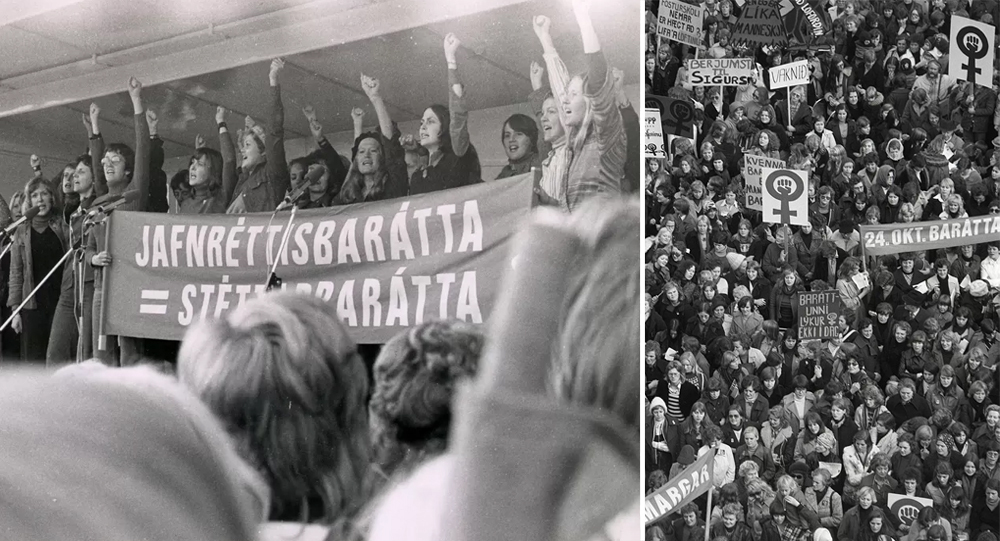
The day Iceland's women went on strike
Icelandic women went on strike for equal rights on October 24, 1975. 90% of women walked out of their jobs and homes, effectively shutting down the entire country. The men were struggling to keep up. The following year, Parliament passed a law requiring equal pay. Iceland elected the world's first female President five years later. Iceland now has the highest gender equality rate in the world.
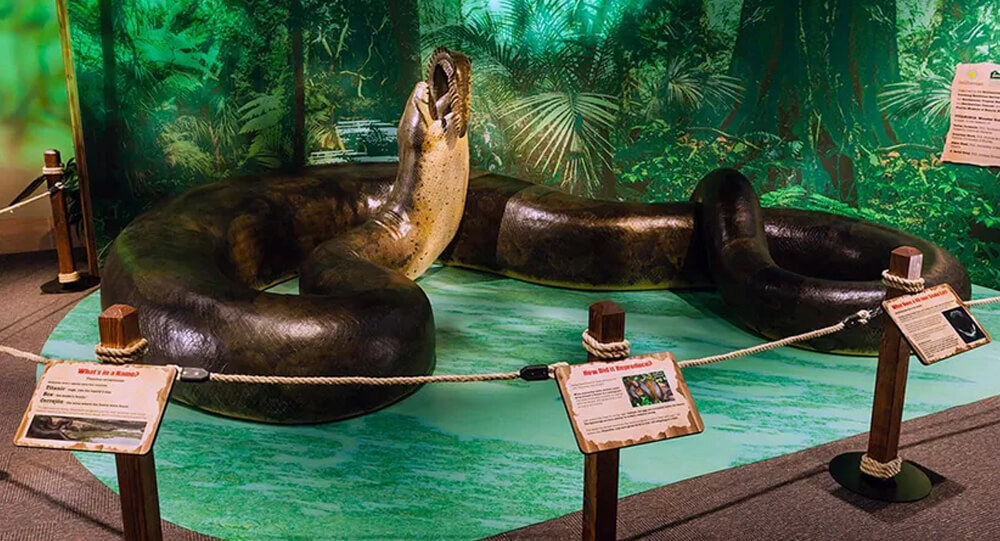
Titanoboa cerrejonensis, fossils of the world’s largest species of snake
In 2009 in a coal mine of Columbia, scientists discovered fossils of the world’s largest species of snake. The species is called “Titanoboa cerrejonensis,“and it is from around 60 million years ago. It would have had measured about 48 feet long and weighed about 2,500 pounds

The incredible story of Julia "Butterfly" Hill and her legacy
American environmental activist Julia “Butterfly” Hill lived in a 1500-year-old California Redwood tree for 738 days to prevent it from being cut down by the Pacific Lumber Company. The Simpson’s episode “Lisa the Tree Hugger” was inspired by Hill’s story.
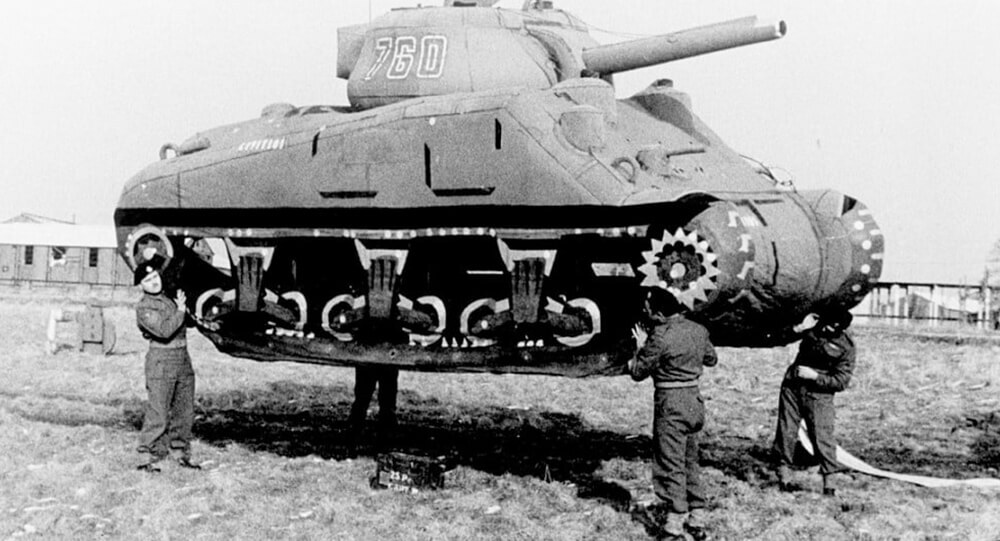
What exactly was the US's 'Ghost Army' during WWII?
During WW2, there was a special unit of men dubbed the ‘Ghost Army’. The unit was made of artists, creative and engineers and their job was to create deception about the enemy. From inflatable tanks to phony convoys to scripted conversations in bars intended to spread disinformation, they used all possible tricks to fool the enemy.
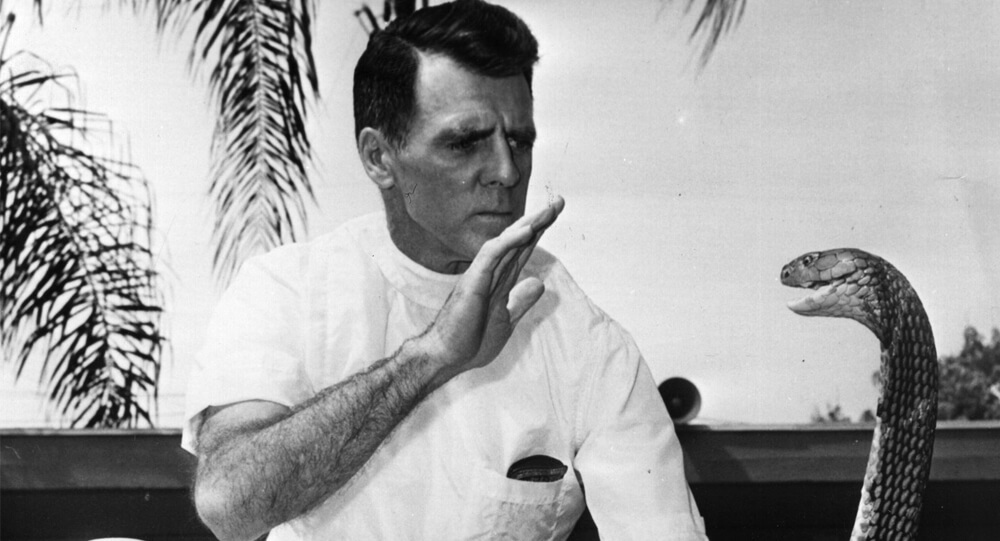
The story of Bill Haast, who lived to be 100 despite his extensive snake venom injections
Bill Haast immunized himself by injecting snake venom into his blood for several years. He holds the Guinness World Record for surviving the most lethal snake bites, having been bitten over 172 times. Bill became known as "Snake Man" around the world and lived for over 100 years.

Archaeologists Uncover 2,000-Year-Old Amazonian Cities Using Lidar Technology
Deep in the Ecuadorian Amazon, archaeologists have uncovered an ancient network of urban settlements once inhabited by the Upano people about 2,000 years ago. Using cutting-edge lidar technology, these discoveries reveal a highly organized society featuring sophisticated agricultural systems, drainage canals, and extensive road networks. This transformative find challenges long-held assumptions about ancient Amazonian societies and sheds light on a complex civilization thriving in one of the world’s most biodiverse regions.

how Ferris wheel invented
In 1891, Chicago challenged engineers to create a structure to surpass the Eiffel Tower for the World's Columbian Exposition. George Washington Gale Ferris jr. responded with the original Ferris Wheel, a giant rotating structure elevating visitors above the city. This invention became an iconic attraction at the fair.

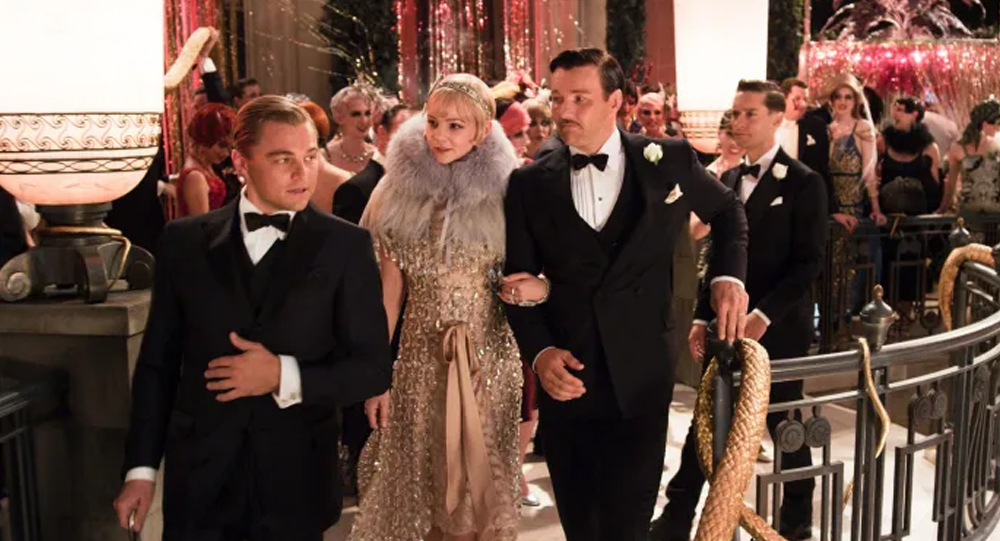
From Flapper to Fashion Week: How 1920s Style Still Shapes Modern Trends
The roaring 1920s revolutionized fashion, introducing bold styles, daring cuts, and a spirit of freedom that still inspires today’s wardrobes. From flapper dresses to statement accessories, here’s how the Jazz Age lives on in modern fashion.

Xin Zhui And The Story Of The Stunningly Intact Lady Dai Mummy
A 2,000-year-old mummy of a Chinese woman, Xin Zhui, also known as “Lady Dai,” was preserved in 21 gallons of an “unknown liquid.” With her original hair, organs, eyebrows, and eyelashes intact, the mummy still has blood in her veins. Her skin and ligaments are soft and as flexible as that of a living person.
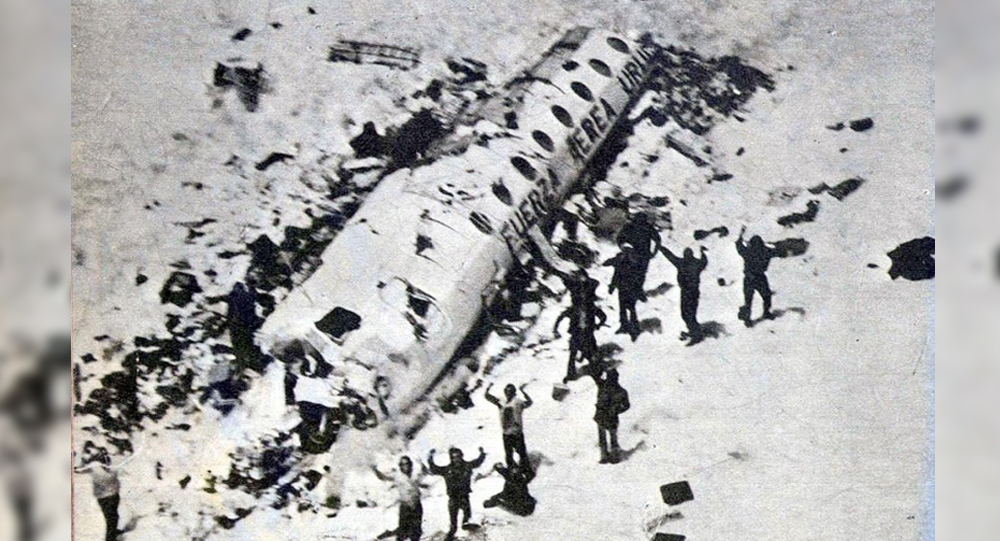
1972 Andes Plane Crash Survivor recall the terrifying Struggles to Stay Alive
On October 13, 1972, a plane carrying a rugby team from Uruguay crashed in the Andes between Chile and Argentina. The survivors were in brutal conditions - high altitude, bitter cold, and the lack of food—and faced the most terrible choice—eating the frozen flesh of their dead friends or starving to death themselves.
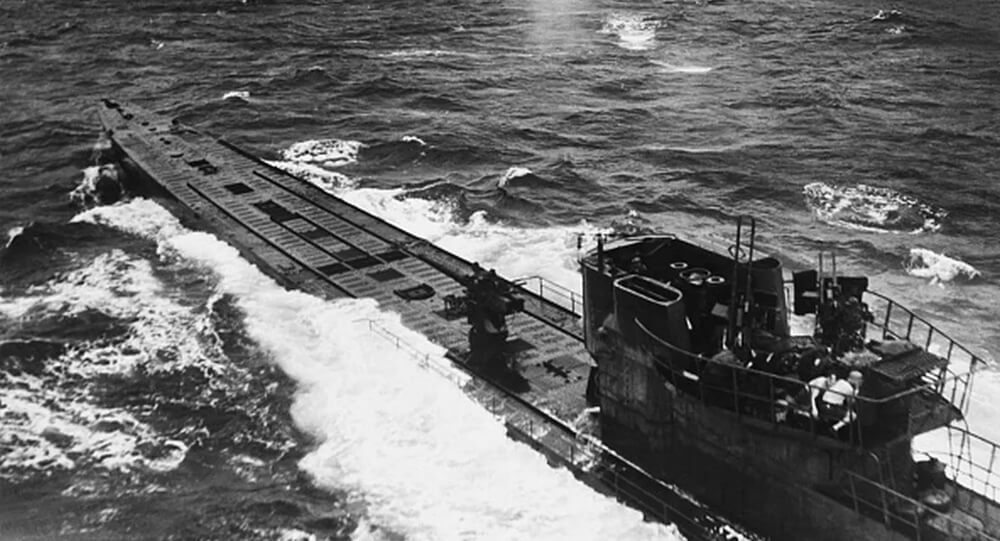
The Amazing Truth About The German U-Boat That Was Sunk By A Toilet
During WWII, a German captain and an engineer flushed the submarine's high-tech toilet incorrectly, causing the vessel to rapidly fill with water. British planes patrolling the sea attacked them as the submarine was brought to the surface. While many members of the crew were killed in the attack, the captain escaped!
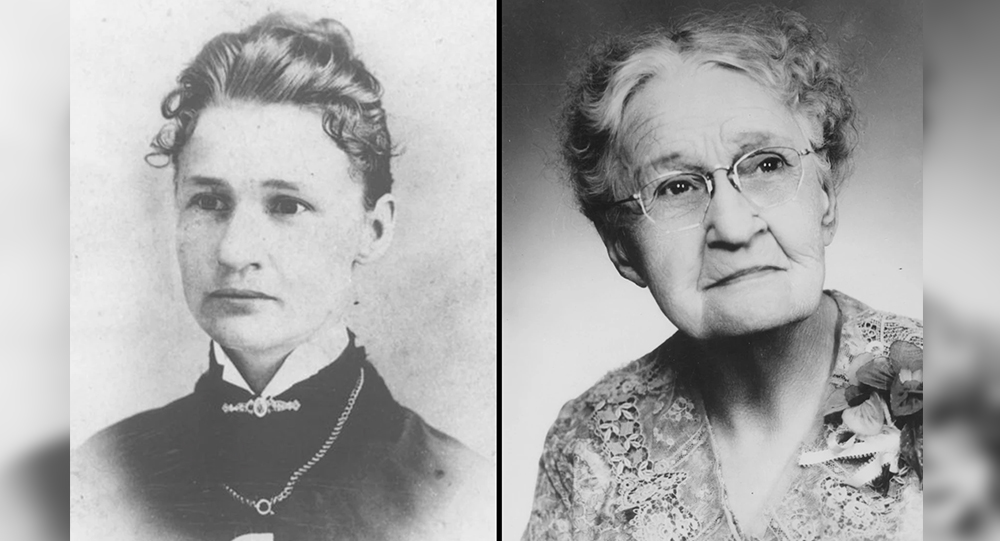
Susanna Salter: The Trailblazing Story of America’s First Female Mayor
In 1887, Susanna Salter became the first female mayor in the United States, elected in Argonia, Kansas. Her nomination was initially a prank by men opposing women in politics. However, she won by a landslide and served effectively, inspiring the women’s suffrage movement and breaking barriers for women in leadership.
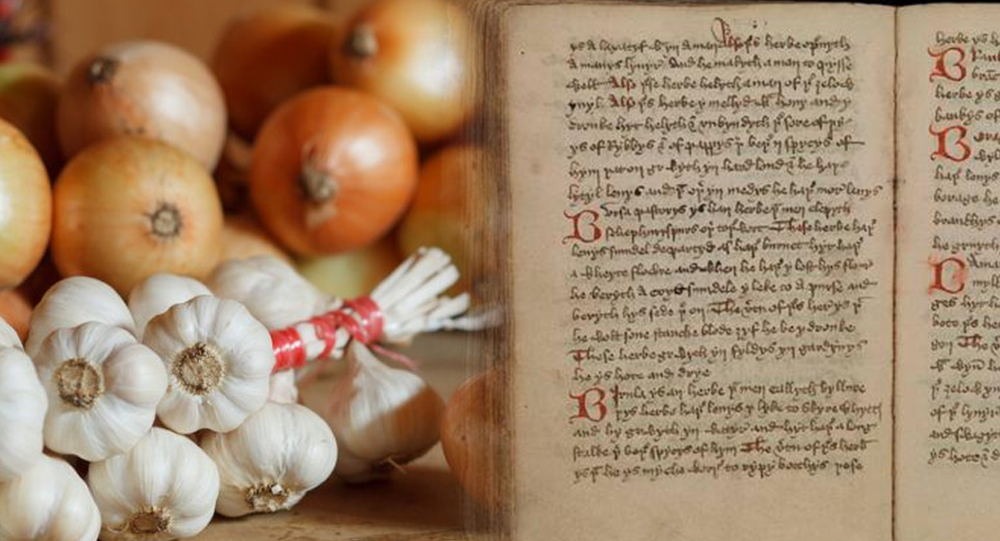
Medieval Medicine: A 1,000-year-old onion and garlic salve kills modern bacterial superbugs
Scientists recreated an Anglo-Saxon manuscript-based 9th century onion and garlic eye remedy and discovered that it killed 90% of antibiotic-resistant staph bacteria (MRSA).
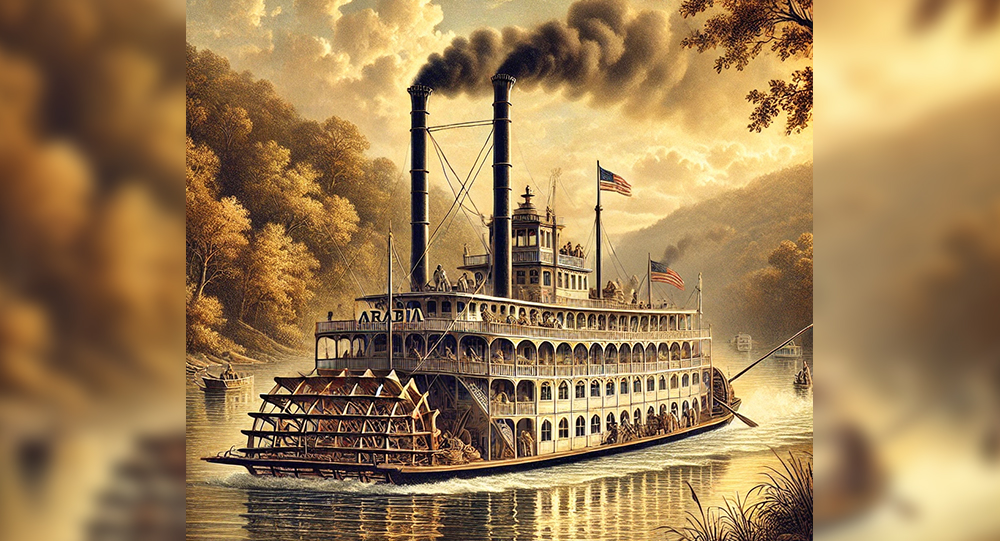
The Arabia Steamboat: Unearthing a 19th Century Time Capsule from the Missouri River
The Arabia was a steamboat that sank in the Missouri River in 1856. Over time, the river shifted 800 meters to the east, eventually turning the site of the sinking into a field. The steamboat remained under 45 feet of slit and topsoil until 1988, when it was excavated. The mud, as it turned out, was such a great preserver that most of the artifacts on board were found to be intact. They even found jars of preserved apples that were still edible!
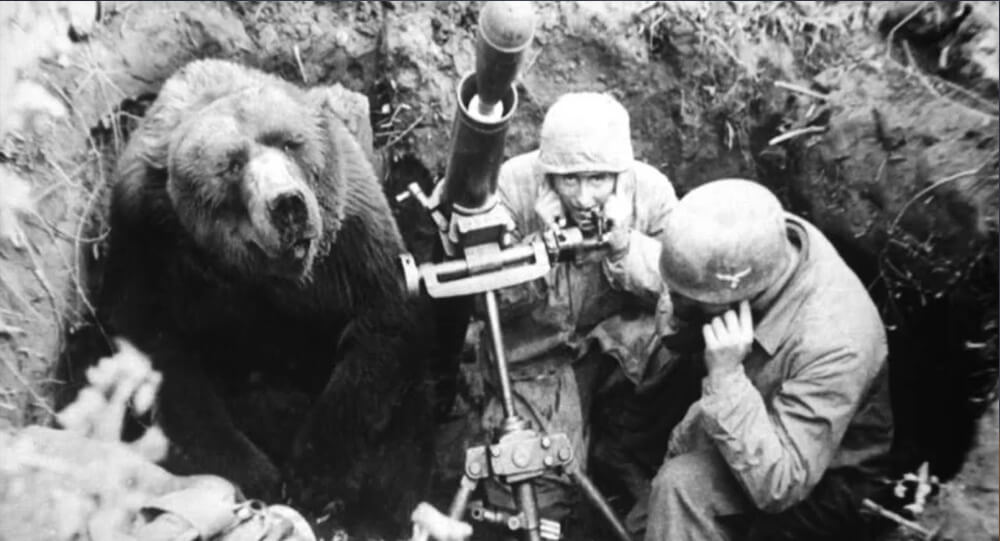
The 440-pound bear named Wojtek and his World War II battle against the Nazis
Polish troops raised an orphaned bear cub during WWII. He enjoyed drinking beer, and was trained to salute. He became officially enlisted as a member of the forces, and helped carry artillery during battle.
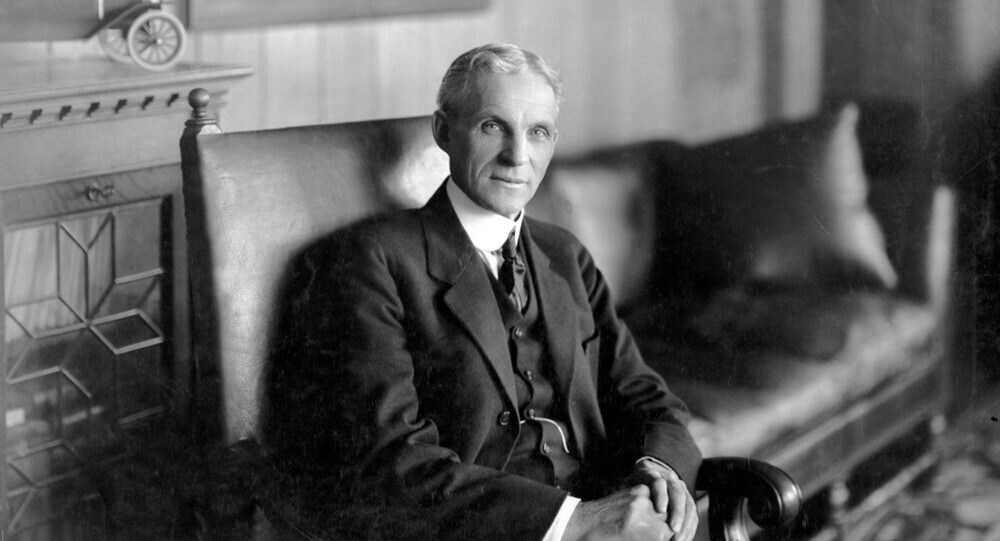
Henry Ford, The man popularizing the concept of the weekend off
Henry Ford was the first Industrial Giant to give his employees both Saturday and Sunday off in the hope of encouraging more leisurely use of automobiles and thus popularizing the concept of the "weekend."
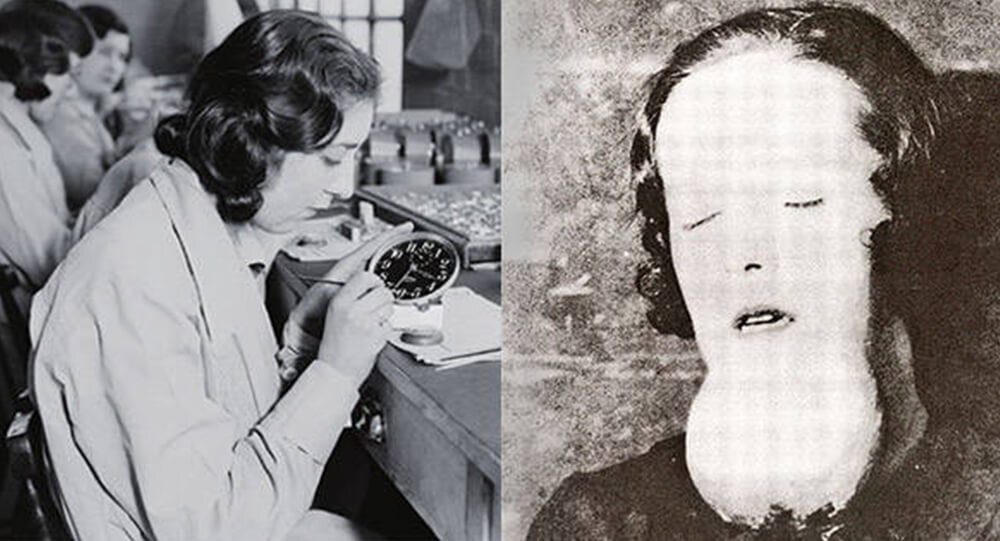
The true story Of The Radium Girls that change US labor laws
Hundreds of young women worked in clock factories during World War I, painting watch dials with luminous radium paint. The company lied about the risk of radiation, claiming there was no danger, which resulted in the death of the young women.

Saudi Arabia camel carvings dated to prehistoric era
Archaeologists were shocked to discover that a series of camels carved into desert rock faces in north-western Saudi Arabia are actually prehistoric, dating from 7,000-8,000 years ago - before either the Pyramids of Giza or Stonehenge were built.
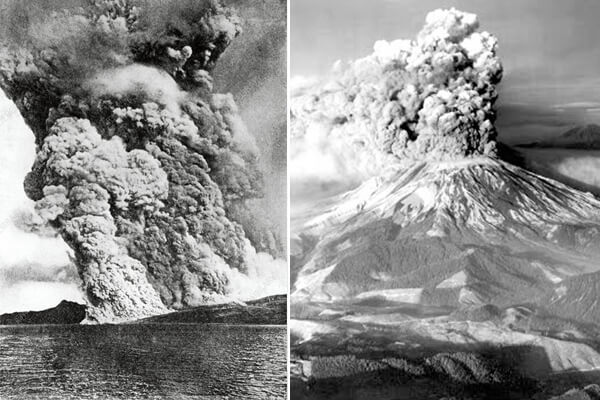
10 world’s most destructive and dangerous volcanic eruptions in history
Volcanic eruptions can devastate cities, change the world's atmosphere, and devastate economic systems. They can create molten lava rivers, mudslides, suffocating ash, and poisonous gases that cause chaos around the world for years. A volcanic explosion's effects can be massive, from its size to its death toll to its economic cost. Here is ten world’s most destructive and dangerous volcanic eruptions in history.
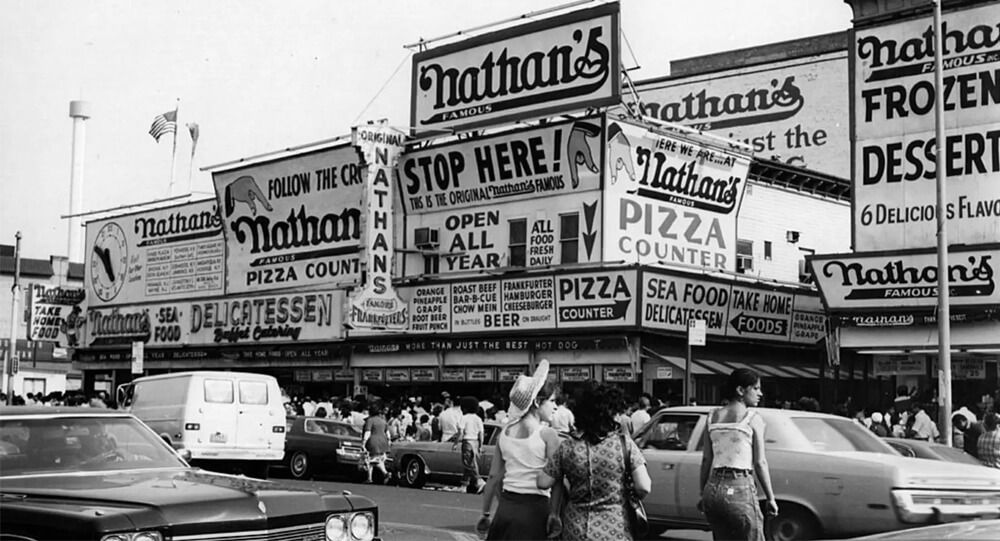
Nathan's Famous Doctor Stunt
When Nathan's Famous Hot Dogs first opened in 1916, the owner hired people to dress as doctors and eat hot dogs outside his shop, to convince people his hot dogs were healthy.
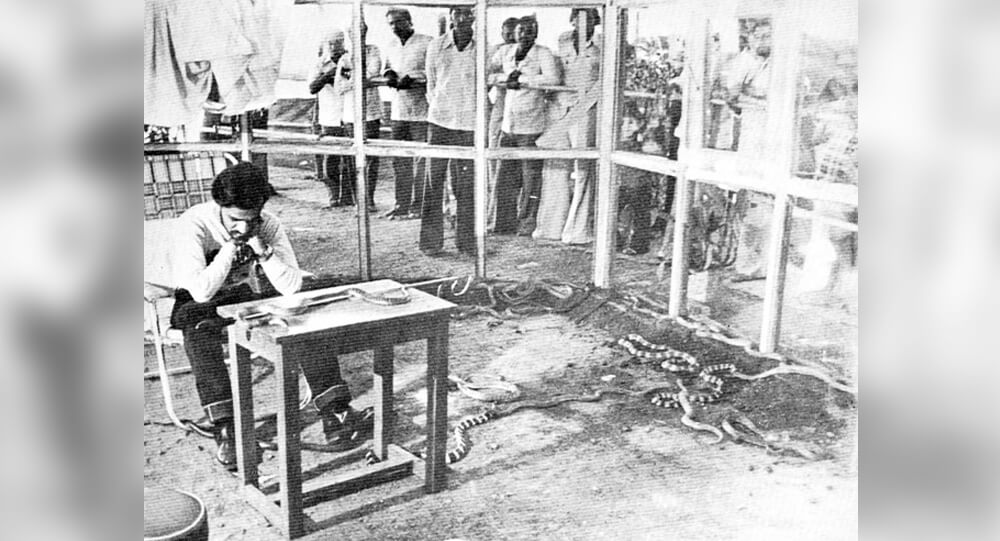
The story of a man who spent 72 hours with 72 venomous snakes to prove they only bite when provoked
In the 1980s, an Indian man spent 72 hours in a glass cabin with 72 snakes, some of which were extremely venomous. His aim was to prove that snakes only attack when provoked. Remarkably, he was not bitten once in those 72 hours and even set a Guinness World Record in the process.

Irena Sendler: woman who rescued Jews during holocaust
Irene Sendler was the Zegota resistance group's head of the children's department. She risked her life to smuggle children out of the Warsaw ghetto, place them with Polish families or orphanages, give each child a new identity, and keep records so that they could be returned to their families. In 1943, the Gestapo arrested and sentenced her to death, but she was rescued by Zegota.