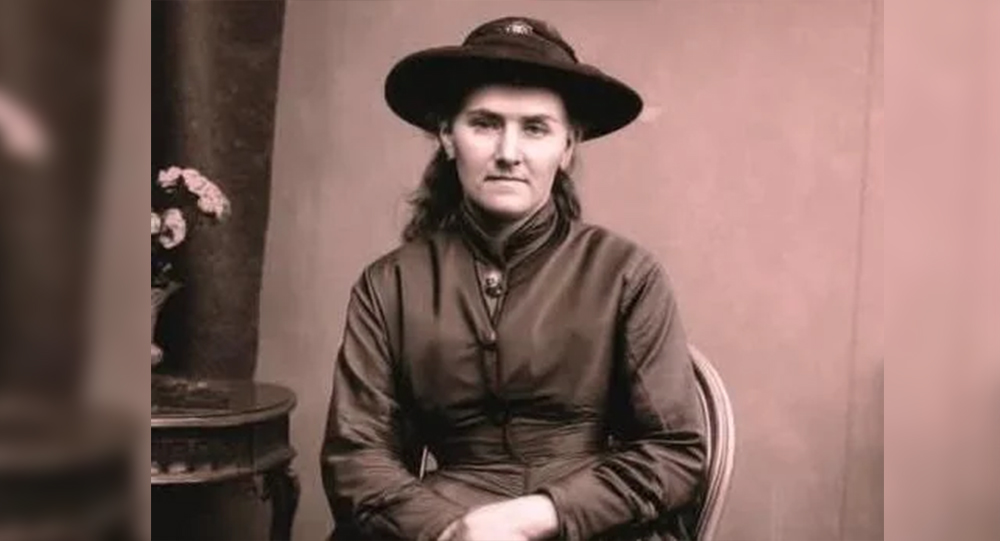
At a time when vaudeville reignited public entertainment with comedy, music, and variety acts, Sober Sue stood out—not through performance, but through her inability to smile. She became a local sensation in New York City, often performing in the Victoria Theatre and other venues, earning the nickname because of her relentless poise and refusal to crack a grin.
Her presence was so intriguing that a theater owner, Willie Hammerstein, saw a promotional opportunity and offered $100 (later raised to $1,000) as a prize to anyone who could make Sue laugh or smile. This challenge turned into a spectacle, drawing many professional comedians and entertainers eager to win the reward—and eager crowds who came to watch the fruitless attempts.
Comedians’ Struggles and the Stirred Curiosity
From clowns to stand-up comics and vaudevillians, performers tried every trick. Jokes, pratfalls, and silly antics failed to budge Sue’s stern expression. Audiences cheered and laughed at the attempts, fueling the event’s popularity, but Sober Sue remained impassive, her face a mask of unbreakable seriousness.
The challenge soon became a revered ritual in the vaudeville world. Emerging comedians saw it as a rite of passage to test their craft against Sue’s inscrutable demeanor. Despite growing fascination and the escalating prize money, the mystery of her cold response deepened.
Facial Paralysis
The secret behind Sober Sue’s impassive face was more tragic than humorous. After her run at the Roof Garden venue ended, it emerged that Sue suffered from facial paralysis—an irreversible condition preventing her from moving the muscles required to express laughter or smiles. This explained why even the funniest jokes could not elicit a visible reaction.
For many years, the public and entertainers alike were unaware. The revelation cast a new light on her unwavering stoicism and made the theatrical challenge a case of dramatic irony.
The Business and Legacy of Sober Sue’s Act
Though she was paid a modest $20 per week, Sober Sue’s act was a financial windfall for Willie Hammerstein, who leveraged the unwinnable challenge to attract crowds, resulting in packed theaters and free performances by top-tier comedians drawn to the challenge.
The story of Sober Sue underscores a complicated chapter in vaudeville history, where disability and spectacle sometimes overlapped, highlighting ethical questions about entertainment and exploitation alongside public fascination.
Fascinating Trivia About Sober Sue
- Despite her stoic facade, Sue reportedly appreciated humor but could not physically respond due to paralysis.
- The $1,000 prize was a substantial amount in the early 1900s, equivalent to roughly $30,000 today.
- No known photographs of Sober Sue have survived, adding to her mysterious allure.
- Willie Hammerstein was the father of Oscar Hammerstein II, the famous Broadway composer and lyricist.
- The challenge attracted many renowned vaudevillians and comics, becoming a famous folklore in theatrical circles.
- Some theorized Sue might be deaf or partially blind before the paralysis explanation surfaced.
- The act highlighted how disability sometimes played a role in performance art in vaudeville’s heyday.
- “Sober Sue” essentially turned a lack of physical reaction into a career in early 20th-century entertainment.
Behind the Stone Face of Vaudeville’s Toughest Audience
Sober Sue’s story is a moving reminder that appearances can be deceptive, and what we interpret as stubbornness or humorlessness may sometimes be a hidden struggle. Her stoic act unintentionally created a spectacle that tested comedians’ resilience and creative spirit while quietly illustrating human vulnerability.
Though Sober Sue never laughed aloud, her legacy continues through the echoes of laughter by those who tried and failed—and the rich, curious folklore she inspired. Sharing her story honors a chapter in entertainment history and the complex lives behind the curtain.
Sources & Further Reading:
- NY Weekly: The Curious Case of Sober Sue (2024)
- Reddit: TIL About Sober Sue and the $1,000 Laugh Challenge
- Mental Floss: Sober Sue’s Vaudeville Saga (2025)
- Britannica: Vaudeville and Entertainment History
- YouTube: Documentary on Sober Sue’s Life and Legacy
These sources provide detailed accounts of Sober Sue’s unique act, cultural impact, and the vaudeville era’s intriguing blend of comedy and mystery.

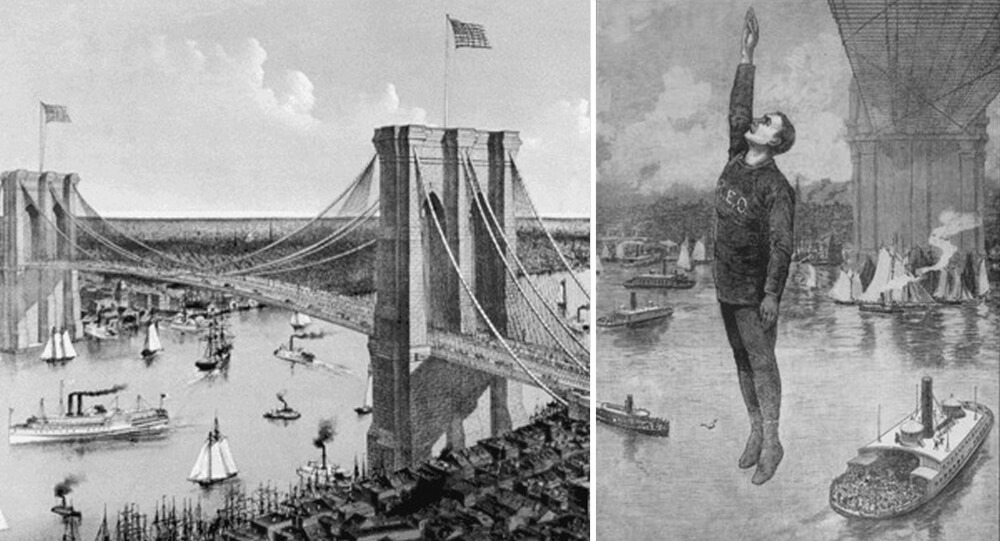
Robert Odlum, the first person to jump off the Brooklyn Bridge
The first person to jump off the Brooklyn Bridge was a professional high diver who "wanted to demonstrate that people did not die simply by falling through the air, thus encouraging people to be willing to jump from a burning building into a net." He proved himself correct by safely falling 135 feet through the air and dying only when he hit the water.

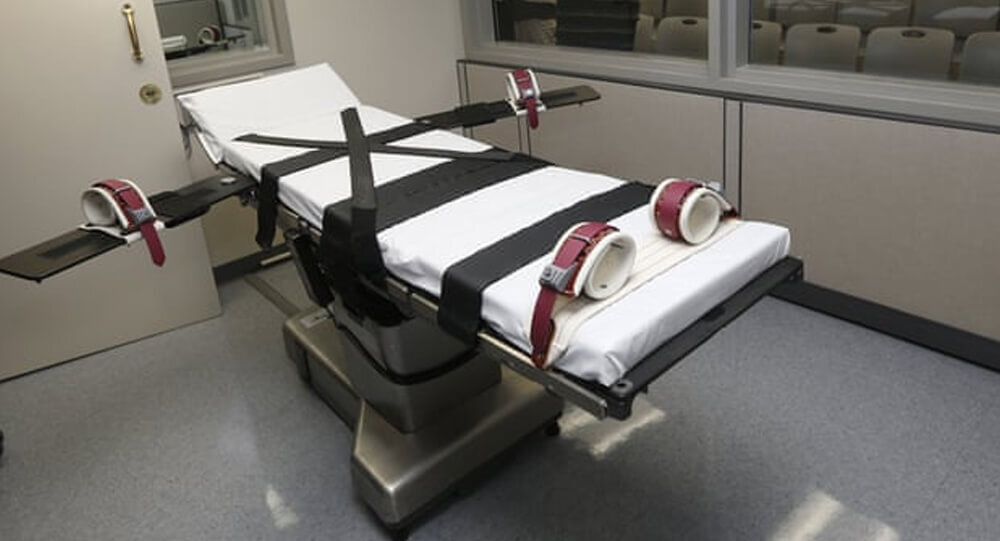
Iranian inmate dies from happiness after finding out he will not be executed
An Iranian man who was convicted of murder reportedly died from happiness after learning that his death sentence was being commuted.
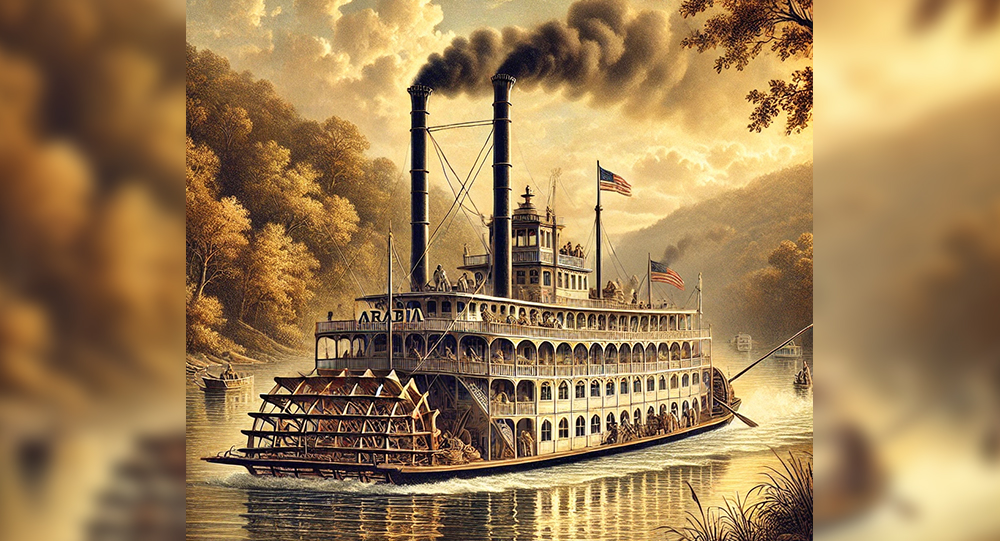
The Arabia Steamboat: Unearthing a 19th Century Time Capsule from the Missouri River
The Arabia was a steamboat that sank in the Missouri River in 1856. Over time, the river shifted 800 meters to the east, eventually turning the site of the sinking into a field. The steamboat remained under 45 feet of slit and topsoil until 1988, when it was excavated. The mud, as it turned out, was such a great preserver that most of the artifacts on board were found to be intact. They even found jars of preserved apples that were still edible!
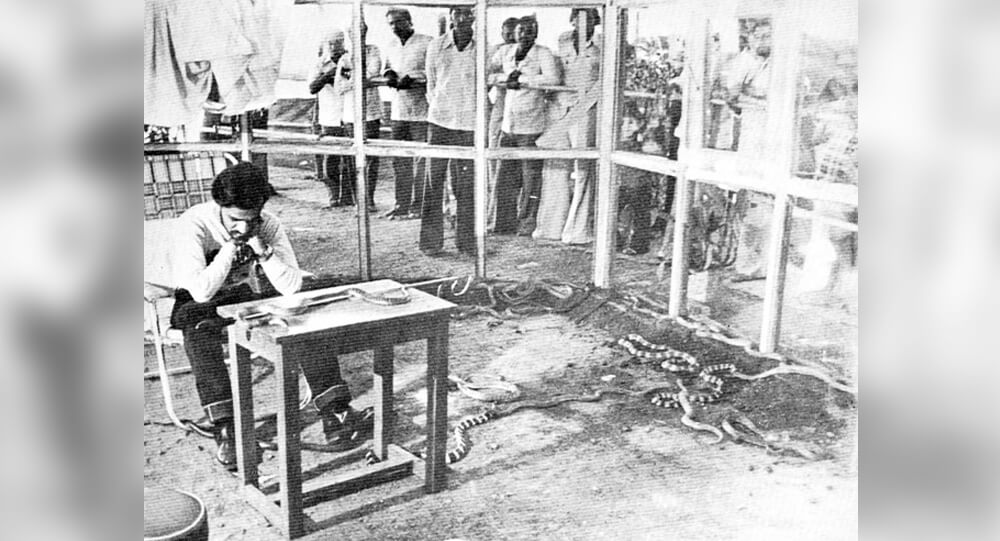
The story of a man who spent 72 hours with 72 venomous snakes to prove they only bite when provoked
In the 1980s, an Indian man spent 72 hours in a glass cabin with 72 snakes, some of which were extremely venomous. His aim was to prove that snakes only attack when provoked. Remarkably, he was not bitten once in those 72 hours and even set a Guinness World Record in the process.
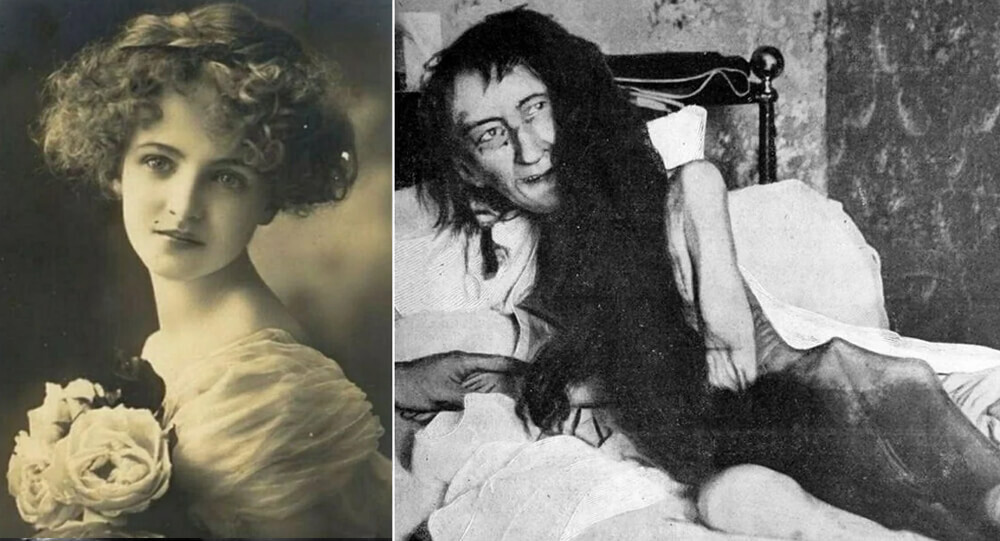
Blanche Monnier: Imprisoned For 25 Years For Falling in Love
Blanche Monnier, she was a French woman noted for her beauty, she wished to marry an old lawyer that her mother disapproved of, so she locked her in a small dark room in her attic for 25 years.
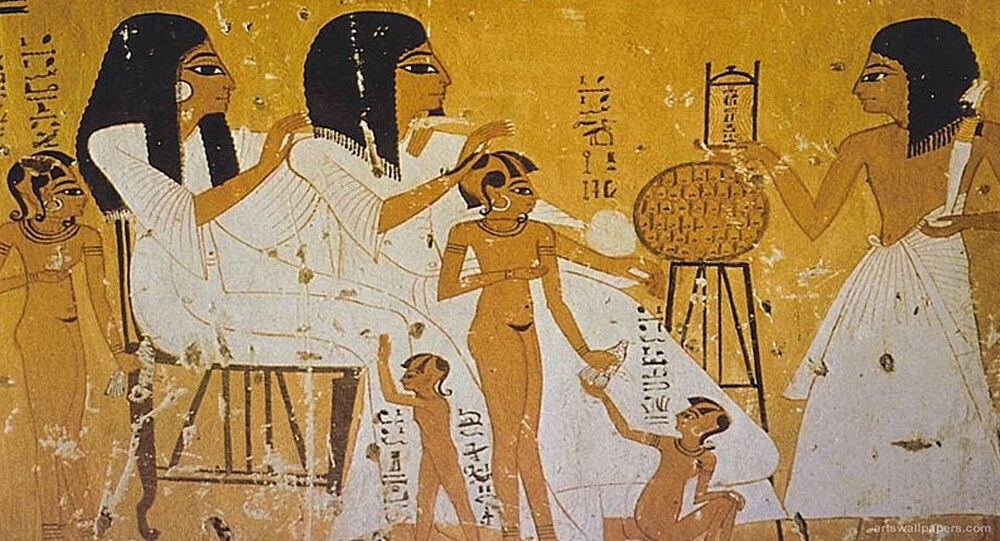
Ancient Egyptians Had Pregnancy Tests Over 3500 Years Ago
The ancient Egyptians used a pregnancy test that involved potentially pregnant women peeing on barley and wheat seeds. Plant growth indicated pregnancy: barley for a boy and wheat for a girl. Later tests revealed that pregnant women's urine causes plant growth 70% of the time, whereas non-pregnant women's urine does not.
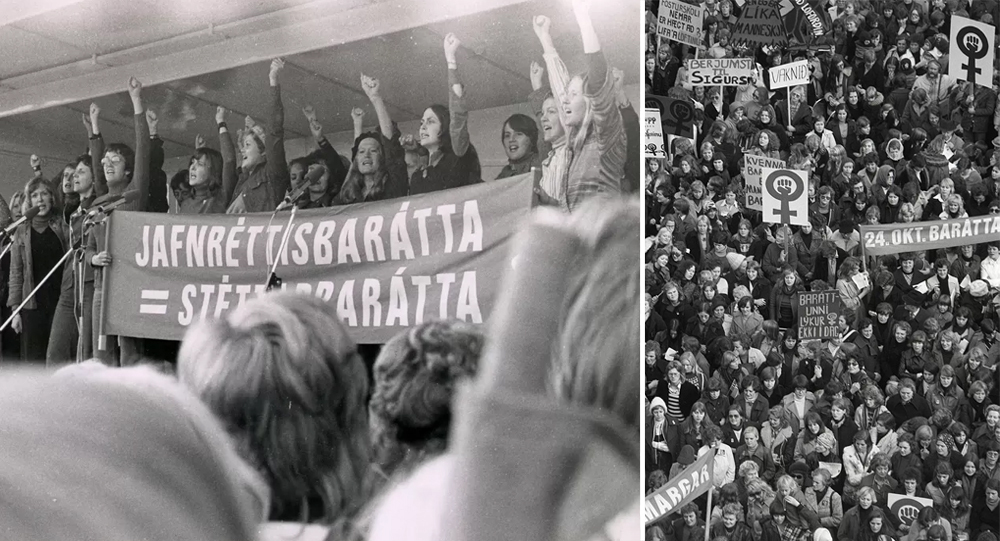
The day Iceland's women went on strike
Icelandic women went on strike for equal rights on October 24, 1975. 90% of women walked out of their jobs and homes, effectively shutting down the entire country. The men were struggling to keep up. The following year, Parliament passed a law requiring equal pay. Iceland elected the world's first female President five years later. Iceland now has the highest gender equality rate in the world.
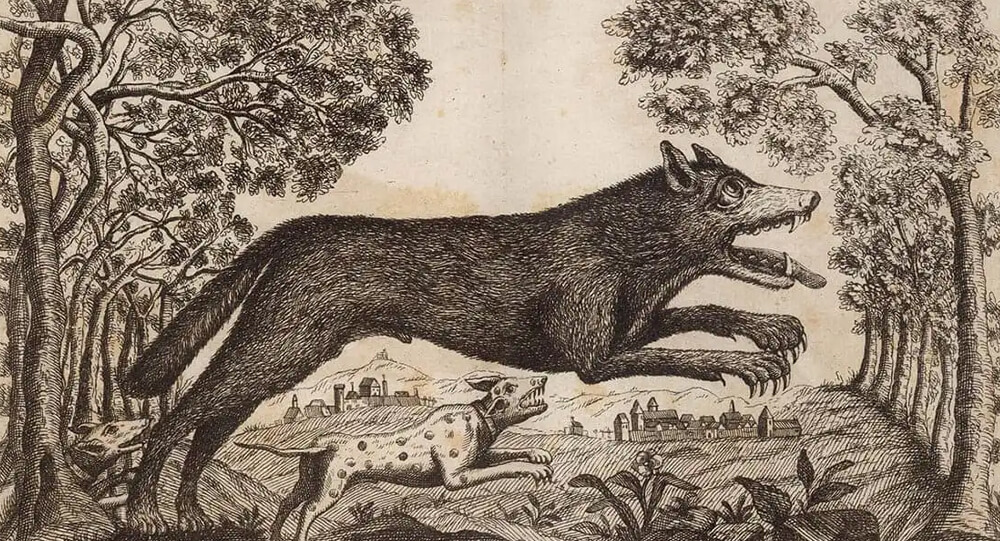
What Was the Beast of Gévaudan?
Between 1764 and 1767, a mysterious animal called the Beast of Gévaudan terrorized the French village called Gévaudan. It attacked and killed about 100 adults and children. While most believe it was a wolf, some say it may have been a wolf-dog hybrid, hyena or even a lion, but without any genetic evidence, the beast will remain a mystery forever.

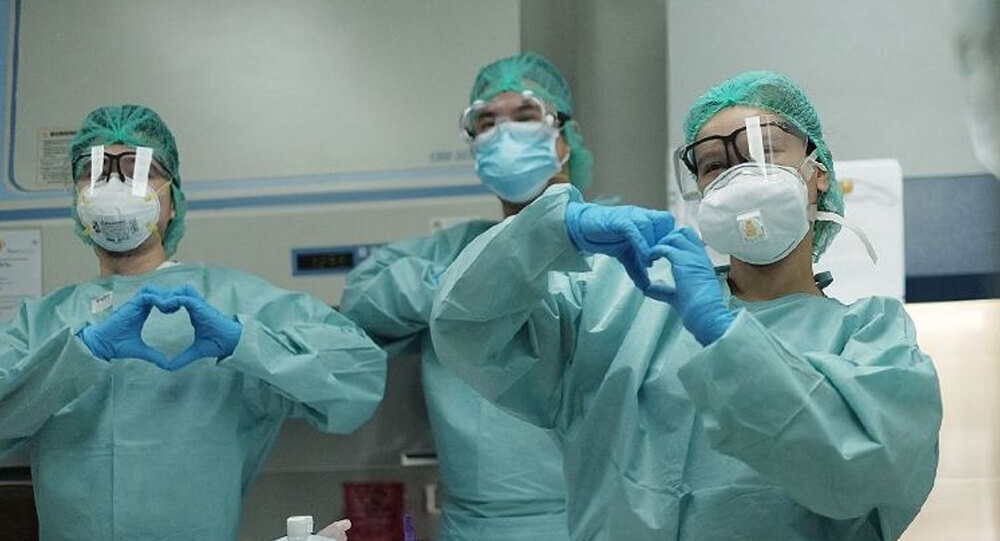
Philippines, the largest supplier of Nurses in the World
Philippines is the world’s largest supplier of nurses, supplying roughly 25% of all overseas nurses worldwide.
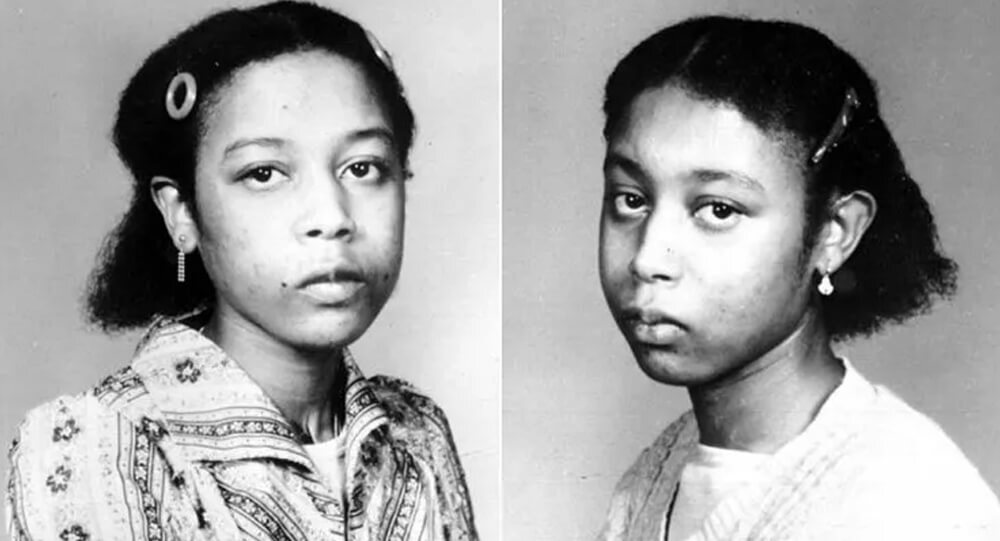
June and Jennifer Gibbons The silent twin who Only Spoke to Each Other
Identical twins June and Jennifer Gibbons were born on 11 April 1963 at a military hospital in Aden, Yemen where their father worked as part of the Royal Air Force.
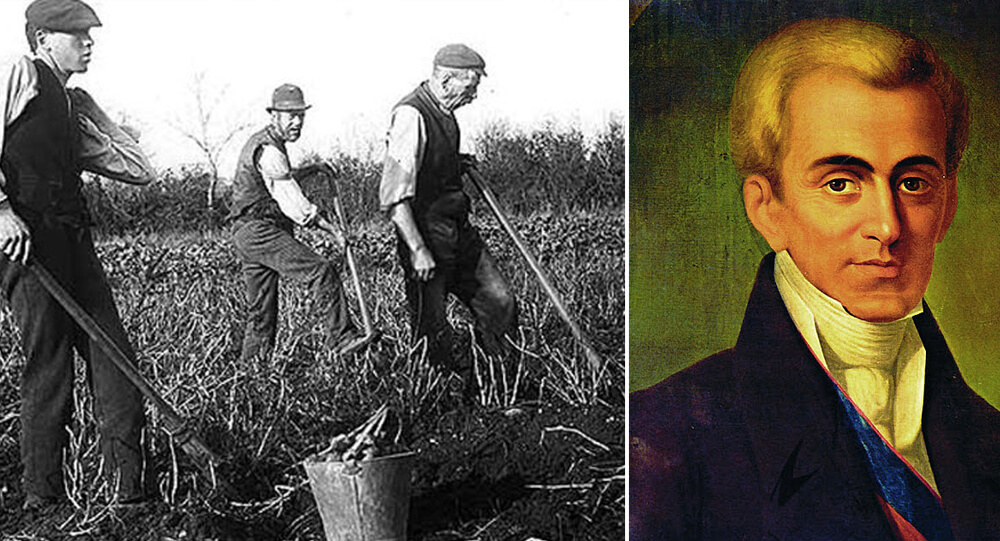
How Greek prime minister in 1830’s tried to spread the potato in Greece
A Greek prime minister in 1830’s tried to spread the potato in Greece but people weren’t interested so he put armed guards in front of shipments of potatoes so people would think they were important. People later started stealing these potatoes a lot which spread the crop to all of Greece.
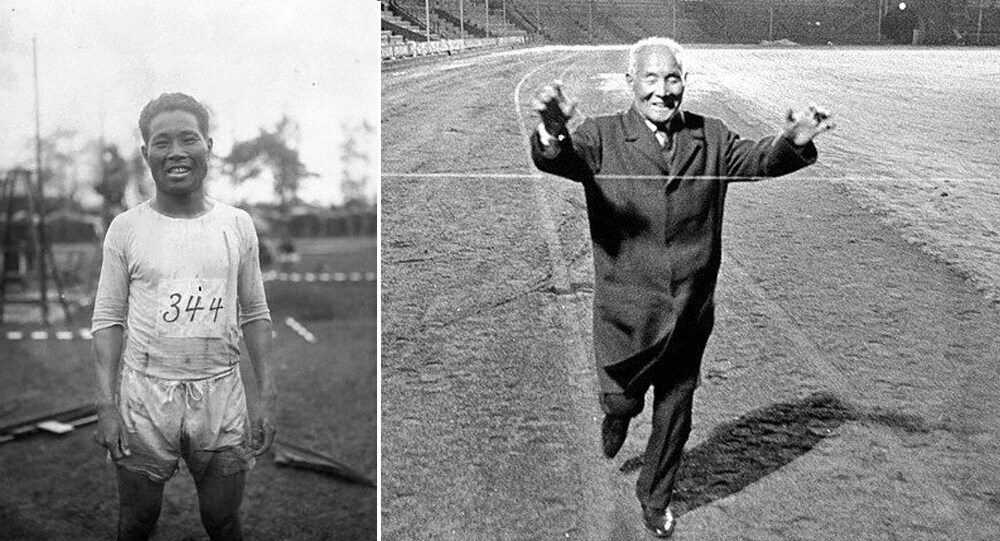
Shizo Kanakuri’s 1912 Olympic Marathon Finished 54 Years
At the 1912 Olympics, a marathon runner quit and went home to Japan without telling officials and was considered a missing person in Sweden for 50 years. In 1966, he was invited to complete the marathon. His time: 54 years, 8 months, 6 days, 5 hours, 32 minutes, and 20.379 seconds.
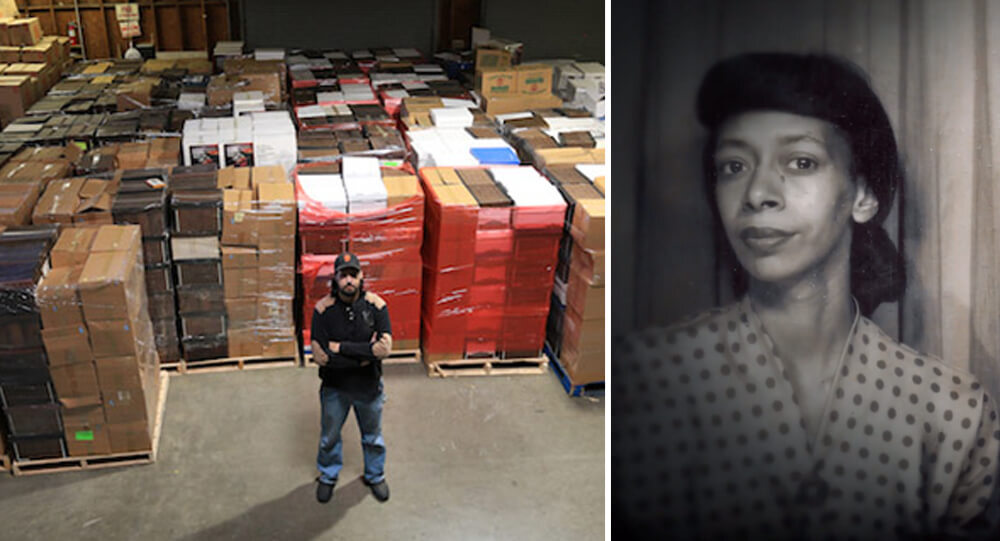
Marion Stokes recorded 30 years of television
Marion Stokes, a Philadelphia woman began taping whatever was on television in 1979 and didn’t stop until her death in 2012. The 71,000 VHS and Betamax tapes she made are the most complete collection preserving this era of TV. They are being digitized by the Internet Archive.

During the 1996 Olympic bombing, Richard Jewell falsely accused of committing the crime after saving dozens of people
Richard Jewell, an American security guard, discovered a bomb during the 1996 Olympic Games in Atlanta and assisted in the evacuation, but was later wrongfully accused and faced public scrutiny. He was cleared, but it had a lasting impact on him until his death in 2007 at the age of 44.

3 men lived on top of a billboard in tents for almost 9 months
From 1982-1983, three men in Allentown PA competed in a radio contest in which they lived on top of a billboard in tents. Whoever stayed up longest would win a house. Due to economic pressure from the recession, none of the contestants wanted to give up, so the contest lasted almost 9 months.
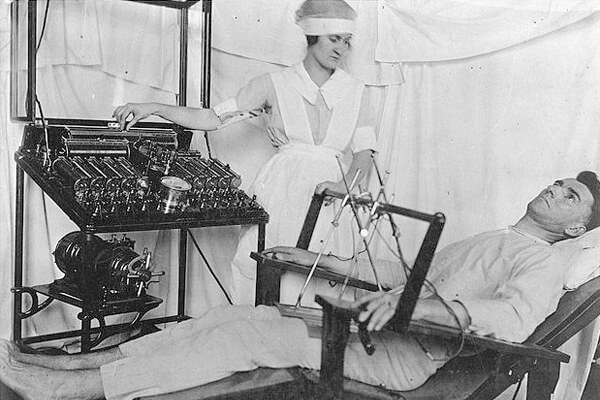
Top 10 most cruel medical procedures that are being used today
We are all aware that medicine has advanced dramatically over the last fifty years. There are several modern medical approaches available today, but this was not always the case. However, the past of medicine is a dark one. Medical leeches, lobotomy, vascular surgery, cranial stenosis, and even electroshock therapy are all options. These are only a couple of the cruel healing techniques that are still in use today.
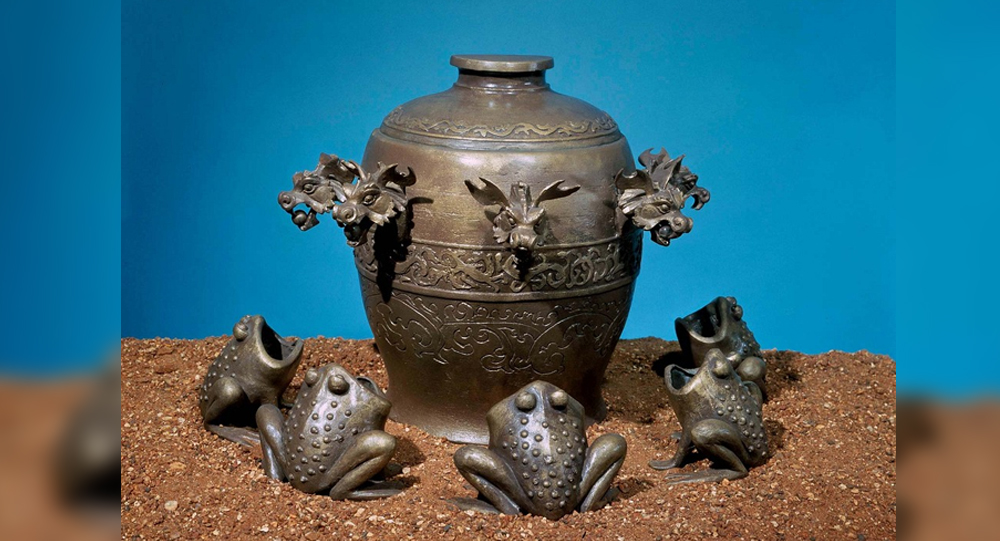
The World’s First Seismograph: How Ancient China Detected Earthquakes 1,800 Years Ago
Over 1,800 years ago, long before modern technology, the ancient Chinese astronomer and inventor Zhang Heng created the world’s first seismograph in 132 AD. This ingenious bronze device could detect distant earthquakes by releasing small balls from dragons’ mouths into toads’ mouths—each indicating a different compass direction. Its historic detection of an earthquake 400 miles away astonished the imperial court and transformed the way societies understood and responded to seismic events.
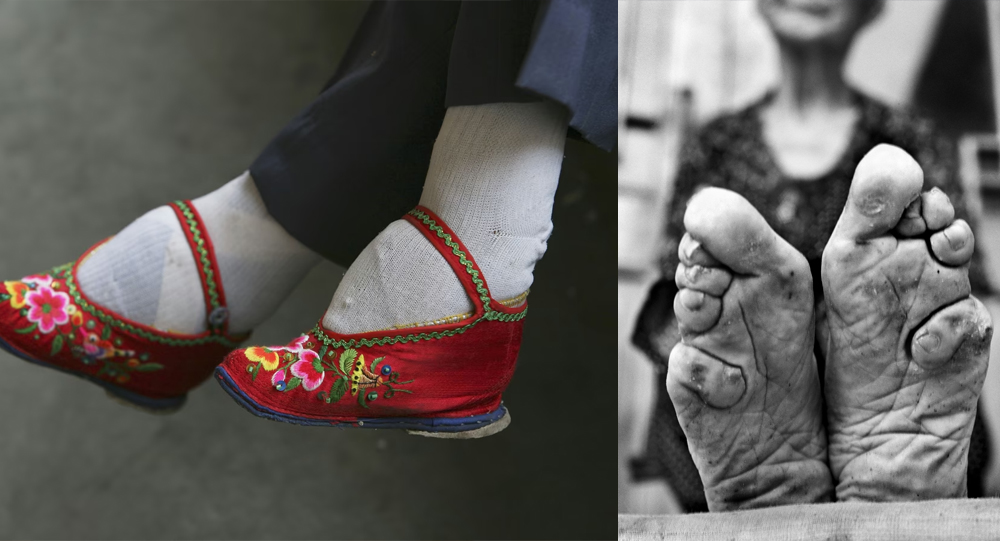
Inside China’s Footbinding Tradition: The Painful Ritual of Lotus Shoes and Bound Feet
In China, Lotus shoes were used to bind women's feet to keep their feet small
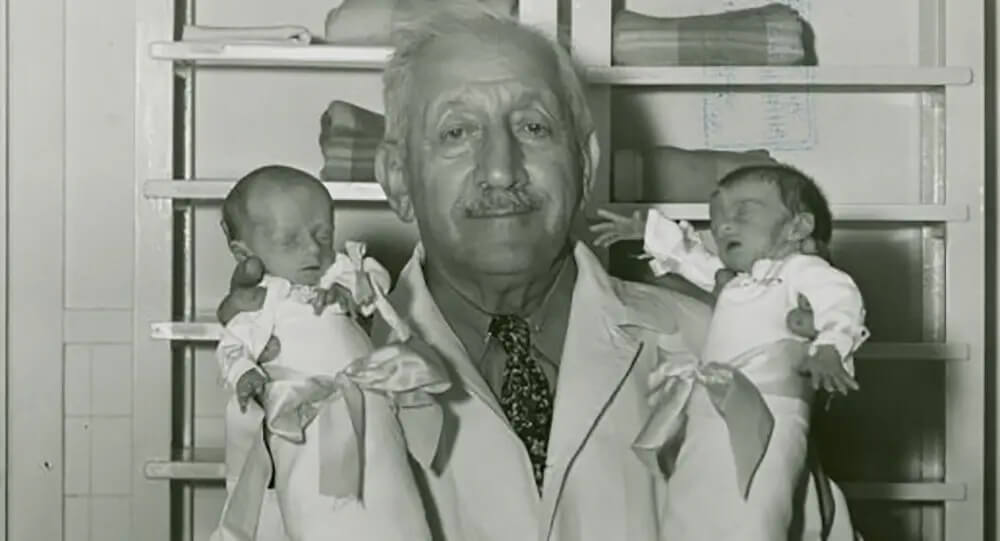
Martin Couney, Saved Thousands of Premature Babies Wasn’t a Doctor at All
Martin Couney never qualified as a medical doctor. However, in the 1900s, he saved thousands of premature babies by exhibiting them in incubators at his Coney Island sideshow. Over the course of his career, he is said to have saved about 6,500 babies that had previously been written off by mainstream medicine.
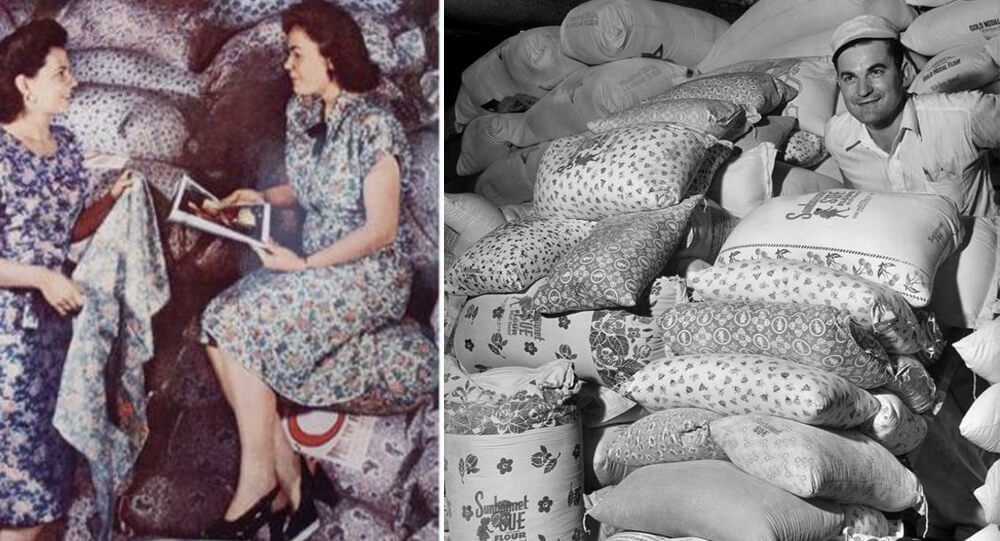
The history of Flour sack clothing fashion
After Kansas mill owners found women reused flour sack materials into apparel in the 1920s and 1930s, they started applying patterned designs to give families with more fashionable patterns and material.
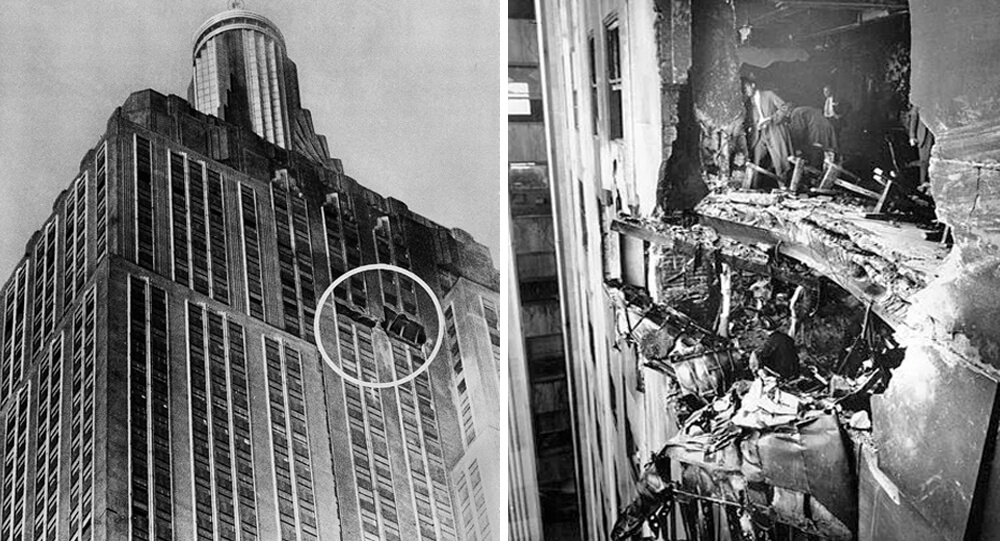
Remembering the 1945 Empire State Building Disaster: When a Plane Met Skyscraper
An airplane crashed into the Empire State Building in 1945. Among other damage, plane parts severed the cables of an elevator and the woman inside fell over 70 stories. She lived and holds the world record for the longest survived elevator fall.
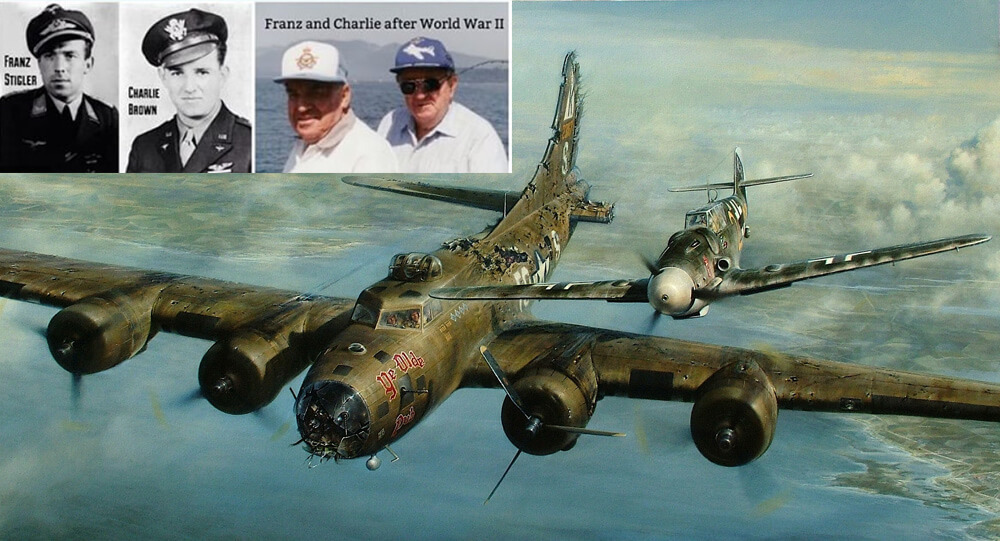
Charlie Brown and Franz Stigler incident: Enemy became friends
During WWII, a German pilot spotted an American pilot’s crippled plane in the sky. Tailing it, he noticed that gunner was dead, crew injured, and they posed no threat. Instead of destroying the plane, he led it to safety. 40 years later, the two pilots reunited.
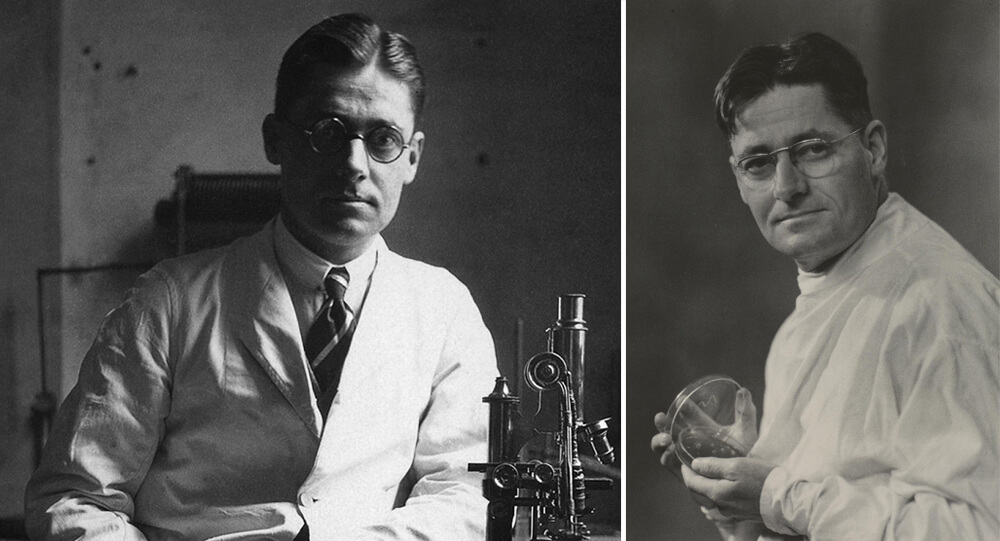
How did Howard Florey discover penicillin
Penicillin was discovered by Alexander Fleming, but he never attempted to turn it into an antibiotic. It wasn't until ten years later that Howard Florey discovered Fleming's obscure paper and understood the mold's potential. Up to 200 million lives may have been saved as a result of Florey's work.
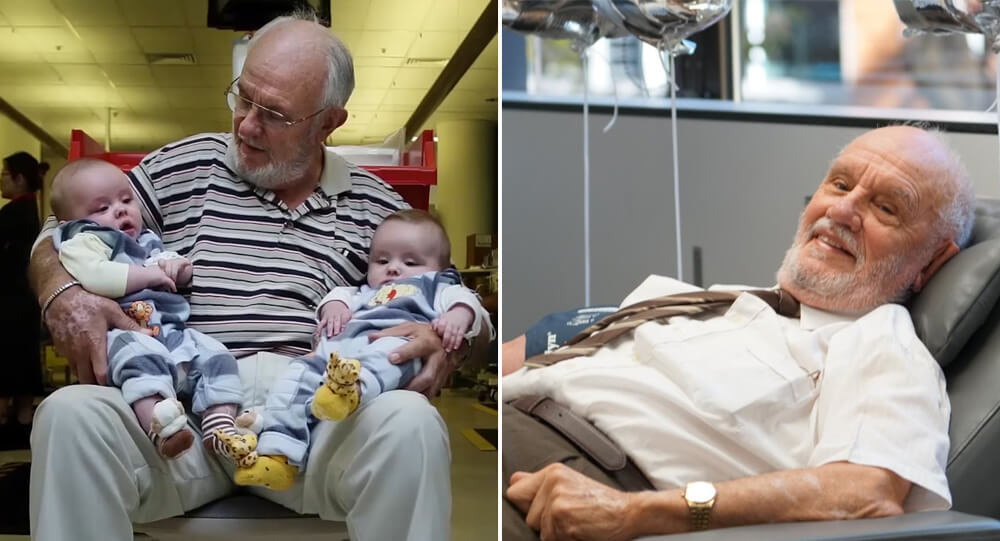
Man's Blood Helped Save Millions of Babies
Australian blood donor James Harrison has been one of our most impressive and valued donors, having donated for 60 years. Know his story, how he was a pioneer of our Anti-D program, and why this matters.
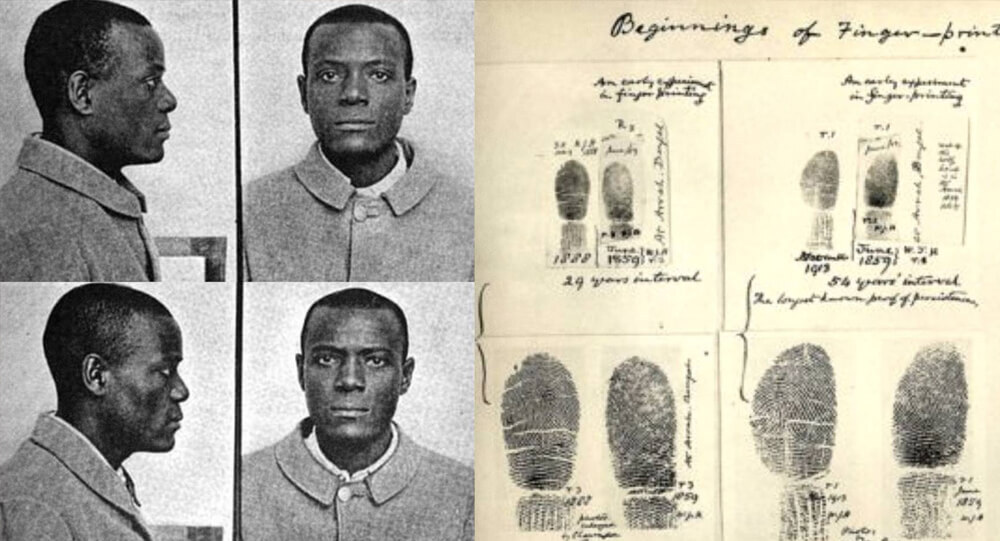
Will & William Wests: The puzzling situation of two inmates who are identical but not related
These are the mugshots of Will West and William West, and they are not related. They were both sent to Leavenworth Prison at the same time, in 1903, and after some confusion, the staff understood they had two different prisoners with the nearly same name, who looked exactly alike. They are part of the reason fingerprints are now used as identification.