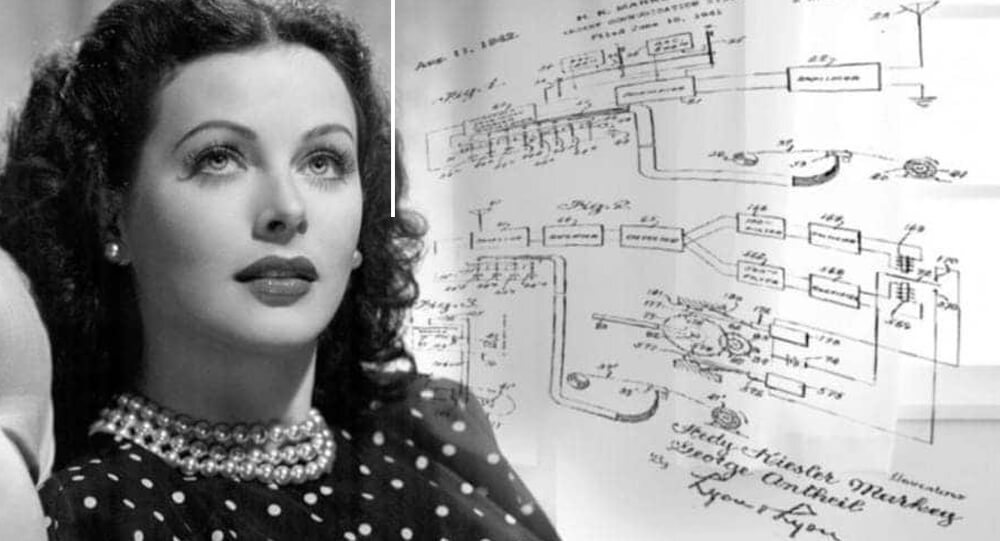

Hedy Lamarr, A Hollywood actress who also a mathematician and inventor
I believe it’s accurate to claim that the internet has altered the course of history. Consider using the internet without Wi-Fi for a moment. Yes, we did back when there was “dial-up,” but it seems like a very long time ago. If some very smart people hadn’t used their intelligence and inventiveness, this amazing innovation might never have been made.
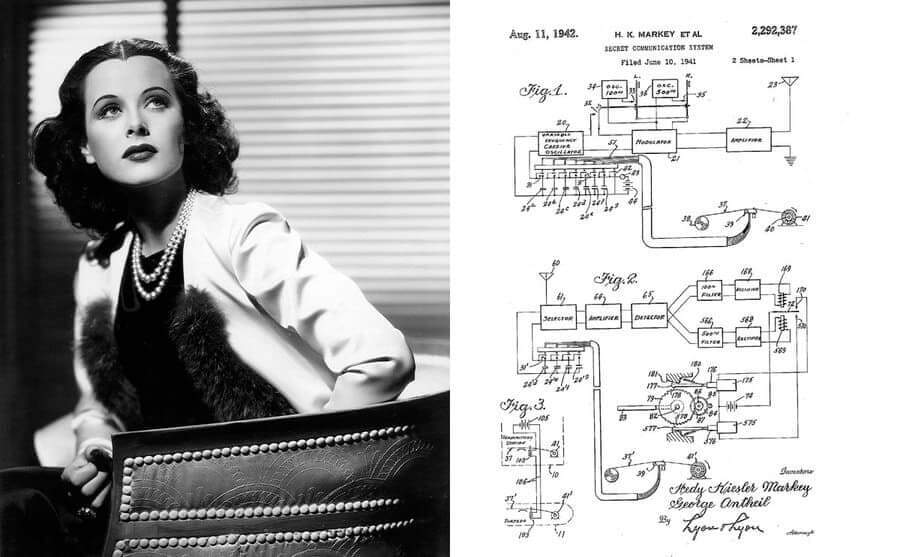
You may be familiar with well-known figures like Bill Gates and Steve Jobs, but did you know that one remarkable woman made significant contributions to the growth of the internet and the tech industry? She also wasn’t a well-known scientist or Nobel Prize recipient. Hedy Lamarr was a well-known Hollywood actress. The actress also led a very interesting life, contributing to the development of one of history’s most significant inventions.
Who Was This Famous Hollywood Actress and her inventions?
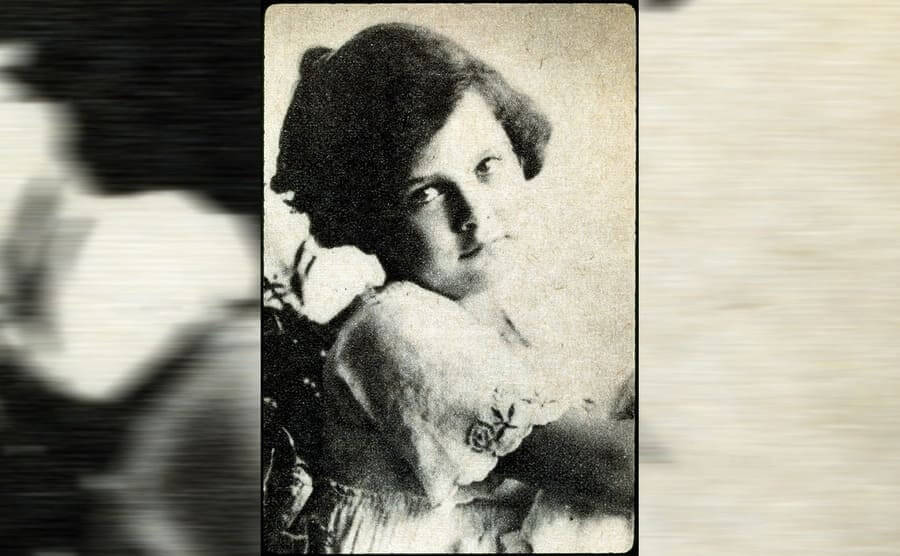
Hedy Lamarr was an Austrian-American actress who also worked as an inventor on the side. She was renowned for her gorgeous beauty and superb acting abilities, but she was in no way just a lovely face. The actress was a great person as well. Now who was this famous Hollywood actress?
Like so many Hollywood celebrities, Lamarr made the decision to change her name in order to fit the “mould” of Hollywood. She was Hedwig Eva Maria Kiesler at birth. Since many of the celebrities at the time were of European descent and the general people didn’t really like names with German roots, it was common for stars to go by new names. Lamarr was born in the lovely city of Vienna, Austria, in 1914.
Hedy Lamarr, an Austrian-born actress most renowned for her seductive performances in the 1930s and 1940s, struggled with her beautiful features throughout her life. She served as the model for the iconic cartoon beauties Snow White and Catwoman thanks to her unrivaled beauty, and in the 1940s, more patients seeking plastic surgery wanted her profile than any other. She would frequently assert that aesthetics weren’t important to her, yet later in life, she herself underwent repeated plastic surgery. She could not bear to lose her youthful attractiveness.
A recent addition to the National Portrait Gallery honoring the actress beautifully captures that beauty. Conspiratori, her World War II picture, was promoted with this Italian poster (The Conspirators). Her appearance embodies the appeal that made her the “most beautiful lady in the world.”
But Hedy Lamarr was much more than just her lovely dark hair, transparent fair complexion, and brilliant green eyes. She was a brilliant innovator who laid the seed for some of today’s most pervasive technology, such as Wi-Fi, Bluetooth, GPS, cordless phones, and cell phones. Her innovations came from a convoluted existence that was full of ambiguities and elusive realities and was not like the movie star she appeared to be.
When Lamarr took apart and put back together a music box at the age of 5, she sparked an interest in inventing that she never lost. She collaborated on her inventions with a strange composer named George Antheil. They collaborated primarily behind closed doors, and because Lamarr’s autobiography, which was ghostwritten, omits any mention of her innovations, more information about how she approached her job is woefully lacking. Carmelo “Nino” Amarena, an inventor, recalls conversing with Lamarr in 1997. Amarena remarked, “We conversed like two engineers working on a hot project. I always felt like I was speaking to a fellow innovator rather than a movie star.
In the early stages of World War II, Lamarr made a significant discovery while working on a device to prevent opposing ships from jamming torpedo guidance signals. Nobody knows what inspired the concept, but Antheil acknowledged that Lamarr’s design was used as the basis for his practical model. They devised a method for the radio guidance transmitter and torpedo’s receiver to switch frequencies at the same time, rendering it difficult for the adversary to track and intercept a message before it changed frequencies. This strategy was dubbed “frequency hopping.”
But when Lamarr and Antheil presented their invention to the United States Navy engineers rejected it because they felt it was too complicated. A contractor hired by the Navy to develop a sonobuoy that could be thrown into the water from an airplane to detect submarines was given Lamarr’s idea in the middle of the 1950s, when lightweight transistors were becoming more readily available. Over time, that contractor and others have used Lamarr’s design as a launching pad for more ambitious concepts. Despite the fact that Lamarr and Antheil’s patent didn’t expire until 1959, they were never paid for the use of their idea. All American ships on a blockade line around Cuba in the Cuban Missile Crisis of 1962 were armed with torpedoes that were guided by a “frequency-hopping” mechanism.
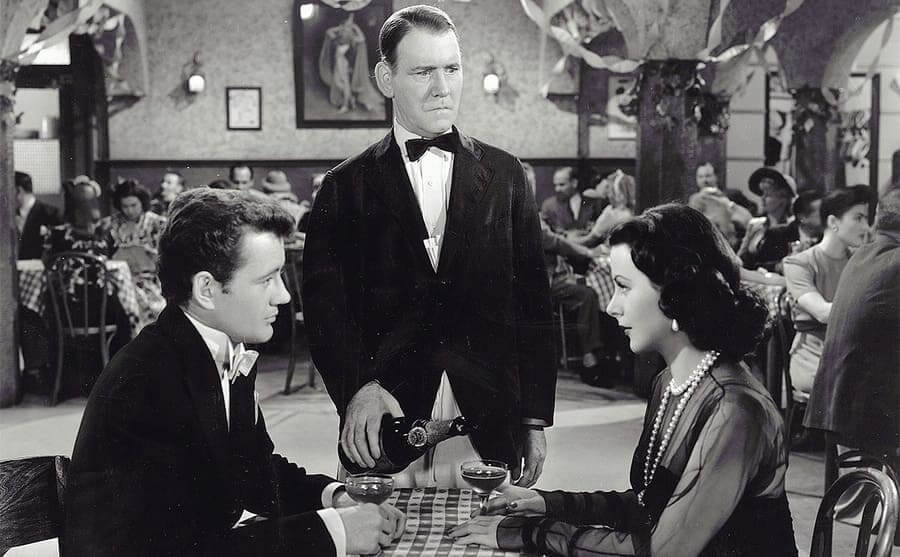
Lamarr, who was raised in Vienna in an assimilated Jewish family, would eventually conceal her heritage, even to her own kids. She often expressed contempt for the Nazis, some of whom had dined at her table when she was married to an Austrian munitions manufacturer, Fritz Mandl, according to Antheil’s memoir, Bad Boy of Music, who claims that she initiated their effort to develop weapons for the Allies because “she did not feel comfortable sitting there in Hollywood and making lots of money when things were in such a state.” She recalled that the Germans and other prospective buyers had discussed secret weaponry at her house, however it is not known if she had heard these discussions. Benito Mussolini, the head of the Italian Fascist movement, was one among those who entered her house.
She later claimed that Adolf Hitler had dinner at her home, but her biographers do not accept this claim because she and her husband were both Jews, and as a result, lower-ranking Nazis visited them at home rather than meeting in a more open location. She claimed that her spouse frequently sought her advice on new weapons, and it’s probable that their discussions inspired her to start designing her own guns. Some have claimed that she plagiarized Mandl or one of his guests by using the concept of “frequency hopping,” but she has denied this and no German weapons have ever employed the concept.
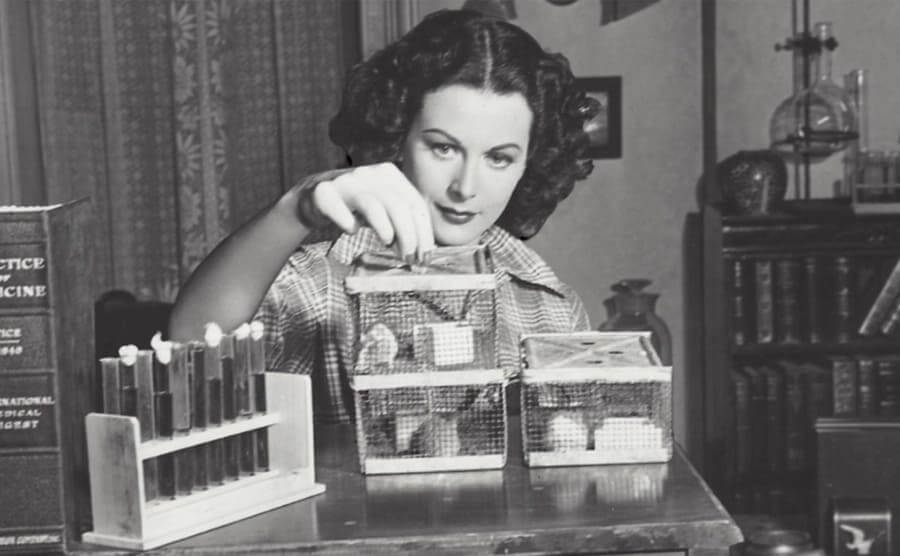
Lamarr passed away in January 2000 at the age of 85, but even as she approached death, she continued to create items, including a bright dog collar, upgrades for the Concorde jet, and a new style of stoplight. She would be happy with the legacy of her “frequency hopping” idea, according to her son Anthony Loder, who said this after her passing: “She would love to be remembered as someone who contributed to the well-being of humankind.”


Philippines, the largest supplier of Nurses in the World
Philippines is the world’s largest supplier of nurses, supplying roughly 25% of all overseas nurses worldwide.
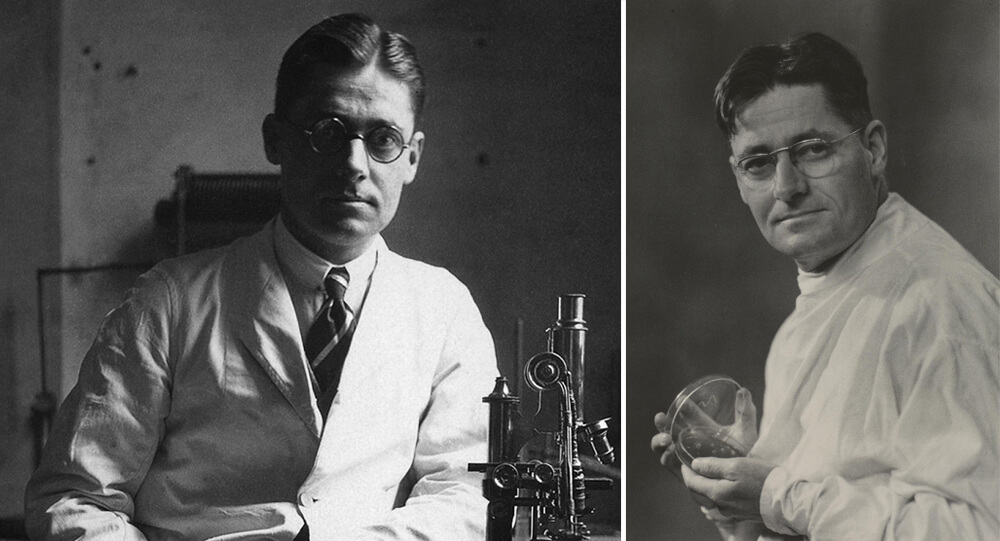
How did Howard Florey discover penicillin
Penicillin was discovered by Alexander Fleming, but he never attempted to turn it into an antibiotic. It wasn't until ten years later that Howard Florey discovered Fleming's obscure paper and understood the mold's potential. Up to 200 million lives may have been saved as a result of Florey's work.

Top 10 Greatest and shocking Archaeological Discoveries of All Time
While we're all locked at home, there's no better way to escape to another time and place than to learn about amazing archeological sites and discoveries from around the world. Here are the 10 greatest and shocking archaeological discoveries —and don't be shocked if they inspire future trip plans whenever it's safe to do so again.

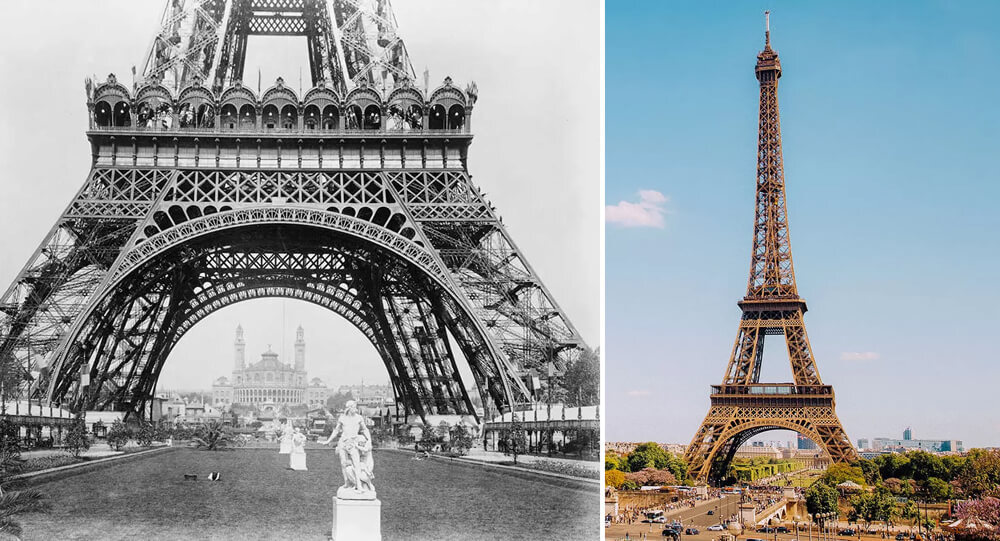
Why was the Eiffel Tower almost demolished
The Eiffel Tower was intended to be a temporary structure for the World's Fair in 1889, but it was nearly dismantled and sold for scrap metal. It was saved because of its potential use as a radio antenna, and it now serves as a tourist attraction as well as a working broadcast tower.
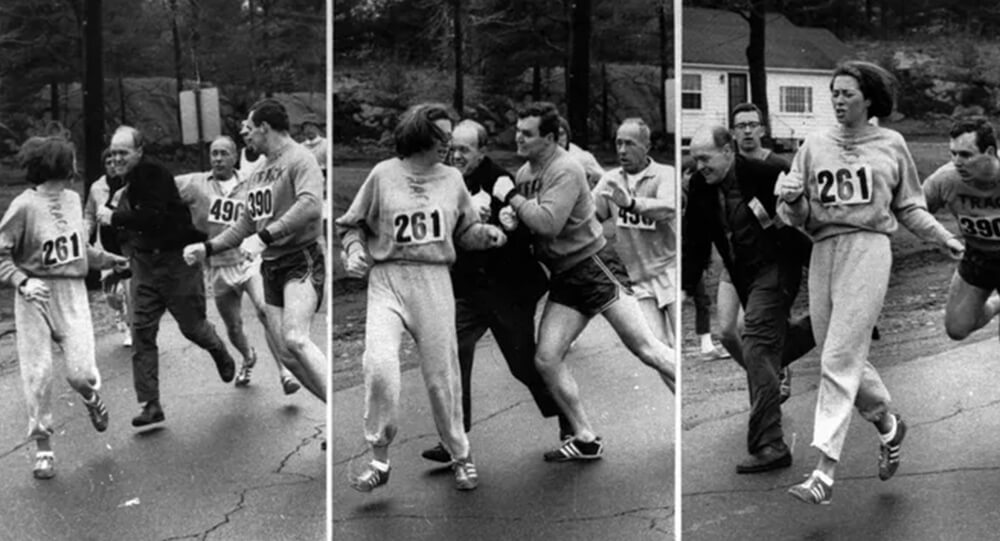
Story of Kathrine Switzer: the first woman to run in Boston Marathon
Before women were allowed to run in the Boston Marathon, Kathrine Switzer participated. A race official attempted to forcefully remove her from the race in 1967, but her boyfriend pushed him down. She was the first female finisher who had a numbered entry in the race.

Why the Word ‘Pen’ Comes from the Latin ‘Penna’ Meaning Feather
The humble word “pen” carries a rich history rooted in ancient times, derived from the Latin word penna, meaning “feather.” Long before modern pens revolutionized writing, feather quills—especially from geese—were the essential tools of scribes, scholars, and artists. This article journeys through the origins of the pen, its evolution, and fascinating trivia about the timeless connection between feathers and writing.

The Forgotten Story of Semipalatinsk and the Soviet Nuclear Experiments
Between 1949 and 1989, the Semipalatinsk Test Site in Kazakhstan became the primary location for Soviet nuclear weapons tests, exposing millions of unsuspecting villagers to radioactive fallout. Known as the “Polygon of Suffering,” this remote desert witnessed 456 nuclear detonations that caused widespread health crises, birth defects, and generational genetic damage. This article narrates the chilling legacy of Semipalatinsk, unveiling the human cost of Cold War arms development and the ongoing struggle for healing and recognition in Kazakhstan.
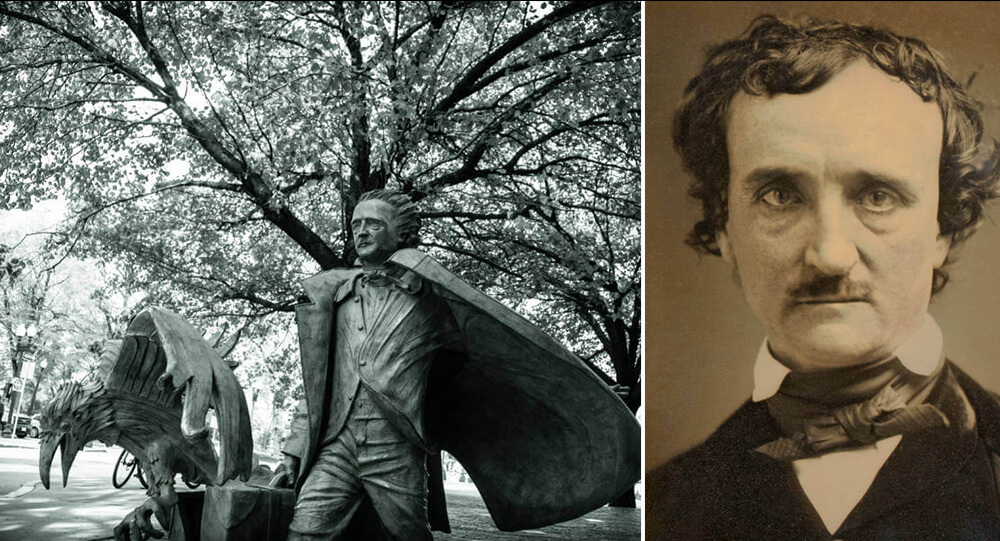
Inside The Mysterious Death Of The Famed Gothic Writer Edgar Allan Poe
Hours before his death Edgar Allen Poe was found on the streets of Baltimore. He was incoherent, wearing another man’s clothes, and unable to explain how he got there. The cause of his death is an unsolved mystery.
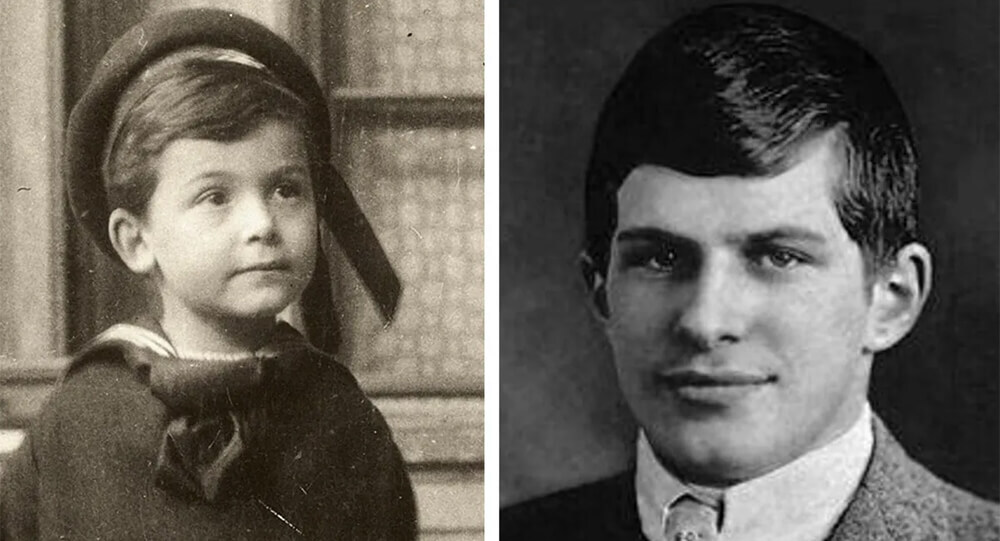
William James Sidis: The smartest person yet forgotten by people
William James Sidis, who was only 11 years old when he enrolled in Hardvard, finished his primary and secondary schooling in less than a year. He knew eight foreign languages by the age of eight and even invented his own language, "vedergood."
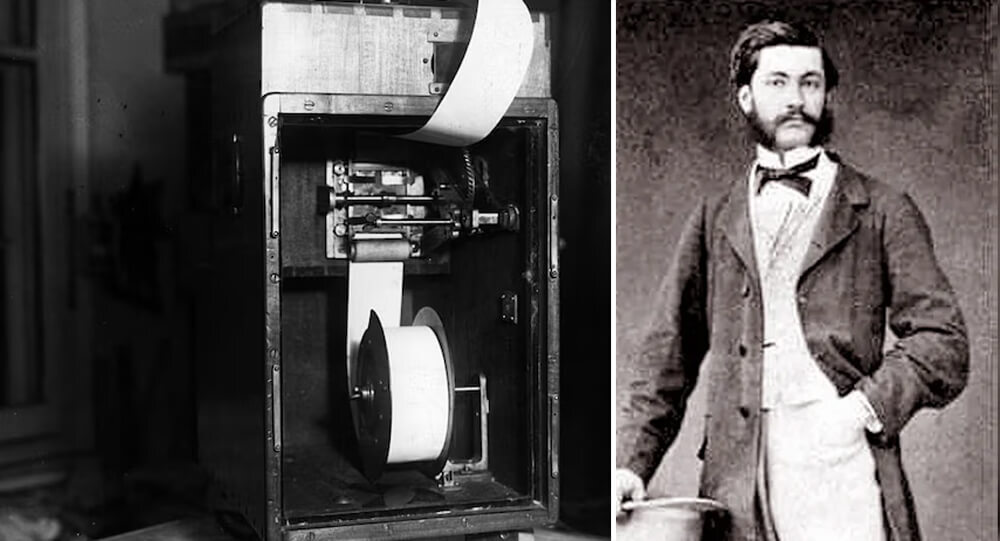
Louis Le Prince Invented the motion picture camera, and then he mysteriously disappeared
Louis Le Prince, the inventor of motion pictures, vanished without a trace in 1890. Thomas Edison quickly claimed the title of "first and sole inventor of cinema," even taking Le Prince's son to court to dispute it. A few years later, the son also dies under mysterious circumstances.

The Day an Israeli F-15 Landed with One Wing: Zivi Nedivi’s Unbelievable Mid-Air Survival
Discover the astonishing true story of Israeli pilot Zivi Nedivi, who safely landed an F-15 after a mid-air collision tore off its entire right wing. Learn how skill, quick thinking, and the F-15’s unique design turned a disaster into a legendary feat in aviation history

What exactly was the US's 'Ghost Army' during WWII?
During WW2, there was a special unit of men dubbed the ‘Ghost Army’. The unit was made of artists, creative and engineers and their job was to create deception about the enemy. From inflatable tanks to phony convoys to scripted conversations in bars intended to spread disinformation, they used all possible tricks to fool the enemy.

Graves holding hands over wall, A Catholic woman and her Protestant husband grave
A protestant man and a Catholic woman who weren't allowed from being buried together in a graveyard in 19th-century Holland turned their graves into a monument showing them holding hands across the wall separating them.

Albert Einstein’s brain after it was stolen from his body
Albert Einstein's brain was taken by the opportunistic pathologist who performed his autopsy hours after he died and kept in two jars for 30 years. The stolen brain of Albert Einstein was preserved in a cookie jar for 30 years until being discovered by a journalist.
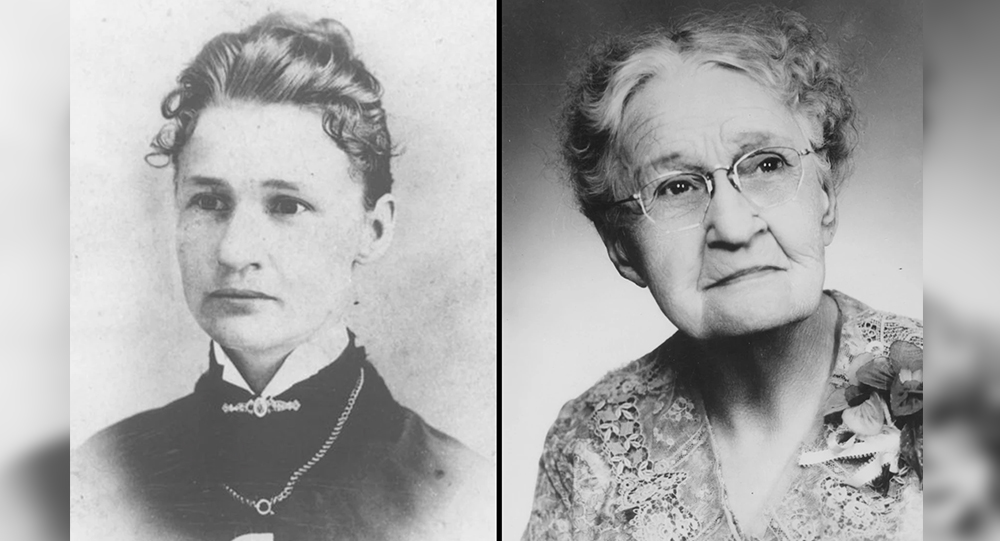
Susanna Salter: The Trailblazing Story of America’s First Female Mayor
In 1887, Susanna Salter became the first female mayor in the United States, elected in Argonia, Kansas. Her nomination was initially a prank by men opposing women in politics. However, she won by a landslide and served effectively, inspiring the women’s suffrage movement and breaking barriers for women in leadership.

Ea-Nasir: world's oldest written customer complaint
This clay tablet, written in cuneiform, is the oldest known written customer complaint about the delivery of poor quality copper ingots. Originally from ancient Babylon, the tablet dates back to 1750 BCE, and it was written by a customer named Nanni to a merchant named Ea-Nasir. It is currently housed in the British Museum.

Poto And Cabengo: The Secret Language Of Twins
Poto and Cabengo, as the two girls called each other, communicated in their own language. The twins were ignored by their parents and secluded from the outside world because their father felt they were developmentally retarded, and their unique language evolved as a result of that neglect.

The Arabia Steamboat: Unearthing a 19th Century Time Capsule from the Missouri River
The Arabia was a steamboat that sank in the Missouri River in 1856. Over time, the river shifted 800 meters to the east, eventually turning the site of the sinking into a field. The steamboat remained under 45 feet of slit and topsoil until 1988, when it was excavated. The mud, as it turned out, was such a great preserver that most of the artifacts on board were found to be intact. They even found jars of preserved apples that were still edible!
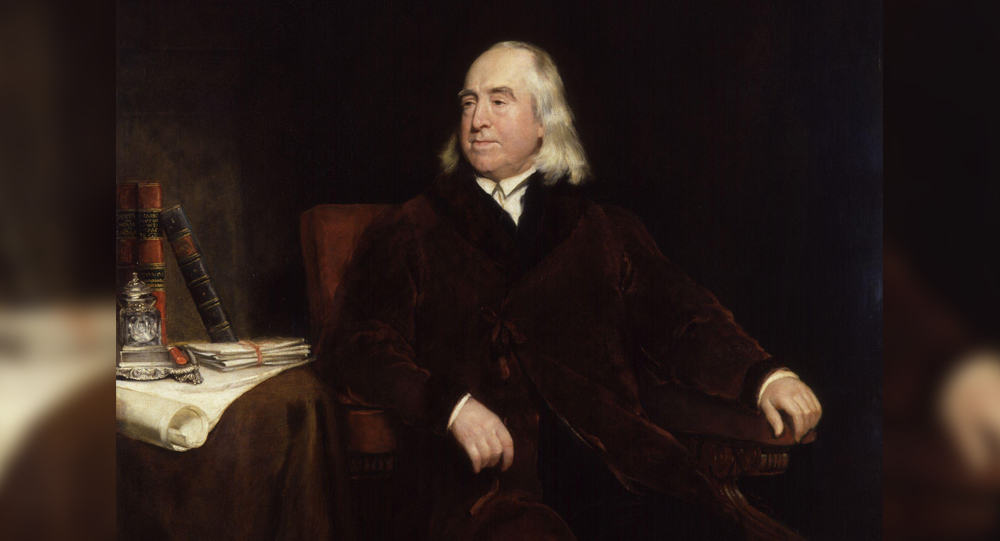
How 18th Century Women’s Rights Movements Shaped Modern Equality
The 18th century marked a turning point in the quest for women’s rights, as passionate voices challenged centuries of gender inequality and laid the groundwork for modern feminism. From pioneers like Mary Wollstonecraft to revolutionary declarations and early advocacy, this era sparked debates on education, political participation, and social justice that continue to resonate today. Journey through the origins of women’s rights movements and discover how their bold ideas shaped the fight for equality.
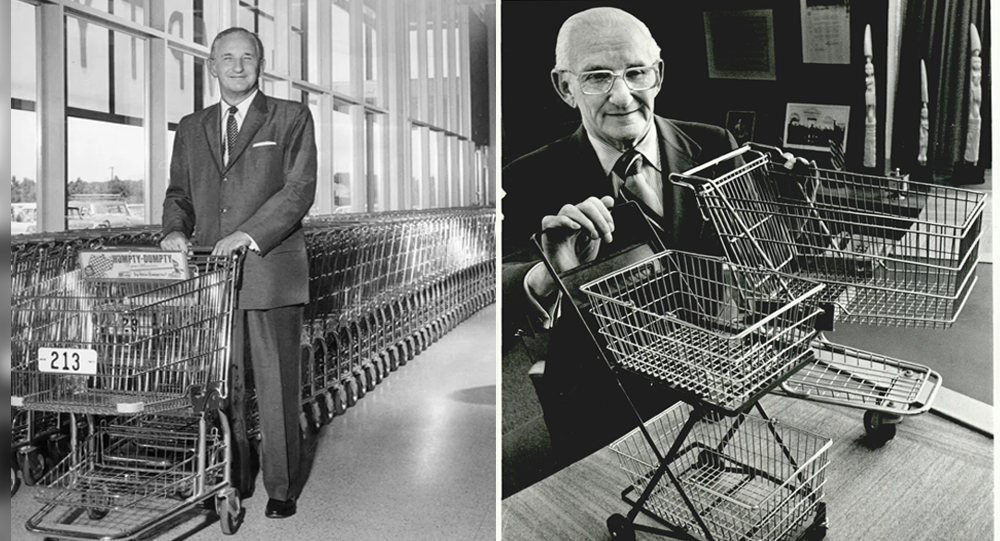
Sylvan Goldman: The Visionary Who Revolutionized Shopping with the Cart
The inventor of shopping carts, Sylvan Goldman, had to hire several male and female models to push carts around in his store, demonstrate their utility, and explain their use to other customers, due to not catching on initially.
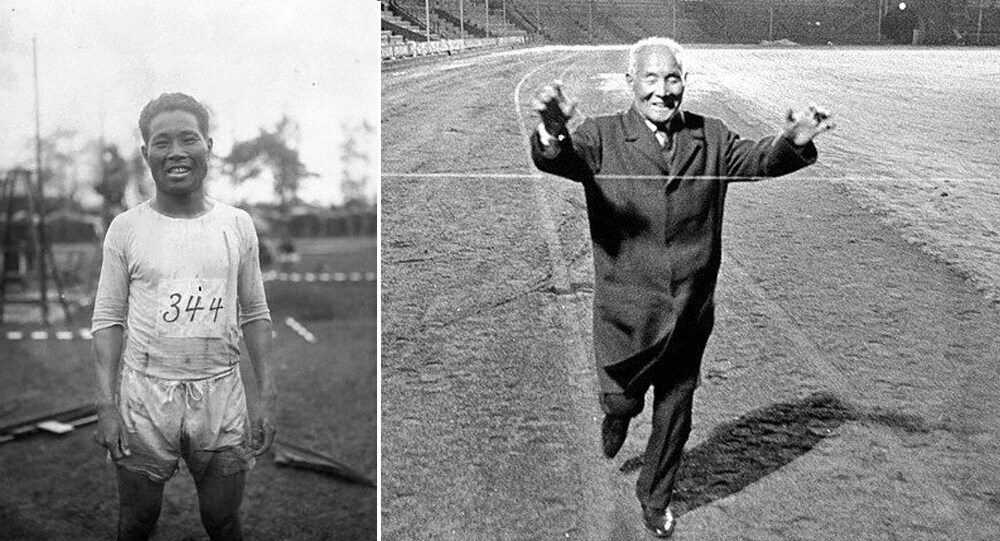
Shizo Kanakuri’s 1912 Olympic Marathon Finished 54 Years
At the 1912 Olympics, a marathon runner quit and went home to Japan without telling officials and was considered a missing person in Sweden for 50 years. In 1966, he was invited to complete the marathon. His time: 54 years, 8 months, 6 days, 5 hours, 32 minutes, and 20.379 seconds.
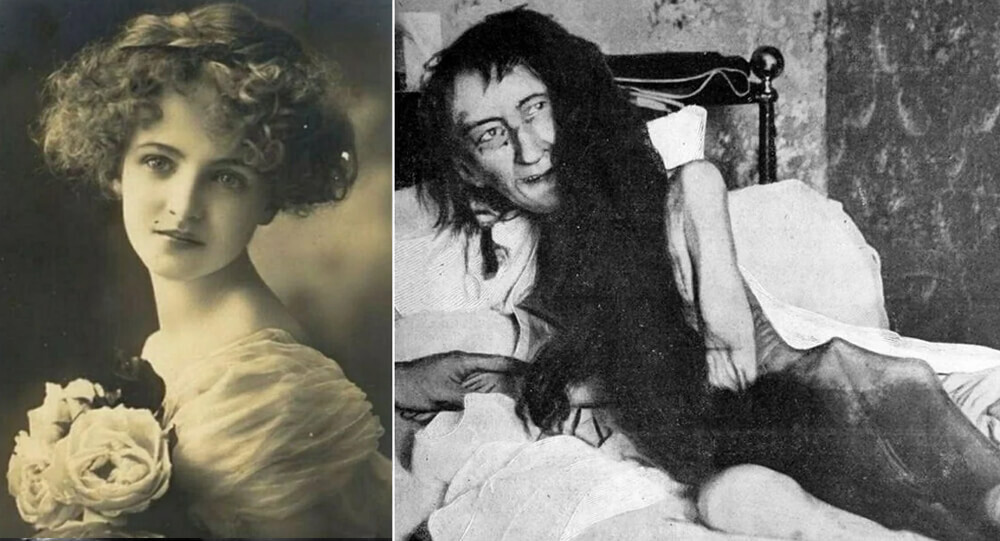
Blanche Monnier: Imprisoned For 25 Years For Falling in Love
Blanche Monnier, she was a French woman noted for her beauty, she wished to marry an old lawyer that her mother disapproved of, so she locked her in a small dark room in her attic for 25 years.
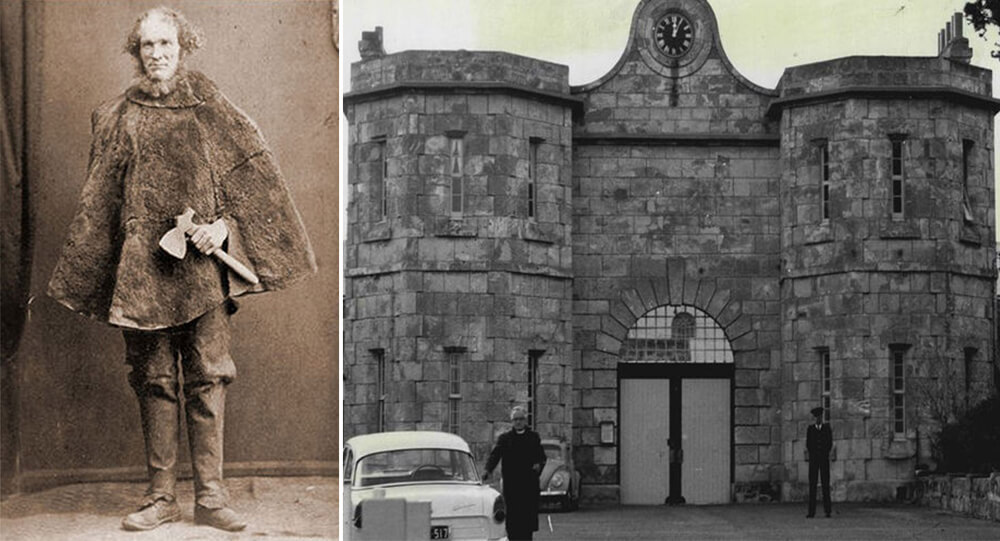
Moondyne Joe: The story of Australia's most notorious prison escapee
A man named Joseph Bolitho Johns (A.K.A Moondyne Joe) broke out of Australian prisons so many times that the police were compelled to build a special cell just for him. He escaped from that as well.

Iranian inmate dies from happiness after finding out he will not be executed
An Iranian man who was convicted of murder reportedly died from happiness after learning that his death sentence was being commuted.
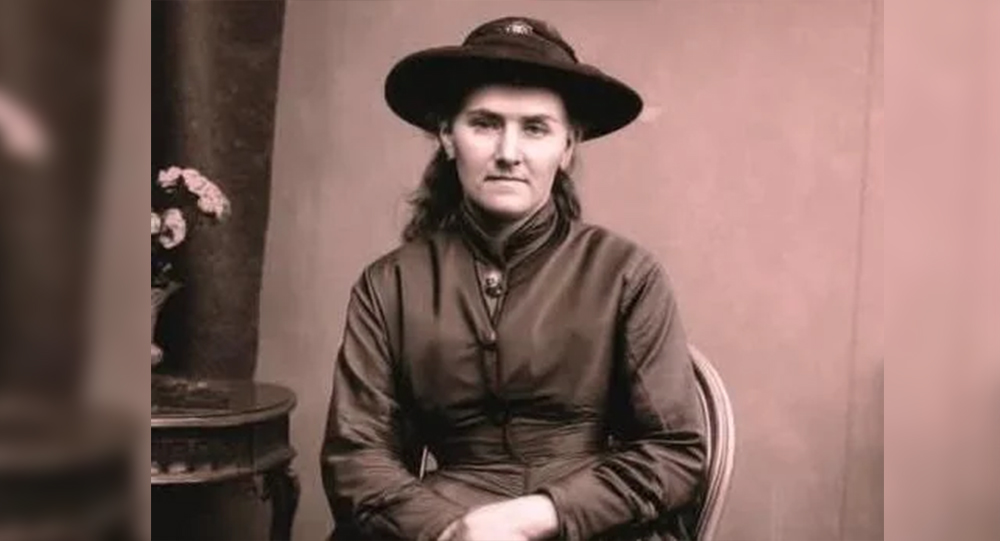
Why Comedians Failed to Make Sober Sue Laugh in the Early 1900s
In the bustling vaudeville scene of early 20th century New York, a mysterious performer known as "Sober Sue" captured public imagination not for jokes or songs, but for her unshakable stoicism—she never smiled or laughed. A local theater even offered a tempting reward of $1,000 to anyone who could make her laugh, drawing crowds and famous comedians eager to claim the prize. Despite countless hilarious attempts, Sue remained expressionless, a mystery that baffled performers and audiences until it was revealed that she suffered from facial paralysis, explaining her unchanging demeanor.