
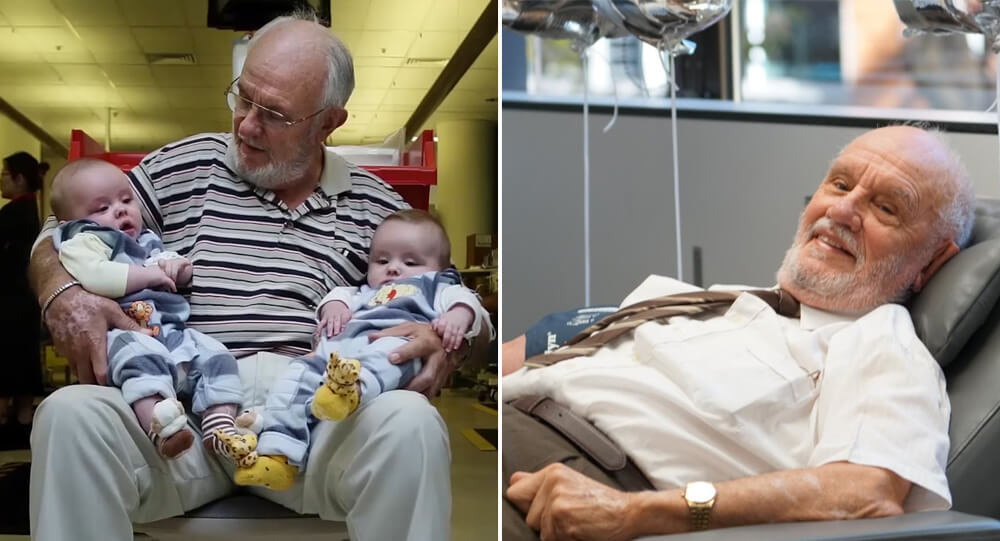
On Friday, May 11th, 2018, James gave his final blood donation, saving the lives of over 2 million Australian women’s newborns.
The 81-year-blood old’s contains a valuable antibody that is used to manufacture Anti-D, a life-saving drug given to moms whose blood is at risk of attacking their unborn kids.
James was one of the first participants in our Anti-D program. Since 1967, more than 3 million Anti-D doses containing James’ blood have been distributed to Australian women with a negative blood type. James, often known as “The Man with the Golden Arm,” has donated over 1,100 times.
How it all began
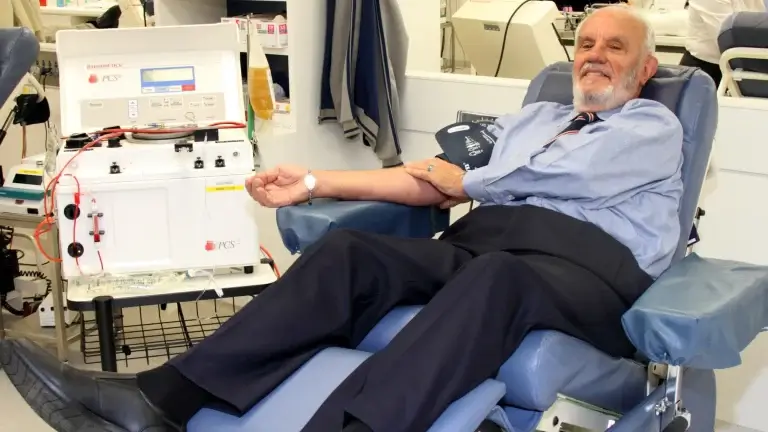
James was 14 years old when he underwent serious chest surgery and needed strangers’ blood to save his life. He promised to give as soon as he was old enough, and he followed his word four years later. Despite his fear to needles, he began by donating blood.
It was revealed in his blood almost a decade later that he had a key antibody that was required to create Anti-D injections. James was delighted to continue donating and move to plasma donation to help as many people as possible.
What is Anti-D?
Anti-D immunoglobin is a plasma-based injection made from unique donors like James.
During pregnancy with a Rh(D) positive baby, these injections protect Rh(D) negative mothers from accumulating potentially dangerous antibodies. Without it, their next Rh(D) positive baby could develop the potentially deadly Haemolytic Disease of the Fetus and Newborn (HDFN).
James Harrison last blood donation

“It’s a sad day for me. The end of a long run,” Harrison, 81, told The Sydney Morning Herald on the day of his last donation. “I’d keep on going if they’d let me.”
Harrison has surpassed the donor age limit.

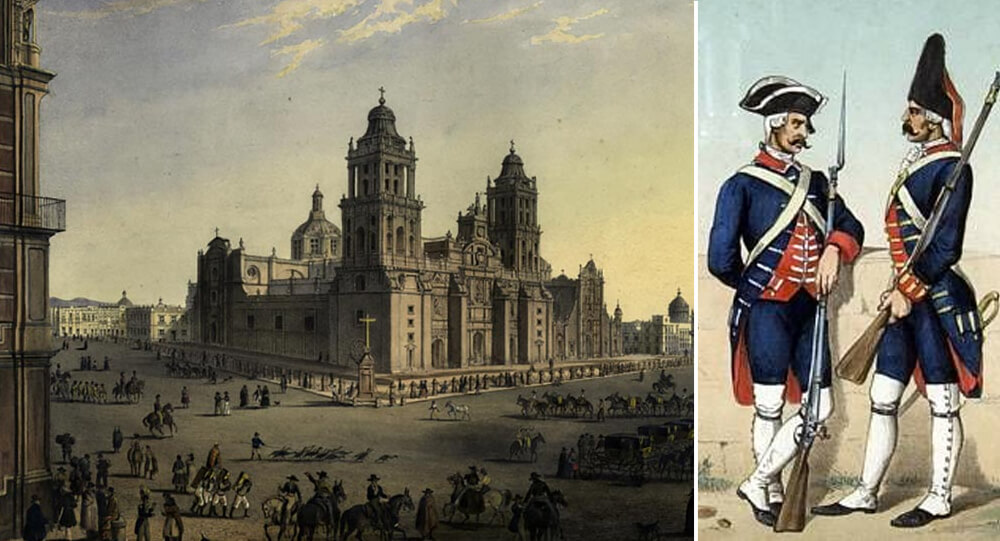
Did Gil Pérez Really Teleport from Manila to Mexico Overnight? The 1593 Mystery
On October 24, 1593, while performing his guard duties at Manila's Governor's Palace in the Philippines, Gil Perez stopped to lean against a wall and sleep for a while. He opened his eyes to find himself in an unusual environment. Gil was in the Plaza Mayor in Mexico City. They imprisoned Perez, but the authorities in Mexico City decided to release him and return him home.
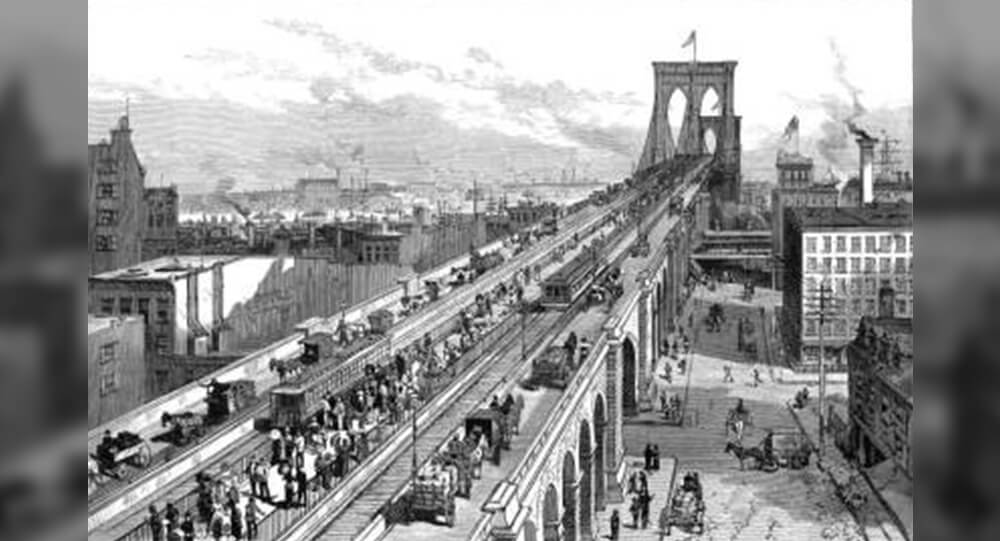
Why the Brooklyn Bridge Was Once Crossed by 17 Camels and 21 Elephants
On May 30, 1883, a rumor that the Brooklyn Bridge was going to collapse caused a stampede, which killed at least at twleve people. To prove the bridge was safe, P.T. Barnum led a parade of 21 elephants over it.
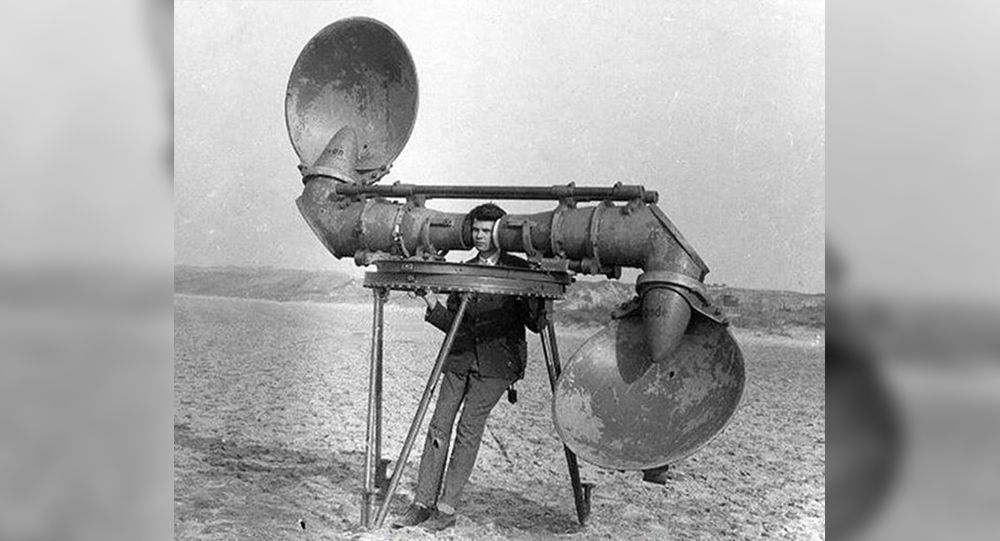
Before Radar: How Giant Acoustic Mirrors Detected Enemy Aircraft in WWI and WWII
Long before radar revolutionized air defense, enormous acoustic mirrors and specialized sound locators stood as the first line of defense against enemy aircraft. Designed as giant “ears,” these structures amplified distant engine noises, allowing operators to detect incoming planes by sound alone. Dive into the intriguing world of these pioneering listening devices, their operation, limitations, and enduring legacy in military history.
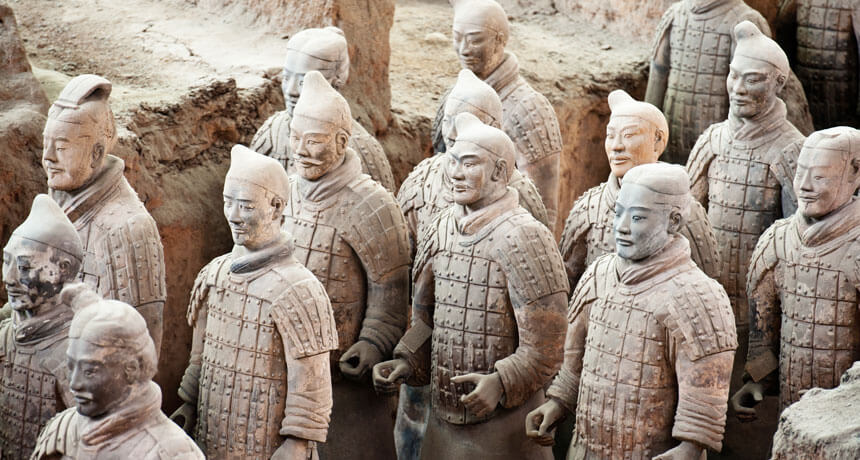
Top 10 Greatest and shocking Archaeological Discoveries of All Time
While we're all locked at home, there's no better way to escape to another time and place than to learn about amazing archeological sites and discoveries from around the world. Here are the 10 greatest and shocking archaeological discoveries —and don't be shocked if they inspire future trip plans whenever it's safe to do so again.
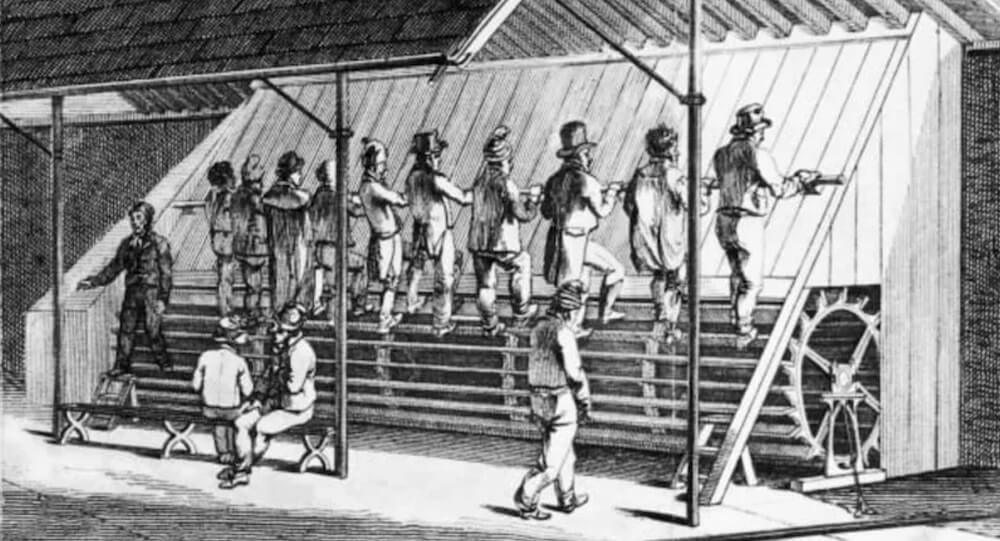
History of Treadmill, punishment for prisoners
Treadmills were originally a punishment used to harness human power on a giant wheel used to grind grains, hence the name "treadmill." The History of Treadmill

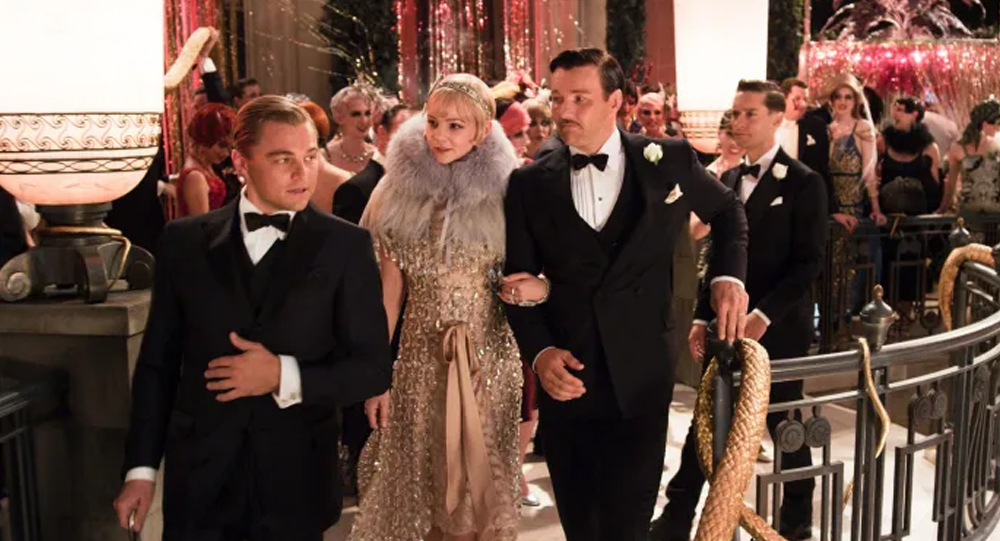
From Flapper to Fashion Week: How 1920s Style Still Shapes Modern Trends
The roaring 1920s revolutionized fashion, introducing bold styles, daring cuts, and a spirit of freedom that still inspires today’s wardrobes. From flapper dresses to statement accessories, here’s how the Jazz Age lives on in modern fashion.

15 interesting facts about Queen Elizabeth II
Queen Elizabeth II, who ruled Britain for 70 years, has away at the age of 96. She was the country's longest-reigning monarch. Here are some little-known facts about her.
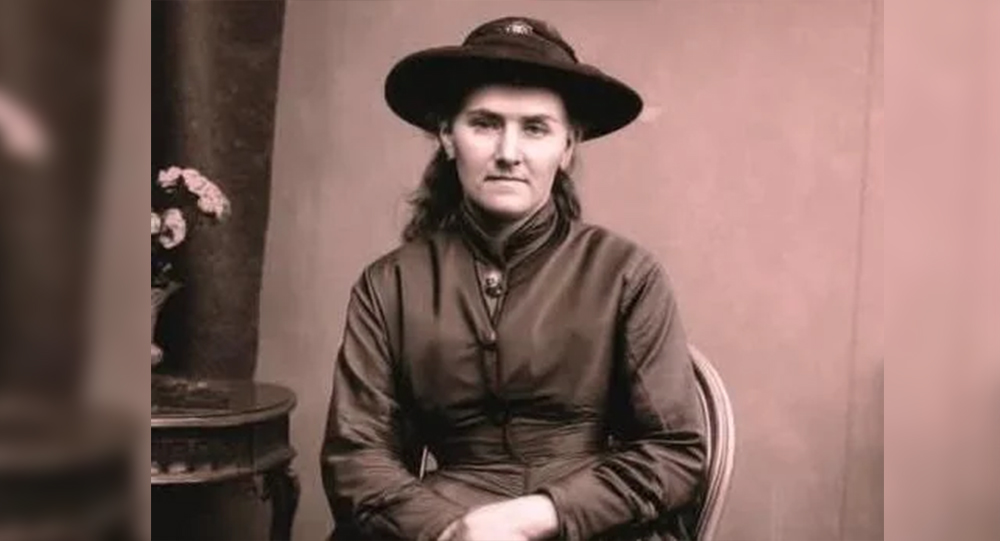
Why Comedians Failed to Make Sober Sue Laugh in the Early 1900s
In the bustling vaudeville scene of early 20th century New York, a mysterious performer known as "Sober Sue" captured public imagination not for jokes or songs, but for her unshakable stoicism—she never smiled or laughed. A local theater even offered a tempting reward of $1,000 to anyone who could make her laugh, drawing crowds and famous comedians eager to claim the prize. Despite countless hilarious attempts, Sue remained expressionless, a mystery that baffled performers and audiences until it was revealed that she suffered from facial paralysis, explaining her unchanging demeanor.

What exactly was the US's 'Ghost Army' during WWII?
During WW2, there was a special unit of men dubbed the ‘Ghost Army’. The unit was made of artists, creative and engineers and their job was to create deception about the enemy. From inflatable tanks to phony convoys to scripted conversations in bars intended to spread disinformation, they used all possible tricks to fool the enemy.
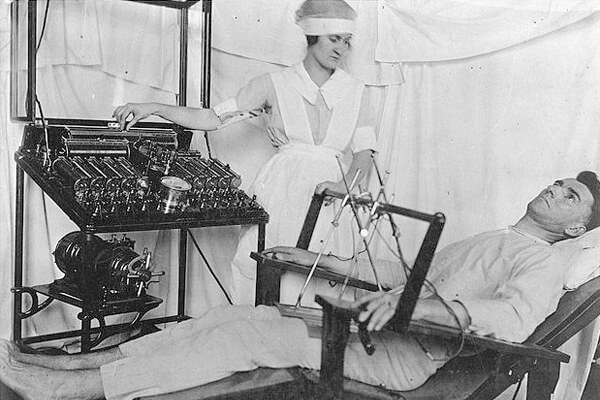
Top 10 most cruel medical procedures that are being used today
We are all aware that medicine has advanced dramatically over the last fifty years. There are several modern medical approaches available today, but this was not always the case. However, the past of medicine is a dark one. Medical leeches, lobotomy, vascular surgery, cranial stenosis, and even electroshock therapy are all options. These are only a couple of the cruel healing techniques that are still in use today.

Reason Behind The Suicide Of Christine Chubbuck Live On Air
Actor Rebecca Hall had serious reservations about tackling the macabre story around why Chubbuck killed herself in 1974. So what changed her mind?

Marion Stokes recorded 30 years of television
Marion Stokes, a Philadelphia woman began taping whatever was on television in 1979 and didn’t stop until her death in 2012. The 71,000 VHS and Betamax tapes she made are the most complete collection preserving this era of TV. They are being digitized by the Internet Archive.
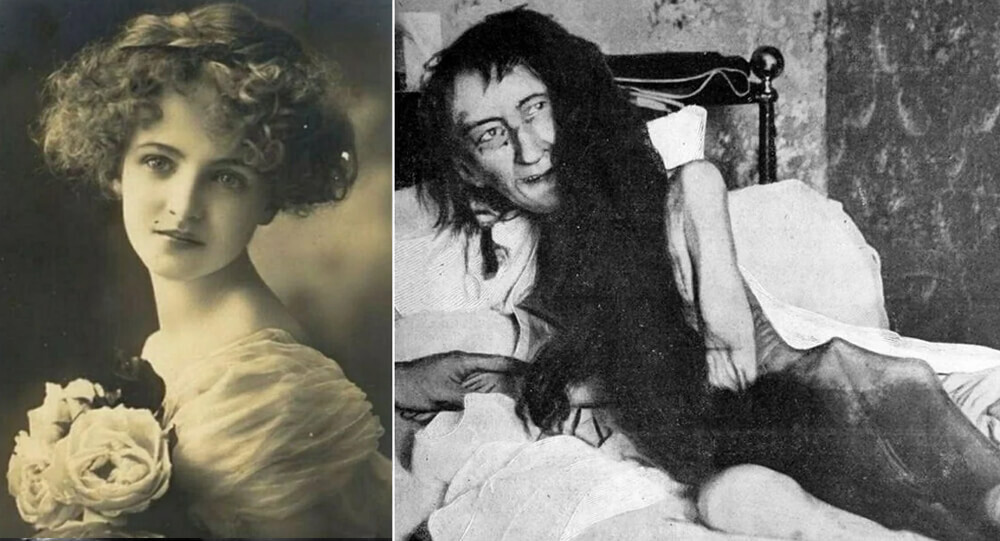
Blanche Monnier: Imprisoned For 25 Years For Falling in Love
Blanche Monnier, she was a French woman noted for her beauty, she wished to marry an old lawyer that her mother disapproved of, so she locked her in a small dark room in her attic for 25 years.
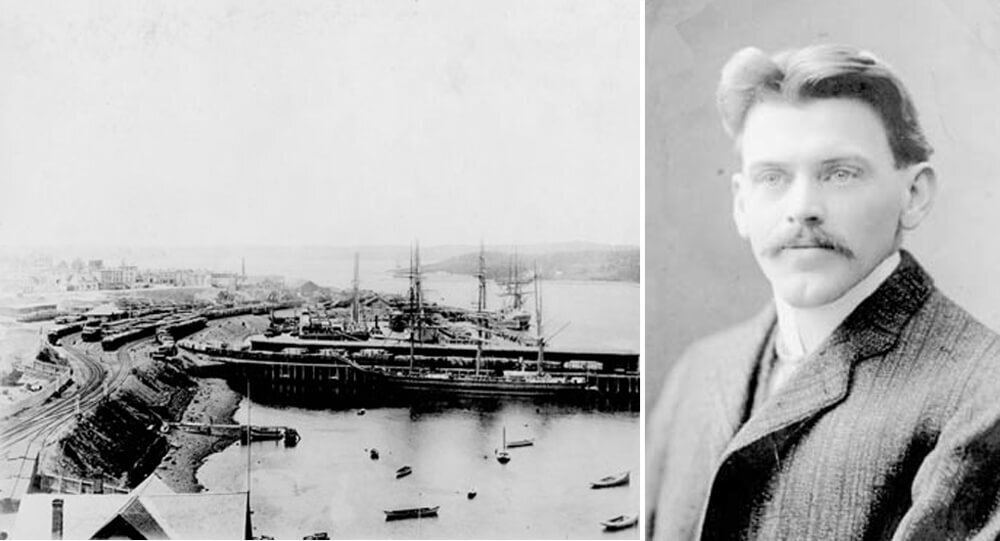
Vince Coleman, a railway dispatcher, sacrificed his own life
Vince Coleman, a railway dispatcher, sacrificed his life in order to warn an incoming train of an imminent explosion. His telegraph said “Hold up the train. Ammunition ship afire in harbor making for Pier 6 and will explode. Guess this will be my last message. Good-bye, boys.” He saved 300 lives.
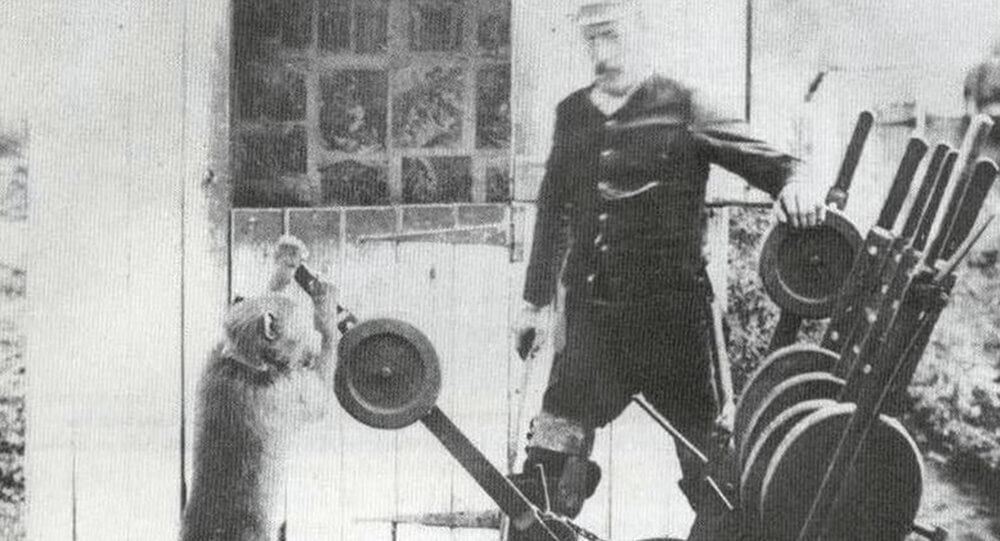
Jack the Baboon operated a railroad, earned a living, and never made a mistake
A baboon worked as a signalman for the railroad in the late 1800s. He never made a mistake and worked for the railroad until the day he died.
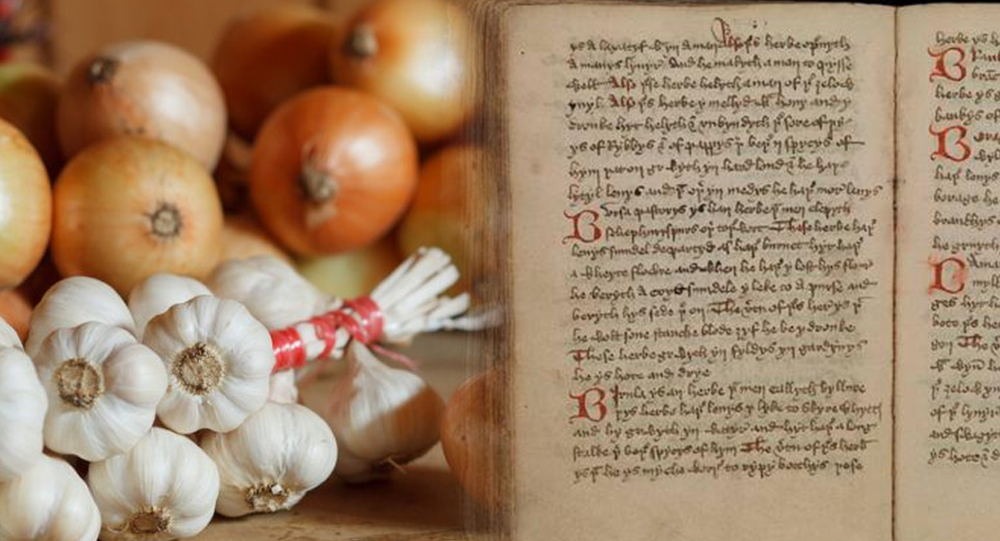
Medieval Medicine: A 1,000-year-old onion and garlic salve kills modern bacterial superbugs
Scientists recreated an Anglo-Saxon manuscript-based 9th century onion and garlic eye remedy and discovered that it killed 90% of antibiotic-resistant staph bacteria (MRSA).
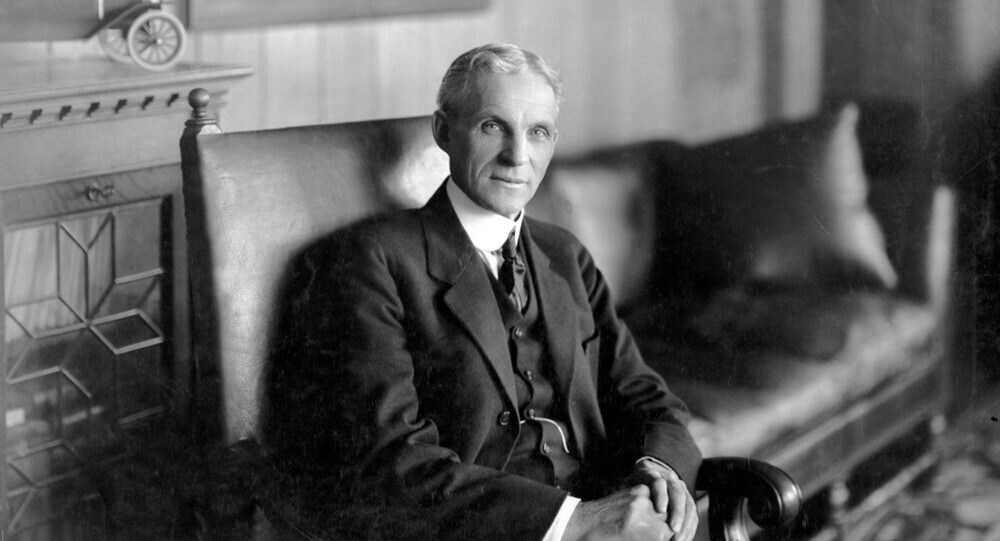
Henry Ford, The man popularizing the concept of the weekend off
Henry Ford was the first Industrial Giant to give his employees both Saturday and Sunday off in the hope of encouraging more leisurely use of automobiles and thus popularizing the concept of the "weekend."
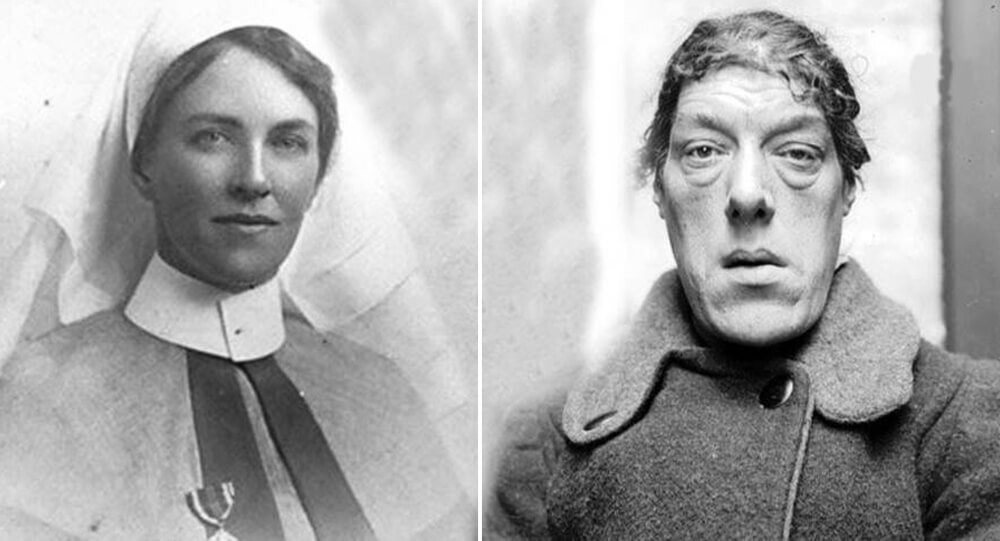
The Tragic Story Of Mary Ann Bevan, The ‘Ugliest Woman In The World’
After the death of her husband, Mary Ann Bevan had no income to support herself and her children. She then decided to enter a contest where she won the title of “ugliest woman” and was later hired by a circus. She endured this ridicule from the world to provide for her family.
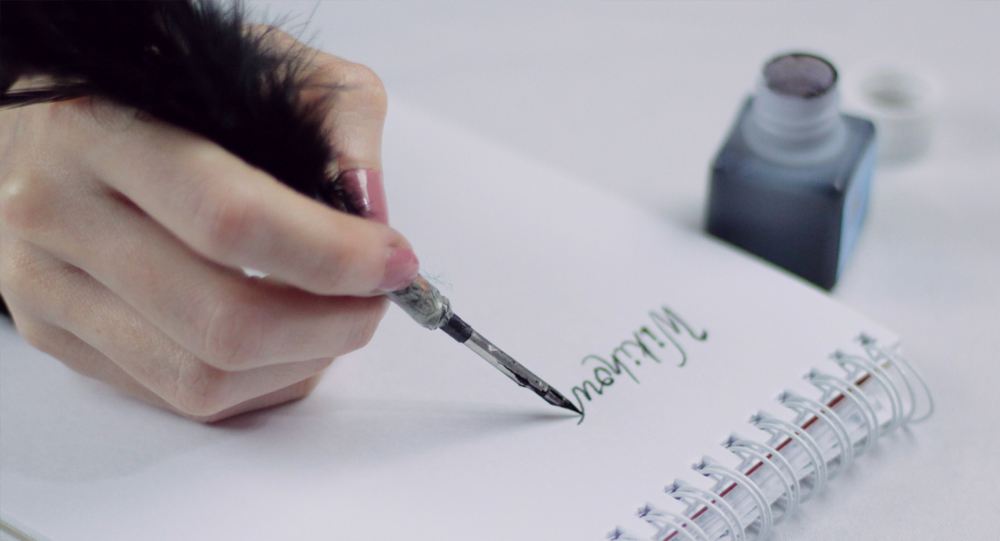
Why the Word ‘Pen’ Comes from the Latin ‘Penna’ Meaning Feather
The humble word “pen” carries a rich history rooted in ancient times, derived from the Latin word penna, meaning “feather.” Long before modern pens revolutionized writing, feather quills—especially from geese—were the essential tools of scribes, scholars, and artists. This article journeys through the origins of the pen, its evolution, and fascinating trivia about the timeless connection between feathers and writing.
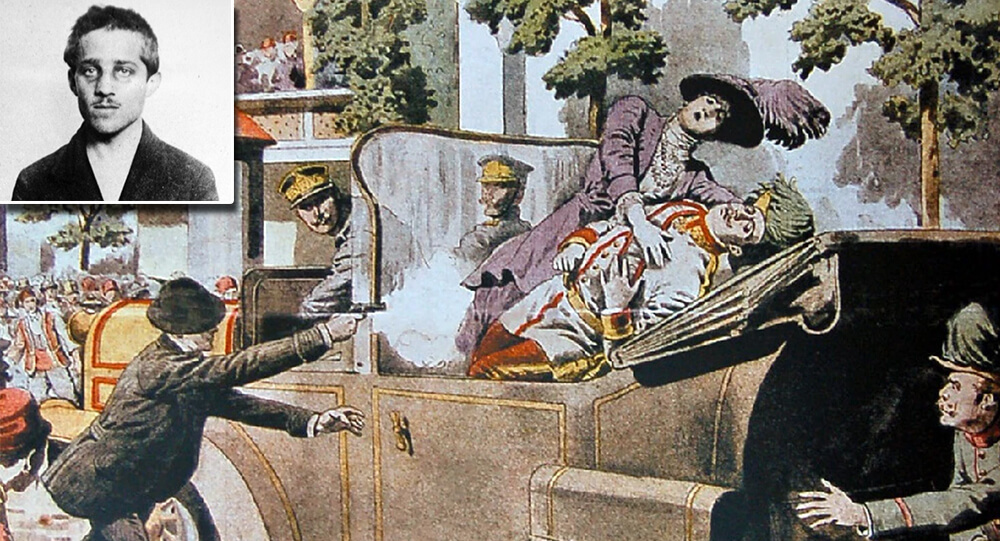
Franz Ferdinand’s Assassination that sparked World War I
Archduke Franz Ferdinand of Austria and his wife Sophie are shot to death by a Bosnian Serb nationalist during an official visit to the Bosnian capital of Sarajevo on June 28, 1914. The killings sparked a chain of events that led to the eruption of World War I by early August.
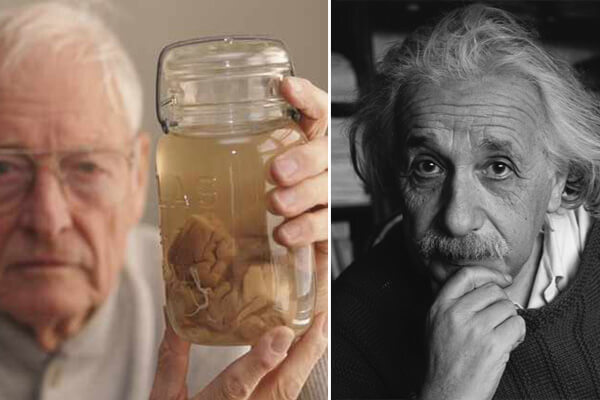
Albert Einstein’s brain after it was stolen from his body
Albert Einstein's brain was taken by the opportunistic pathologist who performed his autopsy hours after he died and kept in two jars for 30 years. The stolen brain of Albert Einstein was preserved in a cookie jar for 30 years until being discovered by a journalist.
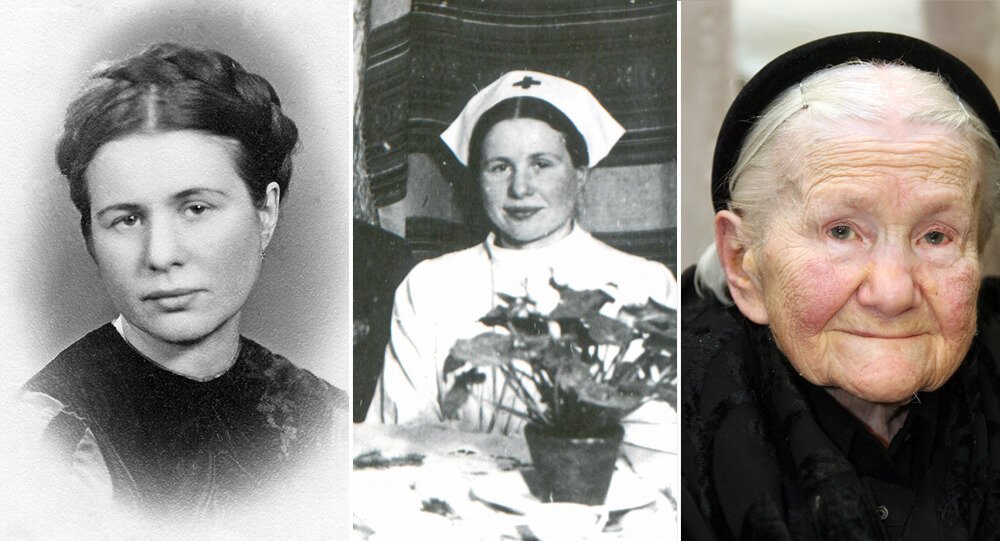
Irena Sendler: woman who rescued Jews during holocaust
Irene Sendler was the Zegota resistance group's head of the children's department. She risked her life to smuggle children out of the Warsaw ghetto, place them with Polish families or orphanages, give each child a new identity, and keep records so that they could be returned to their families. In 1943, the Gestapo arrested and sentenced her to death, but she was rescued by Zegota.

3 men lived on top of a billboard in tents for almost 9 months
From 1982-1983, three men in Allentown PA competed in a radio contest in which they lived on top of a billboard in tents. Whoever stayed up longest would win a house. Due to economic pressure from the recession, none of the contestants wanted to give up, so the contest lasted almost 9 months.
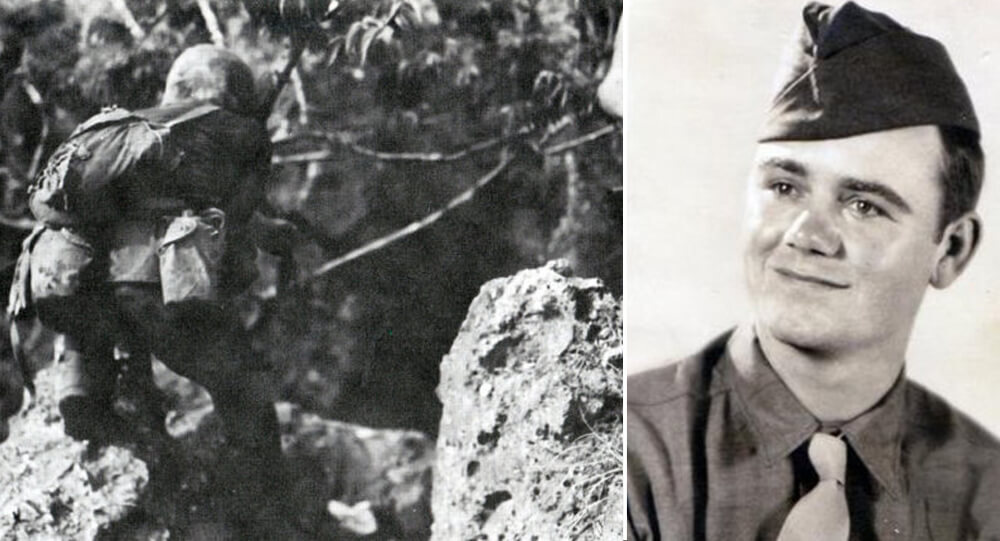
Thomas Baker's heroic act that earned him the "Medal of Honor" was 8 bullets until death
Thomas Baker instructed his team to leave him with a pistol and eight bullets propped up against a tree after he was injured. Later, American troops discovered the now-deceased Baker in the same location, lying next to eight dead Japanese soldiers and carrying an empty pistol.
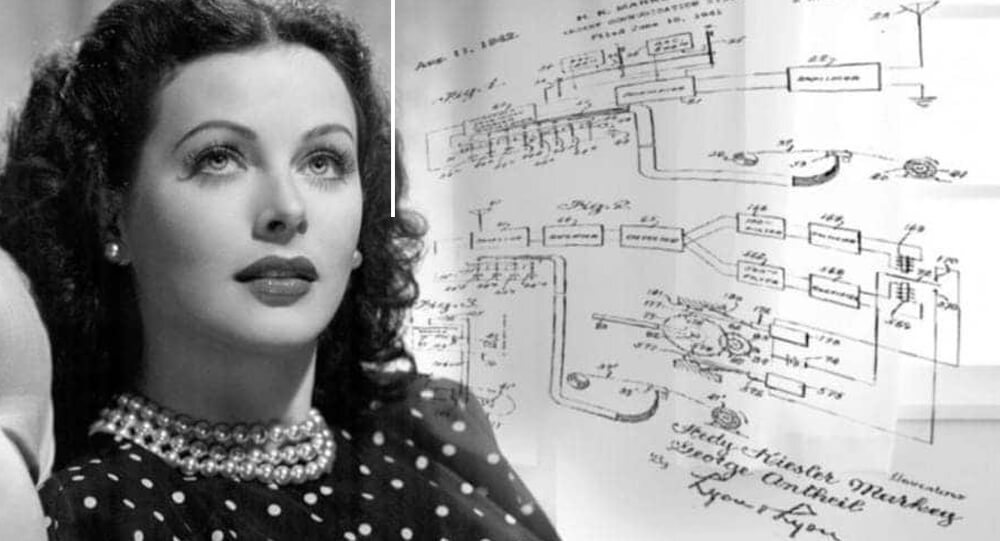
Hedy Lamarr, A Hollywood actress who also a mathematician and inventor
Hollywood actress Hedy Lamarr was also a mathematician and the inventor of frequency hopping spread spectrum, a technology still used for bluetooth and wifi