
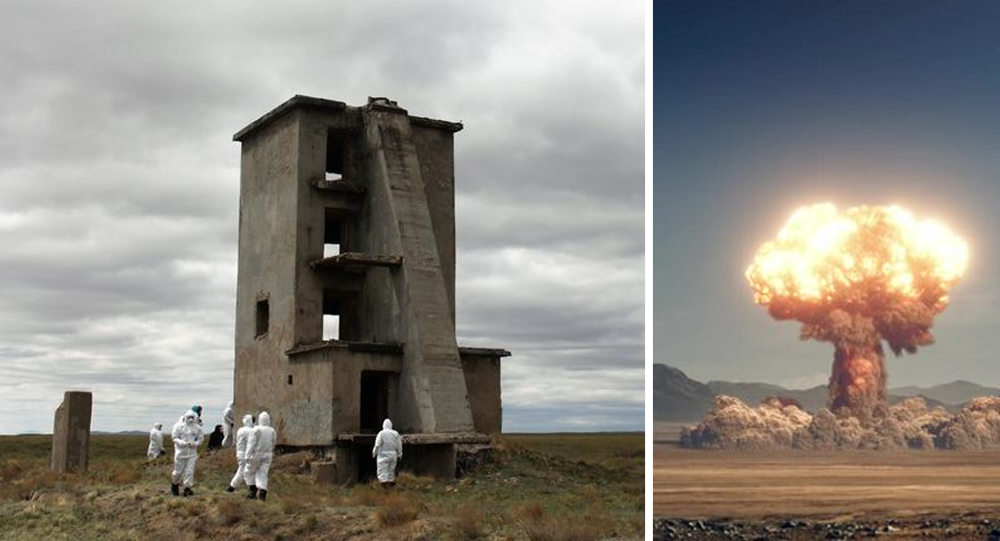

The Forgotten Story of Semipalatinsk and the Soviet Nuclear Experiments
In 1949, as the Cold War escalated, the Soviet Union detonated its first atomic bomb at a remote location in eastern Kazakhstan near the city of Semipalatinsk (now Semey). Covering roughly 18,000 square kilometers of steppe, this vast area was deemed suitably isolated for the USSR’s burgeoning nuclear program.
What Soviet officials ignored was that the region was home to a population of livestock farmers, nomads, and villagers numbering in the thousands. The test site quickly earned a grim nickname—the “Polygon”—and later, the “Polygon of Suffering” as it became the epicenter for a relentless nuclear arms race hidden behind an impenetrable veil of state secrecy.
Between August 29, 1949, and November 1989, 456 nuclear tests were conducted here, including 116 atmospheric and 340 underground detonations. The first test, codenamed “First Lightning” or RDS-1, found the locals startled by the roar and mushroom cloud, unaware of the invisible dangers descending on their homes.
Lives Altered by Radiation
For decades, the residents of Semipalatinsk lived amid radioactive contamination, with little knowledge or protection. The atmospheric blasts released massive clouds of radioactive dust and fallout that drifted over towns, crops, and water sources.
Health impacts were devastating and deeply personal: increasing cases of cancers, blood diseases, miscarriages, and congenital disabilities swept through communities. Birth defects ranging from missing limbs to severe neurological issues arose, creating lifelong suffering and marking future generations.
Despite mounting evidence, Soviet authorities denied harmful effects and actively suppressed medical diagnoses. Attempts by local officials to raise alarms were ignored or crushed, while military secrecy prevailed.
Environmental Consequences and Radioactive Legacy
The environment around the Polygon bore silent witness to nuclear devastation. Vast swaths of desert became uninhabitable due to residual radiation. Wildlife populations plummeted, and once-fertile lands turned barren. Underground tests fractured the earth, leaving unstable tunnels and radioactive waste buried with little oversight.
Even decades after testing ceased, radiation remained a persistent threat, and cleanup efforts are ongoing. The collapse of the Soviet Union in 1991 left Kazakhstan with responsibility for monitoring hazardous sites, a daunting task requiring international cooperation.
The Political Awakening and Closure of the Polygon
The late 1980s brought political reforms under Soviet leader Mikhail Gorbachev, allowing some transparency, while swelling public anger about nuclear risks culminated in the landmark anti-nuclear movement called Nevada-Semipalatinsk.
The activists’ pressure, alongside changing global attitudes towards arms control, led Kazakhstan’s then-president Nursultan Nazarbayev to close the Semipalatinsk Test Site on August 29, 1991—exactly 42 years after the first Soviet bomb. This bold act made Kazakhstan the first nuclear-armed former Soviet republic to renounce testing and nuclear weapons completely.
Struggles for Healing and International Aid
Since closure, Kazakhstan has worked with the U.S., Russia, and international bodies to secure nuclear materials, dismantle testing infrastructure, and conduct medical research on affected populations. The Institute of Radiation Medicine and Ecology in Semey leads studies showing significantly elevated cancer and disease rates linked to radiation exposure, persisting into grandchildren’s generations.
Mental health crises, including depression and increased suicide rates, have exacerbated the tragedy, as survivors navigate stigma and the lasting legacy of radiation-related illness in their families.
Despite setbacks, Kazakhstan is a global voice on nuclear disarmament and environmental cleanup, hosting Comprehensive Nuclear-Test-Ban Treaty Organization (CTBTO) events and promoting research on post-nuclear remediation.
Fascinating Trivia About Semipalatinsk and Soviet Nuclear History
- Semipalatinsk hosted the Soviet Union’s first-ever atomic test, “Joe-1,” on August 29, 1949.
- It was responsible for roughly one-quarter of all nuclear tests conducted worldwide during the Cold War.
- About 1.5 million people were estimated to be exposed to dangerous radiation over decades.
- Many villagers and nomads initially believed the explosions were natural or meteorological phenomena.
- Radioactive fallout spread over 300,000 square kilometers affecting multiple Kazakh provinces.
- The last test at Semipalatinsk was conducted underground in 1989, signaling the waning Soviet nuclear era.
- Kazakhstan’s unilateral closure of the site was historic for a nuclear state and encouraged global treaties.
- The region now supports international nuclear verification exercises leveraging the site’s unique infrastructure.
Remembering Semipalatinsk:
Semipalatinsk remains a powerful cautionary tale about the costs of nuclear arms races unchecked by human safety concerns. It highlights decades of human sacrifice hidden under the banner of national security and the destructive consequences of neglecting environmental and public health.
Ongoing efforts to rehabilitate the land and population underscore the vital need for transparency, accountability, and international cooperation in nuclear policy moving forward.
From Polygon of Suffering to Beacon of Hope
The story of Semipalatinsk is one of tragedy marked by unchecked nuclear ambition but also resilience and transformation. From the depths of radioactive contamination emerged a nation’s courage to reject nuclear weaponry and lead in global disarmament.
As Kazakhstan continues to heal, Semipalatinsk’s legacy serves as a solemn reminder of the urgent need for vigilance and compassion in scientific and military endeavors, ensuring such suffering is never repeated.
If this story moved you, share it to honor those affected and to educate future generations about the human cost behind nuclear weapons testing.
Sources & Further Reading:
- Nuclear Threat Initiative (NTI): Semipalatinsk Test Site (2022)
- Wikipedia: Semipalatinsk Test Site (2023)
- Dark Tourism: The Polygon Soviet Nuclear Test Site (2024)
- Carnegie Endowment: Kazakhstan’s Fight Against Soviet Nuclear Tests (2022)
- PBS American Experience: Soviet Nuclear Weapons Tests
These sources provide comprehensive insights into Semipalatinsk’s history, environmental impact, and ongoing recovery efforts from one of the world’s most significant sites of nuclear experimentation.

George Dantzig solved two famous “unsolved” problems in statistics mistakenly as assignment
In 1939, George Dantzig arrived late to his statistics class. On the board were two famous “unsolved” problems in statistics written as an example by his professor. Dantzig mistook the examples for homework assignments. He solved the “unsolved” problems and submitted the homework to his professor a few days later. His solutions earned him a doctorate.
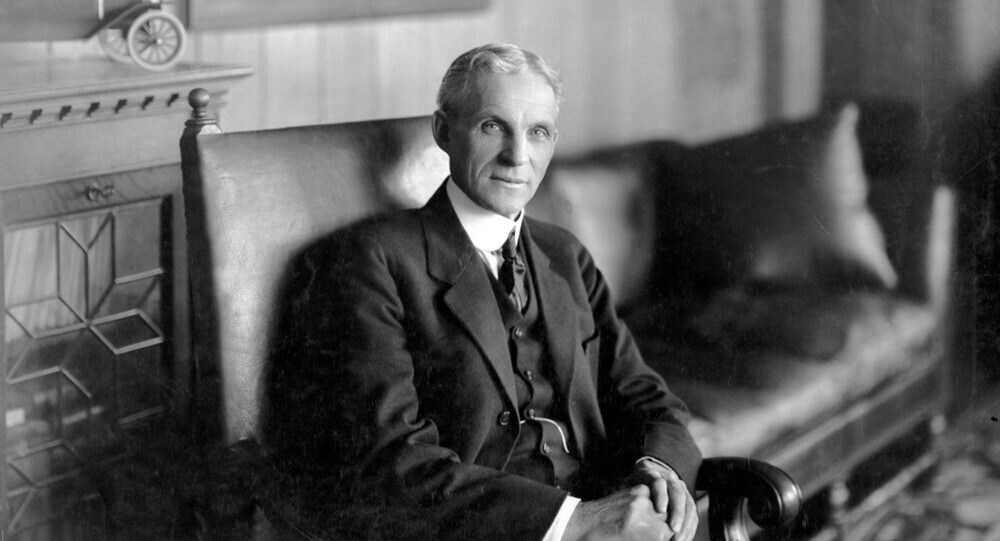
Henry Ford, The man popularizing the concept of the weekend off
Henry Ford was the first Industrial Giant to give his employees both Saturday and Sunday off in the hope of encouraging more leisurely use of automobiles and thus popularizing the concept of the "weekend."
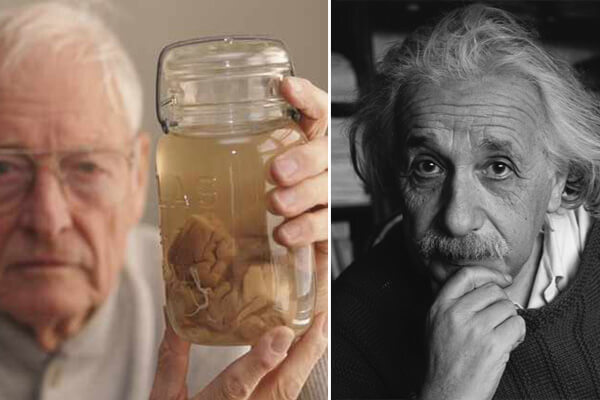
Albert Einstein’s brain after it was stolen from his body
Albert Einstein's brain was taken by the opportunistic pathologist who performed his autopsy hours after he died and kept in two jars for 30 years. The stolen brain of Albert Einstein was preserved in a cookie jar for 30 years until being discovered by a journalist.


From Flapper to Fashion Week: How 1920s Style Still Shapes Modern Trends
The roaring 1920s revolutionized fashion, introducing bold styles, daring cuts, and a spirit of freedom that still inspires today’s wardrobes. From flapper dresses to statement accessories, here’s how the Jazz Age lives on in modern fashion.
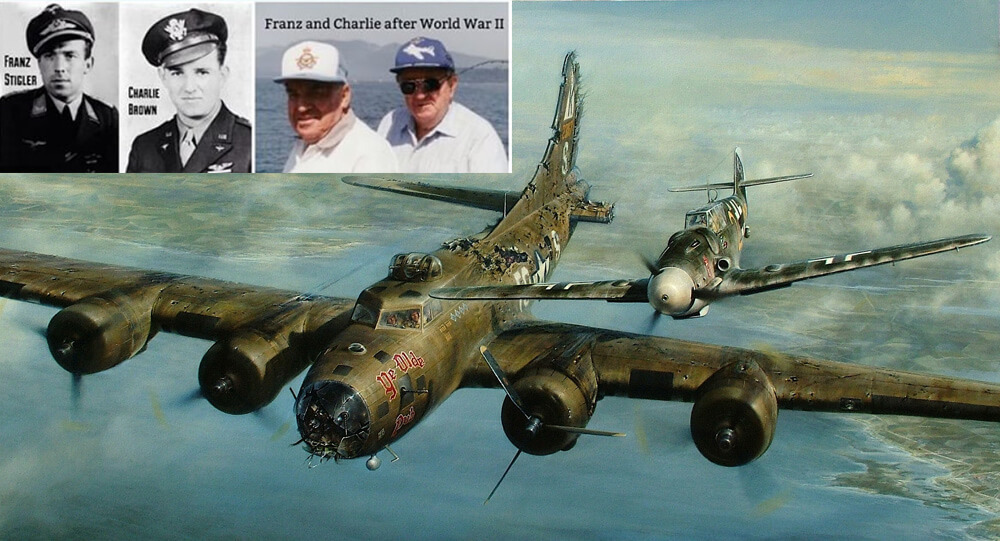
Charlie Brown and Franz Stigler incident: Enemy became friends
During WWII, a German pilot spotted an American pilot’s crippled plane in the sky. Tailing it, he noticed that gunner was dead, crew injured, and they posed no threat. Instead of destroying the plane, he led it to safety. 40 years later, the two pilots reunited.
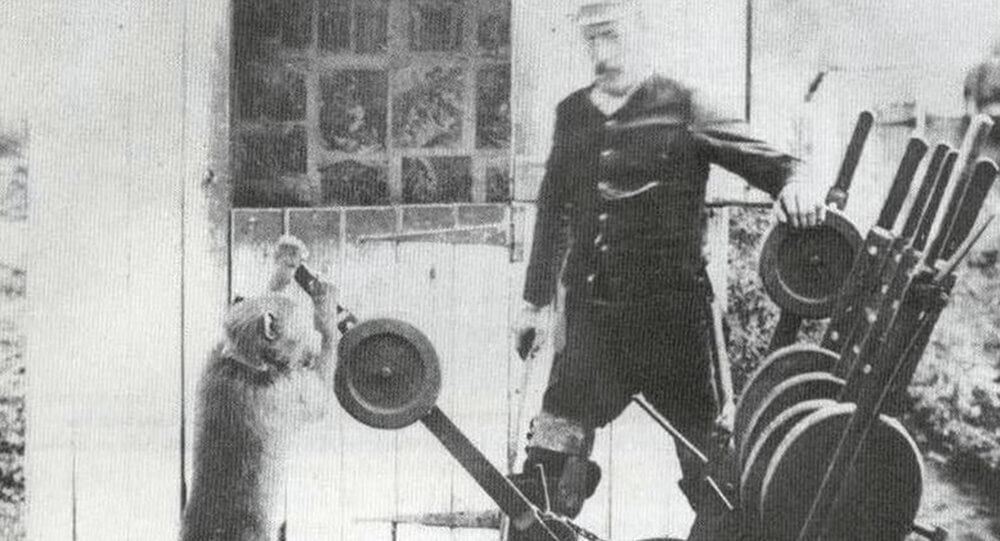
Jack the Baboon operated a railroad, earned a living, and never made a mistake
A baboon worked as a signalman for the railroad in the late 1800s. He never made a mistake and worked for the railroad until the day he died.
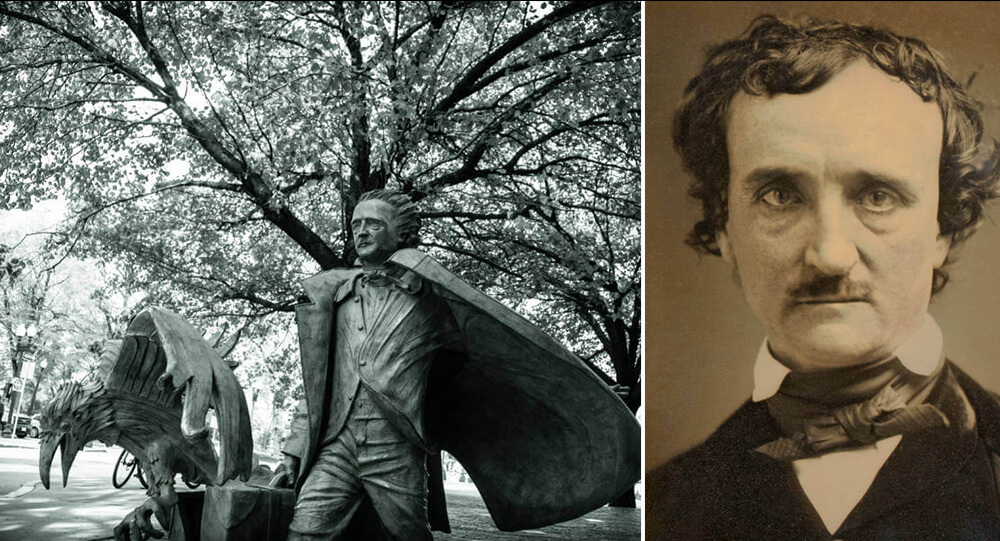
Inside The Mysterious Death Of The Famed Gothic Writer Edgar Allan Poe
Hours before his death Edgar Allen Poe was found on the streets of Baltimore. He was incoherent, wearing another man’s clothes, and unable to explain how he got there. The cause of his death is an unsolved mystery.

How Sleep Deprivation Was Once Used as Torture
Sleep deprivation, long before modern interrogation techniques, was considered a “clean” and effective form of torture—leaving no physical scars, yet breaking minds with haunting silence. Victims endured days and nights without rest, leading to vivid hallucinations, disorientation, and psychological torment. This article traces the dark history of sleep deprivation as a weapon, examines the science behind its effects on the brain, and shines a light on the painful balance between human endurance and cruelty in the annals of coercion.

Medals of Friendship: The Enduring Olympic Story of 1936
At the 1936 Summer Olympics, two Japanese pole vaulters named Sueo Oe and Shuhei Nishida tied for second, but they declined to compete against each other. As a result, Nishida was awarded the silver medal and Oe won a bronze medal. Upon returning to Japan, the athletes had their medals cut in half and spliced together to create new "friendship medals," which were half silver and half bronze.
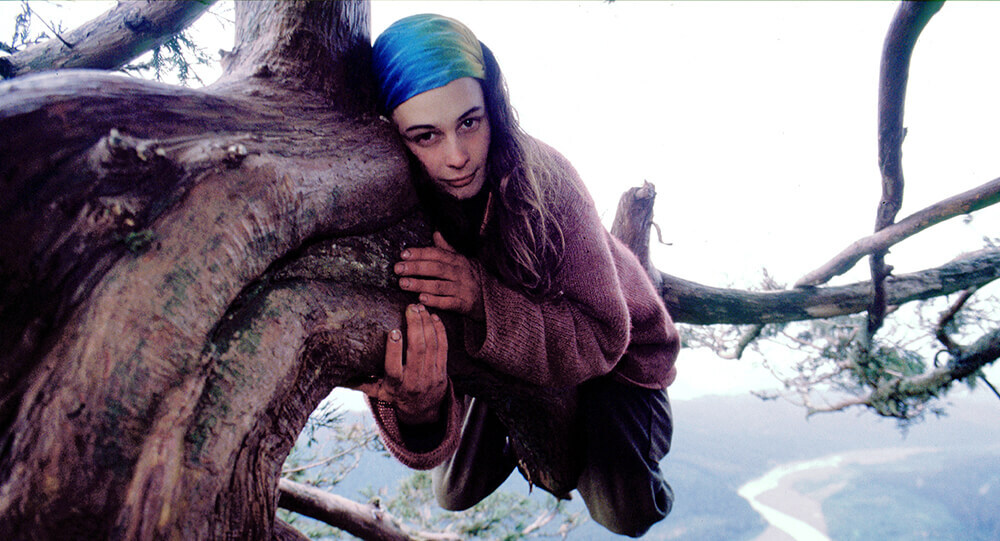
The incredible story of Julia "Butterfly" Hill and her legacy
American environmental activist Julia “Butterfly” Hill lived in a 1500-year-old California Redwood tree for 738 days to prevent it from being cut down by the Pacific Lumber Company. The Simpson’s episode “Lisa the Tree Hugger” was inspired by Hill’s story.
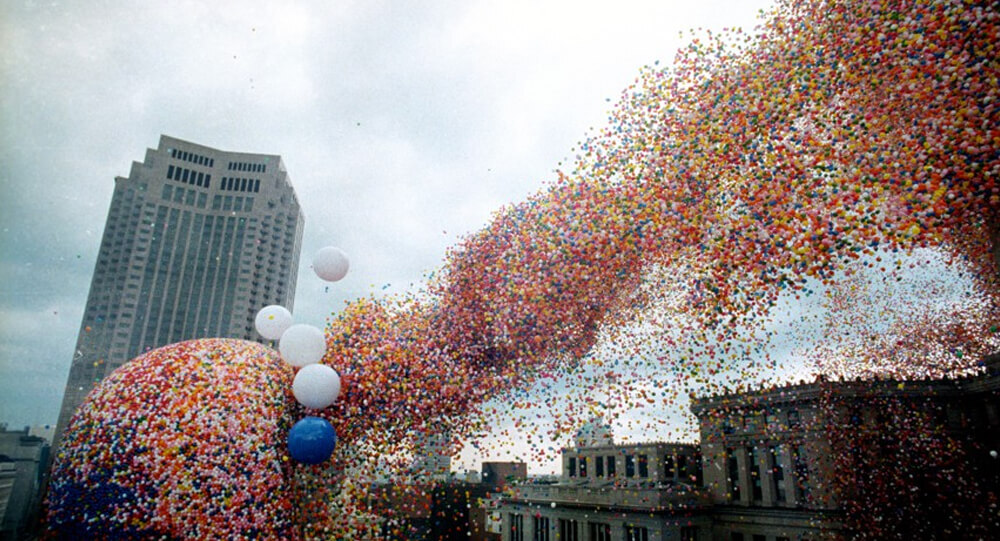
How Cleveland's Balloonfest in 1986 Turned Into a Public Tragedy
In Cleveland, Ohio, United Way broke the world record by deflating nearly 1.5 million balloons as part of a publicity stunt to raise money. The balloon obstructed a US Coast Guard search for two boaters who were subsequently discovered to have drowned, blocked airport runways, and blocked land and waterways.
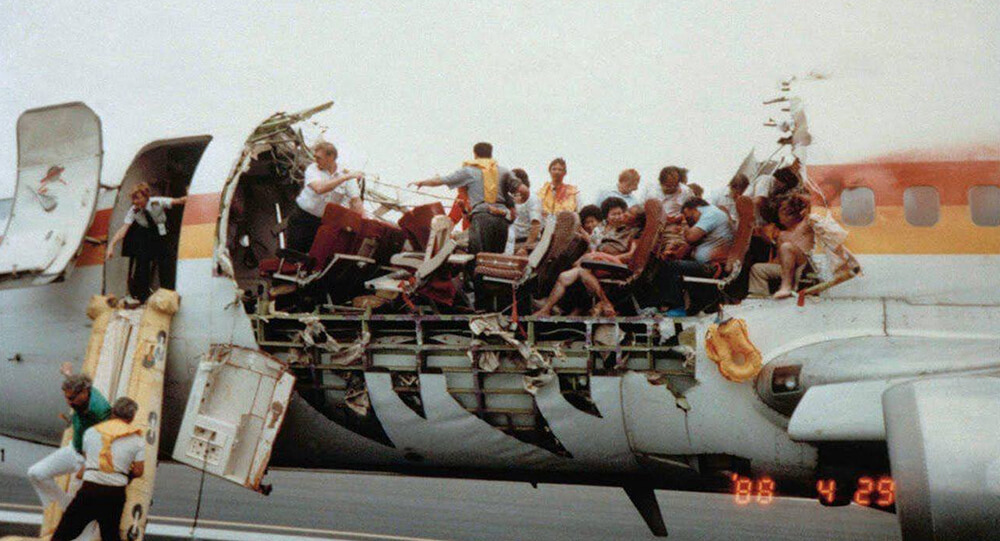
The incredible story of a plane that lost its roof in mid-flight and the light signal that saved 94 lives.
On April 28, 1988, Aloha Airlines flight 243 was on the way to Honolulu from Hilo when a huge portion of the upper part of the fuselage blew off the airplane.
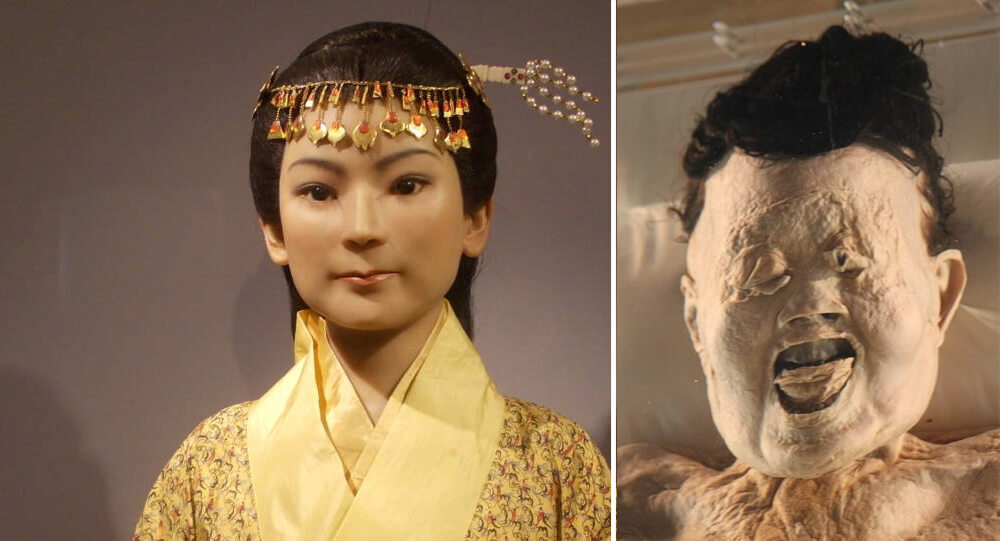
Xin Zhui And The Story Of The Stunningly Intact Lady Dai Mummy
A 2,000-year-old mummy of a Chinese woman, Xin Zhui, also known as “Lady Dai,” was preserved in 21 gallons of an “unknown liquid.” With her original hair, organs, eyebrows, and eyelashes intact, the mummy still has blood in her veins. Her skin and ligaments are soft and as flexible as that of a living person.
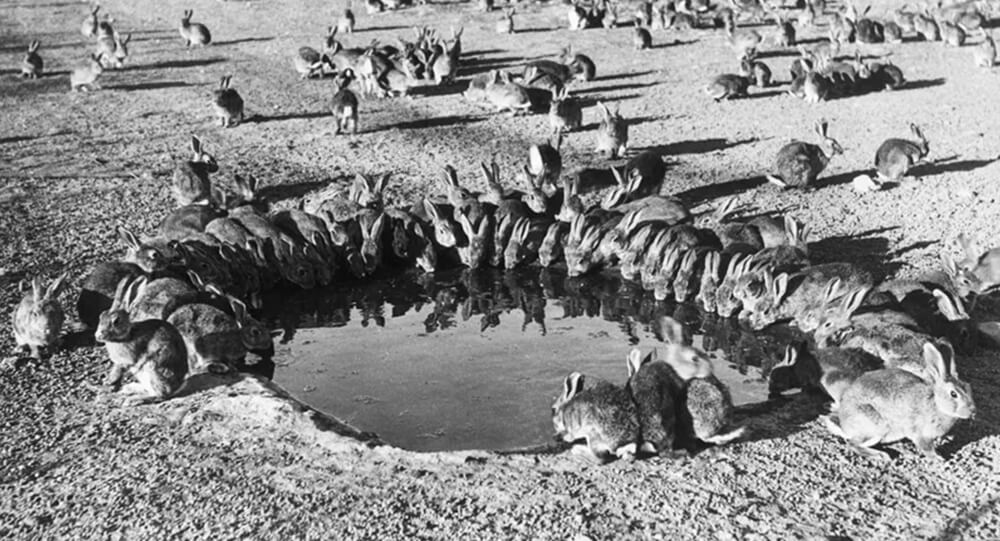
How European Rabbits Took over Australia
In 1859, wealthy settler Thomas Austin released 13 wild rabbits on his Australian estate. By 1920, their population grew to 10 billion.

story of the youngest mother in the world at age of five - Lina Medina
Lina Medina, a five-year-old Peruvian girl, became the youngest mother in history in 1939 when she gave birth to a boy.
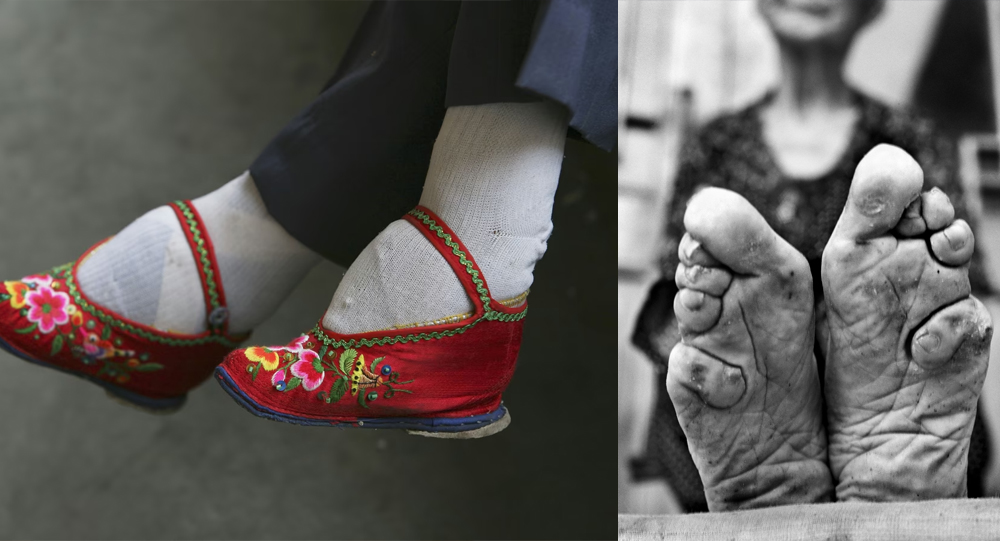
Inside China’s Footbinding Tradition: The Painful Ritual of Lotus Shoes and Bound Feet
In China, Lotus shoes were used to bind women's feet to keep their feet small
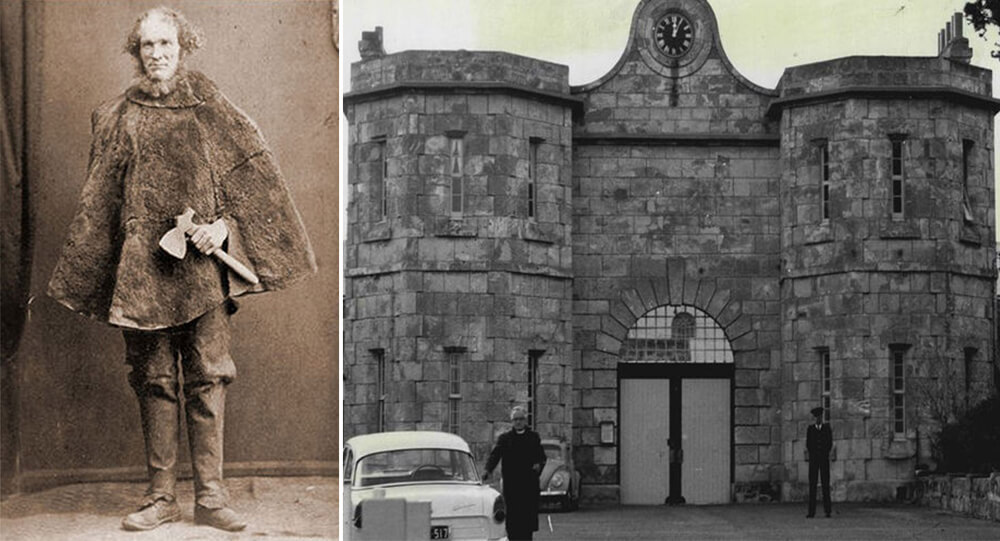
Moondyne Joe: The story of Australia's most notorious prison escapee
A man named Joseph Bolitho Johns (A.K.A Moondyne Joe) broke out of Australian prisons so many times that the police were compelled to build a special cell just for him. He escaped from that as well.
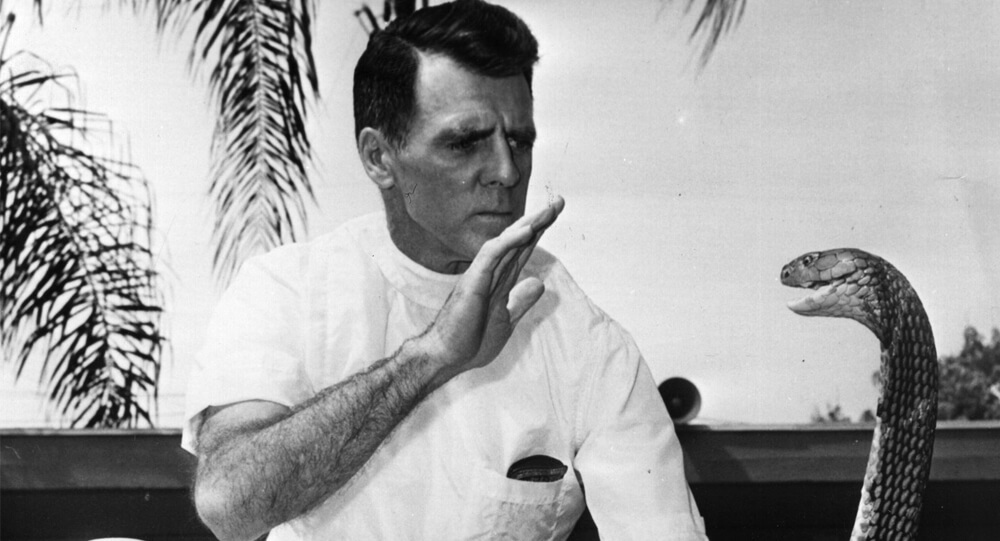
The story of Bill Haast, who lived to be 100 despite his extensive snake venom injections
Bill Haast immunized himself by injecting snake venom into his blood for several years. He holds the Guinness World Record for surviving the most lethal snake bites, having been bitten over 172 times. Bill became known as "Snake Man" around the world and lived for over 100 years.

The History Behind the “No One Dies Alone” Program
In 1986, while doing a night shift at the hospital, Sandra Clarke, a registered nurse, was asked by an elderly patient to stay. She promised to be back after checking on her other patients, but by the time she returned, the gentleman had passed away. Clarke became one of the key figures in launching No One Dies Alone, a program that allows volunteers to sit with terminal patients who have no one else.

Archaeologists Uncover 2,000-Year-Old Amazonian Cities Using Lidar Technology
Deep in the Ecuadorian Amazon, archaeologists have uncovered an ancient network of urban settlements once inhabited by the Upano people about 2,000 years ago. Using cutting-edge lidar technology, these discoveries reveal a highly organized society featuring sophisticated agricultural systems, drainage canals, and extensive road networks. This transformative find challenges long-held assumptions about ancient Amazonian societies and sheds light on a complex civilization thriving in one of the world’s most biodiverse regions.
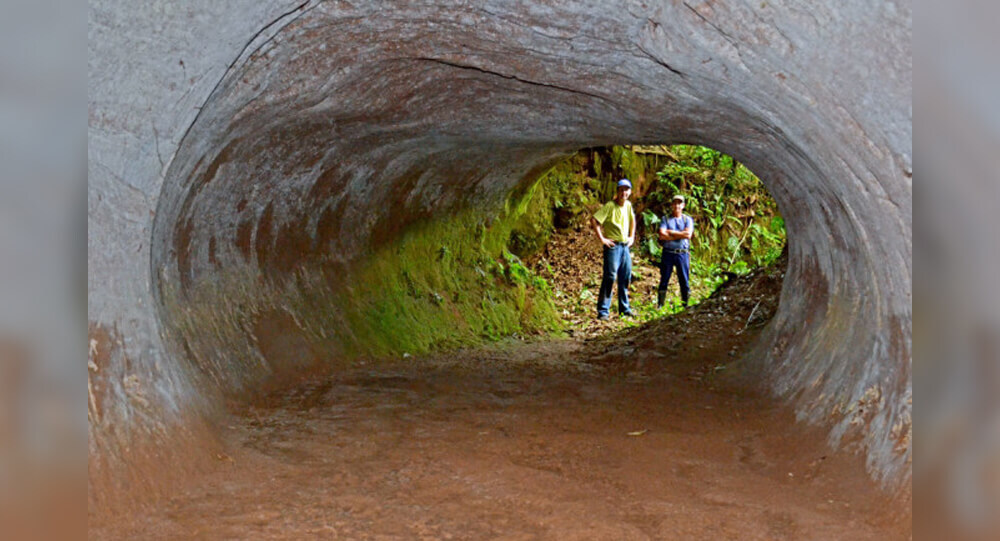
Tunnels Dug by ancient giant sloths, A South American Megafauna
For years, scientists didn’t know what caused mysterious cave networks in South America. In 2010, they learned that the caves were actually tunnels dug by ancient giant sloths
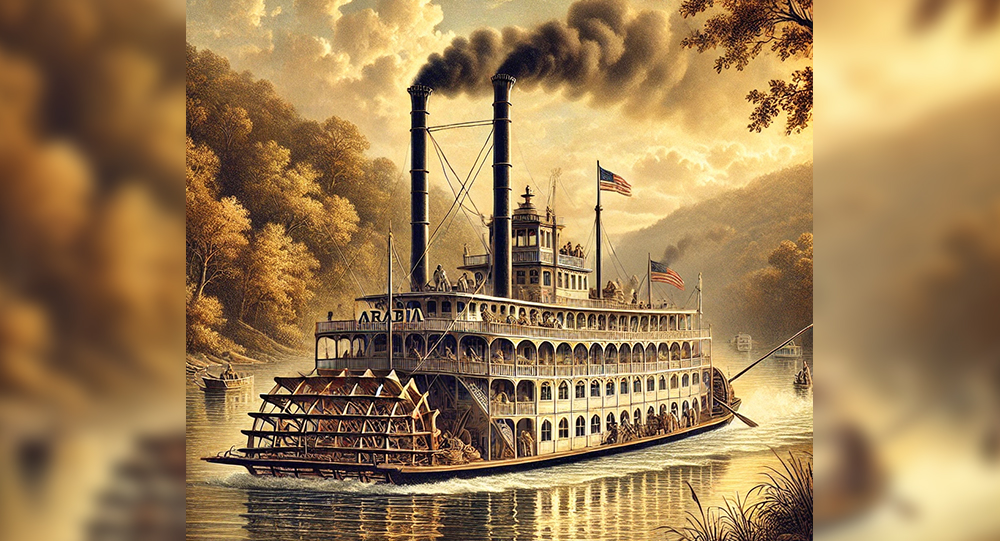
The Arabia Steamboat: Unearthing a 19th Century Time Capsule from the Missouri River
The Arabia was a steamboat that sank in the Missouri River in 1856. Over time, the river shifted 800 meters to the east, eventually turning the site of the sinking into a field. The steamboat remained under 45 feet of slit and topsoil until 1988, when it was excavated. The mud, as it turned out, was such a great preserver that most of the artifacts on board were found to be intact. They even found jars of preserved apples that were still edible!
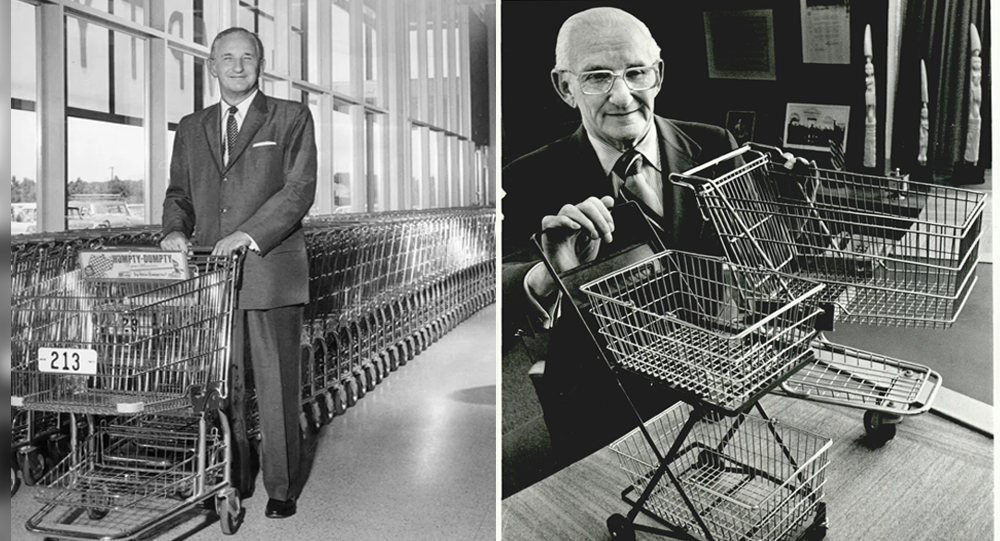
Sylvan Goldman: The Visionary Who Revolutionized Shopping with the Cart
The inventor of shopping carts, Sylvan Goldman, had to hire several male and female models to push carts around in his store, demonstrate their utility, and explain their use to other customers, due to not catching on initially.
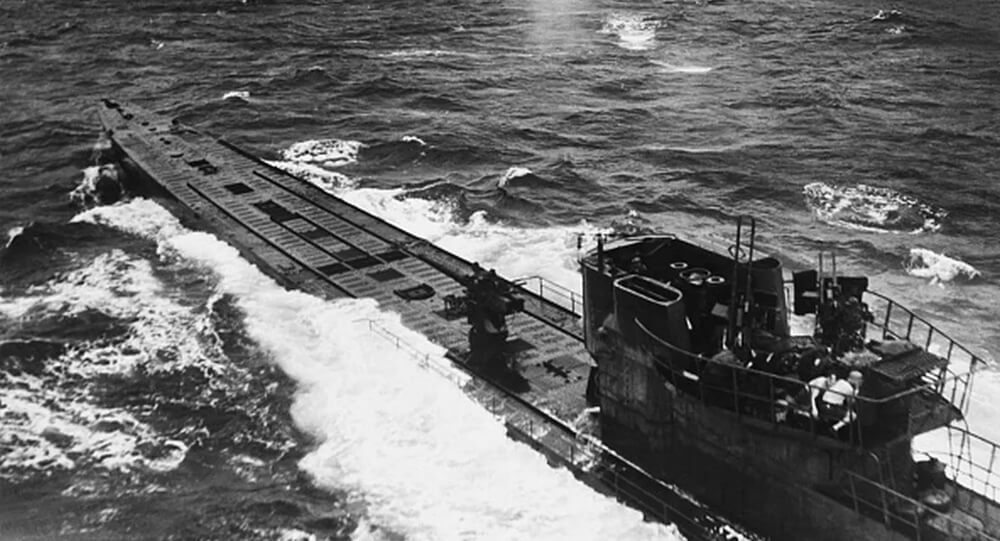
The Amazing Truth About The German U-Boat That Was Sunk By A Toilet
During WWII, a German captain and an engineer flushed the submarine's high-tech toilet incorrectly, causing the vessel to rapidly fill with water. British planes patrolling the sea attacked them as the submarine was brought to the surface. While many members of the crew were killed in the attack, the captain escaped!

The World’s First Seismograph: How Ancient China Detected Earthquakes 1,800 Years Ago
Over 1,800 years ago, long before modern technology, the ancient Chinese astronomer and inventor Zhang Heng created the world’s first seismograph in 132 AD. This ingenious bronze device could detect distant earthquakes by releasing small balls from dragons’ mouths into toads’ mouths—each indicating a different compass direction. Its historic detection of an earthquake 400 miles away astonished the imperial court and transformed the way societies understood and responded to seismic events.