
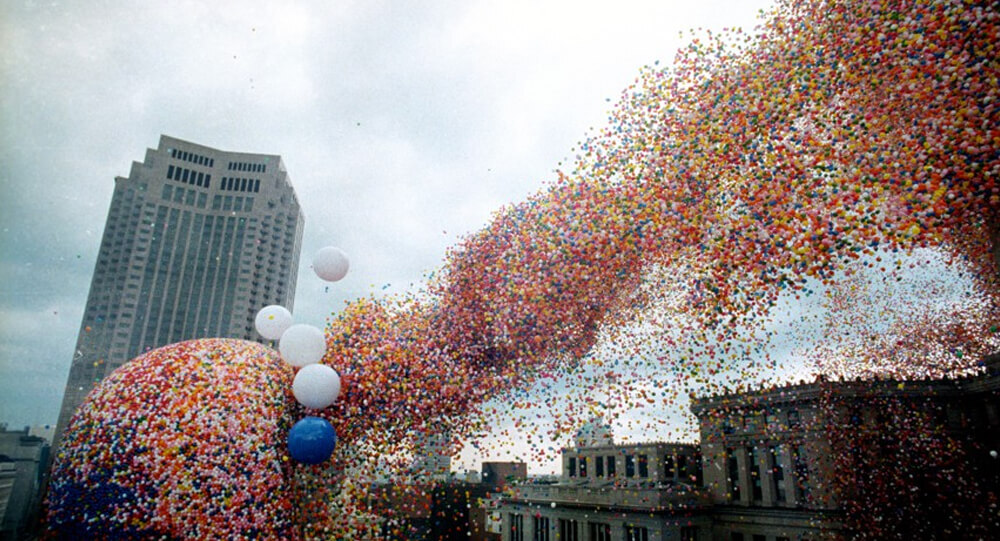
A Guinness World Record attempt involving the release of 1.5 million balloons above Cleveland was made on September 27, 1986. However, what was intended to be a fundraising stunt for the United Way of Cleveland ended up being a disaster.
At the time, Disneyland held the record for the largest simultaneous balloon launch, having established it one year earlier during the celebration of the theme park’s 30th birthday. Balloonfest’s objectives were straightforward: to collect money for the United Way chapters in the area and to promote Cleveland as one of the country’s most promising new cities.
In a 2014 interview with Gizmodo, Tom Holowach, the project manager of Balloonfest ’86, said, “The guy from the United Way who thought this up had been in marketing at Proctor and Gamble and was attempting to reinvent Cleveland as cool.” Cleveland wants to rebuild their reputation after making significant improvements.
The event’s conception to completion required six months of planning. The balloons were enclosed in a huge net construction the size of a city block. The location, in Cleveland’s Public Square, was chosen to draw as many people as possible.
“There’s a limitless amount of technological research and research conducted using local permissions. Treb Heining, the person in charge of the balloon launch, said, “Trying to get something like this off is really astonishing. “This is a perfect illustration of what United Way is trying to accomplish in terms of saying, ‘Cleveland, it’s your time.’ It’s time to say yes. It’s time to say it is a happening city. We are on the move. It’s no longer the punchline of jokes.”
Local media crowded the location on September 27 to conduct interviews with organizers, participants, and spectators while more than 2,500 volunteers, most of whom were students, spent the morning helium-filling balloons.
Officials made the decision to launch the balloons sooner than expected since a storm was approaching and posing a threat to the event. The colorful inflatables were released into the air at 1:50 PM local time.
The show was breathtaking to witness. As the balloons rose into the sky, the audience cheered. As Cleveland’s name was cheered, the crowd’s pride in their city grew. A local radio DJ covering the event remarked, “There is no longer a mistake on the lake’.” “Cleveland has already released more than 1.5 million balloons, shattering the previous record set by the Guinness Book of World Records! ”
Balloonfest quickly turned from a success to a failure.
The helium-filled balloons were supposed to remain in the air until finally deflating and returning to Earth, according to the organizers. But the balloons descended while still inflated due to a cold front and rain.
The sight caused multiple traffic accidents in the Cleveland area by diverting drivers. The decorations blocked the streets and canals. Due to balloons on their runaways, Burke Lakefront Airport had to be closed for 30 minutes. Some Arabian horses who were on the farm were scared by a group of balloons that landed on a meadow in Medina County, Ohio, causing animal injuries.
The saddest impact, though, was on Lake Erie’s water. Two guys, Raymond Broderick and Bernard Sulzer had gone fishing the day before the event. Their family reported the men missing when they didn’t come home. Authorities started looking for the boat on September 27 and found it that morning. Balloons all over the lake greatly hampered the Coast Guard’s efforts to locate the missing men.
“It’s like trying to find a needle in a haystack,” explained one of the authorities conducting the search. “You’re looking for more or less a head or an orange life jacket, and here you have a couple hundred thousand orange balloons. It’s just hard to decipher which is which.”

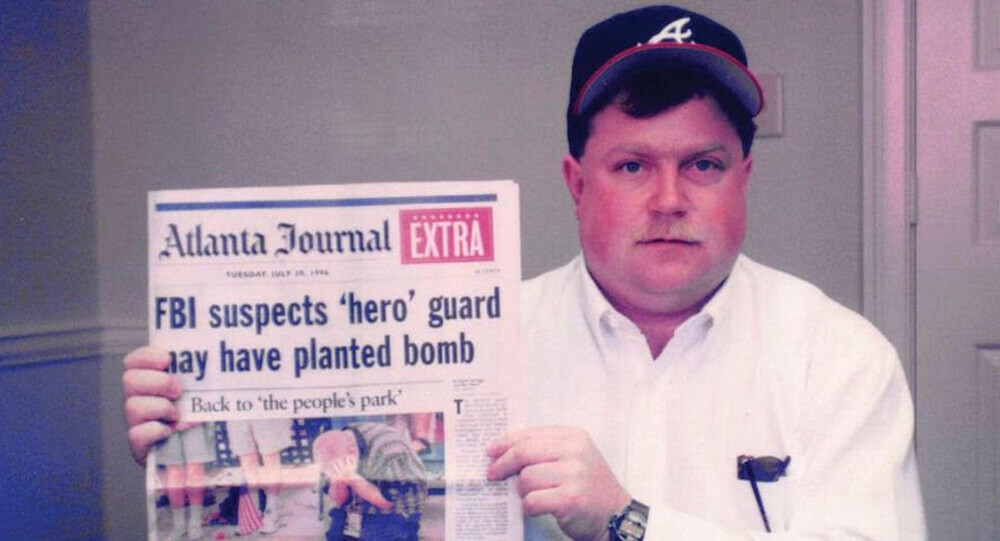
During the 1996 Olympic bombing, Richard Jewell falsely accused of committing the crime after saving dozens of people
Richard Jewell, an American security guard, discovered a bomb during the 1996 Olympic Games in Atlanta and assisted in the evacuation, but was later wrongfully accused and faced public scrutiny. He was cleared, but it had a lasting impact on him until his death in 2007 at the age of 44.
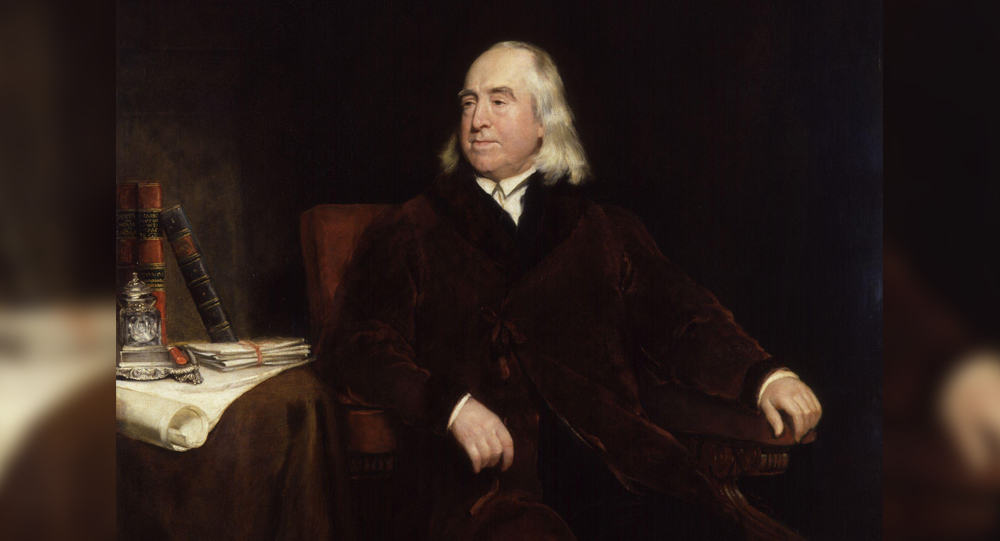
How 18th Century Women’s Rights Movements Shaped Modern Equality
The 18th century marked a turning point in the quest for women’s rights, as passionate voices challenged centuries of gender inequality and laid the groundwork for modern feminism. From pioneers like Mary Wollstonecraft to revolutionary declarations and early advocacy, this era sparked debates on education, political participation, and social justice that continue to resonate today. Journey through the origins of women’s rights movements and discover how their bold ideas shaped the fight for equality.
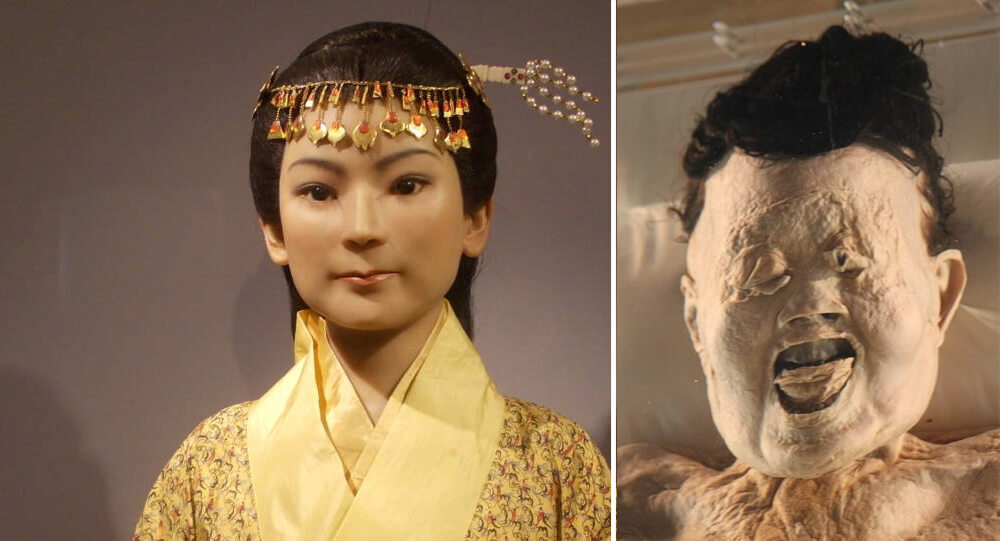
Xin Zhui And The Story Of The Stunningly Intact Lady Dai Mummy
A 2,000-year-old mummy of a Chinese woman, Xin Zhui, also known as “Lady Dai,” was preserved in 21 gallons of an “unknown liquid.” With her original hair, organs, eyebrows, and eyelashes intact, the mummy still has blood in her veins. Her skin and ligaments are soft and as flexible as that of a living person.
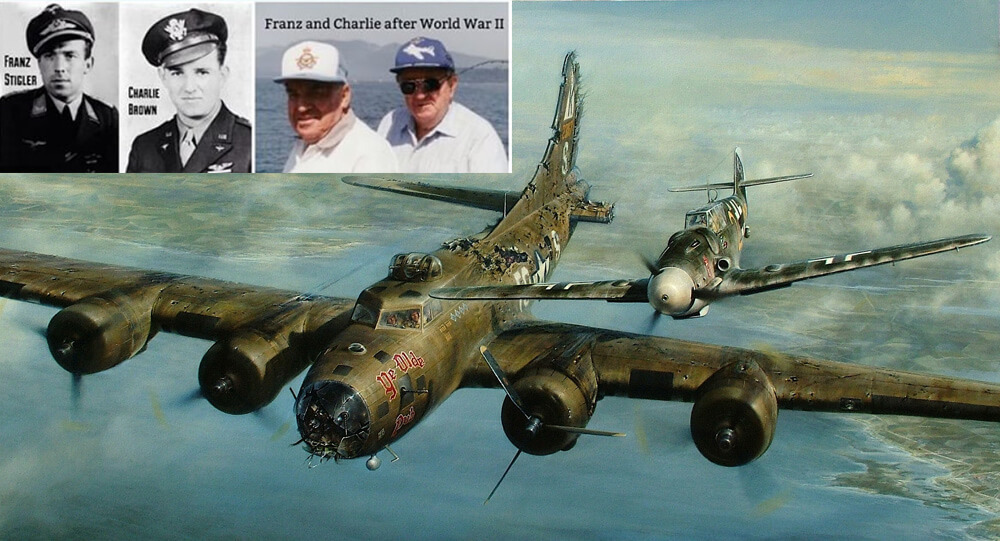
Charlie Brown and Franz Stigler incident: Enemy became friends
During WWII, a German pilot spotted an American pilot’s crippled plane in the sky. Tailing it, he noticed that gunner was dead, crew injured, and they posed no threat. Instead of destroying the plane, he led it to safety. 40 years later, the two pilots reunited.

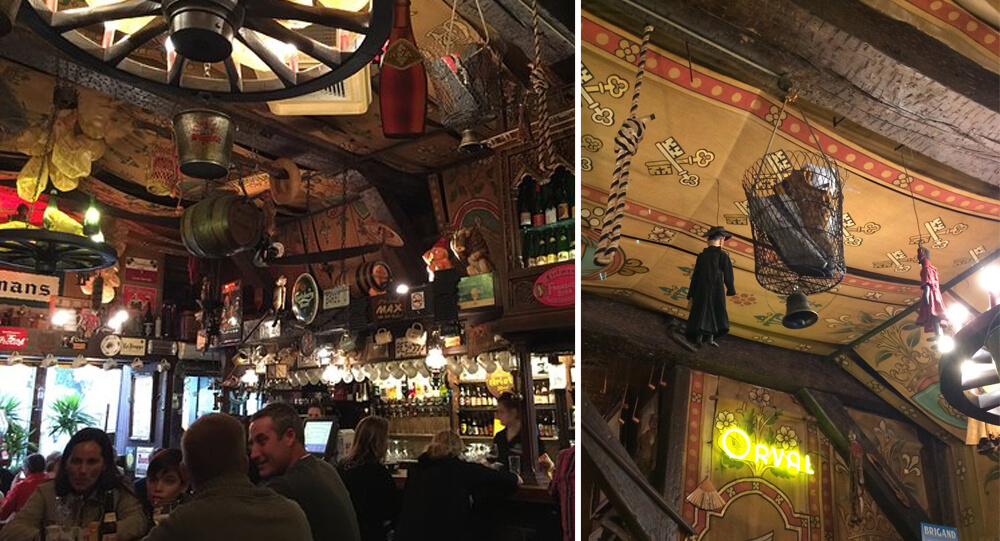
Why This Belgian Bar Makes You Trade Your Shoe for a Beer
To prevent tourists from stealing their beer glasses, some bars in Belgium require people to hand over one of their shoes as a deposit which is then put in a basket and hung from the ceiling. These shoe baskets have also become an attraction.
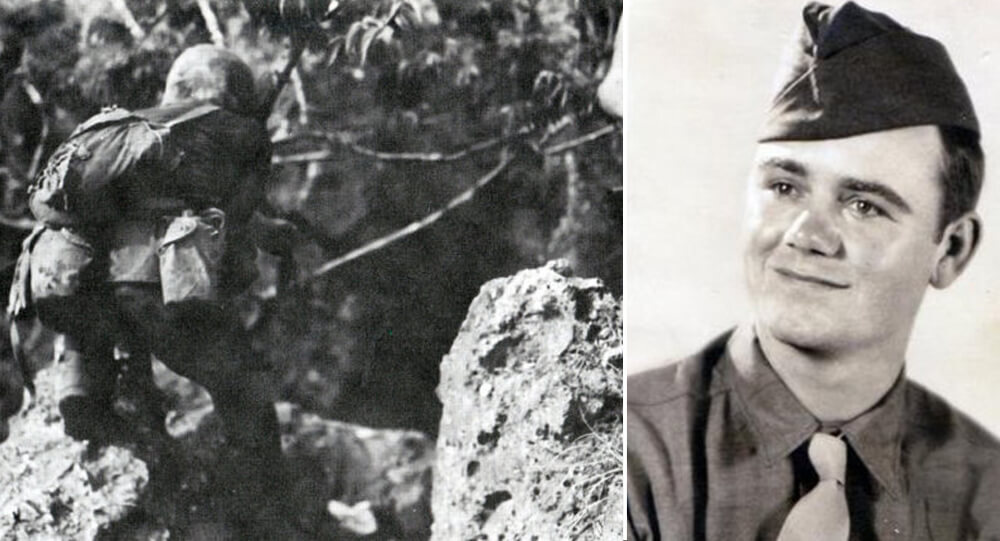
Thomas Baker's heroic act that earned him the "Medal of Honor" was 8 bullets until death
Thomas Baker instructed his team to leave him with a pistol and eight bullets propped up against a tree after he was injured. Later, American troops discovered the now-deceased Baker in the same location, lying next to eight dead Japanese soldiers and carrying an empty pistol.

Inside China’s Footbinding Tradition: The Painful Ritual of Lotus Shoes and Bound Feet
In China, Lotus shoes were used to bind women's feet to keep their feet small

Why the Word ‘Pen’ Comes from the Latin ‘Penna’ Meaning Feather
The humble word “pen” carries a rich history rooted in ancient times, derived from the Latin word penna, meaning “feather.” Long before modern pens revolutionized writing, feather quills—especially from geese—were the essential tools of scribes, scholars, and artists. This article journeys through the origins of the pen, its evolution, and fascinating trivia about the timeless connection between feathers and writing.
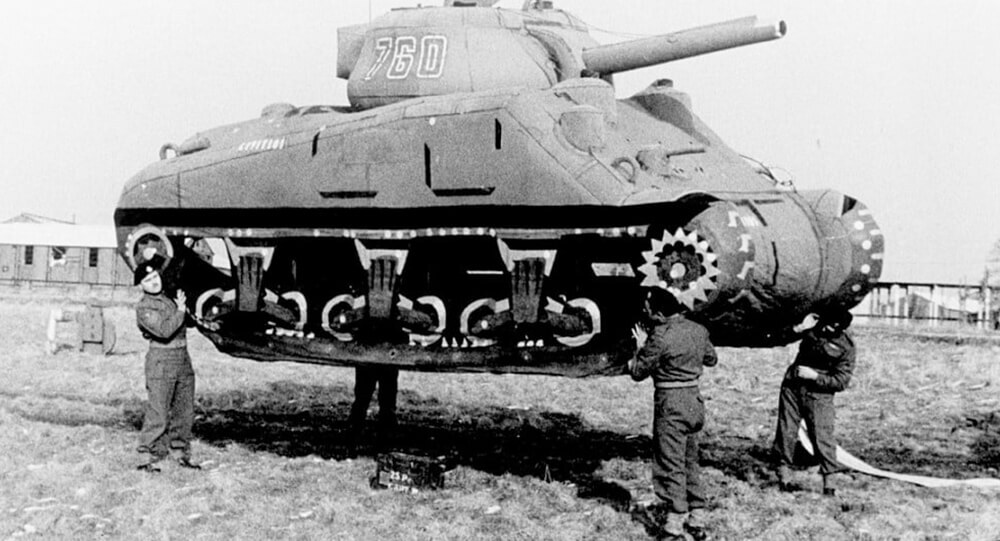
What exactly was the US's 'Ghost Army' during WWII?
During WW2, there was a special unit of men dubbed the ‘Ghost Army’. The unit was made of artists, creative and engineers and their job was to create deception about the enemy. From inflatable tanks to phony convoys to scripted conversations in bars intended to spread disinformation, they used all possible tricks to fool the enemy.

June and Jennifer Gibbons The silent twin who Only Spoke to Each Other
Identical twins June and Jennifer Gibbons were born on 11 April 1963 at a military hospital in Aden, Yemen where their father worked as part of the Royal Air Force.

Juliane Koepcke: The Teenager Who Fell 10,000 Feet And Trekked The Jungle to survive
In 1971, a high school student was sucked out of an airplane after it was struck by lightning. She fell 10,000 feet to the ground while still strapped to her chair and survived. Only to endure a 9-day trek to the nearest civilization.

A Brief History of the PlayStation Gaming Console
Sony's PlayStation was never meant to be an actual product. Instead, it was intended to be a CD-ROM console that would support Nintendo games. However, when Nintendo backed out of the deal at the last minute, Sony went ahead and launched what soon became one of the most successful gaming consoles of all time.
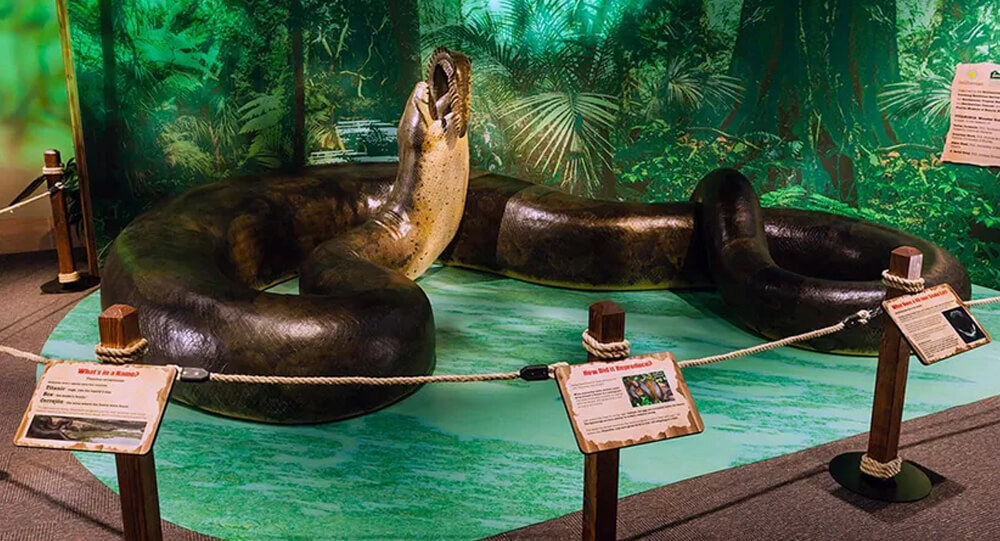
Titanoboa cerrejonensis, fossils of the world’s largest species of snake
In 2009 in a coal mine of Columbia, scientists discovered fossils of the world’s largest species of snake. The species is called “Titanoboa cerrejonensis,“and it is from around 60 million years ago. It would have had measured about 48 feet long and weighed about 2,500 pounds
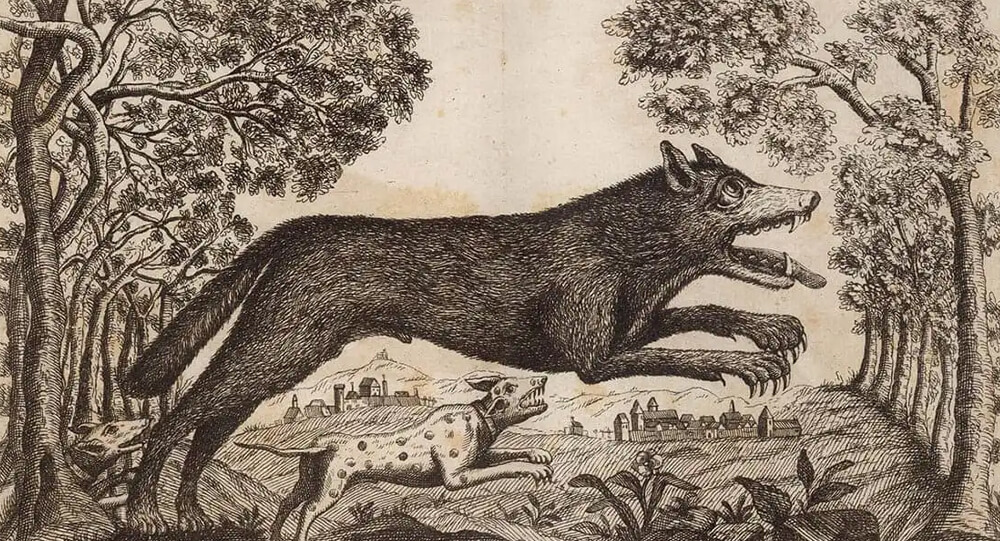
What Was the Beast of Gévaudan?
Between 1764 and 1767, a mysterious animal called the Beast of Gévaudan terrorized the French village called Gévaudan. It attacked and killed about 100 adults and children. While most believe it was a wolf, some say it may have been a wolf-dog hybrid, hyena or even a lion, but without any genetic evidence, the beast will remain a mystery forever.
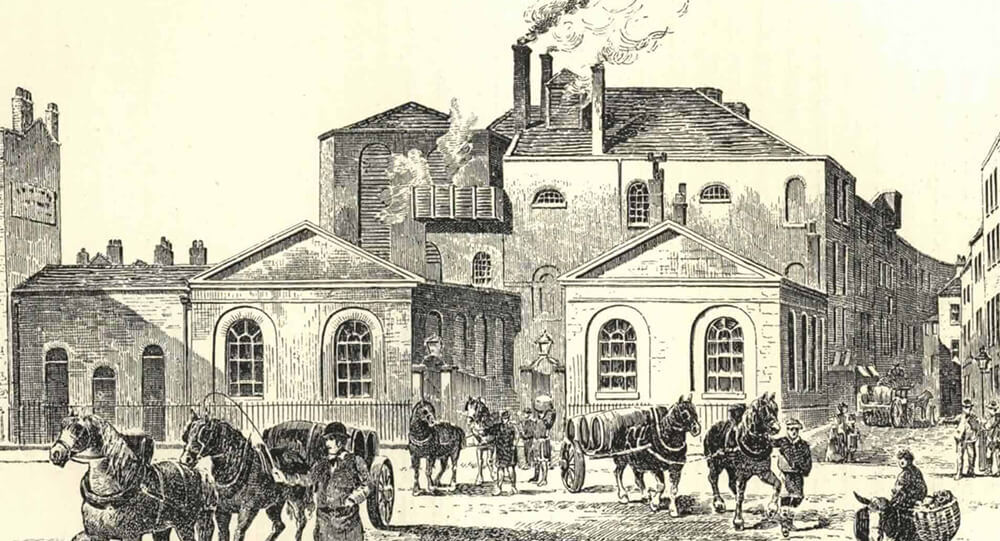
The 1814 London beer flood
In 1814, there was a beer flood in London when a tank containing more than 300,000 gallons ruptured in which 8 people drowned.
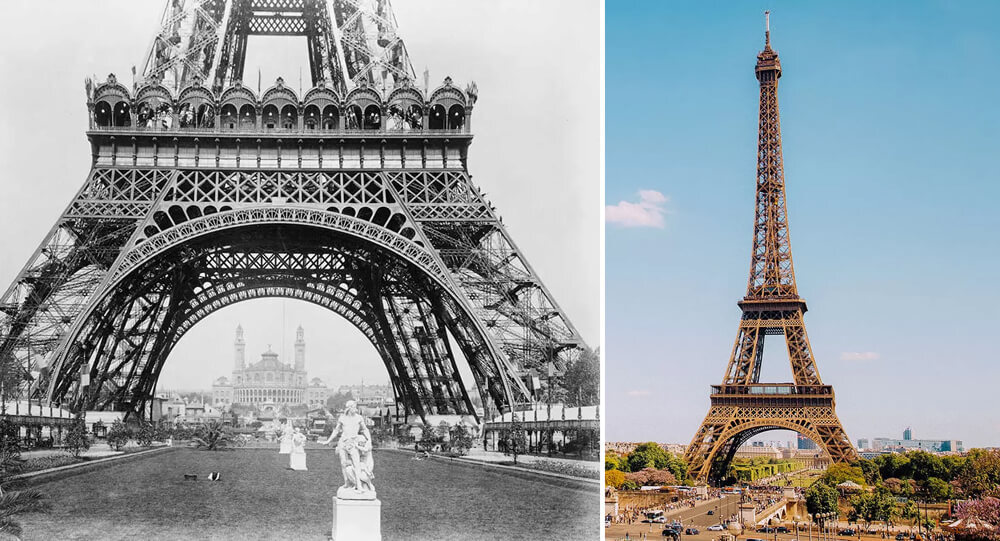
Why was the Eiffel Tower almost demolished
The Eiffel Tower was intended to be a temporary structure for the World's Fair in 1889, but it was nearly dismantled and sold for scrap metal. It was saved because of its potential use as a radio antenna, and it now serves as a tourist attraction as well as a working broadcast tower.
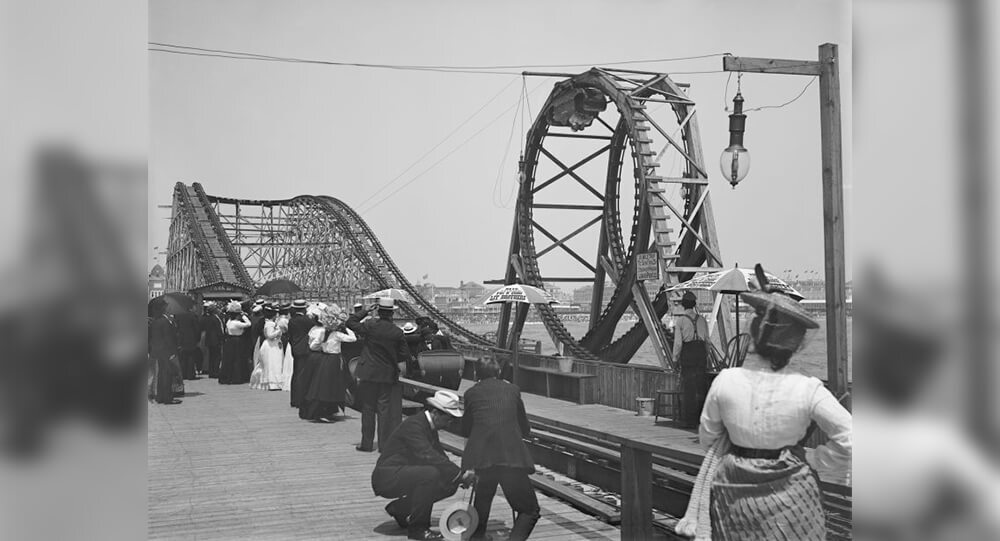
Roller Coasters were First Invented to Distract People from sin
Roller coasters were invented to distract Americans from sin. In the 1880s, hosiery businessman LaMarcus Thompson didn’t like that Americans were going to places like saloons and brothels and created the first roller coaster on Coney Island to persuade them to go there instead.

Sylvan Goldman: The Visionary Who Revolutionized Shopping with the Cart
The inventor of shopping carts, Sylvan Goldman, had to hire several male and female models to push carts around in his store, demonstrate their utility, and explain their use to other customers, due to not catching on initially.
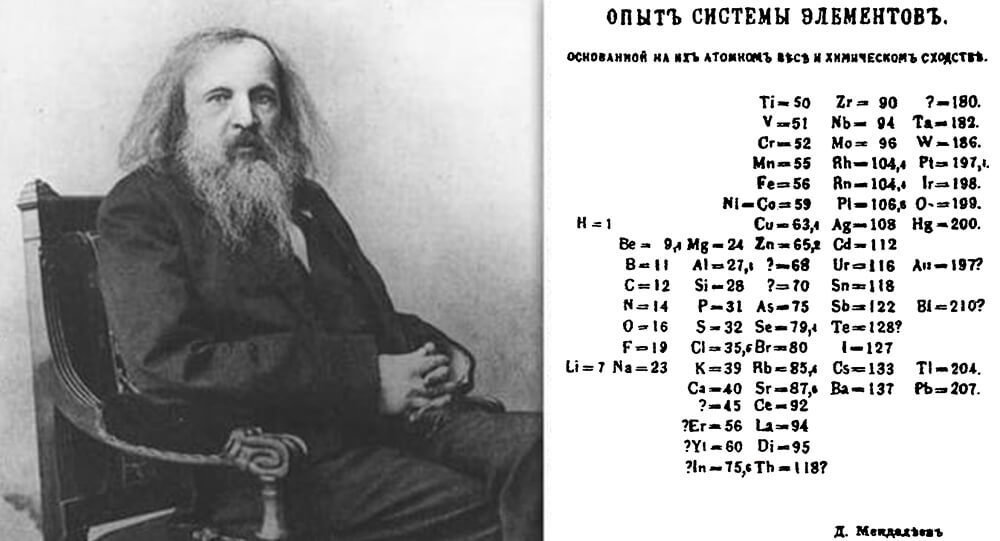
How Dmitri Mendeleev Developed the periodic table of the elements
1850 Dmitri Mendeleev walked almost a thousand miles to Moscow so he could apply for the University of Moscow. Although he was not accepted, he walked to St. Petersburg where he was accepted, And with that education, he developed the the periodic table of the elements
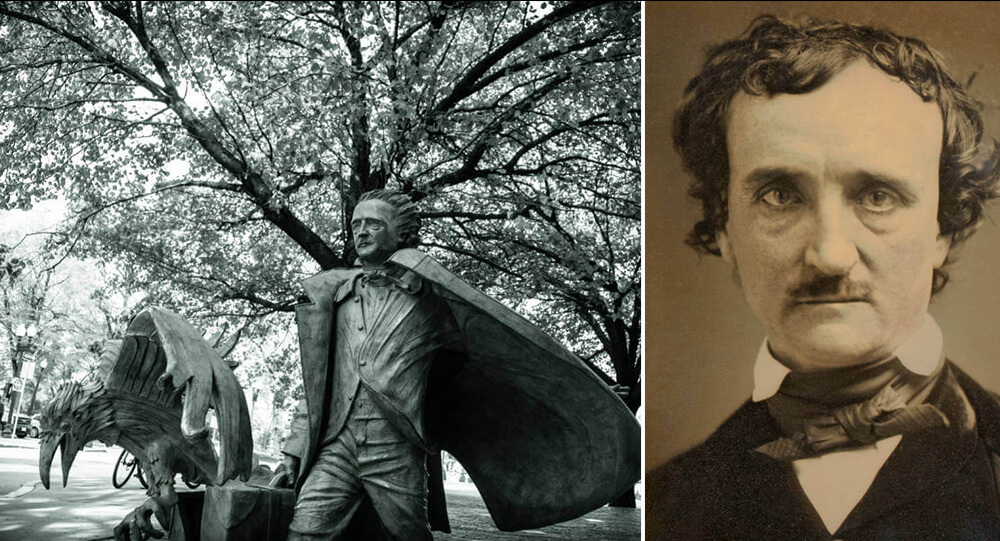
Inside The Mysterious Death Of The Famed Gothic Writer Edgar Allan Poe
Hours before his death Edgar Allen Poe was found on the streets of Baltimore. He was incoherent, wearing another man’s clothes, and unable to explain how he got there. The cause of his death is an unsolved mystery.
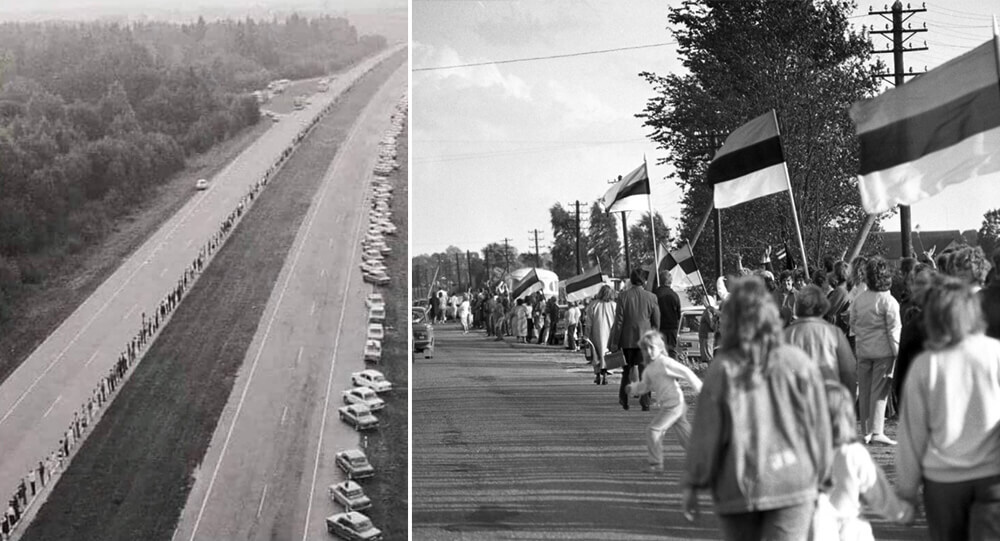
The Baltic Way: the longest unbroken human chain in history
On August 23, 1989, about 2 million people from Latvia, Estonia, and Lithuania formed a human chain that united all 3 countries to show the world their desire to escape the Soviet Union and the communism that brought only suffering and poverty. This power stretched 600 km.
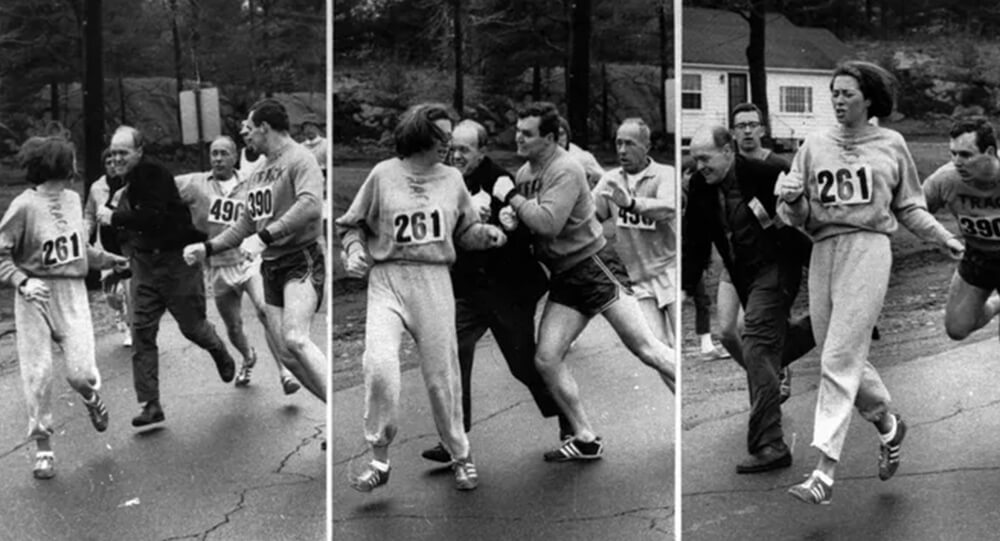
Story of Kathrine Switzer: the first woman to run in Boston Marathon
Before women were allowed to run in the Boston Marathon, Kathrine Switzer participated. A race official attempted to forcefully remove her from the race in 1967, but her boyfriend pushed him down. She was the first female finisher who had a numbered entry in the race.
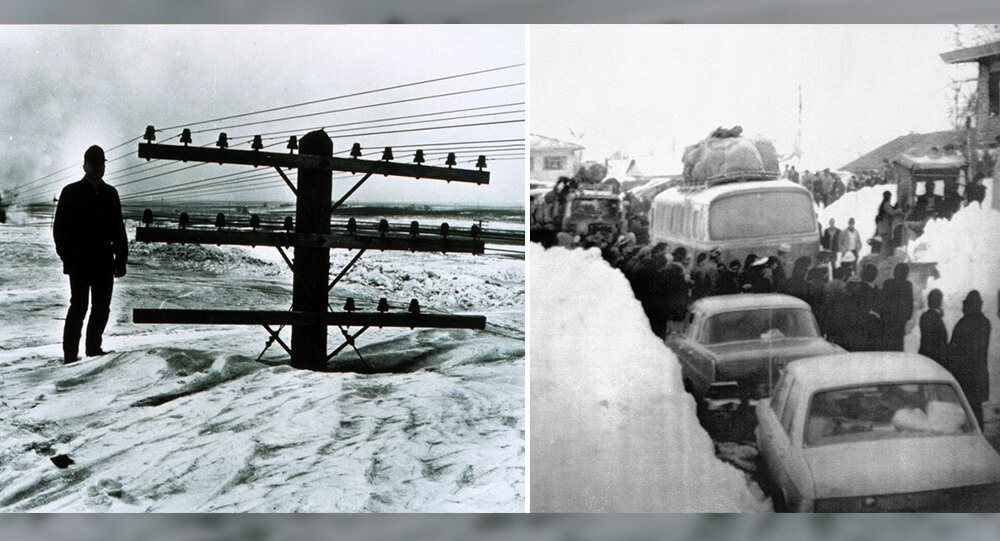
The worst blizzard in recorded history: the 1972 Iran blizzard
The deadliest snowstorm ever recorded occurred in Iran in 1972. It lasted for a week, burying areas in 26 feet of snow and killing over 4,000 people, including the entire populations of three villages.

The story of a man who spent 72 hours with 72 venomous snakes to prove they only bite when provoked
In the 1980s, an Indian man spent 72 hours in a glass cabin with 72 snakes, some of which were extremely venomous. His aim was to prove that snakes only attack when provoked. Remarkably, he was not bitten once in those 72 hours and even set a Guinness World Record in the process.

The 1976 April Fools' Pranks, Planetary Alignment
On April fool's Day, 1976, the BBC convinced many listeners that a special alignment of the planets would temporarily decrease gravity on Earth. Phone lines were flooded with callers who claimed they felt the effects.