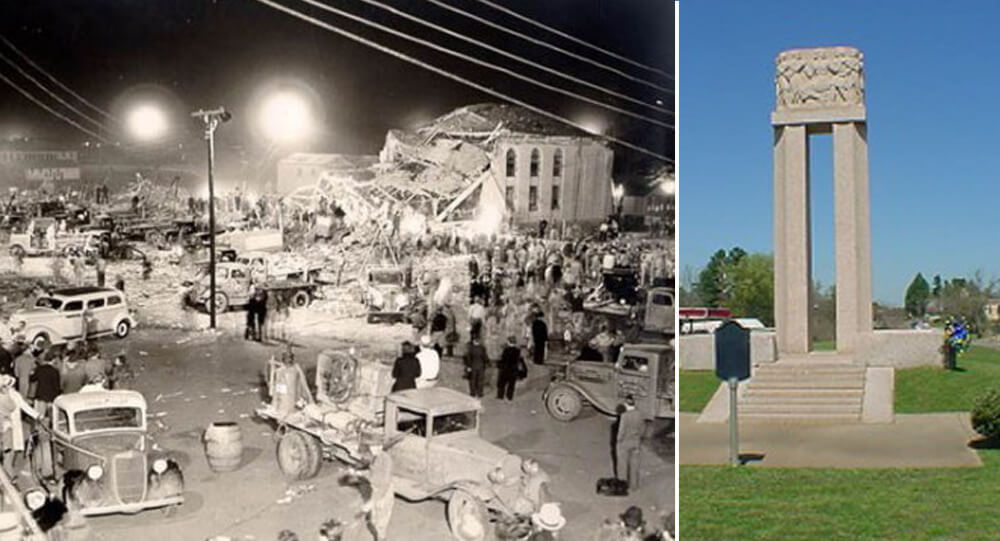

New London School Explosion, Deadliest school disaster which killed almost 300 children and teachers
After odorless natural gas spilled into the basement and caught fire at New London High School in Rusk County, hundreds of people perished. Four kilometers away, the explosion’s boom could be heard. Parents hurried to the school, many of them oil field laborers from East Texas.
Despite quick rescue efforts, 298 people died, mostly children between the ages of 5 and 11 (dozens more eventually passed away from injuries). After an inquiry, it was determined that an electric woodshop sander, which ignited odorless gas that had accumulated beneath and inside the school walls, was to blame for the explosion.
According to History.com, “The school was newly constructed in the 1930s for less than $1 million and, from its inception, purchased natural gas from Union Gas to supply its energy needs.” “The average monthly natural gas bill for the school was about $300.”
According to historian James Cornell, the school board terminated its agreement with Union Gas in early 1937 in order to save money and connected to a pipeline of residual gas (also known as casinghead gas) from Parade Gasoline Company.
He wrote in The Great International Disaster Book, “This technique was popular in the area, even though it was not formally approved by local oil firms. “The natural gas extracted along with the oil was considered a waste product and was flared off.”
Walter Cronkite reaches Scene
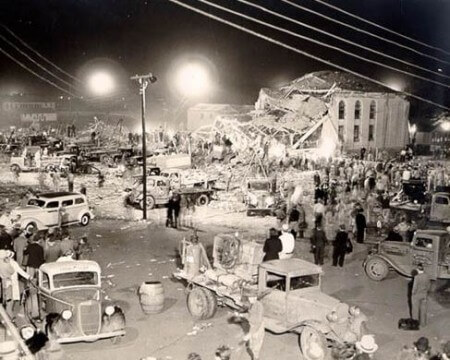
Walter Cronkite, a teenage reporter for United Press in Dallas, was one among the first journalists to arrive at the accident site south of Kilgore, between Tyler and Longview. In East Texas, it was pitch-black and raining.
A local historian remarked that the man “got his first inkling of how bad the incident was when he saw a large number of cars lined up outside the funeral home in Tyler.” Long shadows are created at the catastrophe site by floodlights.
In his book, A Reporter’s Life, Cronkite stated, “We hurried on to New London.” Just before dusk, we arrived there. Huge oilfield floodlights illuminated a massive pile of rubble that people were tearing up with their bare hands. Many of them were oil field employees.
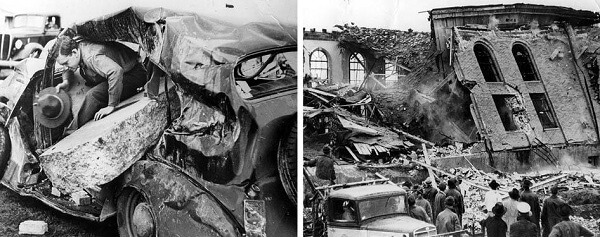
Later, Cronkite would say, “I did nothing in my studies or in my life to prepare me for a story of the magnitude of that New London tragedy, nor has any story since that awful day equaled it.”
The “sad irony” of how the East Texas oil boom supported the construction of the richest rural school in the country in 1934—and the flawed heating system that allowed raw gas to accumulate beneath it—was detailed by David M. Brown, who investigated the disaster for a 2012 book.
According to Brown, a poor judgment made by school administrators contributed to the explosion.
The trustees had given workers permission to use a pipeline transporting “waste” natural gas produced by a gasoline refinery in order to reduce the cost of heating the school building. In his book Gone at 3:17, the Untold Story of the Worst School Disaster in American History, Brown came to the conclusion that “the resulting explosion that laid waste to a town’s future.”

According to Robert Hilliard, a volunteer for the New London Museum, a makeshift morgue was put up close to the school as well as adjacent Overton and Henderson after the catastrophe.
According to Hilliard, one of those responsible for maintaining the museum’s website, “many burials were made in the neighborhood Pleasant Hill cemetery that now serve as a reflection of the significant loss that families faced. Many of the cemetery sites include porcelain portraits of the deceased, the man claimed. “Played with marbles were pushed into the cement border around the graves.”
Safer Natural Gas Production.
Texas was the first state to enact regulations requiring that natural gas be blended with a “malodorant” to provide early warning of a gas leak as a result of the catastrophe. Other states soon after did the same. Mercaptan, the odorant introduced to signal the potentially dangerous leak of gas, is now required to give off the rotten-egg stench that has come to be associated with natural gas.
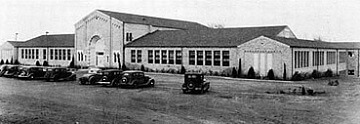
The community museum in New London, which is located across the street from the school, opened its doors in 1992 as a result of years of work by Mollie Ward, who served as both its founder and first curator. Mollie was 10 years old when the horrific explosion she survived occurred. A blackboard discovered in the rubble was one of the museum’s exhibits, she claimed in an interview from 2001.
Oil and natural gas are East Texas’ greatest mineral blessing, according to a blackboard that was once on the wall, according to Ward, who spent years assisting in the founding of a former students club that brought together those who survived the New London explosion.
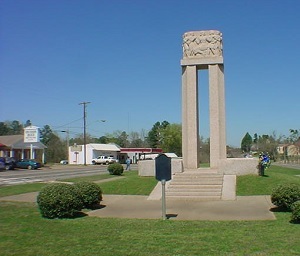
A 32-foot-tall granite cenotaph dedicated in 1939 is located close to the museum. A monument-building contract was given to the Premier Granite Quarries of Llano, Texas, in December 1938. The project’s designing and supervising architect was Donald Nelson of Dallas.
The duty of creating the model for the sculptural block at the top was given to Herring Coe of Beaumont following a competition in which seven Texas sculptors submitted preliminary models.
Two monolithic granite columns support the 20-ton sculptured block of Texas granite, which features 12 life-size figures representing children arriving at school, giving gifts, and turning in homework to two instructors.
At the New London Museum, we memorialize the victims of the East Texas disaster.
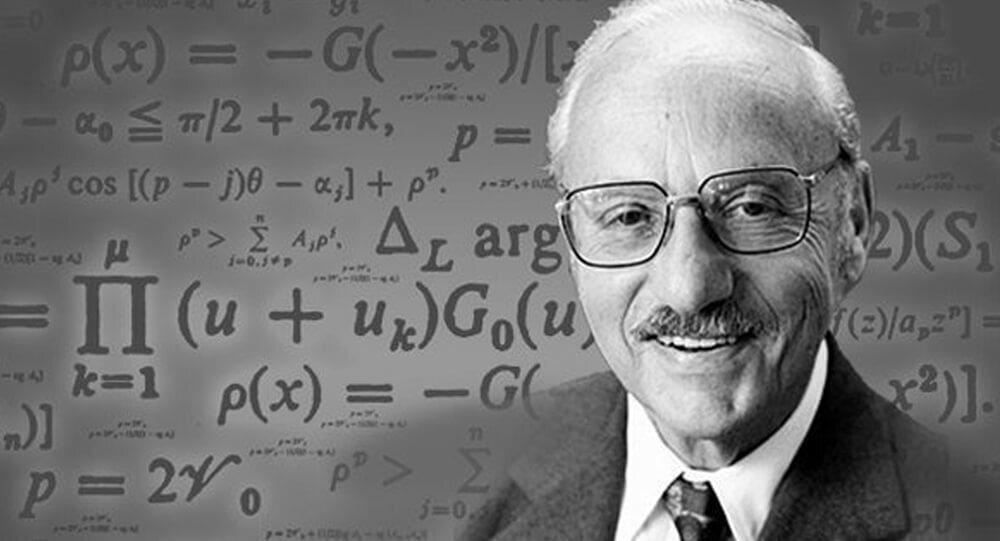
George Dantzig solved two famous “unsolved” problems in statistics mistakenly as assignment
In 1939, George Dantzig arrived late to his statistics class. On the board were two famous “unsolved” problems in statistics written as an example by his professor. Dantzig mistook the examples for homework assignments. He solved the “unsolved” problems and submitted the homework to his professor a few days later. His solutions earned him a doctorate.


The 1976 April Fools' Pranks, Planetary Alignment
On April fool's Day, 1976, the BBC convinced many listeners that a special alignment of the planets would temporarily decrease gravity on Earth. Phone lines were flooded with callers who claimed they felt the effects.
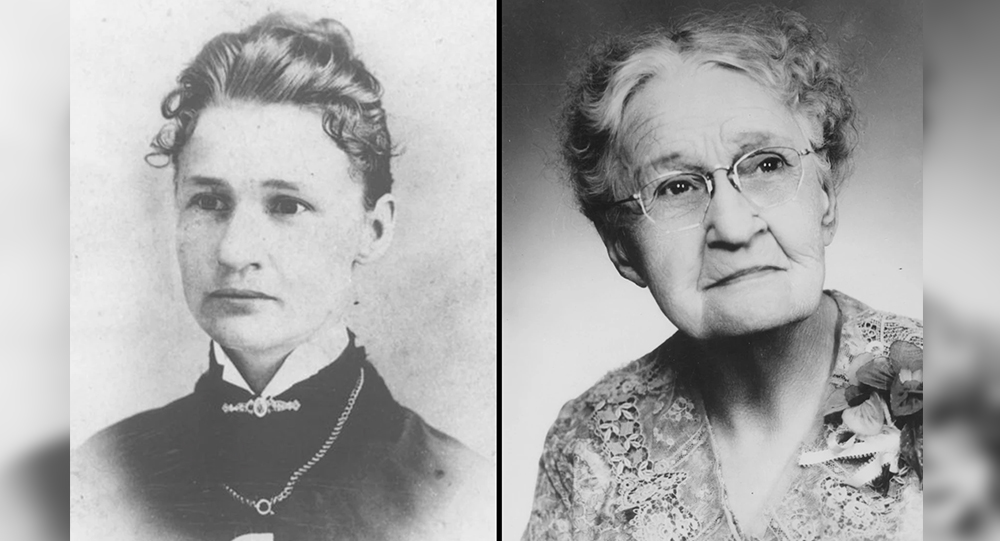
Susanna Salter: The Trailblazing Story of America’s First Female Mayor
In 1887, Susanna Salter became the first female mayor in the United States, elected in Argonia, Kansas. Her nomination was initially a prank by men opposing women in politics. However, she won by a landslide and served effectively, inspiring the women’s suffrage movement and breaking barriers for women in leadership.
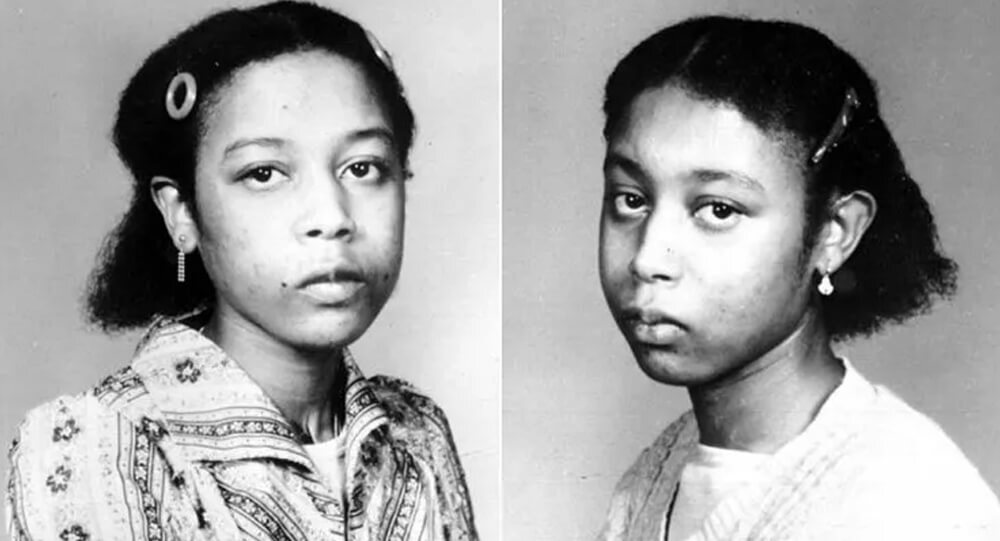
June and Jennifer Gibbons The silent twin who Only Spoke to Each Other
Identical twins June and Jennifer Gibbons were born on 11 April 1963 at a military hospital in Aden, Yemen where their father worked as part of the Royal Air Force.
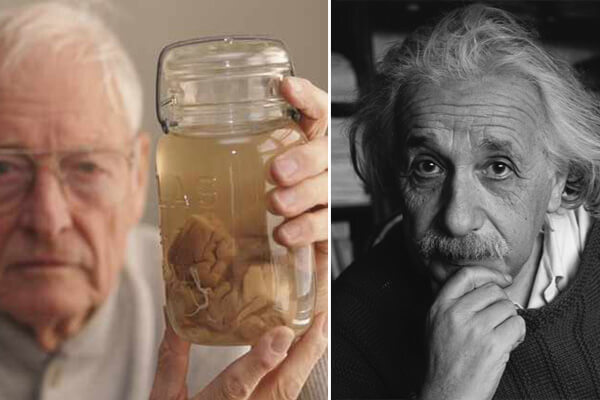
Albert Einstein’s brain after it was stolen from his body
Albert Einstein's brain was taken by the opportunistic pathologist who performed his autopsy hours after he died and kept in two jars for 30 years. The stolen brain of Albert Einstein was preserved in a cookie jar for 30 years until being discovered by a journalist.

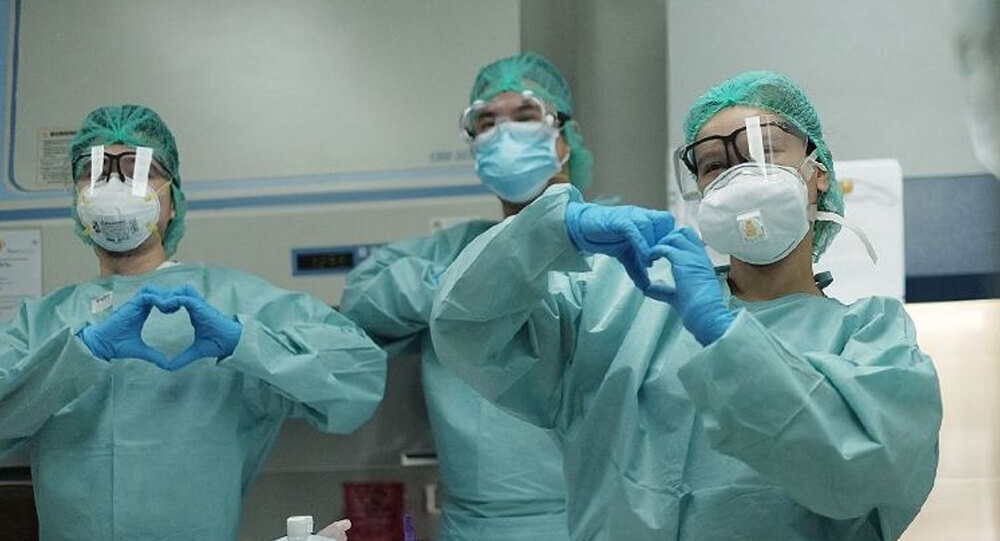
Philippines, the largest supplier of Nurses in the World
Philippines is the world’s largest supplier of nurses, supplying roughly 25% of all overseas nurses worldwide.
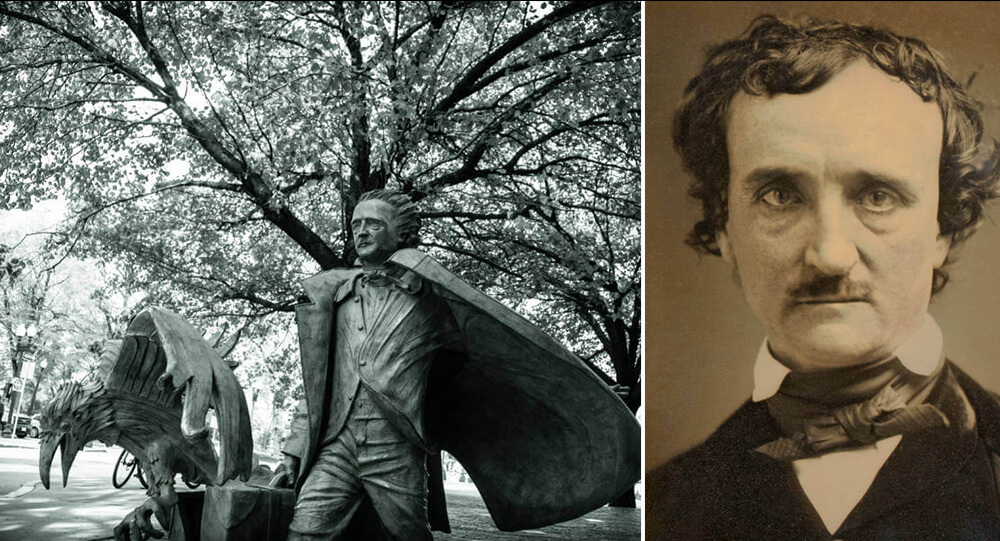
Inside The Mysterious Death Of The Famed Gothic Writer Edgar Allan Poe
Hours before his death Edgar Allen Poe was found on the streets of Baltimore. He was incoherent, wearing another man’s clothes, and unable to explain how he got there. The cause of his death is an unsolved mystery.
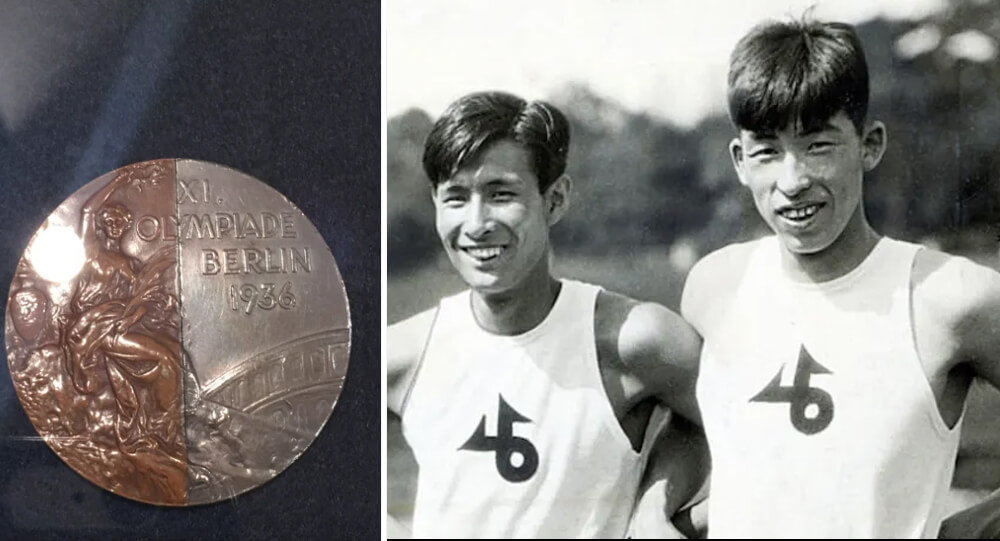
Medals of Friendship: The Enduring Olympic Story of 1936
At the 1936 Summer Olympics, two Japanese pole vaulters named Sueo Oe and Shuhei Nishida tied for second, but they declined to compete against each other. As a result, Nishida was awarded the silver medal and Oe won a bronze medal. Upon returning to Japan, the athletes had their medals cut in half and spliced together to create new "friendship medals," which were half silver and half bronze.
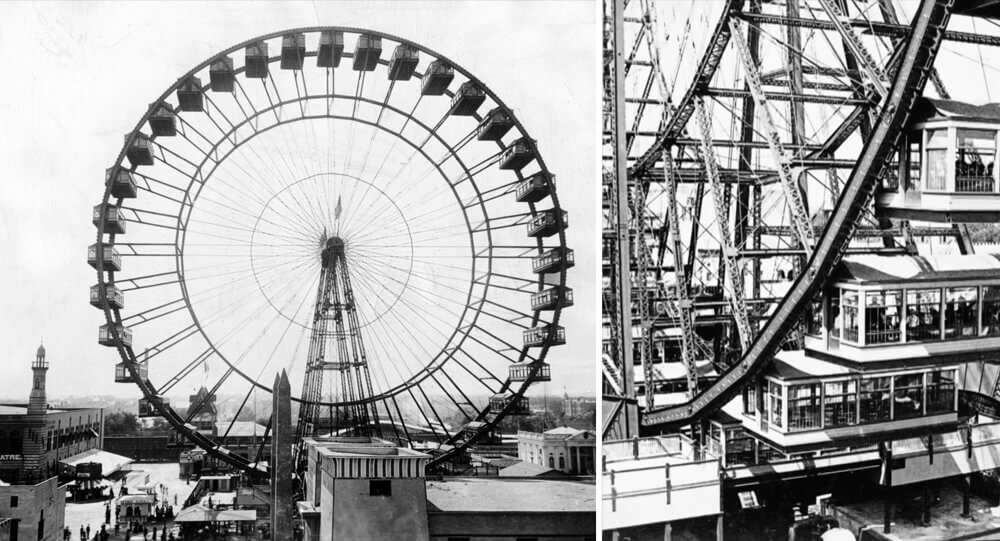
how Ferris wheel invented
In 1891, Chicago challenged engineers to create a structure to surpass the Eiffel Tower for the World's Columbian Exposition. George Washington Gale Ferris jr. responded with the original Ferris Wheel, a giant rotating structure elevating visitors above the city. This invention became an iconic attraction at the fair.
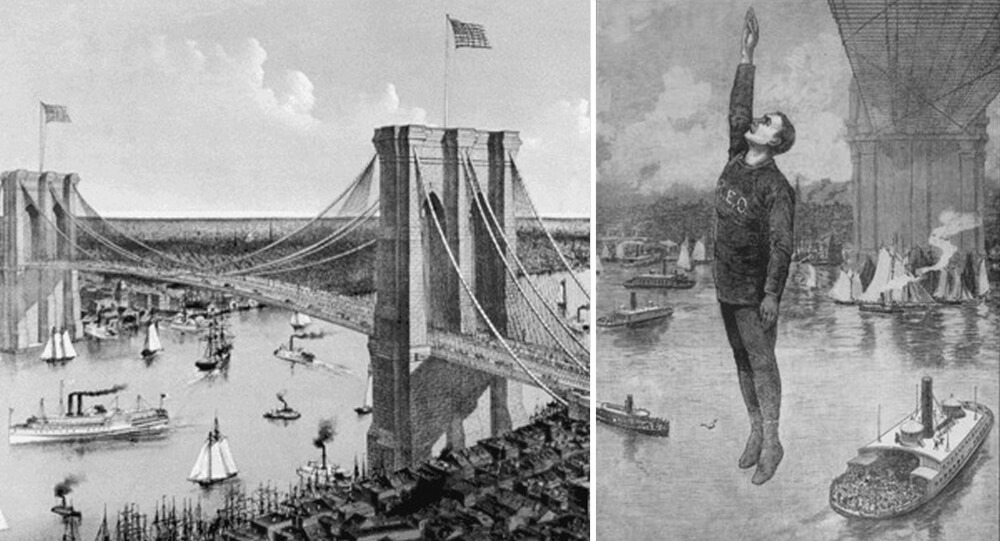
Robert Odlum, the first person to jump off the Brooklyn Bridge
The first person to jump off the Brooklyn Bridge was a professional high diver who "wanted to demonstrate that people did not die simply by falling through the air, thus encouraging people to be willing to jump from a burning building into a net." He proved himself correct by safely falling 135 feet through the air and dying only when he hit the water.
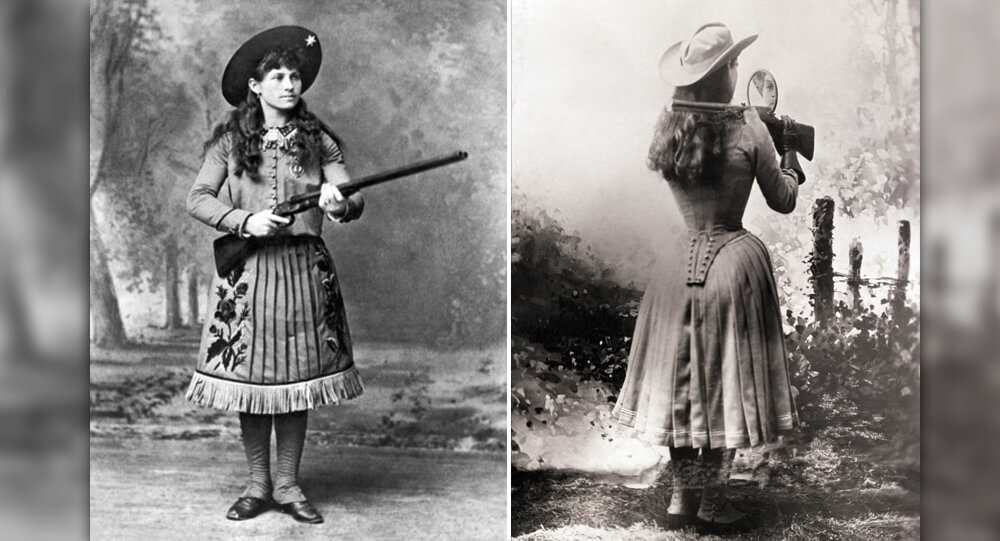
The true story of Annie Oakley, legendary sharpshooter
Anne Oakley was such a good shooter that she could split a playing card help edge-on, hit dimes thrown into the air, shoot cigarette from her husband's lips, and pierce a playing card thrown into the air before it hit the ground.
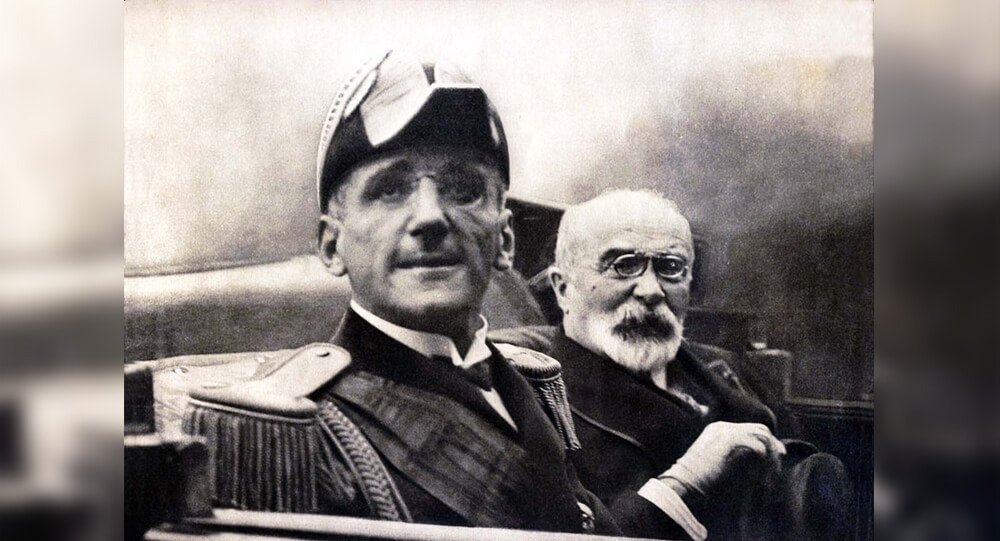
The Assassination Of King Alexander
The assassination of King Alexander of Yugoslavia marked a pivotal moment in the country's history. This article delves into the rise and reign of King Alexander, exploring his early life and ascension to the throne. It also examines the political and social climate in interwar Yugoslavia, setting the stage for the tensions and challenges that ultimately culminated in his tragic assassination. By understanding the context in which this event unfolded, we can better grasp the significance and impact it had on the nation and its future.
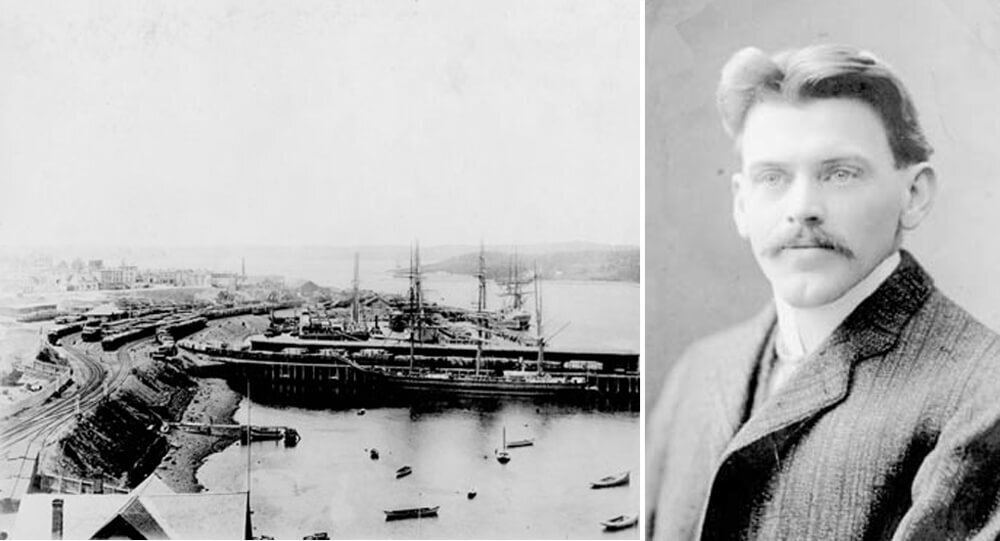
Vince Coleman, a railway dispatcher, sacrificed his own life
Vince Coleman, a railway dispatcher, sacrificed his life in order to warn an incoming train of an imminent explosion. His telegraph said “Hold up the train. Ammunition ship afire in harbor making for Pier 6 and will explode. Guess this will be my last message. Good-bye, boys.” He saved 300 lives.
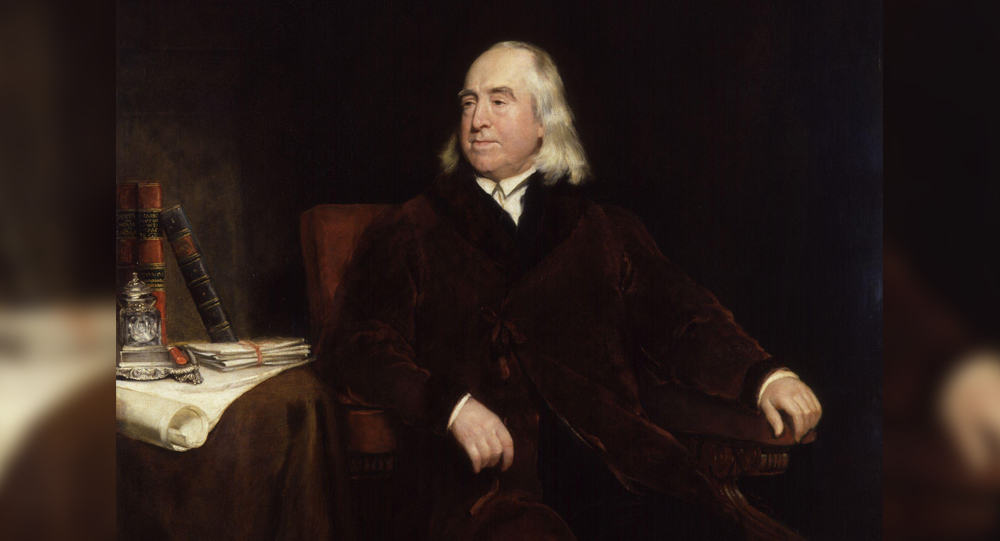
How 18th Century Women’s Rights Movements Shaped Modern Equality
The 18th century marked a turning point in the quest for women’s rights, as passionate voices challenged centuries of gender inequality and laid the groundwork for modern feminism. From pioneers like Mary Wollstonecraft to revolutionary declarations and early advocacy, this era sparked debates on education, political participation, and social justice that continue to resonate today. Journey through the origins of women’s rights movements and discover how their bold ideas shaped the fight for equality.
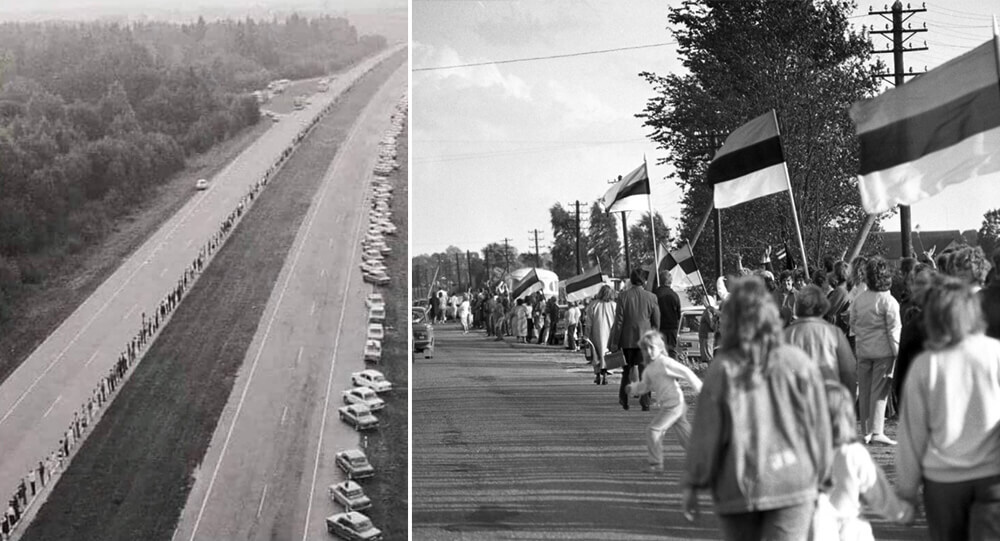
The Baltic Way: the longest unbroken human chain in history
On August 23, 1989, about 2 million people from Latvia, Estonia, and Lithuania formed a human chain that united all 3 countries to show the world their desire to escape the Soviet Union and the communism that brought only suffering and poverty. This power stretched 600 km.
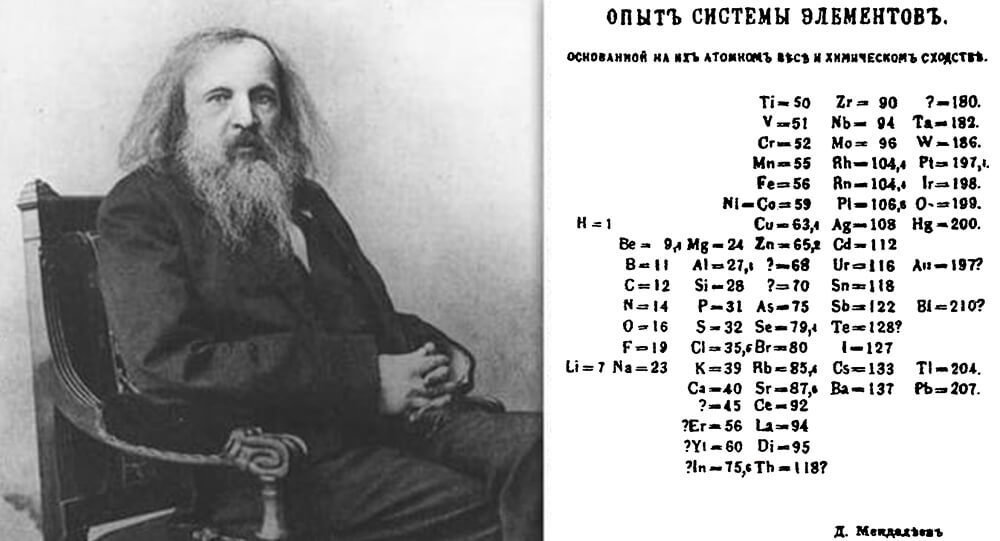
How Dmitri Mendeleev Developed the periodic table of the elements
1850 Dmitri Mendeleev walked almost a thousand miles to Moscow so he could apply for the University of Moscow. Although he was not accepted, he walked to St. Petersburg where he was accepted, And with that education, he developed the the periodic table of the elements
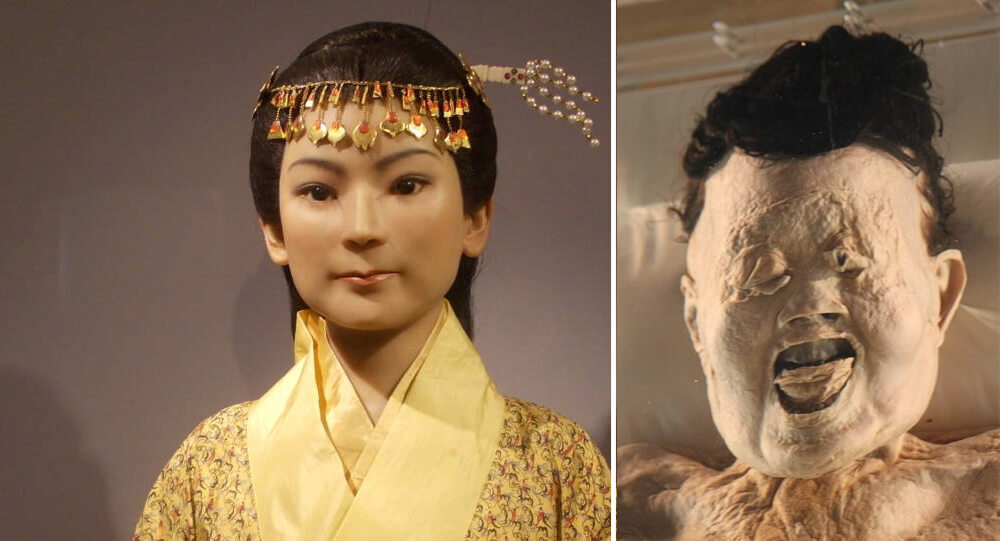
Xin Zhui And The Story Of The Stunningly Intact Lady Dai Mummy
A 2,000-year-old mummy of a Chinese woman, Xin Zhui, also known as “Lady Dai,” was preserved in 21 gallons of an “unknown liquid.” With her original hair, organs, eyebrows, and eyelashes intact, the mummy still has blood in her veins. Her skin and ligaments are soft and as flexible as that of a living person.
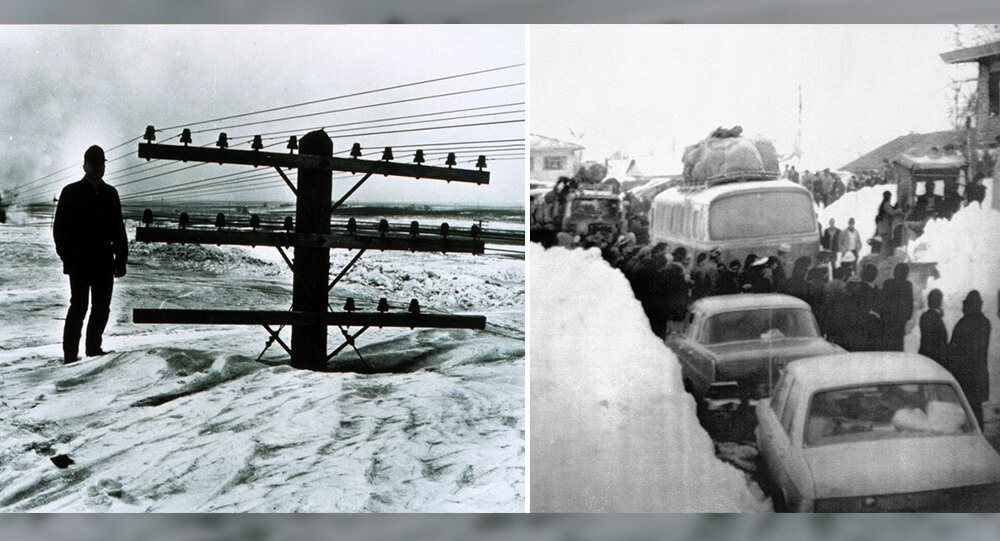
The worst blizzard in recorded history: the 1972 Iran blizzard
The deadliest snowstorm ever recorded occurred in Iran in 1972. It lasted for a week, burying areas in 26 feet of snow and killing over 4,000 people, including the entire populations of three villages.
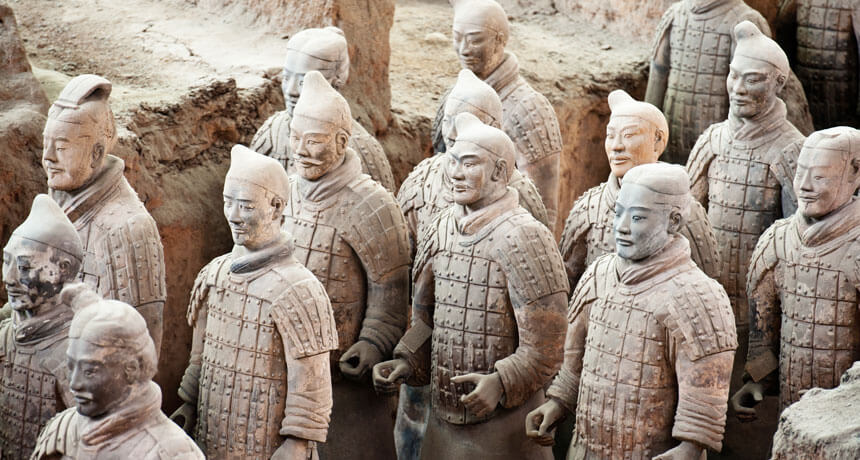
Top 10 Greatest and shocking Archaeological Discoveries of All Time
While we're all locked at home, there's no better way to escape to another time and place than to learn about amazing archeological sites and discoveries from around the world. Here are the 10 greatest and shocking archaeological discoveries —and don't be shocked if they inspire future trip plans whenever it's safe to do so again.
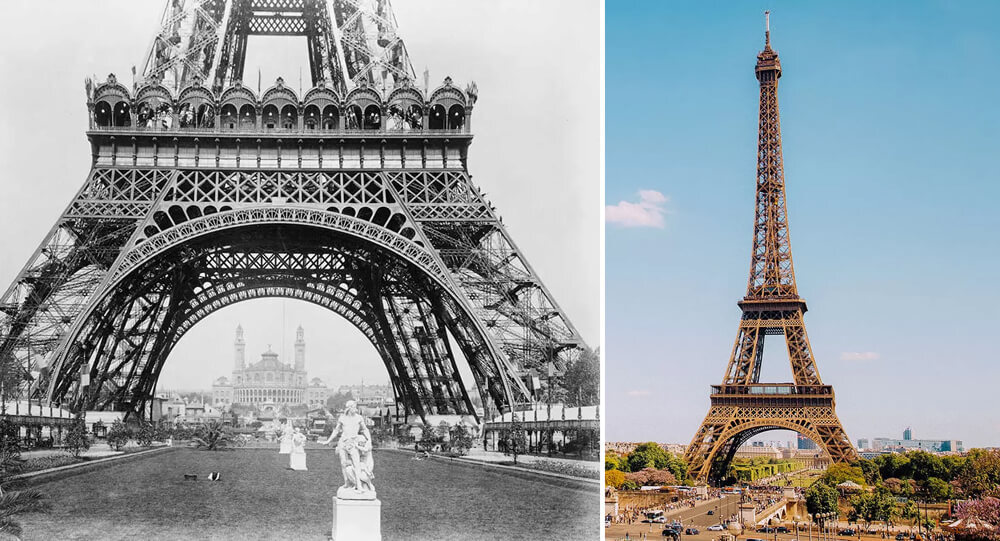
Why was the Eiffel Tower almost demolished
The Eiffel Tower was intended to be a temporary structure for the World's Fair in 1889, but it was nearly dismantled and sold for scrap metal. It was saved because of its potential use as a radio antenna, and it now serves as a tourist attraction as well as a working broadcast tower.
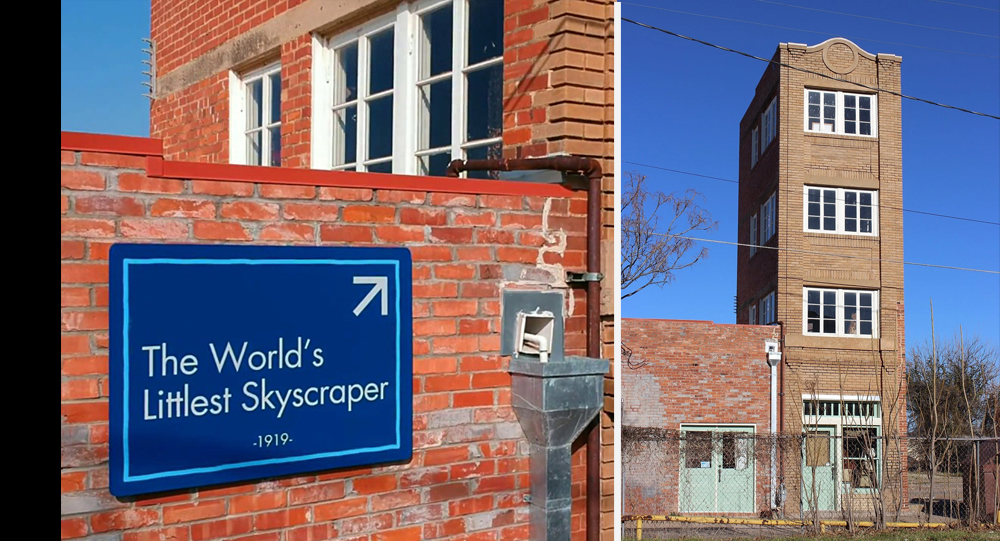
The Littlest Skyscraper: How J.D. McMahon’s 480-Inch Con Fooled Investors in 1919
In 1919, J.D. McMahon convinced investors to fund a 480-foot skyscraper, but he labeled the plans as 480 inches, building a 40-foot structure instead. After taking $200,000, he won in court since the plans matched what he built.
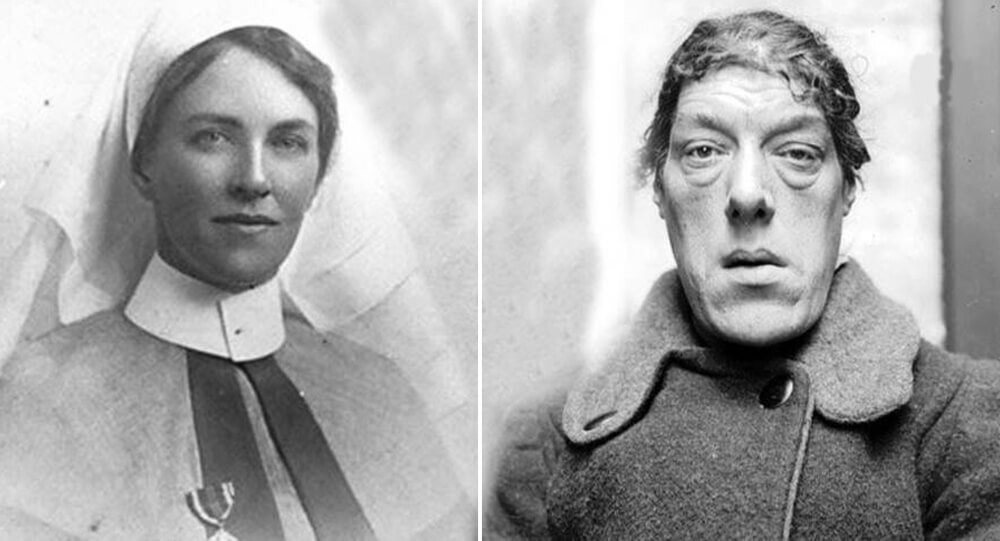
The Tragic Story Of Mary Ann Bevan, The ‘Ugliest Woman In The World’
After the death of her husband, Mary Ann Bevan had no income to support herself and her children. She then decided to enter a contest where she won the title of “ugliest woman” and was later hired by a circus. She endured this ridicule from the world to provide for her family.
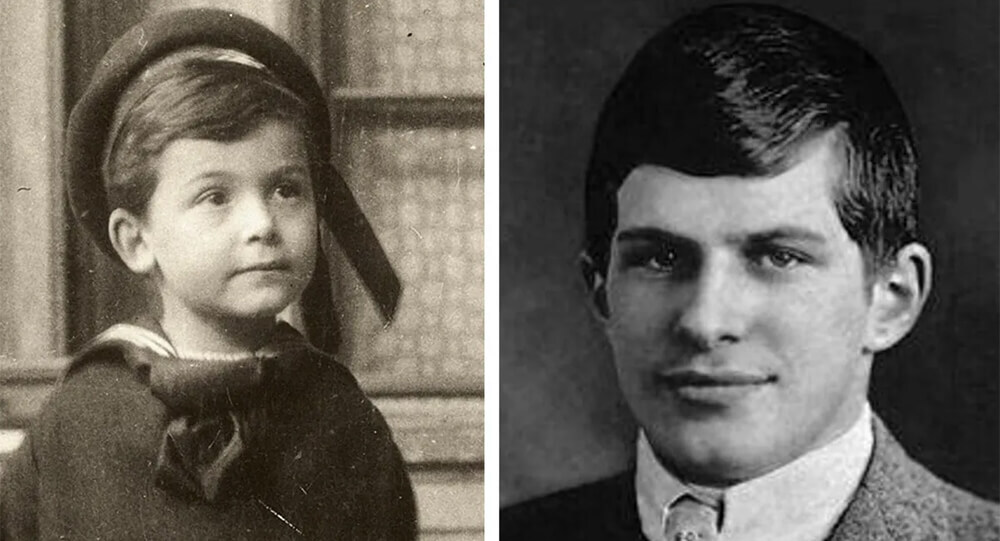
William James Sidis: The smartest person yet forgotten by people
William James Sidis, who was only 11 years old when he enrolled in Hardvard, finished his primary and secondary schooling in less than a year. He knew eight foreign languages by the age of eight and even invented his own language, "vedergood."
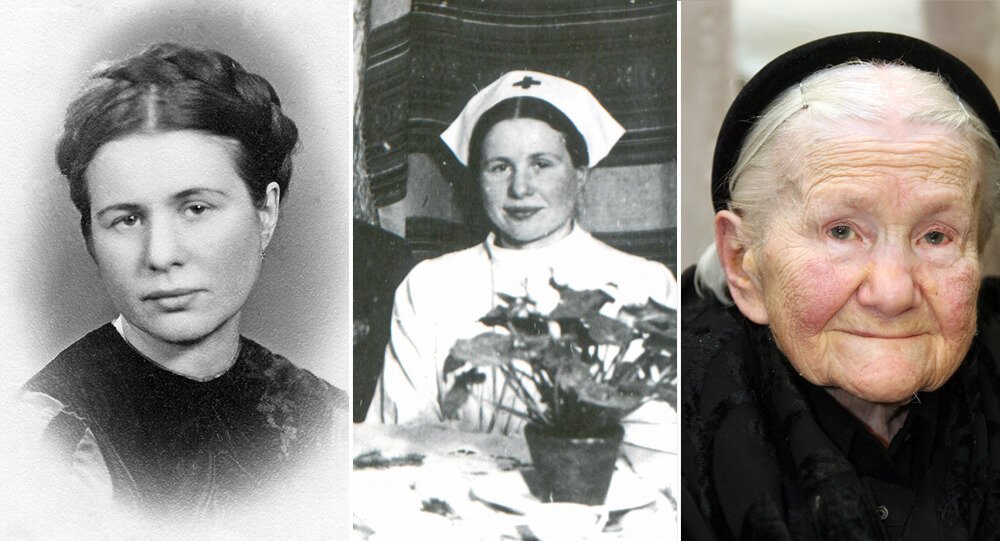
Irena Sendler: woman who rescued Jews during holocaust
Irene Sendler was the Zegota resistance group's head of the children's department. She risked her life to smuggle children out of the Warsaw ghetto, place them with Polish families or orphanages, give each child a new identity, and keep records so that they could be returned to their families. In 1943, the Gestapo arrested and sentenced her to death, but she was rescued by Zegota.
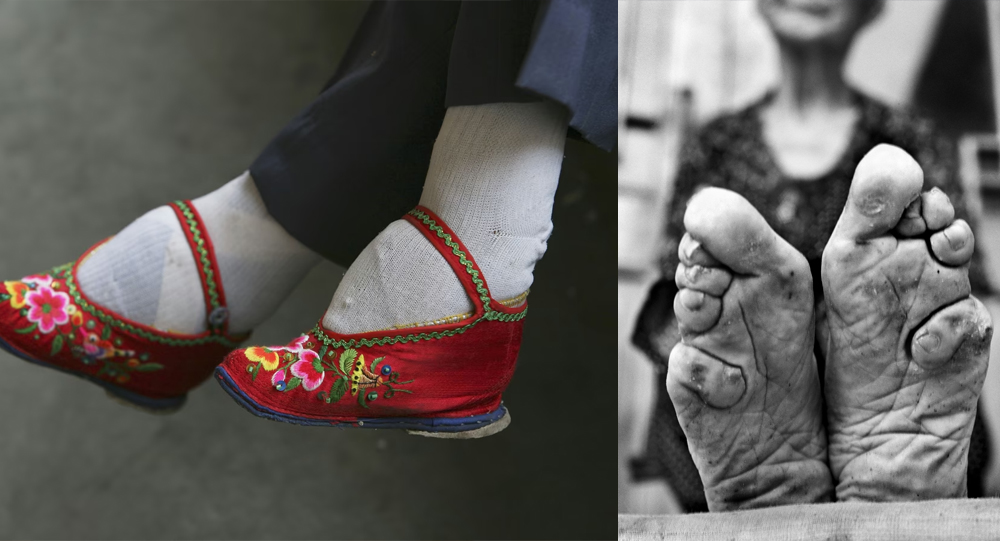
Inside China’s Footbinding Tradition: The Painful Ritual of Lotus Shoes and Bound Feet
In China, Lotus shoes were used to bind women's feet to keep their feet small