
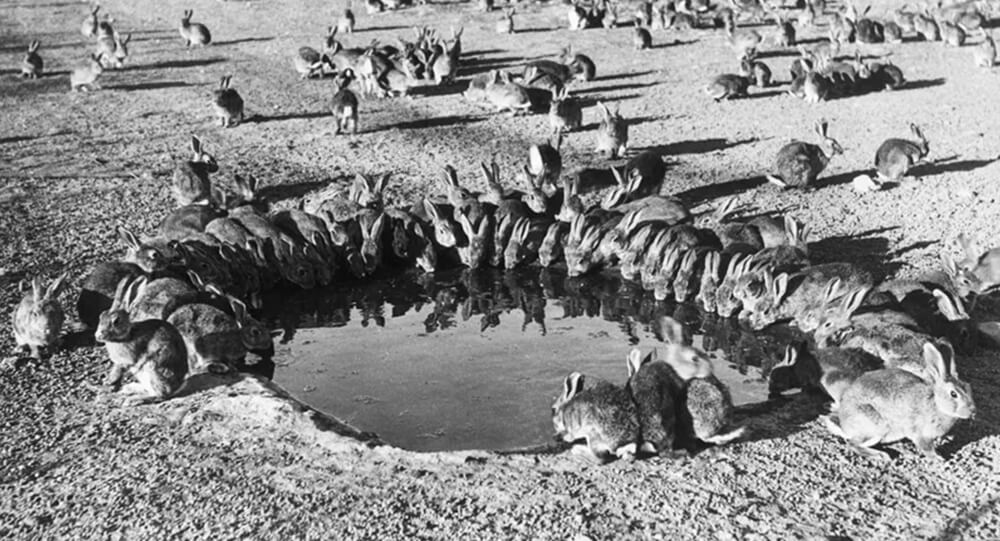
Since the late 19th century, when European rabbits were first brought to Australia, there has been an issue with them. Currently, Australia is thought to be home to 200 million feral rabbits.
Australia’s introduction of European rabbits
In order to facilitate hunting, European rabbits (Oryctolagus cuniculus) were brought into the Australian bush in 1859. Thirteen European wild rabbits were sent to Thomas Austin, an affluent settler in Victoria, Australia, and he allowed them to roam freely on his estate. It only took these invasive (i.e., non-native to the land) rabbits 50 years to spread across the entire continent from this one backyard sanctuary.
Since these conditions are fairly easy to come by, they can adapt to new habitats such as the deserts and plains of Australia as easily as the meadows of Europe.
Their population grew to such an extent that they destroyed land and crops, causing soil erosion. By overgrazing, they also had a detrimental effect on plants and agriculture. The rabbits not only destroyed Australian crops, but they also played a part in the extinction of local animal and plant species. The primary environmental law of the Australian government, the Commonwealth Environment Protection and Biodiversity Conservation Act 1999, even identifies the many impacts of feral rabbits, like land degradation, as a “threatening process.” The remarkable adaptability of these rabbits has contributed to their dispersal throughout the Australian continent. All the rabbits require are short grasses to graze on and soil suitable for burrowing.
European rabbits are not only adaptive animals, but they also have a reputation for procreating quickly and in large numbers. They are capable of reproducing year-round and at an early age. European rabbits, also known as hares, typically have two to five kits (baby rabbits) per litter and can produce more than four litters annually.
How to Handle Invading Rabbits
To eradicate Australia’s invasive rabbits, biologists, farmers, government researchers, and others have tried. Many strategies, such as fences, poisons, and infections, have been tried by experts to control rabbit populations; some have shown to be more effective than others.
After coming to Australia a few decades ago, rabbits started to pose a serious threat to farmers. In the beginning, fences were constructed by the government and farmers to prevent the rabbits from damaging their crops. In fact, the government hired builders to erect a fence that connected the north and south of Western Australia. Fencing didn’t really stop the rabbits, though. In the case of the fence in Western Australia, it only contained rabbits that were already residing there.
In an attempt to manage the population, farmers have also been known to destroy rabbit warrens, which are underground networks of tunnels. The area where rabbits can safely breed and raise young is taken away when the warrens are destroyed. Today, farmers continue to use the warren destruction method, which is effective for controlling rabbit populations found on accessible lands.
The government started using biocontrol in the 1950s. In southeast Australia, they dispersed rabbits infected with the virus known as myxoma, which is unique to rabbits. The first virus to be intentionally released into the wild with the intention of eradicating an animal was the myxoma virus. The myxoma virus causes myxomatosis, a disease that only kills rabbits, and Australian scientist Peter Kerr said of this release, “Thus, inadvertently, began one of the great experiments in natural selection, conducted on a continental scale.” Many rabbits in Australia did die from the myxoma virus, but over time the rabbits developed an immunity to the virus, making it useless. The scientists would have to try a different approach if they were to successfully eradicate these invasive rabbits.
Another pathogen that is unique to rabbits is Rabbit Hemorrhagic Disease Virus (RHDV), which researchers first described in the 1980s. This illness, which is brought on by an RNA (ribonucleic acid) virus spread by flies, can kill rabbits within 48 hours of infection. This virus broke free from a quarantine facility in 1995 and entered the wild. In particularly dry areas, RHDV reduced rabbit populations in Australia by up to 90% after it was formally released in 1996 with the goal of controlling the population. European rabbits that reside in cooler, more rainy regions of Australia are immune to the disease because flies act as the virus’s vector. Similar to the myxoma virus, these rabbits are starting to show signs of resistance against RHDV.
You may also be interested in…
- How Switzerland ended rabies epidemic by air-dropped vaccinated chicken heads
- Earthquakes: Can Animals Really Predict Them?
- The story of The chicken that lived for 18 months without a head
Poison proved to be another popular population-control strategy for European rabbits, in addition to viruses. With a death rate of over 90%, sodium fluoroacetate is one of the primary chemicals used to poison rabbits. In order to fumigate burrows and eliminate any rabbits residing within, phosphine and carbon monoxide are also utilized.
Virus introduction into the wild appears to be the most efficient and economical method of reducing the population of European rabbits. Scientists are still trying to manage these mammals’ populations to prevent habitat destruction in Australia. More lethal RHDV strains that might be even more successful in keeping the rabbits from overrunning the Australian environment are currently being researched by researchers. Since the European rabbits are an invasive species, and are extremely disruptive to the local environment, finding a solution to rein in and control their populations is imperative.

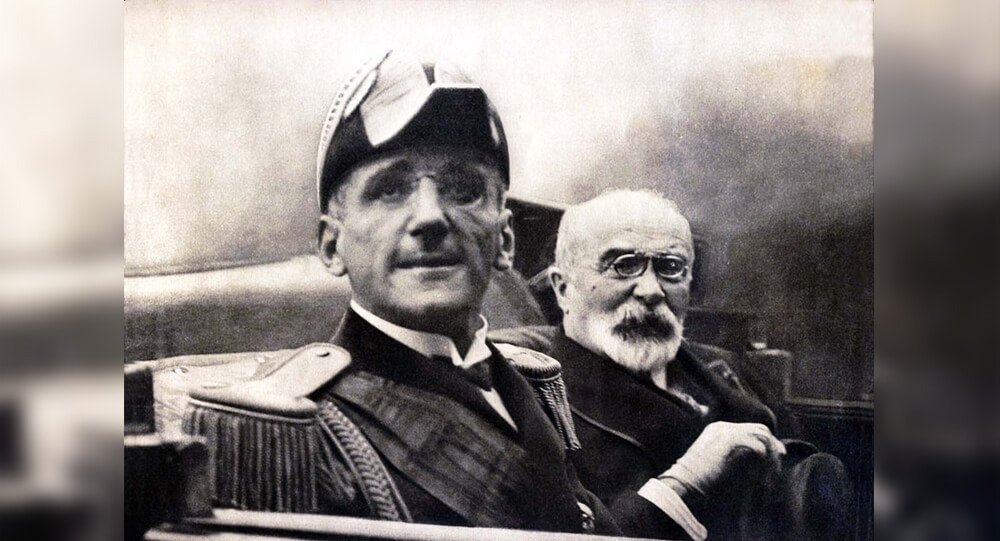
The Assassination Of King Alexander
The assassination of King Alexander of Yugoslavia marked a pivotal moment in the country's history. This article delves into the rise and reign of King Alexander, exploring his early life and ascension to the throne. It also examines the political and social climate in interwar Yugoslavia, setting the stage for the tensions and challenges that ultimately culminated in his tragic assassination. By understanding the context in which this event unfolded, we can better grasp the significance and impact it had on the nation and its future.

Before Radar: How Giant Acoustic Mirrors Detected Enemy Aircraft in WWI and WWII
Long before radar revolutionized air defense, enormous acoustic mirrors and specialized sound locators stood as the first line of defense against enemy aircraft. Designed as giant “ears,” these structures amplified distant engine noises, allowing operators to detect incoming planes by sound alone. Dive into the intriguing world of these pioneering listening devices, their operation, limitations, and enduring legacy in military history.
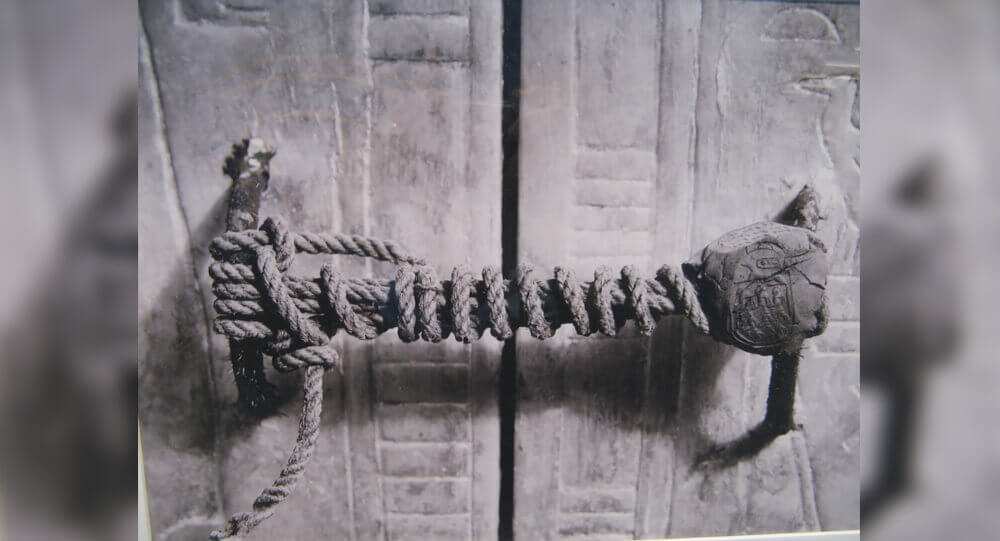
The unbroken seal on King Tutankhamun's tomb until 1922
The unbroken seal of Tutankhamun's tomb before it was opened in 1923, it was unbroken for over 3000 years.

Irena Sendler: woman who rescued Jews during holocaust
Irene Sendler was the Zegota resistance group's head of the children's department. She risked her life to smuggle children out of the Warsaw ghetto, place them with Polish families or orphanages, give each child a new identity, and keep records so that they could be returned to their families. In 1943, the Gestapo arrested and sentenced her to death, but she was rescued by Zegota.

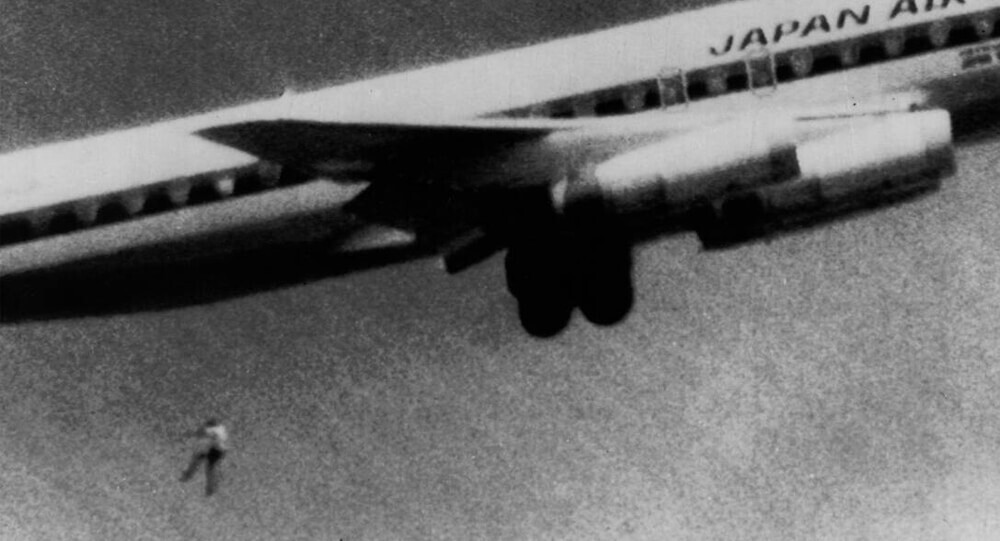
Keith Sapsford: The Story of 14-Year-Old Stowaway
The final image of 14-year-old Australian Keith Sapsford, who aspired to travel the world. In February 1970, he sneaked into the wheel-well of a plane flying from Sydney to Tokyo. It opened mid-air & fell out. When a photographer was testing a new lens, he captured this moment on film and was surprised when it developed.

Nathan's Famous Doctor Stunt
When Nathan's Famous Hot Dogs first opened in 1916, the owner hired people to dress as doctors and eat hot dogs outside his shop, to convince people his hot dogs were healthy.
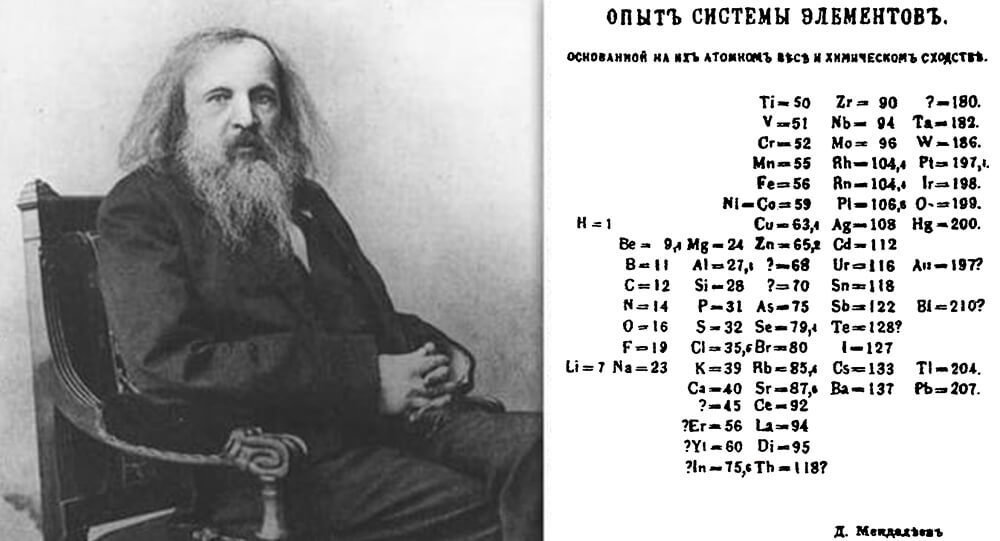
How Dmitri Mendeleev Developed the periodic table of the elements
1850 Dmitri Mendeleev walked almost a thousand miles to Moscow so he could apply for the University of Moscow. Although he was not accepted, he walked to St. Petersburg where he was accepted, And with that education, he developed the the periodic table of the elements

Inside China’s Footbinding Tradition: The Painful Ritual of Lotus Shoes and Bound Feet
In China, Lotus shoes were used to bind women's feet to keep their feet small
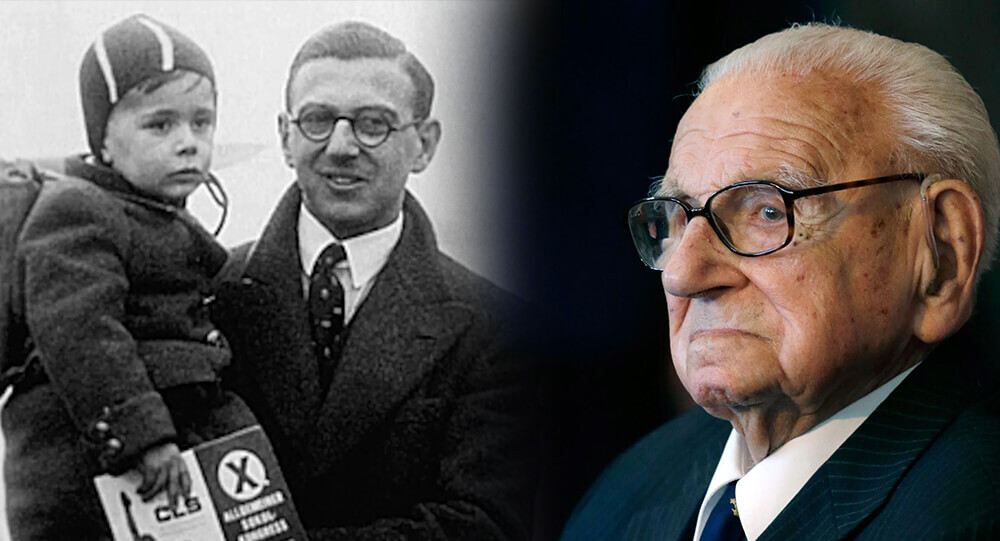
Nicholas Winton ‘British Schindler’: Man who rescued 669 Czech children from Nazis
A man named Nicholas Winton saved 669 kids during WWII and lived almost all his life without letting people know.

Underground Railroad to Mexico freed thousands of slaves in 1829
Slavery was abolished in Mexico in 1829. Slaves were escaping to Mexico, and slaveholders in the US were aware of this. The US attempted to get Mexico to sign a fugitive slave treaty, which would have required Mexico to send back escaped slaves to the US. But, Mexico refused, arguing that slaves were free as soon as they set foot on Mexican soil.
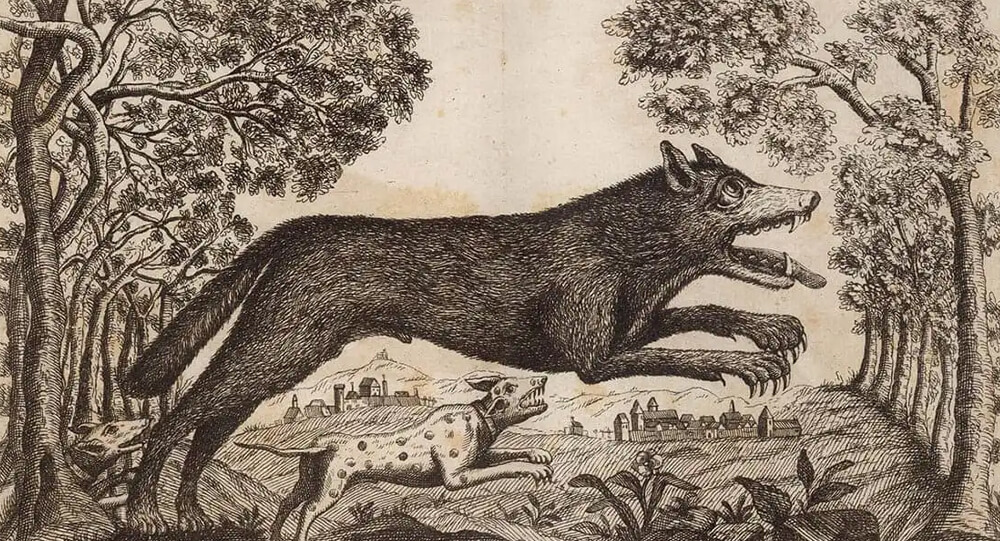
What Was the Beast of Gévaudan?
Between 1764 and 1767, a mysterious animal called the Beast of Gévaudan terrorized the French village called Gévaudan. It attacked and killed about 100 adults and children. While most believe it was a wolf, some say it may have been a wolf-dog hybrid, hyena or even a lion, but without any genetic evidence, the beast will remain a mystery forever.
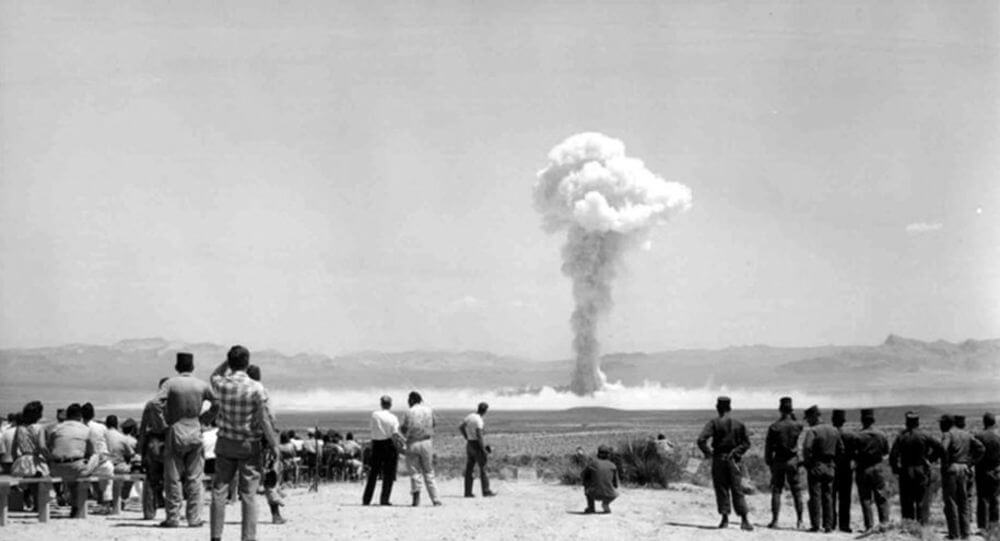
Atomic Tourism: In the 1950s, nuclear tests in Las Vegas served as a draw for tourists
Between 1950 and 1960, Las Vegas offered “Atomic Tourism” in which guests could watch atomic bombs being tested in the desert as a form of entertainment.

Roller Coasters were First Invented to Distract People from sin
Roller coasters were invented to distract Americans from sin. In the 1880s, hosiery businessman LaMarcus Thompson didn’t like that Americans were going to places like saloons and brothels and created the first roller coaster on Coney Island to persuade them to go there instead.
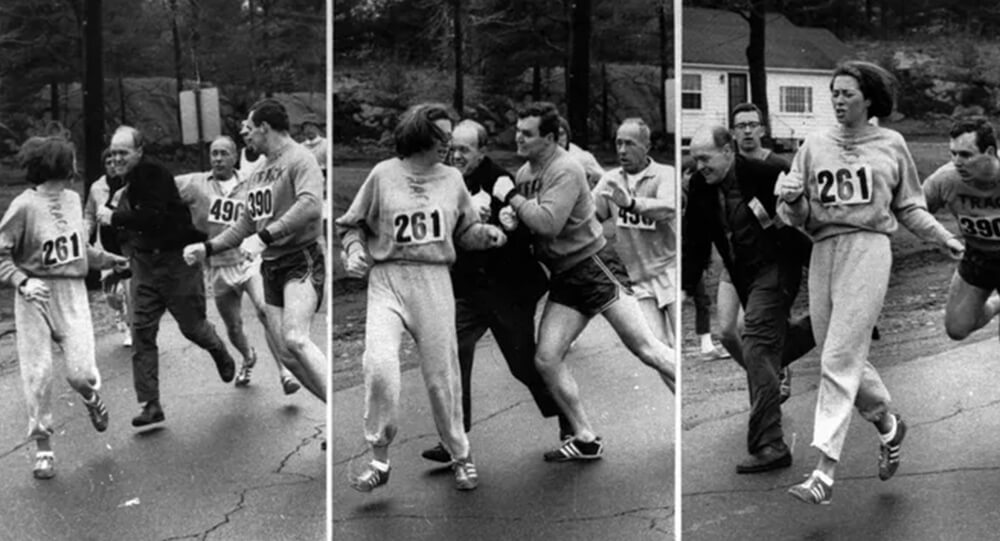
Story of Kathrine Switzer: the first woman to run in Boston Marathon
Before women were allowed to run in the Boston Marathon, Kathrine Switzer participated. A race official attempted to forcefully remove her from the race in 1967, but her boyfriend pushed him down. She was the first female finisher who had a numbered entry in the race.

The Horrific story of Ariel Castro and the Cleveland abduction
Cleveland abduction victims Gina DeJesus, Michelle Knight, and Amanda Berry were forced to live in Ariel Castro's house of horrors for 10 years. He raped and beat them until they escaped in 2013.
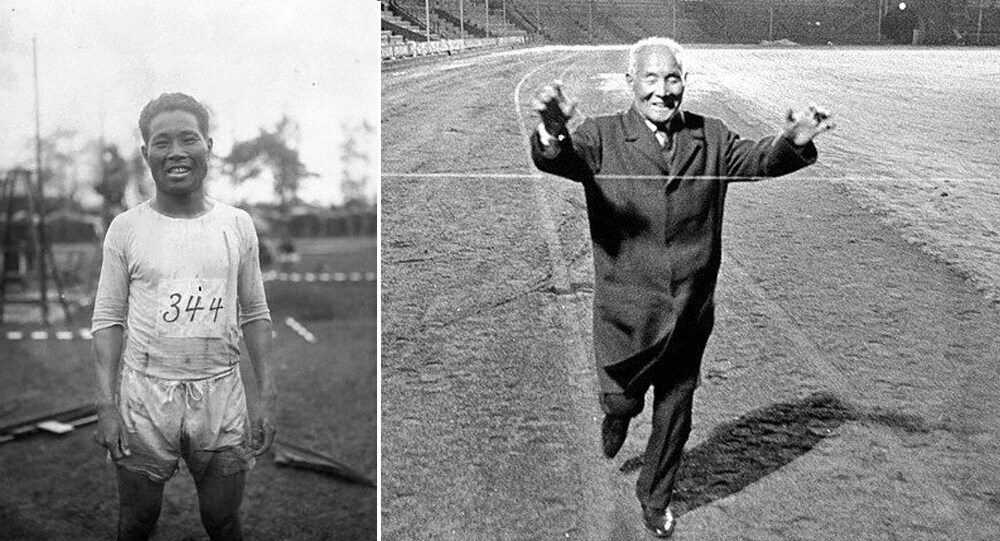
Shizo Kanakuri’s 1912 Olympic Marathon Finished 54 Years
At the 1912 Olympics, a marathon runner quit and went home to Japan without telling officials and was considered a missing person in Sweden for 50 years. In 1966, he was invited to complete the marathon. His time: 54 years, 8 months, 6 days, 5 hours, 32 minutes, and 20.379 seconds.
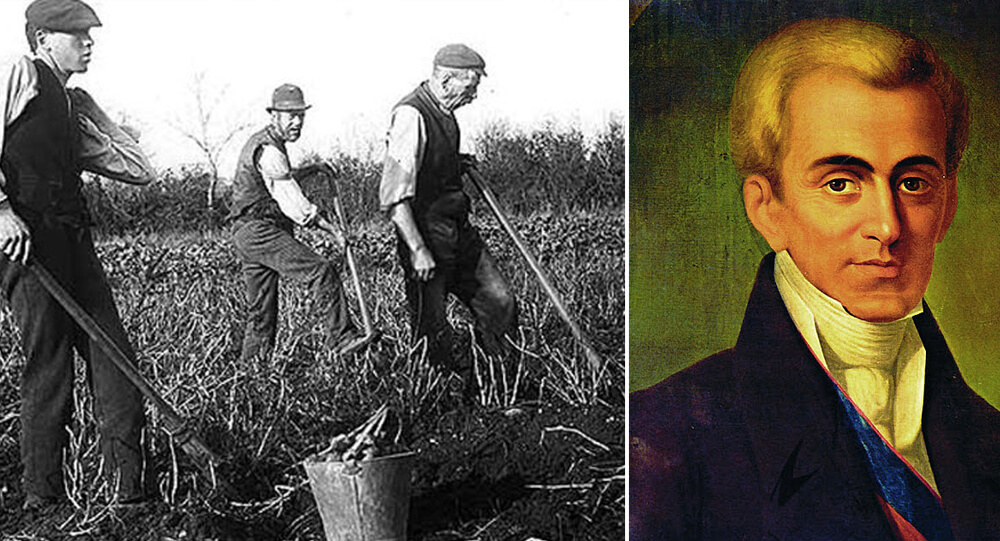
How Greek prime minister in 1830’s tried to spread the potato in Greece
A Greek prime minister in 1830’s tried to spread the potato in Greece but people weren’t interested so he put armed guards in front of shipments of potatoes so people would think they were important. People later started stealing these potatoes a lot which spread the crop to all of Greece.
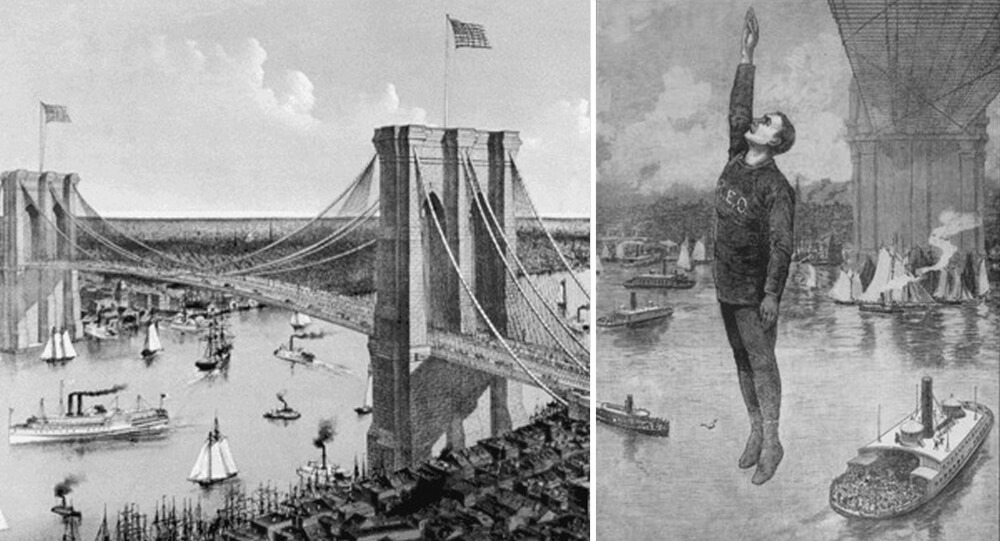
Robert Odlum, the first person to jump off the Brooklyn Bridge
The first person to jump off the Brooklyn Bridge was a professional high diver who "wanted to demonstrate that people did not die simply by falling through the air, thus encouraging people to be willing to jump from a burning building into a net." He proved himself correct by safely falling 135 feet through the air and dying only when he hit the water.

3 men lived on top of a billboard in tents for almost 9 months
From 1982-1983, three men in Allentown PA competed in a radio contest in which they lived on top of a billboard in tents. Whoever stayed up longest would win a house. Due to economic pressure from the recession, none of the contestants wanted to give up, so the contest lasted almost 9 months.

New London School Explosion, Deadliest school disaster which killed almost 300 children and teachers
In 1937, a gas leak in the basement at the local school in New London, Texas caused a massive explosion which killed almost 300 children and teachers, the deadliest school disaster in US history. Adolf Hitler even sent his condolences by telegram.
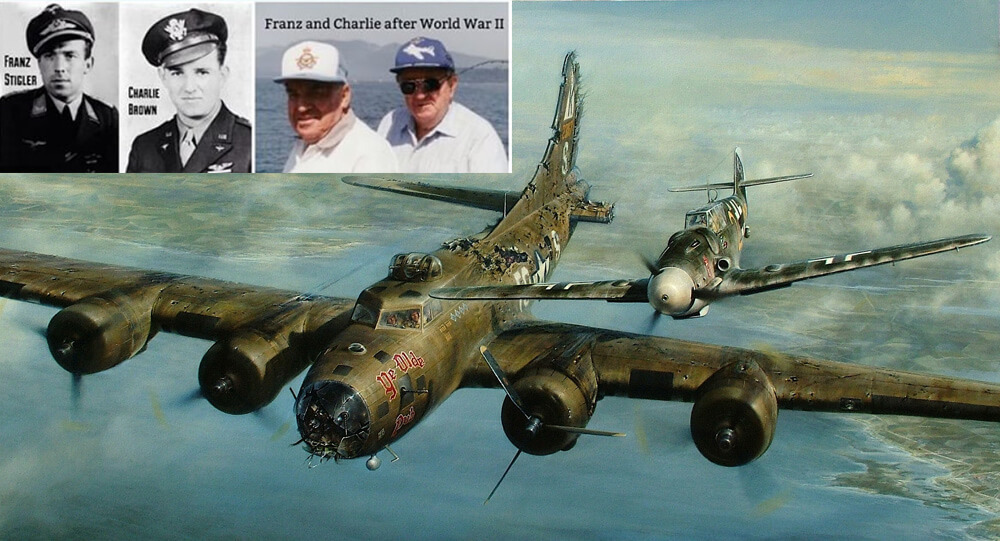
Charlie Brown and Franz Stigler incident: Enemy became friends
During WWII, a German pilot spotted an American pilot’s crippled plane in the sky. Tailing it, he noticed that gunner was dead, crew injured, and they posed no threat. Instead of destroying the plane, he led it to safety. 40 years later, the two pilots reunited.
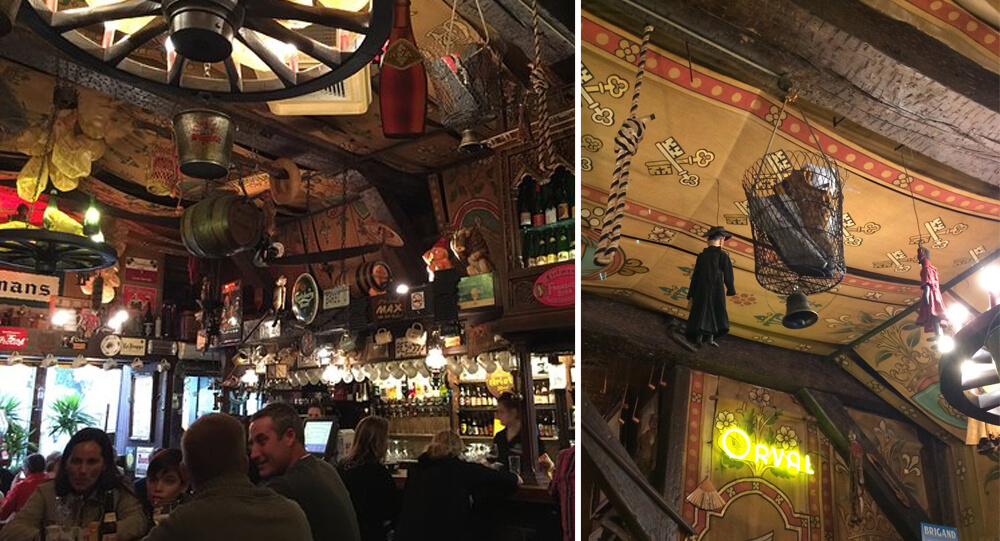
Why This Belgian Bar Makes You Trade Your Shoe for a Beer
To prevent tourists from stealing their beer glasses, some bars in Belgium require people to hand over one of their shoes as a deposit which is then put in a basket and hung from the ceiling. These shoe baskets have also become an attraction.

A Brief History of the PlayStation Gaming Console
Sony's PlayStation was never meant to be an actual product. Instead, it was intended to be a CD-ROM console that would support Nintendo games. However, when Nintendo backed out of the deal at the last minute, Sony went ahead and launched what soon became one of the most successful gaming consoles of all time.
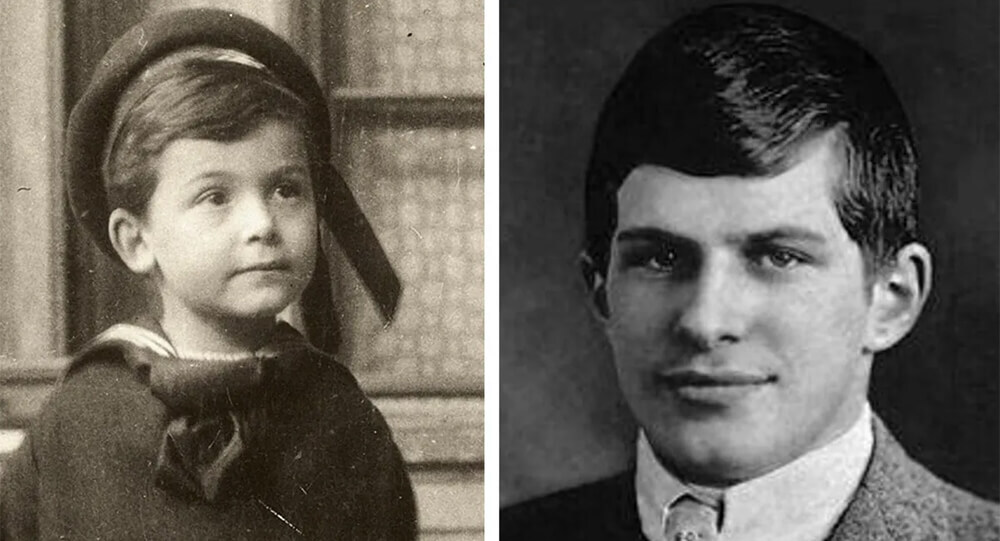
William James Sidis: The smartest person yet forgotten by people
William James Sidis, who was only 11 years old when he enrolled in Hardvard, finished his primary and secondary schooling in less than a year. He knew eight foreign languages by the age of eight and even invented his own language, "vedergood."
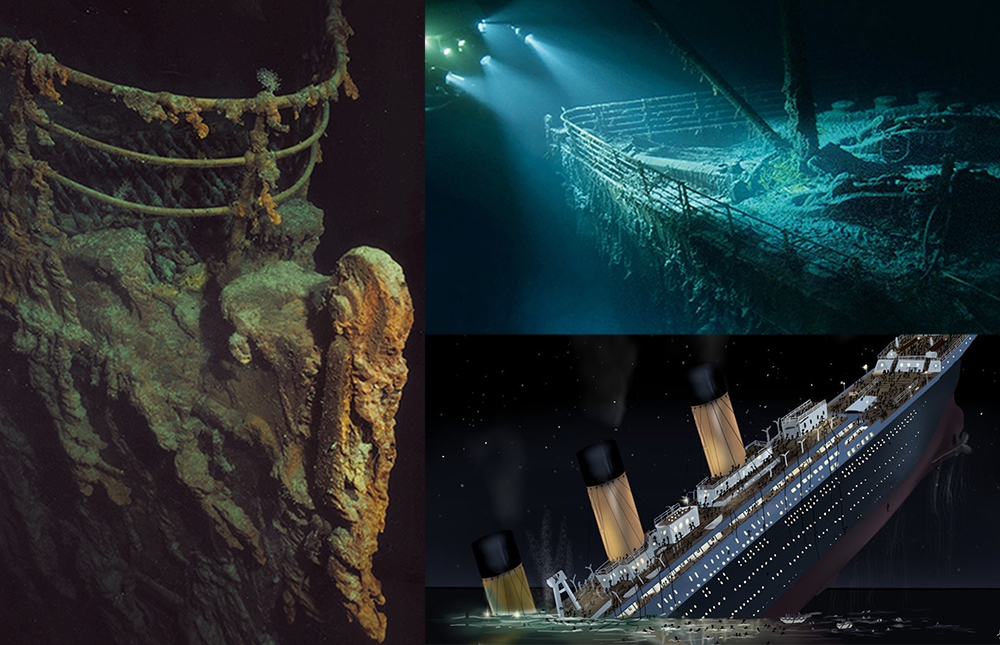
8 Interesting Facts About The Unsinkable Ship, TITANIC
If you ask your friends what's the most famous ship in history the answer in most cases will be the same, of course the legendary Titanic. Its history is full of mysteries, at first it was a source of hope and national pride as well as proof of the triumphs of mankind but it soon became a source of nostalgia and pain, the extent of which cannot be described in words.