
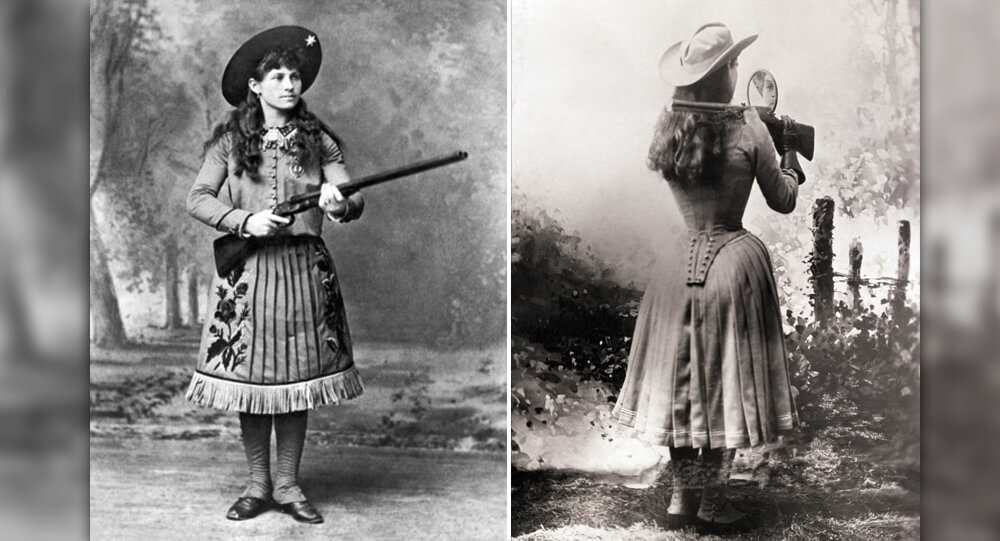

The true story of Annie Oakley, legendary sharpshooter
According to one 1887 book based on her life called The Rifle Queen, Annie Oakley was such a brilliant sharpshooter that she single-handedly thwarted train thefts, shot bears and panthers, and killed a wolf that already had her in its clutches.
Many untrue stories were sparked by Oakley’s reputation as one of the most accomplished gunslingers of her day. (The wolf story, for example, never happened.) Some of these myths live on today thanks to the 1946 Broadway musical “Annie Get Your Gun,” whose final scene depicts Oakley losing a match intentionally to protect her future husband’s ego—when in reality she won his heart by beating him in a shoot-out.
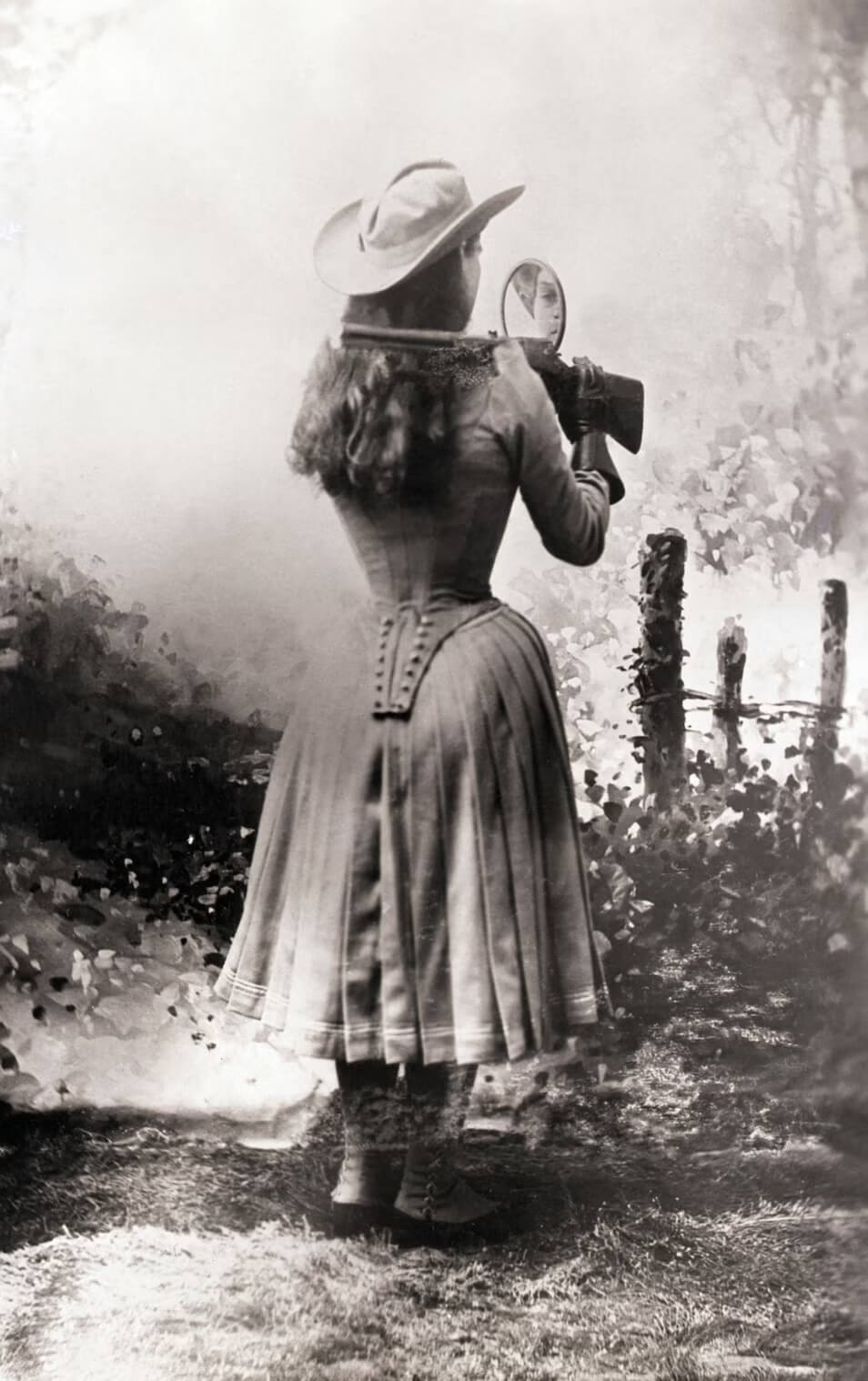
It’s challenging to distinguish fact from fiction in regards to Oakley’s life. Oakley spent 17 years showcasing her abilities on stages all around the world as the centerpiece of Buffalo Bill’s Wild West Show, a famed 19th-century act renowned for its romanticized portrayal of frontier life. She amazed audiences by ribbing playing cards in midair, shooting cigarettes from her husband’s lips, and—her signature trick—shooting a target behind her back while spotting it in a mirror.
The Wild West Show producers and her husband Frank Butler played a significant role in shaping Oakley’s reputation. However, some of Oakley’s own accounts as well as those of her ancestors still exist. The life of the sniper is told in this genuine account.
Early life
To begin with, Phoebe Ann Moses, who the family occasionally spelt Mozee, Mosey, or Mauzy, was the gunslinger’s actual name. She began using the stage name around the time she joined the Wild West Show in 1885.
Oakley was originally from Darke County, Ohio, not the Wild West, and she had a difficult beginning. Oakley had to work to support her family after her father passed away when she was five years old. In Bull’s-Eye: A Photobiography of Annie Oakley, published by National Geographic, Sue Macy notes that before picking up her father’s gun, Annie helped provide for the family by building traps to catch game.
Even though details like the species of animal Annie killed have changed over time, Annie would frequently recount the tale of her first hunt. She was confident that she only needed to fire one shot to bring it down.
She once said, “I don’t know how I learned the skill,” according to Macy. I guess I was just born with it.
Once more tragedy occurred in 1870 with the passing of Oakley’s stepfather. Her mother struggled to support her family and sent several of her kids to live with neighbors. Oakley was taken in by a local farmer to assist care for his kids. He said she’d have time for hunting and study, but it gradually devolved into indentured slavery.
She eventually came home to her mother as an adolescent after succeeding in escaping. At that point, she began selling her kills on a regular basis to a nearby grocer and motels, making enough money to settle the mortgage on her mother’s home.
Her skill with a gun turned into a career, and in 1875 it even brought her together with fellow marksman Frank E. Butler. When Butler invited Oakley to a shooting competition, she was in Cincinnati visiting her sister at the time.
Butler’s final shot went over the line, giving Oakley the victory, but both Oakley and Butler struck every bird released from the trap. The two got hitched shortly after and started touring as a duo.
Buffalo Bill’s Wild West Show’s leading lady
Oakley and Butler joined Buffalo Bill’s Wild West Show in 1885, catapulting her to celebrity all over the world. At a shooting exercise, Butler launched clay pigeons into the air, and Oakley successfully hit every one of them.
Butler and Oakley travelled the country extensively with the Wild West Show organization. Buffalo Bill, or William F. Cody, produced the outdoor spectacular of the imaginary Wild West in 1883. It featured cowboys facing off against Indians in reenactments, shooting displays, and performances showcasing roping and horseback riding. (Cody would subsequently publicly denounce some of the negatively portraying Native Americans in the show.)
Oakley rapidly established herself as the show’s star after many spectators were astounded by the mix of her accurate shooting abilities and her small stature. She also attained fame abroad in 1887 when the troupe gave a performance at London’s Golden Jubilee for Queen Victoria.
The Queen and her son Edward, the Prince of Wales, attended the performance, which had Oakley as its featured performer. Reports of the meeting, in which the prince referred to Oakley as a “wonderful little girl,” support stories that Edward invited the shooter to his box after the performance.
Before returning to the Western show in 1889, Oakley and Butler soon ventured out to do private exhibitions for European nobility. In fact, despite some rumors to the contrary, Oakley shot a cigarette out of German Prince Wilhelm’s palm, not his mouth.
When Oakley was hurt in a railroad accident in 1901, the couple eventually abandoned the Western performance. Nevertheless, she kept making appearances at exhibitions up to her official retirement at age 53.
An all-female regiment of the U.S. Army
In addition to her legendary accuracy, Oakley was well known for her charitable and voluntary efforts. In the prologue of National Geographic’s photobiography, Bessie Edwards, Oakley’s great-grandniece and cofounder of the Annie Oakley Foundation, notes that Oakley gave time and money to tuberculosis patients, orphans, and young women pursuing higher education.
More than 15,000 women are believed to have been taught to shoot over the years through free workshops thanks to Oakley’s zeal for teaching them the sport and self-defense shooting techniques.
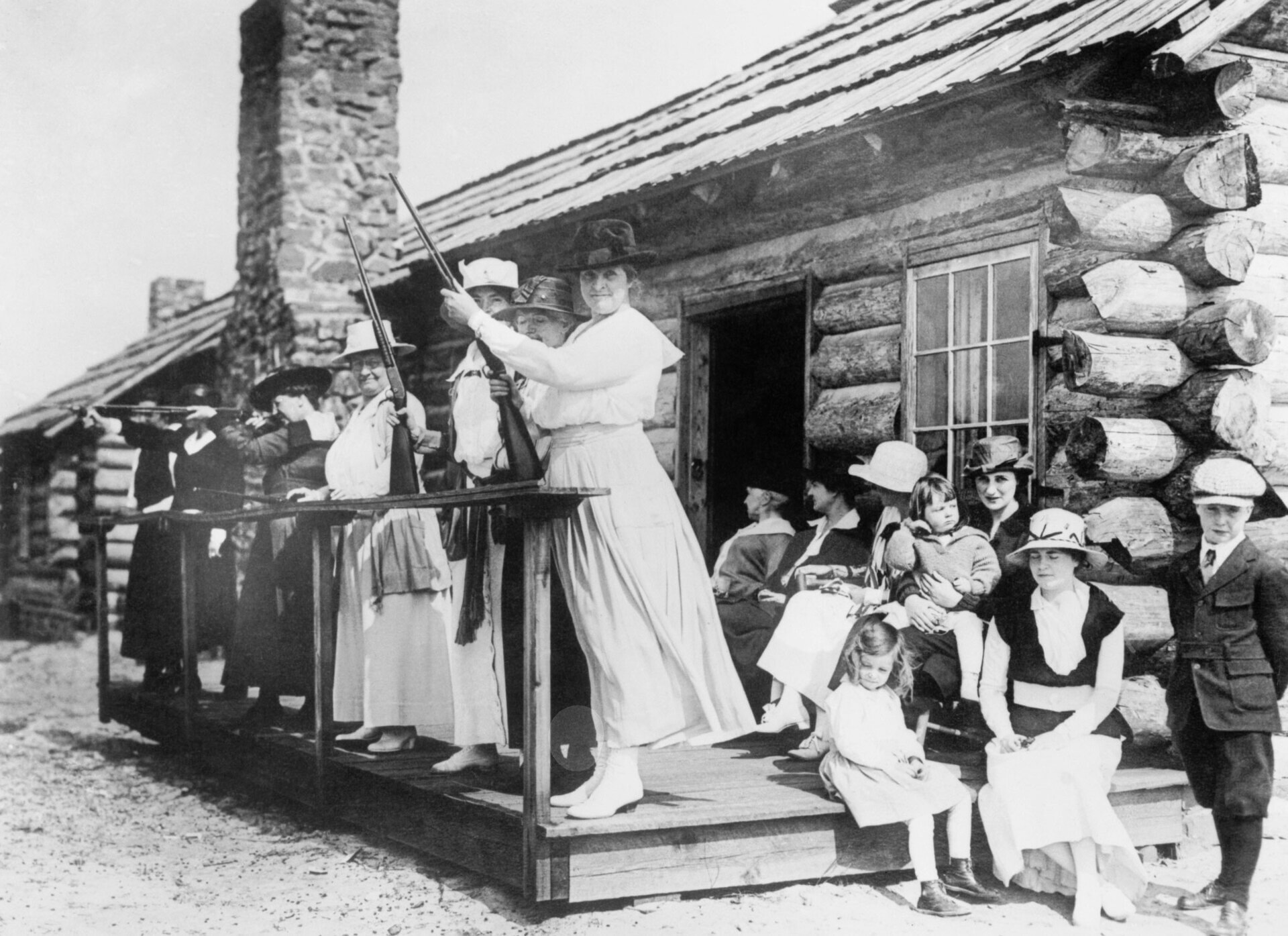
She reportedly previously wrote, “I think every woman should learn the use of firearms,” according to Macy. “I want every woman to be able to handle [firearms] as naturally as they handle children,” she said.
Prior to the start of the Spanish American War in 1898, she wrote to President William McKinley and offered to assemble a regiment of 50 American women sharpshooters, despite the fact that at the time, women were not permitted to join the armed forces of the United States. The War Department rejected her proposition.
In a letter to the Secretary of War in 1917, Oakley once more offered to train a women’s division as the United States entered World War I. “I can guarantee a regiment of women for home protection,” she said, “every one of whom can and will shoot if necessary.”
Although the secretary declined her offer, Oakley nevertheless contributed to the war effort by providing shooting demonstrations at U.S. Army postings. She even taught her dog, Dave, to find financial gifts for the Red Cross that were hidden and wrapped in handkerchiefs for the dog to find. As a result, Dave became known as Dave the Red Cross Dog.
Legacy
Soon after suffering a permanent leg injury in an automobile accident in 1922, Oakley was exploring changing directions in her career, such as becoming a cinema star or penning a memoir. However, her health quickly deteriorated. She was given a blood condition diagnosis in 1926 and passed away in Greenville, Ohio, at the age of 66. 18 days later, her husband, who had been spending the winter in North Carolina, passed away.
Despite contradictory accounts of her life, or possibly because of them, Oakley’s reputation has held up over time. With her likeness appearing in TV series, films, and musicals, her persistence and determination have inspired many people.
She reportedly responded, “Aim for the high mark and you will hit it.” “No, not the first, second, or perhaps third time. However, keep pointing and shooting because only practice will enable you to become perfect. At long last, you’ll achieve success.
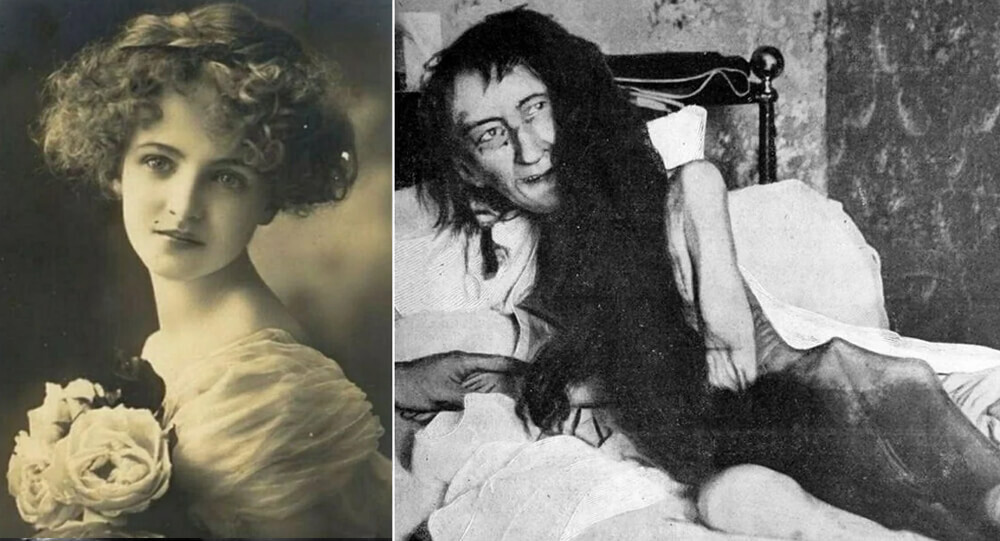
Blanche Monnier: Imprisoned For 25 Years For Falling in Love
Blanche Monnier, she was a French woman noted for her beauty, she wished to marry an old lawyer that her mother disapproved of, so she locked her in a small dark room in her attic for 25 years.

8 Interesting Facts About The Unsinkable Ship, TITANIC
If you ask your friends what's the most famous ship in history the answer in most cases will be the same, of course the legendary Titanic. Its history is full of mysteries, at first it was a source of hope and national pride as well as proof of the triumphs of mankind but it soon became a source of nostalgia and pain, the extent of which cannot be described in words.
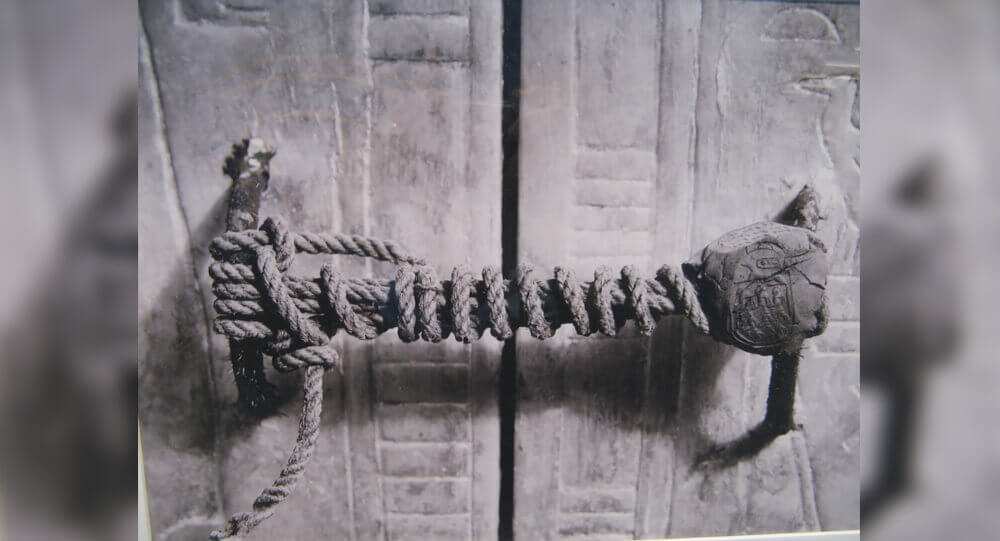
The unbroken seal on King Tutankhamun's tomb until 1922
The unbroken seal of Tutankhamun's tomb before it was opened in 1923, it was unbroken for over 3000 years.

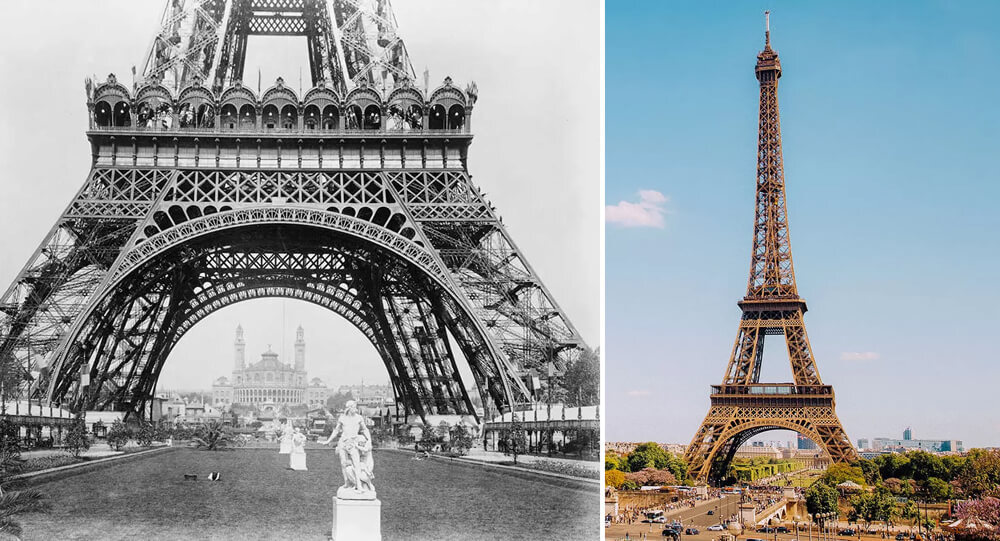
Why was the Eiffel Tower almost demolished
The Eiffel Tower was intended to be a temporary structure for the World's Fair in 1889, but it was nearly dismantled and sold for scrap metal. It was saved because of its potential use as a radio antenna, and it now serves as a tourist attraction as well as a working broadcast tower.
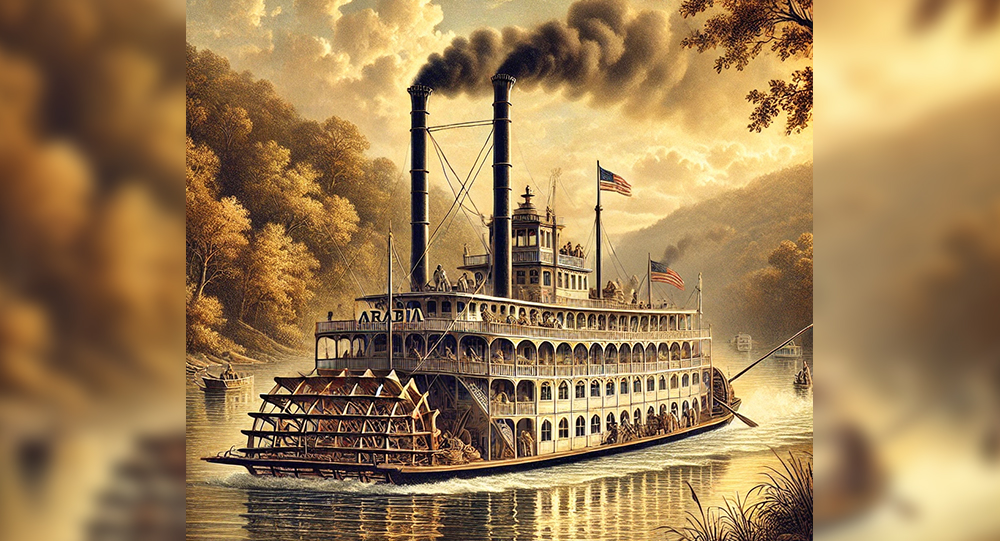
The Arabia Steamboat: Unearthing a 19th Century Time Capsule from the Missouri River
The Arabia was a steamboat that sank in the Missouri River in 1856. Over time, the river shifted 800 meters to the east, eventually turning the site of the sinking into a field. The steamboat remained under 45 feet of slit and topsoil until 1988, when it was excavated. The mud, as it turned out, was such a great preserver that most of the artifacts on board were found to be intact. They even found jars of preserved apples that were still edible!

Max Headroom Incident: America’s Creepiest TV Hack
In 1987 a man hijacked a television station during an episode of Dr. Who and wore a Max Headroom mask and uttered nonsense, and he still hasn’t been caught
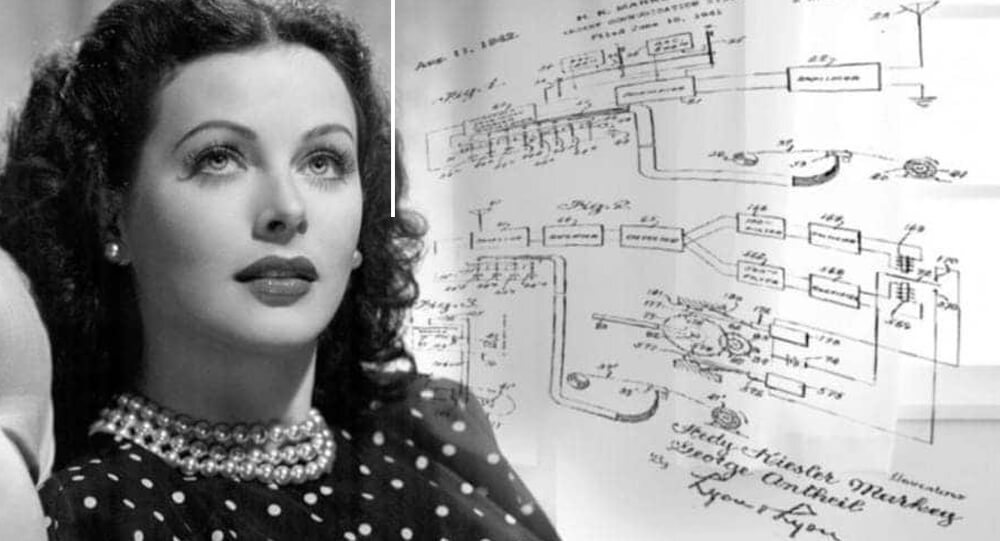
Hedy Lamarr, A Hollywood actress who also a mathematician and inventor
Hollywood actress Hedy Lamarr was also a mathematician and the inventor of frequency hopping spread spectrum, a technology still used for bluetooth and wifi
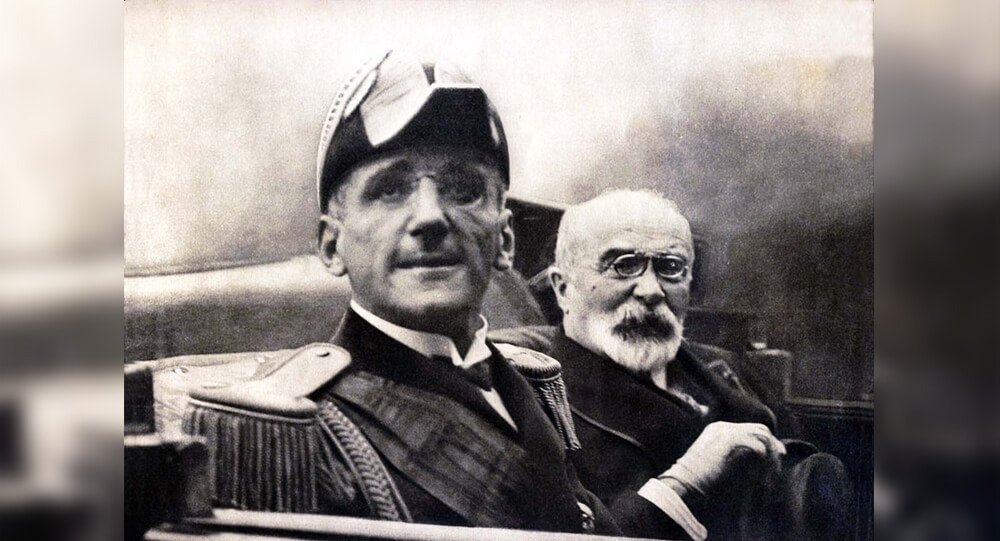
The Assassination Of King Alexander
The assassination of King Alexander of Yugoslavia marked a pivotal moment in the country's history. This article delves into the rise and reign of King Alexander, exploring his early life and ascension to the throne. It also examines the political and social climate in interwar Yugoslavia, setting the stage for the tensions and challenges that ultimately culminated in his tragic assassination. By understanding the context in which this event unfolded, we can better grasp the significance and impact it had on the nation and its future.

Poto And Cabengo: The Secret Language Of Twins
Poto and Cabengo, as the two girls called each other, communicated in their own language. The twins were ignored by their parents and secluded from the outside world because their father felt they were developmentally retarded, and their unique language evolved as a result of that neglect.
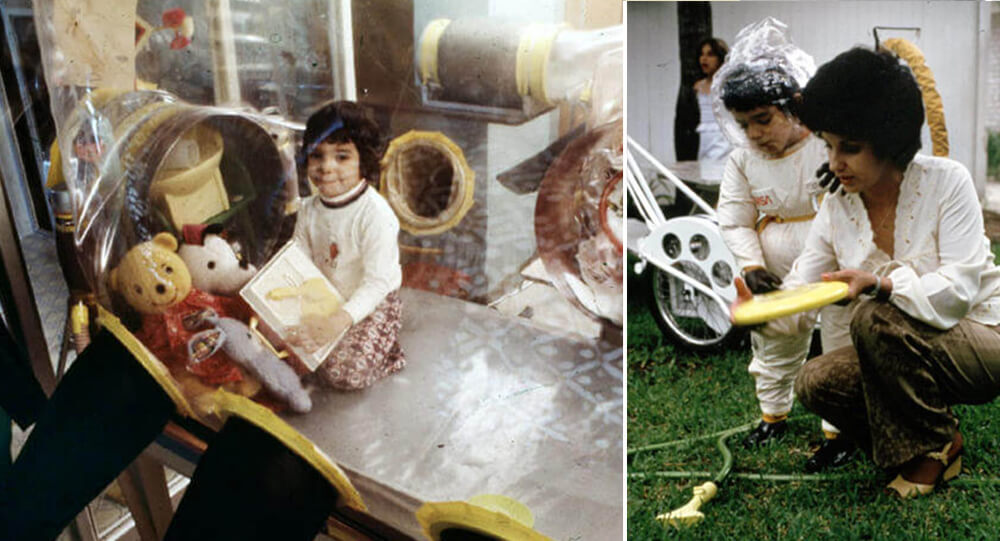
The touching story of David Vetter (bubble boy), the 'boy who lived in a bubble
David Vetter lived his whole 12 years in sterile “bubble”. He was “outside” for 20 second after being removed from his mother’s womb. He never touched any human.
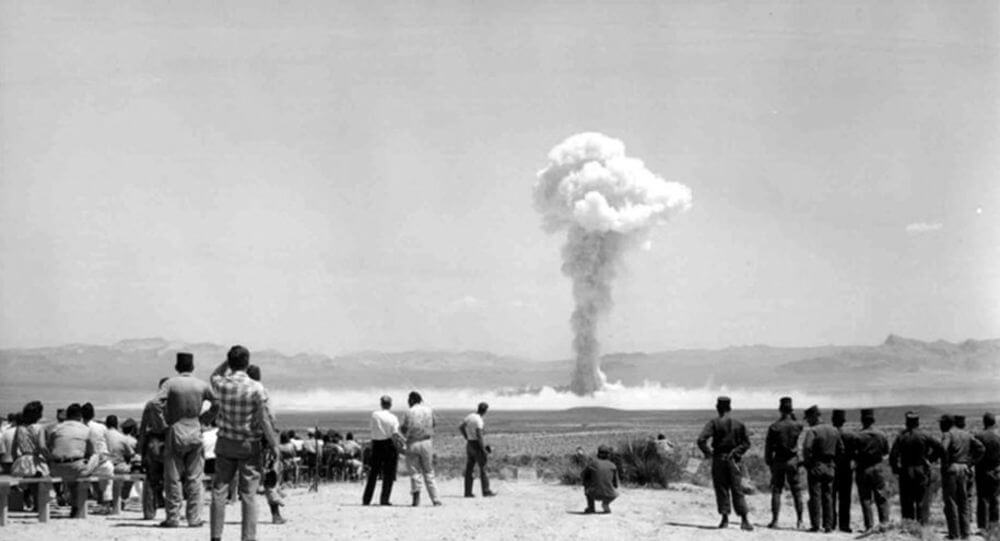
Atomic Tourism: In the 1950s, nuclear tests in Las Vegas served as a draw for tourists
Between 1950 and 1960, Las Vegas offered “Atomic Tourism” in which guests could watch atomic bombs being tested in the desert as a form of entertainment.
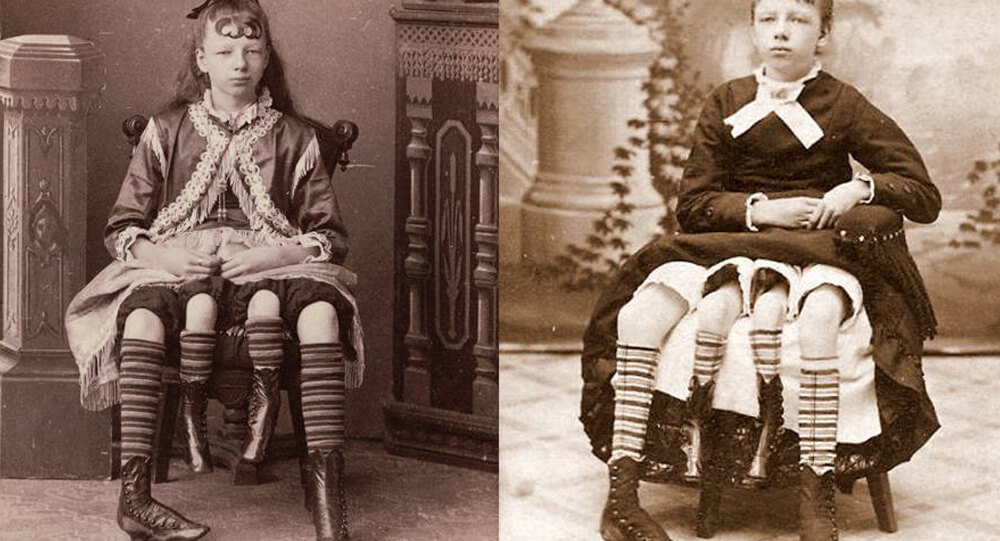
The true story of Josephine Myrtle Corbin, the lady born with four legs and two private parts
Josephine Myrtle Corbin, an American sideshow performer born in 1868, had a rare condition known as dipygus, which caused her to have four legs, each smaller inner leg paired with one of her outer legs. Corbin joined the sideshow circuit, captivating audiences as the "Four-Legged Girl from Texas."
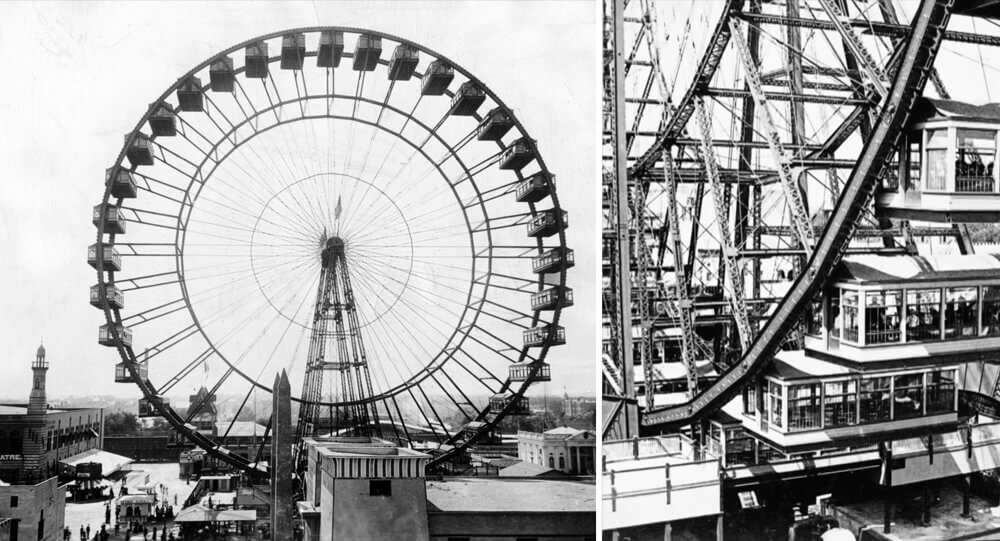
how Ferris wheel invented
In 1891, Chicago challenged engineers to create a structure to surpass the Eiffel Tower for the World's Columbian Exposition. George Washington Gale Ferris jr. responded with the original Ferris Wheel, a giant rotating structure elevating visitors above the city. This invention became an iconic attraction at the fair.

Remembering the miracles of the 1985 Mexico earthquake (unbelievable stories)
In 1985, after an 8.0 magnitude earthquake hit Mexico City, nearly all newborn babies survived a collapsed hospital. They are known as “Miracle Babies” for surviving 7 days without nourishment, water, warmth or human contact.
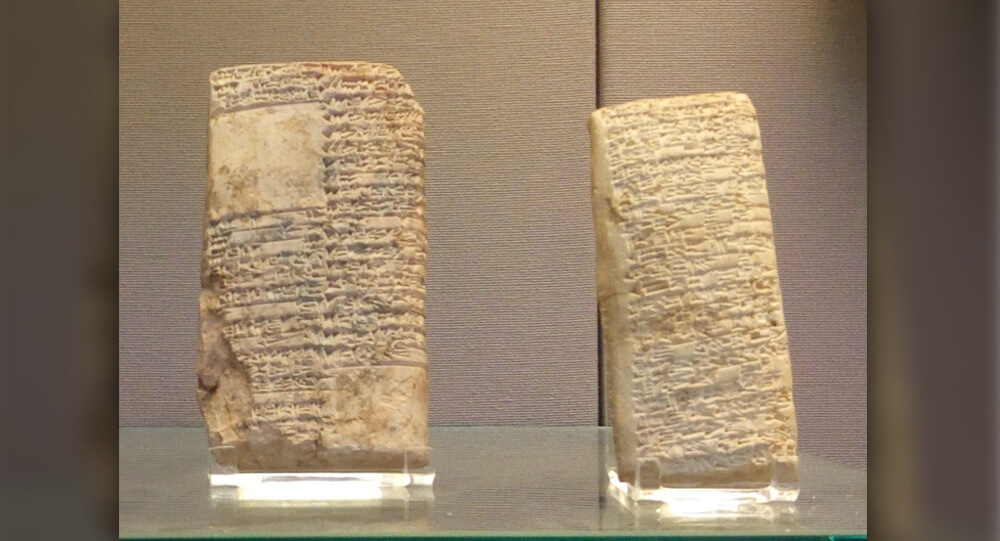
Ea-Nasir: world's oldest written customer complaint
This clay tablet, written in cuneiform, is the oldest known written customer complaint about the delivery of poor quality copper ingots. Originally from ancient Babylon, the tablet dates back to 1750 BCE, and it was written by a customer named Nanni to a merchant named Ea-Nasir. It is currently housed in the British Museum.

Nordlingen, The Town Inside A Meteorite Crater With Millions Of Meteorite Diamonds
The German town of Nördlingen is embedded with 72,000 tons of microscopic diamonds. About 15 million years ago, a meteorite hit this region, and the impact created a massive depression and formed rocks containing diamonds, glass, and crystals. The town was built in the impact crater sometime around 898 CE.
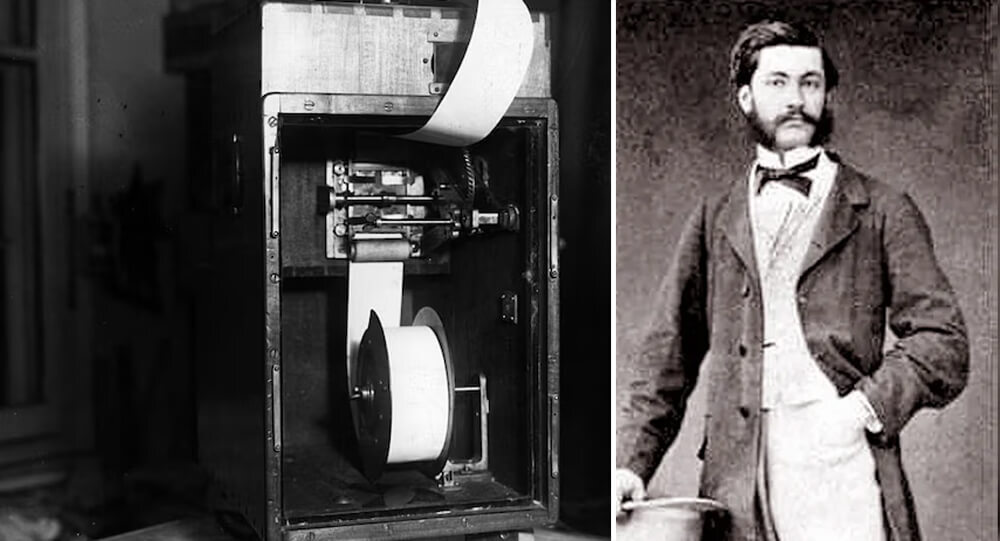
Louis Le Prince Invented the motion picture camera, and then he mysteriously disappeared
Louis Le Prince, the inventor of motion pictures, vanished without a trace in 1890. Thomas Edison quickly claimed the title of "first and sole inventor of cinema," even taking Le Prince's son to court to dispute it. A few years later, the son also dies under mysterious circumstances.

The 1976 April Fools' Pranks, Planetary Alignment
On April fool's Day, 1976, the BBC convinced many listeners that a special alignment of the planets would temporarily decrease gravity on Earth. Phone lines were flooded with callers who claimed they felt the effects.
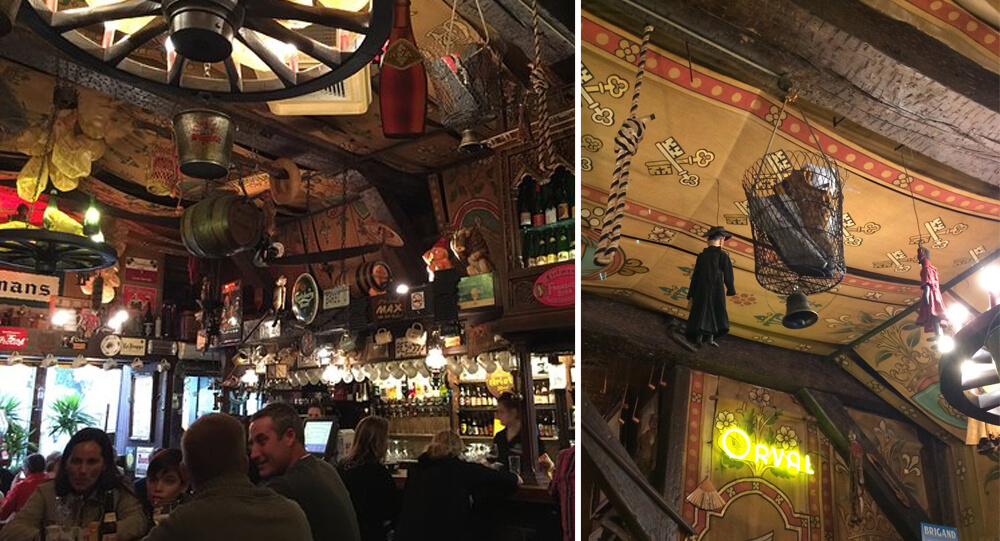
Why This Belgian Bar Makes You Trade Your Shoe for a Beer
To prevent tourists from stealing their beer glasses, some bars in Belgium require people to hand over one of their shoes as a deposit which is then put in a basket and hung from the ceiling. These shoe baskets have also become an attraction.
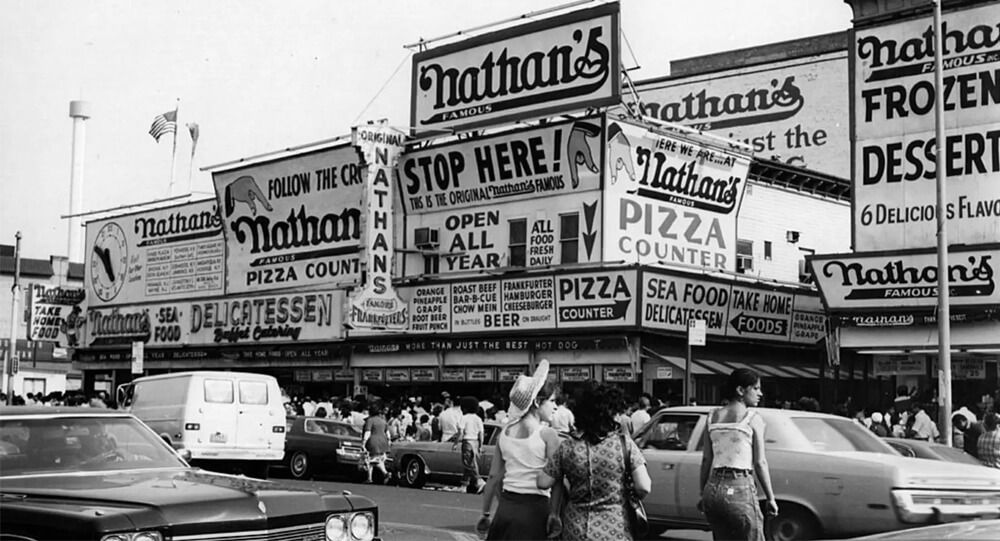
Nathan's Famous Doctor Stunt
When Nathan's Famous Hot Dogs first opened in 1916, the owner hired people to dress as doctors and eat hot dogs outside his shop, to convince people his hot dogs were healthy.
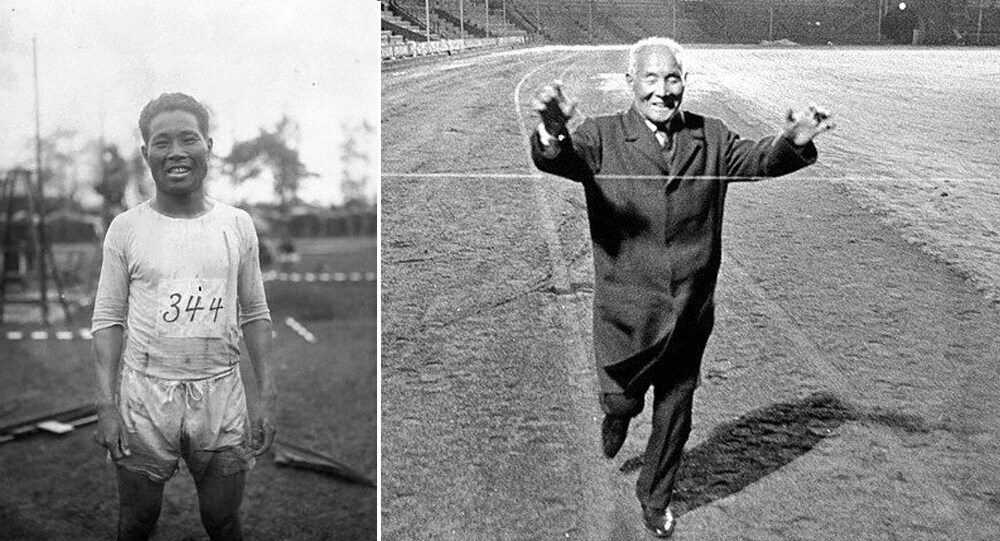
Shizo Kanakuri’s 1912 Olympic Marathon Finished 54 Years
At the 1912 Olympics, a marathon runner quit and went home to Japan without telling officials and was considered a missing person in Sweden for 50 years. In 1966, he was invited to complete the marathon. His time: 54 years, 8 months, 6 days, 5 hours, 32 minutes, and 20.379 seconds.
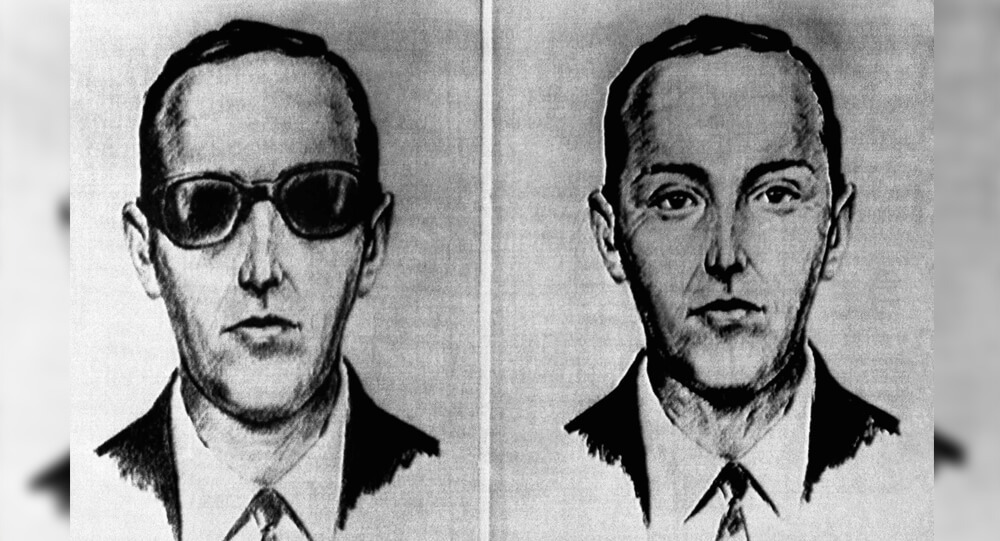
D.B. Cooper: Man who hijacked a plane and jumped out with a $200,000
On November 22, 1971, DB Cooper hijacked a Boeing 727, drank a whisky, smoked a fag, and then jumped out of the plane with $200,000. He was never again seen.
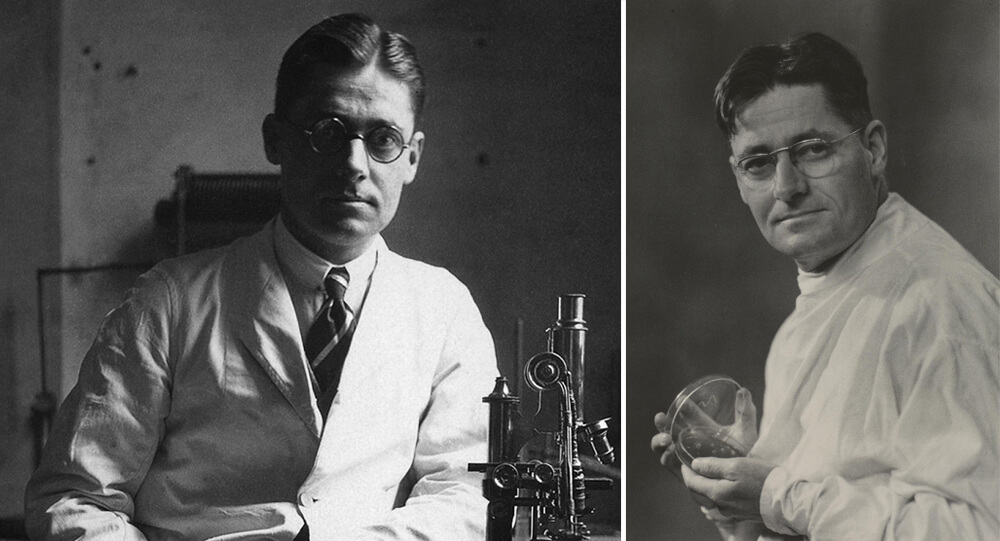
How did Howard Florey discover penicillin
Penicillin was discovered by Alexander Fleming, but he never attempted to turn it into an antibiotic. It wasn't until ten years later that Howard Florey discovered Fleming's obscure paper and understood the mold's potential. Up to 200 million lives may have been saved as a result of Florey's work.
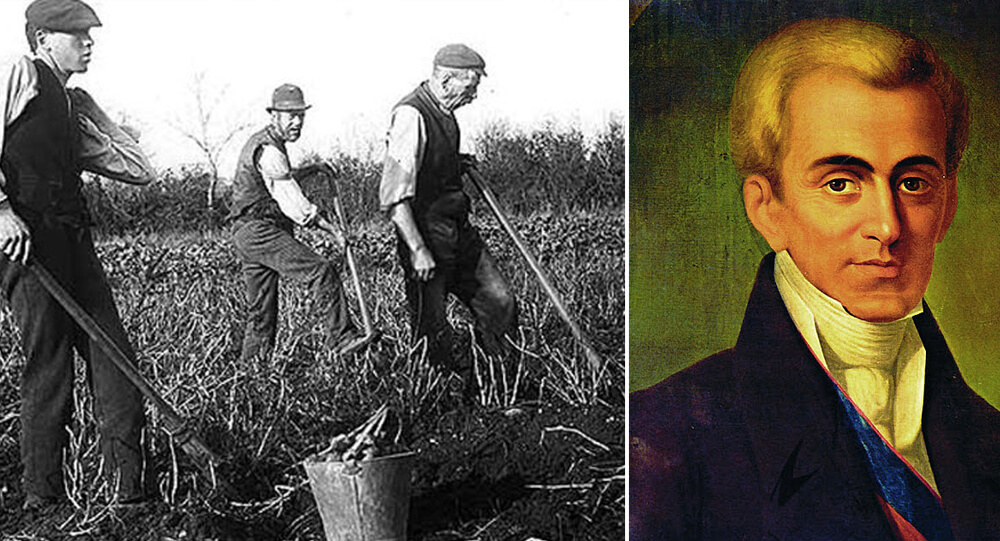
How Greek prime minister in 1830’s tried to spread the potato in Greece
A Greek prime minister in 1830’s tried to spread the potato in Greece but people weren’t interested so he put armed guards in front of shipments of potatoes so people would think they were important. People later started stealing these potatoes a lot which spread the crop to all of Greece.

How European Rabbits Took over Australia
In 1859, wealthy settler Thomas Austin released 13 wild rabbits on his Australian estate. By 1920, their population grew to 10 billion.