
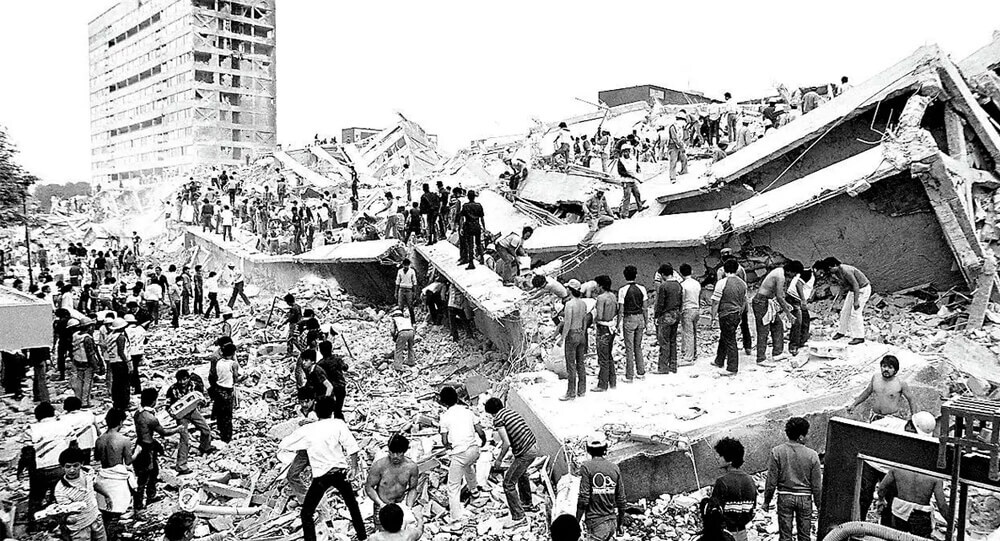

Remembering the miracles of the 1985 Mexico earthquake (unbelievable stories)
On September 19, 1985, an earthquake rocked Mexico City, killing thousands of people, but heroes and incredible survivors rose above the destruction.
Here are the accounts of a baby that was saved from the debris, a surgeon who is still in operation despite losing four fingers, and the rescue team that was established during the disaster.
Surgeon with toes for fingers
At 7:19 in the morning, Francisco Bucio and his closest friend, Angel, were plastic surgery students on the fourth floor of the General Hospital in the capital when the earthquake occurred.
“Suddenly the (eight-floor) building bent, collapsed and I was in complete darkness. I realized that my right arm was trapped and my hand was crushed. I thought ‘My career’s over,'” he said.
“I heard screams from those who were trapped close to me, and little by little they became silent,” Bucio recalled. “I spent four days like that.”
He was eventually located by his six brothers, who persisted in searching through the pile of debris while the rescuers gave up trying to find survivors. He lost his best friend.
His right thumb was fixed by American doctors, who also fitted him with toes in place of his other four fingers, giving him the ability to hold a scalpel.
Bucio, 58, is a plastic surgeon in Tijuana, a city that borders California. Positive reviews from pleased clients can be found on his website.
The ‘Topos’
When buildings collapsed, Adrian Perez was one of thousands of Mexicans who immediately volunteered to save lives.
He was interning as an engineer at an office in a neighborhood spared from the devastation that befell the rest of the city.
According to him, he hurried to the severely damaged Roma neighborhood “without thinking,” saying it “looked like a war zone.”
His first task was to remove gas tanks from a college that had been “squashed like a sandwhich.”
When he’d finished that, he’d crawled back in among the crumbling, broken walls to discover a young woman, trapped between bodies and broken objects, moaning.
The Topos have travelled the world to provide aid in a number of disasters, such as the massive earthquake that struck Nepal in April and the Asian tsunami that struck in 2004.
“I never thought about the risks. I was only part of the strength of the entire population that was helping, without regard for social class, other people who needed this help,” Perez said. He is still in tears when he thinks about the 1985 tragedy.
Miracle babies
When the hospital where Jesus Francisco Rodriguez Santamaria was born collapsed, a rod was driven into his small chest, and he was only four days old.
“My life was hanging by a thread when they rescued me. The rod made me cry and that’s how they heard me,” Rodriguez said.
But his mother ended up becoming one of the 6,000–20,000 people who passed away that day.
Rodriguez, who turned thirty on September 15, resides in the capital’s southern region, far from the area where his maternity hospital was situated and the area that was most severely damaged.
Although a dedicated fund was established for the kids, it was only operational until they reached college age.
After eighteen years of working at gas stations, Rodriguez recently started law school. Despite his limp from his injuries, he is still able to play football.
The survivor drew strength from the medallion of the Virgin Mary that was discovered in his closed, tiny fist upon his rescue, as well as the love of his adoptive aunt and uncle. No one is sure who placed it there.
Body Fat Helped Babies Survive Quake
The fact that twelve newborns survived for days beneath the debris from Mexico’s powerful earthquake before being rescued, according to pediatricians, is not shocking.
“We often underestimate the protective buffer that Mother Nature offers to newborns,” said Columbia Presbyterian Medical Center pediatrician Dr. Karl F. Schulze. “It is true that humans evolved from the wild, where conditions were not always ideal.”
According to medical professionals, extra body fat makes up 15% of the weight of a healthy newborn. This fat helps the baby get through the first few days of life, when the mother’s milk is scarce and not very nourishing.
According to Schulze, a baby can go up to a month without eating, so it’s normal for them to lose a little weight in the first few days of their lives.
But just like adults, babies also require water to survive, and the biggest threat the Mexico City babies faced was dehydration.
According to Schulze, if water is available, a baby will instinctively drink it. Schulze referenced a well-known instance of an Indian dump site child who survived for weeks by consuming runoff water that was rich in nutrients.
A baby’s metabolism also slows down during physical stress, so it can conserve water and energy by lying still and not moving. According to medical professionals, if a child has something covering their face or nose, it will wriggle free and into clear air.
Babies need a warm environment more than adults do.
Director of the neonatology division at the Montifiore Medical Center Dr. Alan R. Fleischman stated, “Babies don’t shiver like adults do, so they create body heat by burning sugar.” “We keep babies wrapped and dressed in extra clothes because they are delicate.”
The majority of the babies that had survived and were found in the city’s medical center complex were covered in blankets and kept in incubators.The first baby was discovered 55 hours after the catastrophe and the last a few days later.
Hypoglycemia Feared
As a result of running out of sugar, some of the babies discovered in Mexico might experience hypoglycemia, and others might experience brain damage, according to Dr. David A. Clark, a medical professor at the New York Medical College in Valhalla. Those discovered early, though, ought to recover swiftly, he added.
“An adult has unquestionably more advantages than a baby in a situation like this,” he stated. “Yet babies are more resilient than most people realize.”
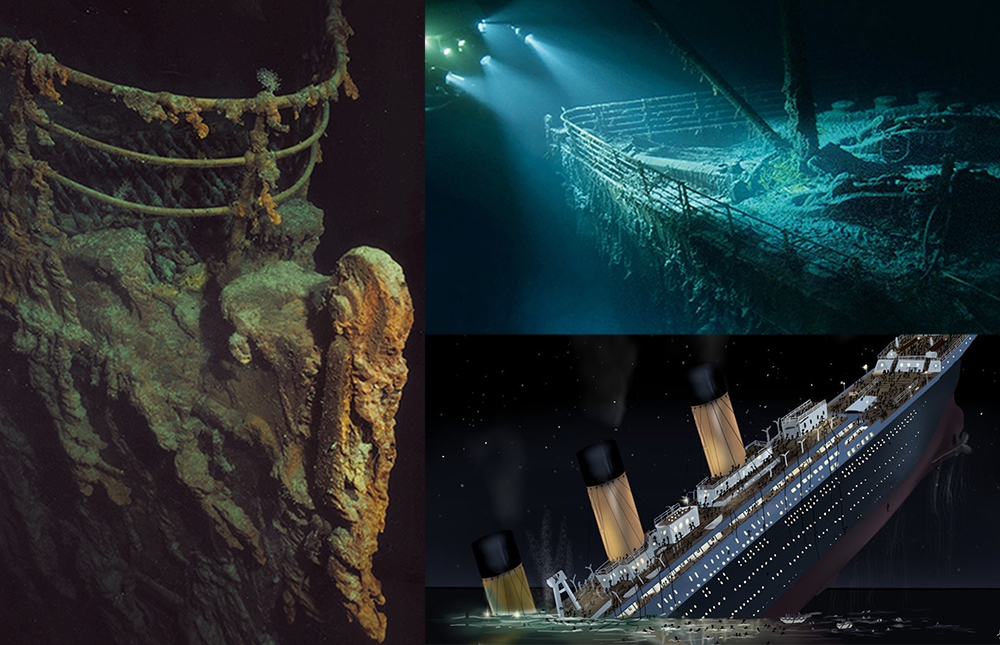
8 Interesting Facts About The Unsinkable Ship, TITANIC
If you ask your friends what's the most famous ship in history the answer in most cases will be the same, of course the legendary Titanic. Its history is full of mysteries, at first it was a source of hope and national pride as well as proof of the triumphs of mankind but it soon became a source of nostalgia and pain, the extent of which cannot be described in words.
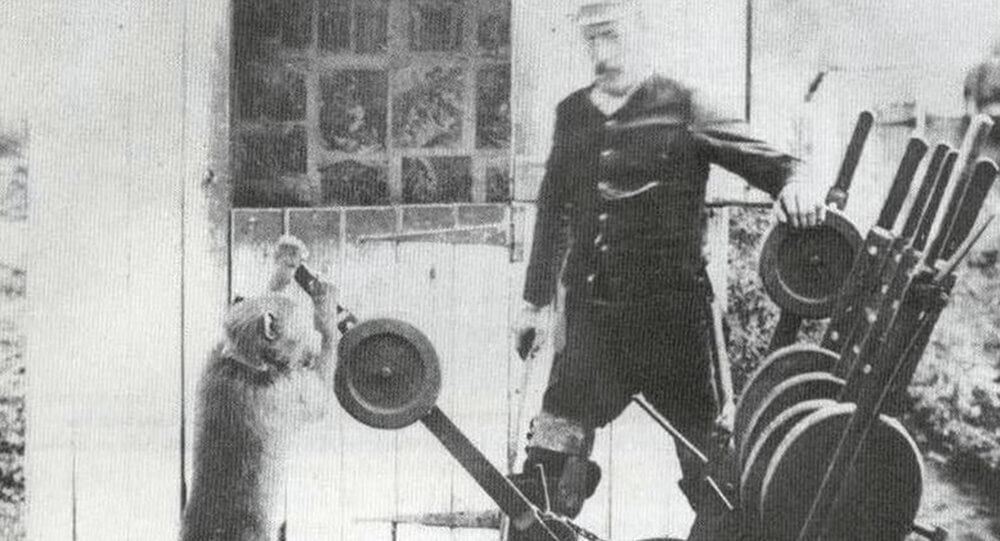
Jack the Baboon operated a railroad, earned a living, and never made a mistake
A baboon worked as a signalman for the railroad in the late 1800s. He never made a mistake and worked for the railroad until the day he died.
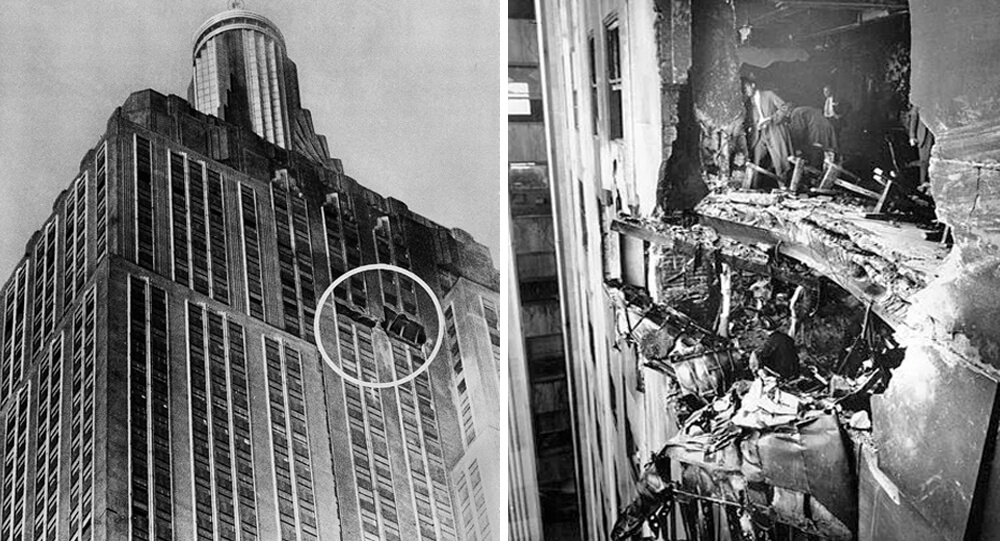
Remembering the 1945 Empire State Building Disaster: When a Plane Met Skyscraper
An airplane crashed into the Empire State Building in 1945. Among other damage, plane parts severed the cables of an elevator and the woman inside fell over 70 stories. She lived and holds the world record for the longest survived elevator fall.

The day Iceland's women went on strike
Icelandic women went on strike for equal rights on October 24, 1975. 90% of women walked out of their jobs and homes, effectively shutting down the entire country. The men were struggling to keep up. The following year, Parliament passed a law requiring equal pay. Iceland elected the world's first female President five years later. Iceland now has the highest gender equality rate in the world.
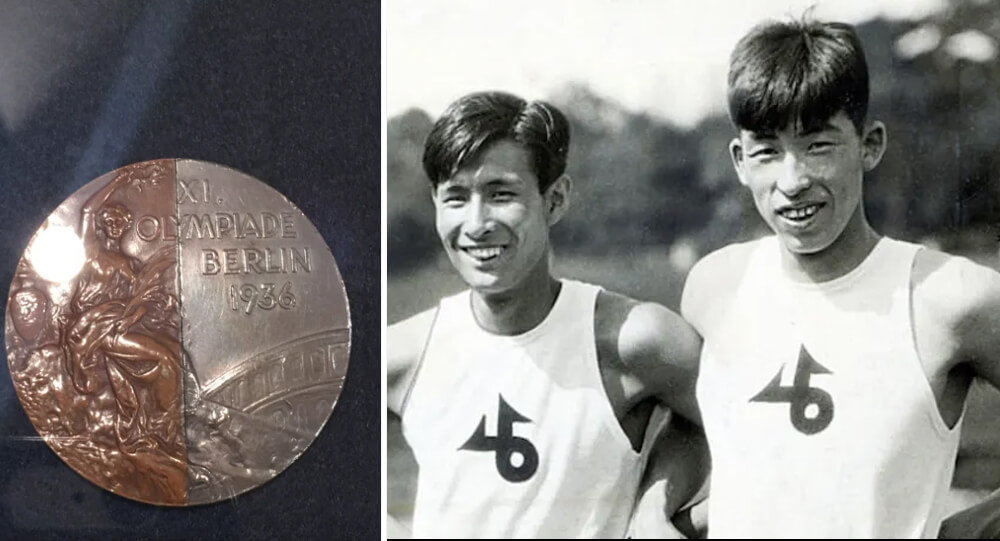
Medals of Friendship: The Enduring Olympic Story of 1936
At the 1936 Summer Olympics, two Japanese pole vaulters named Sueo Oe and Shuhei Nishida tied for second, but they declined to compete against each other. As a result, Nishida was awarded the silver medal and Oe won a bronze medal. Upon returning to Japan, the athletes had their medals cut in half and spliced together to create new "friendship medals," which were half silver and half bronze.

3 men lived on top of a billboard in tents for almost 9 months
From 1982-1983, three men in Allentown PA competed in a radio contest in which they lived on top of a billboard in tents. Whoever stayed up longest would win a house. Due to economic pressure from the recession, none of the contestants wanted to give up, so the contest lasted almost 9 months.
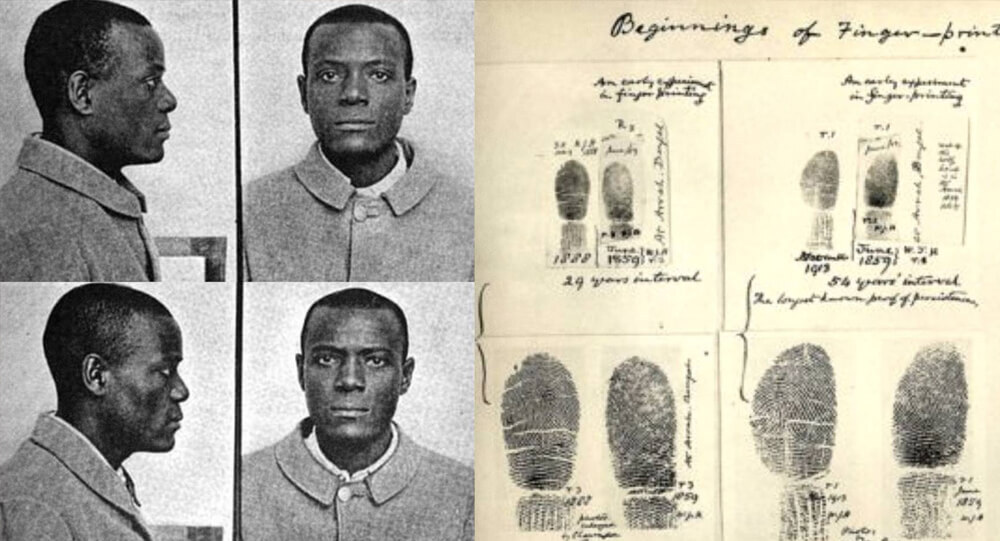
Will & William Wests: The puzzling situation of two inmates who are identical but not related
These are the mugshots of Will West and William West, and they are not related. They were both sent to Leavenworth Prison at the same time, in 1903, and after some confusion, the staff understood they had two different prisoners with the nearly same name, who looked exactly alike. They are part of the reason fingerprints are now used as identification.

Reason Behind The Suicide Of Christine Chubbuck Live On Air
Actor Rebecca Hall had serious reservations about tackling the macabre story around why Chubbuck killed herself in 1974. So what changed her mind?
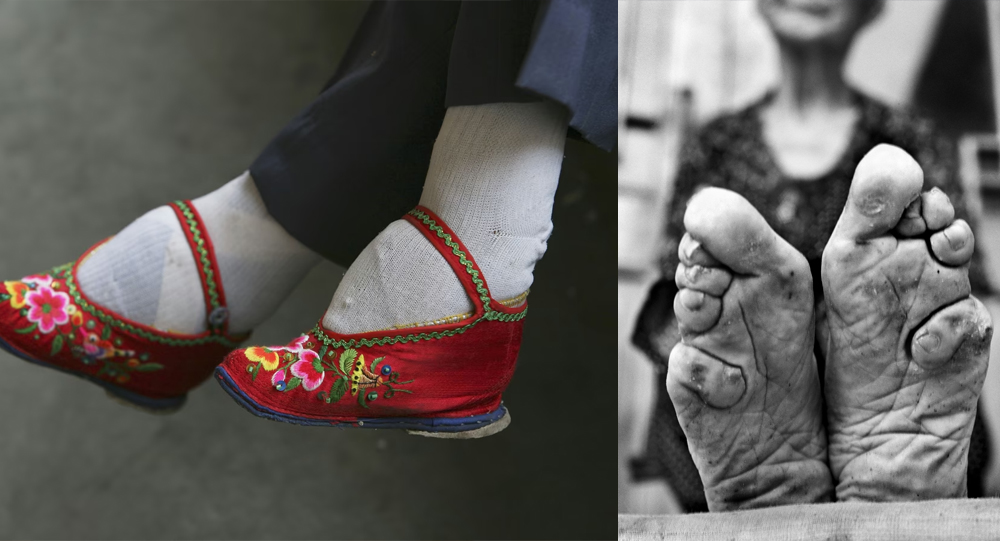
Inside China’s Footbinding Tradition: The Painful Ritual of Lotus Shoes and Bound Feet
In China, Lotus shoes were used to bind women's feet to keep their feet small
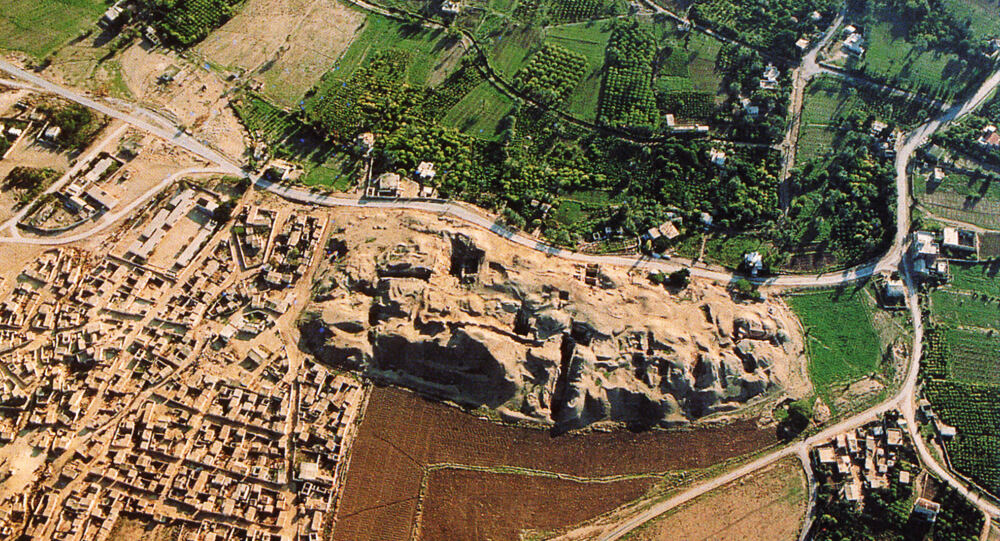
Ancient Jericho: The First Walled City In History
The ancient city of Jericho is the world's oldest walled city, with evidence of stone fortifications dating back nearly 9000 years.

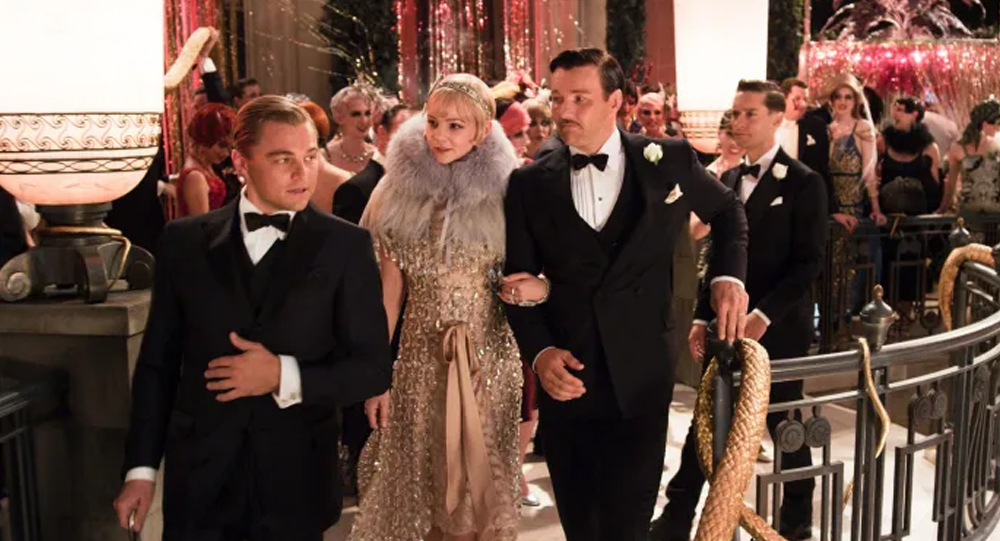
From Flapper to Fashion Week: How 1920s Style Still Shapes Modern Trends
The roaring 1920s revolutionized fashion, introducing bold styles, daring cuts, and a spirit of freedom that still inspires today’s wardrobes. From flapper dresses to statement accessories, here’s how the Jazz Age lives on in modern fashion.
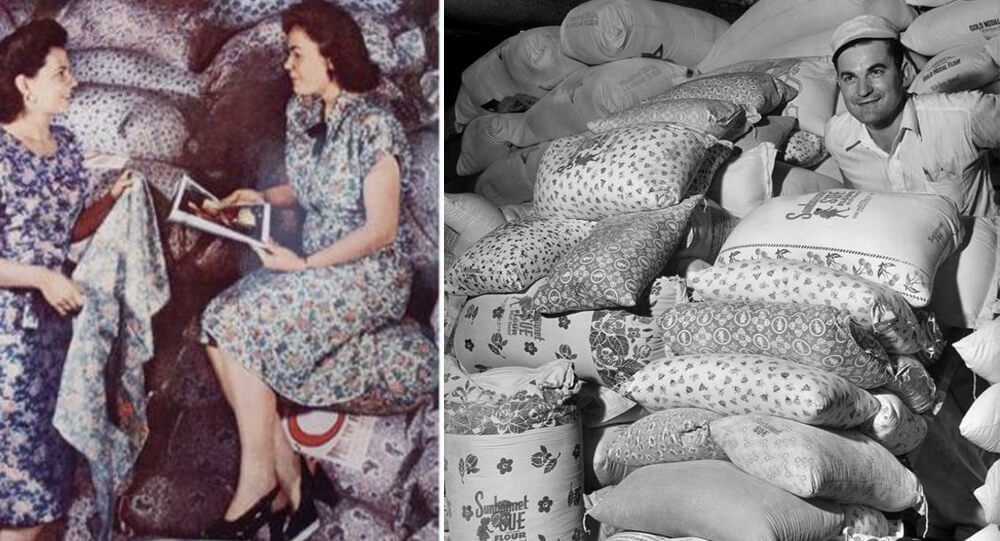
The history of Flour sack clothing fashion
After Kansas mill owners found women reused flour sack materials into apparel in the 1920s and 1930s, they started applying patterned designs to give families with more fashionable patterns and material.

Irena Sendler: woman who rescued Jews during holocaust
Irene Sendler was the Zegota resistance group's head of the children's department. She risked her life to smuggle children out of the Warsaw ghetto, place them with Polish families or orphanages, give each child a new identity, and keep records so that they could be returned to their families. In 1943, the Gestapo arrested and sentenced her to death, but she was rescued by Zegota.
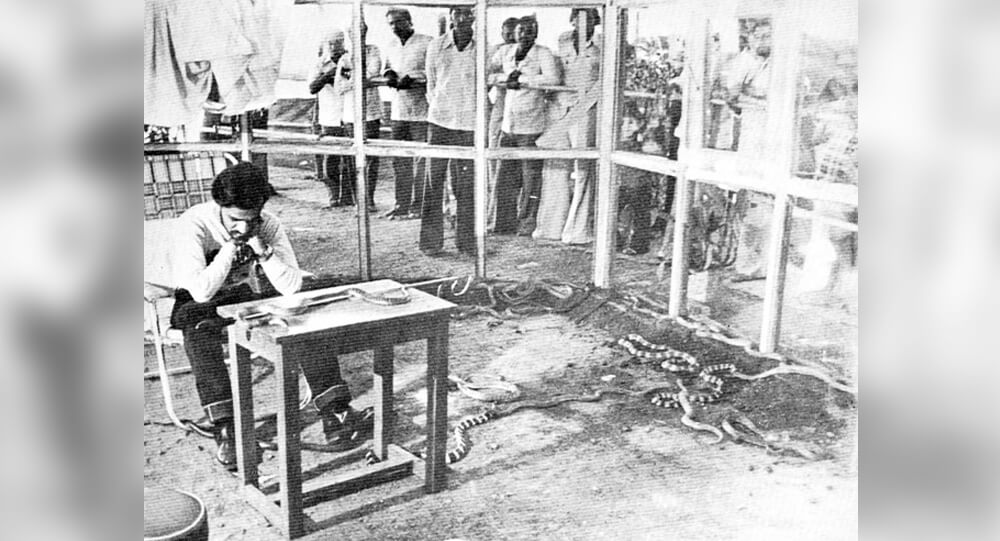
The story of a man who spent 72 hours with 72 venomous snakes to prove they only bite when provoked
In the 1980s, an Indian man spent 72 hours in a glass cabin with 72 snakes, some of which were extremely venomous. His aim was to prove that snakes only attack when provoked. Remarkably, he was not bitten once in those 72 hours and even set a Guinness World Record in the process.

The Horrific story of Ariel Castro and the Cleveland abduction
Cleveland abduction victims Gina DeJesus, Michelle Knight, and Amanda Berry were forced to live in Ariel Castro's house of horrors for 10 years. He raped and beat them until they escaped in 2013.
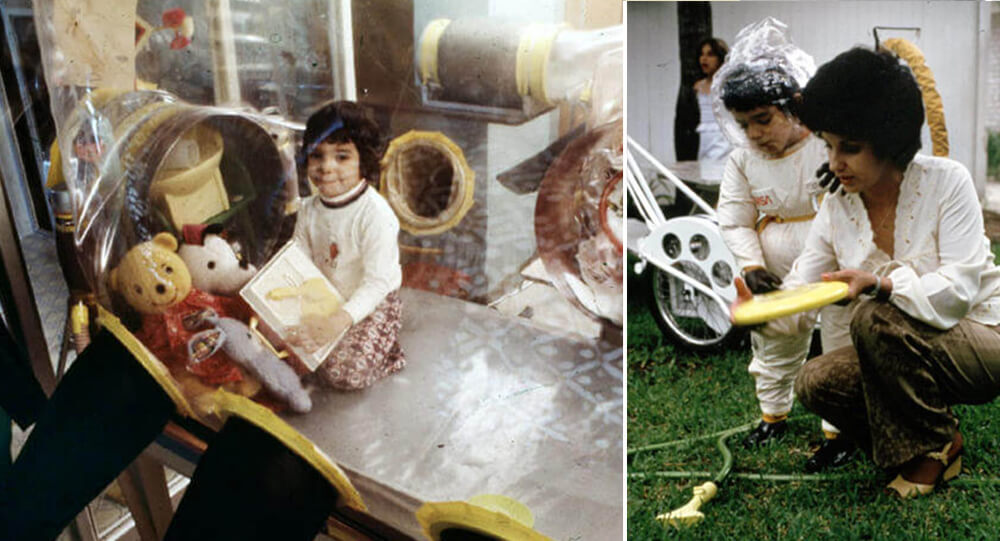
The touching story of David Vetter (bubble boy), the 'boy who lived in a bubble
David Vetter lived his whole 12 years in sterile “bubble”. He was “outside” for 20 second after being removed from his mother’s womb. He never touched any human.
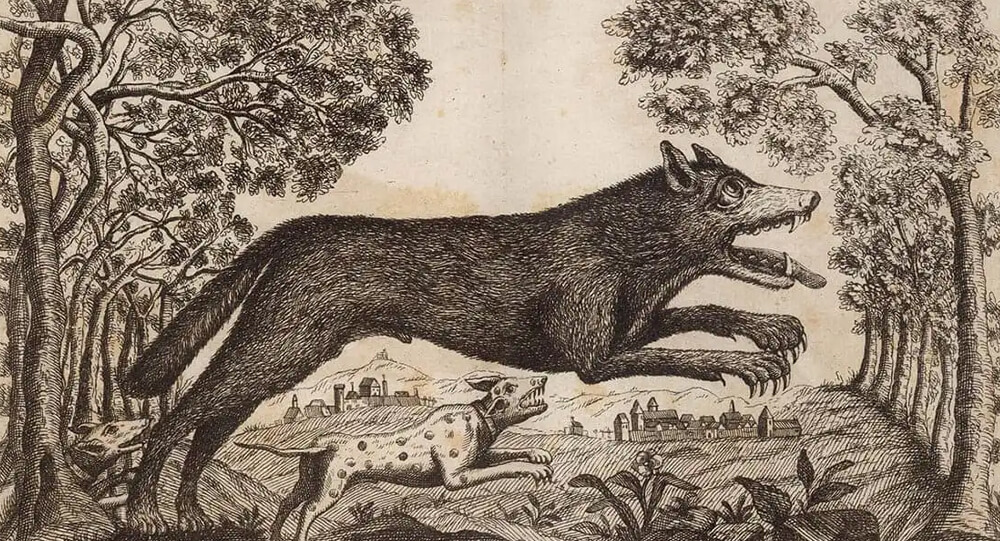
What Was the Beast of Gévaudan?
Between 1764 and 1767, a mysterious animal called the Beast of Gévaudan terrorized the French village called Gévaudan. It attacked and killed about 100 adults and children. While most believe it was a wolf, some say it may have been a wolf-dog hybrid, hyena or even a lion, but without any genetic evidence, the beast will remain a mystery forever.
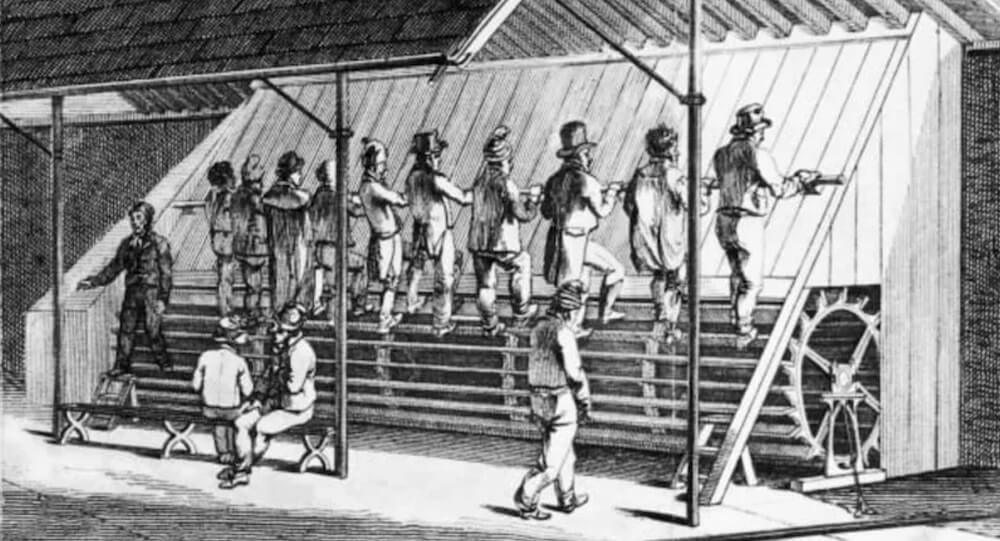
History of Treadmill, punishment for prisoners
Treadmills were originally a punishment used to harness human power on a giant wheel used to grind grains, hence the name "treadmill." The History of Treadmill
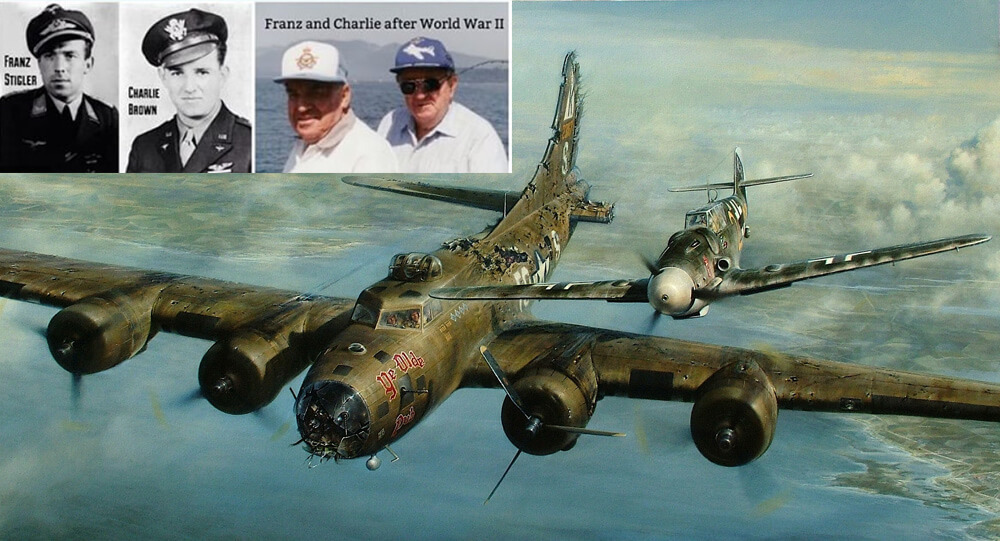
Charlie Brown and Franz Stigler incident: Enemy became friends
During WWII, a German pilot spotted an American pilot’s crippled plane in the sky. Tailing it, he noticed that gunner was dead, crew injured, and they posed no threat. Instead of destroying the plane, he led it to safety. 40 years later, the two pilots reunited.
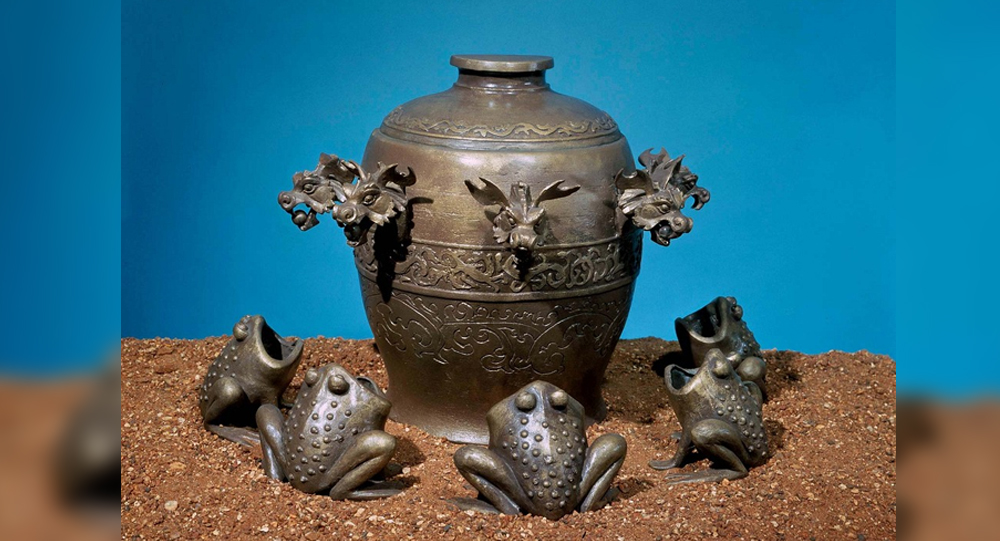
The World’s First Seismograph: How Ancient China Detected Earthquakes 1,800 Years Ago
Over 1,800 years ago, long before modern technology, the ancient Chinese astronomer and inventor Zhang Heng created the world’s first seismograph in 132 AD. This ingenious bronze device could detect distant earthquakes by releasing small balls from dragons’ mouths into toads’ mouths—each indicating a different compass direction. Its historic detection of an earthquake 400 miles away astonished the imperial court and transformed the way societies understood and responded to seismic events.
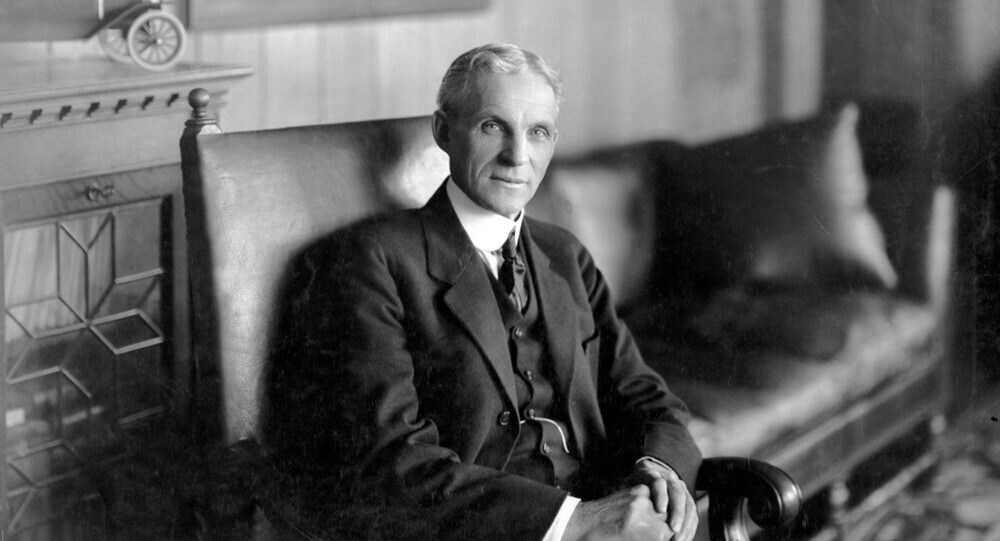
Henry Ford, The man popularizing the concept of the weekend off
Henry Ford was the first Industrial Giant to give his employees both Saturday and Sunday off in the hope of encouraging more leisurely use of automobiles and thus popularizing the concept of the "weekend."
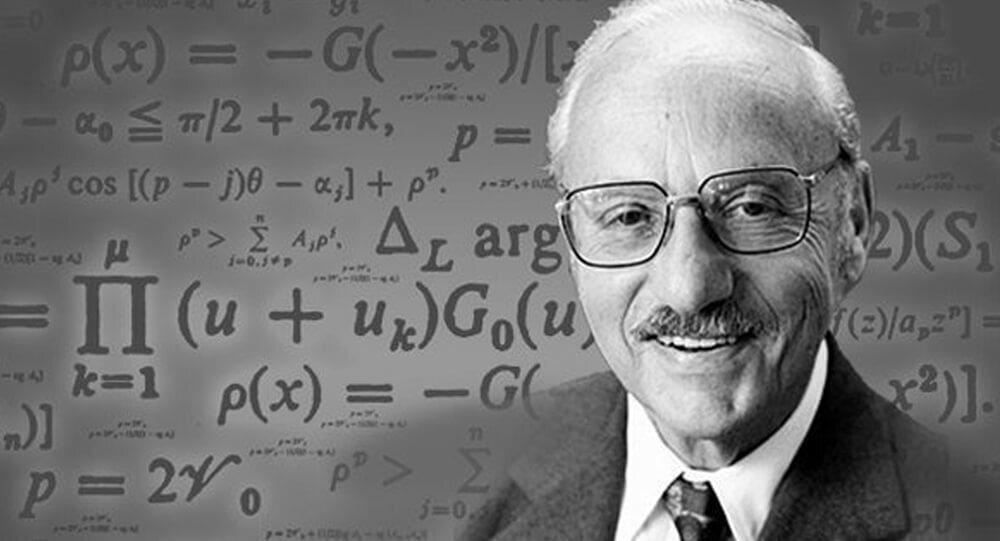
George Dantzig solved two famous “unsolved” problems in statistics mistakenly as assignment
In 1939, George Dantzig arrived late to his statistics class. On the board were two famous “unsolved” problems in statistics written as an example by his professor. Dantzig mistook the examples for homework assignments. He solved the “unsolved” problems and submitted the homework to his professor a few days later. His solutions earned him a doctorate.
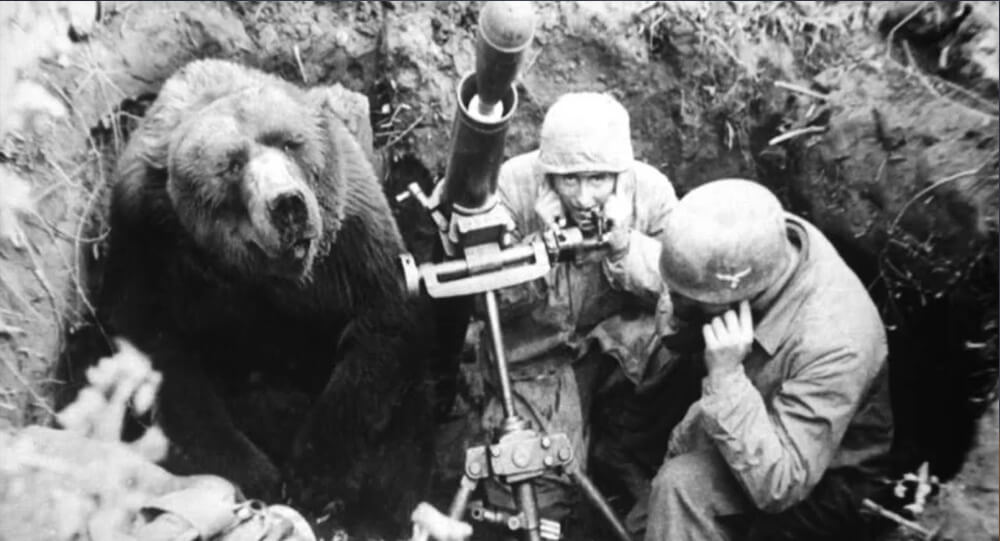
The 440-pound bear named Wojtek and his World War II battle against the Nazis
Polish troops raised an orphaned bear cub during WWII. He enjoyed drinking beer, and was trained to salute. He became officially enlisted as a member of the forces, and helped carry artillery during battle.
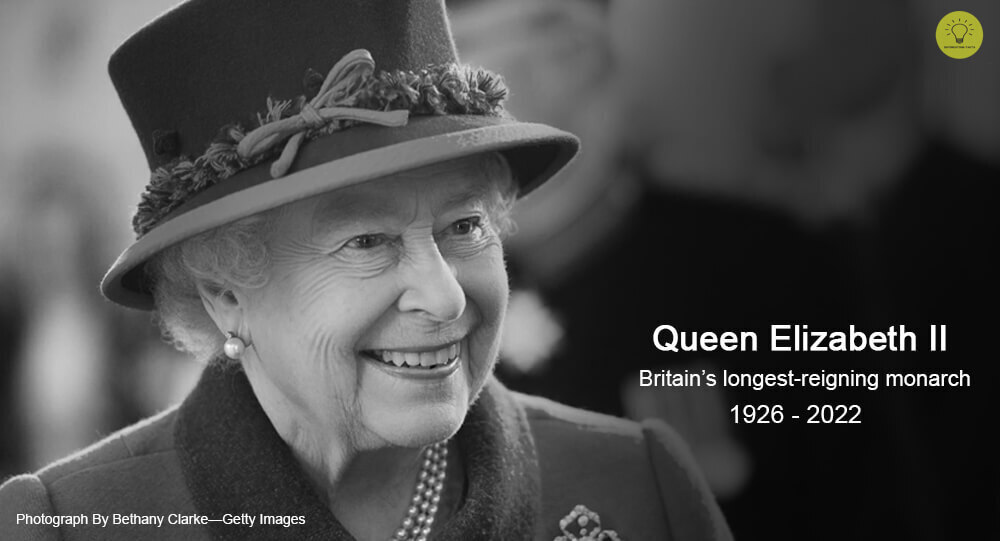
15 interesting facts about Queen Elizabeth II
Queen Elizabeth II, who ruled Britain for 70 years, has away at the age of 96. She was the country's longest-reigning monarch. Here are some little-known facts about her.
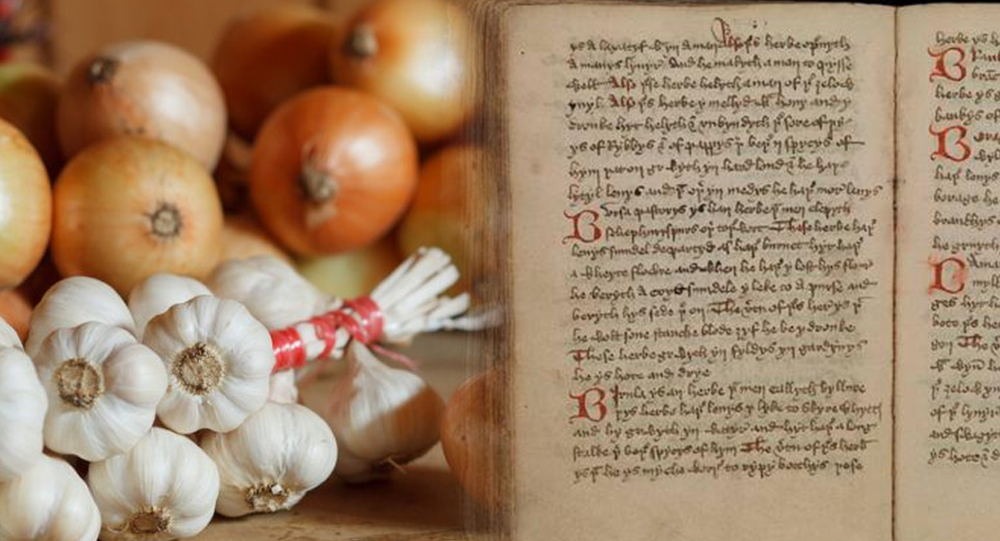
Medieval Medicine: A 1,000-year-old onion and garlic salve kills modern bacterial superbugs
Scientists recreated an Anglo-Saxon manuscript-based 9th century onion and garlic eye remedy and discovered that it killed 90% of antibiotic-resistant staph bacteria (MRSA).