


Parents in a remote Peruvian town noticed their 5-year-old daughter had a large belly in the early spring of 1939. Tiburelo Medina and Victoria Losea took their young daughter from the family’s home in Ticrapo to Lima to visit a doctor, fearful that the growth was a tumor.
The doctor informed the parents that their child, Lina Medina, was seven months pregnant. Medina gave birth to a single baby boy through C-section on May 14, 1939. She became the world’s youngest mother at the age of 5 years, 7 months, and 21 days.
Medina’s case surprised pediatricians and drew international attention, something she and her family did not expect. Medina has never revealed the identity of the father to authorities, and she and her family continue to avoid the media and any possibility for a tell-all interview.
Despite the fact that the case of the world’s youngest mother remains a mystery, additional information about how Lina Medina became pregnant — and who the father may have been — has emerged.
A Precocious Puberty Case – a condition in which a person reaches puberty too early.
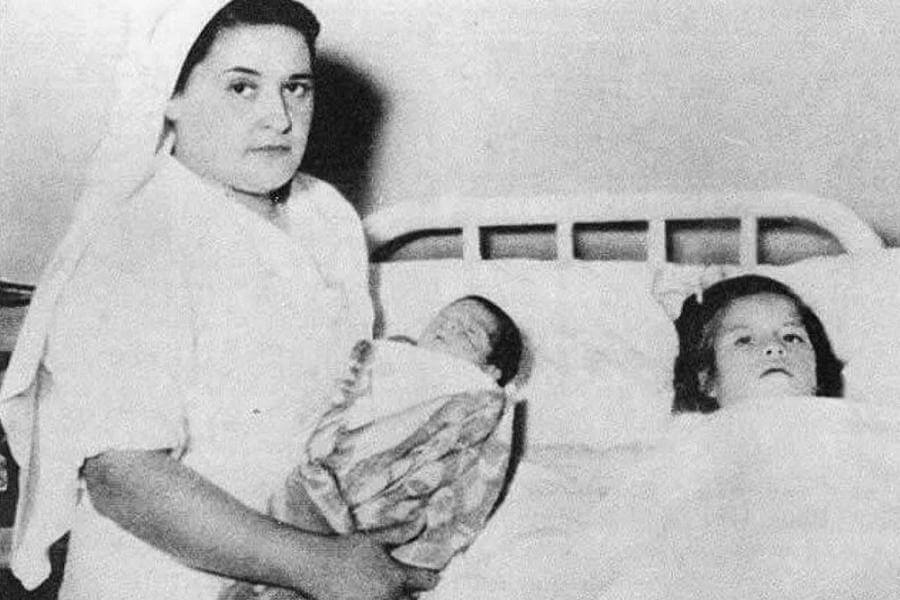
Lina Medina was one of nine children born on September 23, 1933, in one of Peru’s poorest towns. Her pregnancy at such a young age must have come as a shock to her family and friends, as well as the general public. However, pediatric endocrinologists didn’t rule out the possibility of a 5-year-old girl becoming pregnant.
Medina is thought to have had a rare genetic disorder called precocious puberty, which causes a child’s body to mature too quickly (before age eight for girls and before age nine for boys).
A deeper voice, larger genitals, and facial hair are common symptoms in boys with this illness. Typically, girls with this illness will get their first period and grow breasts at a young age. It affects roughly one child out of every 10,000. This is how around ten times more girls than boys develop.
Precocious puberty is frequently caused by unknown factors. Recent research has indicated that young girls who have been sexually assaulted may reach puberty sooner than their classmates. Precocious puberty may thus be accelerated by early sexual intercourse, according to certain theories.
Lina Medina got her first period at the age of eight months, according to Dr. Edmundo Escomel’s report in a medical publication. Other newspapers, on the other hand, reported that she began menstruation when she was three years old. In any case, it was an unusually early start.
Medina, who was just five years old at the time, had developed breasts, hips that were broader than normal, and accelerated (that is, post-pubescent) bone growth.
Despite the fact that her body was still developing at an early age, she was still definitely a young girl.
Lina Medina’s baby had a father, but who was he?

Lina Medina’s pregnancy is partially explained by her early puberty. However, it does not fully explain everything.
Someone had to get her pregnant, after all. And, unfortunately, given the 100,000-to-1 odds, that individual was probably not a tiny boy suffering from the same illness as she had.
Medina never revealed the identity of the father or the circumstances of the assault that resulted in her pregnancy to her doctors or the authorities. However, due to her youth, she may not have even recognized herself.
When asked about the father, Dr. Escomel replied she “couldn’t give accurate responses.”
Medina’s father, Tiburelo, a local silversmith, was briefly detained for the alleged rape of his child. When no evidence or witness testimony could be obtained to hold him responsible, he was released and the charges against him were withdrawn. Tiburelo, for one, has categorically denied ever raping his daughter.
Some news outlets theorized in the years after Medina’s birth that she may have been attacked at unspecified festivities near her town. This, however, was never verified.
The World’s Youngest Mother Remains Silent
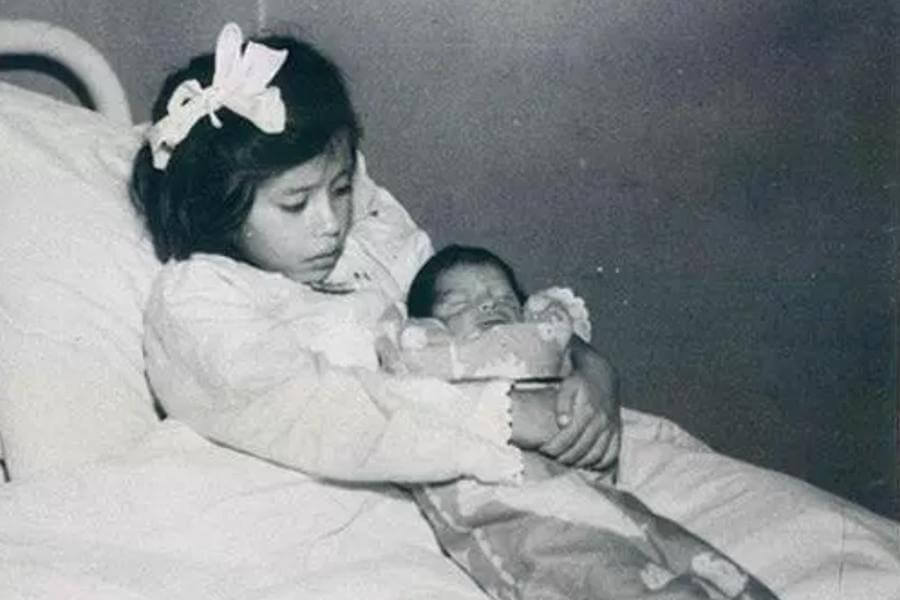
Lina Medina’s pregnancy was well-publicized, and it drew interest from all around the world.
Newspapers in Peru offered the Medina family tens of thousands of dollars for the rights to interview and film Lina, but they declined. Meanwhile, publications in the United States covered the story extensively, including an attempt to contact the world’s youngest mother.
There were even offers to pay the family to come to America. Medina and her family, on the other hand, declined to speak publicly.
Given the extraordinary nature of Medina’s condition and her resistance to inquiry, it was likely inevitable that some spectators would suspect her family of fabricating the entire story.
This does not appear to be the case after more than 80 years have gone. Medina and her family have made no attempt to profit from the story and medical documents showing that she was in good health during her pregnancy.
Only two images of Medina, while she was pregnant, are known to exist. Only one of these, a low-resolution profile photograph, was ever published outside of medical journals.
Her medical records also include several reports from doctors who treated her, as well as X-rays of her abdomen that plainly reveal the bones of a developing fetus within her body. Her pregnancy was also verified by blood tests. And all of the papers that were published in the literature passed peer review with top marks.
Medina, on the other hand, has turned down every interview request. She would spend the rest of her life avoiding publicity, refusing to sit for interviews with both international wire services and local publications.


The Arabia Steamboat: Unearthing a 19th Century Time Capsule from the Missouri River
The Arabia was a steamboat that sank in the Missouri River in 1856. Over time, the river shifted 800 meters to the east, eventually turning the site of the sinking into a field. The steamboat remained under 45 feet of slit and topsoil until 1988, when it was excavated. The mud, as it turned out, was such a great preserver that most of the artifacts on board were found to be intact. They even found jars of preserved apples that were still edible!

Saudi Arabia camel carvings dated to prehistoric era
Archaeologists were shocked to discover that a series of camels carved into desert rock faces in north-western Saudi Arabia are actually prehistoric, dating from 7,000-8,000 years ago - before either the Pyramids of Giza or Stonehenge were built.

Remembering the miracles of the 1985 Mexico earthquake (unbelievable stories)
In 1985, after an 8.0 magnitude earthquake hit Mexico City, nearly all newborn babies survived a collapsed hospital. They are known as “Miracle Babies” for surviving 7 days without nourishment, water, warmth or human contact.
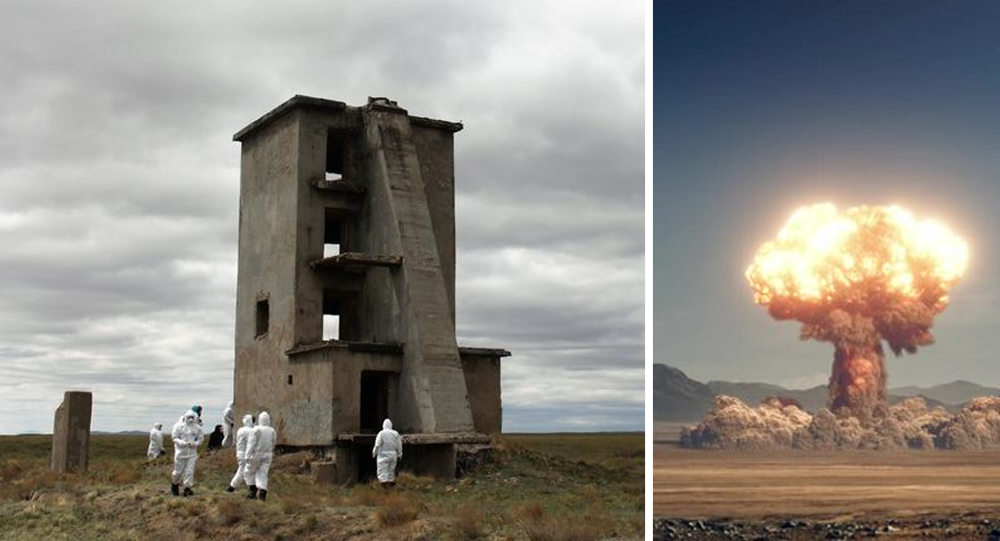
The Forgotten Story of Semipalatinsk and the Soviet Nuclear Experiments
Between 1949 and 1989, the Semipalatinsk Test Site in Kazakhstan became the primary location for Soviet nuclear weapons tests, exposing millions of unsuspecting villagers to radioactive fallout. Known as the “Polygon of Suffering,” this remote desert witnessed 456 nuclear detonations that caused widespread health crises, birth defects, and generational genetic damage. This article narrates the chilling legacy of Semipalatinsk, unveiling the human cost of Cold War arms development and the ongoing struggle for healing and recognition in Kazakhstan.
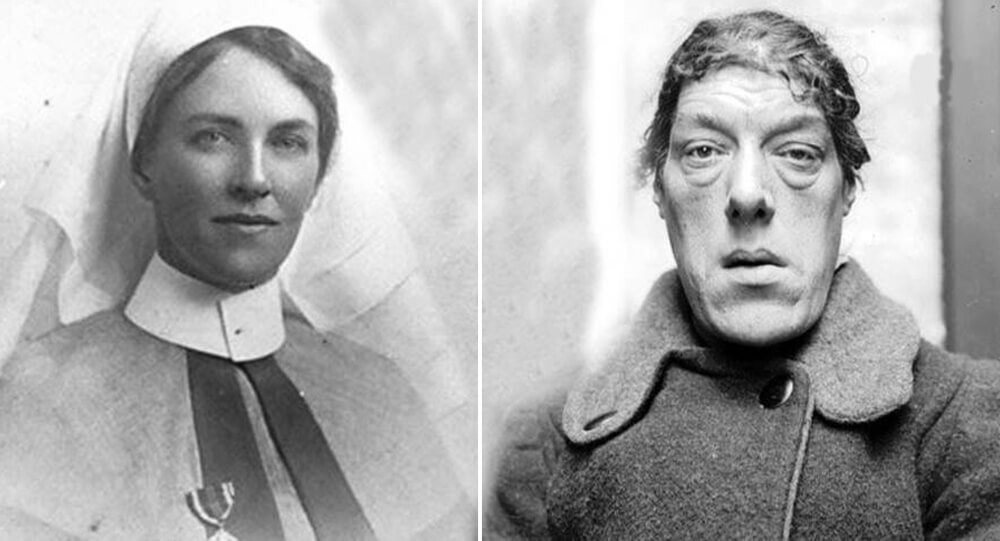
The Tragic Story Of Mary Ann Bevan, The ‘Ugliest Woman In The World’
After the death of her husband, Mary Ann Bevan had no income to support herself and her children. She then decided to enter a contest where she won the title of “ugliest woman” and was later hired by a circus. She endured this ridicule from the world to provide for her family.

Charlie Brown and Franz Stigler incident: Enemy became friends
During WWII, a German pilot spotted an American pilot’s crippled plane in the sky. Tailing it, he noticed that gunner was dead, crew injured, and they posed no threat. Instead of destroying the plane, he led it to safety. 40 years later, the two pilots reunited.
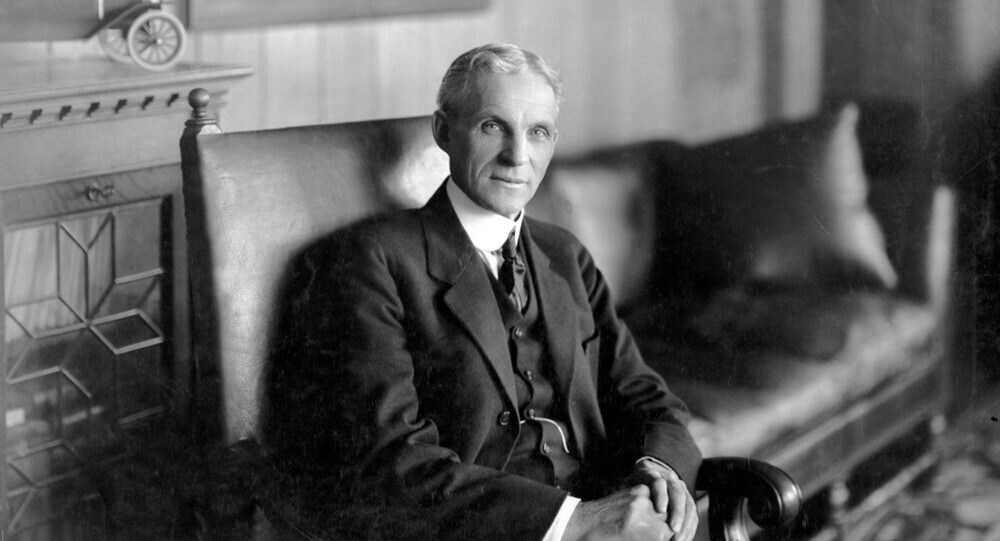
Henry Ford, The man popularizing the concept of the weekend off
Henry Ford was the first Industrial Giant to give his employees both Saturday and Sunday off in the hope of encouraging more leisurely use of automobiles and thus popularizing the concept of the "weekend."

The Horrific story of Ariel Castro and the Cleveland abduction
Cleveland abduction victims Gina DeJesus, Michelle Knight, and Amanda Berry were forced to live in Ariel Castro's house of horrors for 10 years. He raped and beat them until they escaped in 2013.
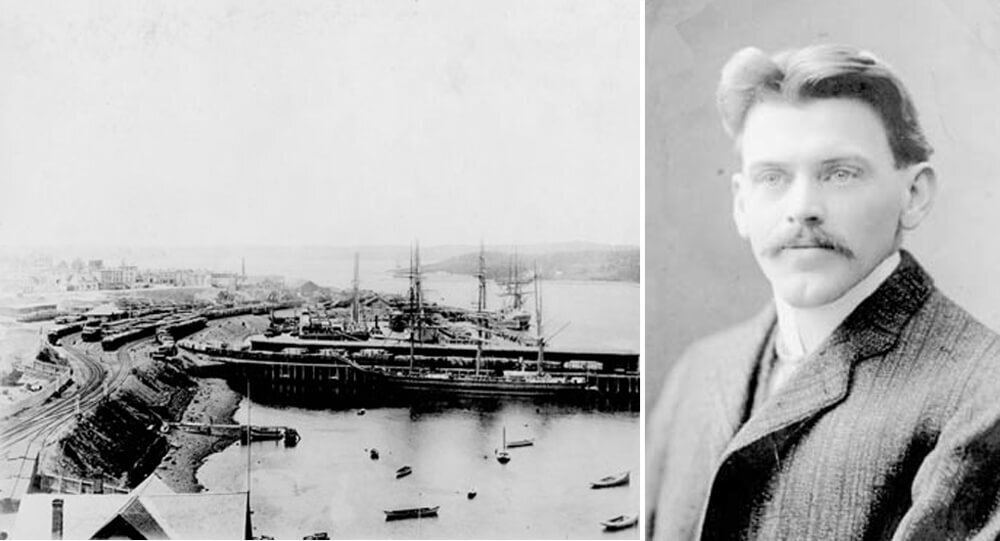
Vince Coleman, a railway dispatcher, sacrificed his own life
Vince Coleman, a railway dispatcher, sacrificed his life in order to warn an incoming train of an imminent explosion. His telegraph said “Hold up the train. Ammunition ship afire in harbor making for Pier 6 and will explode. Guess this will be my last message. Good-bye, boys.” He saved 300 lives.

A Brief History of the PlayStation Gaming Console
Sony's PlayStation was never meant to be an actual product. Instead, it was intended to be a CD-ROM console that would support Nintendo games. However, when Nintendo backed out of the deal at the last minute, Sony went ahead and launched what soon became one of the most successful gaming consoles of all time.
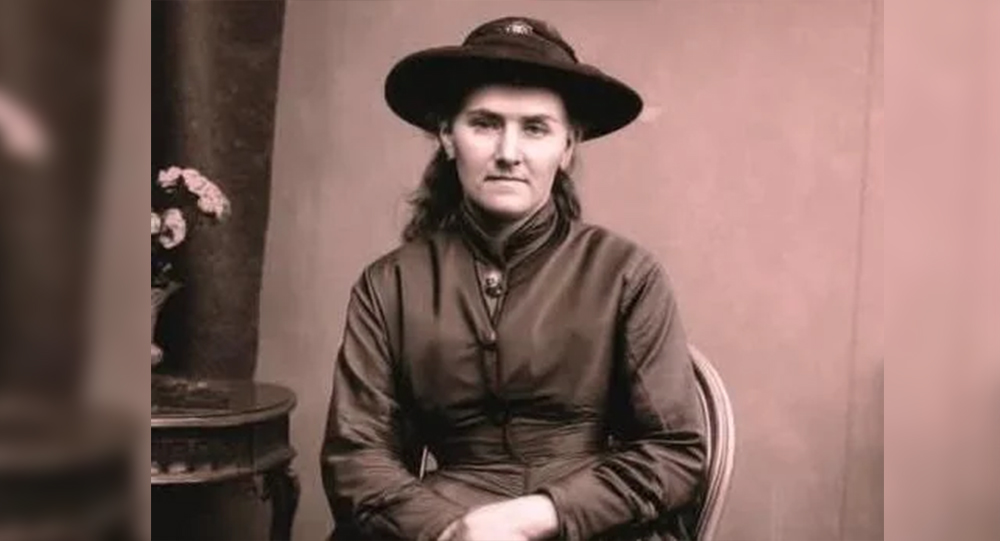
Why Comedians Failed to Make Sober Sue Laugh in the Early 1900s
In the bustling vaudeville scene of early 20th century New York, a mysterious performer known as "Sober Sue" captured public imagination not for jokes or songs, but for her unshakable stoicism—she never smiled or laughed. A local theater even offered a tempting reward of $1,000 to anyone who could make her laugh, drawing crowds and famous comedians eager to claim the prize. Despite countless hilarious attempts, Sue remained expressionless, a mystery that baffled performers and audiences until it was revealed that she suffered from facial paralysis, explaining her unchanging demeanor.
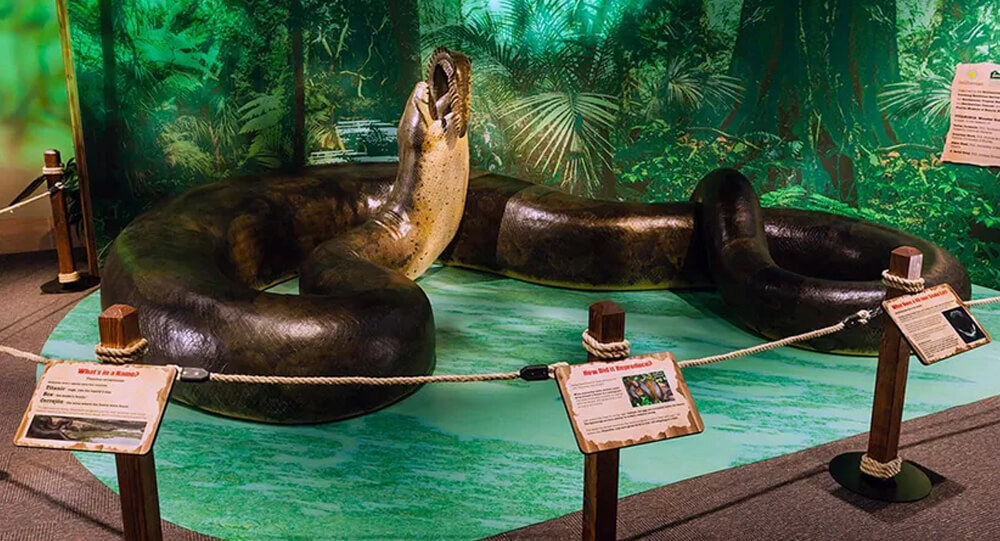
Titanoboa cerrejonensis, fossils of the world’s largest species of snake
In 2009 in a coal mine of Columbia, scientists discovered fossils of the world’s largest species of snake. The species is called “Titanoboa cerrejonensis,“and it is from around 60 million years ago. It would have had measured about 48 feet long and weighed about 2,500 pounds
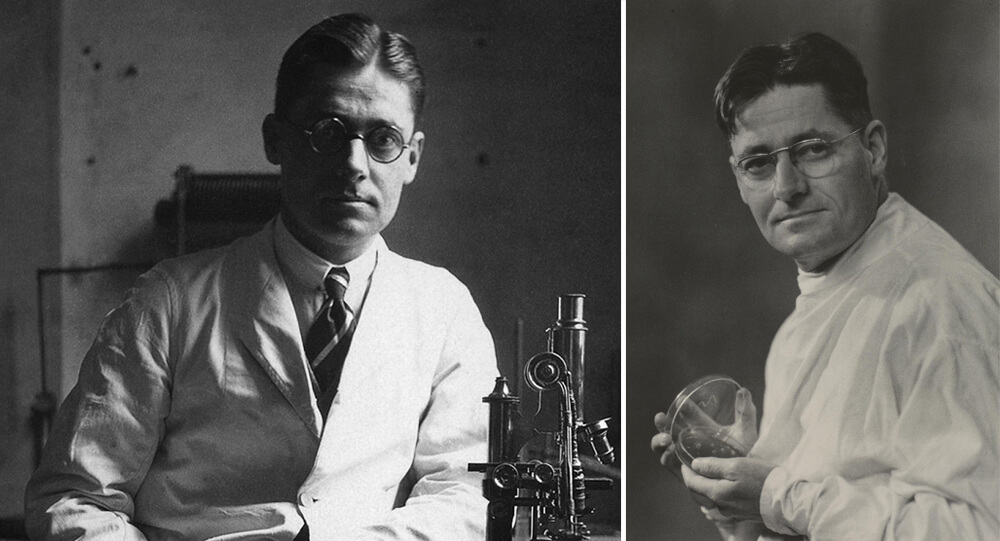
How did Howard Florey discover penicillin
Penicillin was discovered by Alexander Fleming, but he never attempted to turn it into an antibiotic. It wasn't until ten years later that Howard Florey discovered Fleming's obscure paper and understood the mold's potential. Up to 200 million lives may have been saved as a result of Florey's work.
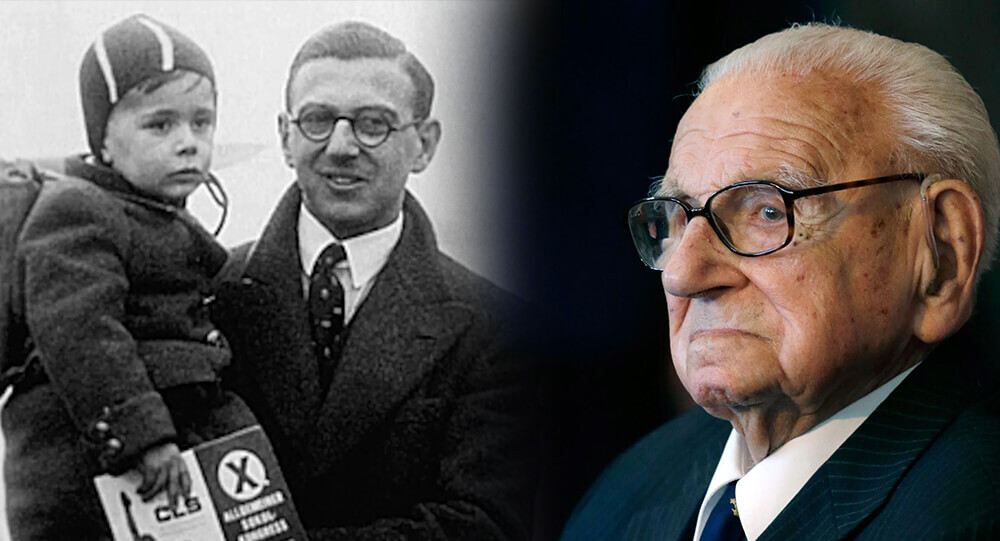
Nicholas Winton ‘British Schindler’: Man who rescued 669 Czech children from Nazis
A man named Nicholas Winton saved 669 kids during WWII and lived almost all his life without letting people know.
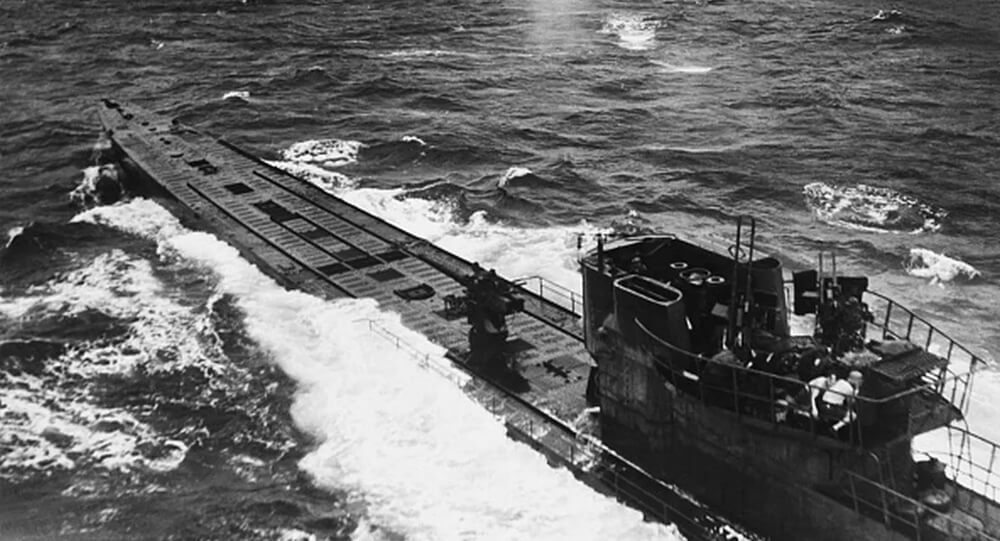
The Amazing Truth About The German U-Boat That Was Sunk By A Toilet
During WWII, a German captain and an engineer flushed the submarine's high-tech toilet incorrectly, causing the vessel to rapidly fill with water. British planes patrolling the sea attacked them as the submarine was brought to the surface. While many members of the crew were killed in the attack, the captain escaped!
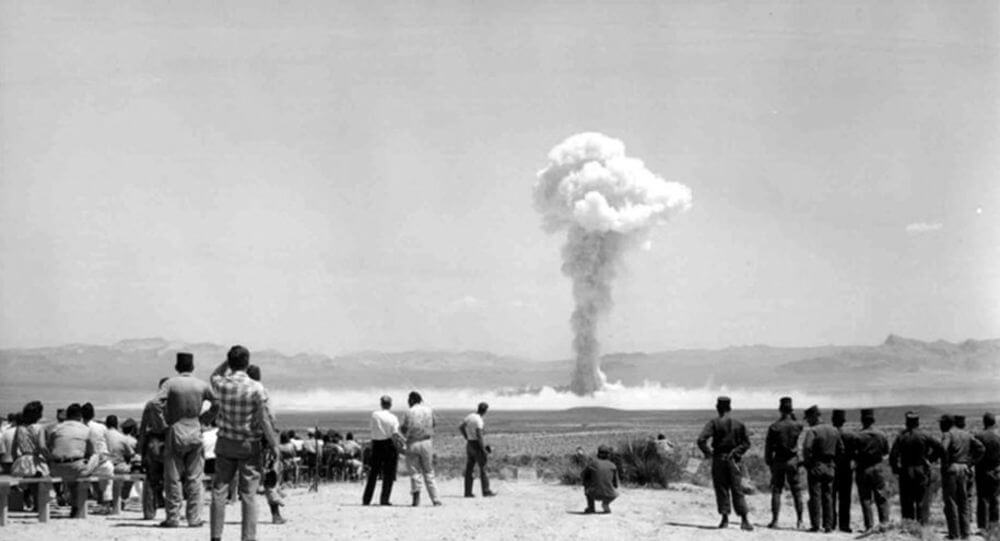
Atomic Tourism: In the 1950s, nuclear tests in Las Vegas served as a draw for tourists
Between 1950 and 1960, Las Vegas offered “Atomic Tourism” in which guests could watch atomic bombs being tested in the desert as a form of entertainment.
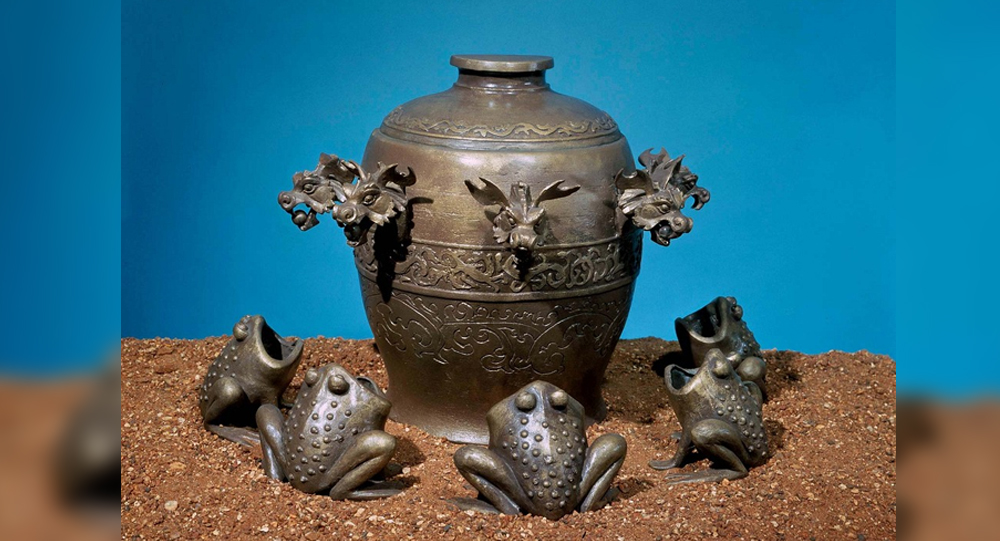
The World’s First Seismograph: How Ancient China Detected Earthquakes 1,800 Years Ago
Over 1,800 years ago, long before modern technology, the ancient Chinese astronomer and inventor Zhang Heng created the world’s first seismograph in 132 AD. This ingenious bronze device could detect distant earthquakes by releasing small balls from dragons’ mouths into toads’ mouths—each indicating a different compass direction. Its historic detection of an earthquake 400 miles away astonished the imperial court and transformed the way societies understood and responded to seismic events.

How Cleveland's Balloonfest in 1986 Turned Into a Public Tragedy
In Cleveland, Ohio, United Way broke the world record by deflating nearly 1.5 million balloons as part of a publicity stunt to raise money. The balloon obstructed a US Coast Guard search for two boaters who were subsequently discovered to have drowned, blocked airport runways, and blocked land and waterways.
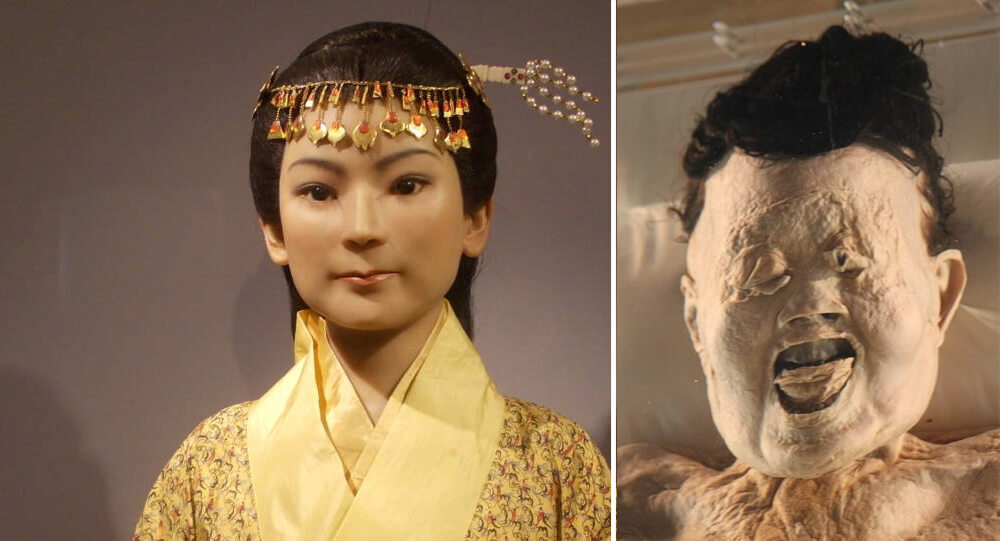
Xin Zhui And The Story Of The Stunningly Intact Lady Dai Mummy
A 2,000-year-old mummy of a Chinese woman, Xin Zhui, also known as “Lady Dai,” was preserved in 21 gallons of an “unknown liquid.” With her original hair, organs, eyebrows, and eyelashes intact, the mummy still has blood in her veins. Her skin and ligaments are soft and as flexible as that of a living person.
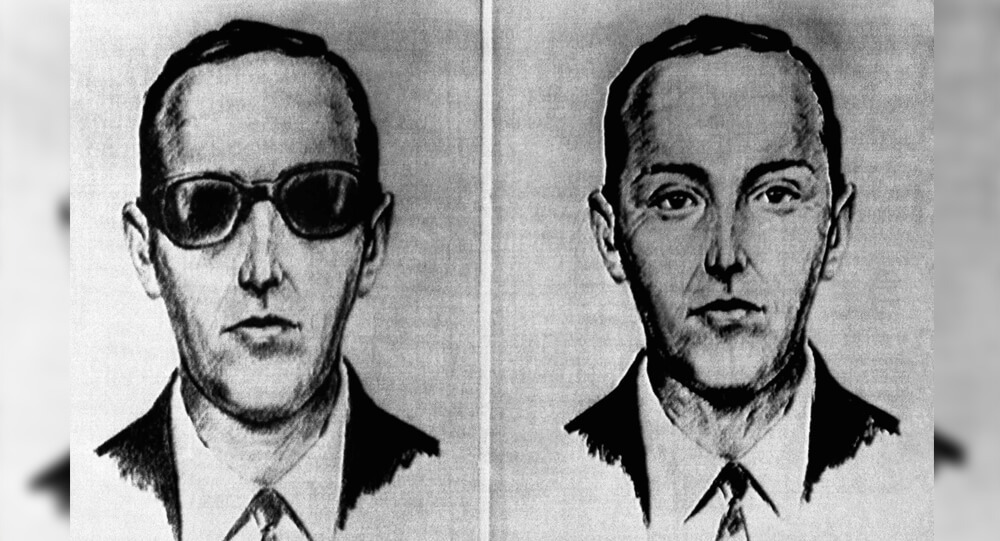
D.B. Cooper: Man who hijacked a plane and jumped out with a $200,000
On November 22, 1971, DB Cooper hijacked a Boeing 727, drank a whisky, smoked a fag, and then jumped out of the plane with $200,000. He was never again seen.
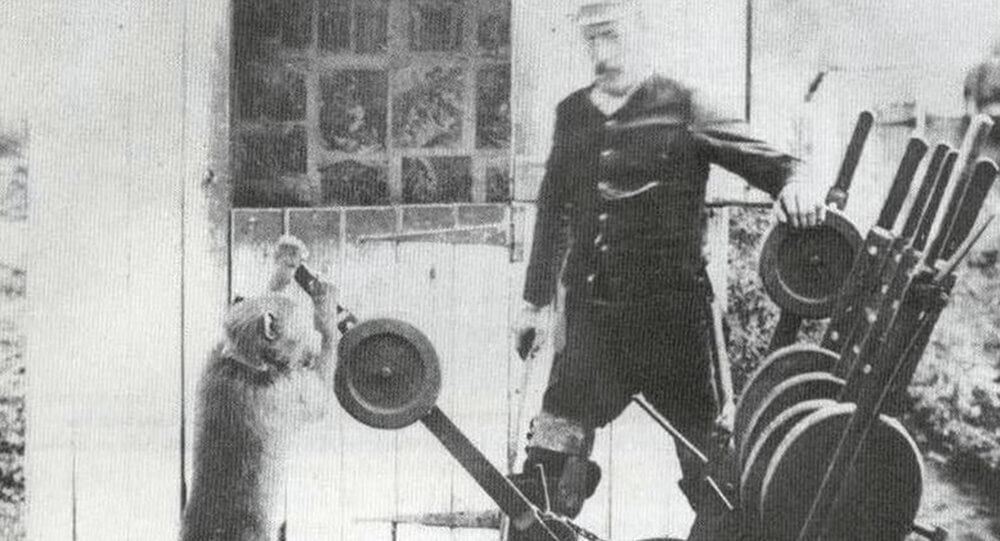
Jack the Baboon operated a railroad, earned a living, and never made a mistake
A baboon worked as a signalman for the railroad in the late 1800s. He never made a mistake and worked for the railroad until the day he died.
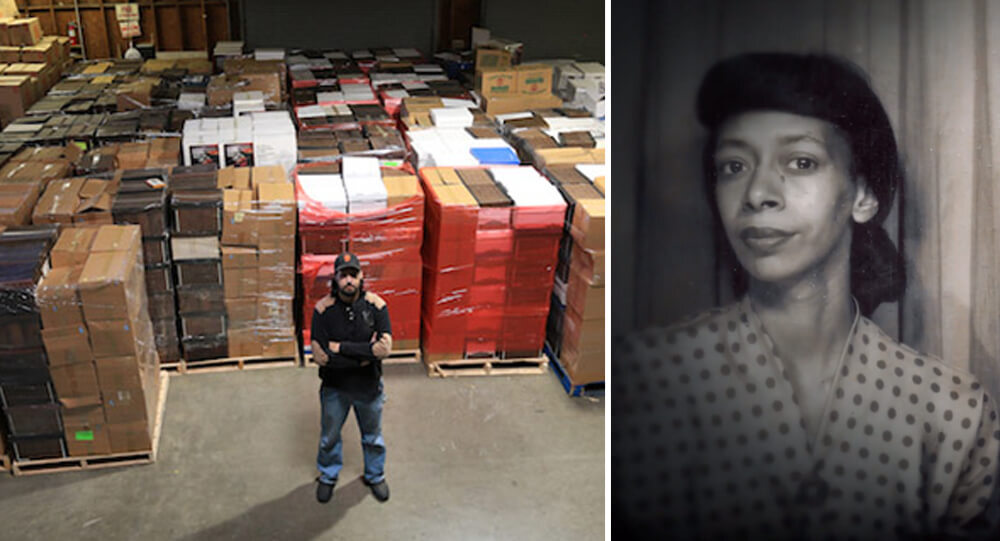
Marion Stokes recorded 30 years of television
Marion Stokes, a Philadelphia woman began taping whatever was on television in 1979 and didn’t stop until her death in 2012. The 71,000 VHS and Betamax tapes she made are the most complete collection preserving this era of TV. They are being digitized by the Internet Archive.

Reason Behind The Suicide Of Christine Chubbuck Live On Air
Actor Rebecca Hall had serious reservations about tackling the macabre story around why Chubbuck killed herself in 1974. So what changed her mind?
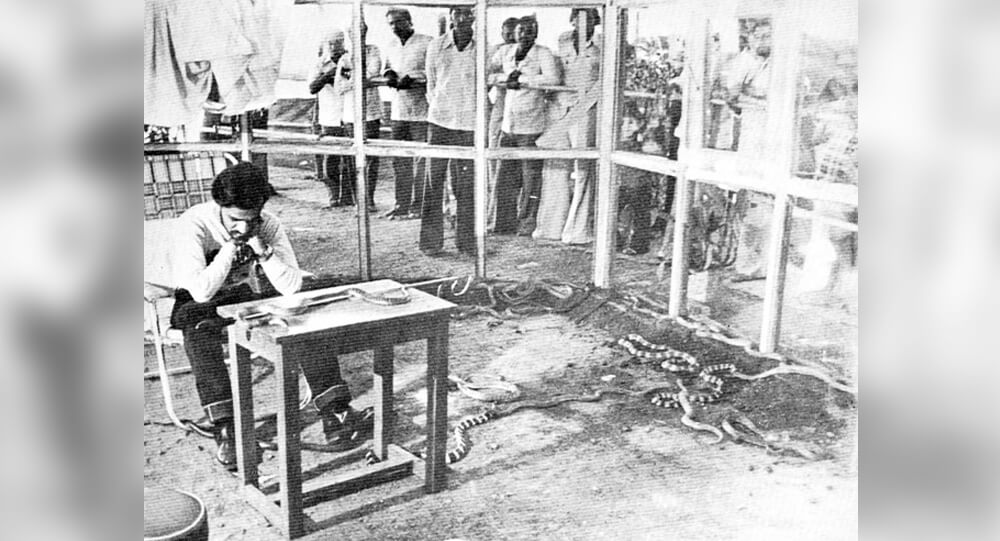
The story of a man who spent 72 hours with 72 venomous snakes to prove they only bite when provoked
In the 1980s, an Indian man spent 72 hours in a glass cabin with 72 snakes, some of which were extremely venomous. His aim was to prove that snakes only attack when provoked. Remarkably, he was not bitten once in those 72 hours and even set a Guinness World Record in the process.
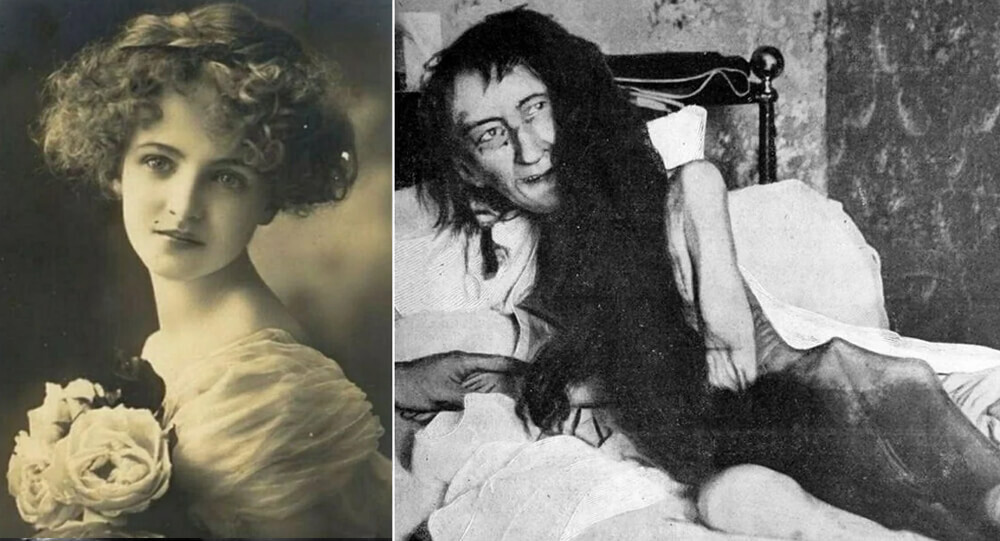
Blanche Monnier: Imprisoned For 25 Years For Falling in Love
Blanche Monnier, she was a French woman noted for her beauty, she wished to marry an old lawyer that her mother disapproved of, so she locked her in a small dark room in her attic for 25 years.