
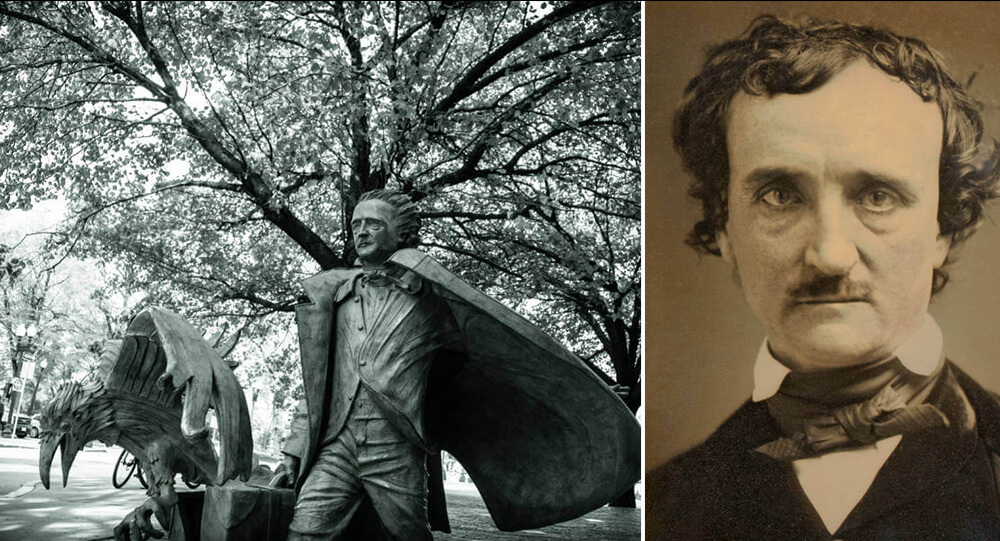
The strange story of Edgar Allan Poe’s death sounds like a story of his own. 1849. A man was found delirious in the streets of a town where he did not live, wearing clothes that were not his, unable or unwilling to discuss the circumstances in which he came.
Within days, he died, paralyzed by hallucinations in his final hours, repeatedly calling out the name of a man no one knew.

And the story of Edgar Allan Poe’s death is not only as bizarre and haunting as his work itself, but it remains a mystery to this day. Although historians have studied the details for a century and a half, no one knows for sure what caused Edgar Allan Poe’s death in Baltimore on October 7, 1849.
What The Historical Record Tells Us About Edgar Allan Poe’s Death
Edgar Allan Poe vanished six days before he passed away and just before his wedding.
On September 27, 1849, he had left Richmond, Virginia, for Philadelphia in order to edit a book of poems for a friend. He was discovered on October 3rd, confused and only partially awake, outside a Baltimore bar. Poe never made it to Philadelphia, and no one had seen him in the six days since he departed, it was eventually revealed.
It was unclear how he had arrived to Baltimore. He either didn’t know where he was or didn’t want to say why.
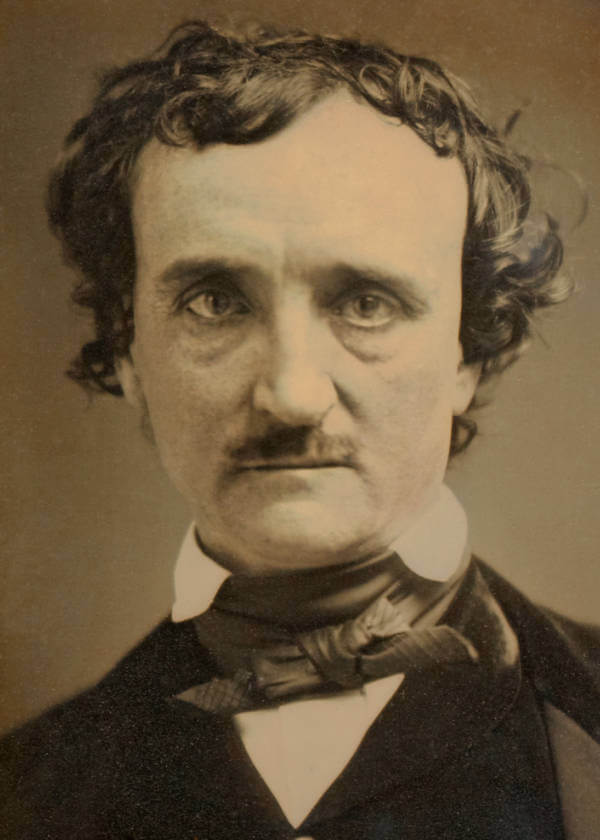
Poe was wearing obviously not his own highly filthy, tattered attire when he was discovered loitering outside a neighborhood tavern. Once more, he was either unable to or unwilling to give an explanation for his current situation.
He could only express one thing, though. Joseph Walker, a local typesetter for the Baltimore Sun, stated that Poe was only lucid long enough to give him a name: Joseph E. Snodgrass, an editor friend of Poe’s who also happened to have some medical expertise. Poe was discovered by Walker.
Fortunately, Walker was able to send a letter to Snodgrass.
Walker wrote: “I promise you, he is in need of immediate aid. There is a gentleman, somewhat the worse for wear, at Ryan’s 4th ward polls, who goes by the cognomen of Edgar A. Poe and who seems in considerable trouble.
In a short period of time, Snodgrass and Poe’s uncle showed there. They and Poe’s other family members were unable to provide an explanation for his actions or his disappearance. Poe had a blind fever while being taken to the Washington College Hospital by the two.
How Did Edgar Allan Poe Die?

Poe suffered from fever nightmares and intense hallucinations for four days. Reynolds was constantly requested, despite the fact that neither Poe’s family nor friends knew anybody by that name and that historians have been unable to place a Reynolds in the author’s life.
While his first wife, Virginia, had passed away over a year earlier and he was still engaged to Sarah Elmira Royster, he also made mention of a wife in Richmond.
On October 7, 1849, Edgar Allan Poe finally passed away as a result of his illness. Phrenitis, or enlargement of the brain, was first given as his official cause of death. However, these records have since vanished, and many people question their veracity.
Each of the dismal ideas put out by historians is as valid as the last.

One of the most well-liked ideas, which Snodgrass himself endorsed, was that Poe drank himself to death. This accusation was repeated in the months that followed Poe’s passing by his enemies.
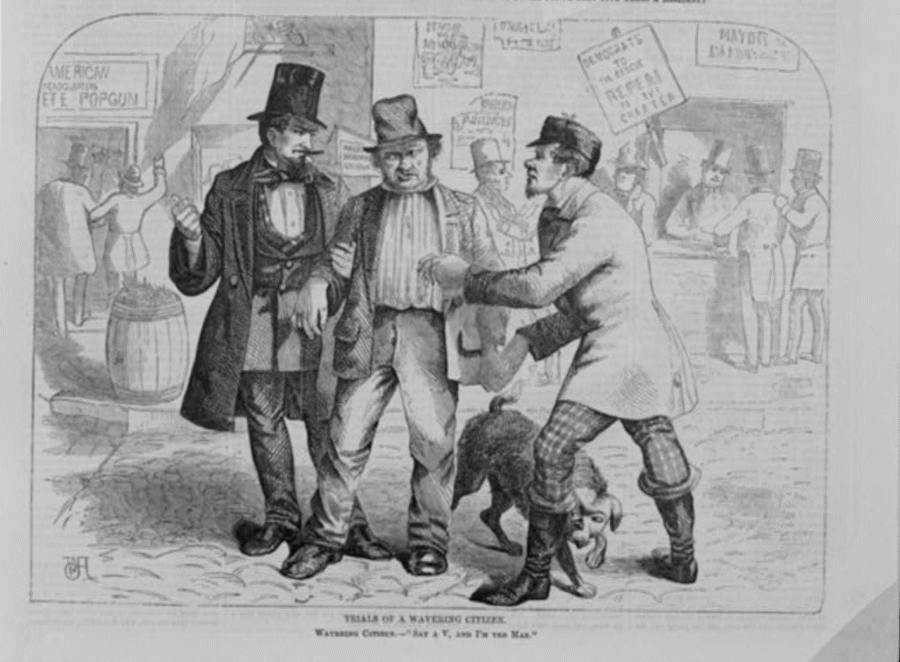
Others claim Poe was a “cooping” victim.
In order to commit voter fraud, gangs would abduct civilians, force-feed them booze, and then bring their inebriated victims to the polls where they would repeatedly cast ballots for the same candidate. To avoid suspicion, they regularly made their prisoners change their attire or put on disguises.
Poe already had a reputation for being a renowned lightweight, and many of his friends claimed it only took a glass of wine to make him sick, supporting the idea that he overindulged—whether on purpose or out of need.
A different doctor, who examined Poe’s postmortem hair samples, asserted that Poe had avoided almost all alcohol in the months before to his passing, which added fuel to the rumors.
Edgar Allan Poe’s corpse has undergone several exhumations and examinations since his passing. The majority of illnesses, including rabies and influenza, have been ruled out, although other researchers contend that it is hard to establish that either one caused his death.
Additional research on Poe’s post-mortem hair samples produced no evidence, disproving other ideas that include poisoning of any kind.
A New Theory About Poe’s Death Sparks Fresh Debate
Brain cancer is one notion that has gained popularity recently.
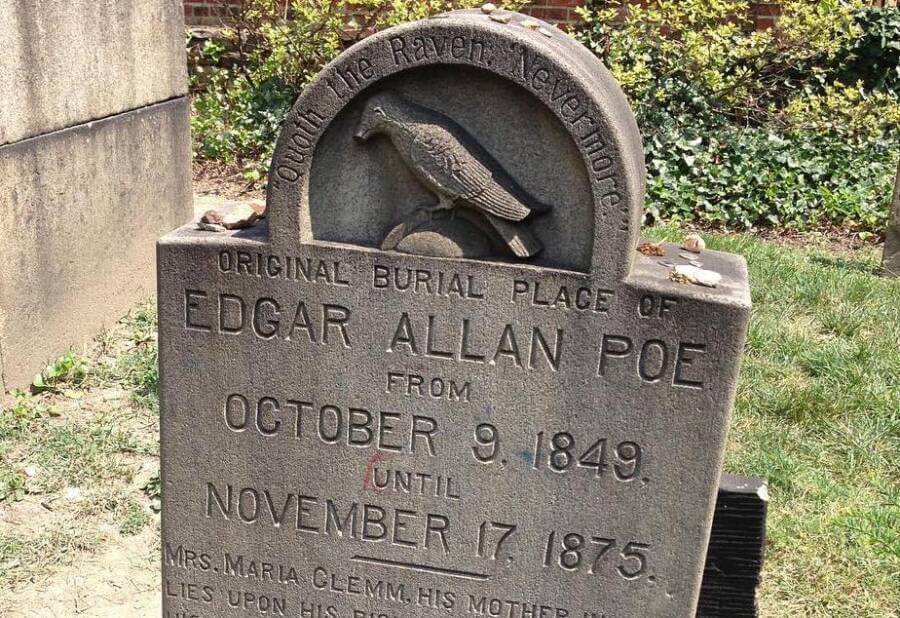
There was a small accident when Poe was exhumed in order to be transferred from his Baltimore cemetery to a much finer one. Poe’s skeleton and the casket it was in were significantly deteriorated structurally after spending 26 years below, and they both disintegrated.
Poe’s skull had a unique trait that one of the personnel entrusted with putting the pieces back together noticed: a little, hard item rolling around inside it.
The material was immediately seized upon by medical professionals who said it was proof of a brain tumor.
Last but not least, there are others who believe that foul play was involved, as is to be anticipated in the death of such a strange guy.
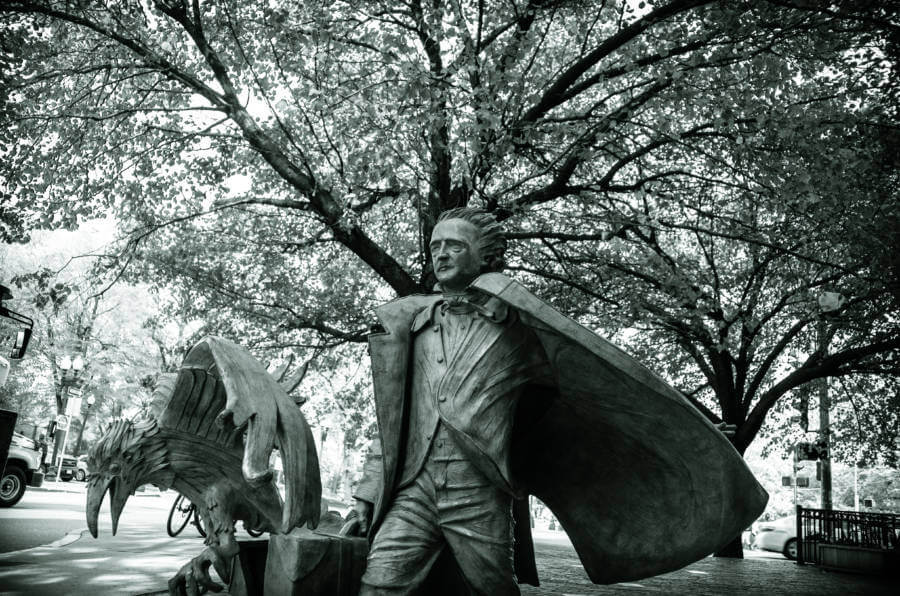
Poe was staying with his fiancée’s family in Richmond when he passed away, according to a theory put forth by Edgar Allan Poe scholar John Evangelist Walsh.
According to Walsh, Poe’s future wife’s parents didn’t want her to wed the writer, and after making threats against Poe failed to break them up, the family turned to murder.
It seems appropriate that 150 years after his passing, Edgar Allan Poe’s death is still shrouded in mystery. He created the detective story, so it shouldn’t be surprising that he left the world with a genuine mystery.


Quaker Oats Fed Children with Radioactive Oatmeal
In the 1940s and 1950s, Quaker Oats and MIT conducted experiments on radioactive iron and calcium-containing cereal. The diet was part of a study to see if the nutrients in Quaker oatmeal traveled throughout the body. In January 1998, a $1.85 million settlement was reached for 30 victims who came forward.

The touching story of David Vetter (bubble boy), the 'boy who lived in a bubble
David Vetter lived his whole 12 years in sterile “bubble”. He was “outside” for 20 second after being removed from his mother’s womb. He never touched any human.


Iranian inmate dies from happiness after finding out he will not be executed
An Iranian man who was convicted of murder reportedly died from happiness after learning that his death sentence was being commuted.

Ancient Jericho: The First Walled City In History
The ancient city of Jericho is the world's oldest walled city, with evidence of stone fortifications dating back nearly 9000 years.

The Mouth of Truth: Ancient Rome’s Legendary "Lie Detector" That Bit Off Hands
Discover the chilling legend of the Mouth of Truth (Bocca della Verità) in Ancient Rome—a massive carved stone face believed to bite off the hand of anyone who lied while inserting their hand into its gaping mouth. Uncover the truth behind its eerie reputation and how this ancient artifact became a symbol of honesty and fear.
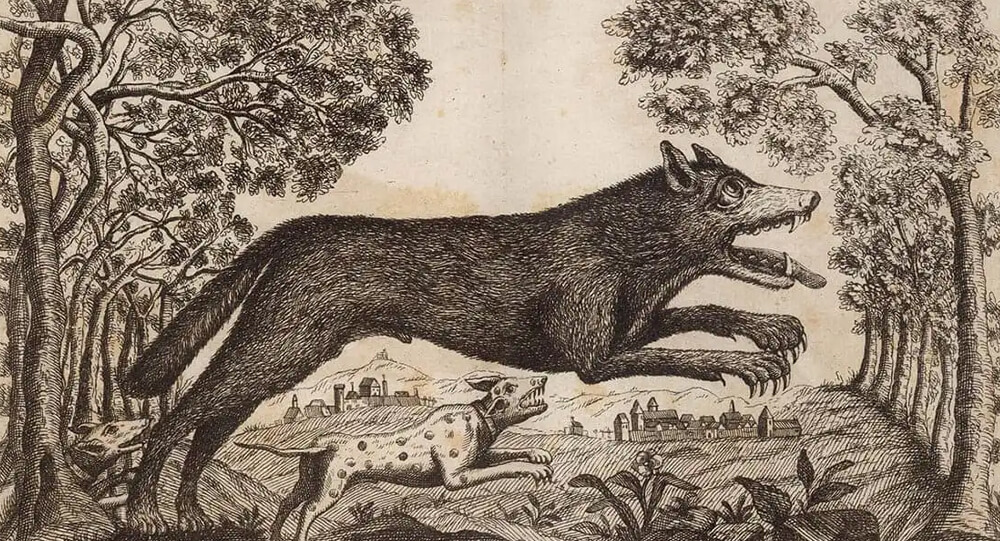
What Was the Beast of Gévaudan?
Between 1764 and 1767, a mysterious animal called the Beast of Gévaudan terrorized the French village called Gévaudan. It attacked and killed about 100 adults and children. While most believe it was a wolf, some say it may have been a wolf-dog hybrid, hyena or even a lion, but without any genetic evidence, the beast will remain a mystery forever.

Keith Sapsford: The Story of 14-Year-Old Stowaway
The final image of 14-year-old Australian Keith Sapsford, who aspired to travel the world. In February 1970, he sneaked into the wheel-well of a plane flying from Sydney to Tokyo. It opened mid-air & fell out. When a photographer was testing a new lens, he captured this moment on film and was surprised when it developed.

June and Jennifer Gibbons The silent twin who Only Spoke to Each Other
Identical twins June and Jennifer Gibbons were born on 11 April 1963 at a military hospital in Aden, Yemen where their father worked as part of the Royal Air Force.

The Day an Israeli F-15 Landed with One Wing: Zivi Nedivi’s Unbelievable Mid-Air Survival
Discover the astonishing true story of Israeli pilot Zivi Nedivi, who safely landed an F-15 after a mid-air collision tore off its entire right wing. Learn how skill, quick thinking, and the F-15’s unique design turned a disaster into a legendary feat in aviation history
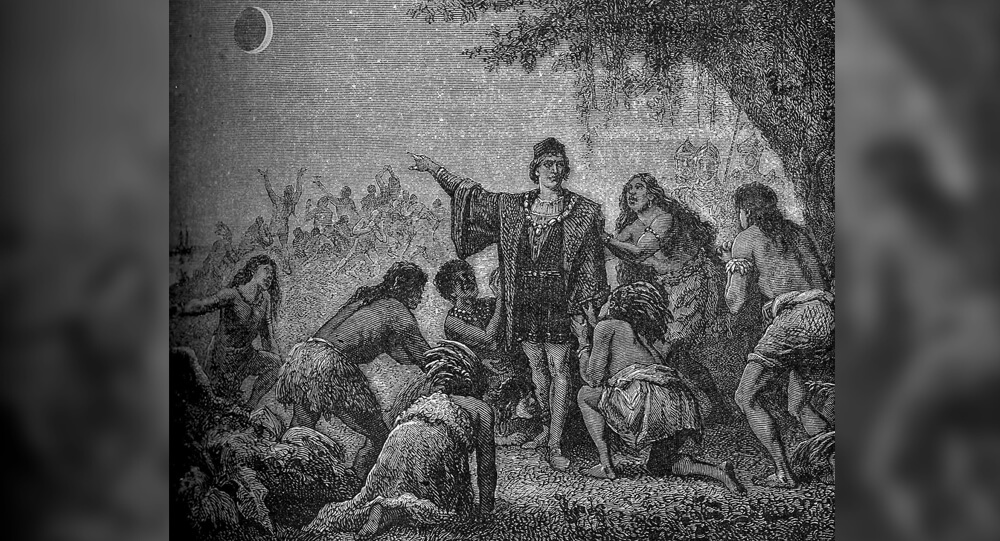
How a Total Lunar Eclipse Saved Christopher Columbus in 1504
In 1504, Christopher Columbus was stranded in Jamaica with natives who refused to give him food. But he knew the date and time of an upcoming lunar eclipse. So he told the natives that his gods were angry at their treatment of him, and would provide a clear sign. Once the eclipse started, the natives raced to give him food and begged for mercy.

The 1976 April Fools' Pranks, Planetary Alignment
On April fool's Day, 1976, the BBC convinced many listeners that a special alignment of the planets would temporarily decrease gravity on Earth. Phone lines were flooded with callers who claimed they felt the effects.
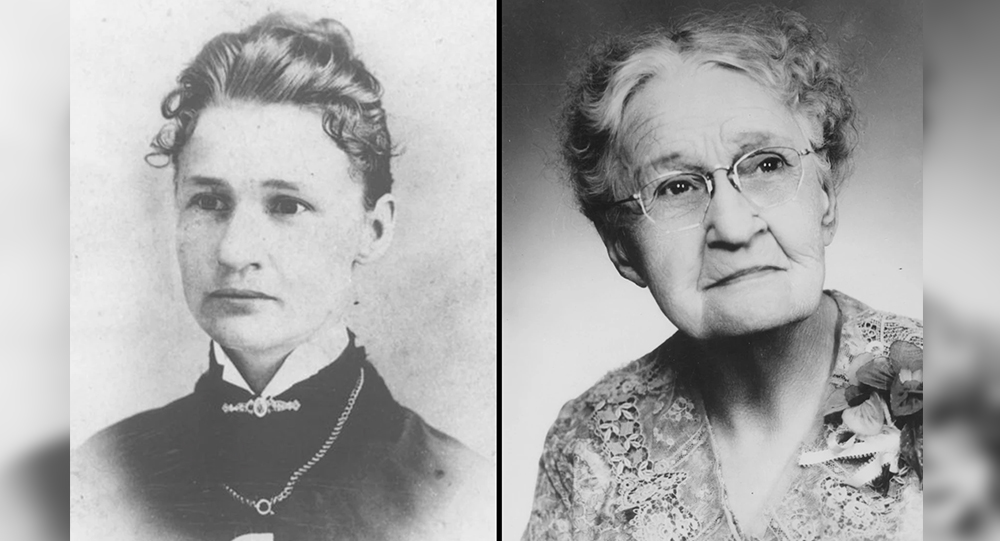
Susanna Salter: The Trailblazing Story of America’s First Female Mayor
In 1887, Susanna Salter became the first female mayor in the United States, elected in Argonia, Kansas. Her nomination was initially a prank by men opposing women in politics. However, she won by a landslide and served effectively, inspiring the women’s suffrage movement and breaking barriers for women in leadership.

The story of Bill Haast, who lived to be 100 despite his extensive snake venom injections
Bill Haast immunized himself by injecting snake venom into his blood for several years. He holds the Guinness World Record for surviving the most lethal snake bites, having been bitten over 172 times. Bill became known as "Snake Man" around the world and lived for over 100 years.
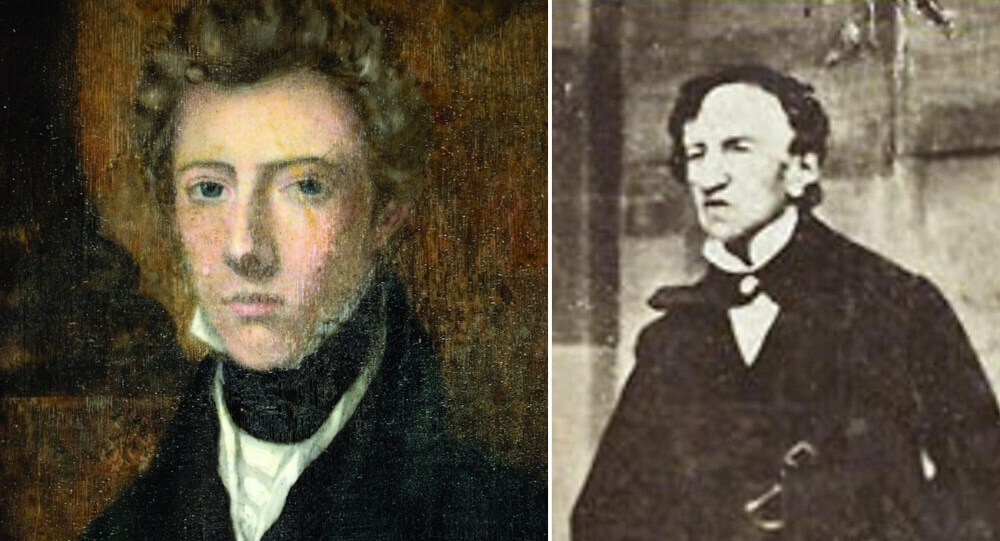
The mysterious secret of Dr James Barry
Before women were allowed to enroll in medical school, Margaret Ann Bulkley studied medicine and assumed the identity of Dr. James Barry for 56 years while dressing as a man. After 46 years of service as an army doctor officer, her secret was not made public until after her death in 1865.
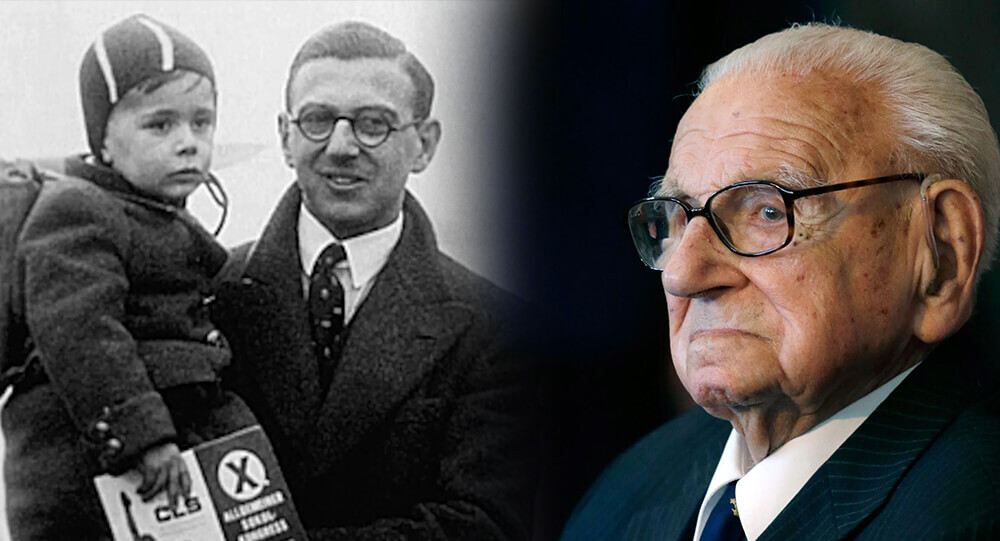
Nicholas Winton ‘British Schindler’: Man who rescued 669 Czech children from Nazis
A man named Nicholas Winton saved 669 kids during WWII and lived almost all his life without letting people know.
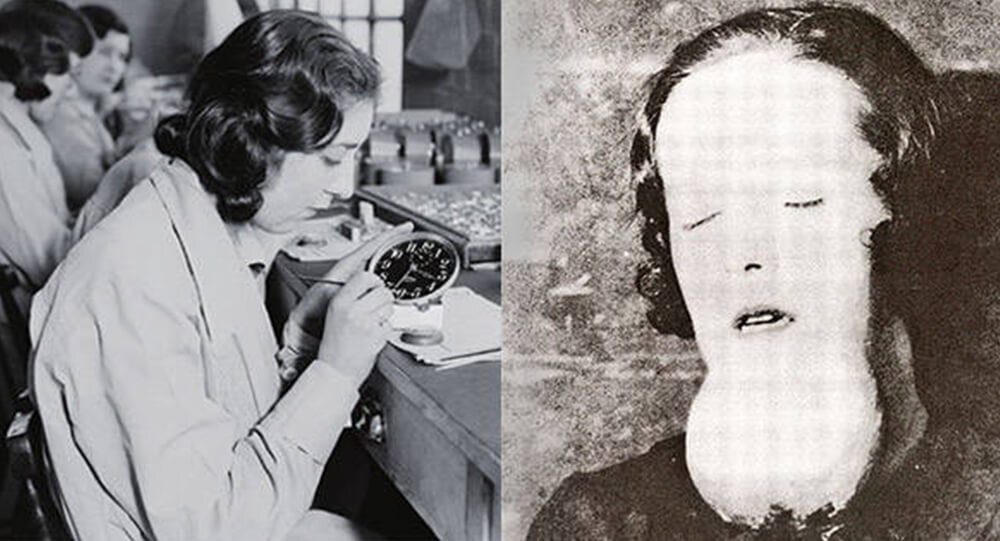
The true story Of The Radium Girls that change US labor laws
Hundreds of young women worked in clock factories during World War I, painting watch dials with luminous radium paint. The company lied about the risk of radiation, claiming there was no danger, which resulted in the death of the young women.

Marion Stokes recorded 30 years of television
Marion Stokes, a Philadelphia woman began taping whatever was on television in 1979 and didn’t stop until her death in 2012. The 71,000 VHS and Betamax tapes she made are the most complete collection preserving this era of TV. They are being digitized by the Internet Archive.

15 interesting facts about Queen Elizabeth II
Queen Elizabeth II, who ruled Britain for 70 years, has away at the age of 96. She was the country's longest-reigning monarch. Here are some little-known facts about her.
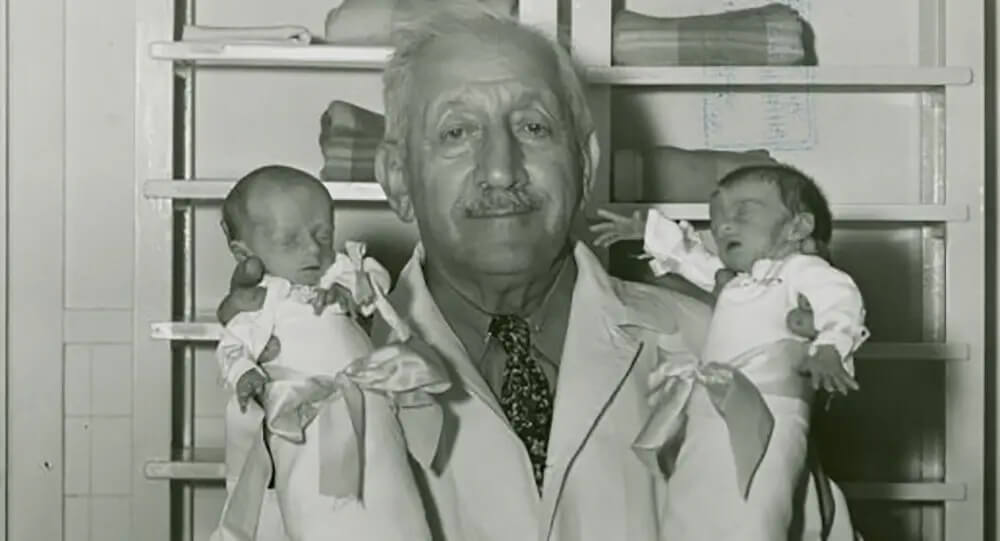
Martin Couney, Saved Thousands of Premature Babies Wasn’t a Doctor at All
Martin Couney never qualified as a medical doctor. However, in the 1900s, he saved thousands of premature babies by exhibiting them in incubators at his Coney Island sideshow. Over the course of his career, he is said to have saved about 6,500 babies that had previously been written off by mainstream medicine.

Nuclear bomb accidentally dropped on North Carolina in 196
4 January 1961: The 4241st Strategic Wing's Boeing B-52G-95-BW Stratofortress, serial number 58-0187, was on a 24-hour airborne alert mission off the United States' Atlantic Coast.
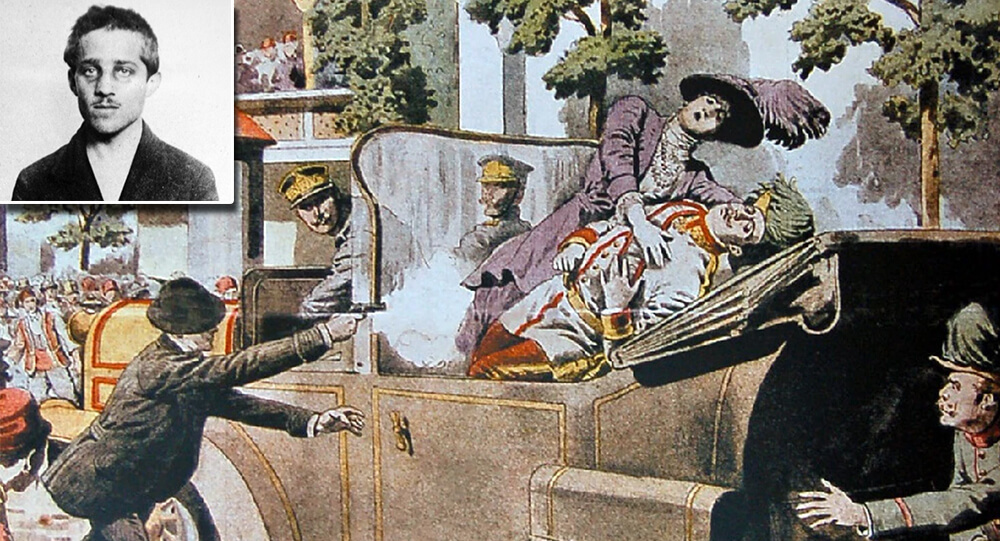
Franz Ferdinand’s Assassination that sparked World War I
Archduke Franz Ferdinand of Austria and his wife Sophie are shot to death by a Bosnian Serb nationalist during an official visit to the Bosnian capital of Sarajevo on June 28, 1914. The killings sparked a chain of events that led to the eruption of World War I by early August.

Saudi Arabia camel carvings dated to prehistoric era
Archaeologists were shocked to discover that a series of camels carved into desert rock faces in north-western Saudi Arabia are actually prehistoric, dating from 7,000-8,000 years ago - before either the Pyramids of Giza or Stonehenge were built.

Robert Odlum, the first person to jump off the Brooklyn Bridge
The first person to jump off the Brooklyn Bridge was a professional high diver who "wanted to demonstrate that people did not die simply by falling through the air, thus encouraging people to be willing to jump from a burning building into a net." He proved himself correct by safely falling 135 feet through the air and dying only when he hit the water.

Irena Sendler: woman who rescued Jews during holocaust
Irene Sendler was the Zegota resistance group's head of the children's department. She risked her life to smuggle children out of the Warsaw ghetto, place them with Polish families or orphanages, give each child a new identity, and keep records so that they could be returned to their families. In 1943, the Gestapo arrested and sentenced her to death, but she was rescued by Zegota.

Medieval Medicine: A 1,000-year-old onion and garlic salve kills modern bacterial superbugs
Scientists recreated an Anglo-Saxon manuscript-based 9th century onion and garlic eye remedy and discovered that it killed 90% of antibiotic-resistant staph bacteria (MRSA).