
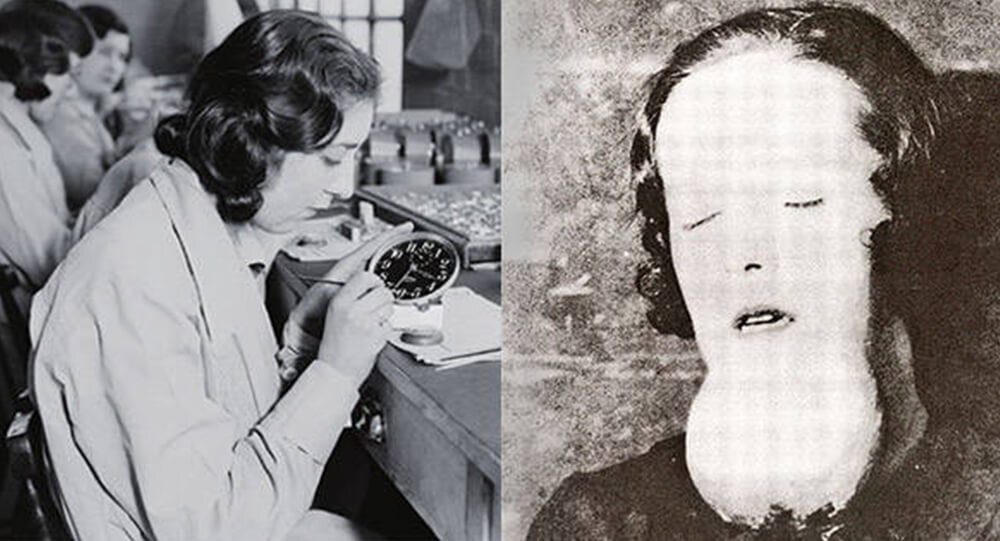
On April 10, 1917, an 18-year-old woman named Grace Fryer began working as a dial painter at the United States Radium Corporation (USRC) in Orange, New Jersey. With two soldier brothers, Grace wanted to do everything she could to support the war effort four days after the US entered World War I. She had no idea how drastically her new job would alter both her life and the rights of workers.
The Working Girls
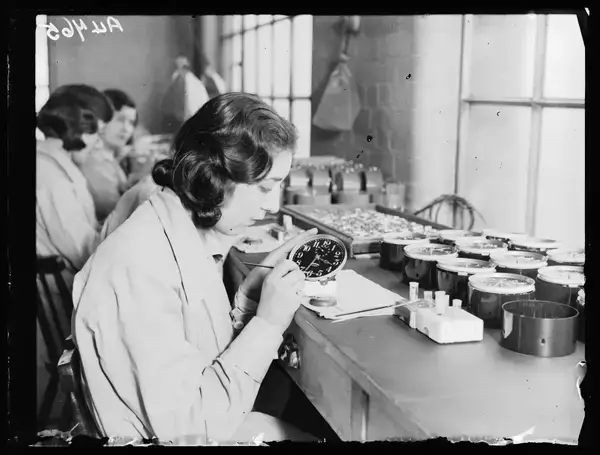
Following the declaration of war, a large number of working-class women flocked to the studio where they were hired to paint watches and military dials with the novel element radium, which Marie Curie had discovered a little less than 20 years earlier. Dial painting was “the elite job for the poor working girls” because it paid more than three times as much as the typical factory job, and those who were fortunate enough to get a job were among the top 5% of female workers in the country. This gave women financial freedom at a time when female emancipation was gaining momentum. They spread the word about the appeal of their new job through their friend and family networks because many of them were teenagers with small hands that were ideal for artistic work. Frequently, entire sibling groups collaborated in the studio.
Because of the luminosity of radium, which was part of its allure, the dial painters quickly earned the nickname “ghost girls” because by the end of their shifts, they would glow themselves. They took full advantage of the benefit, dressing elegantly for work so that they would sparkle in the dance clubs at night, and even applying radium to their teeth for a smile that would kill their suitors.
Grace and her colleagues painstakingly painted the tiny dials, some of which were only 3.5 centimeters wide, using the method they had been taught. The girls were told to lip-point, or perform a “lip, dip, paint routine,” as playwright Melanie Marnich later put it, by slipping their paintbrushes between their lips to make a precise point. The girls would put their brushes to their mouths and slurp up some of the glowing green paint.
Truth and Lies
Mae Cubberley, who taught Grace the method, recalled, “The first thing we asked [was] ‘Does this stuff hurt you?'” Mr. Savoy [the manager] said that it wasn’t dangerous and that we didn’t need to be afraid. Naturally, you don’t want to put anything in your mouth that is going to hurt you.
That, however, was untrue. Since it was first discovered, the glowing element had been known to be dangerous; Marie Curie herself had been exposed to radiation burns while handling it. Before the first dial painter ever picked up her brush, people had already passed away from radium poisoning. In their laboratories, the men at the radium companies wore lead aprons and handled the radioactive material with tongs with an ivory tip for this reason. However, the dial painters were not given this protection or even informed that it might be required.
This was due to the fact that at the time, a small amount of radium, like what the girls were handling, was thought to be healthy: Radium water was consumed as a tonic, and toothpaste, butter, milk, and cosmetic products could all be purchased that contained the wonder substance. According to newspapers, using it would “add years to our lives!”
But that assumption was supported by research carried out by the same radium companies that had created a successful industry around it. When questioned, managers informed the girls that the substance would give them roses in their cheeks but they disregarded all warning signs.
The First Death
Mollie Maggia, a coworker of Grace’s, was forced to leave the studio in 1922 due to illness. She was unable to identify her health issues. Her dentist pulled a tooth that was giving her pain, but the next tooth soon began to hurt and needed to be removed as well. Agonizing ulcers appeared as dark flowers where the teeth had once been, blooming red and yellow with blood and pus. They constantly seeped, giving her bad breath. She then experienced incredibly painful limb pains that eventually prevented her from being able to walk. The doctor sent her home with aspirin because he suspected rheumatism.
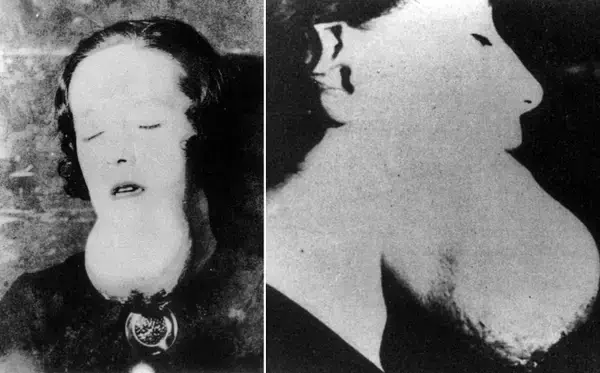
Mollie was in need by May 1922. Her lower jaw, the roof of her mouth, and even some of the bones in her ears were described as being “one large abscess” at that point. She had also lost the majority of her teeth, and the mysterious infection had spread. To his horror and shock, the jawbone in the patient’s mouth broke when the dentist gently prodded it there. Days later, her entire lower jaw was removed in the same manner, “not by an operation, but merely by putting his fingers in her mouth and lifting it out.”
Mollie was completely falling apart. She wasn’t the only one either; by this time, Grace Fryer and the other radium girls were also experiencing pain in their feet and problems with their jaws.
While they were alive, it was literally boring holes inside them.
The strange infection that had plagued Mollie Maggia for less than a year spread to her throat tissues on September 12, 1922. Her jugular vein was slowly eaten away by the illness. At 5 p.m. Her mouth was covered in blood that day because she was bleeding out so quickly that her nurse was unable to stop it. 24 was the age of her passing. Her death certificate falsely stated she had died of syphilis, which her former employer would later use against her. Her doctors were baffled as to the cause of death.
One by one, Mollie’s former coworkers soon followed her to the grave as if on cue.
The Cover-Up
For almost two years, the young women’s employer, USRC, denied any wrongdoing. After experiencing a decline in business as a result of what they perceived to be persistent “gossip,” they hired an expert to look into the alleged connection between the dial-painting industry and the women’s fatalities in 1924.
This study was independent, in contrast to the company’s own research into the benefits of radium, and when the expert confirmed a connection between radium and the women’s illnesses, the firm’s president was dismayed. He paid for new studies that came to the opposite conclusion instead of accepting the findings, and he lied to the Department of Labor about the findings of the initial report when it was conducting an investigation. He criticized the women in front of the public for attempting to “palm off” their illnesses on the company and condemned their attempts to obtain financial assistance for their mounting medical bills.
The Light That Does Not Lie
The women’s biggest challenge was establishing a connection between their mysterious illnesses and the radium they had been ingesting hundreds of times per day and keeping the report quiet. They were fighting against the widespread notion that radium was safe, despite discussing how their own work must be at fault. In actuality, it wasn’t until the death of the radium company’s first male employee that experts began to take up the cause. A brilliant medical professional by the name of Harrison Martland created tests in 1925 that established conclusively that the women had been poisoned by radium.
Martland also described what was going on internally. External use of radium had been known to cause severe harm to people as early as 1901; Pierre Curie once said he would not want to be in a room with a kilogram of pure radium because he thought it would burn all the skin off his body, ruin his eyesight, and “probably kill [him].” However, Martland found that when radium was used internally, even in minute amounts, the harm was thousands of times greater.
The women’s bodies were now emitting a continuous stream of destructive radiation that “honeycombed” their bones after the radium they had consumed settled in them. While they were still alive, it was actually boring holes inside of them. It attacked the women all over their bodies, shortening and spontaneously breaking the women’s legs. Grace Fryer’s spine was “crushed,” requiring her to wear a steel back brace. Another girl’s jaw was eaten away to “a mere stump.”
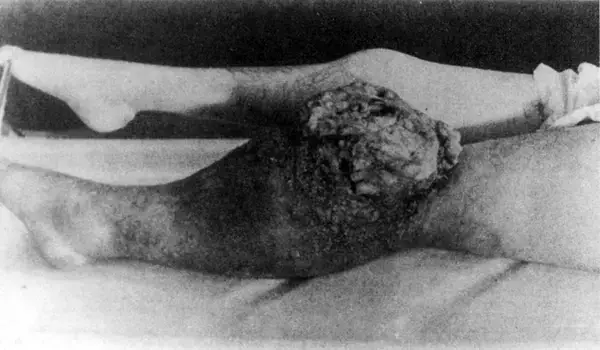
Uncomfortably, the radium that had been deeply infused into those broken bones started to glow as well—the light that does not lie. In some cases, a woman would discover she was poisoned with radium when she looked in a mirror in the middle of the night and saw a ghostly reflection of herself, shining with an unnatural luminosity that would determine her fate.
Martland had understood the poisoning was fatal, after all. There was no way to get the radium out of the girls’ damaged bones now that it was inside of them.
The Fight
Despite the radium industry’s efforts to cast doubt on Martland’s groundbreaking work, it had not anticipated the bravery and tenacity of the radium girls. To combat the injustice, they formed a group and began working together. Additionally, their conflict had a charitable motivation because dial painters were still in demand across the country. Grace Fryer remarked, “I don’t care for myself. “I am more concerned about the many girls to whom this may serve as an example,” she said.
The women’s fight was led by Grace, who persisted in looking for legal representation despite being rejected by numerous lawyers who either did not believe the women’s claims, fled from the powerful radium corporations, or were ill-equipped to take on a legal battle that demanded the overturning of existing laws. The women were hindered by the statute of limitations, which mandated that victims of occupational poisoning bring their legal cases within two years, as well as the fact that radium poisoning was not yet recognized as a compensable disease when the girls fell ill. Most girls did not become ill from radium poisoning until at least five years after they began working; they were caught in a vicious legal circle that seemed impossible to break. Grace, however, who was the daughter of a union delegate, was determined to hold a patently negligent company accountable.
After a capable young attorney named Raymond Berry eventually took their case in 1927, Grace (along with four other coworkers) found herself at the center of a famous courtroom drama. However, the women had only been given four months to live at this point, and the company appeared determined to drag out the legal proceedings. Grace and her friends were consequently forced to reach a settlement outside of court, but they had increased public awareness of radium poisoning precisely as Grace had intended.
The New Jersey radium girls’ case made the front page of the newspaper and shocked the nation. A dial painter by the name of Catherine Wolfe in Ottawa, Illinois, read the coverage horrified. She recalled that there were meetings at our plant that nearly descended into riots. We found it difficult to work due to the chill of fear.
However, taking a page from USRC, the Illinois company Radium Dial disclaimed responsibility. The company lied about the results despite the fact that the Illinois women’s medical tests showed they were manifesting the telltale signs of radium poisoning. It went so far as to interfere in the girls’ autopsies when the Illinois workers began to die: Company officials actually stole their radium-riddled bones in their callous cover-up, putting a full-page ad in the local paper that read, “If we at any time had reason to believe that any conditions of the work endangered the health of our employees, we would at once have suspended operations.”


The youngest person executed, George Stinney Jr was proven innocent
In 1944, George Stinney Jr. was 14 years old when he was executed in South Carolina. It took only ten minutes to convict him — and 70 years to exonerate him.
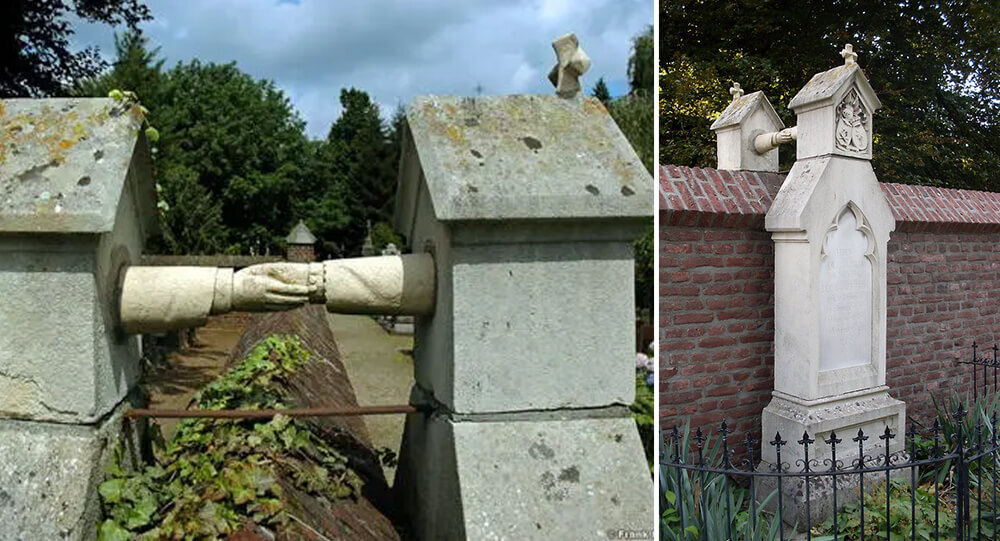
Graves holding hands over wall, A Catholic woman and her Protestant husband grave
A protestant man and a Catholic woman who weren't allowed from being buried together in a graveyard in 19th-century Holland turned their graves into a monument showing them holding hands across the wall separating them.
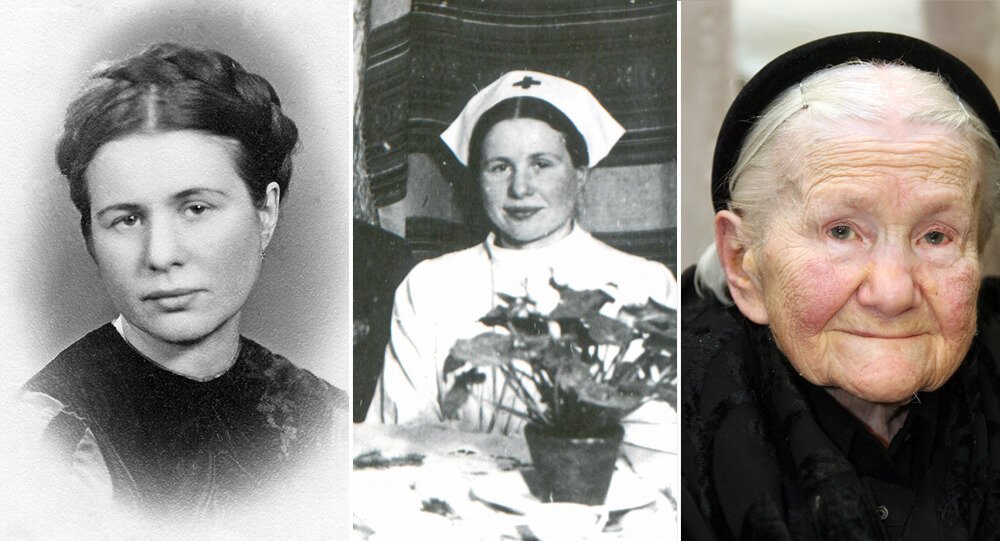
Irena Sendler: woman who rescued Jews during holocaust
Irene Sendler was the Zegota resistance group's head of the children's department. She risked her life to smuggle children out of the Warsaw ghetto, place them with Polish families or orphanages, give each child a new identity, and keep records so that they could be returned to their families. In 1943, the Gestapo arrested and sentenced her to death, but she was rescued by Zegota.

The World’s First Seismograph: How Ancient China Detected Earthquakes 1,800 Years Ago
Over 1,800 years ago, long before modern technology, the ancient Chinese astronomer and inventor Zhang Heng created the world’s first seismograph in 132 AD. This ingenious bronze device could detect distant earthquakes by releasing small balls from dragons’ mouths into toads’ mouths—each indicating a different compass direction. Its historic detection of an earthquake 400 miles away astonished the imperial court and transformed the way societies understood and responded to seismic events.


Iranian inmate dies from happiness after finding out he will not be executed
An Iranian man who was convicted of murder reportedly died from happiness after learning that his death sentence was being commuted.
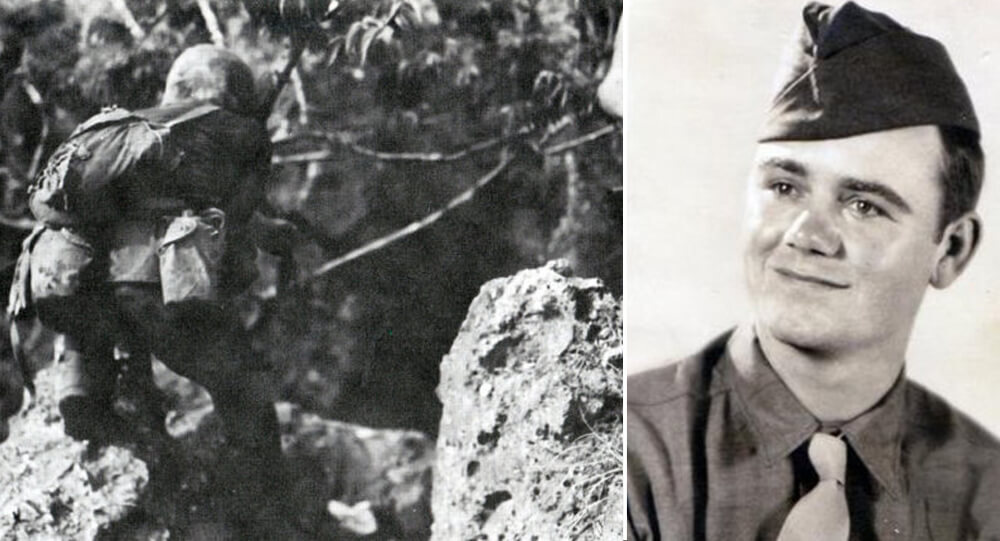
Thomas Baker's heroic act that earned him the "Medal of Honor" was 8 bullets until death
Thomas Baker instructed his team to leave him with a pistol and eight bullets propped up against a tree after he was injured. Later, American troops discovered the now-deceased Baker in the same location, lying next to eight dead Japanese soldiers and carrying an empty pistol.
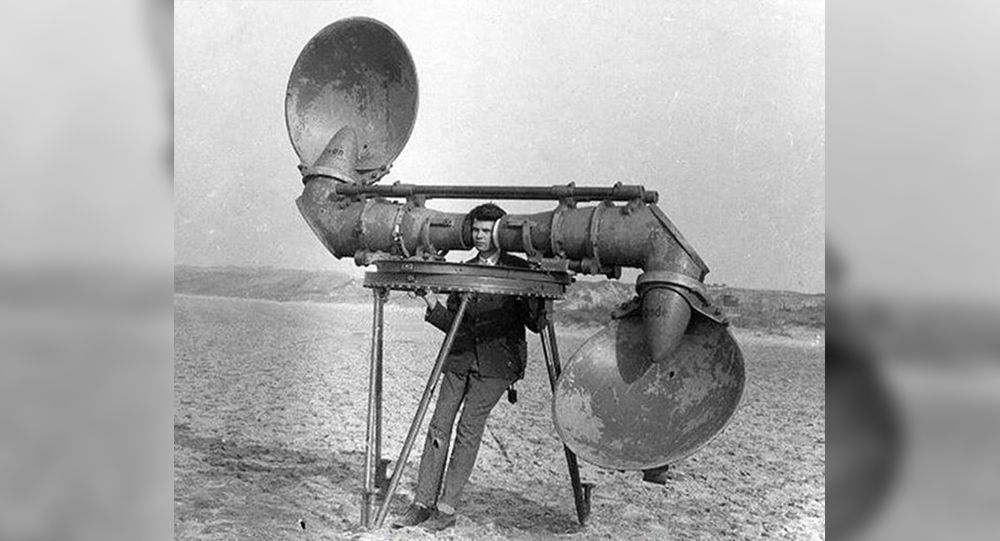
Before Radar: How Giant Acoustic Mirrors Detected Enemy Aircraft in WWI and WWII
Long before radar revolutionized air defense, enormous acoustic mirrors and specialized sound locators stood as the first line of defense against enemy aircraft. Designed as giant “ears,” these structures amplified distant engine noises, allowing operators to detect incoming planes by sound alone. Dive into the intriguing world of these pioneering listening devices, their operation, limitations, and enduring legacy in military history.

Poto And Cabengo: The Secret Language Of Twins
Poto and Cabengo, as the two girls called each other, communicated in their own language. The twins were ignored by their parents and secluded from the outside world because their father felt they were developmentally retarded, and their unique language evolved as a result of that neglect.
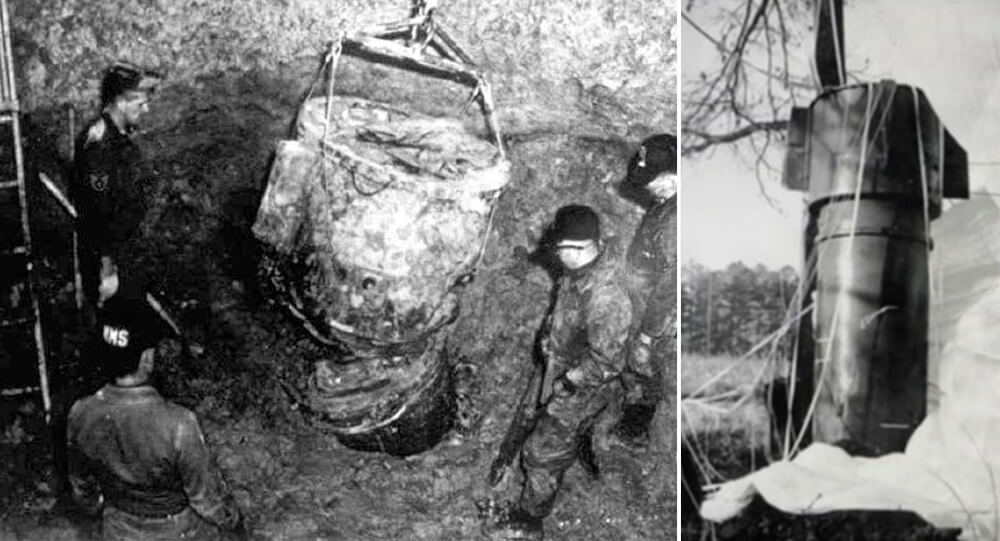
Nuclear bomb accidentally dropped on North Carolina in 196
4 January 1961: The 4241st Strategic Wing's Boeing B-52G-95-BW Stratofortress, serial number 58-0187, was on a 24-hour airborne alert mission off the United States' Atlantic Coast.
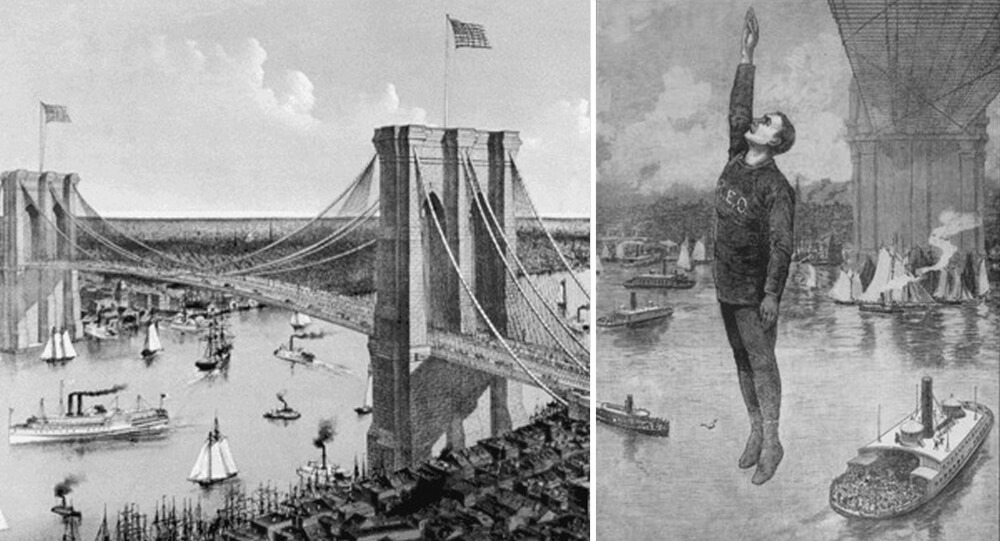
Robert Odlum, the first person to jump off the Brooklyn Bridge
The first person to jump off the Brooklyn Bridge was a professional high diver who "wanted to demonstrate that people did not die simply by falling through the air, thus encouraging people to be willing to jump from a burning building into a net." He proved himself correct by safely falling 135 feet through the air and dying only when he hit the water.

Terry Fox, a 21-year-old one-legged cancer patient who ran 143 days before dying
Terry Fox was a 21-year-old one-legged cancer patient who ran 3,339 miles across Canada in 143 days before dying.

The Horrific story of Ariel Castro and the Cleveland abduction
Cleveland abduction victims Gina DeJesus, Michelle Knight, and Amanda Berry were forced to live in Ariel Castro's house of horrors for 10 years. He raped and beat them until they escaped in 2013.

story of the youngest mother in the world at age of five - Lina Medina
Lina Medina, a five-year-old Peruvian girl, became the youngest mother in history in 1939 when she gave birth to a boy.

Mario Segale, Developer Who Inspired Nintendo to Name Super Mario
Super Mario is named after real-life businessman Mario Segale, who was renting out a warehouse to Nintendo. After Nintendo fell far behind on rent, Segale did not evict them but gave them a second chance to come up with the money. Nintendo succeeded and named their main character after him.
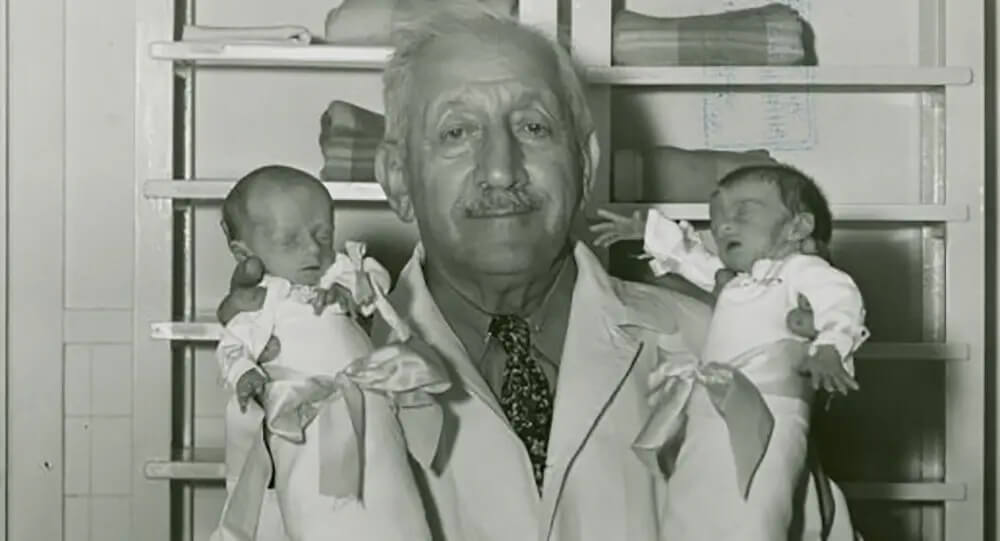
Martin Couney, Saved Thousands of Premature Babies Wasn’t a Doctor at All
Martin Couney never qualified as a medical doctor. However, in the 1900s, he saved thousands of premature babies by exhibiting them in incubators at his Coney Island sideshow. Over the course of his career, he is said to have saved about 6,500 babies that had previously been written off by mainstream medicine.

The incredible story of a plane that lost its roof in mid-flight and the light signal that saved 94 lives.
On April 28, 1988, Aloha Airlines flight 243 was on the way to Honolulu from Hilo when a huge portion of the upper part of the fuselage blew off the airplane.
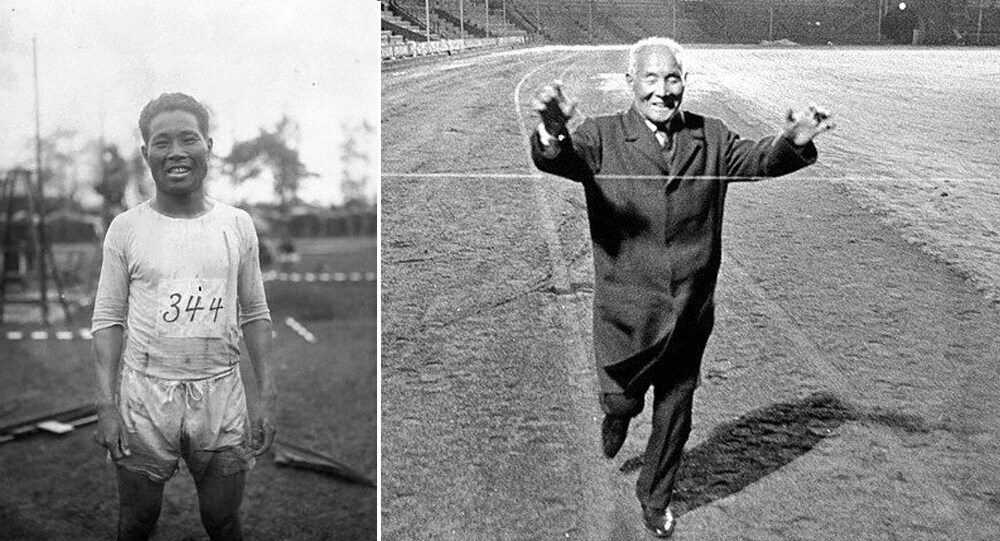
Shizo Kanakuri’s 1912 Olympic Marathon Finished 54 Years
At the 1912 Olympics, a marathon runner quit and went home to Japan without telling officials and was considered a missing person in Sweden for 50 years. In 1966, he was invited to complete the marathon. His time: 54 years, 8 months, 6 days, 5 hours, 32 minutes, and 20.379 seconds.

Nathan's Famous Doctor Stunt
When Nathan's Famous Hot Dogs first opened in 1916, the owner hired people to dress as doctors and eat hot dogs outside his shop, to convince people his hot dogs were healthy.
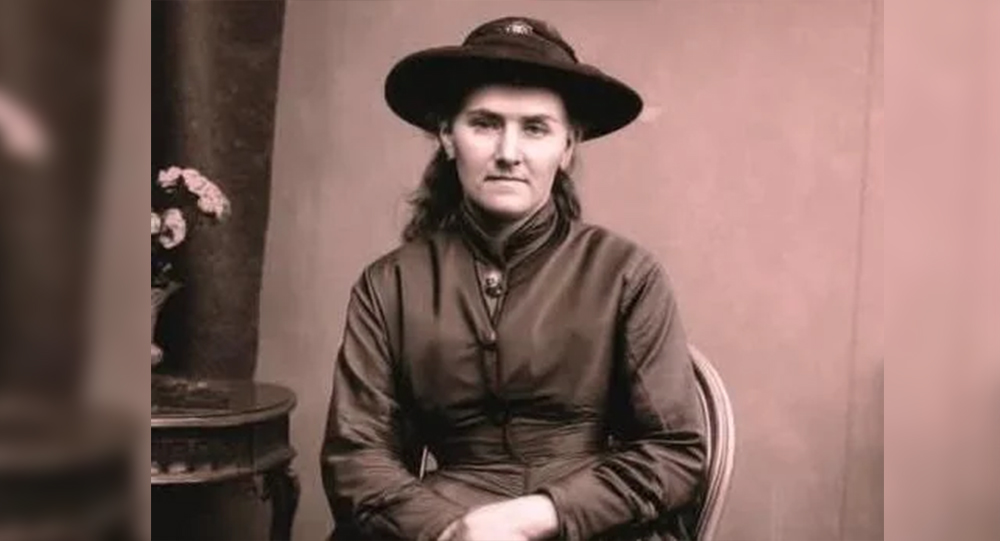
Why Comedians Failed to Make Sober Sue Laugh in the Early 1900s
In the bustling vaudeville scene of early 20th century New York, a mysterious performer known as "Sober Sue" captured public imagination not for jokes or songs, but for her unshakable stoicism—she never smiled or laughed. A local theater even offered a tempting reward of $1,000 to anyone who could make her laugh, drawing crowds and famous comedians eager to claim the prize. Despite countless hilarious attempts, Sue remained expressionless, a mystery that baffled performers and audiences until it was revealed that she suffered from facial paralysis, explaining her unchanging demeanor.

From Flapper to Fashion Week: How 1920s Style Still Shapes Modern Trends
The roaring 1920s revolutionized fashion, introducing bold styles, daring cuts, and a spirit of freedom that still inspires today’s wardrobes. From flapper dresses to statement accessories, here’s how the Jazz Age lives on in modern fashion.

Titanoboa cerrejonensis, fossils of the world’s largest species of snake
In 2009 in a coal mine of Columbia, scientists discovered fossils of the world’s largest species of snake. The species is called “Titanoboa cerrejonensis,“and it is from around 60 million years ago. It would have had measured about 48 feet long and weighed about 2,500 pounds

Mother who spent entire life savings for daughter’s cancer treatment won the lottery
A mother won $2 million from a $10 scratch-off lottery ticket after she spent all of her entire life savings to pay her daughter’s cancer treatment. She bought the winning ticket after her daughter’s last cancer treatment.

History of Treadmill, punishment for prisoners
Treadmills were originally a punishment used to harness human power on a giant wheel used to grind grains, hence the name "treadmill." The History of Treadmill

How European Rabbits Took over Australia
In 1859, wealthy settler Thomas Austin released 13 wild rabbits on his Australian estate. By 1920, their population grew to 10 billion.
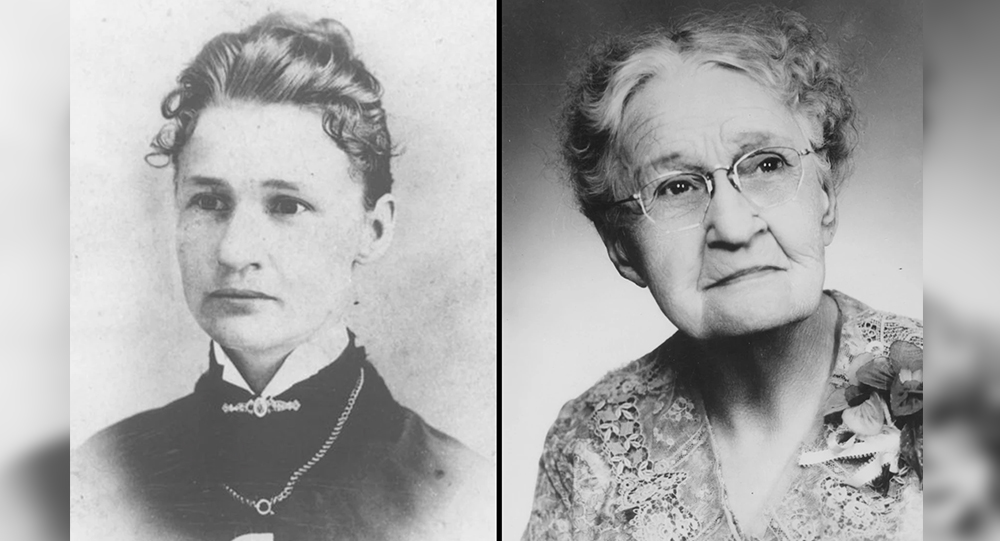
Susanna Salter: The Trailblazing Story of America’s First Female Mayor
In 1887, Susanna Salter became the first female mayor in the United States, elected in Argonia, Kansas. Her nomination was initially a prank by men opposing women in politics. However, she won by a landslide and served effectively, inspiring the women’s suffrage movement and breaking barriers for women in leadership.