
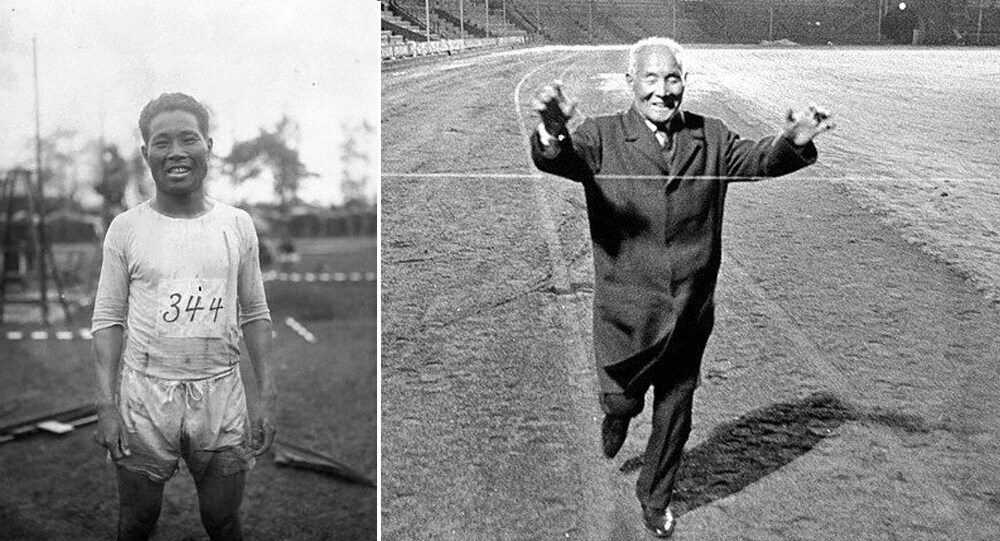
Only those who ran the fastest jumped the farthest and exerted themselves more than their competitors are typically remembered in history for track and field competitions at the Olympic level. Shizo Kanakuri, who is cherished for having the worst official time of any Olympic marathon runner in history—taking more than 54 years to complete a race he began in 1912—appears to be an exception to that rule.
Though primarily recognized in the west for his aforementioned Olympic record, Kanakuri is one of the best athletes in his native Japan and is frequently referred to as “the father of the Japanese marathon.” In fact, Kanakuri was such a gifted athlete that when the 1912 Stockholm Olympics opened, he was the overwhelming favorite to win the marathon after learning he had run a possible world record in a qualifying round in Japan the year before, clocking in at 2:32:45. (Whether this was a real-world record or not is up for debate because the distance Kanakuri ran was never formally measured; some people think he only ran 25 miles rather than the required 26.2 for the record.). Nevertheless, his long-distance running ability was well known and established by the time the 1912 Olympics rolled around.)
There was a lot of pressure on Kanakuri to perform well because he and his teammate represented the first Japanese athletes to ever compete in the Olympics. Kanakuri was one of only two athletes from Japan that year to compete in the Olympics (the other was a sprinter named Yahiko Mishima).
Not wanting their skills to lapse, Kanakuri and his teammate reportedly kept themselves in shape by endlessly running laps around the boat, and later, when they traveled by rail, by jogging around the train station whenever it stopped. The journey to Sweden was reportedly an incredibly difficult one that involved traveling by both boat and rail over the course of about two weeks.
Unfortunately, one of the men in Japan’s Olympic team became ill when they arrived in Sweden; whether it was Kanakuri or Mishima is unclear from the records that have survived. Kanakuri also struggled with the local cuisine, which made it harder for him to prepare for the race.
The temperature in Stockholm was an unusually warm 32 °C (nearly 90 °F) on the day of the Marathon. Kanakuri decided to run in traditional Japanese cloth shoes called tabi despite the unfavorable weather. Although he made an effort to strengthen these shoes with rough canvas, they were still unable to adequately shield his feet from the gravel and other debris that were strewn across the marathon’s course.
Kanakuri also had issues with his, shall we say, unusual running style by modern-day standards. You see, Kanakuri typically avoided drinking while running because it was widely believed at the time that perspiring made one feel more exhausted. Although this may seem strange, it was at least an improvement over the previous methods of running marathons, which involved abstaining from all liquids and taking small amounts of strychnine.
In any case, around the halfway point Kanakuri collapsed from heatstroke due to dehydration and heat.
Around this time, according to Kanakuri, he happened upon a garden party being held in a wealthy banker’s villa and made the decision to grab a drink with the host after noticing that they were both sipping orange juice. After about an hour of rest, Kanakuri made the decision to drop out of the competition. He took a train to Stockholm and stayed in a hotel there until his boat headed back to Japan arrived. When Kanakuri returned to Japan, he sent the banker a mysterious box containing a scroll with Japanese writing on it as a thank-you gift for letting him recover in their villa. The scroll became a priceless remembrance of the occasion for the family. (More on that in the section with bonus facts.)
Now, Kanakuri’s decision to withdraw from the race was not unusual in and of itself because the heat caused more than half of the 69 runners competing that day’s marathon to fail to complete it, with many of them collapsing like Kanakuri did. Additionally, one man, Portuguese runner Francisco Lázaro, lost his life as a result of the race after collapsing about 8 kilometers from the finish line with a body temperature of an astounding 42.1 °C (107.8 °F). He lost consciousness again, and the following morning he passed away. He had wax applied to his body, it was later discovered, to protect it from sunburn. Sadly, it also made it difficult for him to properly perspire, which contributed to his passing.
Kanakuri, who was humiliated by having to drop out, didn’t inform the race organizers of his withdrawal but instead went home. Because of this, they were concerned that Kanakuri might be in danger and reported his disappearance to the Swedish police, who made fruitless efforts to find him. They were aware that many of the racers had passed out and that one eventually died.
Strangely, despite participating in the 1920 Olympics in Antwerp and the 1924 Olympics in Paris, Kanakuri was officially listed as missing for about 50 years in Sweden (he was also set to run in the 1916 Olympics, but WW1 got in the way).
In his native Japan, Kanakuri’s failure in 1912 drew harsh criticism from the media, and in his diary, he expressed his self-disgust. Some media coverage, however, was more positive, praising the young athlete for even being able to compete on par with the best in the world with such little training. He had trained for less than a year and was only 20 years old when he completed the marathon.
Despite this early setback, Kanakuri went on to play a significant role in the development of long-distance running in Japan. He founded the Tokyo-Hakone Round-Trip College Ekiden Race, a relay race for college students that contributed to the nation’s enduring love of the sport and earned him the title “the father of the Japanese marathon.” Kanakuri stopped playing the sport in 1924 and went on to teach geography.
If it weren’t for the fact that Kanakuri’s disappearance turned into something of an urban legend in Sweden, making him known as “the missing marathoner” in Stockholm, it’s likely that his Olympic performance in 1912 would have gone unremembered.
The Swedish National Olympic Committee was shocked to learn that Kanakuri was still alive in 1962, and they made a note of it in their records.
Kanakuri’s name was mentioned among a group of businessmen in 1967, five years later, as they worked to raise money to send Swedish athletes to the 1968 Olympics in Mexico. Then they had an original thought: why not have Kanakuri “finish” the marathon in front of the world’s media to gain some free publicity and draw sponsors to their cause?
Kankuri was invited to Sweden under the guise of commemorating the 55th anniversary of the 1912 Olympic games out of concern that he wouldn’t travel there if he knew what was going on. This invitation was odd, but Kanakuri gladly accepted it.
The extent of the legend that Kanakuri had sparked by going missing all those years ago, as well as the hoax, was only revealed to him when he arrived in Sweden. Some lighthearted versions even suggested that Kanakuri was still running 50 years later because he had missed the first checkpoint.
With a positive outlook on the situation, Kanakuri agreed to complete the race on camera. At 76 years old, he reportedly had the stamina to sprint the final 100 meters.
Representatives of the Swedish Olympic Committee asked Kanakuri if he would like to say a few words about setting a world record for the slowest marathon ever run after reading out his official finish time to the assembled press: 54 years, 8 months, 6 days, 5 hours, 32 minutes, and 20.3 seconds. After pausing to reflect, the veteran athlete limped up to the microphone and said:
“The trip was quite far. I got married, had six kids, and had ten grandchildren along the way.”
At the age of 92, Kanakuri passed away in 1983. The top prize for the relay he started was named after him in recognition of his contributions to long-distance running in Japan.


The youngest person executed, George Stinney Jr was proven innocent
In 1944, George Stinney Jr. was 14 years old when he was executed in South Carolina. It took only ten minutes to convict him — and 70 years to exonerate him.
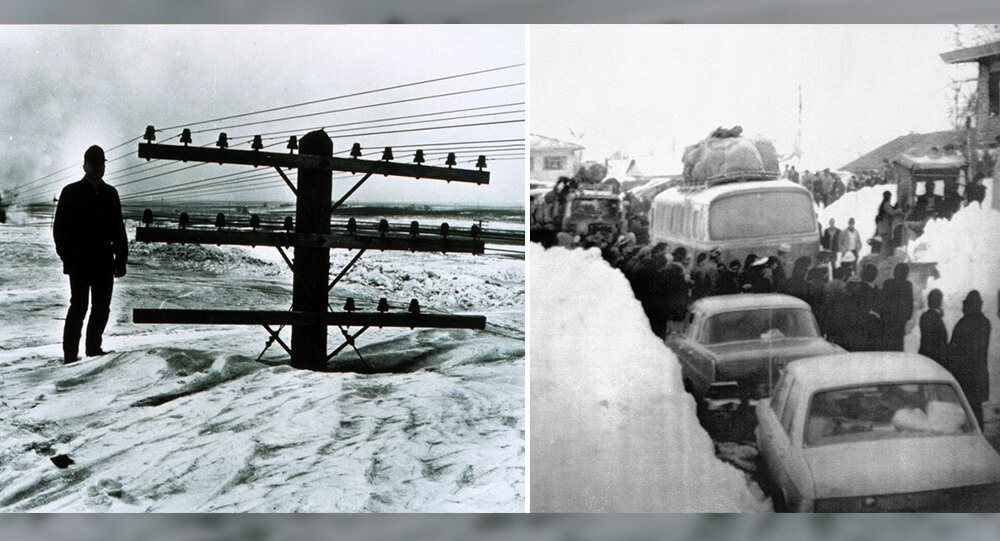
The worst blizzard in recorded history: the 1972 Iran blizzard
The deadliest snowstorm ever recorded occurred in Iran in 1972. It lasted for a week, burying areas in 26 feet of snow and killing over 4,000 people, including the entire populations of three villages.
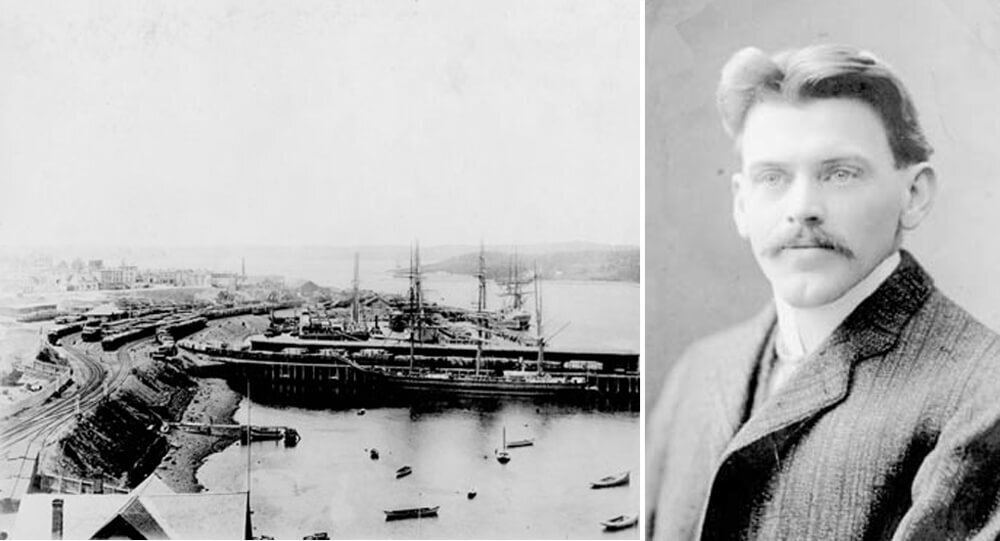
Vince Coleman, a railway dispatcher, sacrificed his own life
Vince Coleman, a railway dispatcher, sacrificed his life in order to warn an incoming train of an imminent explosion. His telegraph said “Hold up the train. Ammunition ship afire in harbor making for Pier 6 and will explode. Guess this will be my last message. Good-bye, boys.” He saved 300 lives.
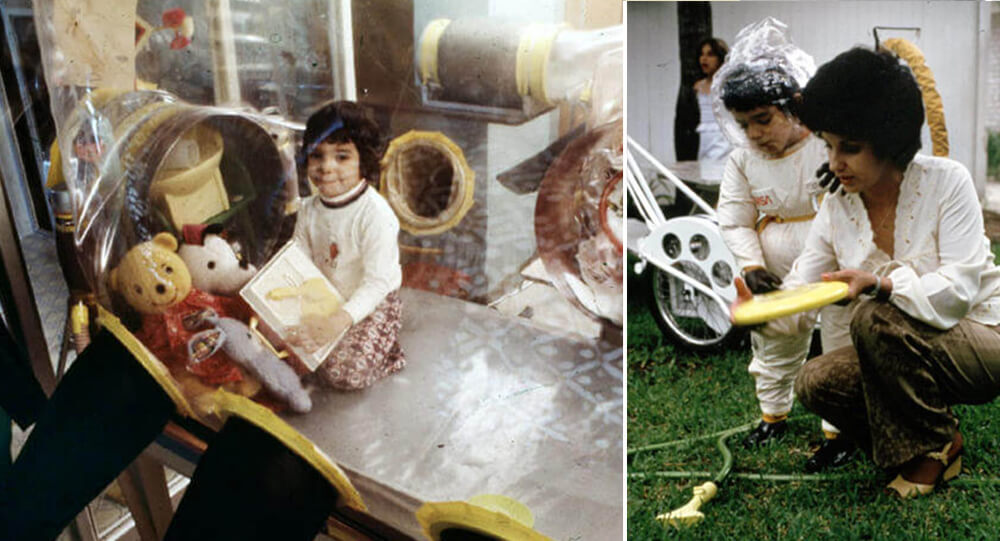
The touching story of David Vetter (bubble boy), the 'boy who lived in a bubble
David Vetter lived his whole 12 years in sterile “bubble”. He was “outside” for 20 second after being removed from his mother’s womb. He never touched any human.
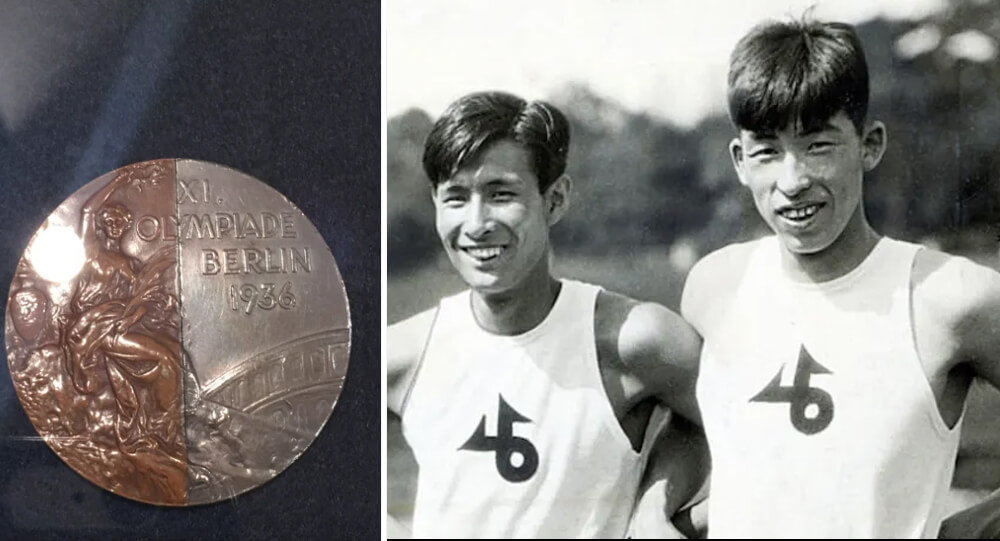
Medals of Friendship: The Enduring Olympic Story of 1936
At the 1936 Summer Olympics, two Japanese pole vaulters named Sueo Oe and Shuhei Nishida tied for second, but they declined to compete against each other. As a result, Nishida was awarded the silver medal and Oe won a bronze medal. Upon returning to Japan, the athletes had their medals cut in half and spliced together to create new "friendship medals," which were half silver and half bronze.

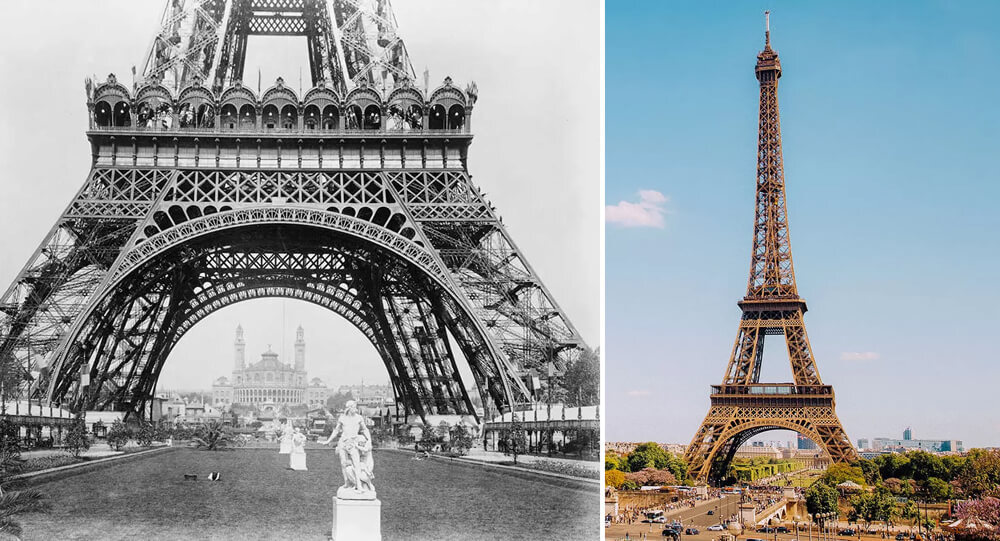
Why was the Eiffel Tower almost demolished
The Eiffel Tower was intended to be a temporary structure for the World's Fair in 1889, but it was nearly dismantled and sold for scrap metal. It was saved because of its potential use as a radio antenna, and it now serves as a tourist attraction as well as a working broadcast tower.
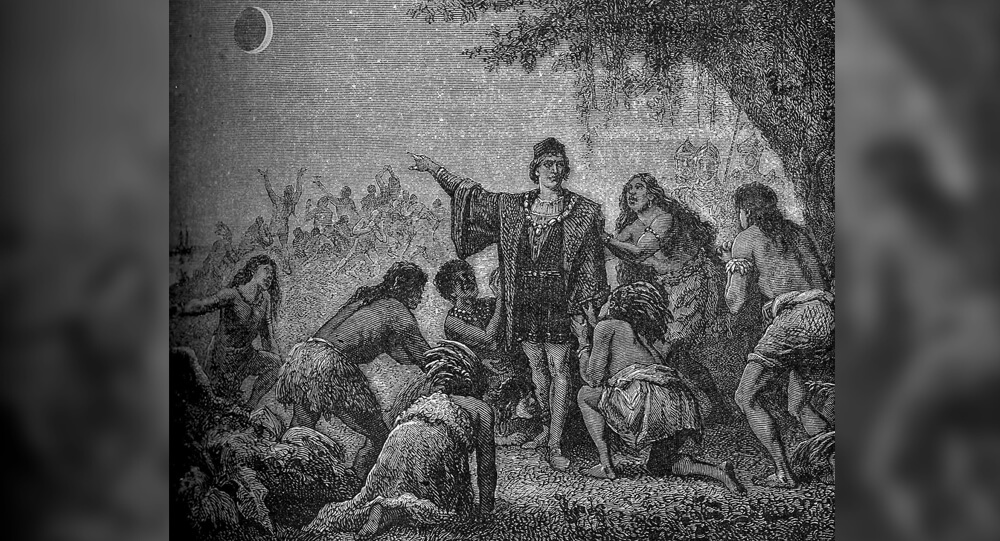
How a Total Lunar Eclipse Saved Christopher Columbus in 1504
In 1504, Christopher Columbus was stranded in Jamaica with natives who refused to give him food. But he knew the date and time of an upcoming lunar eclipse. So he told the natives that his gods were angry at their treatment of him, and would provide a clear sign. Once the eclipse started, the natives raced to give him food and begged for mercy.
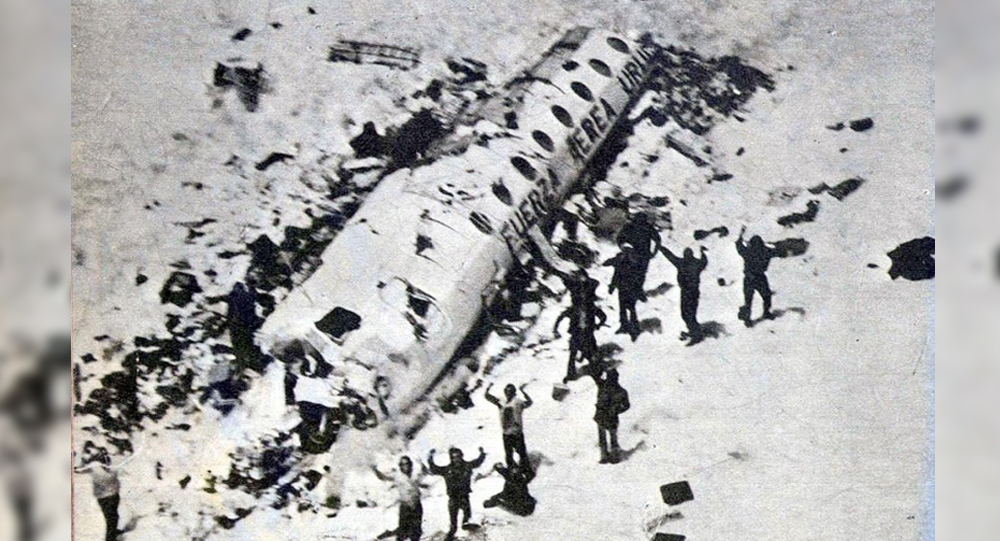
1972 Andes Plane Crash Survivor recall the terrifying Struggles to Stay Alive
On October 13, 1972, a plane carrying a rugby team from Uruguay crashed in the Andes between Chile and Argentina. The survivors were in brutal conditions - high altitude, bitter cold, and the lack of food—and faced the most terrible choice—eating the frozen flesh of their dead friends or starving to death themselves.
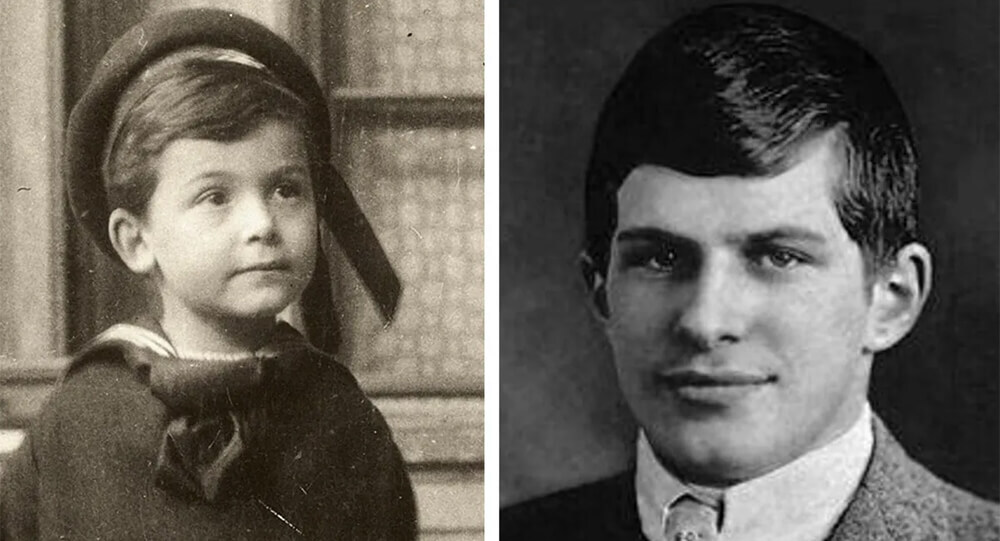
William James Sidis: The smartest person yet forgotten by people
William James Sidis, who was only 11 years old when he enrolled in Hardvard, finished his primary and secondary schooling in less than a year. He knew eight foreign languages by the age of eight and even invented his own language, "vedergood."
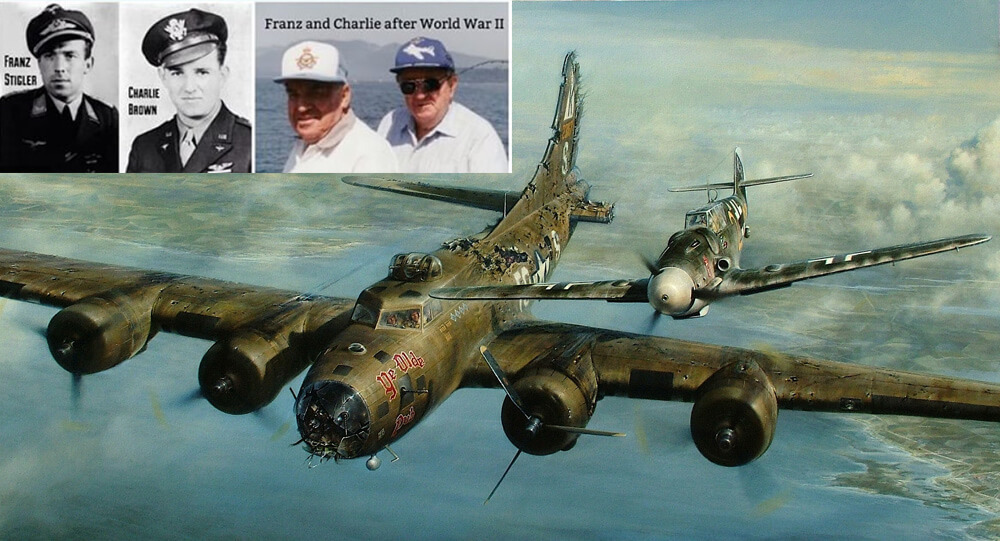
Charlie Brown and Franz Stigler incident: Enemy became friends
During WWII, a German pilot spotted an American pilot’s crippled plane in the sky. Tailing it, he noticed that gunner was dead, crew injured, and they posed no threat. Instead of destroying the plane, he led it to safety. 40 years later, the two pilots reunited.
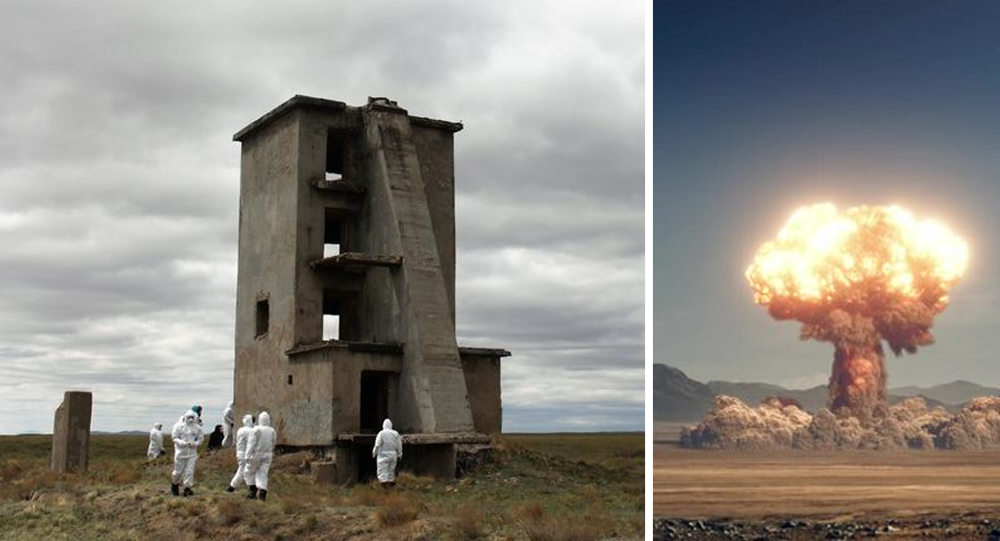
The Forgotten Story of Semipalatinsk and the Soviet Nuclear Experiments
Between 1949 and 1989, the Semipalatinsk Test Site in Kazakhstan became the primary location for Soviet nuclear weapons tests, exposing millions of unsuspecting villagers to radioactive fallout. Known as the “Polygon of Suffering,” this remote desert witnessed 456 nuclear detonations that caused widespread health crises, birth defects, and generational genetic damage. This article narrates the chilling legacy of Semipalatinsk, unveiling the human cost of Cold War arms development and the ongoing struggle for healing and recognition in Kazakhstan.
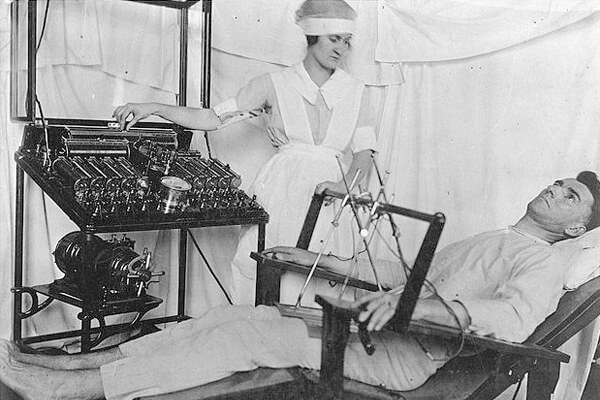
Top 10 most cruel medical procedures that are being used today
We are all aware that medicine has advanced dramatically over the last fifty years. There are several modern medical approaches available today, but this was not always the case. However, the past of medicine is a dark one. Medical leeches, lobotomy, vascular surgery, cranial stenosis, and even electroshock therapy are all options. These are only a couple of the cruel healing techniques that are still in use today.
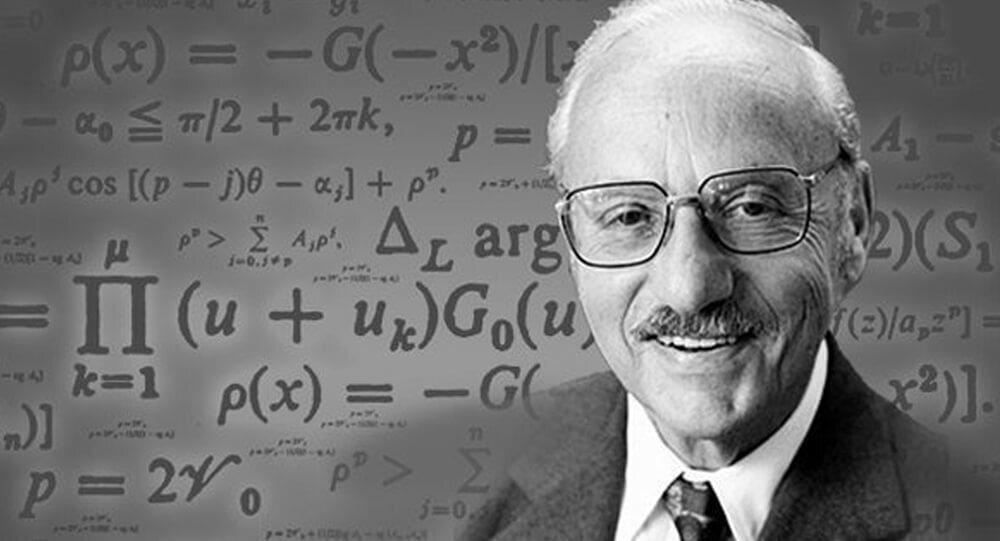
George Dantzig solved two famous “unsolved” problems in statistics mistakenly as assignment
In 1939, George Dantzig arrived late to his statistics class. On the board were two famous “unsolved” problems in statistics written as an example by his professor. Dantzig mistook the examples for homework assignments. He solved the “unsolved” problems and submitted the homework to his professor a few days later. His solutions earned him a doctorate.
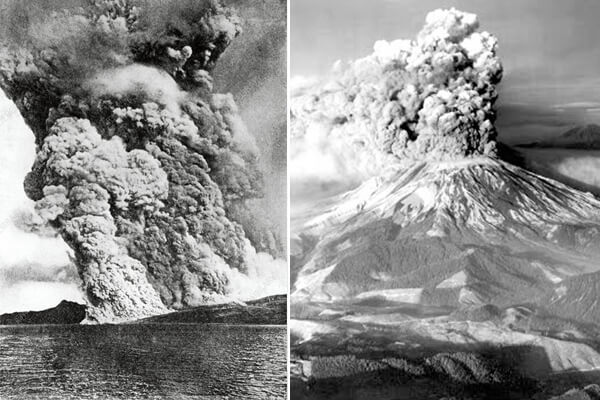
10 world’s most destructive and dangerous volcanic eruptions in history
Volcanic eruptions can devastate cities, change the world's atmosphere, and devastate economic systems. They can create molten lava rivers, mudslides, suffocating ash, and poisonous gases that cause chaos around the world for years. A volcanic explosion's effects can be massive, from its size to its death toll to its economic cost. Here is ten world’s most destructive and dangerous volcanic eruptions in history.
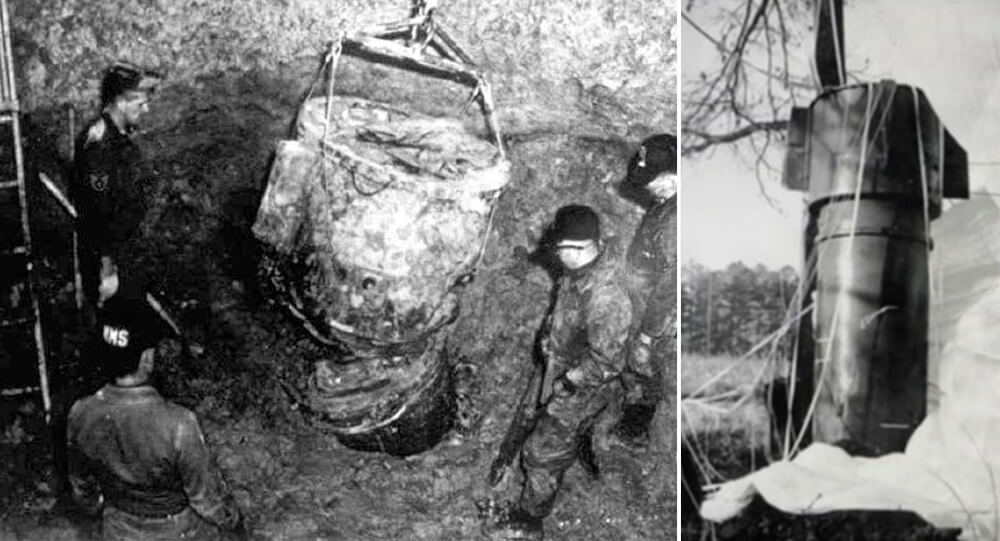
Nuclear bomb accidentally dropped on North Carolina in 196
4 January 1961: The 4241st Strategic Wing's Boeing B-52G-95-BW Stratofortress, serial number 58-0187, was on a 24-hour airborne alert mission off the United States' Atlantic Coast.
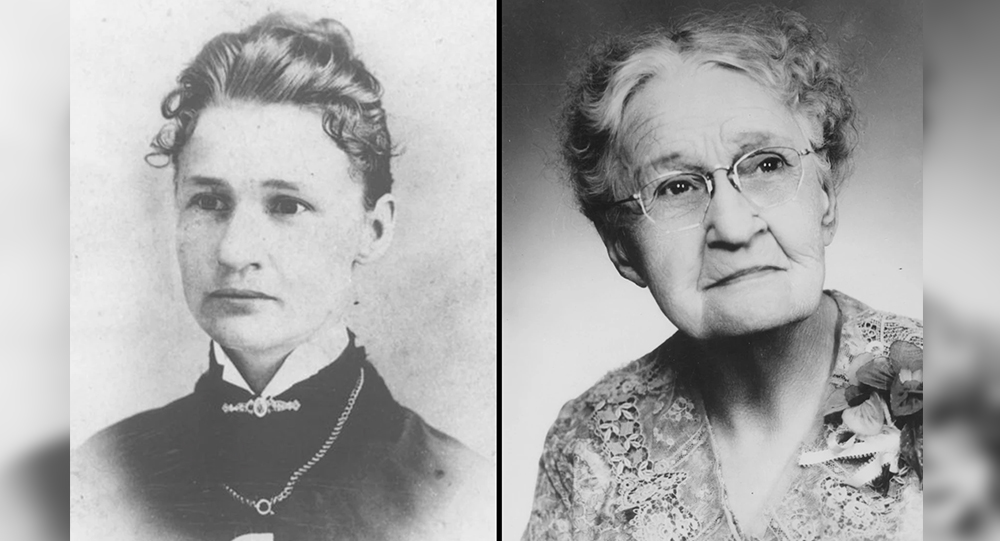
Susanna Salter: The Trailblazing Story of America’s First Female Mayor
In 1887, Susanna Salter became the first female mayor in the United States, elected in Argonia, Kansas. Her nomination was initially a prank by men opposing women in politics. However, she won by a landslide and served effectively, inspiring the women’s suffrage movement and breaking barriers for women in leadership.
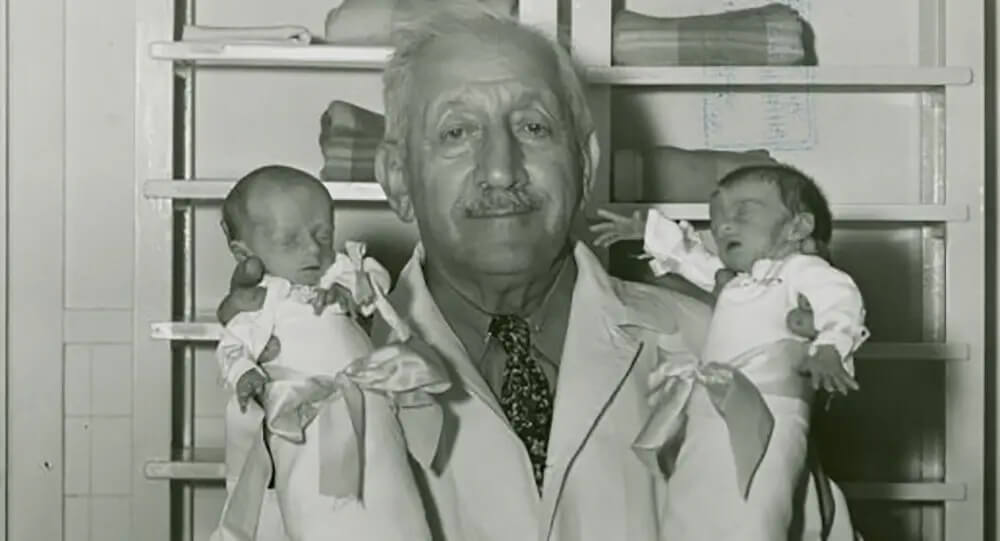
Martin Couney, Saved Thousands of Premature Babies Wasn’t a Doctor at All
Martin Couney never qualified as a medical doctor. However, in the 1900s, he saved thousands of premature babies by exhibiting them in incubators at his Coney Island sideshow. Over the course of his career, he is said to have saved about 6,500 babies that had previously been written off by mainstream medicine.
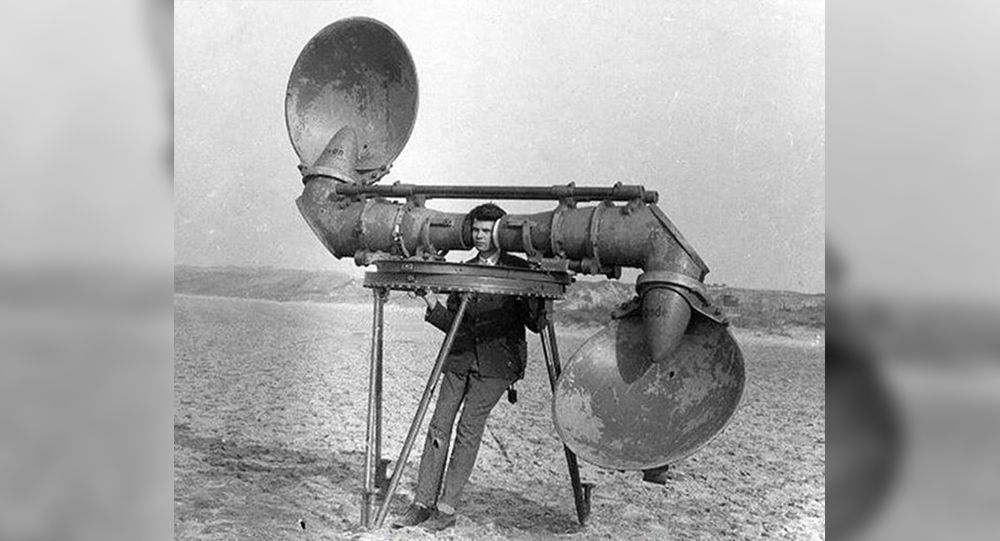
Before Radar: How Giant Acoustic Mirrors Detected Enemy Aircraft in WWI and WWII
Long before radar revolutionized air defense, enormous acoustic mirrors and specialized sound locators stood as the first line of defense against enemy aircraft. Designed as giant “ears,” these structures amplified distant engine noises, allowing operators to detect incoming planes by sound alone. Dive into the intriguing world of these pioneering listening devices, their operation, limitations, and enduring legacy in military history.

Tunnels Dug by ancient giant sloths, A South American Megafauna
For years, scientists didn’t know what caused mysterious cave networks in South America. In 2010, they learned that the caves were actually tunnels dug by ancient giant sloths

How Sleep Deprivation Was Once Used as Torture
Sleep deprivation, long before modern interrogation techniques, was considered a “clean” and effective form of torture—leaving no physical scars, yet breaking minds with haunting silence. Victims endured days and nights without rest, leading to vivid hallucinations, disorientation, and psychological torment. This article traces the dark history of sleep deprivation as a weapon, examines the science behind its effects on the brain, and shines a light on the painful balance between human endurance and cruelty in the annals of coercion.
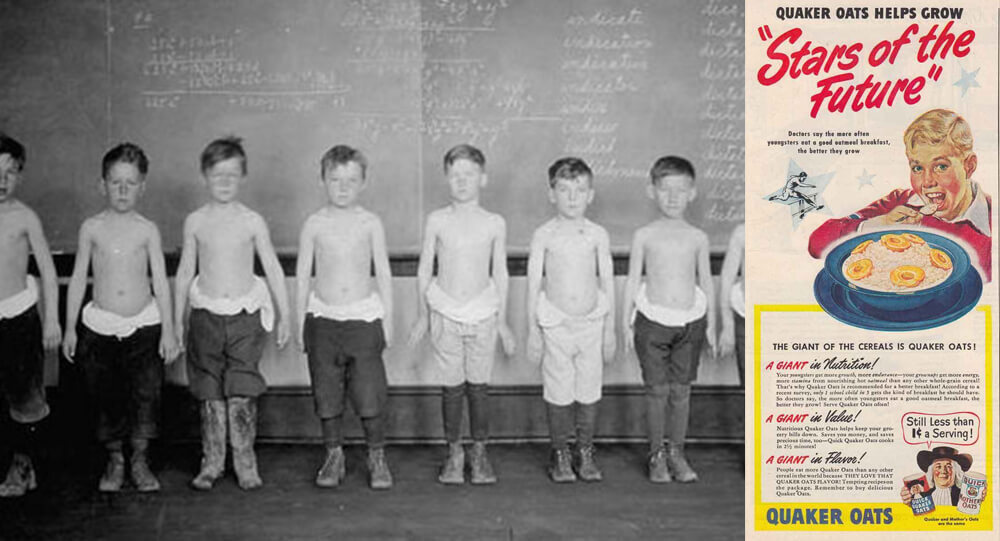
Quaker Oats Fed Children with Radioactive Oatmeal
In the 1940s and 1950s, Quaker Oats and MIT conducted experiments on radioactive iron and calcium-containing cereal. The diet was part of a study to see if the nutrients in Quaker oatmeal traveled throughout the body. In January 1998, a $1.85 million settlement was reached for 30 victims who came forward.
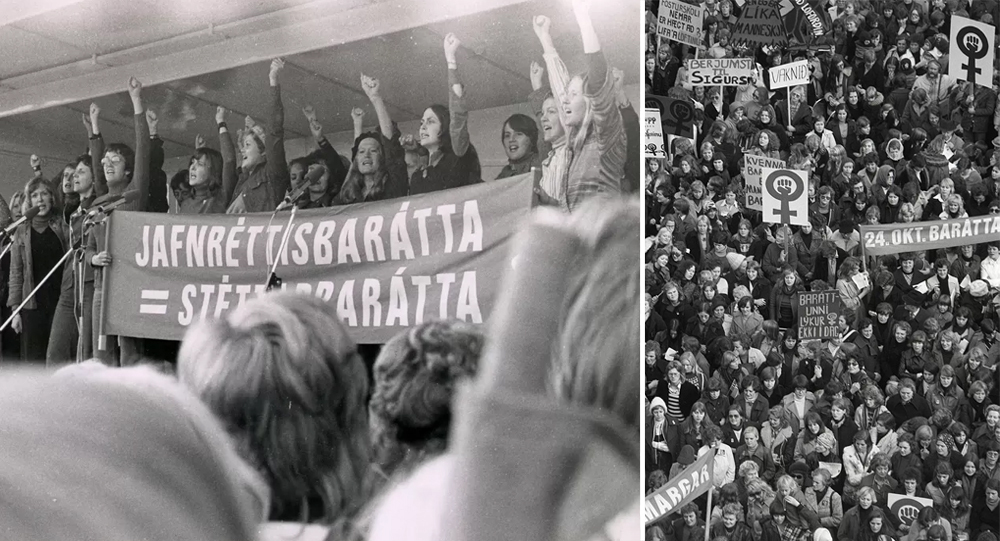
The day Iceland's women went on strike
Icelandic women went on strike for equal rights on October 24, 1975. 90% of women walked out of their jobs and homes, effectively shutting down the entire country. The men were struggling to keep up. The following year, Parliament passed a law requiring equal pay. Iceland elected the world's first female President five years later. Iceland now has the highest gender equality rate in the world.
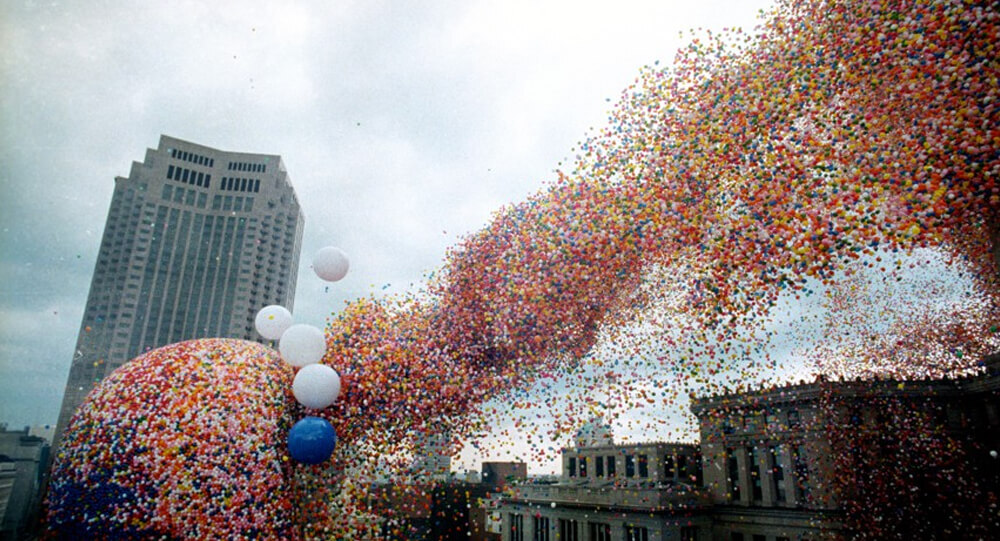
How Cleveland's Balloonfest in 1986 Turned Into a Public Tragedy
In Cleveland, Ohio, United Way broke the world record by deflating nearly 1.5 million balloons as part of a publicity stunt to raise money. The balloon obstructed a US Coast Guard search for two boaters who were subsequently discovered to have drowned, blocked airport runways, and blocked land and waterways.
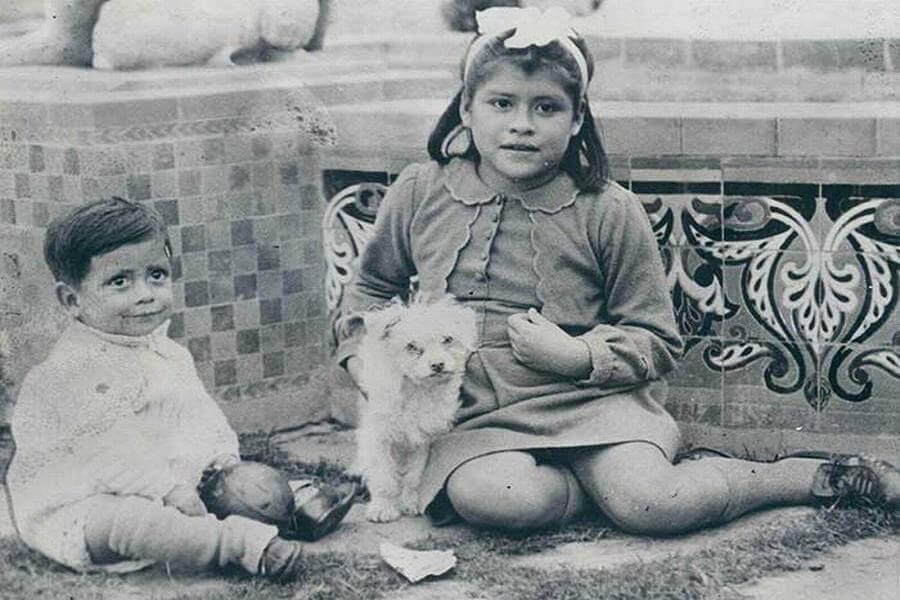
story of the youngest mother in the world at age of five - Lina Medina
Lina Medina, a five-year-old Peruvian girl, became the youngest mother in history in 1939 when she gave birth to a boy.

Albert Einstein’s brain after it was stolen from his body
Albert Einstein's brain was taken by the opportunistic pathologist who performed his autopsy hours after he died and kept in two jars for 30 years. The stolen brain of Albert Einstein was preserved in a cookie jar for 30 years until being discovered by a journalist.