
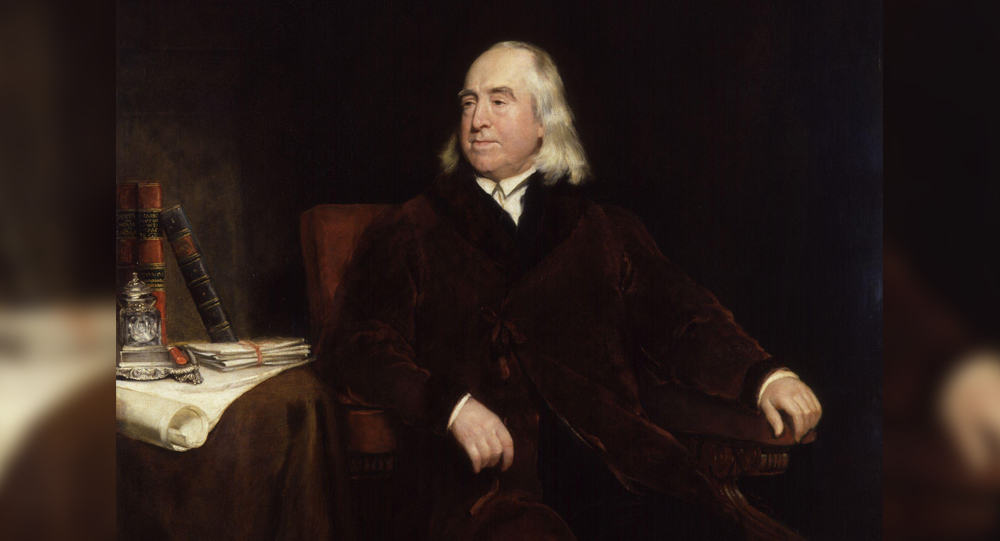
The 18th century was defined by rigid social structures that confined women largely to domestic roles. Considered legally and socially inferior to men, women’s identities often hinged on marriage and motherhood. Education for women was mostly limited to domestic skills such as cooking, needlework, and music — training aimed at making them ideal wives rather than independent thinkers or active citizens.
Widowed, single, or married, women’s rights were severely curtailed: they could rarely own property, enter contracts, or engage in politics independently. Leaving one’s home demanded a husband’s permission. This pervasive inequality bred discontent beneath the surface and laid fertile ground for the emerging challenge to gender norms.
Enlightenment Ideals Spark the Question of Equality
The intellectual atmosphere of the Enlightenment, with its emphasis on reason, liberty, and natural rights, ignited new debates on women’s status. Philosophers and writers began questioning why rights and equality seemed reserved for men alone.
Mary Wollstonecraft, often hailed as the mother of modern feminism, published A Vindication of the Rights of Woman in 1792 — a groundbreaking work insisting that women deserved equal education, opportunity, and respect. She argued that women were not naturally inferior but appeared so because of lack of education and freedoms. Her compelling logic fueled feminist discourse across Europe and beyond.
Enlightenment thinkers like Jeremy Bentham and Marquis de Condorcet also advocated women’s rights, including suffrage. Condorcet’s 1790 For the Admission to the Rights of Women boldly demanded political inclusion, pushing equality from philosophical musings into political arenas.
Pivotal Writings and Declarations
The 18th century bore witness to seminal texts that challenged patriarchal norms. Olympe de Gouges authored the Declaration of the Rights of Woman and the Female Citizen in 1791, a direct response to the French Revolution’s Declaration of the Rights of Man and Citizen. With pointed irony and courage, she emphasized that liberty and equality must apply to women as well.
These writings did not immediately translate into legal changes, but they seeded the feminist ideas that would mature in the 19th and 20th centuries. Early feminist voices also included Abigail Adams in America, who famously urged her husband to “remember the ladies” during the drafting of new government frameworks, highlighting an international awakening.
Early Advocacy and the Growing Movement
By the late 18th and early 19th centuries, women organized in salons and circles, advocating education and legal reforms. Despite fierce social pushback and ridicule, these activists persisted, planting the roots for suffrage, property rights, and educational access campaigns.
Though limited in numbers and scope at first, these movements gained momentum across Britain, France, and America. They challenged restrictive laws, elevated female intellectual contributions, and built networks of solidarity that transcended class and nationality.
How 18th Century Movements Shaped Modern Equality
Modern feminism owes a profound debt to the 18th-century pioneers who dared to question established gender hierarchies. The demand for education, political participation, and legal equality articulated then set the stage for major reforms in the centuries that followed:
- Women’s suffrage movements in the 19th and 20th centuries drew directly from these early ideas.
- Educational reforms expanded access to women worldwide, inspired by calls for equal intellectual opportunity.
- The concept of intrinsic human rights became inseparable from gender equality discussions.
Today’s ongoing conversations about gender roles, workplace equality, and reproductive rights bear the unmistakable imprint of those first bold challenges to patriarchy.
Fascinating Trivia About 18th Century Women’s Rights Movements
- Mary Wollstonecraft’s A Vindication of the Rights of Woman was unusual for being written by a woman about women’s equality, and it was translated into multiple languages soon after publication.
- Olympe de Gouges was executed during the French Revolution for her outspoken views, demonstrating the risks early feminists faced.
- Jeremy Bentham, known for utilitarian philosophy, became an early advocate for women’s voting rights as early as 1781.
- Gender inequality was so entrenched that even some Enlightenment thinkers, like Rousseau, argued women’s natural place was obedience and domesticity.
- The term “feminism” itself would not arise until the 19th century, but 18th-century activism laid its foundational principles.
- Women’s rights activism in the 18th century was linked to other social justice causes like abolitionism and democratic reforms, highlighting intersectional struggles.
The 18th Century—Where Modern Equality Found Its Voice
The 18th century was a crucible of ideas where women’s rights movements first took shape against a backdrop of profound inequality. Through fearless writing, advocacy, and intellectual challenge, these early feminists opened a path for future generations to claim education, political power, and social justice.
Their struggles remind us that modern equality is built on centuries of courage and determination. Revisiting their stories deepens our appreciation for today’s rights and fuels ongoing efforts to achieve true gender equity worldwide.
If you found this examination of 18th-century women’s rights enlightening, share it to honor the origins of the global quest for equality and empower the ongoing journey.
Sources & Further Reading:
- The Status of Women in 18th Century English Society — By Arcadiabyarcadia
- History of Feminism — Wikipediawikipedia
- Women’s Rights — Wikipediawikipedia
- Feminism in the 18th Century and Beyond — Atriainstitute-genderequality
- Women’s Rights Movement Overview — Britannicabritannica

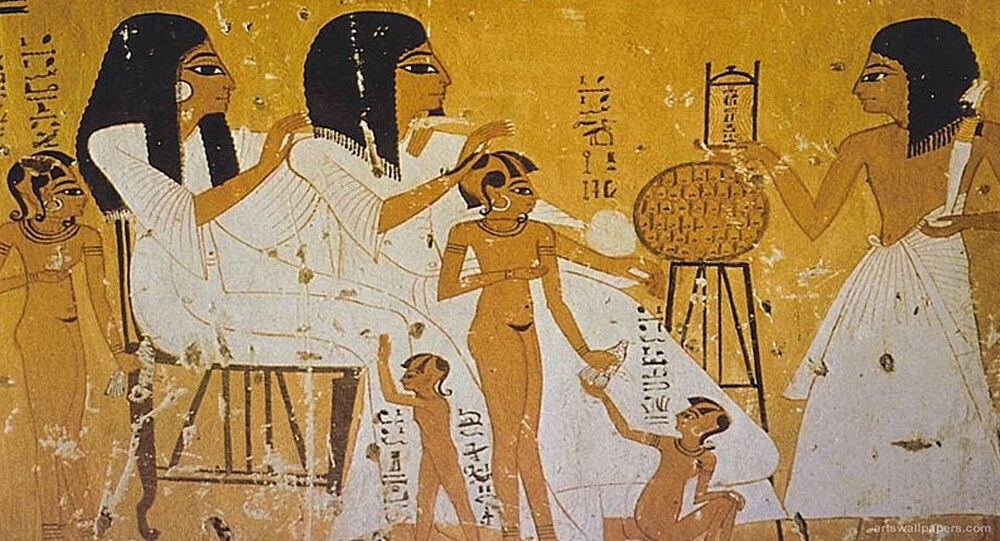
Ancient Egyptians Had Pregnancy Tests Over 3500 Years Ago
The ancient Egyptians used a pregnancy test that involved potentially pregnant women peeing on barley and wheat seeds. Plant growth indicated pregnancy: barley for a boy and wheat for a girl. Later tests revealed that pregnant women's urine causes plant growth 70% of the time, whereas non-pregnant women's urine does not.
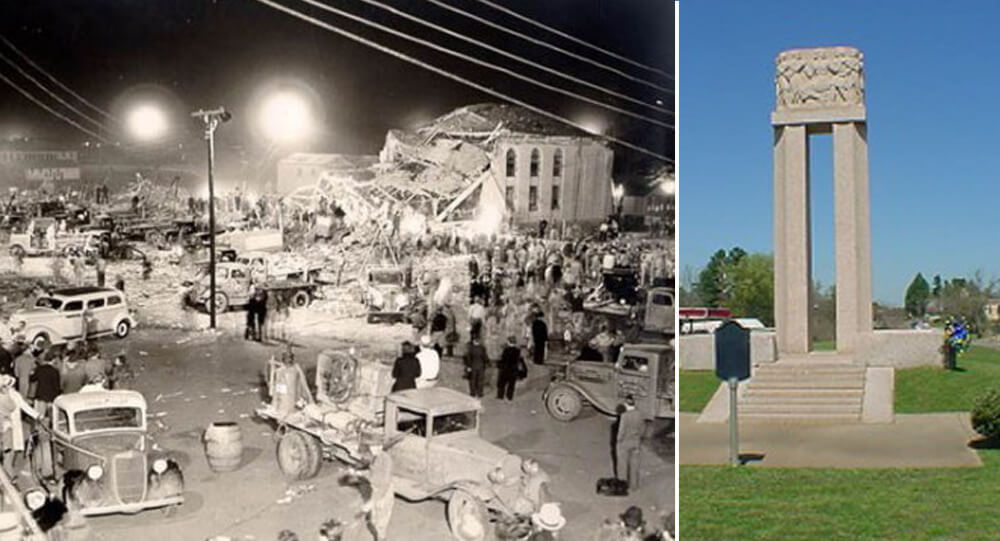
New London School Explosion, Deadliest school disaster which killed almost 300 children and teachers
In 1937, a gas leak in the basement at the local school in New London, Texas caused a massive explosion which killed almost 300 children and teachers, the deadliest school disaster in US history. Adolf Hitler even sent his condolences by telegram.
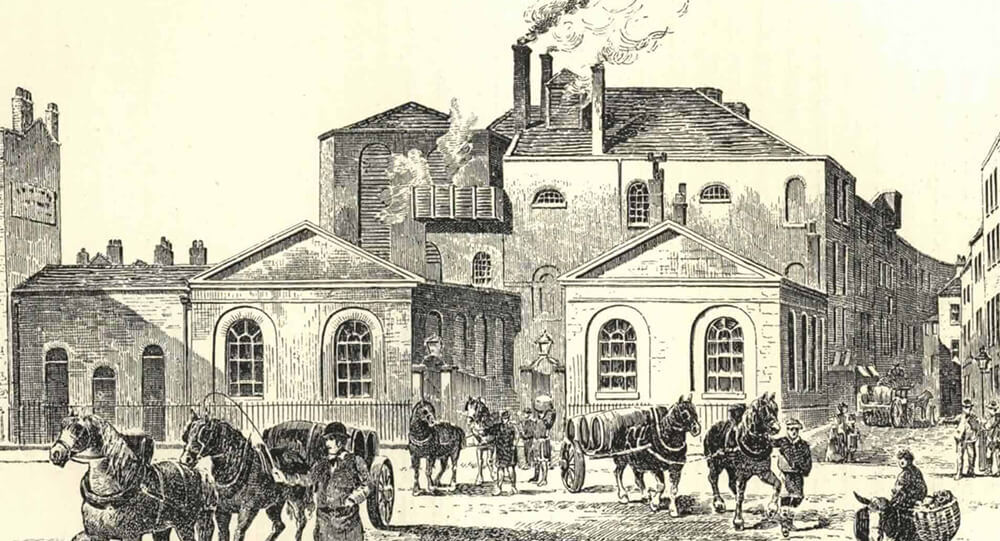
The 1814 London beer flood
In 1814, there was a beer flood in London when a tank containing more than 300,000 gallons ruptured in which 8 people drowned.

The incredible story of Julia "Butterfly" Hill and her legacy
American environmental activist Julia “Butterfly” Hill lived in a 1500-year-old California Redwood tree for 738 days to prevent it from being cut down by the Pacific Lumber Company. The Simpson’s episode “Lisa the Tree Hugger” was inspired by Hill’s story.

The Littlest Skyscraper: How J.D. McMahon’s 480-Inch Con Fooled Investors in 1919
In 1919, J.D. McMahon convinced investors to fund a 480-foot skyscraper, but he labeled the plans as 480 inches, building a 40-foot structure instead. After taking $200,000, he won in court since the plans matched what he built.

Terry Fox, a 21-year-old one-legged cancer patient who ran 143 days before dying
Terry Fox was a 21-year-old one-legged cancer patient who ran 3,339 miles across Canada in 143 days before dying.
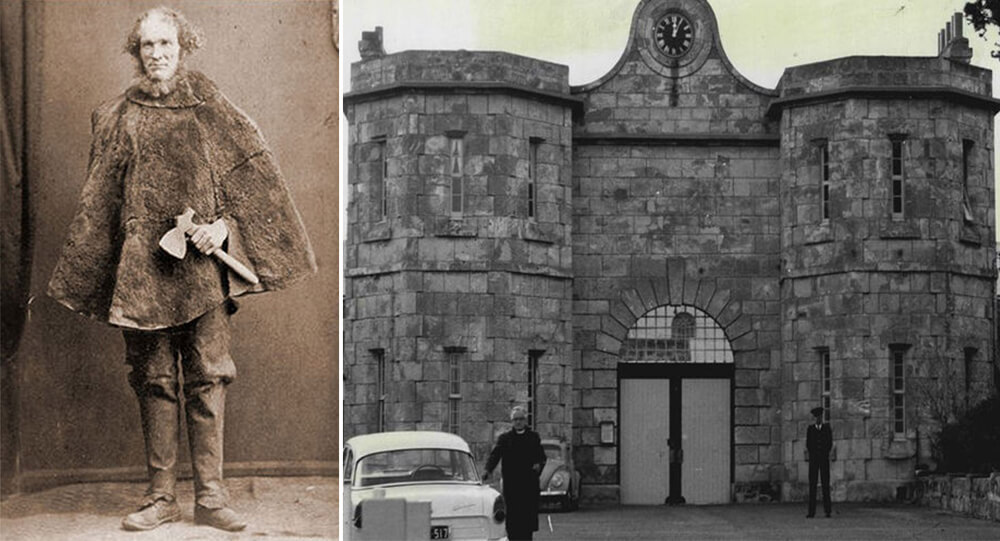
Moondyne Joe: The story of Australia's most notorious prison escapee
A man named Joseph Bolitho Johns (A.K.A Moondyne Joe) broke out of Australian prisons so many times that the police were compelled to build a special cell just for him. He escaped from that as well.
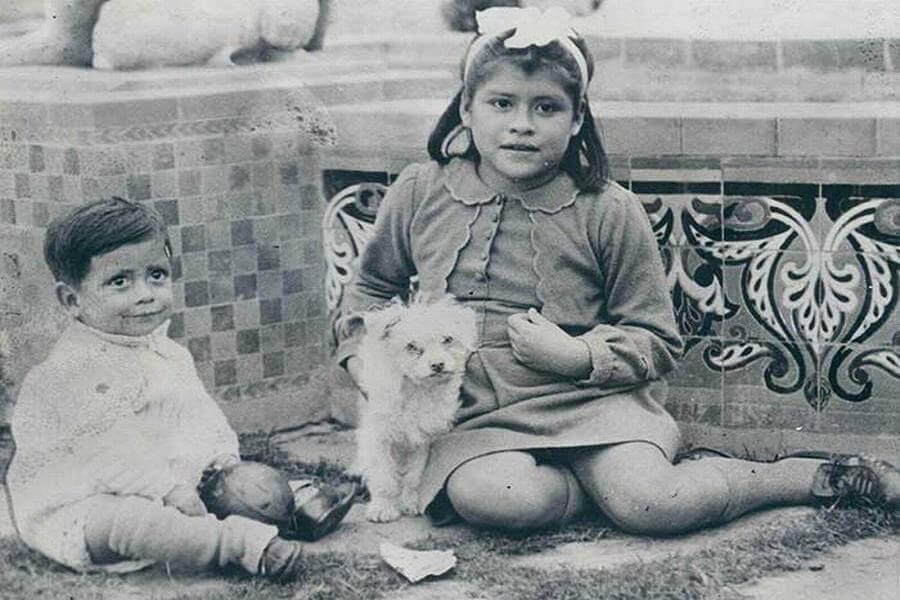
story of the youngest mother in the world at age of five - Lina Medina
Lina Medina, a five-year-old Peruvian girl, became the youngest mother in history in 1939 when she gave birth to a boy.
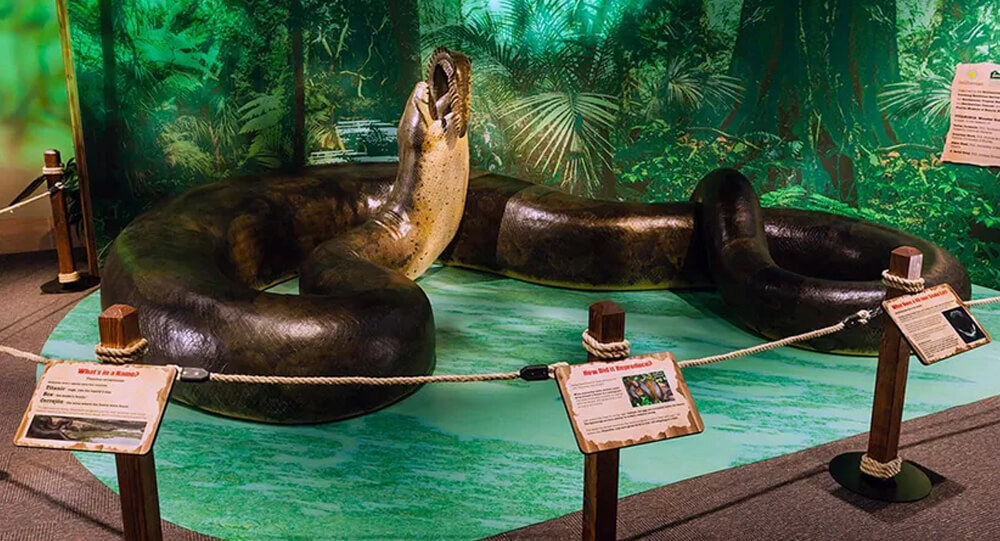
Titanoboa cerrejonensis, fossils of the world’s largest species of snake
In 2009 in a coal mine of Columbia, scientists discovered fossils of the world’s largest species of snake. The species is called “Titanoboa cerrejonensis,“and it is from around 60 million years ago. It would have had measured about 48 feet long and weighed about 2,500 pounds
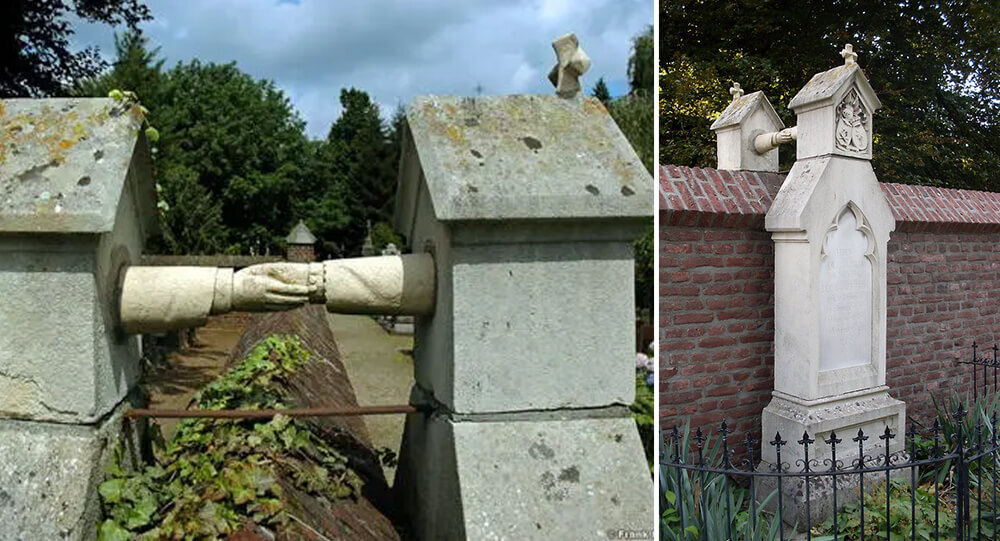
Graves holding hands over wall, A Catholic woman and her Protestant husband grave
A protestant man and a Catholic woman who weren't allowed from being buried together in a graveyard in 19th-century Holland turned their graves into a monument showing them holding hands across the wall separating them.
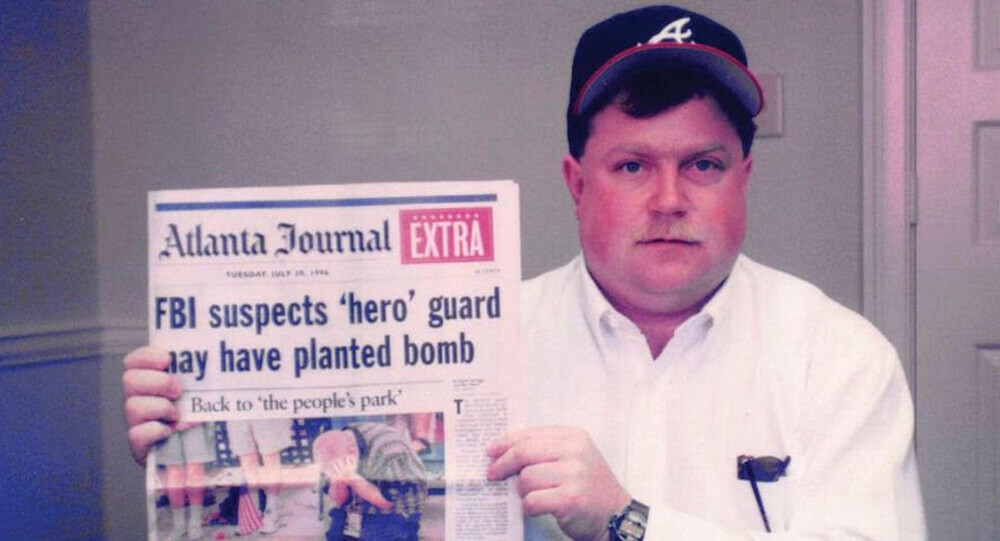
During the 1996 Olympic bombing, Richard Jewell falsely accused of committing the crime after saving dozens of people
Richard Jewell, an American security guard, discovered a bomb during the 1996 Olympic Games in Atlanta and assisted in the evacuation, but was later wrongfully accused and faced public scrutiny. He was cleared, but it had a lasting impact on him until his death in 2007 at the age of 44.
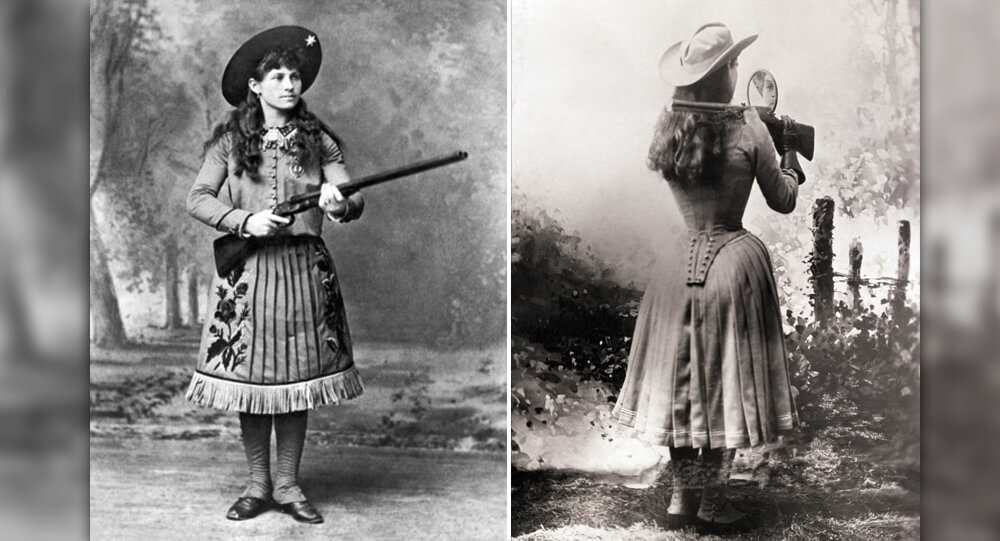
The true story of Annie Oakley, legendary sharpshooter
Anne Oakley was such a good shooter that she could split a playing card help edge-on, hit dimes thrown into the air, shoot cigarette from her husband's lips, and pierce a playing card thrown into the air before it hit the ground.
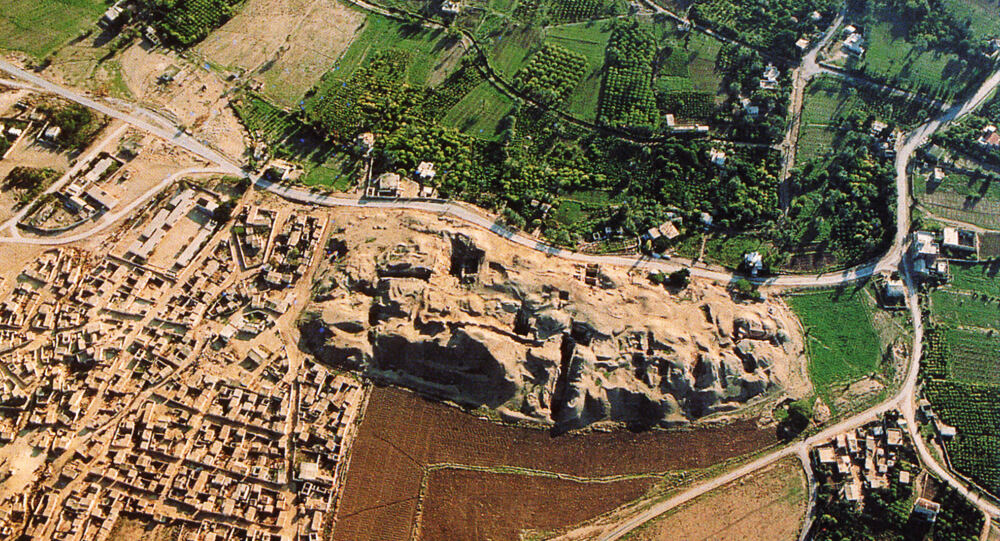
Ancient Jericho: The First Walled City In History
The ancient city of Jericho is the world's oldest walled city, with evidence of stone fortifications dating back nearly 9000 years.
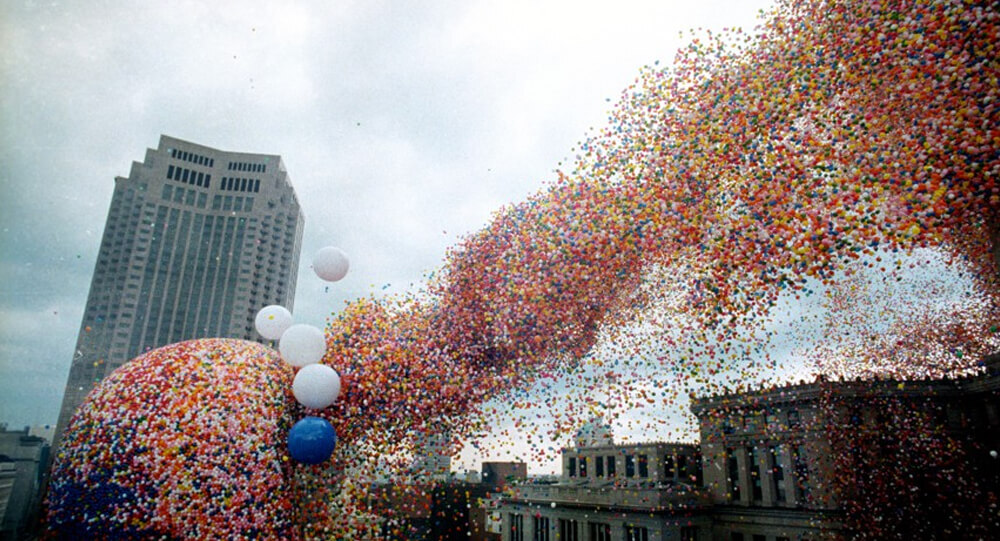
How Cleveland's Balloonfest in 1986 Turned Into a Public Tragedy
In Cleveland, Ohio, United Way broke the world record by deflating nearly 1.5 million balloons as part of a publicity stunt to raise money. The balloon obstructed a US Coast Guard search for two boaters who were subsequently discovered to have drowned, blocked airport runways, and blocked land and waterways.
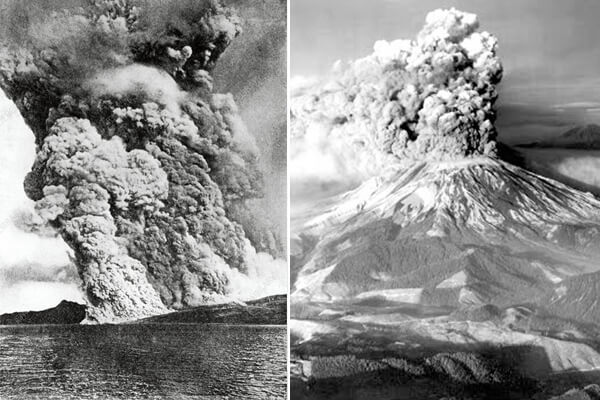
10 world’s most destructive and dangerous volcanic eruptions in history
Volcanic eruptions can devastate cities, change the world's atmosphere, and devastate economic systems. They can create molten lava rivers, mudslides, suffocating ash, and poisonous gases that cause chaos around the world for years. A volcanic explosion's effects can be massive, from its size to its death toll to its economic cost. Here is ten world’s most destructive and dangerous volcanic eruptions in history.

Why the Word ‘Pen’ Comes from the Latin ‘Penna’ Meaning Feather
The humble word “pen” carries a rich history rooted in ancient times, derived from the Latin word penna, meaning “feather.” Long before modern pens revolutionized writing, feather quills—especially from geese—were the essential tools of scribes, scholars, and artists. This article journeys through the origins of the pen, its evolution, and fascinating trivia about the timeless connection between feathers and writing.

Remembering the miracles of the 1985 Mexico earthquake (unbelievable stories)
In 1985, after an 8.0 magnitude earthquake hit Mexico City, nearly all newborn babies survived a collapsed hospital. They are known as “Miracle Babies” for surviving 7 days without nourishment, water, warmth or human contact.
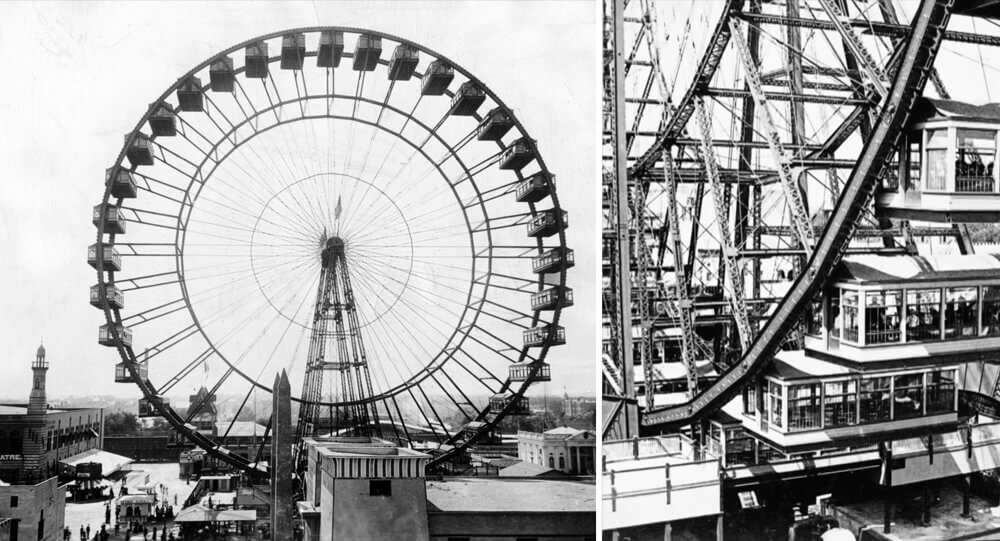
how Ferris wheel invented
In 1891, Chicago challenged engineers to create a structure to surpass the Eiffel Tower for the World's Columbian Exposition. George Washington Gale Ferris jr. responded with the original Ferris Wheel, a giant rotating structure elevating visitors above the city. This invention became an iconic attraction at the fair.
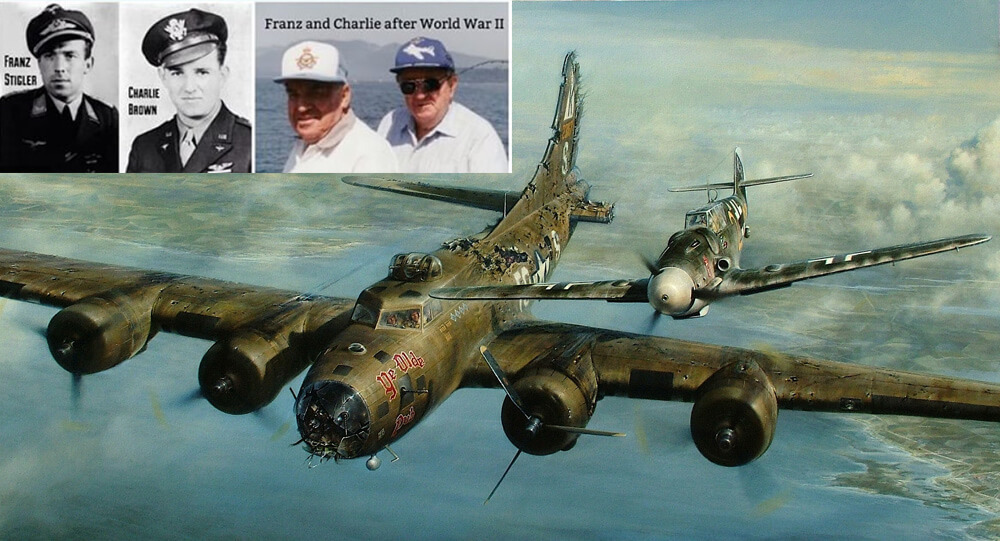
Charlie Brown and Franz Stigler incident: Enemy became friends
During WWII, a German pilot spotted an American pilot’s crippled plane in the sky. Tailing it, he noticed that gunner was dead, crew injured, and they posed no threat. Instead of destroying the plane, he led it to safety. 40 years later, the two pilots reunited.

Nathan's Famous Doctor Stunt
When Nathan's Famous Hot Dogs first opened in 1916, the owner hired people to dress as doctors and eat hot dogs outside his shop, to convince people his hot dogs were healthy.
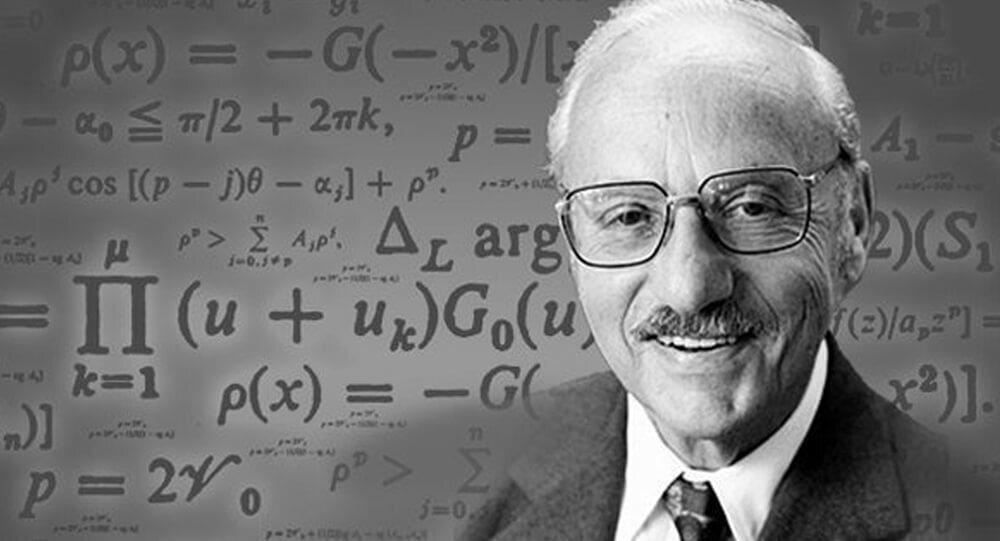
George Dantzig solved two famous “unsolved” problems in statistics mistakenly as assignment
In 1939, George Dantzig arrived late to his statistics class. On the board were two famous “unsolved” problems in statistics written as an example by his professor. Dantzig mistook the examples for homework assignments. He solved the “unsolved” problems and submitted the homework to his professor a few days later. His solutions earned him a doctorate.

Saudi Arabia camel carvings dated to prehistoric era
Archaeologists were shocked to discover that a series of camels carved into desert rock faces in north-western Saudi Arabia are actually prehistoric, dating from 7,000-8,000 years ago - before either the Pyramids of Giza or Stonehenge were built.


The 1976 April Fools' Pranks, Planetary Alignment
On April fool's Day, 1976, the BBC convinced many listeners that a special alignment of the planets would temporarily decrease gravity on Earth. Phone lines were flooded with callers who claimed they felt the effects.
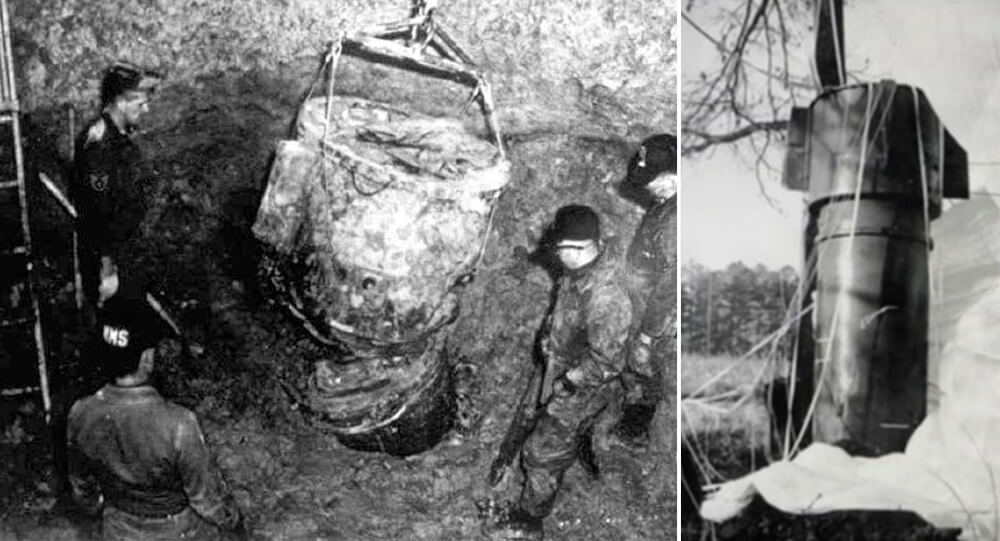
Nuclear bomb accidentally dropped on North Carolina in 196
4 January 1961: The 4241st Strategic Wing's Boeing B-52G-95-BW Stratofortress, serial number 58-0187, was on a 24-hour airborne alert mission off the United States' Atlantic Coast.
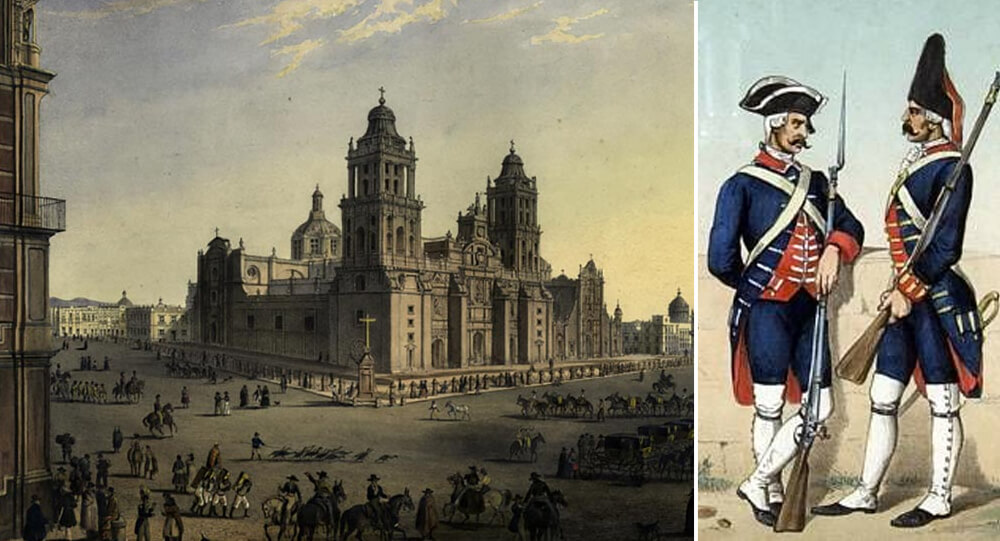
Did Gil Pérez Really Teleport from Manila to Mexico Overnight? The 1593 Mystery
On October 24, 1593, while performing his guard duties at Manila's Governor's Palace in the Philippines, Gil Perez stopped to lean against a wall and sleep for a while. He opened his eyes to find himself in an unusual environment. Gil was in the Plaza Mayor in Mexico City. They imprisoned Perez, but the authorities in Mexico City decided to release him and return him home.