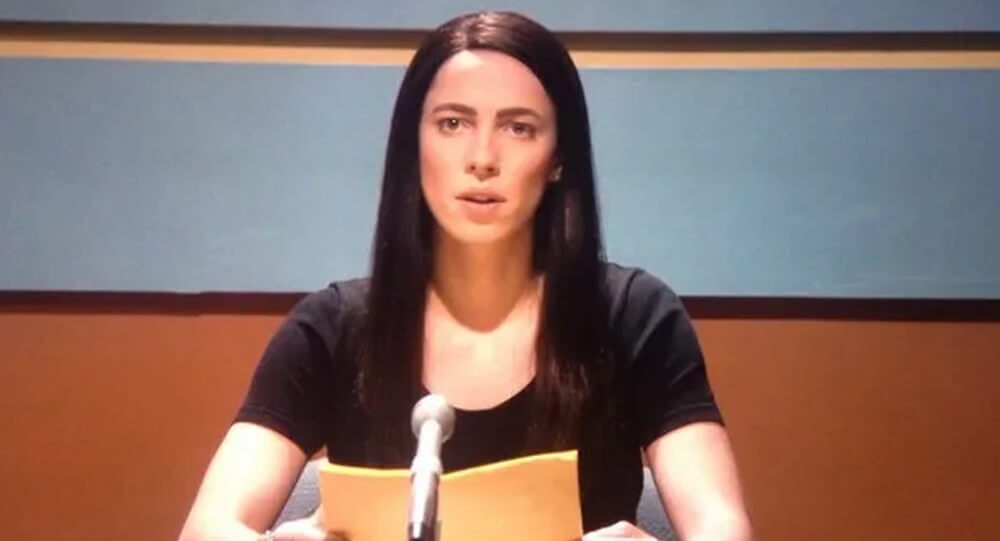
Christine Chubbuck, a 29-year-old television presenter, arrived at Channel 40, the local Florida TV station where she worked, on July 15, 1974. Sally Quinn wrote in a Washington Post editorial the following month, “She was in unusual good spirits.”
None of Chubbuck’s coworkers (a technical director, a male co-anchor, and two camerawomen) questioned her choice to change the running order of her show, Suncoast Digest, which would now begin with a story on a local shooting instead of an interview.
The show began at 9.30 a.m., as normal, but the team quickly ran into a technical hitch when the prerecorded VT failed to roll. Chubbuck then returned to her script, saying, “In keeping with Channel 40’s goal of bringing you the newest in blood and guts and in living color,” she stated, “you are going to see another first: an attempted suicide.”
Chubbuck then took a.38 caliber Smith & Wesson pistol from her bag of puppets, which she used to perform shows at a local hospital for mentally handicapped children, and shot herself in the right ear. Thousands of people watched her commit suicide live on television.
A coworker discovered a blood-soaked news piece on her desk as she was brought to the hospital (where she was later confirmed dead). Christine Chubbuck had written a longhand description of her own demise.
The Unfortunate footage
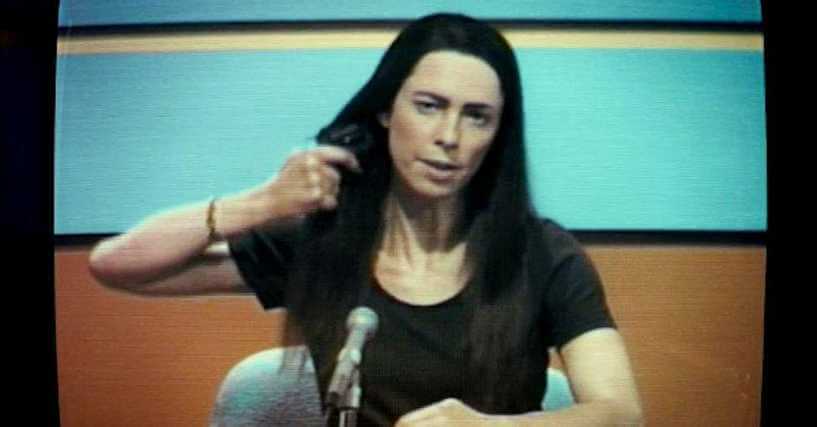
The news made headlines all across the world within hours. It was forgotten within months, save for those morbid detectives who would obsess over discovering the tragic footage once the internet age took hold. It remained a minor footnote in history until last year, when two films about Christine Chubbuck premiered at the Sundance Film Festival.
Indeed, Hall’s first instinct was to hide the screenplay from herself, believing that no one would want to witness such a macabre production.
“My immediate instinct was terror,” Hall adds. “I was perplexed as to why you would make this picture. The things she did have an infinite circular irony to them. Of course, she was afflicted with a terrible, terrible mental disease, and this is the result. However, the things she did had to be seen as a primal scream against a world that was growing increasingly predatory. In front of the world, she was practically abusing her own agony. This necessitates a delicate balancing act.
“You’re truly onto something if you can make a film about sensationalism without becoming sensational.” But I’m pleased to say that I believe we succeeded.”
The second of these, simply titled Christine, has received positive reviews for actress Rebecca Hall, who portrays Chubbuck in his dying weeks. When Hall initially met with filmmaker Antonio Campos (who also directed Simon Killer) and writers Craig Shilowich, she had never heard of Chubbuck.
Hall made her cinematic debut in 1992, at the age of ten, in the miniseries The Camomile Lawn, as the daughter of opera singer Maria Ewing and theatre director Sir Peter Hall. She has since demonstrated her acting prowess in a number of dramas (Vicky Cristina Barcelona, Frost/Nixon, The Town), blockbusters (Iron Man 3, The BFG), comedies (Everything Must Go), and award-winning theater productions.
senseless suicide
Chubbuck’s image by Hall is a stunning item, serving as a counterpoint to contemptuous statements like “senseless suicide.” Christine’s depressive episode is depicted as a nuanced account of depression in which she can giddily anticipate a date with her handsome co-anchor (Michael C Hall), engage in girl-talk with a colleague, Jean, and end up in screaming matches with both her mother (J Smith-Cameron) and her station boss (the indomitable Tracy Letts).
“I feel accountable that if I feel something for a character, I should probably strive to make other people feel something,” Hall adds. “I felt a tremendous sense of obligation to the real person.”
Screenwriter Shane Black claimed last summer that Hall’s initial villain part in Iron Man 3 was cut due to “merchandising problems.” The actor isn’t immune to or unaffected by misogyny. Chubbuck, on the other hand, was subjected to a far more uniform form of misogyny. When the journalist expresses concern about the news getting more graphic, her boss’s response is shocking, but not out of the ordinary for a 1970s workplace: “What’s your problem, Ms Chubbuck?” You’re a feminist, right? You believe that the best method to get ahead is to speak louder than the other person. In a nutshell, that’s the whole movement.”
“I believe this is a crucial exercise in human understanding,” Hall says. “There’s a comparison with the movie’s character Jean, who is a woman working in a similar high-pressure situation. In the video, she tells Christine, ‘When I’m unhappy, I eat some ice cream and sing a song.’ In other words, she’s saying, ‘I have the skills to keep surviving.’ I may not like it, but I can handle it.’
“With Christine, we’re asking her to spend two hours with someone who doesn’t have those tools.” Then, ideally, you’ll have a better grasp of how bad the situation is. Nobody should have to cope with that situation in the first place.”
Essentially unknowable
But why was Chubbuck the one who did it? There are no easy answers in the film. Did Hall come up with a working hypothesis to help her get through the show?
“An important part of the film’s balancing act is that it asks you to get close to someone who is fundamentally unknowable. It accomplishes it in a courteous manner, as it gives suggestions rather than generating false certainty. You’re dealing with a professional journalist. That was something we had to respect.
“I believe I came to the conclusion that if you have a strong desire to kill yourself for whatever reason, every day is a battle to stay alive.” She wakes up every day thinking to herself, “If I just succeed at this, if I just make friends with X, I won’t kill myself.” I’ll make it through the day’s challenges. She realizes that if she wants to stay alive, she’ll have to tell more juicy ‘if it bleeds, it leads’ stories. And he realizes, “If that’s what you want, I’m not going to be able to provide it to you.”
Last year, an experimental documentary on Chubbuck, Kate Plays Christine, was released. Why did these two films on a forgotten historical event come out so soon after one another? What’s more, why now?
“Her tale is incredibly indicative of so many things that we as a culture are wrestling with right now,” Hall speculates. “The idea of living your entire life in front of a camera.” The idea that it couldn’t have happened unless it was caught on video. False information. The fact that she continues to be subjected to gender prejudices. We still don’t know how to talk about or ask for help when it comes to mental health difficulties. The stigma associated with suicide.
“What she does is, in some manner, summarize everything and toss it at you, asking you to think about it.”
Christine has been released.


how Ferris wheel invented
In 1891, Chicago challenged engineers to create a structure to surpass the Eiffel Tower for the World's Columbian Exposition. George Washington Gale Ferris jr. responded with the original Ferris Wheel, a giant rotating structure elevating visitors above the city. This invention became an iconic attraction at the fair.
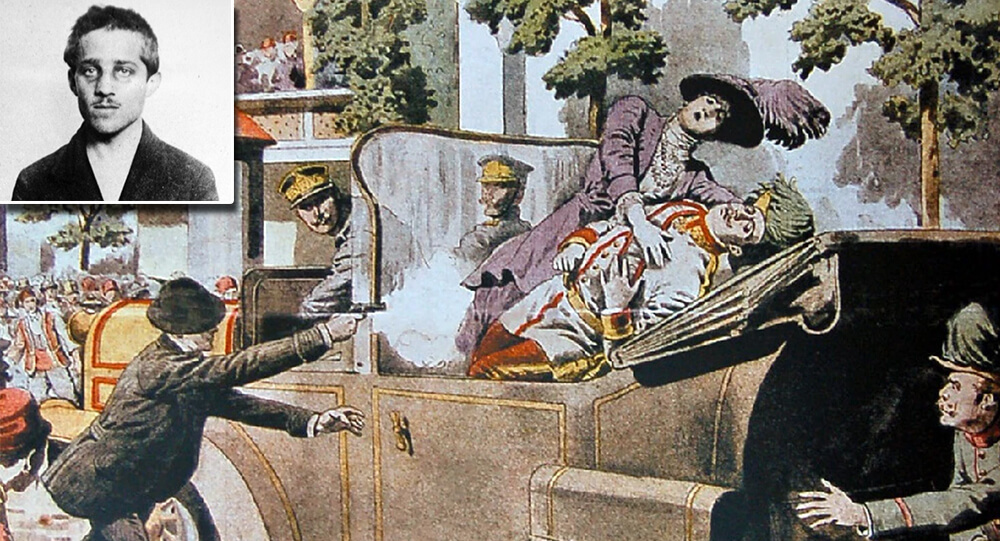
Franz Ferdinand’s Assassination that sparked World War I
Archduke Franz Ferdinand of Austria and his wife Sophie are shot to death by a Bosnian Serb nationalist during an official visit to the Bosnian capital of Sarajevo on June 28, 1914. The killings sparked a chain of events that led to the eruption of World War I by early August.
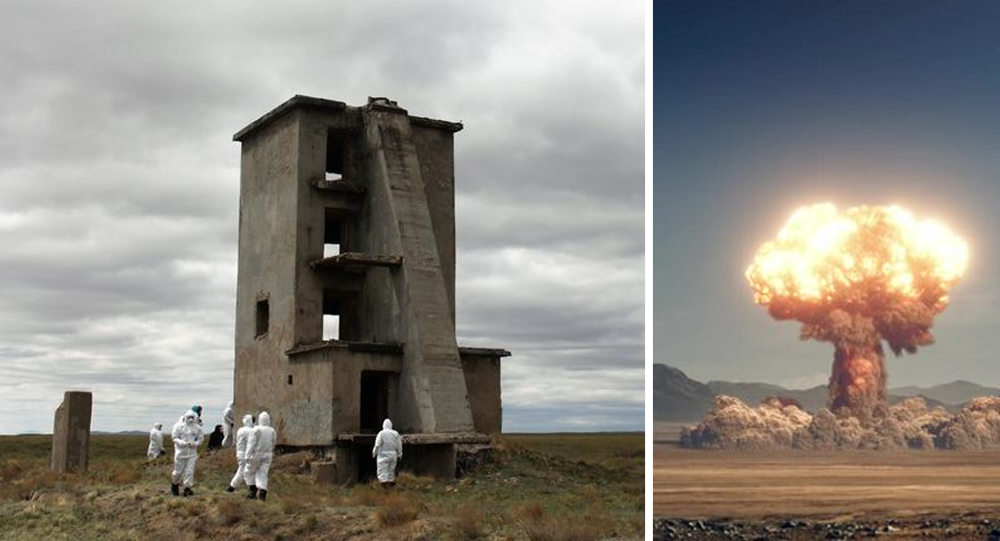
The Forgotten Story of Semipalatinsk and the Soviet Nuclear Experiments
Between 1949 and 1989, the Semipalatinsk Test Site in Kazakhstan became the primary location for Soviet nuclear weapons tests, exposing millions of unsuspecting villagers to radioactive fallout. Known as the “Polygon of Suffering,” this remote desert witnessed 456 nuclear detonations that caused widespread health crises, birth defects, and generational genetic damage. This article narrates the chilling legacy of Semipalatinsk, unveiling the human cost of Cold War arms development and the ongoing struggle for healing and recognition in Kazakhstan.

New London School Explosion, Deadliest school disaster which killed almost 300 children and teachers
In 1937, a gas leak in the basement at the local school in New London, Texas caused a massive explosion which killed almost 300 children and teachers, the deadliest school disaster in US history. Adolf Hitler even sent his condolences by telegram.

How Sleep Deprivation Was Once Used as Torture
Sleep deprivation, long before modern interrogation techniques, was considered a “clean” and effective form of torture—leaving no physical scars, yet breaking minds with haunting silence. Victims endured days and nights without rest, leading to vivid hallucinations, disorientation, and psychological torment. This article traces the dark history of sleep deprivation as a weapon, examines the science behind its effects on the brain, and shines a light on the painful balance between human endurance and cruelty in the annals of coercion.

The Horrific story of Ariel Castro and the Cleveland abduction
Cleveland abduction victims Gina DeJesus, Michelle Knight, and Amanda Berry were forced to live in Ariel Castro's house of horrors for 10 years. He raped and beat them until they escaped in 2013.
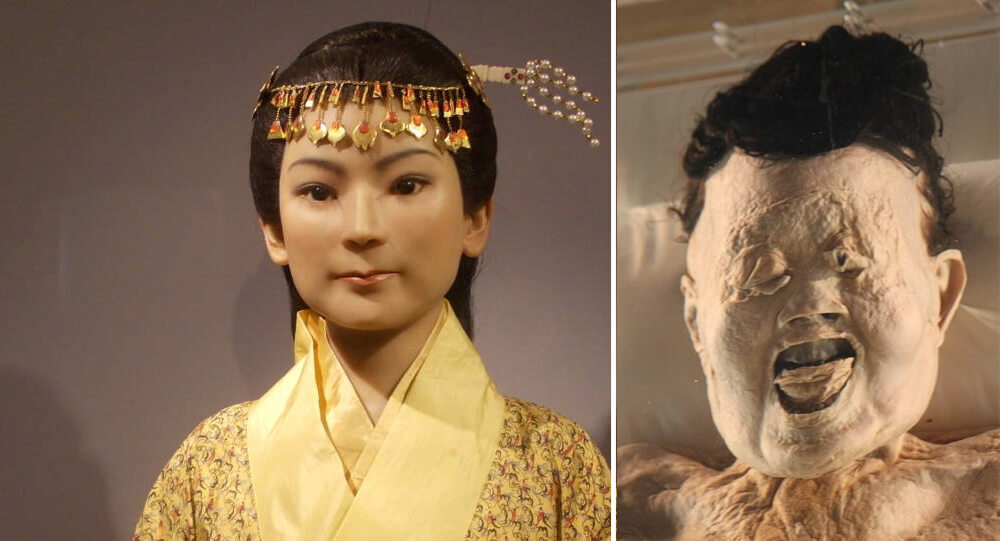
Xin Zhui And The Story Of The Stunningly Intact Lady Dai Mummy
A 2,000-year-old mummy of a Chinese woman, Xin Zhui, also known as “Lady Dai,” was preserved in 21 gallons of an “unknown liquid.” With her original hair, organs, eyebrows, and eyelashes intact, the mummy still has blood in her veins. Her skin and ligaments are soft and as flexible as that of a living person.
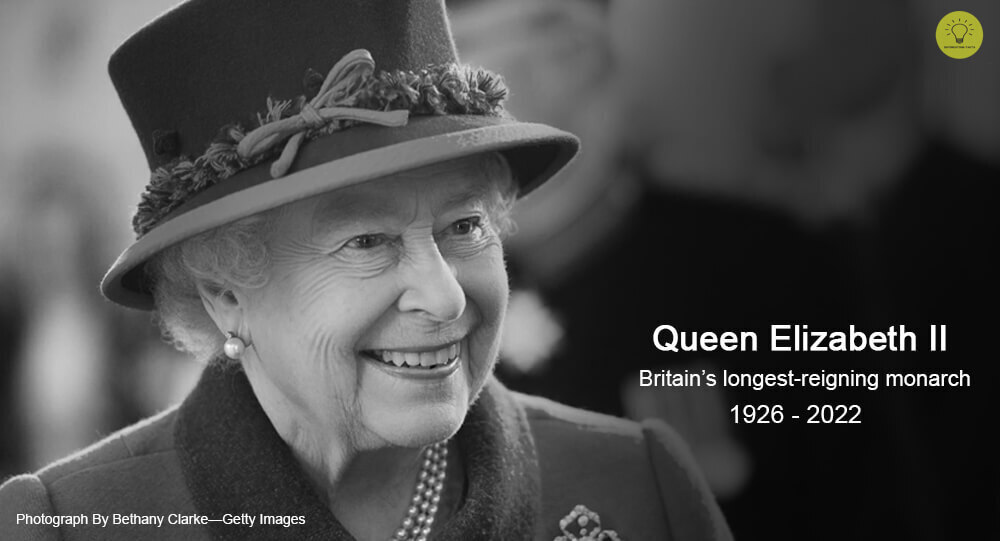
15 interesting facts about Queen Elizabeth II
Queen Elizabeth II, who ruled Britain for 70 years, has away at the age of 96. She was the country's longest-reigning monarch. Here are some little-known facts about her.
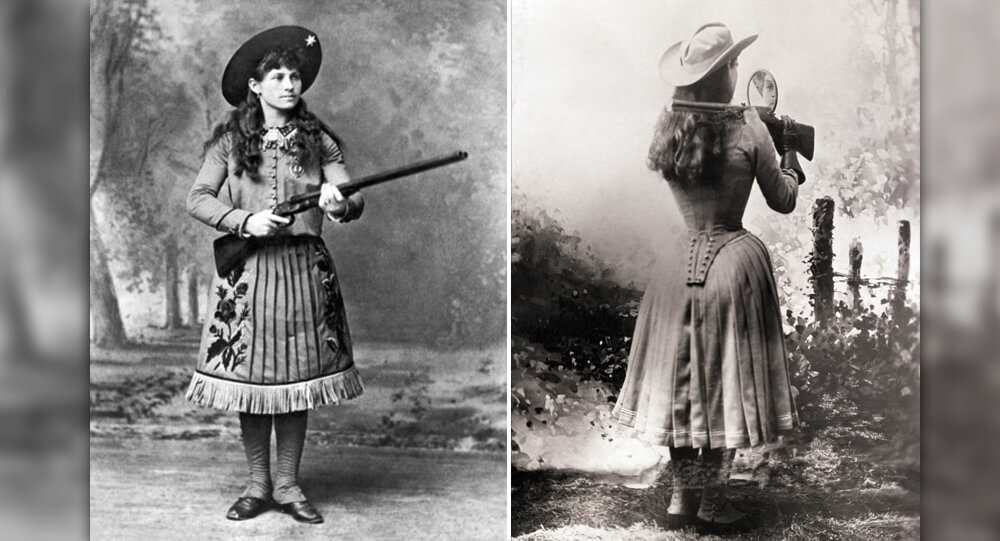
The true story of Annie Oakley, legendary sharpshooter
Anne Oakley was such a good shooter that she could split a playing card help edge-on, hit dimes thrown into the air, shoot cigarette from her husband's lips, and pierce a playing card thrown into the air before it hit the ground.
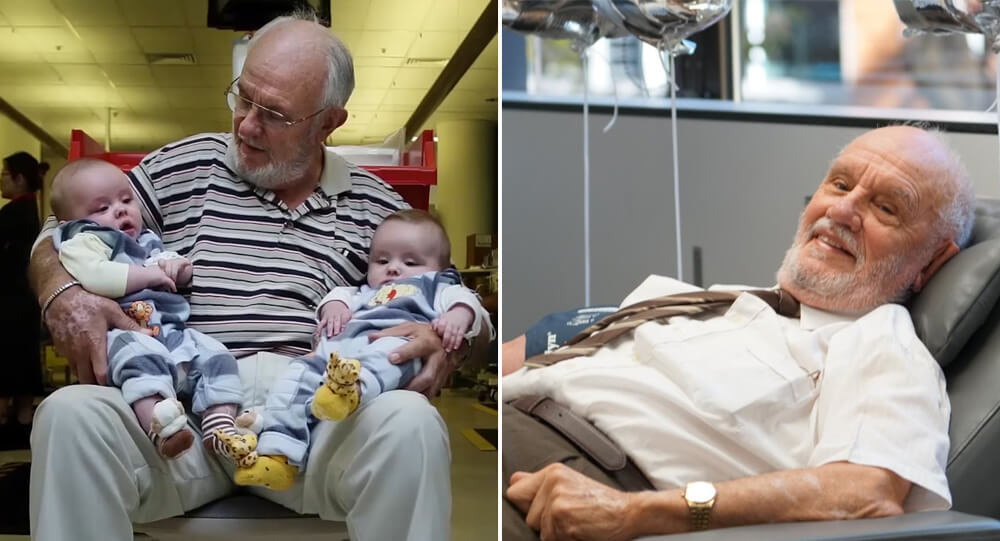
Man's Blood Helped Save Millions of Babies
Australian blood donor James Harrison has been one of our most impressive and valued donors, having donated for 60 years. Know his story, how he was a pioneer of our Anti-D program, and why this matters.
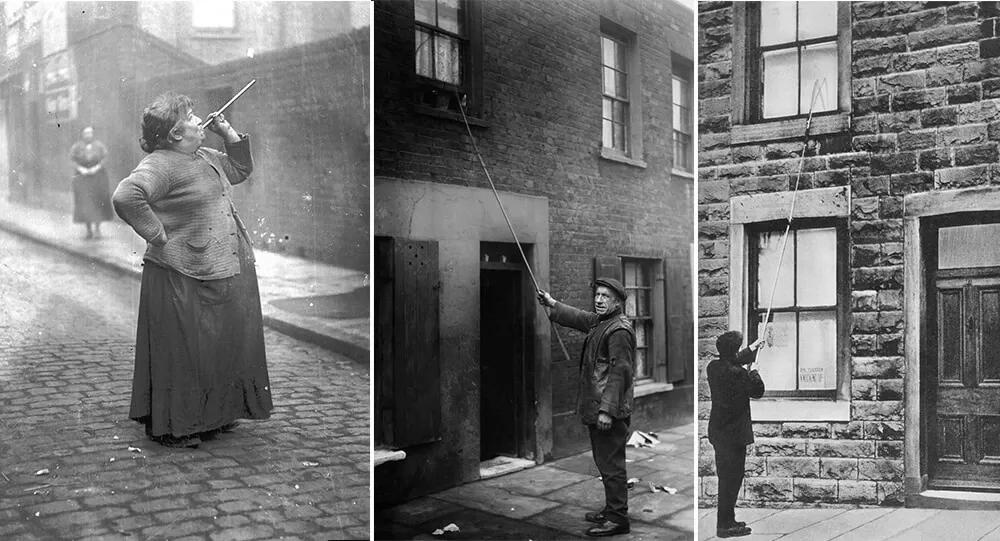
Knockers-up: waking up the Industrial Britain's Workers in 1900-1941
Before alarm clocks were invented, there was a profession called a knocker-up, which involved going from client to client and tapping on their windows (or banging on their doors) with long sticks until they were awake. It lasted into the 1920s.
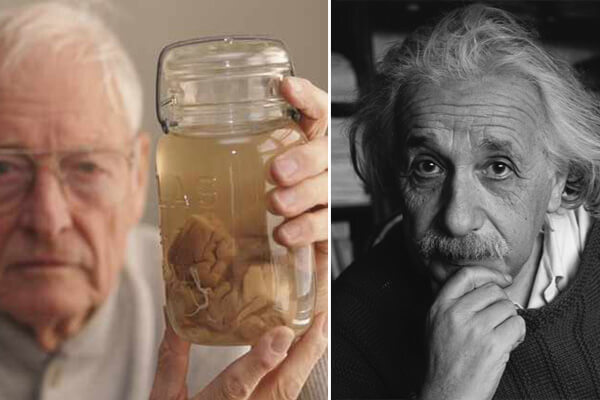
Albert Einstein’s brain after it was stolen from his body
Albert Einstein's brain was taken by the opportunistic pathologist who performed his autopsy hours after he died and kept in two jars for 30 years. The stolen brain of Albert Einstein was preserved in a cookie jar for 30 years until being discovered by a journalist.
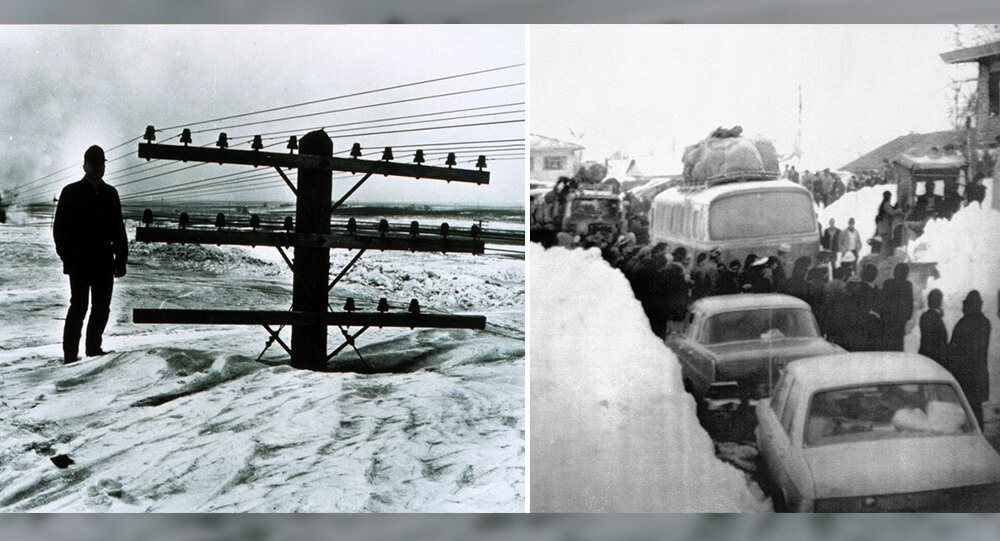
The worst blizzard in recorded history: the 1972 Iran blizzard
The deadliest snowstorm ever recorded occurred in Iran in 1972. It lasted for a week, burying areas in 26 feet of snow and killing over 4,000 people, including the entire populations of three villages.
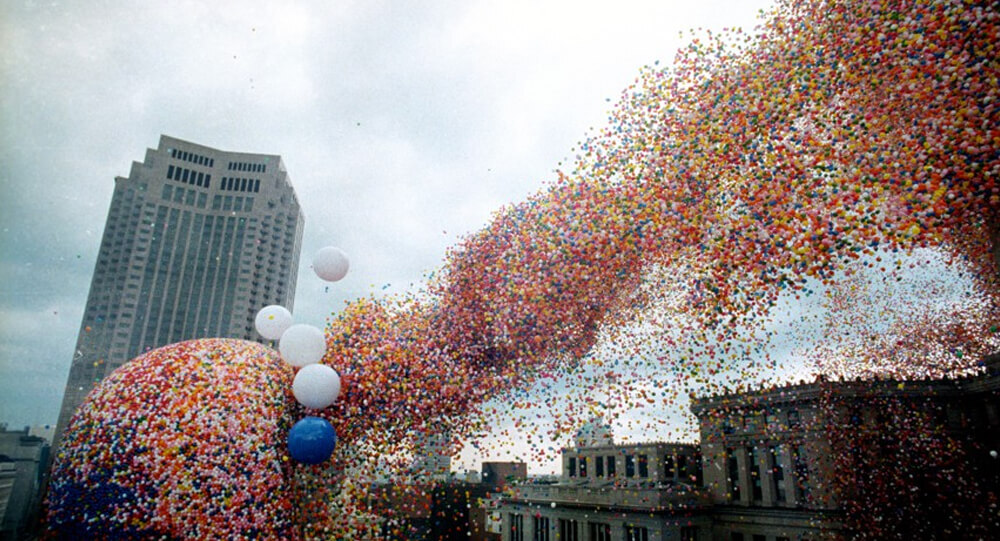
How Cleveland's Balloonfest in 1986 Turned Into a Public Tragedy
In Cleveland, Ohio, United Way broke the world record by deflating nearly 1.5 million balloons as part of a publicity stunt to raise money. The balloon obstructed a US Coast Guard search for two boaters who were subsequently discovered to have drowned, blocked airport runways, and blocked land and waterways.
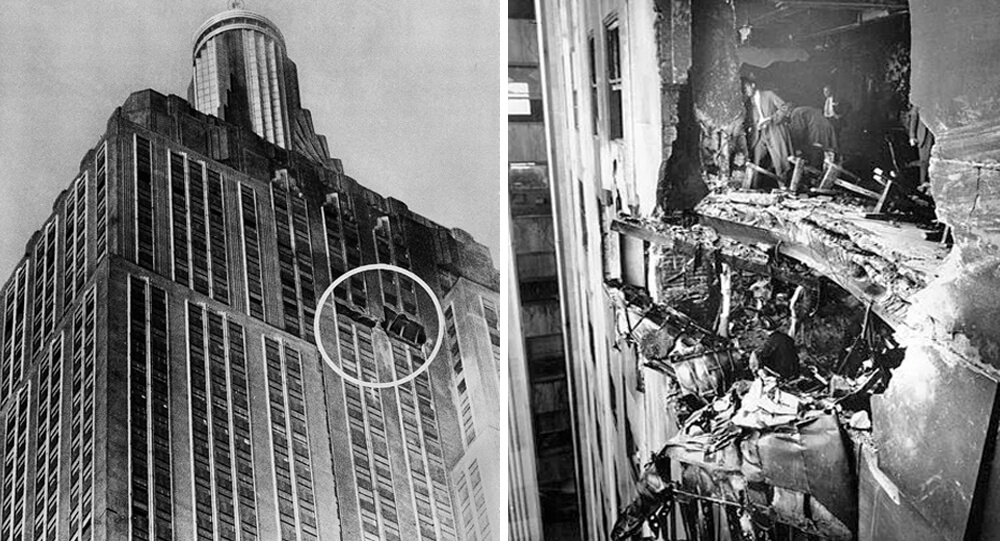
Remembering the 1945 Empire State Building Disaster: When a Plane Met Skyscraper
An airplane crashed into the Empire State Building in 1945. Among other damage, plane parts severed the cables of an elevator and the woman inside fell over 70 stories. She lived and holds the world record for the longest survived elevator fall.

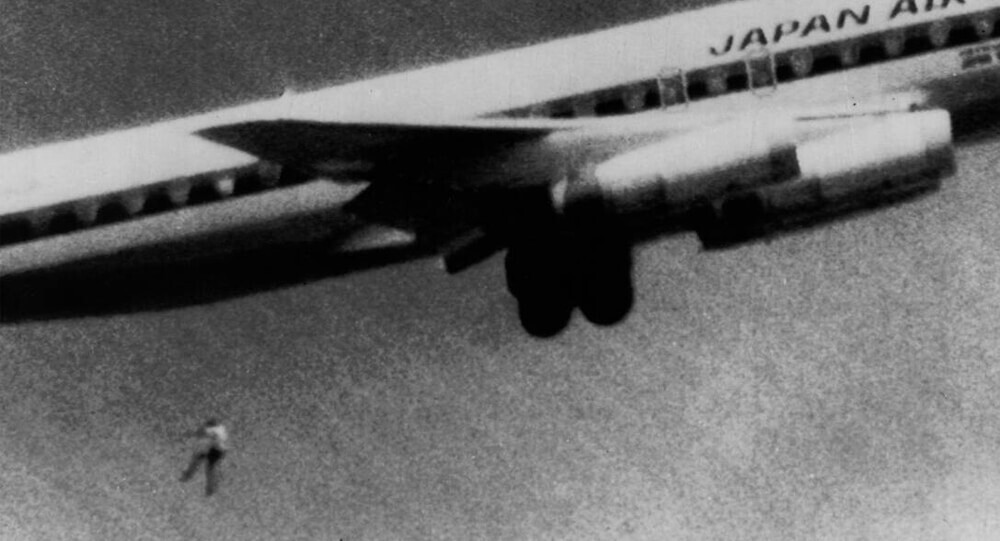
Keith Sapsford: The Story of 14-Year-Old Stowaway
The final image of 14-year-old Australian Keith Sapsford, who aspired to travel the world. In February 1970, he sneaked into the wheel-well of a plane flying from Sydney to Tokyo. It opened mid-air & fell out. When a photographer was testing a new lens, he captured this moment on film and was surprised when it developed.
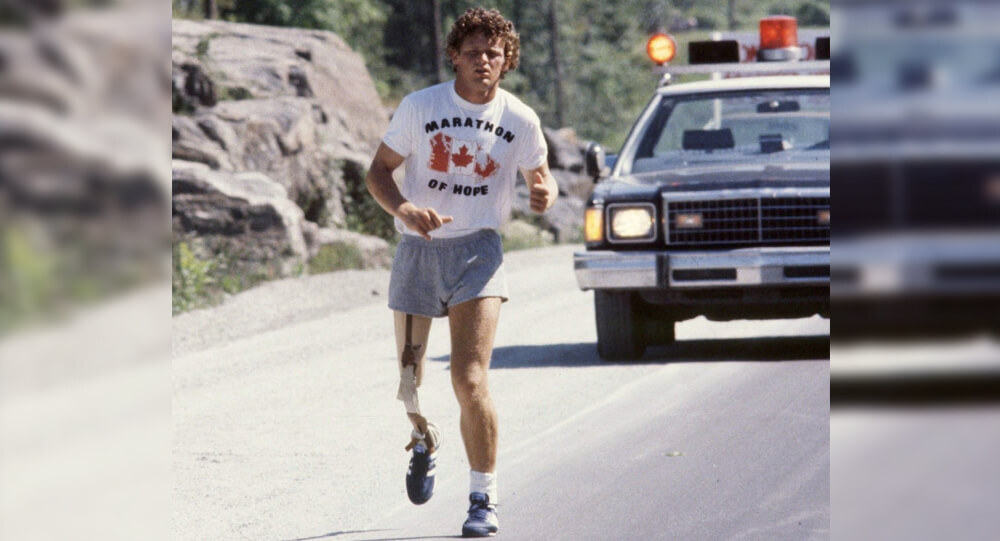
Terry Fox, a 21-year-old one-legged cancer patient who ran 143 days before dying
Terry Fox was a 21-year-old one-legged cancer patient who ran 3,339 miles across Canada in 143 days before dying.

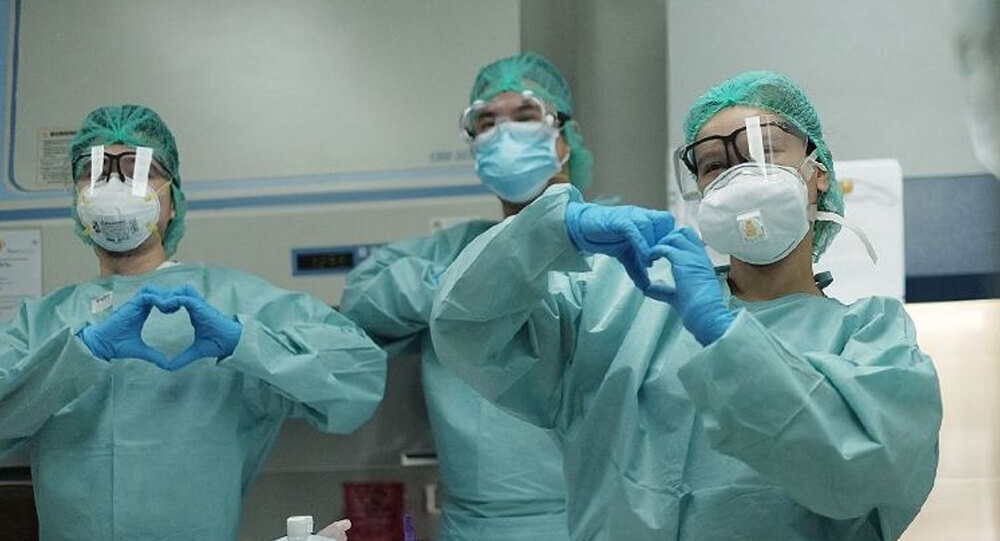
Philippines, the largest supplier of Nurses in the World
Philippines is the world’s largest supplier of nurses, supplying roughly 25% of all overseas nurses worldwide.
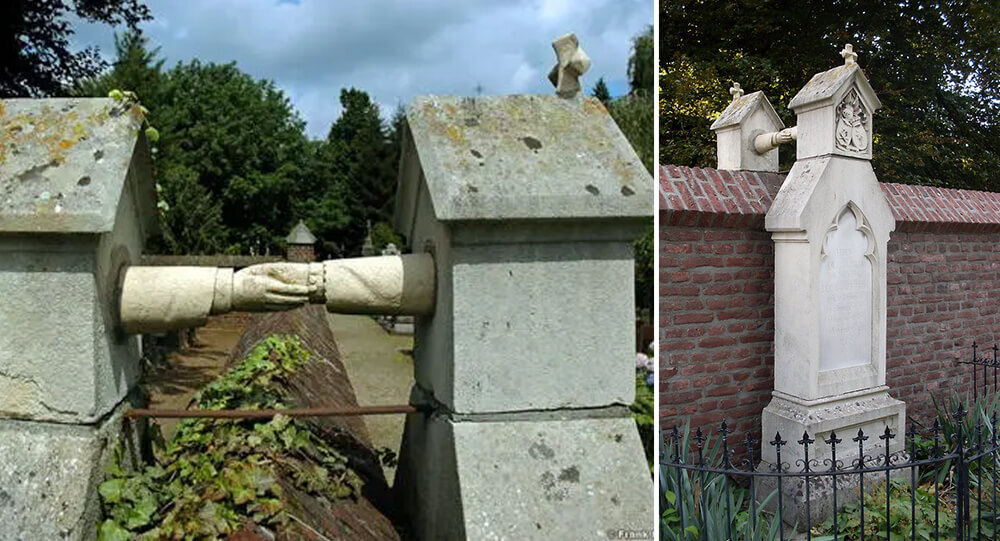
Graves holding hands over wall, A Catholic woman and her Protestant husband grave
A protestant man and a Catholic woman who weren't allowed from being buried together in a graveyard in 19th-century Holland turned their graves into a monument showing them holding hands across the wall separating them.
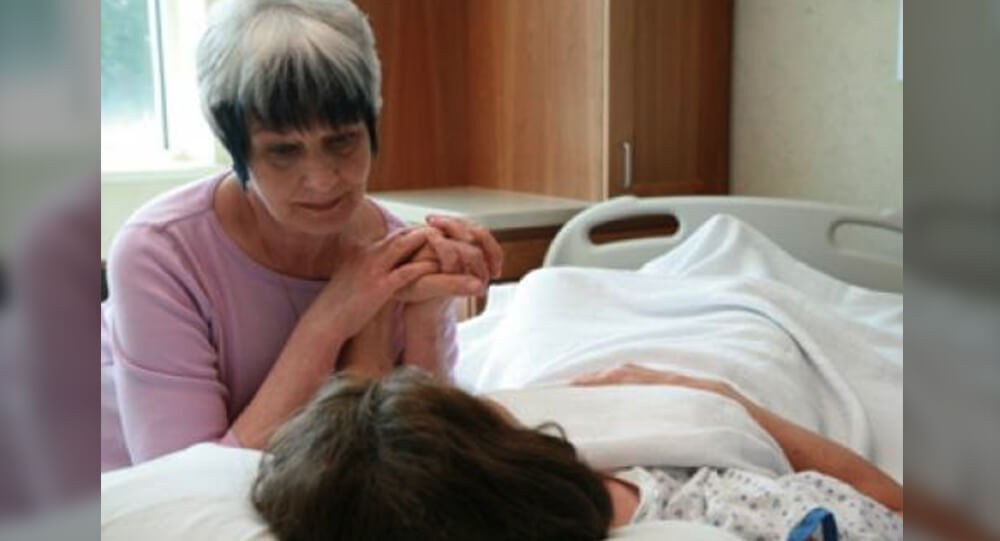
The History Behind the “No One Dies Alone” Program
In 1986, while doing a night shift at the hospital, Sandra Clarke, a registered nurse, was asked by an elderly patient to stay. She promised to be back after checking on her other patients, but by the time she returned, the gentleman had passed away. Clarke became one of the key figures in launching No One Dies Alone, a program that allows volunteers to sit with terminal patients who have no one else.
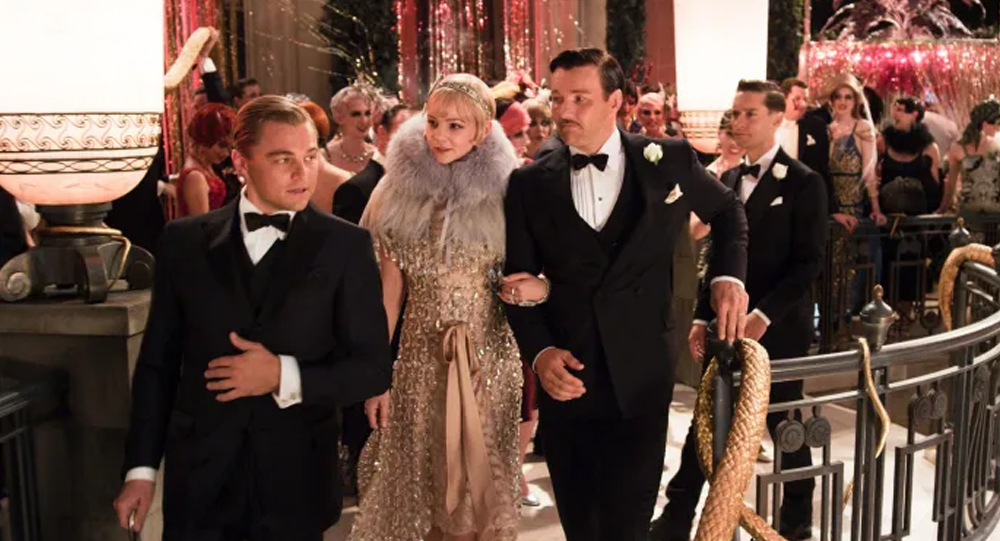
From Flapper to Fashion Week: How 1920s Style Still Shapes Modern Trends
The roaring 1920s revolutionized fashion, introducing bold styles, daring cuts, and a spirit of freedom that still inspires today’s wardrobes. From flapper dresses to statement accessories, here’s how the Jazz Age lives on in modern fashion.
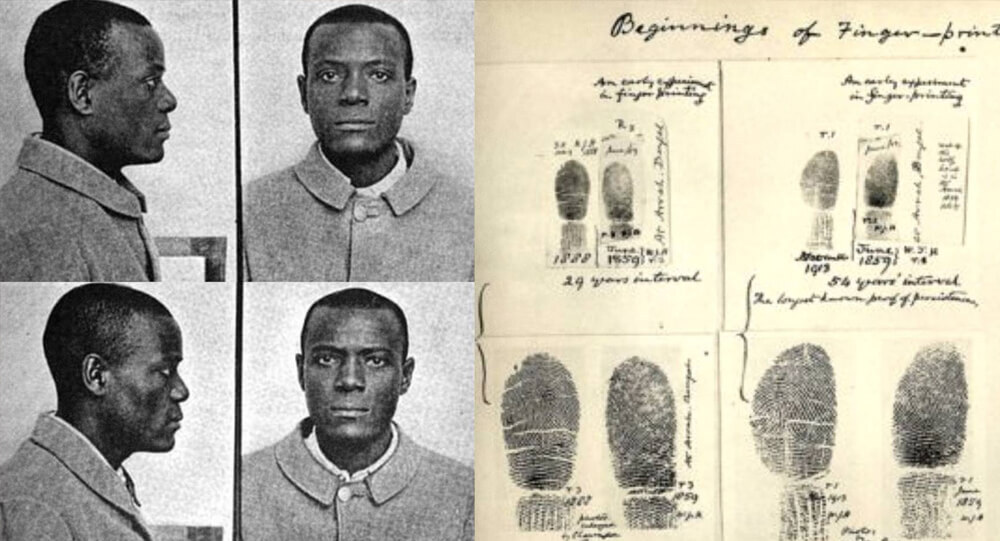
Will & William Wests: The puzzling situation of two inmates who are identical but not related
These are the mugshots of Will West and William West, and they are not related. They were both sent to Leavenworth Prison at the same time, in 1903, and after some confusion, the staff understood they had two different prisoners with the nearly same name, who looked exactly alike. They are part of the reason fingerprints are now used as identification.
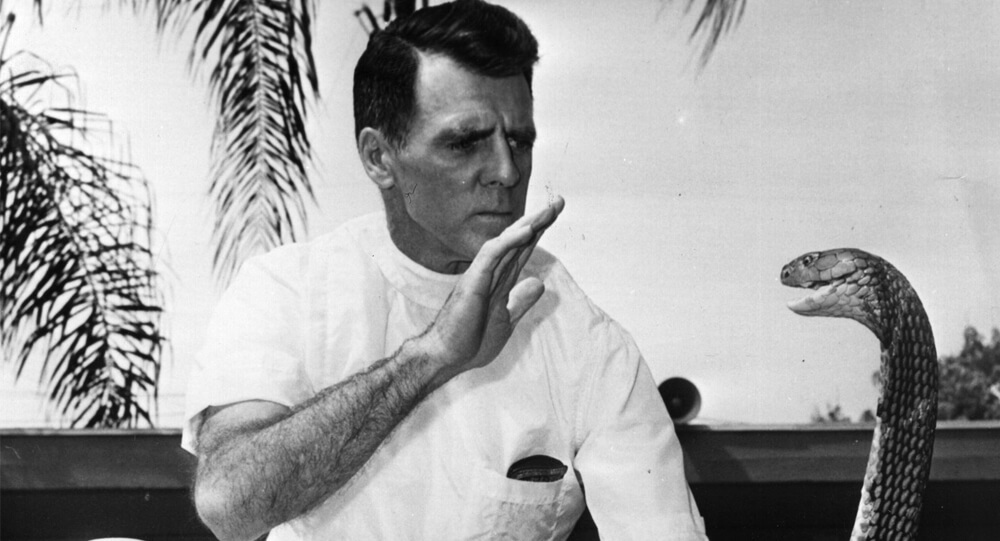
The story of Bill Haast, who lived to be 100 despite his extensive snake venom injections
Bill Haast immunized himself by injecting snake venom into his blood for several years. He holds the Guinness World Record for surviving the most lethal snake bites, having been bitten over 172 times. Bill became known as "Snake Man" around the world and lived for over 100 years.
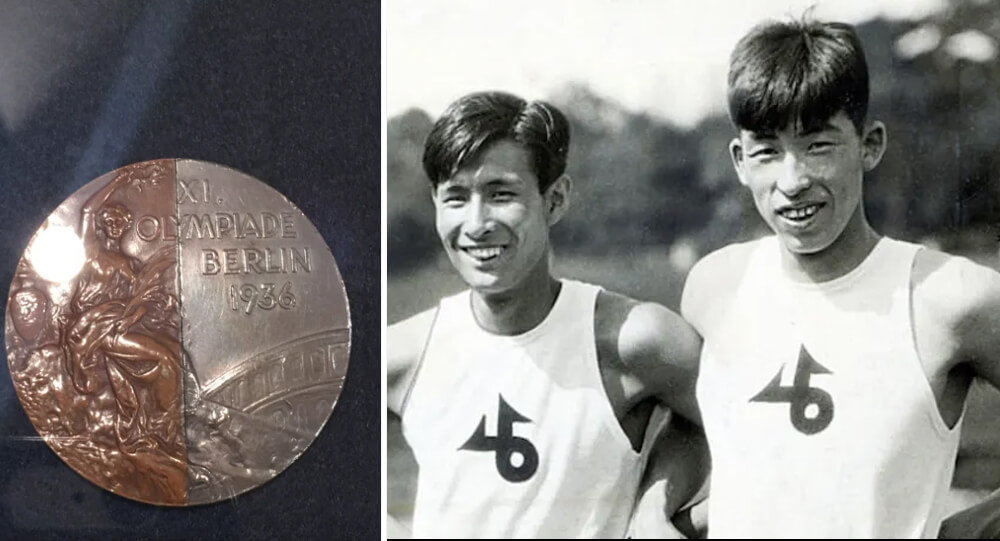
Medals of Friendship: The Enduring Olympic Story of 1936
At the 1936 Summer Olympics, two Japanese pole vaulters named Sueo Oe and Shuhei Nishida tied for second, but they declined to compete against each other. As a result, Nishida was awarded the silver medal and Oe won a bronze medal. Upon returning to Japan, the athletes had their medals cut in half and spliced together to create new "friendship medals," which were half silver and half bronze.
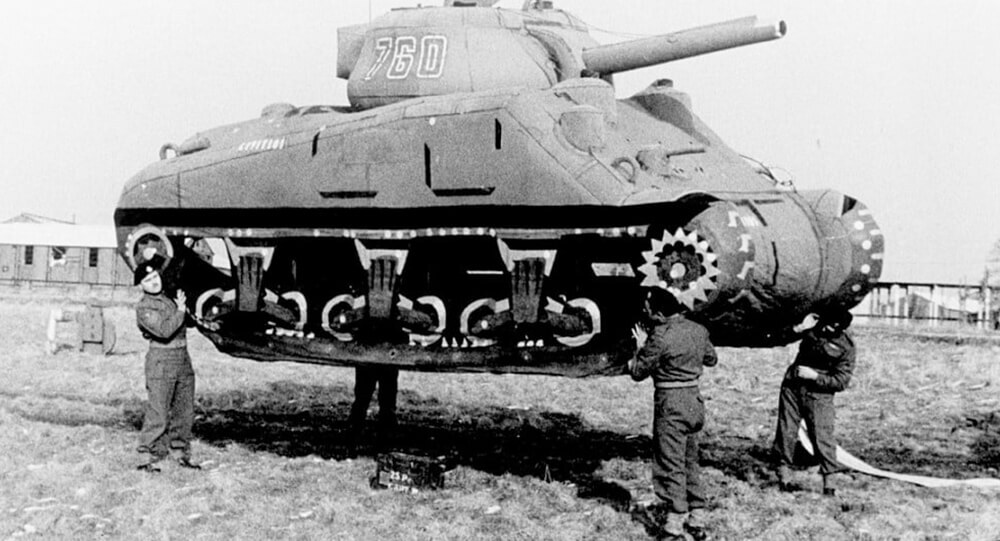
What exactly was the US's 'Ghost Army' during WWII?
During WW2, there was a special unit of men dubbed the ‘Ghost Army’. The unit was made of artists, creative and engineers and their job was to create deception about the enemy. From inflatable tanks to phony convoys to scripted conversations in bars intended to spread disinformation, they used all possible tricks to fool the enemy.