
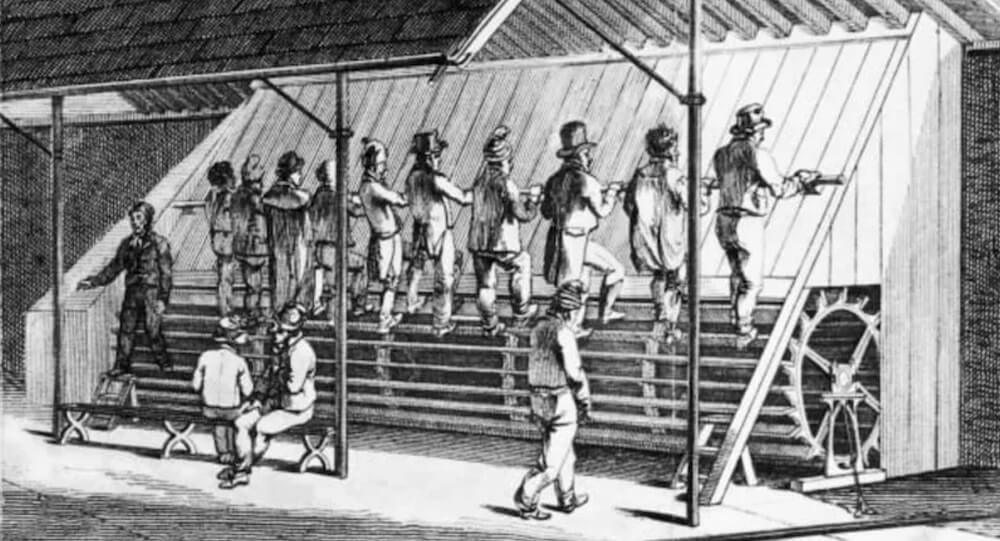

History of Treadmill, punishment for prisoners
The treadmill, also known as a dreadmill, rat wheel, or running machine, is the most widely used fitness equipment in the world. In 2016, the Sports & Fitness Industry Association (SFIA) conducted a survey in which over 50 million Americans admitted to having either enjoyed or endured using one at some point in the preceding year. The fact that treadmills make up nearly 40% of gym equipment sales in the US, as reported by the Washington Post, is therefore not surprising.
This is a remarkable turnaround for a machine that was once used in 19th-century Britain as a form of punishment to keep prisoners in check. It may seem strange that the most popular form of physical fitness these days is a boring, cramped workout, but not too long ago, this kind of exercise was meant to deter criminals from committing new crimes.
However, these days it’s impossible to enter a gym without seeing rows of machines. However, according to a Daily Mail article, people didn’t start using treadmills exclusively for exercise until the Roaring Twenties and Gatsby-era girls in fetching early activewear. The first consumer running machine didn’t come out until the 1960s.
Related Topic You Might Find Interesting:
- Jack the Baboon operated a railroad, earned a living, and never made a mistake
- The history of Flour sack clothing fashion
Why is the torture machine becoming a voluntary rather than a mandatory one? The treadmill’s greatest draw for some people is its convenience—you can get your cardio in a short stroll from the water cooler and a hot shower. Some have harsh weather that prevents them from engaging in outdoor exercise (think Midwest winters and oppressive summers in dry Arizona). The only way to get some aerobic miles in is to crawl onto the rubber belt.
Over the last ten years, there have been advancements in the motorized treadmill, leading to the development of self-powered, curved, smart connected, underwater, and anti-gravity models. Some even have virtual reality compatibility built in.
However, where did the term “treadmill” come from and how did this cardiovascular king become all-powerful? Prepare yourself for a tour through the colorful history of treadmill by setting the speed to 6 and the belt inclination to 1.5 percent.
The Origin and History of Treadmill
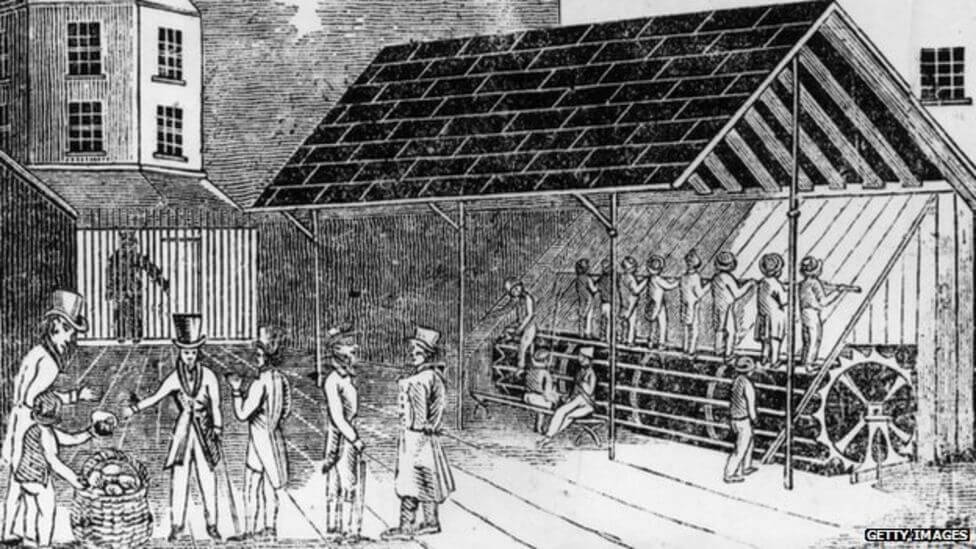
The history of treadmill begins with the Romans and a human hamster wheel that was used by laborers to raise big weights that were built into cranes. You could lift twice as much weight with half as much muscle by substituting men inside a larger wheel for a winch. You didn’t need an abacus to figure that out. It meant that more money stayed in the Roman coffers and that construction proceeded more quickly.
According to the blog of the fitness equipment company Life Fitness, this trend of combining the power of humans and animals became popular much later in Industrial Revolution Britain. There, ambitious engineers created inventions like animal-powered water pumps, butter churns, and of course, mills.
The phrase “walking machine” was thus created.
Treadmills, Punishment for Prisoners
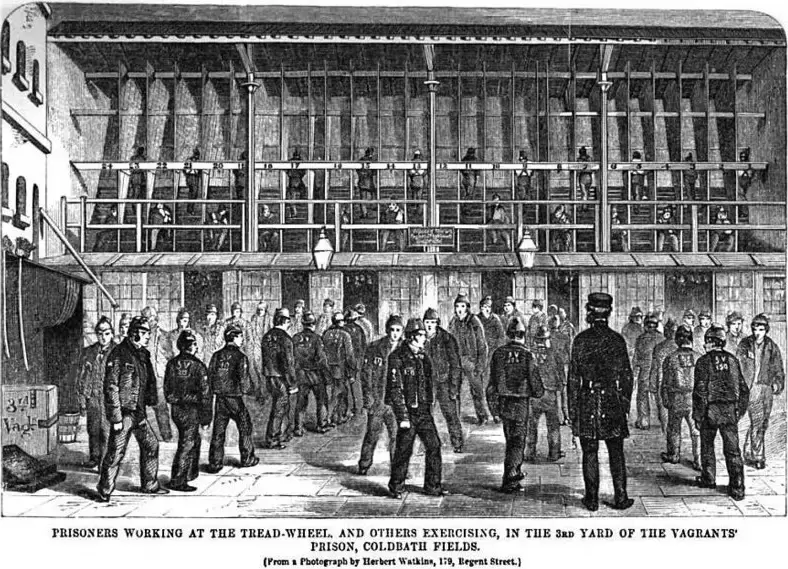
There’s no mincing words, British prisons in the 1800s were extraordinarily bad places—solitary confinement was routine, food was scarce, and discipline severe. Because things were so grim activists fought for new forms of rehabilitation. In 1818, English engineer William Cubitt devised a human-powered treadmill for grinding corn. This, according to the British Library, caught the attention of the Society for the Improvement of Prison Discipline who latched onto the machine as a form of “preventive punishment.” They reasoned nobody exposed to it would risk re-offending. Thereafter, treadmills were installed in jails across the land.
Convicts sentenced to hard labor climbed onto a 24-paddle stepped wheel, powering the device with continuous exertion much like the stair climber in your local gym. Some prisoners endured up to 10-hour workouts daily, climbing the equivalent of 17,000 feet—over half the height of Mount Everest, according to a BBC report.
Birth of the Cardio King
If Apple Watches had been provided as standard equipment in Victorian prisons, maybe the wardens would have noticed the rising heart rates. Rather, according to the LifeFitness blog, the first recorded medical application of the treadmill did not occur until 1952.
The Bruce Protocol is a diagnostic test created by Dr. Robert Bruce of the University of Washington. It involves having a subject run on a treadmill until they are completely exhausted. This test, which is still in use today, established the treadmill as a means of achieving cardiovascular advantages.
Machines had motors by then. The PaceMaster 600 is the first treadmill designed for home use. It resembles a Zimmer frame and is connected to a moving yoga mat. William Staub, an American engineer, created it in the late 1960s. According to Staub’s 2012 obituary in the New York Times, despite his insistence that the treadmill improved your physical condition and that bad weather was no longer an excuse to not run, by the mid-1980s, only 2,000 of the $399 machines were sold annually.
The number rose to 35,000 by the 1990s, and large brands with more modern equipment were now common. Among them was Life Fitness, with their 9500HR, which, according to the LifeFitness blog, was 30% kinder to joints than running on concrete.
Rival equipment companies born in the 1970s and 1980s, such as the American firms Icon Fitness and NordicTrack, as well as the Italian company Technogym, moved into treadmills. The running machine had reached its tipping point.

Ancient Jericho: The First Walled City In History
The ancient city of Jericho is the world's oldest walled city, with evidence of stone fortifications dating back nearly 9000 years.

How Cleveland's Balloonfest in 1986 Turned Into a Public Tragedy
In Cleveland, Ohio, United Way broke the world record by deflating nearly 1.5 million balloons as part of a publicity stunt to raise money. The balloon obstructed a US Coast Guard search for two boaters who were subsequently discovered to have drowned, blocked airport runways, and blocked land and waterways.
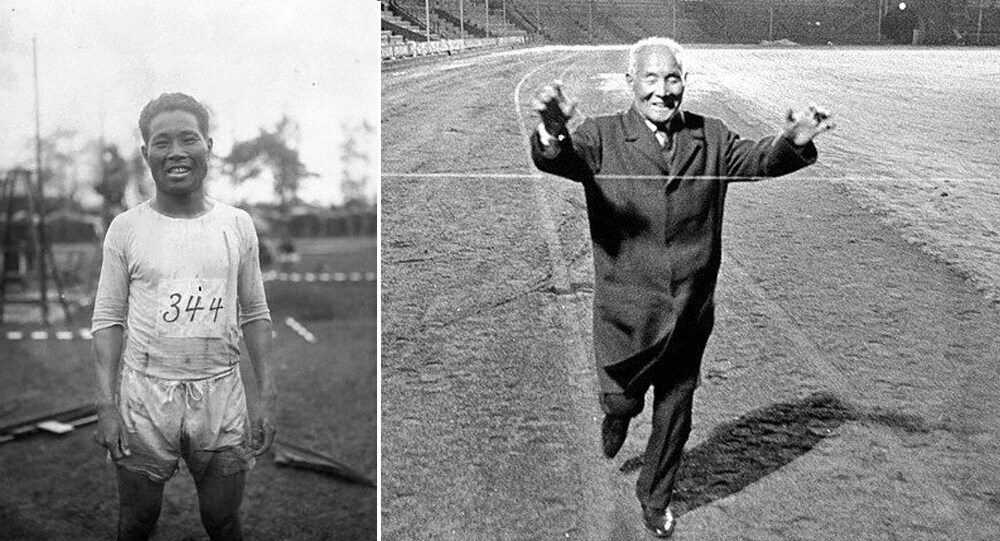
Shizo Kanakuri’s 1912 Olympic Marathon Finished 54 Years
At the 1912 Olympics, a marathon runner quit and went home to Japan without telling officials and was considered a missing person in Sweden for 50 years. In 1966, he was invited to complete the marathon. His time: 54 years, 8 months, 6 days, 5 hours, 32 minutes, and 20.379 seconds.
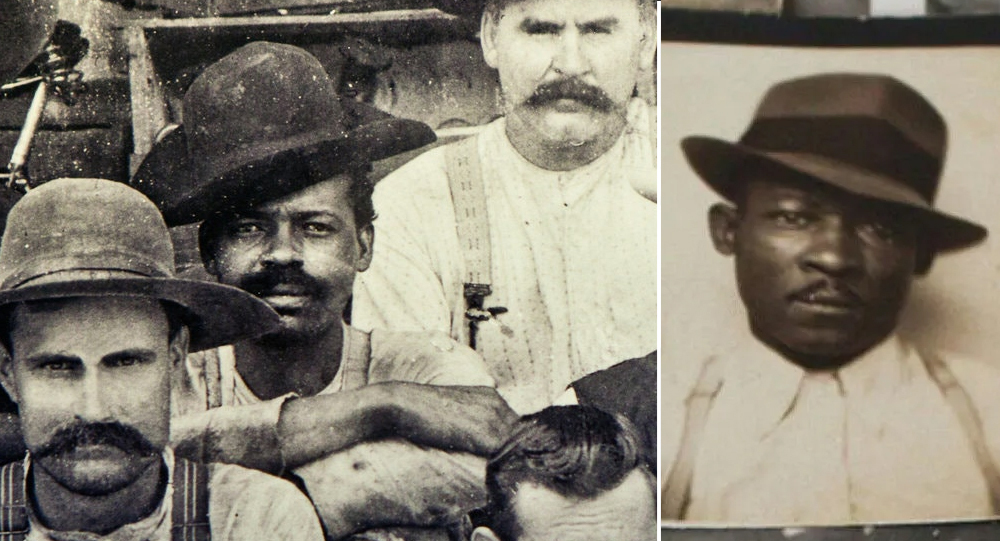
Nearest Green, America's first known Black master distiller
Nathan "Nearest" Green was an African-American head stiller who is now more frequently referred to as a master distiller. He was renowned for imparting his distilling knowledge to Jack Daniel, the creator of Jack Daniel's Tennessee whiskey distiller, after Jack Daniel was freed from slavery following the American Civil War.
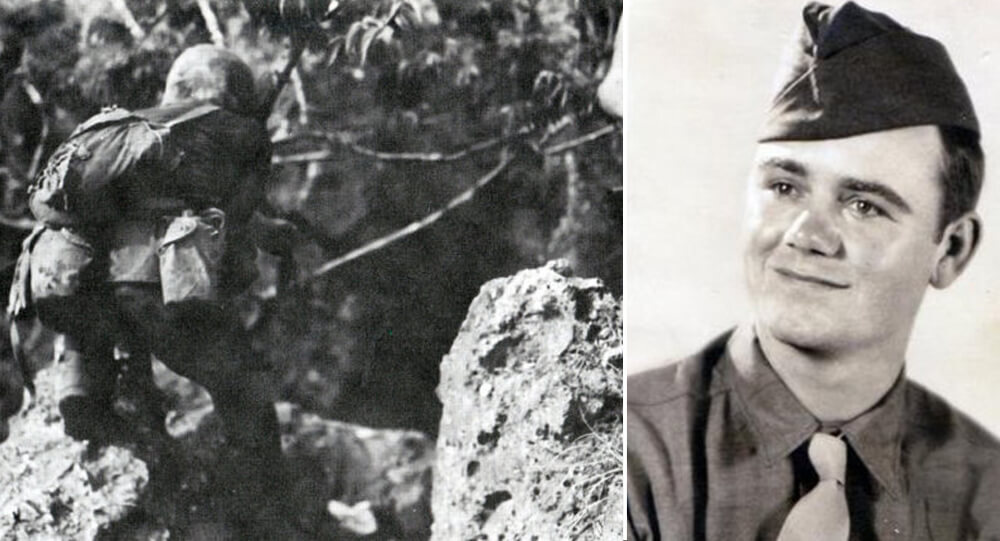
Thomas Baker's heroic act that earned him the "Medal of Honor" was 8 bullets until death
Thomas Baker instructed his team to leave him with a pistol and eight bullets propped up against a tree after he was injured. Later, American troops discovered the now-deceased Baker in the same location, lying next to eight dead Japanese soldiers and carrying an empty pistol.
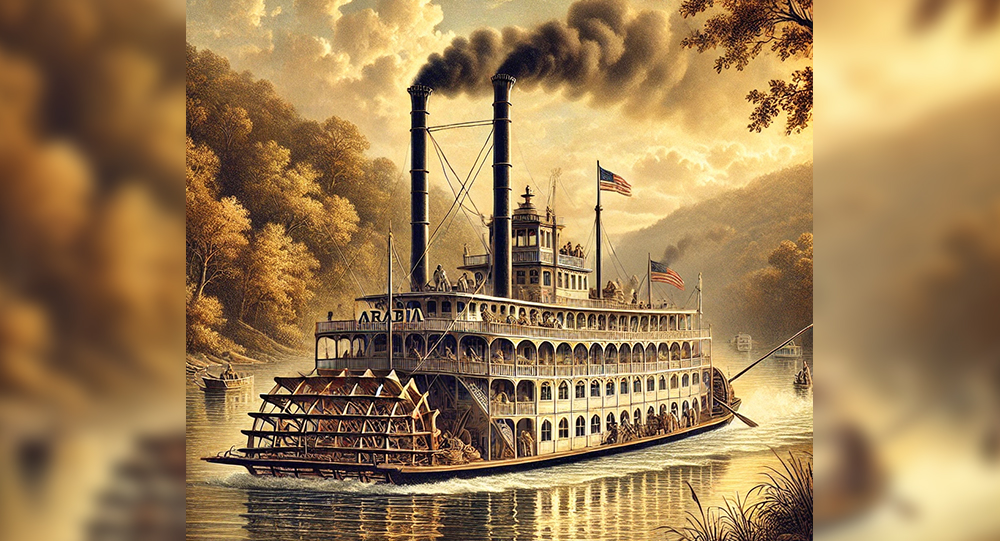
The Arabia Steamboat: Unearthing a 19th Century Time Capsule from the Missouri River
The Arabia was a steamboat that sank in the Missouri River in 1856. Over time, the river shifted 800 meters to the east, eventually turning the site of the sinking into a field. The steamboat remained under 45 feet of slit and topsoil until 1988, when it was excavated. The mud, as it turned out, was such a great preserver that most of the artifacts on board were found to be intact. They even found jars of preserved apples that were still edible!

15 interesting facts about Queen Elizabeth II
Queen Elizabeth II, who ruled Britain for 70 years, has away at the age of 96. She was the country's longest-reigning monarch. Here are some little-known facts about her.
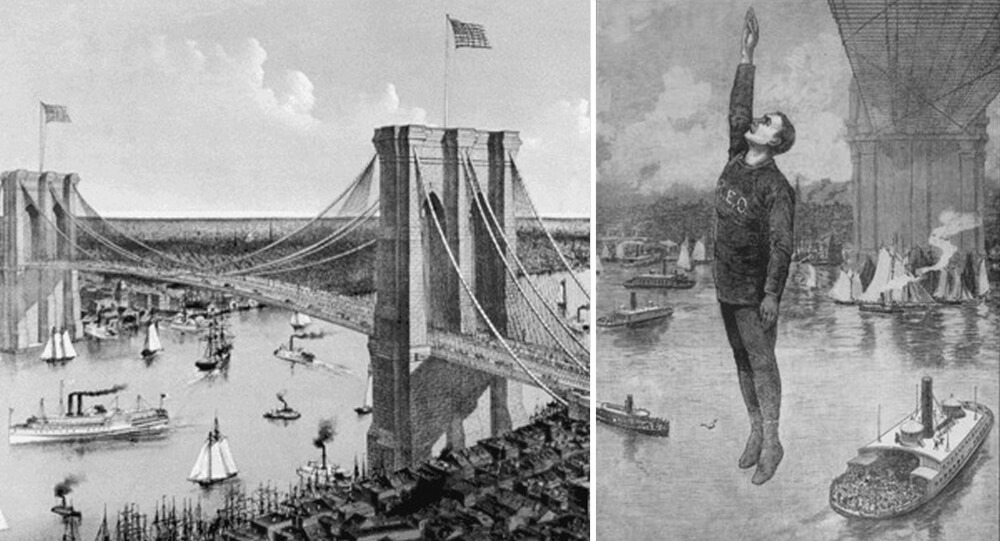
Robert Odlum, the first person to jump off the Brooklyn Bridge
The first person to jump off the Brooklyn Bridge was a professional high diver who "wanted to demonstrate that people did not die simply by falling through the air, thus encouraging people to be willing to jump from a burning building into a net." He proved himself correct by safely falling 135 feet through the air and dying only when he hit the water.
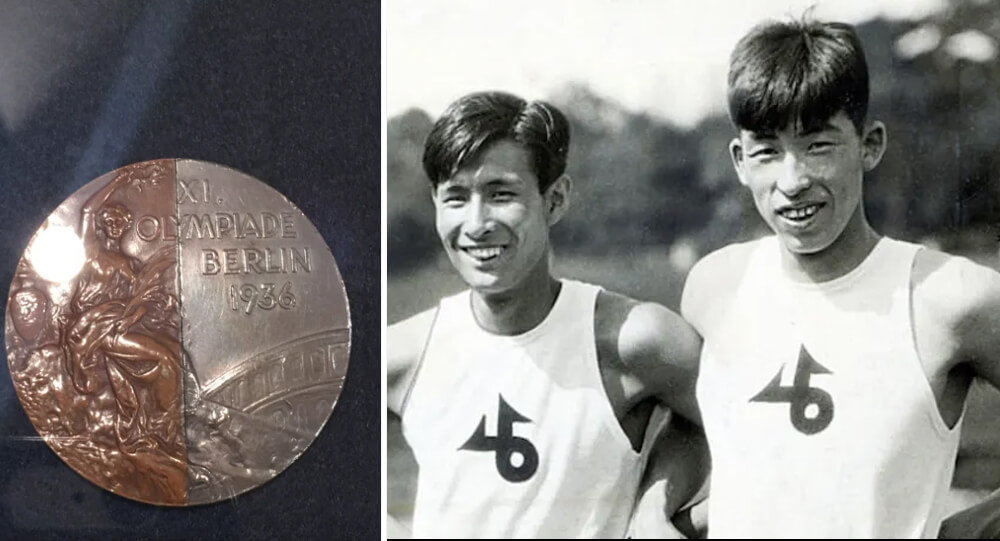
Medals of Friendship: The Enduring Olympic Story of 1936
At the 1936 Summer Olympics, two Japanese pole vaulters named Sueo Oe and Shuhei Nishida tied for second, but they declined to compete against each other. As a result, Nishida was awarded the silver medal and Oe won a bronze medal. Upon returning to Japan, the athletes had their medals cut in half and spliced together to create new "friendship medals," which were half silver and half bronze.
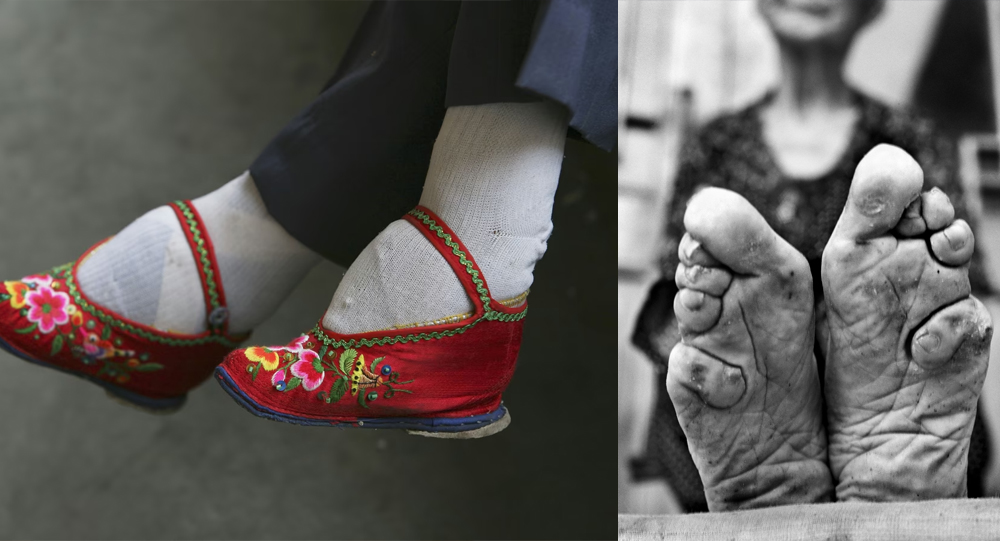
Inside China’s Footbinding Tradition: The Painful Ritual of Lotus Shoes and Bound Feet
In China, Lotus shoes were used to bind women's feet to keep their feet small

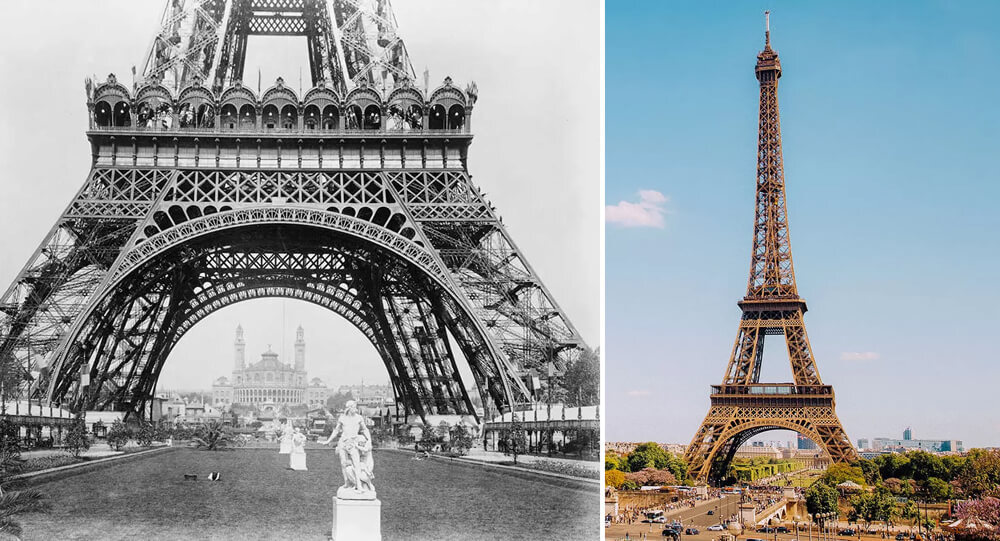
Why was the Eiffel Tower almost demolished
The Eiffel Tower was intended to be a temporary structure for the World's Fair in 1889, but it was nearly dismantled and sold for scrap metal. It was saved because of its potential use as a radio antenna, and it now serves as a tourist attraction as well as a working broadcast tower.
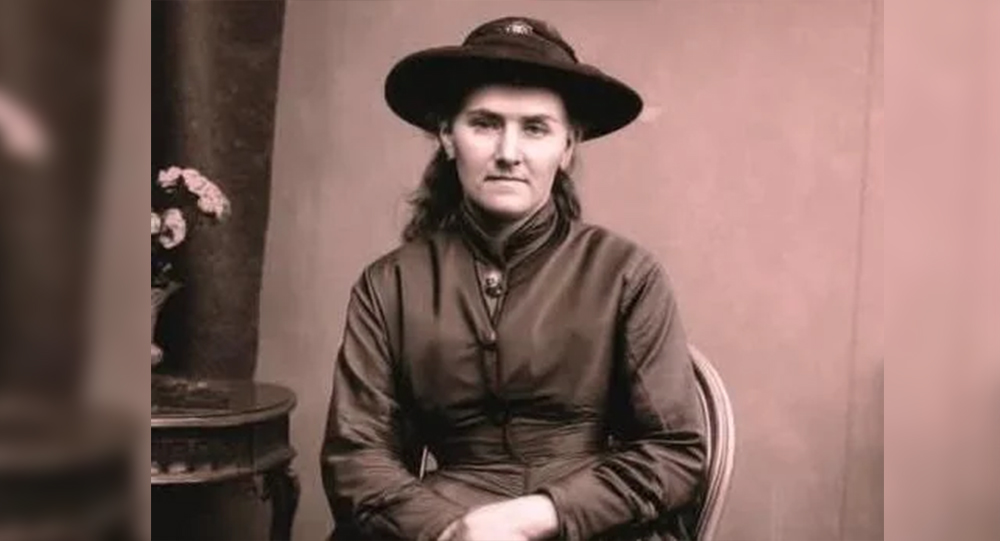
Why Comedians Failed to Make Sober Sue Laugh in the Early 1900s
In the bustling vaudeville scene of early 20th century New York, a mysterious performer known as "Sober Sue" captured public imagination not for jokes or songs, but for her unshakable stoicism—she never smiled or laughed. A local theater even offered a tempting reward of $1,000 to anyone who could make her laugh, drawing crowds and famous comedians eager to claim the prize. Despite countless hilarious attempts, Sue remained expressionless, a mystery that baffled performers and audiences until it was revealed that she suffered from facial paralysis, explaining her unchanging demeanor.
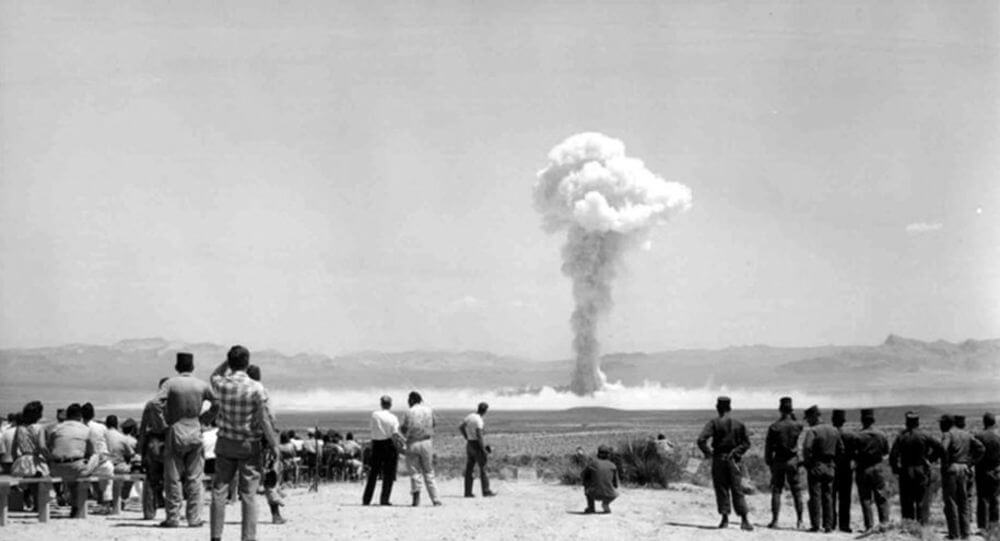
Atomic Tourism: In the 1950s, nuclear tests in Las Vegas served as a draw for tourists
Between 1950 and 1960, Las Vegas offered “Atomic Tourism” in which guests could watch atomic bombs being tested in the desert as a form of entertainment.

George Dantzig solved two famous “unsolved” problems in statistics mistakenly as assignment
In 1939, George Dantzig arrived late to his statistics class. On the board were two famous “unsolved” problems in statistics written as an example by his professor. Dantzig mistook the examples for homework assignments. He solved the “unsolved” problems and submitted the homework to his professor a few days later. His solutions earned him a doctorate.
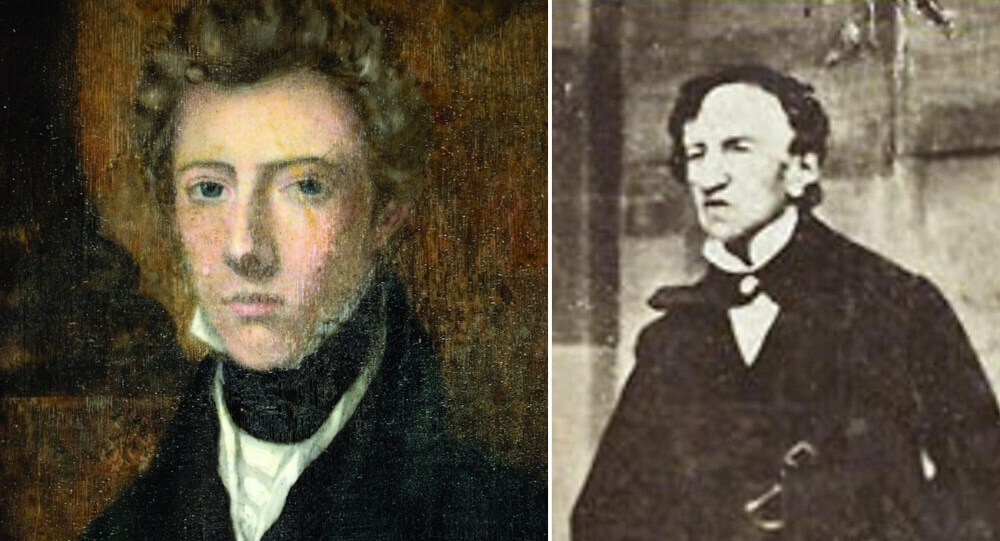
The mysterious secret of Dr James Barry
Before women were allowed to enroll in medical school, Margaret Ann Bulkley studied medicine and assumed the identity of Dr. James Barry for 56 years while dressing as a man. After 46 years of service as an army doctor officer, her secret was not made public until after her death in 1865.
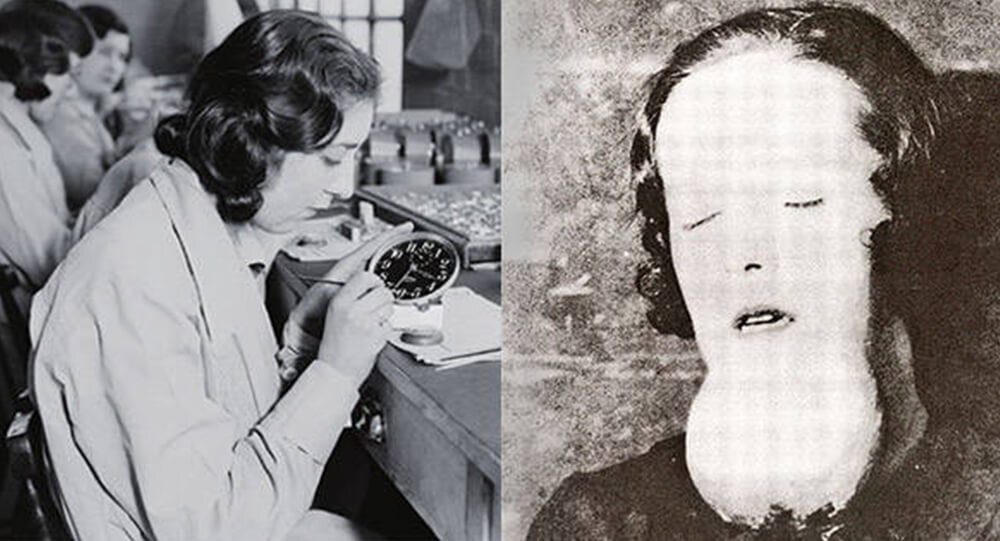
The true story Of The Radium Girls that change US labor laws
Hundreds of young women worked in clock factories during World War I, painting watch dials with luminous radium paint. The company lied about the risk of radiation, claiming there was no danger, which resulted in the death of the young women.

During the 1996 Olympic bombing, Richard Jewell falsely accused of committing the crime after saving dozens of people
Richard Jewell, an American security guard, discovered a bomb during the 1996 Olympic Games in Atlanta and assisted in the evacuation, but was later wrongfully accused and faced public scrutiny. He was cleared, but it had a lasting impact on him until his death in 2007 at the age of 44.
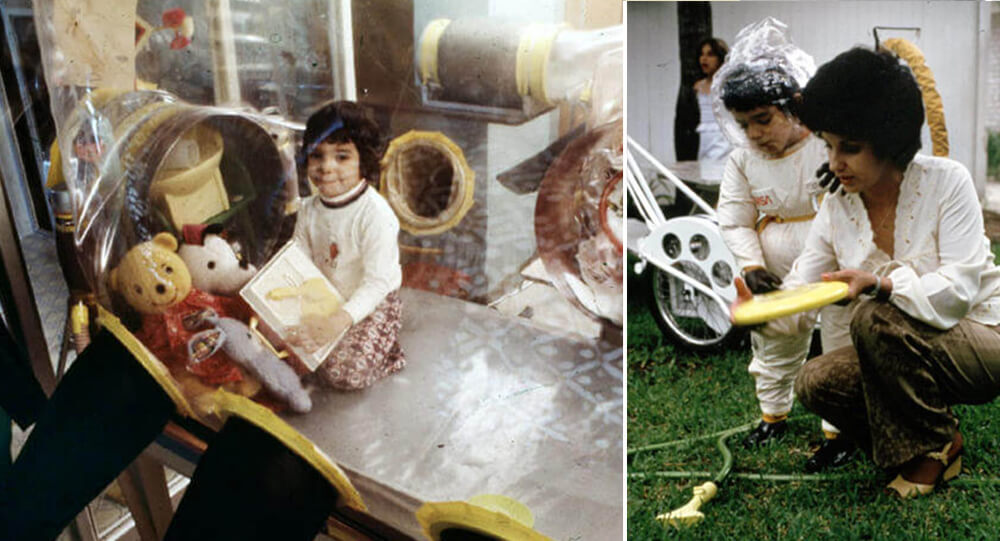
The touching story of David Vetter (bubble boy), the 'boy who lived in a bubble
David Vetter lived his whole 12 years in sterile “bubble”. He was “outside” for 20 second after being removed from his mother’s womb. He never touched any human.
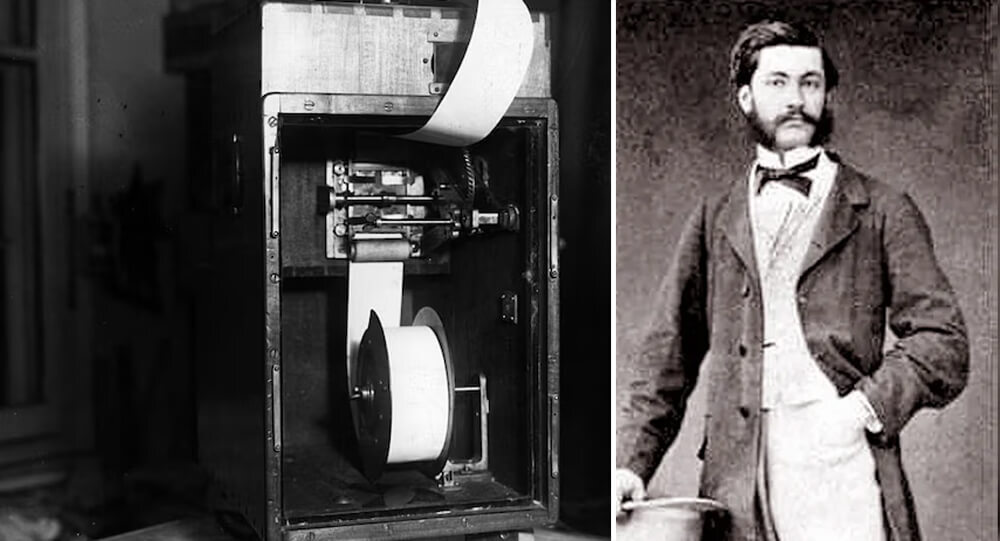
Louis Le Prince Invented the motion picture camera, and then he mysteriously disappeared
Louis Le Prince, the inventor of motion pictures, vanished without a trace in 1890. Thomas Edison quickly claimed the title of "first and sole inventor of cinema," even taking Le Prince's son to court to dispute it. A few years later, the son also dies under mysterious circumstances.
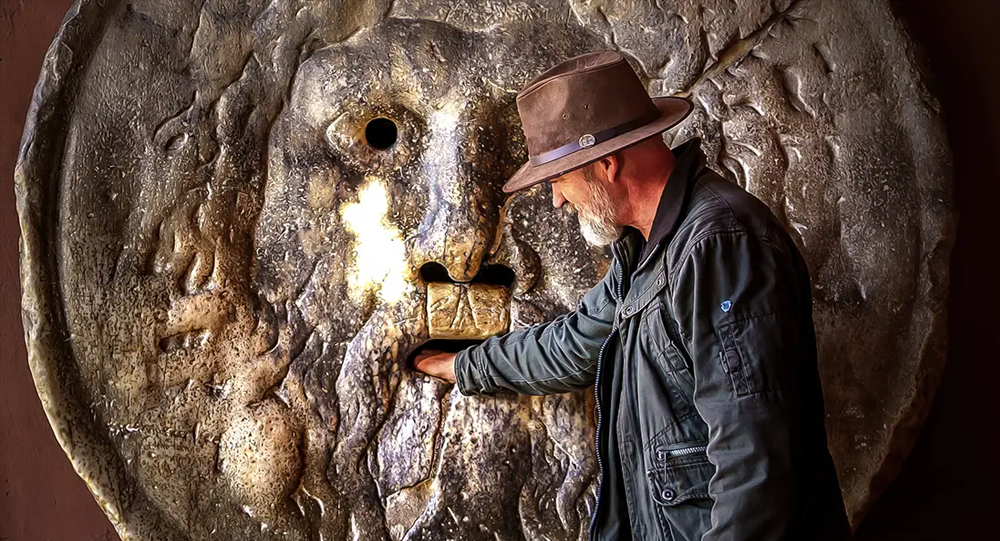
The Mouth of Truth: Ancient Rome’s Legendary "Lie Detector" That Bit Off Hands
Discover the chilling legend of the Mouth of Truth (Bocca della Verità) in Ancient Rome—a massive carved stone face believed to bite off the hand of anyone who lied while inserting their hand into its gaping mouth. Uncover the truth behind its eerie reputation and how this ancient artifact became a symbol of honesty and fear.

Mother who spent entire life savings for daughter’s cancer treatment won the lottery
A mother won $2 million from a $10 scratch-off lottery ticket after she spent all of her entire life savings to pay her daughter’s cancer treatment. She bought the winning ticket after her daughter’s last cancer treatment.
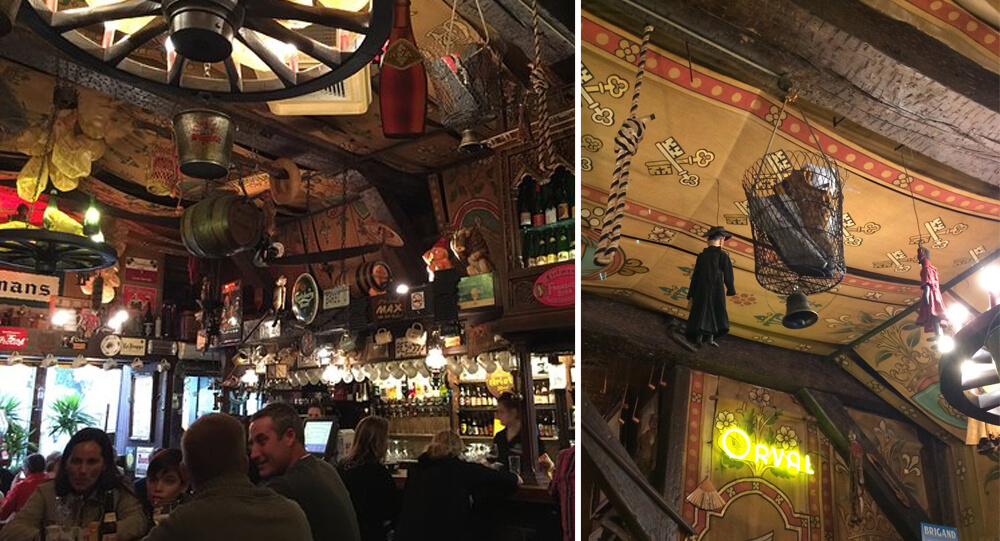
Why This Belgian Bar Makes You Trade Your Shoe for a Beer
To prevent tourists from stealing their beer glasses, some bars in Belgium require people to hand over one of their shoes as a deposit which is then put in a basket and hung from the ceiling. These shoe baskets have also become an attraction.

Marion Stokes recorded 30 years of television
Marion Stokes, a Philadelphia woman began taping whatever was on television in 1979 and didn’t stop until her death in 2012. The 71,000 VHS and Betamax tapes she made are the most complete collection preserving this era of TV. They are being digitized by the Internet Archive.
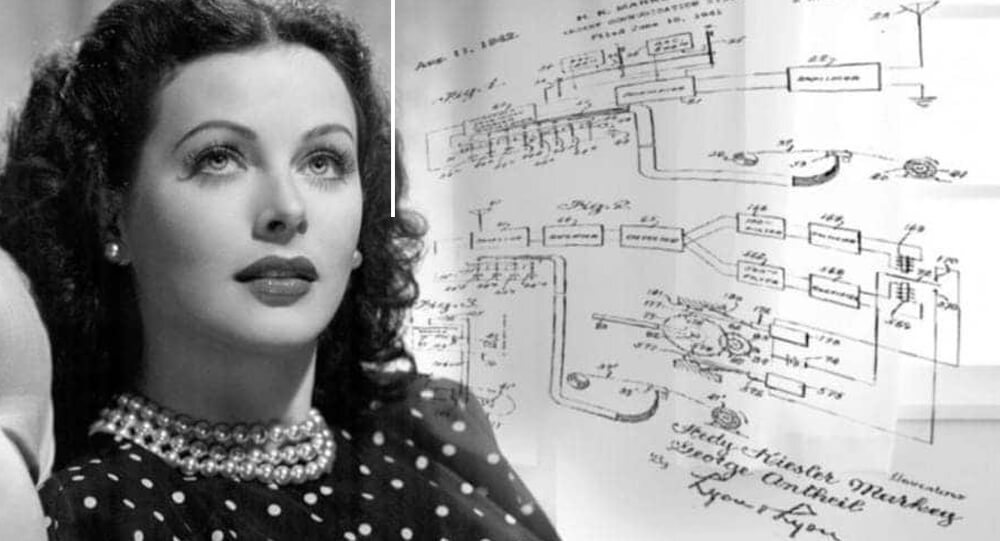
Hedy Lamarr, A Hollywood actress who also a mathematician and inventor
Hollywood actress Hedy Lamarr was also a mathematician and the inventor of frequency hopping spread spectrum, a technology still used for bluetooth and wifi

How European Rabbits Took over Australia
In 1859, wealthy settler Thomas Austin released 13 wild rabbits on his Australian estate. By 1920, their population grew to 10 billion.