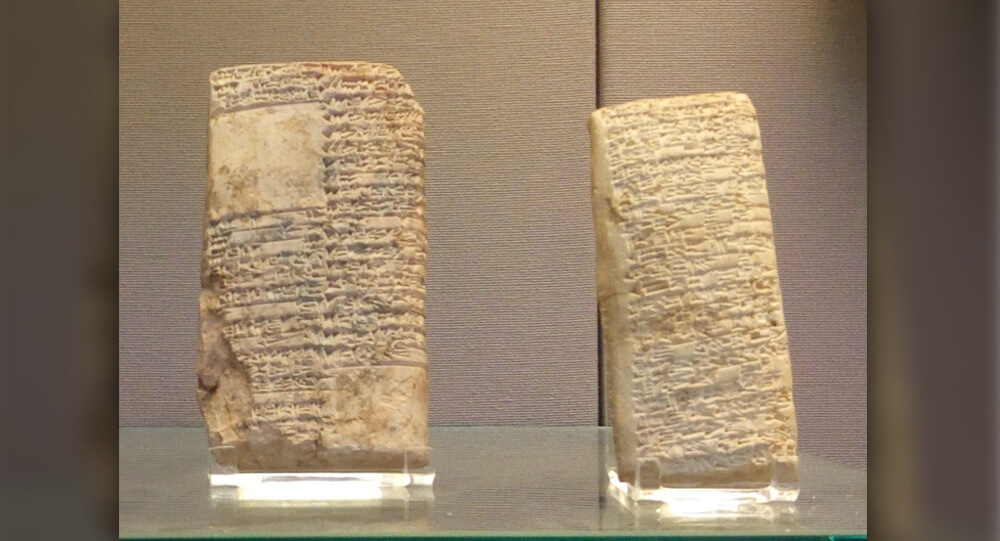
Ea-Nasir’s complaint is one of the earliest known written complaints in human history, despite the fact that customer complaints have been around for centuries. This complaint, which dates back to ancient Sumer, reveals the problems that consumers in the distant past faced on a daily basis. The desire for good customer service has always existed, despite the fact that it may seem surprising that people complained even in ancient civilizations. Let’s explore the intriguing world of Ea-Nasir’s complaint and learn what it tells us about ancient consumer culture.
Historical context: Uncovering the ancient Sumerian civilization
In order to fully comprehend Ea-Nasir’s complaint, it is necessary to examine the Sumerian civilization’s historical setting. One of the earliest civilizations ever discovered was Sumer, which was situated in Mesopotamia in what is now southern Iraq. The Sumerians flourished around 4000 BC, creating impressive cities and sophisticated political, legal, and economic systems.
In Sumerian society, trade was essential, and traders traveled great distances to exchange goods and concepts. It’s understandable that customer complaints like Ea-Nasir’s would arise in such a dynamic economy. These complaints shed important light on the difficulties faced by ancient customers and the standards they held merchants to.
The discovery of Ea-Nasir’s complaint tablet
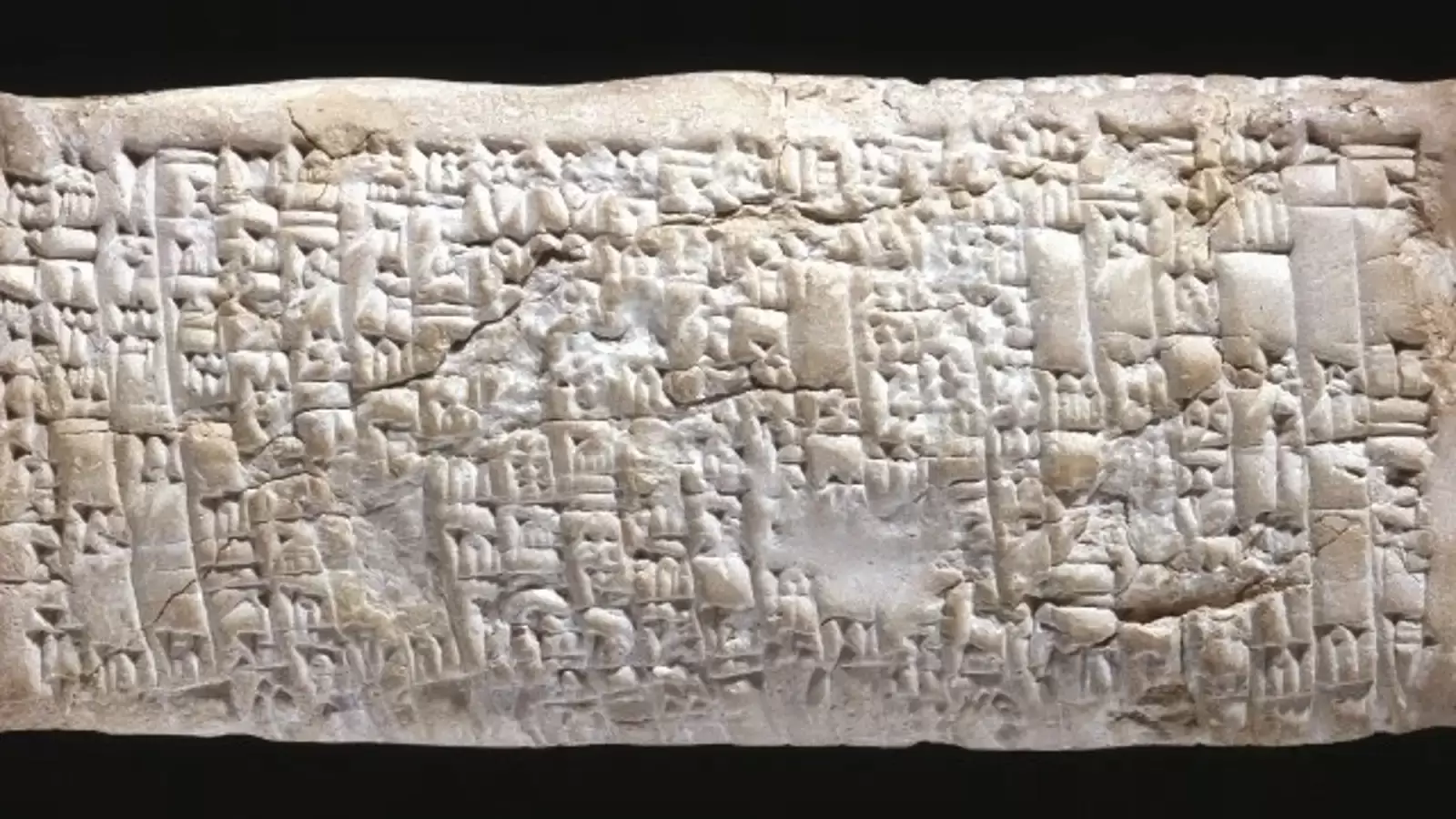
Archaeologists found Ea-Nasir’s complaint tablet while conducting excavations in the historic city of Ur. This tiny clay slab contains a cuneiform tablet that was created around 1750 BC. The tablet, which was discovered among the wreckage of a business archive, provided insight into the administrative procedures used at the time.
It took a lot of effort to decipher the ancient Mesopotamian writing system known as cuneiform. Years of study went into deciphering the intricate symbols and their meanings. Our understanding of the prehistoric Sumerian language was enhanced by the discovery of Ea-Nasir’s complaint, which also provided a window into the common complaints of customers in that time period.
Understanding the content and structure of the complaint
A fascinating look at the format and content of a customer complaint from ancient times can be found on Ea-Nasir’s complaint tablet. The format of the tablet is brief, with distinct sections and paragraphs addressing different issues.
By examining the format and layout of the tablet, we can see how Ea-Nasir painstakingly described his complaints so that the merchant, Nanni, would fully comprehend his dissatisfaction. The issues covered by the complaint range from the quality of the copper delivered to the disrespectful behavior of Nanni’s servants.
We can better understand the customer’s frustrations and the expectations for customer service in ancient Sumer by dissecting the sections and paragraphs of the complaint. The persuasive language used by Ea-Nasir and his determination to be heard show that consumer expectations of fair treatment and high-quality products are not a recent development.
“Tell Ea-nasir: Nanni sends the following message:
When you came, you said to me as follows : “I will give Gimil-Sin (when he comes) fine quality copper ingots.” You left then but you did not do what you promised me. You put ingots which were not good before my messenger (Sit-Sin) and said: “If you want to take them, take them; if you do not want to take them, go away!”
What do you take me for, that you treat somebody like me with such contempt? I have sent as messengers gentlemen like ourselves to collect the bag with my money (deposited with you) but you have treated me with contempt by sending them back to me empty-handed several times, and that through enemy territory. Is there anyone among the merchants who trade with Telmun who has treated me in this way? You alone treat my messenger with contempt! On account of that one (trifling) mina of silver which I owe(?) you, you feel free to speak in such a way, while I have given to the palace on your behalf 1,080 pounds of copper, and umi-abum has likewise given 1,080 pounds of copper, apart from what we both have had written on a sealed tablet to be kept in the temple of Samas.
How have you treated me for that copper? You have withheld my money bag from me in enemy territory; it is now up to you to restore (my money) to me in full. Take cognizance that (from now on) I will not accept here any copper from you that is not of fine quality. I shall (from now on) select and take the ingots individually in my own yard, and I shall exercise against you my right of rejection because you have treated me with contempt.”
Similarities and differences between ancient and modern customer complaints
Ea-Nasir’s complaint and contemporary customer complaints have a lot in common, despite the vast differences in technology, culture, and societal norms. Quality assurance, on-time delivery, and open business practices continue to be fundamental requirements.
However, there has been a significant evolution in complaint procedures. Customers today have the power of social media, online reviews, and consumer advocacy platforms to amplify their voices, unlike Ea-Nasir who carved his complaints on a stone tablet. The primary issues may not have changed, but the channels for voicing dissatisfaction have.

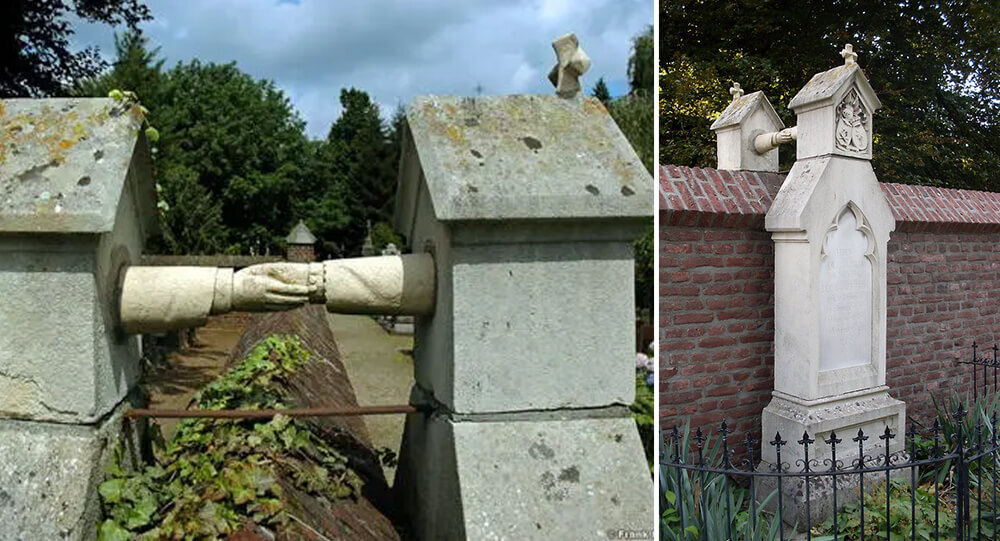
Graves holding hands over wall, A Catholic woman and her Protestant husband grave
A protestant man and a Catholic woman who weren't allowed from being buried together in a graveyard in 19th-century Holland turned their graves into a monument showing them holding hands across the wall separating them.

The incredible story of Julia "Butterfly" Hill and her legacy
American environmental activist Julia “Butterfly” Hill lived in a 1500-year-old California Redwood tree for 738 days to prevent it from being cut down by the Pacific Lumber Company. The Simpson’s episode “Lisa the Tree Hugger” was inspired by Hill’s story.

Poto And Cabengo: The Secret Language Of Twins
Poto and Cabengo, as the two girls called each other, communicated in their own language. The twins were ignored by their parents and secluded from the outside world because their father felt they were developmentally retarded, and their unique language evolved as a result of that neglect.
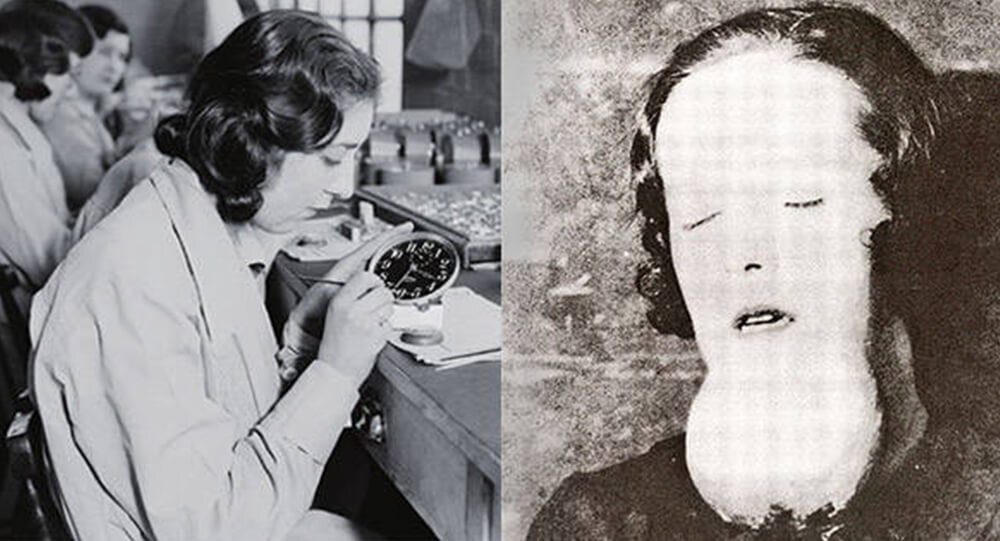
The true story Of The Radium Girls that change US labor laws
Hundreds of young women worked in clock factories during World War I, painting watch dials with luminous radium paint. The company lied about the risk of radiation, claiming there was no danger, which resulted in the death of the young women.


Mario Segale, Developer Who Inspired Nintendo to Name Super Mario
Super Mario is named after real-life businessman Mario Segale, who was renting out a warehouse to Nintendo. After Nintendo fell far behind on rent, Segale did not evict them but gave them a second chance to come up with the money. Nintendo succeeded and named their main character after him.

Juliane Koepcke: The Teenager Who Fell 10,000 Feet And Trekked The Jungle to survive
In 1971, a high school student was sucked out of an airplane after it was struck by lightning. She fell 10,000 feet to the ground while still strapped to her chair and survived. Only to endure a 9-day trek to the nearest civilization.
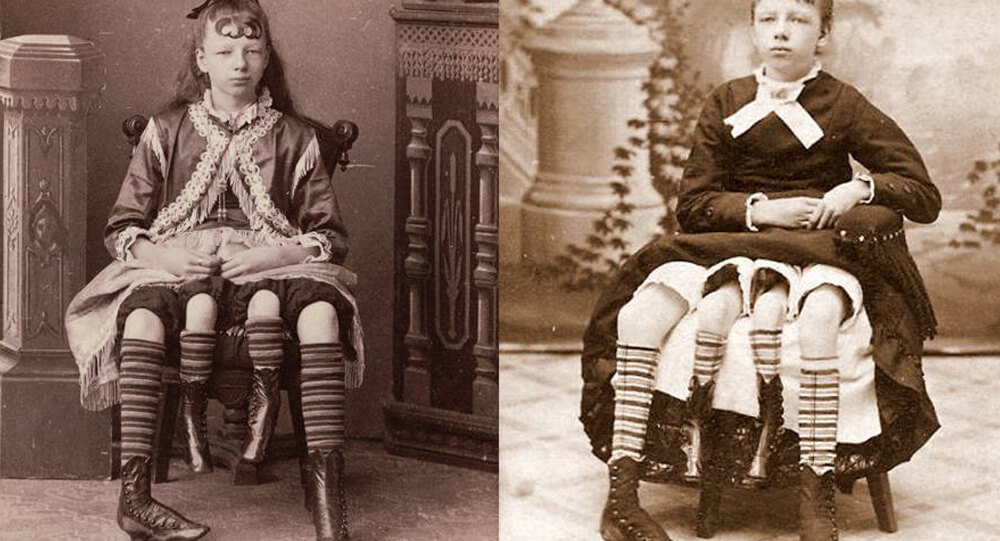
The true story of Josephine Myrtle Corbin, the lady born with four legs and two private parts
Josephine Myrtle Corbin, an American sideshow performer born in 1868, had a rare condition known as dipygus, which caused her to have four legs, each smaller inner leg paired with one of her outer legs. Corbin joined the sideshow circuit, captivating audiences as the "Four-Legged Girl from Texas."

Why the Word ‘Pen’ Comes from the Latin ‘Penna’ Meaning Feather
The humble word “pen” carries a rich history rooted in ancient times, derived from the Latin word penna, meaning “feather.” Long before modern pens revolutionized writing, feather quills—especially from geese—were the essential tools of scribes, scholars, and artists. This article journeys through the origins of the pen, its evolution, and fascinating trivia about the timeless connection between feathers and writing.

Irena Sendler: woman who rescued Jews during holocaust
Irene Sendler was the Zegota resistance group's head of the children's department. She risked her life to smuggle children out of the Warsaw ghetto, place them with Polish families or orphanages, give each child a new identity, and keep records so that they could be returned to their families. In 1943, the Gestapo arrested and sentenced her to death, but she was rescued by Zegota.

The Arabia Steamboat: Unearthing a 19th Century Time Capsule from the Missouri River
The Arabia was a steamboat that sank in the Missouri River in 1856. Over time, the river shifted 800 meters to the east, eventually turning the site of the sinking into a field. The steamboat remained under 45 feet of slit and topsoil until 1988, when it was excavated. The mud, as it turned out, was such a great preserver that most of the artifacts on board were found to be intact. They even found jars of preserved apples that were still edible!
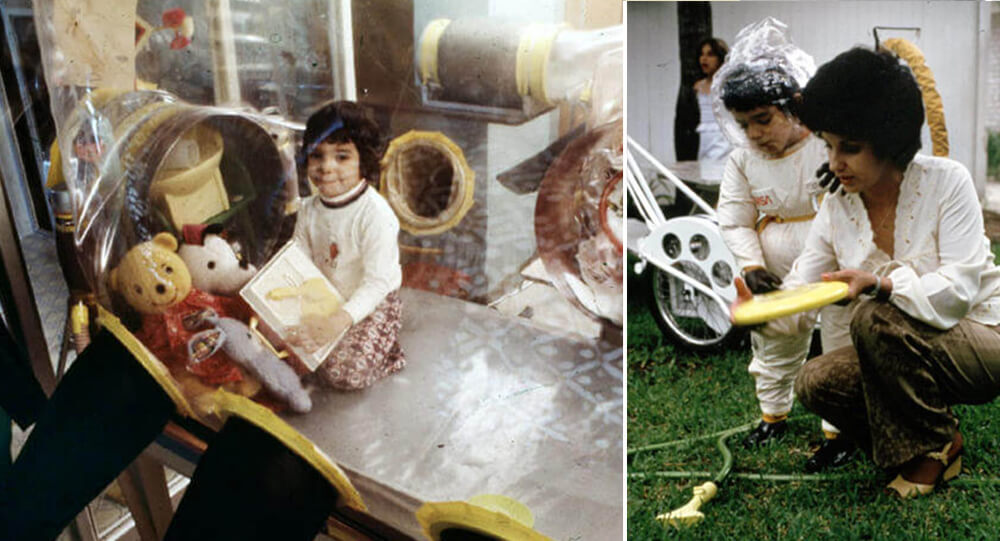
The touching story of David Vetter (bubble boy), the 'boy who lived in a bubble
David Vetter lived his whole 12 years in sterile “bubble”. He was “outside” for 20 second after being removed from his mother’s womb. He never touched any human.
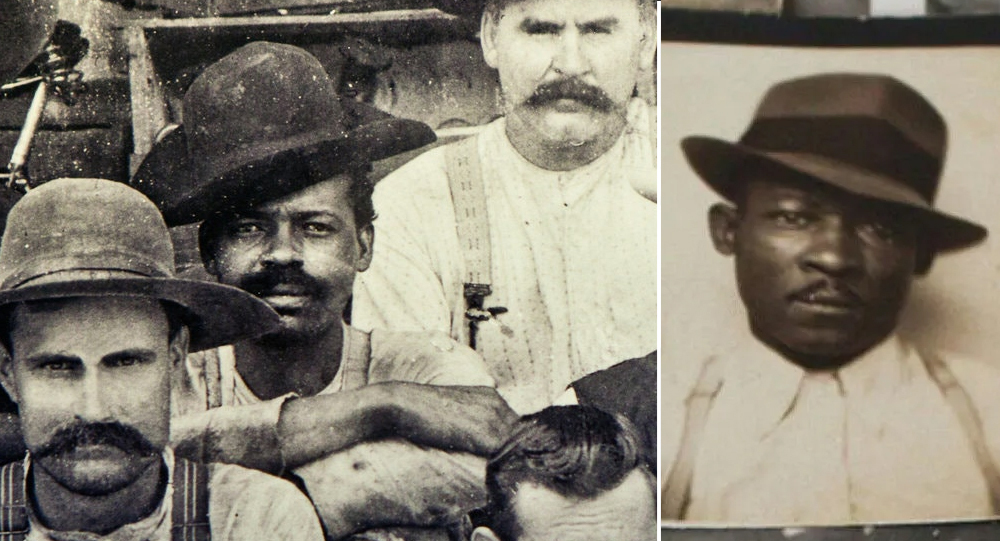
Nearest Green, America's first known Black master distiller
Nathan "Nearest" Green was an African-American head stiller who is now more frequently referred to as a master distiller. He was renowned for imparting his distilling knowledge to Jack Daniel, the creator of Jack Daniel's Tennessee whiskey distiller, after Jack Daniel was freed from slavery following the American Civil War.
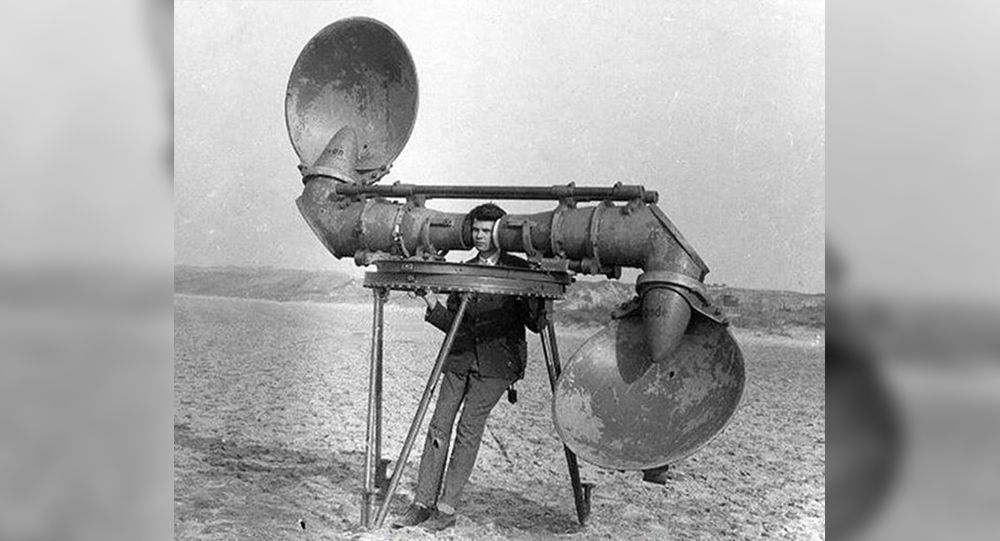
Before Radar: How Giant Acoustic Mirrors Detected Enemy Aircraft in WWI and WWII
Long before radar revolutionized air defense, enormous acoustic mirrors and specialized sound locators stood as the first line of defense against enemy aircraft. Designed as giant “ears,” these structures amplified distant engine noises, allowing operators to detect incoming planes by sound alone. Dive into the intriguing world of these pioneering listening devices, their operation, limitations, and enduring legacy in military history.
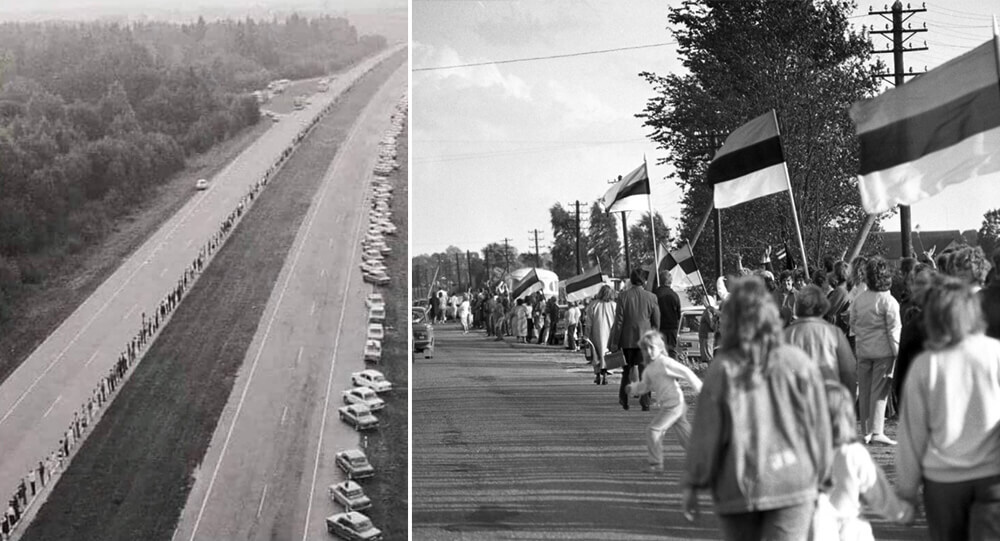
The Baltic Way: the longest unbroken human chain in history
On August 23, 1989, about 2 million people from Latvia, Estonia, and Lithuania formed a human chain that united all 3 countries to show the world their desire to escape the Soviet Union and the communism that brought only suffering and poverty. This power stretched 600 km.
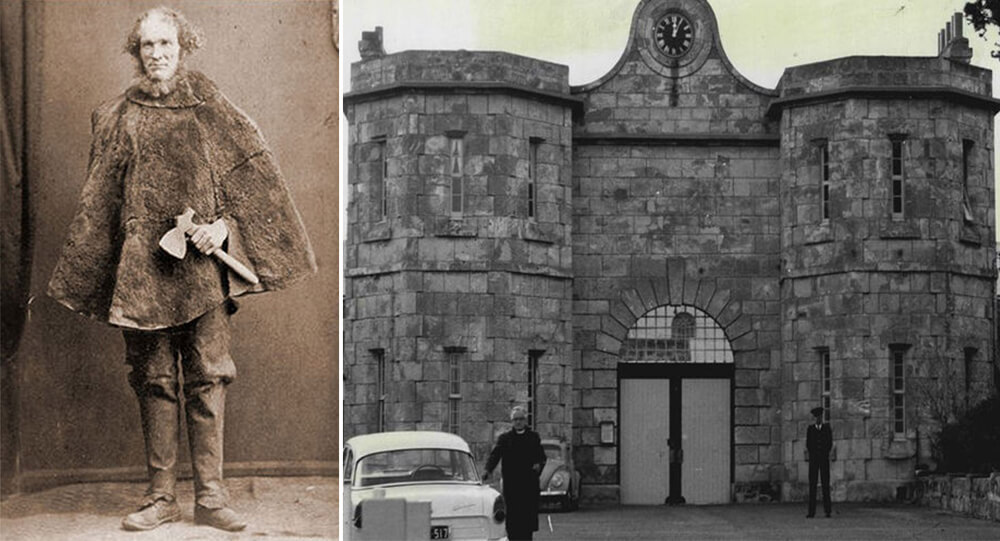
Moondyne Joe: The story of Australia's most notorious prison escapee
A man named Joseph Bolitho Johns (A.K.A Moondyne Joe) broke out of Australian prisons so many times that the police were compelled to build a special cell just for him. He escaped from that as well.
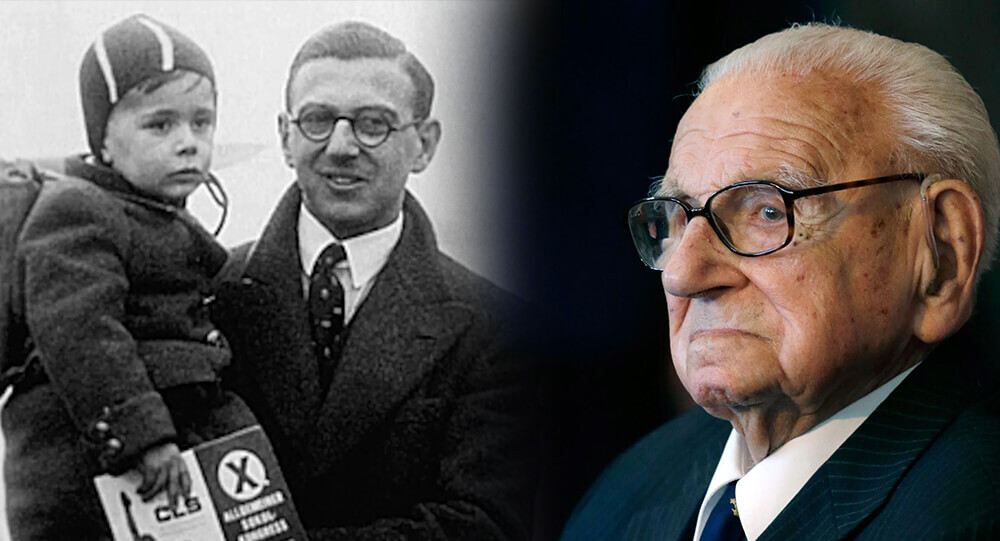
Nicholas Winton ‘British Schindler’: Man who rescued 669 Czech children from Nazis
A man named Nicholas Winton saved 669 kids during WWII and lived almost all his life without letting people know.
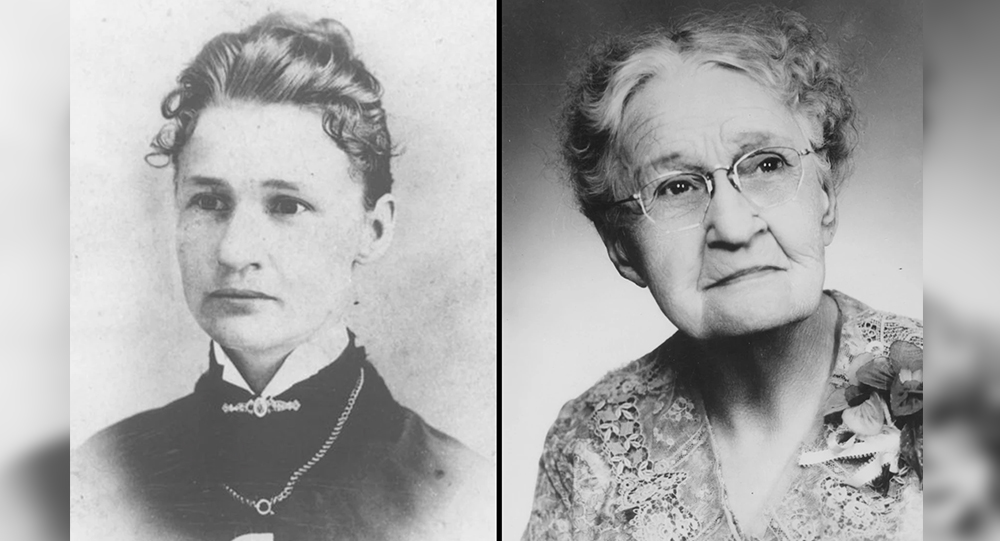
Susanna Salter: The Trailblazing Story of America’s First Female Mayor
In 1887, Susanna Salter became the first female mayor in the United States, elected in Argonia, Kansas. Her nomination was initially a prank by men opposing women in politics. However, she won by a landslide and served effectively, inspiring the women’s suffrage movement and breaking barriers for women in leadership.
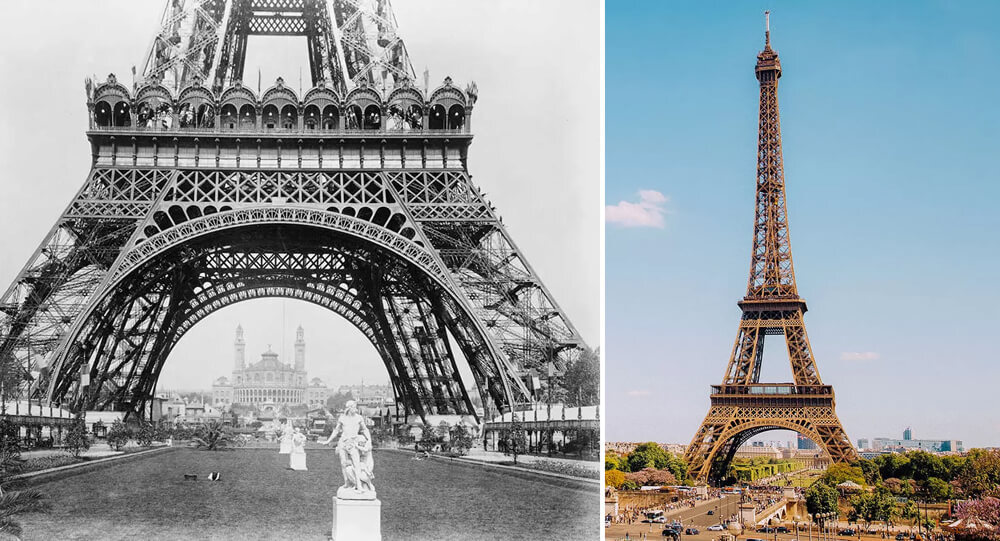
Why was the Eiffel Tower almost demolished
The Eiffel Tower was intended to be a temporary structure for the World's Fair in 1889, but it was nearly dismantled and sold for scrap metal. It was saved because of its potential use as a radio antenna, and it now serves as a tourist attraction as well as a working broadcast tower.
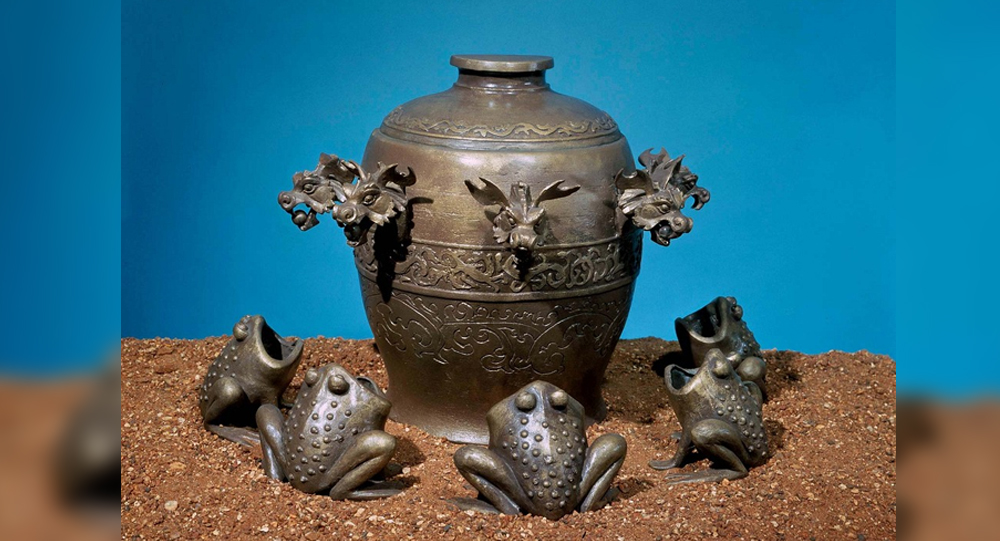
The World’s First Seismograph: How Ancient China Detected Earthquakes 1,800 Years Ago
Over 1,800 years ago, long before modern technology, the ancient Chinese astronomer and inventor Zhang Heng created the world’s first seismograph in 132 AD. This ingenious bronze device could detect distant earthquakes by releasing small balls from dragons’ mouths into toads’ mouths—each indicating a different compass direction. Its historic detection of an earthquake 400 miles away astonished the imperial court and transformed the way societies understood and responded to seismic events.
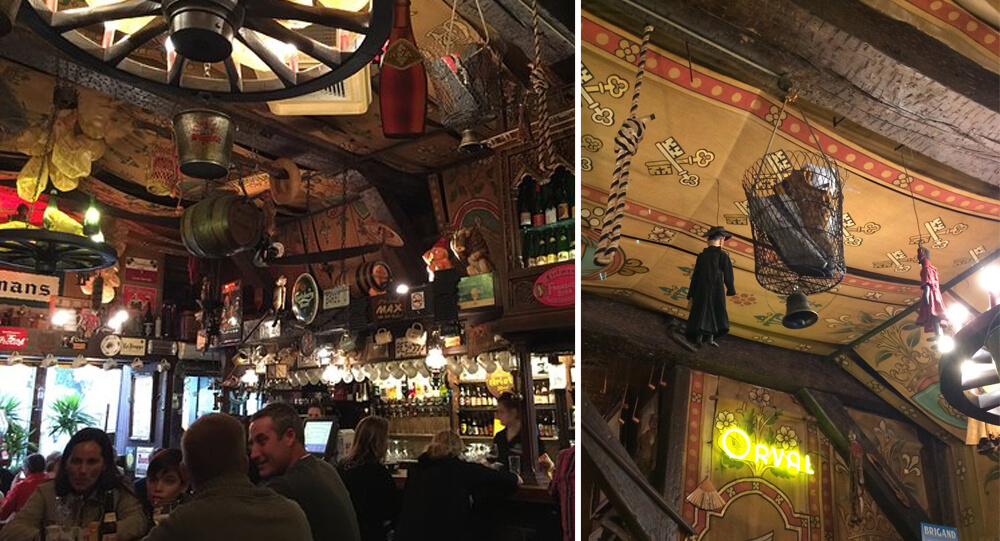
Why This Belgian Bar Makes You Trade Your Shoe for a Beer
To prevent tourists from stealing their beer glasses, some bars in Belgium require people to hand over one of their shoes as a deposit which is then put in a basket and hung from the ceiling. These shoe baskets have also become an attraction.

Max Headroom Incident: America’s Creepiest TV Hack
In 1987 a man hijacked a television station during an episode of Dr. Who and wore a Max Headroom mask and uttered nonsense, and he still hasn’t been caught


Philippines, the largest supplier of Nurses in the World
Philippines is the world’s largest supplier of nurses, supplying roughly 25% of all overseas nurses worldwide.

8 Interesting Facts About The Unsinkable Ship, TITANIC
If you ask your friends what's the most famous ship in history the answer in most cases will be the same, of course the legendary Titanic. Its history is full of mysteries, at first it was a source of hope and national pride as well as proof of the triumphs of mankind but it soon became a source of nostalgia and pain, the extent of which cannot be described in words.

How Sleep Deprivation Was Once Used as Torture
Sleep deprivation, long before modern interrogation techniques, was considered a “clean” and effective form of torture—leaving no physical scars, yet breaking minds with haunting silence. Victims endured days and nights without rest, leading to vivid hallucinations, disorientation, and psychological torment. This article traces the dark history of sleep deprivation as a weapon, examines the science behind its effects on the brain, and shines a light on the painful balance between human endurance and cruelty in the annals of coercion.
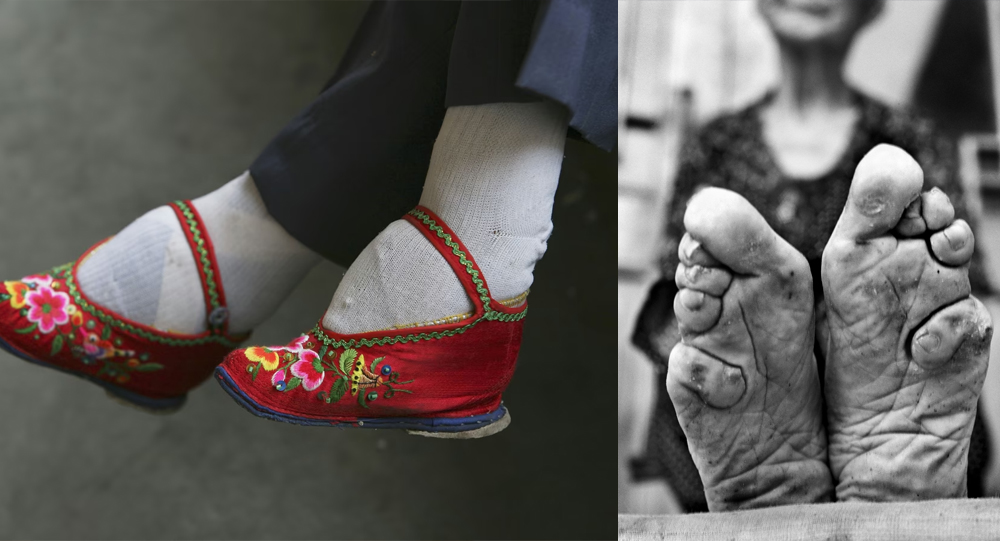
Inside China’s Footbinding Tradition: The Painful Ritual of Lotus Shoes and Bound Feet
In China, Lotus shoes were used to bind women's feet to keep their feet small