
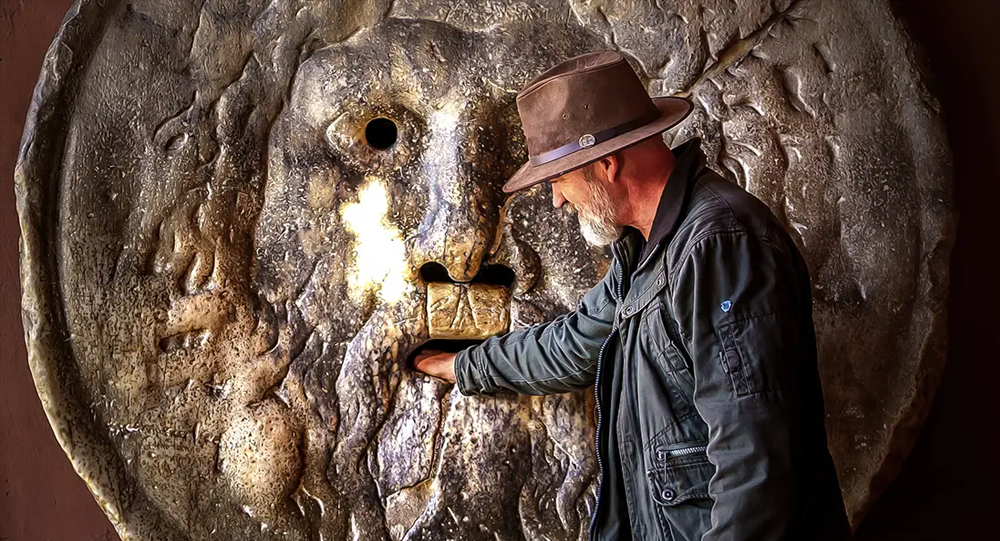
Imagine a time before polygraphs, before fingerprint analysis, even before advanced forensics. How did ancient societies determine truth from deception? In Ancient Rome, one legend stood above all others: the Bocca della Verità—the Mouth of Truth. This massive, intricately carved marble face, with its gaping mouth, was believed to possess a terrifying power: to bite off the hand of anyone who dared to lie while placing their hand inside.
A Mysterious Origin: From Ancient Drain Cover to Legendary Lie Detector
The Mouth of Truth is a colossal marble disk, about 1.75 meters (5 feet 9 inches) in diameter, depicting the face of a bearded man. While often associated with the sea god Oceanus or a river god, its precise identity remains a subject of academic debate. What is certain is that it dates back to Ancient Rome, likely from the 1st century AD.
Its original purpose was far more mundane than a lie detector. Historians believe it was a manhole cover, part of an ancient drainage system, possibly used as a drain for the nearby Cattle Forum (Forum Boarium) or a fountain. The gaping mouth would have served as an opening for water to flow through. Its location in the Portico of Santa Maria in Cosmedin, a church founded in the 8th century, only adds to its mystique.
The Terrifying Legend: Truth, Deception, and a Bitten Hand
The legend of the Mouth of Truth as a lie detector began to gain traction in the Middle Ages, several centuries after its creation. The tale spread that if a person put their hand into the mouth and uttered a lie, the mouth would snap shut, severing the liar’s hand. This belief made it a popular—and terrifying—tool for testing honesty.
People, particularly accused criminals or unfaithful spouses, were supposedly brought to the Mouth of Truth to prove their innocence. The fear of divine retribution, or perhaps the psychological pressure of the ritual, would often lead to confessions. The sheer terror of placing one’s hand into that dark, cold opening, with the weight of judgment upon them, was often enough to compel the truth.
While no historical records confirm actual hands being bitten off (thankfully!), the fear it instilled was very real. It’s thought that cunning individuals, perhaps priests or judges, might have secretly hidden behind the disc to “operate” it, dropping a sharp object or making a sudden noise to make an accused person jump, thus revealing their guilt through fear.
From Ancient Rome to Hollywood Fame: The Mouth’s Modern Legacy
The Mouth of Truth’s reputation endured for centuries, transforming from a simple drain cover into an iconic symbol of justice and honesty. But its global fame truly exploded with its appearance in the 1953 romantic comedy “Roman Holiday,” starring Audrey Hepburn and Gregory Peck.
In a memorable scene, Gregory Peck’s character pretends to have his hand bitten off by the Mouth of Truth, terrifying Audrey Hepburn’s character. This playful prank cemented the artifact’s place in popular culture, making it a must-visit attraction for tourists in Rome. Today, visitors still line up to bravely (or playfully) stick their hands into the ancient mouth, recreating the famous movie scene and testing their own honesty.
Fascinating Trivia About the Mouth of Truth
- The Mouth of Truth is located in the portico of the Santa Maria in Cosmedin church in Rome, not far from the ancient Circus Maximus.
- While popularly believed to be Oceanus, some scholars suggest the face might represent Hercules, a patron god of the cattle market that once surrounded the area.
- The legend was often used as a psychological deterrent, effectively creating its own form of “lie detection” through fear and intimidation.
- The Roman poet Virgil briefly mentioned a similar, though not identical, “oracle” that responded to touch, hinting at ancient beliefs about stone figures reacting to human honesty.
- During the Middle Ages, the Mouth of Truth was also associated with magical properties and local folklore, further embedding it in the public imagination.
- There’s a smaller, less famous replica of the Mouth of Truth in Florence, suggesting the legend had broader reach.
Final Thoughts: A Timeless Tale of Truth and Fear
The Mouth of Truth stands today as a fascinating relic, a silent testament to ancient beliefs, human psychology, and the enduring power of legend. It never truly functioned as a mechanical lie detector, but the fear it inspired, coupled with its dramatic Hollywood appearance, has ensured its place in history.
It reminds us that sometimes, the most powerful truths are revealed not by technology, but by the weight of conscience and the deep-seated human desire to be seen as honest. So, the next time you visit Rome, perhaps you too will be tempted to test your own truthfulness against the gaping maw of the Bocca della Verità. Just be sure you’re telling the truth!

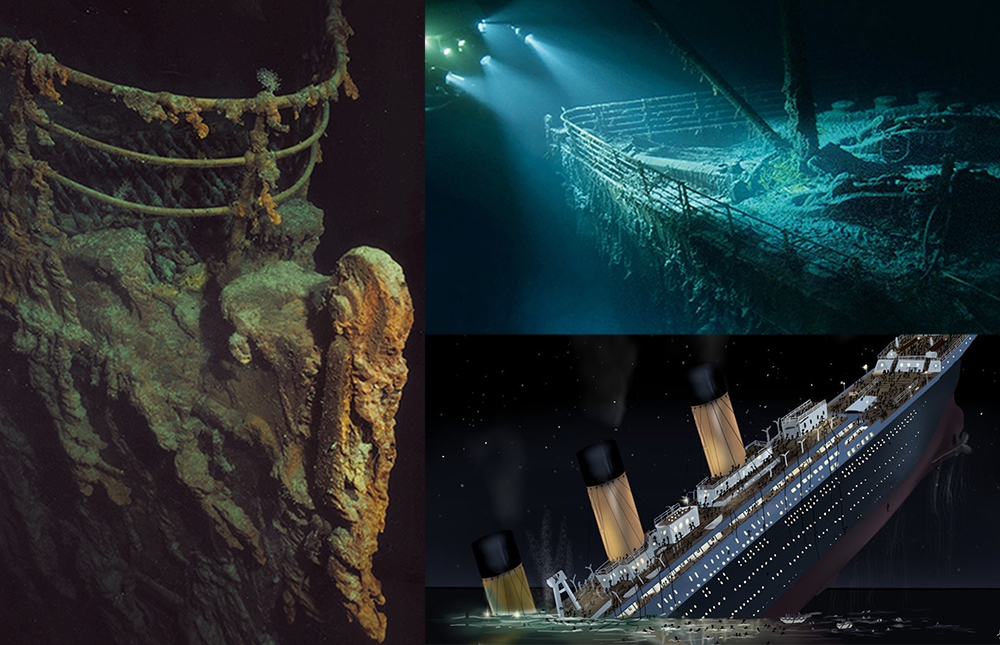
8 Interesting Facts About The Unsinkable Ship, TITANIC
If you ask your friends what's the most famous ship in history the answer in most cases will be the same, of course the legendary Titanic. Its history is full of mysteries, at first it was a source of hope and national pride as well as proof of the triumphs of mankind but it soon became a source of nostalgia and pain, the extent of which cannot be described in words.
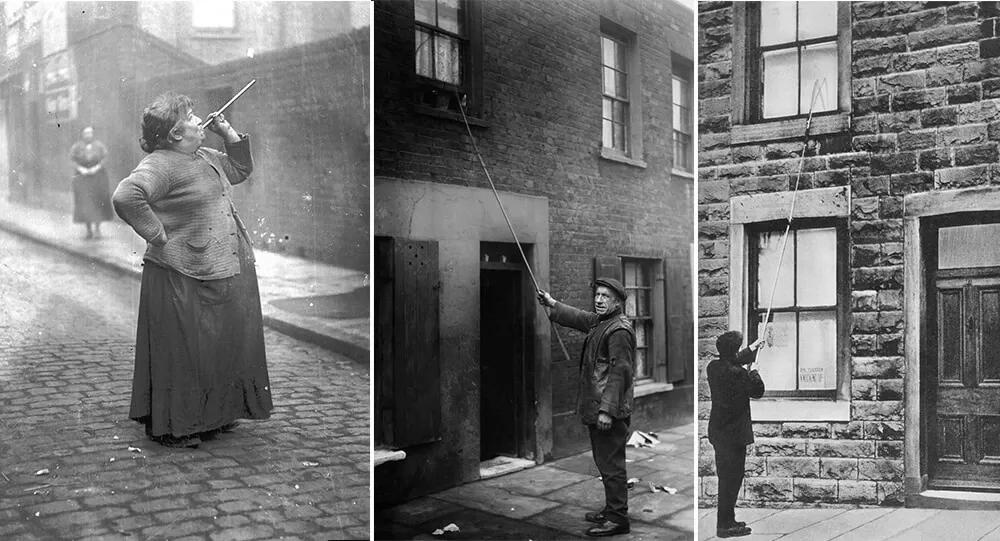
Knockers-up: waking up the Industrial Britain's Workers in 1900-1941
Before alarm clocks were invented, there was a profession called a knocker-up, which involved going from client to client and tapping on their windows (or banging on their doors) with long sticks until they were awake. It lasted into the 1920s.

The incredible story of Julia "Butterfly" Hill and her legacy
American environmental activist Julia “Butterfly” Hill lived in a 1500-year-old California Redwood tree for 738 days to prevent it from being cut down by the Pacific Lumber Company. The Simpson’s episode “Lisa the Tree Hugger” was inspired by Hill’s story.
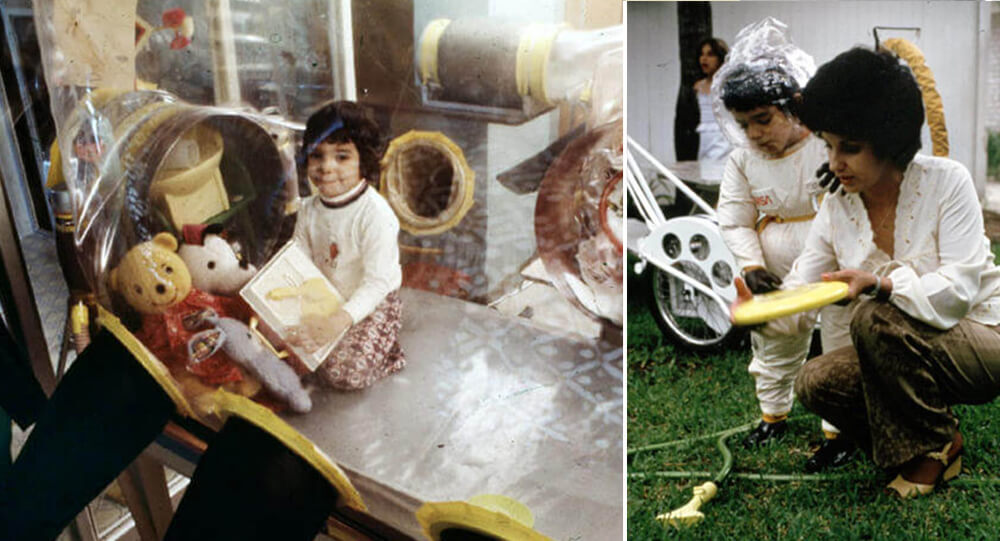
The touching story of David Vetter (bubble boy), the 'boy who lived in a bubble
David Vetter lived his whole 12 years in sterile “bubble”. He was “outside” for 20 second after being removed from his mother’s womb. He never touched any human.
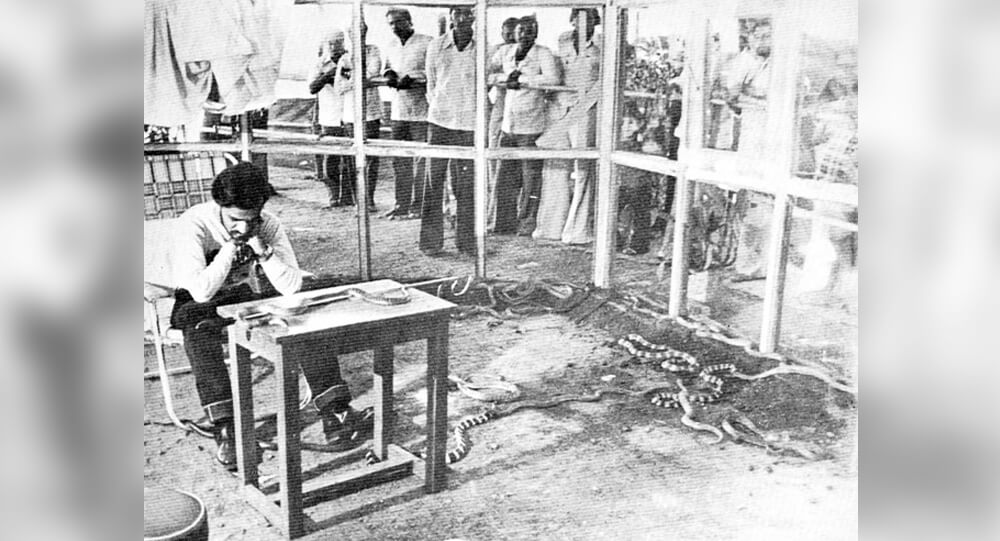
The story of a man who spent 72 hours with 72 venomous snakes to prove they only bite when provoked
In the 1980s, an Indian man spent 72 hours in a glass cabin with 72 snakes, some of which were extremely venomous. His aim was to prove that snakes only attack when provoked. Remarkably, he was not bitten once in those 72 hours and even set a Guinness World Record in the process.
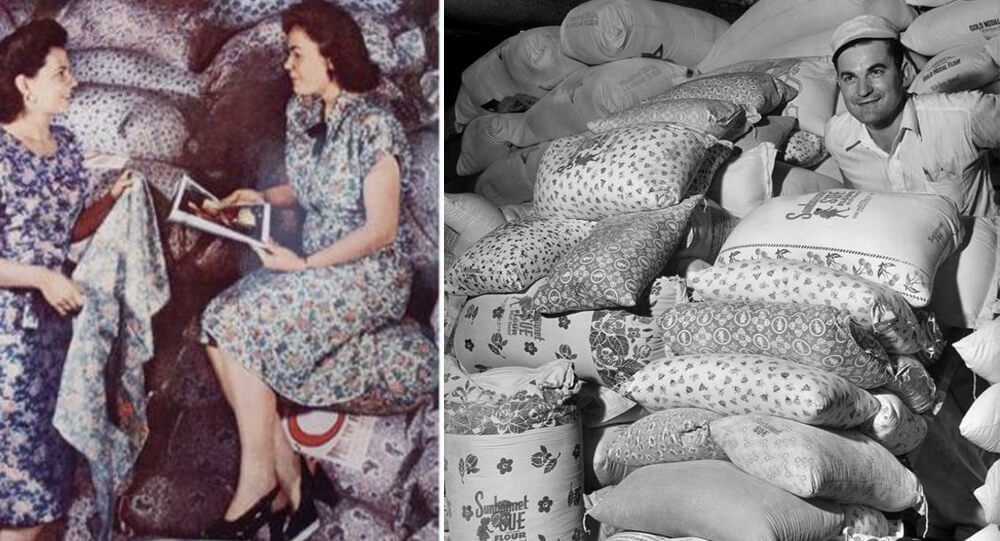
The history of Flour sack clothing fashion
After Kansas mill owners found women reused flour sack materials into apparel in the 1920s and 1930s, they started applying patterned designs to give families with more fashionable patterns and material.
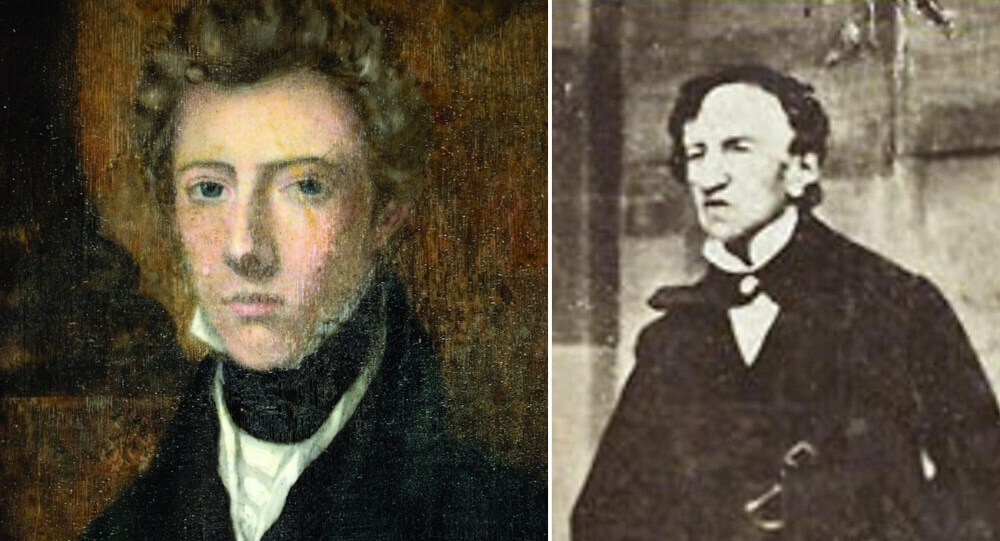
The mysterious secret of Dr James Barry
Before women were allowed to enroll in medical school, Margaret Ann Bulkley studied medicine and assumed the identity of Dr. James Barry for 56 years while dressing as a man. After 46 years of service as an army doctor officer, her secret was not made public until after her death in 1865.

June and Jennifer Gibbons The silent twin who Only Spoke to Each Other
Identical twins June and Jennifer Gibbons were born on 11 April 1963 at a military hospital in Aden, Yemen where their father worked as part of the Royal Air Force.
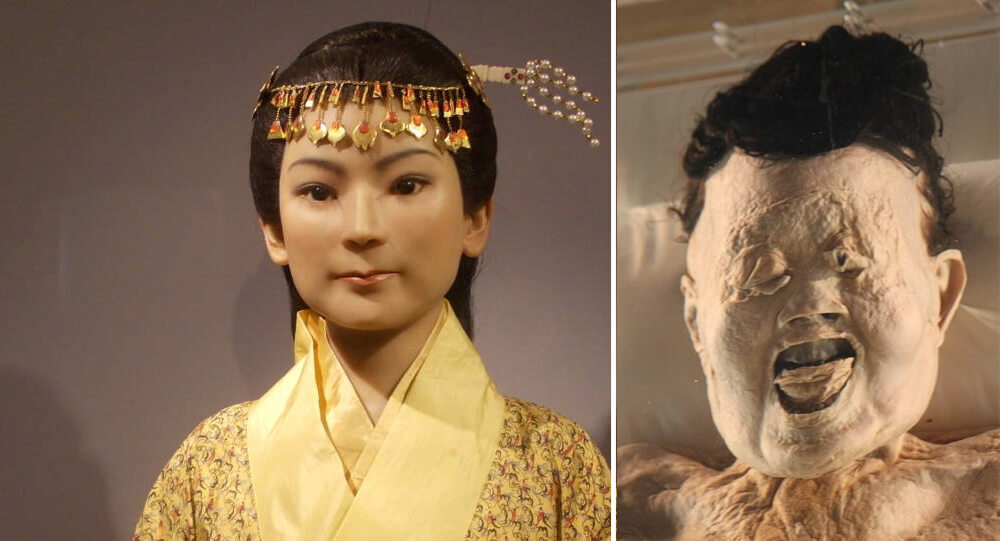
Xin Zhui And The Story Of The Stunningly Intact Lady Dai Mummy
A 2,000-year-old mummy of a Chinese woman, Xin Zhui, also known as “Lady Dai,” was preserved in 21 gallons of an “unknown liquid.” With her original hair, organs, eyebrows, and eyelashes intact, the mummy still has blood in her veins. Her skin and ligaments are soft and as flexible as that of a living person.

Juliane Koepcke: The Teenager Who Fell 10,000 Feet And Trekked The Jungle to survive
In 1971, a high school student was sucked out of an airplane after it was struck by lightning. She fell 10,000 feet to the ground while still strapped to her chair and survived. Only to endure a 9-day trek to the nearest civilization.

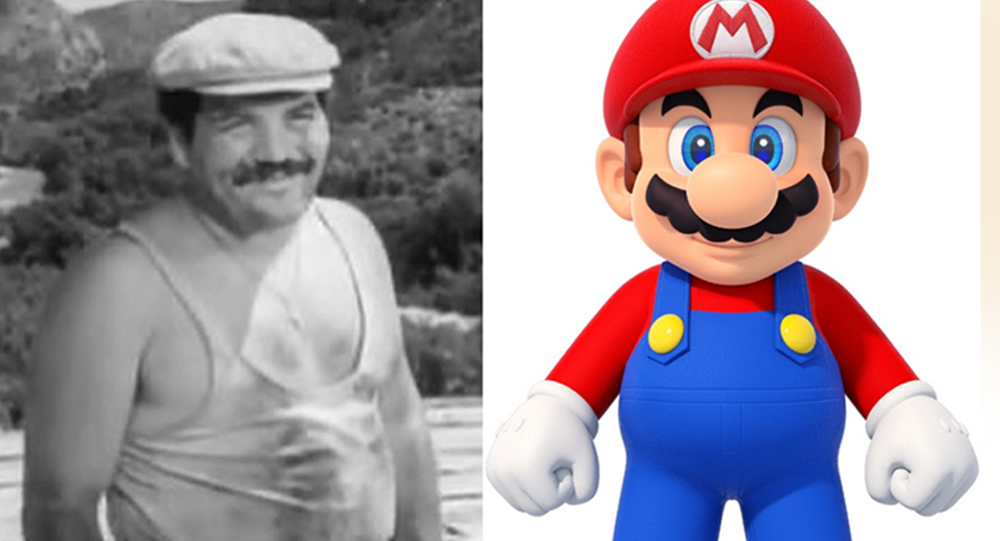
Mario Segale, Developer Who Inspired Nintendo to Name Super Mario
Super Mario is named after real-life businessman Mario Segale, who was renting out a warehouse to Nintendo. After Nintendo fell far behind on rent, Segale did not evict them but gave them a second chance to come up with the money. Nintendo succeeded and named their main character after him.

The Littlest Skyscraper: How J.D. McMahon’s 480-Inch Con Fooled Investors in 1919
In 1919, J.D. McMahon convinced investors to fund a 480-foot skyscraper, but he labeled the plans as 480 inches, building a 40-foot structure instead. After taking $200,000, he won in court since the plans matched what he built.

3 men lived on top of a billboard in tents for almost 9 months
From 1982-1983, three men in Allentown PA competed in a radio contest in which they lived on top of a billboard in tents. Whoever stayed up longest would win a house. Due to economic pressure from the recession, none of the contestants wanted to give up, so the contest lasted almost 9 months.

The incredible story of a plane that lost its roof in mid-flight and the light signal that saved 94 lives.
On April 28, 1988, Aloha Airlines flight 243 was on the way to Honolulu from Hilo when a huge portion of the upper part of the fuselage blew off the airplane.
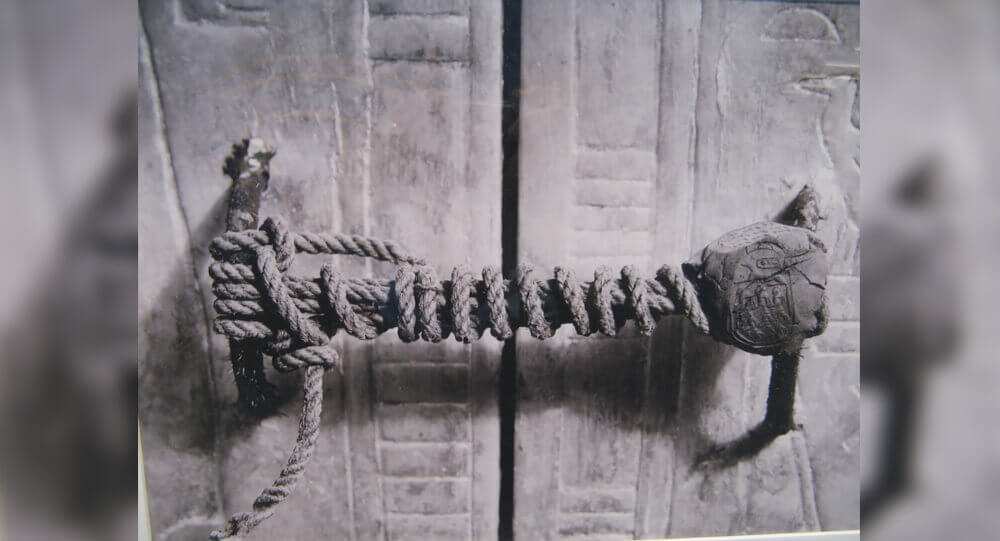
The unbroken seal on King Tutankhamun's tomb until 1922
The unbroken seal of Tutankhamun's tomb before it was opened in 1923, it was unbroken for over 3000 years.
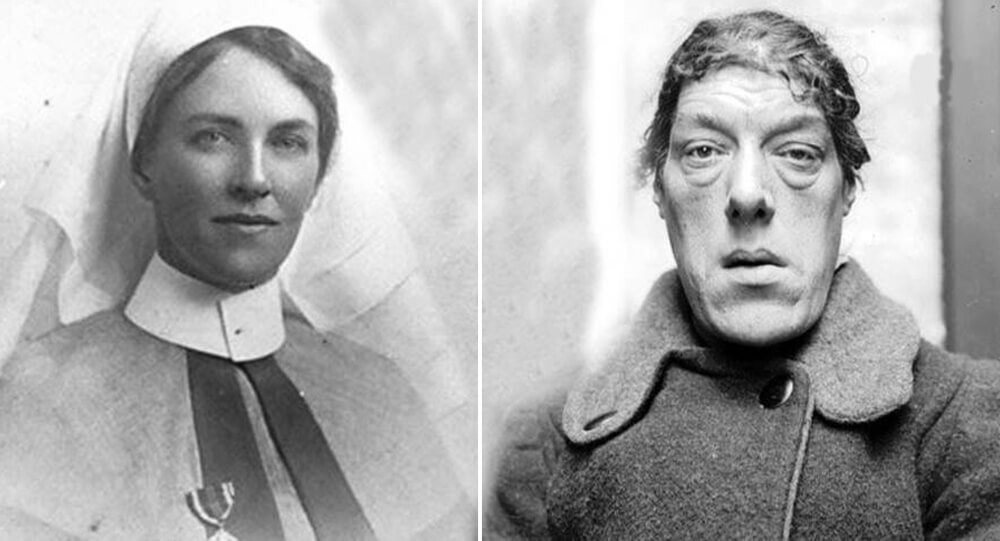
The Tragic Story Of Mary Ann Bevan, The ‘Ugliest Woman In The World’
After the death of her husband, Mary Ann Bevan had no income to support herself and her children. She then decided to enter a contest where she won the title of “ugliest woman” and was later hired by a circus. She endured this ridicule from the world to provide for her family.
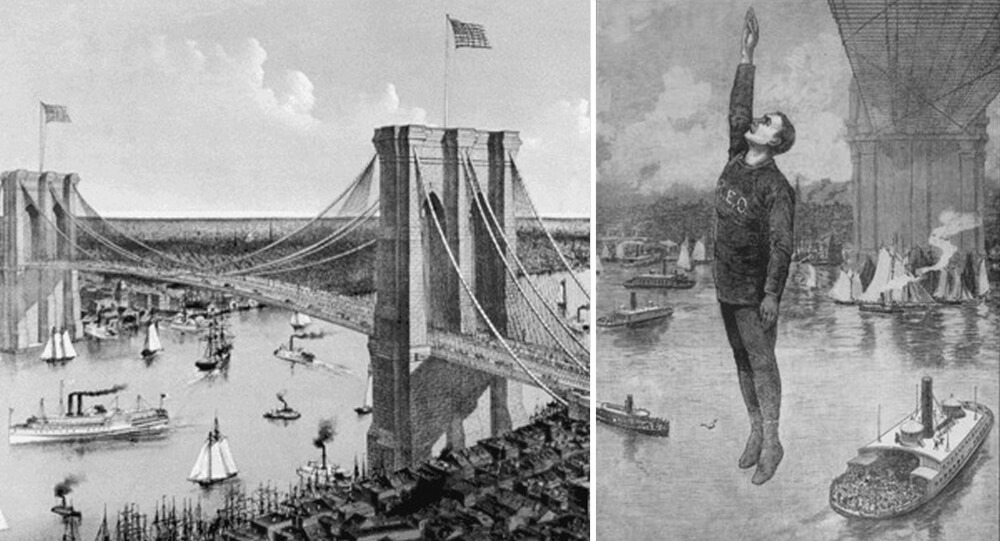
Robert Odlum, the first person to jump off the Brooklyn Bridge
The first person to jump off the Brooklyn Bridge was a professional high diver who "wanted to demonstrate that people did not die simply by falling through the air, thus encouraging people to be willing to jump from a burning building into a net." He proved himself correct by safely falling 135 feet through the air and dying only when he hit the water.
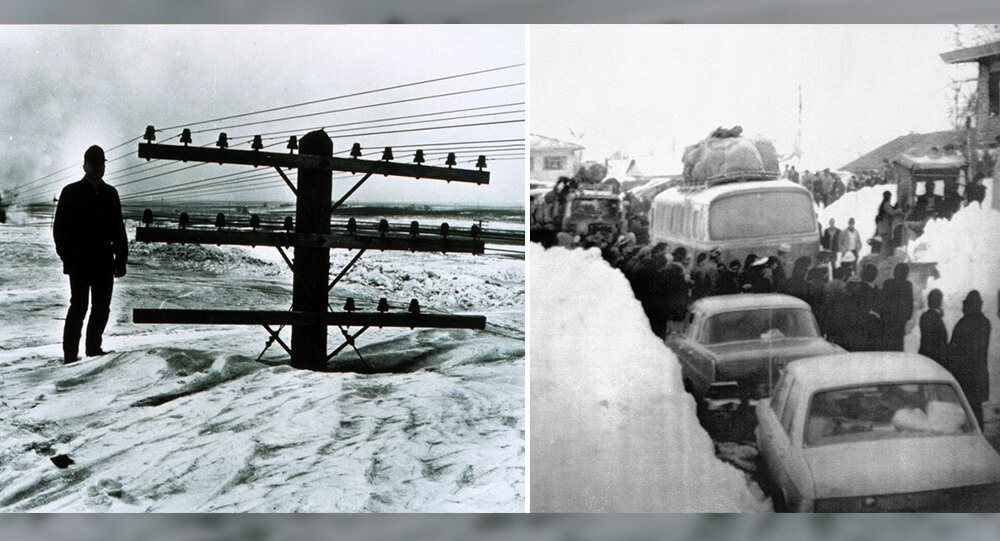
The worst blizzard in recorded history: the 1972 Iran blizzard
The deadliest snowstorm ever recorded occurred in Iran in 1972. It lasted for a week, burying areas in 26 feet of snow and killing over 4,000 people, including the entire populations of three villages.

New London School Explosion, Deadliest school disaster which killed almost 300 children and teachers
In 1937, a gas leak in the basement at the local school in New London, Texas caused a massive explosion which killed almost 300 children and teachers, the deadliest school disaster in US history. Adolf Hitler even sent his condolences by telegram.

Nordlingen, The Town Inside A Meteorite Crater With Millions Of Meteorite Diamonds
The German town of Nördlingen is embedded with 72,000 tons of microscopic diamonds. About 15 million years ago, a meteorite hit this region, and the impact created a massive depression and formed rocks containing diamonds, glass, and crystals. The town was built in the impact crater sometime around 898 CE.
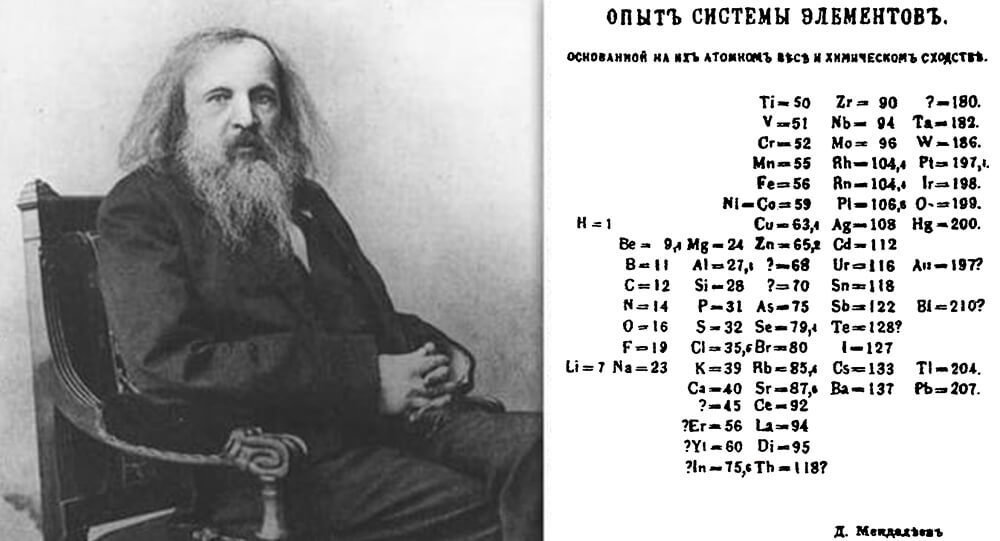
How Dmitri Mendeleev Developed the periodic table of the elements
1850 Dmitri Mendeleev walked almost a thousand miles to Moscow so he could apply for the University of Moscow. Although he was not accepted, he walked to St. Petersburg where he was accepted, And with that education, he developed the the periodic table of the elements

story of the youngest mother in the world at age of five - Lina Medina
Lina Medina, a five-year-old Peruvian girl, became the youngest mother in history in 1939 when she gave birth to a boy.
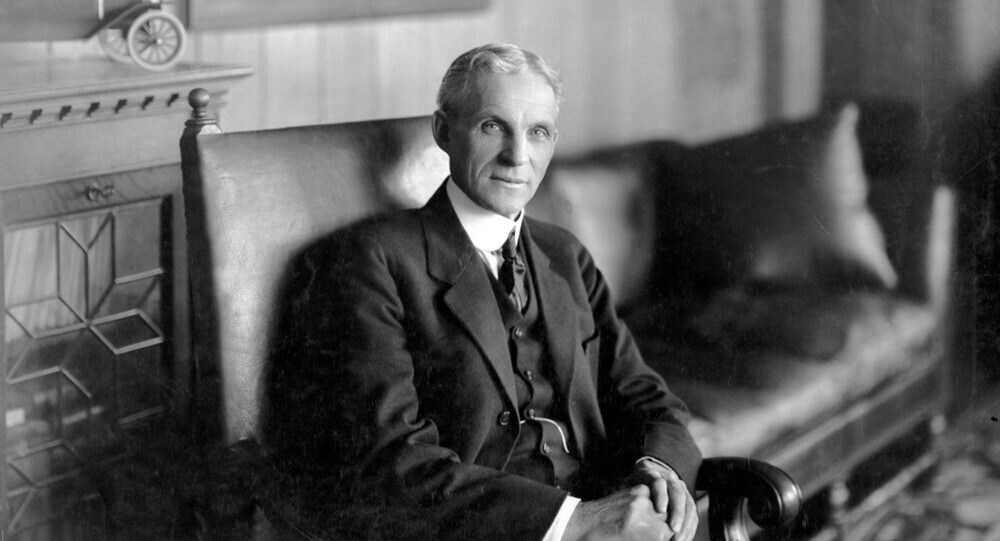
Henry Ford, The man popularizing the concept of the weekend off
Henry Ford was the first Industrial Giant to give his employees both Saturday and Sunday off in the hope of encouraging more leisurely use of automobiles and thus popularizing the concept of the "weekend."

Top 10 most cruel medical procedures that are being used today
We are all aware that medicine has advanced dramatically over the last fifty years. There are several modern medical approaches available today, but this was not always the case. However, the past of medicine is a dark one. Medical leeches, lobotomy, vascular surgery, cranial stenosis, and even electroshock therapy are all options. These are only a couple of the cruel healing techniques that are still in use today.

Keith Sapsford: The Story of 14-Year-Old Stowaway
The final image of 14-year-old Australian Keith Sapsford, who aspired to travel the world. In February 1970, he sneaked into the wheel-well of a plane flying from Sydney to Tokyo. It opened mid-air & fell out. When a photographer was testing a new lens, he captured this moment on film and was surprised when it developed.