

The charming town of Nördlingen is located in central Germany and seems to have remained unaltered by the passage of time. Nördlingen is located inside the boundaries of a sizable meteorite impact crater, which conceals a remarkable secret beneath its charming streets and ancient structures. The Ries Crater was created when a massive space rock collided with Earth’s surface approximately 15 million years ago, forever changing the region’s geological landscape. The recent discovery of diamonds within the crater, which sheds new light on the cosmic forces that shaped our planet, makes this impact all the more extraordinary. Join us as we explore the intriguing tale of the meteorite impact that shaped Nördlingen, revealing its geological significance, scientific findings, cultural ramifications, and the efforts to preserve this distinctive legacy.
The Fascinating History of Nördlingen’s Meteorite Impact

Imagine yourself strolling through the charming streets of a German town, unaware that the ground beneath you conceals a mystery from millions of years ago. Welcome to Nördlingen, a small town in Bavaria, Germany, which once witnessed a historic occurrence: a meteorite impact that took place about 15 million years ago.
The Ries Crater, a geological marvel with a diameter of over 24 kilometers, was created by the meteorite that hit Nördlingen. One of the best preserved impact craters in the world, this extraordinary site provides insightful information about Earth’s past.
There are numerous signs of the meteorite’s massive impact all over the region. Impact breccia, a type of rock created by the force of the meteorite striking the Earth’s surface, is one of the obvious signs of the catastrophic event in the area around Nördlingen. These geological artifacts serve as a reminder of the significant force that molded the area.
Discovering Diamonds in the Crater: A Surprising Finding

As if the meteorite impact itself weren’t intriguing enough, researchers found diamonds in the Ries Crater, which is astounding! You did read that correctly. Due to the intense pressure and heat produced by the meteorite impact, these priceless gemstones were created.
Despite their small size, the diamonds discovered in Nördlingen are a testament to the exceptional circumstances that prevailed during the crater’s formation. Finding diamonds that were created as a result of a long-extinct space rock crashing into Earth is a rare occurrence.
The Impact’s Aftermath: Formation of the Ries Crater

In addition to the immediate geological changes, the impact that formed the Ries Crater had far-reaching effects. The massive energy release significantly changed the local environment and had an effect on the local flora and fauna.
Following the impact, the area experienced abrupt changes in humidity and temperature that led to the emergence of distinctive microclimates. These microclimates, along with the crater’s unique geological features, have encouraged the growth of diverse ecosystems that are unique to the region.
So, the next time you’re strolling through Nördlingen’s streets, stop to consider the amazing past that lies beneath your feet. Not only is this charming town a testament to human history, but it also holds the remnants of a cosmic event that forever shaped the landscape and gifted us with a sprinkle of celestial bling.
Scientific Significance: Studying the Meteorite’s Composition

There will undoubtedly be some questions when a meteorite the size of a small town crashes into your backyard. The Nördlingen meteorite has scientists happy with excitement, not just because of its size but also because of the priceless gems it carried. The composition of this celestial visitor has been determined through meticulous analysis, revealing a wealth of knowledge about our universe.
The Nördlingen meteorite is more than just an ordinary space rock; it holds the key to understanding the enigmas surrounding the origin and development of our planet. Scientists can learn a lot about the processes that formed Earth billions of years ago by analyzing the elements and isotopes in the meteorite. From studying the meteorite’s composition, they can piece together the complex puzzle of our planet’s formation and evolution, like cosmic detectives sifting through evidence from the heavens.
Tourism and Local Economy: The Meteorite’s Attraction
With its claim to celestial fame, Nördlingen has drawn curious tourists looking for an uncommon experience. Visitors from all over the world come to this quaint town to marvel at the impact site, take in the preserved medieval architecture, and soak up the atmosphere of the past. This formerly sleepy town has been transformed into a thriving tourist destination thanks to the Nördlingen meteorite, which offers a unique cosmic adventure.
Fame brings wealth, and the Nördlingen meteorite has benefited the local economy and its residents. The steady flow of visitors eager to see a piece of cosmic history has given the local economy a boost. As travelers eagerly look for souvenirs of their extraterrestrial journey, hotels, restaurants, and gift shops flourish. The meteorite’s impact extends beyond the physical and historical – it’s a boon for the community, ensuring the town’s prosperity for years to come.

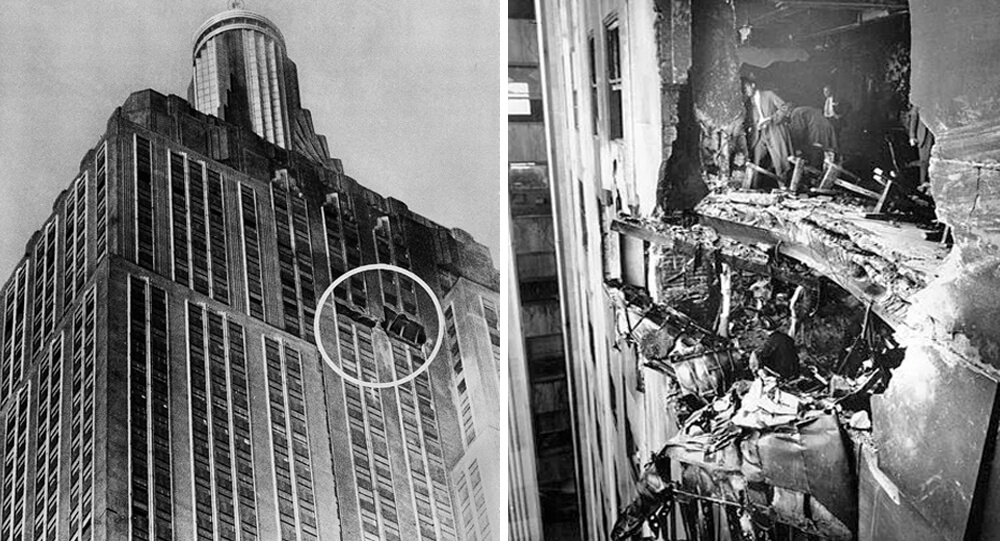
Remembering the 1945 Empire State Building Disaster: When a Plane Met Skyscraper
An airplane crashed into the Empire State Building in 1945. Among other damage, plane parts severed the cables of an elevator and the woman inside fell over 70 stories. She lived and holds the world record for the longest survived elevator fall.

story of the youngest mother in the world at age of five - Lina Medina
Lina Medina, a five-year-old Peruvian girl, became the youngest mother in history in 1939 when she gave birth to a boy.

Medals of Friendship: The Enduring Olympic Story of 1936
At the 1936 Summer Olympics, two Japanese pole vaulters named Sueo Oe and Shuhei Nishida tied for second, but they declined to compete against each other. As a result, Nishida was awarded the silver medal and Oe won a bronze medal. Upon returning to Japan, the athletes had their medals cut in half and spliced together to create new "friendship medals," which were half silver and half bronze.

Hedy Lamarr, A Hollywood actress who also a mathematician and inventor
Hollywood actress Hedy Lamarr was also a mathematician and the inventor of frequency hopping spread spectrum, a technology still used for bluetooth and wifi


From Flapper to Fashion Week: How 1920s Style Still Shapes Modern Trends
The roaring 1920s revolutionized fashion, introducing bold styles, daring cuts, and a spirit of freedom that still inspires today’s wardrobes. From flapper dresses to statement accessories, here’s how the Jazz Age lives on in modern fashion.
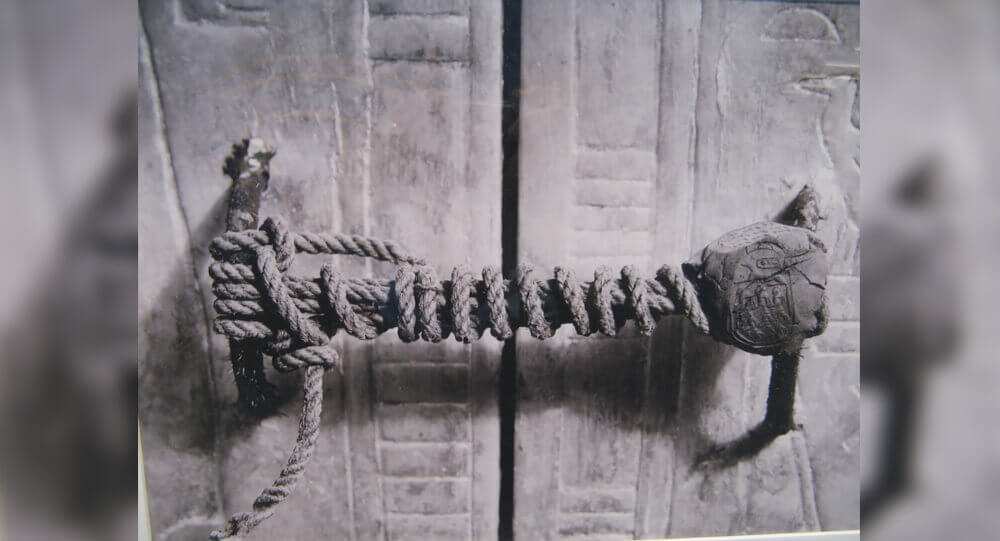
The unbroken seal on King Tutankhamun's tomb until 1922
The unbroken seal of Tutankhamun's tomb before it was opened in 1923, it was unbroken for over 3000 years.
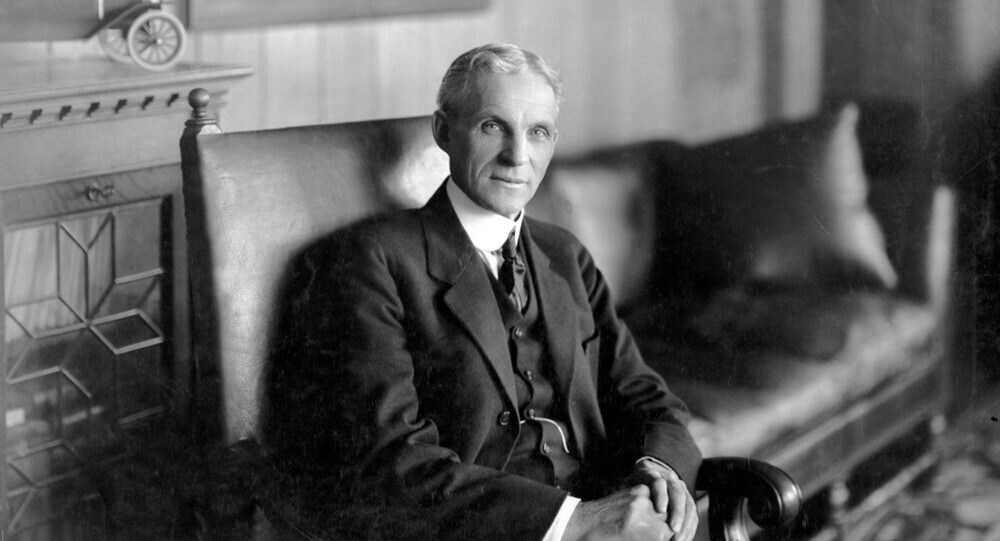
Henry Ford, The man popularizing the concept of the weekend off
Henry Ford was the first Industrial Giant to give his employees both Saturday and Sunday off in the hope of encouraging more leisurely use of automobiles and thus popularizing the concept of the "weekend."
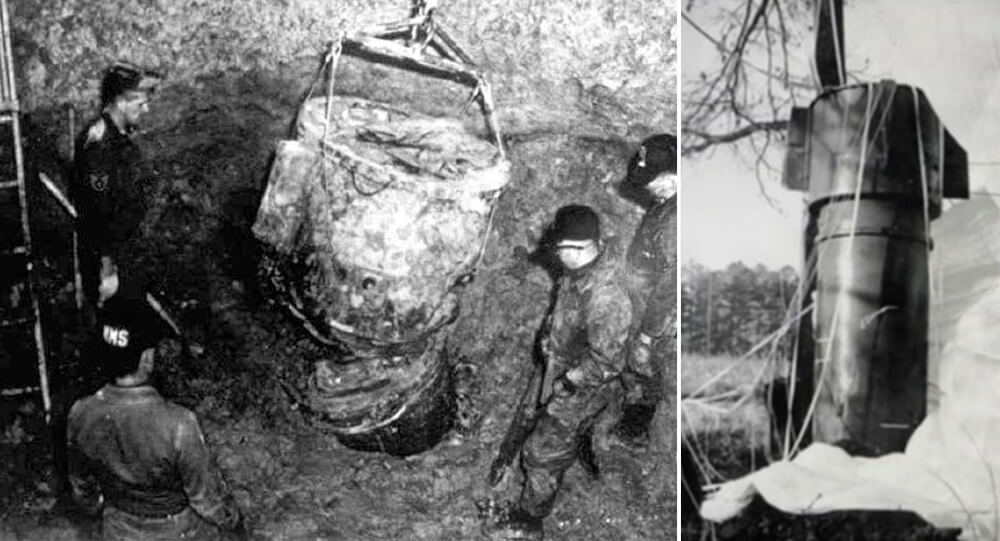
Nuclear bomb accidentally dropped on North Carolina in 196
4 January 1961: The 4241st Strategic Wing's Boeing B-52G-95-BW Stratofortress, serial number 58-0187, was on a 24-hour airborne alert mission off the United States' Atlantic Coast.

How Cleveland's Balloonfest in 1986 Turned Into a Public Tragedy
In Cleveland, Ohio, United Way broke the world record by deflating nearly 1.5 million balloons as part of a publicity stunt to raise money. The balloon obstructed a US Coast Guard search for two boaters who were subsequently discovered to have drowned, blocked airport runways, and blocked land and waterways.
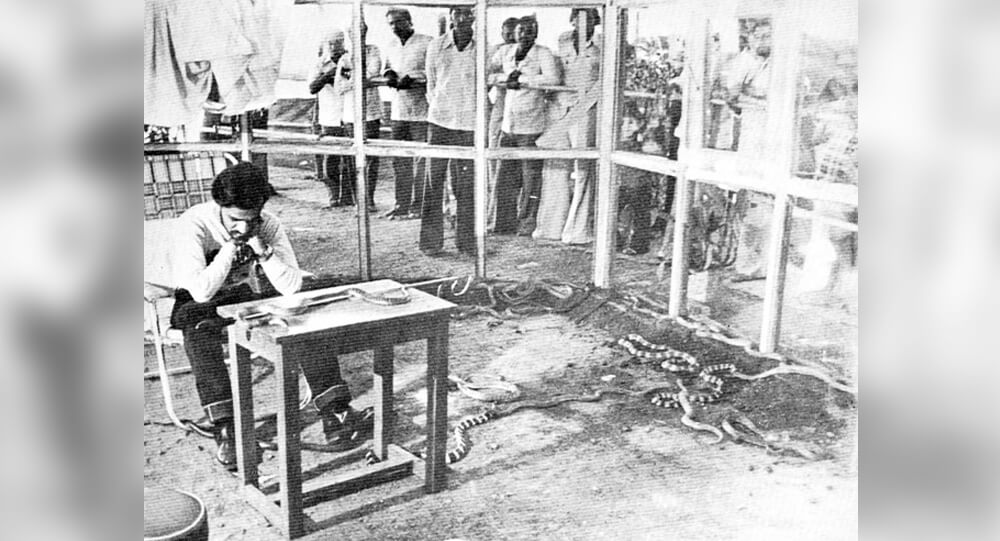
The story of a man who spent 72 hours with 72 venomous snakes to prove they only bite when provoked
In the 1980s, an Indian man spent 72 hours in a glass cabin with 72 snakes, some of which were extremely venomous. His aim was to prove that snakes only attack when provoked. Remarkably, he was not bitten once in those 72 hours and even set a Guinness World Record in the process.
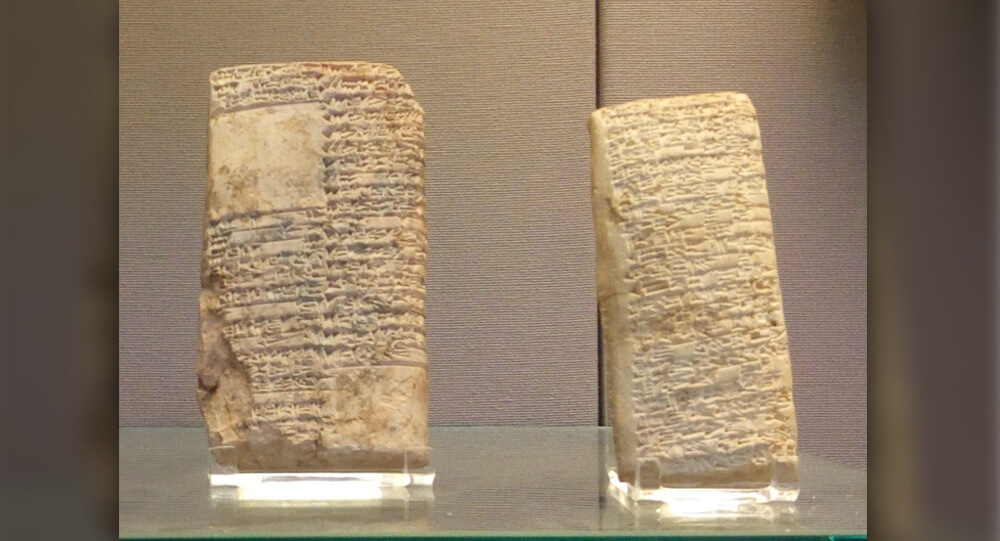
Ea-Nasir: world's oldest written customer complaint
This clay tablet, written in cuneiform, is the oldest known written customer complaint about the delivery of poor quality copper ingots. Originally from ancient Babylon, the tablet dates back to 1750 BCE, and it was written by a customer named Nanni to a merchant named Ea-Nasir. It is currently housed in the British Museum.

The Horrific story of Ariel Castro and the Cleveland abduction
Cleveland abduction victims Gina DeJesus, Michelle Knight, and Amanda Berry were forced to live in Ariel Castro's house of horrors for 10 years. He raped and beat them until they escaped in 2013.

Medieval Medicine: A 1,000-year-old onion and garlic salve kills modern bacterial superbugs
Scientists recreated an Anglo-Saxon manuscript-based 9th century onion and garlic eye remedy and discovered that it killed 90% of antibiotic-resistant staph bacteria (MRSA).
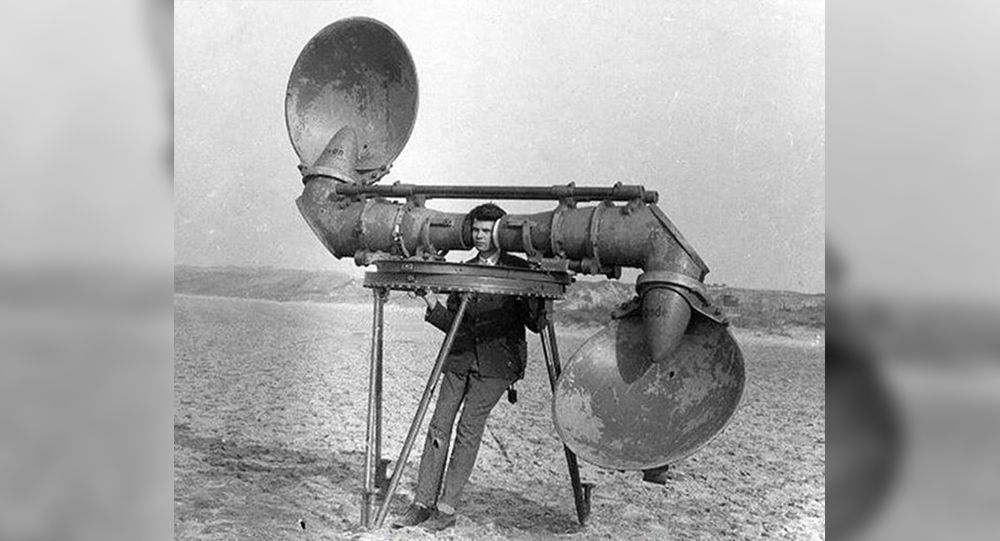
Before Radar: How Giant Acoustic Mirrors Detected Enemy Aircraft in WWI and WWII
Long before radar revolutionized air defense, enormous acoustic mirrors and specialized sound locators stood as the first line of defense against enemy aircraft. Designed as giant “ears,” these structures amplified distant engine noises, allowing operators to detect incoming planes by sound alone. Dive into the intriguing world of these pioneering listening devices, their operation, limitations, and enduring legacy in military history.
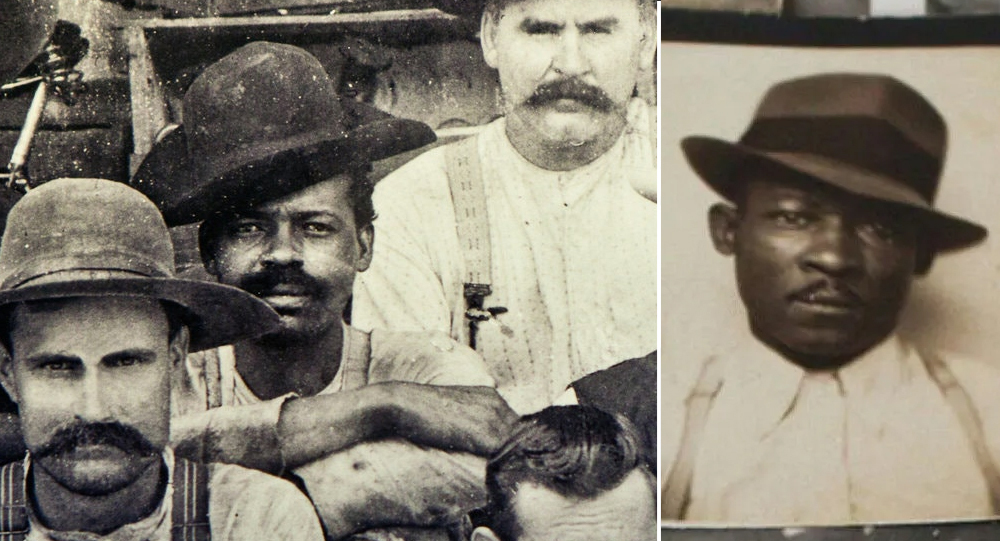
Nearest Green, America's first known Black master distiller
Nathan "Nearest" Green was an African-American head stiller who is now more frequently referred to as a master distiller. He was renowned for imparting his distilling knowledge to Jack Daniel, the creator of Jack Daniel's Tennessee whiskey distiller, after Jack Daniel was freed from slavery following the American Civil War.
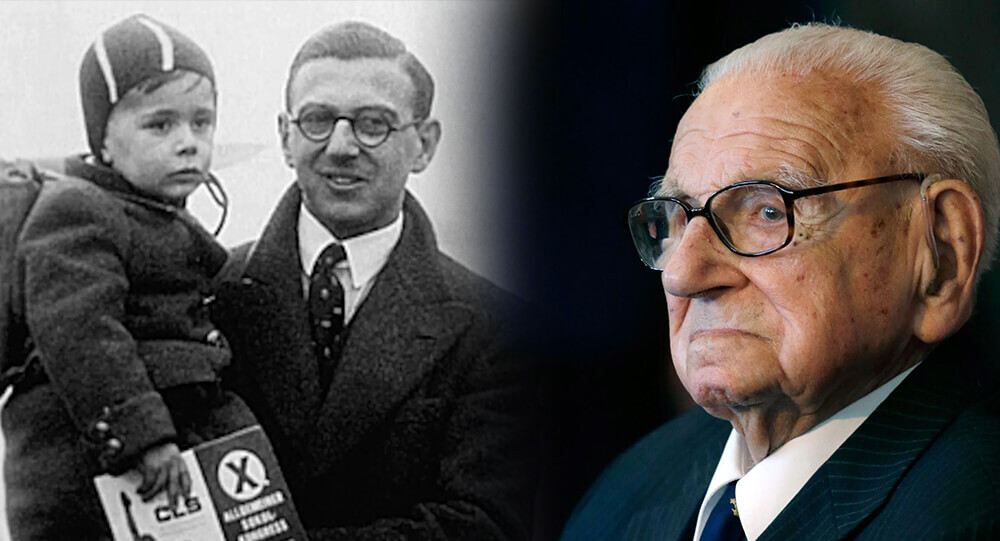
Nicholas Winton ‘British Schindler’: Man who rescued 669 Czech children from Nazis
A man named Nicholas Winton saved 669 kids during WWII and lived almost all his life without letting people know.
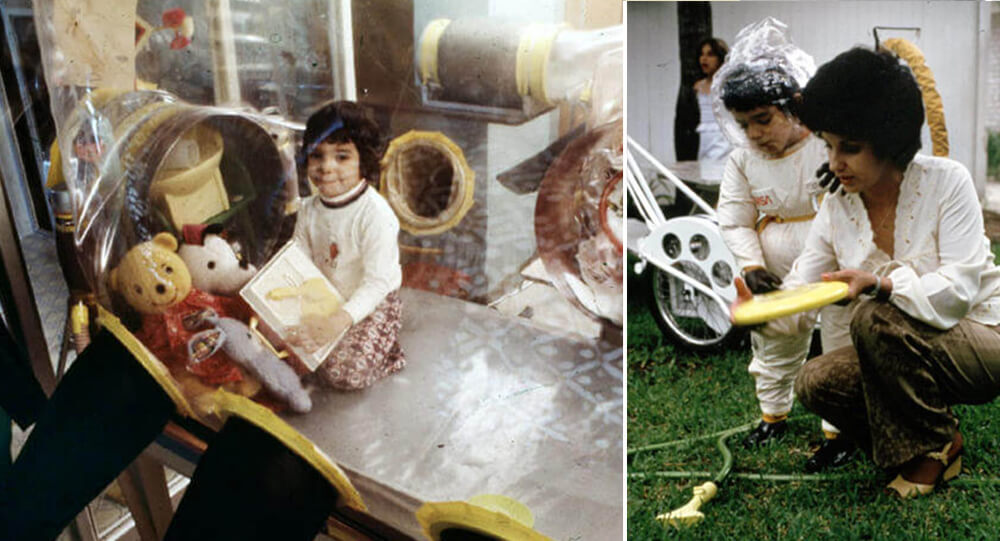
The touching story of David Vetter (bubble boy), the 'boy who lived in a bubble
David Vetter lived his whole 12 years in sterile “bubble”. He was “outside” for 20 second after being removed from his mother’s womb. He never touched any human.
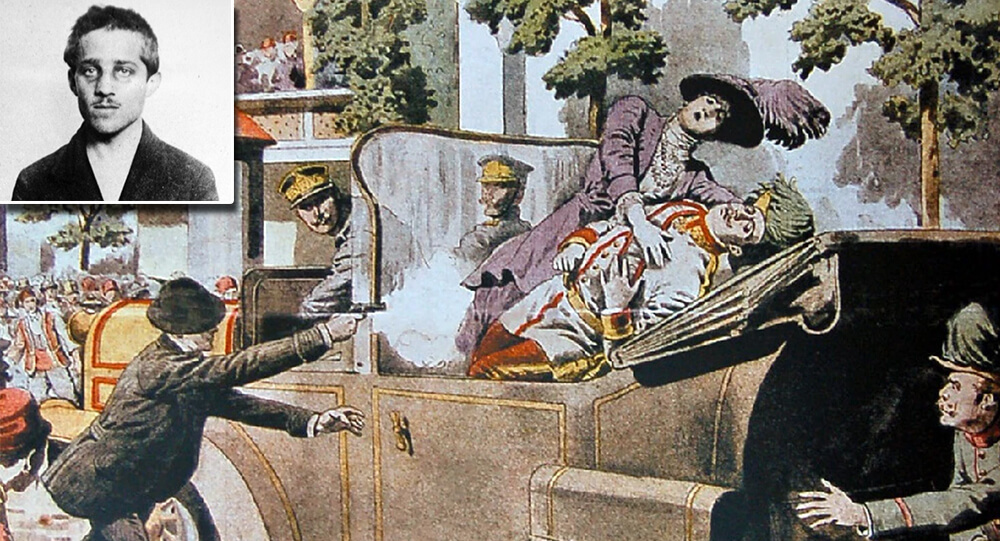
Franz Ferdinand’s Assassination that sparked World War I
Archduke Franz Ferdinand of Austria and his wife Sophie are shot to death by a Bosnian Serb nationalist during an official visit to the Bosnian capital of Sarajevo on June 28, 1914. The killings sparked a chain of events that led to the eruption of World War I by early August.

15 interesting facts about Queen Elizabeth II
Queen Elizabeth II, who ruled Britain for 70 years, has away at the age of 96. She was the country's longest-reigning monarch. Here are some little-known facts about her.
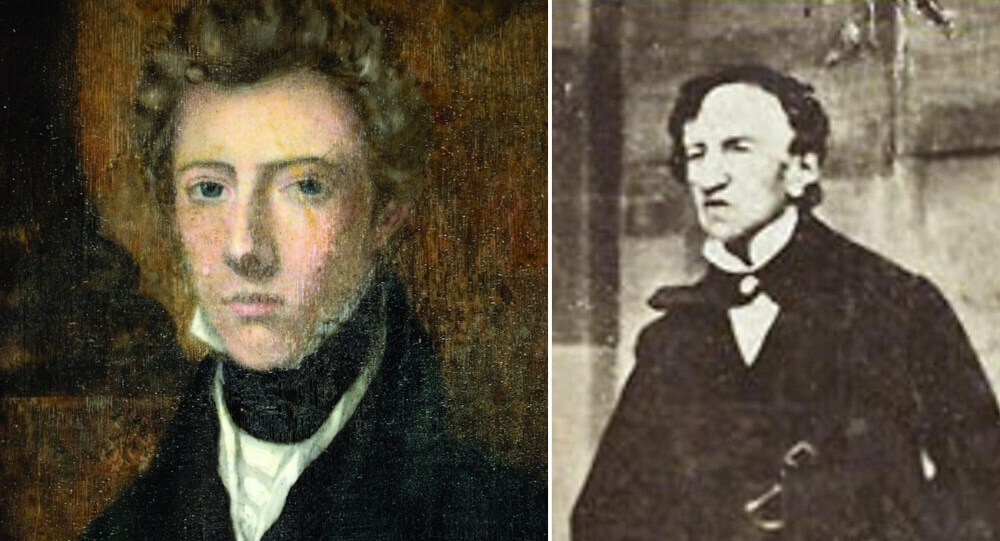
The mysterious secret of Dr James Barry
Before women were allowed to enroll in medical school, Margaret Ann Bulkley studied medicine and assumed the identity of Dr. James Barry for 56 years while dressing as a man. After 46 years of service as an army doctor officer, her secret was not made public until after her death in 1865.
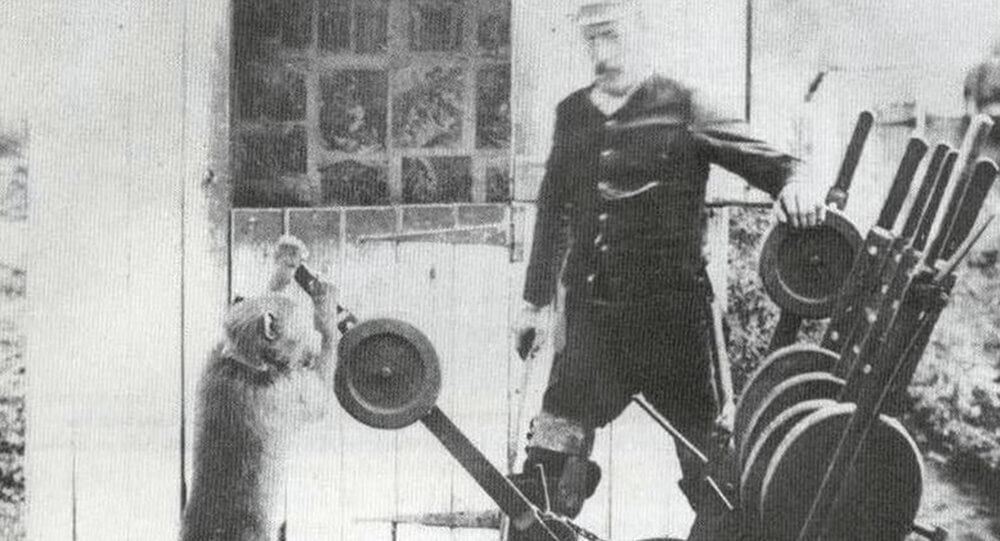
Jack the Baboon operated a railroad, earned a living, and never made a mistake
A baboon worked as a signalman for the railroad in the late 1800s. He never made a mistake and worked for the railroad until the day he died.
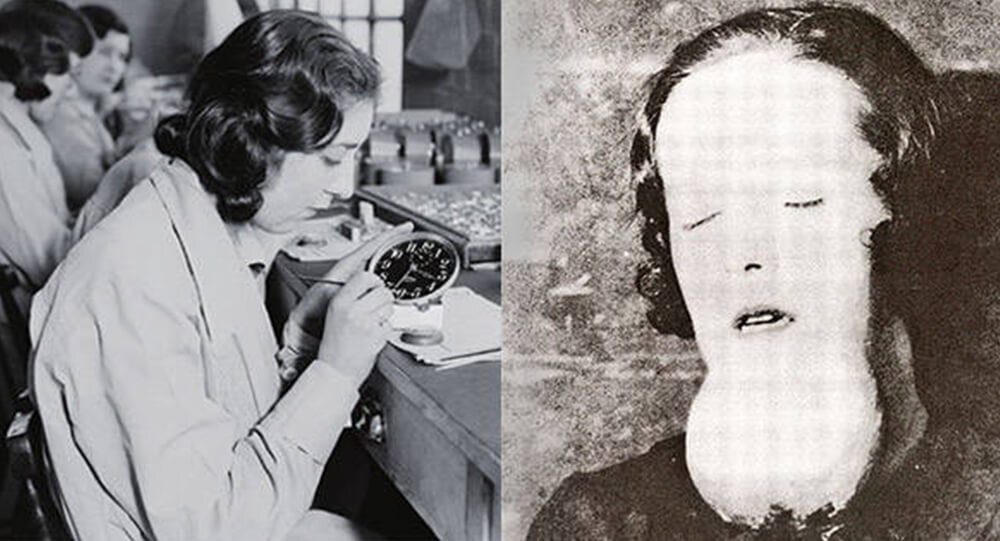
The true story Of The Radium Girls that change US labor laws
Hundreds of young women worked in clock factories during World War I, painting watch dials with luminous radium paint. The company lied about the risk of radiation, claiming there was no danger, which resulted in the death of the young women.
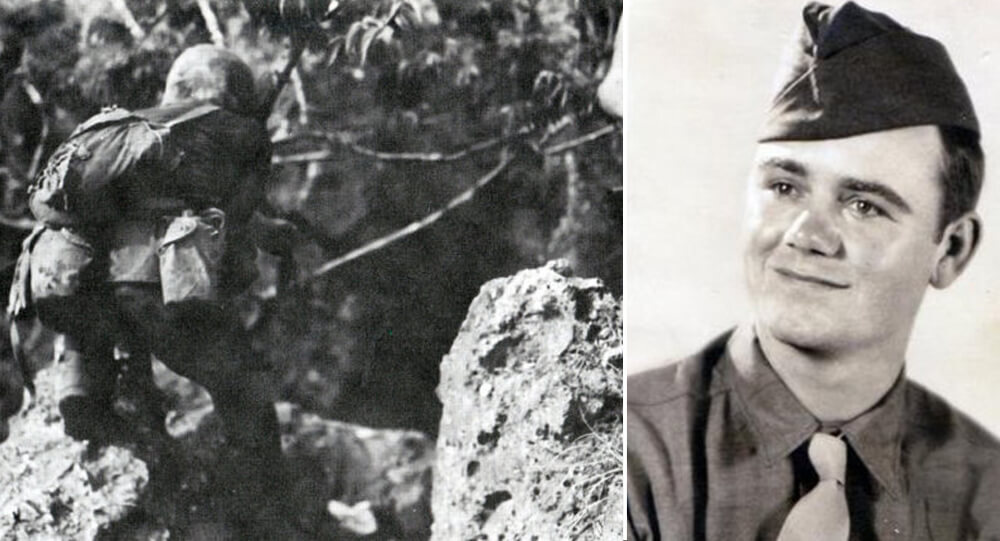
Thomas Baker's heroic act that earned him the "Medal of Honor" was 8 bullets until death
Thomas Baker instructed his team to leave him with a pistol and eight bullets propped up against a tree after he was injured. Later, American troops discovered the now-deceased Baker in the same location, lying next to eight dead Japanese soldiers and carrying an empty pistol.
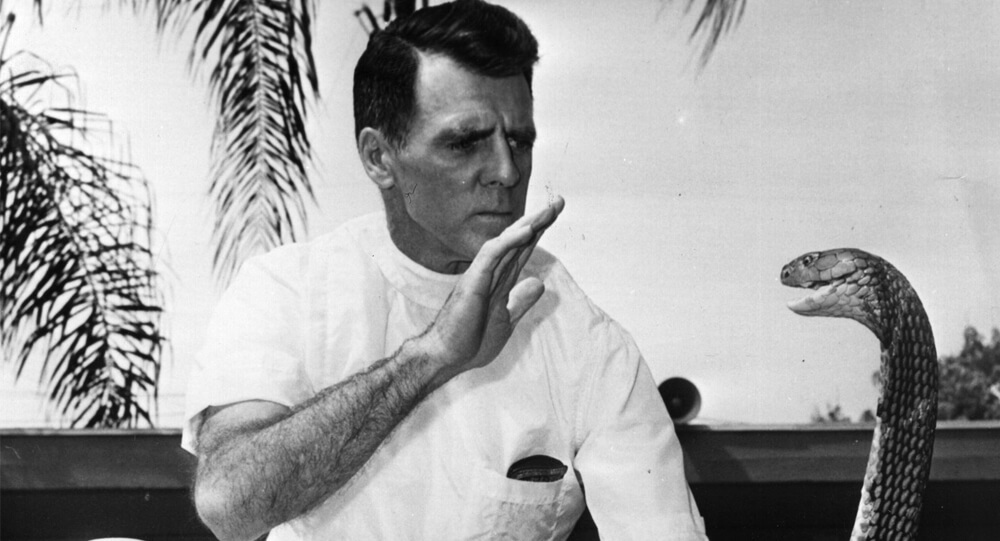
The story of Bill Haast, who lived to be 100 despite his extensive snake venom injections
Bill Haast immunized himself by injecting snake venom into his blood for several years. He holds the Guinness World Record for surviving the most lethal snake bites, having been bitten over 172 times. Bill became known as "Snake Man" around the world and lived for over 100 years.
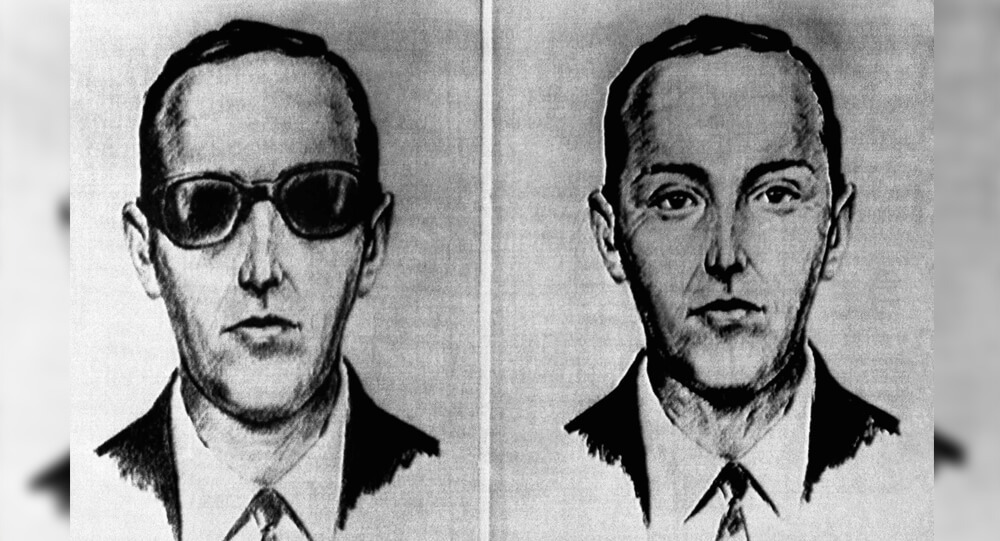
D.B. Cooper: Man who hijacked a plane and jumped out with a $200,000
On November 22, 1971, DB Cooper hijacked a Boeing 727, drank a whisky, smoked a fag, and then jumped out of the plane with $200,000. He was never again seen.