
Archaeologists Uncover 2,000-Year-Old Amazonian Cities Using Lidar Technology
For decades, the Amazon rainforest was thought to be an untouched wilderness, home mostly to small, nomadic groups rather than large complex societies. However, recent advances in lidar—Light Detection and Ranging—have revolutionized archaeology by penetrating dense forest canopies to reveal hidden structures beneath. In the Ecuadorian Amazon’s Upano Valley, lidar scanning uncovered thousands of man-made features revealing an extensive ancient urban landscape.
These cities span vast areas with multiple settlements connected by remarkably straight roads and canals, indicating deliberate planning and construction. The urban cluster was home to an estimated 10,000 to possibly over 100,000 inhabitants at its peak, thriving 2,000 years ago in what was thought to be inhospitable terrain.
The Upano People: Architects of an Ancient Urban Network
The ancient inhabitants, known as the Upano and Kilamope cultures, lived sedentary, agrarian lifestyles. Archaeological evidence shows they built octagonal and rectangular platforms for dwellings, ceremonial purposes, and public spaces. Hearth pits, grinding stones, pottery fragments, and remnants of “chicha” — a local maize-based fermented beverage — have been found on-site, attesting to daily life and rituals.
The society was deeply connected, with massive earthworks including a sophisticated system of terraces and canals for water management. These drainage ditches protected agricultural lands and settlements from flooding while ensuring fertile soil supported staple crops such as maize, manioc, and sweet potato. This suggests that the Upano people practiced intensive, sustainable agriculture on a large scale.
Lidar Technology: Illuminating the Past Through Laser Mapping
Lidar uses laser pulses to detect the ground surface beneath forest vegetation, creating detailed 3D models of landscapes. In the Upano Valley, lidar scans revealed over 7,500 manmade structures including buildings, roads stretching over 300 kilometers, and earth mounds—features invisible to the naked eye.
This technology allowed archaeologists to map the scale and density of Upano villages precisely, overturning old beliefs that the Amazon was sparsely populated with only small groups. The data also helped researchers understand the social organization, engineering skills, and the incredible extent of human impact on the rainforest environment.
Reshaping the Understanding of Amazonian Civilizations
The discovery of this urban network predating well-known ancient cities by centuries challenges the Eurocentric view of civilization and cultural complexity. Unlike the stone cities of the Maya or Inca, these Amazonian settlements were primarily earth-based and integrated into the natural landscape.
Experts emphasize that Amazonian people were far from “primitive” but built vibrant, resilient societies with planned infrastructure supporting large populations through complex agriculture and water management systems.
This breakthrough encourages respect for Indigenous histories and calls for preserving these remarkable archaeological treasures amid modern threats like deforestation.
Fascinating Trivia About the Upano Cities and Amazonian Discoveries
- The road networks in the Upano Valley were often perfectly straight and connected settlements like a prehistoric highway system.
- Some platforms and earthworks are octagonal—a unique architectural style rare in South America.
- The nearby Sangay volcano’s eruptions may have contributed to both the fertility of the soil and the eventual abandonment of some cities.
- Archaeologists estimate the urbanized region covered over 987 square kilometers (381 square miles), rivaling Maya city complexes in scale.
- The Upano people’s legacy includes early fermented beverages like chicha, still culturally significant in the region today.
- Lidar technology revealed sites previously unknown even to local communities, revolutionizing Amazon archaeology.
- The discoveries underscore the Amazon rainforest as both a natural and cultural heritage site needing protection.
- The Upano civilization flourished roughly between 500 BCE and 600 CE, contemporaneous with other ancient empires.
Rediscovering Civilization in the Amazon’s Heart
The uncovering of 2,000-year-old cities through lidar technology is a landmark moment in archaeology, transforming the narrative of the Amazon from a wild, untouched forest to a region of ancient human ingenuity and culture.
These findings celebrate the resilience and sophistication of the Upano people who built and thrived in this green landscape millennia ago. Recognizing their legacy enriches our appreciation for Indigenous histories and highlights the urgent need to preserve these archaeological and ecological treasures for future generations.
If this story of hidden cities and ancient cultures in the Amazon inspired awe and wonder, share it to spread the knowledge of this extraordinary chapter of human history.
Sources & Further Reading:
- BBC News: Huge Ancient Lost City Found in the Amazon (2024)
- Wikipedia: Upano Valley Sites
- Smithsonian Magazine: Ancient Amazon Cities Discovered (2024)
- Mongabay: Father Pedro Porras and Amazon Archaeology (2025)
- Scientific American: Garden Urbanism in the Ancient Amazon (2024)
- Journal Science: Urban Network in Ecuador’s Upano Valley (2024)
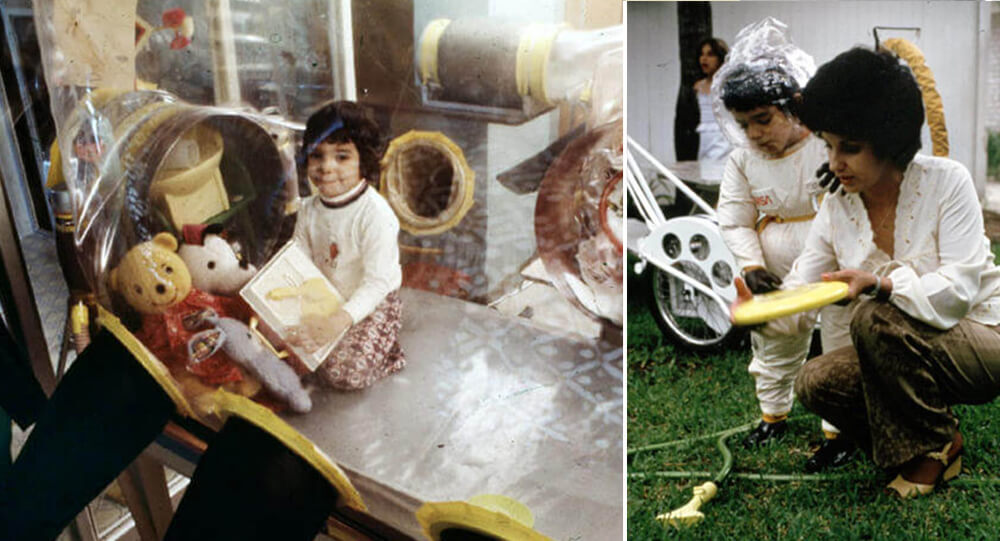
The touching story of David Vetter (bubble boy), the 'boy who lived in a bubble
David Vetter lived his whole 12 years in sterile “bubble”. He was “outside” for 20 second after being removed from his mother’s womb. He never touched any human.
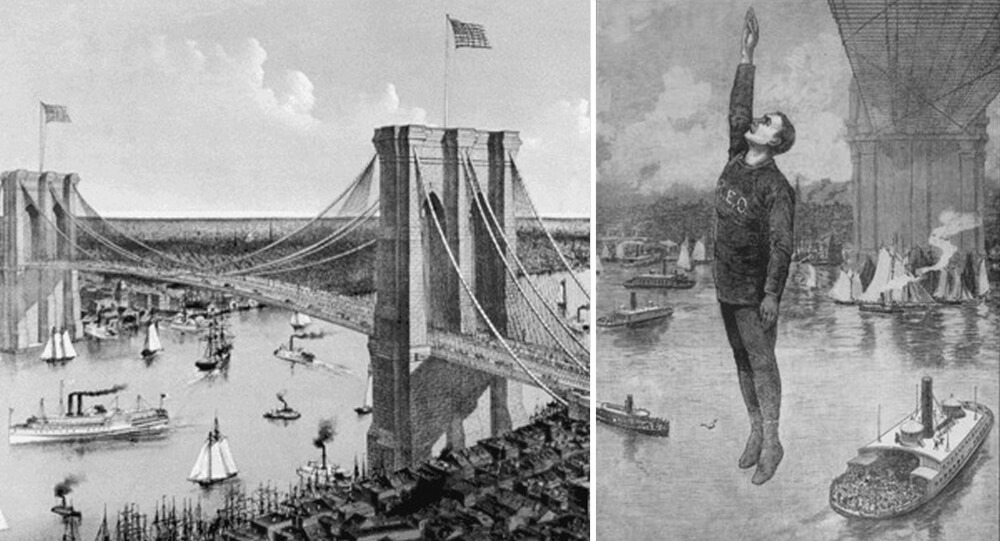
Robert Odlum, the first person to jump off the Brooklyn Bridge
The first person to jump off the Brooklyn Bridge was a professional high diver who "wanted to demonstrate that people did not die simply by falling through the air, thus encouraging people to be willing to jump from a burning building into a net." He proved himself correct by safely falling 135 feet through the air and dying only when he hit the water.

Charlie Brown and Franz Stigler incident: Enemy became friends
During WWII, a German pilot spotted an American pilot’s crippled plane in the sky. Tailing it, he noticed that gunner was dead, crew injured, and they posed no threat. Instead of destroying the plane, he led it to safety. 40 years later, the two pilots reunited.
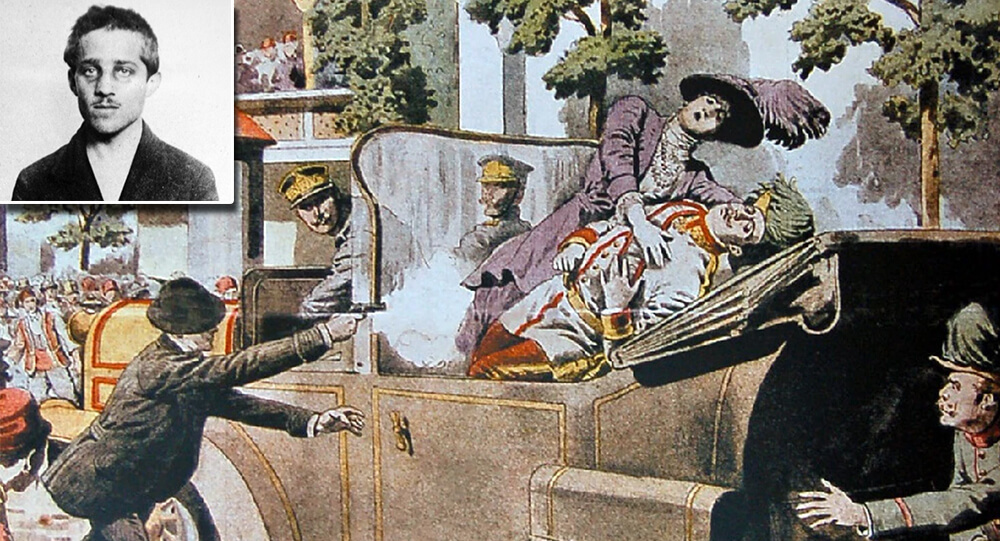
Franz Ferdinand’s Assassination that sparked World War I
Archduke Franz Ferdinand of Austria and his wife Sophie are shot to death by a Bosnian Serb nationalist during an official visit to the Bosnian capital of Sarajevo on June 28, 1914. The killings sparked a chain of events that led to the eruption of World War I by early August.
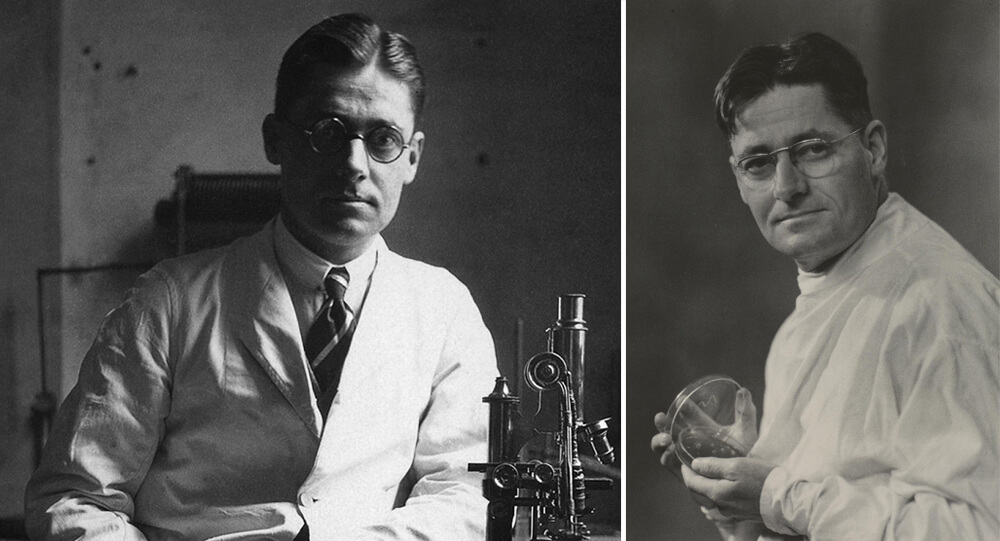
How did Howard Florey discover penicillin
Penicillin was discovered by Alexander Fleming, but he never attempted to turn it into an antibiotic. It wasn't until ten years later that Howard Florey discovered Fleming's obscure paper and understood the mold's potential. Up to 200 million lives may have been saved as a result of Florey's work.
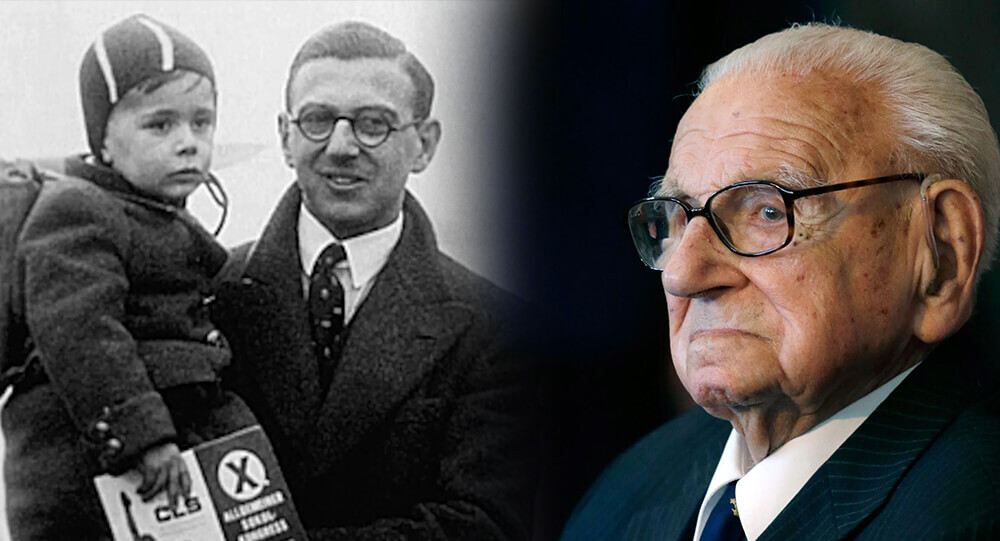
Nicholas Winton ‘British Schindler’: Man who rescued 669 Czech children from Nazis
A man named Nicholas Winton saved 669 kids during WWII and lived almost all his life without letting people know.
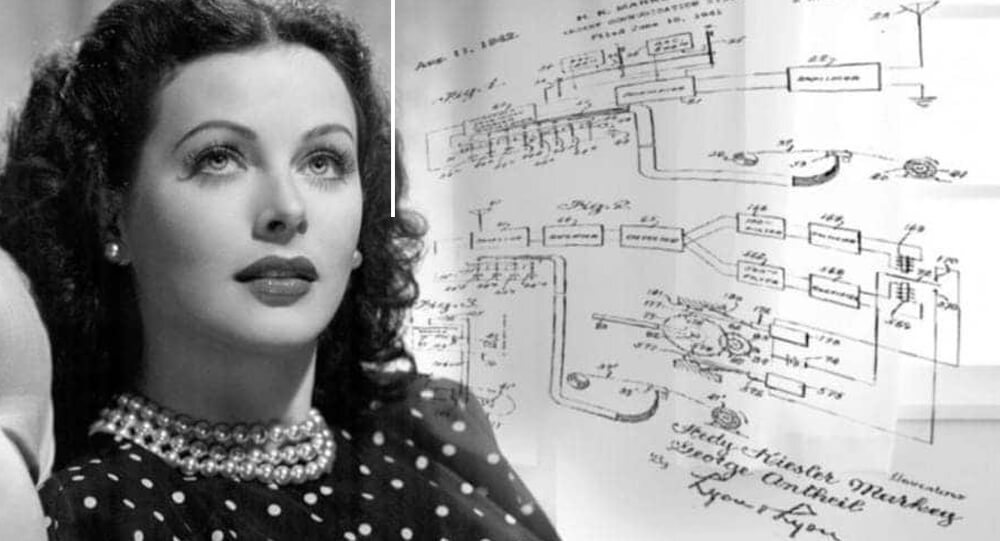
Hedy Lamarr, A Hollywood actress who also a mathematician and inventor
Hollywood actress Hedy Lamarr was also a mathematician and the inventor of frequency hopping spread spectrum, a technology still used for bluetooth and wifi
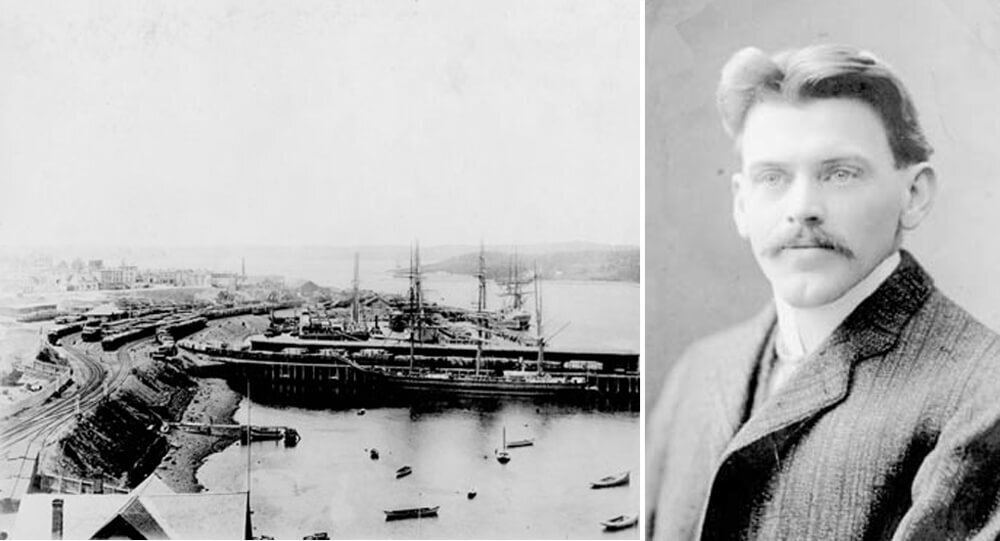
Vince Coleman, a railway dispatcher, sacrificed his own life
Vince Coleman, a railway dispatcher, sacrificed his life in order to warn an incoming train of an imminent explosion. His telegraph said “Hold up the train. Ammunition ship afire in harbor making for Pier 6 and will explode. Guess this will be my last message. Good-bye, boys.” He saved 300 lives.

The youngest person executed, George Stinney Jr was proven innocent
In 1944, George Stinney Jr. was 14 years old when he was executed in South Carolina. It took only ten minutes to convict him — and 70 years to exonerate him.

Why the Word ‘Pen’ Comes from the Latin ‘Penna’ Meaning Feather
The humble word “pen” carries a rich history rooted in ancient times, derived from the Latin word penna, meaning “feather.” Long before modern pens revolutionized writing, feather quills—especially from geese—were the essential tools of scribes, scholars, and artists. This article journeys through the origins of the pen, its evolution, and fascinating trivia about the timeless connection between feathers and writing.
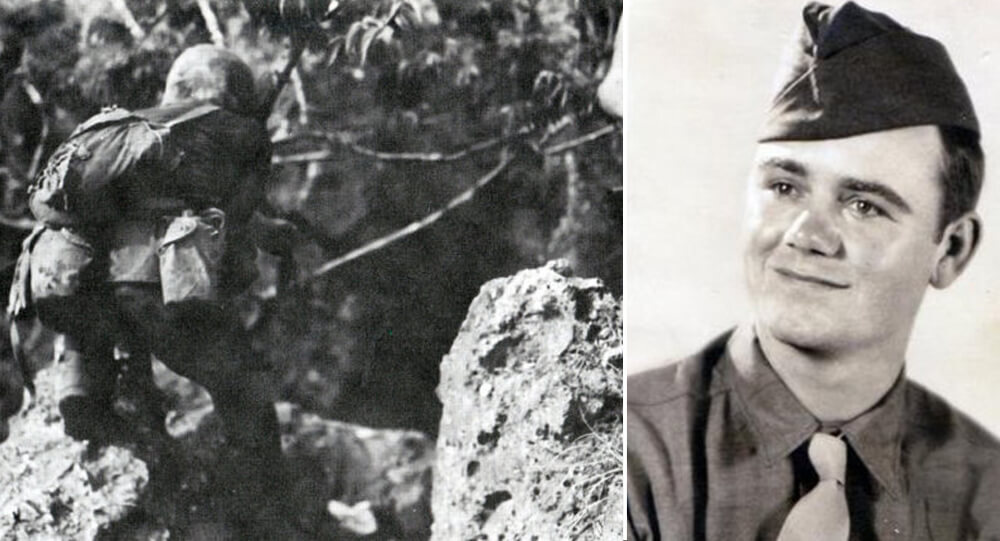
Thomas Baker's heroic act that earned him the "Medal of Honor" was 8 bullets until death
Thomas Baker instructed his team to leave him with a pistol and eight bullets propped up against a tree after he was injured. Later, American troops discovered the now-deceased Baker in the same location, lying next to eight dead Japanese soldiers and carrying an empty pistol.

Medieval Medicine: A 1,000-year-old onion and garlic salve kills modern bacterial superbugs
Scientists recreated an Anglo-Saxon manuscript-based 9th century onion and garlic eye remedy and discovered that it killed 90% of antibiotic-resistant staph bacteria (MRSA).
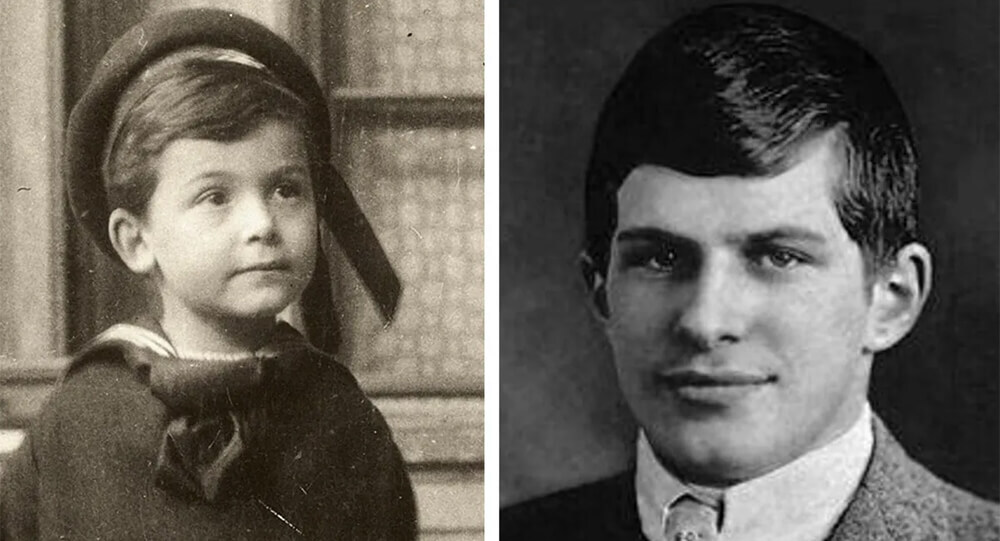
William James Sidis: The smartest person yet forgotten by people
William James Sidis, who was only 11 years old when he enrolled in Hardvard, finished his primary and secondary schooling in less than a year. He knew eight foreign languages by the age of eight and even invented his own language, "vedergood."
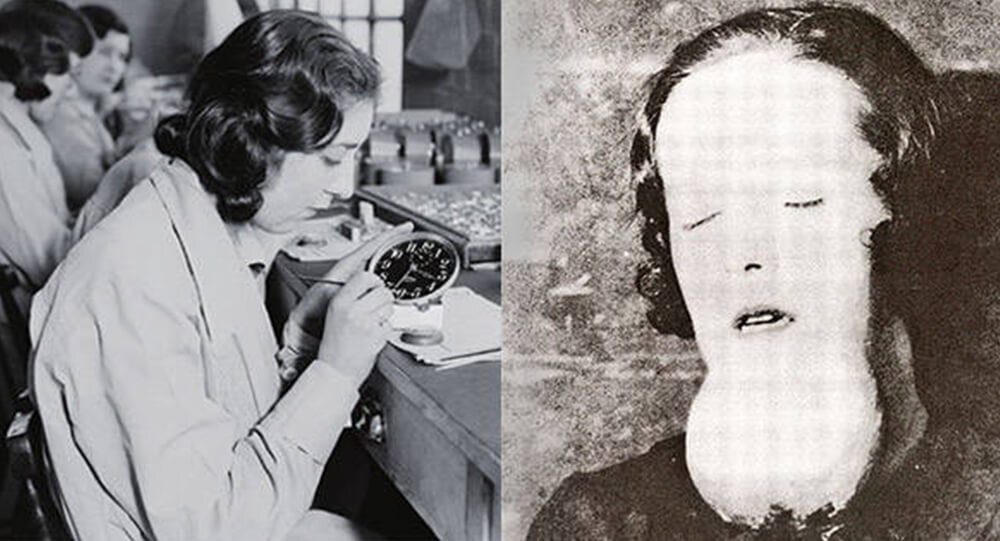
The true story Of The Radium Girls that change US labor laws
Hundreds of young women worked in clock factories during World War I, painting watch dials with luminous radium paint. The company lied about the risk of radiation, claiming there was no danger, which resulted in the death of the young women.
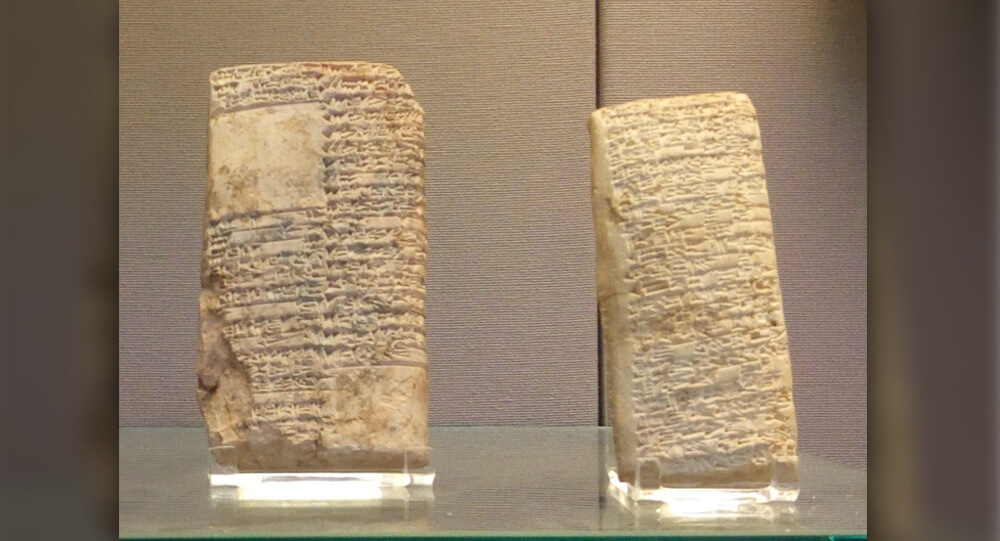
Ea-Nasir: world's oldest written customer complaint
This clay tablet, written in cuneiform, is the oldest known written customer complaint about the delivery of poor quality copper ingots. Originally from ancient Babylon, the tablet dates back to 1750 BCE, and it was written by a customer named Nanni to a merchant named Ea-Nasir. It is currently housed in the British Museum.
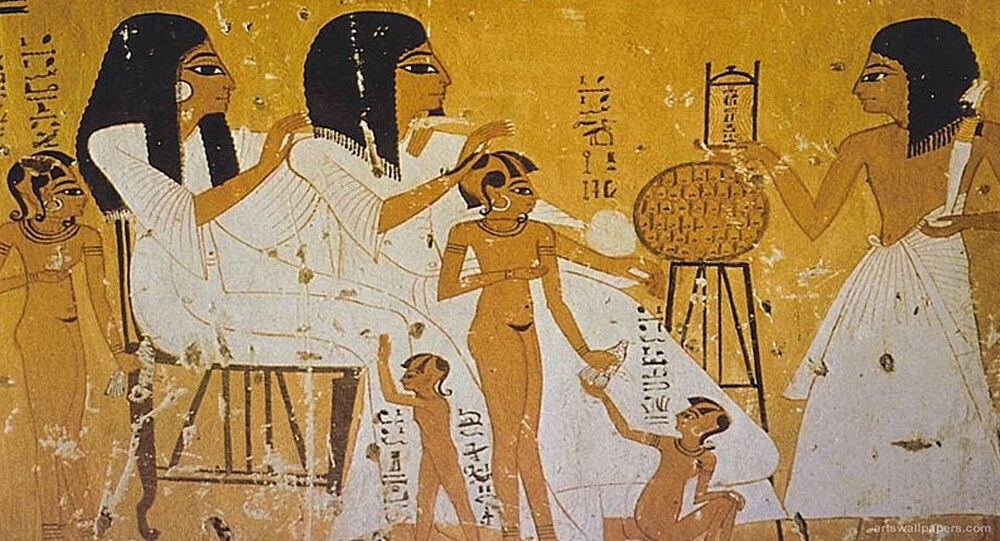
Ancient Egyptians Had Pregnancy Tests Over 3500 Years Ago
The ancient Egyptians used a pregnancy test that involved potentially pregnant women peeing on barley and wheat seeds. Plant growth indicated pregnancy: barley for a boy and wheat for a girl. Later tests revealed that pregnant women's urine causes plant growth 70% of the time, whereas non-pregnant women's urine does not.

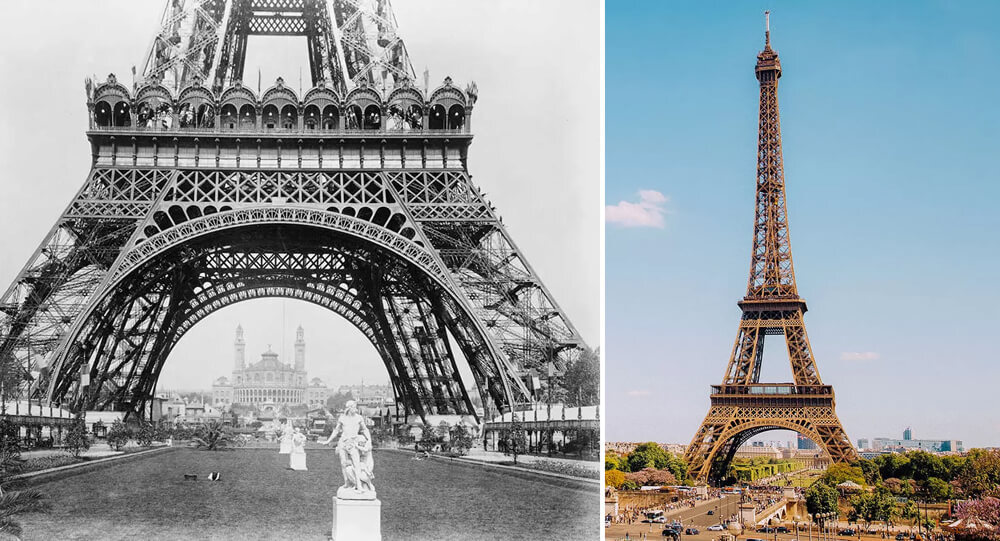
Why was the Eiffel Tower almost demolished
The Eiffel Tower was intended to be a temporary structure for the World's Fair in 1889, but it was nearly dismantled and sold for scrap metal. It was saved because of its potential use as a radio antenna, and it now serves as a tourist attraction as well as a working broadcast tower.
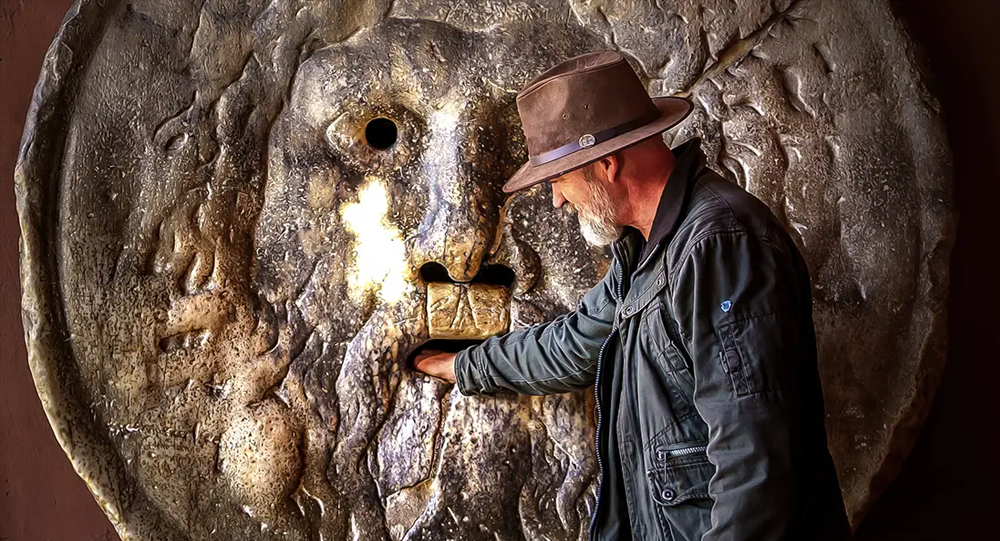
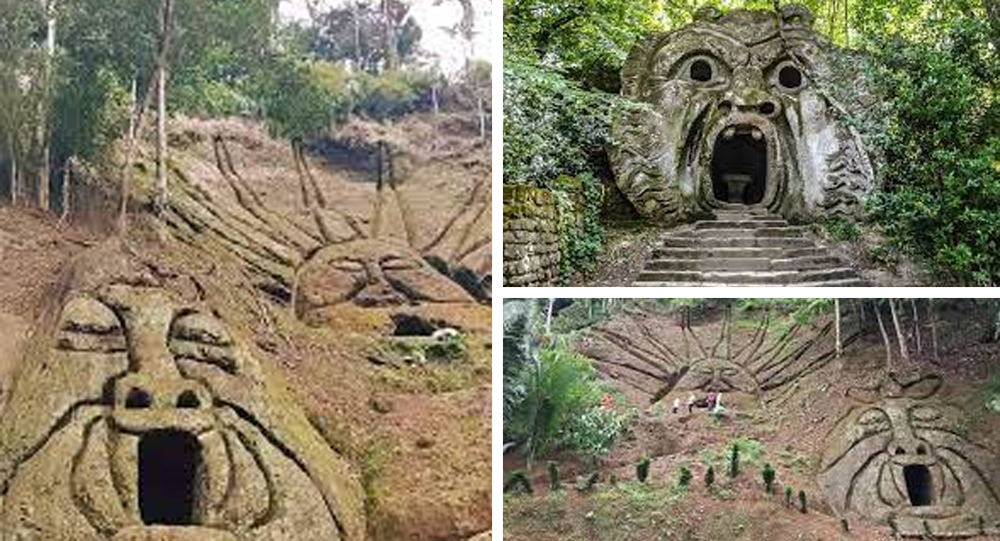
The Mouth of Truth: Ancient Rome’s Legendary "Lie Detector" That Bit Off Hands
Discover the chilling legend of the Mouth of Truth (Bocca della Verità) in Ancient Rome—a massive carved stone face believed to bite off the hand of anyone who lied while inserting their hand into its gaping mouth. Uncover the truth behind its eerie reputation and how this ancient artifact became a symbol of honesty and fear.


Philippines, the largest supplier of Nurses in the World
Philippines is the world’s largest supplier of nurses, supplying roughly 25% of all overseas nurses worldwide.
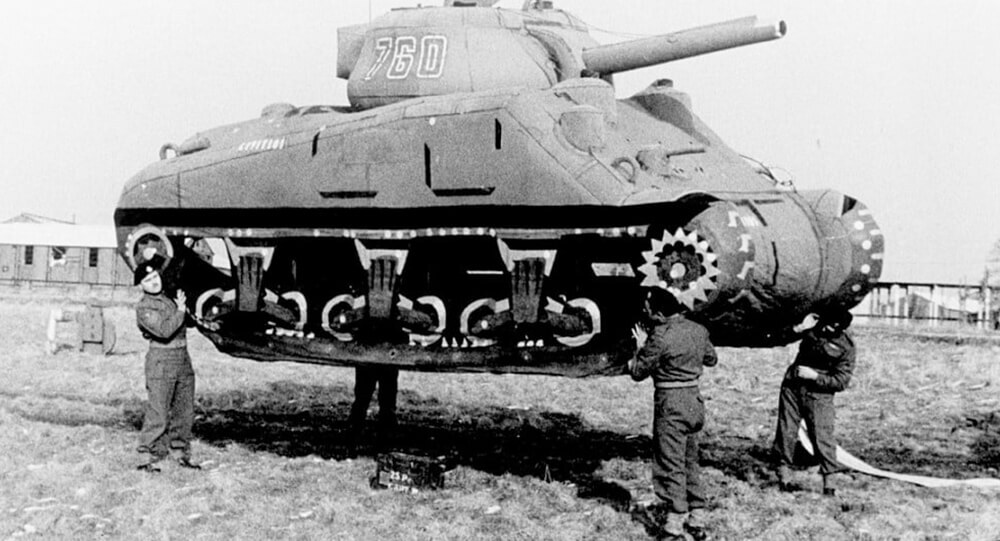
What exactly was the US's 'Ghost Army' during WWII?
During WW2, there was a special unit of men dubbed the ‘Ghost Army’. The unit was made of artists, creative and engineers and their job was to create deception about the enemy. From inflatable tanks to phony convoys to scripted conversations in bars intended to spread disinformation, they used all possible tricks to fool the enemy.
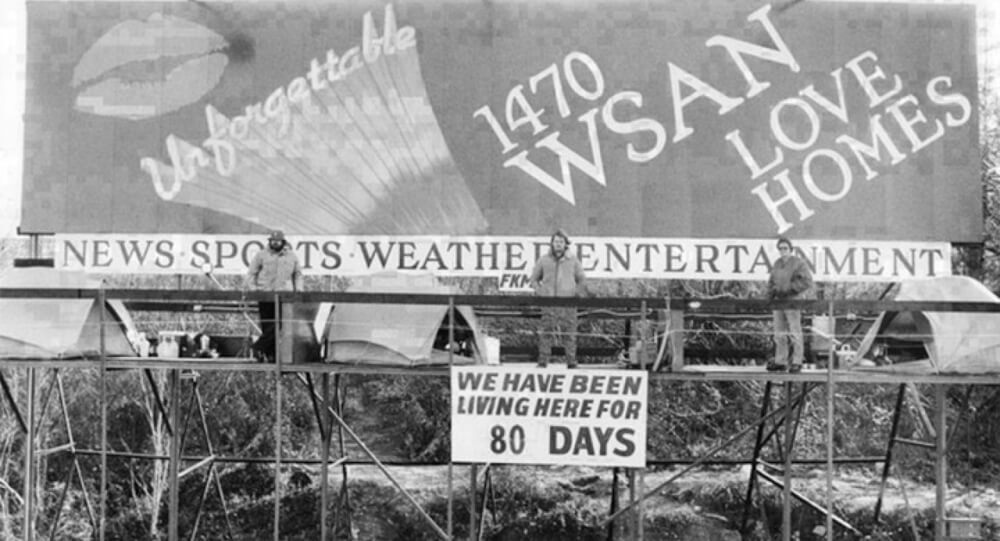
3 men lived on top of a billboard in tents for almost 9 months
From 1982-1983, three men in Allentown PA competed in a radio contest in which they lived on top of a billboard in tents. Whoever stayed up longest would win a house. Due to economic pressure from the recession, none of the contestants wanted to give up, so the contest lasted almost 9 months.

George Dantzig solved two famous “unsolved” problems in statistics mistakenly as assignment
In 1939, George Dantzig arrived late to his statistics class. On the board were two famous “unsolved” problems in statistics written as an example by his professor. Dantzig mistook the examples for homework assignments. He solved the “unsolved” problems and submitted the homework to his professor a few days later. His solutions earned him a doctorate.

Mother who spent entire life savings for daughter’s cancer treatment won the lottery
A mother won $2 million from a $10 scratch-off lottery ticket after she spent all of her entire life savings to pay her daughter’s cancer treatment. She bought the winning ticket after her daughter’s last cancer treatment.
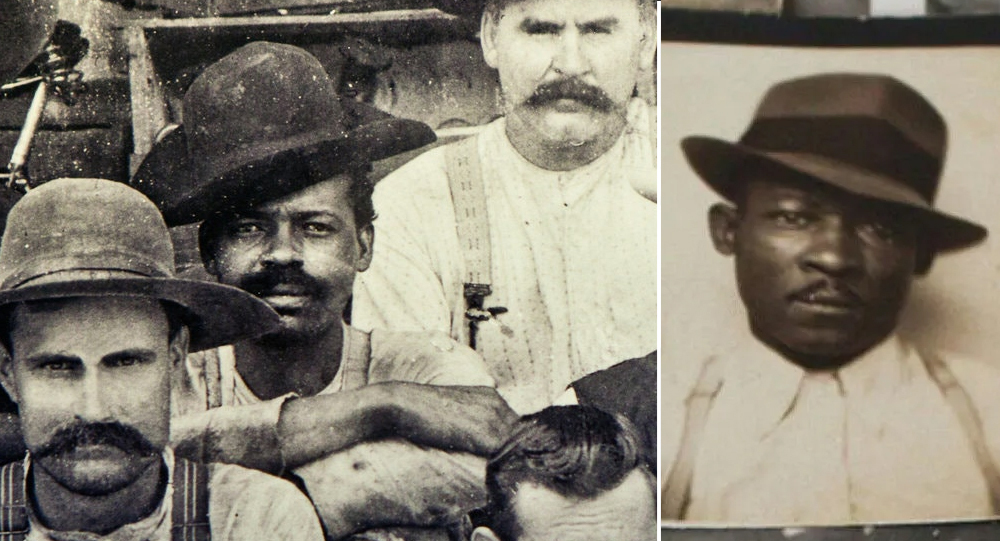
Nearest Green, America's first known Black master distiller
Nathan "Nearest" Green was an African-American head stiller who is now more frequently referred to as a master distiller. He was renowned for imparting his distilling knowledge to Jack Daniel, the creator of Jack Daniel's Tennessee whiskey distiller, after Jack Daniel was freed from slavery following the American Civil War.
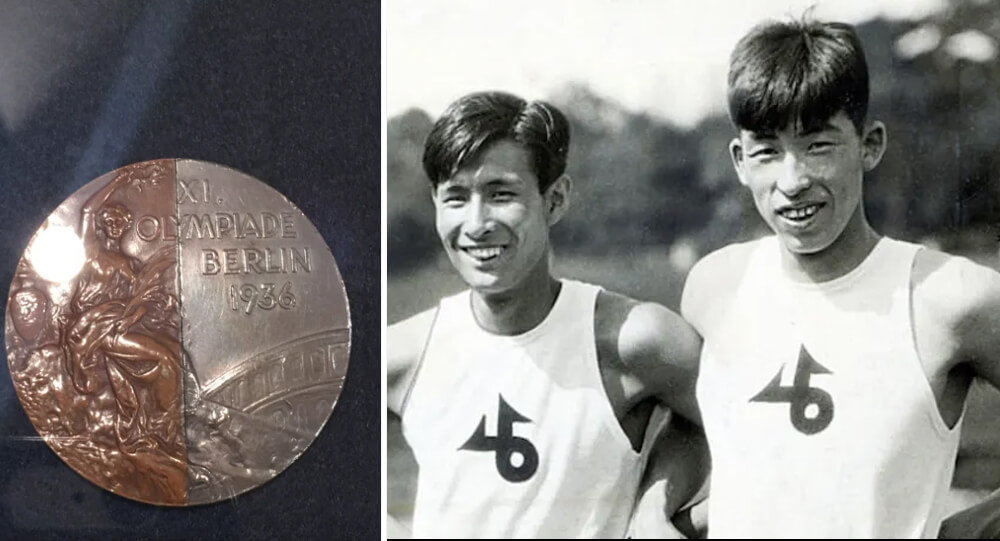
Medals of Friendship: The Enduring Olympic Story of 1936
At the 1936 Summer Olympics, two Japanese pole vaulters named Sueo Oe and Shuhei Nishida tied for second, but they declined to compete against each other. As a result, Nishida was awarded the silver medal and Oe won a bronze medal. Upon returning to Japan, the athletes had their medals cut in half and spliced together to create new "friendship medals," which were half silver and half bronze.