

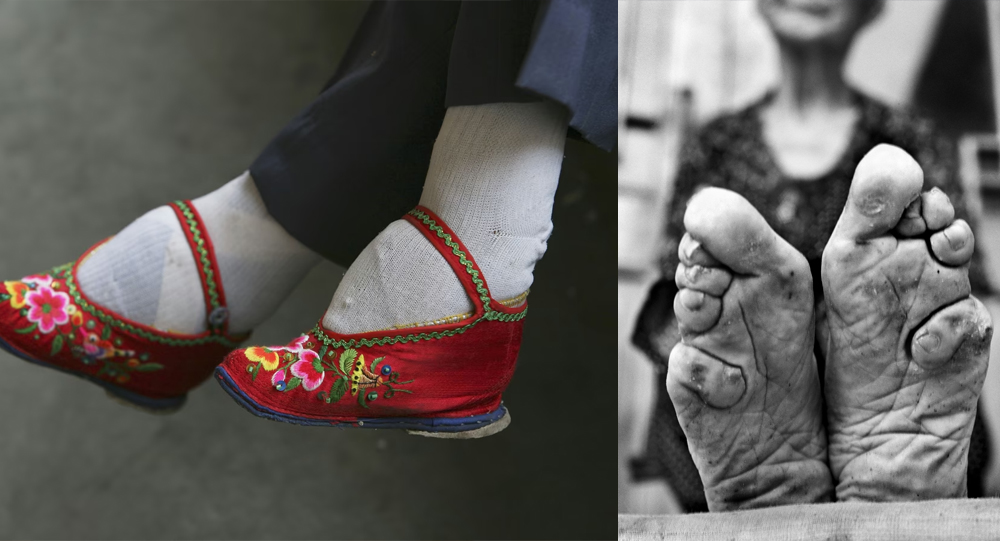

Inside China’s Footbinding Tradition: The Painful Ritual of Lotus Shoes and Bound Feet
In a practice that endured for nearly a millennium, Chinese women’s feet were tightly bound as children to keep them unnaturally small—a procedure now known as footbinding. This painful custom resulted in what became known as “lotus feet,” named after the distinctive tiny size and shape of the altered foot. To fit these feet, delicate and beautifully embroidered “lotus shoes” were crafted, becoming a symbol of feminine beauty and social status in traditional Chinese society. But behind the ornate shoes lies a story of immense physical suffering and intricate cultural meaning.
The Origins and Spread of Footbinding
Footbinding likely began during China’s Tang dynasty (7th–10th century CE) and reached widespread popularity during the Song dynasty (960–1279 CE). According to folklore, the practice was inspired by a court dancer named Yao Niang, who folded her feet into the shape of a crescent moon to dance elegantly—sparking a trend among aristocratic women to emulate the small, delicate feet she displayed.
Originally a signifier of elite status, footbinding gradually spread beyond the upper classes. By the Qing dynasty (1644–1912), nearly 40–50% of Chinese women had bound feet, with almost 100% of upper-class Han women practicing it. The practice served multiple purposes: it was a clear marker of social distinction, a prerequisite for marriage prospects, and a physical embodiment of cultural and ethnic identity. Footbinding was one of the clearest distinctions between the Han Chinese and ethnic minorities, many of whom did not practice the custom.
The Process: How Lotus Feet Were Created
Girls between the ages of four and eight—when bones are still flexible—underwent footbinding. The process began with washing the feet and trimming the toenails. Then, all toes except the big toe were tightly bent under the sole, breaking the bones in the foot to create a pronounced arch. Long strips of cloth, often linen or silk, were wrapped extremely tightly around the feet to hold them in this unnatural position.
After a month, bindings were removed to care for ulcerations and allow healing, then reapplied regularly. This cycle went on for years, forcing feet to remain extremely small—usually between 3 to 4 inches long—known as jinlian, or “golden lotus” feet, which were considered incredibly attractive. The painful, slow process often caused infections, lifelong disabilities, and even deformities severe enough to significantly limit mobility.
Despite the suffering, women continued to bind and rebind their feet throughout adolescence and adulthood. They wore tiny, exquisitely embroidered lotus shoes specially sewn to fit the altered shape. These shoes were not only practical but also status symbols, often elaborately decorated with silk, embroidery, and intricate designs, highlighting the family’s wealth and refinement.
Cultural Significance and Social Pressure
Footbinding was far more than an aesthetic preference. It was embedded deeply in Confucian ideals of female virtue, obedience, and modesty. Small feet were equated with moral purity and femininity, while bound feet served as a physical reminder of a woman’s submission and her role within a patrilineal, patriarchal society.
The practice also created a shared bond between mothers, daughters, and grandmothers, passed down as a rite of passage. In many families, failure to bind feet was seen as risking a daughter’s marital prospects, creating intense social pressure to conform. Women with lotus feet were viewed as desirable wives and seen as “accomplished” for their endurance of pain.
Ironically, some argued that footbinding enhanced fertility and sexual pleasure through supposed better blood circulation to the lower body, though these beliefs lack medical basis.
The Decline and End of Footbinding
By the late 19th century, footbinding came under severe criticism from Christian missionaries, Chinese reformers, and international observers who condemned it as cruel and barbaric. Governments made several failed attempts to ban the custom—such as the Kangxi Emperor’s ban in 1662, which was rescinded due to persistent popularity.
After the Nationalist Revolution in 1911, footbinding was outlawed, but it persisted in rural and remote areas for decades. It wasn’t until the establishment of the People’s Republic of China in 1949 that the practice was effectively eradicated through government campaigns and modernization efforts.
Today, only a handful of elderly women with bound feet remain, and the lotus shoes survive primarily as cultural artifacts and tragic reminders of a painful past.
Trivia: Fascinating Facts About Footbinding and Lotus Shoes
- Footbinding could result in permanent disabilities, sometimes even amputations due to infections.
- Bound feet were often an erotic fascination, symbolizing idealized femininity and grace in literature and art.
- Some ethnic minority groups in China intentionally did not adopt footbinding, using the practice as an ethnic identity marker for the Han Chinese.
- Lotus shoes varied by social class—from simple cotton slippers in rural areas to ornate silk and embroidered shoes in noble families.
- The phrase “golden lotus” (jinlian) refers both to the lotus flower, symbolizing purity, and the coveted tiny feet themselves.
Final Thoughts: Remembering a Complex Tradition
Footbinding and the iconic lotus shoes serve as a window into China’s rich cultural history—a practice reflecting complex intersections of beauty, power, gender roles, and social status. It is a reminder of the physical and emotional costs paid to meet ideals that shaped the lives of millions of women for centuries.
As we look back on this tradition, it encourages reflection on cultural evolution, human resilience, and the importance of challenging harmful customs. The story of lotus feet is both haunting and fascinating—an emblem of beauty and pain forever etched into history.
For those interested in culture and history, the tale of Chinese footbinding remains one of the most striking examples of how customs can both bind and define a society.

story of the youngest mother in the world at age of five - Lina Medina
Lina Medina, a five-year-old Peruvian girl, became the youngest mother in history in 1939 when she gave birth to a boy.

Ancient Jericho: The First Walled City In History
The ancient city of Jericho is the world's oldest walled city, with evidence of stone fortifications dating back nearly 9000 years.

The Littlest Skyscraper: How J.D. McMahon’s 480-Inch Con Fooled Investors in 1919
In 1919, J.D. McMahon convinced investors to fund a 480-foot skyscraper, but he labeled the plans as 480 inches, building a 40-foot structure instead. After taking $200,000, he won in court since the plans matched what he built.

Irena Sendler: woman who rescued Jews during holocaust
Irene Sendler was the Zegota resistance group's head of the children's department. She risked her life to smuggle children out of the Warsaw ghetto, place them with Polish families or orphanages, give each child a new identity, and keep records so that they could be returned to their families. In 1943, the Gestapo arrested and sentenced her to death, but she was rescued by Zegota.

Underground Railroad to Mexico freed thousands of slaves in 1829
Slavery was abolished in Mexico in 1829. Slaves were escaping to Mexico, and slaveholders in the US were aware of this. The US attempted to get Mexico to sign a fugitive slave treaty, which would have required Mexico to send back escaped slaves to the US. But, Mexico refused, arguing that slaves were free as soon as they set foot on Mexican soil.
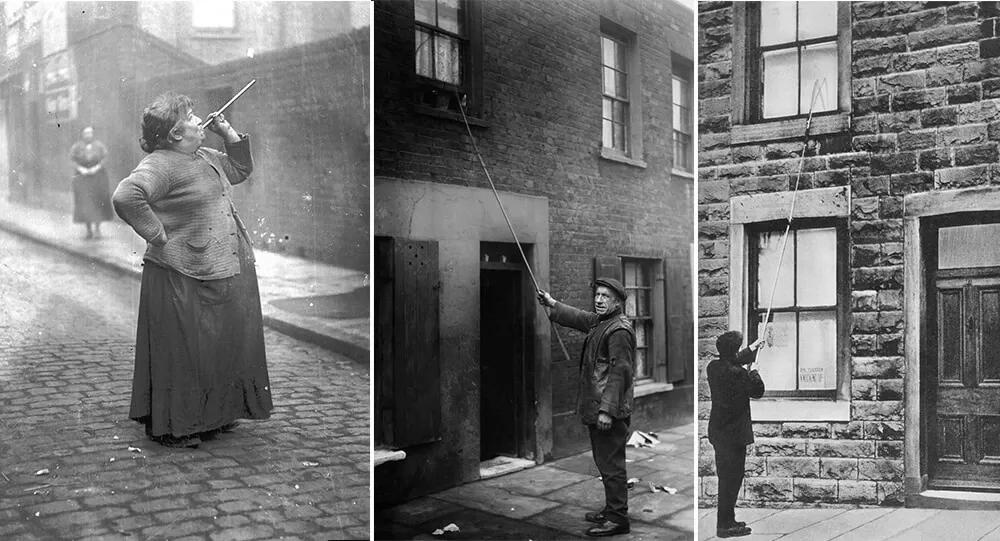
Knockers-up: waking up the Industrial Britain's Workers in 1900-1941
Before alarm clocks were invented, there was a profession called a knocker-up, which involved going from client to client and tapping on their windows (or banging on their doors) with long sticks until they were awake. It lasted into the 1920s.
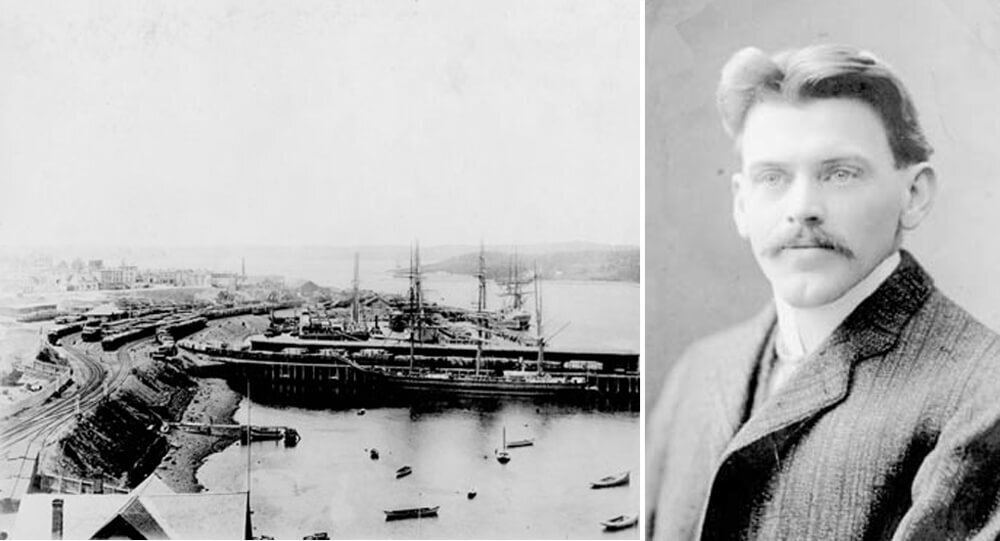
Vince Coleman, a railway dispatcher, sacrificed his own life
Vince Coleman, a railway dispatcher, sacrificed his life in order to warn an incoming train of an imminent explosion. His telegraph said “Hold up the train. Ammunition ship afire in harbor making for Pier 6 and will explode. Guess this will be my last message. Good-bye, boys.” He saved 300 lives.

The incredible story of a plane that lost its roof in mid-flight and the light signal that saved 94 lives.
On April 28, 1988, Aloha Airlines flight 243 was on the way to Honolulu from Hilo when a huge portion of the upper part of the fuselage blew off the airplane.
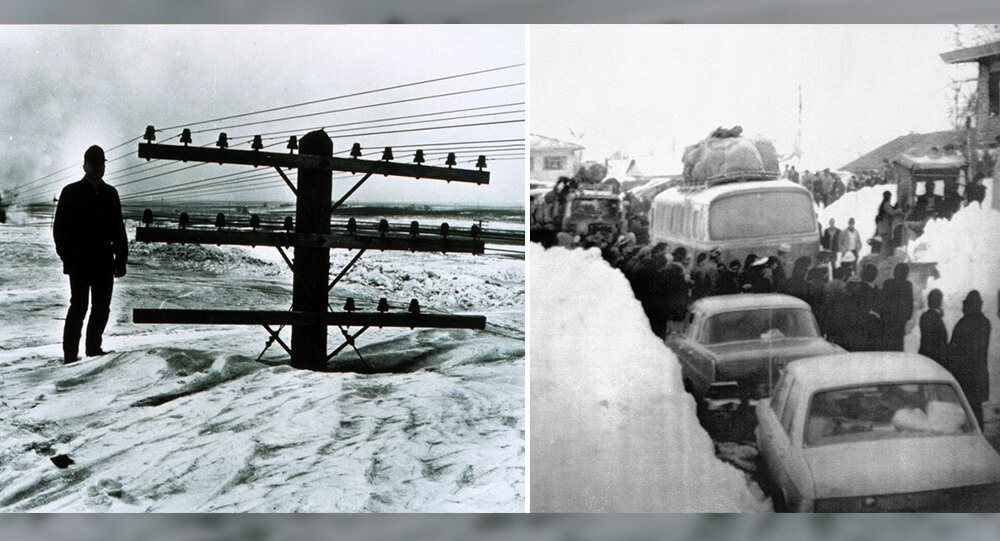
The worst blizzard in recorded history: the 1972 Iran blizzard
The deadliest snowstorm ever recorded occurred in Iran in 1972. It lasted for a week, burying areas in 26 feet of snow and killing over 4,000 people, including the entire populations of three villages.

Blanche Monnier: Imprisoned For 25 Years For Falling in Love
Blanche Monnier, she was a French woman noted for her beauty, she wished to marry an old lawyer that her mother disapproved of, so she locked her in a small dark room in her attic for 25 years.

How did Howard Florey discover penicillin
Penicillin was discovered by Alexander Fleming, but he never attempted to turn it into an antibiotic. It wasn't until ten years later that Howard Florey discovered Fleming's obscure paper and understood the mold's potential. Up to 200 million lives may have been saved as a result of Florey's work.
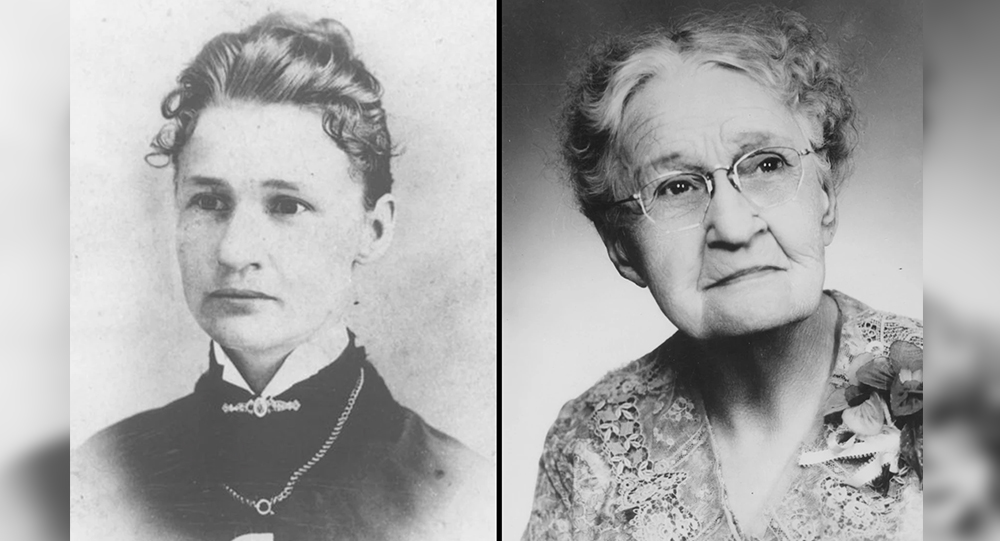
Susanna Salter: The Trailblazing Story of America’s First Female Mayor
In 1887, Susanna Salter became the first female mayor in the United States, elected in Argonia, Kansas. Her nomination was initially a prank by men opposing women in politics. However, she won by a landslide and served effectively, inspiring the women’s suffrage movement and breaking barriers for women in leadership.

New London School Explosion, Deadliest school disaster which killed almost 300 children and teachers
In 1937, a gas leak in the basement at the local school in New London, Texas caused a massive explosion which killed almost 300 children and teachers, the deadliest school disaster in US history. Adolf Hitler even sent his condolences by telegram.
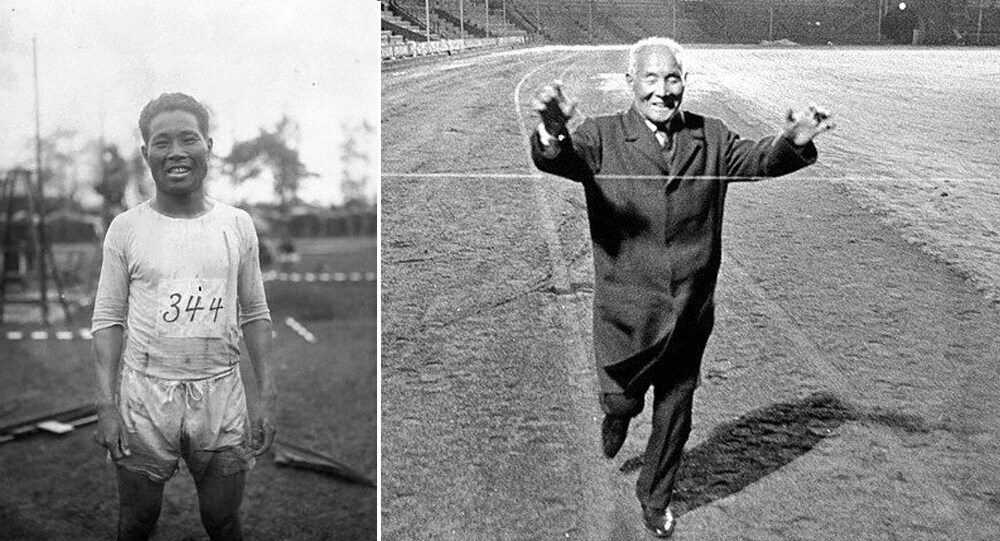
Shizo Kanakuri’s 1912 Olympic Marathon Finished 54 Years
At the 1912 Olympics, a marathon runner quit and went home to Japan without telling officials and was considered a missing person in Sweden for 50 years. In 1966, he was invited to complete the marathon. His time: 54 years, 8 months, 6 days, 5 hours, 32 minutes, and 20.379 seconds.
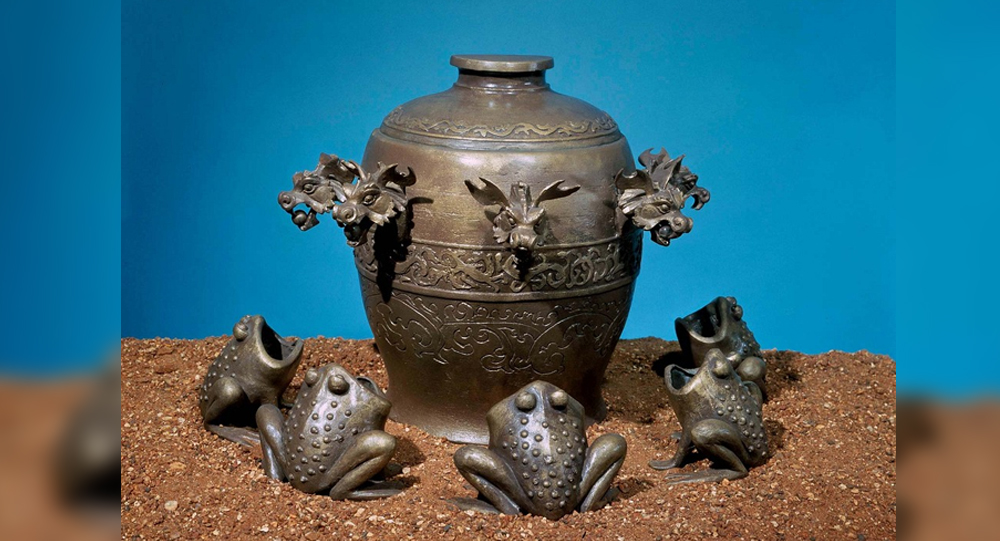
The World’s First Seismograph: How Ancient China Detected Earthquakes 1,800 Years Ago
Over 1,800 years ago, long before modern technology, the ancient Chinese astronomer and inventor Zhang Heng created the world’s first seismograph in 132 AD. This ingenious bronze device could detect distant earthquakes by releasing small balls from dragons’ mouths into toads’ mouths—each indicating a different compass direction. Its historic detection of an earthquake 400 miles away astonished the imperial court and transformed the way societies understood and responded to seismic events.
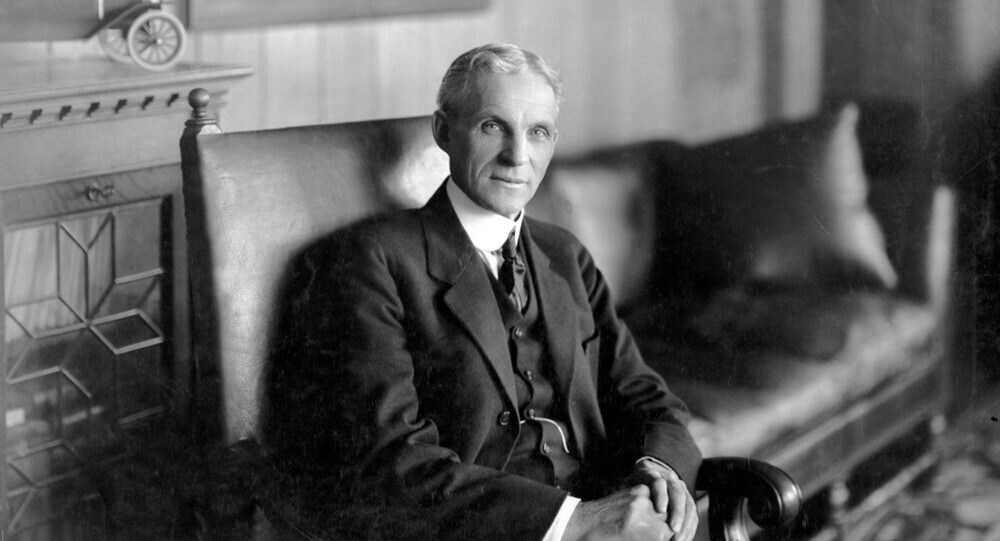
Henry Ford, The man popularizing the concept of the weekend off
Henry Ford was the first Industrial Giant to give his employees both Saturday and Sunday off in the hope of encouraging more leisurely use of automobiles and thus popularizing the concept of the "weekend."

During the 1996 Olympic bombing, Richard Jewell falsely accused of committing the crime after saving dozens of people
Richard Jewell, an American security guard, discovered a bomb during the 1996 Olympic Games in Atlanta and assisted in the evacuation, but was later wrongfully accused and faced public scrutiny. He was cleared, but it had a lasting impact on him until his death in 2007 at the age of 44.

Man's Blood Helped Save Millions of Babies
Australian blood donor James Harrison has been one of our most impressive and valued donors, having donated for 60 years. Know his story, how he was a pioneer of our Anti-D program, and why this matters.

Tunnels Dug by ancient giant sloths, A South American Megafauna
For years, scientists didn’t know what caused mysterious cave networks in South America. In 2010, they learned that the caves were actually tunnels dug by ancient giant sloths

The youngest person executed, George Stinney Jr was proven innocent
In 1944, George Stinney Jr. was 14 years old when he was executed in South Carolina. It took only ten minutes to convict him — and 70 years to exonerate him.

How Cleveland's Balloonfest in 1986 Turned Into a Public Tragedy
In Cleveland, Ohio, United Way broke the world record by deflating nearly 1.5 million balloons as part of a publicity stunt to raise money. The balloon obstructed a US Coast Guard search for two boaters who were subsequently discovered to have drowned, blocked airport runways, and blocked land and waterways.
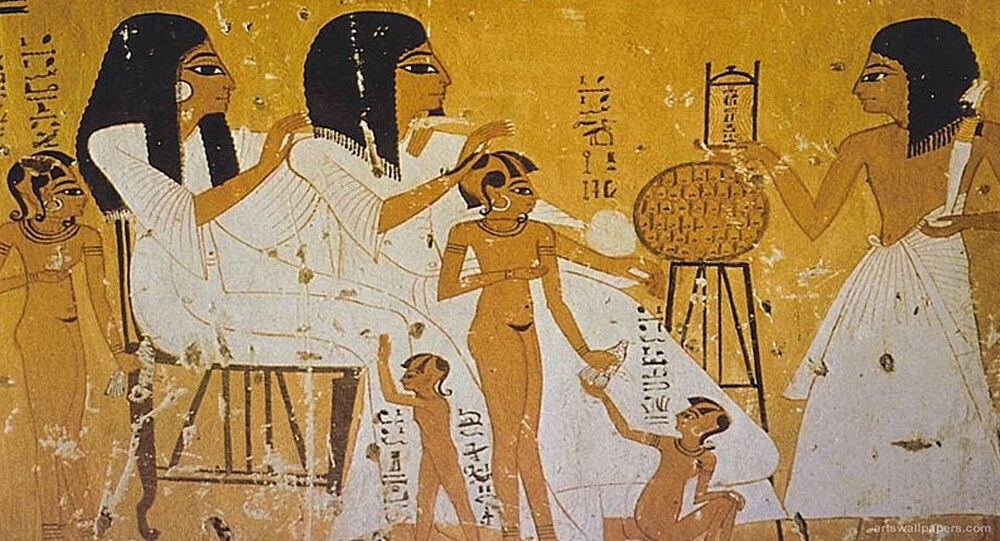
Ancient Egyptians Had Pregnancy Tests Over 3500 Years Ago
The ancient Egyptians used a pregnancy test that involved potentially pregnant women peeing on barley and wheat seeds. Plant growth indicated pregnancy: barley for a boy and wheat for a girl. Later tests revealed that pregnant women's urine causes plant growth 70% of the time, whereas non-pregnant women's urine does not.

Roller Coasters were First Invented to Distract People from sin
Roller coasters were invented to distract Americans from sin. In the 1880s, hosiery businessman LaMarcus Thompson didn’t like that Americans were going to places like saloons and brothels and created the first roller coaster on Coney Island to persuade them to go there instead.
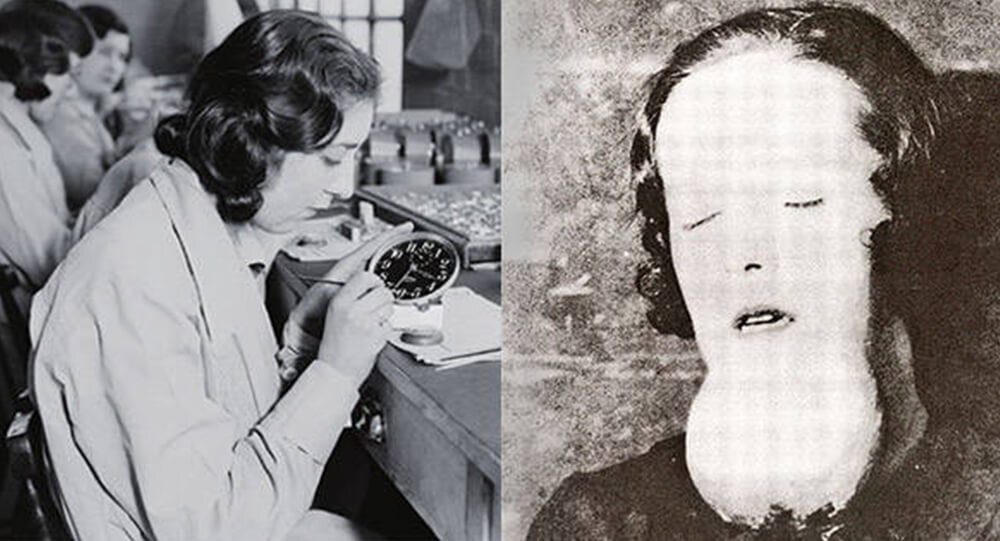
The true story Of The Radium Girls that change US labor laws
Hundreds of young women worked in clock factories during World War I, painting watch dials with luminous radium paint. The company lied about the risk of radiation, claiming there was no danger, which resulted in the death of the young women.

Titanoboa cerrejonensis, fossils of the world’s largest species of snake
In 2009 in a coal mine of Columbia, scientists discovered fossils of the world’s largest species of snake. The species is called “Titanoboa cerrejonensis,“and it is from around 60 million years ago. It would have had measured about 48 feet long and weighed about 2,500 pounds