
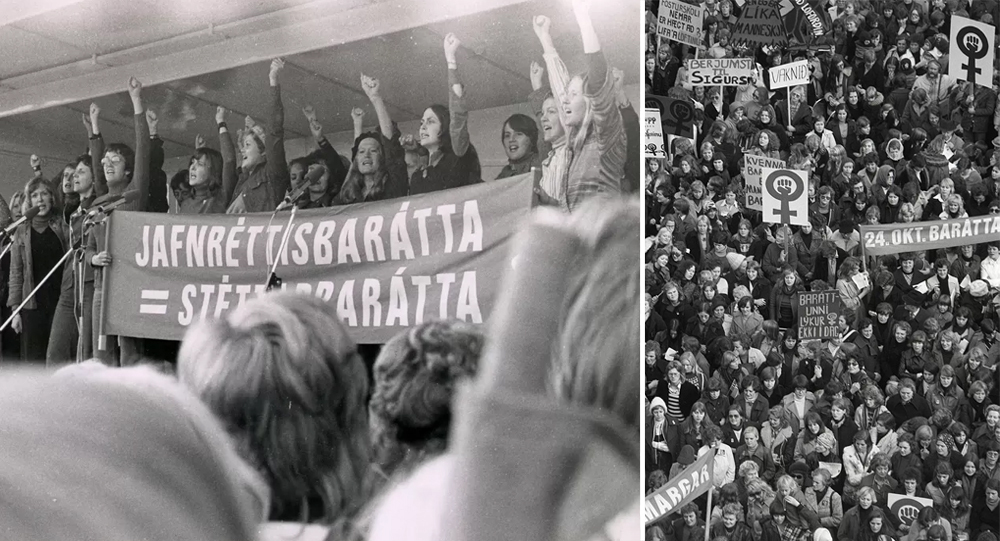
Icelandic women went on strike forty years ago, refusing to work, cook, or watch the kids for a day. A turning point in the nation’s perception of women, it propelled Iceland to the forefront of the fight for equality.
One young boy in Iceland was horrified when Ronald Reagan was elected US President. When he saw the news on television, he exclaimed to his mother, “He can’t be president – he’s a man!”
Vigdis Finnbogadottir, a divorced single mother, had been elected president of Iceland the previous summer. It was November 1980. The boy was unaware that Vigdis, who goes by her first name in Iceland, was the first democratically elected female president in Europe and the entire world.
Since Vigdis held the presidency for 16 years, years that helped Iceland establish itself as “the world’s most feminist country,” it’s possible that many more Icelandic children came to believe that being president was a woman’s role.
But Vigdis maintains that if not for the events of one bright day, the 24th of October 1975, when 90% of the nation’s women decided to strike in protest of their importance, she would never have become president.
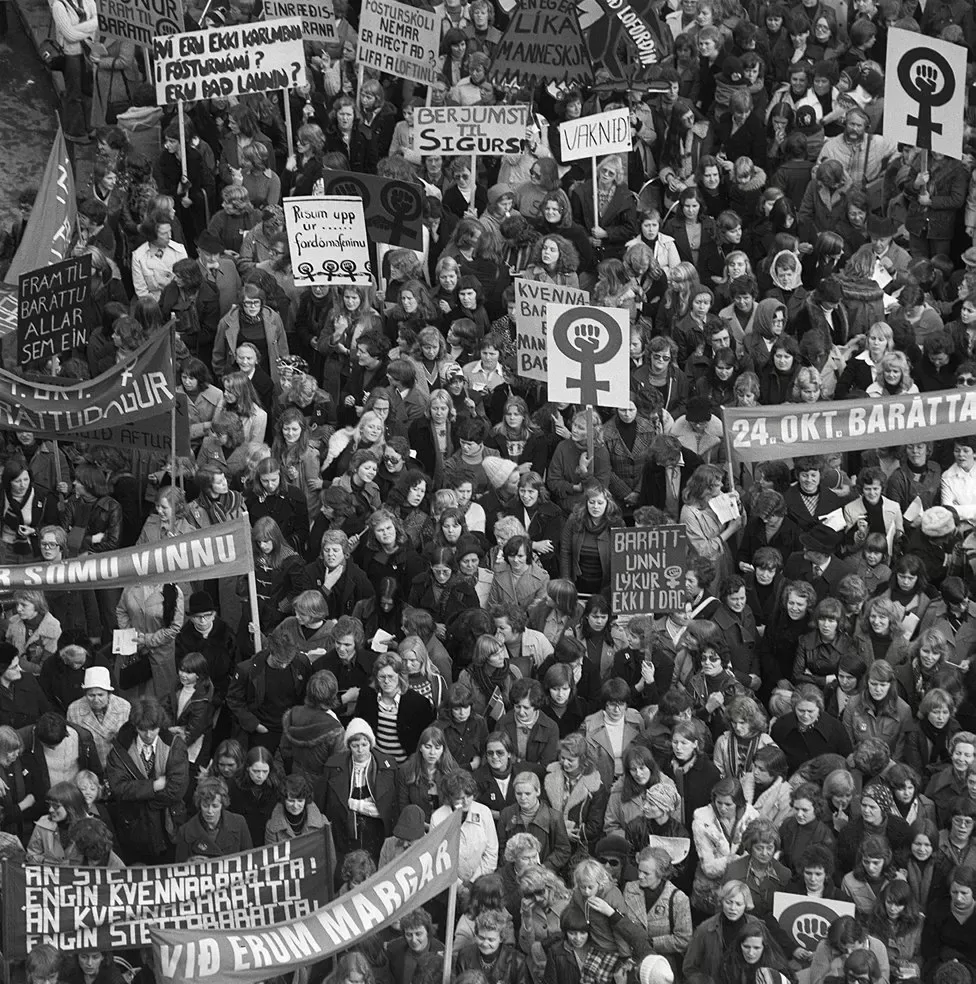
They took to the streets in their thousands to protest for equal rights with men rather than going to work, doing chores around the house, or caring for children.
Vigdis considers it to be a turning point in history. In Iceland, it is known as the Women’s Day Off.
“What happened that day was the first step for women’s emancipation in Iceland,” she claims. The nation was completely paralyzed, and many men had their eyes opened.
Many fathers were forced to take their children to work because banks, factories, some shops, schools, and nurseries had to close. There have been stories of men stocking their desks with candy and crayons to occupy the throngs of overexcited kids. Because they are simple to prepare and beloved by kids, sausages were in such high demand that stores ran out.
For some fathers, it served as a baptism by fire, which may help to explain why the day has also been referred to as the Long Friday.
“We heard children playing in the background while the newsreaders read the news on the radio, it was a great thing to listen to, knowing that the men had to take care of everything,” recalls Vigdis.

The phone was frequently answered by husbands who had stayed at home to care for the children as radio presenters called homes in rural areas of the country to determine how many rural women were taking the day off.
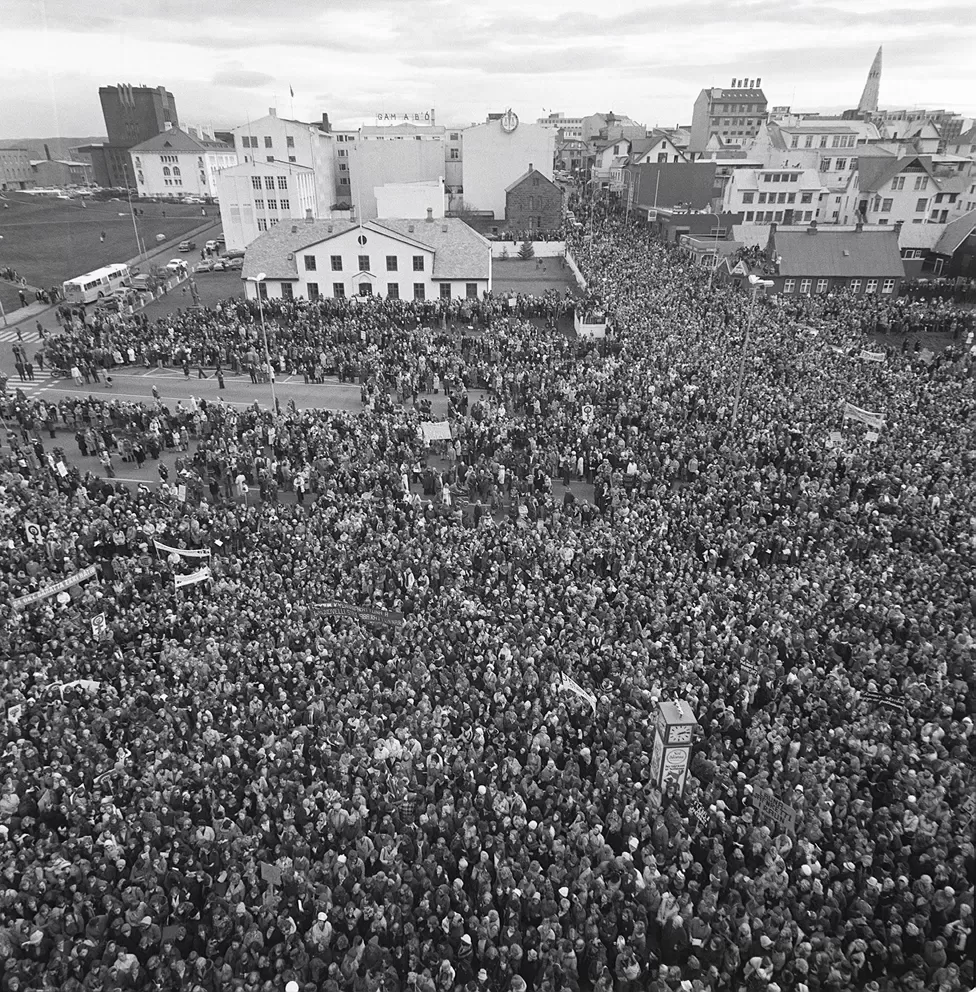
A framed black-and-white photo of the largest rally, which was held in Reykjavik’s Downtown Square and was one of more than 20 that were held across the nation, is on Vigdis’ lap as we speak in her home.
Amidst the 25,000 women who gathered to sing, hear speeches, and discuss what could be done is Vigdis, her mother, and her three-year-old daughter. A lot of people showed up for an island with only 220,000 residents.
She was the artistic director of the Reykjavik Theatre Company at the time, and she and her female coworkers skipped dress rehearsals to join the protest.
The women who were gathered on the square in the bright sunshine felt a strong sense of unity and solidarity, according to Vigdis. The theme song from the BBC television show Shoulder to Shoulder, which was about the Suffragette movement and had previously aired in Iceland that year, was played by a brass band.
Iceland was the third country after New Zealand and Finland to grant women the right to vote, in 1915. But only nine women were elected to parliament over the following 60 years. The fact that there were only three female MPs in office in 1975, or 5% of the parliament, as opposed to between 16% and 23% in the other Nordic nations, was a major source of resentment.
The Red Stockings, a radical women’s movement founded in 1970, were the ones who first proposed the idea of a strike, but some Icelandic women found it to be too confrontational.
“The Red Stockings movement had already caused quite a stir for their attack against traditional views of women – especially among older generations of women whom had tried to master the art of being a perfect housewife and homemaker,” says Ragnheidur Kristjansdottir, senior lecturer in history at the University of Iceland.
However, after being renamed “Women’s Day Off,” the strike received almost complete support, including strong backing from the unions.
According to Ragnheidur, “the event’s schedule itself reflected the emphasis that had been placed on bringing together women from all social and political backgrounds.”
Women’s suffrage around the world
Iceland was not the first country to give women the right to vote, but it was well ahead of the curve.
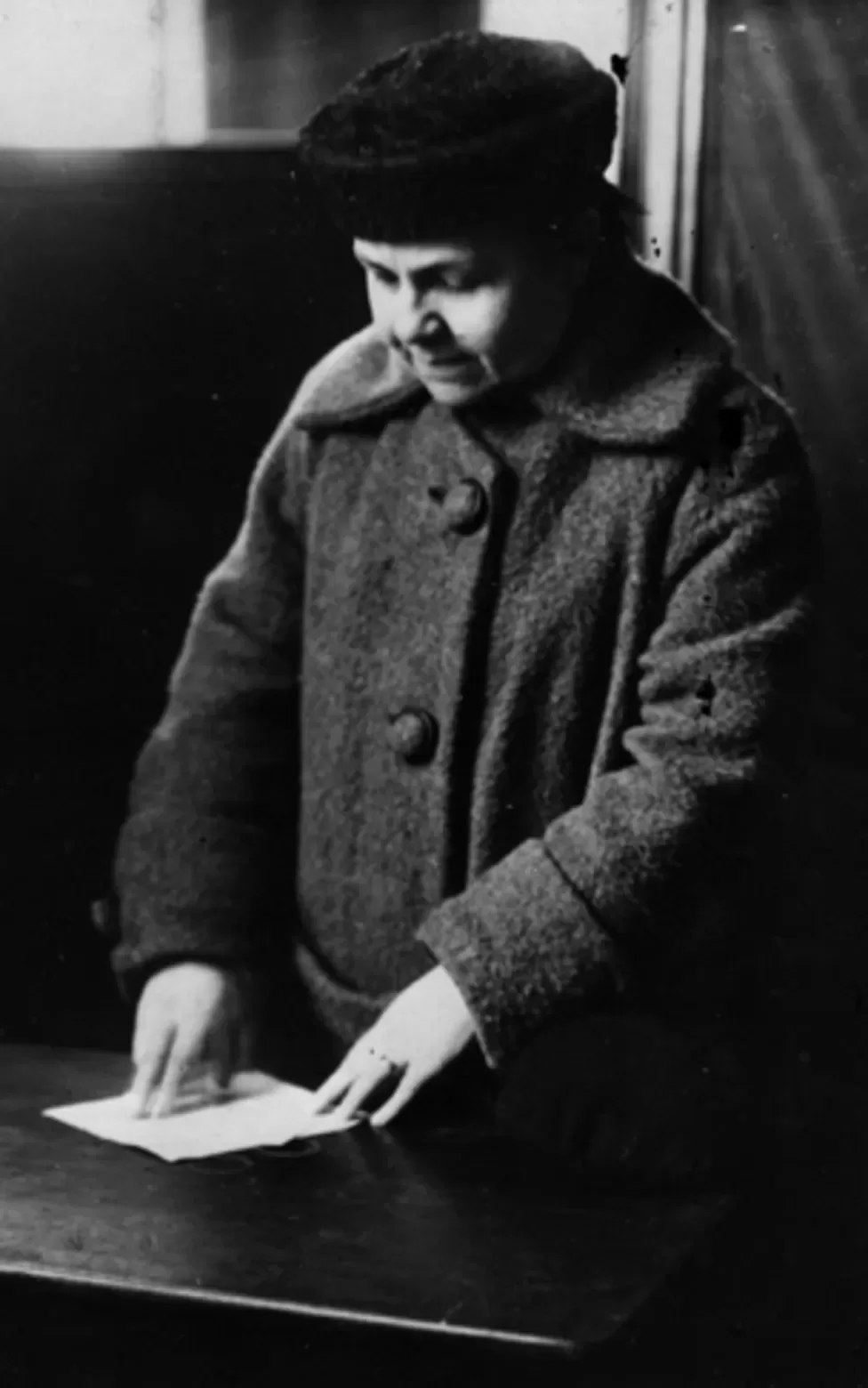
A housewife, two MPs, a representative of the women’s movement, and a woman worker were among the speakers at the Reykjavik rally.
Adalheidur Bjarnfredsdottir, head of the union for women cleaning and working in hospitals and schools’ kitchens and laundries, made the closing remarks.
Despite not being accustomed to public speaking, Audur Styrkarsdottir, director of Iceland’s Women’s History Archives, claims that she made her name with this speech because it was so powerful and motivating. Later on, “she went on to become a member of parliament.”
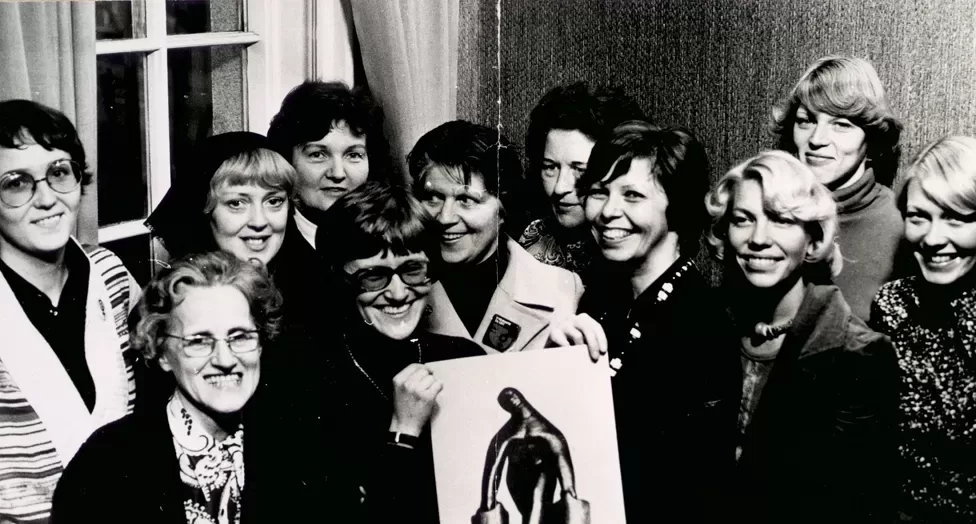
The event’s organizers were successful in getting national newspapers, radio stations, and television stations to run stories about sex discrimination and low pay for women in the months prior to the event. Additionally, the story garnered interest internationally.
But what were the men’s thoughts on it?
According to Vigdis, “I believe at first they thought it was something humorous, but I can’t remember any of them being angry.” Men realized they would have lost support if they opposed it or refused to give women time off.
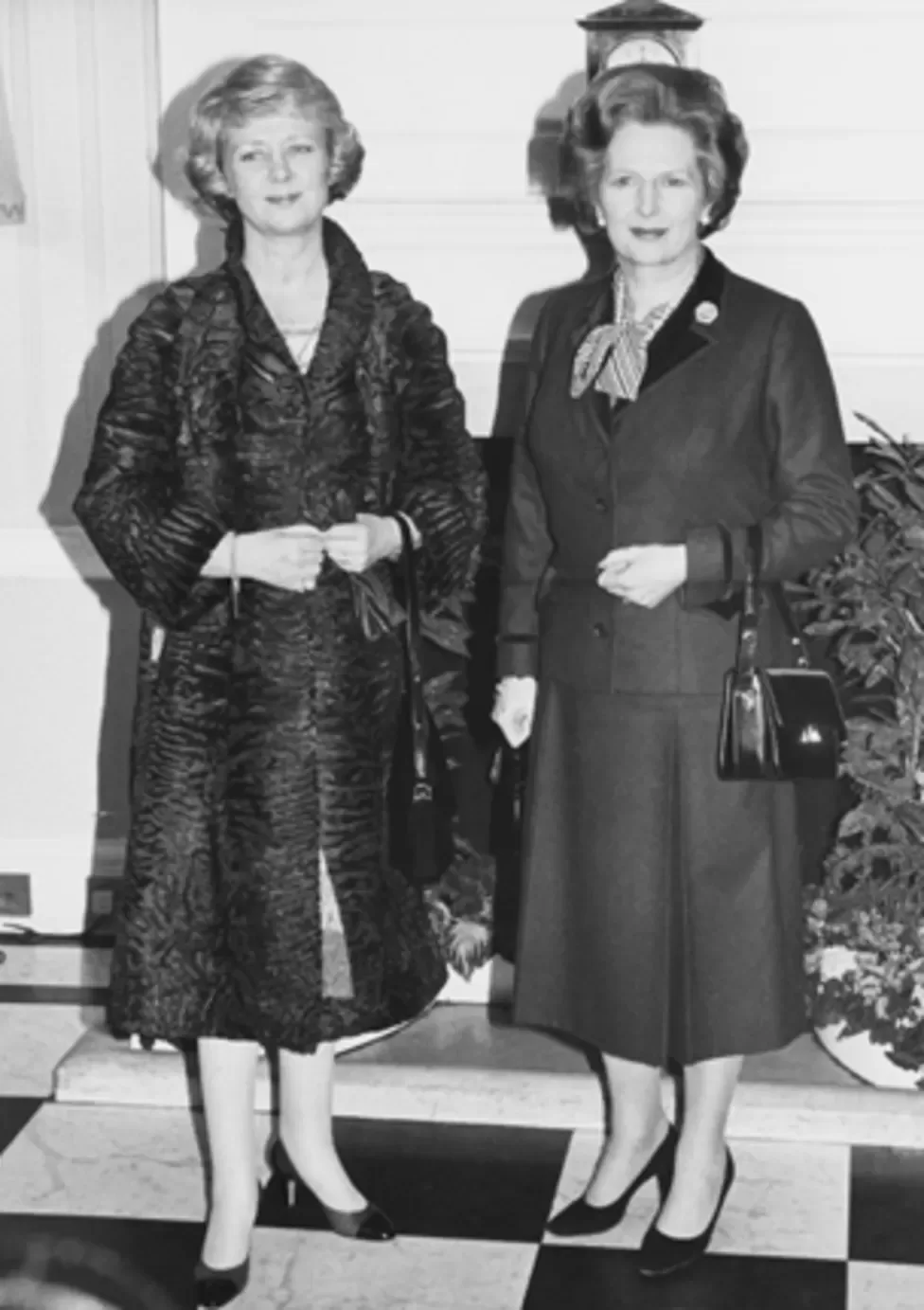
A few reports of men acting differently from how Vigdis describes them exist. One of the main speakers’ husbands was reportedly confronted by a coworker who said, “Why do you let your woman howl like that in public places? I would never let my woman do such things.” The husband reportedly responded, “She is not the sort of woman who would ever marry a man like you.”
Even though Styrmir Gunnarsson was the co-chief editor of the conservative newspaper Morgunbladid at the time, he had no issues with the notion. He claims, “I don’t believe I’ve ever supported a strike, but I didn’t see this action as a strike.” It was a successful event that demanded equal rights.
That day, no women were employed by the paper. He recalls that none of them were required to take the day off work or forfeit their pay, and they all came back at the stroke of midnight to assist in finishing the newspaper. Though it was only 16 pages long instead of the usual 24.
At the time, “probably the majority of people undervalued this day’s impact; later, both men and women began to realize that it was a watershed,” the author claims.
He also notes that strong women have always existed in Iceland, as evidenced by the (fantasy) Icelandic Sagas.
Life in Iceland was challenging for centuries, according to Styrmir. “Our past is in our blood,” he says. Those who made it through had to be tough.
Although at least one member of the Red Stockings saw the Women’s Day Off as a missed opportunity—a nice party that didn’t really change anything—it is widely acknowledged in Iceland as a pivotal event.
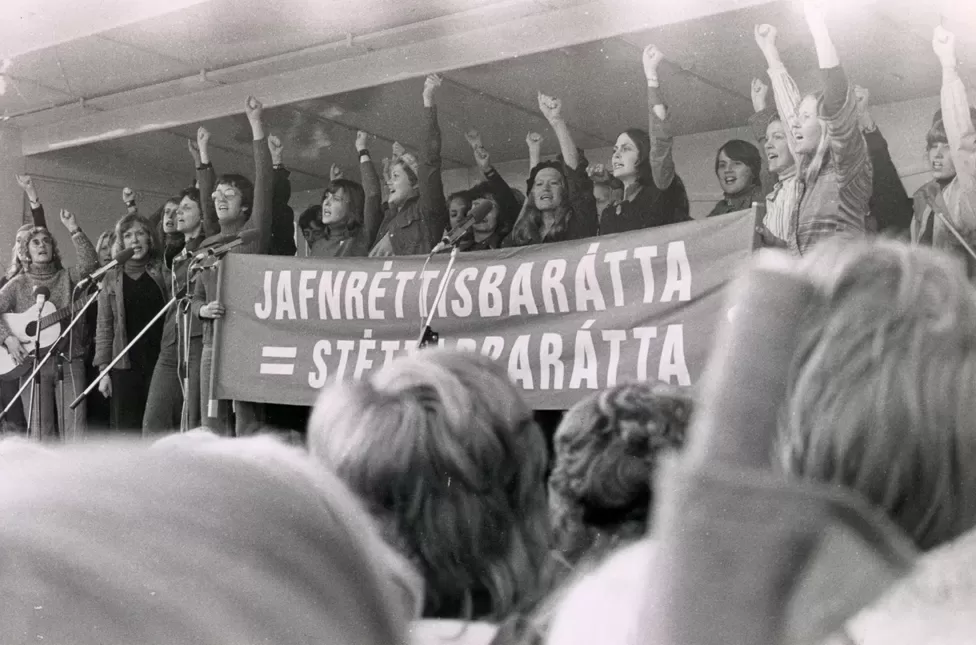
Vigdis is opposed. The following day, “things returned to normal, but with the knowledge that women are as much the pillars of society as men are,” she claims. “So many businesses and institutions were forced to shut down, which demonstrated the power and necessity of women and completely altered the way that people thought.”
Vigdis won the presidency five years later over three other men. She gained so much popularity that she won two of the three subsequent elections without a challenger.
Then came additional landmarks. In the 1983 parliamentary election, all-female shortlists were present, and the Women’s Alliance gained its first legislative seats at the same time. Paid paternity leave was made available to men in 2000, and Johanna Sigurdardottir, the first openly gay head of government in the world, became the nation’s first female prime minister in 2010. During that same year, strip clubs were outlawed.
Iceland still has a ways to go, according to Saadia Zahidi, head of Gender Initiatives at the World Economic Forum (WEF).
Although there are more women than men enrolled in college, there is still a gender gap in the workforce, according to her.
Although there are more women than men enrolled in college, there is still a gender gap in the workforce, according to her.
“Women and men are almost equally represented in the labor force; in fact, women predominate in all skilled roles; however, they hold about 40% of leadership positions, and they receive lower pay than men for comparable roles.”
Nevertheless, Iceland has led the Global Gender Gap Index since 2009, according to the WEF. And if only three out of 63 members of parliament were women at the time of the Women’s Day Off, that number has increased to 28, or 44%.
The phrase “The steps so quickly fill up with snow” refers to a tendency in Iceland to relegate things to the past, according to Vigdis. But we continue to discuss that day because it was so wonderful.

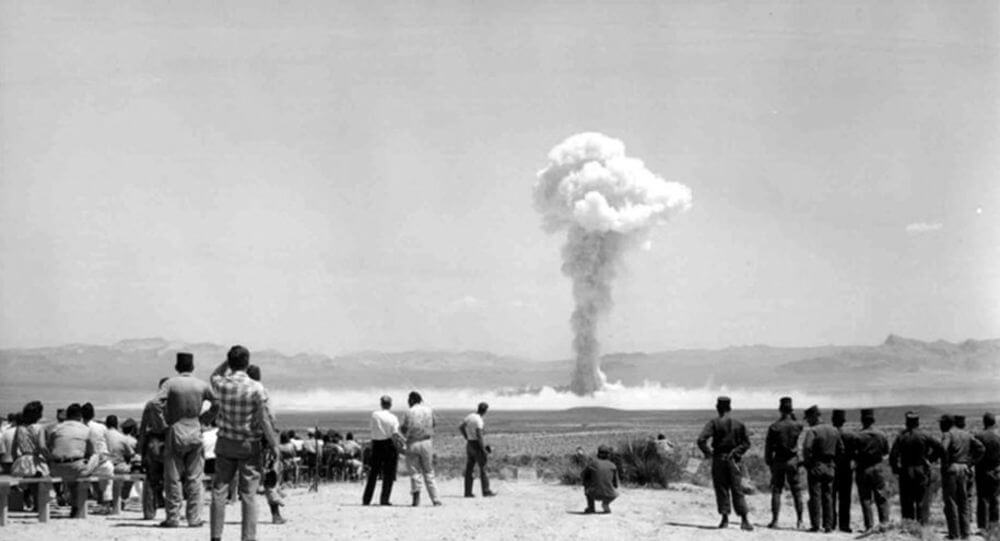
Atomic Tourism: In the 1950s, nuclear tests in Las Vegas served as a draw for tourists
Between 1950 and 1960, Las Vegas offered “Atomic Tourism” in which guests could watch atomic bombs being tested in the desert as a form of entertainment.
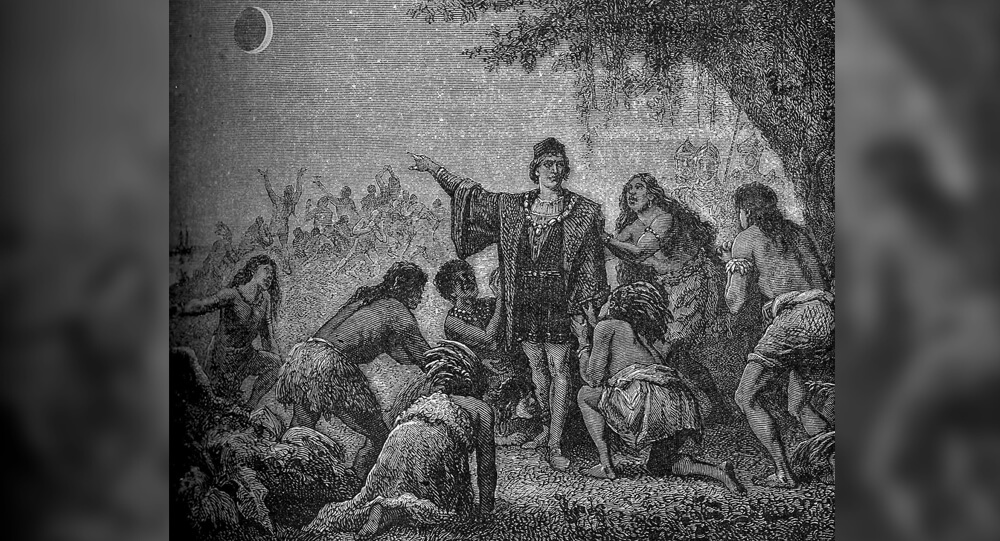
How a Total Lunar Eclipse Saved Christopher Columbus in 1504
In 1504, Christopher Columbus was stranded in Jamaica with natives who refused to give him food. But he knew the date and time of an upcoming lunar eclipse. So he told the natives that his gods were angry at their treatment of him, and would provide a clear sign. Once the eclipse started, the natives raced to give him food and begged for mercy.
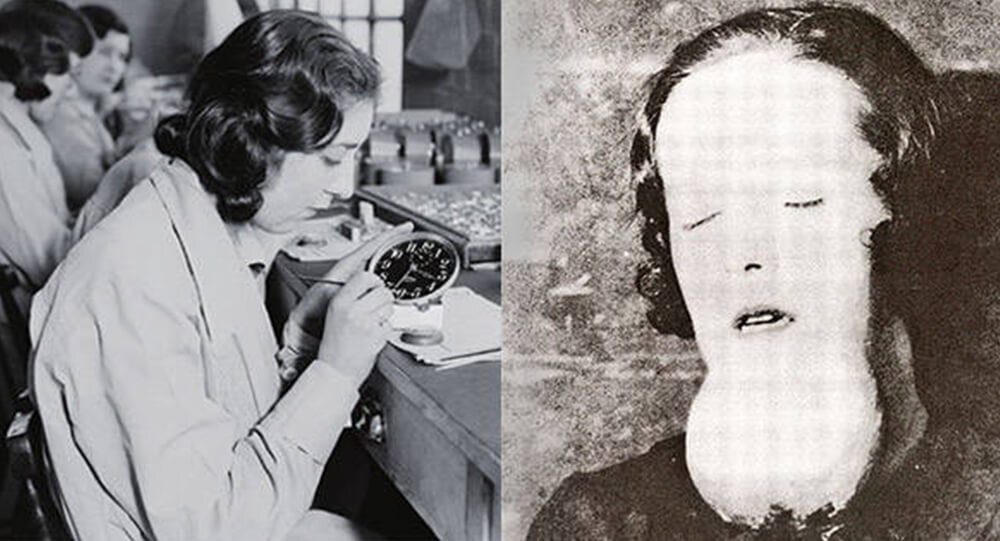
The true story Of The Radium Girls that change US labor laws
Hundreds of young women worked in clock factories during World War I, painting watch dials with luminous radium paint. The company lied about the risk of radiation, claiming there was no danger, which resulted in the death of the young women.
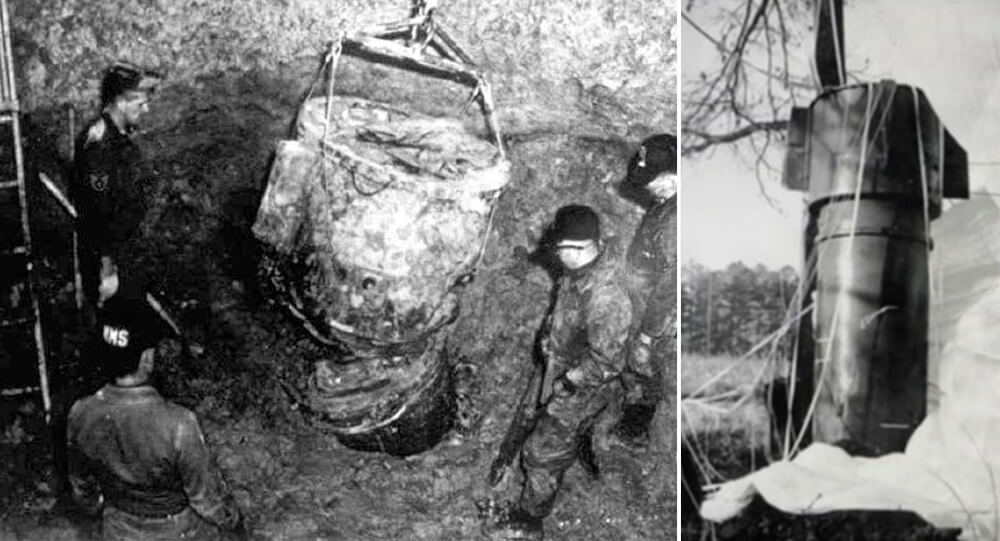
Nuclear bomb accidentally dropped on North Carolina in 196
4 January 1961: The 4241st Strategic Wing's Boeing B-52G-95-BW Stratofortress, serial number 58-0187, was on a 24-hour airborne alert mission off the United States' Atlantic Coast.
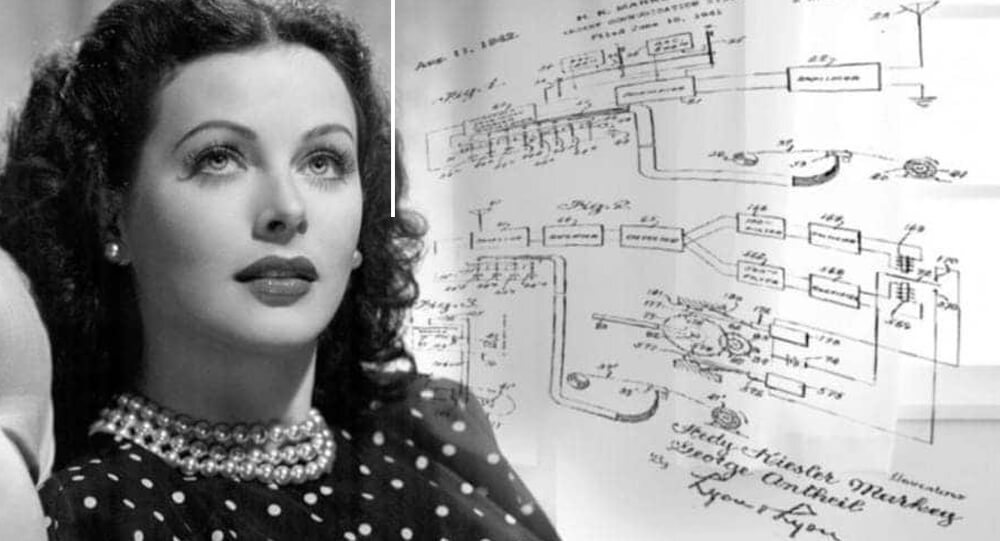
Hedy Lamarr, A Hollywood actress who also a mathematician and inventor
Hollywood actress Hedy Lamarr was also a mathematician and the inventor of frequency hopping spread spectrum, a technology still used for bluetooth and wifi
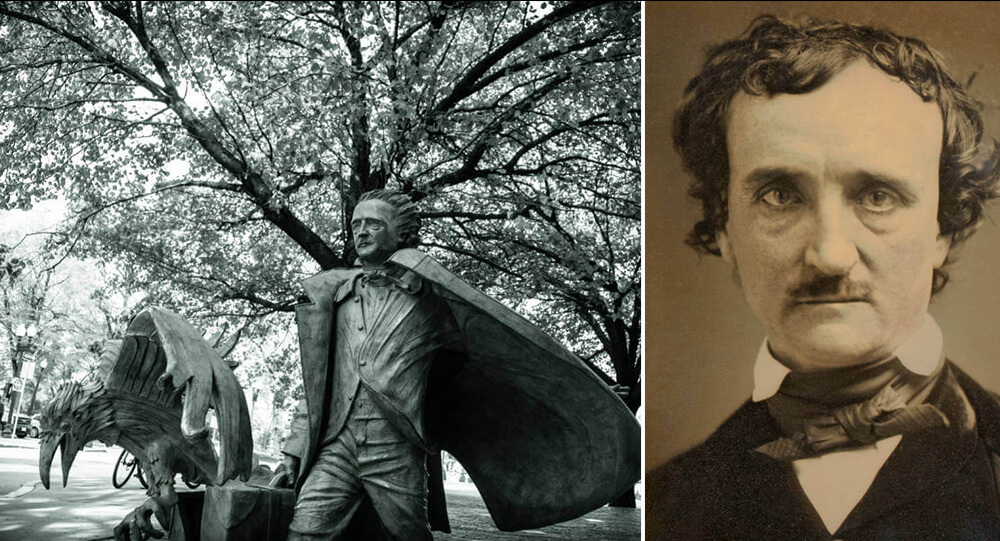
Inside The Mysterious Death Of The Famed Gothic Writer Edgar Allan Poe
Hours before his death Edgar Allen Poe was found on the streets of Baltimore. He was incoherent, wearing another man’s clothes, and unable to explain how he got there. The cause of his death is an unsolved mystery.
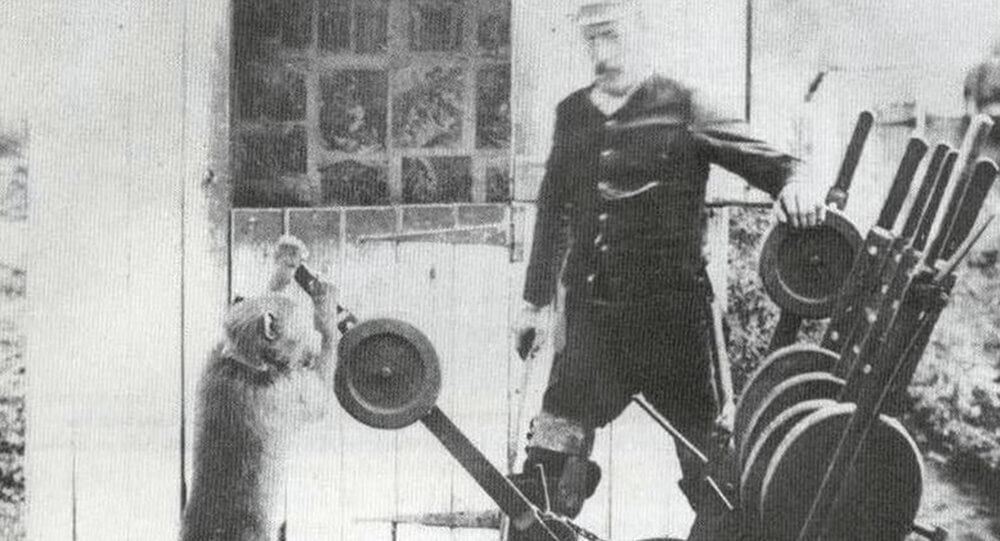
Jack the Baboon operated a railroad, earned a living, and never made a mistake
A baboon worked as a signalman for the railroad in the late 1800s. He never made a mistake and worked for the railroad until the day he died.
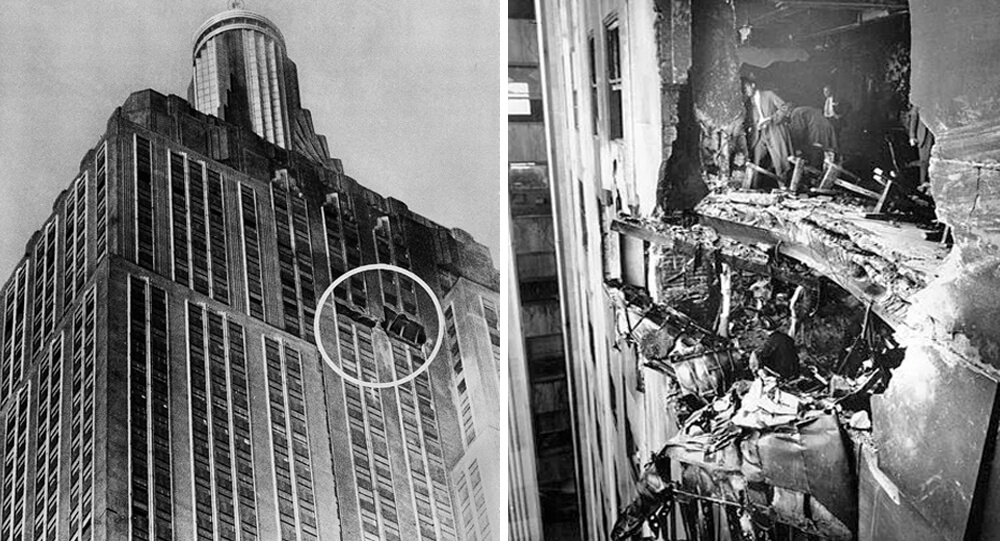
Remembering the 1945 Empire State Building Disaster: When a Plane Met Skyscraper
An airplane crashed into the Empire State Building in 1945. Among other damage, plane parts severed the cables of an elevator and the woman inside fell over 70 stories. She lived and holds the world record for the longest survived elevator fall.
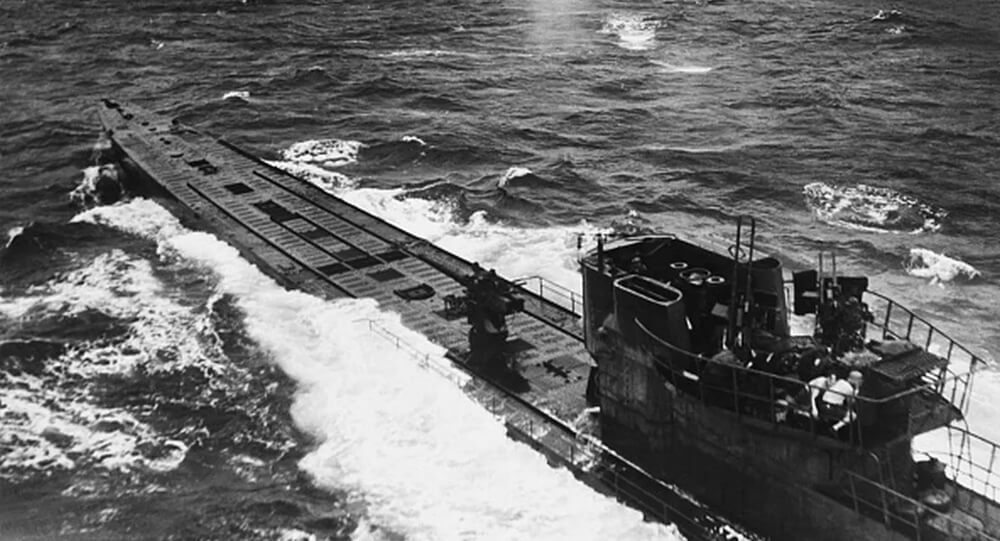
The Amazing Truth About The German U-Boat That Was Sunk By A Toilet
During WWII, a German captain and an engineer flushed the submarine's high-tech toilet incorrectly, causing the vessel to rapidly fill with water. British planes patrolling the sea attacked them as the submarine was brought to the surface. While many members of the crew were killed in the attack, the captain escaped!


Mother who spent entire life savings for daughter’s cancer treatment won the lottery
A mother won $2 million from a $10 scratch-off lottery ticket after she spent all of her entire life savings to pay her daughter’s cancer treatment. She bought the winning ticket after her daughter’s last cancer treatment.
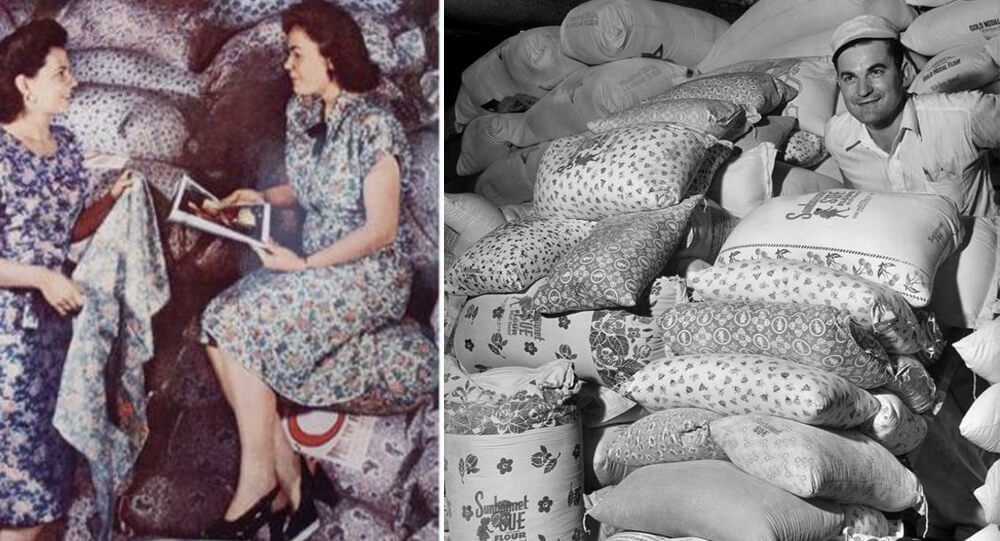
The history of Flour sack clothing fashion
After Kansas mill owners found women reused flour sack materials into apparel in the 1920s and 1930s, they started applying patterned designs to give families with more fashionable patterns and material.
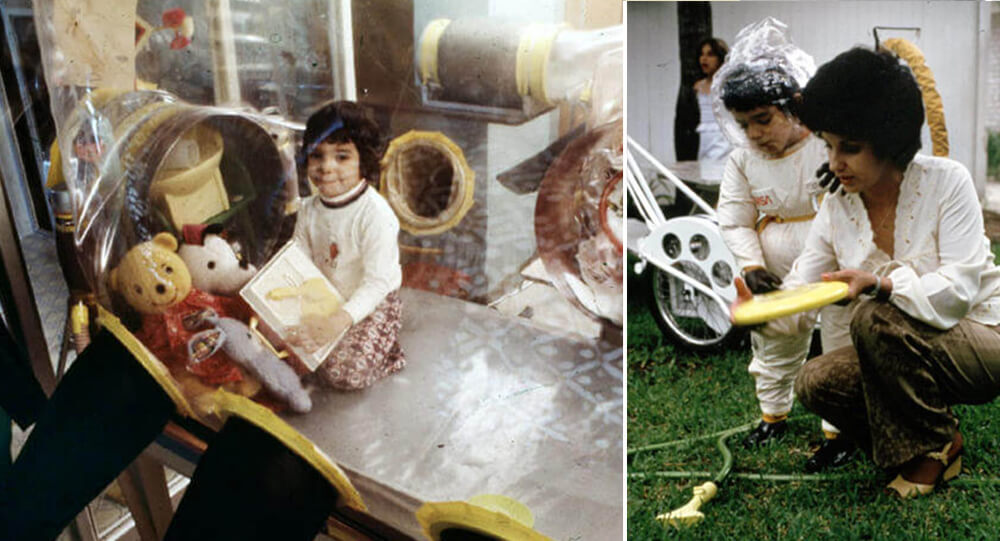
The touching story of David Vetter (bubble boy), the 'boy who lived in a bubble
David Vetter lived his whole 12 years in sterile “bubble”. He was “outside” for 20 second after being removed from his mother’s womb. He never touched any human.
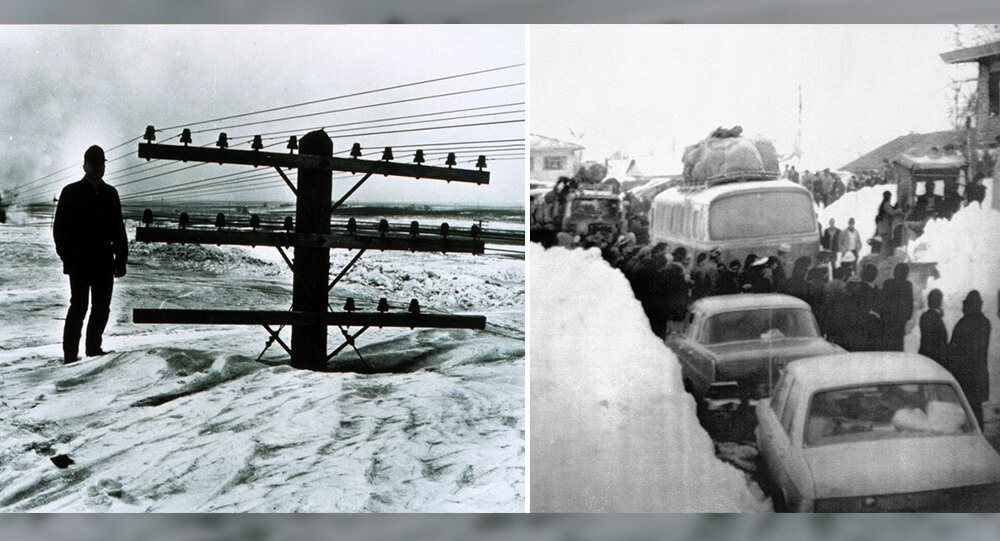
The worst blizzard in recorded history: the 1972 Iran blizzard
The deadliest snowstorm ever recorded occurred in Iran in 1972. It lasted for a week, burying areas in 26 feet of snow and killing over 4,000 people, including the entire populations of three villages.
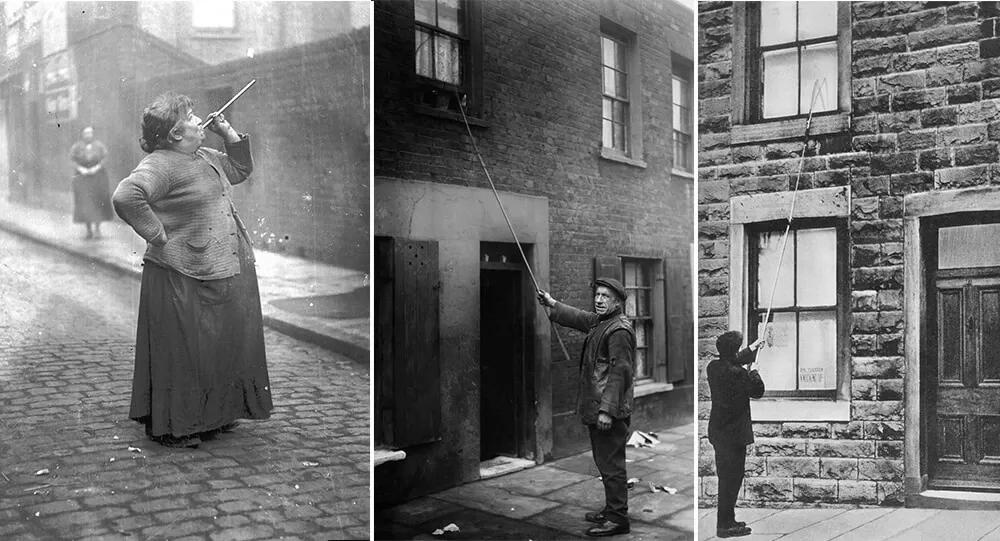
Knockers-up: waking up the Industrial Britain's Workers in 1900-1941
Before alarm clocks were invented, there was a profession called a knocker-up, which involved going from client to client and tapping on their windows (or banging on their doors) with long sticks until they were awake. It lasted into the 1920s.

The 1976 April Fools' Pranks, Planetary Alignment
On April fool's Day, 1976, the BBC convinced many listeners that a special alignment of the planets would temporarily decrease gravity on Earth. Phone lines were flooded with callers who claimed they felt the effects.
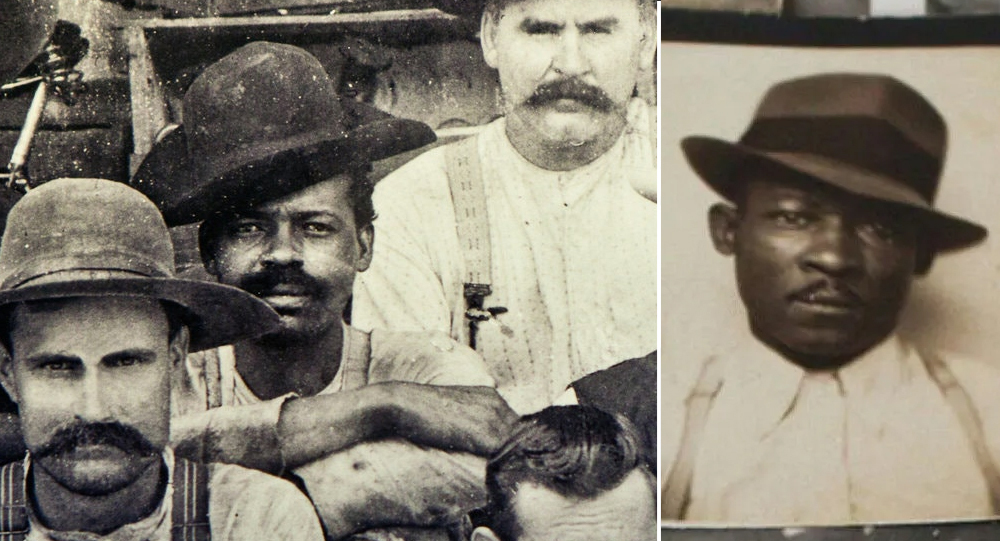
Nearest Green, America's first known Black master distiller
Nathan "Nearest" Green was an African-American head stiller who is now more frequently referred to as a master distiller. He was renowned for imparting his distilling knowledge to Jack Daniel, the creator of Jack Daniel's Tennessee whiskey distiller, after Jack Daniel was freed from slavery following the American Civil War.
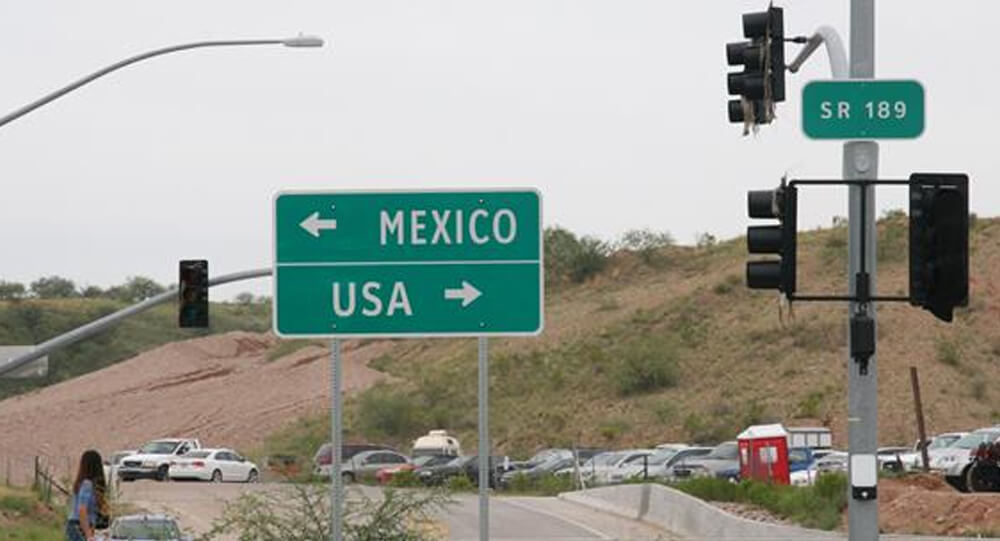
Underground Railroad to Mexico freed thousands of slaves in 1829
Slavery was abolished in Mexico in 1829. Slaves were escaping to Mexico, and slaveholders in the US were aware of this. The US attempted to get Mexico to sign a fugitive slave treaty, which would have required Mexico to send back escaped slaves to the US. But, Mexico refused, arguing that slaves were free as soon as they set foot on Mexican soil.
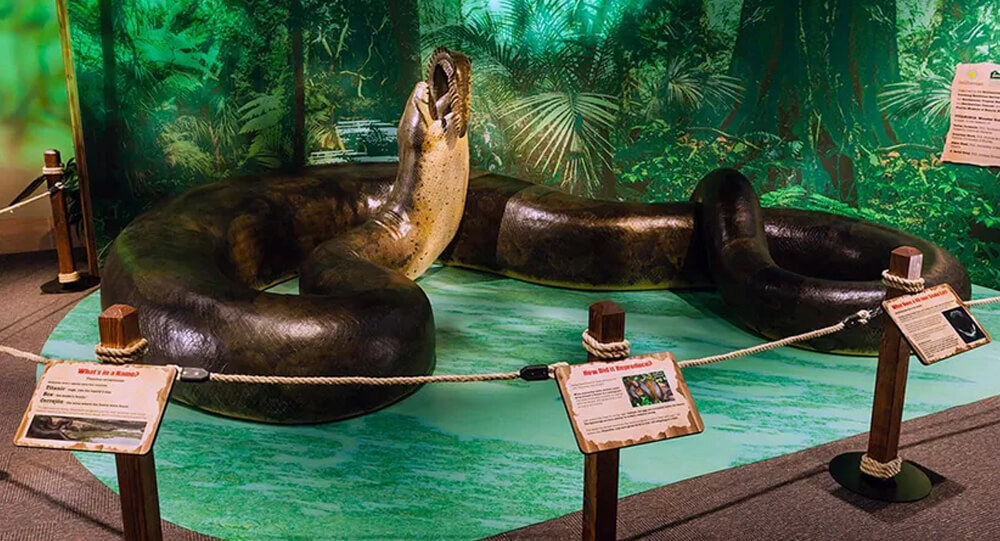
Titanoboa cerrejonensis, fossils of the world’s largest species of snake
In 2009 in a coal mine of Columbia, scientists discovered fossils of the world’s largest species of snake. The species is called “Titanoboa cerrejonensis,“and it is from around 60 million years ago. It would have had measured about 48 feet long and weighed about 2,500 pounds
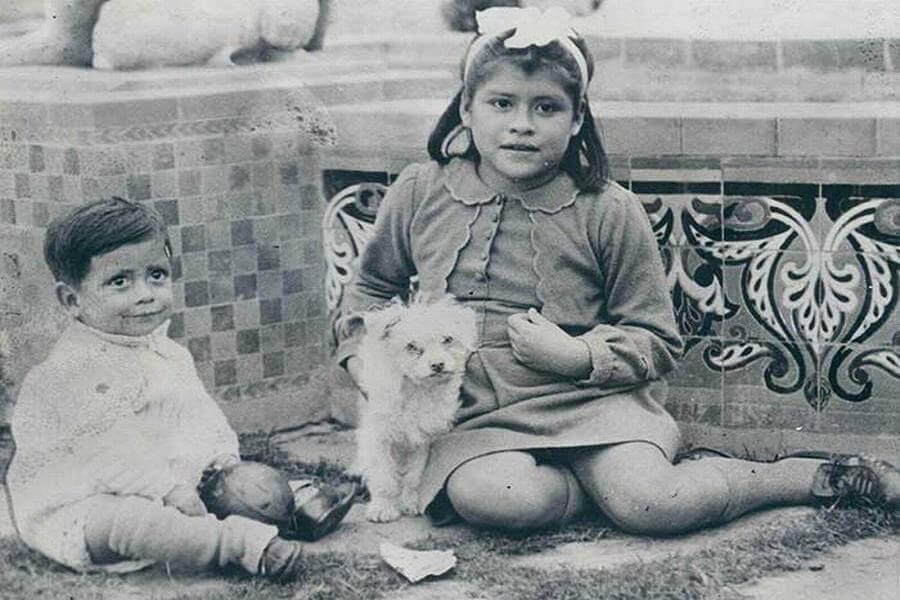
story of the youngest mother in the world at age of five - Lina Medina
Lina Medina, a five-year-old Peruvian girl, became the youngest mother in history in 1939 when she gave birth to a boy.

15 interesting facts about Queen Elizabeth II
Queen Elizabeth II, who ruled Britain for 70 years, has away at the age of 96. She was the country's longest-reigning monarch. Here are some little-known facts about her.
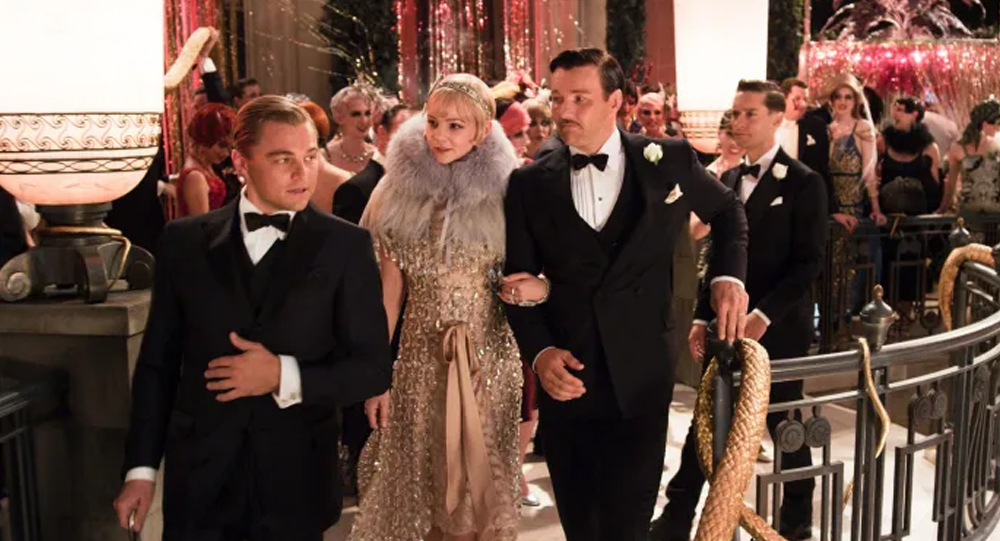
From Flapper to Fashion Week: How 1920s Style Still Shapes Modern Trends
The roaring 1920s revolutionized fashion, introducing bold styles, daring cuts, and a spirit of freedom that still inspires today’s wardrobes. From flapper dresses to statement accessories, here’s how the Jazz Age lives on in modern fashion.
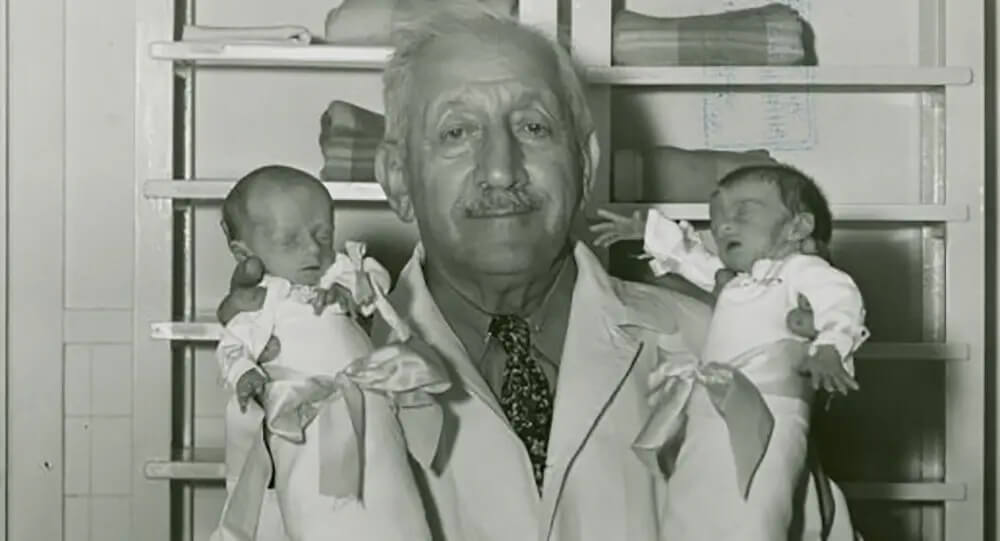
Martin Couney, Saved Thousands of Premature Babies Wasn’t a Doctor at All
Martin Couney never qualified as a medical doctor. However, in the 1900s, he saved thousands of premature babies by exhibiting them in incubators at his Coney Island sideshow. Over the course of his career, he is said to have saved about 6,500 babies that had previously been written off by mainstream medicine.
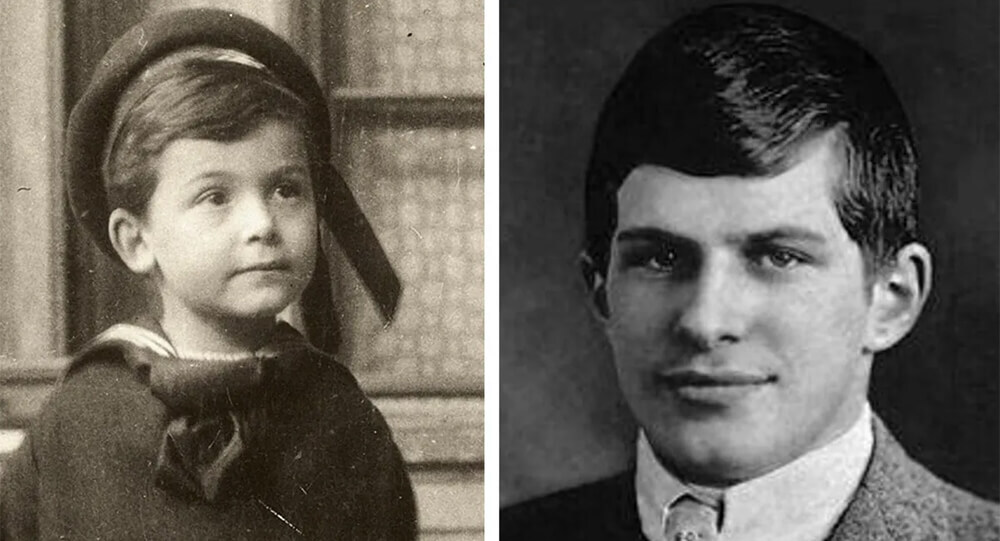
William James Sidis: The smartest person yet forgotten by people
William James Sidis, who was only 11 years old when he enrolled in Hardvard, finished his primary and secondary schooling in less than a year. He knew eight foreign languages by the age of eight and even invented his own language, "vedergood."
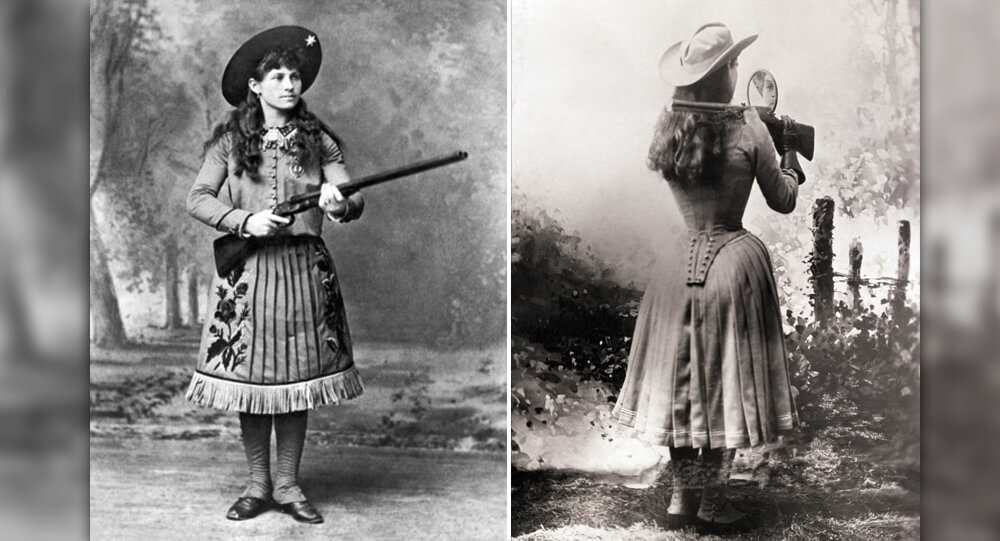
The true story of Annie Oakley, legendary sharpshooter
Anne Oakley was such a good shooter that she could split a playing card help edge-on, hit dimes thrown into the air, shoot cigarette from her husband's lips, and pierce a playing card thrown into the air before it hit the ground.
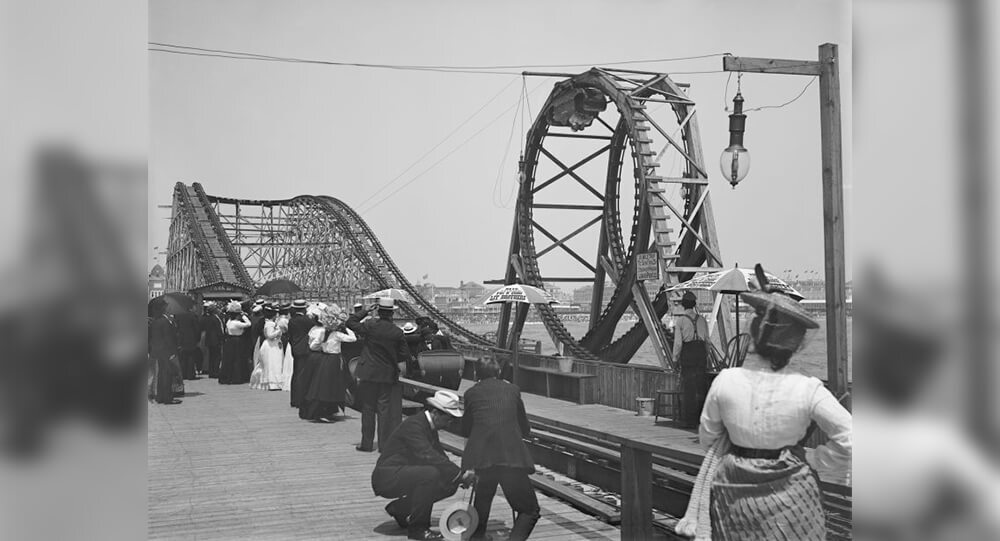
Roller Coasters were First Invented to Distract People from sin
Roller coasters were invented to distract Americans from sin. In the 1880s, hosiery businessman LaMarcus Thompson didn’t like that Americans were going to places like saloons and brothels and created the first roller coaster on Coney Island to persuade them to go there instead.