
Throughout modern human history, the idea of the weekend off—wherein employees enjoy two consecutive days off each week—has emerged.
The majority of individuals pre-industrial revolution worked on their own farms or in small companies and had no understanding of the concept of a set workweek. Nonetheless, workdays grew longer and more structured in the 19th century as a result of the growth of factory employment and industrialization. In the late 1800s, a normal workweek in the United States consisted of six days and 12 to 16 hours of work every day.
Early in the 20th century, when social reformers and labor unions battled for improved working conditions and shorter workweeks, the concept of weekends off started to catch on. The first regulation requiring a weekly day off for employees was adopted in Australia in 1908, and the Ford Motor Company started offering its employees a 48-hour weekend in 1914.
Yet, the weekend off did not become a common practice in many nations until the 1920s and 1930s. The Fair Work Standards Act of 1938 set a 44-hour workweek in the US and required that any additional hours worked be compensated at time and a half. Also, the rule set a 48-hour maximum workweek as well as mandated that employers provide their staff at least one day off each week.
Since then, many nations have adopted the weekend off as a standard norm, although the precise days off change based on cultural and religious customs. The weekend occurs on Thursday and Friday in some nations, like Saudi Arabia, and on Friday and Saturday in others, like Israel. However, the weekend is typically defined as Saturday and Sunday in most Western nations.
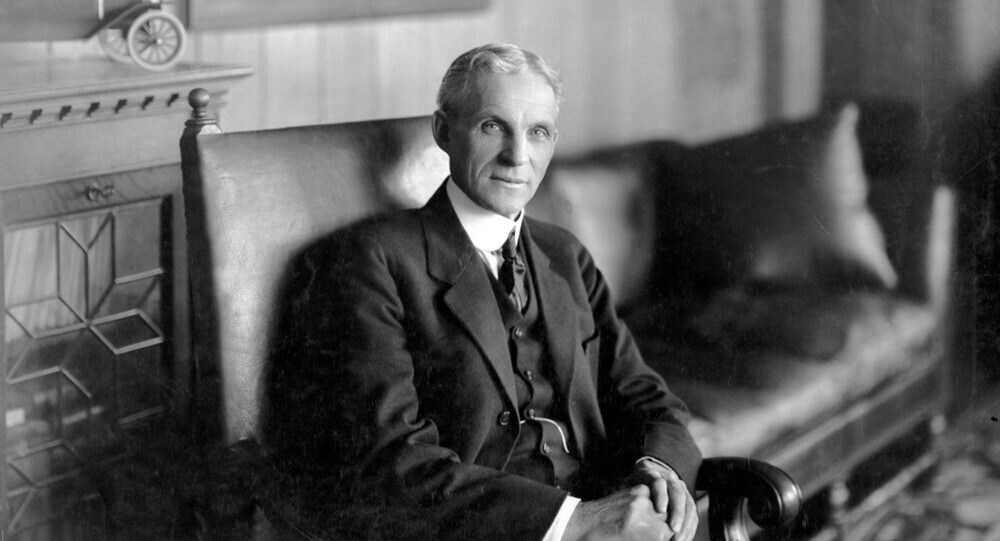
Henry Ford’s influential action
Henry Ford, the company’s creator, took a risk in 1926 by requiring his workers to perform a five-day, 40-hour workweek. The six-day, 48-hour workweek that was typical at the time of manufacturing was drastically altered by this.
Ford’s choice was influenced by a number of things. First, he thought that by boosting employees’ morale and well-being, shorter workweeks would boost productivity and lower turnover. Second, he believed that a five-day workweek would help employers recruit and keep skilled workers in a tight labor market. And lastly, Ford was renowned for his dedication to social welfare and his conviction that providing employees with greater time off would be advantageous to society as a whole.
For the Ford Motor Company, implementing a five-day workweek resulted in higher productivity and profits. Soon after, other businesses did the same, and by the 1930s, many American industries had adopted the five-day workweek as the standard.
Ford did not come up with the idea for a shortened workweek, but his choice to execute it on such a massive scale made the weekend off a common practice across many businesses. Most nations in the globe now follow the five-day workweek standard, with employees getting two days off every week.
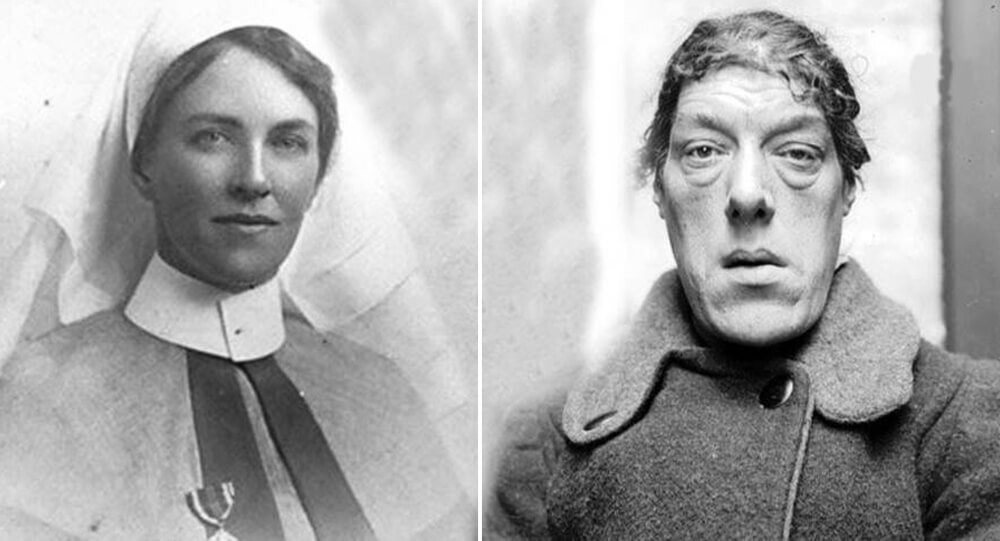
The Tragic Story Of Mary Ann Bevan, The ‘Ugliest Woman In The World’
After the death of her husband, Mary Ann Bevan had no income to support herself and her children. She then decided to enter a contest where she won the title of “ugliest woman” and was later hired by a circus. She endured this ridicule from the world to provide for her family.
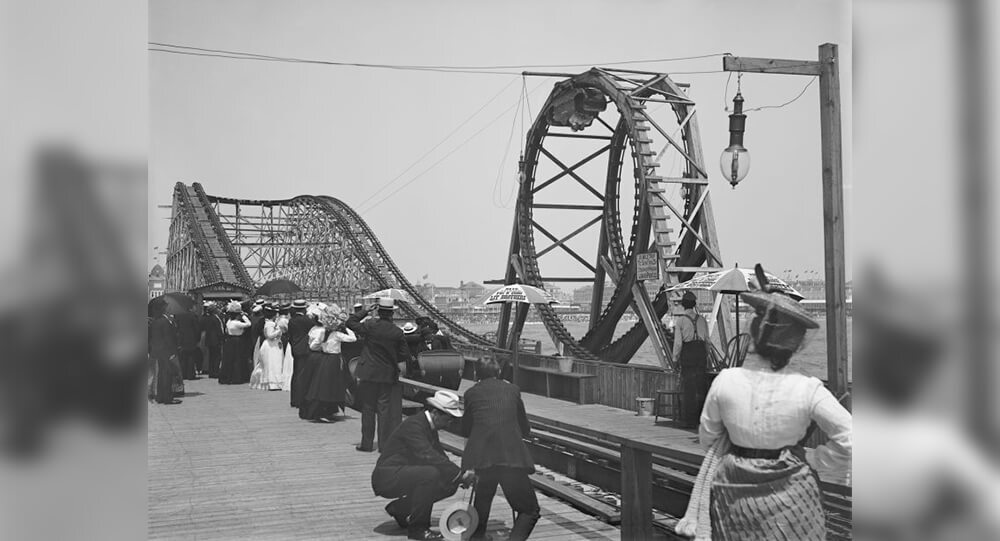
Roller Coasters were First Invented to Distract People from sin
Roller coasters were invented to distract Americans from sin. In the 1880s, hosiery businessman LaMarcus Thompson didn’t like that Americans were going to places like saloons and brothels and created the first roller coaster on Coney Island to persuade them to go there instead.
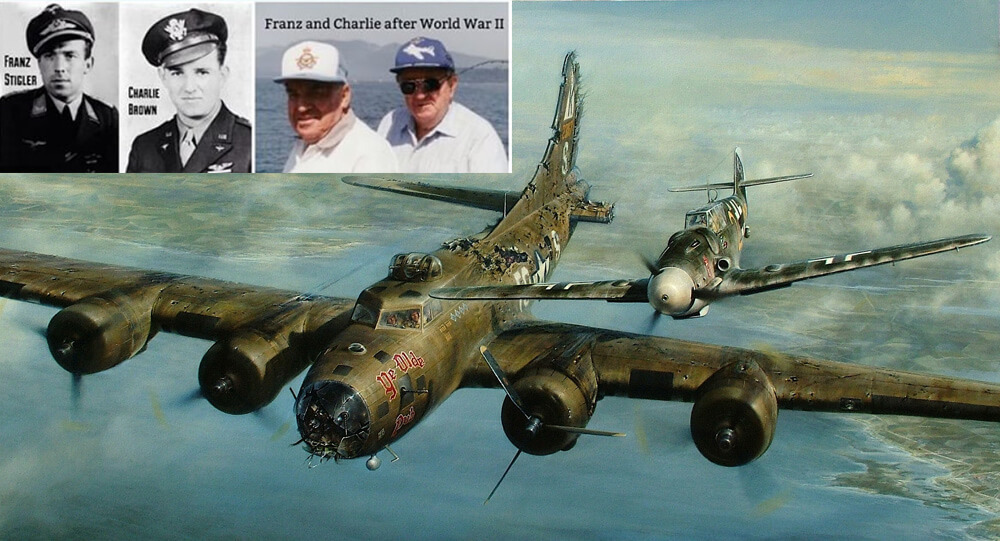
Charlie Brown and Franz Stigler incident: Enemy became friends
During WWII, a German pilot spotted an American pilot’s crippled plane in the sky. Tailing it, he noticed that gunner was dead, crew injured, and they posed no threat. Instead of destroying the plane, he led it to safety. 40 years later, the two pilots reunited.
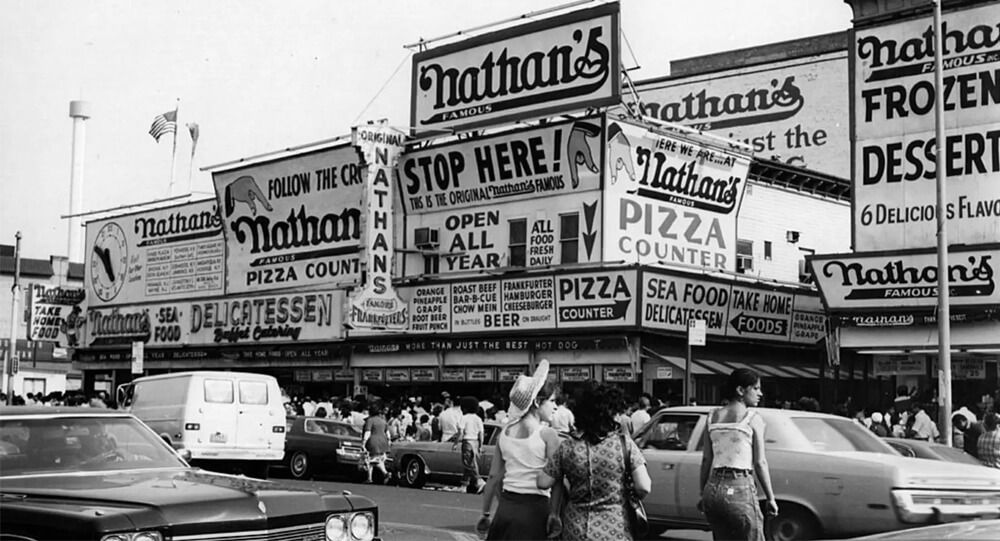
Nathan's Famous Doctor Stunt
When Nathan's Famous Hot Dogs first opened in 1916, the owner hired people to dress as doctors and eat hot dogs outside his shop, to convince people his hot dogs were healthy.
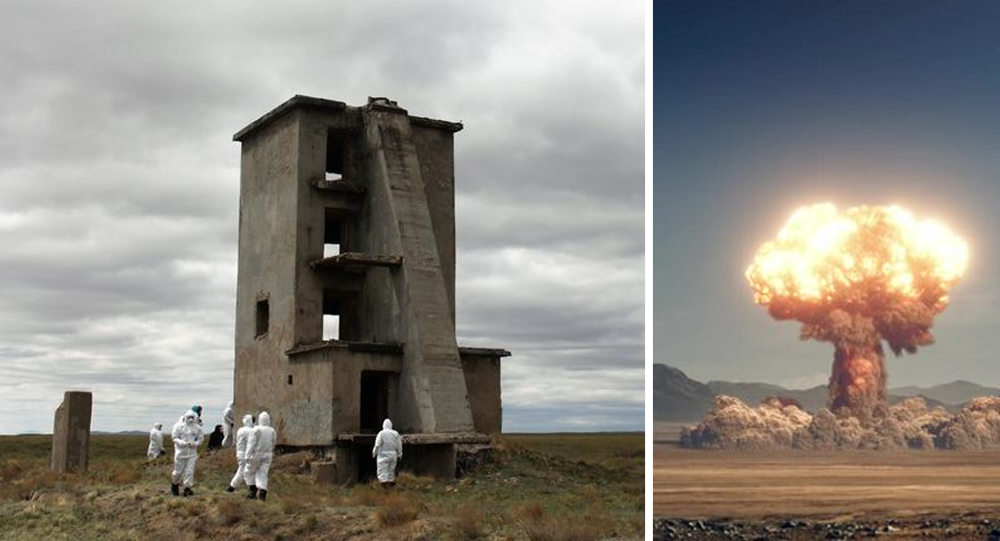
The Forgotten Story of Semipalatinsk and the Soviet Nuclear Experiments
Between 1949 and 1989, the Semipalatinsk Test Site in Kazakhstan became the primary location for Soviet nuclear weapons tests, exposing millions of unsuspecting villagers to radioactive fallout. Known as the “Polygon of Suffering,” this remote desert witnessed 456 nuclear detonations that caused widespread health crises, birth defects, and generational genetic damage. This article narrates the chilling legacy of Semipalatinsk, unveiling the human cost of Cold War arms development and the ongoing struggle for healing and recognition in Kazakhstan.

Saudi Arabia camel carvings dated to prehistoric era
Archaeologists were shocked to discover that a series of camels carved into desert rock faces in north-western Saudi Arabia are actually prehistoric, dating from 7,000-8,000 years ago - before either the Pyramids of Giza or Stonehenge were built.

Remembering the miracles of the 1985 Mexico earthquake (unbelievable stories)
In 1985, after an 8.0 magnitude earthquake hit Mexico City, nearly all newborn babies survived a collapsed hospital. They are known as “Miracle Babies” for surviving 7 days without nourishment, water, warmth or human contact.

A Brief History of the PlayStation Gaming Console
Sony's PlayStation was never meant to be an actual product. Instead, it was intended to be a CD-ROM console that would support Nintendo games. However, when Nintendo backed out of the deal at the last minute, Sony went ahead and launched what soon became one of the most successful gaming consoles of all time.
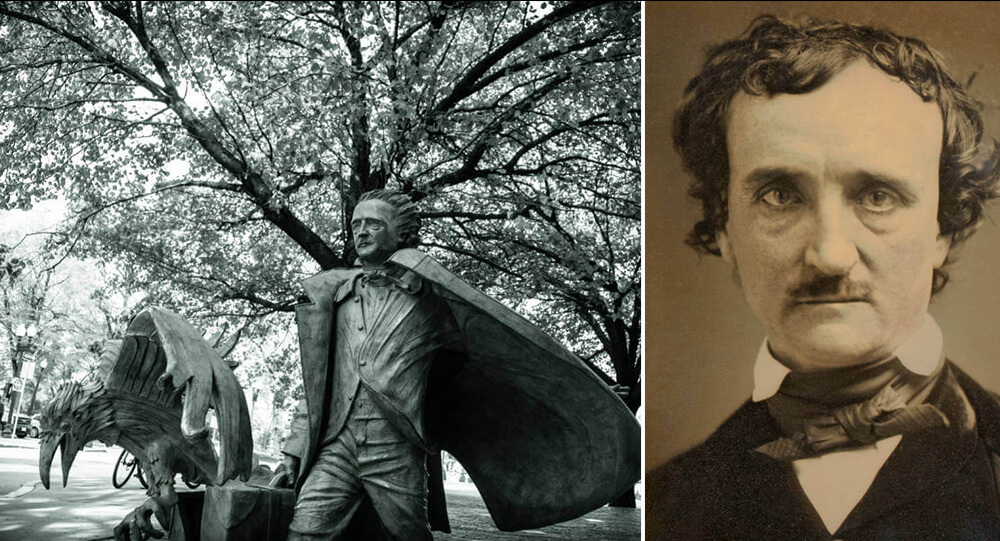
Inside The Mysterious Death Of The Famed Gothic Writer Edgar Allan Poe
Hours before his death Edgar Allen Poe was found on the streets of Baltimore. He was incoherent, wearing another man’s clothes, and unable to explain how he got there. The cause of his death is an unsolved mystery.
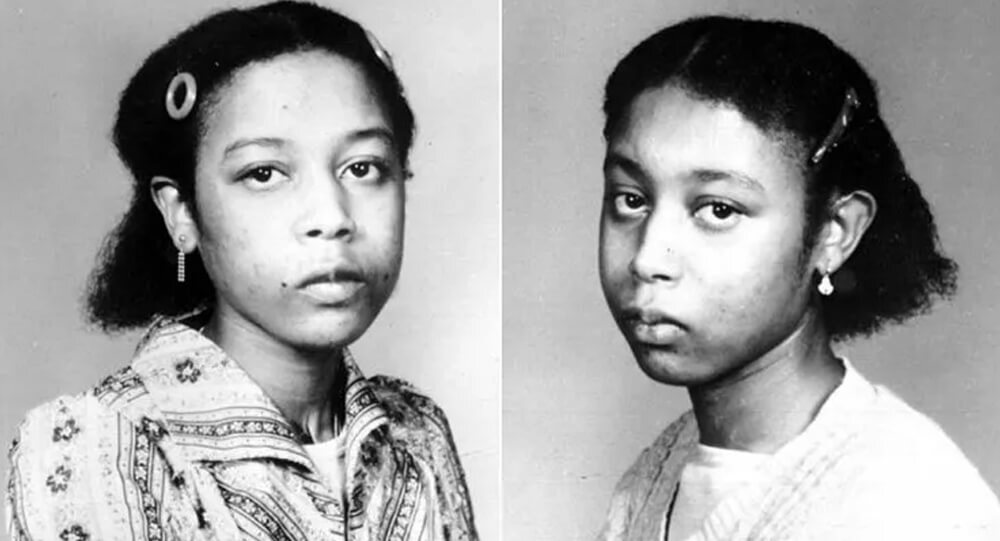
June and Jennifer Gibbons The silent twin who Only Spoke to Each Other
Identical twins June and Jennifer Gibbons were born on 11 April 1963 at a military hospital in Aden, Yemen where their father worked as part of the Royal Air Force.
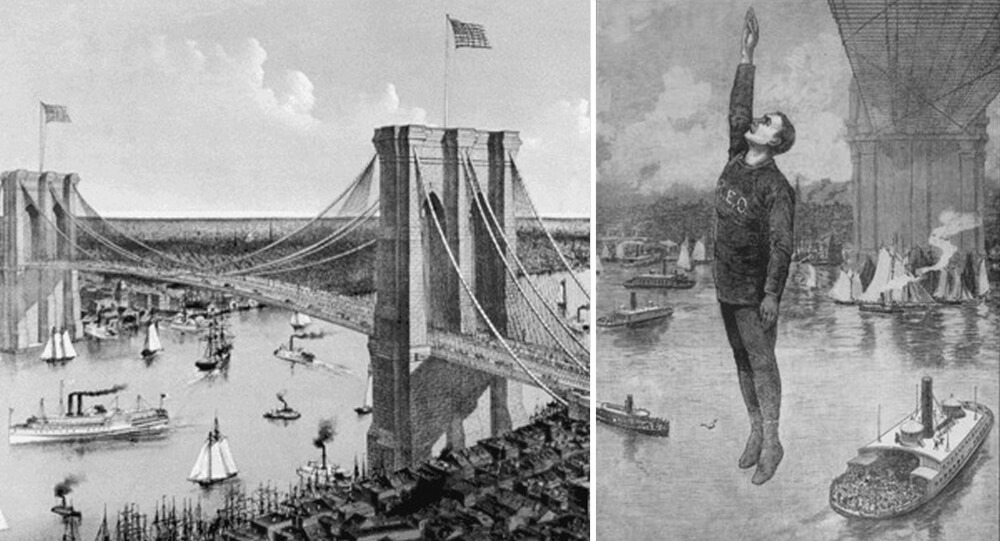
Robert Odlum, the first person to jump off the Brooklyn Bridge
The first person to jump off the Brooklyn Bridge was a professional high diver who "wanted to demonstrate that people did not die simply by falling through the air, thus encouraging people to be willing to jump from a burning building into a net." He proved himself correct by safely falling 135 feet through the air and dying only when he hit the water.
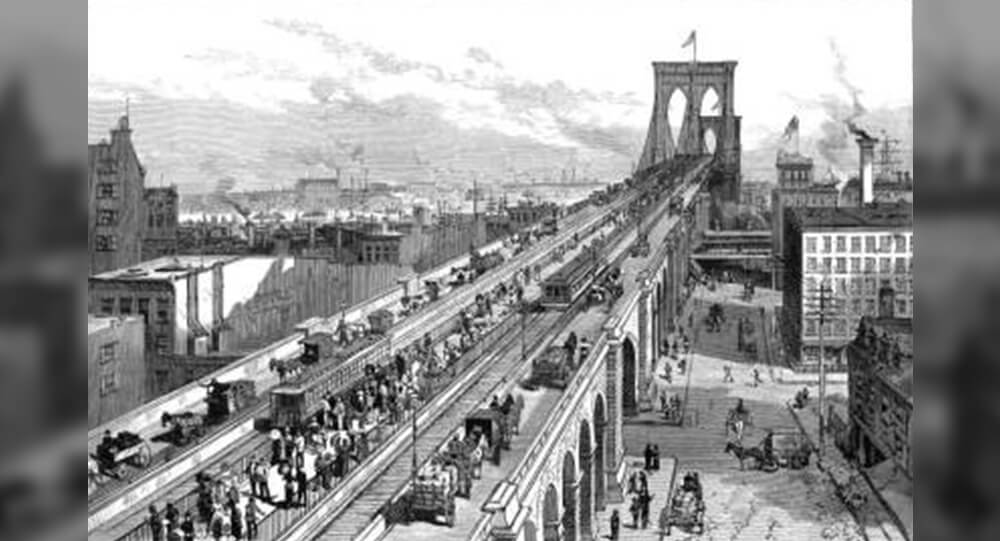
Why the Brooklyn Bridge Was Once Crossed by 17 Camels and 21 Elephants
On May 30, 1883, a rumor that the Brooklyn Bridge was going to collapse caused a stampede, which killed at least at twleve people. To prove the bridge was safe, P.T. Barnum led a parade of 21 elephants over it.
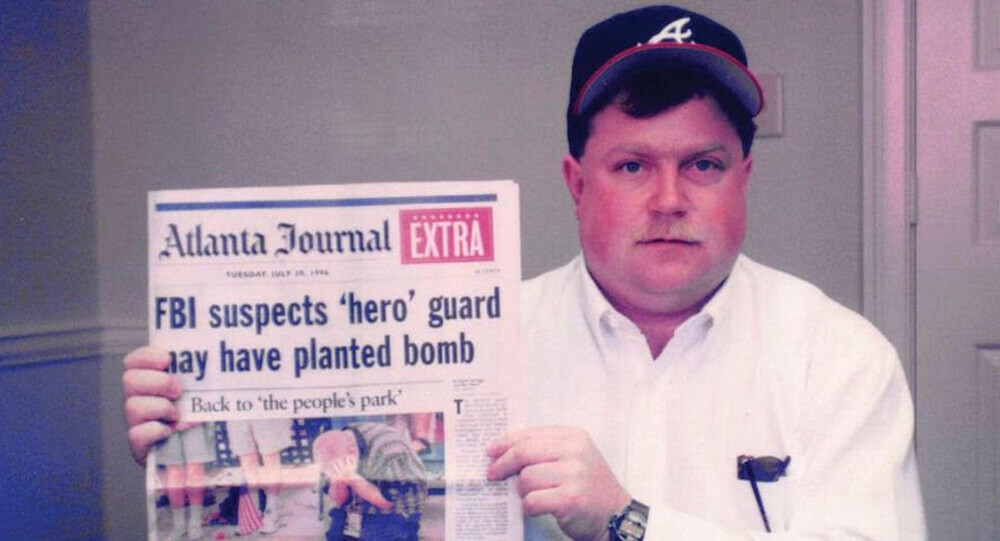
During the 1996 Olympic bombing, Richard Jewell falsely accused of committing the crime after saving dozens of people
Richard Jewell, an American security guard, discovered a bomb during the 1996 Olympic Games in Atlanta and assisted in the evacuation, but was later wrongfully accused and faced public scrutiny. He was cleared, but it had a lasting impact on him until his death in 2007 at the age of 44.
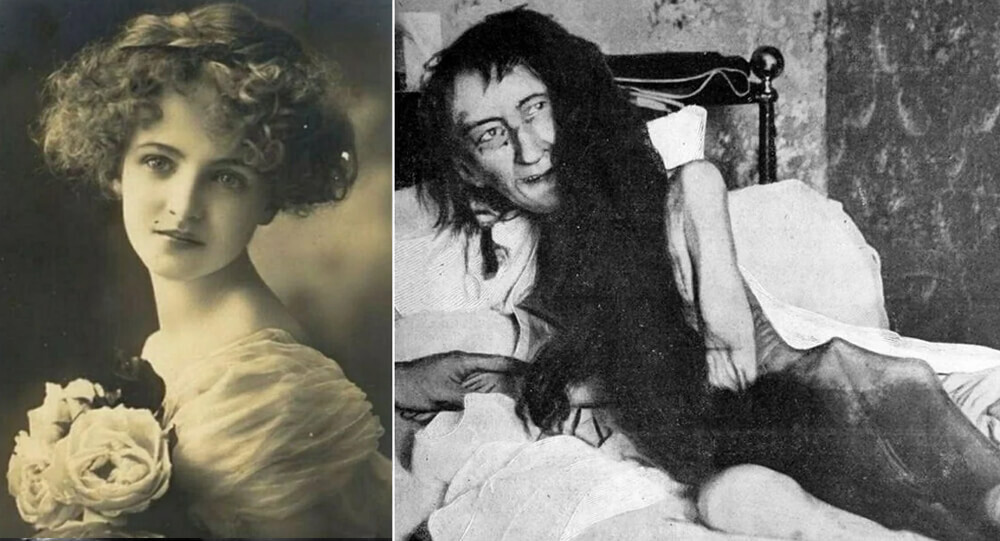
Blanche Monnier: Imprisoned For 25 Years For Falling in Love
Blanche Monnier, she was a French woman noted for her beauty, she wished to marry an old lawyer that her mother disapproved of, so she locked her in a small dark room in her attic for 25 years.
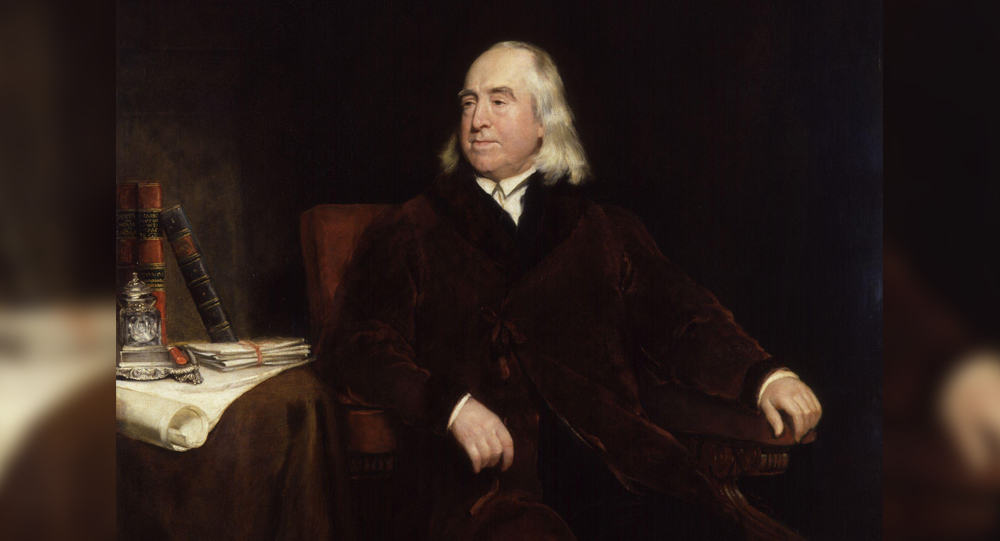
How 18th Century Women’s Rights Movements Shaped Modern Equality
The 18th century marked a turning point in the quest for women’s rights, as passionate voices challenged centuries of gender inequality and laid the groundwork for modern feminism. From pioneers like Mary Wollstonecraft to revolutionary declarations and early advocacy, this era sparked debates on education, political participation, and social justice that continue to resonate today. Journey through the origins of women’s rights movements and discover how their bold ideas shaped the fight for equality.
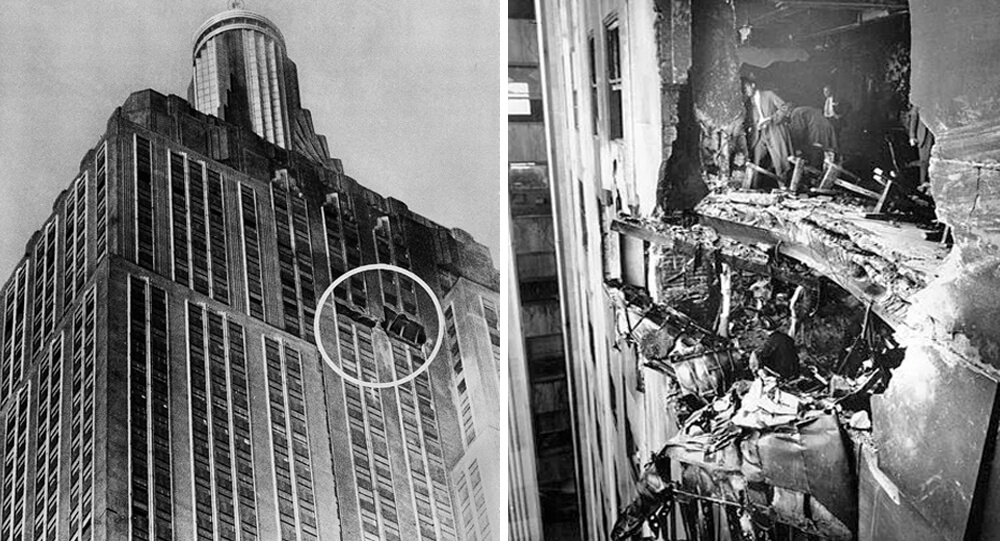
Remembering the 1945 Empire State Building Disaster: When a Plane Met Skyscraper
An airplane crashed into the Empire State Building in 1945. Among other damage, plane parts severed the cables of an elevator and the woman inside fell over 70 stories. She lived and holds the world record for the longest survived elevator fall.

The Day an Israeli F-15 Landed with One Wing: Zivi Nedivi’s Unbelievable Mid-Air Survival
Discover the astonishing true story of Israeli pilot Zivi Nedivi, who safely landed an F-15 after a mid-air collision tore off its entire right wing. Learn how skill, quick thinking, and the F-15’s unique design turned a disaster into a legendary feat in aviation history
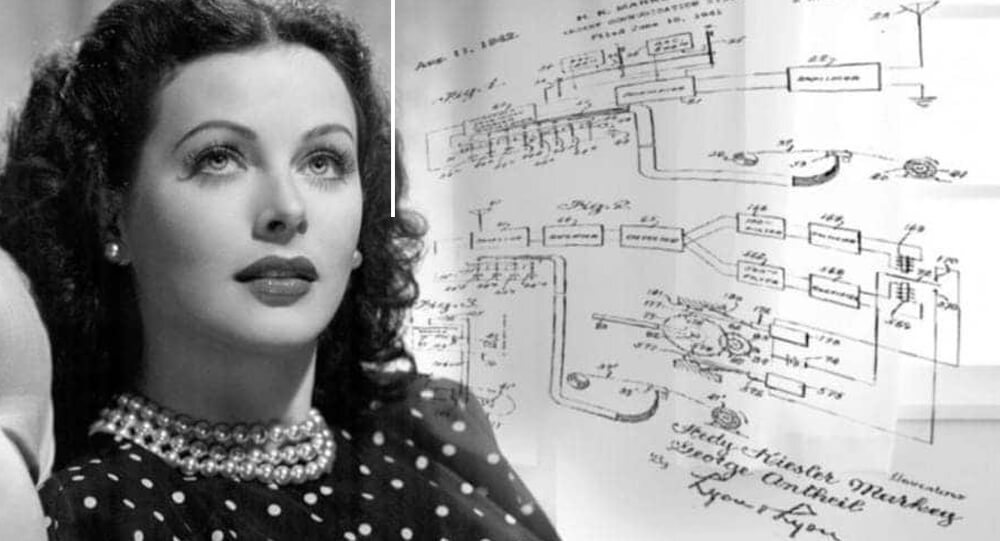
Hedy Lamarr, A Hollywood actress who also a mathematician and inventor
Hollywood actress Hedy Lamarr was also a mathematician and the inventor of frequency hopping spread spectrum, a technology still used for bluetooth and wifi
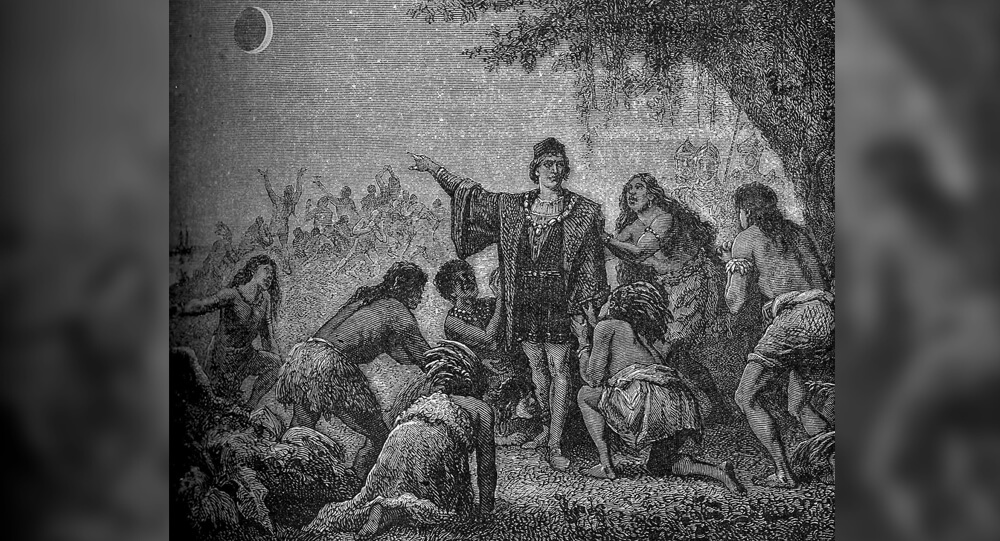
How a Total Lunar Eclipse Saved Christopher Columbus in 1504
In 1504, Christopher Columbus was stranded in Jamaica with natives who refused to give him food. But he knew the date and time of an upcoming lunar eclipse. So he told the natives that his gods were angry at their treatment of him, and would provide a clear sign. Once the eclipse started, the natives raced to give him food and begged for mercy.
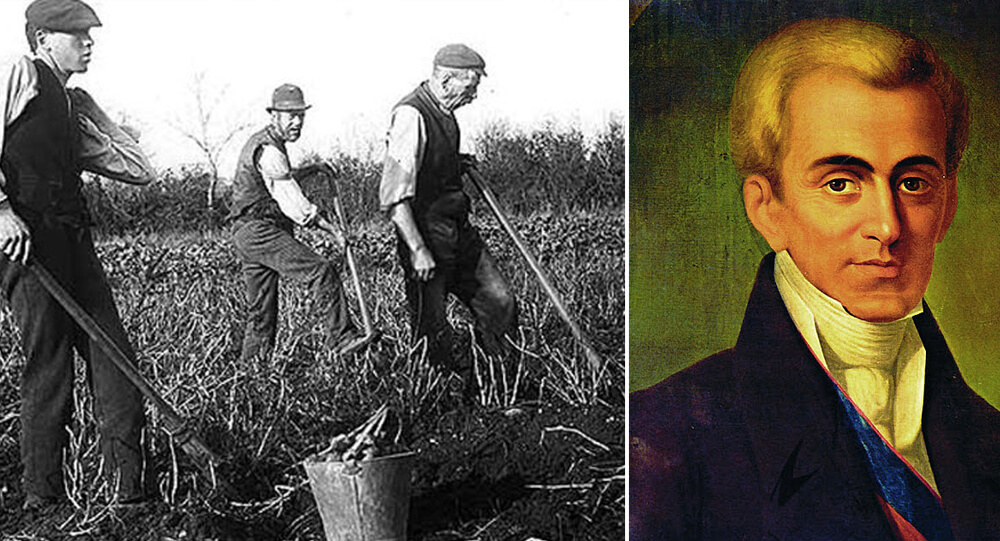
How Greek prime minister in 1830’s tried to spread the potato in Greece
A Greek prime minister in 1830’s tried to spread the potato in Greece but people weren’t interested so he put armed guards in front of shipments of potatoes so people would think they were important. People later started stealing these potatoes a lot which spread the crop to all of Greece.
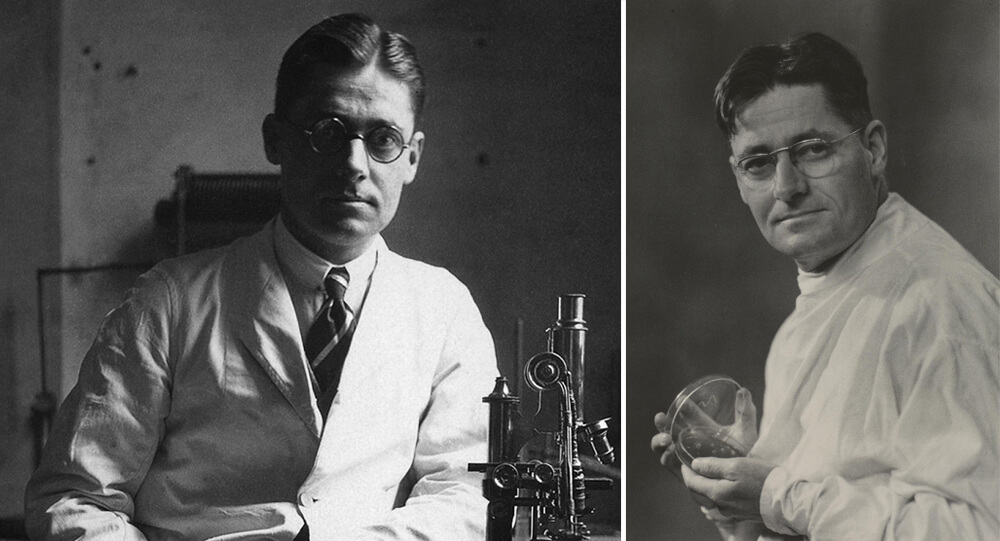
How did Howard Florey discover penicillin
Penicillin was discovered by Alexander Fleming, but he never attempted to turn it into an antibiotic. It wasn't until ten years later that Howard Florey discovered Fleming's obscure paper and understood the mold's potential. Up to 200 million lives may have been saved as a result of Florey's work.
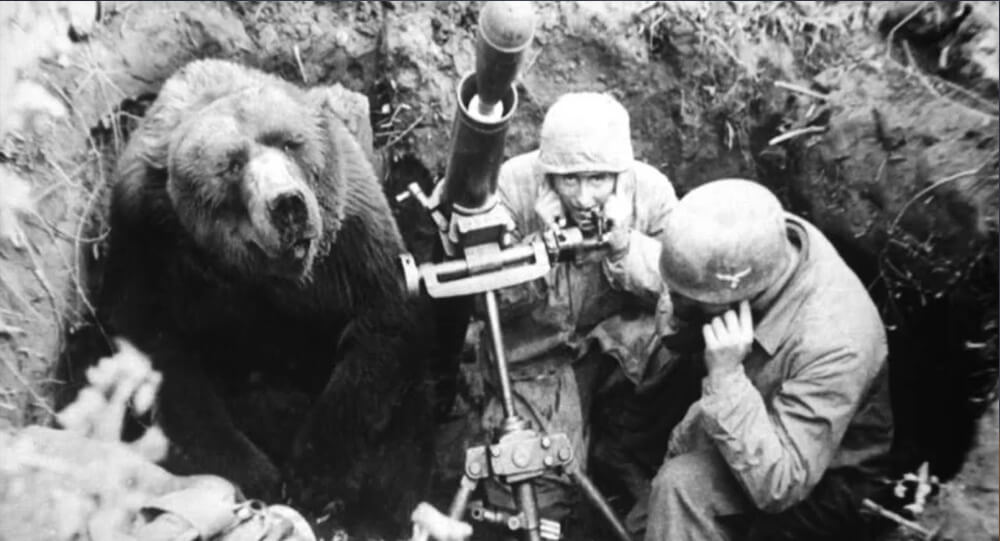
The 440-pound bear named Wojtek and his World War II battle against the Nazis
Polish troops raised an orphaned bear cub during WWII. He enjoyed drinking beer, and was trained to salute. He became officially enlisted as a member of the forces, and helped carry artillery during battle.
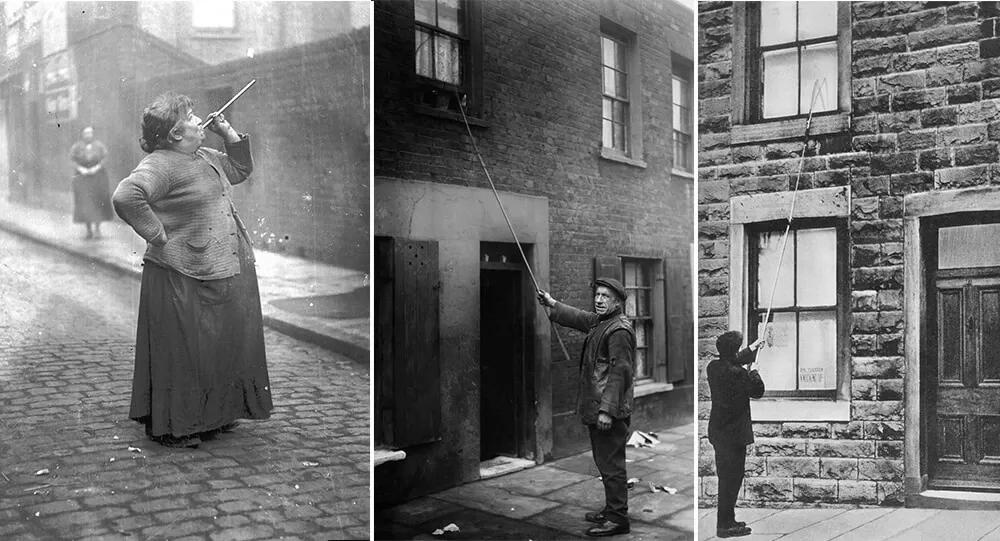
Knockers-up: waking up the Industrial Britain's Workers in 1900-1941
Before alarm clocks were invented, there was a profession called a knocker-up, which involved going from client to client and tapping on their windows (or banging on their doors) with long sticks until they were awake. It lasted into the 1920s.
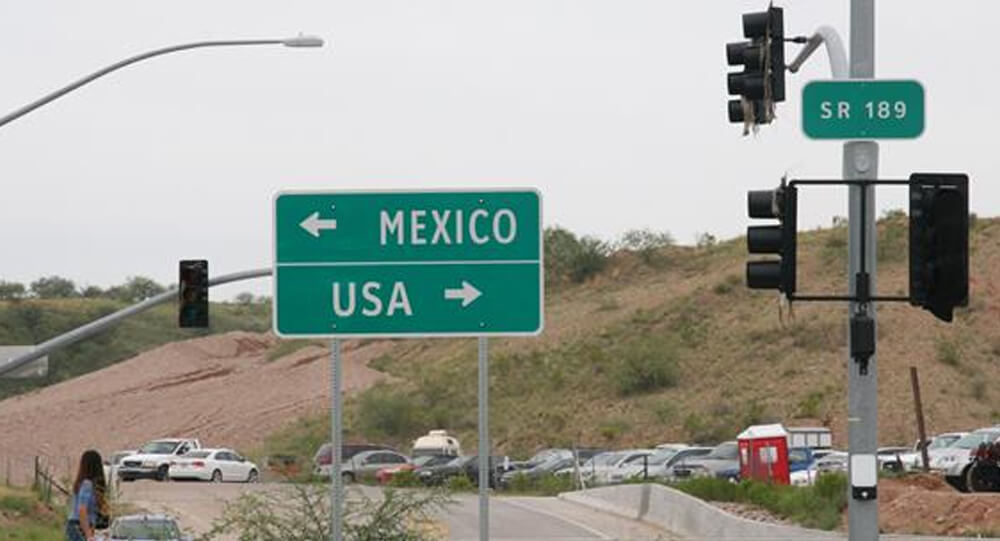
Underground Railroad to Mexico freed thousands of slaves in 1829
Slavery was abolished in Mexico in 1829. Slaves were escaping to Mexico, and slaveholders in the US were aware of this. The US attempted to get Mexico to sign a fugitive slave treaty, which would have required Mexico to send back escaped slaves to the US. But, Mexico refused, arguing that slaves were free as soon as they set foot on Mexican soil.
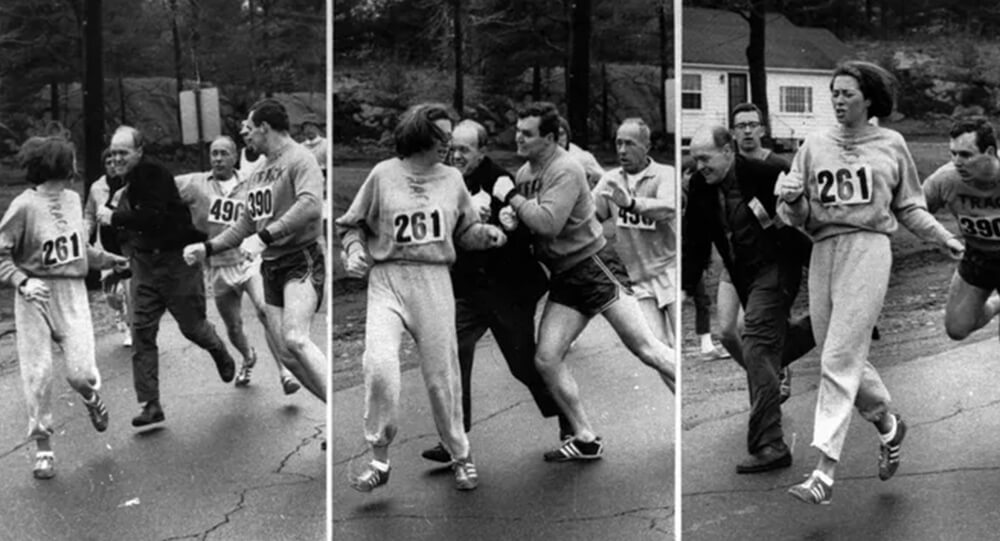
Story of Kathrine Switzer: the first woman to run in Boston Marathon
Before women were allowed to run in the Boston Marathon, Kathrine Switzer participated. A race official attempted to forcefully remove her from the race in 1967, but her boyfriend pushed him down. She was the first female finisher who had a numbered entry in the race.