
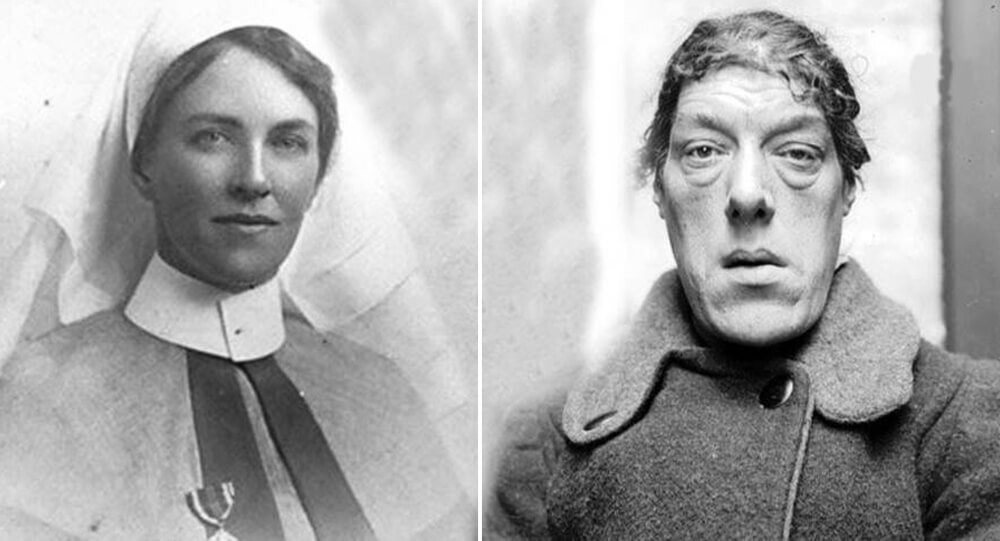

The Tragic Story Of Mary Ann Bevan, The ‘Ugliest Woman In The World’
Early in the 20th century, Mary Ann Bevan, a beautiful Englishwoman, was forced to perform in sideshows and circuses in order to support her family after she was diagnosed with acromegaly.
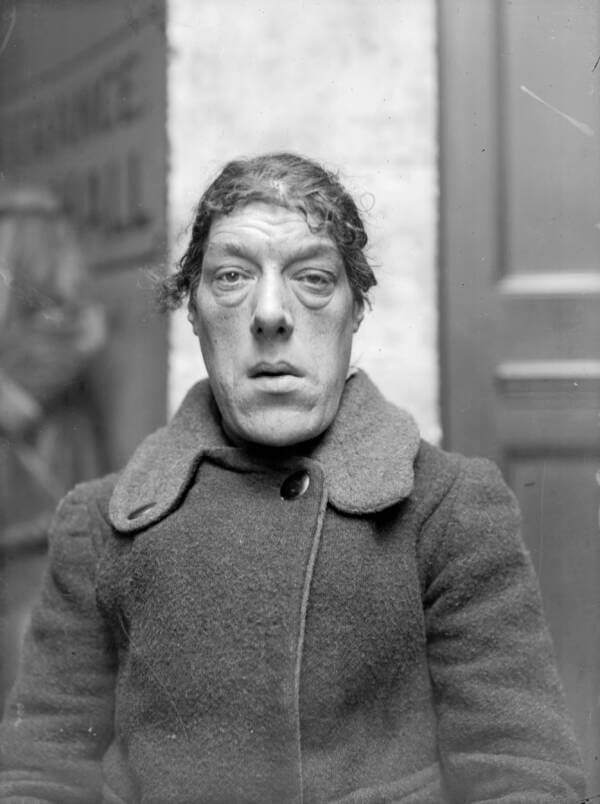
Mary Ann Bevan, who was born in the late 19th century on the outskirts of London, wasn’t always referred to as being “ugly.” In fact, when she was a young girl, she was even thought to be attractive.
That all changed when she developed a rare disfiguring disease well into adulthood and after becoming a mother multiple times. Bevan used her appearance to make a living despite the fact that after a short period of time her hands, feet, and features were completely altered.
This is the story of how Mary Ann Bevan became the Ugliest Woman in the World, one of the most tragic figures in the once-thriving sideshow business, to support herself and her family.
Earlier Years of Mary Ann Bevan
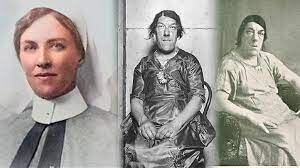
On December 20, 1874, Mary Ann Webster was born to a big family on the outskirts of London. She grew up exactly like her siblings, and in 1894 she earned her nursing license. In 1903, she married Thomas Bevan, a farmer from the county of Kent.
The marriage gave birth to two healthy sons and two healthy daughters, and the Bevans settled into a happy, fruitful life. Sadly, Thomas passed away unexpectedly in 1914, leaving Mary to care for four children on her tiny income. Soon after her husband passed away, she started to exhibit symptoms of acromegaly, a condition in which the pituitary glands produce too many growth hormones.
One of the more uncommon pituitary conditions, acromegaly, can now be treated if caught early enough. Bevan had no way to treat or prevent the condition, however, due to the limitations of early 20th-century medicine, and she soon noticed that her features had changed beyond recognition.
Mary Ann Bevan Deals With Acromegaly Head-On
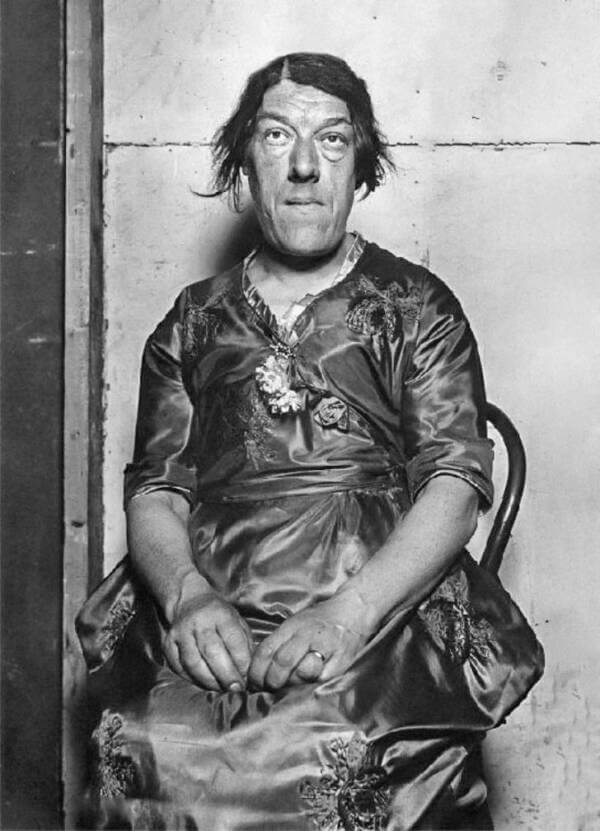
Bevan’s otherwise normal hands and feet grew out of all proportion, her forehead and lower jaw extended, and her nose grew noticeably bigger as a result of her condition. She turned to odd jobs to support her family because her changing appearance made it difficult for her to find and keep a job.
She was permanently altered by the rare condition. Years later, a former worker at the fairgrounds claimed that the farmer she was employed by was the one who told Bevan that “all [she was] fit for [was] the ugly woman competition.”
Bevan took the farmer’s advice to heart and entered the “Homeliest Woman” competition right away, easily defeating 250 other women to win the illustrious title. Since her doctor had assured her that her condition would only get worse, she decided to take advantage of the attention her victory had attracted from sideshow operators in order to support her children. She soon had consistent work performing at fairgrounds all over the British Isles as part of a traveling fair.
In 1920, Bevan responded to the “Wanted: Ugliest woman” advertisement in a London newspaper. Nothing hideous, mangled, or deformed. For the selected applicant, a good salary and a lengthy engagement are guaranteed. The ad had been placed by a British agent for Barnum and Bailey’s circus, who discovered that she had “the face of an ugly woman that was not unpleasant,” which may sound paradoxical.
Mary Ann Bevan’s Sideshow Success
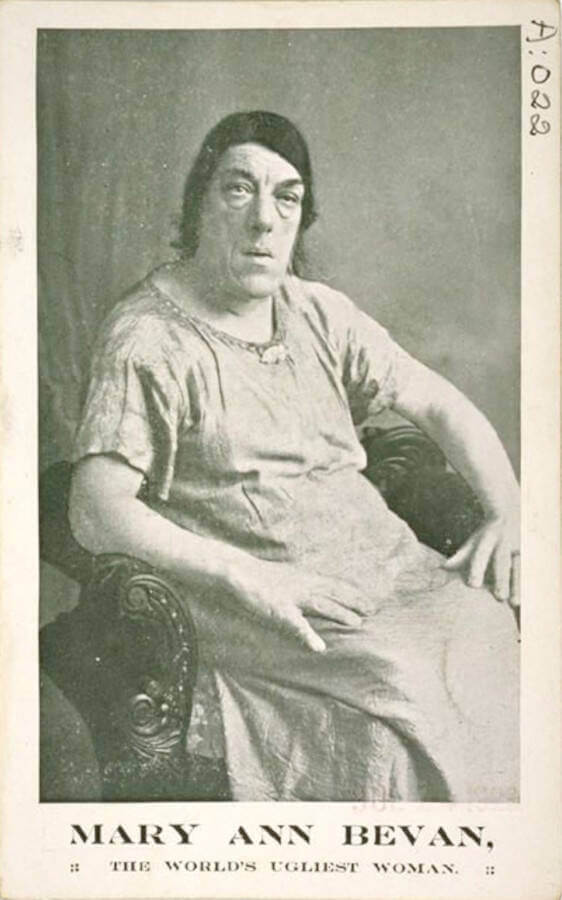
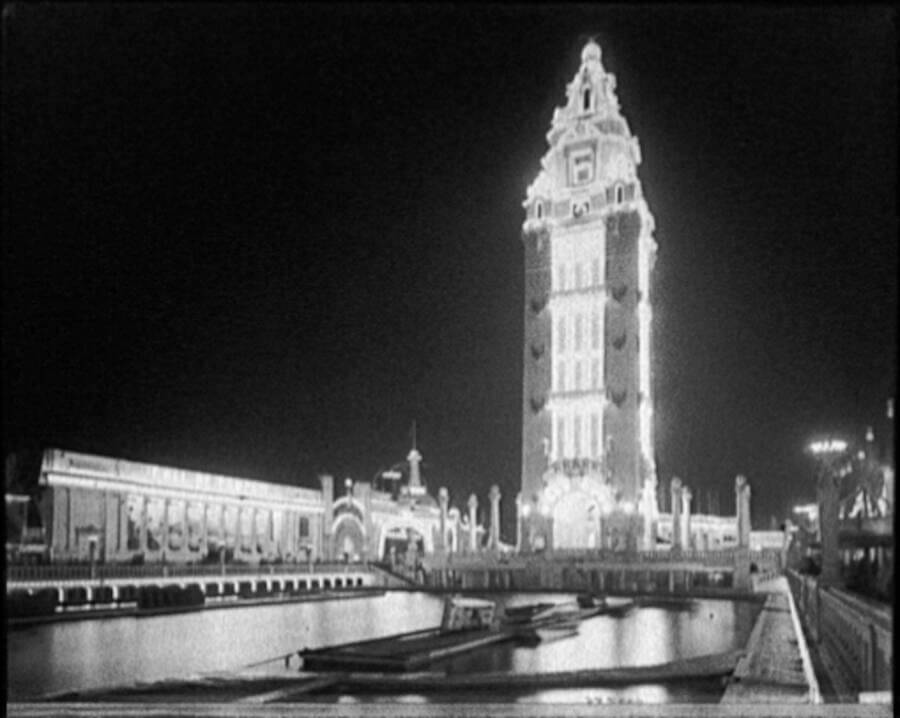
Bevan was invited to perform in the sideshow at Coney Island’s Dreamland amusement park, which at the time was one of the biggest venues in the world for sideshow performers, after mailing the agent a photograph created especially for the occasion. The idea for the attraction originated with Senator William H. Reynolds and promoter Samuel W. Gumpertz, who is regarded as one of the most influential people in sideshow history and later collaborated with Harry Houdini.
She was paraded alongside other well-known sideshow performers like Zip the “Pinhead,” Jean Carroll, the Tattooed Lady, and Lionel, the Lion-Faced Man. The 154 pounds she lugged around on her 5′ 7″ frame, along with her size 11 feet and size 25 hands, were open for all Dreamland visitors to admire. Bevan accepted the demeaning treatment with composure. She “smiled mechanically, offered postcards of herself for sale,” earning enough money for her own education and the education of her kids.
As the years went by, Mary Ann Bevan kept attracting crowds and even joined the world-famous Ringling Bros. and Barnum & Bailey show to perform. In just two years of performing in New York, she earned £20,000, roughly equivalent to $1.6 million in 2022. She also succeeded in her goal of providing for her children.
The Last Days Of Mary Ann Bevan
Bevan also had relationships with people outside of the sideshow crowd and had friends. She began dating Andrew, a giraffe keeper, while she was performing at Madison Square Garden in 1929. She even consented to a makeover at a New York beauty salon, where stylists straightened her hair, gave her a manicure, and massaged her. They also put makeup on her face.
Mary Ann herself, however, upon seeing her reflection, merely said, “I guess I’ll be getting back to work.” Some people cruelly claimed that “the rouge and powder and the rest were as out of place on Mary Ann’s countenance as lace curtains on the portholes of a dreadnought.”
Bevan worked at Coney Island for the remainder of her life, passing away there on December 26, 1933, at the age of 59. She was buried in Brockley and Ladywell Cemetery in Southeast London before being flown back to her native country for her funeral.
Mary Ann Bevan was a forgotten figure known only to experts in sideshow history for many years before her likeness was mockingly used on a Hallmark card in the early 2000s. The card was withdrawn after concerns were raised about further humiliating her.

The Horrific story of Ariel Castro and the Cleveland abduction
Cleveland abduction victims Gina DeJesus, Michelle Knight, and Amanda Berry were forced to live in Ariel Castro's house of horrors for 10 years. He raped and beat them until they escaped in 2013.

Saudi Arabia camel carvings dated to prehistoric era
Archaeologists were shocked to discover that a series of camels carved into desert rock faces in north-western Saudi Arabia are actually prehistoric, dating from 7,000-8,000 years ago - before either the Pyramids of Giza or Stonehenge were built.
How did Howard Florey discover penicillin
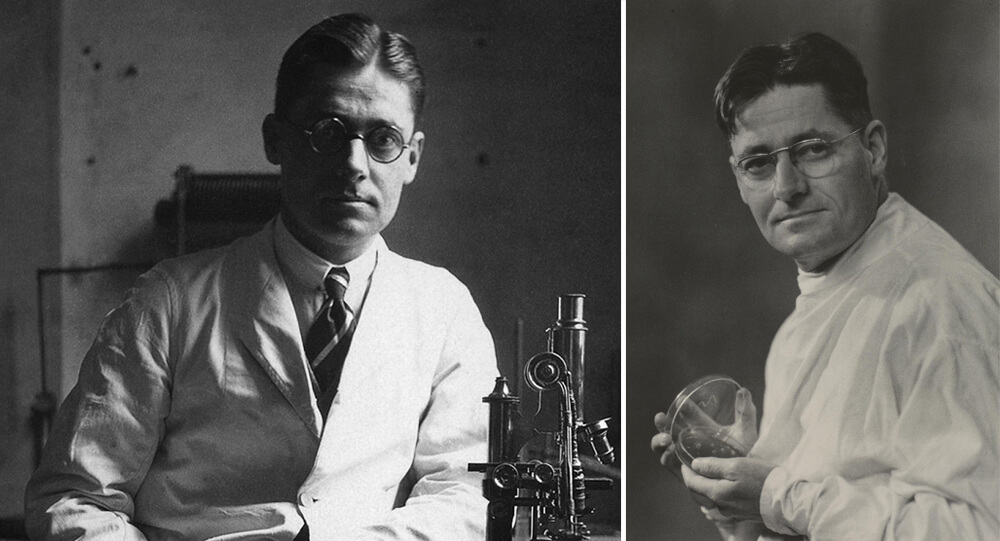
Penicillin was discovered by Alexander Fleming, but he never attempted to turn it into an antibiotic. It wasn't until ten years later that Howard Florey discovered Fleming's obscure paper and understood the mold's potential. Up to 200 million lives may have been saved as a result of Florey's work.
The true story Of The Radium Girls that change US labor laws
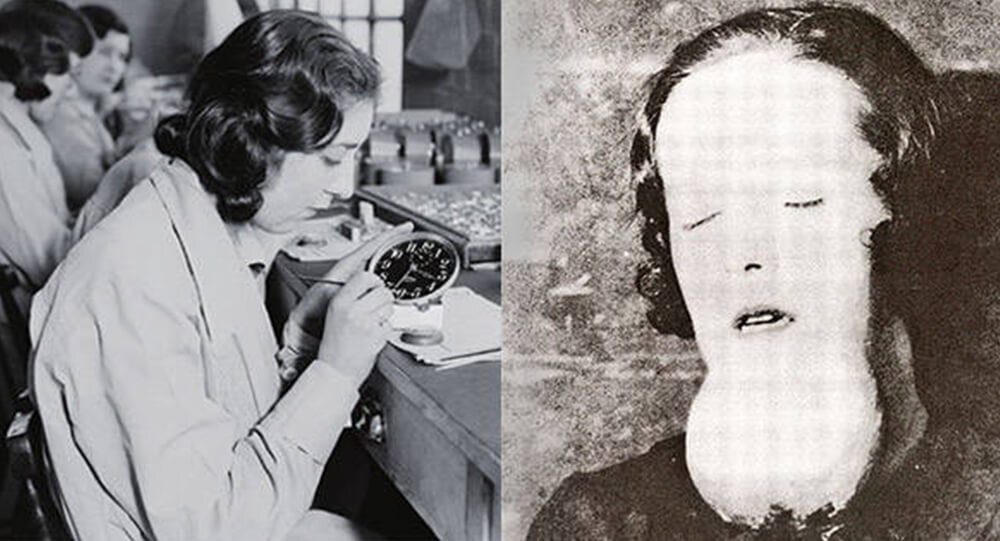
Hundreds of young women worked in clock factories during World War I, painting watch dials with luminous radium paint. The company lied about the risk of radiation, claiming there was no danger, which resulted in the death of the young women.

15 interesting facts about Queen Elizabeth II
Queen Elizabeth II, who ruled Britain for 70 years, has away at the age of 96. She was the country's longest-reigning monarch. Here are some little-known facts about her.
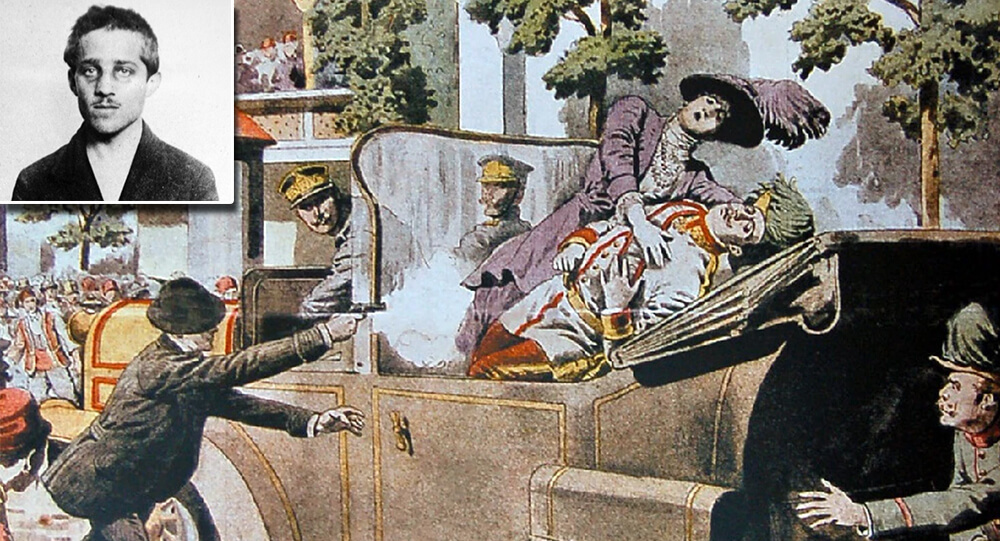
Franz Ferdinand’s Assassination that sparked World War I
Archduke Franz Ferdinand of Austria and his wife Sophie are shot to death by a Bosnian Serb nationalist during an official visit to the Bosnian capital of Sarajevo on June 28, 1914. The killings sparked a chain of events that led to the eruption of World War I by early August.

Tunnels Dug by ancient giant sloths, A South American Megafauna
For years, scientists didn’t know what caused mysterious cave networks in South America. In 2010, they learned that the caves were actually tunnels dug by ancient giant sloths

The Day an Israeli F-15 Landed with One Wing: Zivi Nedivi’s Unbelievable Mid-Air Survival
Discover the astonishing true story of Israeli pilot Zivi Nedivi, who safely landed an F-15 after a mid-air collision tore off its entire right wing. Learn how skill, quick thinking, and the F-15’s unique design turned a disaster into a legendary feat in aviation history

Reason Behind The Suicide Of Christine Chubbuck Live On Air
Actor Rebecca Hall had serious reservations about tackling the macabre story around why Chubbuck killed herself in 1974. So what changed her mind?
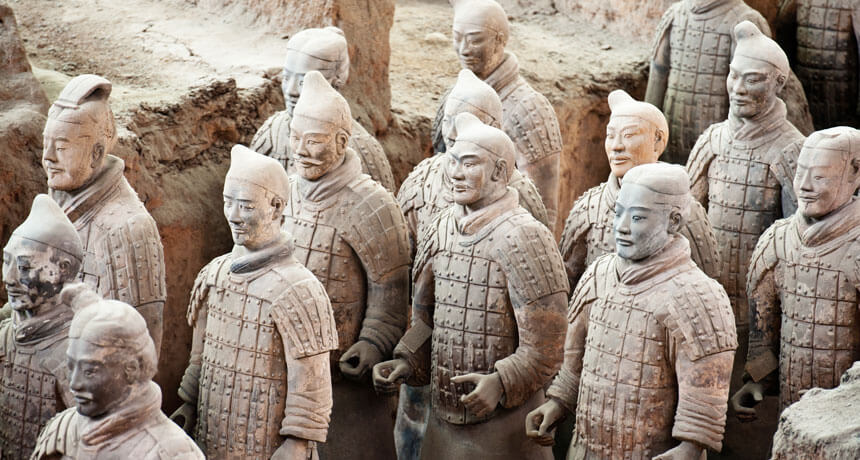
Top 10 Greatest and shocking Archaeological Discoveries of All Time
While we're all locked at home, there's no better way to escape to another time and place than to learn about amazing archeological sites and discoveries from around the world. Here are the 10 greatest and shocking archaeological discoveries —and don't be shocked if they inspire future trip plans whenever it's safe to do so again.
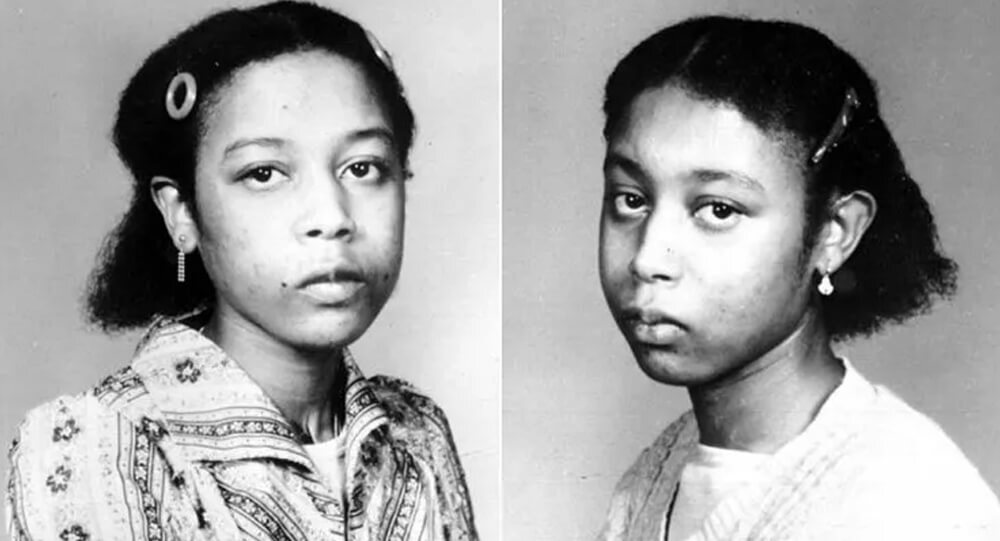
June and Jennifer Gibbons The silent twin who Only Spoke to Each Other
Identical twins June and Jennifer Gibbons were born on 11 April 1963 at a military hospital in Aden, Yemen where their father worked as part of the Royal Air Force.
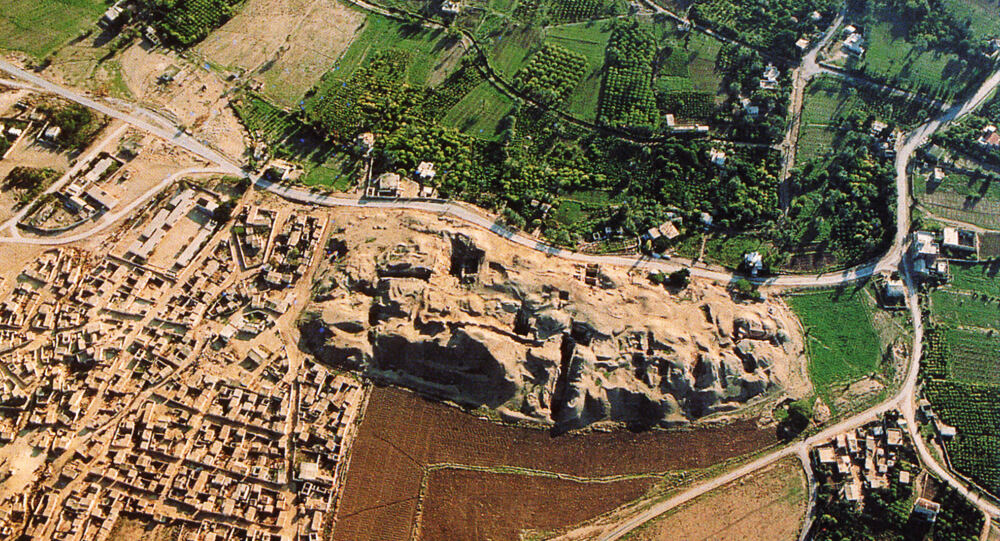
Ancient Jericho: The First Walled City In History
The ancient city of Jericho is the world's oldest walled city, with evidence of stone fortifications dating back nearly 9000 years.
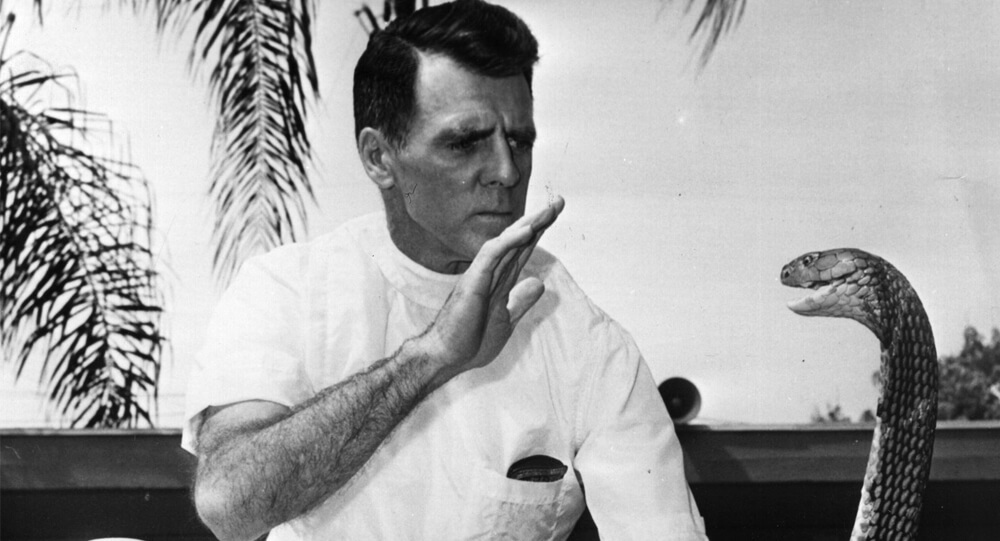
The story of Bill Haast, who lived to be 100 despite his extensive snake venom injections
Bill Haast immunized himself by injecting snake venom into his blood for several years. He holds the Guinness World Record for surviving the most lethal snake bites, having been bitten over 172 times. Bill became known as "Snake Man" around the world and lived for over 100 years.


Mother who spent entire life savings for daughter’s cancer treatment won the lottery
A mother won $2 million from a $10 scratch-off lottery ticket after she spent all of her entire life savings to pay her daughter’s cancer treatment. She bought the winning ticket after her daughter’s last cancer treatment.
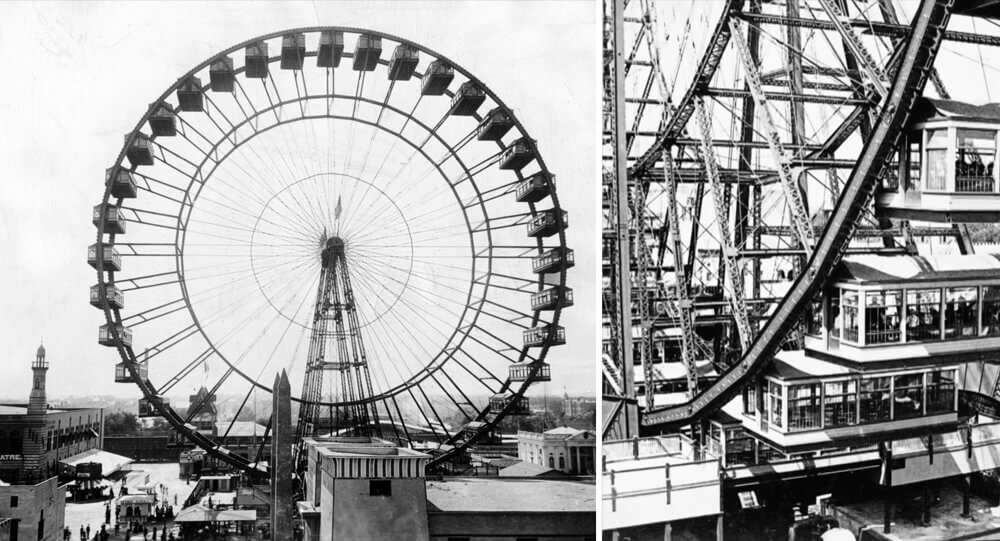
how Ferris wheel invented
In 1891, Chicago challenged engineers to create a structure to surpass the Eiffel Tower for the World's Columbian Exposition. George Washington Gale Ferris jr. responded with the original Ferris Wheel, a giant rotating structure elevating visitors above the city. This invention became an iconic attraction at the fair.
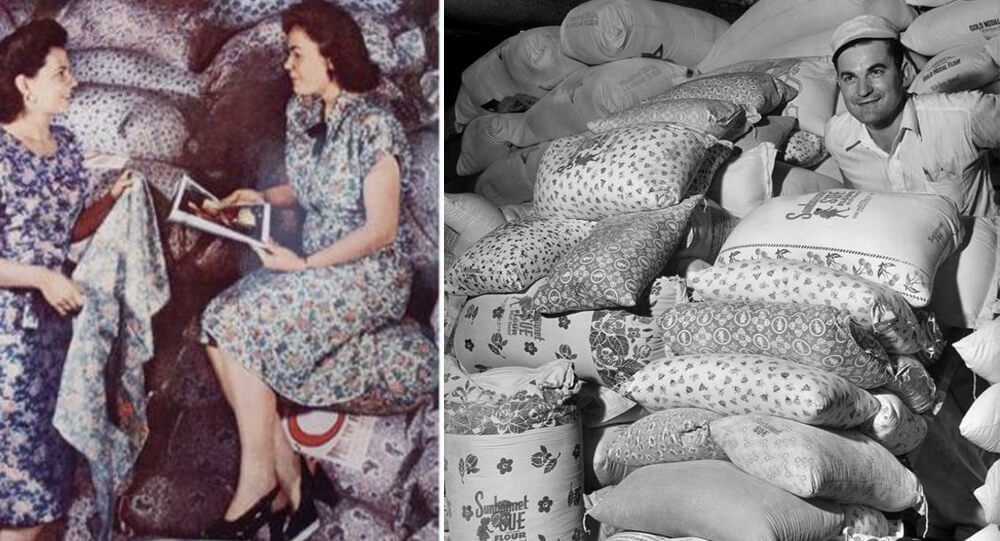
The history of Flour sack clothing fashion
After Kansas mill owners found women reused flour sack materials into apparel in the 1920s and 1930s, they started applying patterned designs to give families with more fashionable patterns and material.
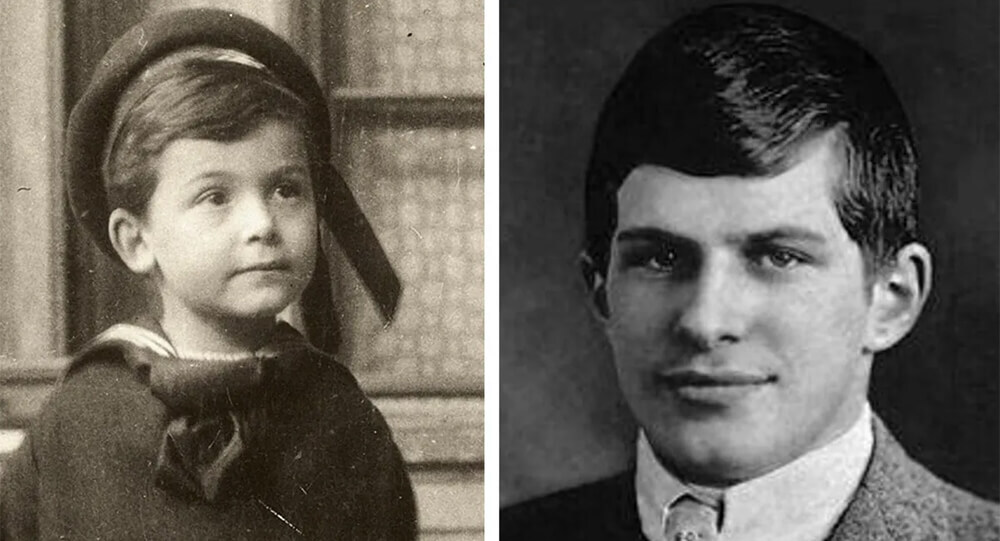
William James Sidis: The smartest person yet forgotten by people
William James Sidis, who was only 11 years old when he enrolled in Hardvard, finished his primary and secondary schooling in less than a year. He knew eight foreign languages by the age of eight and even invented his own language, "vedergood."
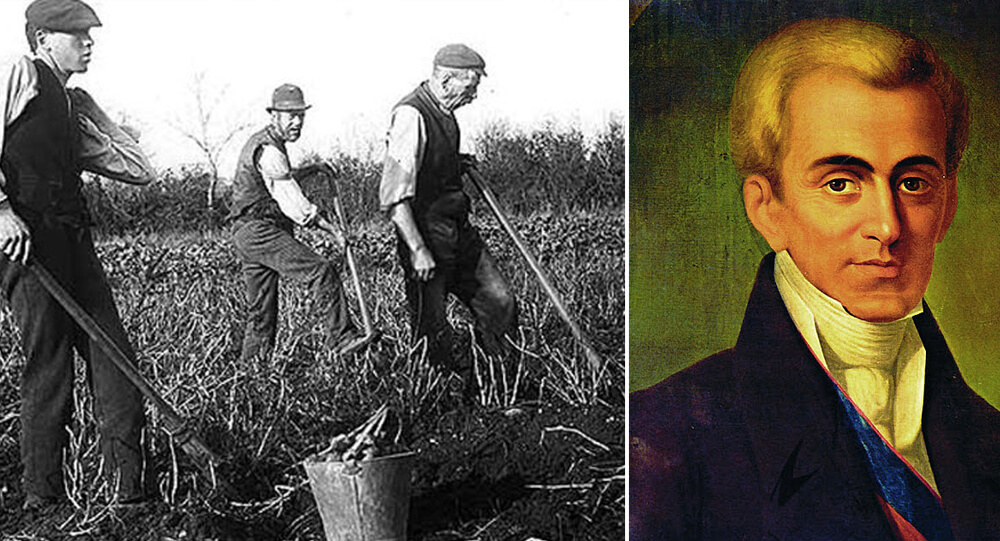
How Greek prime minister in 1830’s tried to spread the potato in Greece
A Greek prime minister in 1830’s tried to spread the potato in Greece but people weren’t interested so he put armed guards in front of shipments of potatoes so people would think they were important. People later started stealing these potatoes a lot which spread the crop to all of Greece.
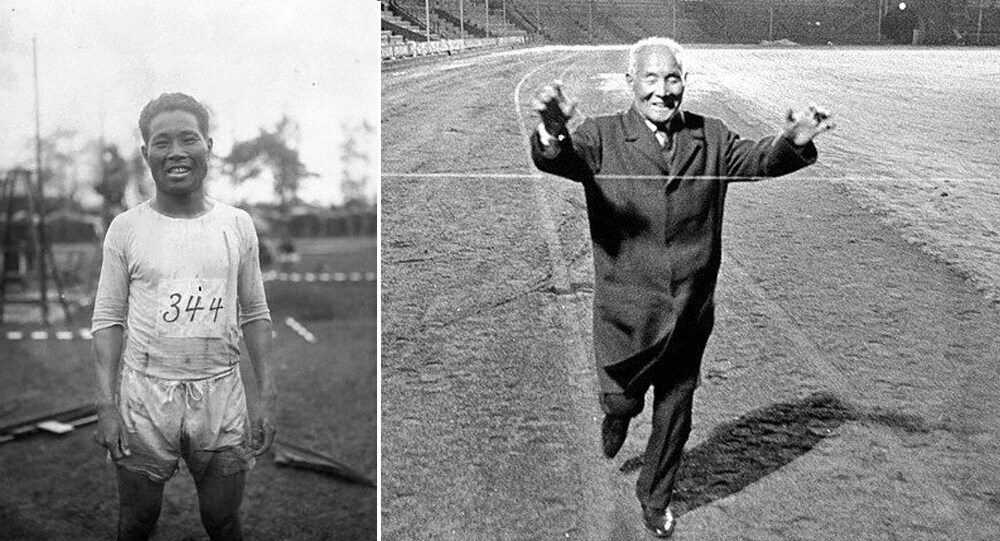
Shizo Kanakuri’s 1912 Olympic Marathon Finished 54 Years
At the 1912 Olympics, a marathon runner quit and went home to Japan without telling officials and was considered a missing person in Sweden for 50 years. In 1966, he was invited to complete the marathon. His time: 54 years, 8 months, 6 days, 5 hours, 32 minutes, and 20.379 seconds.
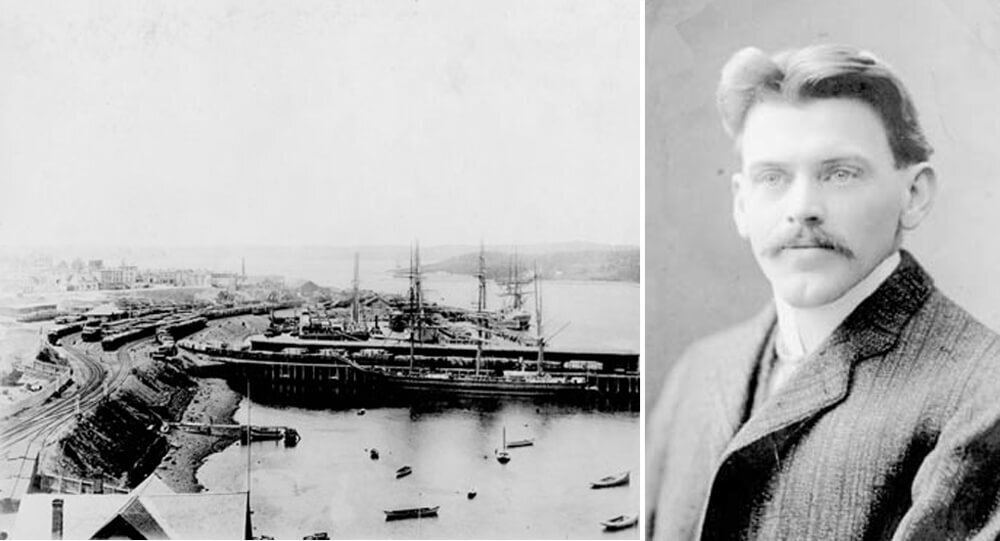
Vince Coleman, a railway dispatcher, sacrificed his own life
Vince Coleman, a railway dispatcher, sacrificed his life in order to warn an incoming train of an imminent explosion. His telegraph said “Hold up the train. Ammunition ship afire in harbor making for Pier 6 and will explode. Guess this will be my last message. Good-bye, boys.” He saved 300 lives.
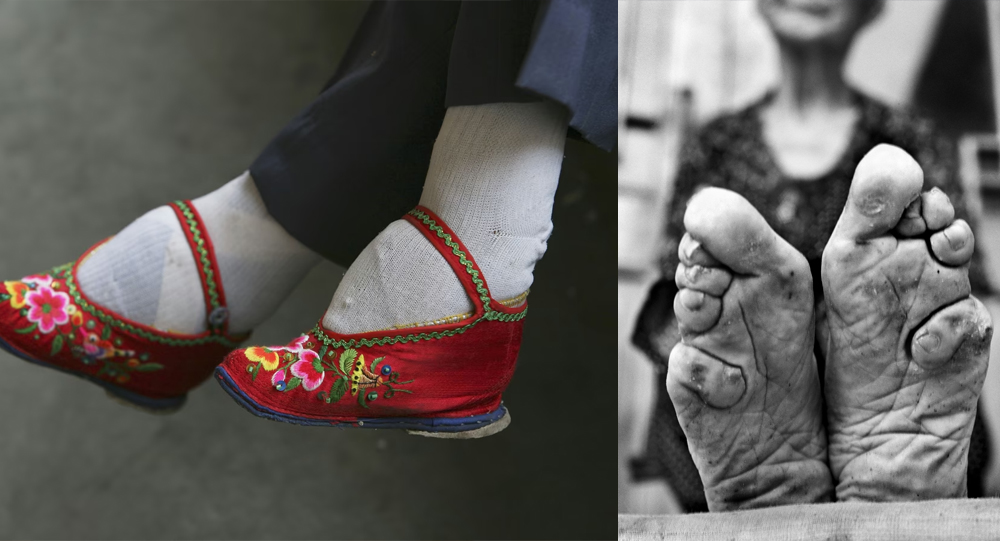
Inside China’s Footbinding Tradition: The Painful Ritual of Lotus Shoes and Bound Feet
In China, Lotus shoes were used to bind women's feet to keep their feet small
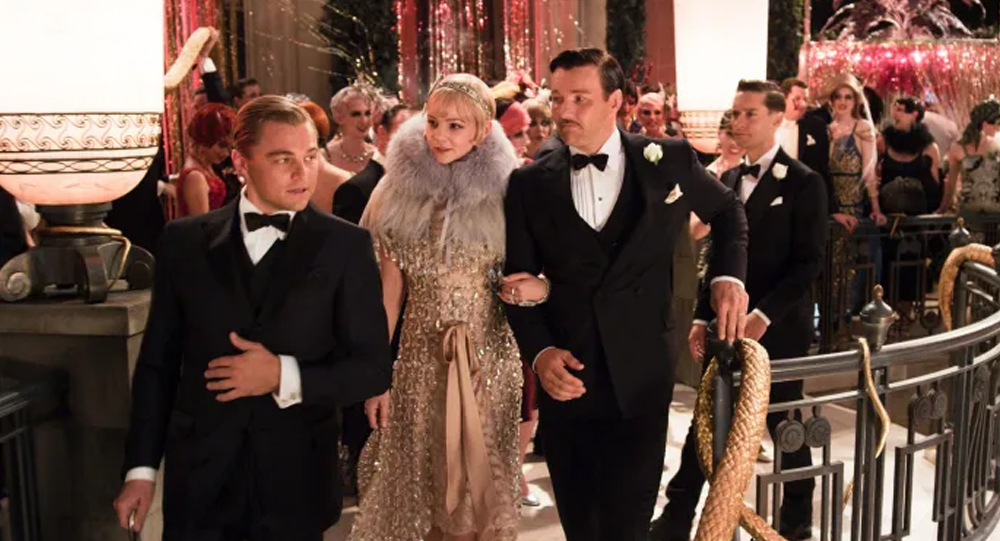
From Flapper to Fashion Week: How 1920s Style Still Shapes Modern Trends
The roaring 1920s revolutionized fashion, introducing bold styles, daring cuts, and a spirit of freedom that still inspires today’s wardrobes. From flapper dresses to statement accessories, here’s how the Jazz Age lives on in modern fashion.
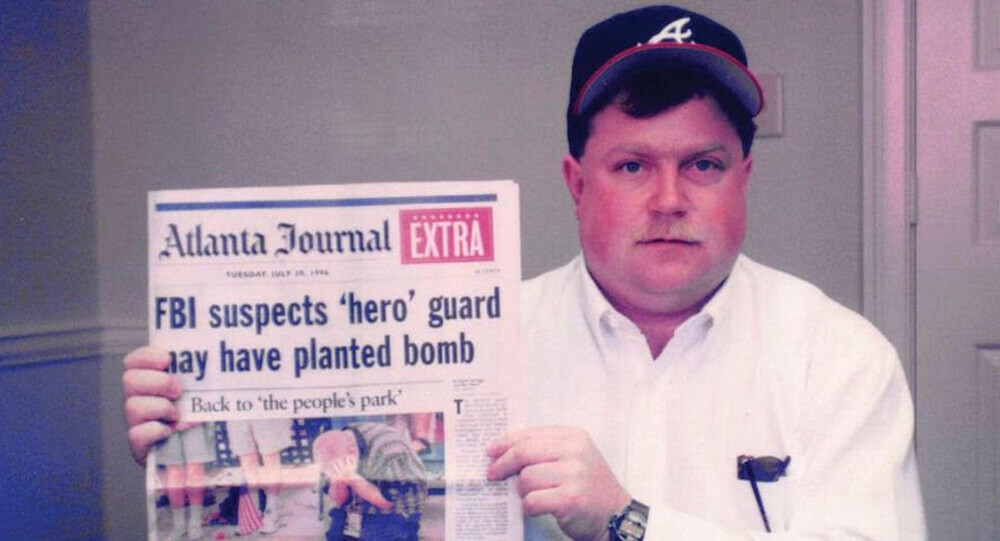
During the 1996 Olympic bombing, Richard Jewell falsely accused of committing the crime after saving dozens of people
Richard Jewell, an American security guard, discovered a bomb during the 1996 Olympic Games in Atlanta and assisted in the evacuation, but was later wrongfully accused and faced public scrutiny. He was cleared, but it had a lasting impact on him until his death in 2007 at the age of 44.
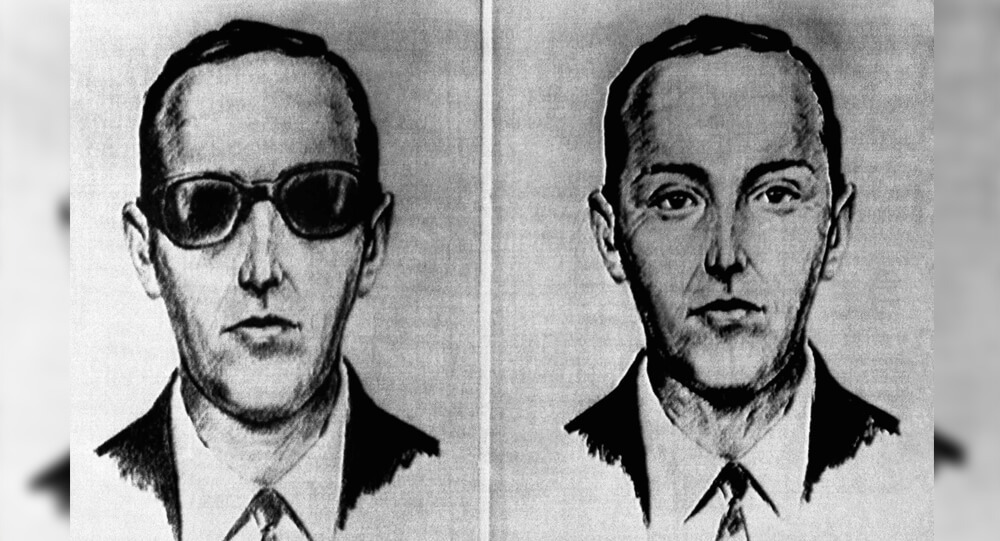
D.B. Cooper: Man who hijacked a plane and jumped out with a $200,000
On November 22, 1971, DB Cooper hijacked a Boeing 727, drank a whisky, smoked a fag, and then jumped out of the plane with $200,000. He was never again seen.
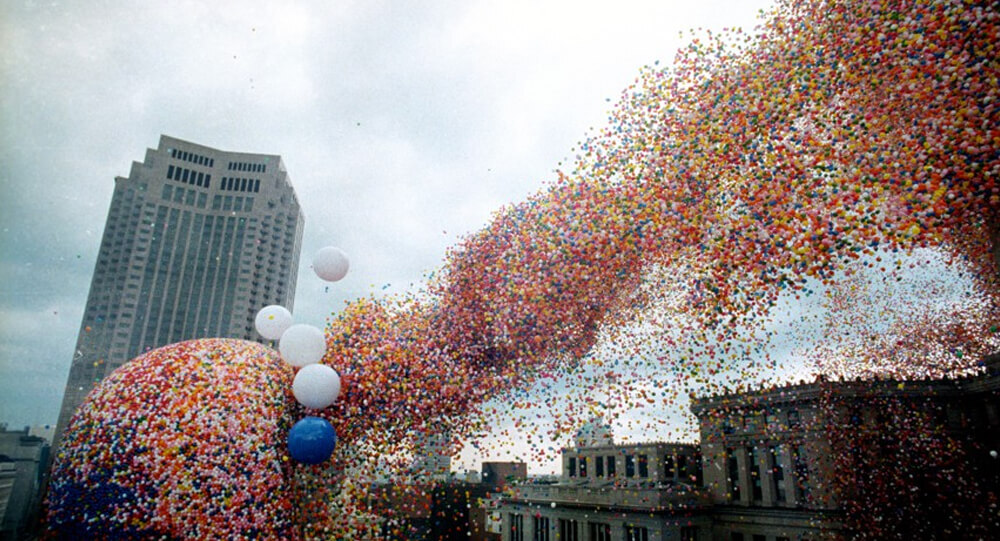
How Cleveland's Balloonfest in 1986 Turned Into a Public Tragedy
In Cleveland, Ohio, United Way broke the world record by deflating nearly 1.5 million balloons as part of a publicity stunt to raise money. The balloon obstructed a US Coast Guard search for two boaters who were subsequently discovered to have drowned, blocked airport runways, and blocked land and waterways.