From huge mountains and roaring waterfalls to deep woods and stunning beaches, we’re spoiled for choice when it comes to natural wonders. Our focus in this article is on rock formations, which are a particular type of natural event.
For many years, people have been attracted to these spectacular-looking boulders because of their shape, components, location, or picturesque surroundings. Many of them are massive, and seeing them is an amazing experience.
1. Khao Ta-Pu, a.k.a. James Bond Island, Thailand
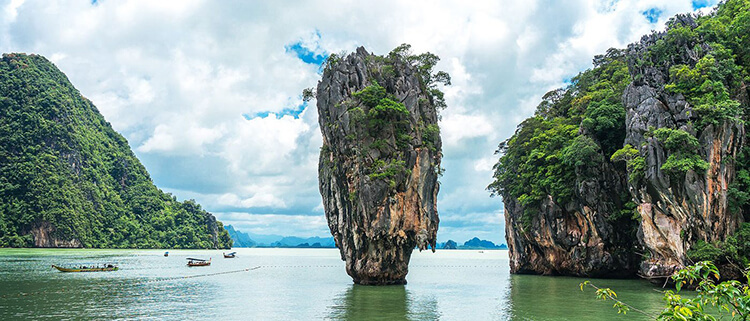
James Bond fans will remember this renowned rock in Thailand’s Phang Nga Bay. This 20-metre-high limestone rock (whose diameter grows towards the top) is part of the Ao Phang Nga Marine National Park since 1981. As a result, boats are prohibited from getting too close to this spectacular limestone feature.
2. Hoodoos, North Mexico
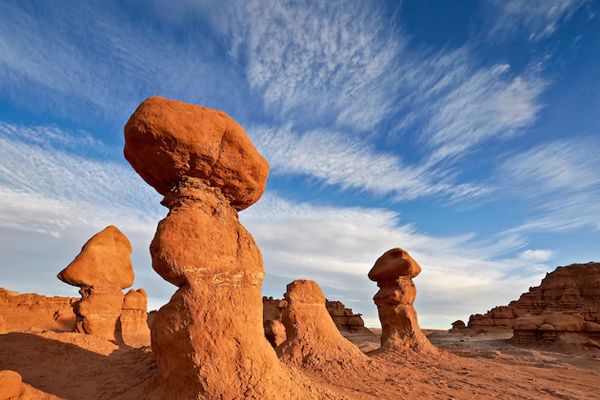
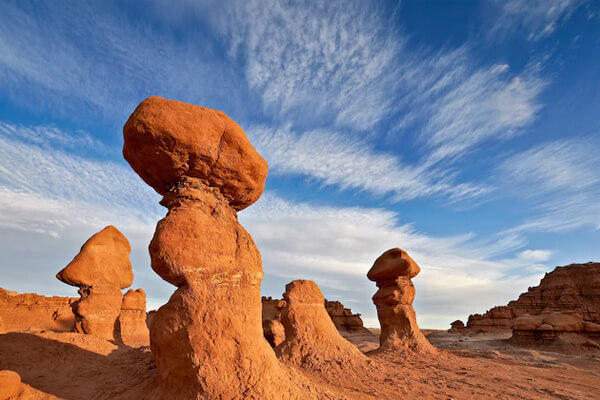
Hoodoos are one of the top 10 rock formations in the world, according to the National Geographic Society. Due to its distinctive shapes and sizes, Hoodoos draw thousands of tourists every year. Some of the most remarkable rock formations in the world may be found in the dry, desert region of northern Mexico. Rocks formed of sandstone that have been eroded over time have taken on the shape we see today. As small as 5 feet and as large as 100 feet, you’ll find rock formations in the Hoodoos region. It’s easy to see all the many layers that have been revealed due to the erosive process. As a result, the region was proclaimed a protected area.
3. Perce Rock, Canada
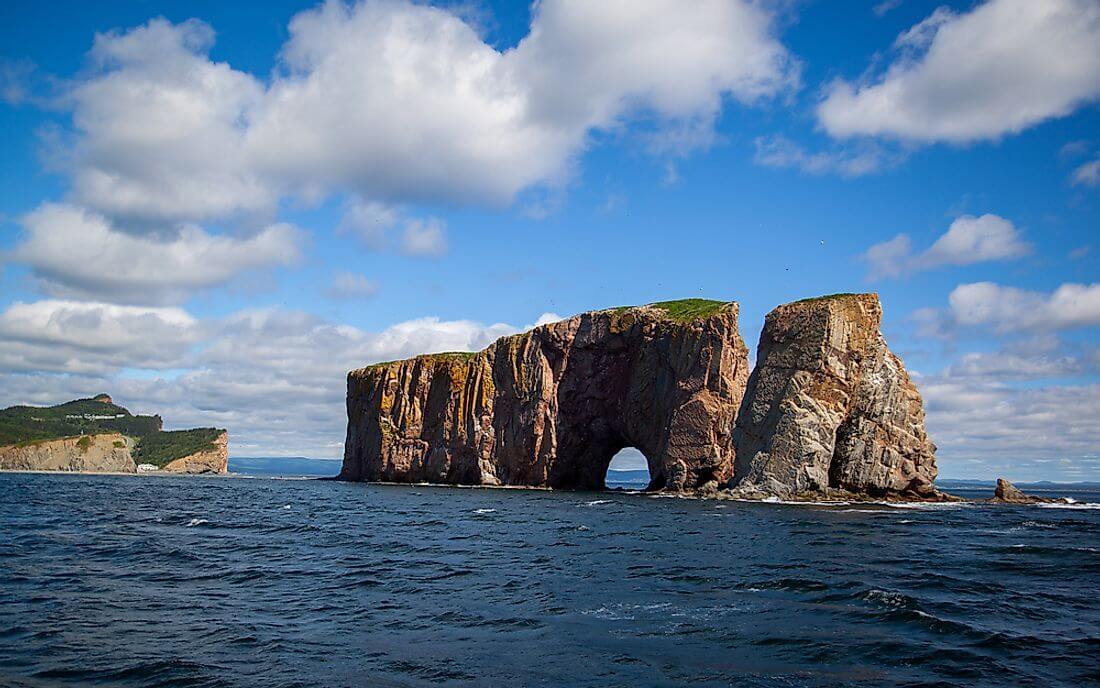
The reddish coloured rock, formed of limestone and shale, is a popular tourist destination in Quebec. Metamorphic rock formation, weighing 5 million tons. The 400 million-year-old granite formation is located in the middle of the sea, and it still looks great today. “The rock has the appearance of a lobster claw,” he said. By ferry, you can reach the rock, although it’s mainly for viewing purposes.
4. Giant’s Causeway, Northern Ireland
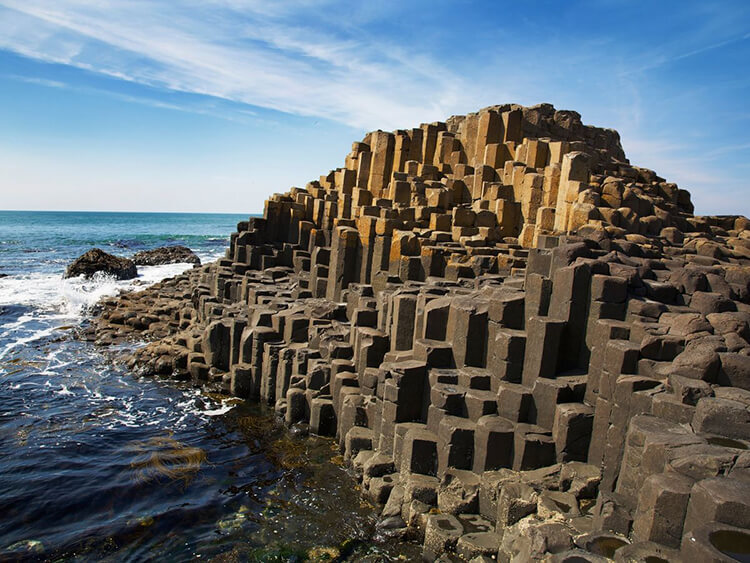
Located in County Antrim in Northern Ireland, Giant’s Causeway is a beautiful example of the aftermath of volcanic activity. It is a UNESCO World Heritage Site. A total of over 40,000 interlocking basalt columns have been created by the rapid cooling of lava forced through fractures in the seafloor. Their hexagonal shape gives them the look of man-made creation. In Northern Ireland, this place continues to be a popular tourist attraction.
5. Horseshoe Bend, USA
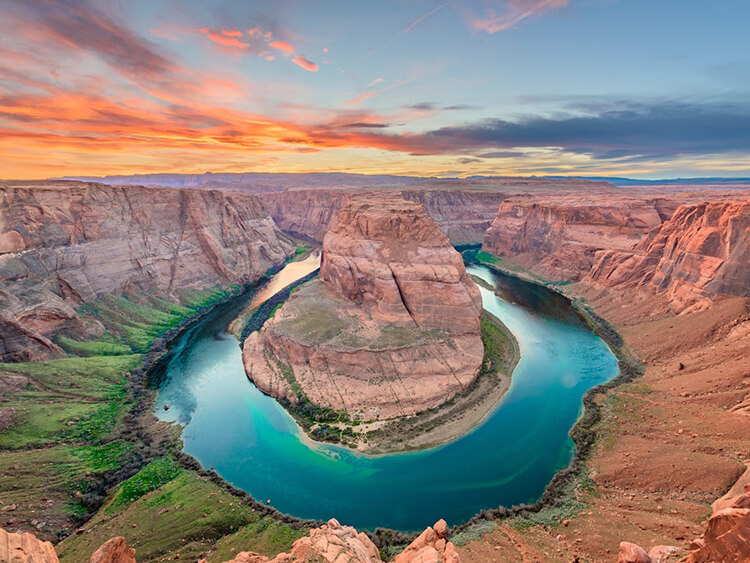
Horseshoe Bend is a natural wonder just outside of Page, Arizona. A deep valley in the sandstone has been created by the Colorado River over thousands of years.
As the sun’s position varies during the day, the brightness of an image might shift dramatically. As there are no guardrails at the edge of the cliff, it can be a little frightening for tourists. For a different perspective, you might appreciate viewing the formation from a river raft.
6. Wave Rock, USA
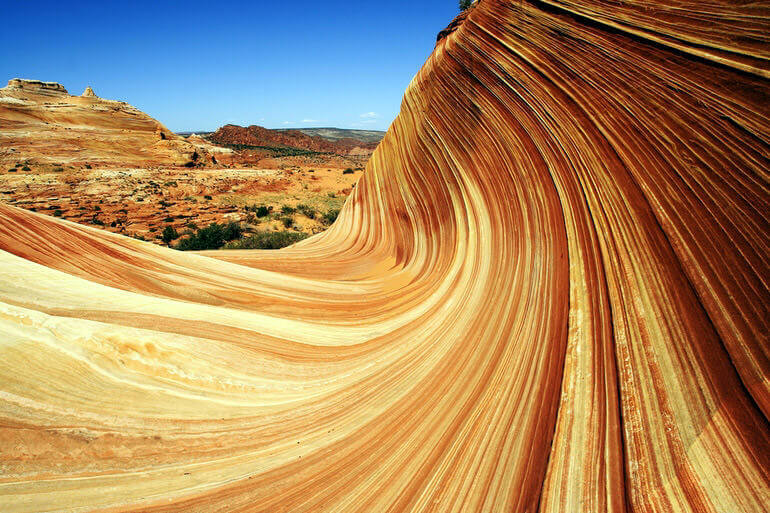
Wave Rock is another of Arizona’s wonders. One of the most iconic rock formations in the world, this rock is one of the world’s most photographed rocks. It is said to have a stunning, yet perplexing, view from the top of the hill. 20 tourists are allowed per day. The area is wonderful for hiking. A different vision of the complete place is shown with each stride and every viewpoint. Due to years of erosion and exposure to the sun, the rocks feature a variety of wave-like shapes. On this site, you can get some fantastic photos taken.
7. Nanya “Peculiar” Rocks, Taiwan
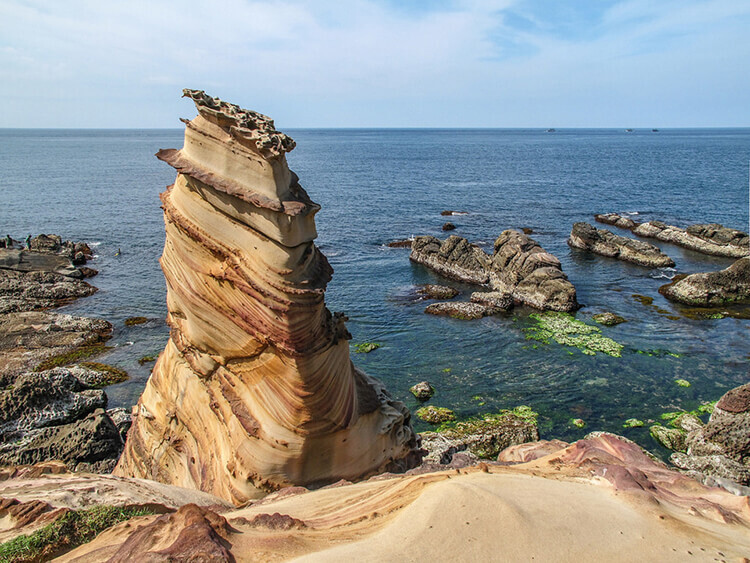
This spectacular rock structure is located on the coastal highway No. 2 at around 89 km. There are many interesting formations at Nanya, like the ice cream cone-shaped rock shown above.
8. Devil’s Tower, USA

Devil’s Tower is a prominent rock monument in USA and is well celebrated. The rock formation was the first to earn the designation of a national monument. For its unique qualities and importance in local traditions, the rock is famous. It’s a common sight in the United States to see a tall tower of multiple-scaled rocks. Various local tribes, including the Lakota and other tribes, revere the rock as a sacred object. The formation of this rock is still a mystery. As a result of the cooling of lava and exposure to the atmosphere, most scientists believe that this rock was formed.
9. Mt. Tai’s Immortal Bridge, China
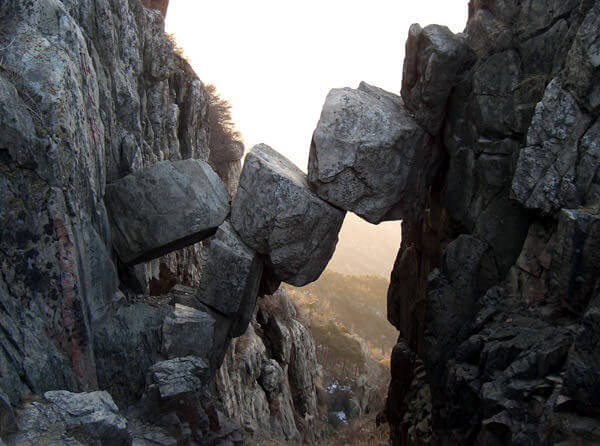
The rock structure on Mount Tai in Shandong province, China, is believed to date back to the Ice Age and is formed of three enormous stones and several smaller ones. “Immortal Bridge” was named after Mount Tai in China, a sacred mountain.
10. Painted Cliffs, Tasmania
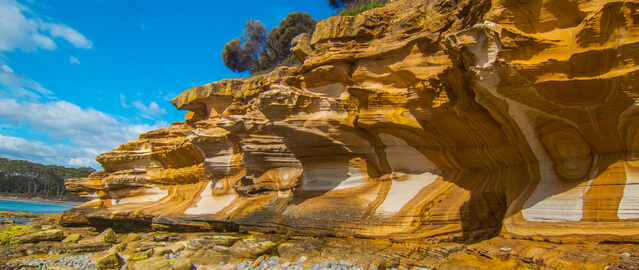
The Painted Cliffs on Maria Island in Tasmania are a must-see for anyone interested in geological periods. A 100-metre stretch of exquisite patterns was created by groundwater percolating through sandstone millions of years ago, leaving behind iron oxides. While honeycomb patterns have been produced as a result of the weathering of the crystals, they are still magnificent. Tourists are attracted to the area by the abundance of wildlife.
11. Palouse River, USA
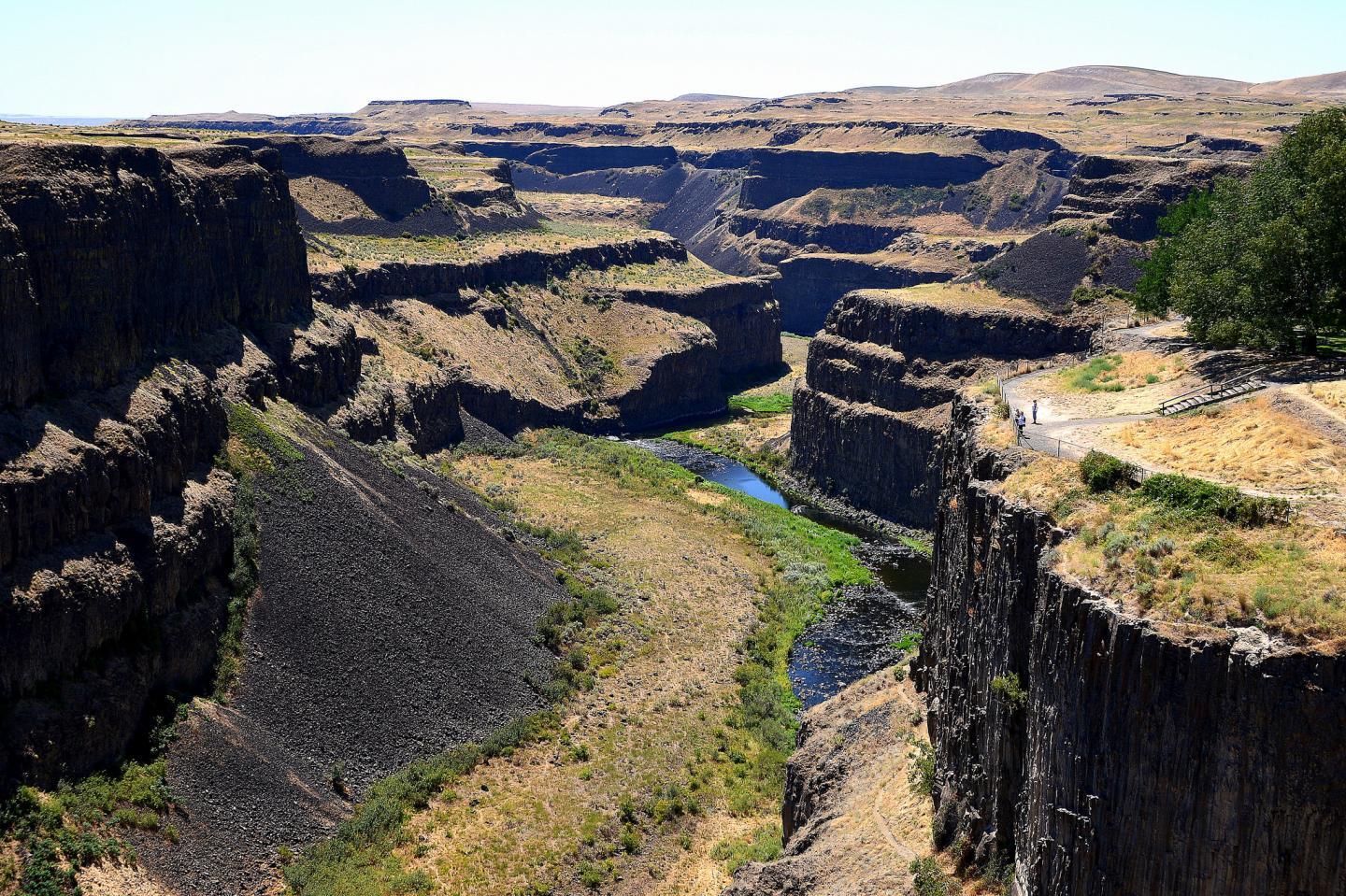
There may be a canyon in southeast Washington where the Palouse River runs through it. A combination of tectonic activity and erosion probably generated this canyon. Terraforming occurs when tectonic plates move under the Earth and force mountains and hills into place, creating landforms. As a result of erosion caused by water and wind, landforms like valleys and canyons can be formed. In both cases, the procedures take a long time, potentially millions of years to complete.


Toronto’s Camouflaged Electric Substations
For over a century, Canada’s second-largest power company has been disguising its electrical substations in Toronto as beautiful houses that blend perfectly with the neighborhood. These fake houses contain transformers that supply electricity throughout the city.

Top 10 Mysterious And Least Explored Places On Earth
Some people believe that there is nothing unexplored remaining on earth but the world doesn't cease to surprise us with its mysteries. Today I'll tell you about the lost places of the planet and animals that live only there.
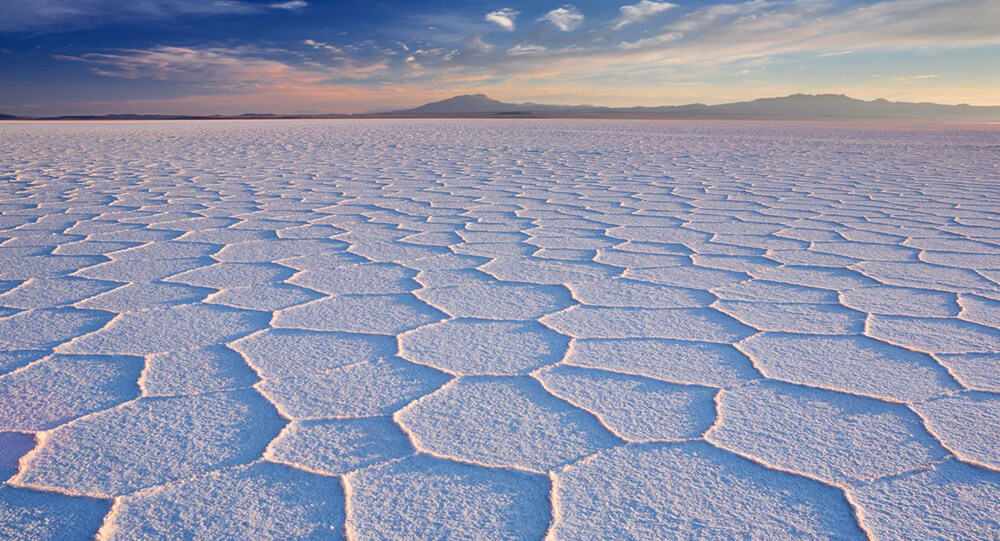
The world's largest salt flat, can be seen in space
At 10,582 square kilometers (4,086 sq mi), the Salar de Uyuni (or Salar de Tunupa) is the largest salt flat in the world. It is located in the Potosi and Oruro departments in southwest Bolivia, near the crest of the Andes, and is elevated 3,656 meters (11,995 ft) above the mean sea level.

Top 10 Greatest and shocking Archaeological Discoveries of All Time
While we're all locked at home, there's no better way to escape to another time and place than to learn about amazing archeological sites and discoveries from around the world. Here are the 10 greatest and shocking archaeological discoveries —and don't be shocked if they inspire future trip plans whenever it's safe to do so again.
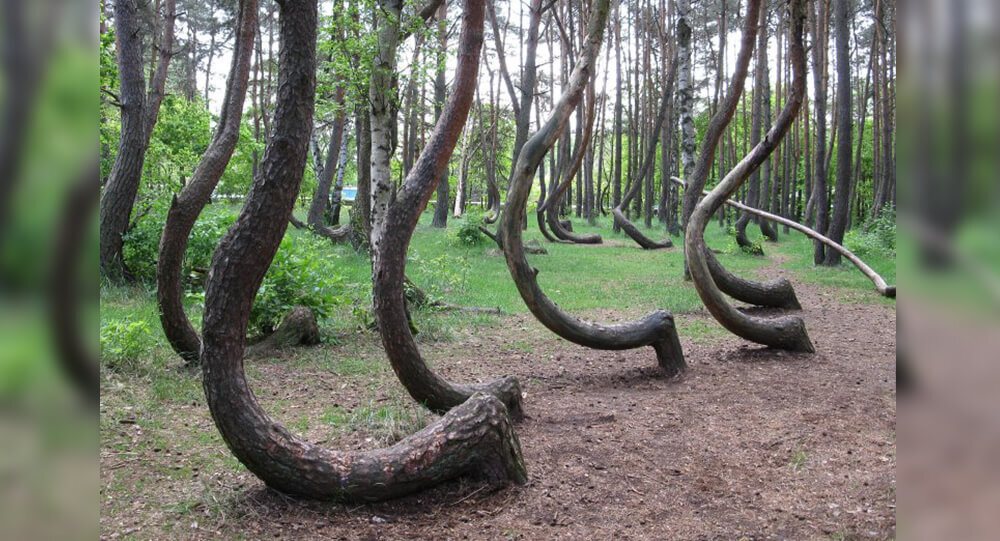
Poland's Krzywy: The Mysteries of the Crooked trees
In Poland, there is a forest with 400 crooked trees that have a 90-degree bend at the base of their trunks. Despite of numerous possibilities, the real reason and how it evolved remain a mystery.

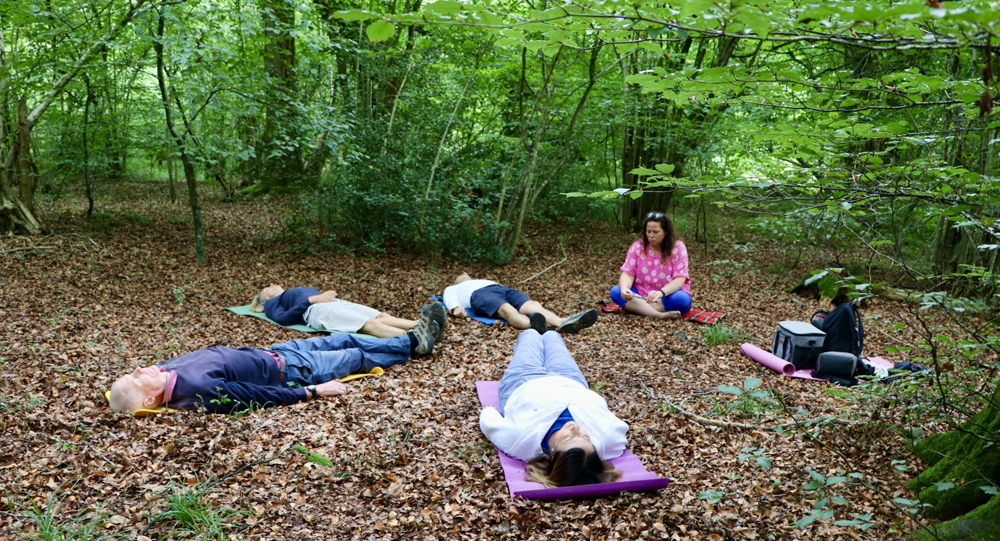
The Benefits of Forest Bathing and Why It’s Gaining Popularity Worldwide
Forest bathing, or Shinrin-yoku, is an immersive practice of spending mindful time in natural forest environments, and it’s rapidly gaining global popularity due to its proven health benefits. From reducing stress and lowering blood pressure to boosting immunity and enhancing mental wellness, forest bathing offers a natural and accessible way to reconnect with nature and improve overall well-being. Explore the science, sensory experience, and rising trend behind this soothing practice.

Why Londoners Celebrate No Trousers Day by Riding the Metro Without Pants
Every year, Londoners participate in a quirky and joyful tradition known as No Trousers Day, where brave commuters board the London Underground dressed normally but without trousers, pants, or pajamas from the waist down. This cheeky event brings laughter, surprises, and a shared sense of community to the usually dull winter commute, reflecting a playful rebellion against the mundane and a celebration of spontaneity. Discover the origins, spirit, and fun behind London’s beloved No Trousers Tube Ride.

How Migratory Birds Navigate Thousands of Miles Without Getting Lost
Migratory birds undertake epic journeys spanning thousands of miles with astonishing precision, never losing their way. Their secret lies in a remarkable blend of innate senses, learned experience, and sophisticated navigation tools—ranging from the Earth's magnetic field to celestial clues and mental maps. Explore how these feathered travelers accomplish one of nature's most astounding feats through science, intuition, and adaptation.
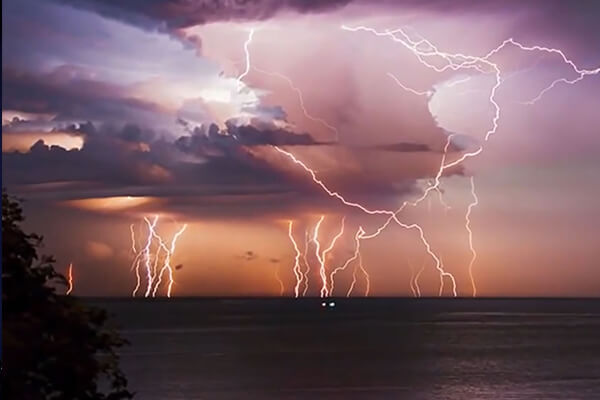
8 most amazing natural phenomena on earth
Nature is elusive and unpredictable, and the unexplained manifestations of its influence often leave us speechless. Though you might believe that shifting rocks and blood-colored rain are a prank or a magical phenomenon, science has an explanation for (almost) anything.
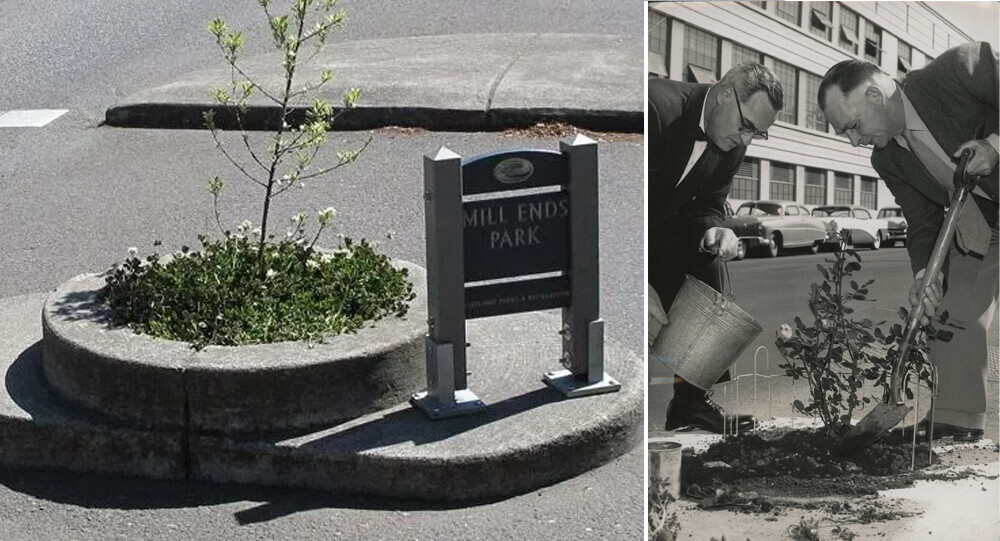
Mill Ends Park, the Smallest Park in the World
Portland, Oregon is home to the tiniest park in the world, a two-foot-diameter circle. Mill End Park is the name of this park.
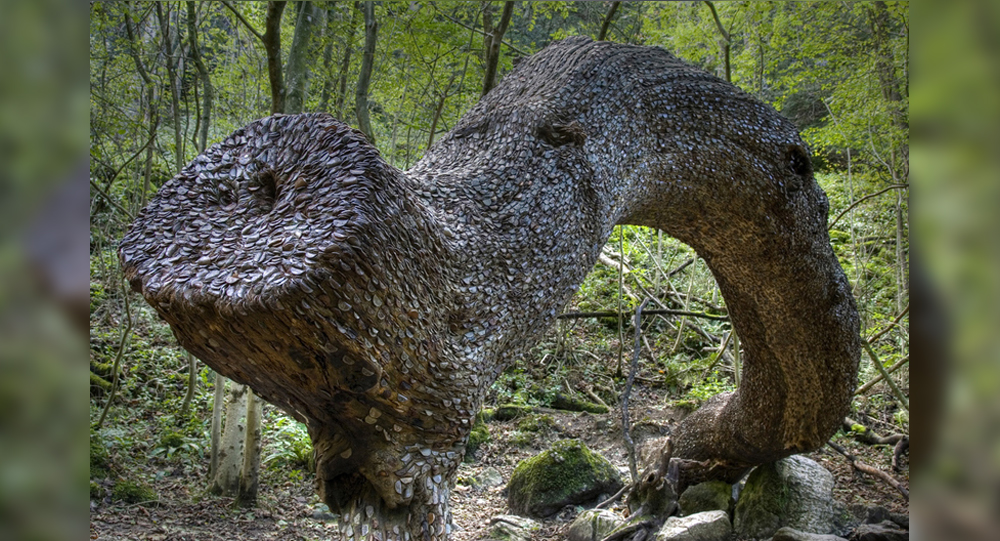
The Mystical Money Tree of the Scottish Highlands: A 1,700-Year-Old Tradition
In the Peak District Forest of the Scottish Highlands in the UK, there is a unique tree which is laden with only money. This tree laden with money has been studded with British coins for 1700 years, there is no corner of its trunk where a British coin is not stuck.
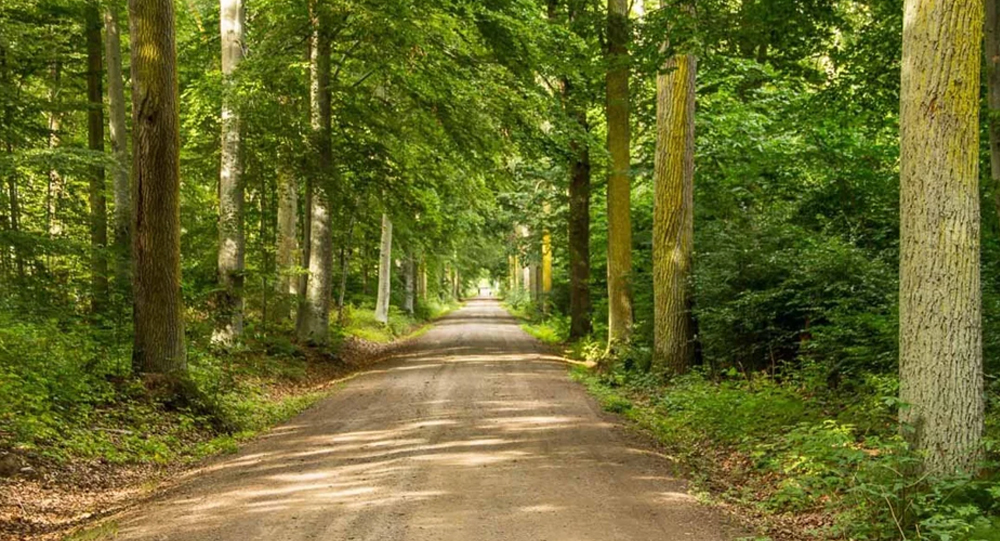
How Sweden’s 300,000 Oak Trees Became an Unintended Legacy: The Naval Forest That Outlived Wooden Warships
In the 1830s, Sweden planted 300,000 oak trees for the purpose of building naval ships. However, by the time the trees matured, metal warships had replaced the need for wooden ones. The forest still stands to this day.

Mystery SOLVED: blood Rain in India
The dissemination of spores of microalgae has been identified as the origin of the 'Blood Rain' phenomena, according to a new study by Indian and Austrian experts. Since 1896, reports of intermittent red-colored rain in portions of Kerala and Sri Lanka have been coming in. The most recent one occurred in 2013 over Kerala.
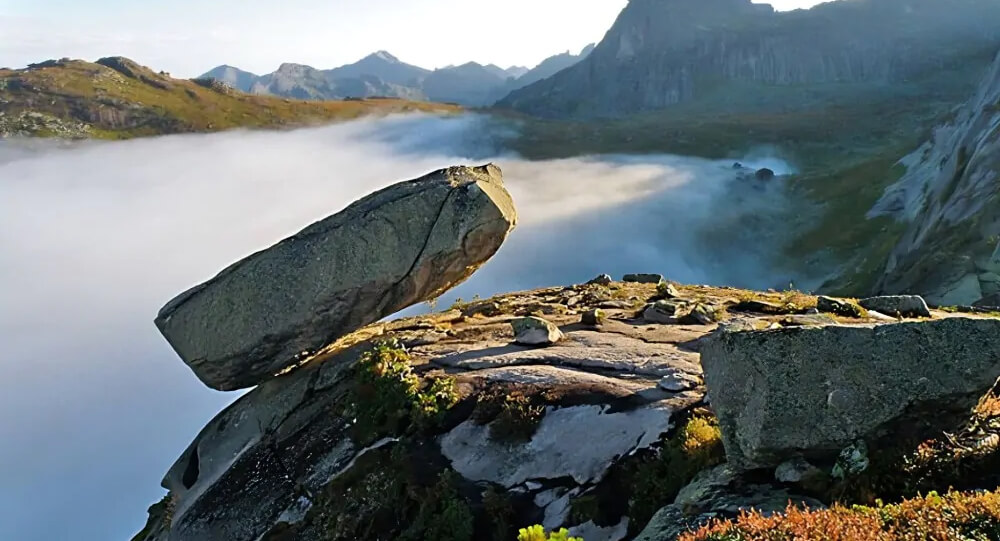
The Amazing Hanging Stone in Siberia Has Defied Gravity Since the Ice Age
The unbelievable "Hanging Stone" of Siberia weighs around 300 tons and has been hanging off a 1,000-meter cliff since the Ice Age.
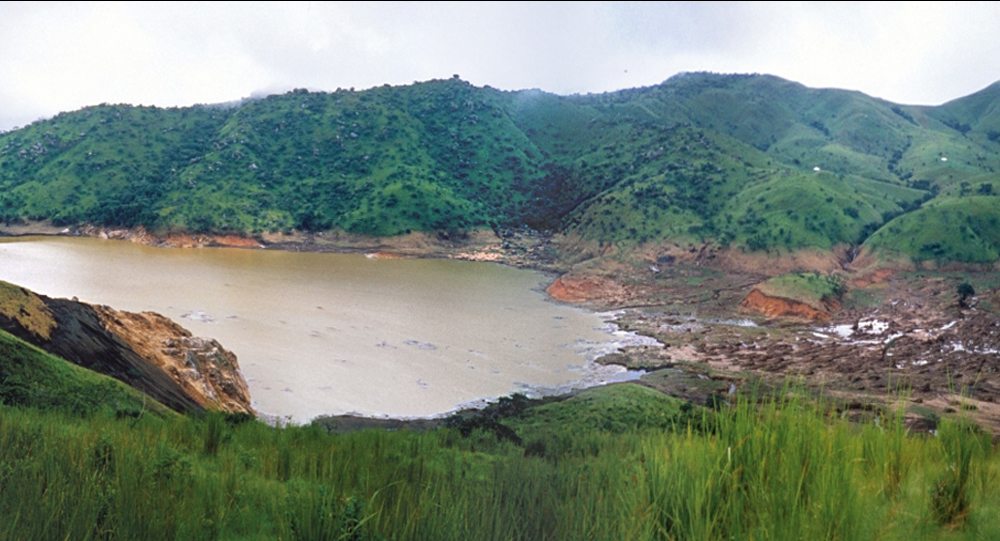
The Lake That Explodes: The Deadly Mystery of Africa’s Silent Killer
Did you know some lakes can kill without warning? Lake Nyos in Cameroon once erupted with invisible carbon dioxide, suffocating 1,700 people in minutes. These rare “exploding lakes” silently build pressure, turning still waters into deadly, unseen assassins.
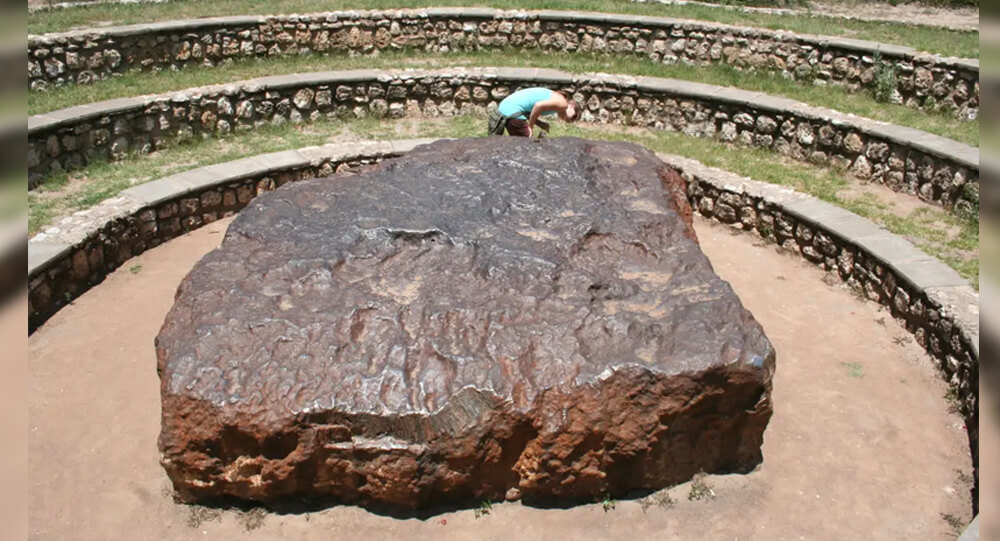
Top 6 Largest Meteorites Ever Found on Earth
When space meteorites hurtle towards Earth, they frequently burn up in the atmosphere before reaching us. Those that burn up become meteors - or shooting stars.

Sandy Island: The Phantom Island That Fooled Maps and Google Earth for Centuries
Sandy Island, charted since 1774, was long considered a phantom island in the Coral Sea. Despite appearing on maps and Google Earth, it was "undiscovered" by scientists in 2012, revealing only deep ocean instead of land. The island's existence was likely a cartographic error or a misidentified pumice raft.
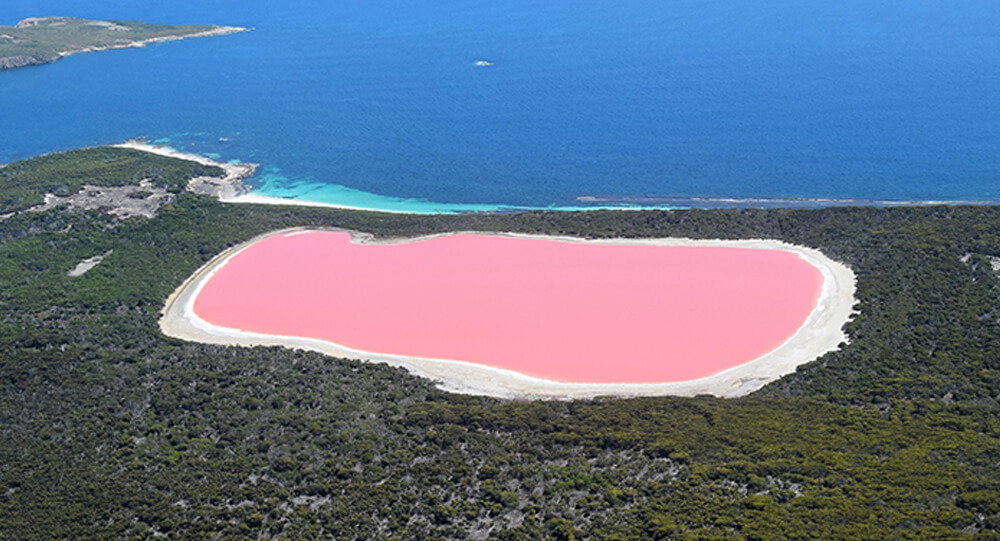
What is secret behind the Australia’s mysterious pink lake?
Lake Hillier in Australia maintains a bright pink hue all year round. Although no one knows for sure what causes the unique coloring, experts speculate that it might be the result of high salinity, a pink bacteria called “halobacteria,” and a salt-loving algae species called Dunaliella salina.
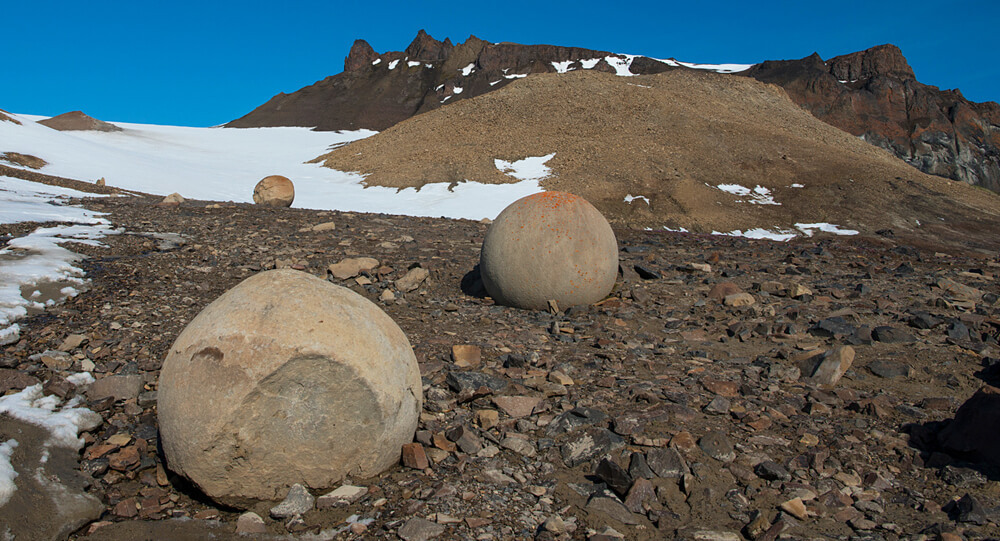
The mysterious GIANT spherical stones
Mysterious spherical stones ranging in size from a few millimeters to several meters have been discovered in Crimea, United States, Russia, and New Zealand. There are many theories from various geologists, but none of them are clear.
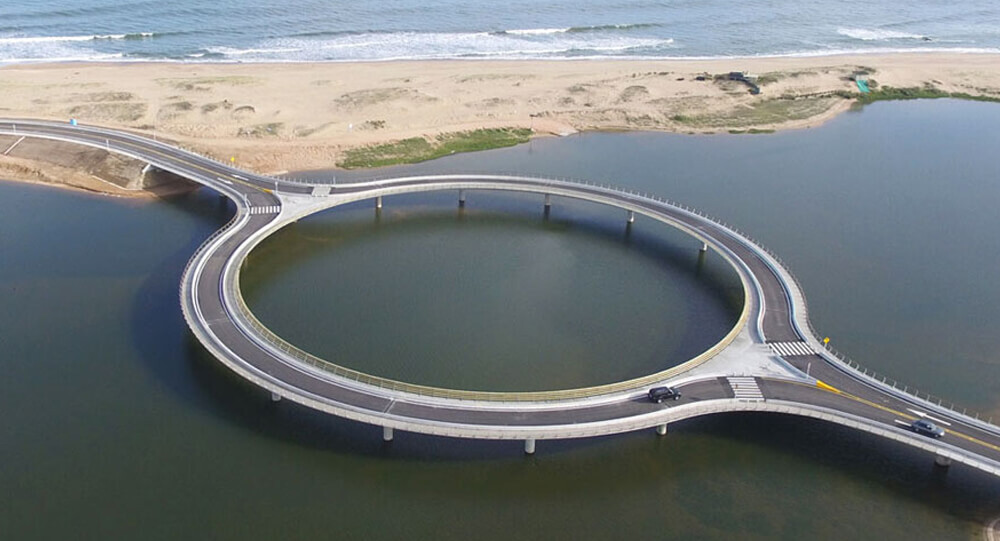
Circular Bridge Built To Slow Down Drivers So That They Would Enjoy The View (Photos)
Uruguay’s Laguna Garzon Bridge splits into a circle so drivers can slow down and enjoy the view. It also prevents head-on collisions and creates a walkway for pedestrians.
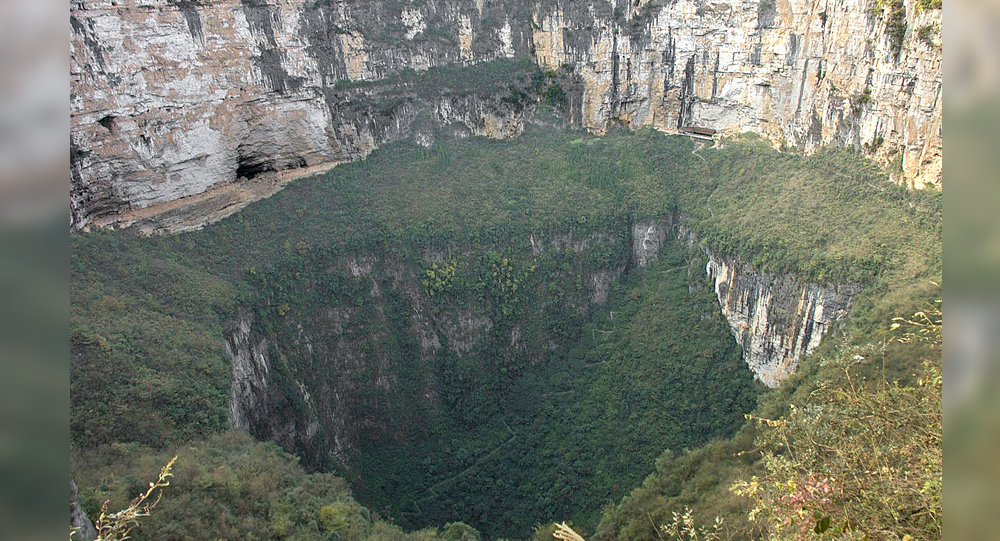
Xiaozhai Tiankeng: Exploring the World’s Deepest and Largest Natural Sinkhole
Hidden in the rugged terrain of Chongqing, China, lies Xiaozhai Tiankeng—the world’s deepest and largest natural sinkhole. Known as the “Heavenly Pit,” this colossal natural wonder plunges between 511 and 662 meters deep and stretches over 600 meters wide, dwarfing many familiar landmarks. This article journeys into the geological origins, unique ecosystem, and mysterious caverns beneath Xiaozhai Tiankeng, revealing a spectacular glimpse into Earth’s hidden landscapes.

The unusual ability of 'sea nomads' to hold breath is due to one major organ
The Bajau are a group of people that practice extreme free diving, submerging for up to 13 minutes at depths of about 200 feet. These ‘sea nomads’ dive to catch fish or look for natural materials that can be used in crafts in the waters that surround the Philippines, Malaysia, and Indonesia.

The Tiny Street in Scotland That Holds the Record as the World’s Shortest
Nestled in the northern Scottish town of Wick, Ebenezer Place may be small, but it packs a world record punch. Measuring only 6 feet 9 inches (2.06 meters) long and boasting just a single address—the front door of Mackay’s Hotel—this narrow street has earned its place in the Guinness Book of World Records as the shortest street on the planet. Officially declared a street in 1887, Ebenezer Place delights visitors with its quirky charm and unique history that highlights how even the tiniest places can capture global attention.
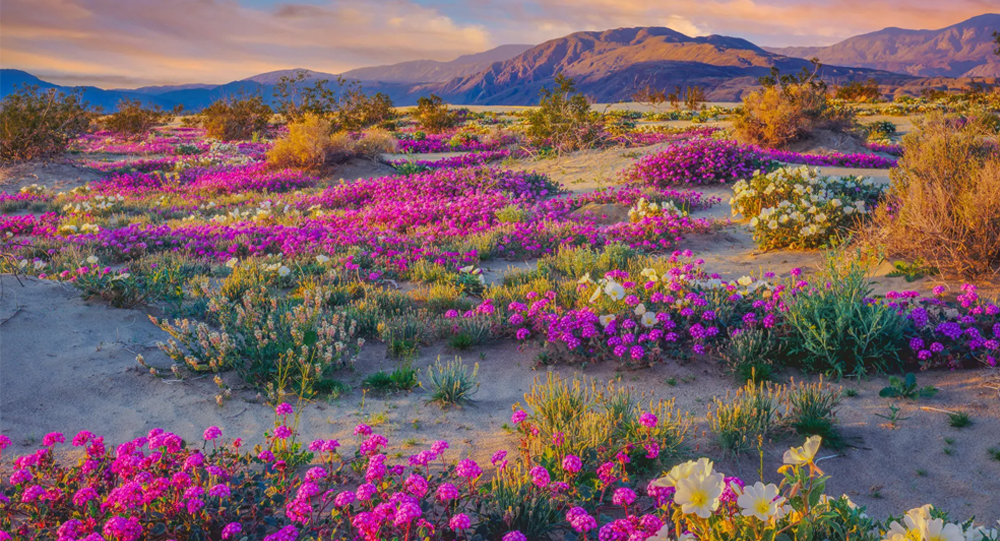
The Desert That Turns Into a Garden of Flowers Every Few Years
In parts of the desert where life seems most scarce, nature orchestrates an extraordinary transformation: the barren ground bursts into vibrant colors as wildflowers bloom after rare periods of rain. This phenomenon, known as a desert superbloom, is both awe-inspiring and scientifically fascinating. Learn how deserts like the Sonoran transform from arid landscapes into stunning floral displays, the environmental triggers behind this spectacle, and what these blooms reveal about resilience and adaptation in extreme environments.
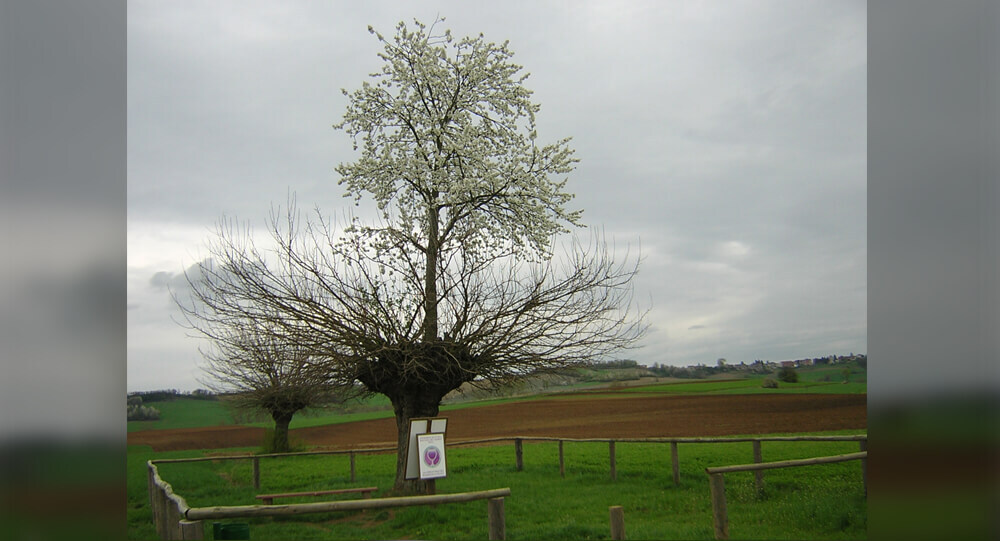
The Unique Grana Double Tree of Piedmont, Italy
The “Grana Double Tree” in Piedmont, Italy is a highly unusual tree, which consists of a cherry tree growing atop a mulberry tree. It is essentially a two-species, two-tiered hybrid duplex.