The story behind Glasgow's iconic Duke of Wellington statue and its well-known traffic cone hat
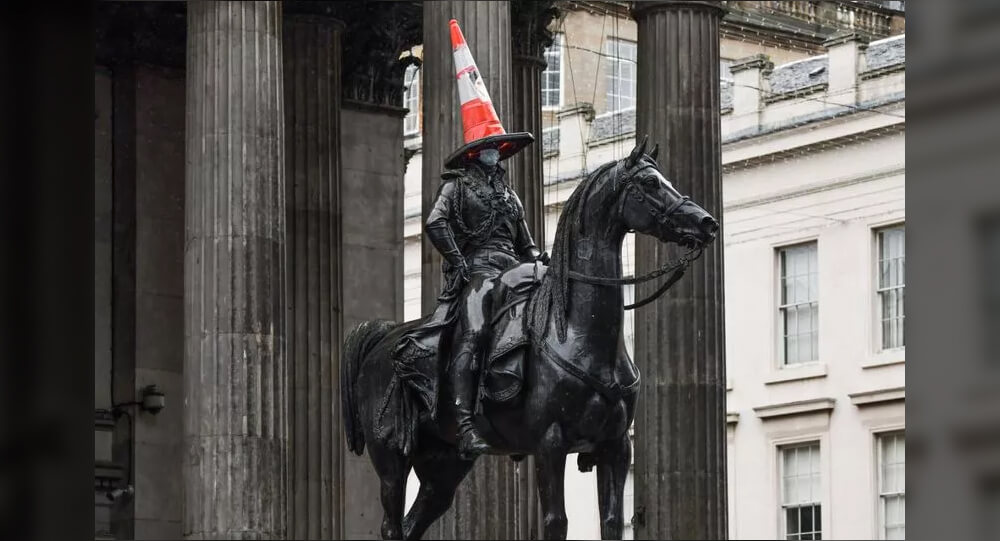
The sight of a stately statue of the Duke of Wellington and his horse, poised atop a plinth in the center of Glasgow, is among the most iconic images of the city. Its most notable feature is the modest orange traffic cone perched firmly atop Wellington’s head. As a brilliant example of the city’s ability (and pride) at not taking itself too seriously, it has now been used on everything from artwork and posters to tea towels and gin bottles.
Glaswegians particularly take pride in seeing the cone on Sir Arthur Wellesley’s bronze head, and it is practically frowned upon to view the statue without one. It is a beloved component of the city’s cultural identity.
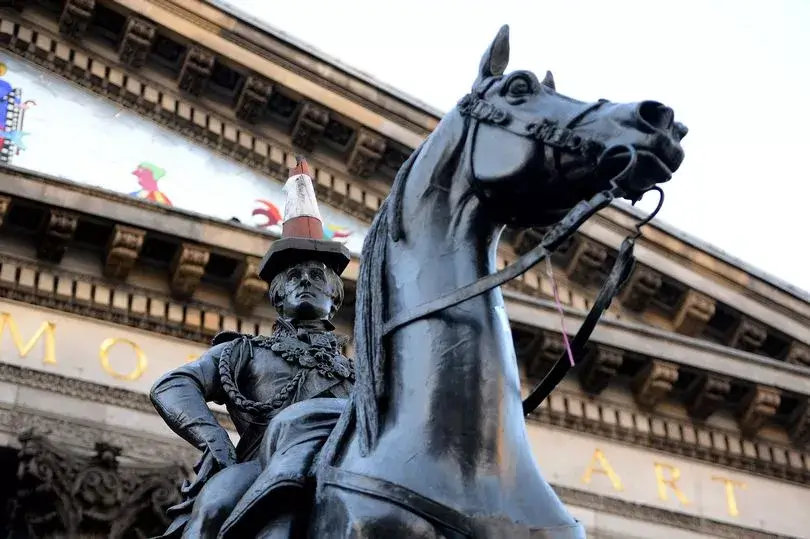
The pride in this harmless act of irreverence, however, can often seem perplexing to outsiders, but it actually provides important context for understanding both the city and its inhabitants.
The Duke of Wellington Statue’s History
The bronze statue of the renowned military strategist and former prime minister, who assisted in defeating Napoleon at the Battle of Waterloo, was erected in 1844 in the middle of Royal Exchange Square. Carlo Marochetti, an Italian sculptor, created the structure in which Sir Arthur sits proudly atop his horse Copenhagen.
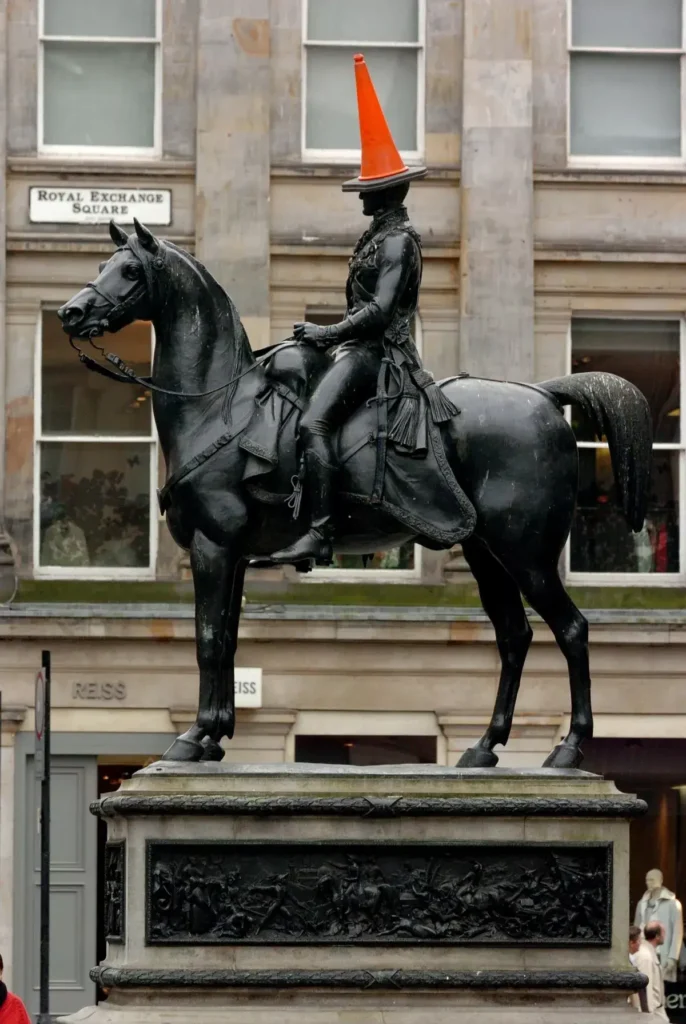
It was established to commemorate the conclusion of the Napoleonic Wars in what was then regarded as the second-biggest city in the British Empire.
The well-known cone
It is generally accepted that inebriated partygoers or prankish students started scaling the 21-foot-tall monument in the 1980s in an attempt to place a bright orange cone atop the Duke’s head.
Cones inexplicably reappeared after being removed during the day by city council employees, turning the practice into a ritual.
Cones would occasionally be placed on Copenhagen’s head or ears as well; on other occasions, Sir Arthur would have several cones placed on his head (some images on the internet show this number rising to ten or more).
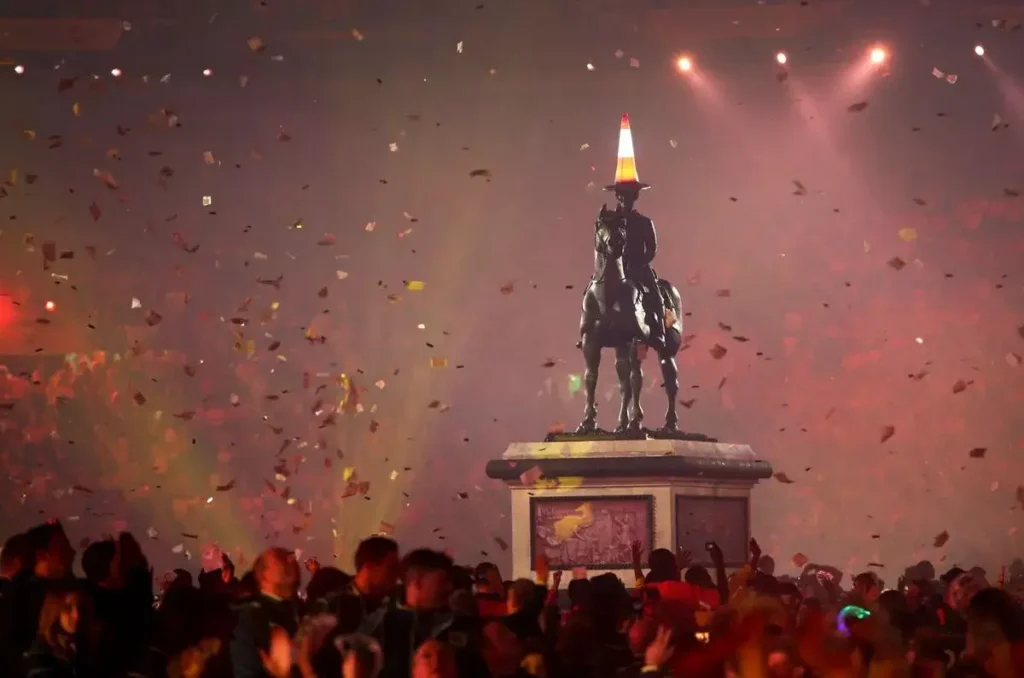
Thereafter, there was conflict between the local government and the populace, who interpreted the cone as a representation of the city’s lightheartedness and refusal to take itself or well-known historical figures too seriously.
Referred to as “a minor act of vandalism” by some provosts and senior council members of the city, the cone is a source of pride for others who claim it is Glasgow’s “greatest selling point” and a symbol of its humor.
The removal of the cone by council employees has frequently been justified as a safety measure for both individuals attempting to climb the statue and anyone passing by below in case the cone falls from the statue’s head and causes serious harm. Additionally, they claim that it is for the statue’s protection, since over time, individuals have attempted to scale the building outside the Gallery of Modern Art, causing it to lose half of its sword and its spurs.
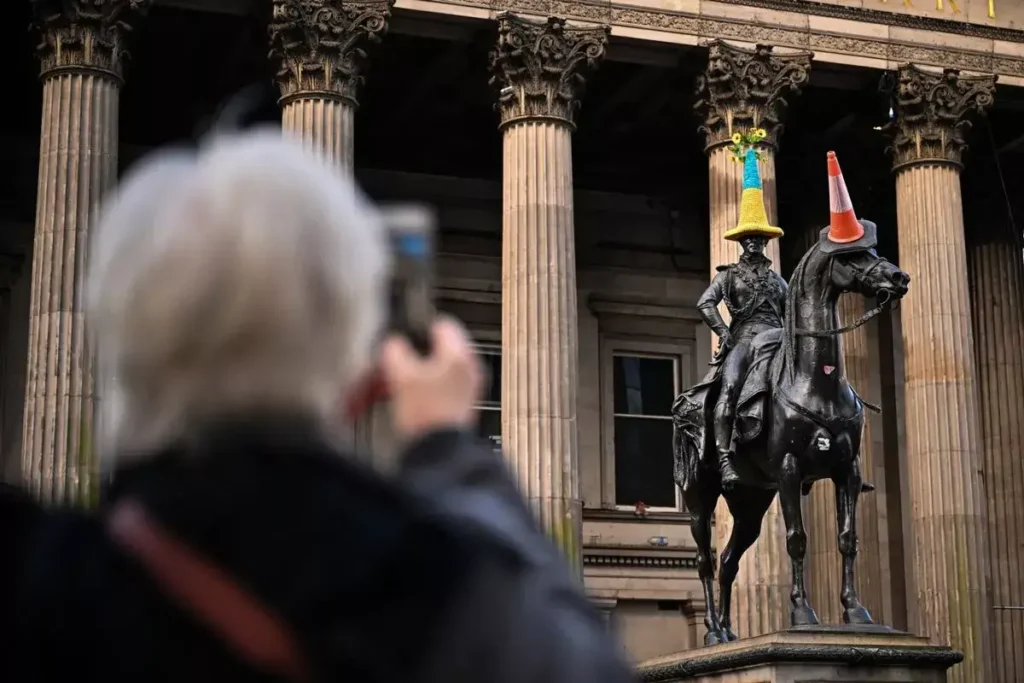
Even plans to raise the plinth of the statue in order to stop the “cone-ing” were considered by Glasgow City Council in 2013, but they were eventually withdrawn due to strong public opposition.
These days, it’s so uncommon to see the statue without its iconic cone that people are actually taken aback when they do.
Its fun, countercultural appeal is further enhanced by the fact that Lonely Planet once included it in their list of the “Top 10 Most Bizarre Monuments On Earth” due to its iconic status.
The people who manage the Keep the Cone Facebook page continue to post content on it in case there is another “act of madness.” Glasgow City Council’s public relations officer, Paul Kane, stated to Mental Floss in 2017 that there wasn’t much more to say about the topic because so many people had strong opinions that conflicted with one another.
The statue, along with the Rocky Balboa statue in Serbia and the Washington National Cathedral, was listed in the top 10 most bizarre monuments on Earth by the Lonely Planet guide in 2011.
You May Also Be Interested In…
- 11 Moments That Caught Exactly Before Tragedy Happened
- In Pakistan, This Banyan Tree Has Been Arrested Since 1898
- Mill Ends Park, The Smallest Park In The World
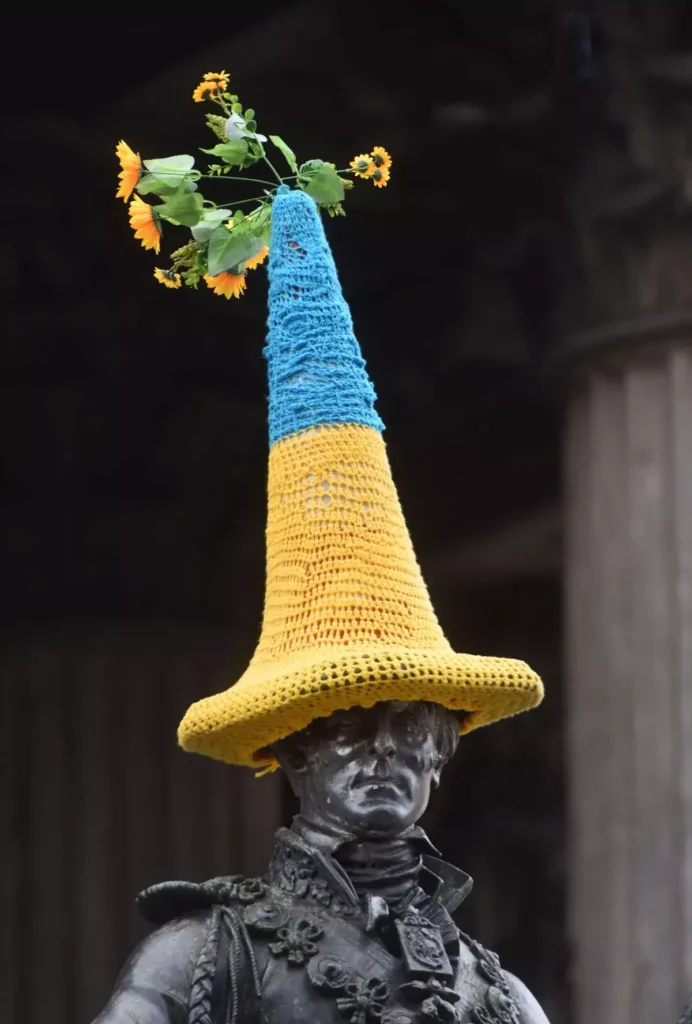
Subsequently, the traffic cone has undergone alterations to symbolize Glasgow Pride, was featured in the opening of the 2014 Commonwealth Games, and most recently, has taken on a blue and yellow appearance to demonstrate support for Ukraine.

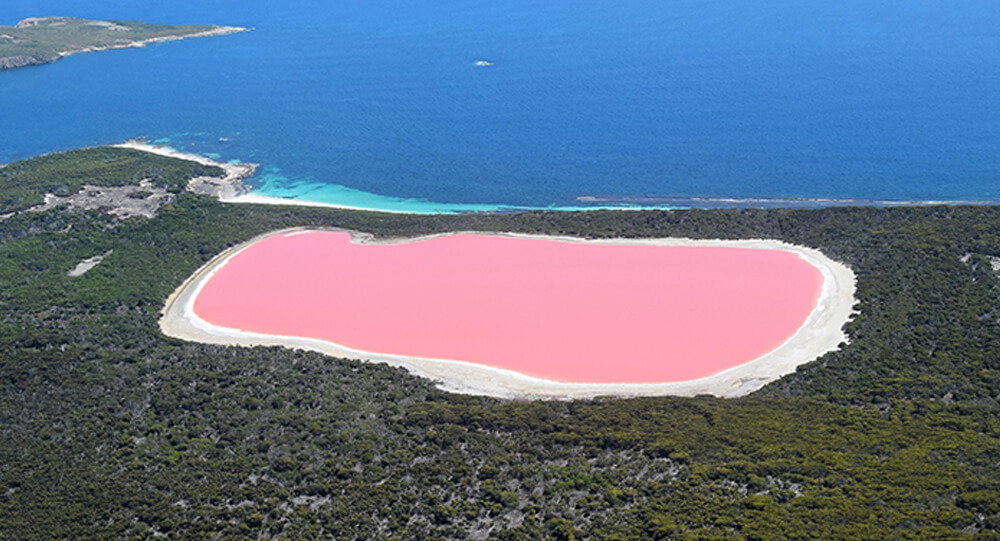
What is secret behind the Australia’s mysterious pink lake?
Lake Hillier in Australia maintains a bright pink hue all year round. Although no one knows for sure what causes the unique coloring, experts speculate that it might be the result of high salinity, a pink bacteria called “halobacteria,” and a salt-loving algae species called Dunaliella salina.
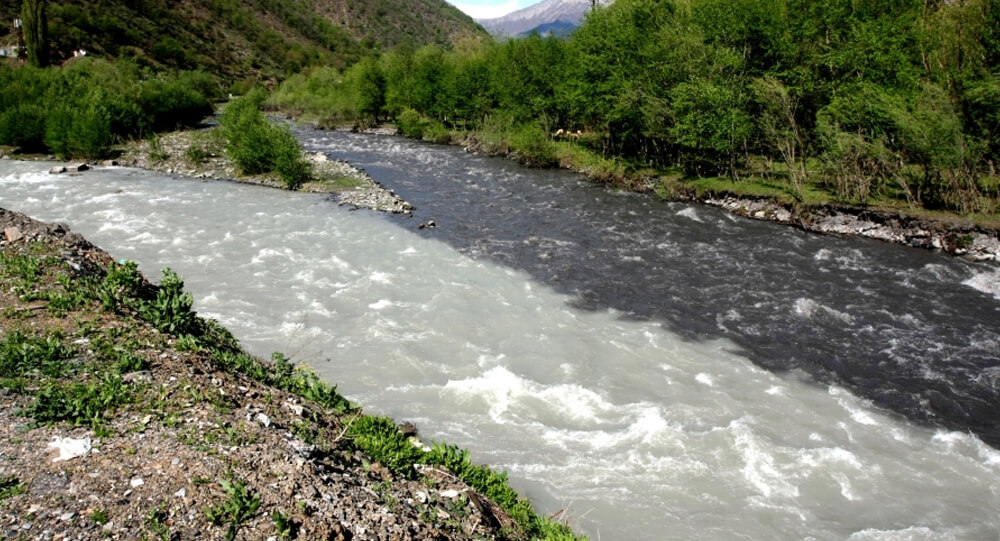
When two rivers meet but do not mix in Georgia
The incredible Black and White Aragvi river in Georgia that do not mix up.
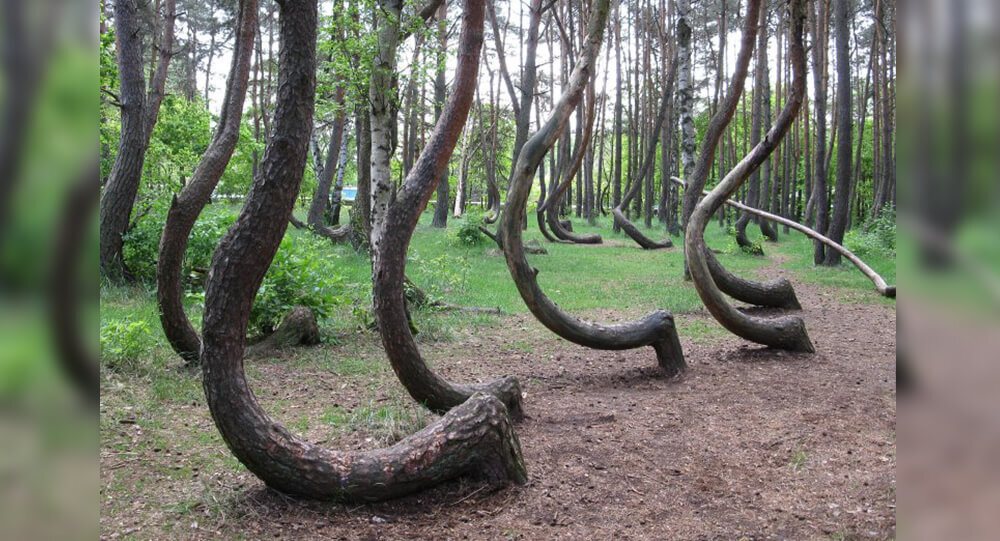
Poland's Krzywy: The Mysteries of the Crooked trees
In Poland, there is a forest with 400 crooked trees that have a 90-degree bend at the base of their trunks. Despite of numerous possibilities, the real reason and how it evolved remain a mystery.
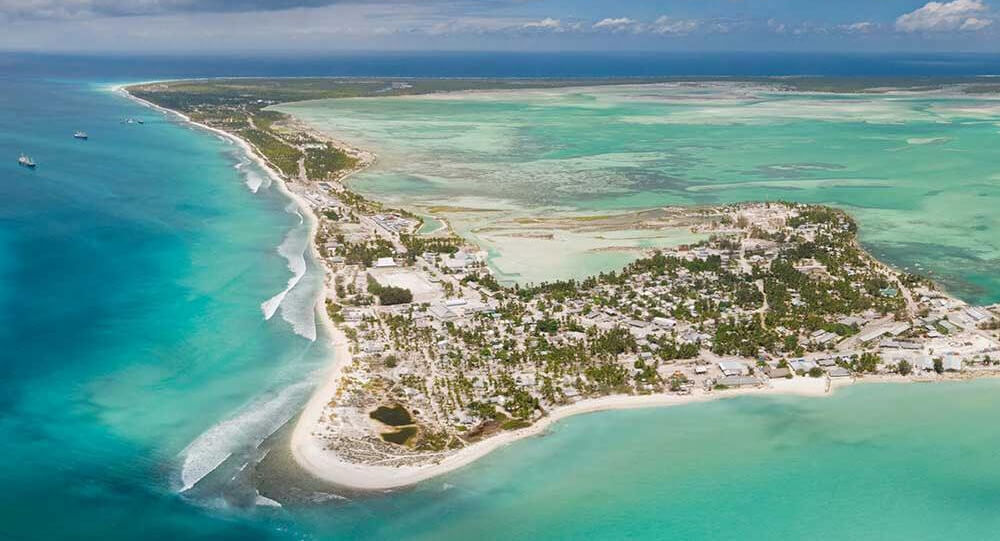
9 countries at risk of disappearing due to climate change
Although global warming is a serious threat to the entire planet, some geographical regions are more vulnerable to its effects.
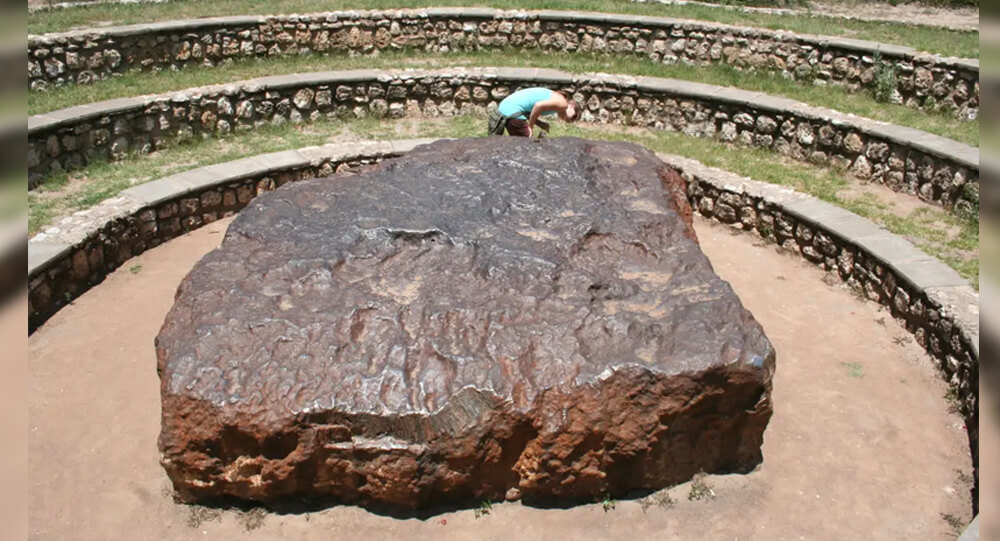
Top 6 Largest Meteorites Ever Found on Earth
When space meteorites hurtle towards Earth, they frequently burn up in the atmosphere before reaching us. Those that burn up become meteors - or shooting stars.
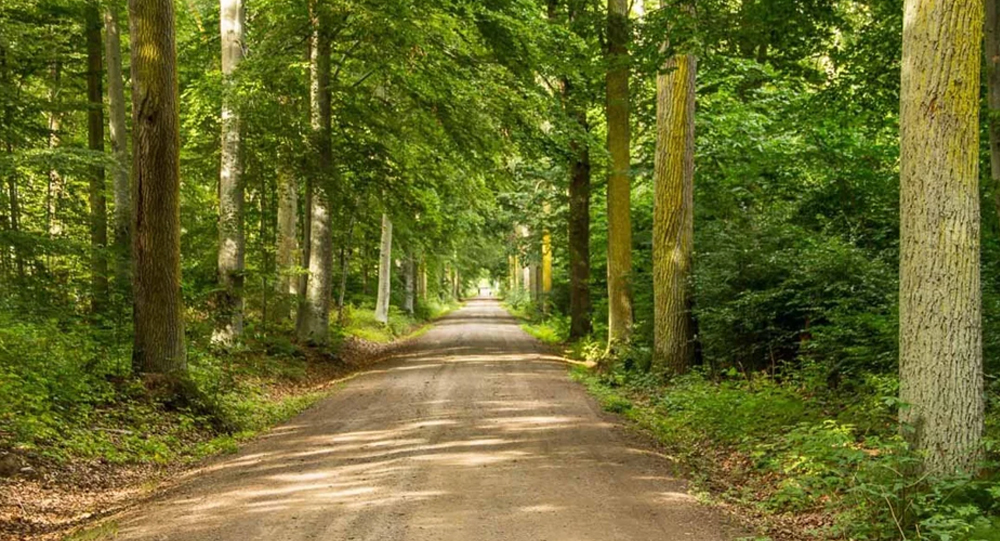
How Sweden’s 300,000 Oak Trees Became an Unintended Legacy: The Naval Forest That Outlived Wooden Warships
In the 1830s, Sweden planted 300,000 oak trees for the purpose of building naval ships. However, by the time the trees matured, metal warships had replaced the need for wooden ones. The forest still stands to this day.
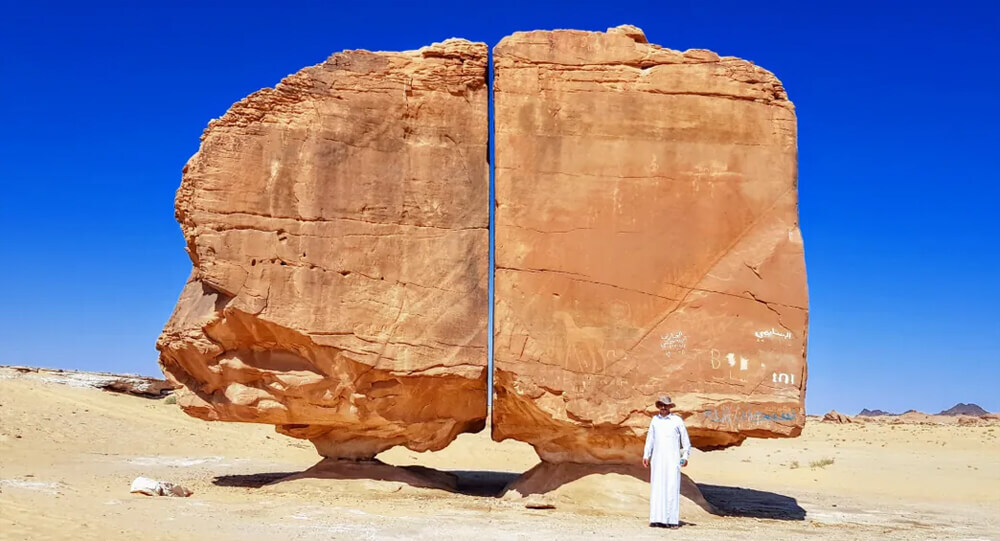
How Were the Two Parts of the Al Naslaa Rock Formation Created?
Scientists have been puzzled by the Al Naslaa rock formation in Saudi Arabia for a long time, and there is still no explanation for why this boulder appears to have a precise incision across the middle of it.
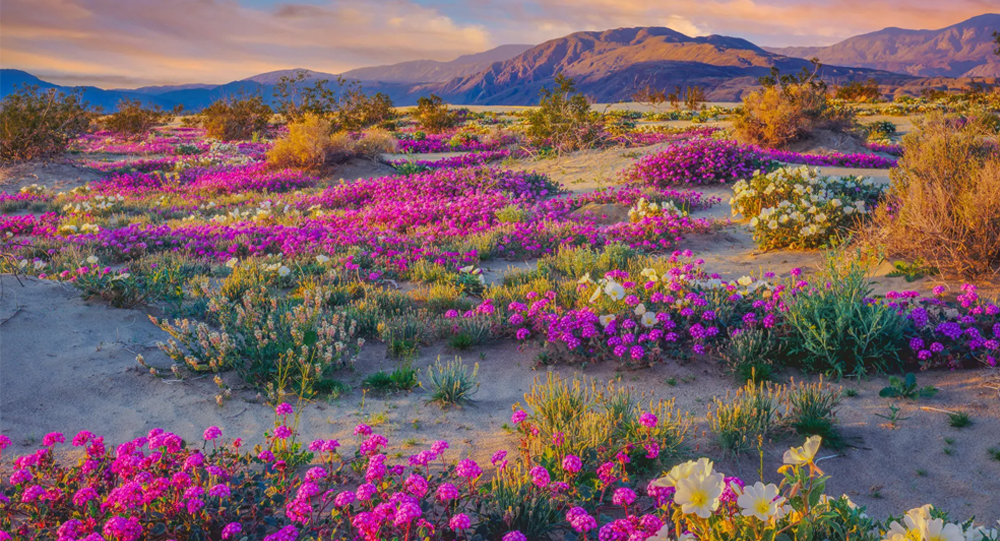
The Desert That Turns Into a Garden of Flowers Every Few Years
In parts of the desert where life seems most scarce, nature orchestrates an extraordinary transformation: the barren ground bursts into vibrant colors as wildflowers bloom after rare periods of rain. This phenomenon, known as a desert superbloom, is both awe-inspiring and scientifically fascinating. Learn how deserts like the Sonoran transform from arid landscapes into stunning floral displays, the environmental triggers behind this spectacle, and what these blooms reveal about resilience and adaptation in extreme environments.
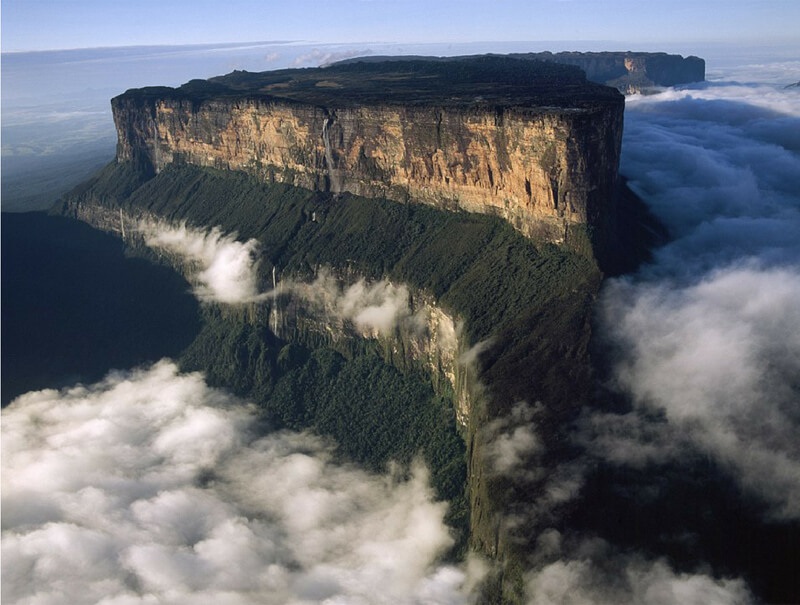
Top 10 Mysterious And Least Explored Places On Earth
Some people believe that there is nothing unexplored remaining on earth but the world doesn't cease to surprise us with its mysteries. Today I'll tell you about the lost places of the planet and animals that live only there.
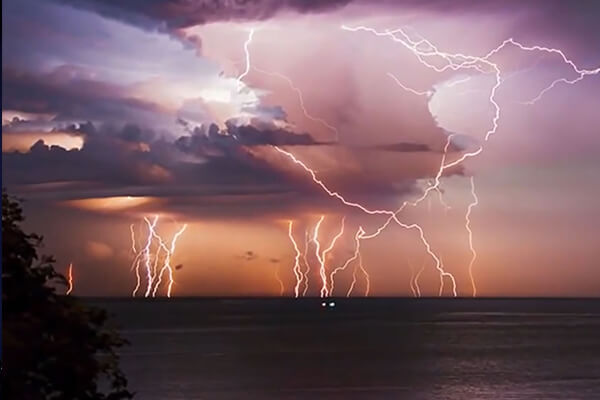
8 most amazing natural phenomena on earth
Nature is elusive and unpredictable, and the unexplained manifestations of its influence often leave us speechless. Though you might believe that shifting rocks and blood-colored rain are a prank or a magical phenomenon, science has an explanation for (almost) anything.
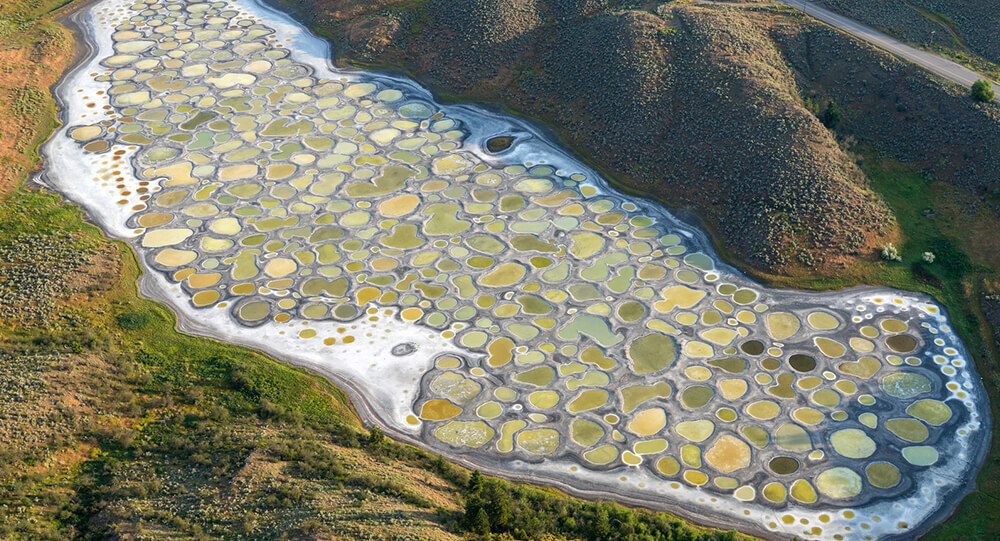
The Mystery of Canada's Magical Spotted Lake
Lake Khiluk, the world's most mineralized lake, and one of the most mysterious places on Earth. Each of these spots has a distinct chemical content and is said to cure various diseases.
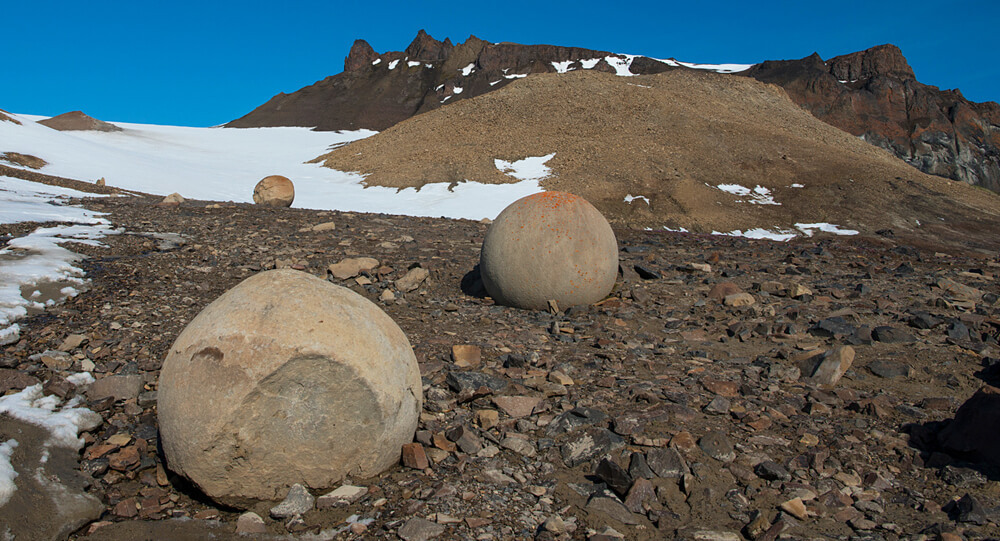
The mysterious GIANT spherical stones
Mysterious spherical stones ranging in size from a few millimeters to several meters have been discovered in Crimea, United States, Russia, and New Zealand. There are many theories from various geologists, but none of them are clear.
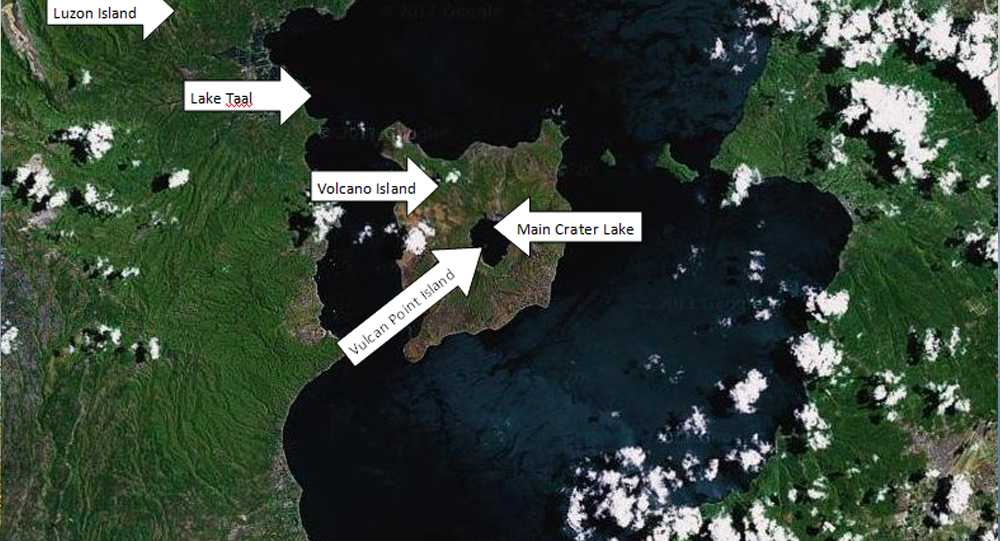
Taal volcano: The Island in a Lake on an Island in a Lake on an Island
Lake Taal, on the island of Luzon, in the Philippines archipelago's northernmost reaches, is unique. It's now one of just two lakes in the world with a third-order island within it, with the lake itself being a part of the order. In other words, Lake Taal, which is located on the island of Luzon, has a volcano (Volcano Island), a lake (Crater Lake), and its own little island (Vulcan Point).
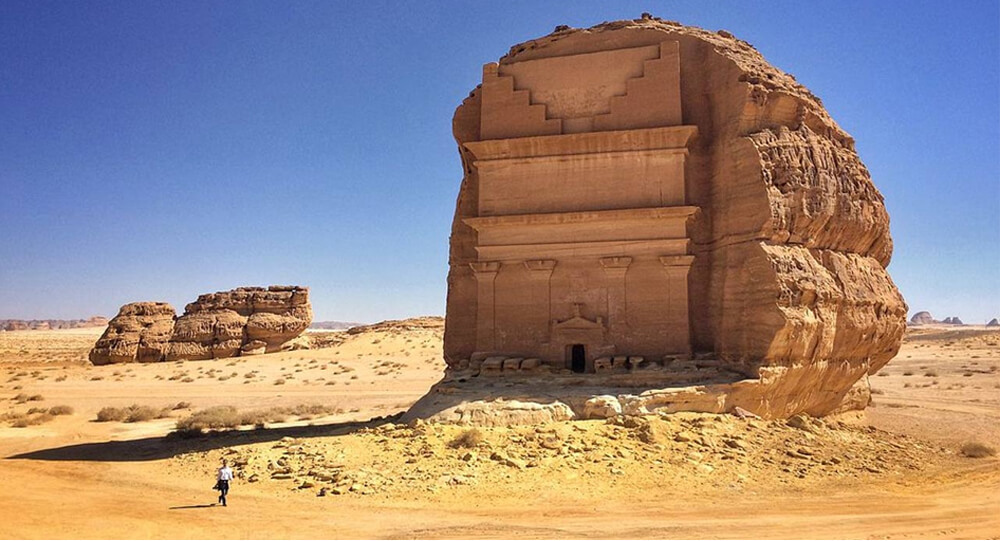
Qasr al-Farid, the Lonely Castle of the Nabataeans
The remote tomb of Qasr al-Farid, situated in the Saudi Arabian desert, dates back to the 1st Century CE. It was built by the Nabataean people, who also built Petra in Jordan. This site has remained largely undisturbed.
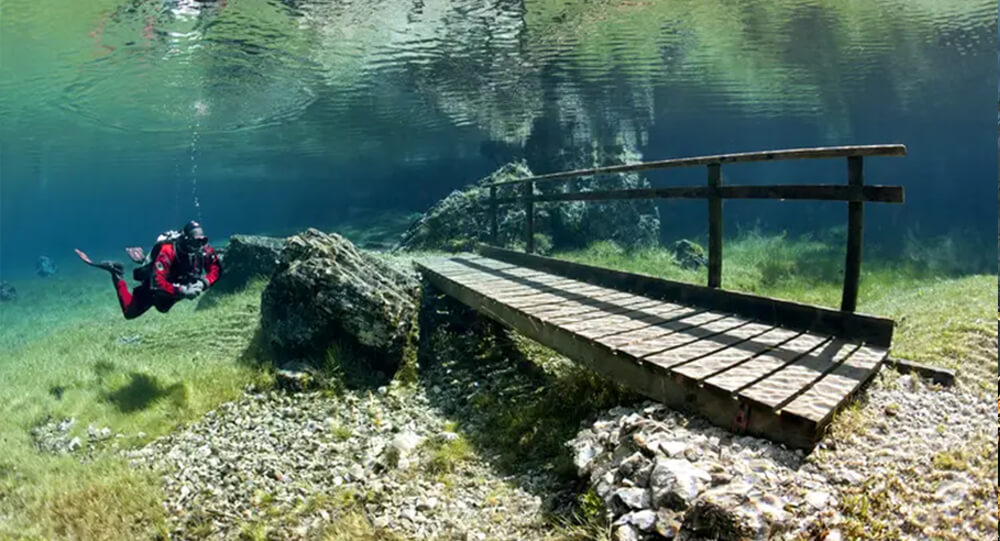
Grüner See, The Park That Turns Into A Giant Lake Naturally
There is a place in Austria called Grüner See which is a dry park in winter and turns into a 12-meter-deep lake in summer.
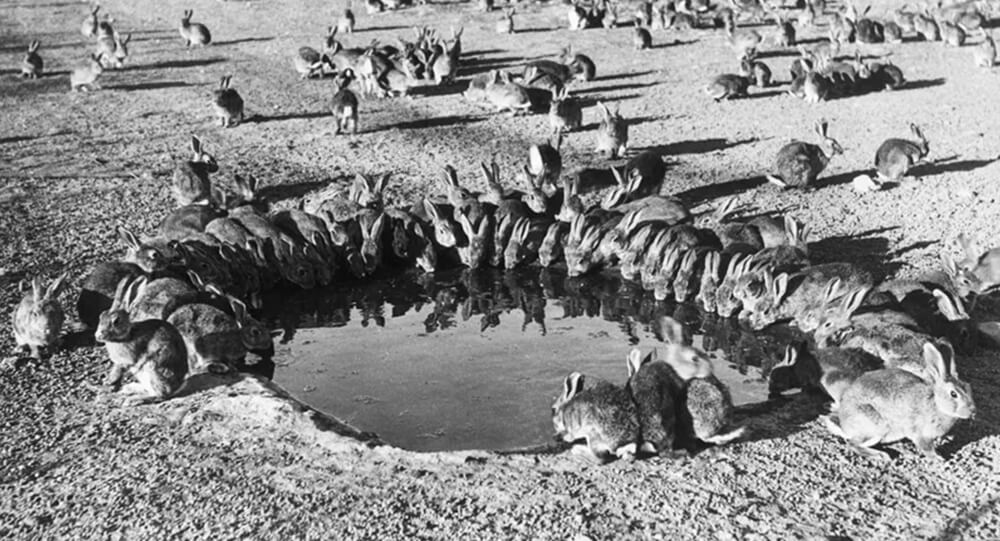
How European Rabbits Took over Australia
In 1859, wealthy settler Thomas Austin released 13 wild rabbits on his Australian estate. By 1920, their population grew to 10 billion.
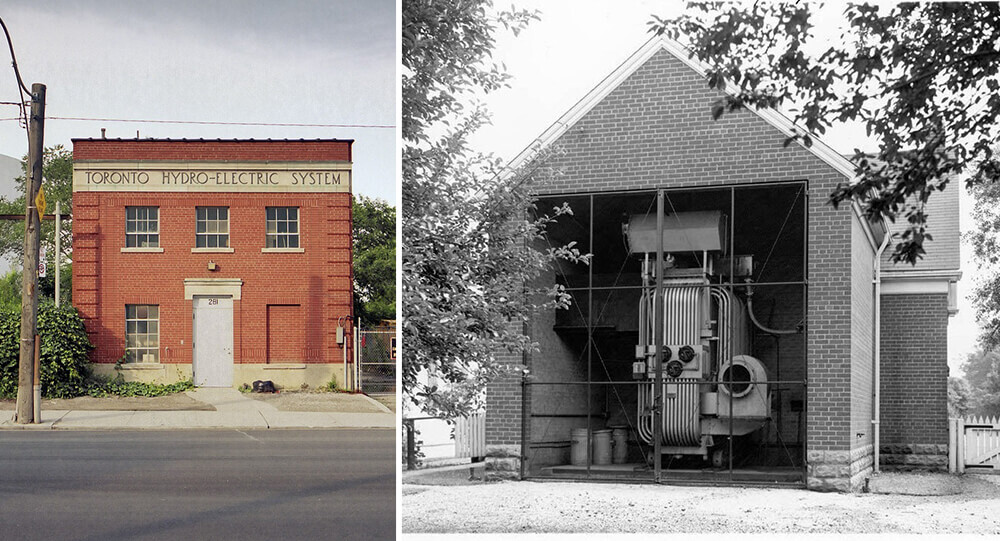
Toronto’s Camouflaged Electric Substations
For over a century, Canada’s second-largest power company has been disguising its electrical substations in Toronto as beautiful houses that blend perfectly with the neighborhood. These fake houses contain transformers that supply electricity throughout the city.
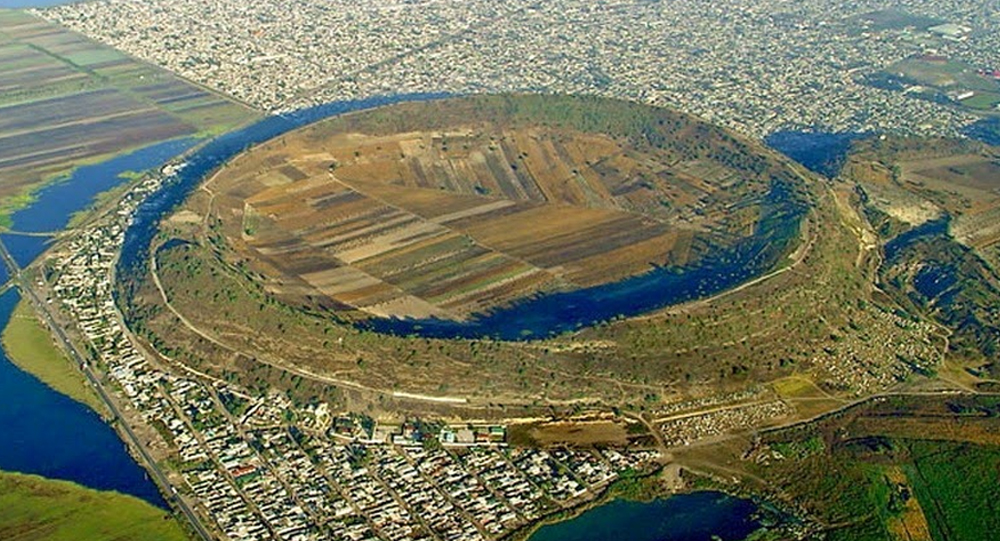
How Xico in Mexico Transformed from Volcano to Lake to Farmland
Xico, located near Mexico City, has a fascinating geological and cultural history that tells a story of transformation—once a violent volcano, then a serene lake, and today a fertile expanse of farmland. This transformation reflects the dynamic forces of nature and human intervention over centuries. This article explores the journey of Xico’s volcanic crater from its fiery origins through its time as a lake and how it ultimately became rich soil supporting agriculture and community life.

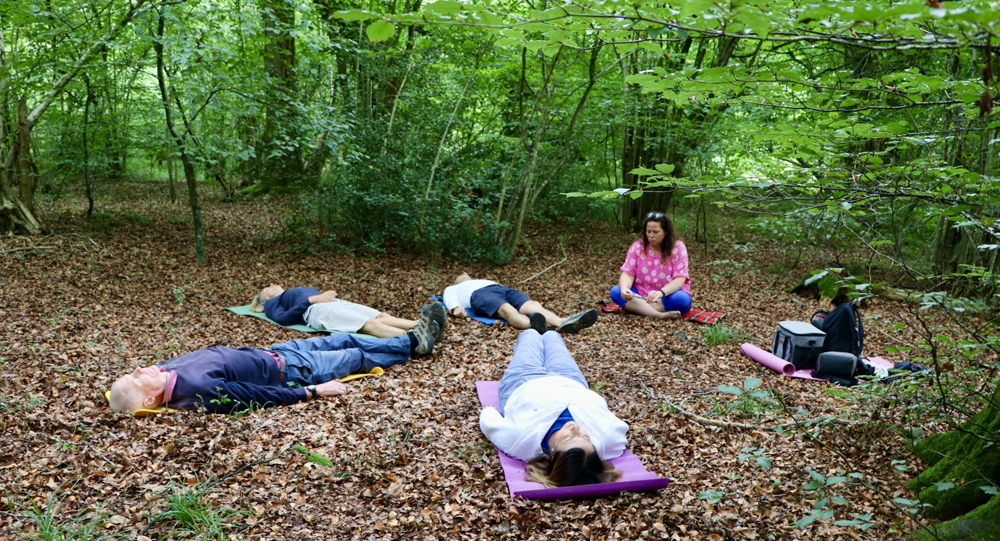
The Benefits of Forest Bathing and Why It’s Gaining Popularity Worldwide
Forest bathing, or Shinrin-yoku, is an immersive practice of spending mindful time in natural forest environments, and it’s rapidly gaining global popularity due to its proven health benefits. From reducing stress and lowering blood pressure to boosting immunity and enhancing mental wellness, forest bathing offers a natural and accessible way to reconnect with nature and improve overall well-being. Explore the science, sensory experience, and rising trend behind this soothing practice.
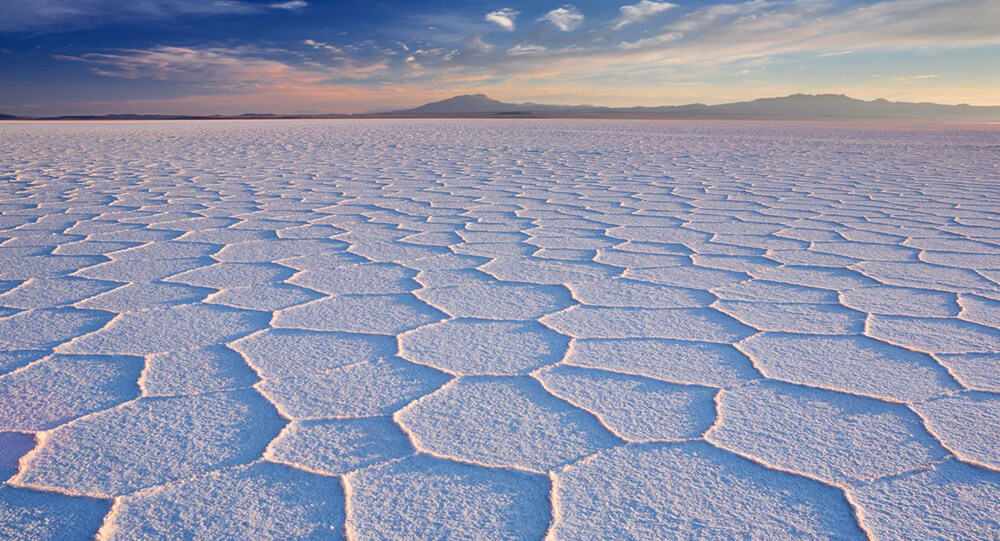
The world's largest salt flat, can be seen in space
At 10,582 square kilometers (4,086 sq mi), the Salar de Uyuni (or Salar de Tunupa) is the largest salt flat in the world. It is located in the Potosi and Oruro departments in southwest Bolivia, near the crest of the Andes, and is elevated 3,656 meters (11,995 ft) above the mean sea level.
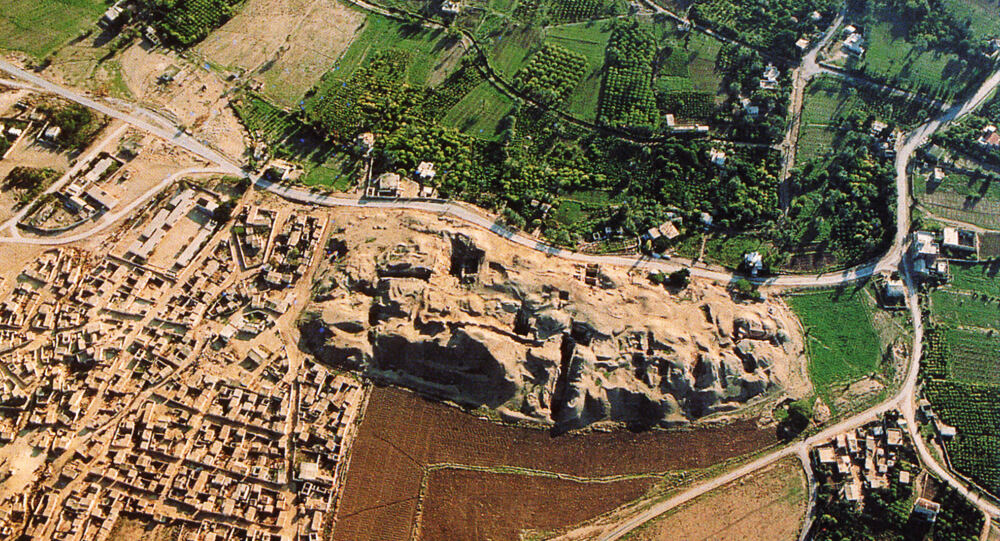
Ancient Jericho: The First Walled City In History
The ancient city of Jericho is the world's oldest walled city, with evidence of stone fortifications dating back nearly 9000 years.
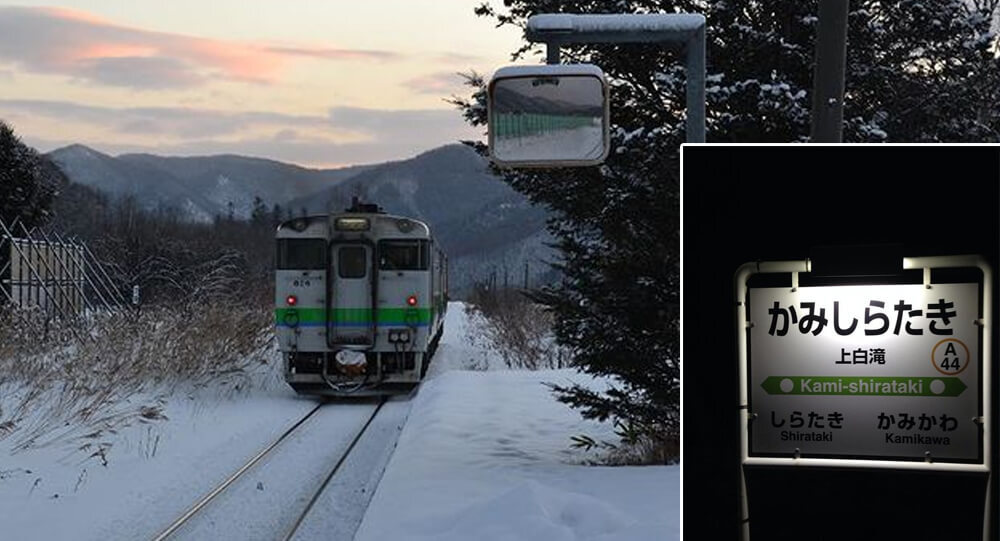
This soon-to-be-closed train station in Japan only serves one passenger
Japan keeps a defunc train station operational in 2015 for the sole purpose of allowing one girl to go to school every day. Only two stops are made by the train: once when an only one high school student departs for school and once when she returns.
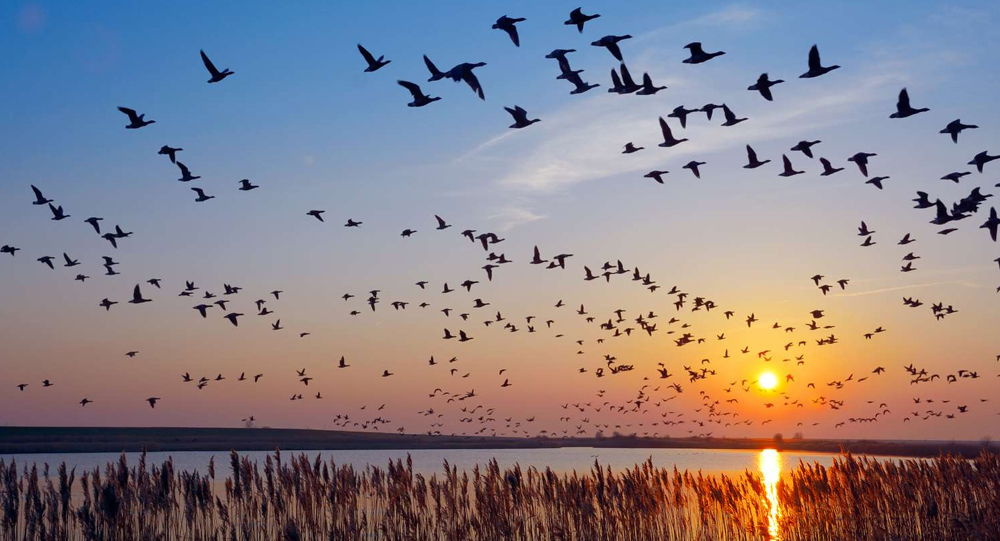
How Migratory Birds Navigate Thousands of Miles Without Getting Lost
Migratory birds undertake epic journeys spanning thousands of miles with astonishing precision, never losing their way. Their secret lies in a remarkable blend of innate senses, learned experience, and sophisticated navigation tools—ranging from the Earth's magnetic field to celestial clues and mental maps. Explore how these feathered travelers accomplish one of nature's most astounding feats through science, intuition, and adaptation.
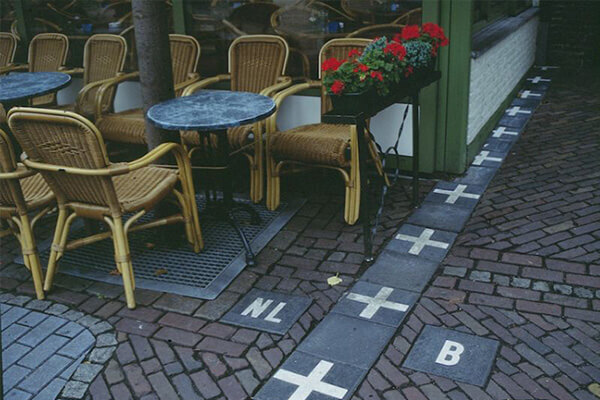
Coolest and unique international boarders you must see
Not only do borders define us, but they also determine who we are. Simple lines on the ground, either man-made or geological, distinguish one culture from the next.
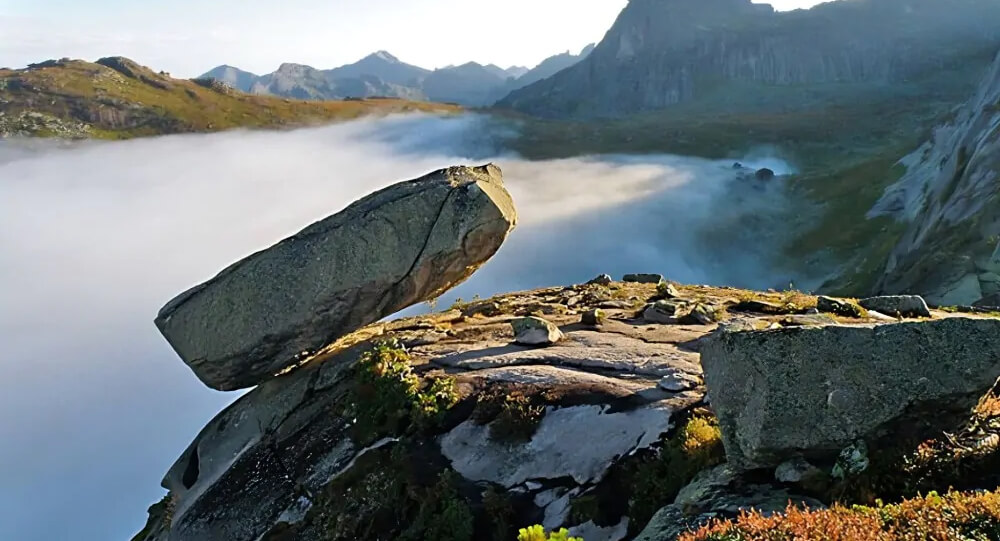
The Amazing Hanging Stone in Siberia Has Defied Gravity Since the Ice Age
The unbelievable "Hanging Stone" of Siberia weighs around 300 tons and has been hanging off a 1,000-meter cliff since the Ice Age.