
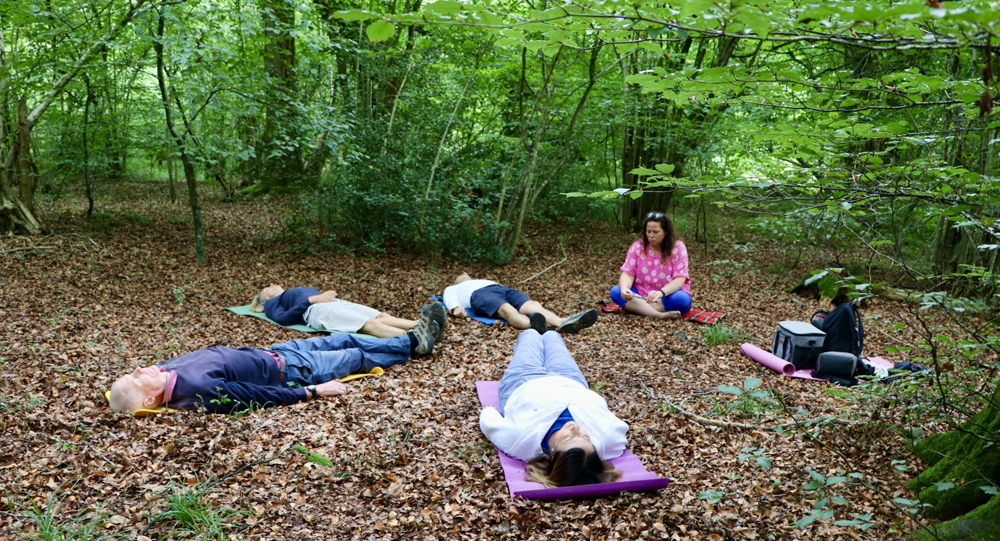
Imagine stepping into a lush forest, breathing in crisp air, hearing the gentle rustling of leaves, and feeling an instant sense of calm wash over you. This is the essence of forest bathing—originally a Japanese practice called Shinrin-yoku—that invites us to immerse fully in the natural world to nurture our physical and mental health. Becoming a global wellness trend in 2025, forest bathing is transforming how we approach stress, healing, and happiness.
The Origins and Experience of Forest Bathing
Forest bathing began in Japan during the 1980s as a public health initiative to combat urban stress by encouraging people to reconnect with nature. Unlike hiking or exercise, forest bathing is about slowing down, engaging all your senses—sight, smell, hearing, touch, and even taste—and being present in the forest environment.
This mindful sensory engagement replenishes energy, quiets the mind, and fosters a deep ecological connection. Whether sitting quietly by a stream, leisurely walking through towering trees, or simply breathing in fresh forest scents, the experience encourages restoration rather than exertion.
Scientifically Proven Health Benefits
Dr. Qing Li, a leading expert and pioneer in forest bathing research at Nippon Medical School, spearheaded numerous studies demonstrating remarkable health improvements from the practice. A large part of the benefit stems from exposure to “phytoncides”—natural volatile compounds that trees emit to protect themselves from insects and infection. When inhaled, phytoncides can elevate the count and activity of natural killer (NK) cells, a key arm of our immune defense.
Other proven benefits include:
- Lowering Blood Pressure and Heart Rate: Spending time in forest environments reduces sympathetic nervous system activity, helping to bring down hypertension and cardiac stress.
- Reducing Stress Hormones: Cortisol levels drop, and levels of stress-related neurotransmitters such as epinephrine and norepinephrine decrease.
- Improved Mood and Mental Health: Anxiety, depression, and feelings of hostility decrease, while positive emotions rise. Forest bathing also enhances concentration and memory.
- Boosting Immune Function: Increased NK cell activity can last for days or even weeks after forest exposure, strengthening resilience against illness.
- Enhanced Sleep Quality and Energy: The calming influence of forests supports restorative sleep and better daytime vitality.
Research also reveals physiological changes like lowered inflammation and cortisol levels, making forest bathing a potential natural therapy for chronic health conditions worsened by stress.
Why the Popularity Surge Worldwide?
As urbanization intensifies and lifestyles become more digitally saturated and stressful, people worldwide are seeking natural ways to preserve mental and physical health. Forest bathing offers a low-cost, accessible, and scientifically validated antidote to modern pressures.
In 2025, wellness retreats, guided forest therapy walks, and even urban green spaces are incorporating forest bathing principles. The practice’s blend of mindfulness, nature connection, and health benefits resonates strongly in post-pandemic societies prioritizing mental health.
Furthermore, governments and health organizations recognize forest bathing as adjunct preventive medicine, recommending it alongside conventional health practices.
How to Practice Forest Bathing Yourself
You don’t need to travel to remote wilderness to reap forest bathing’s benefits. Even a city park or any green space with trees can serve as a forest “bath.” Key tips include:
- Leave screens and distractions behind; focus on being fully present.
- Engage each of your senses individually: observe the colors and patterns of leaves, smell the earthy forest aromas, listen to bird calls and rustling branches, and touch moss or bark textures.
- Walk slowly or sit quietly, allowing the mind to relax and tune into the natural rhythms around you.
- Breath deeply and mindfully, noticing forest scents and fresh air filling your lungs.
- Spend at least 20 minutes to 2 hours immersing yourself for noticeable effects, but even short sessions can benefit.
Fascinating Trivia About Forest Bathing
- The term Shinrin-yoku translates literally as “forest bathing,” meaning to take in the forest atmosphere through all senses.
- Exposure to phytoncides, such as alpha-pinene and limonene, is linked to antimicrobial and anti-inflammatory effects in humans.
- Studies show NK cell activity can remain elevated up to 30 days after a forest bathing trip.
- Forest bathing is now formally prescribed in Japan as preventative therapy to reduce stress-related illnesses.
- Beyond trees, elements like running water, fresh air, and forest sounds contribute to its therapeutic effects.
- Forest bathing can increase creativity and problem-solving abilities by quieting the brain’s default mode network.
- Programs in various countries now blend forest therapy with mindfulness and psychological counseling for holistic healing.
Forest Bathing—Nature’s Prescription for Wellbeing
Forest bathing embodies a simple yet profound return to nature’s restorative embrace. As science continues to uncover its physical, emotional, and psychological benefits, people worldwide are rediscovering the age-old wisdom that healing isn’t just about medicine, but also about connection—to the earth, the trees, and ourselves.
If you seek to reduce stress, boost immunity, or find calm amid life’s chaos, a walk in the forest might just be the remedy you need. So step outside, breathe deeply, and soak in the forest—with your senses and your soul.
If this exploration of forest bathing and its cascading health benefits intrigued you, share it to inspire others to connect with the natural world and embrace wellbeing in 2025 and beyond.
Sources & Further Reading:
- The Forest Bathing Institute – Scientific Researchtfb
- National Center for Biotechnology Information – Narrative Review on Forest Bathing and Mental Healthpmc.ncbi.nlm.nih+1
- Healthline – Forest Bathing: Embracing the Practice and Research-Driven Benefitshealthline
- Frontiers in Public Health – Effects on Stress and Anxietyfrontiersin
- ScienceDirect – Long-lasting Immune Benefits of Forest Bathingpmc.ncbi.nlm.nih
- CNBC – Forest Bathing Can Improve Focus and Lower Stress (2025)cnbc

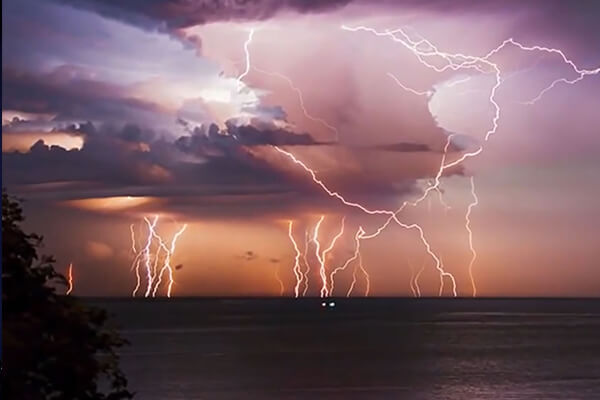
8 most amazing natural phenomena on earth
Nature is elusive and unpredictable, and the unexplained manifestations of its influence often leave us speechless. Though you might believe that shifting rocks and blood-colored rain are a prank or a magical phenomenon, science has an explanation for (almost) anything.
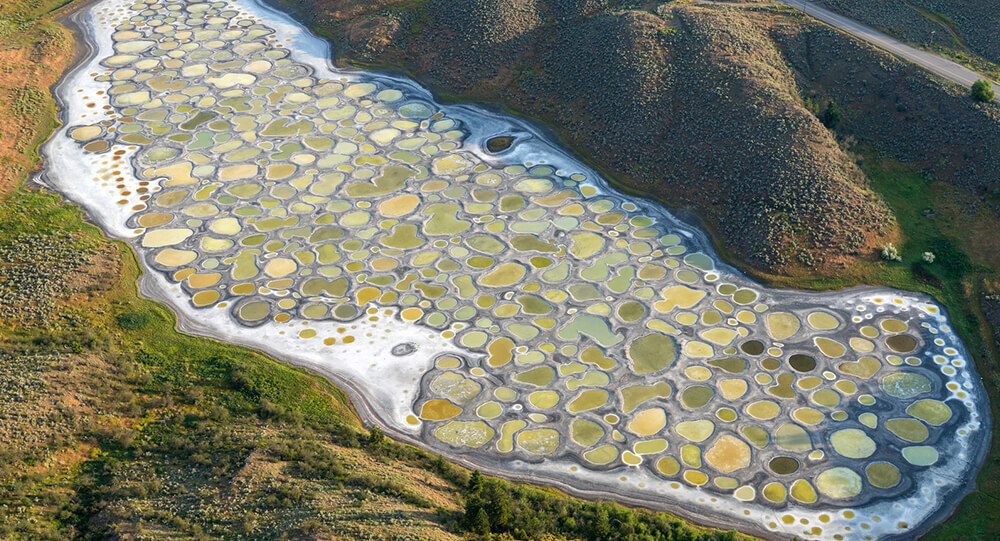
The Mystery of Canada's Magical Spotted Lake
Lake Khiluk, the world's most mineralized lake, and one of the most mysterious places on Earth. Each of these spots has a distinct chemical content and is said to cure various diseases.


Why Londoners Celebrate No Trousers Day by Riding the Metro Without Pants
Every year, Londoners participate in a quirky and joyful tradition known as No Trousers Day, where brave commuters board the London Underground dressed normally but without trousers, pants, or pajamas from the waist down. This cheeky event brings laughter, surprises, and a shared sense of community to the usually dull winter commute, reflecting a playful rebellion against the mundane and a celebration of spontaneity. Discover the origins, spirit, and fun behind London’s beloved No Trousers Tube Ride.
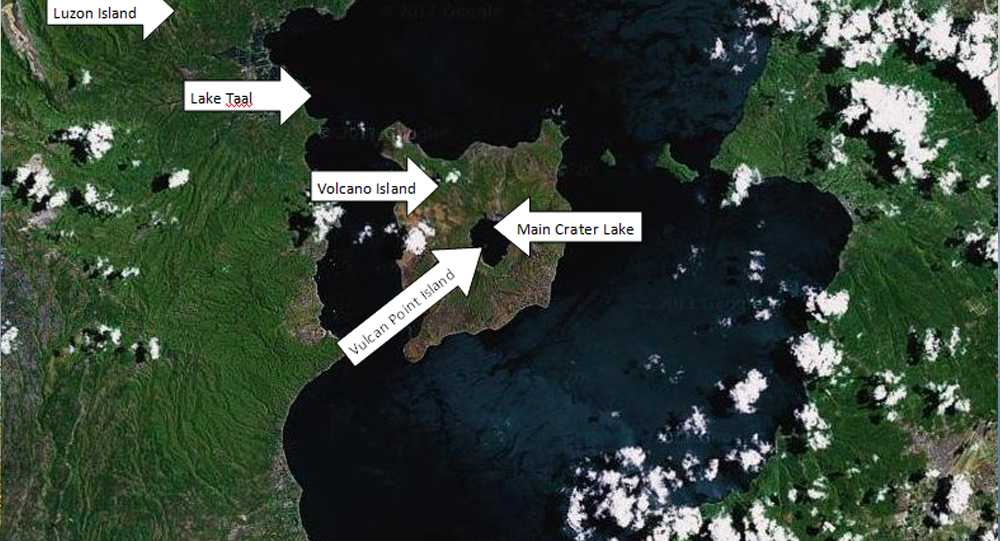
Taal volcano: The Island in a Lake on an Island in a Lake on an Island
Lake Taal, on the island of Luzon, in the Philippines archipelago's northernmost reaches, is unique. It's now one of just two lakes in the world with a third-order island within it, with the lake itself being a part of the order. In other words, Lake Taal, which is located on the island of Luzon, has a volcano (Volcano Island), a lake (Crater Lake), and its own little island (Vulcan Point).
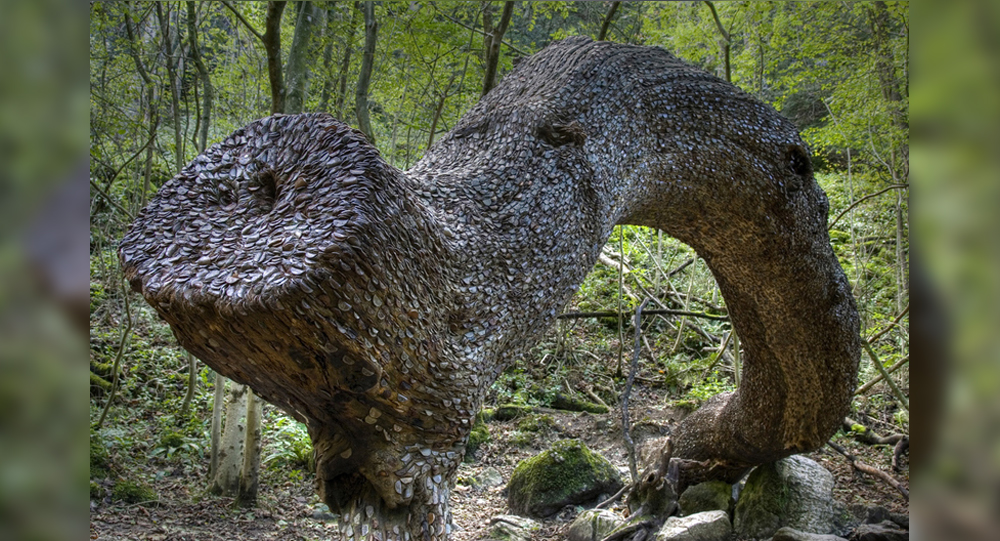
The Mystical Money Tree of the Scottish Highlands: A 1,700-Year-Old Tradition
In the Peak District Forest of the Scottish Highlands in the UK, there is a unique tree which is laden with only money. This tree laden with money has been studded with British coins for 1700 years, there is no corner of its trunk where a British coin is not stuck.
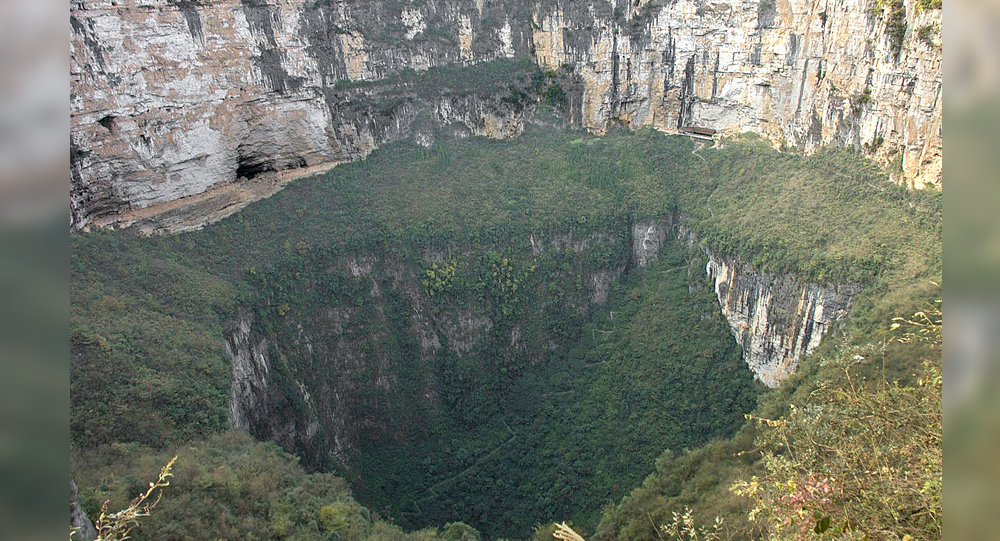
Xiaozhai Tiankeng: Exploring the World’s Deepest and Largest Natural Sinkhole
Hidden in the rugged terrain of Chongqing, China, lies Xiaozhai Tiankeng—the world’s deepest and largest natural sinkhole. Known as the “Heavenly Pit,” this colossal natural wonder plunges between 511 and 662 meters deep and stretches over 600 meters wide, dwarfing many familiar landmarks. This article journeys into the geological origins, unique ecosystem, and mysterious caverns beneath Xiaozhai Tiankeng, revealing a spectacular glimpse into Earth’s hidden landscapes.
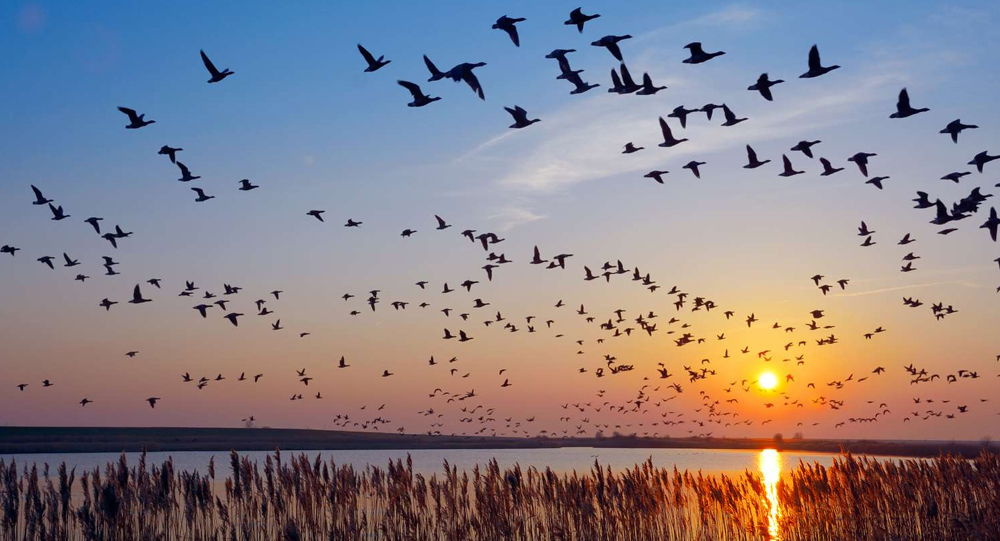
How Migratory Birds Navigate Thousands of Miles Without Getting Lost
Migratory birds undertake epic journeys spanning thousands of miles with astonishing precision, never losing their way. Their secret lies in a remarkable blend of innate senses, learned experience, and sophisticated navigation tools—ranging from the Earth's magnetic field to celestial clues and mental maps. Explore how these feathered travelers accomplish one of nature's most astounding feats through science, intuition, and adaptation.
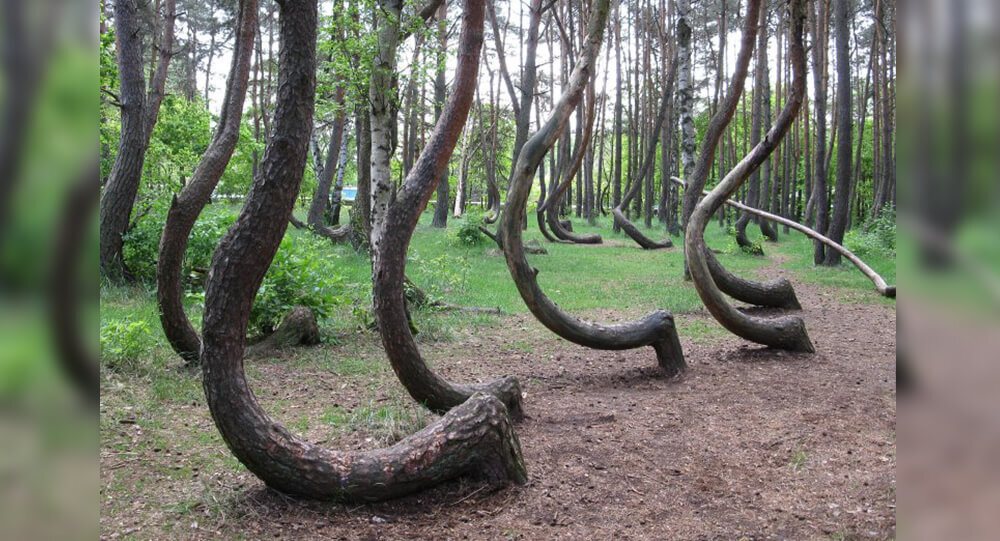
Poland's Krzywy: The Mysteries of the Crooked trees
In Poland, there is a forest with 400 crooked trees that have a 90-degree bend at the base of their trunks. Despite of numerous possibilities, the real reason and how it evolved remain a mystery.
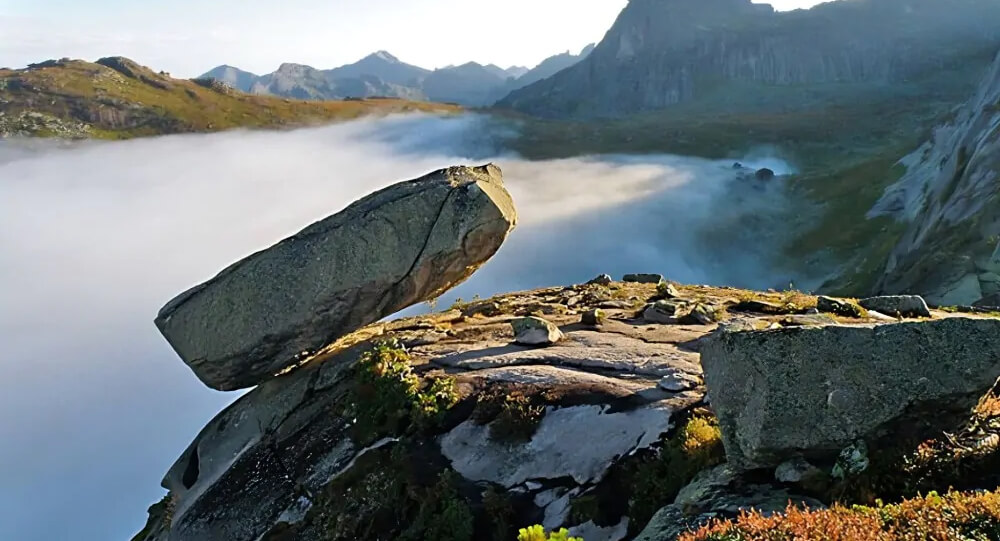
The Amazing Hanging Stone in Siberia Has Defied Gravity Since the Ice Age
The unbelievable "Hanging Stone" of Siberia weighs around 300 tons and has been hanging off a 1,000-meter cliff since the Ice Age.
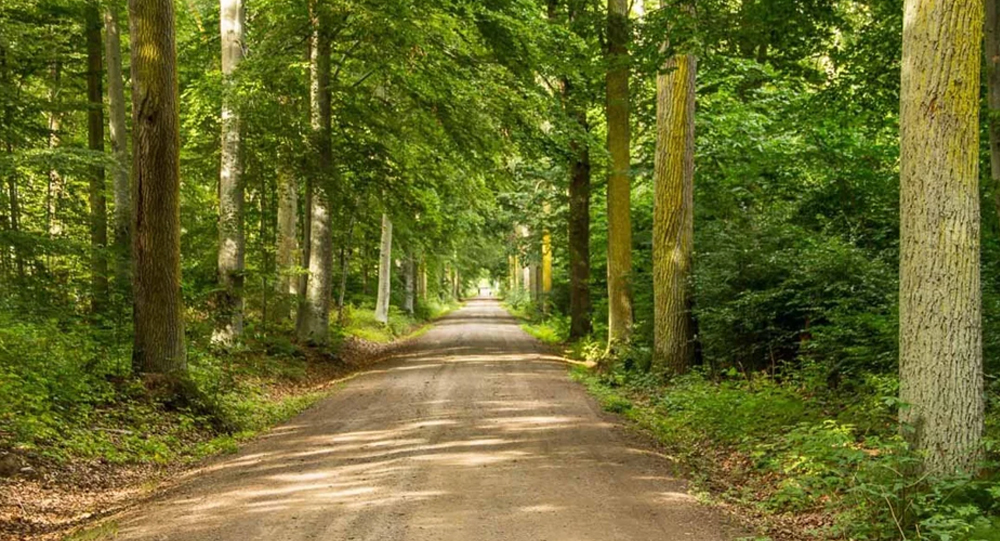
How Sweden’s 300,000 Oak Trees Became an Unintended Legacy: The Naval Forest That Outlived Wooden Warships
In the 1830s, Sweden planted 300,000 oak trees for the purpose of building naval ships. However, by the time the trees matured, metal warships had replaced the need for wooden ones. The forest still stands to this day.

How European Rabbits Took over Australia
In 1859, wealthy settler Thomas Austin released 13 wild rabbits on his Australian estate. By 1920, their population grew to 10 billion.
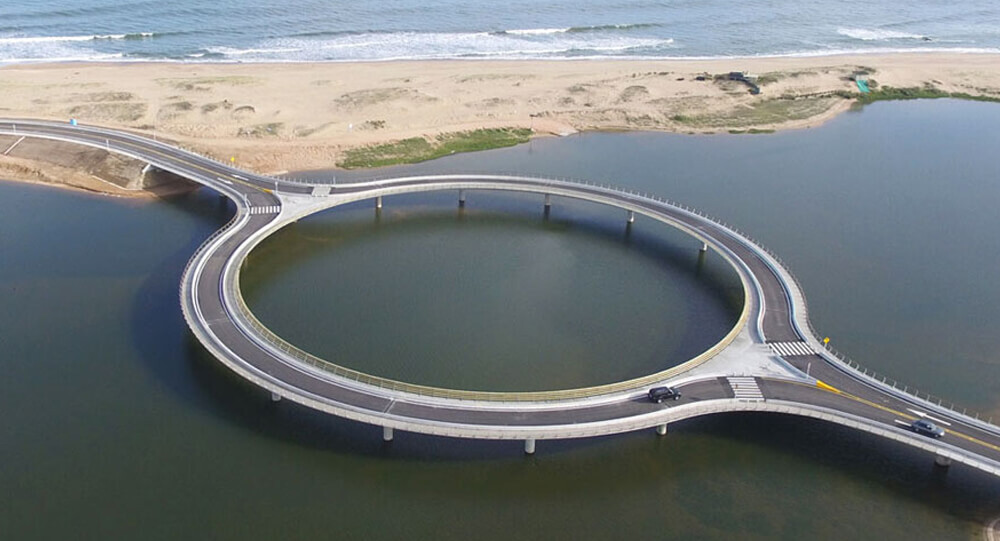
Circular Bridge Built To Slow Down Drivers So That They Would Enjoy The View (Photos)
Uruguay’s Laguna Garzon Bridge splits into a circle so drivers can slow down and enjoy the view. It also prevents head-on collisions and creates a walkway for pedestrians.
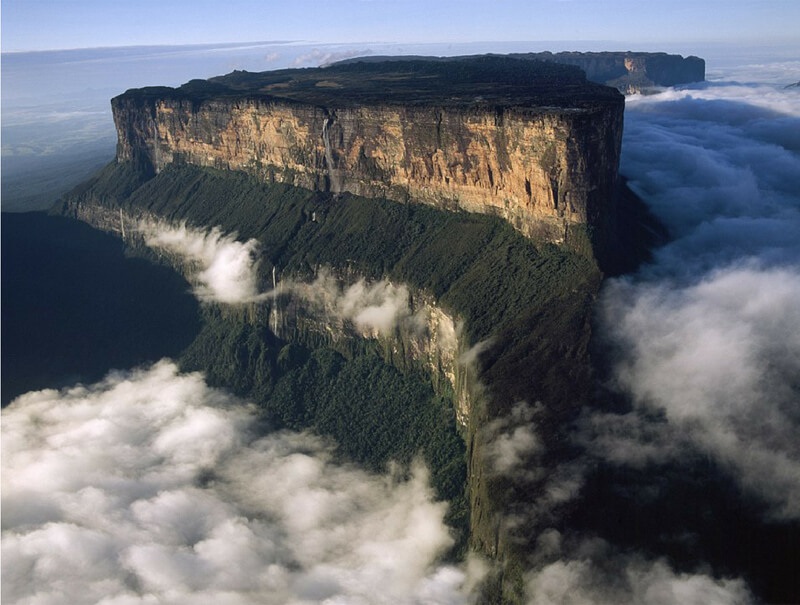
Top 10 Mysterious And Least Explored Places On Earth
Some people believe that there is nothing unexplored remaining on earth but the world doesn't cease to surprise us with its mysteries. Today I'll tell you about the lost places of the planet and animals that live only there.
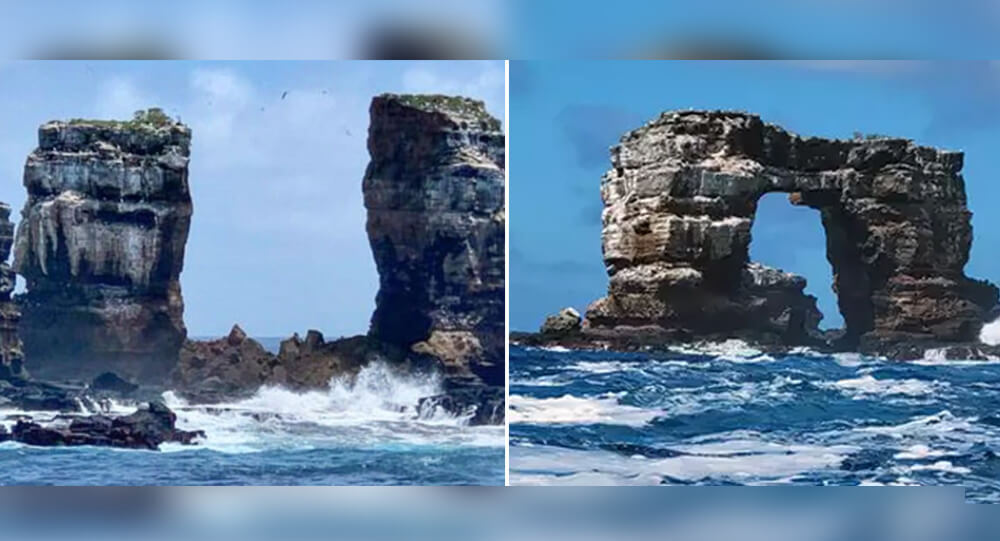
Darwin's Arch collapse
According to news sources, the top of Darwin's Arch, a famous natural stone archway in the northern Galapagos Islands, has collapsed into the waves.
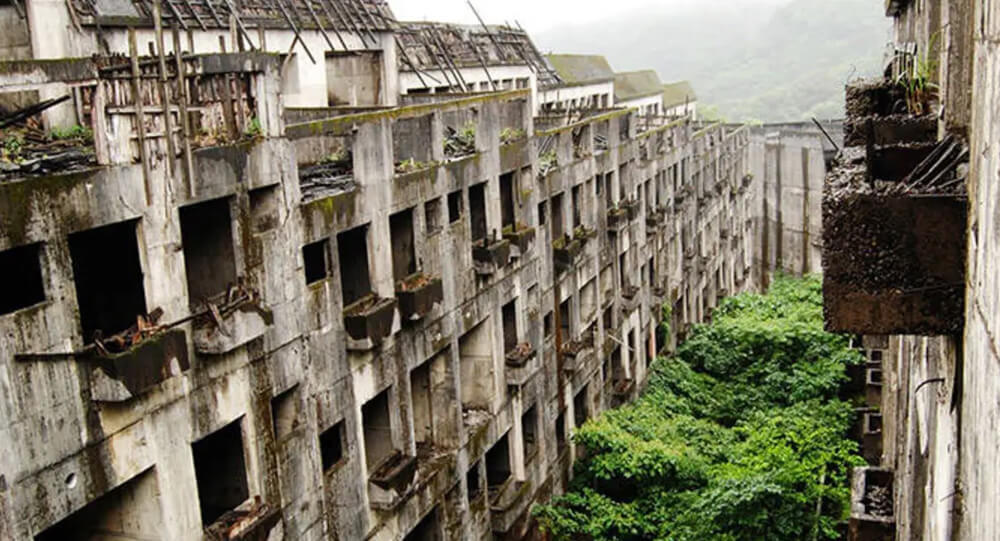
Famous abandoned cities and ghost towns in the world
Learn the stories behind seven of the world's most renowned abandoned cities and villages, from the infamous Chernobyl nuclear catastrophe zone to Hashima Island.
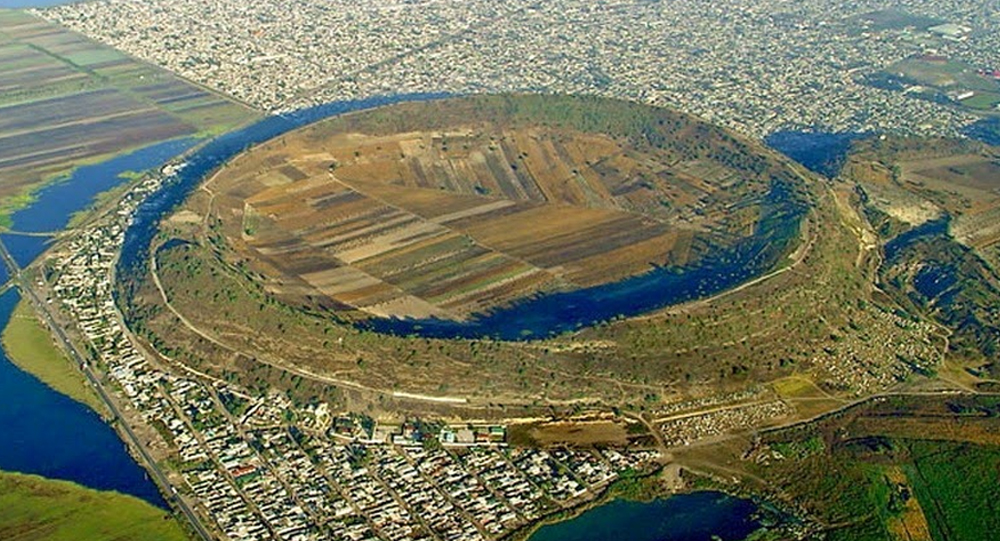
How Xico in Mexico Transformed from Volcano to Lake to Farmland
Xico, located near Mexico City, has a fascinating geological and cultural history that tells a story of transformation—once a violent volcano, then a serene lake, and today a fertile expanse of farmland. This transformation reflects the dynamic forces of nature and human intervention over centuries. This article explores the journey of Xico’s volcanic crater from its fiery origins through its time as a lake and how it ultimately became rich soil supporting agriculture and community life.

Sandy Island: The Phantom Island That Fooled Maps and Google Earth for Centuries
Sandy Island, charted since 1774, was long considered a phantom island in the Coral Sea. Despite appearing on maps and Google Earth, it was "undiscovered" by scientists in 2012, revealing only deep ocean instead of land. The island's existence was likely a cartographic error or a misidentified pumice raft.
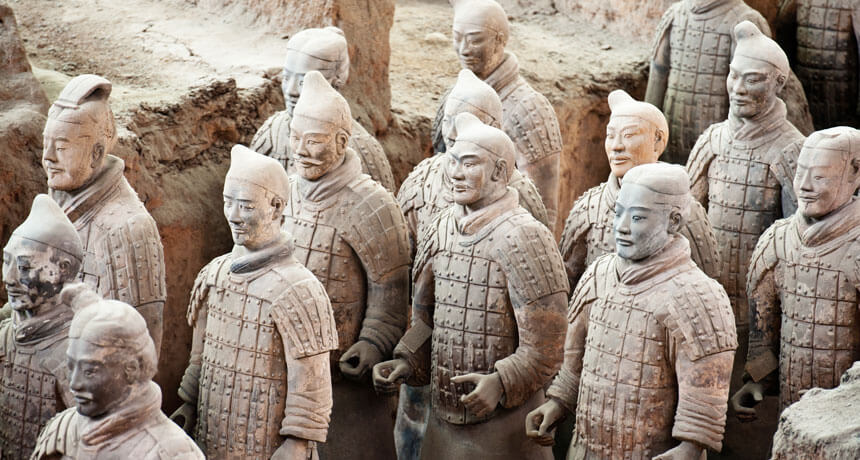
Top 10 Greatest and shocking Archaeological Discoveries of All Time
While we're all locked at home, there's no better way to escape to another time and place than to learn about amazing archeological sites and discoveries from around the world. Here are the 10 greatest and shocking archaeological discoveries —and don't be shocked if they inspire future trip plans whenever it's safe to do so again.

Coolest and unique international boarders you must see
Not only do borders define us, but they also determine who we are. Simple lines on the ground, either man-made or geological, distinguish one culture from the next.

Toronto’s Camouflaged Electric Substations
For over a century, Canada’s second-largest power company has been disguising its electrical substations in Toronto as beautiful houses that blend perfectly with the neighborhood. These fake houses contain transformers that supply electricity throughout the city.
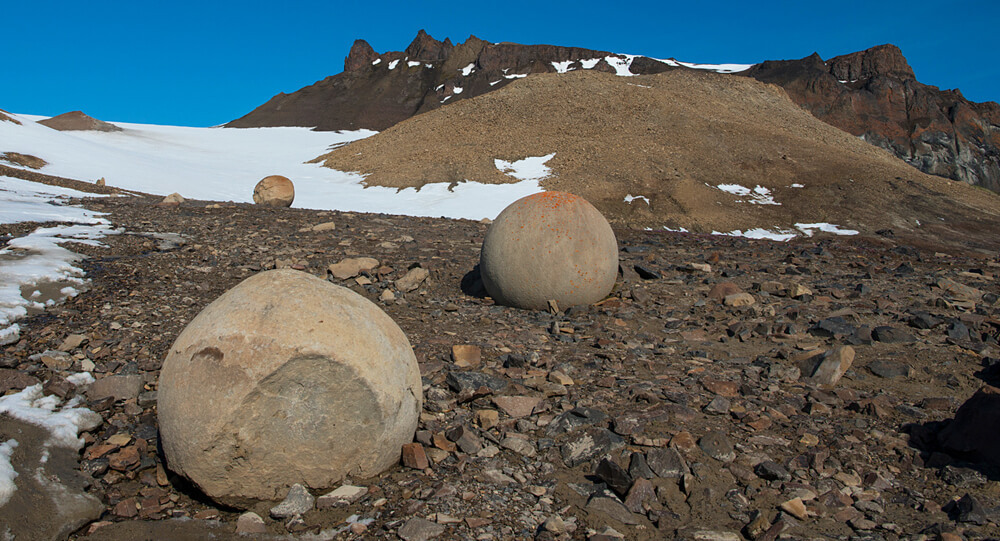
The mysterious GIANT spherical stones
Mysterious spherical stones ranging in size from a few millimeters to several meters have been discovered in Crimea, United States, Russia, and New Zealand. There are many theories from various geologists, but none of them are clear.
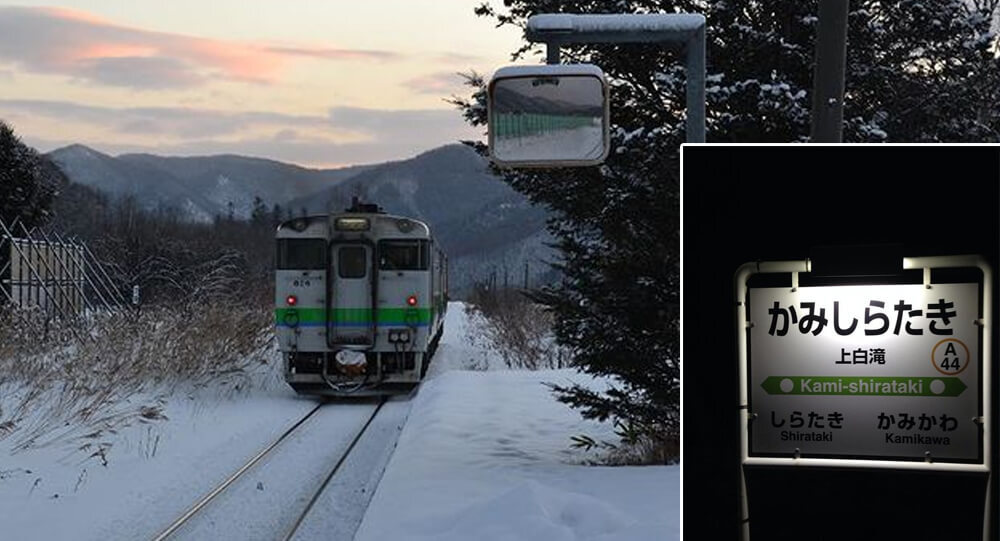
This soon-to-be-closed train station in Japan only serves one passenger
Japan keeps a defunc train station operational in 2015 for the sole purpose of allowing one girl to go to school every day. Only two stops are made by the train: once when an only one high school student departs for school and once when she returns.

Mystery SOLVED: blood Rain in India
The dissemination of spores of microalgae has been identified as the origin of the 'Blood Rain' phenomena, according to a new study by Indian and Austrian experts. Since 1896, reports of intermittent red-colored rain in portions of Kerala and Sri Lanka have been coming in. The most recent one occurred in 2013 over Kerala.
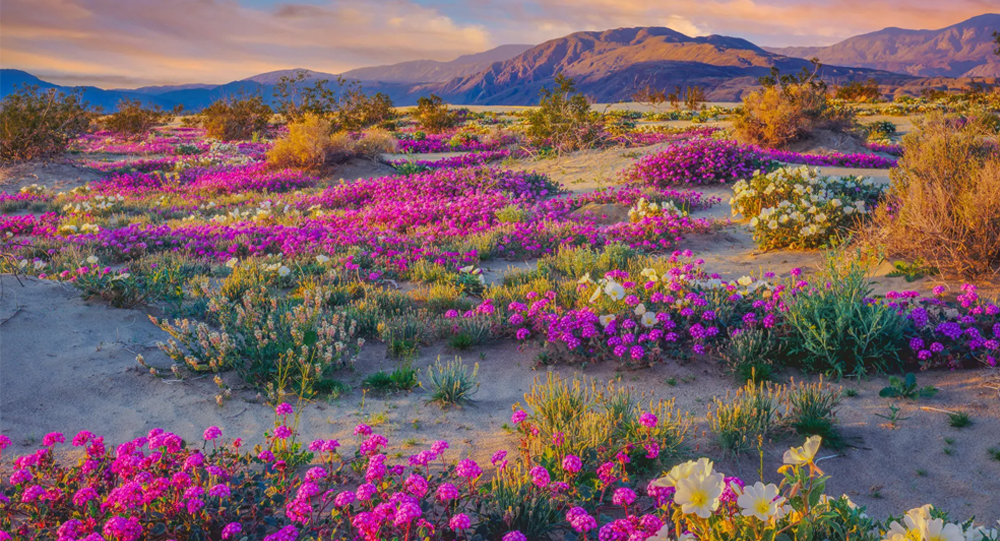
The Desert That Turns Into a Garden of Flowers Every Few Years
In parts of the desert where life seems most scarce, nature orchestrates an extraordinary transformation: the barren ground bursts into vibrant colors as wildflowers bloom after rare periods of rain. This phenomenon, known as a desert superbloom, is both awe-inspiring and scientifically fascinating. Learn how deserts like the Sonoran transform from arid landscapes into stunning floral displays, the environmental triggers behind this spectacle, and what these blooms reveal about resilience and adaptation in extreme environments.
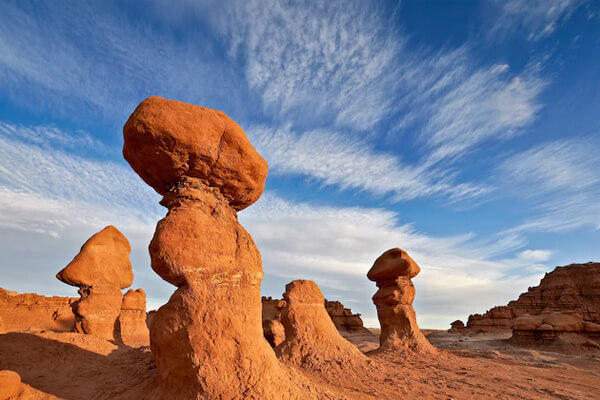
11 Amazing and famous rock formations around the world
For many years, people have been attracted to these spectacular-looking boulders because of their shape, components, location, or picturesque surroundings. Many of them are massive, and seeing them is an amazing experience.