
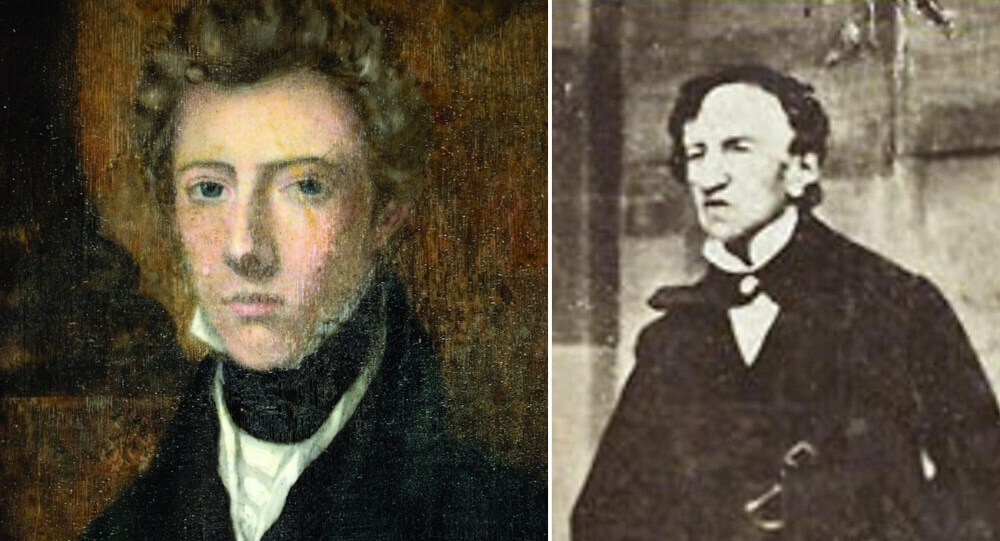
In the 19th century, there weren’t many female physicians. For more than 40 years, Margaret Bulkley, an Irishwoman, practiced medicine under the guise of Dr. James Barry. This article describes what transpired, Bulkley’s time in Malta, and how we came to know what did.
Her early life
Most sources concur that Margaret Bulkley was born in Cork, Ireland, in 1789. Her father was a trader who provided the powerful British Navy’s Cork base with supplies. Her father’s business was destroyed by the 1798 revolt, and he became insolvent.
Margaret ran away to London with her mother. James Barry, a painter, was their neighbor and also her mother’s brother. Margaret made the decision to pose as a boy in order to pursue a career in medicine. She adopted her uncle’s name and Edinburgh University 3 accepted her in either 1809 or 1810.
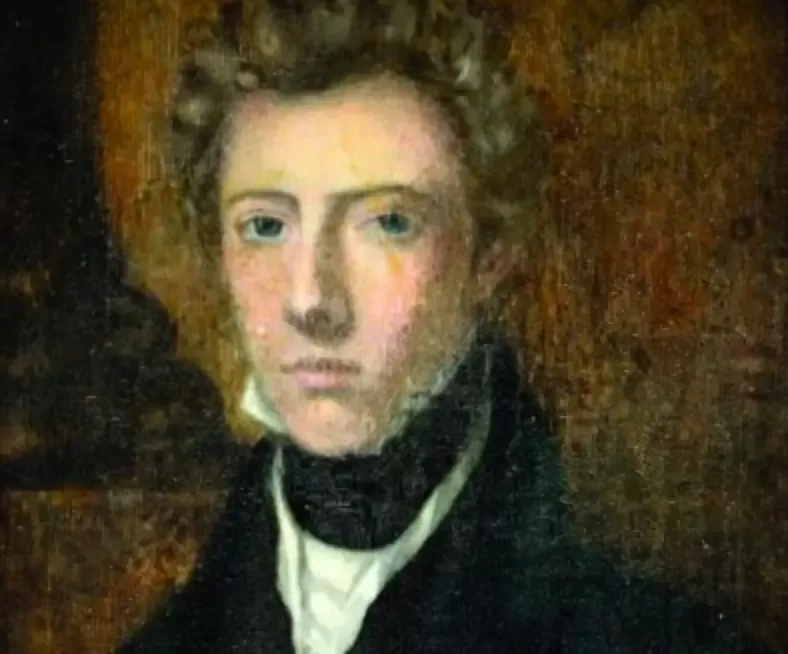
In the university, there were early rumors that he must be a prepubescent male rather than a woman. Many were so certain that a woman couldn’t succeed in higher education that it never even occurred to them that “James” might be a woman.
She trained as a surgeon and went back to London.
Barry made yet another risky move by enlisting in the British Army. Before becoming the Medical Inspector for Cape Town in 1815, according to certain records, this occurred as a hospital aide on July 5, 1813. According to other sources, he visited Cape Town in 1812.
The British military eventually dispatched Dr. Barry to Malta.
Barry in Malta
Dr. Barry deceived everyone throughout the globe for 46 years. Barry was assigned by the army to Malta as the islands’ principal medical officer on November 2, 1846.
He landed on November 17 from Gibraltar. Days after his arrival in December 1846, Barry went to the liturgy at Valletta’s St. Paul’s Cathedral. Barry received a reprimand from Governor Sir Patrick Stuart for occupying a pew intended for clerics.
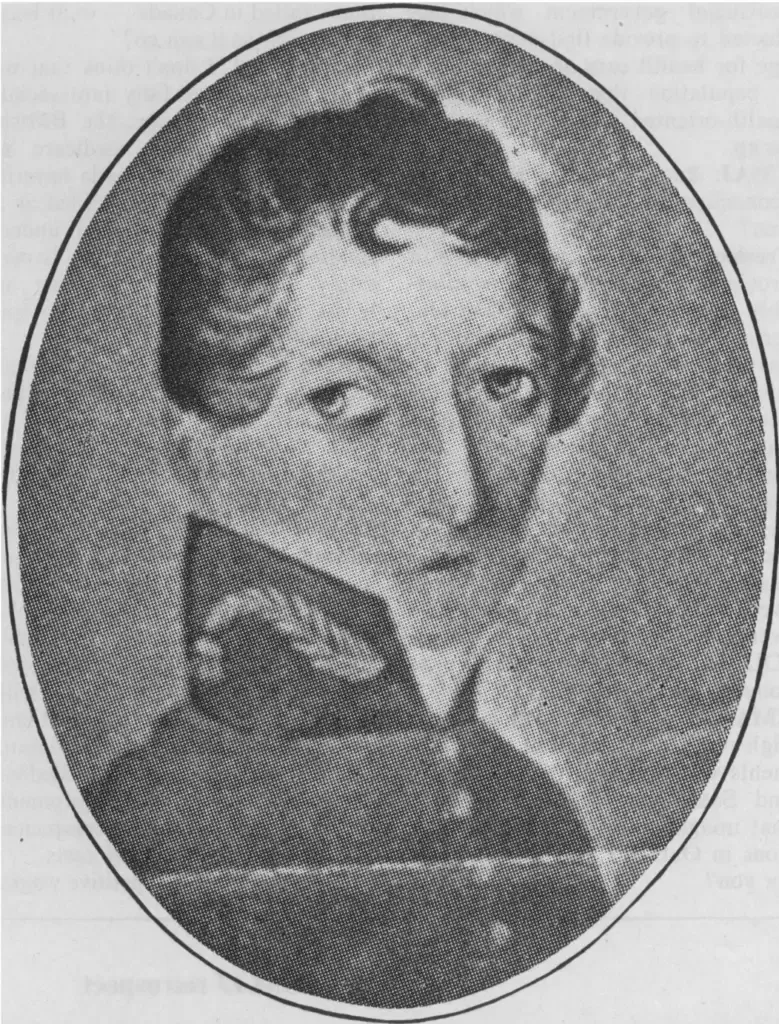
Before settling in the contemporary town of Sliema, Barry booked a room at the Claredon Hotel in Valletta. Barry’s Sliema landlord claimed that because he would refer to Barry as “Dan ix-xitan ghandu ikun mara,” he knew she was a woman (This devil should be a woman.)
A cholera epidemic struck the soldiers in Fort St. Elmo on September 6, 1848. Barry resisted making the cholera diagnosis despite there being an outbreak in Mauritius in 1819. He asserted that diarrhea was the cause of this. This judgment was supported by two other surgeons who attributed the problem to stagnant water. A post-mortem conducted by Barry on a purported cholera victim disproved the claim.

Barry created a vehicle in 1849 to transport ill soldiers from the Customs House dock up to the military hospital. There were ferries to ferry soldiers from Fort Ricasoli across the harbor, but there were no other means of transportation available. Several people were too frail to climb the hospital’s inclining hill. Until Barry made a change, nobody took any action.
Barry’s efforts to stop a typhus epidemic were praised by the Duke of Wellington. Barry was promoted to the position of Inspector-General of hospitals, the highest rank an army doctor can have. This title is comparable to Brigadier-General.
The Malta Times noted that “the troops and the impoverished particularly, as well as a great number of acquaintances among the first circles in the island, will grieve their loss” while reporting on Barry’s departure from the islands for Corfu on April 1, 1851.
Dr. Barry is renowned for making numerous medical advancements.
Barry’s medical career
Dr. Barry continued to enhance modern medicine. In South Africa, where Barry’s temper and outbursts revolutionized healthcare and preceded Florence Nightingale’s directives in Crimea, his insistence on hygiene had its start.
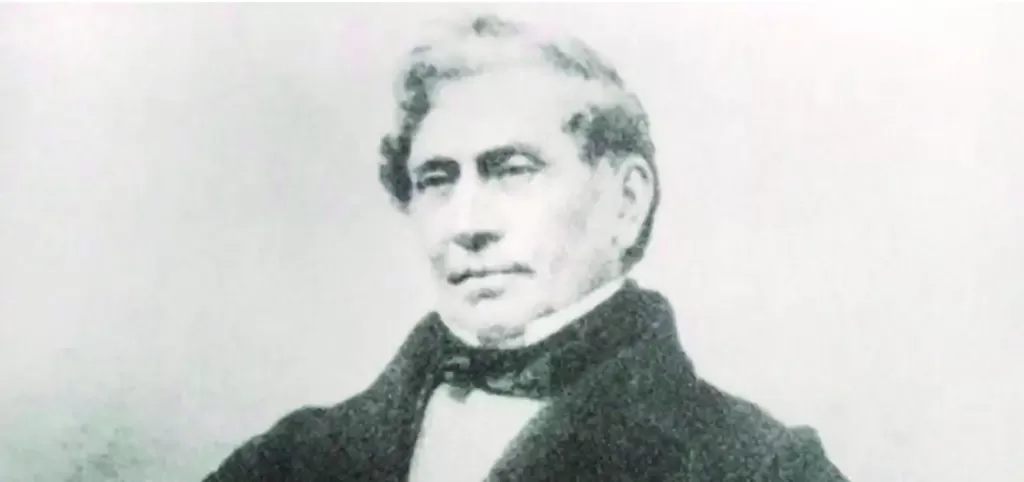
He created a plant-based treatment for gonorrhea and syphilis, advocated for clean air, water, and a balanced diet, and invented the smallpox vaccine.
He performed the first successful Caesarian delivery in which the mother and child both survived in 1826 (or 1820).
Dr. Barry was able to maintain his secrecy right up to his passing.
Death
Dr. Barry passed away at Marylebone, London, on July 25, 1865. He had given clear instructions to have his body buried in the clothes he was wearing when he passed away. This is a clear ploy to prevent the truth about Margaret/James from being revealed.
Sophia Bishop was the charwoman employed to lay out the body and who discovered the truth. She tried and failed to blackmail the British Army about this..
With the news, which was first broadcast in Dublin and then the rest of the Empire, she went to the media. This was subsequently covered by The Malta Times on October 5, 1865.

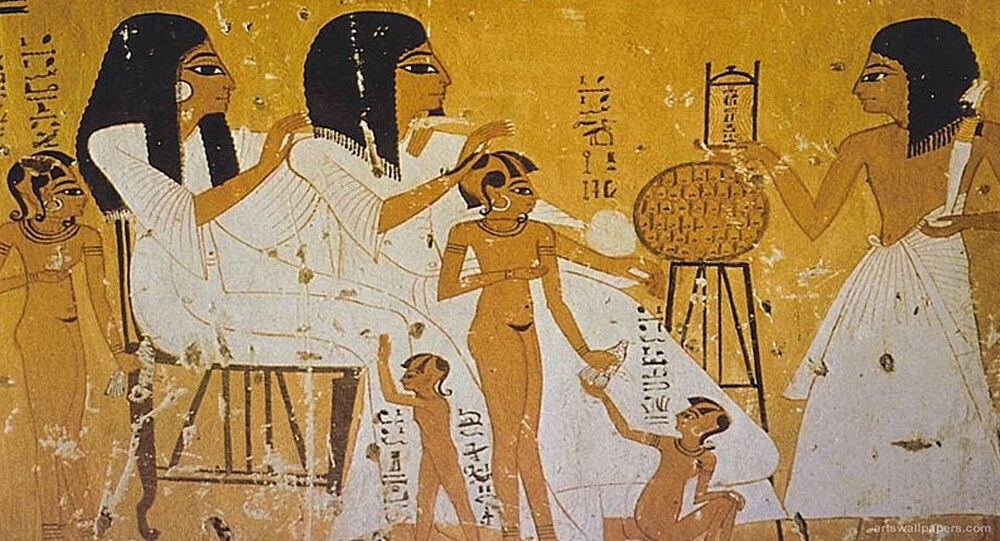
Ancient Egyptians Had Pregnancy Tests Over 3500 Years Ago
The ancient Egyptians used a pregnancy test that involved potentially pregnant women peeing on barley and wheat seeds. Plant growth indicated pregnancy: barley for a boy and wheat for a girl. Later tests revealed that pregnant women's urine causes plant growth 70% of the time, whereas non-pregnant women's urine does not.
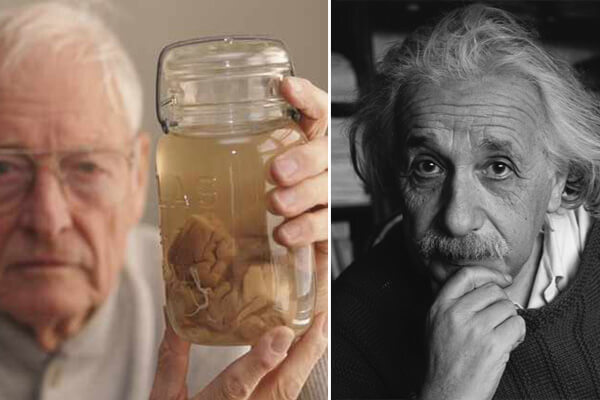
Albert Einstein’s brain after it was stolen from his body
Albert Einstein's brain was taken by the opportunistic pathologist who performed his autopsy hours after he died and kept in two jars for 30 years. The stolen brain of Albert Einstein was preserved in a cookie jar for 30 years until being discovered by a journalist.
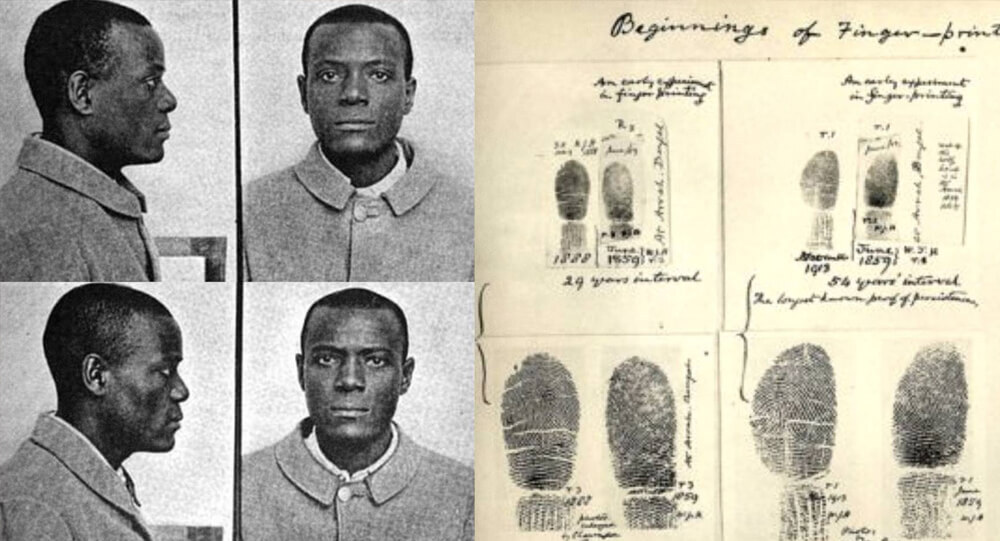
Will & William Wests: The puzzling situation of two inmates who are identical but not related
These are the mugshots of Will West and William West, and they are not related. They were both sent to Leavenworth Prison at the same time, in 1903, and after some confusion, the staff understood they had two different prisoners with the nearly same name, who looked exactly alike. They are part of the reason fingerprints are now used as identification.
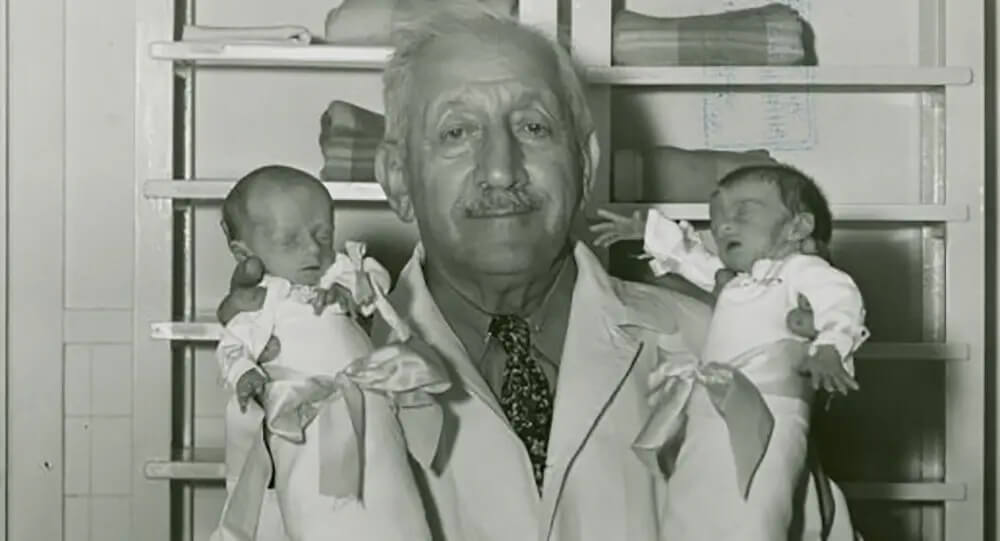
Martin Couney, Saved Thousands of Premature Babies Wasn’t a Doctor at All
Martin Couney never qualified as a medical doctor. However, in the 1900s, he saved thousands of premature babies by exhibiting them in incubators at his Coney Island sideshow. Over the course of his career, he is said to have saved about 6,500 babies that had previously been written off by mainstream medicine.
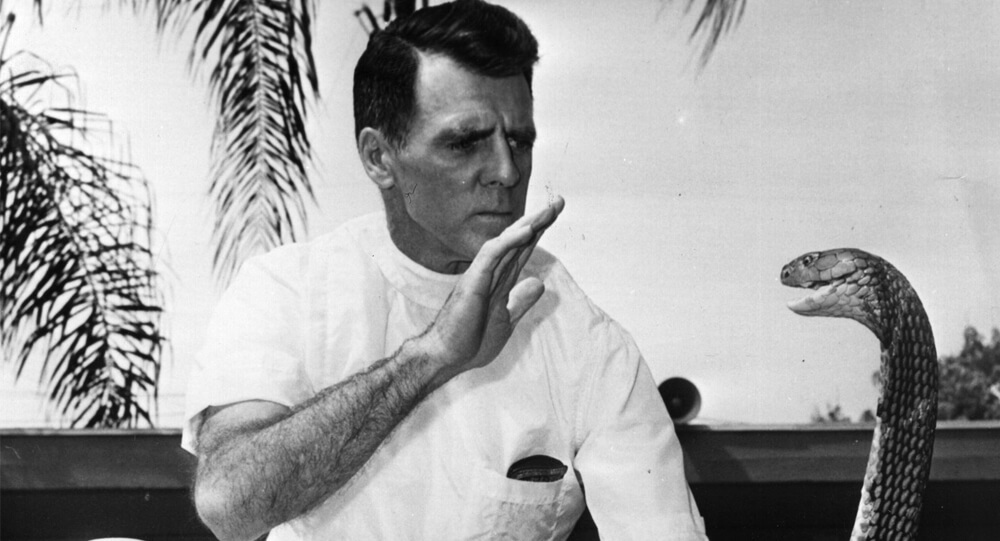
The story of Bill Haast, who lived to be 100 despite his extensive snake venom injections
Bill Haast immunized himself by injecting snake venom into his blood for several years. He holds the Guinness World Record for surviving the most lethal snake bites, having been bitten over 172 times. Bill became known as "Snake Man" around the world and lived for over 100 years.

15 interesting facts about Queen Elizabeth II
Queen Elizabeth II, who ruled Britain for 70 years, has away at the age of 96. She was the country's longest-reigning monarch. Here are some little-known facts about her.
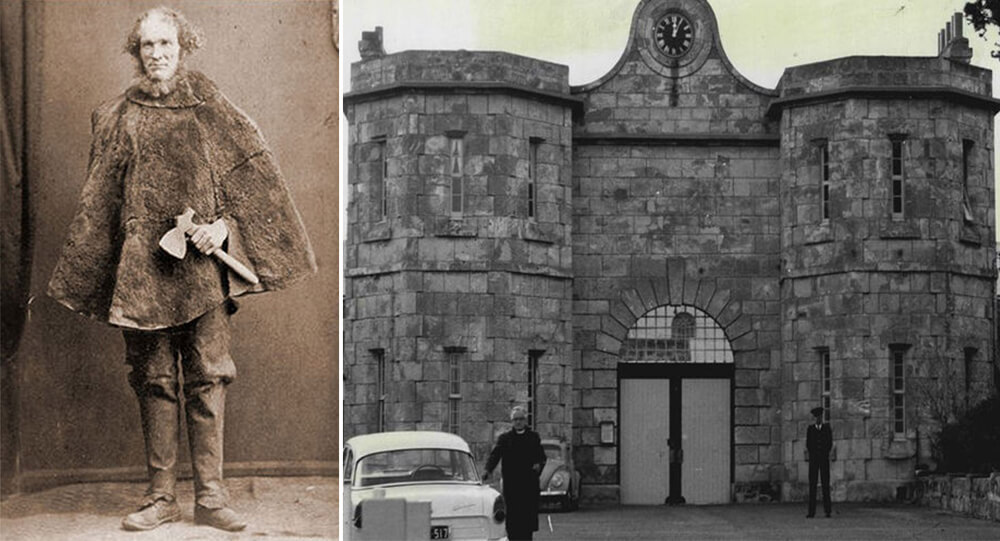
Moondyne Joe: The story of Australia's most notorious prison escapee
A man named Joseph Bolitho Johns (A.K.A Moondyne Joe) broke out of Australian prisons so many times that the police were compelled to build a special cell just for him. He escaped from that as well.
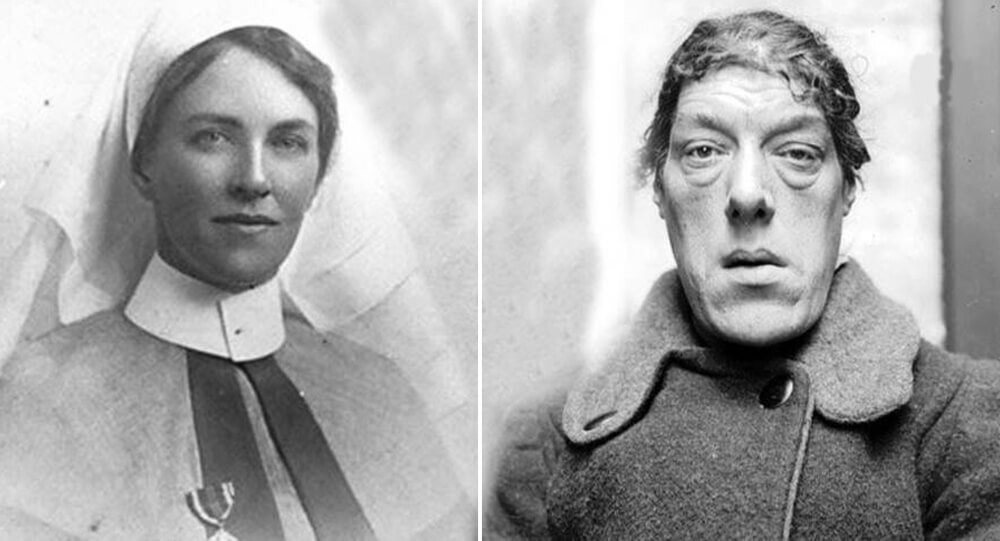
The Tragic Story Of Mary Ann Bevan, The ‘Ugliest Woman In The World’
After the death of her husband, Mary Ann Bevan had no income to support herself and her children. She then decided to enter a contest where she won the title of “ugliest woman” and was later hired by a circus. She endured this ridicule from the world to provide for her family.

How Sleep Deprivation Was Once Used as Torture
Sleep deprivation, long before modern interrogation techniques, was considered a “clean” and effective form of torture—leaving no physical scars, yet breaking minds with haunting silence. Victims endured days and nights without rest, leading to vivid hallucinations, disorientation, and psychological torment. This article traces the dark history of sleep deprivation as a weapon, examines the science behind its effects on the brain, and shines a light on the painful balance between human endurance and cruelty in the annals of coercion.
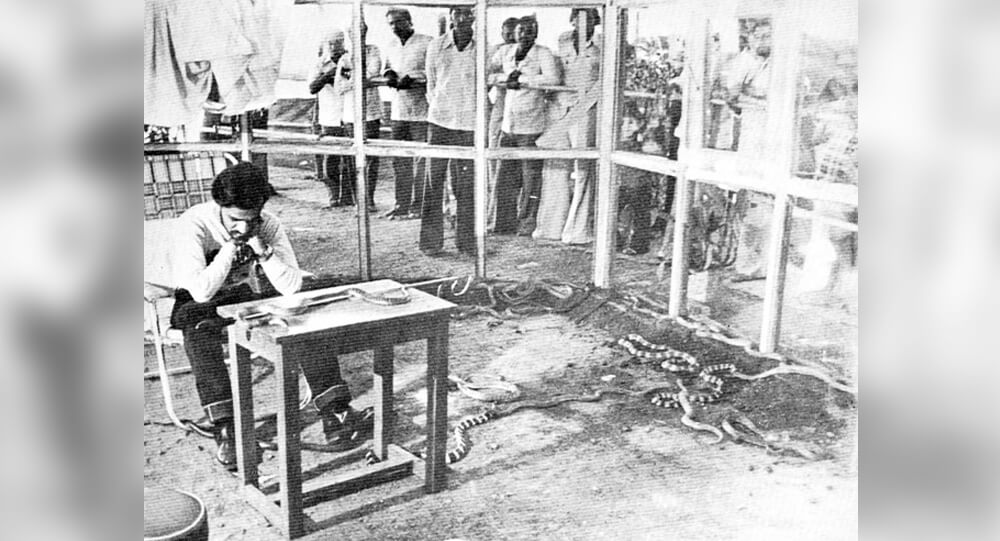
The story of a man who spent 72 hours with 72 venomous snakes to prove they only bite when provoked
In the 1980s, an Indian man spent 72 hours in a glass cabin with 72 snakes, some of which were extremely venomous. His aim was to prove that snakes only attack when provoked. Remarkably, he was not bitten once in those 72 hours and even set a Guinness World Record in the process.

Sylvan Goldman: The Visionary Who Revolutionized Shopping with the Cart
The inventor of shopping carts, Sylvan Goldman, had to hire several male and female models to push carts around in his store, demonstrate their utility, and explain their use to other customers, due to not catching on initially.
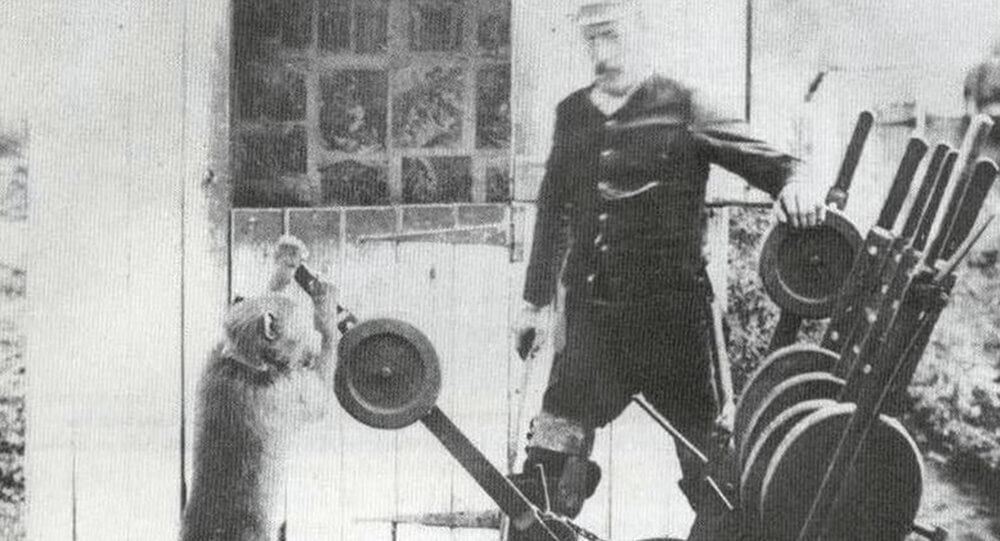
Jack the Baboon operated a railroad, earned a living, and never made a mistake
A baboon worked as a signalman for the railroad in the late 1800s. He never made a mistake and worked for the railroad until the day he died.
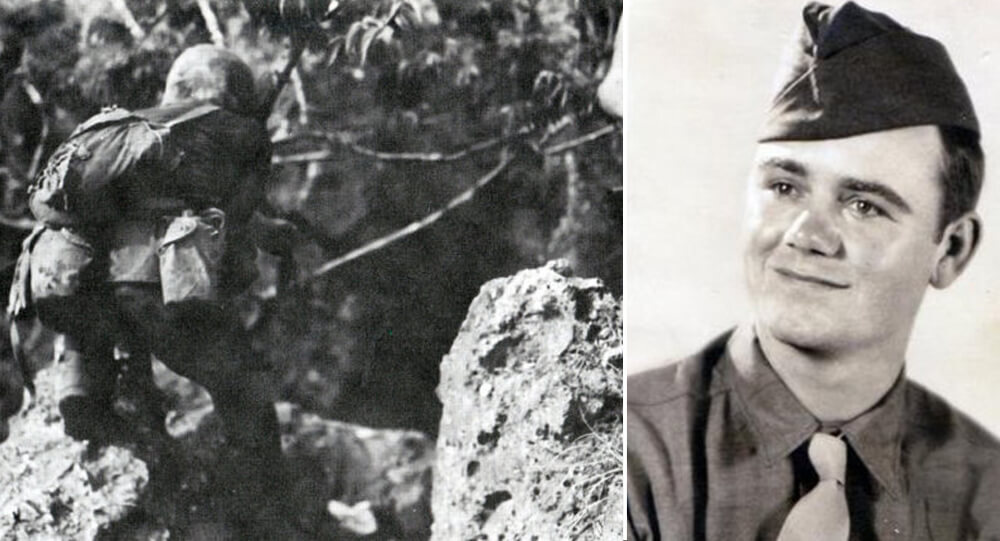
Thomas Baker's heroic act that earned him the "Medal of Honor" was 8 bullets until death
Thomas Baker instructed his team to leave him with a pistol and eight bullets propped up against a tree after he was injured. Later, American troops discovered the now-deceased Baker in the same location, lying next to eight dead Japanese soldiers and carrying an empty pistol.

Underground Railroad to Mexico freed thousands of slaves in 1829
Slavery was abolished in Mexico in 1829. Slaves were escaping to Mexico, and slaveholders in the US were aware of this. The US attempted to get Mexico to sign a fugitive slave treaty, which would have required Mexico to send back escaped slaves to the US. But, Mexico refused, arguing that slaves were free as soon as they set foot on Mexican soil.

The youngest person executed, George Stinney Jr was proven innocent
In 1944, George Stinney Jr. was 14 years old when he was executed in South Carolina. It took only ten minutes to convict him — and 70 years to exonerate him.
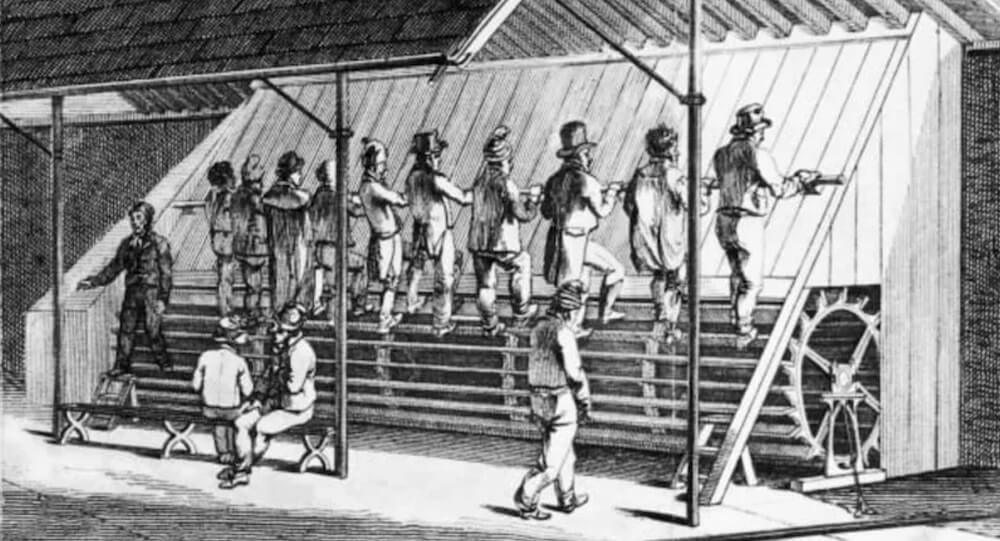
History of Treadmill, punishment for prisoners
Treadmills were originally a punishment used to harness human power on a giant wheel used to grind grains, hence the name "treadmill." The History of Treadmill
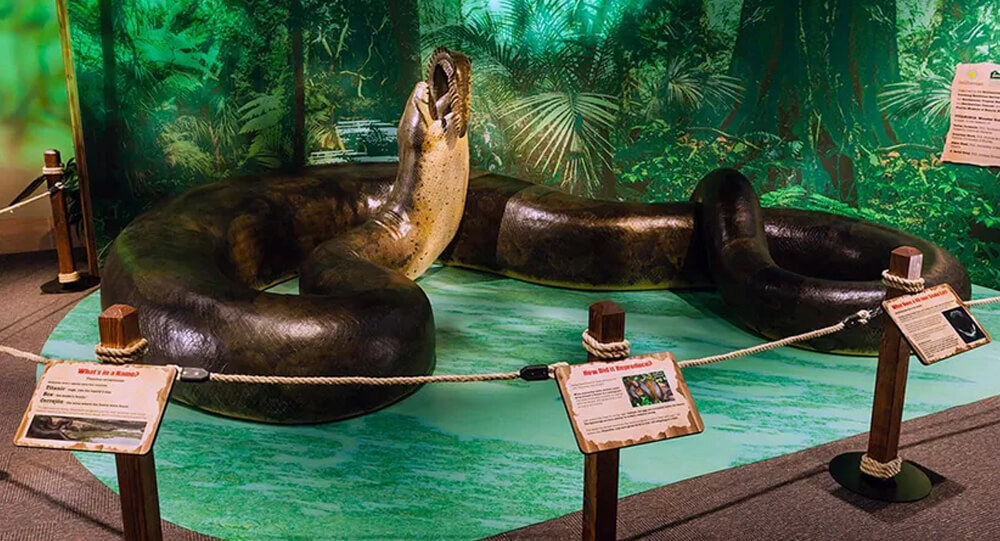
Titanoboa cerrejonensis, fossils of the world’s largest species of snake
In 2009 in a coal mine of Columbia, scientists discovered fossils of the world’s largest species of snake. The species is called “Titanoboa cerrejonensis,“and it is from around 60 million years ago. It would have had measured about 48 feet long and weighed about 2,500 pounds

How Cleveland's Balloonfest in 1986 Turned Into a Public Tragedy
In Cleveland, Ohio, United Way broke the world record by deflating nearly 1.5 million balloons as part of a publicity stunt to raise money. The balloon obstructed a US Coast Guard search for two boaters who were subsequently discovered to have drowned, blocked airport runways, and blocked land and waterways.

A Brief History of the PlayStation Gaming Console
Sony's PlayStation was never meant to be an actual product. Instead, it was intended to be a CD-ROM console that would support Nintendo games. However, when Nintendo backed out of the deal at the last minute, Sony went ahead and launched what soon became one of the most successful gaming consoles of all time.
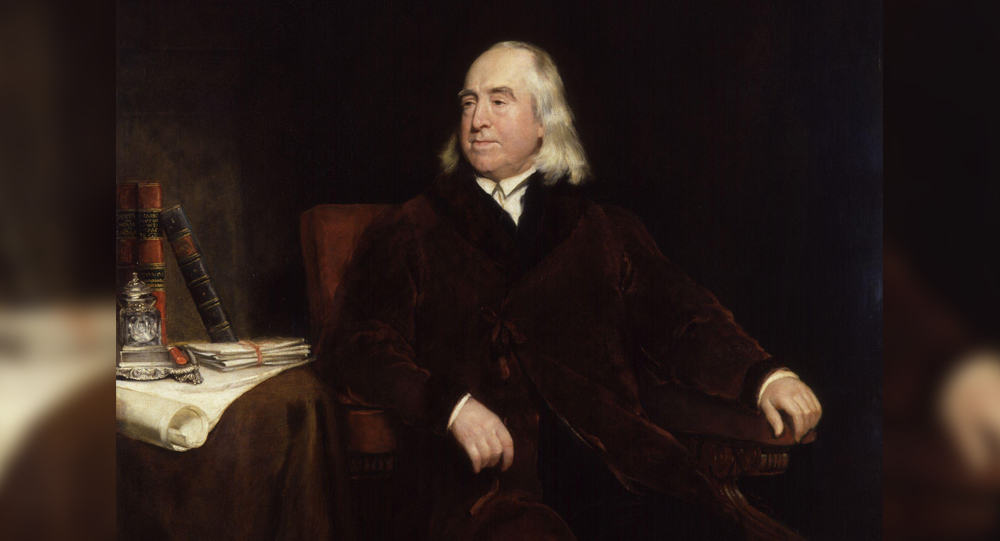
How 18th Century Women’s Rights Movements Shaped Modern Equality
The 18th century marked a turning point in the quest for women’s rights, as passionate voices challenged centuries of gender inequality and laid the groundwork for modern feminism. From pioneers like Mary Wollstonecraft to revolutionary declarations and early advocacy, this era sparked debates on education, political participation, and social justice that continue to resonate today. Journey through the origins of women’s rights movements and discover how their bold ideas shaped the fight for equality.
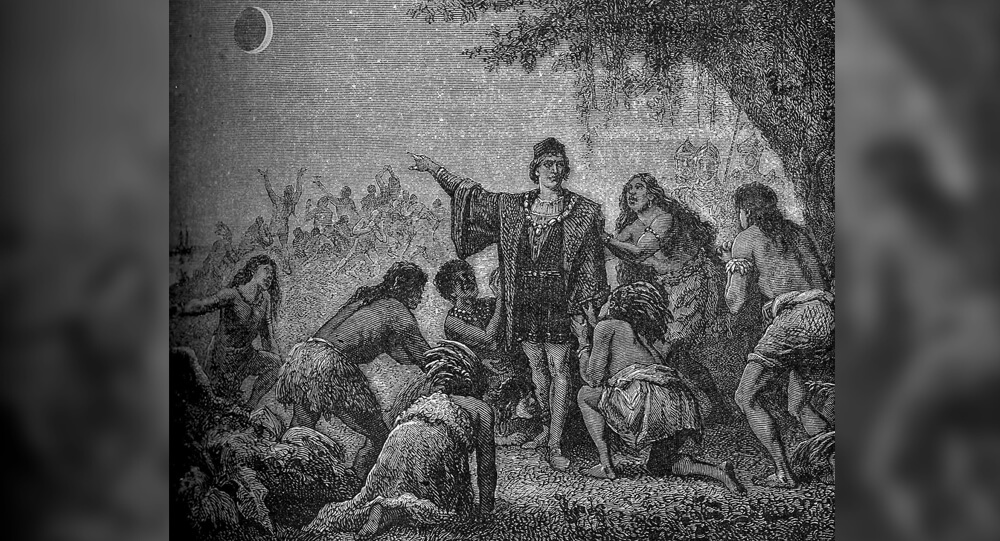
How a Total Lunar Eclipse Saved Christopher Columbus in 1504
In 1504, Christopher Columbus was stranded in Jamaica with natives who refused to give him food. But he knew the date and time of an upcoming lunar eclipse. So he told the natives that his gods were angry at their treatment of him, and would provide a clear sign. Once the eclipse started, the natives raced to give him food and begged for mercy.


Why was the Eiffel Tower almost demolished
The Eiffel Tower was intended to be a temporary structure for the World's Fair in 1889, but it was nearly dismantled and sold for scrap metal. It was saved because of its potential use as a radio antenna, and it now serves as a tourist attraction as well as a working broadcast tower.

Terry Fox, a 21-year-old one-legged cancer patient who ran 143 days before dying
Terry Fox was a 21-year-old one-legged cancer patient who ran 3,339 miles across Canada in 143 days before dying.
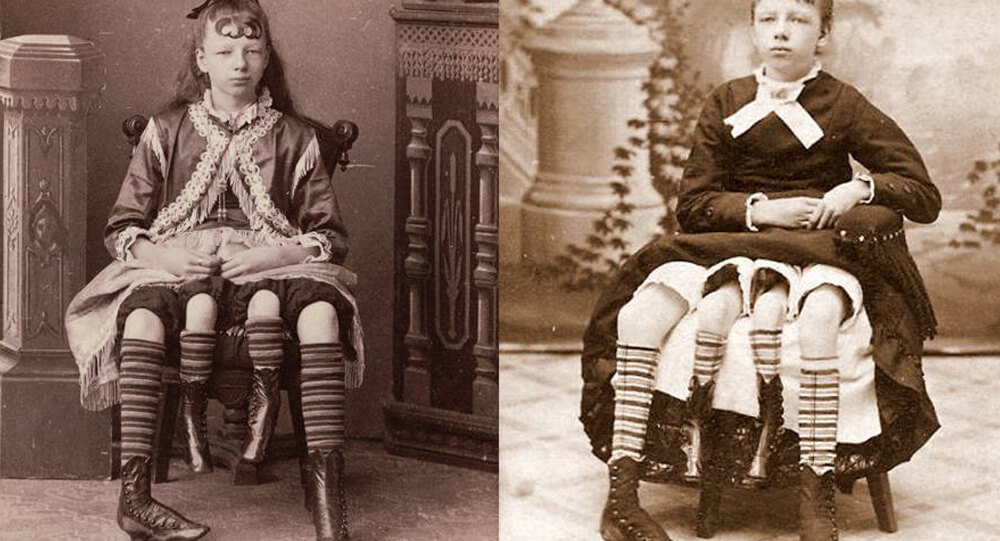
The true story of Josephine Myrtle Corbin, the lady born with four legs and two private parts
Josephine Myrtle Corbin, an American sideshow performer born in 1868, had a rare condition known as dipygus, which caused her to have four legs, each smaller inner leg paired with one of her outer legs. Corbin joined the sideshow circuit, captivating audiences as the "Four-Legged Girl from Texas."
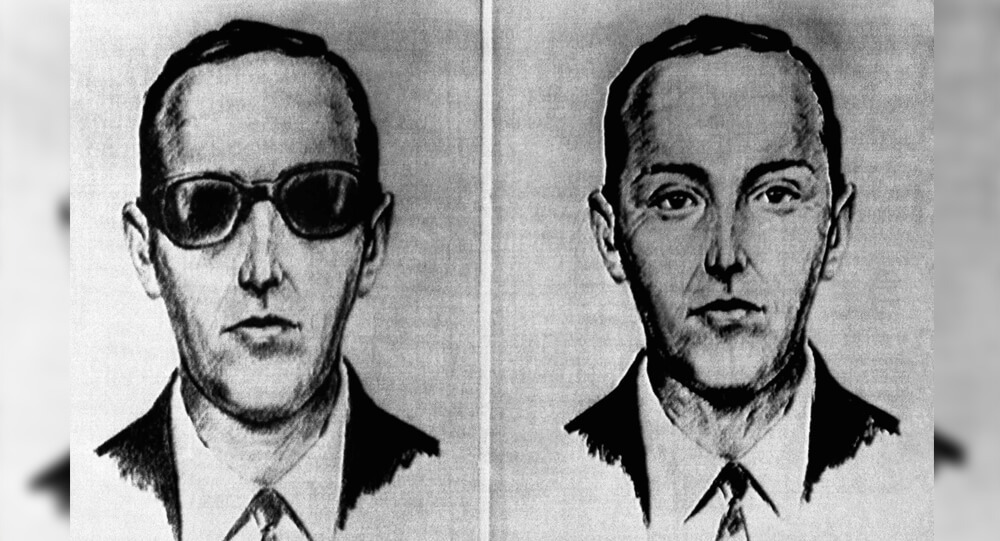
D.B. Cooper: Man who hijacked a plane and jumped out with a $200,000
On November 22, 1971, DB Cooper hijacked a Boeing 727, drank a whisky, smoked a fag, and then jumped out of the plane with $200,000. He was never again seen.