

In 1978, Jean-Pierre Gorin, a French filmmaker and former Godard colleague, was teaching at UC San Diego when he shot identical twins Grace and Virginia Kennedy, who were eight years old at the time.
Poto and Cabengo, as the two girls called each other, communicated in their own language. The twins were ignored by their parents and secluded from the outside world because their father felt they were developmentally retarded, and their unique language evolved as a result of that neglect.
Observing Poto and Cabengo conversing is as engrossing as seeing a Henry Darger-directed version of “Waiting for Godot.”
‘Poto and Cabengo’ Digital Restoration from Criterion Films
(Jean-Pierre Gorin, 1979, USA, HDCam video, 76 min.)


Remembering the miracles of the 1985 Mexico earthquake (unbelievable stories)
In 1985, after an 8.0 magnitude earthquake hit Mexico City, nearly all newborn babies survived a collapsed hospital. They are known as “Miracle Babies” for surviving 7 days without nourishment, water, warmth or human contact.
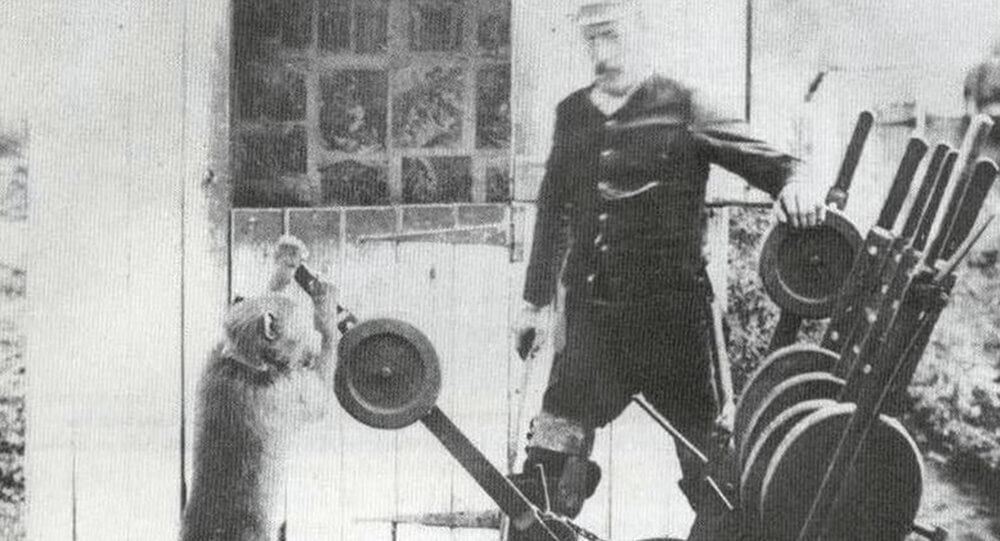
Jack the Baboon operated a railroad, earned a living, and never made a mistake
A baboon worked as a signalman for the railroad in the late 1800s. He never made a mistake and worked for the railroad until the day he died.
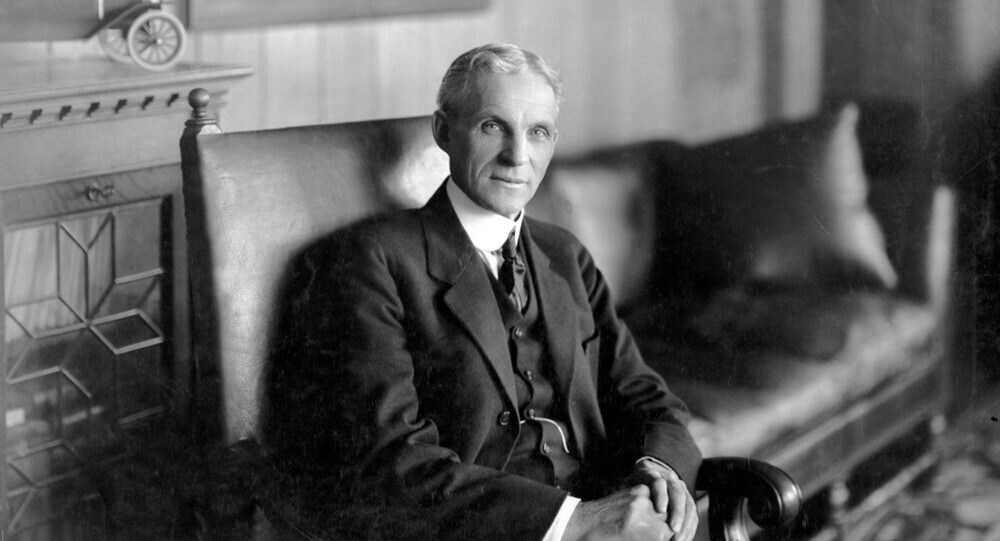
Henry Ford, The man popularizing the concept of the weekend off
Henry Ford was the first Industrial Giant to give his employees both Saturday and Sunday off in the hope of encouraging more leisurely use of automobiles and thus popularizing the concept of the "weekend."


Mother who spent entire life savings for daughter’s cancer treatment won the lottery
A mother won $2 million from a $10 scratch-off lottery ticket after she spent all of her entire life savings to pay her daughter’s cancer treatment. She bought the winning ticket after her daughter’s last cancer treatment.

The Horrific story of Ariel Castro and the Cleveland abduction
Cleveland abduction victims Gina DeJesus, Michelle Knight, and Amanda Berry were forced to live in Ariel Castro's house of horrors for 10 years. He raped and beat them until they escaped in 2013.
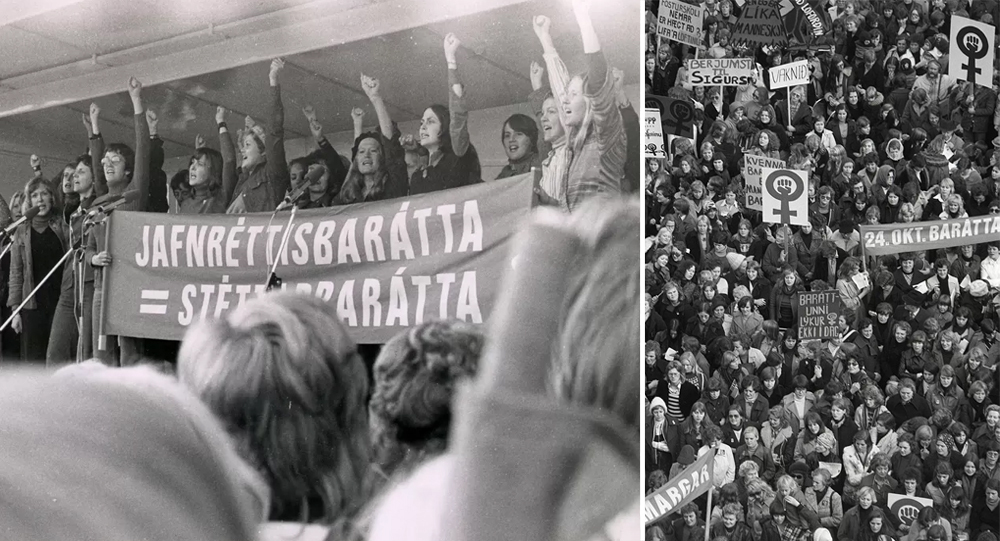
The day Iceland's women went on strike
Icelandic women went on strike for equal rights on October 24, 1975. 90% of women walked out of their jobs and homes, effectively shutting down the entire country. The men were struggling to keep up. The following year, Parliament passed a law requiring equal pay. Iceland elected the world's first female President five years later. Iceland now has the highest gender equality rate in the world.
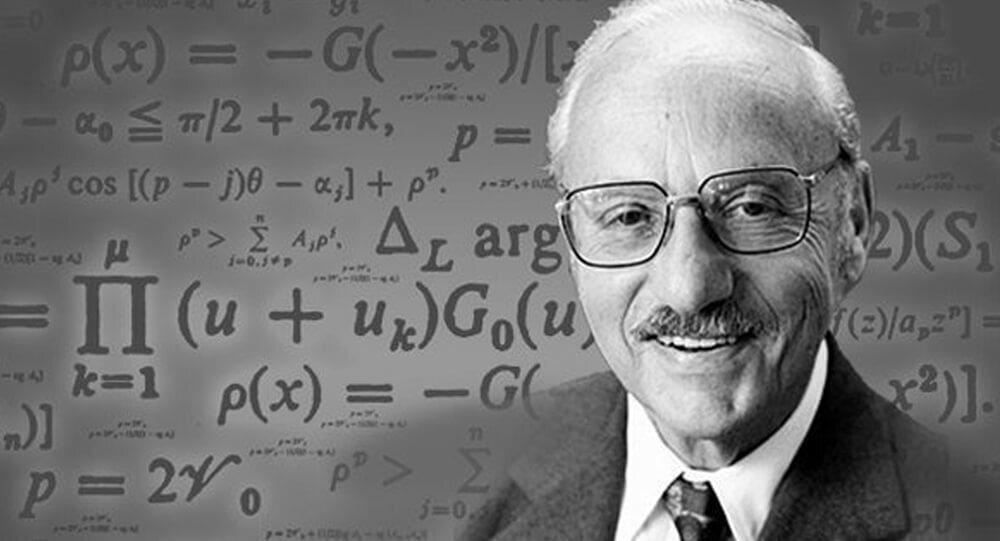
George Dantzig solved two famous “unsolved” problems in statistics mistakenly as assignment
In 1939, George Dantzig arrived late to his statistics class. On the board were two famous “unsolved” problems in statistics written as an example by his professor. Dantzig mistook the examples for homework assignments. He solved the “unsolved” problems and submitted the homework to his professor a few days later. His solutions earned him a doctorate.
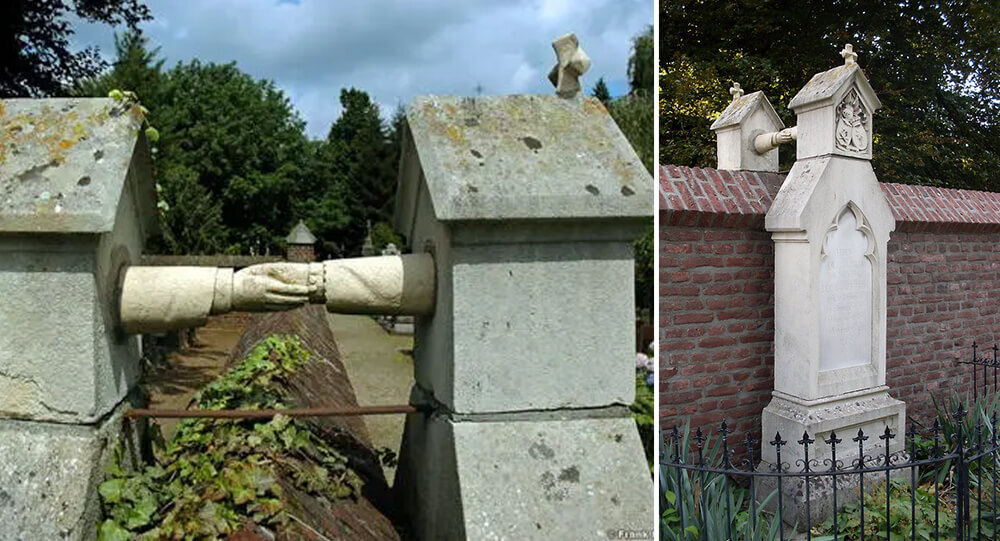
Graves holding hands over wall, A Catholic woman and her Protestant husband grave
A protestant man and a Catholic woman who weren't allowed from being buried together in a graveyard in 19th-century Holland turned their graves into a monument showing them holding hands across the wall separating them.

June and Jennifer Gibbons The silent twin who Only Spoke to Each Other
Identical twins June and Jennifer Gibbons were born on 11 April 1963 at a military hospital in Aden, Yemen where their father worked as part of the Royal Air Force.
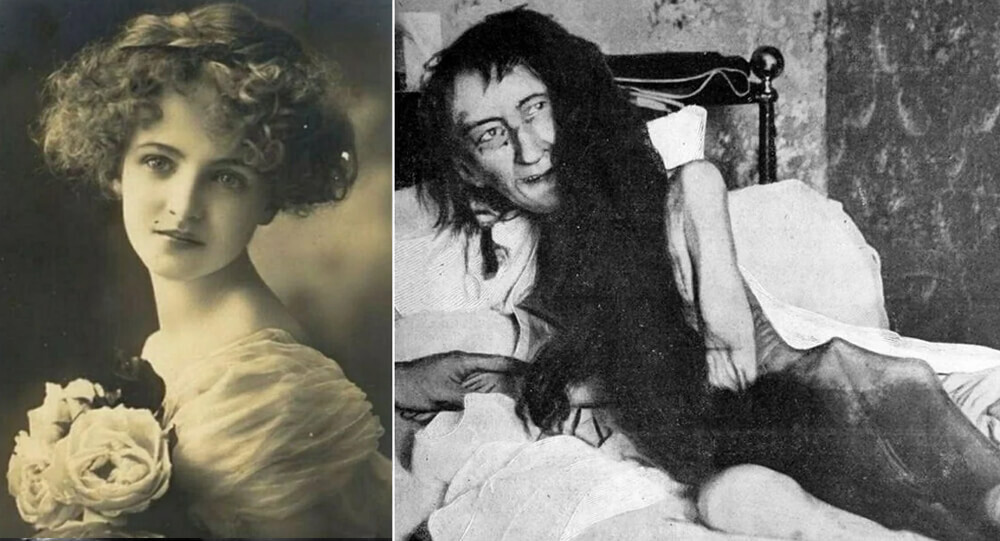
Blanche Monnier: Imprisoned For 25 Years For Falling in Love
Blanche Monnier, she was a French woman noted for her beauty, she wished to marry an old lawyer that her mother disapproved of, so she locked her in a small dark room in her attic for 25 years.
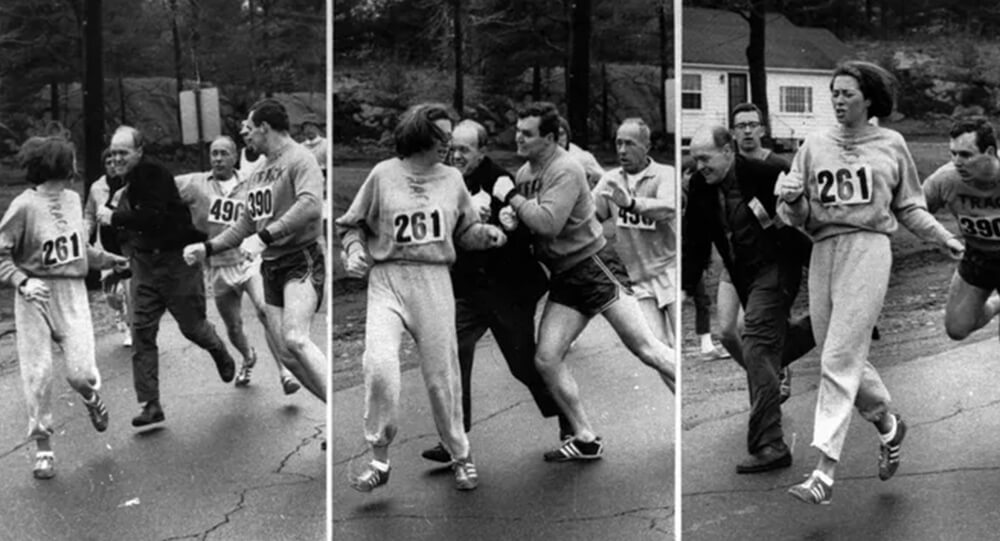
Story of Kathrine Switzer: the first woman to run in Boston Marathon
Before women were allowed to run in the Boston Marathon, Kathrine Switzer participated. A race official attempted to forcefully remove her from the race in 1967, but her boyfriend pushed him down. She was the first female finisher who had a numbered entry in the race.
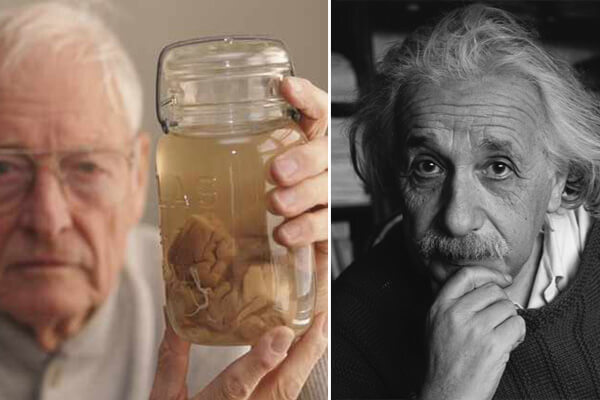
Albert Einstein’s brain after it was stolen from his body
Albert Einstein's brain was taken by the opportunistic pathologist who performed his autopsy hours after he died and kept in two jars for 30 years. The stolen brain of Albert Einstein was preserved in a cookie jar for 30 years until being discovered by a journalist.
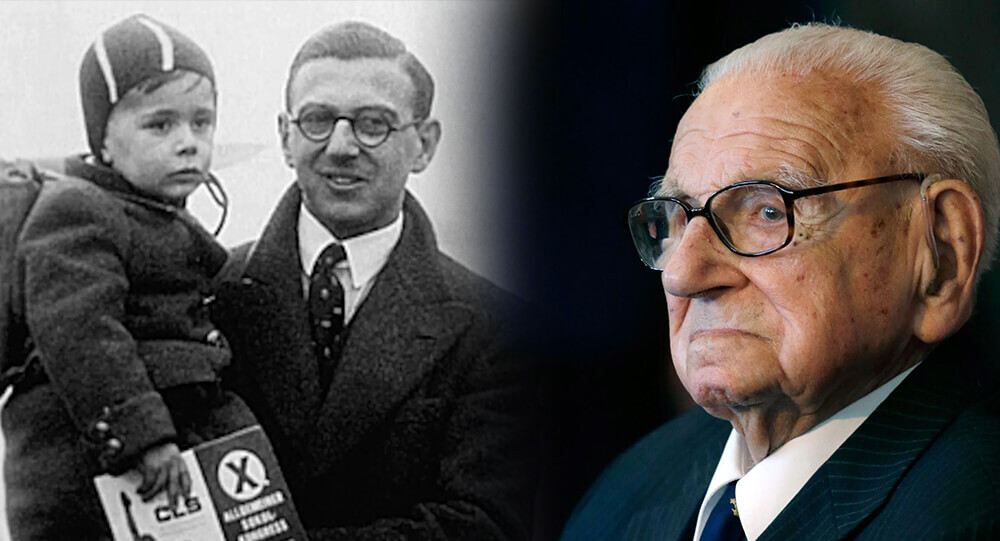
Nicholas Winton ‘British Schindler’: Man who rescued 669 Czech children from Nazis
A man named Nicholas Winton saved 669 kids during WWII and lived almost all his life without letting people know.
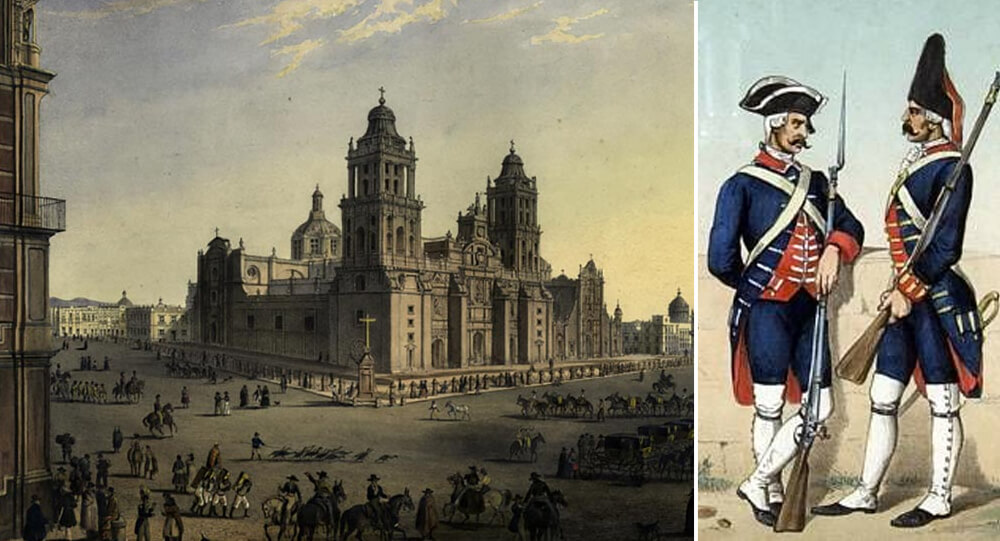
Did Gil Pérez Really Teleport from Manila to Mexico Overnight? The 1593 Mystery
On October 24, 1593, while performing his guard duties at Manila's Governor's Palace in the Philippines, Gil Perez stopped to lean against a wall and sleep for a while. He opened his eyes to find himself in an unusual environment. Gil was in the Plaza Mayor in Mexico City. They imprisoned Perez, but the authorities in Mexico City decided to release him and return him home.
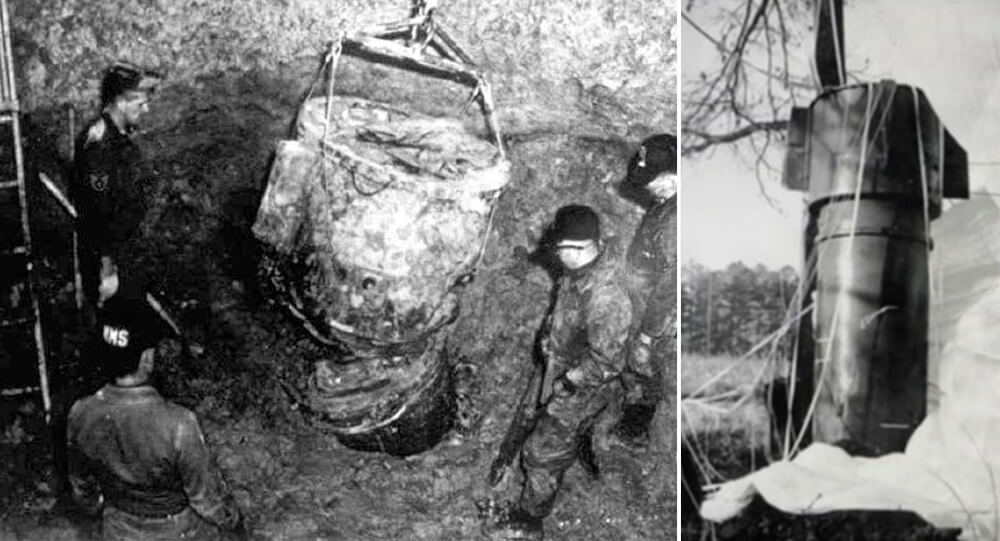
Nuclear bomb accidentally dropped on North Carolina in 196
4 January 1961: The 4241st Strategic Wing's Boeing B-52G-95-BW Stratofortress, serial number 58-0187, was on a 24-hour airborne alert mission off the United States' Atlantic Coast.
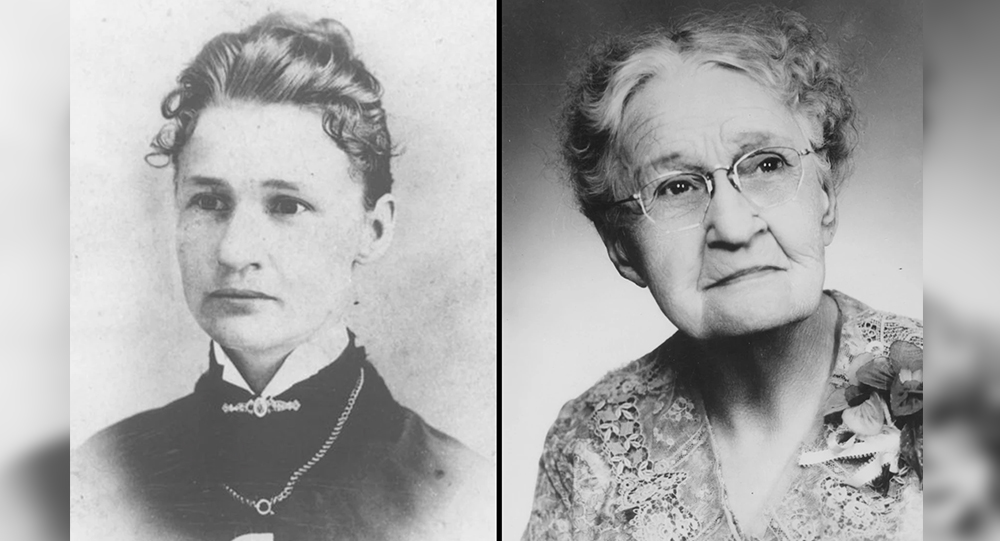
Susanna Salter: The Trailblazing Story of America’s First Female Mayor
In 1887, Susanna Salter became the first female mayor in the United States, elected in Argonia, Kansas. Her nomination was initially a prank by men opposing women in politics. However, she won by a landslide and served effectively, inspiring the women’s suffrage movement and breaking barriers for women in leadership.

A Brief History of the PlayStation Gaming Console
Sony's PlayStation was never meant to be an actual product. Instead, it was intended to be a CD-ROM console that would support Nintendo games. However, when Nintendo backed out of the deal at the last minute, Sony went ahead and launched what soon became one of the most successful gaming consoles of all time.
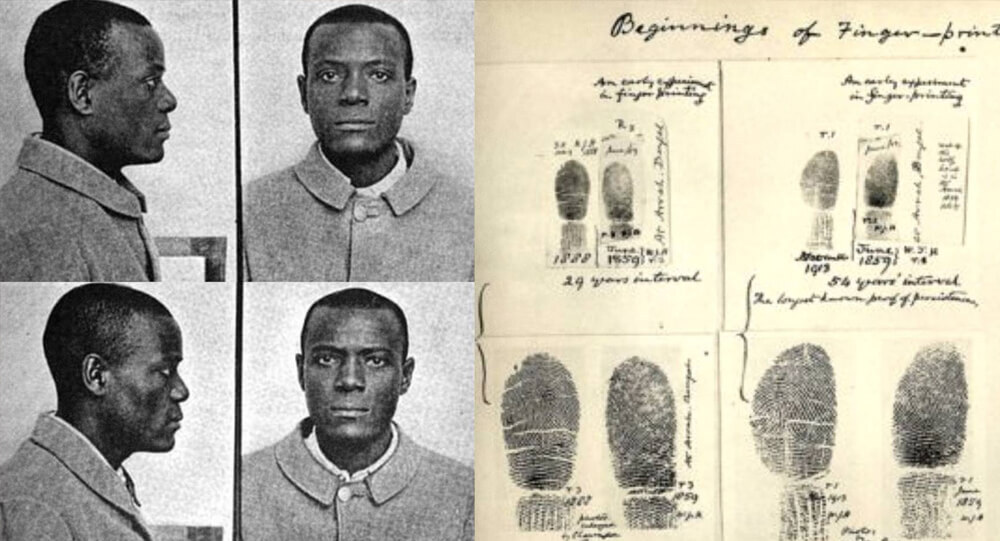
Will & William Wests: The puzzling situation of two inmates who are identical but not related
These are the mugshots of Will West and William West, and they are not related. They were both sent to Leavenworth Prison at the same time, in 1903, and after some confusion, the staff understood they had two different prisoners with the nearly same name, who looked exactly alike. They are part of the reason fingerprints are now used as identification.
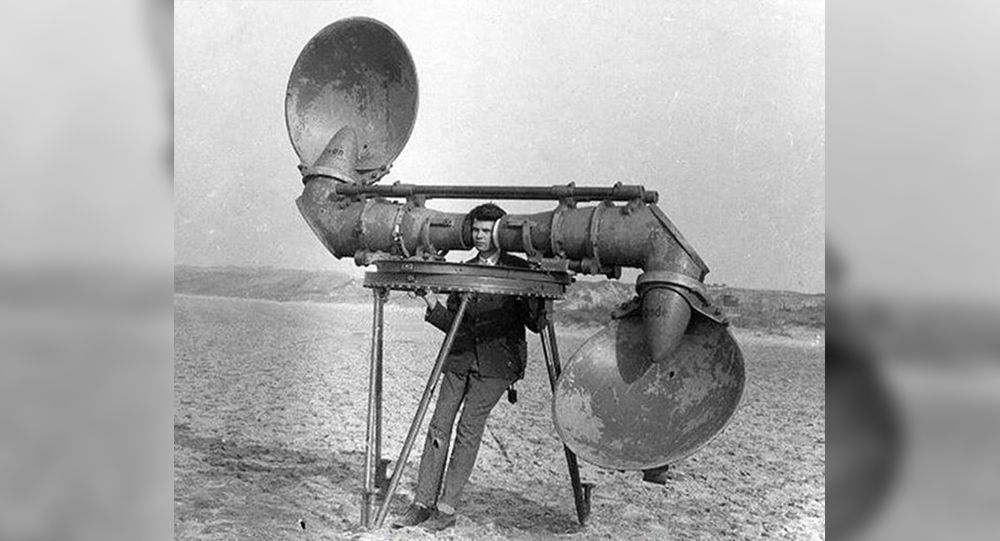
Before Radar: How Giant Acoustic Mirrors Detected Enemy Aircraft in WWI and WWII
Long before radar revolutionized air defense, enormous acoustic mirrors and specialized sound locators stood as the first line of defense against enemy aircraft. Designed as giant “ears,” these structures amplified distant engine noises, allowing operators to detect incoming planes by sound alone. Dive into the intriguing world of these pioneering listening devices, their operation, limitations, and enduring legacy in military history.

Ancient Jericho: The First Walled City In History
The ancient city of Jericho is the world's oldest walled city, with evidence of stone fortifications dating back nearly 9000 years.
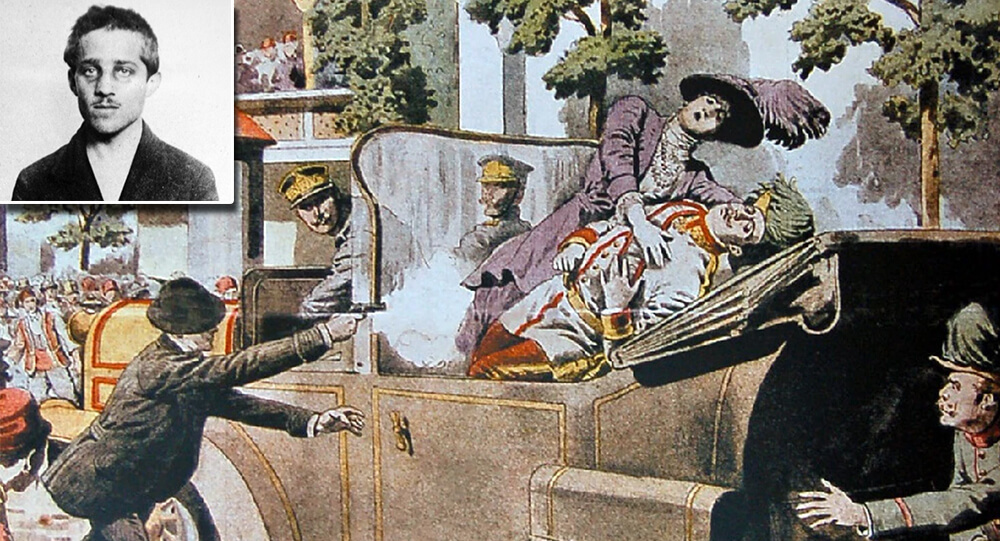
Franz Ferdinand’s Assassination that sparked World War I
Archduke Franz Ferdinand of Austria and his wife Sophie are shot to death by a Bosnian Serb nationalist during an official visit to the Bosnian capital of Sarajevo on June 28, 1914. The killings sparked a chain of events that led to the eruption of World War I by early August.
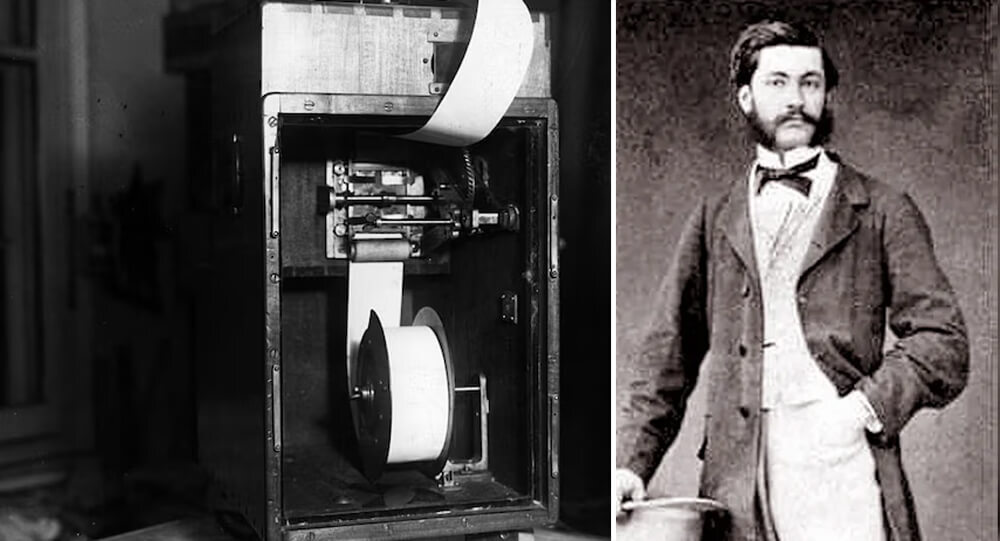
Louis Le Prince Invented the motion picture camera, and then he mysteriously disappeared
Louis Le Prince, the inventor of motion pictures, vanished without a trace in 1890. Thomas Edison quickly claimed the title of "first and sole inventor of cinema," even taking Le Prince's son to court to dispute it. A few years later, the son also dies under mysterious circumstances.
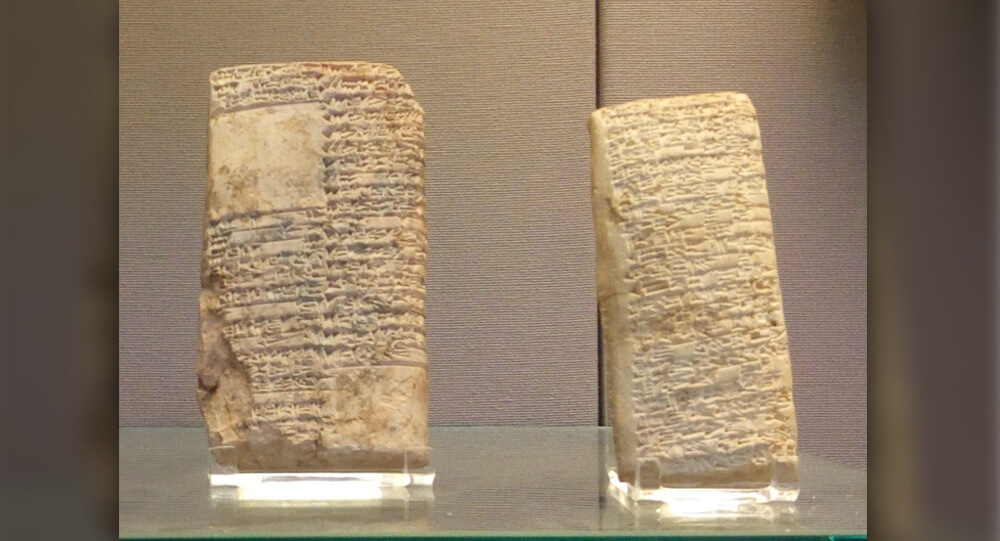
Ea-Nasir: world's oldest written customer complaint
This clay tablet, written in cuneiform, is the oldest known written customer complaint about the delivery of poor quality copper ingots. Originally from ancient Babylon, the tablet dates back to 1750 BCE, and it was written by a customer named Nanni to a merchant named Ea-Nasir. It is currently housed in the British Museum.
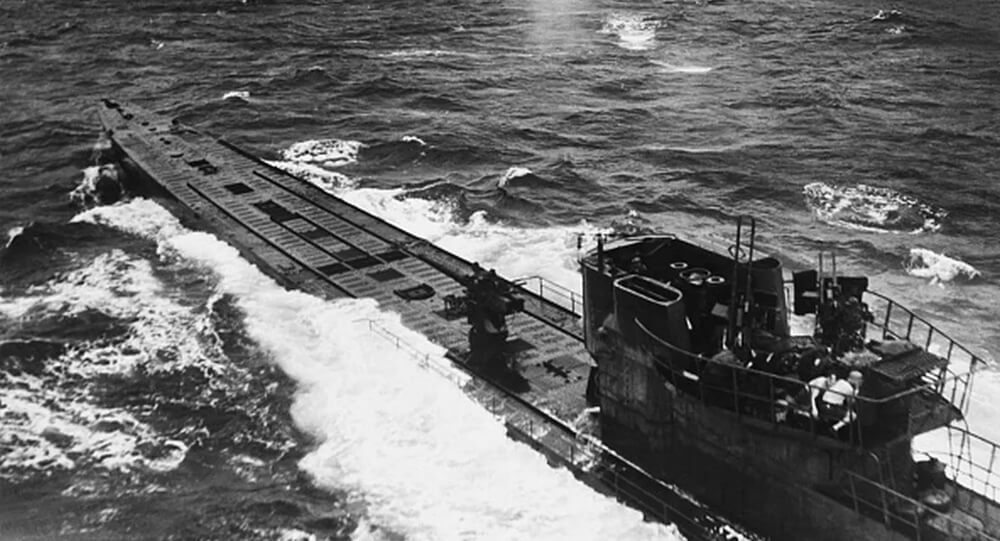
The Amazing Truth About The German U-Boat That Was Sunk By A Toilet
During WWII, a German captain and an engineer flushed the submarine's high-tech toilet incorrectly, causing the vessel to rapidly fill with water. British planes patrolling the sea attacked them as the submarine was brought to the surface. While many members of the crew were killed in the attack, the captain escaped!
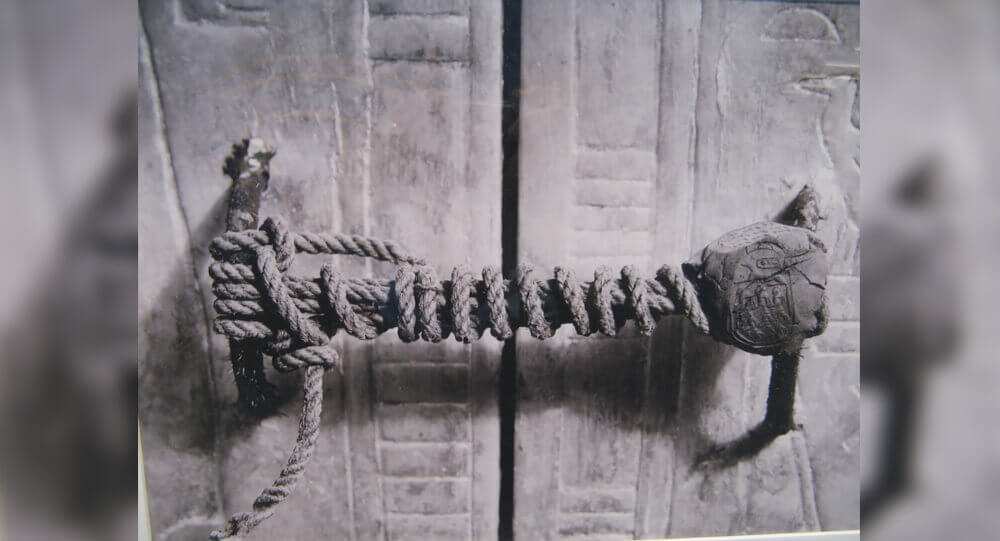
The unbroken seal on King Tutankhamun's tomb until 1922
The unbroken seal of Tutankhamun's tomb before it was opened in 1923, it was unbroken for over 3000 years.