

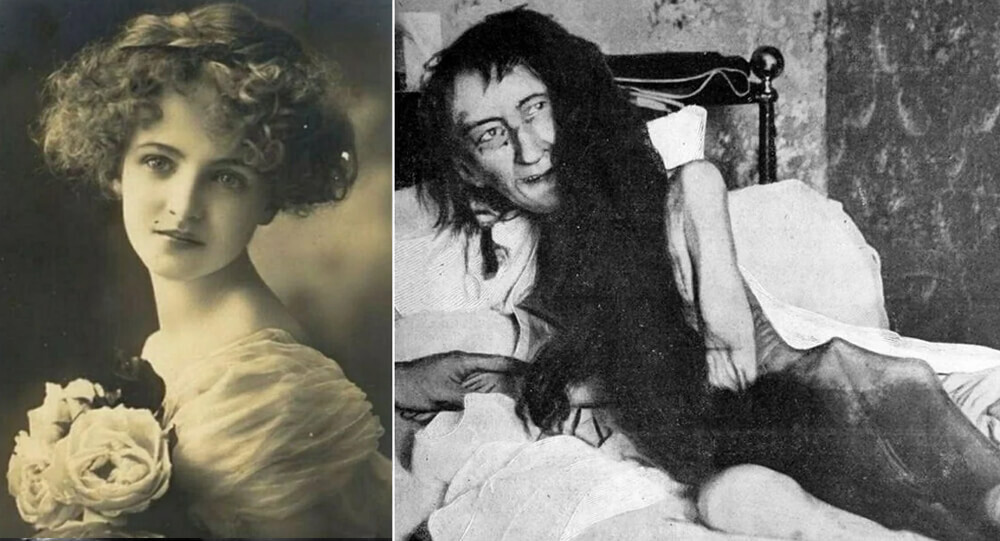
Blanche Monnier, 25, was a typical socialite in Paris in 1876, scrambling to find a suitor before it was too late. She fell in love with an older, broke lawyer whom her aristocratic mother despised and resolved to marry him.
Blanche was forbidden from seeing the man by Madame Louise. Blanche refused, causing her mother to plead with her daughter to end the relationship. Blanche refused once more. Madame Monnier locked Blanche in a tiny room after realizing she would never be able to persuade her to leave the unwealthy lawyer.
She told her daughter that the door would be locked until Blanche agreed to end their relationship. Madame Louise was convinced she had discovered the ideal solution to her problem. Blanche would undoubtedly give in. Blanche, on the other hand, refused to give in.
As a result, Madame Louise held her daughter prisoner. Blanche lived on scraps from her mother’s meals for 25 years. Blanche’s lawyer lover died in 1885 as she grew older.
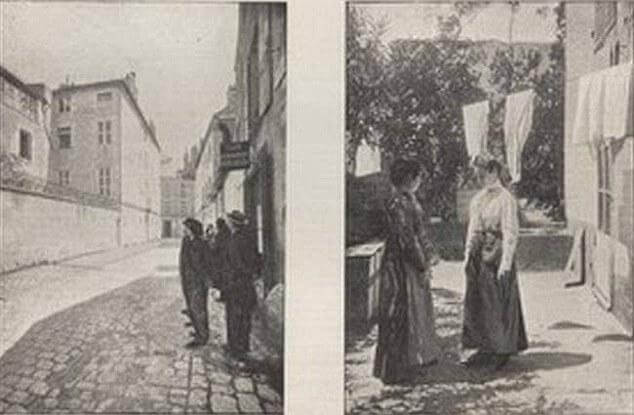
Blanche had simply vanished. Nobody saw her in public again in France. Her mother and brother grieved for her but carried on with their lives. They were concealing a terrible secret behind their outward appearance.
The Attorney General of Paris received scribbled text describing the ghoulish events of a house in Poitiers, France, in May 1901. According to the anonymous letter, a woman had been held captive for 25 years at 21 rue de la Visitation in terrible conditions.
Monsieur Attorney General: I have the honor to inform you of an exceptionally serious occurrence. I speak of a spinster who is locked up in Madame Monnier’s house, half starved, and living on a putrid litter for the past twenty-five years–in a word, in her own filth.
Madame Louise Monnier Demarconnay was a respectable member of society. She and her son, Marcel, lived in a wealthy neighborhood. Emile, her late husband, was the dean of a local arts college. Marcel was a former administrative official with the Puget-Théniers commune and a law school graduate.
The allegations in the letter were met with skepticism by the police. Nonetheless, they remembered the Monniers’ daughter Blanche’s disappearance from the public eye 25 years ago. Perhaps the letter was a bizarre hoax, but what if it was real? Police decided to look into it.
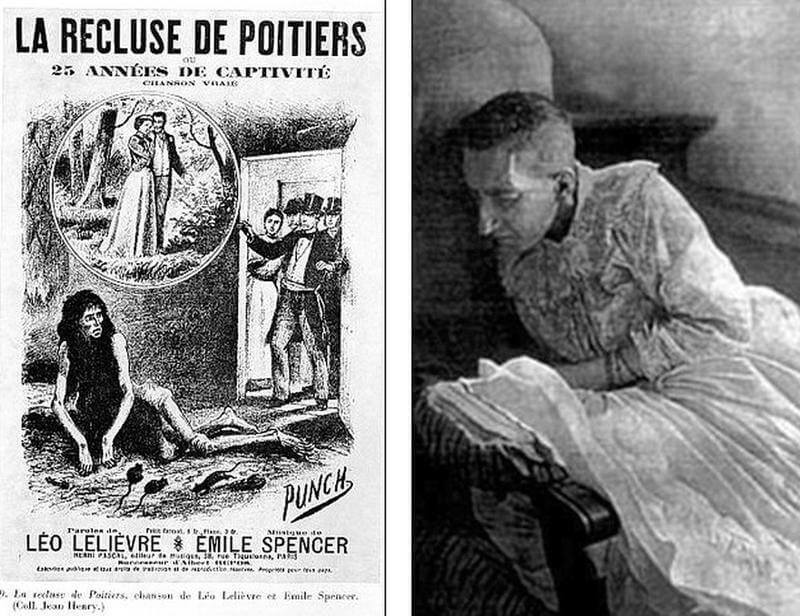
When authorities arrived at 21 rue de la Visitation, the door was locked. When no one answered, they forced the door open, only to be greeted by a foul odor. The smell led them upstairs to the attic. They found a casement window covered in heavy curtains and covered in dust when they entered the room. The police couldn’t open the shutters until the hinges were removed.
When the musty chamber was finally illuminated by daylight, a startling sight emerged.
Blanche Monnier was skeletal but still alive in the back corner, covered by a filthy blanket. She was completely naked and lying on a rotten straw mattress saturated with urine and feces. She was severely malnourished, weighing only 55 pounds.
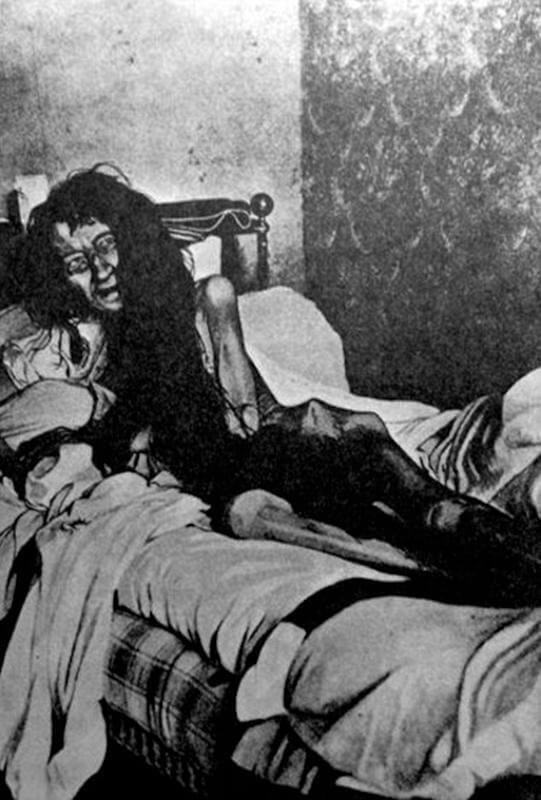
Madame Monnier was arrested right away after receiving an award from the Committee of Good Works for her generous contributions to the city. After confessing the heinous kidnapping to police, she died in prison 15 days later.
Blanche’s brother Marcel was tried and sentenced to 15 months in prison for assisting her mother during the ordeal. He was later acquitted of charges that Blanche had the option to leave at any time but chose not to. The crowd in the courtroom gasped as he walked free.
Blanche Monnier, also known as La Séquestrée de Poitiers in France, died in a sanitarium in Bois in 1913.
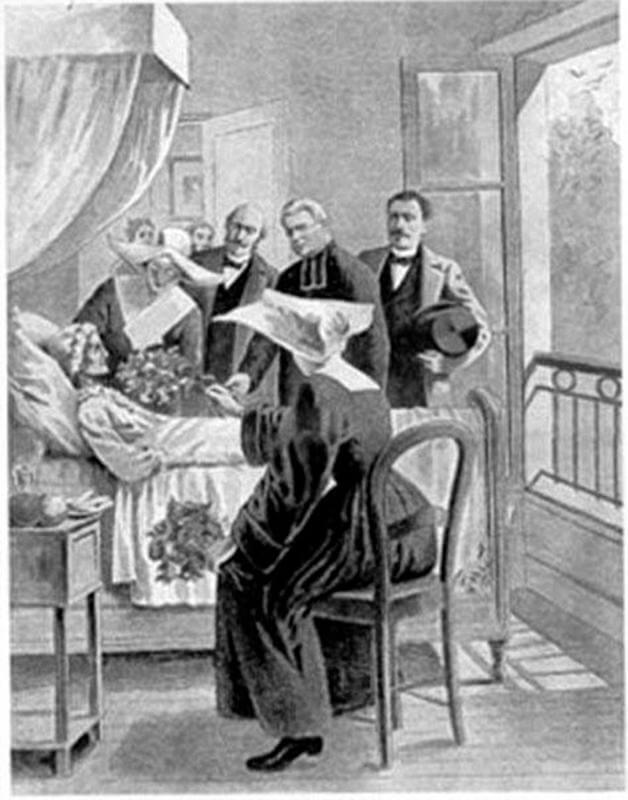

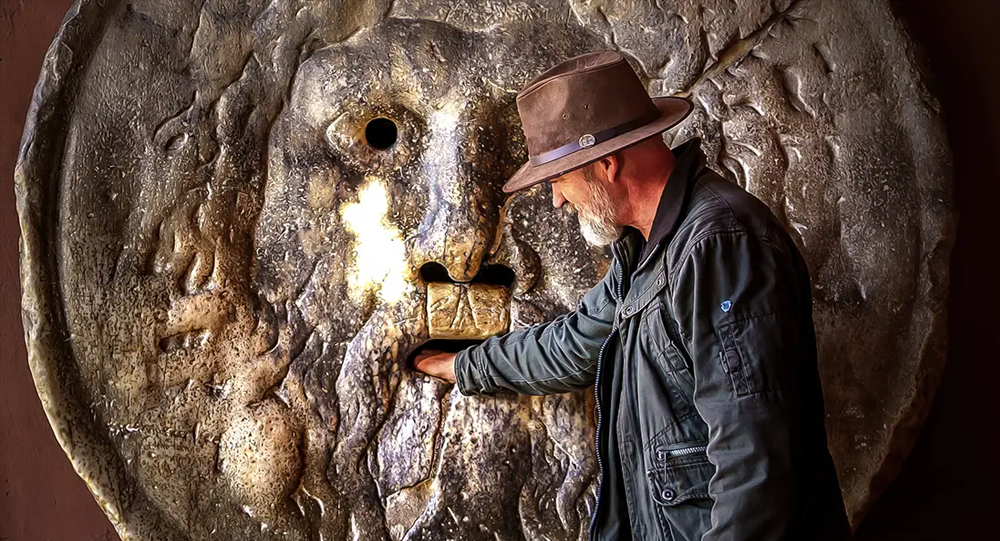
The Mouth of Truth: Ancient Rome’s Legendary "Lie Detector" That Bit Off Hands
Discover the chilling legend of the Mouth of Truth (Bocca della Verità) in Ancient Rome—a massive carved stone face believed to bite off the hand of anyone who lied while inserting their hand into its gaping mouth. Uncover the truth behind its eerie reputation and how this ancient artifact became a symbol of honesty and fear.

Nathan's Famous Doctor Stunt
When Nathan's Famous Hot Dogs first opened in 1916, the owner hired people to dress as doctors and eat hot dogs outside his shop, to convince people his hot dogs were healthy.

8 Interesting Facts About The Unsinkable Ship, TITANIC
If you ask your friends what's the most famous ship in history the answer in most cases will be the same, of course the legendary Titanic. Its history is full of mysteries, at first it was a source of hope and national pride as well as proof of the triumphs of mankind but it soon became a source of nostalgia and pain, the extent of which cannot be described in words.

Juliane Koepcke: The Teenager Who Fell 10,000 Feet And Trekked The Jungle to survive
In 1971, a high school student was sucked out of an airplane after it was struck by lightning. She fell 10,000 feet to the ground while still strapped to her chair and survived. Only to endure a 9-day trek to the nearest civilization.
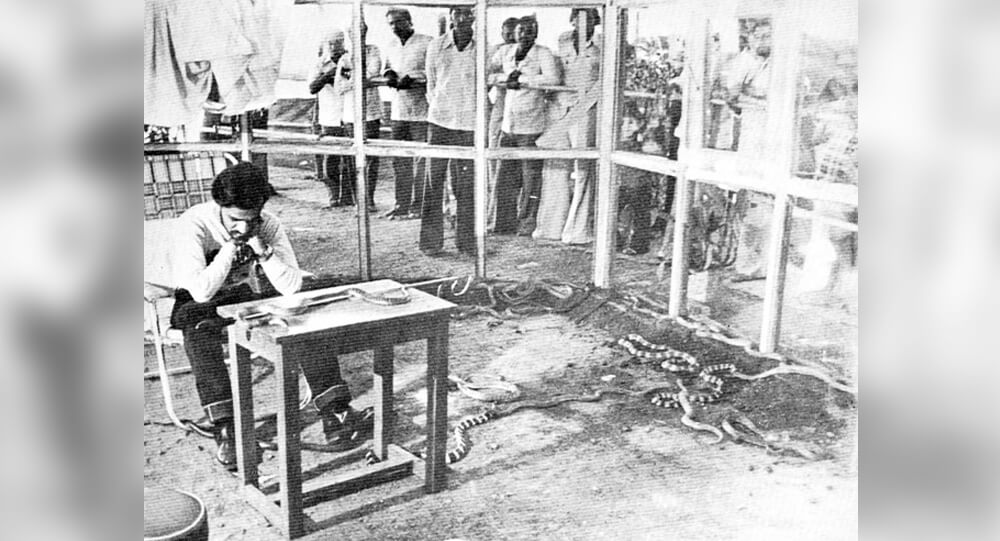
The story of a man who spent 72 hours with 72 venomous snakes to prove they only bite when provoked
In the 1980s, an Indian man spent 72 hours in a glass cabin with 72 snakes, some of which were extremely venomous. His aim was to prove that snakes only attack when provoked. Remarkably, he was not bitten once in those 72 hours and even set a Guinness World Record in the process.

The Baltic Way: the longest unbroken human chain in history
On August 23, 1989, about 2 million people from Latvia, Estonia, and Lithuania formed a human chain that united all 3 countries to show the world their desire to escape the Soviet Union and the communism that brought only suffering and poverty. This power stretched 600 km.

Albert Einstein’s brain after it was stolen from his body
Albert Einstein's brain was taken by the opportunistic pathologist who performed his autopsy hours after he died and kept in two jars for 30 years. The stolen brain of Albert Einstein was preserved in a cookie jar for 30 years until being discovered by a journalist.

During the 1996 Olympic bombing, Richard Jewell falsely accused of committing the crime after saving dozens of people
Richard Jewell, an American security guard, discovered a bomb during the 1996 Olympic Games in Atlanta and assisted in the evacuation, but was later wrongfully accused and faced public scrutiny. He was cleared, but it had a lasting impact on him until his death in 2007 at the age of 44.
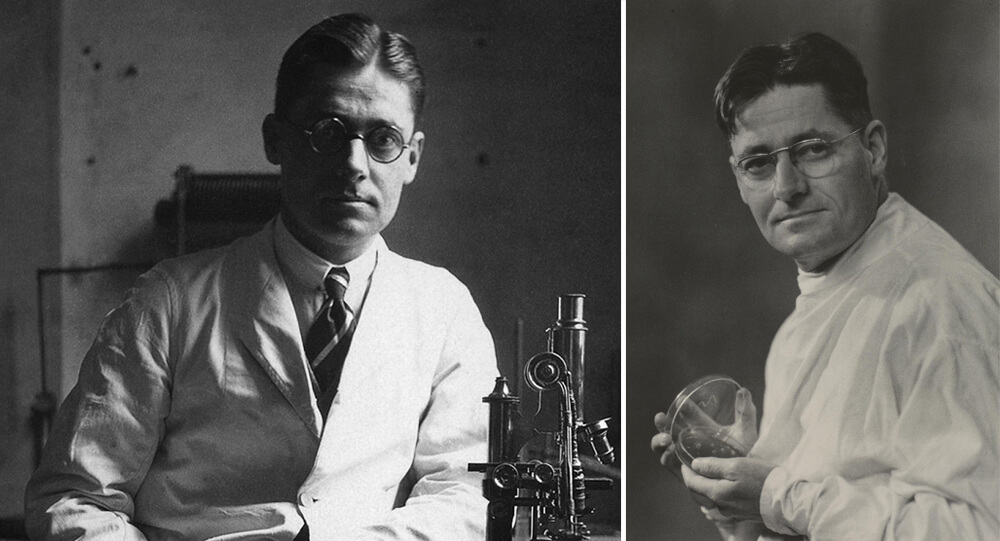
How did Howard Florey discover penicillin
Penicillin was discovered by Alexander Fleming, but he never attempted to turn it into an antibiotic. It wasn't until ten years later that Howard Florey discovered Fleming's obscure paper and understood the mold's potential. Up to 200 million lives may have been saved as a result of Florey's work.

Top 10 Greatest and shocking Archaeological Discoveries of All Time
While we're all locked at home, there's no better way to escape to another time and place than to learn about amazing archeological sites and discoveries from around the world. Here are the 10 greatest and shocking archaeological discoveries —and don't be shocked if they inspire future trip plans whenever it's safe to do so again.

The incredible story of a plane that lost its roof in mid-flight and the light signal that saved 94 lives.
On April 28, 1988, Aloha Airlines flight 243 was on the way to Honolulu from Hilo when a huge portion of the upper part of the fuselage blew off the airplane.
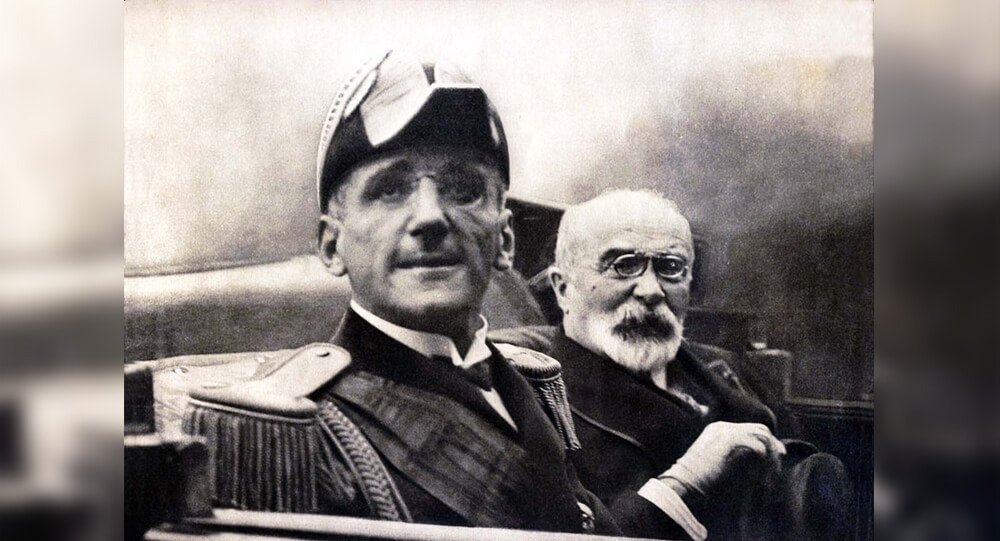
The Assassination Of King Alexander
The assassination of King Alexander of Yugoslavia marked a pivotal moment in the country's history. This article delves into the rise and reign of King Alexander, exploring his early life and ascension to the throne. It also examines the political and social climate in interwar Yugoslavia, setting the stage for the tensions and challenges that ultimately culminated in his tragic assassination. By understanding the context in which this event unfolded, we can better grasp the significance and impact it had on the nation and its future.

The day Iceland's women went on strike
Icelandic women went on strike for equal rights on October 24, 1975. 90% of women walked out of their jobs and homes, effectively shutting down the entire country. The men were struggling to keep up. The following year, Parliament passed a law requiring equal pay. Iceland elected the world's first female President five years later. Iceland now has the highest gender equality rate in the world.

The Arabia Steamboat: Unearthing a 19th Century Time Capsule from the Missouri River
The Arabia was a steamboat that sank in the Missouri River in 1856. Over time, the river shifted 800 meters to the east, eventually turning the site of the sinking into a field. The steamboat remained under 45 feet of slit and topsoil until 1988, when it was excavated. The mud, as it turned out, was such a great preserver that most of the artifacts on board were found to be intact. They even found jars of preserved apples that were still edible!

1972 Andes Plane Crash Survivor recall the terrifying Struggles to Stay Alive
On October 13, 1972, a plane carrying a rugby team from Uruguay crashed in the Andes between Chile and Argentina. The survivors were in brutal conditions - high altitude, bitter cold, and the lack of food—and faced the most terrible choice—eating the frozen flesh of their dead friends or starving to death themselves.

10 world’s most destructive and dangerous volcanic eruptions in history
Volcanic eruptions can devastate cities, change the world's atmosphere, and devastate economic systems. They can create molten lava rivers, mudslides, suffocating ash, and poisonous gases that cause chaos around the world for years. A volcanic explosion's effects can be massive, from its size to its death toll to its economic cost. Here is ten world’s most destructive and dangerous volcanic eruptions in history.
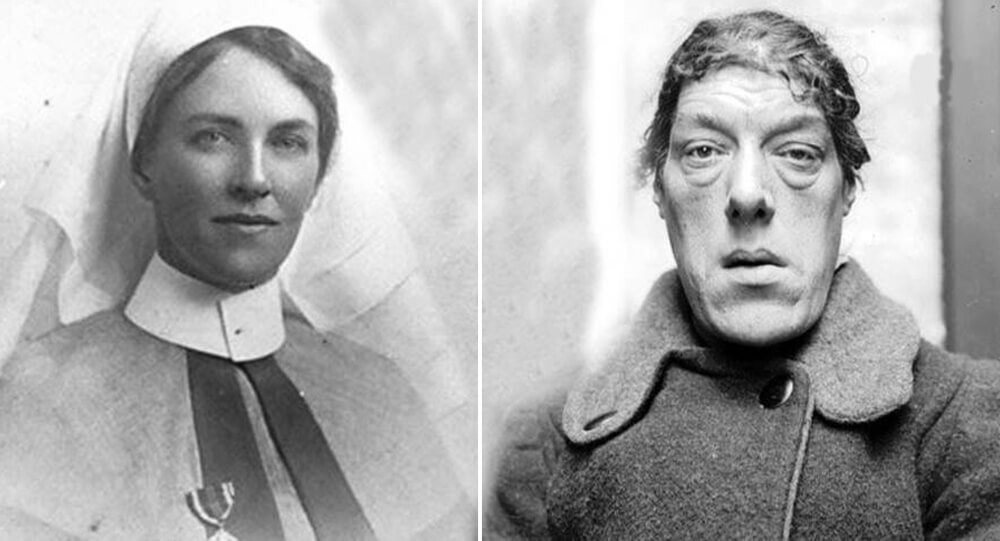
The Tragic Story Of Mary Ann Bevan, The ‘Ugliest Woman In The World’
After the death of her husband, Mary Ann Bevan had no income to support herself and her children. She then decided to enter a contest where she won the title of “ugliest woman” and was later hired by a circus. She endured this ridicule from the world to provide for her family.

Inside China’s Footbinding Tradition: The Painful Ritual of Lotus Shoes and Bound Feet
In China, Lotus shoes were used to bind women's feet to keep their feet small

How Cleveland's Balloonfest in 1986 Turned Into a Public Tragedy
In Cleveland, Ohio, United Way broke the world record by deflating nearly 1.5 million balloons as part of a publicity stunt to raise money. The balloon obstructed a US Coast Guard search for two boaters who were subsequently discovered to have drowned, blocked airport runways, and blocked land and waterways.

The World’s First Seismograph: How Ancient China Detected Earthquakes 1,800 Years Ago
Over 1,800 years ago, long before modern technology, the ancient Chinese astronomer and inventor Zhang Heng created the world’s first seismograph in 132 AD. This ingenious bronze device could detect distant earthquakes by releasing small balls from dragons’ mouths into toads’ mouths—each indicating a different compass direction. Its historic detection of an earthquake 400 miles away astonished the imperial court and transformed the way societies understood and responded to seismic events.
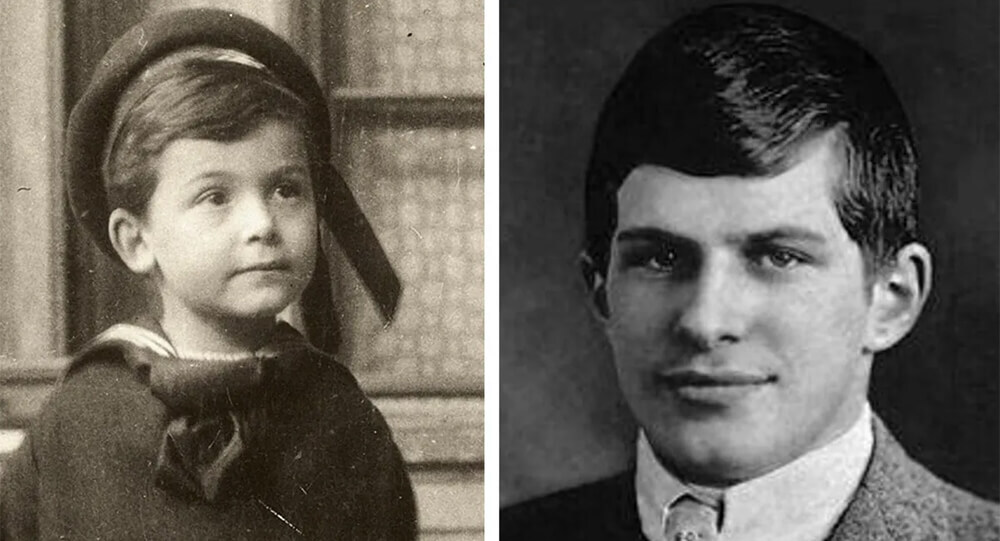
William James Sidis: The smartest person yet forgotten by people
William James Sidis, who was only 11 years old when he enrolled in Hardvard, finished his primary and secondary schooling in less than a year. He knew eight foreign languages by the age of eight and even invented his own language, "vedergood."

What exactly was the US's 'Ghost Army' during WWII?
During WW2, there was a special unit of men dubbed the ‘Ghost Army’. The unit was made of artists, creative and engineers and their job was to create deception about the enemy. From inflatable tanks to phony convoys to scripted conversations in bars intended to spread disinformation, they used all possible tricks to fool the enemy.

Thomas Baker's heroic act that earned him the "Medal of Honor" was 8 bullets until death
Thomas Baker instructed his team to leave him with a pistol and eight bullets propped up against a tree after he was injured. Later, American troops discovered the now-deceased Baker in the same location, lying next to eight dead Japanese soldiers and carrying an empty pistol.
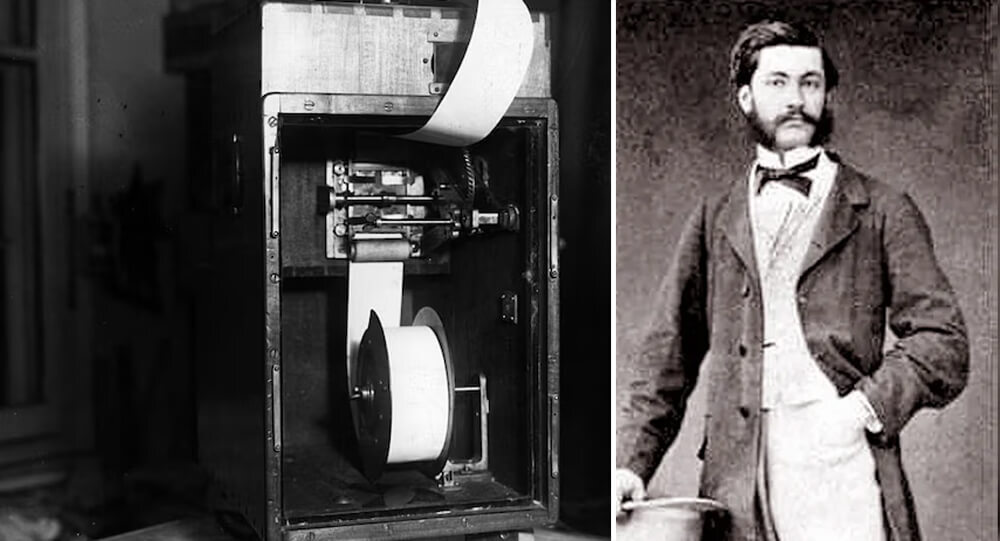
Louis Le Prince Invented the motion picture camera, and then he mysteriously disappeared
Louis Le Prince, the inventor of motion pictures, vanished without a trace in 1890. Thomas Edison quickly claimed the title of "first and sole inventor of cinema," even taking Le Prince's son to court to dispute it. A few years later, the son also dies under mysterious circumstances.
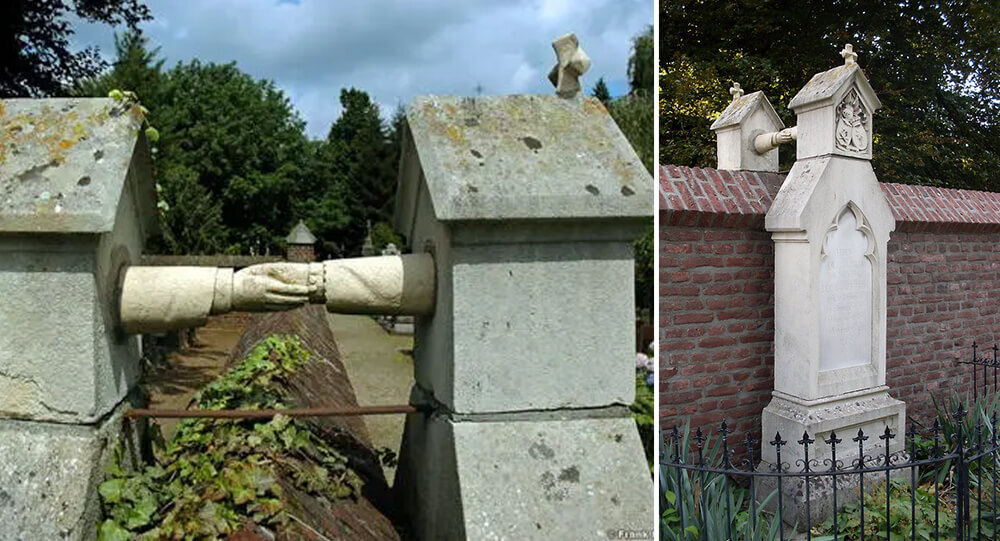
Graves holding hands over wall, A Catholic woman and her Protestant husband grave
A protestant man and a Catholic woman who weren't allowed from being buried together in a graveyard in 19th-century Holland turned their graves into a monument showing them holding hands across the wall separating them.