
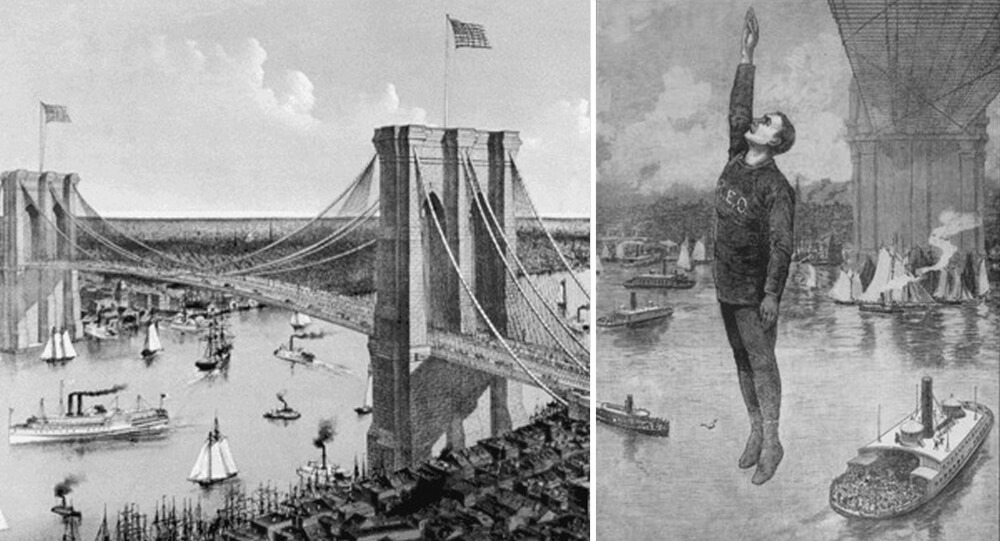
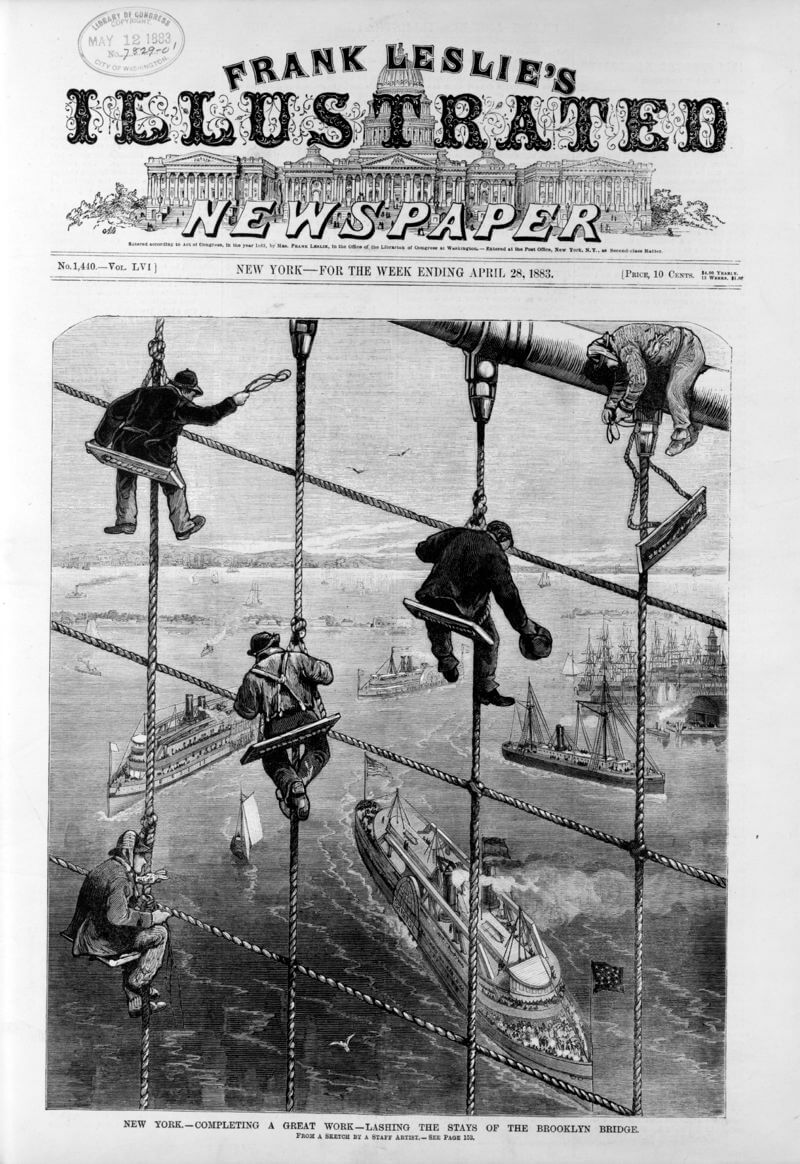
One of the most well-known bridges in the world is the Brooklyn Bridge. Connecting Manhattan and Brooklyn, it spans the East River. The bridge, which was the first steel-wire suspension bridge ever constructed when it was finished in 1883, once held the record for the world’s longest suspension bridge. It was referred to as one of the seven wonders of the industrial world and measured 5,899 feet in length and up to 276.5 feet above the water.
During the bridge’s construction, more than 20 men lost their lives. John Roebling, the bridge’s principal architect, was the first casualty, then more workers. Over 20,000 people were on the bridge a week after the opening ceremony when there was a rumor going around that it might collapse. Twelve people died as the panic spread; they were trampled underfoot by the enormous crowd.
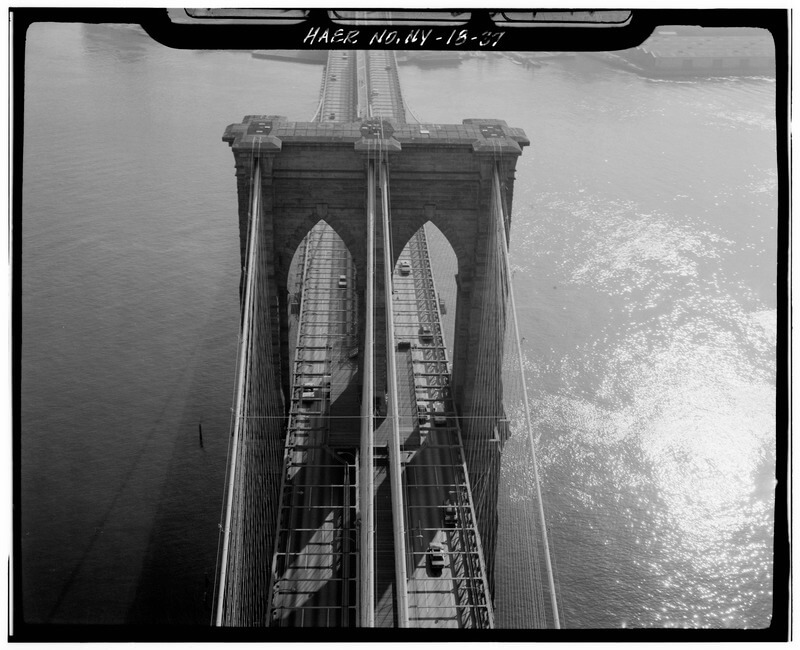
None of this, however, comes close to the number of people who have killed themselves by jumping off the Brooklyn Bridge. Unofficially, there had been more than 1,300 suicides by 2003. There are rumors that someone perishes in the East River every fifteen days. Engineering challenges prevented the idea of building a suicide barrier from being implemented.
Robert Emmet Odlum was the first person to jump off the Brooklyn Bridge. Robert simply wanted to demonstrate that one does not perish by falling through the air. He had no intention of killing himself.
He did this to exhort others to run for safety if they were trapped inside a burning structure. In addition to this, he also wanted fame and money, which added to his motivation for doing the deed. He unfortunately did not make it through the jump.
Instructor of swimming Robert Odlum. He was born in Ogdensburg, New York, on August 31, 1851, and excelled at swimming from a young age. The Odlum family made extensive travels in search of David, Robert’s older brother who perished in the American Civil War. Robert transitioned through numerous residences and occupations. He relocated to Washington in 1878 and started the Natatorium, a swimming school. The school was a huge success, and soon the kids of many well-known Washingtonians enrolled there.
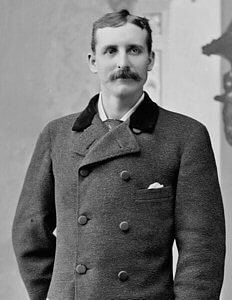
The sons of US President James A. Garfield, the daughter of General William Sherman, and the children of President Rutherford Birchard Hayes were among the students of Odlum, who earned the title of Professor. Thanks to his numerous exploits, including swimming and diving into the Potomac River, jumping off the Occoquan Falls, and swimming from Washington to Marshall Hall, Maryland with his friend Paul Boyton, another water showman and daredevil known as the Fearless Frogman, Robert had become a local celebrity in Washington.
Robert made the decision to shut down the school when the Natatorium started to lose money in 1881. He was able to secure employment at Fort Monroe’s Hygeia Hotel in Hampton, Virginia, as a swimming instructor, but his desire for fame and wealth persisted.
In 1882, Robert sneaked to an incomplete section of the Brooklyn Bridge in order to perform a jump from it. The police stopped him before he could pull off the stunt and returned him to Washington. After three years, he finally accomplished his goal.
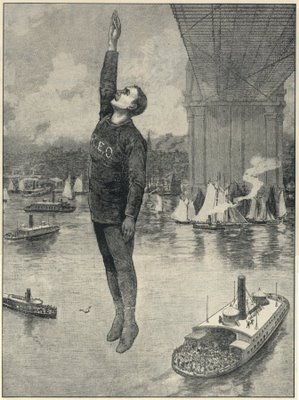
Robert returned to New York on May 19, 1885, well-prepared. The NYPD was well aware of his plans because, in the weeks before the incident, word of Robert’s intentions had spread throughout the city. The security on the bridge was tightened, but Odlum was able to divert attention. While he was concealing himself in another vehicle, he sent James Haggart, a friend, to the bridge in a taxi. James pretended to be the jumper while acting as a ruse for the police. Robert exited the car he was hiding in while the police officers were occupied with the fake jumper. He jumped off the bridge at 5:35 p.m. in his swimsuit in front of a crowd of onlookers who were watching from a boat.
Robert dropped into the icy water at a speed of about 60 mph. He slammed his feet and hip into the river’s surface at an angle. The strong wind that was blowing at the time contributed to the jump’s disastrous outcome. When the lifeguard, who Odlum himself had working, was doing nothing at all, Paul Boyton jumped into the water and removed Robert’s body. Robert briefly regained consciousness after being brought to the boat, inquired as to whether the jump was successful, and then fell back to unconsciousness. His mouth began to bleed, and at 6:18 pm he passed away from internal bleeding. His friend called an ambulance, but it did not arrive in time to save his life.
Robert had three broken ribs in addition to a ruptured liver, kidneys, and spleen, according to the coroner. Concussion was determined to be the death’s official cause. In Washington, D.C.’s Mount Olivet Cemetery, Robert was laid to rest.
Robert’s mother charged Paul Boyton with murder after his fatal leap, saying that he convinced Robert to take the risk. The Fearless Frogman wrote an open letter to Mrs. Catherine Odlum that was also printed in The New York Times and denied all responsibility.
“The Life and Adventures of Prof. Robert Emmet Odlum, Containing an Account of his Splendid Natatorium at the National Capital” is a biography of her son that Catherine Odlum published in 1885.
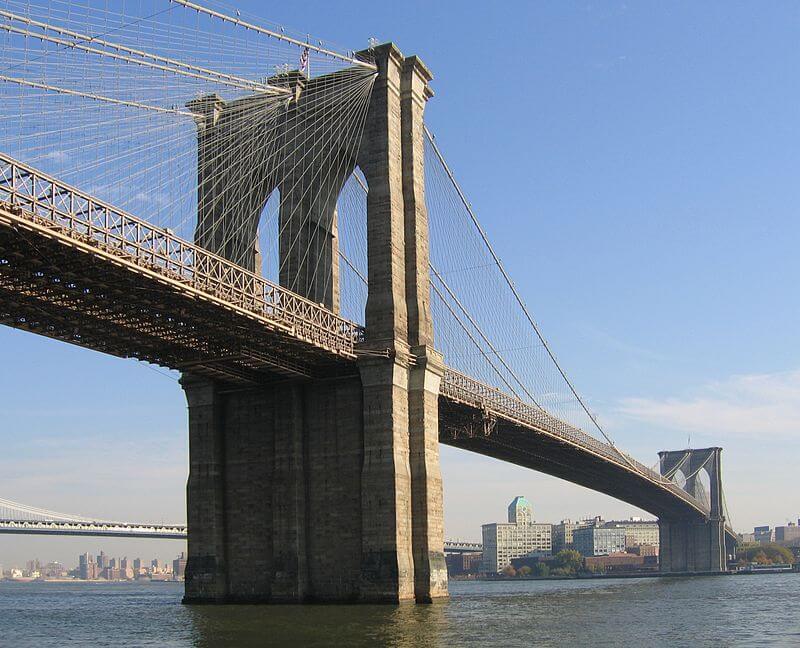
Steve Brodie claimed to be the first person to jump off the Brooklyn Bridge and survive the fall one year after Robert’s passing. Since there were no witnesses, it was claimed that Brodie staged the jump by hurling a dummy from the bridge.
The alleged jump took place on July 23, 1886. The first confirmed survivor of the Brooklyn Bridge leap was Larry Donovan, who made the leap into the East River one month later.

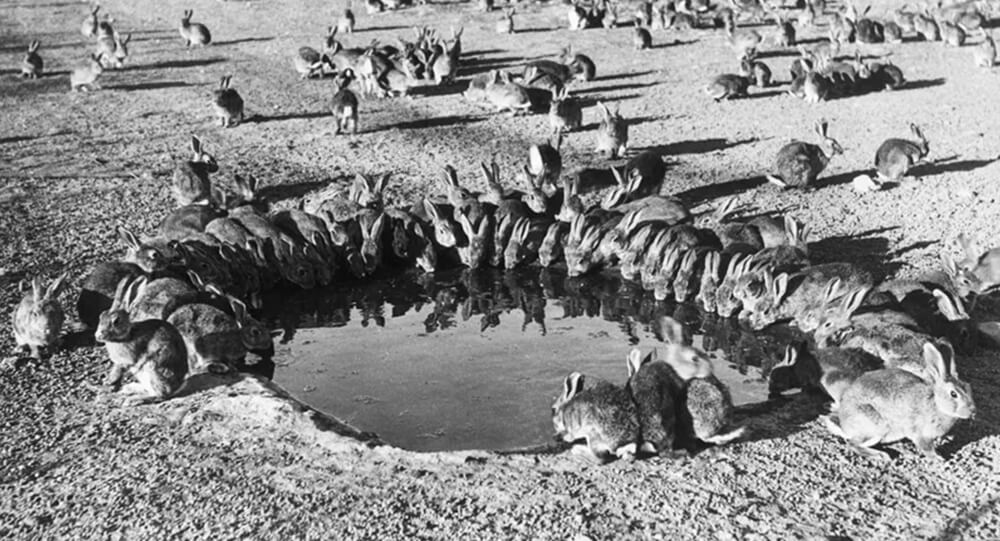
How European Rabbits Took over Australia
In 1859, wealthy settler Thomas Austin released 13 wild rabbits on his Australian estate. By 1920, their population grew to 10 billion.


The History Behind the “No One Dies Alone” Program
In 1986, while doing a night shift at the hospital, Sandra Clarke, a registered nurse, was asked by an elderly patient to stay. She promised to be back after checking on her other patients, but by the time she returned, the gentleman had passed away. Clarke became one of the key figures in launching No One Dies Alone, a program that allows volunteers to sit with terminal patients who have no one else.
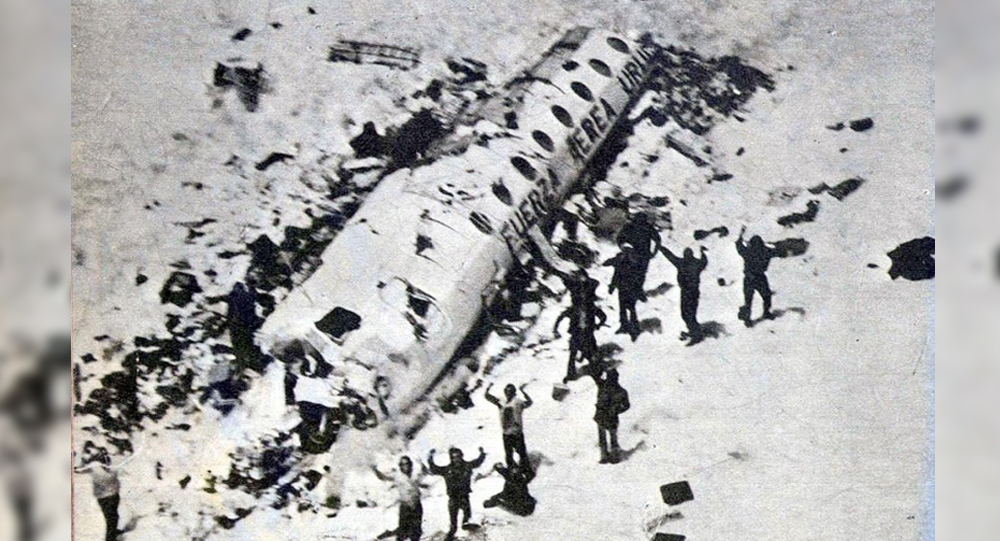
1972 Andes Plane Crash Survivor recall the terrifying Struggles to Stay Alive
On October 13, 1972, a plane carrying a rugby team from Uruguay crashed in the Andes between Chile and Argentina. The survivors were in brutal conditions - high altitude, bitter cold, and the lack of food—and faced the most terrible choice—eating the frozen flesh of their dead friends or starving to death themselves.
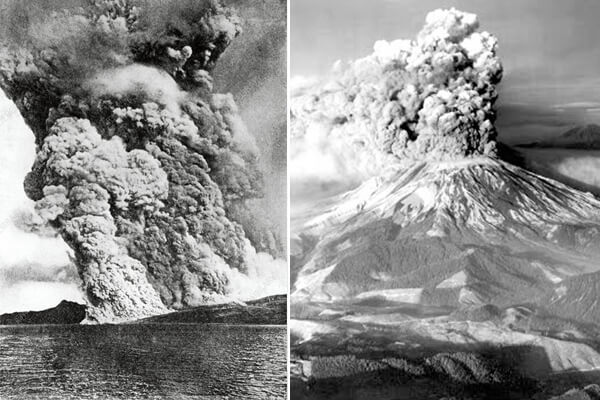
10 world’s most destructive and dangerous volcanic eruptions in history
Volcanic eruptions can devastate cities, change the world's atmosphere, and devastate economic systems. They can create molten lava rivers, mudslides, suffocating ash, and poisonous gases that cause chaos around the world for years. A volcanic explosion's effects can be massive, from its size to its death toll to its economic cost. Here is ten world’s most destructive and dangerous volcanic eruptions in history.

Reason Behind The Suicide Of Christine Chubbuck Live On Air
Actor Rebecca Hall had serious reservations about tackling the macabre story around why Chubbuck killed herself in 1974. So what changed her mind?
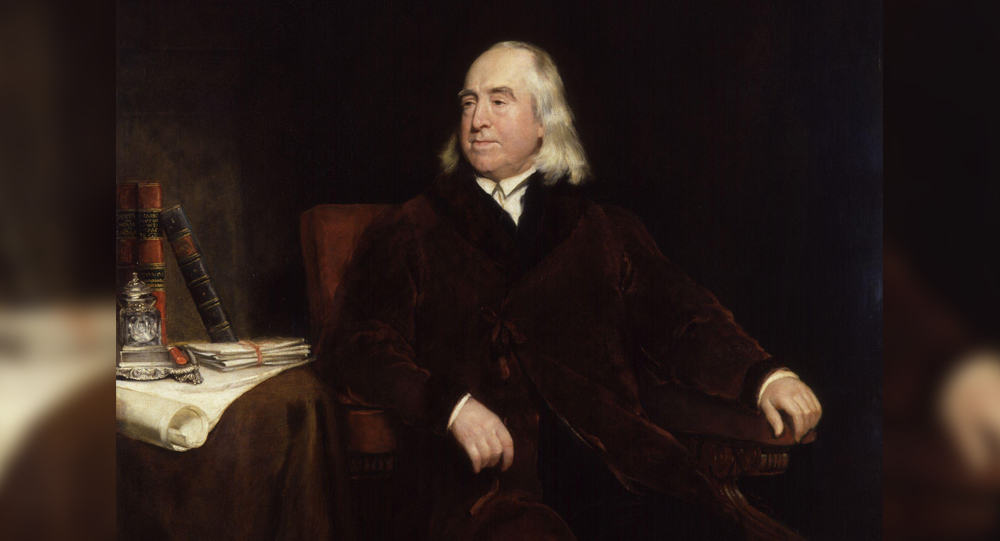
How 18th Century Women’s Rights Movements Shaped Modern Equality
The 18th century marked a turning point in the quest for women’s rights, as passionate voices challenged centuries of gender inequality and laid the groundwork for modern feminism. From pioneers like Mary Wollstonecraft to revolutionary declarations and early advocacy, this era sparked debates on education, political participation, and social justice that continue to resonate today. Journey through the origins of women’s rights movements and discover how their bold ideas shaped the fight for equality.
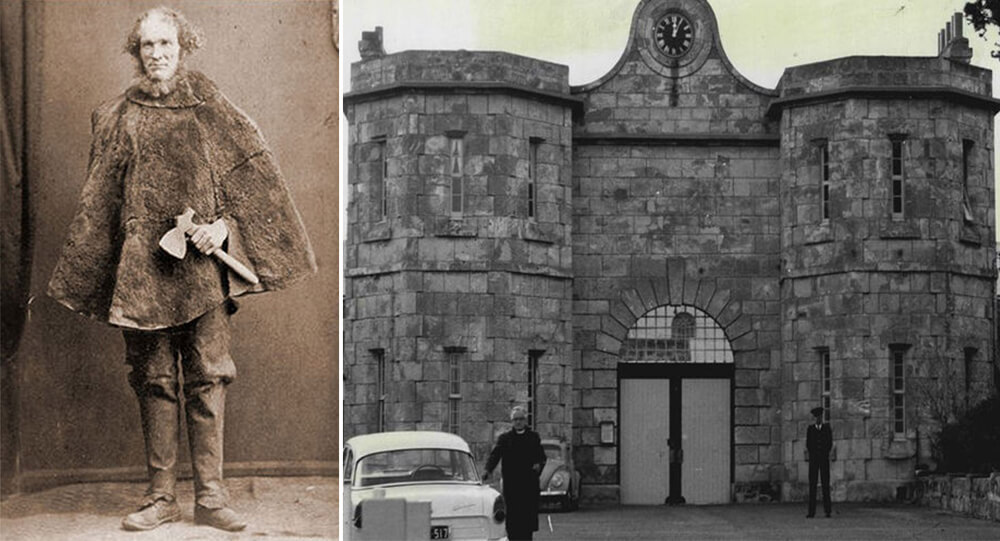
Moondyne Joe: The story of Australia's most notorious prison escapee
A man named Joseph Bolitho Johns (A.K.A Moondyne Joe) broke out of Australian prisons so many times that the police were compelled to build a special cell just for him. He escaped from that as well.
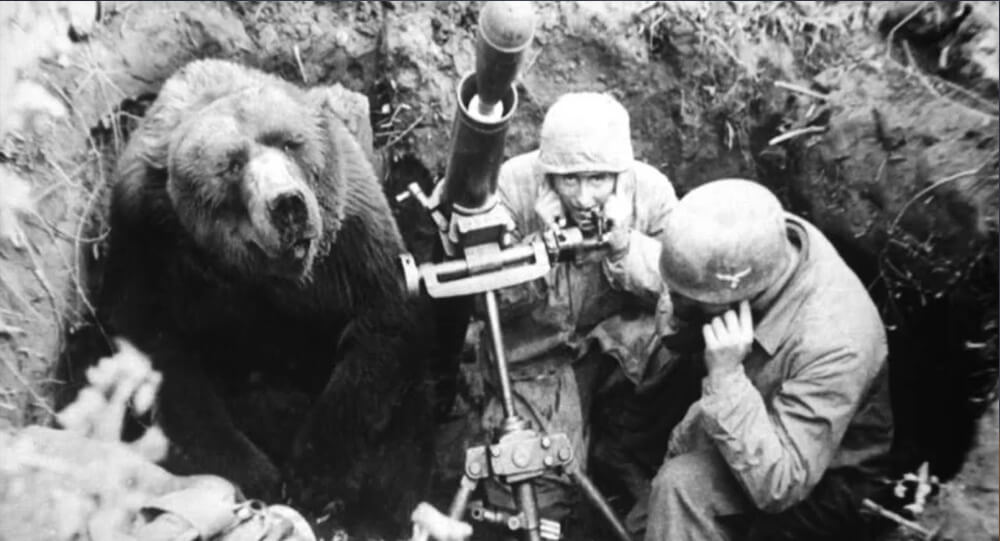
The 440-pound bear named Wojtek and his World War II battle against the Nazis
Polish troops raised an orphaned bear cub during WWII. He enjoyed drinking beer, and was trained to salute. He became officially enlisted as a member of the forces, and helped carry artillery during battle.
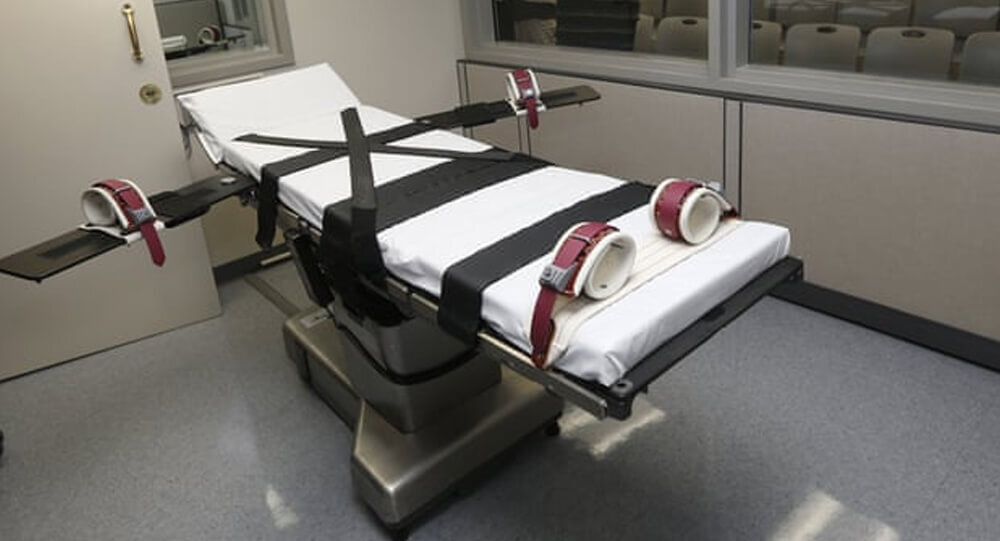
Iranian inmate dies from happiness after finding out he will not be executed
An Iranian man who was convicted of murder reportedly died from happiness after learning that his death sentence was being commuted.
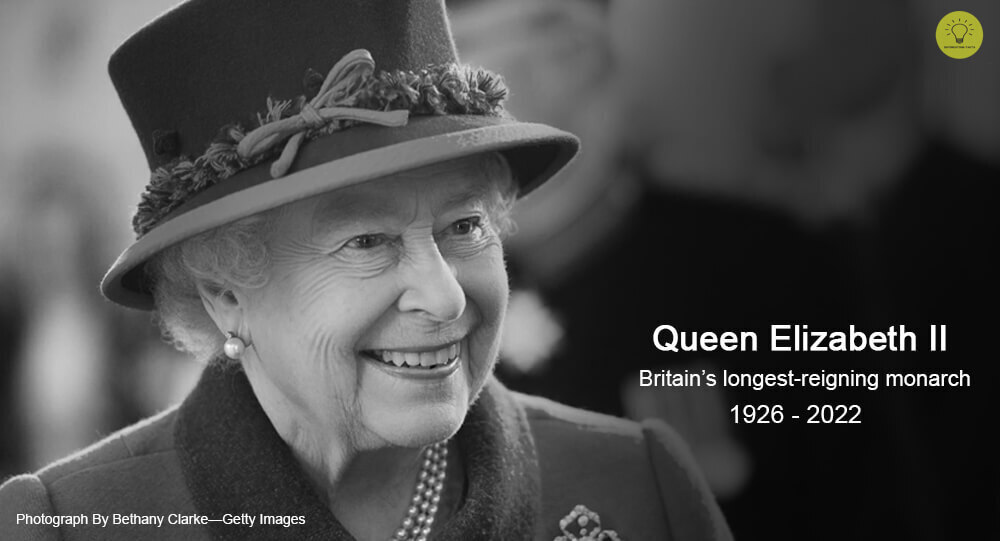
15 interesting facts about Queen Elizabeth II
Queen Elizabeth II, who ruled Britain for 70 years, has away at the age of 96. She was the country's longest-reigning monarch. Here are some little-known facts about her.
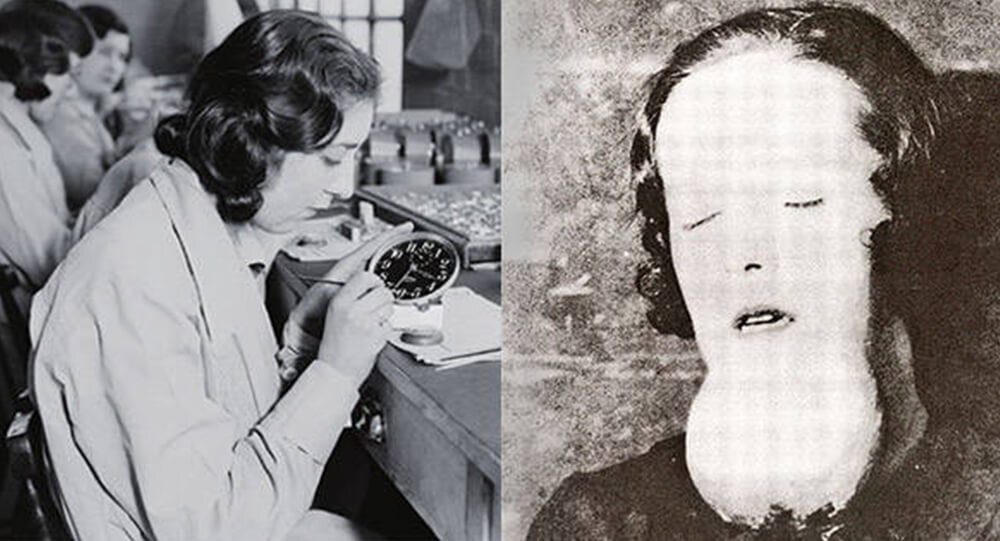
The true story Of The Radium Girls that change US labor laws
Hundreds of young women worked in clock factories during World War I, painting watch dials with luminous radium paint. The company lied about the risk of radiation, claiming there was no danger, which resulted in the death of the young women.
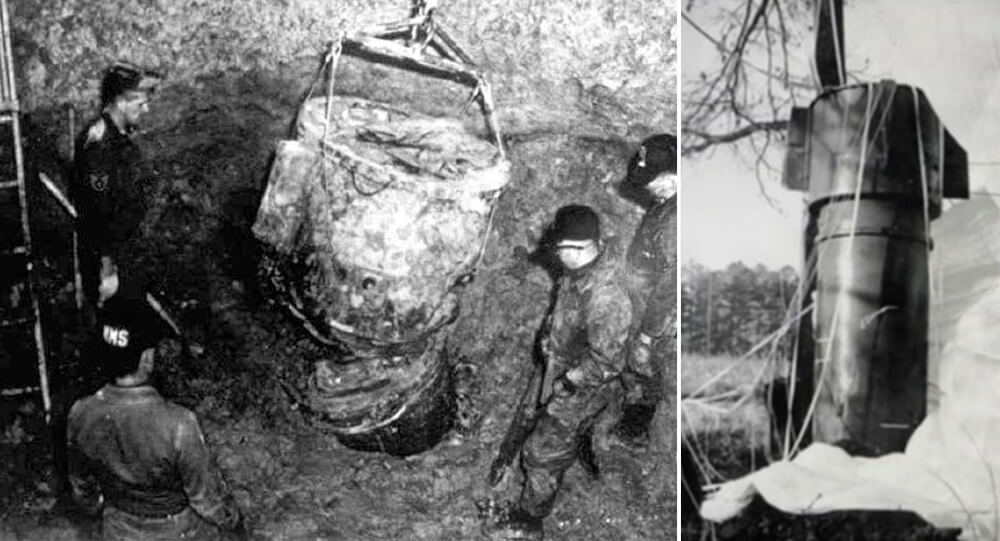
Nuclear bomb accidentally dropped on North Carolina in 196
4 January 1961: The 4241st Strategic Wing's Boeing B-52G-95-BW Stratofortress, serial number 58-0187, was on a 24-hour airborne alert mission off the United States' Atlantic Coast.

A Brief History of the PlayStation Gaming Console
Sony's PlayStation was never meant to be an actual product. Instead, it was intended to be a CD-ROM console that would support Nintendo games. However, when Nintendo backed out of the deal at the last minute, Sony went ahead and launched what soon became one of the most successful gaming consoles of all time.

How Cleveland's Balloonfest in 1986 Turned Into a Public Tragedy
In Cleveland, Ohio, United Way broke the world record by deflating nearly 1.5 million balloons as part of a publicity stunt to raise money. The balloon obstructed a US Coast Guard search for two boaters who were subsequently discovered to have drowned, blocked airport runways, and blocked land and waterways.
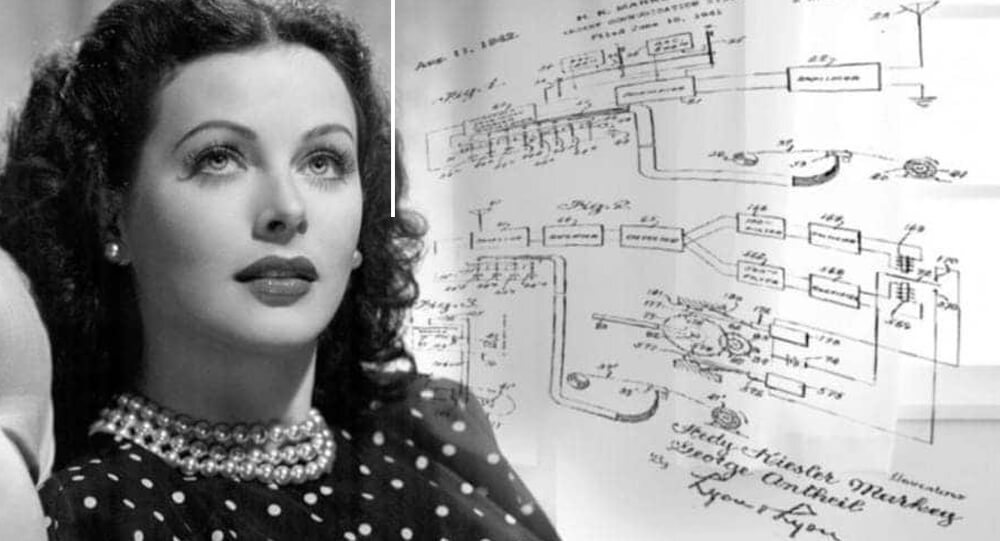
Hedy Lamarr, A Hollywood actress who also a mathematician and inventor
Hollywood actress Hedy Lamarr was also a mathematician and the inventor of frequency hopping spread spectrum, a technology still used for bluetooth and wifi
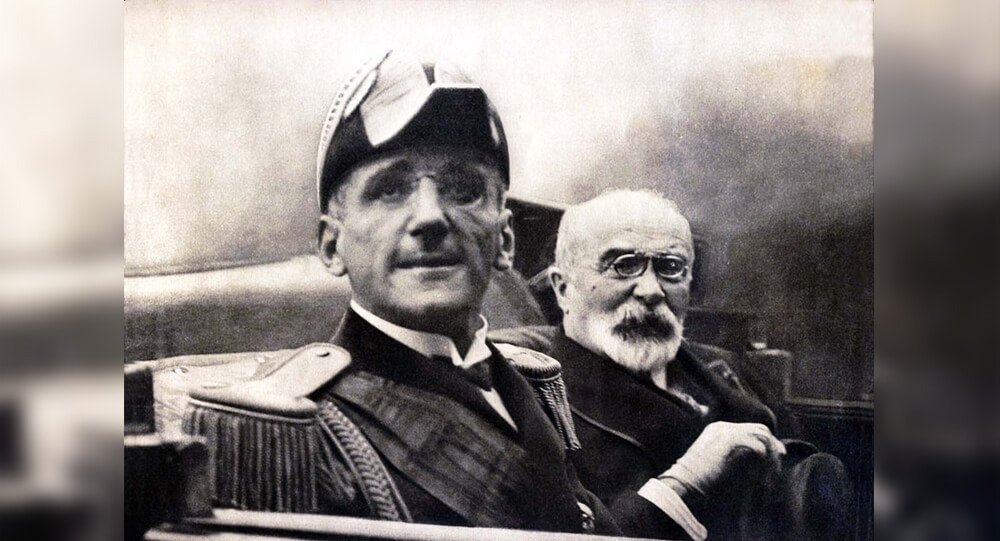
The Assassination Of King Alexander
The assassination of King Alexander of Yugoslavia marked a pivotal moment in the country's history. This article delves into the rise and reign of King Alexander, exploring his early life and ascension to the throne. It also examines the political and social climate in interwar Yugoslavia, setting the stage for the tensions and challenges that ultimately culminated in his tragic assassination. By understanding the context in which this event unfolded, we can better grasp the significance and impact it had on the nation and its future.
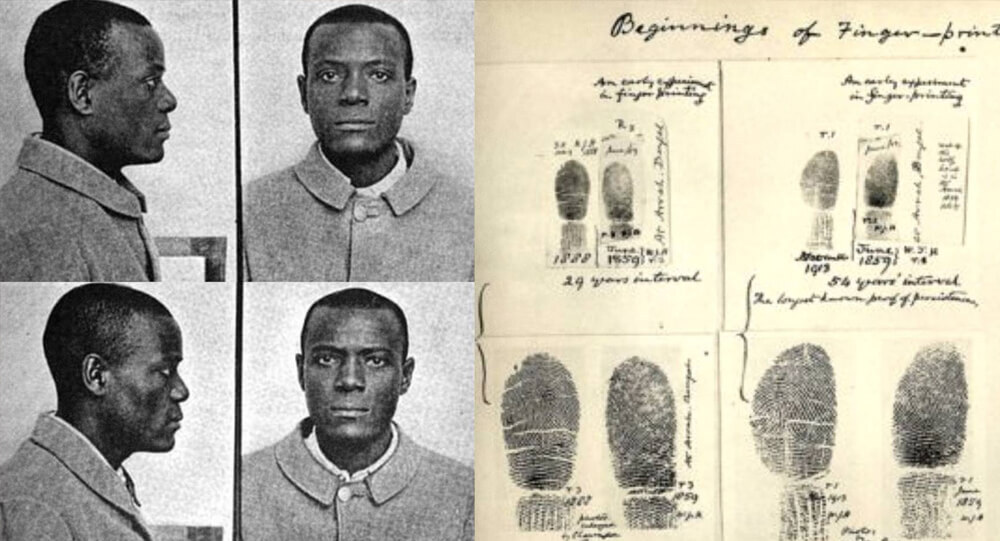
Will & William Wests: The puzzling situation of two inmates who are identical but not related
These are the mugshots of Will West and William West, and they are not related. They were both sent to Leavenworth Prison at the same time, in 1903, and after some confusion, the staff understood they had two different prisoners with the nearly same name, who looked exactly alike. They are part of the reason fingerprints are now used as identification.
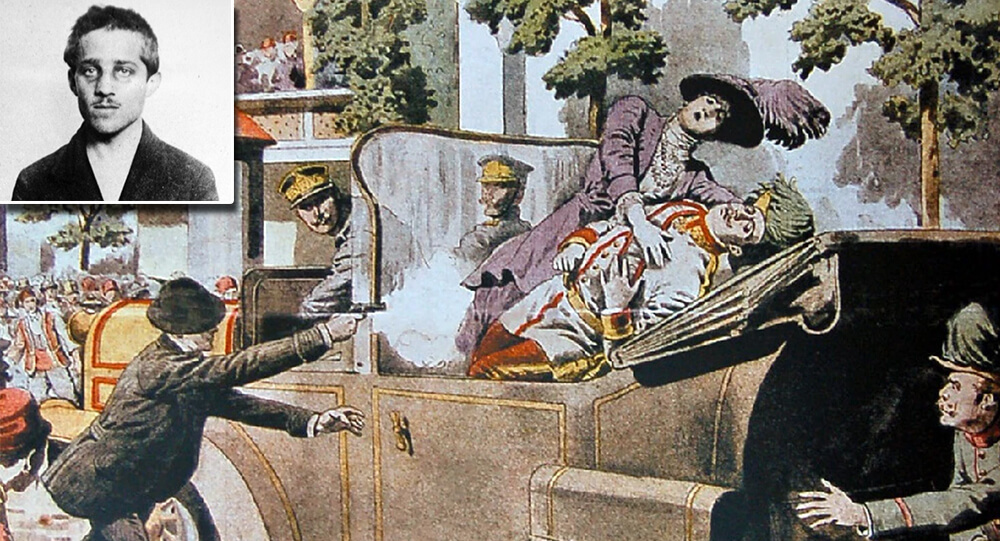
Franz Ferdinand’s Assassination that sparked World War I
Archduke Franz Ferdinand of Austria and his wife Sophie are shot to death by a Bosnian Serb nationalist during an official visit to the Bosnian capital of Sarajevo on June 28, 1914. The killings sparked a chain of events that led to the eruption of World War I by early August.
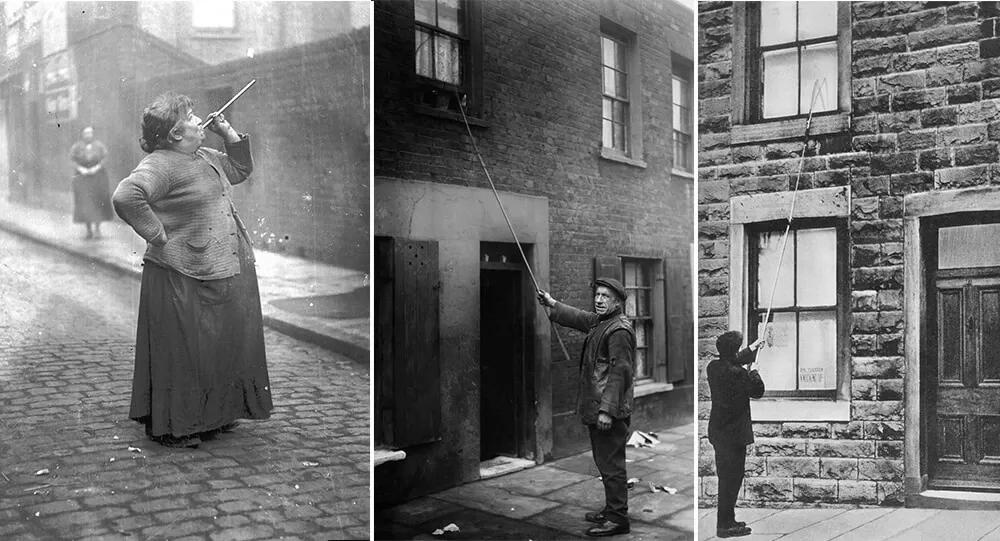
Knockers-up: waking up the Industrial Britain's Workers in 1900-1941
Before alarm clocks were invented, there was a profession called a knocker-up, which involved going from client to client and tapping on their windows (or banging on their doors) with long sticks until they were awake. It lasted into the 1920s.
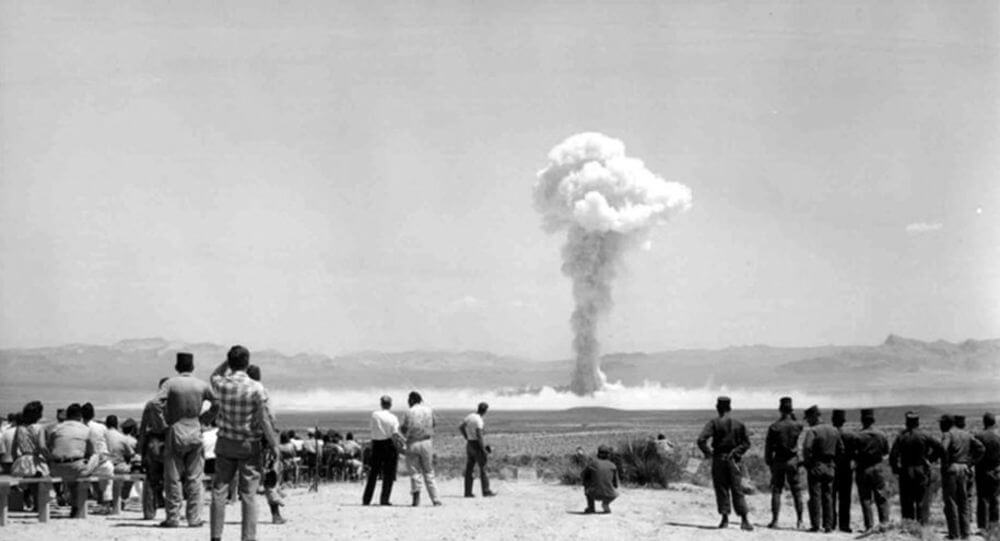
Atomic Tourism: In the 1950s, nuclear tests in Las Vegas served as a draw for tourists
Between 1950 and 1960, Las Vegas offered “Atomic Tourism” in which guests could watch atomic bombs being tested in the desert as a form of entertainment.
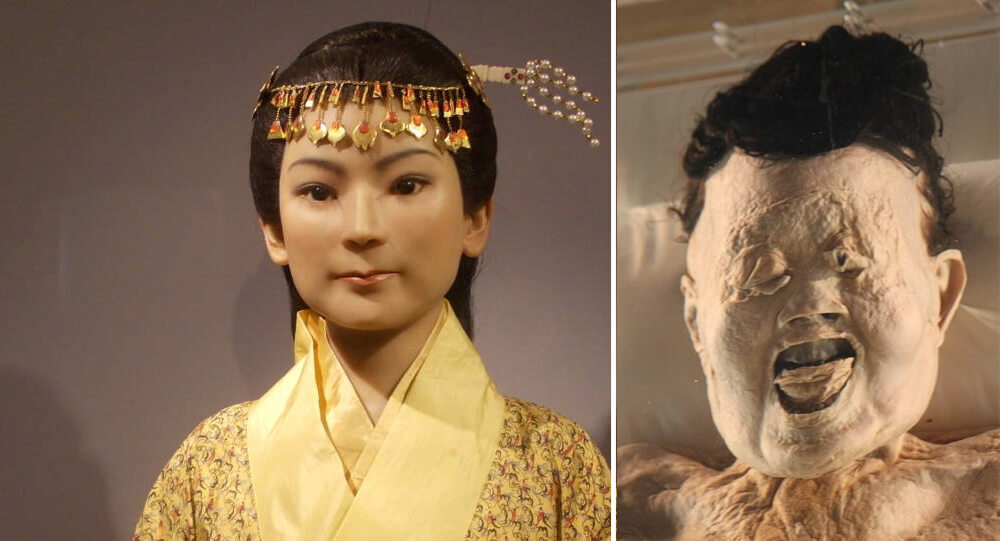
Xin Zhui And The Story Of The Stunningly Intact Lady Dai Mummy
A 2,000-year-old mummy of a Chinese woman, Xin Zhui, also known as “Lady Dai,” was preserved in 21 gallons of an “unknown liquid.” With her original hair, organs, eyebrows, and eyelashes intact, the mummy still has blood in her veins. Her skin and ligaments are soft and as flexible as that of a living person.

Remembering the miracles of the 1985 Mexico earthquake (unbelievable stories)
In 1985, after an 8.0 magnitude earthquake hit Mexico City, nearly all newborn babies survived a collapsed hospital. They are known as “Miracle Babies” for surviving 7 days without nourishment, water, warmth or human contact.
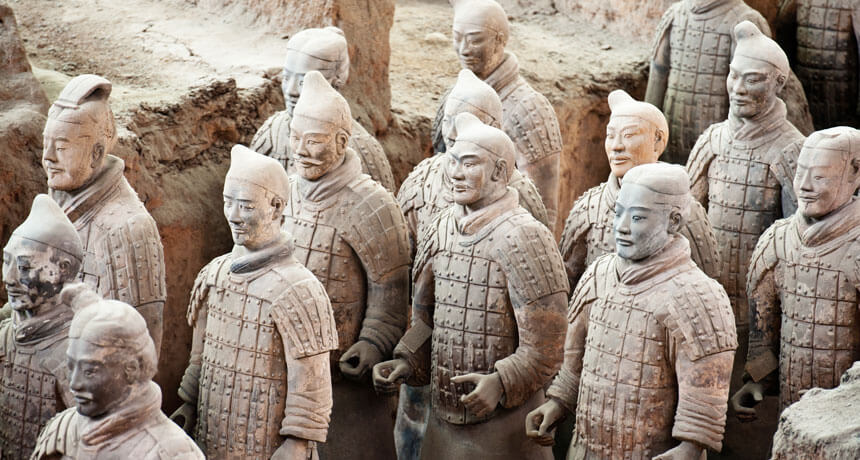
Top 10 Greatest and shocking Archaeological Discoveries of All Time
While we're all locked at home, there's no better way to escape to another time and place than to learn about amazing archeological sites and discoveries from around the world. Here are the 10 greatest and shocking archaeological discoveries —and don't be shocked if they inspire future trip plans whenever it's safe to do so again.

Max Headroom Incident: America’s Creepiest TV Hack
In 1987 a man hijacked a television station during an episode of Dr. Who and wore a Max Headroom mask and uttered nonsense, and he still hasn’t been caught
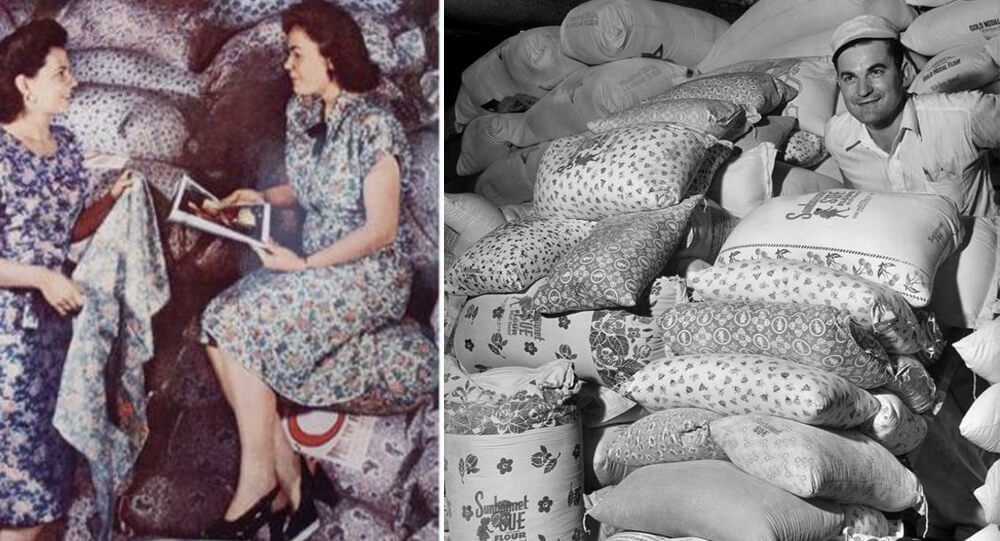
The history of Flour sack clothing fashion
After Kansas mill owners found women reused flour sack materials into apparel in the 1920s and 1930s, they started applying patterned designs to give families with more fashionable patterns and material.