


The rescuing hug - the touching story of twins Brielle and Kyrie Jackson
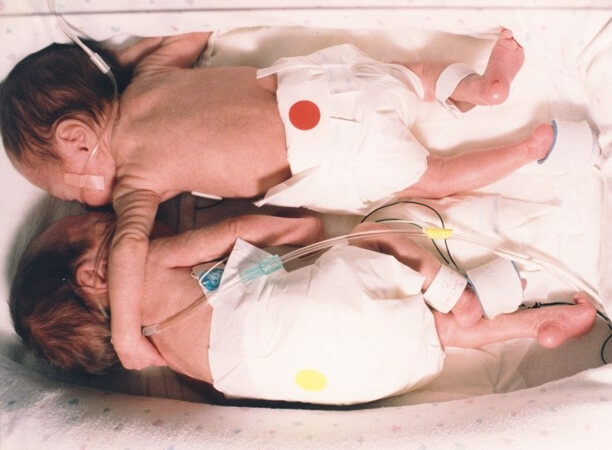
The first week of twins Brielle and Kyrie Jackson’s life is covered in detail in the article. On October 17, 1995, exactly 12 weeks before their due date, they were born. Both were in incubators, and Brielle wasn’t expected to survive. When she couldn’t breathe and began to turn cold and blue, a hospital nurse deviated from protocol and placed them in the same incubator as the previous attempt. Kyrie reportedly wrapped her sister in her arm, causing her condition to improve and her temperature to return to normal.
The Jackson twins
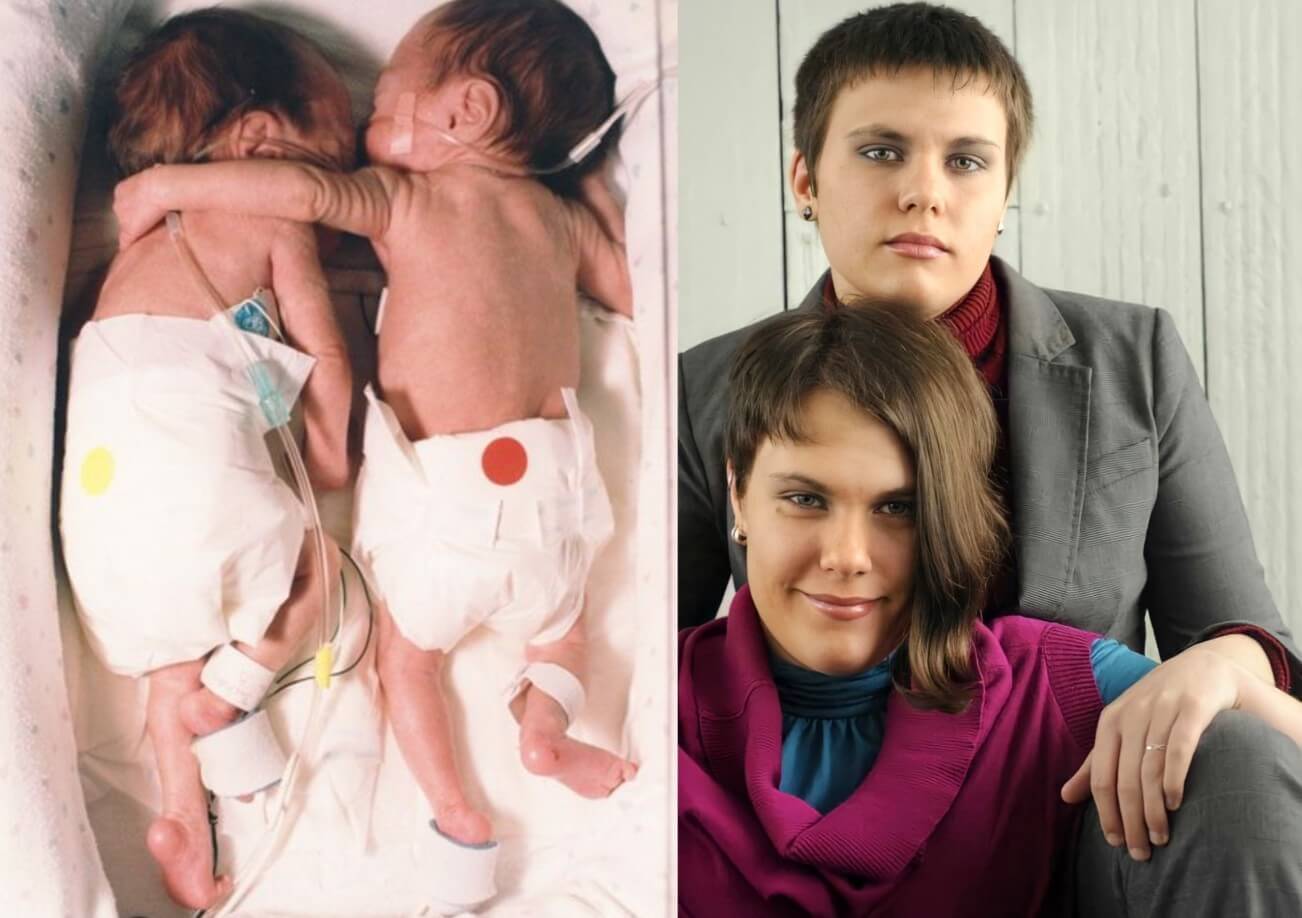
Brielle and Kyrie Jackson, the twin daughters of Heidi and Paul Jackson, were born on October 17, 1995, 12 weeks early. Preemie twins are typically placed in separate incubators in hospitals to lower the risk of infection. At Worcester’s Medical Center of Central Massachusetts’ neonatal intensive care unit, that was carried out for the Jackson girls.
Health condition
Kyrie, the older sibling who weighed two pounds, three ounces, started gaining weight right away and slept soundly for the first few days of her life. Brielle, who was born weighing only two pounds, was unable to keep up with her. She struggled with her breathing and heart rate. Her blood had a low oxygen content, and she had gained weight slowly.
On November 12, Brielle’s condition suddenly got worse. Her face, as well as her paper-thin arms and legs, turned bluish gray as she started gasping for air. She had hiccups, a potentially dangerous sign that her body was under stress, and her heart rate was extremely high. Her parents kept an eye on her, fearing the worst.
The last ditched effort to save Brielle’s life
To stabilize Brielle, nurse Gayle Kasparian made every effort she could think of. She sucked her airways and increased the oxygen supply to the incubator. Even though Brielle’s oxygen intake dropped and her heart rate shot up, she continued to wriggle and fuss.
Then Kasparian recalled what she had previously heard from a colleague. It was a procedure that required double-bedding multiple birth babies, especially preemies, but was almost unheard of in this country.
The arrangement was unusual because Susan Fitzback, Kasparian’s nurse manager, was away at a conference. Kasparian, however, opted to take a chance.
“Let me just try putting Brielle in with her sister to see if that helps,” she said to the alarmed parents. “I don’t know what else to do.”
Kasparian slipped the wriggling infant into the incubator holding the sister she hadn’t seen since birth after the Jacksons swiftly gave the go-ahead. The Jacksons and Kasparian then observed.
The rescuing hug
As soon as the incubator’s door was shut, Brielle cuddled up to Kyrie and immediately became calmer. Within a short period of time, Brielle’s blood-oxygen levels were at their highest point since birth. Kyrie held her younger sibling in her tiny arm as she dozed.
A coincidence
By chance, there was a presentation on double-bedding at the conference Fitzback was attending. I want to see this happen at The Medical Center, she reasoned. Making the change, though, might be challenging. Sue, take a look in that isolette over there,” the nurse who had been taking care of the twins that morning told Fitzback as she was making rounds when she returned. It’s really lovely. “You mean we can do it?”, the nurse enquired. “Of course we can,” Fitzback said.
Conclusion
Co-bedding is now almost universally used in hospitals as a special newborn twin care strategy, which appears to cut down on risk factors and hospital days

Hyperinflation of the Zimbabwe dollar turning phasing out their local money in 2015
Hyperinflation of the Zimbabwe dollar made it one of the lowest valued currencies in the world. So the country abandoned it in 2009, and switched to using foreign money. In 2015, to complete the process of phasing out their local money, the government offered to exchange it at a rate of one US dollar for 35 quadrillion Zimbabwean dollars.
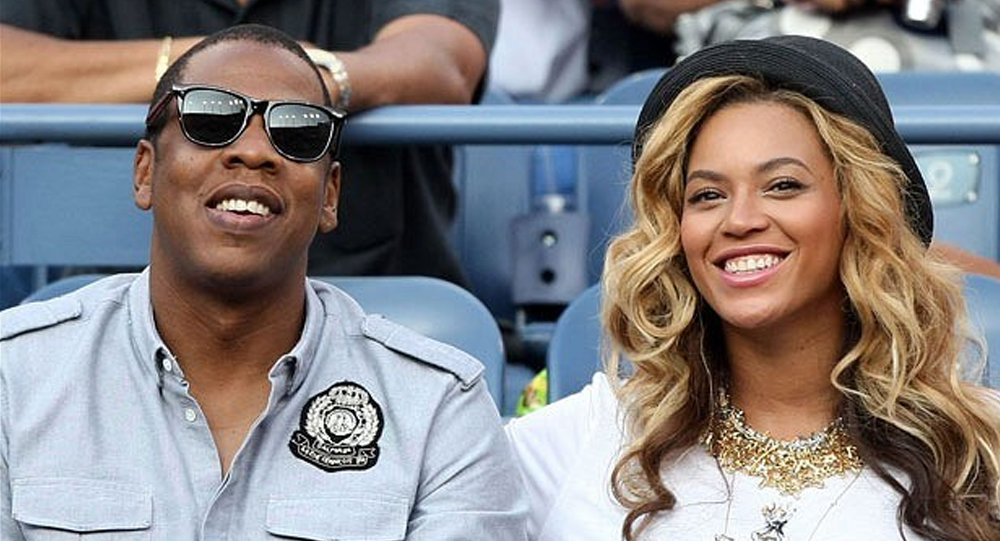
Beyoncé and Jay-Z's Hospital Security Blocked NICU Access for Father of Premature Twins
A father was denied access to see his premature twins in the NICU when Beyonce and Jay-Z had their daughter at the same time.

World's largest iceberg breaks off Antarctica
In 1986, the iceberg known as A23a broke away from the Antarctic coast. However, it quickly grounded in the Weddell Sea, effectively turning into an ice island.

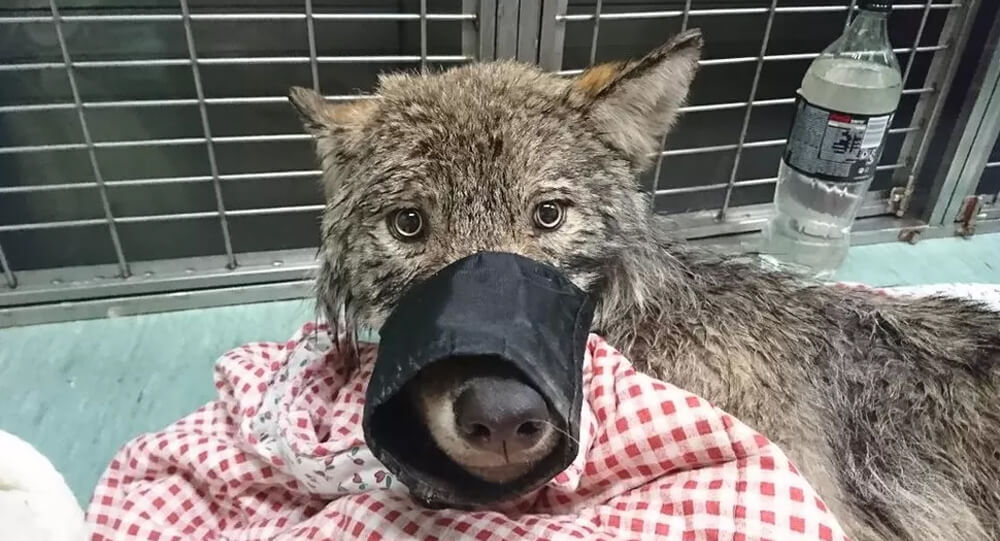
Estonians save a wolf from the ice by mistaking it for a dog
Two young construction workers in Estonia discovered what they thought was a dog caught in a frozen lake. They carried it to their car and brought him to an animal shelter, not realizing it was a wolf.

Tourist in China left hanging from 330-ft-high glass bridge as wind blows away its panels
The popular tourist attraction glass-bottomed bridge was shattered after a strong wind blew away its panels. A Chinese tourist was left stranded in strong winds 330 feet up on a glass-bottomed bridge.

Aitzaz Hasan, Pakistani school boy who sacrificed his life from suicide bomber
Aitzaz Hasan, a 15 year old Pakistani school boy, sacrificed his life while preventing a suicide bomber from entering his school of 2000 students. His father said "My son made his mother cry but saved hundreds of mothers from crying for their children."
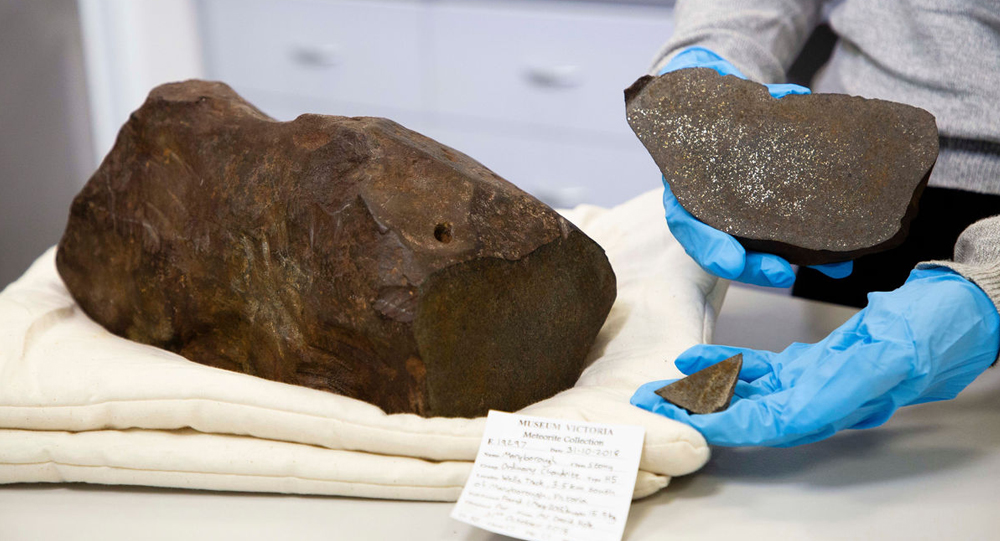
The Man Who Kept a “Gold” Rock for Years—Only to Discover It Was a 4.6-Billion-Year-Old Meteorite Worth a Fortune
A man cherished a heavy 17-kilogram rock for years, believing it to be solid gold. The surprising twist? Experts later revealed it was a rare, 4.6-billion-year-old iron meteorite—an ancient cosmic relic worth far more than gold. Dive into the fascinating story of this celestial treasure and what makes it so valuable.

Woman had no idea she had an identical twin until she saw a 'lookalike' on YouTube
When Anais Bordier saw a YouTube video of Samantha Futerman, who looked exactly like her, she messaged her on Facebook and discovered they were both adopted and born on the same day. They were identical twins who had been separated at birth and had found each other by chance and on social media.
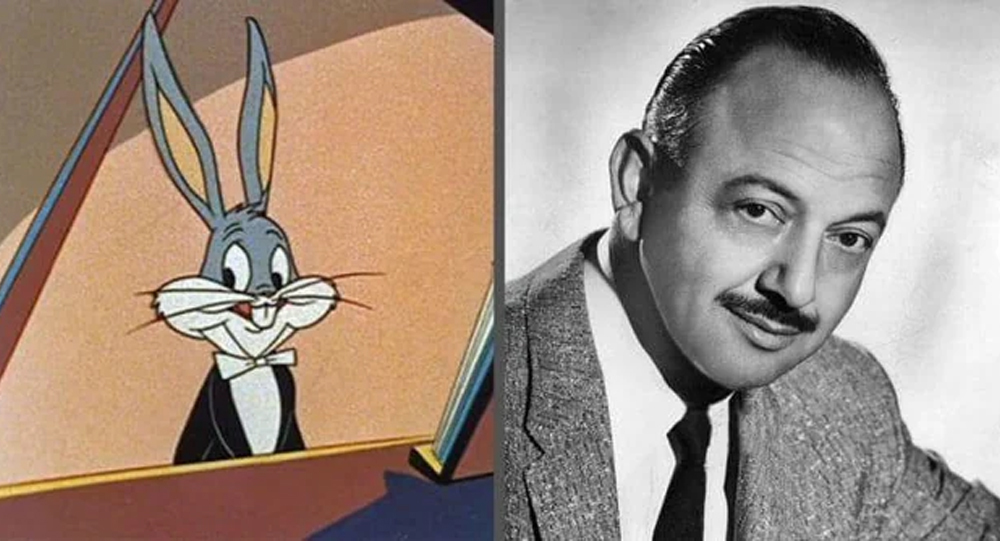
How Being Bugs Bunny Helped This Voice Actor Out of Coma
Mel Blanc; the voice of Bugs Bunny, had been in a serious car accident that put him in a coma. After many unsuccessful attempts to get him to talk, a doctor asked “Bugs, can you hear me” Mel responded in the voice of bugs bunny, “Whats up, Doc? The doctors used this to lead him out of his coma.
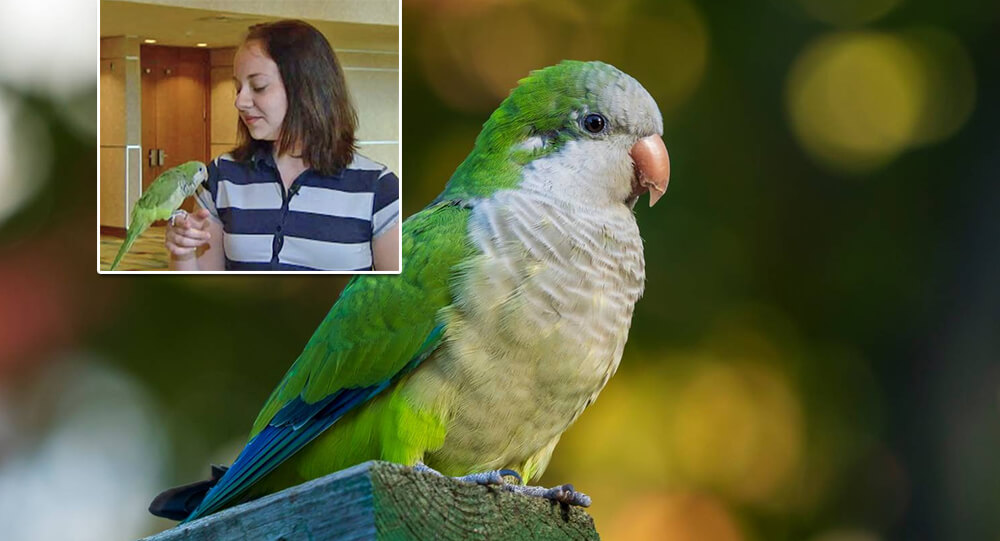
How hero parrot saved little girl who was choking on her breakfast
In 2008 Quaker parrot Willie alerted his owner Megan Howard when the little girl she was babysitting began to choke. Howard was in the bathroom when the parrot repeatedly yelled "Mama! Baby!" flapping his wings. Megan rushed and performed the Heimlich maneuver, saving her life. Willie received the Red Cross Animal Lifesaver Award.
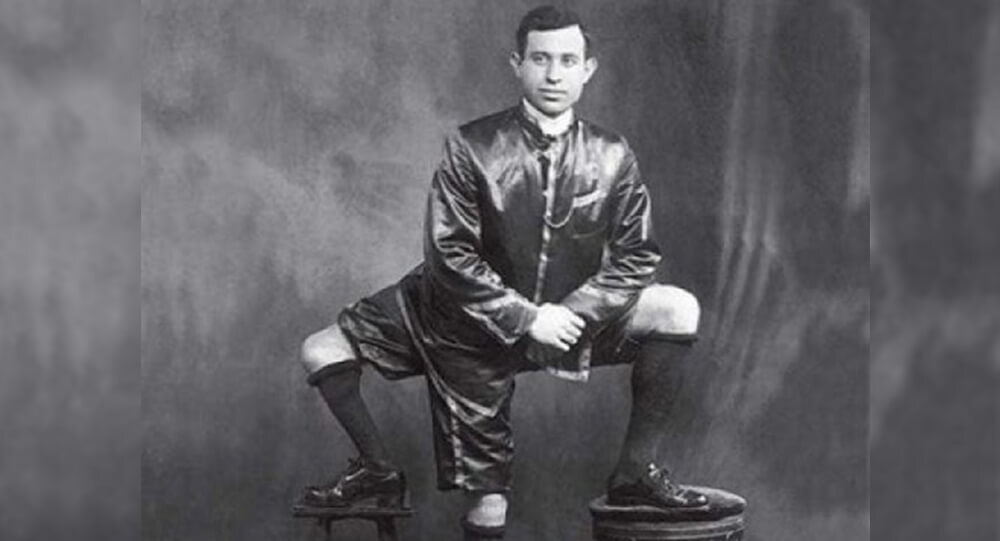
Frank Lentini, The Three-Legged Sideshow Performer
Francesco Lentini was a man with three legs, four feet, sixteen toes, and two sets of functional male genitals. He worked for the circus and lived to be 78 years old.
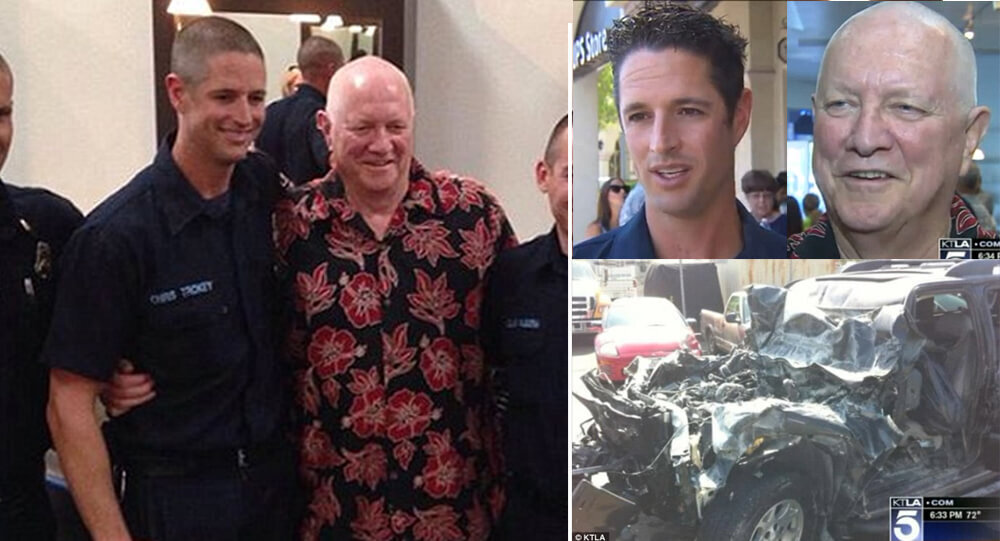
Paramedic Rescues Doctor Who Saved Him 30 Years Earlier
In 1981, a doctor helped save the life of a 3.2 pounds premature baby boy. Thirty years later, the boy, who had grown up to be a firefighter-paramedic, helped in saving the same doctor from a car accident.
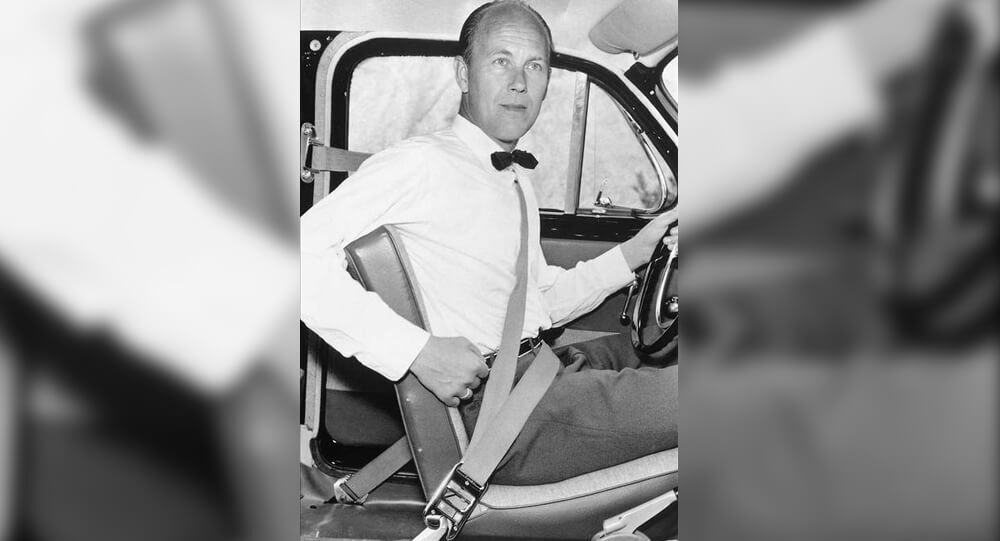
Who invented the three-point seat belt?
While employed by Volvo in 1959, Swidish engineer Nils Bohlin created the three-point safety belt. Volvo first had the design patented, but soon as they discovered its importance as a new safety measure, they made the patent open to everyone. Millions of lives were genuinely spared by Volvo’s gift to the world.
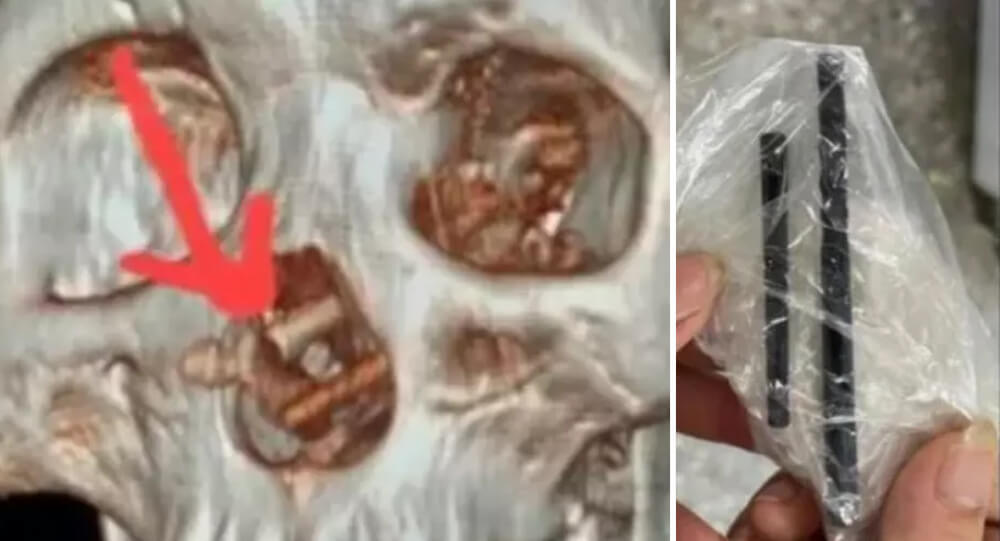
A man who has been suffering from headaches for nearly six months discovers chopsticks lodged in his brain
When it was discovered that a Vietnamese man with headaches and vision problems had chopsticks lodged in his brain, the doctors were almost as surprised as the man himself.

The Terrifying Mount St. Helens Eruption is Captured by the Robert Landsburg Photographs
Robert Landsburg, a photographer who upon realisation that he is going to die in the mount St. Helens eruption of 1980 lay down on top if his equipment to preserve the photographs he had taken of the events. Landsburg‘s body was found 17 days later, buried in ash with his film intact.
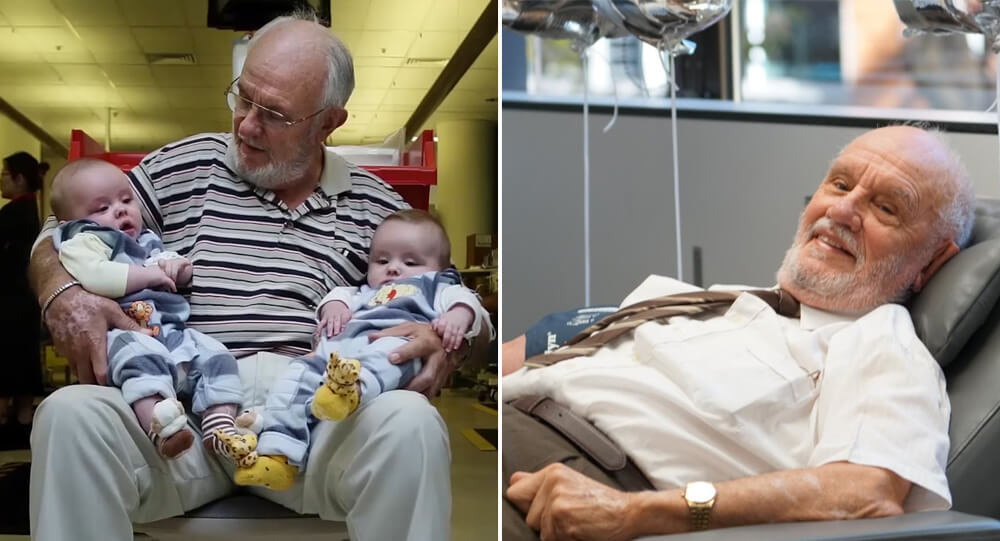
Man's Blood Helped Save Millions of Babies
Australian blood donor James Harrison has been one of our most impressive and valued donors, having donated for 60 years. Know his story, how he was a pioneer of our Anti-D program, and why this matters.
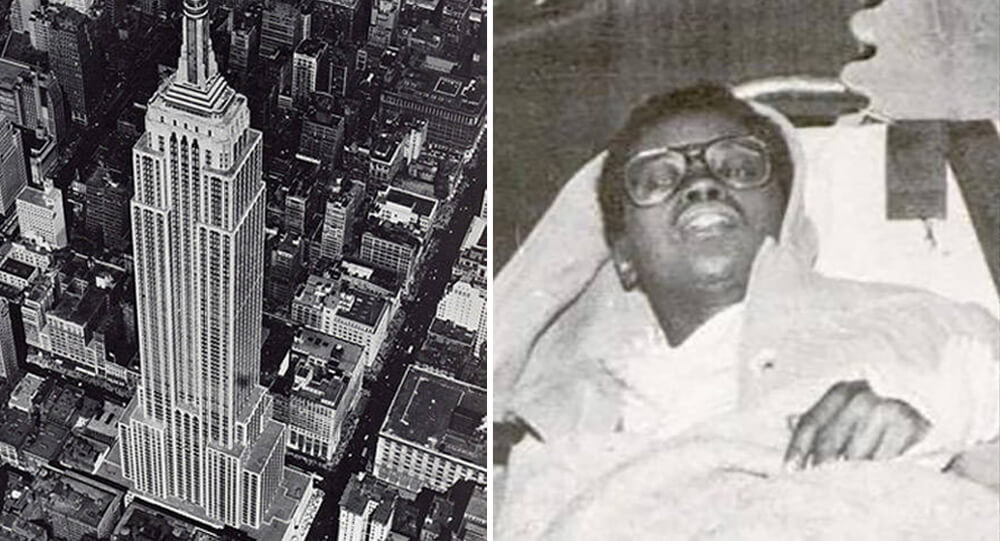
Elvita Adams jumps from the Empire State Building and amazingly survived
Elvita Adams once tried to commit suicide by jumping off the empire state building. She Jumped from the 86th floor but was blown back to 85th floor by a strong gust of wind.
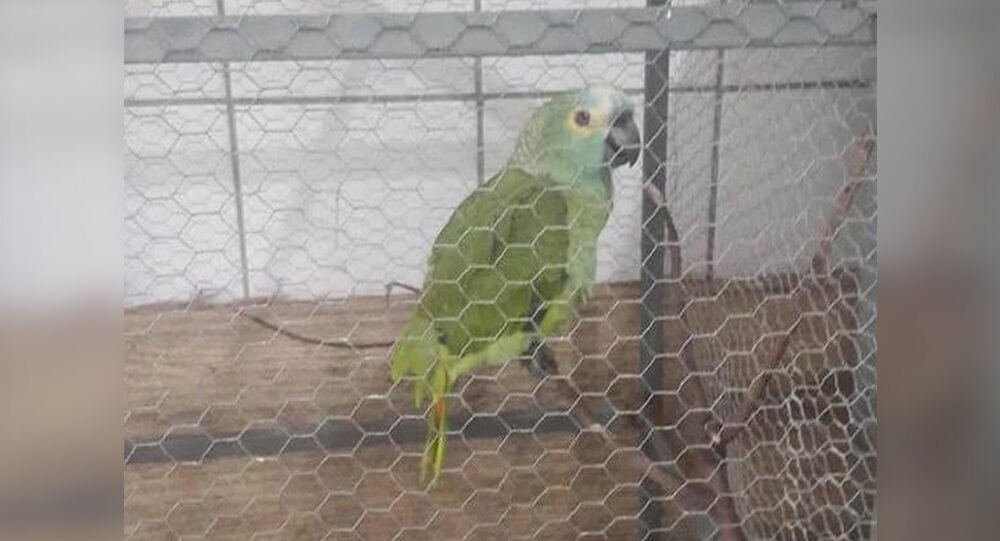
'Super obedient' lookout parrot trained by Brazilian drug dealers is seized by police
In 2019, police in Brazil seized a 'super obedient' lookout parrot trained by drug dealers. According to reports, the bird had been taught to alert criminals to police operations by shouting: "Mum, the police!" As soon as the police got close, he started shouting.

Photos: This man sold everything 45 years ago to buy a bike and travel 6,000 miles from India to Sweden to see his love.
An Indian man traveled from India to Sweden on a bicycle to meet his Swedish wife in 1978. The journey took him 4 months and through eight countries.
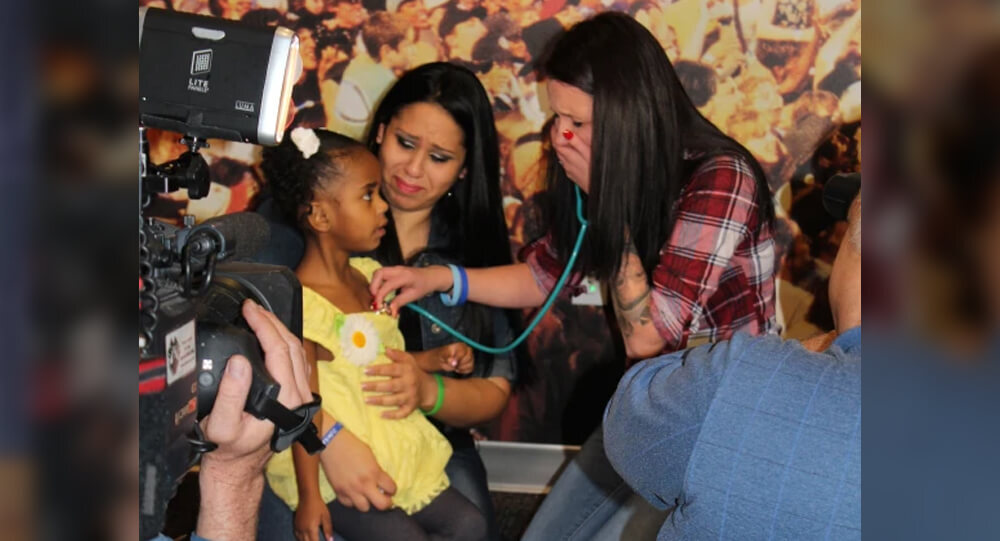
Mom hears son's heartbeat 3 years after his death when she meets organ recipient
She agreed to donate her son's organs after his sudden death in June 2013 at the age of 7 months. The grieving mother was able to listen to her late son’s heart beating inside the little girl who received the organ after his death.

LEGO Braille Bricks: Revolutionizing Braille Learning Through Play and Inclusion
go Braille Bricks were launched in 2020 to help visually impaired children learn Braille through play. Each brick features the Braille alphabet and is fully compatible with standard Lego sets, allowing sighted peers to join in, fostering inclusivity and collaboration in learning environments.
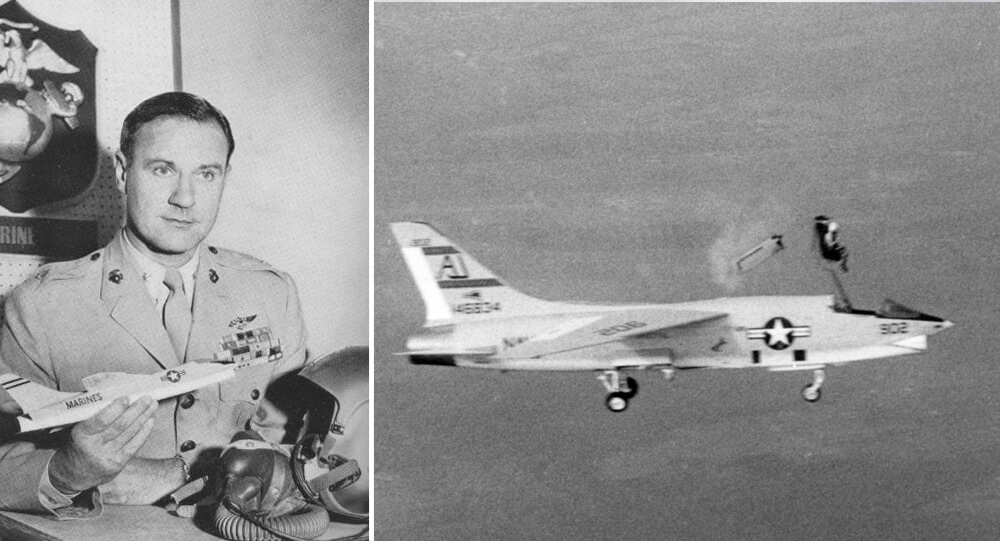
The Man Who Survived Falling Through a Thunderstorm, William Rankin
William Rankin was a fighter pilot who survived an ejection into a thunderstorm. He suffered frostbite, violent wind and lightning, severe decompression, and nearly drowned from breathing in rain water. He was in the cloud for over 40 minutes in total.

Restaurant owner offers burglar a job rather than filing charges
On April 13, 2021, Diablo’s Southwest Grill was robbed, but instead of pressing charges, owner Carl Wallace decided to offer the burglar a job in his business and said “There are better opportunities out there than this path you’ve chosen,”.
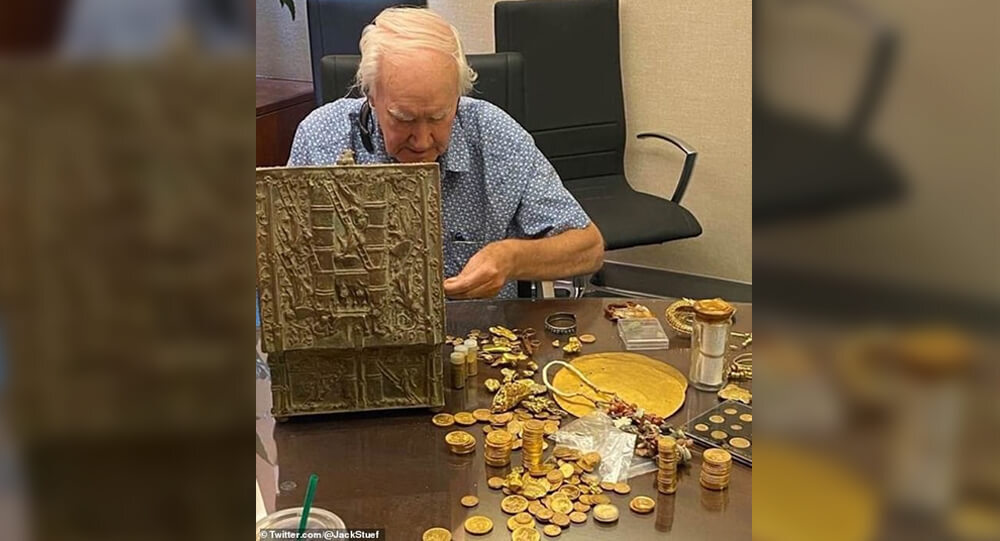
Story of Forrest Fenn and who he hid a bronze chest treasure full of gold and other jewels
Forrest Fenn, an art dealer, hid a bronze chest full of gold and other jewels somewhere in the Rocky Mountains ten years ago. In a poem, he hinted at its location. Thousands of people tried and failed to find the treasure, which is said to be worth over a million dollars, and at least four people died in the process. In June 2020, the Fenn treasure was discovered.
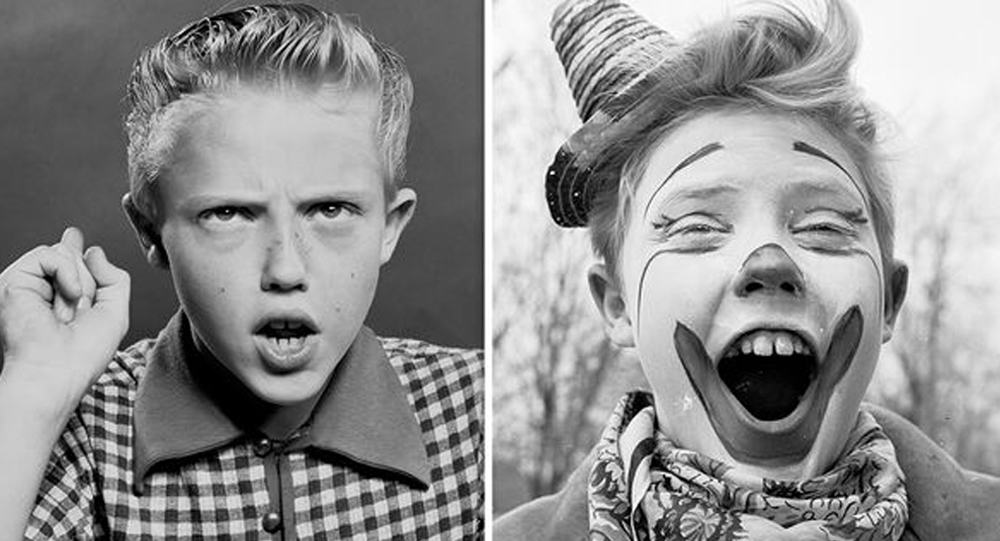
Before Hollywood, Christopher Walken Was a Teenage Lion Tamer with a Lioness Named Sheba
Before acting, Christopher Walken worked as a lion tamer in a circus at age 16. He performed with a lioness named Sheba and described the job as surprisingly calm—just another day before Hollywood stardom.