
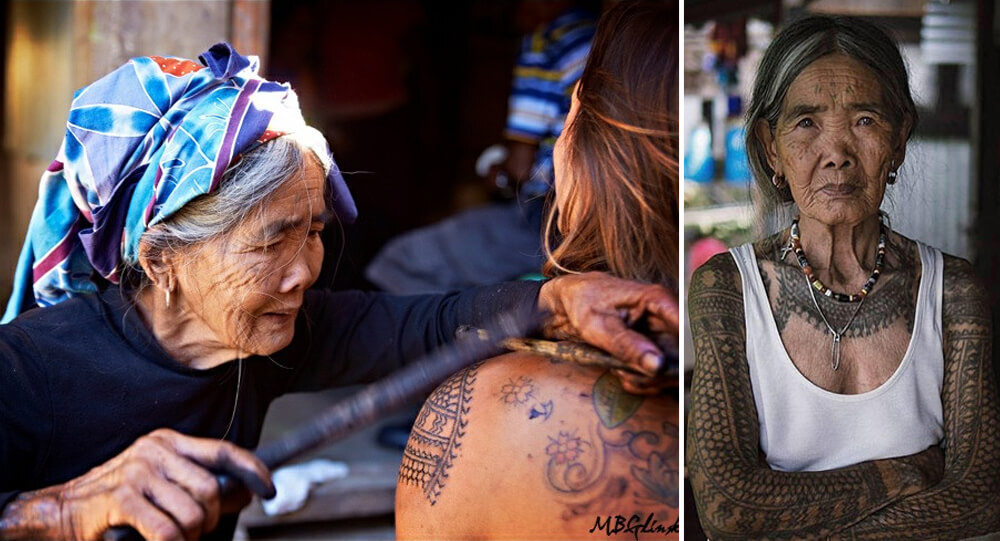
The world has been enthralled by the legendary tattoo artist from the Philippines, Whang-od Oggay, for her extraordinary talent and deep cultural heritage. Born in the isolated Kalinga province village of Buscalan, Whang-od is renowned as the last Mambabatok, a master of the ancient hand-tapping tattooing technique. She has gained international recognition for her contribution to the preservation of traditional Filipino tattooing techniques and the rich symbolism in her artwork. This article delves deeply into the life and journey of Whang-od, examining the traditional tattooing culture in the Philippines, the distinctive style and symbolism of her tattoos, her influence on the global tattoo community, the difficulties in maintaining traditional practices, and the lasting impact she has had on contemporary society.
Early Life and Background
You may wonder, who is Whang-od Oggay. She is a formidable tattoo artist from the Philippines, Whang-od is a member of the Butbut tribe and was born in 1917, She is from the Kalinga province. She had a straightforward yet fascinating upbringing in the mountains, surrounded by nature and her people’s rich cultural heritage.
The world first learned about Whang-od and her extraordinary tattooing talent in 2009. When a documentary crew happened upon her isolated village, they discovered a priceless find. It turned out that Whang-od had been using this age-old technique for over 80 years.
The Traditional Tattooing Culture in the Philippines
Tattooing has a long history in Filipino culture. It has been around for a very long time and was important to many indigenous tribes. Tattoos were more than just trendy accessories; they were also representations of one’s self, courage, and even spiritual beliefs. Tattoos were a vibrant tapestry of cultural heritage because each tribe had its own distinctive designs and meanings.
The raw, genuine experience is what traditional Filipino tattooing is all about; forget about expensive equipment and sterile settings. Whang-od and the other “mambabatoks” (traditional tattoo artists) create their works of art by tapping their hands together. They painstakingly etch complex patterns onto the skin of their customers using a small bamboo stick called a “batok” and a thorn covered in natural ink.
Whang-od’s Journey to Becoming a Tattoo Artist
The path Whang-od took to become the renowned tattoo artist she is today wasn’t easy. She received instruction in the art of batok from her own tribe’s elders and ancestors. She developed her abilities with perseverance and self-control, dedicating her life to maintaining the traditional art form.
The last mambabatok and sole surviving traditional tattooist of the Kalinga tribe is proudly known as Whang-od. She stands for cultural preservation, resiliency, and heritage. To get a tattoo from this living legend, people travel great distances from all over the world. She has undoubtedly developed into a rockstar in the world of tattoos.
The Unique Technique and Symbolism of Whang-od’s Tattoos
She uses a hand-tapped technique that is not for the fearful. It requires patience, accuracy, and a ton of endurance. But have faith—the outcome is well worth the effort. You’ll leave with a one-of-a-kind work of art permanently etched into your skin as a symbol of both your tenacity and Whang-od’s artistry.
The patterns created by Whang-od are not merely attractive; they contain rich symbolism. Every curve, dot, and line has a narrative to it, illustrating aspects of nature, tribal customs, or individual journeys. Your tattoo will tell a visual story of your journey and be inked by a skilled artist, so it will be more than just a cool design.
She is a living example of the cultural heritage of the Filipino people, not just a tattoo artist. So the next time you’re thinking about getting inked, why not plan a trip to the mountains to honor this living legend?
Whang-od’s Impact on the Global Tattoo Community
Tattoo artist Whang-od Oggay is not your typical artist. This fierce grandma from the Philippines has shot to fame around the world and established herself as a representation of traditional tattooing and native artistic talent. Tattoo enthusiasts and artists from around the world are drawn to her distinctive technique and stunning designs.
Whang-od’s name has become wildly popular due to the influence of social media and the rising appreciation for cultural diversity. Tattoo enthusiasts travel great distances to her isolated Kalinga province village of Buscalan just to get inked by the legendary Whang-od herself. To experience her artistry up close, people are prepared to travel great distances, climb challenging mountains.
Whang-od’s Legacy and Recognition in the Modern World
The number of tattoos Whang-od has cannot accurately reflect the impact she has had. Numerous awards and honors have been bestowed upon her for her lifetime’s work and commitment to maintaining traditional tattooing. She was given the Dangal ng Haraya Award in 2018, which is the highest honor bestowed by the Philippine National Commission on Culture and the Arts.
Beyond the awards, Whang-od has established himself as a cultural icon, proudly showcasing the long history of indigenous tattooing. She has made Kalinga famous, bringing in travelers interested in culture from all over the world. She has made an immeasurable contribution to the protection and advancement of Kalinga cultural traditions.
The village of Whang-od has developed from a quiet retreat to a bustling center of cultural tourism. To experience the magic of seeing a living legend in action, tourists swarm to Buscalan. However, this unexpected increase in tourism comes with a unique set of difficulties. It is a constant battle to strike a balance between the needs of tourism and the preservation of cultural heritage.
In Buscalan, efforts are being made to ensure sustainable tourism practices while upholding the traditions and customs of the community. To provide the community with opportunities for education, support, and economic growth, local organizations are collaborating. It’s crucial to strike a balance that preserves the integrity of the cultural heritage while allowing outsiders to appreciate and learn from it.

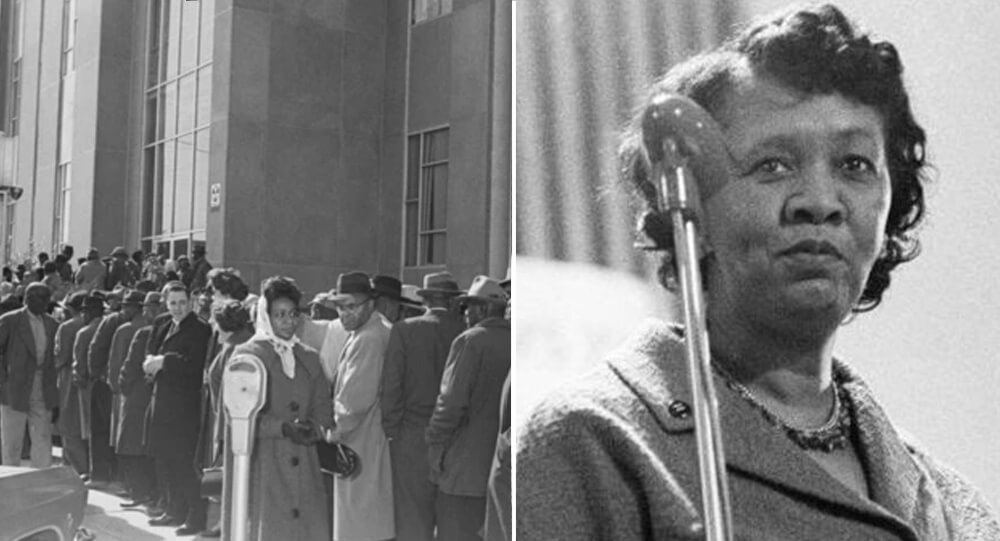
The fearless Annie Lee Cooper
Annie Lee Cooper was fired in 1963 after attempting to register to vote. She attempted it once more in 1965, but the sheriff ordered her to leave after prodding her in the neck with a club. She then punched him, causing him to fall to the ground. She was imprisoned before ultimately registering to vote. Following the passage of the Voting Rights Act, the sheriff was ousted and subsequently imprisoned for collaborating to transport drugs, but Annie Lee Cooper lived to reach 100 years old and bears her name to this day.

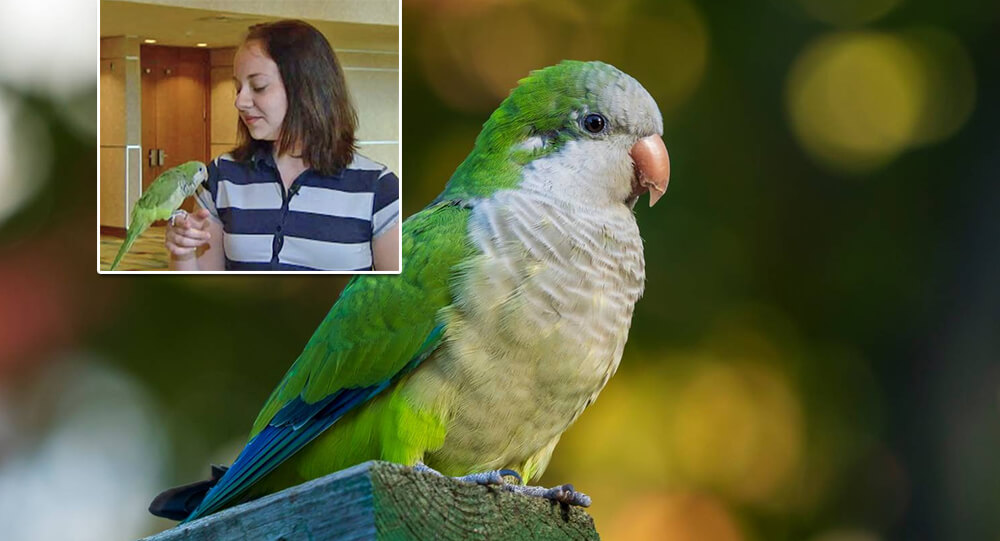
How hero parrot saved little girl who was choking on her breakfast
In 2008 Quaker parrot Willie alerted his owner Megan Howard when the little girl she was babysitting began to choke. Howard was in the bathroom when the parrot repeatedly yelled "Mama! Baby!" flapping his wings. Megan rushed and performed the Heimlich maneuver, saving her life. Willie received the Red Cross Animal Lifesaver Award.

A subway in Chongqing passes through a building (images)
A train has been constructed through an apartment complex in Chongqing, China. The 19-story residential structure is not only passed by the light rail passenger train, but it also serves as a transit stop. Apartment residents can simply get a ride from the sixth to eighth levels.

Aitzaz Hasan, Pakistani school boy who sacrificed his life from suicide bomber
Aitzaz Hasan, a 15 year old Pakistani school boy, sacrificed his life while preventing a suicide bomber from entering his school of 2000 students. His father said "My son made his mother cry but saved hundreds of mothers from crying for their children."

chand baori stepwell in Rajasthan India, Ancient cooling technique
This Chand Baori stepwell in Rajasthan, India is over 1200 years old. It’s called Chand Baori. The air at the bottom of the well is 5-6 degrees cooler than at the surface, so in addition to being a water source, it was used as a community gathering place where locals could escape the heat.
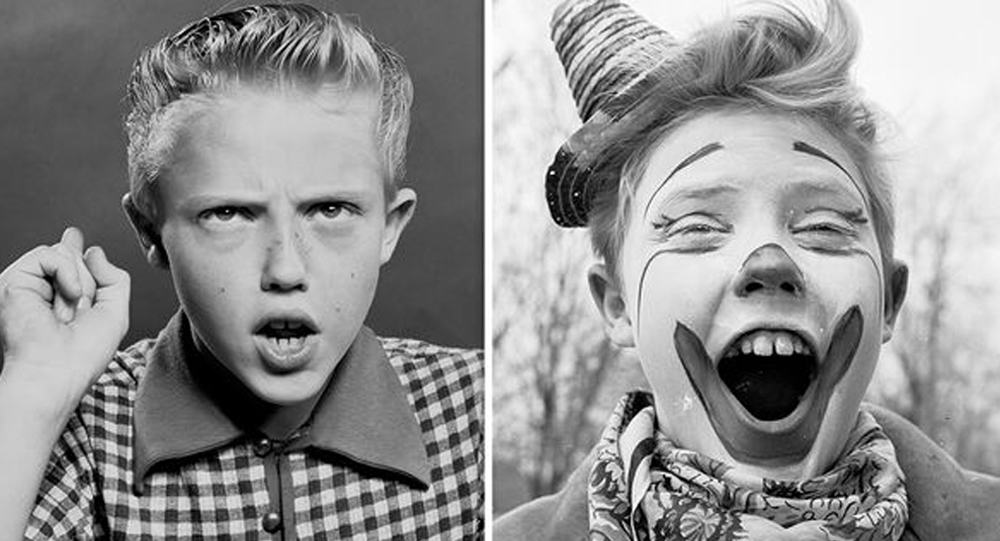
Before Hollywood, Christopher Walken Was a Teenage Lion Tamer with a Lioness Named Sheba
Before acting, Christopher Walken worked as a lion tamer in a circus at age 16. He performed with a lioness named Sheba and described the job as surprisingly calm—just another day before Hollywood stardom.
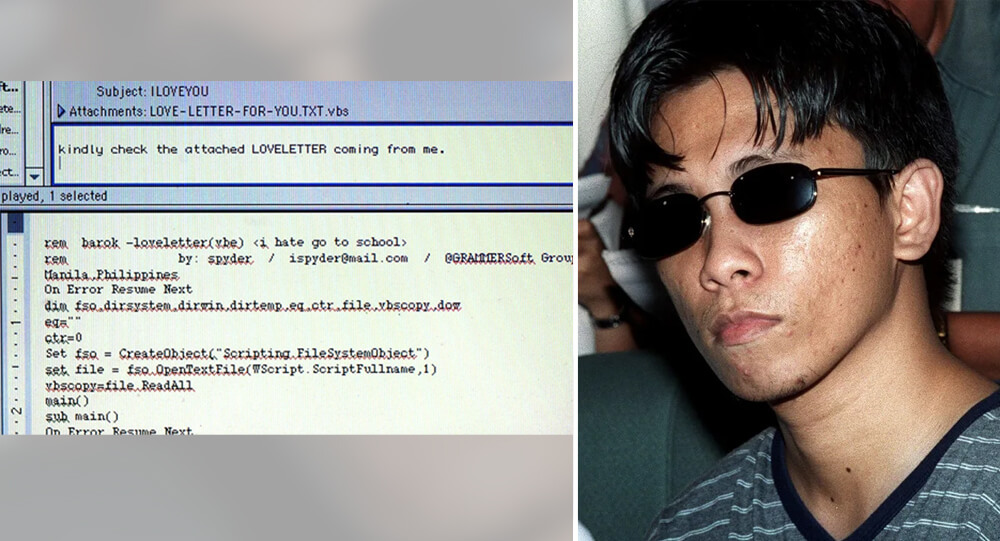
ILOVEYOU Virus, the worst computer virus of all time
The ILOVEYOU Virus, also known as Love Letter for You or Love Bug, had a high infection rate due to its ability to spread itself by copying entries from users' email address books. It is a virus that was created in 2000 by a college student in Manilla, Philippines, and was recognized by the Guinness Book of World Records as the worst computer virus of all time, causing more damage than anything before it.
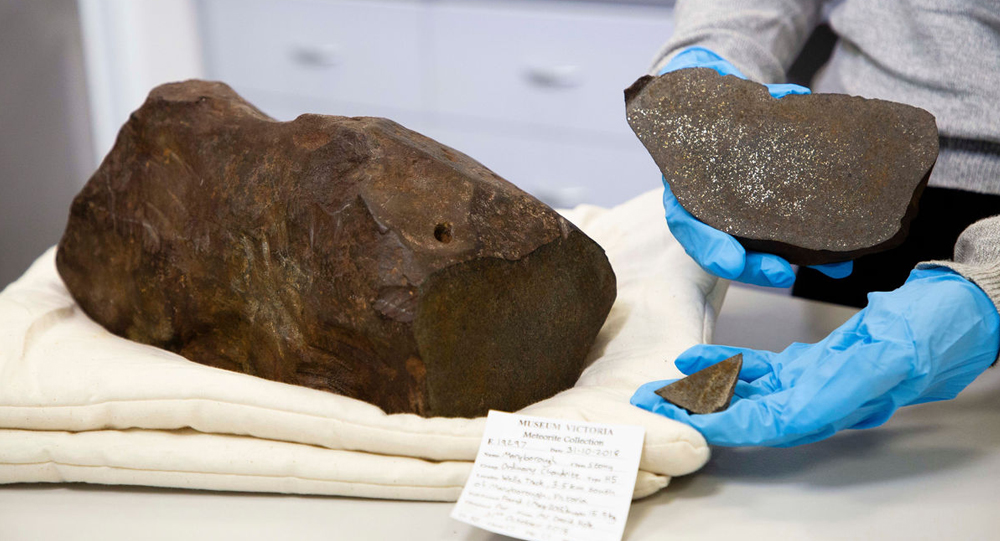
The Man Who Kept a “Gold” Rock for Years—Only to Discover It Was a 4.6-Billion-Year-Old Meteorite Worth a Fortune
A man cherished a heavy 17-kilogram rock for years, believing it to be solid gold. The surprising twist? Experts later revealed it was a rare, 4.6-billion-year-old iron meteorite—an ancient cosmic relic worth far more than gold. Dive into the fascinating story of this celestial treasure and what makes it so valuable.
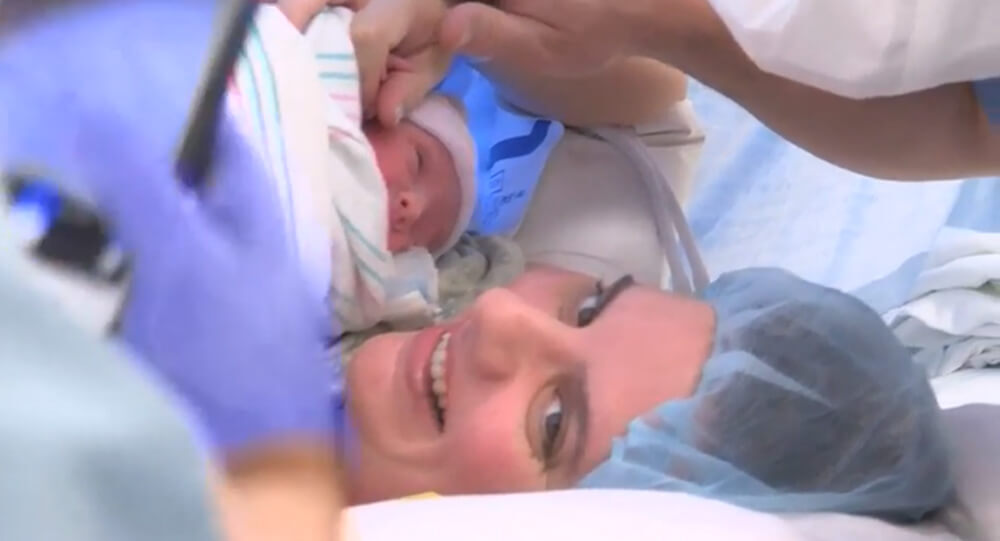
Baby Lynlee 'born twice' after life-saving tumour surgery
Baby Lynlee was "born twice." First, surgeons brought her out of the womb to remove a spinal tumor. After the successful surgery, she was placed back and born again as a healthy baby girl.

Beyoncé and Jay-Z's Hospital Security Blocked NICU Access for Father of Premature Twins
A father was denied access to see his premature twins in the NICU when Beyonce and Jay-Z had their daughter at the same time.

Unique Dining table with a hole for your cat to peek and join you dinner.
Dinos, a Japanese internet shop, has launched a new range of cat furniture, which includes this oak table with a hole in the middle and a perch underneath. It places your cat companion in the center of the table, making your cat the main focus of your meal, as it should be, because cats are the true proprietors of “your” home.
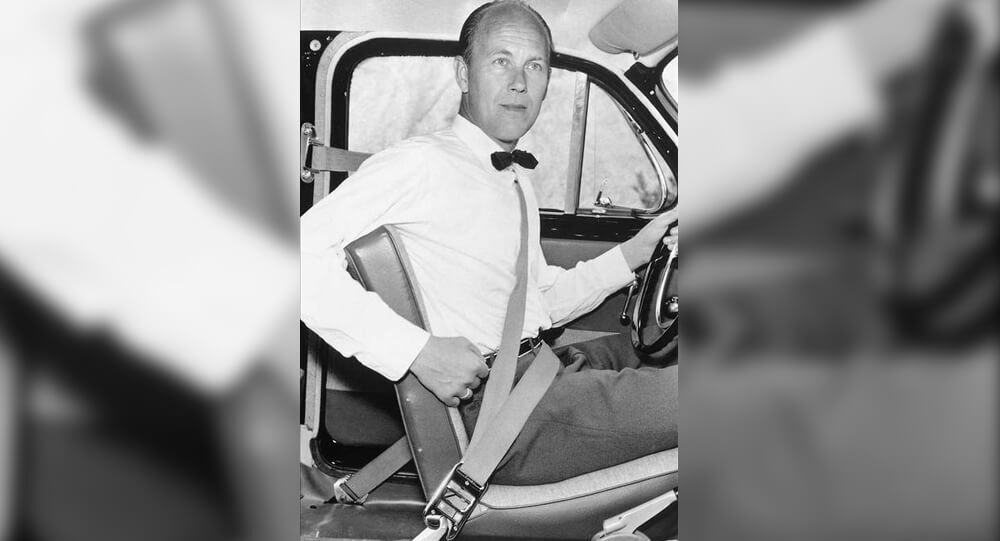
Who invented the three-point seat belt?
While employed by Volvo in 1959, Swidish engineer Nils Bohlin created the three-point safety belt. Volvo first had the design patented, but soon as they discovered its importance as a new safety measure, they made the patent open to everyone. Millions of lives were genuinely spared by Volvo’s gift to the world.

Lafayette pizza delivery driver who saved 5 from burning house
Nicholas Bostic a 25-year-old pizza delivery man from Lafayette, Indiana, ran into a burning house to rescue four children, who told him there is one more inside. He ran back inside, he found the six-year-old girl, jumped out of a window, carried her to a cop who captured the moment on his bodycam.

Hyperinflation of the Zimbabwe dollar turning phasing out their local money in 2015
Hyperinflation of the Zimbabwe dollar made it one of the lowest valued currencies in the world. So the country abandoned it in 2009, and switched to using foreign money. In 2015, to complete the process of phasing out their local money, the government offered to exchange it at a rate of one US dollar for 35 quadrillion Zimbabwean dollars.

Drive-Thru Weddings in Las Vegas: The Ultimate Fast, Fun, and Legal Way to Say “I Do”
Inspired by fast food convenience, Las Vegas offers drive-thru weddings where couples can legally marry in under 5 minutes—without leaving their car. Some chapels even offer curbside Elvis impersonators and 24/7 ceremonies, complete with “to-go” marriage licenses.
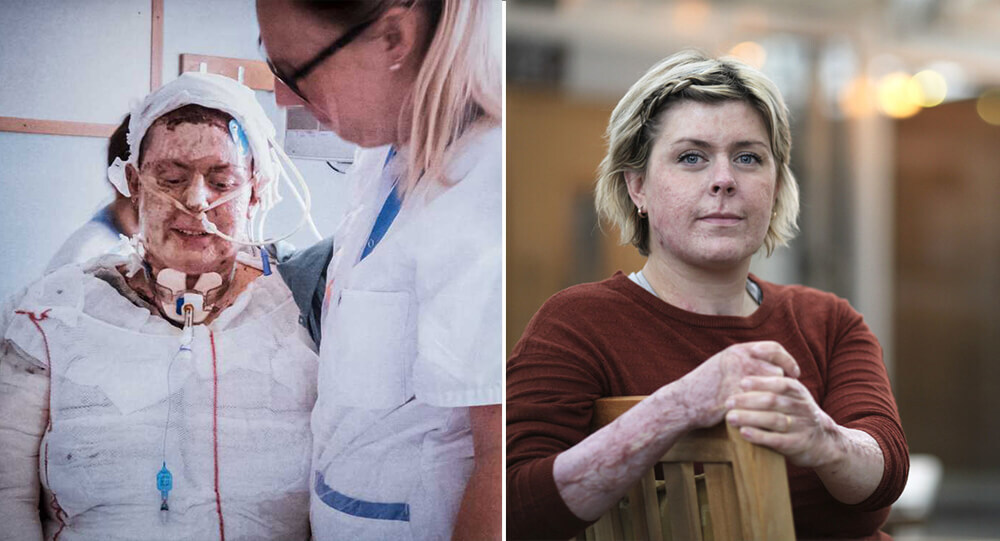
Inspiring story of Emma Schols who Saved Her Six Kids From A Burning House
Emma Schols, a Swedish mother, saved all six of her children from a devastating house fire in 2019, running from room to room through flames while bleeding and losing skin. Against all odds, she survived with severe burns covering 90% of her body.

A U.S. Submarine Collides with a Japanese Fishing Ship in 2001
In 1998, 14-year-old Michael Crowe was charged with the murder of his sister. The police started targeting him after he seemed “distant and preoccupied” when his sister’s body was discovered, and during interrogation, police coercion led him to make a false confession. He was later declared factually innocent and the family won a lawsuit of $7.25 million in 2011.
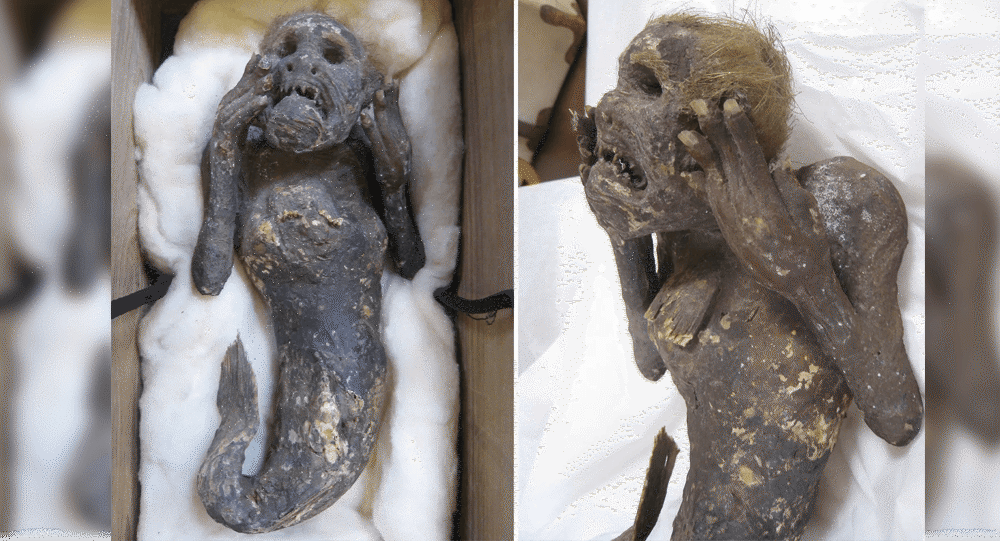
Mystery of 300-year-old mummified mermaid is being probed
There is a 300-year-old mummified mermaid with 30 centimetres tall and features a human-like head, two hands with what appear to be fingernails, and its lower body that look like a fish tail. The “mermaid mummy” is being probed by Japanese scientists in an attempt to unravel the mystery of its existence.
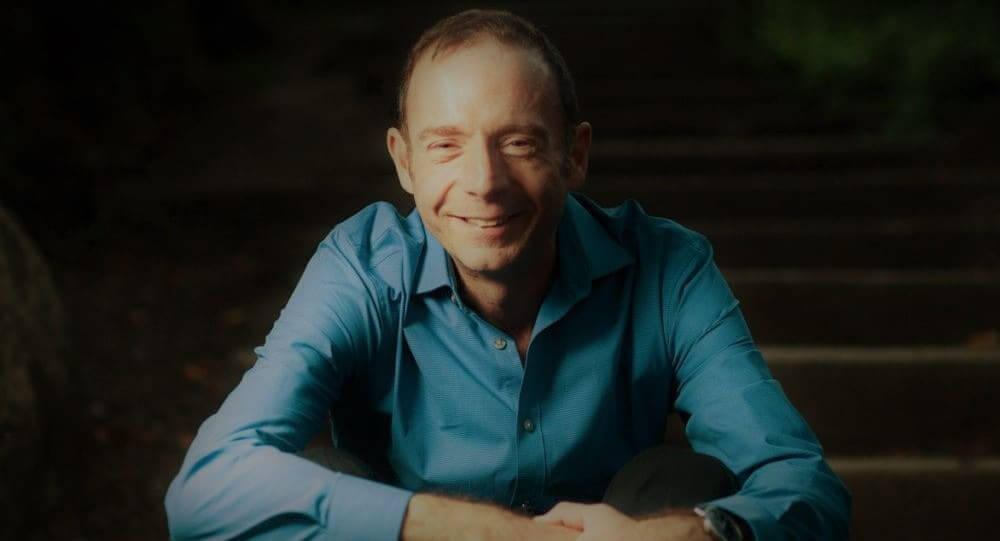
Timothy Ray Brown, who inspired millions of HIV-positive people, died of leukemia
Timothy Ray Brown, also known as "The Berlin Patient," was the first person to be HIV-free. He was diagnosed with leukemia in 2006 and had a bone marrow transplant in 2007 as part of his treatment. The transplant helped him overcome the otherwise incurable disease thanks to the rare, HIV-resistant donor.

A story of a man Survived Inside Sunken Ship For Three Days
A man survived a sunken ship for nearly three days, 279 feet underwater and in complete darkness, while listening to fish eat the bodies of his shipmates.

A woman who had been lost since she was a newborn 51 years ago was said to have been spotted
A woman who had been lost since she was a newborn for 51 years was reported to have been sighted.
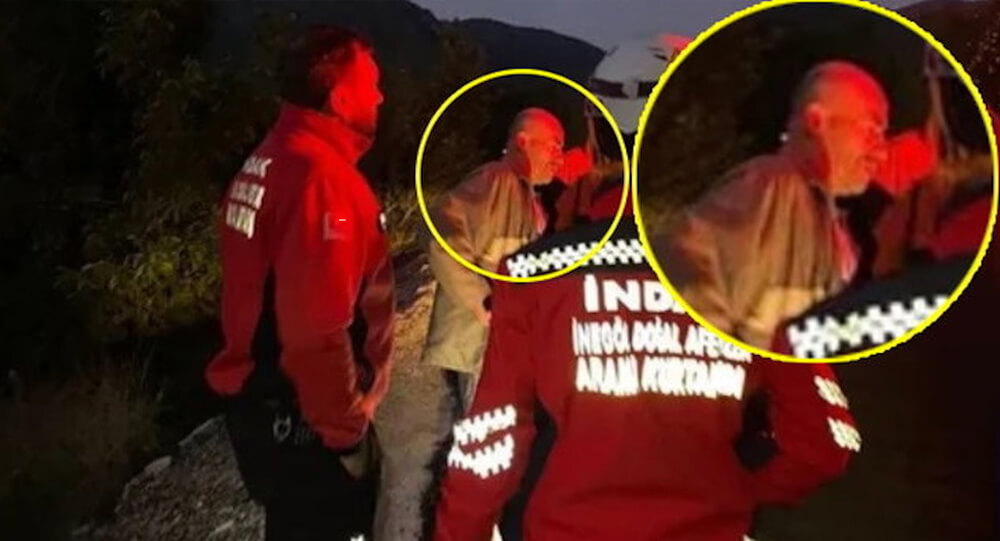
A man joins a search operation without realizing he is the missing person
Beyhan Mutlu, a Turkish national, was reported missing by local media and unintentionally joined search teams looking for himself in a forest. He was drunk and lost in the woods when he ended up in a group with others looking for himself.

Man uses first-class ticket to eat for free at airport's VIP lounge for almost a year
A Chinese man purchased a First Class Ticket, which included admission to a VIP Lounge with free food. Over the course of a year, he rescheduled over 300 times in order to receive over 300 free dinners. When questioned, it was discovered that he is rescheduling his reservation to another date after eating. He eventually cancelled the ticket and got a full refund.
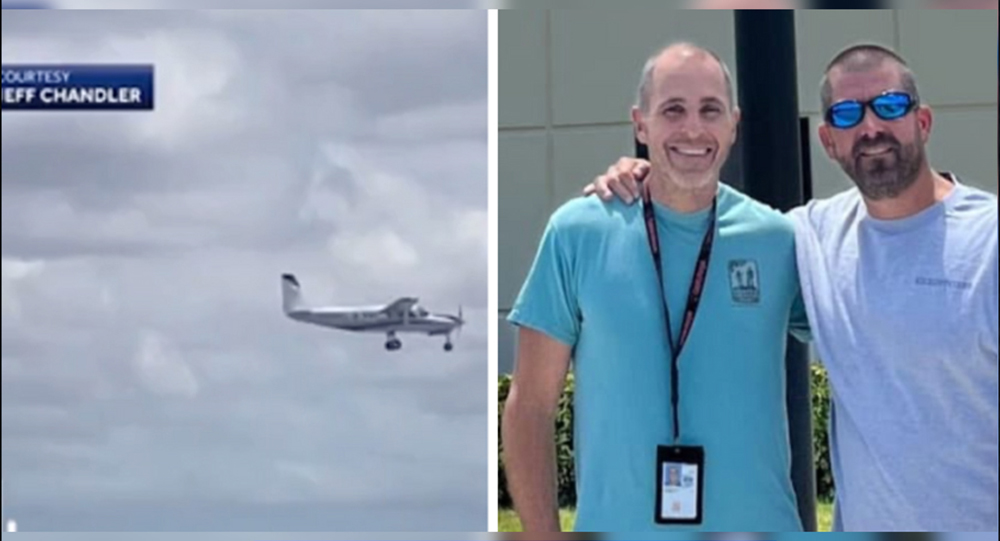
Passenger with No Flying Experience Lands Plane in Florida: A Real-Life Aviation Miracle
A passenger with no flying experience landed a twin-engine plane in Florida after the pilot died mid-flight. With guidance from air traffic control, he safely touched down—a real-life aviation miracle caught on radar and radio.

Why Is the N Lowercase in 7-Eleven?
7-ELEVEN is thought to have a lowercase "n" in its logo because the company president's wife believed that a logo with all caps would seem harsh, while a lowercase "n" would make it more graceful.